LoreWeaver Engine
Tool for fiction writers to generate and manage deep worldbuilding elements like history, cultures, and rules with consistent AI-assisted continuity tracking.
What is an AI worldbuilding tool and why it matters for modern writers
The demand for immersive storytelling has never been higher. From sprawling fantasy epics to intricate sci-fi universes, readers expect depth, consistency, and realism in fictional worlds. This is where an AI worldbuilding tool like LoreWeaver Engine becomes transformative.
LoreWeaver Engine is designed to help fiction writers generate, organize, and maintain complex worldbuilding elements—including history, cultures, magic systems, geography, and political structures—while ensuring continuity and internal consistency across large narratives.
For writers juggling multiple story arcs, timelines, and character backstories, this kind of tool shifts worldbuilding from a chaotic process into a structured, scalable system.
Understanding the target audience for a worldbuilding SaaS
To build or evaluate a product like LoreWeaver Engine, you need to understand who truly benefits from it.
Primary users
- Fantasy and sci-fi authors (indie and traditionally published)
- Game writers and narrative designers
- Dungeon Masters (D&D and tabletop RPG creators)
- Screenwriters working on complex universes
- Fanfiction writers building alternate universes
These users share a common pain: keeping their fictional worlds consistent over time.
Secondary users
- Writing coaches and educators
- Collaborative writing teams
- Content creators building story-based IP (YouTube, podcasts, web novels)
The core problem: why worldbuilding breaks down
Most writers start with enthusiasm but quickly hit friction:
- Fragmented notes across tools like Notion, Google Docs, or Scrivener
- Continuity errors (e.g., timeline inconsistencies, conflicting lore)
- Lack of structured frameworks for cultures, languages, or rules
- Cognitive overload when scaling a fictional universe
Reality check
Even experienced authors struggle to maintain internal consistency across large fictional worlds without dedicated systems.
Traditional tools are not built specifically for narrative logic. They store information—but they don’t reason about it.
Market opportunity: AI-assisted storytelling is exploding
The rise of generative AI has created a massive opportunity in the creative tooling space.
Key trends driving demand
- Growth of self-publishing platforms (Amazon KDP, Wattpad)
- Increasing popularity of long-form serialized storytelling
- Expansion of IP-driven franchises (books → games → films)
- AI adoption among creators for brainstorming and drafting
Writers are no longer just writing stories—they’re building universes.
Yet, most AI tools today focus on:
- Text generation (e.g., drafting scenes)
- Grammar and editing
Very few focus deeply on structured worldbuilding with continuity intelligence, which is exactly where LoreWeaver Engine positions itself.
Core features of LoreWeaver Engine
A successful AI worldbuilding SaaS must go beyond simple text generation. It should function as a living knowledge system.
1. dynamic lore database
A centralized system where writers can define:
- Locations (cities, planets, realms)
- Characters and relationships
- Historical events and timelines
- Cultural norms and traditions
- Magic systems or scientific rules
Unlike static notes, this database is interconnected.
2. AI-powered continuity tracking
This is the defining feature.
The system actively analyzes your content and flags:
- Timeline inconsistencies
- Contradictory character traits
- Violations of world rules
- Plot holes across arcs
Why this matters
Continuity errors are one of the biggest immersion breakers for readers—and one of the hardest problems for writers to manually track.
3. generative worldbuilding assistant
Instead of starting from scratch, users can prompt the system:
- “Create a political system for a desert empire”
- “Generate a believable religion for a water-based civilization”
- “Design a magic system with strict limitations”
The AI produces structured outputs, not just paragraphs.
4. timeline and event simulation
Writers can:
- Map events across centuries
- Simulate cause-and-effect chains
- Visualize historical progression
This is especially valuable for epic fantasy or multi-generational sagas.
5. relationship mapping
Graph-based visualization of:
- Character relationships
- Alliances and conflicts
- Power hierarchies
6. rule engine for world logic
Define rules like:
- “Magic cannot resurrect the dead”
- “Travel between realms requires a ritual”
The system enforces these rules when generating or analyzing content.
feature comparison snapshot
| Feature | Generic AI Tools | Note-taking Apps | LoreWeaver Engine | Manual Workflow |
|---|---|---|---|---|
| AI generation | ✅ | ❌ | ✅ | ❌ |
| Continuity tracking | ❌ | ❌ | ✅ | ❌ |
| Structured world data | ⚠️ | ✅ | ✅ | ⚠️ |
| Rule enforcement | ❌ | ❌ | ✅ | ❌ |
Technical architecture and recommended tech stack
Building LoreWeaver Engine requires a blend of AI infrastructure, graph data modeling, and real-time UX design.
frontend
- React for UI
- TailwindCSS for styling
- Zustand or Redux for state management
- D3.js or similar for relationship graphs
backend
- Node.js or Python (FastAPI)
- Graph database (Neo4j) for relationships
- PostgreSQL for structured data
AI layer
- LLM APIs (OpenAI, Anthropic, etc.)
- Embedding models for semantic search
- Retrieval-Augmented Generation (RAG)
Example pseudo-architecture:
const worldContext = await retrieveRelevantLore(query);

const response = await ai.generate({
  prompt: query,
  context: worldContext,
  rules: worldRules,
});
key trade-offs
-
Graph DB vs relational DB
Graph DBs are ideal for relationships but add complexity -
Real-time AI vs batch processing
Real-time is more engaging but costly -
Customization vs simplicity
Too many options can overwhelm users
Monetization strategies for a worldbuilding SaaS
LoreWeaver Engine can adopt multiple revenue streams.
subscription tiers
- Free: limited worlds, basic AI
- Pro ($10–$20/month): advanced AI + continuity tracking
- Studio ($30–$50/month): collaboration + advanced analytics
usage-based pricing
Charge based on:
- AI generations
- Storage of lore data
- API calls
marketplace opportunities
- Sell world templates (e.g., “High Fantasy Starter Pack”)
- Offer premium lore packs created by experts
enterprise / studio licensing
Target:
- Game studios
- Film production companies
- Writing teams
Competitive landscape and differentiation
existing tools
- Notion (flexible but not specialized)
- Scrivener (writing-focused, not AI-driven)
- World Anvil (worldbuilding-focused but limited AI)
- Campfire (structured but less intelligent automation)
LoreWeaver Engine’s competitive edge
Continuity intelligence
Actively detects and prevents inconsistencies across your world.
Structured AI outputs
Generates usable worldbuilding components, not just text.
Rule-based systems
Enforces logical constraints within your fictional universe.
Risks and challenges (and how to mitigate them)
1. AI hallucination
AI may generate inconsistent or nonsensical lore.
Mitigation:
- Use RAG with strict context retrieval
- Allow user validation layers
2. overcomplexity
Too many features can overwhelm writers.
Mitigation:
- Provide templates and guided onboarding
- Progressive feature exposure
3. high infrastructure costs
AI calls and graph queries can be expensive.
Mitigation:
- Cache frequent queries
- Offer tiered usage plans
4. user trust
Writers must trust the system with their intellectual property.
Mitigation:
- Clear data ownership policies
- Optional offline/local modes
Step-by-step implementation roadmap
If you're building LoreWeaver Engine or a similar AI worldbuilding tool, here’s a practical roadmap.
Example user workflow inside LoreWeaver Engine
A beginner might:
- Generate a fantasy world template
- Customize cultures and geography
- Use AI to expand ideas
- Write stories with guided assistance
An advanced author might:
- Import an existing world
- Define strict rules and constraints
- Track timelines across multiple books
- Use continuity alerts during drafting
SEO opportunities and content strategy
To grow organically, LoreWeaver Engine should target keywords like:
- AI worldbuilding tool
- worldbuilding software for writers
- fantasy world generator
- story continuity checker
- lore management system
content ideas
- “How to build a fantasy world step by step”
- “Common worldbuilding mistakes (and how to avoid them)”
- “Best tools for fiction writers in 2026”
Future expansion opportunities
Once the core product is stable, consider:
- Collaborative storytelling features
- Integration with writing tools (Scrivener, Google Docs)
- AI-assisted plot generation
- Multimedia worldbuilding (maps, visuals, audio)
Why this idea stands out in the SaaS landscape
Most AI writing tools focus on output.
LoreWeaver Engine focuses on structure, logic, and continuity.
That distinction is critical.
It transforms the product from:
- A writing assistant
to - A worldbuilding operating system
Final thoughts and actionable next steps
The intersection of AI and storytelling is still underdeveloped—especially in structured worldbuilding. LoreWeaver Engine fills a clear gap by addressing a real, painful problem for writers.
If you're considering building this:
- Start small with a continuity-aware lore database
- Focus on one killer feature (continuity tracking)
- Build tight feedback loops with real writers
- Expand into a full ecosystem over time
When executed well, this isn't just a tool—it becomes an essential part of a writer’s creative process.
Before diving into full development, consider accelerating your build with a proven SaaS foundation like TurboStarter, which can significantly reduce time-to-market.
More 💡 Other SaaS ideas
Discover more innovative other SaaS ideas that are trending in 2026. Each idea is AI-generated with market validation and growth potential to help you find your next profitable venture faster than competitors.
Your competitors are building with TurboStarter
Below are some of the SaaS ideas that have been generated and built with our starter kit.
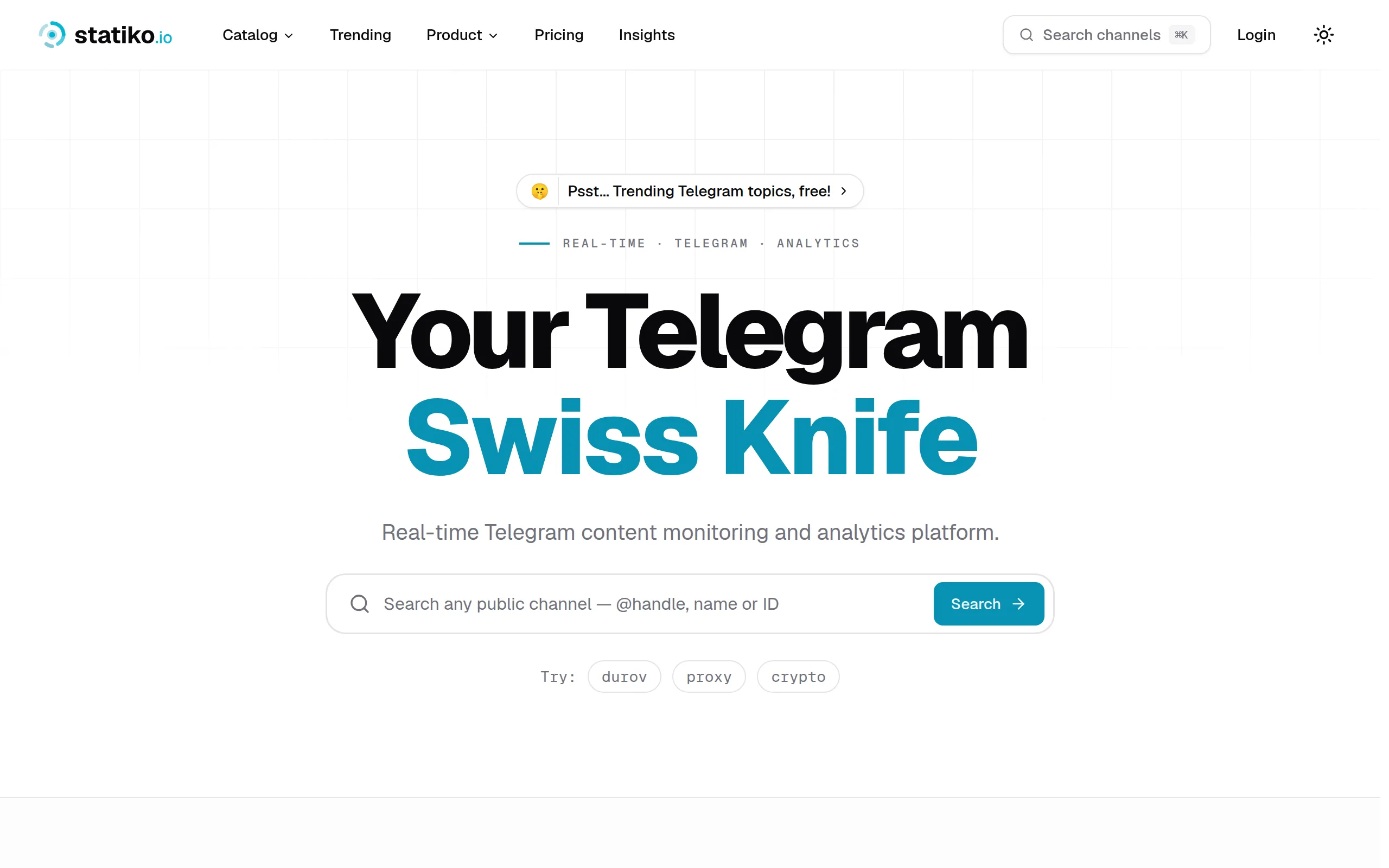
Statiko
Monitor any Telegram channel in real time - track posts, edits, deletions, and growth with AI recaps 📡

Shibui
AI website builder - describe your business, pick a niche template, edit by chatting, and publish instantly ✨

Pro Service
Find verified home service professionals, compare quotes, and pay securely through escrow - built for Brazilians across the US 🏠
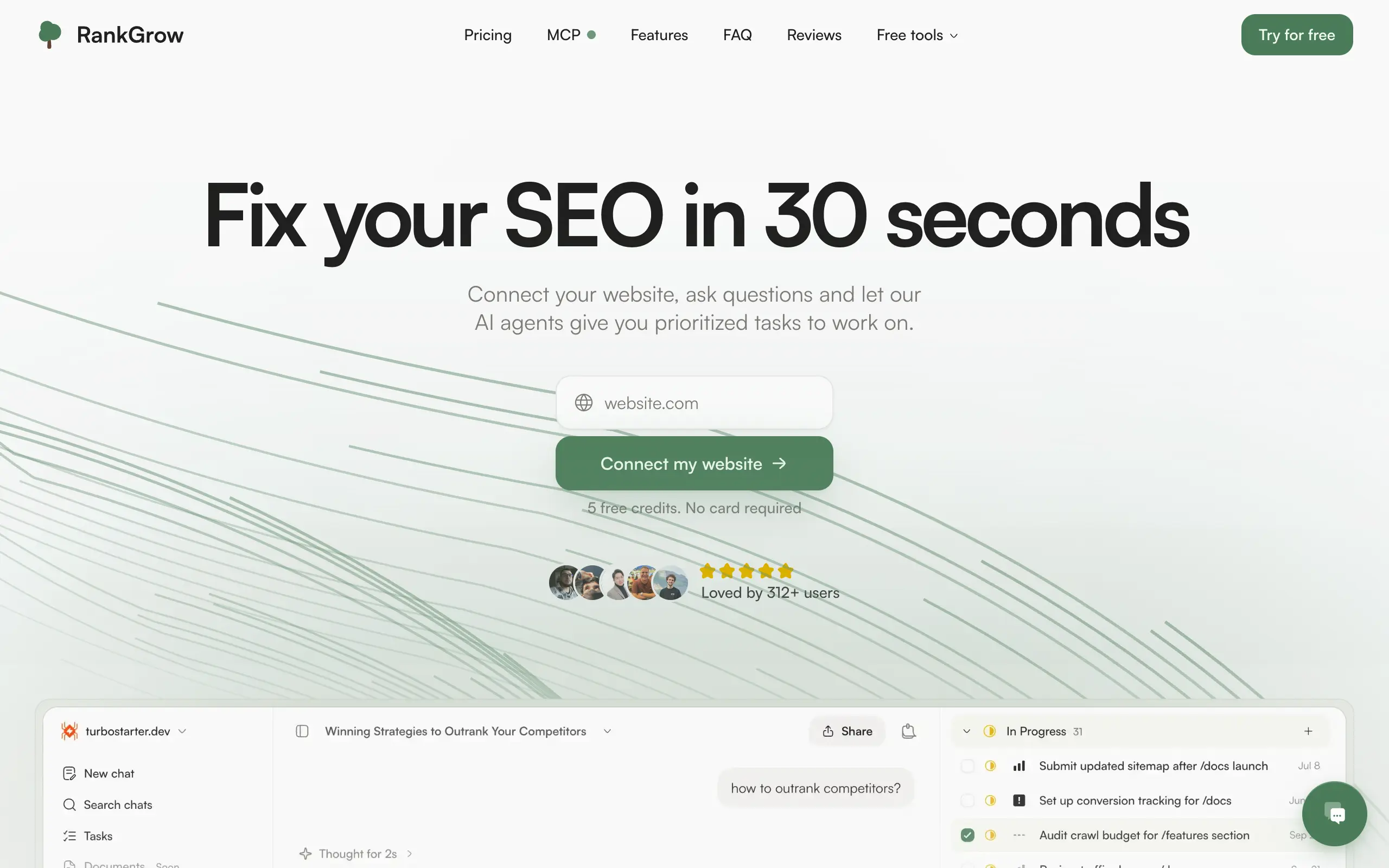
RankGrow
Fix your SEO with AI agents - connect Search Console, get prioritized tasks, and grow organic traffic 📈
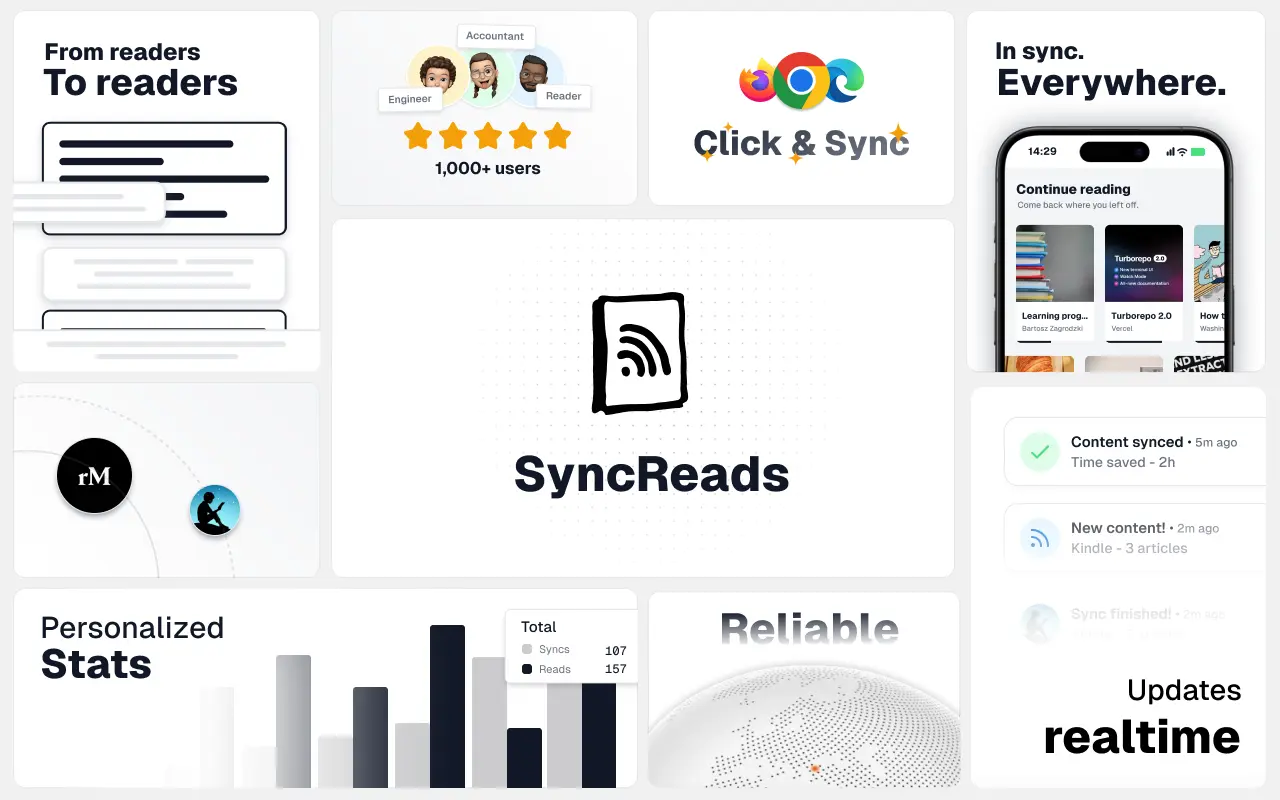
SyncReads
Sync your favorite content for distraction-free reading, save time and replace multiple apps. Anytime, anywhere 🔄
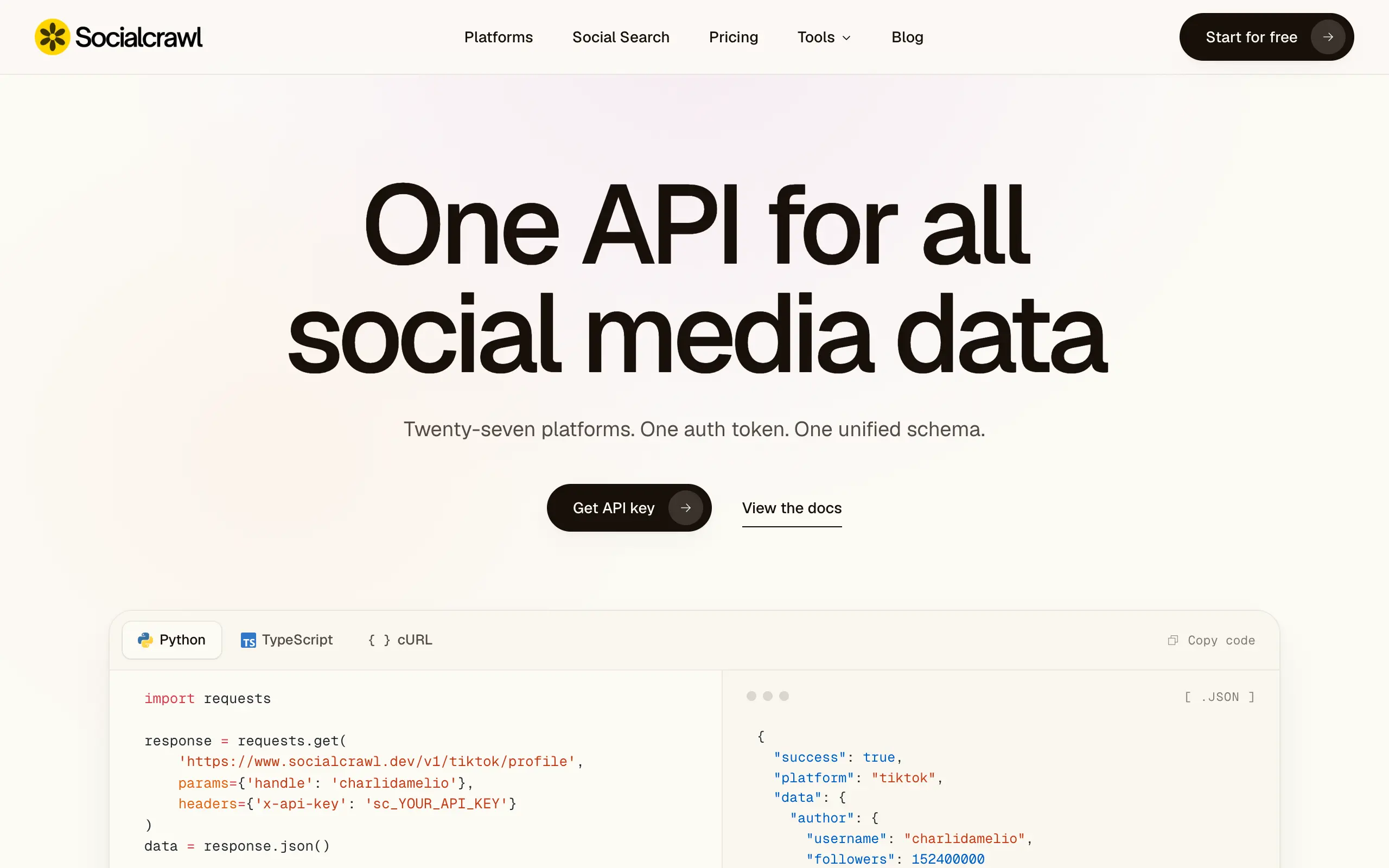
Socialcrawl
Get clean, structured data from 21 platforms like TikTok, Instagram, and YouTube with a single request 📊
Statiko
Monitor any Telegram channel in real time - track posts, edits, deletions, and growth with AI recaps 📡
Shibui
AI website builder - describe your business, pick a niche template, edit by chatting, and publish instantly ✨
Pro Service
Find verified home service professionals, compare quotes, and pay securely through escrow - built for Brazilians across the US 🏠
RankGrow
Fix your SEO with AI agents - connect Search Console, get prioritized tasks, and grow organic traffic 📈
SyncReads
Sync your favorite content for distraction-free reading, save time and replace multiple apps. Anytime, anywhere 🔄
Socialcrawl
Get clean, structured data from 21 platforms like TikTok, Instagram, and YouTube with a single request 📊
Statiko
Monitor any Telegram channel in real time - track posts, edits, deletions, and growth with AI recaps 📡
Shibui
AI website builder - describe your business, pick a niche template, edit by chatting, and publish instantly ✨
Pro Service
Find verified home service professionals, compare quotes, and pay securely through escrow - built for Brazilians across the US 🏠
RankGrow
Fix your SEO with AI agents - connect Search Console, get prioritized tasks, and grow organic traffic 📈
SyncReads
Sync your favorite content for distraction-free reading, save time and replace multiple apps. Anytime, anywhere 🔄
Socialcrawl
Get clean, structured data from 21 platforms like TikTok, Instagram, and YouTube with a single request 📊
Statiko
Monitor any Telegram channel in real time - track posts, edits, deletions, and growth with AI recaps 📡
Shibui
AI website builder - describe your business, pick a niche template, edit by chatting, and publish instantly ✨
Pro Service
Find verified home service professionals, compare quotes, and pay securely through escrow - built for Brazilians across the US 🏠
RankGrow
Fix your SEO with AI agents - connect Search Console, get prioritized tasks, and grow organic traffic 📈
SyncReads
Sync your favorite content for distraction-free reading, save time and replace multiple apps. Anytime, anywhere 🔄
Socialcrawl
Get clean, structured data from 21 platforms like TikTok, Instagram, and YouTube with a single request 📊
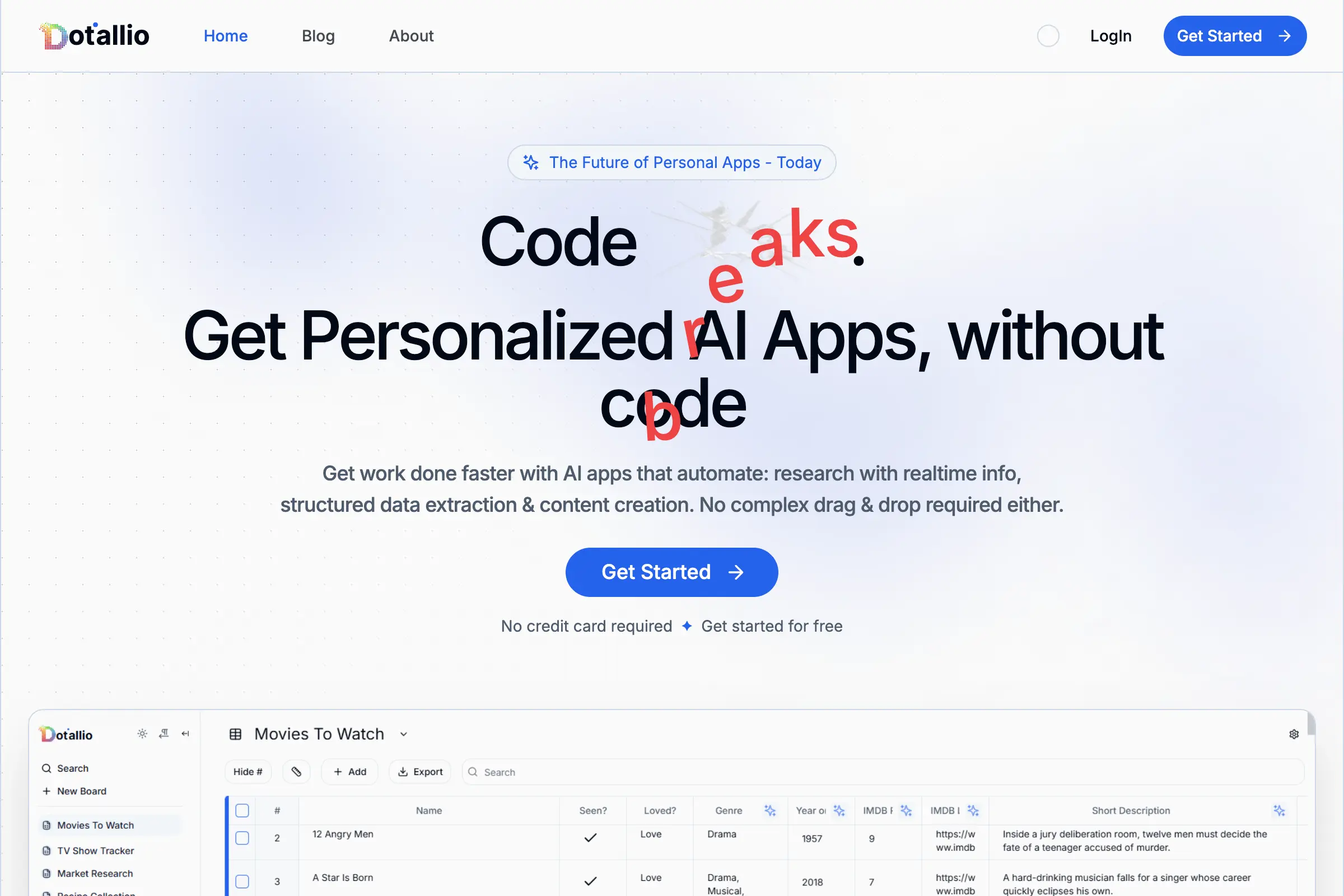
Dotallio
Personalized AI apps that automate research, data extraction, and content creation without code 🤖

Talk to Santa
Enjoy a magical live video chat or receive a unique AI-generated video greeting from Santa Claus 🎅

pozywka.pl
Scalable blog for food journalist, focused on performance and user experience 🌭
zagrodzki.me
Personal blog and portfolio of Bart Zagrodzki, where he shares his knowledge and work 💼
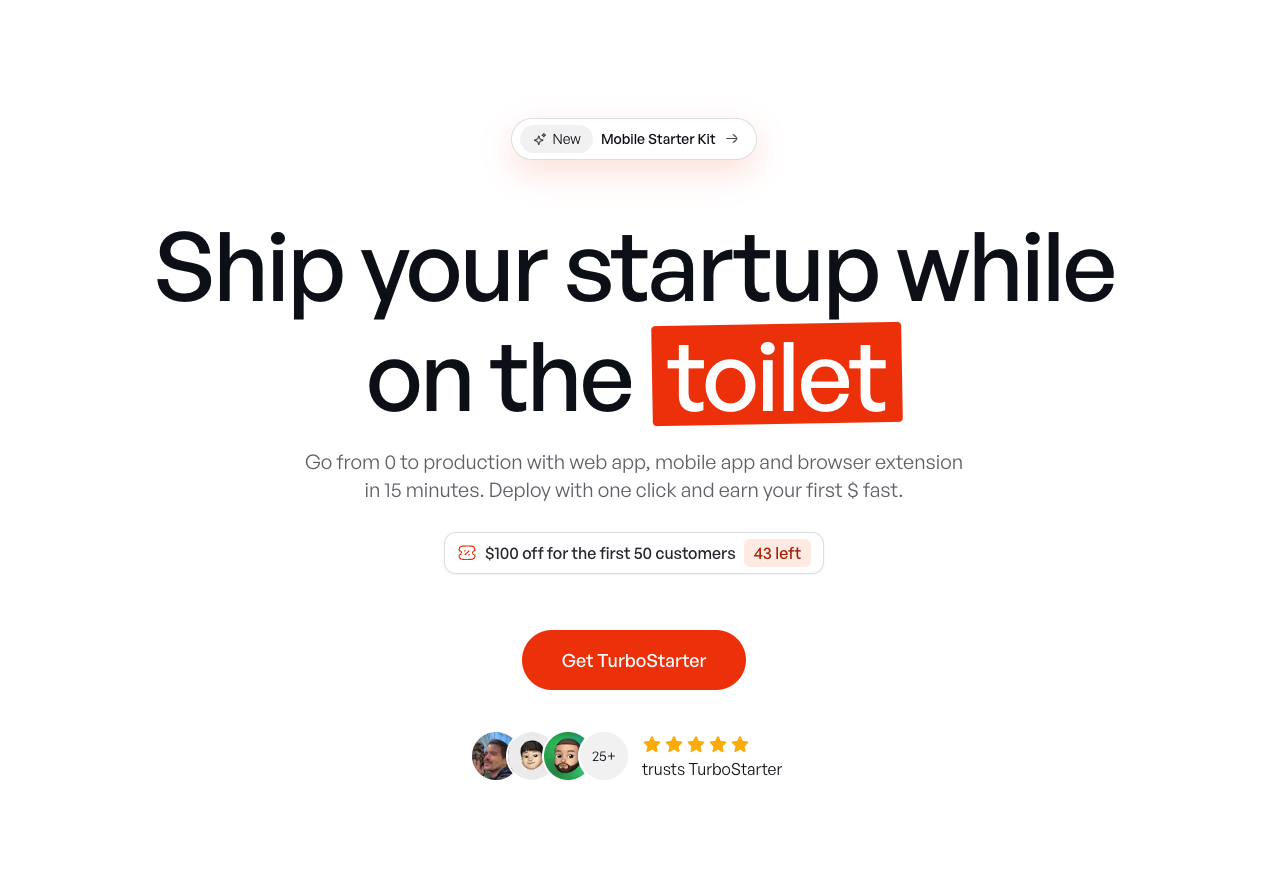
TurboStarter
Ship your startup everywhere. In minutes.
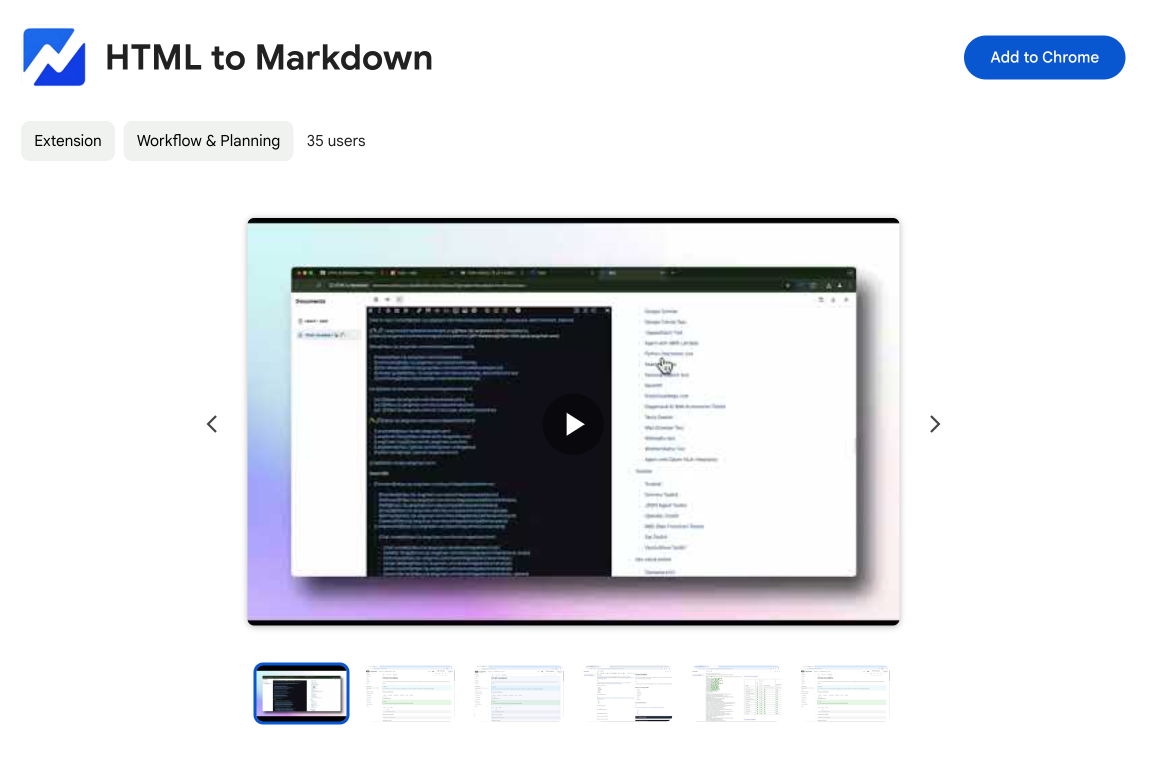
HTML to Markdown
Convert HTML to Markdown with ease, directly in your browser 📄
Dotallio
Personalized AI apps that automate research, data extraction, and content creation without code 🤖
Talk to Santa
Enjoy a magical live video chat or receive a unique AI-generated video greeting from Santa Claus 🎅
pozywka.pl
Scalable blog for food journalist, focused on performance and user experience 🌭
zagrodzki.me
Personal blog and portfolio of Bart Zagrodzki, where he shares his knowledge and work 💼
TurboStarter
Ship your startup everywhere. In minutes.
HTML to Markdown
Convert HTML to Markdown with ease, directly in your browser 📄
Dotallio
Personalized AI apps that automate research, data extraction, and content creation without code 🤖
Talk to Santa
Enjoy a magical live video chat or receive a unique AI-generated video greeting from Santa Claus 🎅
pozywka.pl
Scalable blog for food journalist, focused on performance and user experience 🌭
zagrodzki.me
Personal blog and portfolio of Bart Zagrodzki, where he shares his knowledge and work 💼
TurboStarter
Ship your startup everywhere. In minutes.
HTML to Markdown
Convert HTML to Markdown with ease, directly in your browser 📄
Dotallio
Personalized AI apps that automate research, data extraction, and content creation without code 🤖
Talk to Santa
Enjoy a magical live video chat or receive a unique AI-generated video greeting from Santa Claus 🎅
pozywka.pl
Scalable blog for food journalist, focused on performance and user experience 🌭
zagrodzki.me
Personal blog and portfolio of Bart Zagrodzki, where he shares his knowledge and work 💼
TurboStarter
Ship your startup everywhere. In minutes.
HTML to Markdown
Convert HTML to Markdown with ease, directly in your browser 📄
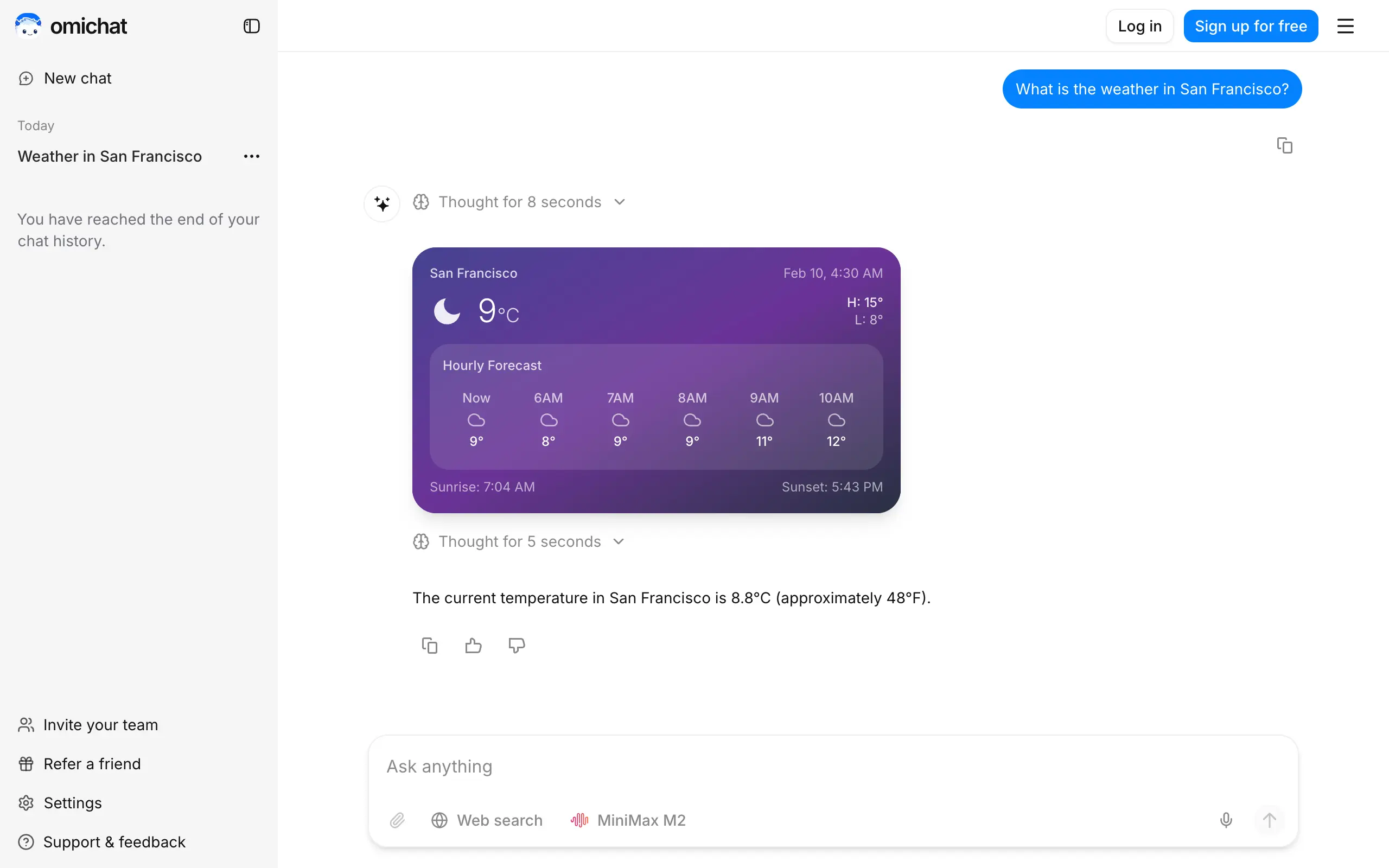
Omichat
Chat with 50+ AI models, including ChatGPT and Claude, in one place - switch models anytime without losing context 🤖
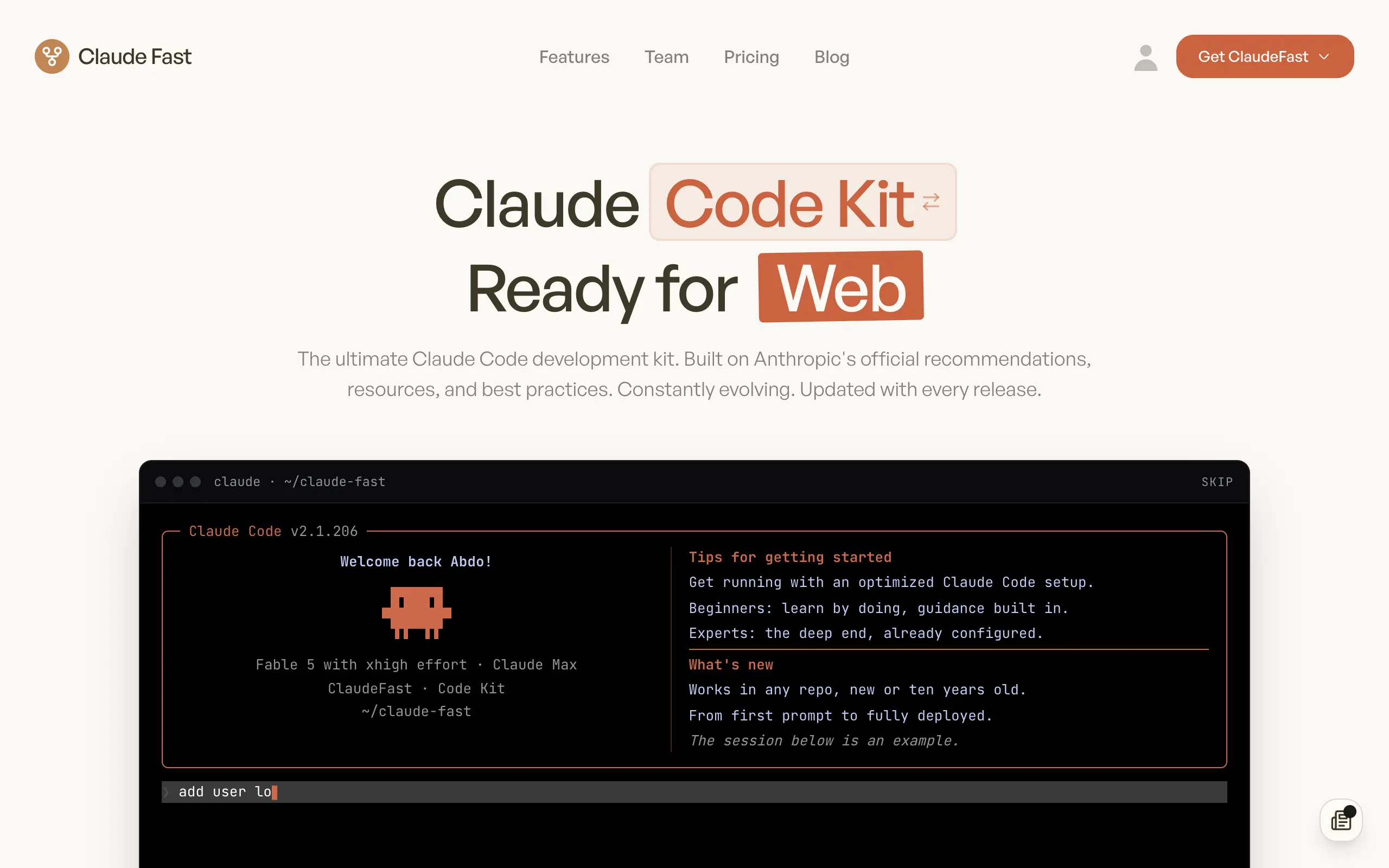
Claude Fast
Supercharge your Claude Code with 6x effective context window and specialized AI agents 🤖
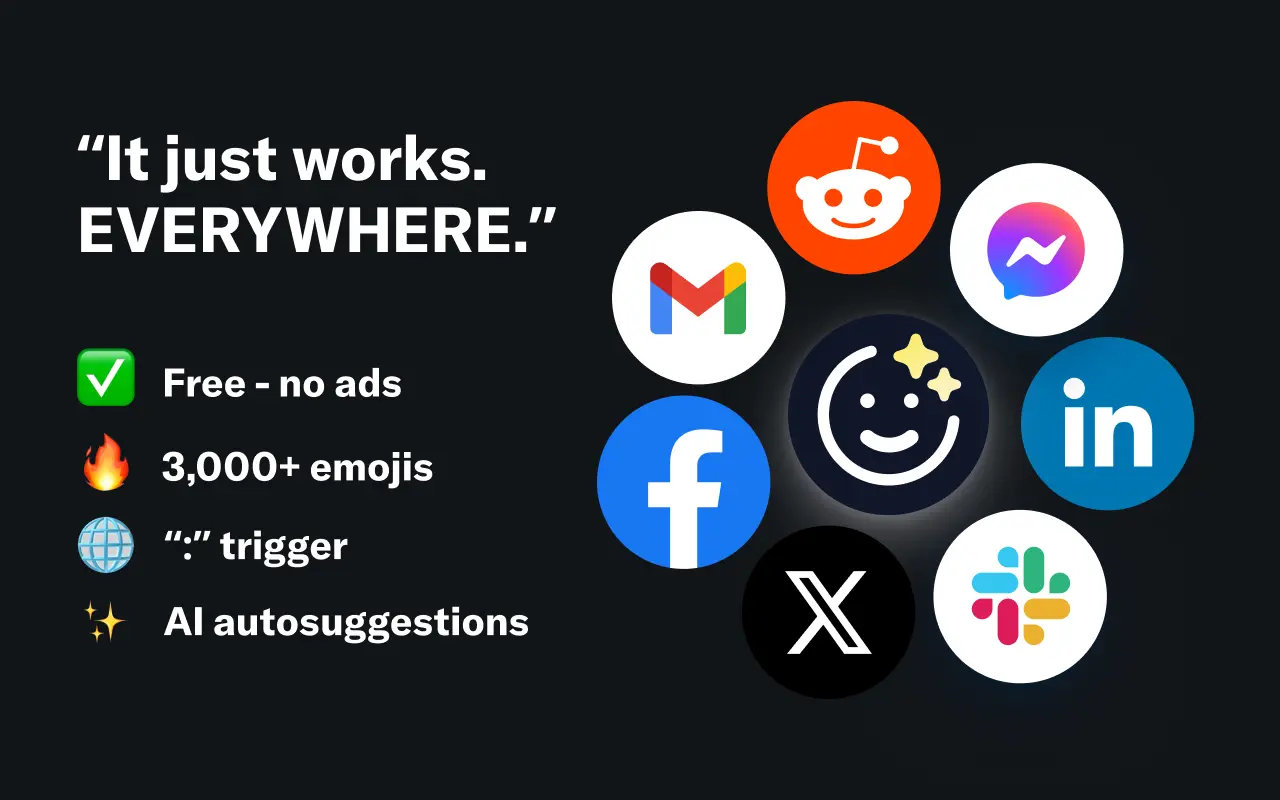
EmojAI
AI-powered emoji picker with smart, context-aware suggestions 🤖
Solohacker
Autonomous company launcher - AI agents work 24/7, escalate what matters, and you stay in control 🤖
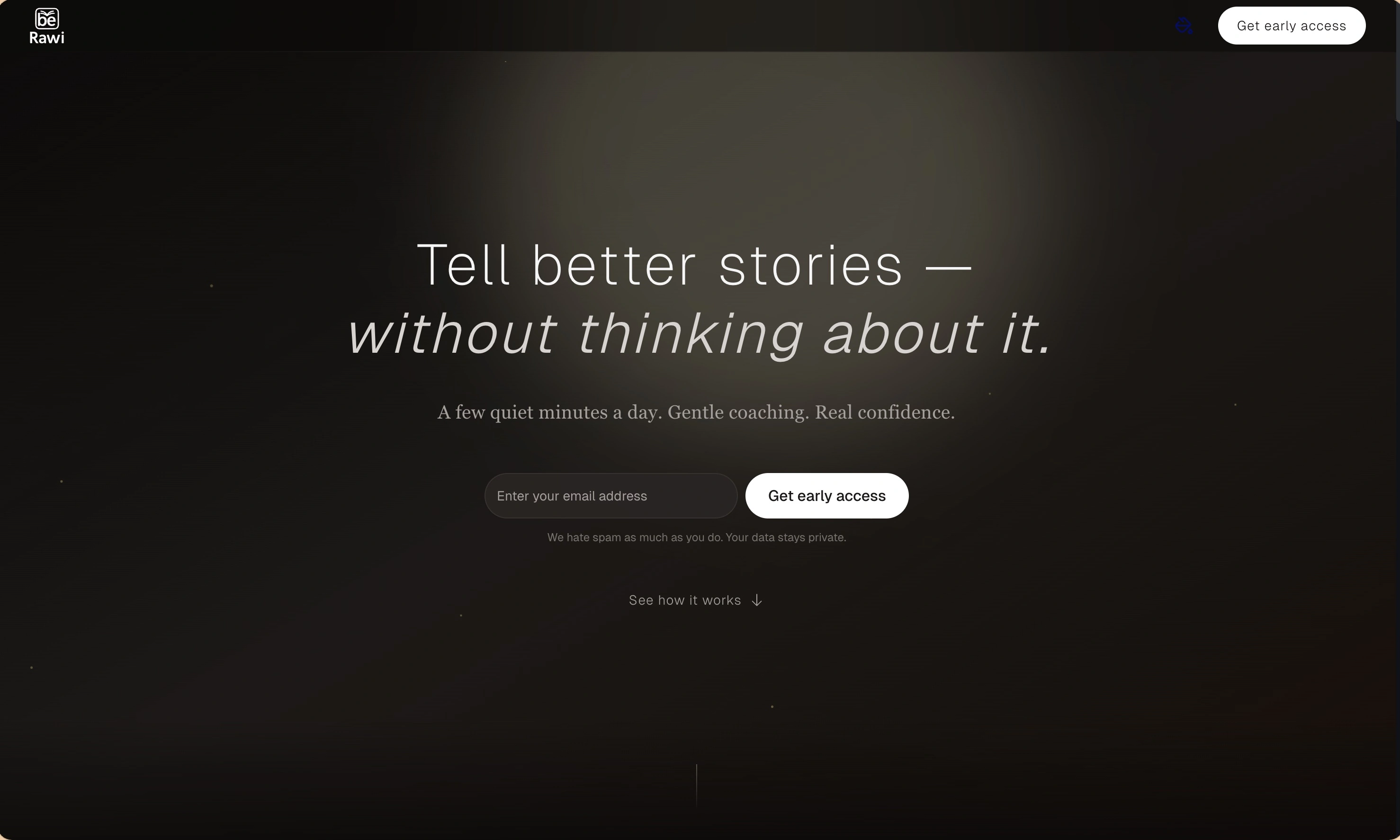
BeRawi: Storytelling Coach
Practice storytelling daily with instant feedback to sound clearer, more engaging, and confident 🎤
Omichat
Chat with 50+ AI models, including ChatGPT and Claude, in one place - switch models anytime without losing context 🤖
Claude Fast
Supercharge your Claude Code with 6x effective context window and specialized AI agents 🤖
EmojAI
AI-powered emoji picker with smart, context-aware suggestions 🤖
Solohacker
Autonomous company launcher - AI agents work 24/7, escalate what matters, and you stay in control 🤖
BeRawi: Storytelling Coach
Practice storytelling daily with instant feedback to sound clearer, more engaging, and confident 🎤
Omichat
Chat with 50+ AI models, including ChatGPT and Claude, in one place - switch models anytime without losing context 🤖
Claude Fast
Supercharge your Claude Code with 6x effective context window and specialized AI agents 🤖
EmojAI
AI-powered emoji picker with smart, context-aware suggestions 🤖
Solohacker
Autonomous company launcher - AI agents work 24/7, escalate what matters, and you stay in control 🤖
BeRawi: Storytelling Coach
Practice storytelling daily with instant feedback to sound clearer, more engaging, and confident 🎤
Omichat
Chat with 50+ AI models, including ChatGPT and Claude, in one place - switch models anytime without losing context 🤖
Claude Fast
Supercharge your Claude Code with 6x effective context window and specialized AI agents 🤖
EmojAI
AI-powered emoji picker with smart, context-aware suggestions 🤖
Solohacker
Autonomous company launcher - AI agents work 24/7, escalate what matters, and you stay in control 🤖
BeRawi: Storytelling Coach
Practice storytelling daily with instant feedback to sound clearer, more engaging, and confident 🎤

Connect with like-minded people
Join our community to get feedback, support, and grow together with 1,000+ builders on board, let's ship it!
Join usShip your startup everywhere. In minutes.
Don't burn tokens on setup and start building features on day one.