MessMate
A hostel mess feedback and meal-planning platform that tracks food quality, crowd levels, dietary needs, and recurring student concerns.
Why a hostel mess feedback platform is a timely SaaS opportunity
Hostel dining is one of the most repeated and emotionally charged student experiences. Residents may tolerate a bad meal once, but recurring problems such as poor hygiene, limited vegetarian options, long queues, inconsistent portions, or ignored allergy requirements quickly become a source of distrust between students, wardens, caterers, and administration.
A hostel mess feedback platform like MessMate turns this fragmented, informal process into an operational system. Instead of relying on complaint registers, WhatsApp groups, student council meetings, and verbal escalation, it gives every stakeholder a structured way to understand meal quality, dining hall crowd levels, dietary needs, and recurring student concerns.
The opportunity is not simply to digitize a feedback form. The opportunity is to create a decision-making layer for hostel food operations.
MessMate can help institutions answer practical questions that are otherwise hard to measure:
- Which meals receive the lowest satisfaction scores each week?
- Are complaints related to taste, hygiene, portion size, menu repetition, or service delays?
- Which dining slots create the longest queues?
- How many students need vegetarian, vegan, Jain, halal, gluten-aware, or allergy-sensitive options?
- Which food vendors repeatedly underperform against agreed service standards?
- Are student complaints actually resolved, and can administrators prove it?
For colleges, universities, residential schools, co-living operators, and private hostels, this data can reduce friction, improve retention, support compliance efforts, and make food-service contracts more accountable.
The core positioning
MessMate should be positioned as an operational intelligence platform for hostel dining, not as another generic survey tool. Its value comes from connecting feedback to meal planning, service recovery, dietary accommodation, and vendor accountability.
The problem with traditional hostel mess feedback systems
Most hostel messes have some way for students to complain. The problem is that these systems are usually disconnected from operations.
A paper feedback register is difficult to analyze. A Google Form may gather responses but does not create a reliable workflow for assigning and resolving issues. A WhatsApp group produces high-volume conversation but poor reporting. Student representatives can surface concerns, but they usually cannot identify patterns across hundreds or thousands of residents.
As a result, mess management teams often make decisions based on the loudest complaint rather than the most consistent evidence.
Common operational failures in hostel dining
A modern hostel mess typically faces several overlapping challenges:
- "Unstructured feedback": complaints are scattered across registers, social groups, emails, and in-person conversations.
- "Delayed escalation": hygiene concerns or repeated meal-quality issues may not reach the right person quickly.
- "Limited dietary visibility": menu planners do not have an accurate view of dietary preferences and allergy-related requirements.
- "No crowd forecasting": staff may not know which meal slots create congestion until queues are already forming.
- "Weak closure process": students submit issues but rarely know whether action was taken.
- "Vendor accountability gaps": catering teams can dispute complaints because there is no centralized, time-stamped evidence trail.
- "Menu fatigue": repetitive menus lead to dissatisfaction even when food quality is technically acceptable.
- "Low response trust": students stop giving feedback when they believe nothing changes.
MessMate can make feedback measurable, prioritized, and actionable. The platform should not reward complaint volume alone. It should identify recurring issues, assess severity, detect anomalies, and help teams demonstrate improvement over time.
Target audience for MessMate
The strongest go-to-market strategy starts with a clear understanding of the people who experience the problem and the people who control the budget.
A hostel mess management SaaS product has a multi-sided user model. Students create most of the data, but administrators, wardens, catering managers, and procurement teams often make the purchasing decision.
Students and residents
They need a low-friction way to rate meals, report issues, communicate dietary needs, and see that their feedback leads to visible action.
Wardens and hostel administrators
They need reliable oversight, fewer escalations, and evidence that dining quality is being monitored fairly and consistently.
Mess committee members
They need trend data to represent students without relying on anecdotes or emotionally charged group discussions.
Caterers and kitchen managers
They need timely, specific feedback they can act on, along with a defensible record of improvements.
Institution leadership and procurement teams
They need vendor performance insights, cost control, and service-level reporting for contract decisions.
Primary customer segment
The most attractive early customer segment is likely mid-sized colleges and universities with residential hostels, especially institutions with:
- 500 to 5,000 hostel residents
- Multiple dining halls or meal shifts
- Third-party catering vendors
- Student welfare committees
- Regular complaints about food quality or queue management
- A need to modernize campus operations without replacing their existing ERP
These institutions feel the problem intensely enough to pay for a specialized solution, yet are often underserved by large enterprise campus-management platforms.
Secondary customer segments
After validating the core product, MessMate can expand into adjacent residential food-service environments:
- Private student accommodation operators
- Residential coaching campuses
- Boarding schools
- Corporate campuses with employee cafeterias
- Healthcare staff residences
- Co-living communities
- Religious or community residential facilities
The initial product should remain focused on hostel dining. Broadening too early risks diluting the product’s strongest differentiation.
Market gap in hostel food management software
Many institutions already use student information systems, attendance products, cafeteria POS systems, or generic form tools. However, these products rarely solve the complete hostel dining feedback loop.
A cafeteria POS platform may show what was purchased, but it does not explain why students skipped a meal or whether the food met expectations. A survey application may capture responses, but it does not route critical hygiene concerns to accountable owners. A university ERP may manage room assignments and fee collection, but mess operations tend to remain manual.
This creates a meaningful product gap.
| Operational need | Paper register | Generic form tool | Campus ERP | MessMate |
|---|---|---|---|---|
| Meal-level feedback | Limited | Yes | Rarely | Yes |
| Issue routing and ownership | No | Manual | Limited | Yes |
| Crowd and queue insights | No | No | Rarely | Yes |
| Dietary preference planning | No | Manual | Limited | Yes |
| Vendor performance reporting | No | Manual | Partial | Yes |
The unique opportunity is to build a product that sits between student experience software and food-service operations software.
Rather than attempting to replace the institution’s entire technology stack, MessMate can integrate with existing identity systems and focus deeply on a high-frequency workflow. This narrower scope supports faster onboarding, clearer ROI, and more defensible product-market fit.
What makes MessMate different
The core USP of MessMate is its ability to convert student dining sentiment into operational action.
A generic feedback system tells an administrator that 63 students are unhappy. MessMate should tell them that breakfast satisfaction dropped after a vendor changed its bread supplier, that complaints are concentrated in one hostel block, that vegetarian residents report insufficient protein options, and that dinner queues peak between 7:30 PM and 7:50 PM.
That difference matters.
The MessMate feedback-to-action loop
A strong product workflow could follow this model:
- Students rate a specific meal immediately after dining.
- The platform tags feedback by meal, location, category, dietary context, and severity.
- Critical issues trigger escalation workflows.
- Repeated complaints form trends rather than remaining isolated records.
- Mess managers review recommendations and assign actions.
- Students see status updates for relevant issues.
- Administrators review performance reports during vendor meetings.
The result is a closed-loop hostel mess feedback system that improves transparency for students while giving operators practical control.
A focus on trust, not only ratings
Ratings alone can be misleading. A meal may receive a low score because students disliked the menu, because portions were insufficient, or because a small group reported a potentially serious hygiene problem. These situations require different responses.
MessMate should combine quantitative and qualitative signals:
- Star or emoji-based meal ratings
- Quick category selection for common issues
- Optional written feedback
- Photo evidence for verified incidents
- Severity flags for hygiene and safety concerns
- Location and time-slot context
- Resolution status and response time
- Follow-up satisfaction after action is completed
This structure helps institutions make decisions based on evidence without creating a burdensome reporting process for students.
Core features for a hostel mess feedback platform
The best version of MessMate should launch with a focused product surface. Every feature should reinforce the central promise of better dining decisions.
Meal-level student feedback
Students should be able to submit feedback in under 30 seconds.
The feedback flow can begin with a meal card showing the date, meal type, dining hall, and menu. Students select a satisfaction score, choose relevant issue categories, and optionally write a comment.
Useful feedback categories include:
- Taste and preparation quality
- Freshness
- Hygiene and cleanliness
- Portion size
- Menu variety
- Food temperature
- Staff behavior
- Availability of items
- Waiting time
- Dietary suitability
A low-friction mobile-first interface is essential. A QR code at the dining hall entrance or exit can open the exact meal-feedback screen without forcing students to search through a dashboard.
Issue management and escalation workflows
Not every complaint requires the same response. MessMate should use configurable severity rules.
For example, a missing dessert item may be recorded as a low-priority service issue. A suspected food contamination report should immediately notify designated administrators and kitchen leaders.
A practical issue workflow includes:
- Intake and automatic categorization
- Severity assessment
- Assignment to an accountable owner
- Due date and escalation threshold
- Internal notes and evidence attachments
- Student-facing status updates
- Resolution confirmation
- Post-resolution feedback
This is where a hostel mess management app becomes far more valuable than a static survey product.
Menu planning and dietary profiles
Menu planning should not be based only on historical recipes or caterer preference. MessMate can help food committees understand demand patterns before finalizing menus.
Students can set voluntary dietary preferences and needs, such as:
- Vegetarian
- Vegan
- Jain food preference
- Egg-free preference
- Halal requirement
- Lactose sensitivity
- Gluten sensitivity
- Nut allergies
- Other medically relevant food restrictions
Sensitive health data requires careful handling. The platform should collect only what is necessary, make disclosure optional where possible, and clearly explain who can view the information. It should also avoid presenting itself as a medical or nutritional diagnosis tool.
At the planning layer, the system can show aggregate demand. For example, kitchen teams might see that a particular residence has a meaningful number of students requesting egg-free breakfast options. Individual-level dietary details should only be available to authorized roles where operationally necessary.
Crowd-level monitoring and queue insights
Crowding is a major source of dissatisfaction even when food quality is acceptable. MessMate can help dining teams understand demand by meal period.
Early versions do not need expensive hardware. Crowd information can be collected through:
- Student-reported wait-time estimates
- QR check-ins at dining entry points
- Meal feedback submission timestamps
- Existing access-control integrations
- POS transaction timestamps where available
- Optional staff-entered crowd observations
Over time, the platform can forecast crowd patterns by day, meal type, semester schedule, weather conditions, and examination periods.
The goal is not surveillance. The goal is to help kitchen and service teams schedule staff, open additional counters, adjust preparation timing, and communicate lower-crowd dining windows.
Analytics dashboard for administrators
The administrator dashboard should prioritize decisions rather than vanity metrics.
High-value dashboard metrics include:
- Overall meal satisfaction trend
- Satisfaction by hostel, dining hall, meal type, and vendor
- Top recurring complaint categories
- Open critical issues
- Average time to resolve issues
- Menu items with unusually low ratings
- Peak crowd periods
- Dietary demand distribution
- Student participation rate
- Vendor service-level performance
A clear trend line is more useful than a raw complaint count. For example, an increase in feedback volume might be positive if it means students now trust the reporting system. MessMate should display feedback participation alongside issue rates to avoid misleading conclusions.
Transparent student communication
Students are more likely to provide constructive feedback when they can see results.
MessMate should include a controlled communication layer that allows administrators to share updates such as:
- A recurring cleanliness issue has been addressed
- A new vegetarian option will be trialed next week
- Dining hours are changing to reduce dinner queues
- A menu item has been revised after low satisfaction
- A reported maintenance issue is scheduled for repair
These updates should be factual and respectful. The platform should avoid exposing internal staff disputes or personally identifiable complaint information.
Designing the MVP without overbuilding
An MVP for MessMate should prove three things:
- Students will submit meal-level feedback consistently.
- Administrators will use the data to make decisions.
- Institutions will pay for an organized feedback and accountability system.
The first release does not need AI forecasting, camera-based crowd analysis, a native mobile app, or deep enterprise integrations. It needs a reliable workflow and obvious value.
Students can sign in, select a meal, rate it quickly, submit an issue, set dietary preferences, and track relevant updates. Mobile responsiveness and low submission friction are critical.
Mess managers can view new issues, filter by urgency, assign ownership, update status, document corrective action, and close resolved cases with an audit trail.
Administrators can monitor satisfaction, recurring issues, participation, resolution time, dietary demand, and vendor-level performance through exportable reports.
Recommended MVP scope
Build these features first:
- Institution and hostel onboarding
- Role-based access for students, staff, wardens, and administrators
- Meal schedule and menu publishing
- QR-based meal feedback
- Structured complaint categories
- Critical issue escalation
- Issue assignment and resolution tracking
- Basic dietary preference profiles
- Dashboard trends and CSV exports
- Student-facing update feed
Delay these features until customer demand is validated:
- Advanced AI meal recommendations
- Computer vision queue measurement
- Nutrition calculation engines
- Full POS replacement
- Complex procurement workflows
- Custom native mobile applications
- Deep integrations with every campus ERP
Recommended tech stack for MessMate
MessMate should be built as a secure, mobile-first SaaS application with strong multi-tenancy, role-based permissions, and auditable workflows.
A pragmatic web stack can support an MVP while remaining scalable enough for multi-campus adoption.
Frontend and application framework
Next.js is a strong choice for the application layer. It supports server-rendered pages, route handlers, authentication patterns, dashboards, and responsive web delivery from one codebase.
Use React for reusable feedback flows, interactive charts, filters, and operational dashboards. Pair it with Tailwind CSS to create a consistent interface quickly without building a large custom CSS system.
A responsive web app should be the first product format. Students are likely to access MessMate through QR codes and mobile browsers, while administrators will use desktop dashboards.
Backend, database, and authentication
A relational database such as PostgreSQL is well suited to MessMate because the product includes structured entities and relationships:
- Institutions
- Campuses
- Hostels
- Dining halls
- Meal schedules
- Menus
- Users
- Roles
- Feedback submissions
- Issues
- Assignments
- Resolution events
- Dietary preference records
PostgreSQL also supports strong reporting queries and can handle semi-structured metadata through JSON fields when needed.
For authentication and database tooling, Supabase can accelerate early development. Its managed Postgres offering, authentication options, storage, and row-level security are useful for a multi-tenant SaaS MVP.
The trade-off is platform coupling. Supabase can speed up launch considerably, but the data model and permission policies should still be designed so the application can migrate to self-managed infrastructure or another provider if enterprise requirements demand it.
Multi-tenancy and access control
Tenant isolation is non-negotiable. A student at one university must never be able to view data from another institution.
At minimum, each core record should include an organization_id, and database-level policies should verify tenant membership. Role-based access control should distinguish between:
- Student
- Mess committee member
- Kitchen manager
- Warden
- Institution administrator
- Platform support administrator
A simplified authorization check may look like this:
type UserRole =
  | "student"
  | "committee_member"
  | "kitchen_manager"
  | "warden"
  | "institution_admin";

const canUpdateIssue = (role: UserRole) => {
  return ["kitchen_manager", "warden", "institution_admin"].includes(role);
};
The implementation should go beyond frontend checks. Sensitive access decisions must be enforced server-side and, where possible, at the database policy layer.
Notifications and background jobs
Email notifications are sufficient for an MVP, but critical hygiene reports may need faster channels. Consider adding SMS, push notifications, or institution-approved messaging integrations only when the escalation policy requires them.
Background jobs can support:
- Daily feedback summary emails
- Overdue issue reminders
- Weekly vendor performance reports
- Menu feedback aggregation
- Escalation when critical tickets are not acknowledged
- Deletion or retention workflows for old data
For the initial build, a managed scheduling or queue service can reduce operational complexity. As scale increases, use a dedicated job queue with retry behavior and observability.
Why a SaaS boilerplate can accelerate delivery
Founders should not spend months rebuilding authentication, organizations, billing, account settings, transactional emails, and dashboard foundations. A SaaS starter can reduce setup time and leave more room for product-specific workflows such as meal feedback, issue escalation, and vendor analytics.
TurboStarter is useful when the goal is to launch a polished SaaS foundation quickly while focusing engineering effort on the core MessMate experience.
Monetization strategy for MessMate
MessMate should use a B2B SaaS pricing model. The buyer is generally the institution, hostel operator, or catering organization rather than the student.
Pricing should be simple enough for administrators to understand and flexible enough to scale with campus size.
Subscription model options
A per-resident pricing model aligns revenue with the number of people receiving value. However, some institutions prefer predictable annual contracts.
Consider these pricing structures:
- "Per active resident": a monthly price based on enrolled hostel residents.
- "Per dining hall": pricing tied to the number of operational mess locations.
- "Institution tier": fixed annual pricing based on student-volume bands.
- "Enterprise contract": custom pricing for multi-campus groups, SSO, custom data retention, integrations, and dedicated support.
A hybrid model can work well. Charge an annual platform fee plus a per-resident amount above a defined threshold.
Paid add-ons
Potential add-ons should deepen operational value without making the core plan feel incomplete:
- Advanced vendor scorecards
- White-label branding
- Single sign-on
- Campus ERP integration
- Custom report templates
- SMS escalation credits
- Data warehouse export
- Multi-language interface support
- Dedicated onboarding and success management
Avoid charging separately for basic security or essential issue tracking. Those capabilities are fundamental to trust.
Demonstrating return on investment
A buyer may not initially see hostel dining as a software budget category. The sales process should translate MessMate into outcomes they already care about:
- Fewer repeated student grievances
- Faster resolution of food-service incidents
- Better evidence in vendor review meetings
- Reduced administrative effort to compile feedback
- Improved student satisfaction and residential experience
- More accurate food demand planning
- Better documentation for internal quality reviews
Use customer case studies once available. A credible case study should describe the customer context, adoption rate, baseline challenge, actions taken, and measured operational outcome. Avoid making unsupported universal claims.
Competitive advantage and defensibility
MessMate can compete effectively by being purpose-built for hostel dining operations.
Generic feedback products are easy to adopt but weak at workflow depth. Large campus ERP vendors can be comprehensive but slow to configure, expensive, and not specialized in the daily realities of mess management. Point solutions for cafeteria POS focus on transactions rather than experience and accountability.
MessMate’s defensible advantage can come from five connected areas:
-
Domain-specific data model
The product understands meals, menus, dietary needs, dining halls, queues, vendors, and hostel-level differences. -
Feedback-to-resolution workflow
It does not stop at collecting opinions. It routes, tracks, escalates, and closes operational issues. -
Benchmarking intelligence
With permissioned and anonymized aggregate data, MessMate could eventually benchmark satisfaction and response times across similar campuses. -
High-frequency usage loop
Dining happens every day. Frequent interactions create more useful data and make the product harder to replace after adoption. -
Trust through transparency
Students see that reports lead to updates, while administrators gain an auditable record of action.
The strongest moat will not be a dashboard design or an AI feature. It will be a trusted operating dataset built over time around what students experience, what catering teams do, and which interventions actually improve dining satisfaction.
Risks and mitigation strategies
A hostel mess feedback app must manage social, operational, and technical risk carefully.
Students may ignore another feedback tool if it feels slow or if previous complaints went unanswered. Reduce friction with QR access, one-tap ratings, optional comments, and visible action updates. Avoid excessive notifications and do not force feedback after every meal.
Anonymous systems can encourage misuse. Use authenticated access, rate limits, duplicate detection, moderation queues for abusive language, and pattern analysis. Preserve the ability to report sensitive issues without publicly identifying the reporter.
Dietary preferences can reveal health, religious, or personal information. Collect the minimum necessary data, explain the purpose of collection, restrict access by role, encrypt data in transit and at rest, and define retention policies with customers.
Vendors may see transparent reporting as punitive. Position MessMate as a continuous-improvement tool that provides specific, timely feedback and gives managers the chance to document corrective action before contract review discussions.
Universities often have procurement delays and budget cycles. Start with paid pilots, target private institutions and independent hostel operators first, and create a lightweight onboarding package that proves value within one academic term.
Responsible use of AI in MessMate
AI can be useful, but it should not be the product’s foundation during the MVP stage.
Later, AI can help classify open-text feedback, summarize recurring complaints, identify unusual satisfaction drops, and suggest questions for committee review. It should not automatically make disciplinary judgments about staff or vendors, nor should it generate health advice based on dietary data.
Human review remains essential for serious complaints, safety incidents, and any decision affecting individuals or contracts.
Go-to-market strategy for a hostel mess management SaaS
The most practical launch strategy is to sell a narrow pilot rather than a broad digital transformation program.
Start with a pilot campus
Offer a time-bound pilot to one hostel, one dining hall, or one residential block. The pilot should focus on a measurable use case, such as reducing dinner queue complaints or improving feedback resolution time.
Set success criteria before the pilot begins:
- Student adoption rate
- Feedback submission volume
- Percentage of issues assigned within a target period
- Average resolution time
- Change in meal satisfaction
- Number of recurring issues identified and addressed
- Administrator time saved on reporting
The pilot should run long enough to capture recurring menu and staffing patterns. Four to eight weeks may demonstrate initial engagement, while an academic term offers stronger evidence.
Build distribution through student welfare stakeholders
Potential internal champions include:
- Hostel wardens
- Student affairs teams
- Student councils
- Food and mess committees
- Operations managers
- Campus digital transformation teams
- Catering contract managers
The message differs by stakeholder. Students care about being heard. Wardens care about fewer escalations. Vendors care about actionable feedback. Leadership cares about documented service quality and risk management.
Build credibility with evidence
For E-E-A-T-driven content and sales materials, avoid vague claims such as “improves food quality by 50%.” Instead, publish a clear measurement methodology and encourage customers to track baseline metrics.
When using food safety, data privacy, or student welfare statistics in marketing, cite the original organization and report date. Good source categories include public health agencies, higher education associations, government food-safety authorities, and recognized research institutions.
Actionable implementation steps
A founder can take MessMate from concept to a credible pilot without building every feature at once.
Define the initial customer profile. Choose one segment, such as private universities with 1,000 to 3,000 hostel residents and outsourced catering operations.
Interview students, wardens, mess committee members, and caterers. Ask for recent examples of meal complaints, current workflows, response delays, and decisions that were hard to make because data was missing.
Map the minimum feedback-to-resolution workflow. Document what happens from a student report to staff assignment, corrective action, student update, and final closure.
Build the MVP around QR meal feedback, issue management, a basic dietary profile, and an administrator dashboard. Do not build advanced forecasting before proving repeated use.
Run a controlled pilot with a defined baseline and success metrics. Ensure staff owners are trained before asking students to submit feedback.
Use pilot findings to improve categories, notifications, dashboards, and onboarding. Turn verified outcomes into a case study and use it to sell the next institution.
Final perspective on building MessMate
MessMate addresses a daily problem that is often treated as an unavoidable inconvenience. Hostel dining does not have to run on anecdotal complaints, delayed meetings, and fragmented communication.
A specialized hostel mess feedback platform can give students a real voice while giving administrators and food-service teams the operational data required to respond responsibly. The winning product will be simple enough for a student to use in seconds, structured enough for a warden to trust, and insightful enough for an institution to use in vendor and planning decisions.
The most important principle is straightforward: collect feedback only when it can lead to visible action. When students see that the system improves meals, reduces queues, accommodates dietary needs, and resolves recurring concerns, MessMate becomes more than a complaint tool. It becomes an essential layer of modern hostel operations.
More 💡 Other SaaS ideas
Discover more innovative other SaaS ideas that are trending in 2026. Each idea is AI-generated with market validation and growth potential to help you find your next profitable venture faster than competitors.
Your competitors are building with TurboStarter
Below are some of the SaaS ideas that have been generated and built with our starter kit.
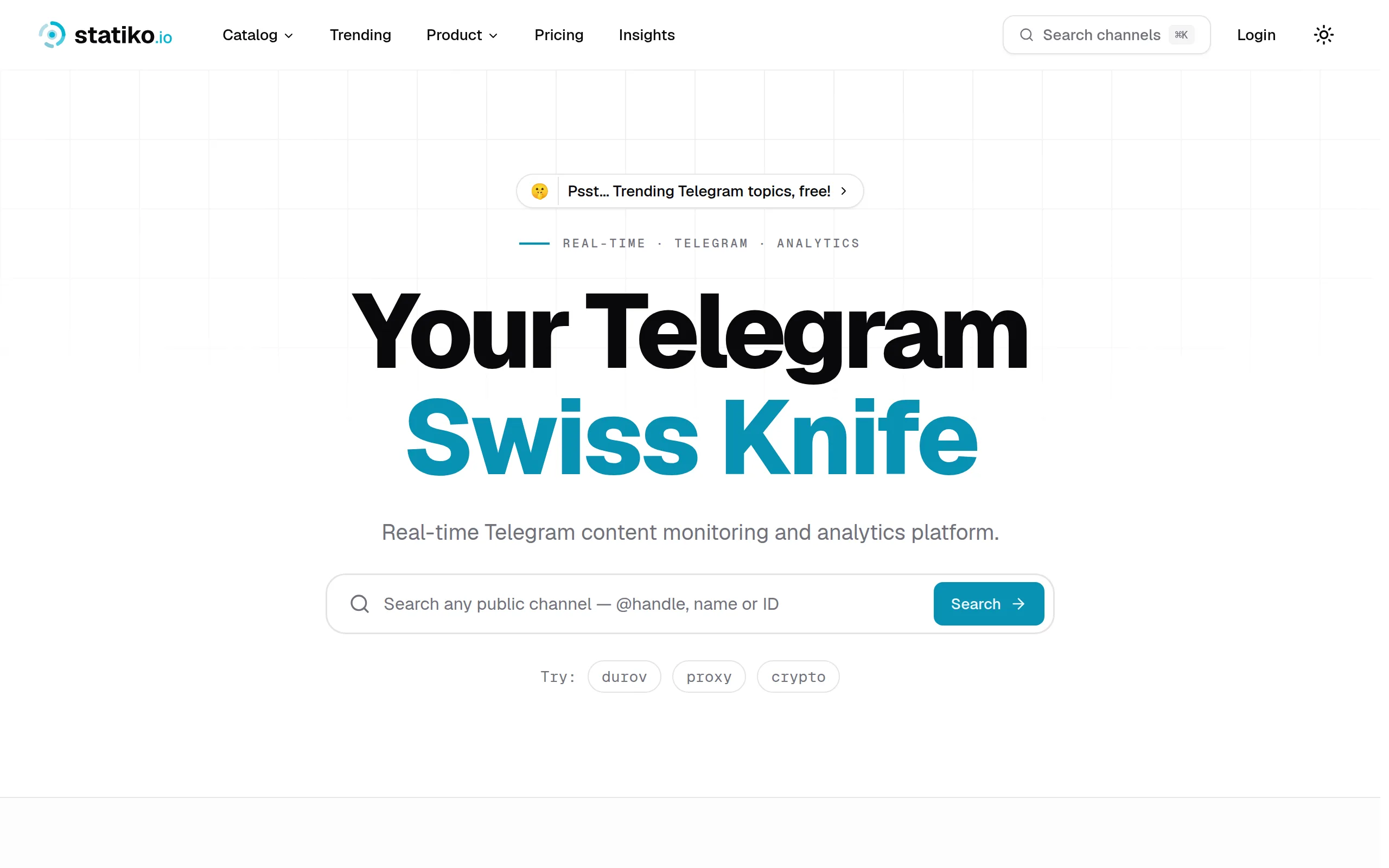
Statiko
Monitor any Telegram channel in real time - track posts, edits, deletions, and growth with AI recaps 📡

Shibui
AI website builder - describe your business, pick a niche template, edit by chatting, and publish instantly ✨
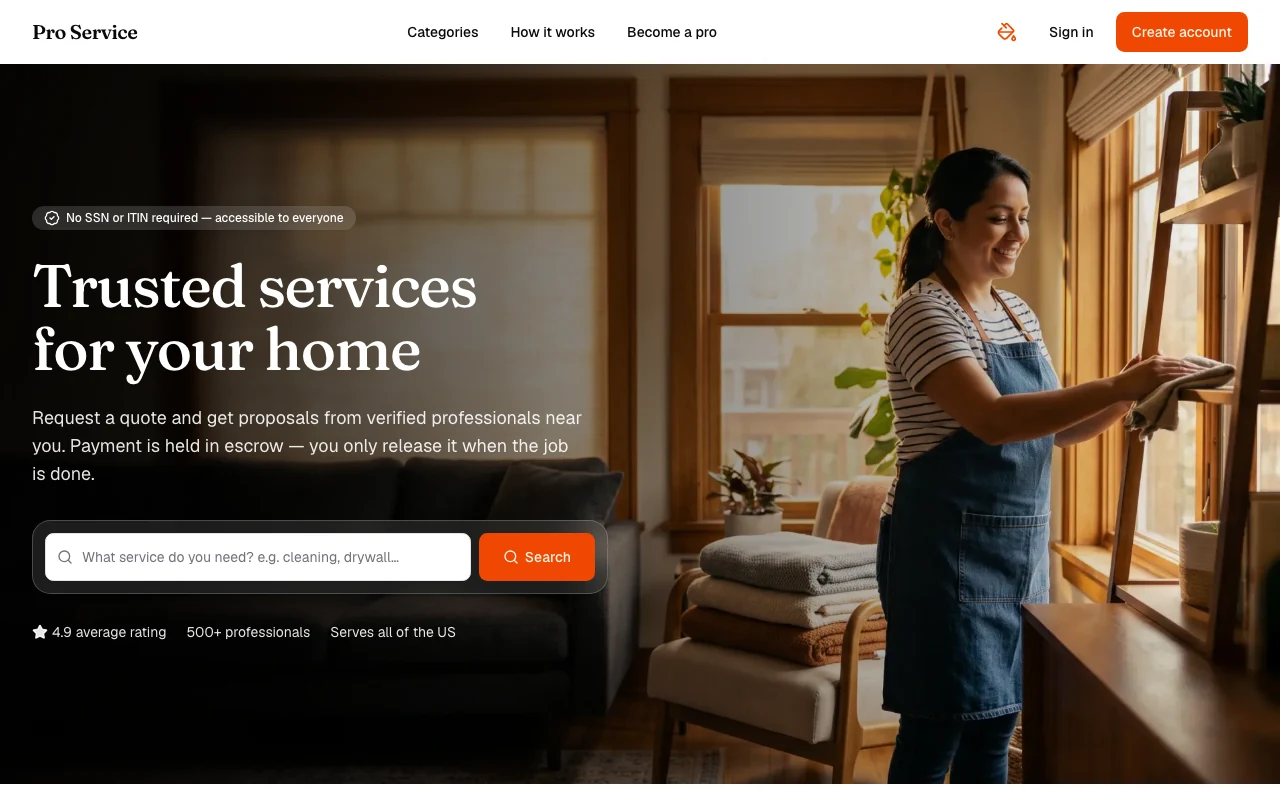
Pro Service
Find verified home service professionals, compare quotes, and pay securely through escrow - built for Brazilians across the US 🏠
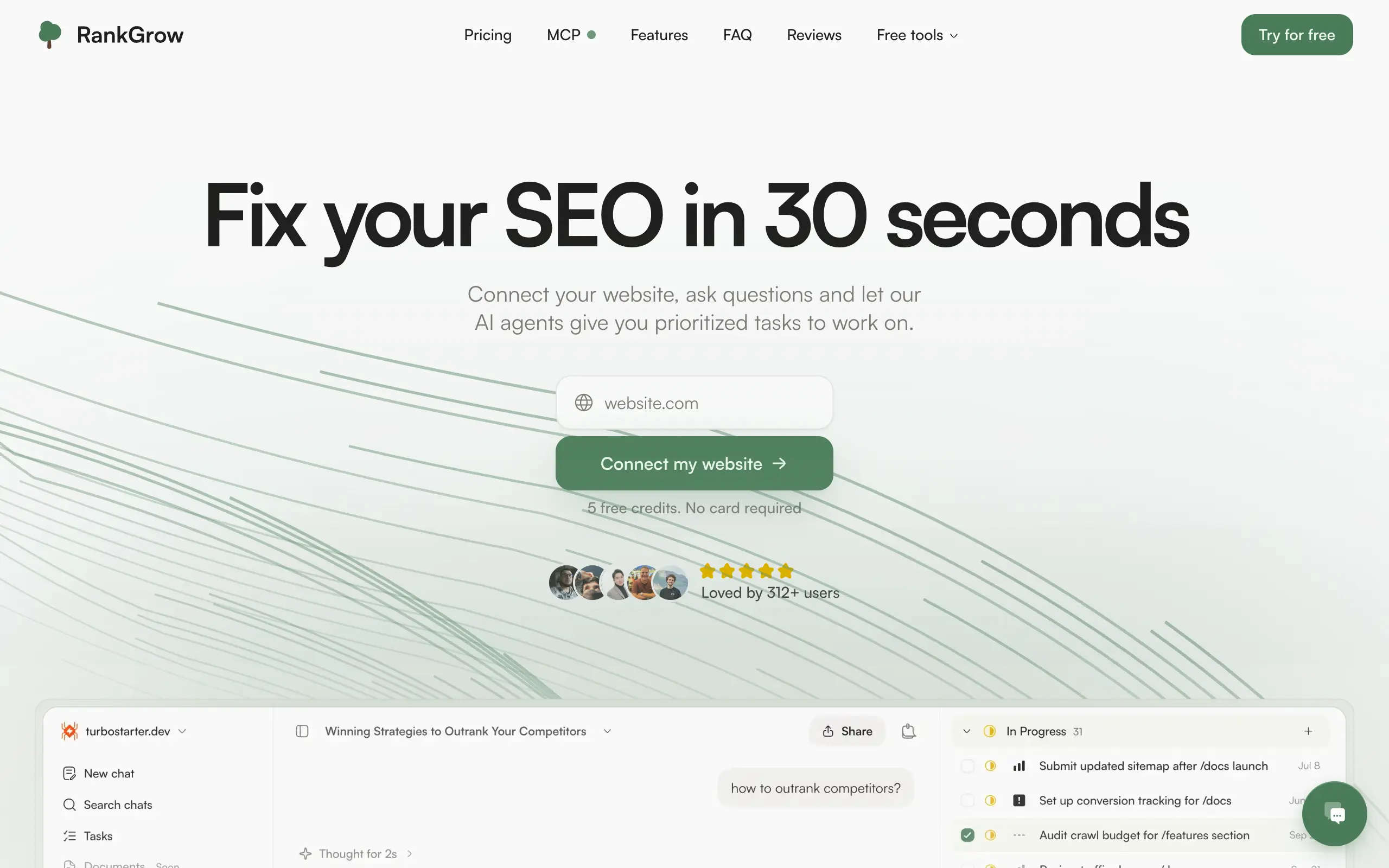
RankGrow
Fix your SEO with AI agents - connect Search Console, get prioritized tasks, and grow organic traffic 📈
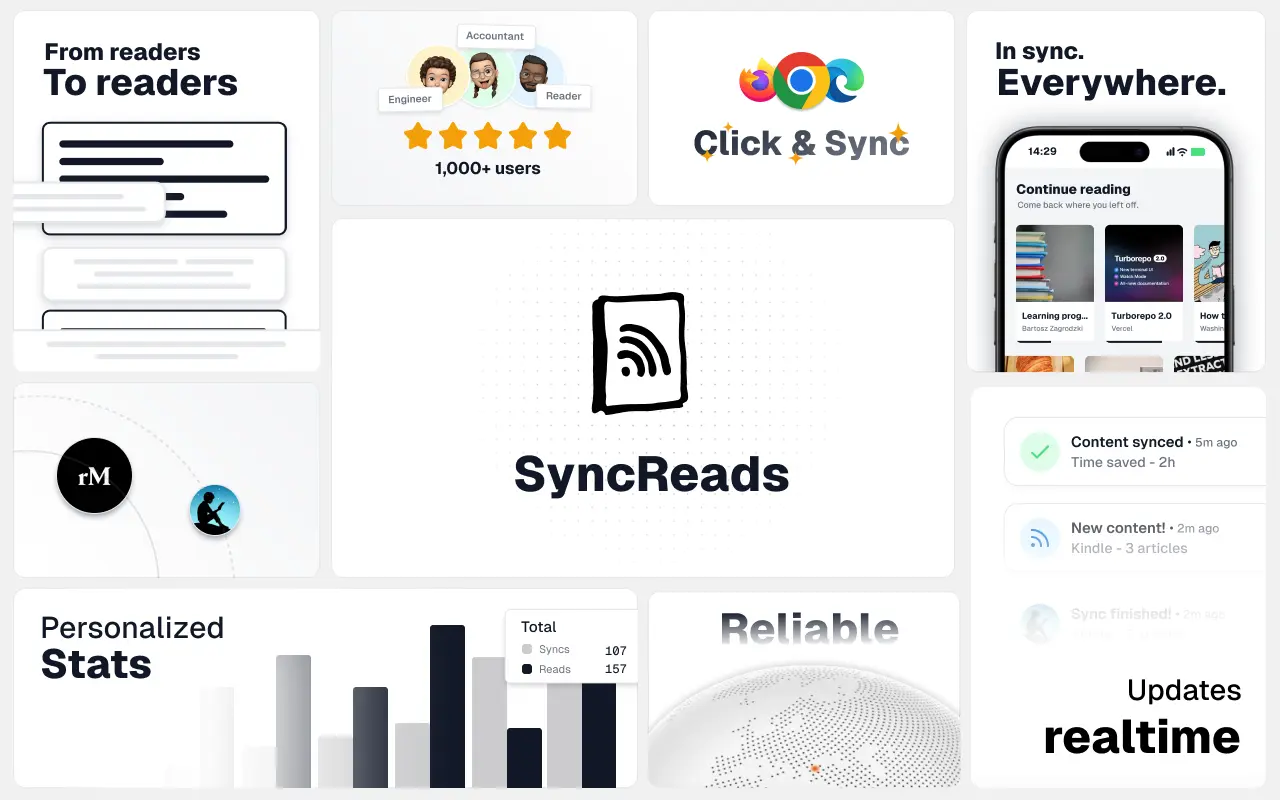
SyncReads
Sync your favorite content for distraction-free reading, save time and replace multiple apps. Anytime, anywhere 🔄
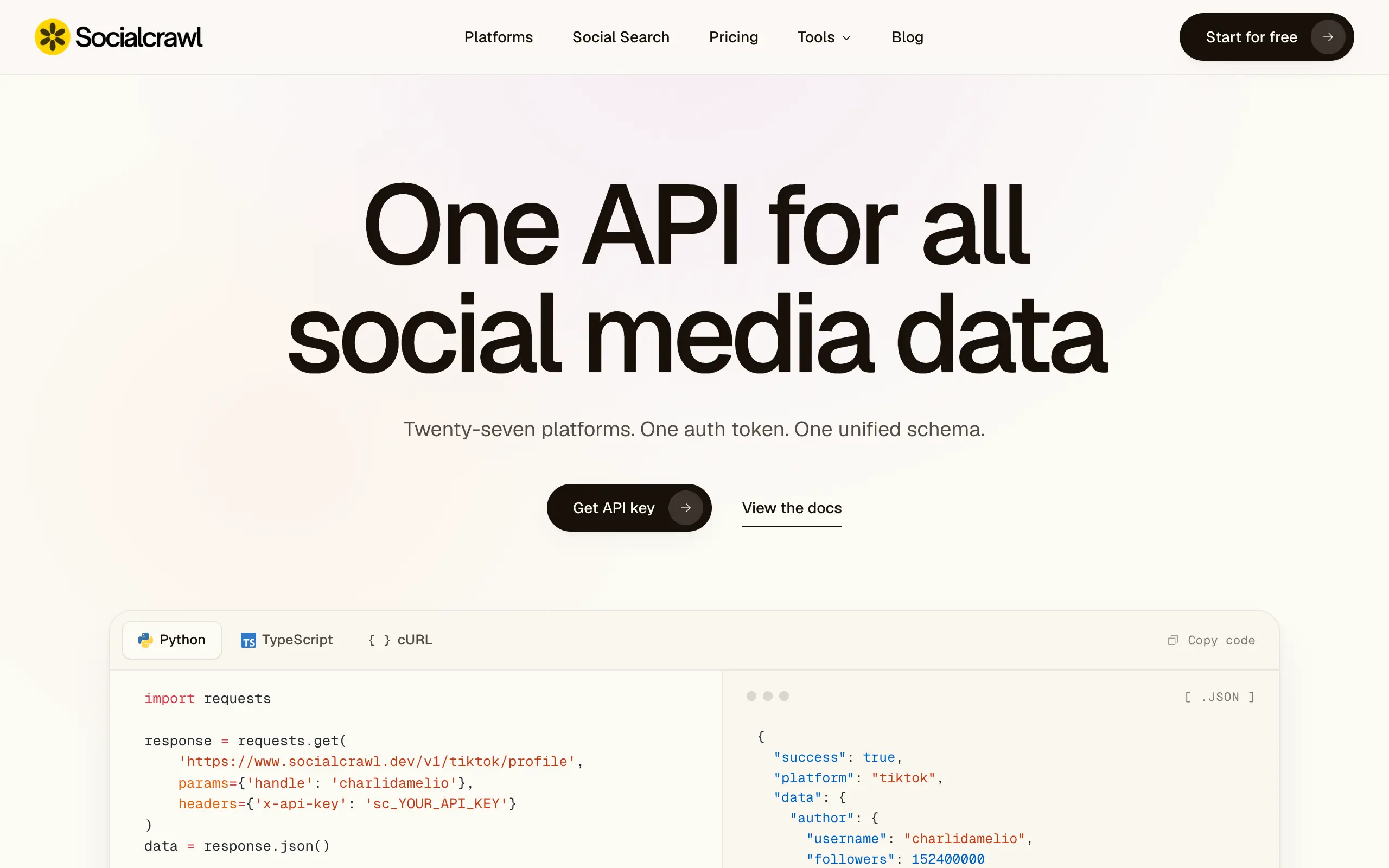
Socialcrawl
Get clean, structured data from 21 platforms like TikTok, Instagram, and YouTube with a single request 📊
Statiko
Monitor any Telegram channel in real time - track posts, edits, deletions, and growth with AI recaps 📡
Shibui
AI website builder - describe your business, pick a niche template, edit by chatting, and publish instantly ✨
Pro Service
Find verified home service professionals, compare quotes, and pay securely through escrow - built for Brazilians across the US 🏠
RankGrow
Fix your SEO with AI agents - connect Search Console, get prioritized tasks, and grow organic traffic 📈
SyncReads
Sync your favorite content for distraction-free reading, save time and replace multiple apps. Anytime, anywhere 🔄
Socialcrawl
Get clean, structured data from 21 platforms like TikTok, Instagram, and YouTube with a single request 📊
Statiko
Monitor any Telegram channel in real time - track posts, edits, deletions, and growth with AI recaps 📡
Shibui
AI website builder - describe your business, pick a niche template, edit by chatting, and publish instantly ✨
Pro Service
Find verified home service professionals, compare quotes, and pay securely through escrow - built for Brazilians across the US 🏠
RankGrow
Fix your SEO with AI agents - connect Search Console, get prioritized tasks, and grow organic traffic 📈
SyncReads
Sync your favorite content for distraction-free reading, save time and replace multiple apps. Anytime, anywhere 🔄
Socialcrawl
Get clean, structured data from 21 platforms like TikTok, Instagram, and YouTube with a single request 📊
Statiko
Monitor any Telegram channel in real time - track posts, edits, deletions, and growth with AI recaps 📡
Shibui
AI website builder - describe your business, pick a niche template, edit by chatting, and publish instantly ✨
Pro Service
Find verified home service professionals, compare quotes, and pay securely through escrow - built for Brazilians across the US 🏠
RankGrow
Fix your SEO with AI agents - connect Search Console, get prioritized tasks, and grow organic traffic 📈
SyncReads
Sync your favorite content for distraction-free reading, save time and replace multiple apps. Anytime, anywhere 🔄
Socialcrawl
Get clean, structured data from 21 platforms like TikTok, Instagram, and YouTube with a single request 📊
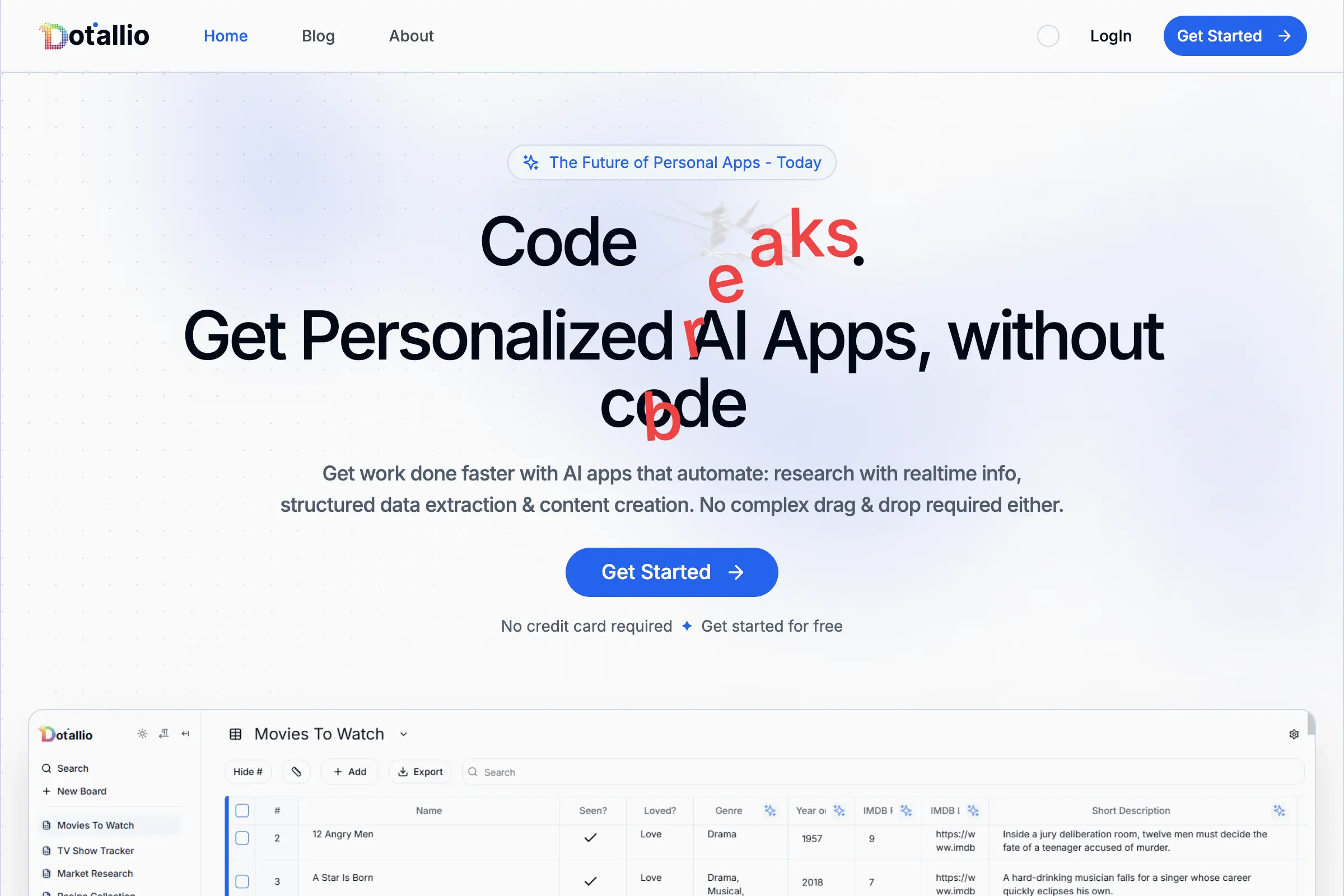
Dotallio
Personalized AI apps that automate research, data extraction, and content creation without code 🤖
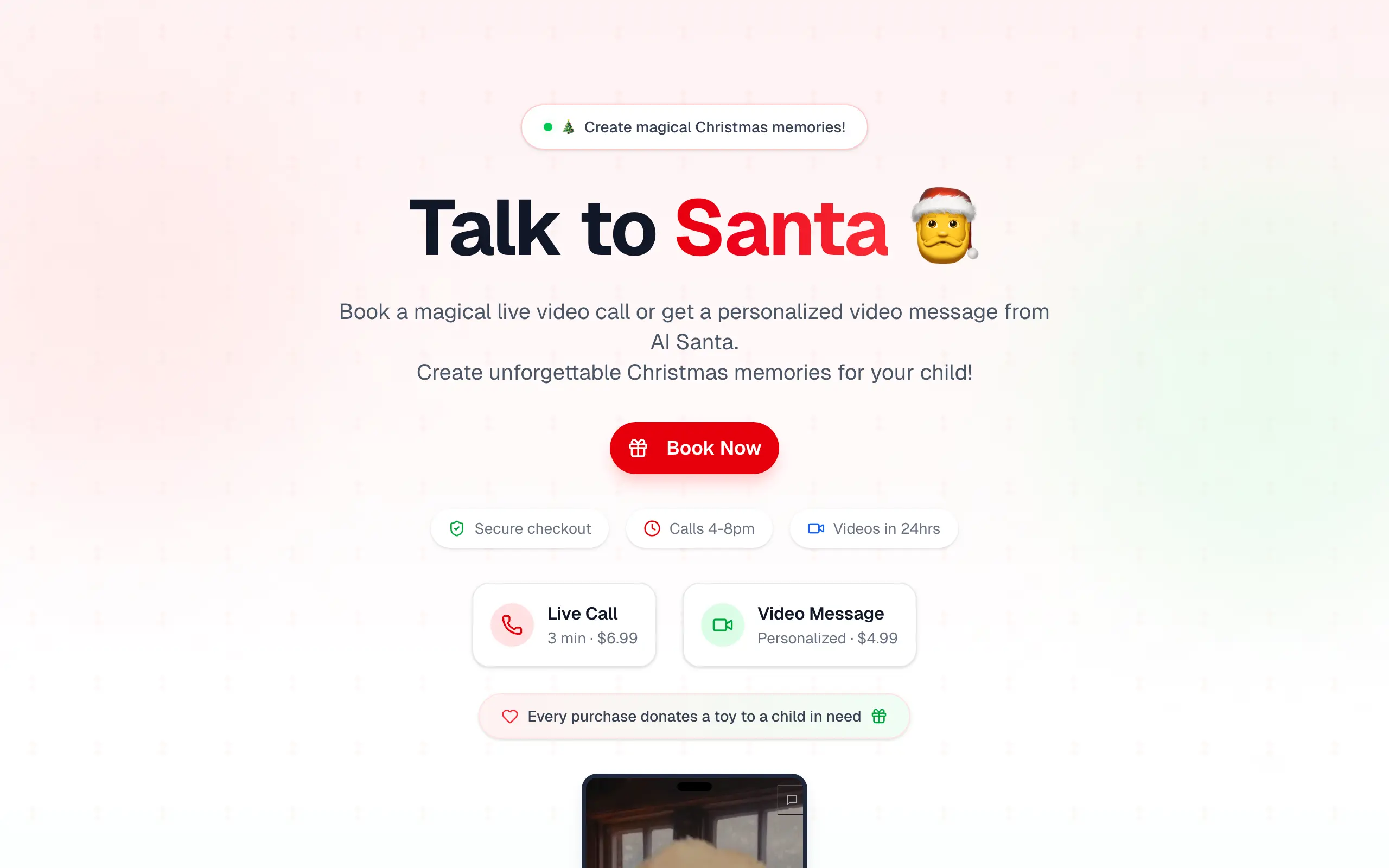
Talk to Santa
Enjoy a magical live video chat or receive a unique AI-generated video greeting from Santa Claus 🎅
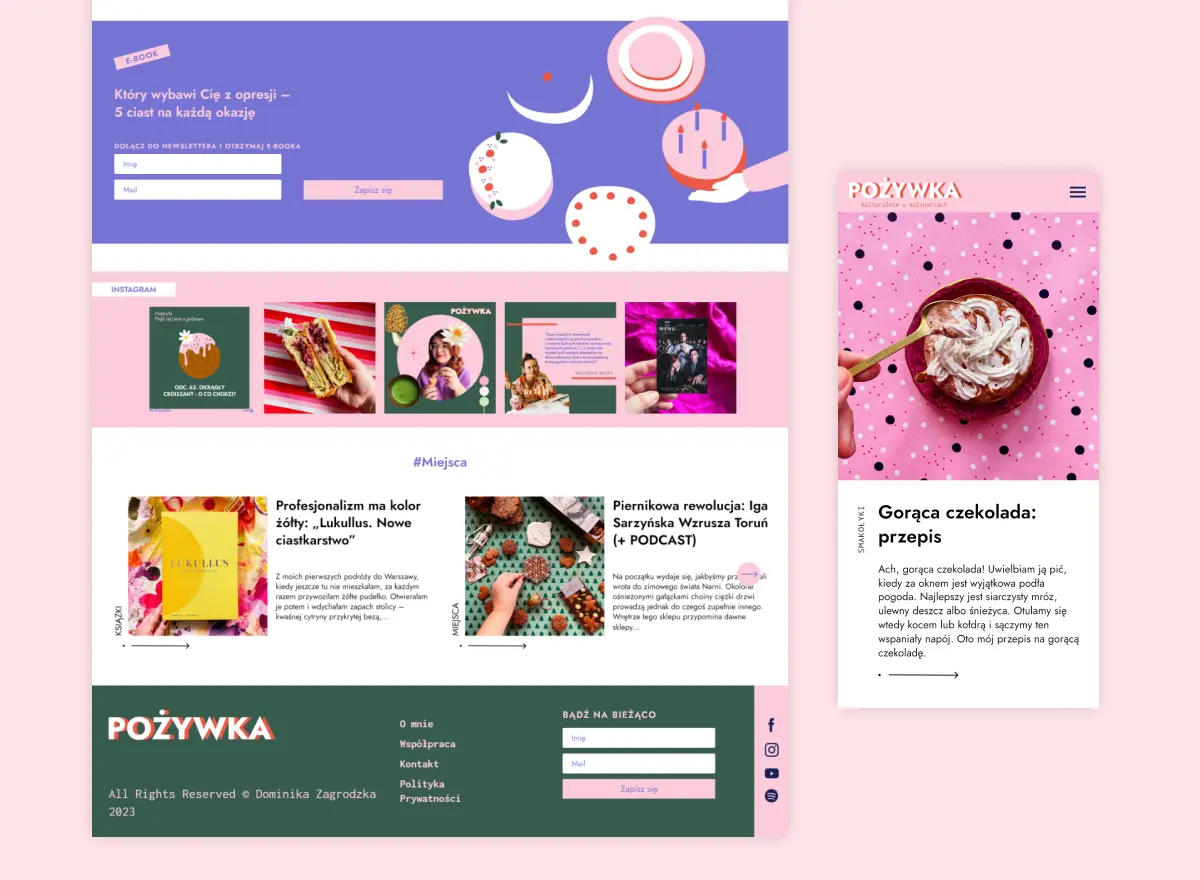
pozywka.pl
Scalable blog for food journalist, focused on performance and user experience 🌭
zagrodzki.me
Personal blog and portfolio of Bart Zagrodzki, where he shares his knowledge and work 💼
TurboStarter
Ship your startup everywhere. In minutes.
HTML to Markdown
Convert HTML to Markdown with ease, directly in your browser 📄
Dotallio
Personalized AI apps that automate research, data extraction, and content creation without code 🤖
Talk to Santa
Enjoy a magical live video chat or receive a unique AI-generated video greeting from Santa Claus 🎅
pozywka.pl
Scalable blog for food journalist, focused on performance and user experience 🌭
zagrodzki.me
Personal blog and portfolio of Bart Zagrodzki, where he shares his knowledge and work 💼
TurboStarter
Ship your startup everywhere. In minutes.
HTML to Markdown
Convert HTML to Markdown with ease, directly in your browser 📄
Dotallio
Personalized AI apps that automate research, data extraction, and content creation without code 🤖
Talk to Santa
Enjoy a magical live video chat or receive a unique AI-generated video greeting from Santa Claus 🎅
pozywka.pl
Scalable blog for food journalist, focused on performance and user experience 🌭
zagrodzki.me
Personal blog and portfolio of Bart Zagrodzki, where he shares his knowledge and work 💼
TurboStarter
Ship your startup everywhere. In minutes.
HTML to Markdown
Convert HTML to Markdown with ease, directly in your browser 📄
Dotallio
Personalized AI apps that automate research, data extraction, and content creation without code 🤖
Talk to Santa
Enjoy a magical live video chat or receive a unique AI-generated video greeting from Santa Claus 🎅
pozywka.pl
Scalable blog for food journalist, focused on performance and user experience 🌭
zagrodzki.me
Personal blog and portfolio of Bart Zagrodzki, where he shares his knowledge and work 💼
TurboStarter
Ship your startup everywhere. In minutes.
HTML to Markdown
Convert HTML to Markdown with ease, directly in your browser 📄
Omichat
Chat with 50+ AI models, including ChatGPT and Claude, in one place - switch models anytime without losing context 🤖
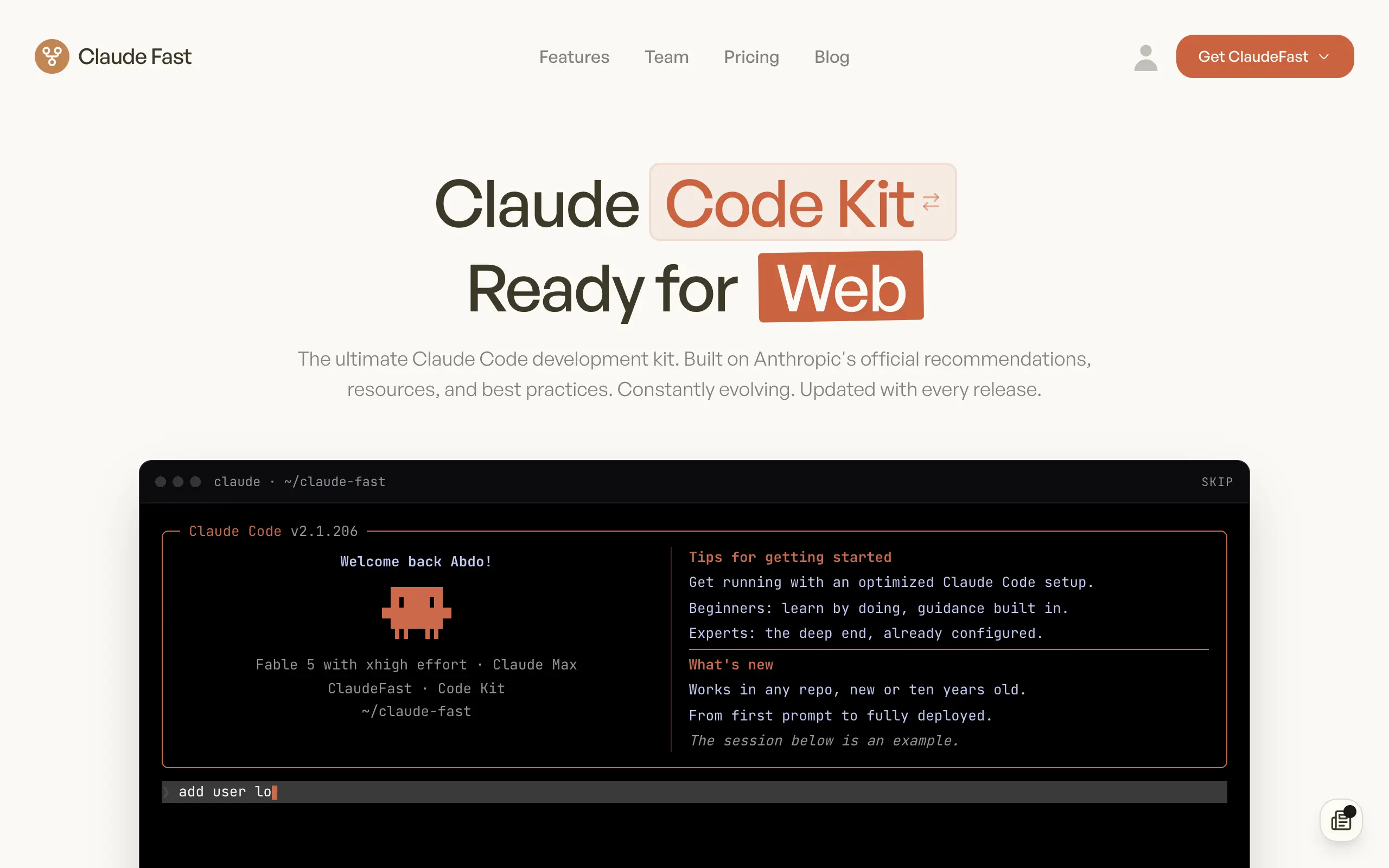
Claude Fast
Supercharge your Claude Code with 6x effective context window and specialized AI agents 🤖
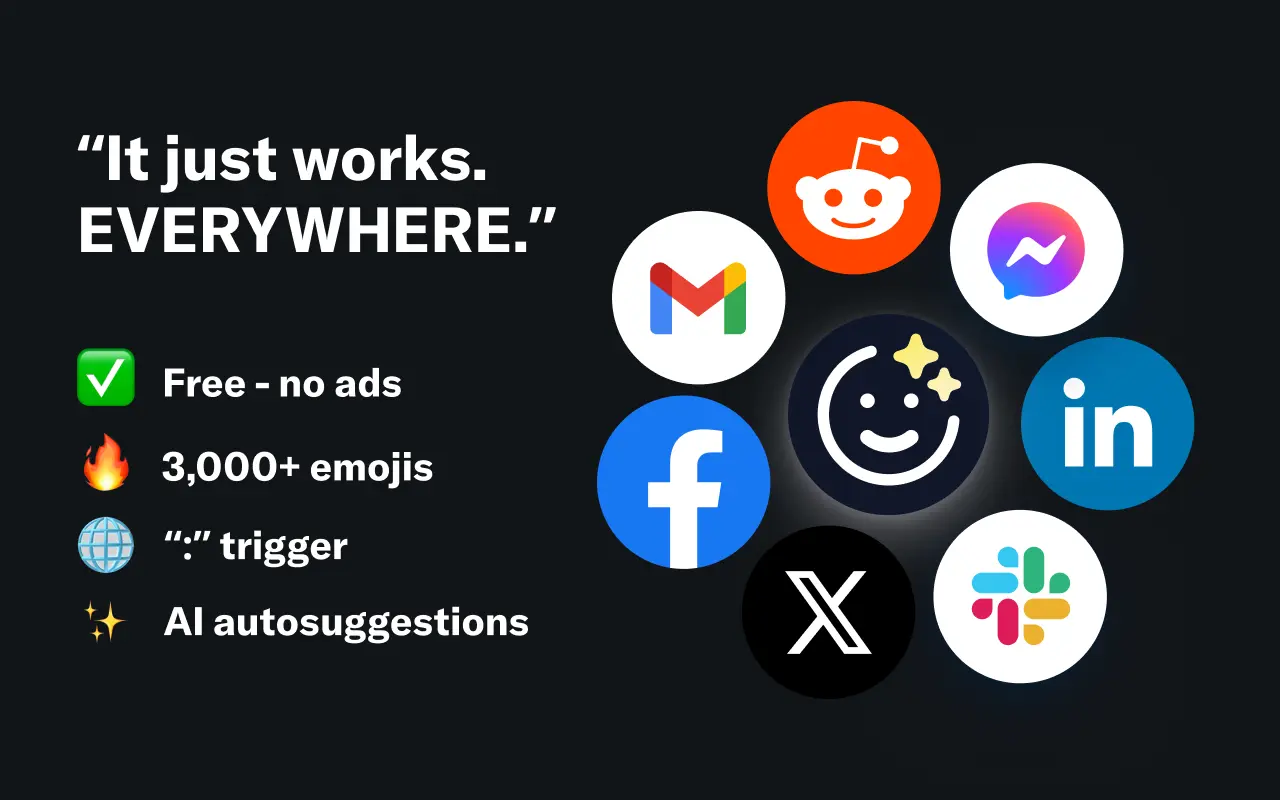
EmojAI
AI-powered emoji picker with smart, context-aware suggestions 🤖
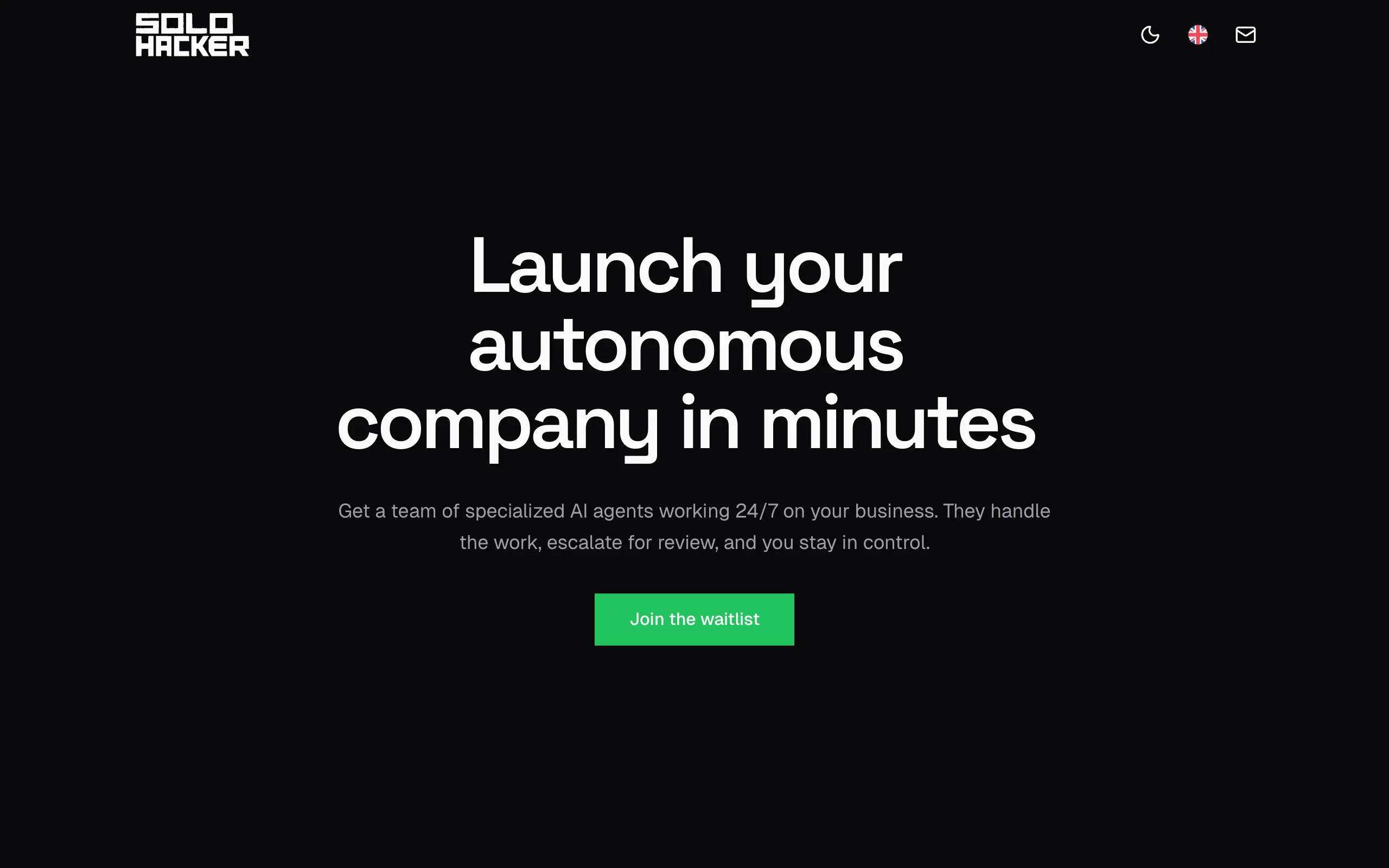
Solohacker
Autonomous company launcher - AI agents work 24/7, escalate what matters, and you stay in control 🤖
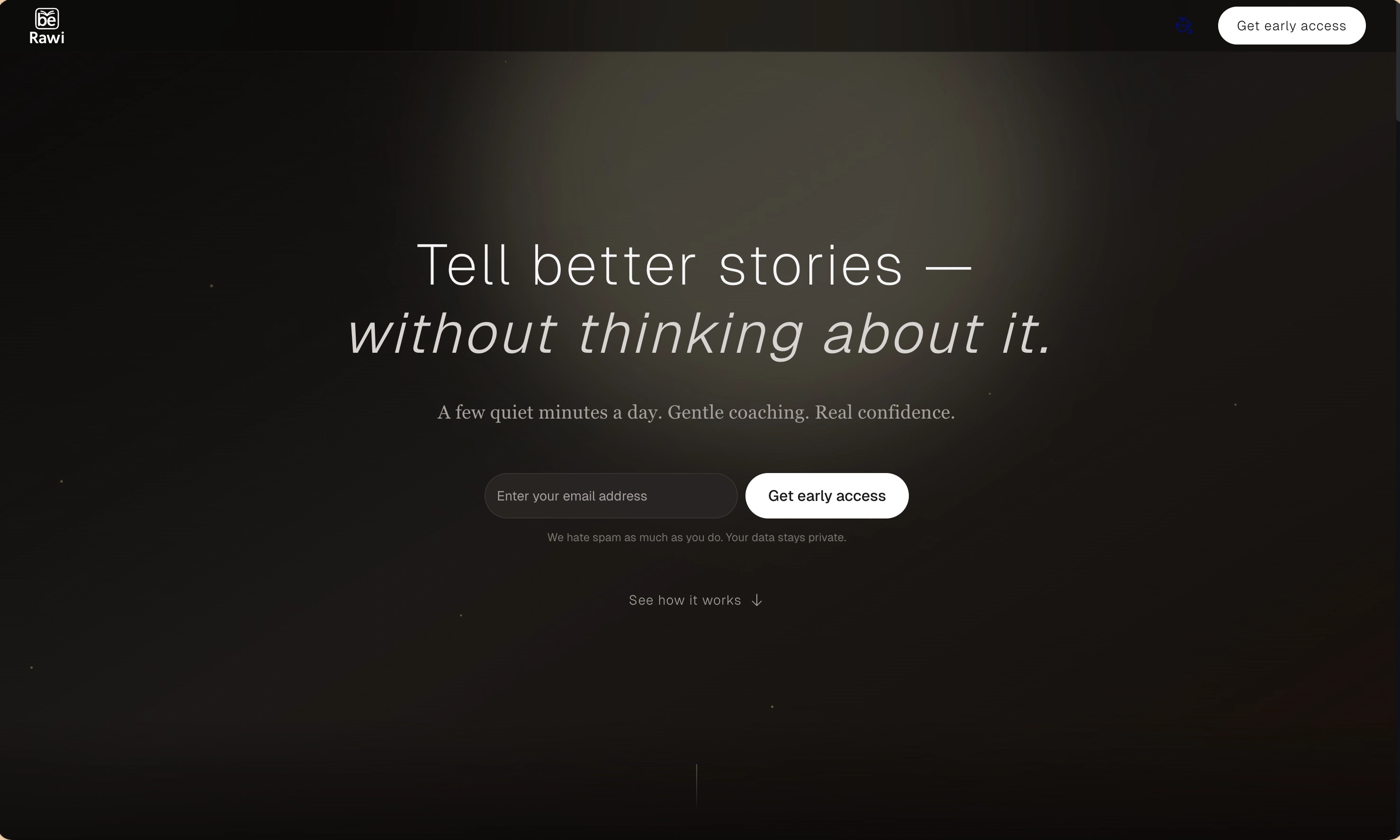
BeRawi: Storytelling Coach
Practice storytelling daily with instant feedback to sound clearer, more engaging, and confident 🎤
Omichat
Chat with 50+ AI models, including ChatGPT and Claude, in one place - switch models anytime without losing context 🤖
Claude Fast
Supercharge your Claude Code with 6x effective context window and specialized AI agents 🤖
EmojAI
AI-powered emoji picker with smart, context-aware suggestions 🤖
Solohacker
Autonomous company launcher - AI agents work 24/7, escalate what matters, and you stay in control 🤖
BeRawi: Storytelling Coach
Practice storytelling daily with instant feedback to sound clearer, more engaging, and confident 🎤
Omichat
Chat with 50+ AI models, including ChatGPT and Claude, in one place - switch models anytime without losing context 🤖
Claude Fast
Supercharge your Claude Code with 6x effective context window and specialized AI agents 🤖
EmojAI
AI-powered emoji picker with smart, context-aware suggestions 🤖
Solohacker
Autonomous company launcher - AI agents work 24/7, escalate what matters, and you stay in control 🤖
BeRawi: Storytelling Coach
Practice storytelling daily with instant feedback to sound clearer, more engaging, and confident 🎤
Omichat
Chat with 50+ AI models, including ChatGPT and Claude, in one place - switch models anytime without losing context 🤖
Claude Fast
Supercharge your Claude Code with 6x effective context window and specialized AI agents 🤖
EmojAI
AI-powered emoji picker with smart, context-aware suggestions 🤖
Solohacker
Autonomous company launcher - AI agents work 24/7, escalate what matters, and you stay in control 🤖
BeRawi: Storytelling Coach
Practice storytelling daily with instant feedback to sound clearer, more engaging, and confident 🎤

Connect with like-minded people
Join our community to get feedback, support, and grow together with 1,000+ builders on board, let's ship it!
Join usShip your startup everywhere. In minutes.
Don't burn tokens on setup and start building features on day one.