MicroInfluence Hub
A SaaS platform connecting small brands with vetted micro-influencers, streamlining campaign management, payments, and performance analytics in one dashboard.
MicroInfluence Hub is a SaaS platform designed to bridge the gap between small brands and vetted micro-influencers, offering a unified dashboard for campaign management, payments, and performance analytics. In this comprehensive guide, we’ll explore the market need, target audience, core features, technology stack, monetization strategies, risks, and actionable steps for launching and scaling MicroInfluence Hub. This article is crafted to address the search intent of founders, marketers, and SaaS builders seeking inspiration, validation, and a roadmap for building a successful influencer marketing platform.
Understanding the target audience for MicroInfluence Hub
A deep understanding of your target users is essential for product-market fit and long-term growth. MicroInfluence Hub serves two primary user groups:
1. Small and emerging brands
Who they are:
- DTC (direct-to-consumer) e-commerce startups
- Local businesses and boutique retailers
- Indie product creators (fashion, beauty, wellness, tech gadgets)
- Marketing agencies representing small clients
Pain points:
- Limited marketing budgets
- Difficulty accessing and vetting relevant influencers
- Lack of time and expertise to manage influencer campaigns
- Need for measurable ROI and transparent analytics
What they seek:
- Affordable, targeted influencer marketing
- Streamlined campaign setup and management
- Trustworthy, data-driven influencer selection
- Simple payment and contract handling
2. Micro-influencers
Who they are:
- Social media creators with 1,000–50,000 followers
- Niche content experts (beauty, fitness, gaming, travel, etc.)
- Individuals seeking brand partnerships and supplemental income
Pain points:
- Difficulty finding brand deals that match their audience
- Unclear payment terms and delayed compensation
- Lack of tools to showcase performance and manage collaborations
What they seek:
- Reliable access to brand campaigns
- Fair, prompt payments
- Tools to track and improve campaign performance
Market opportunity and gap analysis
The influencer marketing industry is projected to surpass $21 billion in 2024 (source: Statista). While mega-influencers and celebrities dominate headlines, micro-influencers (1k–50k followers) consistently deliver higher engagement rates and more authentic connections with niche audiences.
Key market trends
- Shift to micro-influencers: Brands increasingly favor micro-influencers for their authenticity and cost-effectiveness.
- Demand for transparency: Both brands and influencers demand clear, data-driven campaign reporting.
- Fragmented solutions: Existing platforms often cater to large brands or focus on influencer discovery, neglecting end-to-end campaign management for smaller players.
Identified gaps
- Lack of affordable, all-in-one platforms for small brands
- Manual, time-consuming campaign management
- Payment and contract friction
- Limited analytics tailored to micro-influencer campaigns
Industry insight
Micro-influencers deliver up to 60% higher engagement rates than macro-influencers, making them a powerful yet underutilized marketing channel for small brands.
Core features and solution overview
MicroInfluence Hub’s value proposition lies in its unified, user-friendly dashboard that streamlines every aspect of micro-influencer marketing.
1. Influencer discovery and vetting
- Advanced search and filtering (niche, location, engagement rate, audience demographics)
- Verified influencer profiles with performance history
- AI-powered matching for campaign fit
2. Campaign management
- Step-by-step campaign creation wizard
- Automated outreach and communication tools
- Content approval workflows
- Real-time collaboration between brands and influencers
3. Payments and contracts
- Secure, automated contract generation and e-signatures
- Escrow-based payment system for trust and transparency
- Multi-currency support and tax compliance
4. Performance analytics
- Real-time tracking of campaign KPIs (reach, engagement, conversions)
- Influencer-specific performance dashboards
- ROI calculation and benchmarking
5. Additional value-adds
- Educational resources for brands and influencers
- Integration with major social platforms (Instagram, TikTok, YouTube)
- API access for agencies and advanced users
Unified dashboard
Manage discovery, campaigns, payments, and analytics in one place.
Vetted micro-influencers
Access a curated pool of high-engagement creators.
Automated payments
Escrow and instant payouts for trust and efficiency.
Actionable analytics
Track ROI and optimize campaigns with real-time data.
Recommended tech stack for MicroInfluence Hub
Choosing the right technology stack is crucial for scalability, security, and user experience. Here’s a recommended stack with trade-offs explained:
Frontend
- React: Modern, component-based UI development; large ecosystem and community.
- TailwindCSS: Utility-first CSS for rapid, consistent styling.
- TypeScript: Type safety and improved developer productivity.
Backend
- Node.js (Express): Fast, scalable server-side JavaScript; ideal for real-time features.
- PostgreSQL: Robust relational database with strong support for analytics and reporting.
- Redis: Caching and real-time notifications.
Integrations
- Stripe: Secure, global payment processing and escrow.
- DocuSign or HelloSign: E-signature for contracts.
- Social platform APIs: Instagram, TikTok, YouTube for influencer data and campaign tracking.
Hosting and DevOps
- AWS or Google Cloud: Scalable, secure cloud infrastructure.
- Docker: Containerization for consistent deployments.
- CI/CD tools: Automated testing and deployment pipelines.
Trade-offs
- Monolithic vs. microservices: Start with a monolithic architecture for speed; migrate to microservices as scale demands.
- No-code/low-code options: For MVP, consider platforms like TurboStarter to accelerate development, but custom code is recommended for long-term flexibility.
No-code tools are excellent for rapid prototyping and MVPs, but custom development offers greater flexibility, scalability, and integration options as your platform grows.
While not essential for MVP, AI-driven matching can significantly improve campaign outcomes and user satisfaction as your dataset grows.
Monetization strategies for MicroInfluence Hub
A sustainable SaaS business model requires thoughtful monetization. Here are proven strategies for platforms like MicroInfluence Hub:
1. Subscription plans
- For brands: Tiered monthly/annual plans based on campaign volume, analytics depth, and support level.
- For agencies: Custom enterprise plans with API access and white-label options.
2. Transaction fees
- Commission on successful campaigns: Percentage of payments processed through the platform (e.g., 10–20%).
- Escrow service fee: Small fee for secure, managed payments.
3. Premium features
- Advanced analytics and reporting
- Priority support and onboarding
- Early access to new features
4. Influencer services
- Profile boosting and featured listings
- Educational resources and certification
| Subscription | Transaction Fee | Premium Add-ons | API Access | Ads |
|---|---|---|---|---|
| ✅ | ❌ | ❌ | ✅ | ❌ |
| ✅ | ❌ | ✅ | ✅ | ❌ |
Potential risks and mitigation strategies
Launching a SaaS platform in the influencer marketing space comes with unique challenges. Here’s how to anticipate and address them:
1. Platform trust and safety
Risk: Fraudulent influencers or brands, payment disputes, and fake engagement.
Mitigation:
- Rigorous influencer vetting and verification
- Escrow-based payments and clear dispute resolution processes
- AI-driven fraud detection
2. Regulatory compliance
Risk: Data privacy (GDPR, CCPA), tax compliance, and advertising regulations.
Mitigation:
- Partner with legal experts for compliance
- Use established payment processors (e.g., Stripe) for KYC/AML
- Transparent privacy policies and user consent flows
3. Platform adoption and retention
Risk: Difficulty attracting both brands and influencers (chicken-and-egg problem).
Mitigation:
- Incentivize early adopters with discounts or bonuses
- Focus on a specific niche or region to build initial liquidity
- Offer educational resources and community features
4. Technical scalability
Risk: Performance bottlenecks as user base grows.
Mitigation:
- Build with scalable cloud infrastructure
- Monitor and optimize database queries and API calls
- Plan for modular architecture from the outset
Competitive advantage and unique selling proposition
MicroInfluence Hub stands out in a crowded market by focusing on the underserved segment of small brands and micro-influencers, offering a seamless, all-in-one experience.
What sets MicroInfluence Hub apart?
- Niche focus: Tailored for small brands and micro-influencers, not enterprise clients or mega-influencers.
- End-to-end workflow: From discovery to payment and analytics, everything is managed in one dashboard.
- Trust and transparency: Escrow payments, verified profiles, and clear performance metrics.
- Ease of use: Intuitive UI/UX designed for non-technical users.
- Community and education: Resources to help both brands and influencers succeed.
Pro tip
Focusing on a specific vertical (e.g., beauty, fitness, local businesses) can help MicroInfluence Hub build a loyal user base and strong brand identity before expanding.
Actionable implementation steps
Ready to bring MicroInfluence Hub to life? Here’s a step-by-step roadmap:
Conclusion: Why MicroInfluence Hub is the future of micro-influencer marketing
MicroInfluence Hub addresses a real, growing need in the influencer marketing ecosystem: empowering small brands and micro-influencers with the tools, trust, and transparency they need to succeed. By focusing on usability, end-to-end workflow, and a niche audience, the platform is uniquely positioned to capture market share and drive meaningful results for its users.
Whether you’re a SaaS founder, marketer, or agency, the opportunity to build or leverage a platform like MicroInfluence Hub has never been greater. The key is to start lean, validate relentlessly, and scale with a focus on user value and trust.
Frequently asked questions
Influencers undergo a multi-step verification process, including social account validation, engagement analysis, and manual review. AI tools flag suspicious activity for further investigation.
Yes, the platform provides real-time analytics on reach, engagement, conversions, and cost-per-action, enabling brands to measure and optimize ROI.
Absolutely. Agencies can manage multiple brands, access advanced analytics, and integrate via API for custom workflows.
MicroInfluence Hub integrates with Stripe for global payments, supporting credit cards, bank transfers, and local payment options.
Next steps
- Research your target niche and validate demand
- Build a lean MVP with core features
- Leverage TurboStarter or custom development for rapid launch
- Focus on trust, transparency, and user education to differentiate your platform
By following this roadmap and focusing on the unique needs of small brands and micro-influencers, MicroInfluence Hub can become a leading force in the next wave of influencer marketing SaaS solutions.
More 💡 Other SaaS ideas
Discover more innovative other SaaS ideas that are trending in 2026. Each idea is AI-generated with market validation and growth potential to help you find your next profitable venture faster than competitors.
Your competitors are building with TurboStarter
Below are some of the SaaS ideas that have been generated and built with our starter kit.
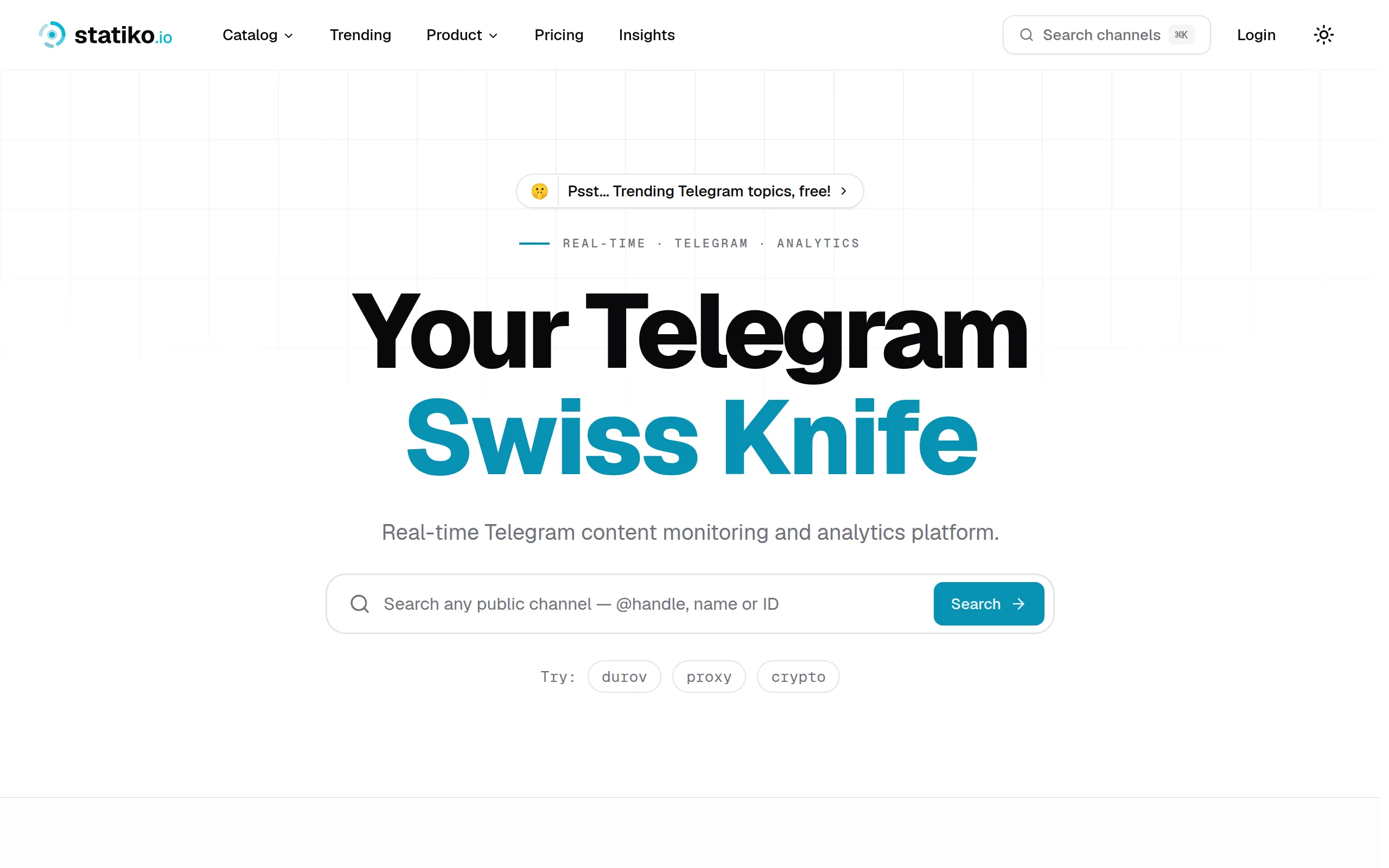
Statiko
Monitor any Telegram channel in real time - track posts, edits, deletions, and growth with AI recaps 📡
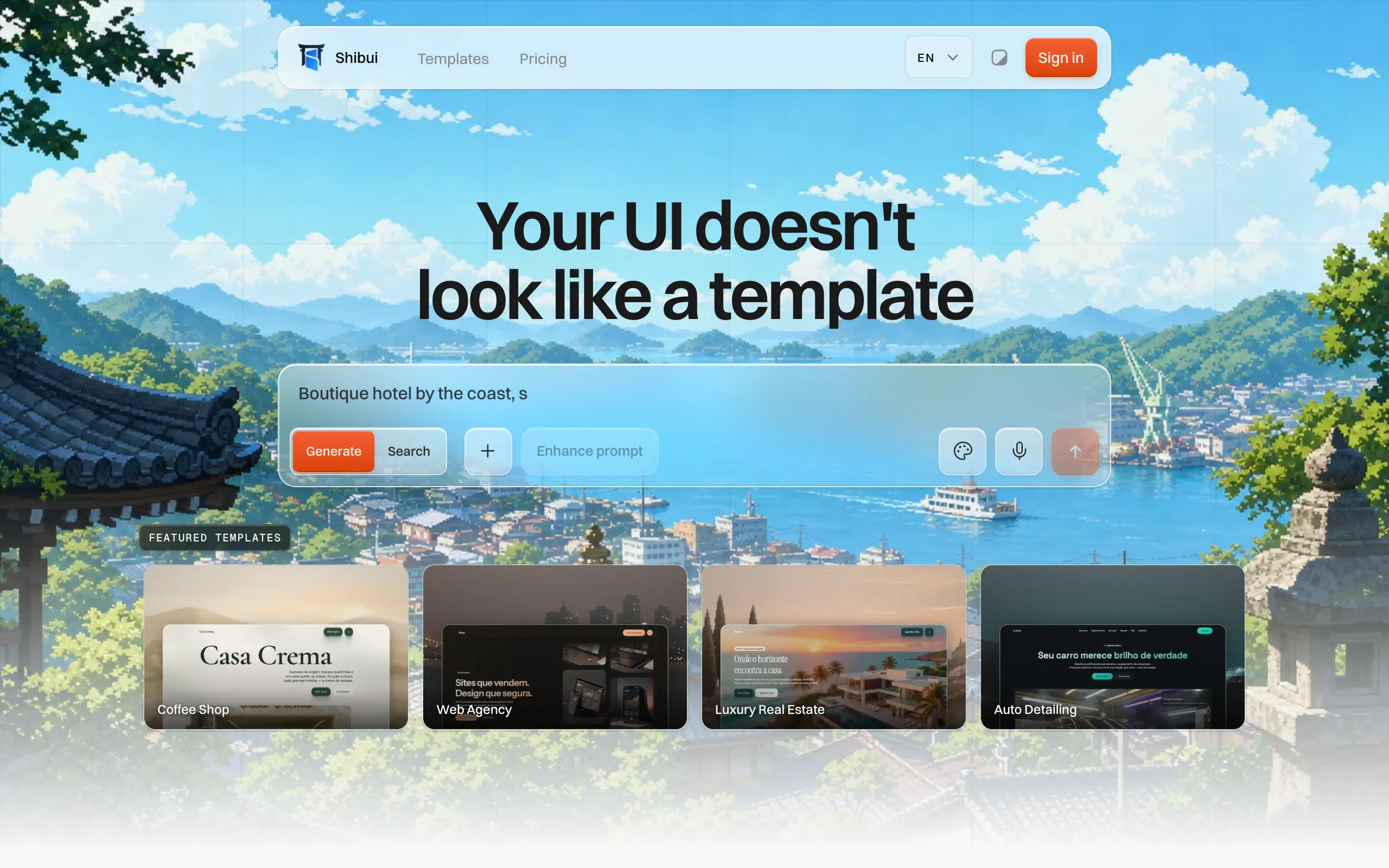
Shibui
AI website builder - describe your business, pick a niche template, edit by chatting, and publish instantly ✨

Pro Service
Find verified home service professionals, compare quotes, and pay securely through escrow - built for Brazilians across the US 🏠
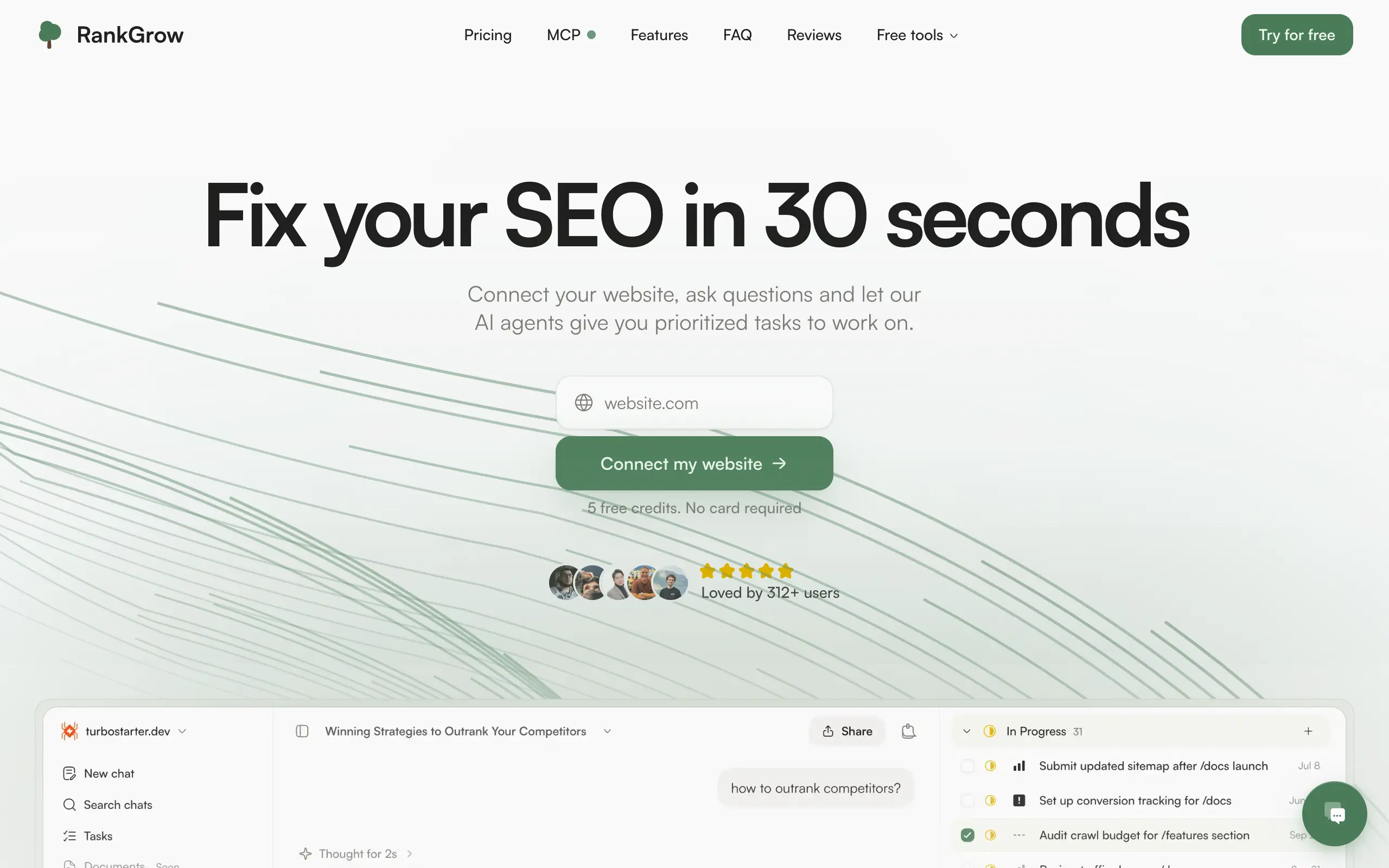
RankGrow
Fix your SEO with AI agents - connect Search Console, get prioritized tasks, and grow organic traffic 📈
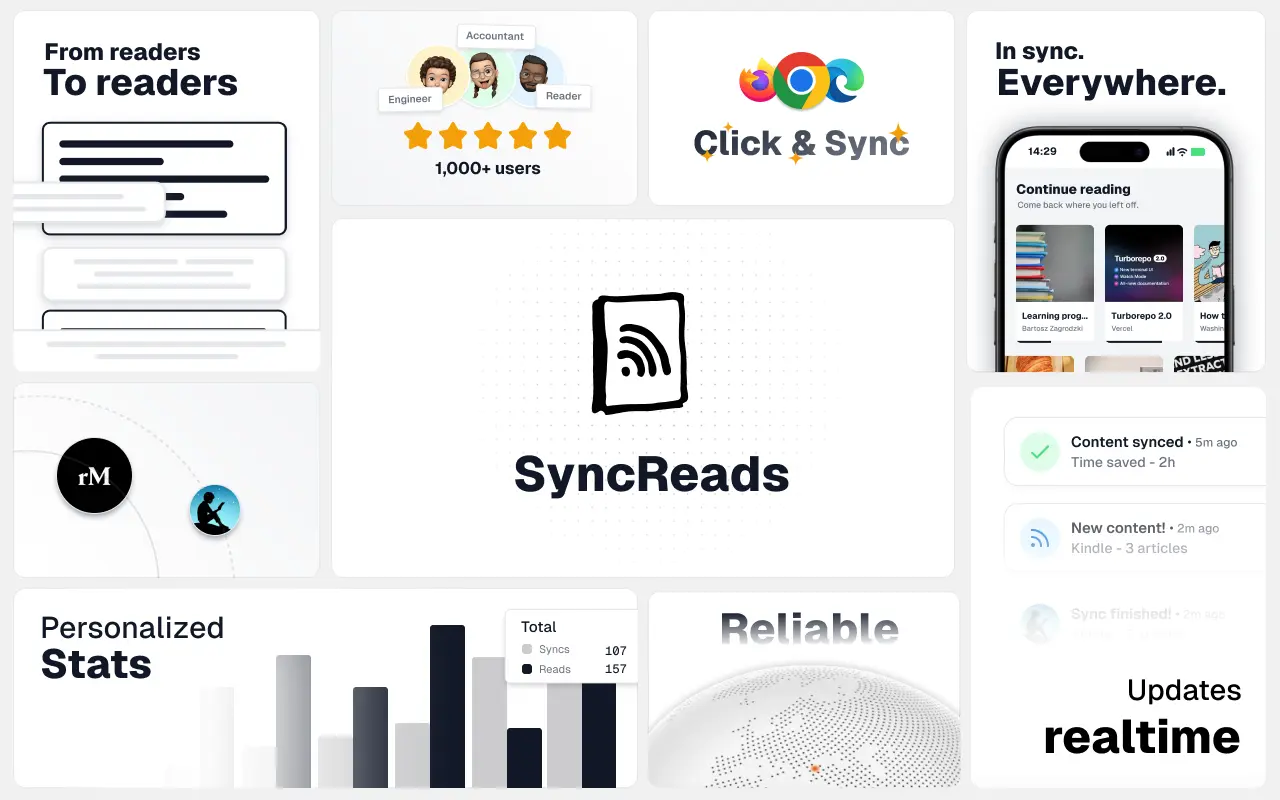
SyncReads
Sync your favorite content for distraction-free reading, save time and replace multiple apps. Anytime, anywhere 🔄
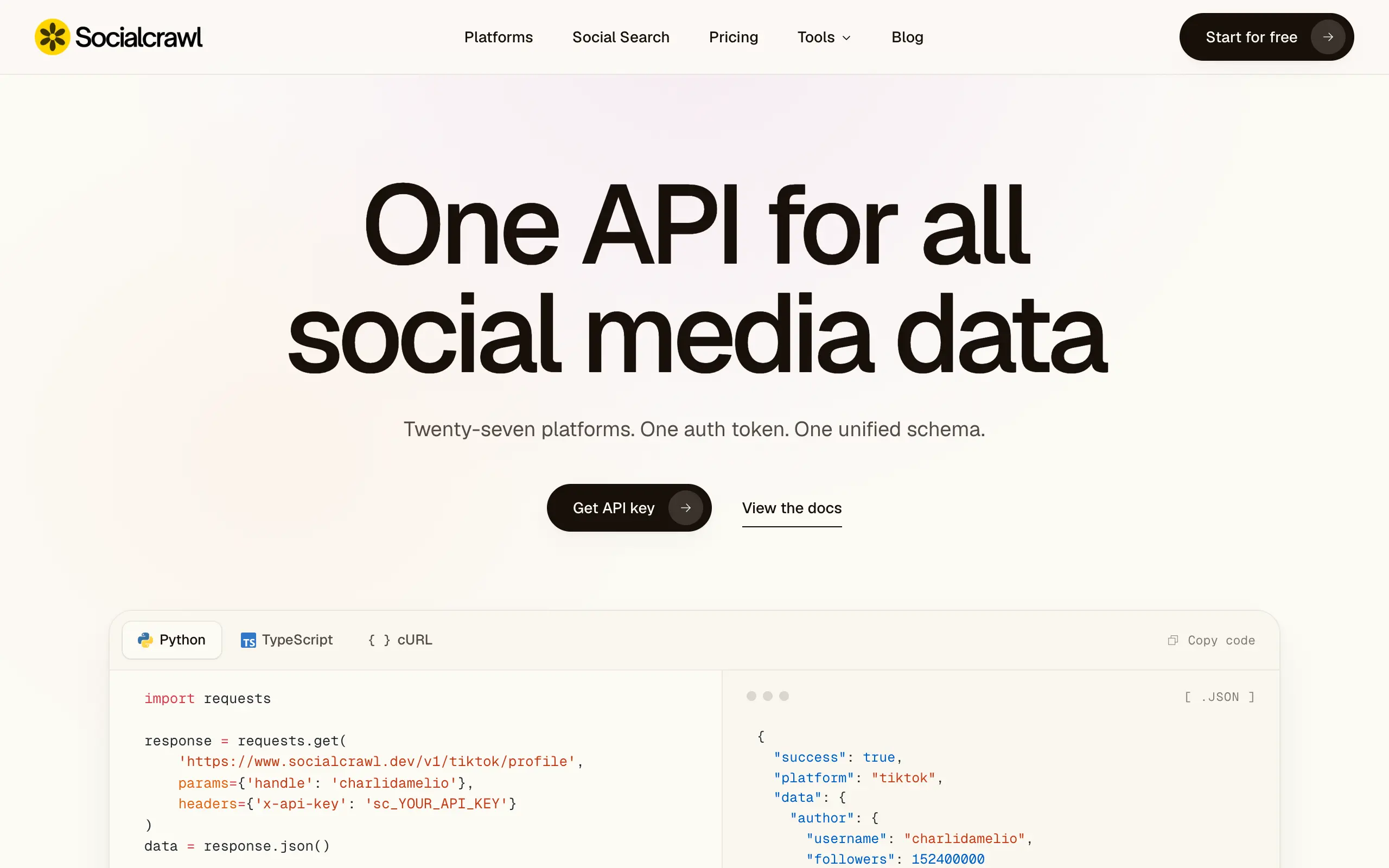
Socialcrawl
Get clean, structured data from 21 platforms like TikTok, Instagram, and YouTube with a single request 📊
Statiko
Monitor any Telegram channel in real time - track posts, edits, deletions, and growth with AI recaps 📡
Shibui
AI website builder - describe your business, pick a niche template, edit by chatting, and publish instantly ✨
Pro Service
Find verified home service professionals, compare quotes, and pay securely through escrow - built for Brazilians across the US 🏠
RankGrow
Fix your SEO with AI agents - connect Search Console, get prioritized tasks, and grow organic traffic 📈
SyncReads
Sync your favorite content for distraction-free reading, save time and replace multiple apps. Anytime, anywhere 🔄
Socialcrawl
Get clean, structured data from 21 platforms like TikTok, Instagram, and YouTube with a single request 📊
Statiko
Monitor any Telegram channel in real time - track posts, edits, deletions, and growth with AI recaps 📡
Shibui
AI website builder - describe your business, pick a niche template, edit by chatting, and publish instantly ✨
Pro Service
Find verified home service professionals, compare quotes, and pay securely through escrow - built for Brazilians across the US 🏠
RankGrow
Fix your SEO with AI agents - connect Search Console, get prioritized tasks, and grow organic traffic 📈
SyncReads
Sync your favorite content for distraction-free reading, save time and replace multiple apps. Anytime, anywhere 🔄
Socialcrawl
Get clean, structured data from 21 platforms like TikTok, Instagram, and YouTube with a single request 📊
Statiko
Monitor any Telegram channel in real time - track posts, edits, deletions, and growth with AI recaps 📡
Shibui
AI website builder - describe your business, pick a niche template, edit by chatting, and publish instantly ✨
Pro Service
Find verified home service professionals, compare quotes, and pay securely through escrow - built for Brazilians across the US 🏠
RankGrow
Fix your SEO with AI agents - connect Search Console, get prioritized tasks, and grow organic traffic 📈
SyncReads
Sync your favorite content for distraction-free reading, save time and replace multiple apps. Anytime, anywhere 🔄
Socialcrawl
Get clean, structured data from 21 platforms like TikTok, Instagram, and YouTube with a single request 📊
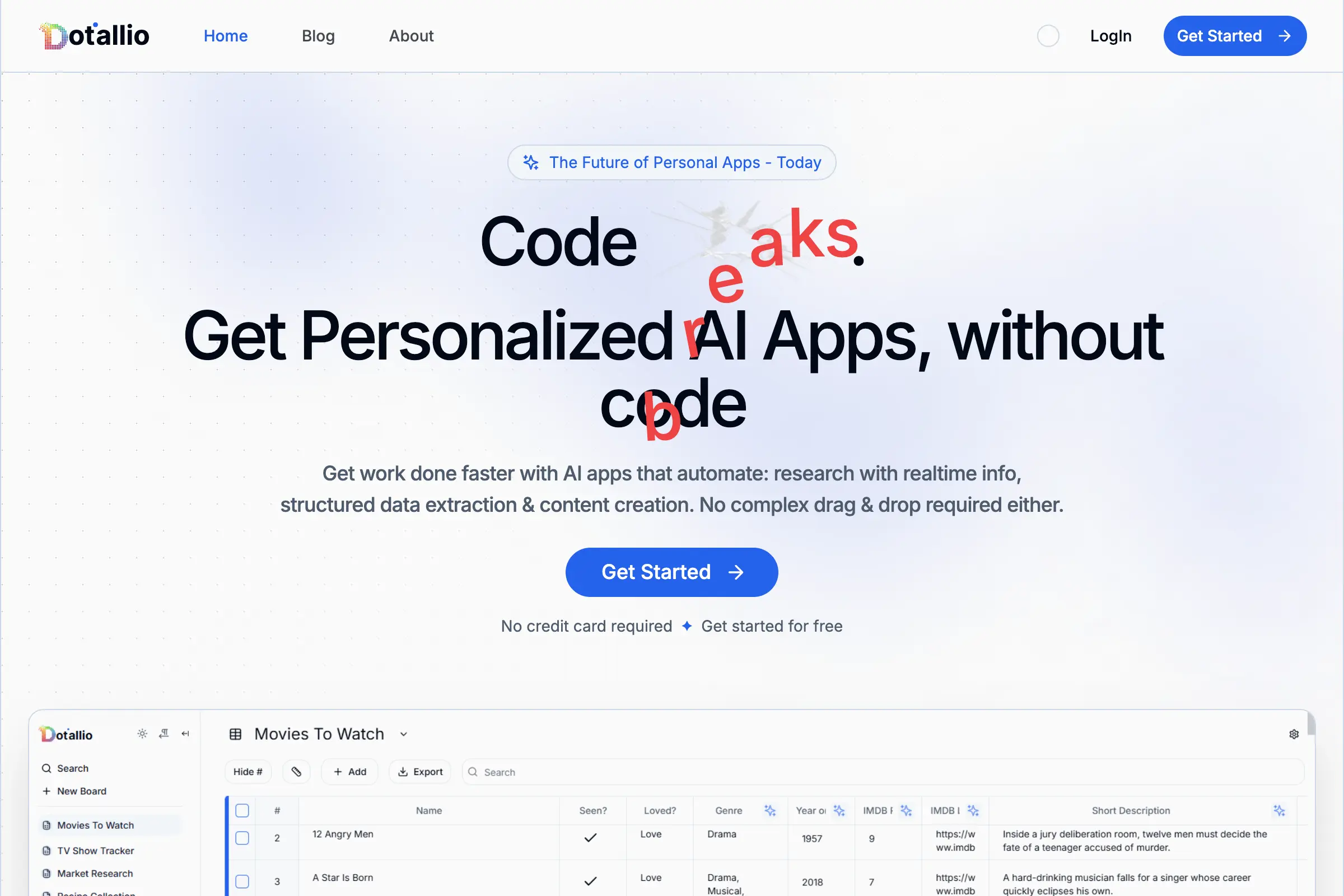
Dotallio
Personalized AI apps that automate research, data extraction, and content creation without code 🤖

Talk to Santa
Enjoy a magical live video chat or receive a unique AI-generated video greeting from Santa Claus 🎅
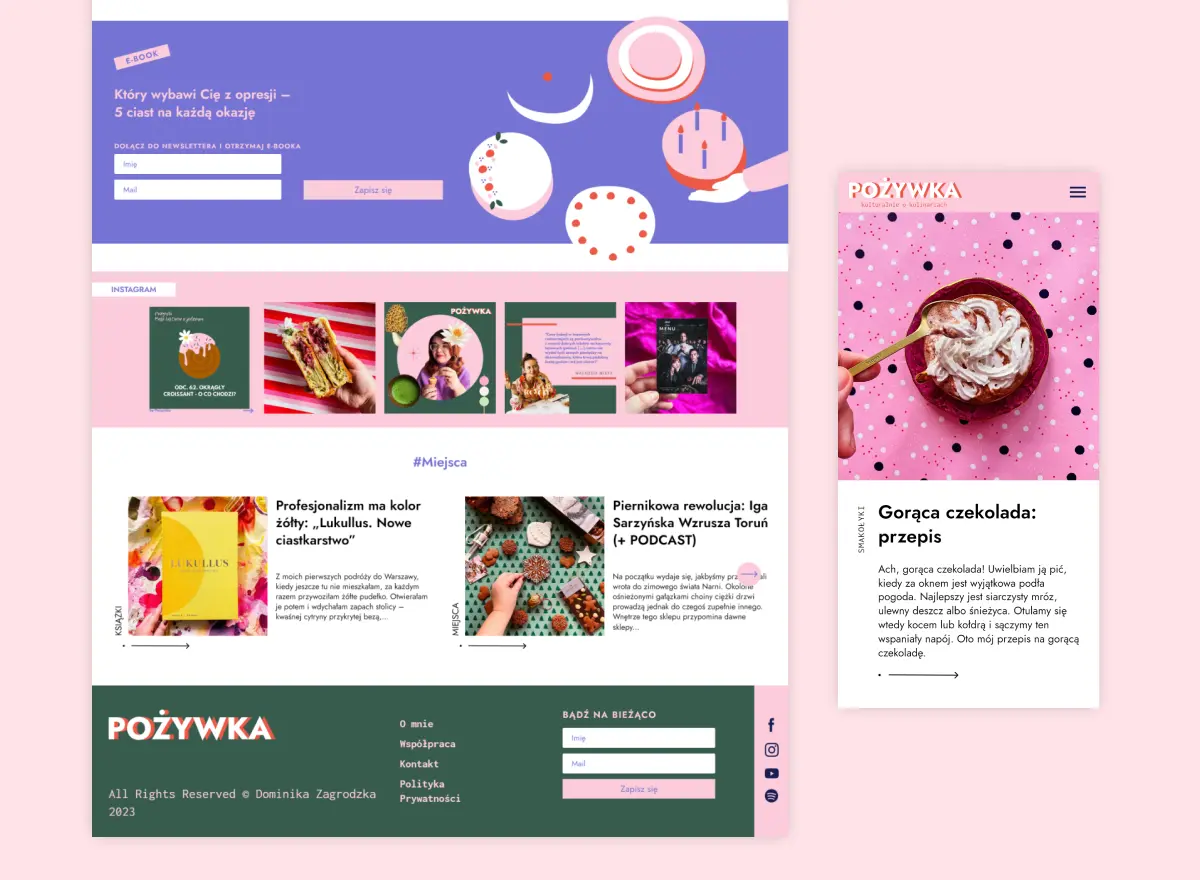
pozywka.pl
Scalable blog for food journalist, focused on performance and user experience 🌭
zagrodzki.me
Personal blog and portfolio of Bart Zagrodzki, where he shares his knowledge and work 💼
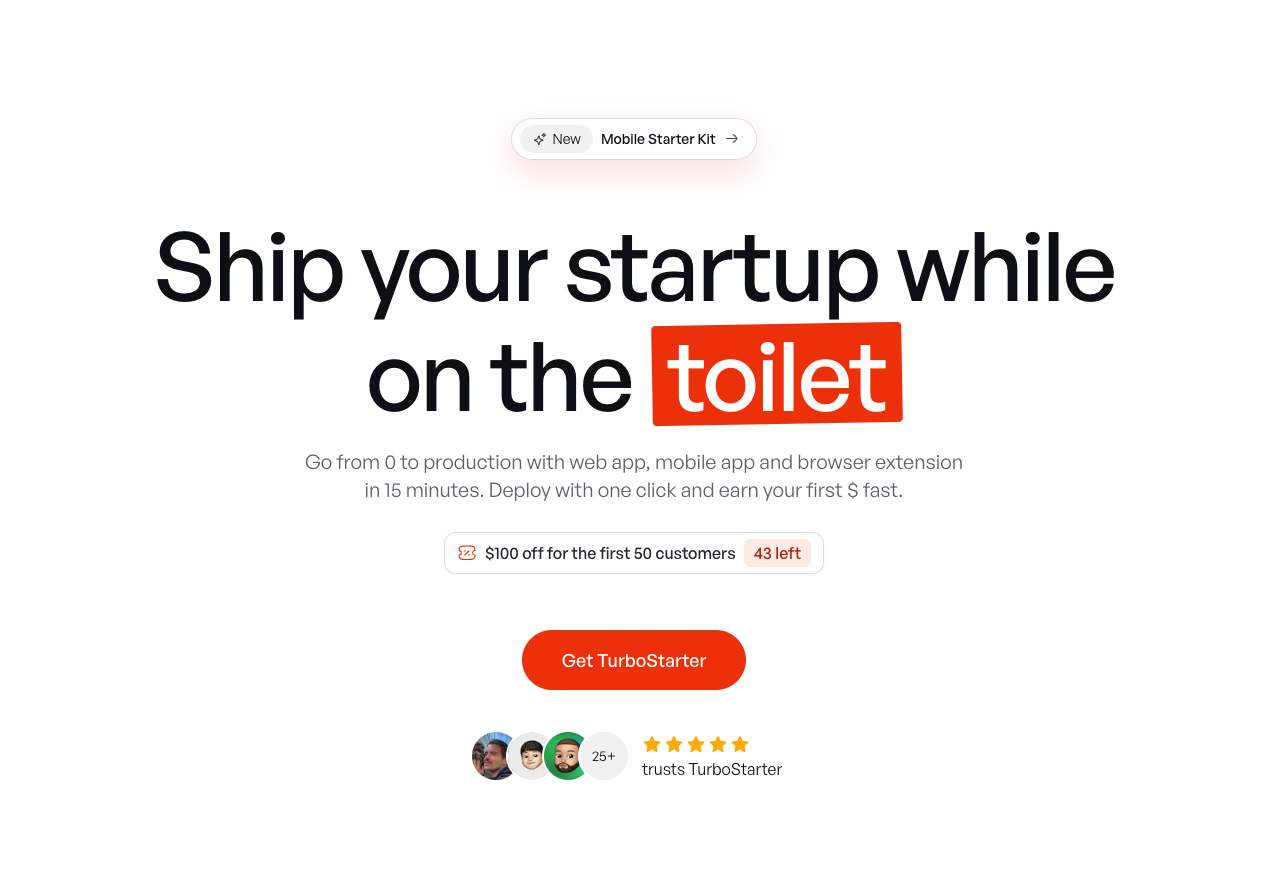
TurboStarter
Ship your startup everywhere. In minutes.
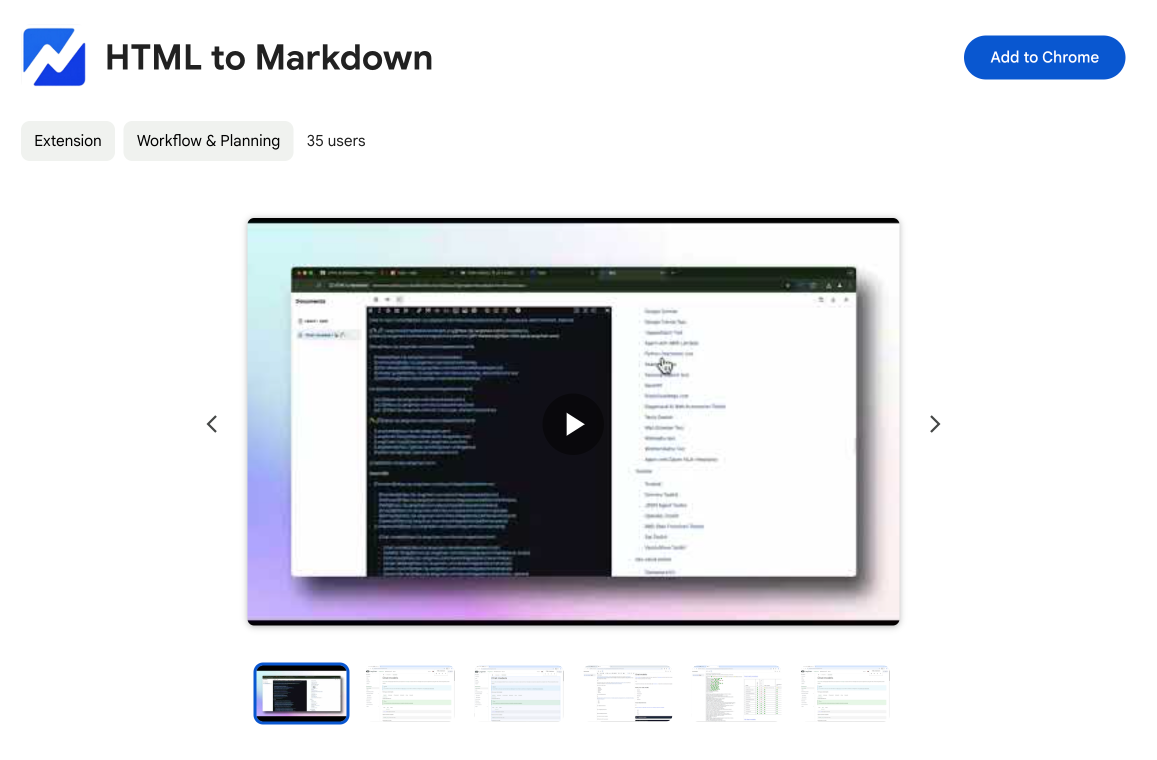
HTML to Markdown
Convert HTML to Markdown with ease, directly in your browser 📄
Dotallio
Personalized AI apps that automate research, data extraction, and content creation without code 🤖
Talk to Santa
Enjoy a magical live video chat or receive a unique AI-generated video greeting from Santa Claus 🎅
pozywka.pl
Scalable blog for food journalist, focused on performance and user experience 🌭
zagrodzki.me
Personal blog and portfolio of Bart Zagrodzki, where he shares his knowledge and work 💼
TurboStarter
Ship your startup everywhere. In minutes.
HTML to Markdown
Convert HTML to Markdown with ease, directly in your browser 📄
Dotallio
Personalized AI apps that automate research, data extraction, and content creation without code 🤖
Talk to Santa
Enjoy a magical live video chat or receive a unique AI-generated video greeting from Santa Claus 🎅
pozywka.pl
Scalable blog for food journalist, focused on performance and user experience 🌭
zagrodzki.me
Personal blog and portfolio of Bart Zagrodzki, where he shares his knowledge and work 💼
TurboStarter
Ship your startup everywhere. In minutes.
HTML to Markdown
Convert HTML to Markdown with ease, directly in your browser 📄
Dotallio
Personalized AI apps that automate research, data extraction, and content creation without code 🤖
Talk to Santa
Enjoy a magical live video chat or receive a unique AI-generated video greeting from Santa Claus 🎅
pozywka.pl
Scalable blog for food journalist, focused on performance and user experience 🌭
zagrodzki.me
Personal blog and portfolio of Bart Zagrodzki, where he shares his knowledge and work 💼
TurboStarter
Ship your startup everywhere. In minutes.
HTML to Markdown
Convert HTML to Markdown with ease, directly in your browser 📄
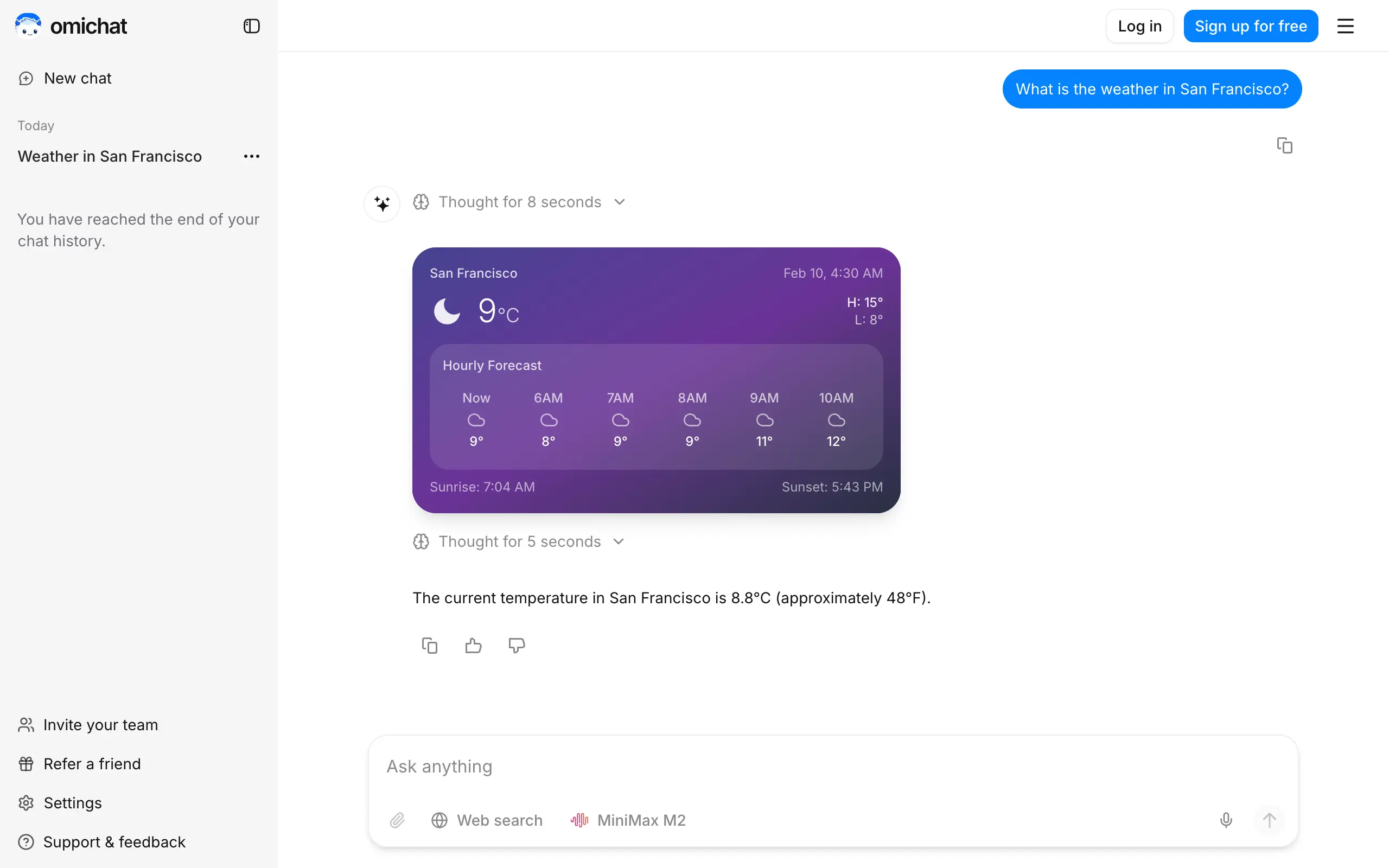
Omichat
Chat with 50+ AI models, including ChatGPT and Claude, in one place - switch models anytime without losing context 🤖
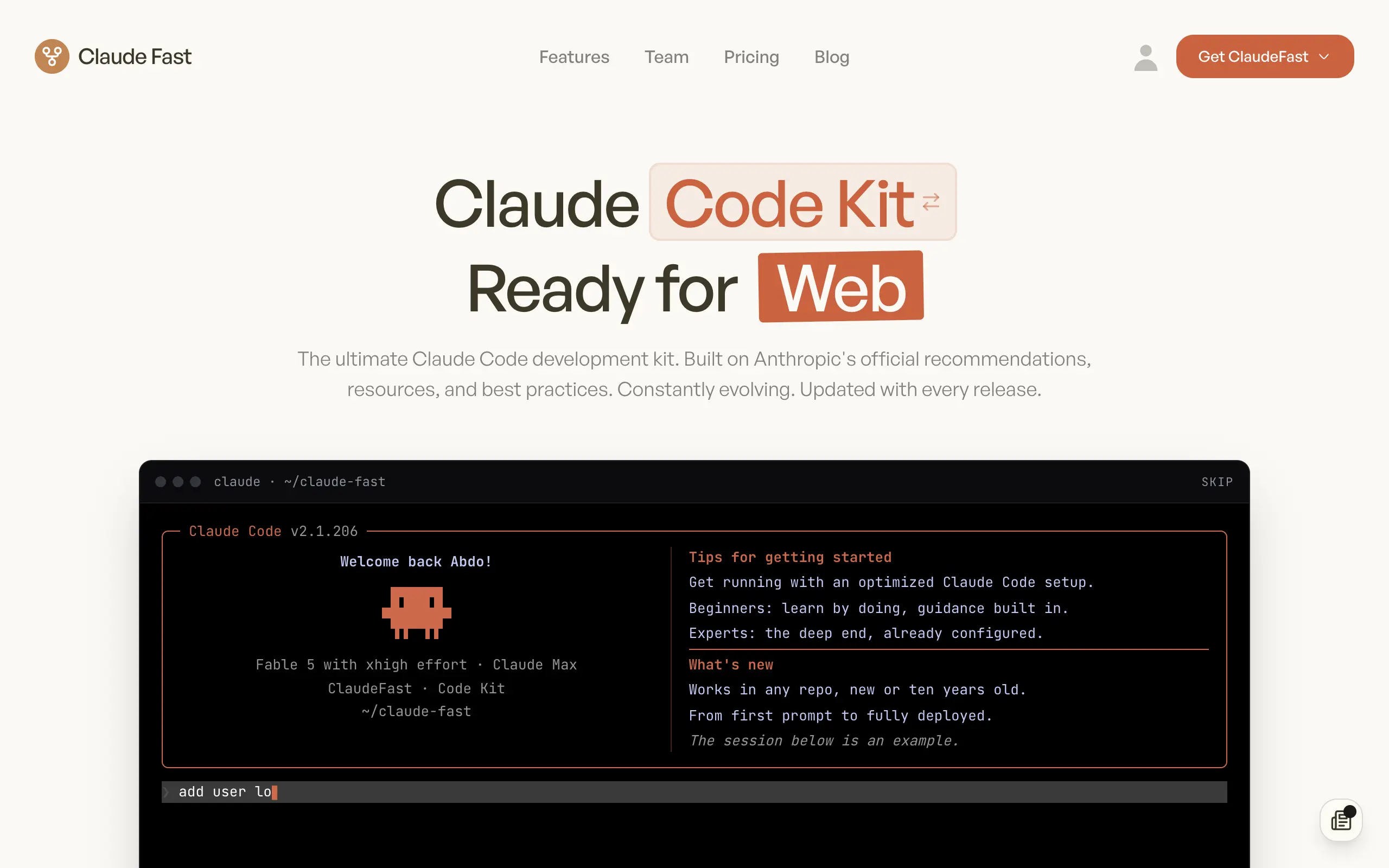
Claude Fast
Supercharge your Claude Code with 6x effective context window and specialized AI agents 🤖
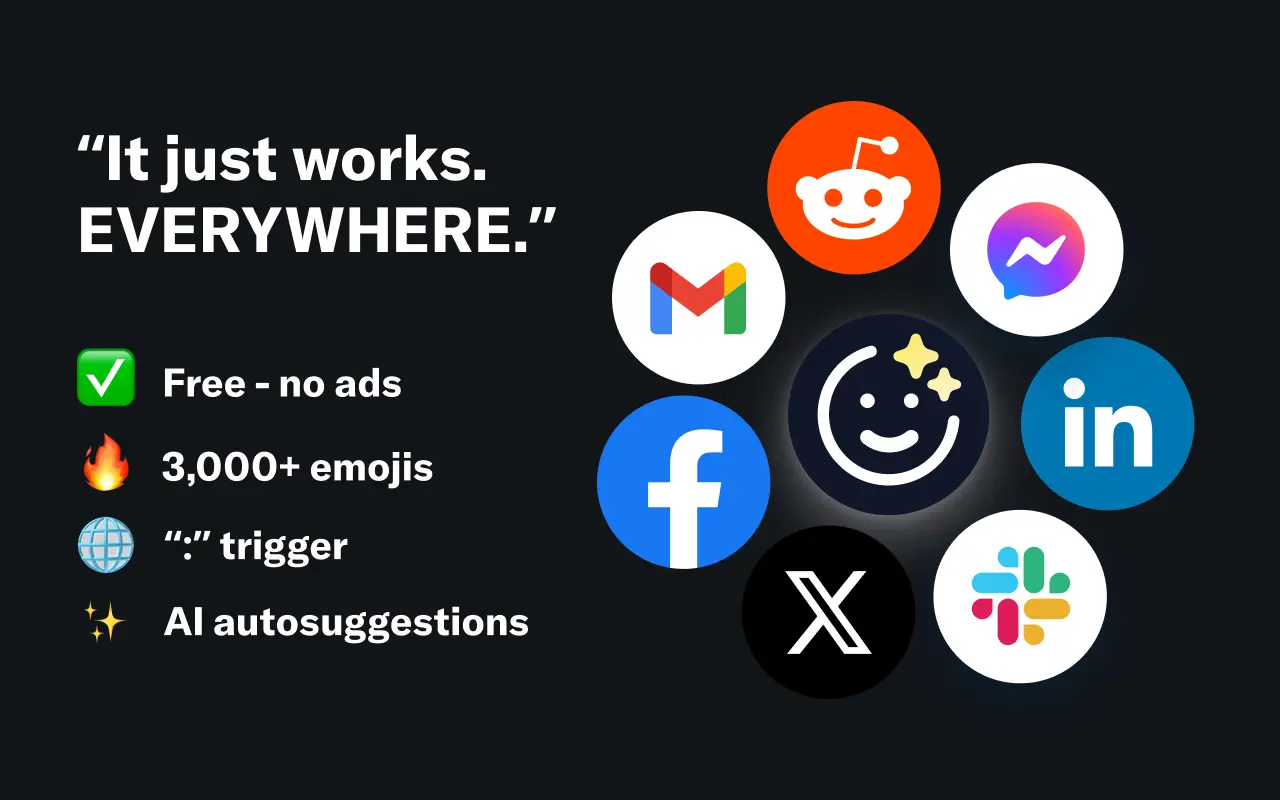
EmojAI
AI-powered emoji picker with smart, context-aware suggestions 🤖
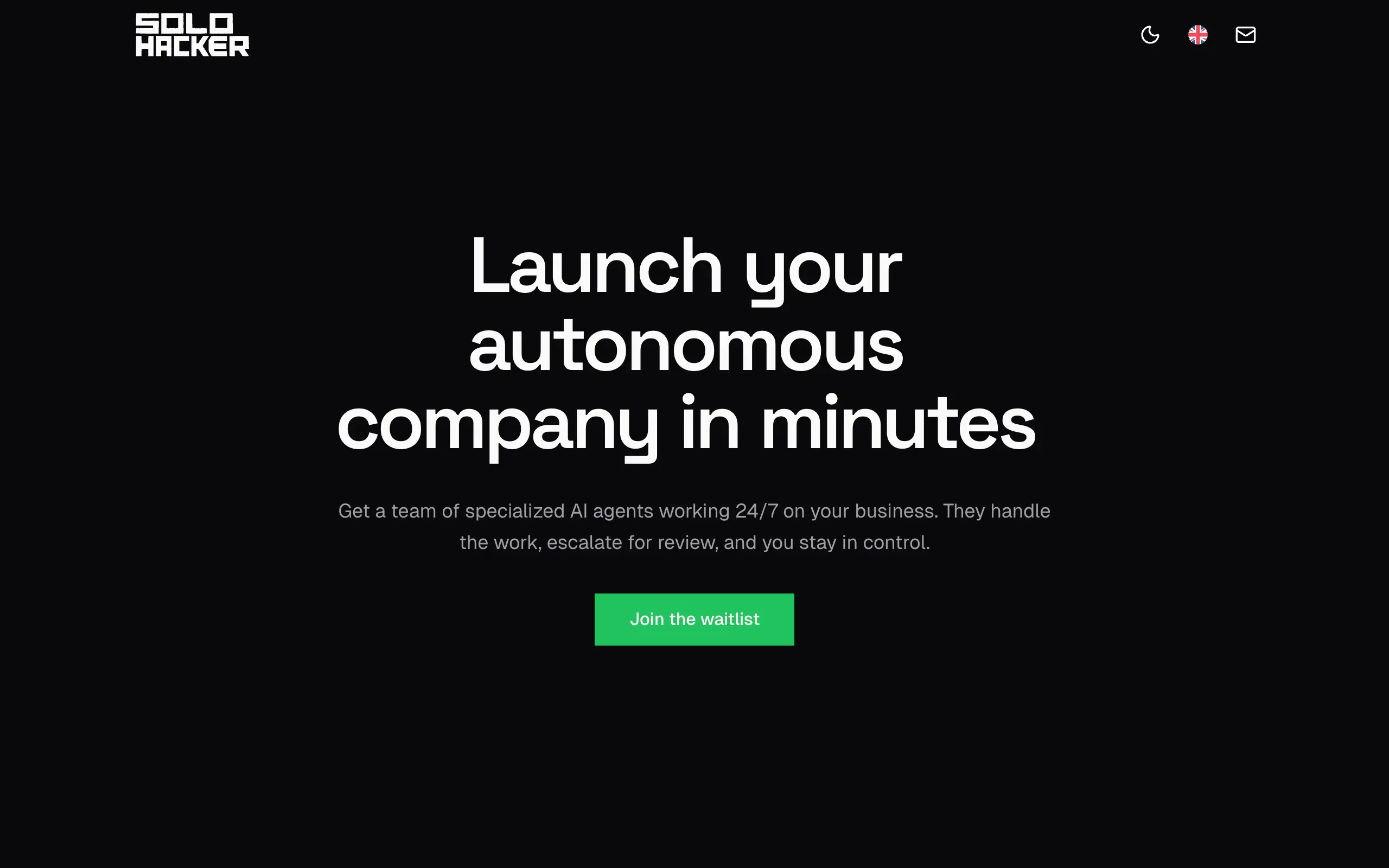
Solohacker
Autonomous company launcher - AI agents work 24/7, escalate what matters, and you stay in control 🤖
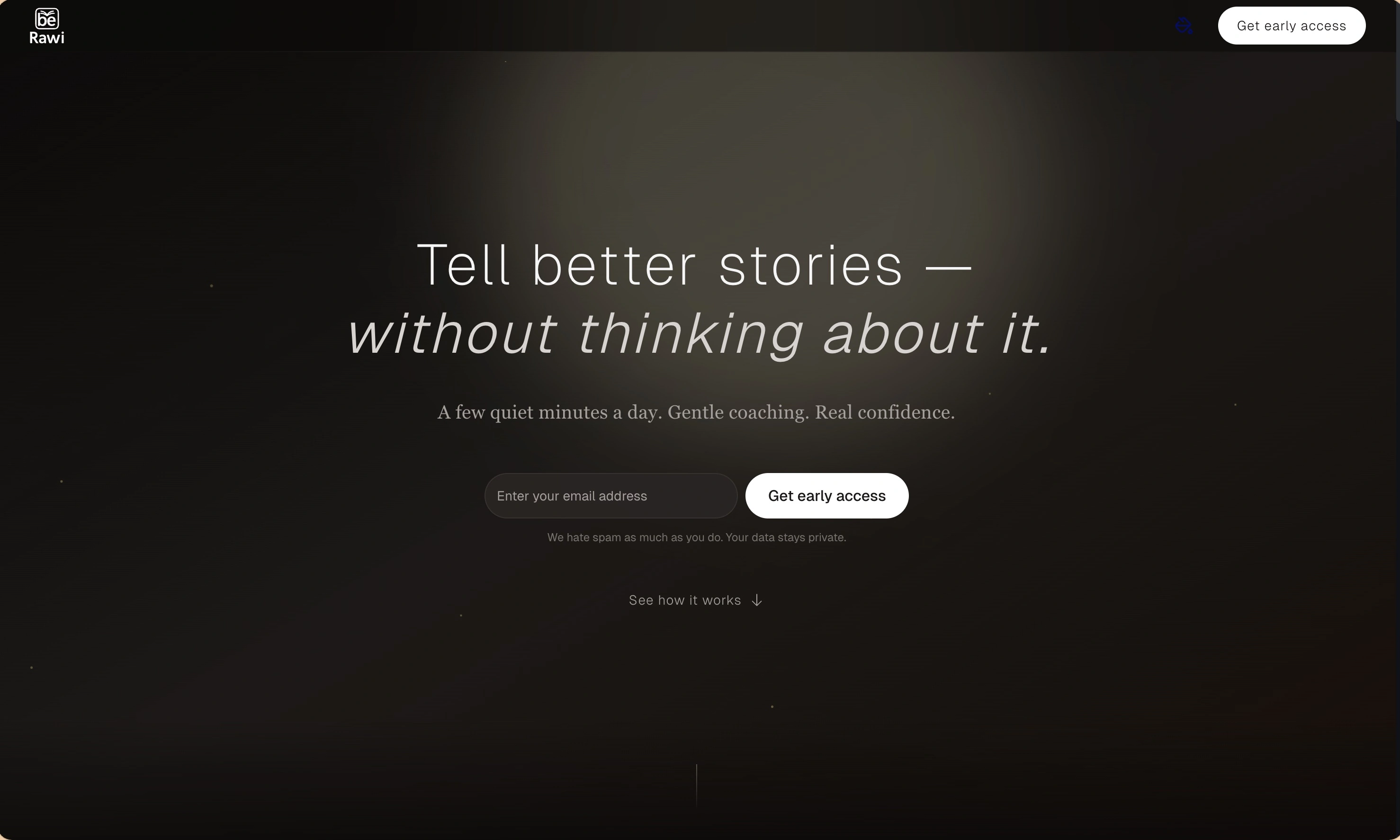
BeRawi: Storytelling Coach
Practice storytelling daily with instant feedback to sound clearer, more engaging, and confident 🎤
Omichat
Chat with 50+ AI models, including ChatGPT and Claude, in one place - switch models anytime without losing context 🤖
Claude Fast
Supercharge your Claude Code with 6x effective context window and specialized AI agents 🤖
EmojAI
AI-powered emoji picker with smart, context-aware suggestions 🤖
Solohacker
Autonomous company launcher - AI agents work 24/7, escalate what matters, and you stay in control 🤖
BeRawi: Storytelling Coach
Practice storytelling daily with instant feedback to sound clearer, more engaging, and confident 🎤
Omichat
Chat with 50+ AI models, including ChatGPT and Claude, in one place - switch models anytime without losing context 🤖
Claude Fast
Supercharge your Claude Code with 6x effective context window and specialized AI agents 🤖
EmojAI
AI-powered emoji picker with smart, context-aware suggestions 🤖
Solohacker
Autonomous company launcher - AI agents work 24/7, escalate what matters, and you stay in control 🤖
BeRawi: Storytelling Coach
Practice storytelling daily with instant feedback to sound clearer, more engaging, and confident 🎤
Omichat
Chat with 50+ AI models, including ChatGPT and Claude, in one place - switch models anytime without losing context 🤖
Claude Fast
Supercharge your Claude Code with 6x effective context window and specialized AI agents 🤖
EmojAI
AI-powered emoji picker with smart, context-aware suggestions 🤖
Solohacker
Autonomous company launcher - AI agents work 24/7, escalate what matters, and you stay in control 🤖
BeRawi: Storytelling Coach
Practice storytelling daily with instant feedback to sound clearer, more engaging, and confident 🎤

Connect with like-minded people
Join our community to get feedback, support, and grow together with 1,000+ builders on board, let's ship it!
Join usShip your startup everywhere. In minutes.
Don't burn tokens on setup and start building features on day one.