NodeAlpha
NodeAlpha leverages a hybrid MoE-GNN engine to forecast stock moves by modeling both macro trends and hidden dependencies in trading networks for advanced accuracy.
Note: The following article is written for the SaaS idea, NodeAlpha, which provides advanced stock move forecasting using a hybrid Mixture-of-Experts (MoE) and Graph Neural Network (GNN) engine, modeling both macro trends and hidden dependencies within trading networks.
Understanding the target audience for NodeAlpha
Before diving into technical and business features, it's crucial to clarify who NodeAlpha serves and what problems it addresses. Stock move forecasting is a mission-critical need across numerous finance industry stakeholders—but not every user group will benefit equally from an advanced hybrid MoE-GNN solution.
Primary user segments
-
Quantitative hedge funds and proprietary trading firms
These entities seek any edge in predictive accuracy and model sophistication. They're often familiar with modern ML techniques, value flexible API and research integration, and require top-grade performance. -
Institutional asset managers & wealth managers
Seeking to improve portfolio performance, risk management, and alpha generation. Often value explainable, auditable models due to regulatory/policy requirements. -
Sell-side research analysts and investment banks Focused on delivering data-driven insights to clients and informing trading desk strategies.
-
Fintech platforms building new investment tools
Need high-quality signal generation, novel analytics, and embeddable AI. -
AI and data science research teams Looking for innovative approaches to financial network modeling and macro-financial forecasting.
User pain points and motivation
- Desire for higher predictive accuracy
Traditional statistical and ML models often underperform during market regime shifts or fail to capture latent relationships. - Difficulty modeling non-linear dependencies
Static factor models miss significant hidden network effects (e.g., inter-stock, sector, or even social/operational relationships). - Need for explainability and actionable insight
Advanced models often act as black boxes—making risk assessment, compliance, and trust harder. - Demand for robust real-time signal delivery Actionable, timely signals are necessary, especially for high-frequency and systematic trading.
NodeAlpha directly addresses these needs by fusing MoE and GNN approaches for nuanced, adaptive, and interpretable forecasting.
Market opportunity and gap analysis
The financial forecasting SaaS space is crowded with various actors, from legacy quant vendors to emerging fintechs. Yet, several critical gaps persist.
Limitations of existing solutions
-
Conventional ML lacks financial graph-awareness
Most stock prediction APIs focus on features like macro indicators, prices, volumes, or news sentiment, but ignore intricate network dependencies—for example, supplier-customer relationships or correlated sector performance. -
Simple deep learning approaches overfit or generalize poorly
Techniques like LSTMs and transformers may capture sequential trends but struggle to model structured, non-Euclidean relationships (e.g., between companies, sectors, or global markets). -
Opaque “black box” models limit institutional adoption
Regulatory and fiduciary responsibilities often require explainability, which GNNs and certain MoE architectures can partially satisfy through explicit graph and expert assignment outputs.
Industry trends driving growth
- Graph-based forecasting is gaining traction: Financial networks (supply chain, counterparty risk, social graph, etc.) are increasingly recognized as crucial data assets ([see McKinsey, 2023]).
- Mixture-of-Experts (MoE) models power recent AI breakthroughs: These architectures offer efficient, scalable adaptation to diverse market regimes ([Google Pathways, 2022]; [DeepMind, 2023]).
- Demand for explainable, robust AI in finance is surging: Regulators, investors, and asset allocators want auditability.
Industry growth insight
Financial AI/ML spending is projected to grow at a CAGR of over 23% through 2028, with modeling complexity and accuracy as leading investment drivers. [Statista source: recommend referencing latest data here.]
NodeAlpha’s hybrid MoE-GNN engine: Core features & solution details
NodeAlpha’s unique value centers on its hybrid Mixture-of-Experts (MoE) and Graph Neural Network (GNN) engine. Here’s how it answers user demands and stands apart from typical SaaS stock predictors.
Key features and capabilities
-
Graph-based market modeling
NodeAlpha maps assets into a graph structure where nodes are stocks/tickers and edges represent relationships—supplier links, sector similarity, boardroom overlap, etc. -
Hidden dependency discovery
Traditional factor models miss latent dependencies. NodeAlpha’s GNN uncovers multi-hop or indirect influences, capturing how shocks propagate through the market—vital for risk management and alpha generation. -
Mixture-of-Experts for regime adaptation
The MoE layer assigns input data (market conditions, time window, asset group) to specialized sub-models, improving generalization and reducing overfitting, while allowing the SaaS to dynamically adapt across market cycles. -
Macro trend and micro pattern integration
Simultaneous modeling of macroeconomic drivers (interest rates, inflation, news events) and detailed inter-asset network dynamics. -
Transparent output and model explainability
Understand why the model predicts a move—feature attribution and network saliency mapping, supporting compliance and trust. -
High-performance, scalable API
Real-time signal generation and batch analytics supporting integration with existing quant pipelines, dashboards, and trading tools. -
Backtesting and scenario analysis tools
Built-in historical simulation allows users to validate signals, test strategies, and analyze model stability under various conditions.
Summary of key differentiators
Hybrid MoE-GNN model
Combines graph AI with adaptive expertise, modeling both connections and macro cycles.
Explainable forecasts
Attribute-level explanations for institutional trust.
Actionable API & alerts
Stream or analyze signals within existing systems for seamless workflow integration.
Real-world graph data ingestion
Builds and updates financial networks from public, proprietary, and alternative data sources.
Example workflow (how users interact)
- Data onboarding: Users select tickers, sectors, and optional custom relationship data.
- API or dashboard call: Input relevant time horizon, optional macro data, analysis settings.
- Forecast and attribution: Receive directional move forecasts with probability/confidence and detailed reasons (key network relationships, macro drivers).
- Backtest or live deploy: Integrate in trading/risk systems or simulate on historical windows.
- Continuously monitor and refine: Feedback integration and model retraining.
Recommended tech stack for NodeAlpha (with trade-offs)
NodeAlpha’s architecture must support state-of-the-art AI (MoE, GNN), real-time inference, robust security, and developer-friendly APIs. Here’s a breakdown of the ideal stack, trade-offs, and modern trends.
Core engine and modeling
- PyTorch (PyTorch): Widely adopted for deep learning, particularly GNN research and deployment.
- PyTorch Geometric (PyTorch Geometric): Specialized GNN toolkit, flexible for custom architectures.
- Ray (Ray): For scalable distributed training and serving of MoE components.
Trade-offs:
TensorFlow also supports GNN and MoE, but PyTorch is generally preferred for research agility and custom model development.
Data integration and pipelines
- Apache Kafka (Kafka) for robust streaming data ingestion (prices, macro feeds).
- Apache Arrow (Arrow) for efficient in-memory data interoperability.
- PostgreSQL (PostgreSQL) plus graph extension for persistent network state.
API & frontend
- FastAPI (FastAPI): High-performance Python API framework.
- React (React): For building rich, responsive dashboards.
- TailwindCSS (TailwindCSS): For rapid and flexible UI styling.
Infrastructure and DevOps
- Docker (Docker), Kubernetes (Kubernetes): Containerization and orchestration for scaling APIs and model services.
- AWS or Google Cloud Platform: For GPU-backed compute and real-time scaling.
Architecture summary
// Basic service architecture (simplified)
user request --> FastAPI API --> MoE-GNN Engine (PyTorch) --> Data Layer (Postgres/Kafka) --> Response (forecast, explainability)
Security and compliance
- OAuth2 for authentication.
- SOC 2-type infrastructure policies for enterprise trust.
Trade-off tip
Building scalable MoE and GNN pipelines on cloud GPUs may incur significant operational costs. Model compression, hybrid CPU-GPU serving, and task-specific expert selection (dynamic MoE routing) help manage cost/performance trade-offs.
Monetization strategy options
The financial SaaS market rewards accurate, distinctive, and business-critical insights. Monetization should balance accessibility for technical users and premium features for enterprise clients.
Major monetization models
-
Tiered subscription plans
- Basic: Limited API calls/month, finite universe, core features.
- Pro: Higher quotas, advanced attribution, custom relationship data, priority support.
- Enterprise: Unlimited or negotiated access, custom model training, on-premise deployment options.
-
Usage-based pricing
Charge per data point, request, or asset universe analyzed—suited to quant shops and fintechs with variable demand. -
Premium model features
- Model customization
- Priority real-time alerts
- Enhanced data sources (e.g., alternative data integration)
-
Consulting/services
- White-glove onboarding
- Custom backtesting or report-building
-
Partner/license/white-label APIs
Integrate NodeAlpha’s core engines within other analytics or brokerage platforms for new revenue.
Risks and mitigation strategies
As with any advanced AI SaaS—especially in financial prediction—NodeAlpha faces several risks. Anticipating and proactively addressing these is vital for sustained trust and competitive position.
| Risk | Description | Mitigation |
|---|---|---|
| Model drift | Financial markets evolve, regimes shift. | Ongoing retraining, drift detection, user feedback loops. |
| Regulatory compliance | AI in finance faces scrutiny (model explainability, bias). | Transparent outputs, explainability layers, compliance partnerships. |
| Data reliability/security | External data can be incomplete or attacked; IP theft is possible. | Multiple sources, audits, robust cloud security, rate limiting. |
| Black-box perception | Enterprise users and regulators dislike opaque "magic box" models. | Integrated explainability, user auditing, detailed attributions. |
| High compute cost | GNNs and MoEs are resource-demanding (esp. real-time). | Efficient model design, serverless/GPU scaling, user quotas. |
| Competition | Market is crowded; potential for commoditization. | Focus on unique graph+MoE approach, explainability, network-driven insights. |
Model retraining is built into the platform pipeline. Auto-detection of performance drift, human-in-the-loop validation, and modular expert addition lets NodeAlpha adapt continuously.
Robust SLA agreements, encrypted communication, SOC 2-level auditing, and option for dedicated cloud/on-prem deployment ensure institutional reliability.
Yes—saliency maps, graph relation attribution, and expert assignment outputs show why each prediction occurs.
Competitive advantage: Why NodeAlpha stands out
NodeAlpha’s hybrid MoE-GNN approach is fundamentally differentiated:
- Most fintech prediction tools ignore explicit graph structures and rely on shallow correlations or basic time series.
- NodeAlpha delivers deeper understanding of asset-level and market-wide relationships—integrating macro drivers, alternative data, and hidden network links.
- The mixture-of-experts layer adapts fluidly to new market environments without retraining the whole model, ensuring resilience.
- Institutional-ready explainability features provide unique confidence for enterprise, regulatory, and compliance-focused users.
- Continuous learning ensures state-of-the-art accuracy, even as markets—inevitably—change.
Feature & value comparison matrix
| MoE-GNN Hybrid | Legacy ML SaaS | Classic Factor Models | API-first Vendors | Manual Research |
|---|---|---|---|---|
| ✅ | ❌ | ❌ | ✅ | ❌ |
| ✅ | ❌ | ✅ | ✅ | ❌ |
Actionable go-to-market and implementation steps
Whether you're an AI/ML founder, product manager, or CTO exploring NodeAlpha’s approach for stock move forecasting, here’s a concrete roadmap to build or evaluate such a solution:
Conclusion: NodeAlpha’s unique proposition
For decision-makers who require actionable, high-accuracy stock move forecasting, NodeAlpha stands alone by merging the adaptability and specialization of MoE with the network-intelligent modeling of GNNs. This architecture delivers both the performance cutting-edge trading firms demand and the transparency institutional clients require.
- Robust hybrid AI: Integrates state-of-the-art techniques and findings from both graph learning and expert mixture architectures.
- Deep market understanding: Models hidden relationships and macro contexts, something rarely achieved in SaaS stock predictors.
- Institutional + developer ready: API-first, explainable, and scalable to evolving needs.
- Clear business value: Proven methods to price, productize, and integrate for maximum impact.
To accelerate your journey from concept to robust go-to-market SaaS, consider leveraging a platform like TurboStarter to quickly scaffold secure, scalable, and customizable solutions.
Frequently asked questions
NodeAlpha is designed for advanced technical users (quantitative teams, institutional funds, fintech builders). While broader offerings may be explored in the future, its current capabilities and pricing match professional rather than retail use cases.
High-quality ticks, macro indicators, and historical price/volume series are core inputs. Accuracy improves further with relationship data (e.g., supply chain, sector membership, news co-mentions).
Yes, API-first design supports partner and white-label integrations for fintech product builders.
For those seeking a leap forward in AI-driven forecasting and network-aware risk management, NodeAlpha brings the sophistication of modern deep learning into practical, actionable, and explainable SaaS form.
More 💡 Other SaaS ideas
Discover more innovative other SaaS ideas that are trending in 2026. Each idea is AI-generated with market validation and growth potential to help you find your next profitable venture faster than competitors.
Your competitors are building with TurboStarter
Below are some of the SaaS ideas that have been generated and built with our starter kit.
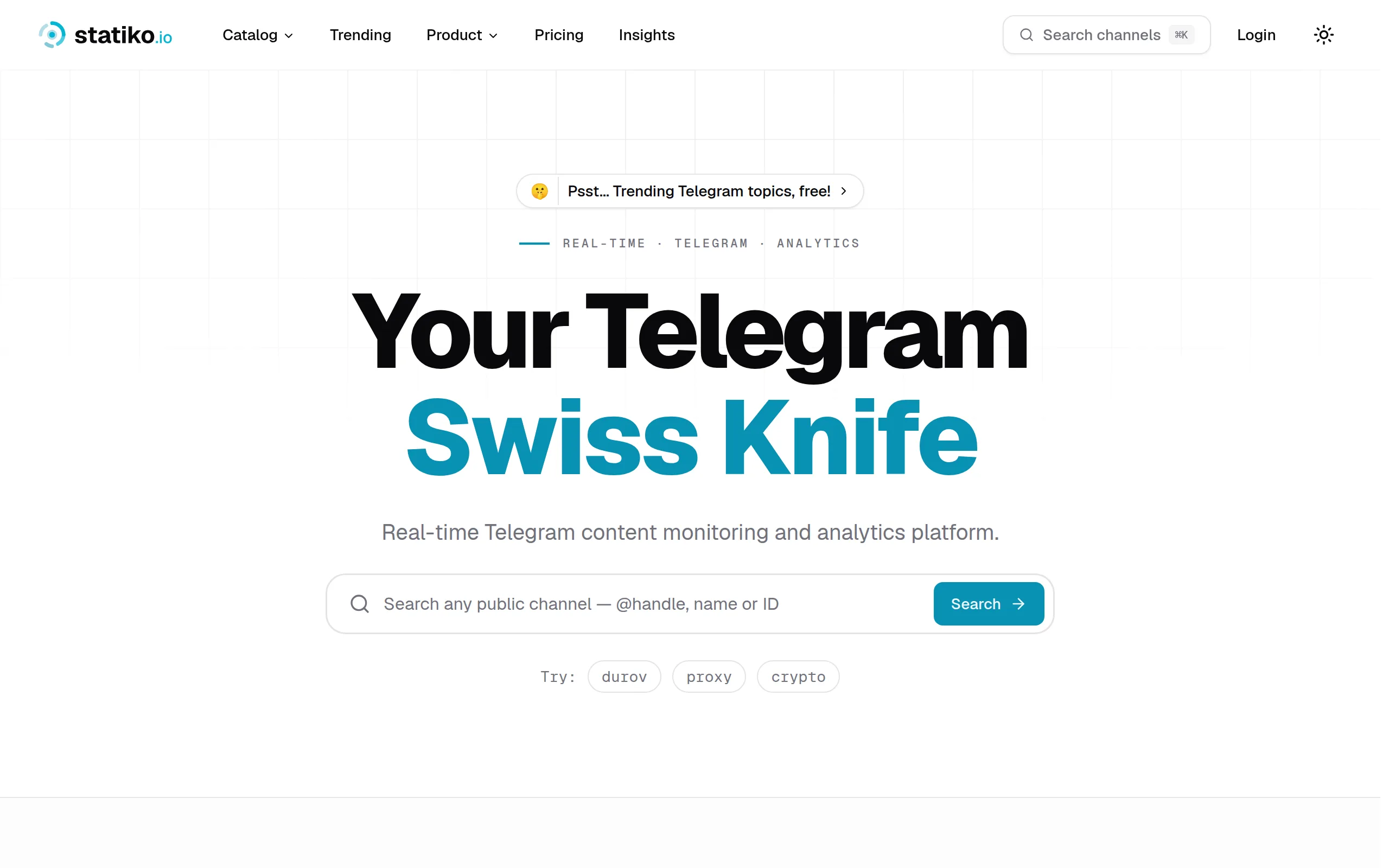
Statiko
Monitor any Telegram channel in real time - track posts, edits, deletions, and growth with AI recaps 📡

Shibui
AI website builder - describe your business, pick a niche template, edit by chatting, and publish instantly ✨

Pro Service
Find verified home service professionals, compare quotes, and pay securely through escrow - built for Brazilians across the US 🏠
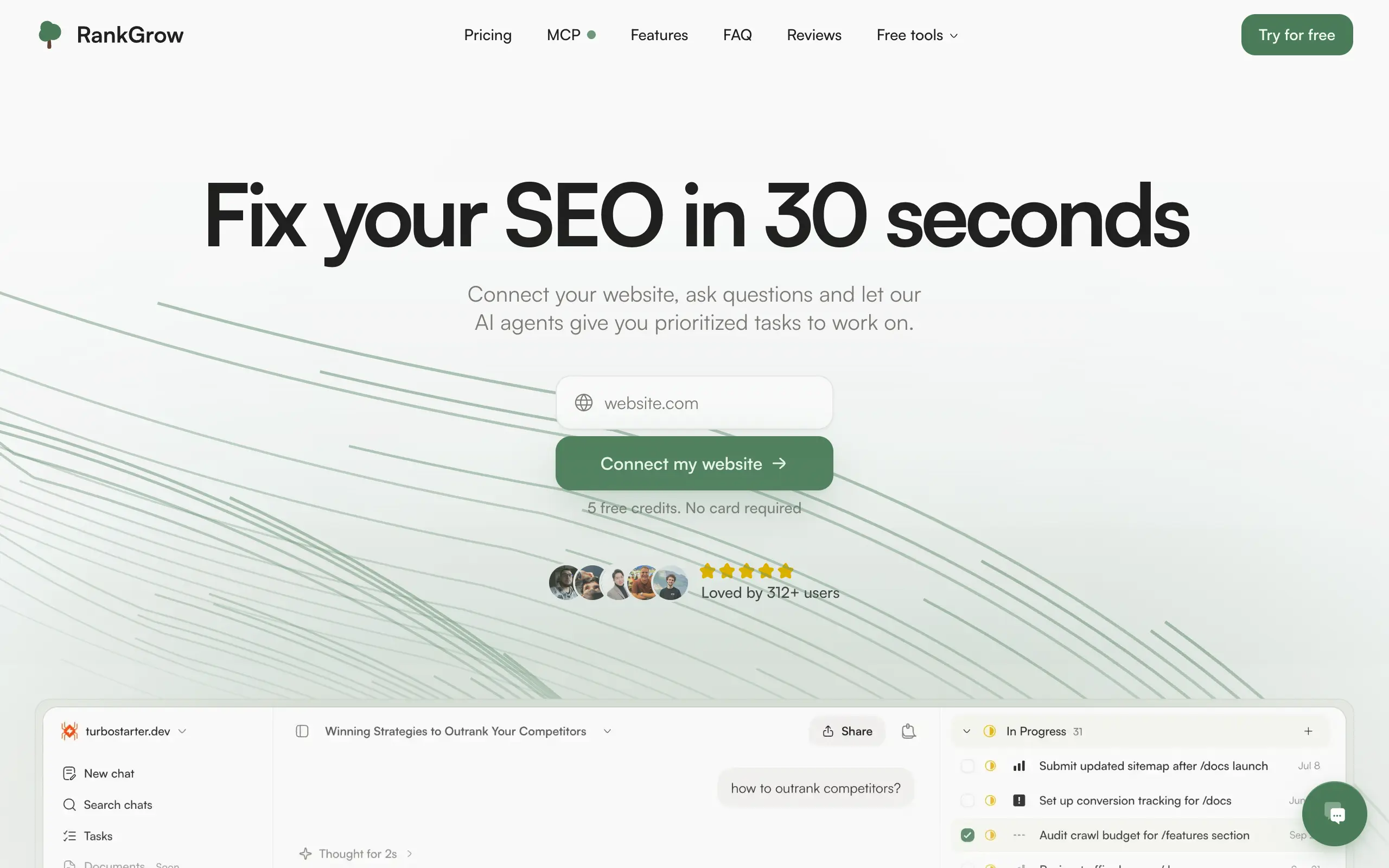
RankGrow
Fix your SEO with AI agents - connect Search Console, get prioritized tasks, and grow organic traffic 📈
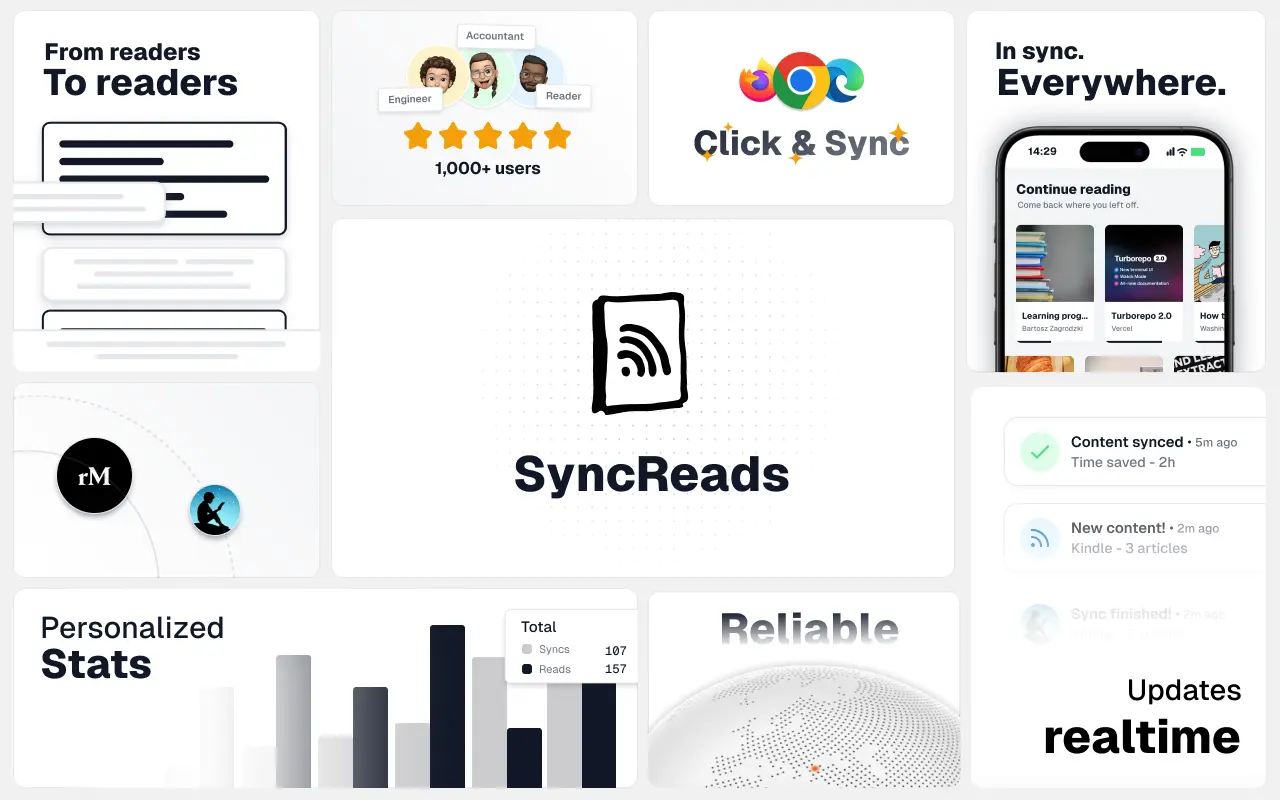
SyncReads
Sync your favorite content for distraction-free reading, save time and replace multiple apps. Anytime, anywhere 🔄
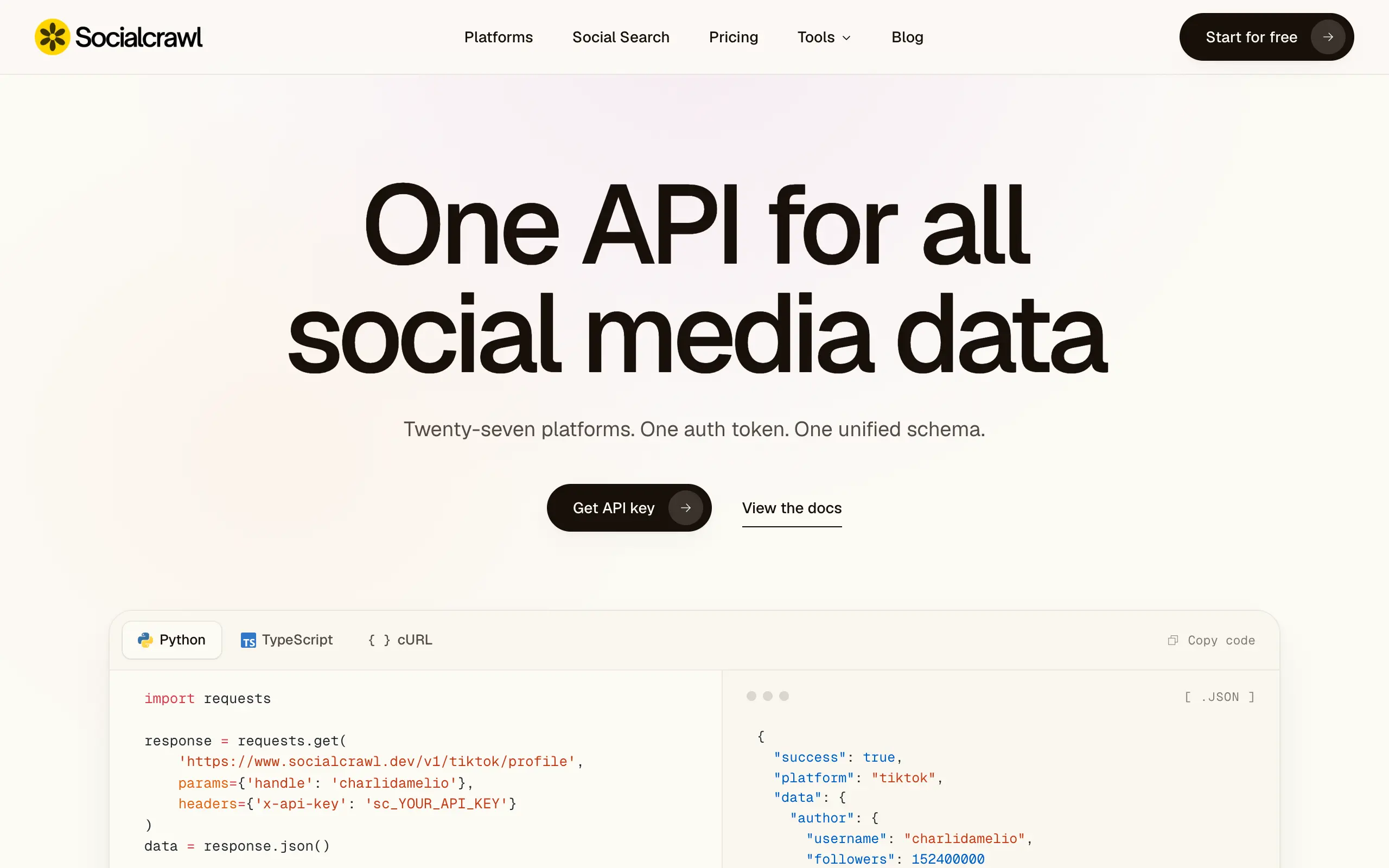
Socialcrawl
Get clean, structured data from 21 platforms like TikTok, Instagram, and YouTube with a single request 📊
Statiko
Monitor any Telegram channel in real time - track posts, edits, deletions, and growth with AI recaps 📡
Shibui
AI website builder - describe your business, pick a niche template, edit by chatting, and publish instantly ✨
Pro Service
Find verified home service professionals, compare quotes, and pay securely through escrow - built for Brazilians across the US 🏠
RankGrow
Fix your SEO with AI agents - connect Search Console, get prioritized tasks, and grow organic traffic 📈
SyncReads
Sync your favorite content for distraction-free reading, save time and replace multiple apps. Anytime, anywhere 🔄
Socialcrawl
Get clean, structured data from 21 platforms like TikTok, Instagram, and YouTube with a single request 📊
Statiko
Monitor any Telegram channel in real time - track posts, edits, deletions, and growth with AI recaps 📡
Shibui
AI website builder - describe your business, pick a niche template, edit by chatting, and publish instantly ✨
Pro Service
Find verified home service professionals, compare quotes, and pay securely through escrow - built for Brazilians across the US 🏠
RankGrow
Fix your SEO with AI agents - connect Search Console, get prioritized tasks, and grow organic traffic 📈
SyncReads
Sync your favorite content for distraction-free reading, save time and replace multiple apps. Anytime, anywhere 🔄
Socialcrawl
Get clean, structured data from 21 platforms like TikTok, Instagram, and YouTube with a single request 📊
Statiko
Monitor any Telegram channel in real time - track posts, edits, deletions, and growth with AI recaps 📡
Shibui
AI website builder - describe your business, pick a niche template, edit by chatting, and publish instantly ✨
Pro Service
Find verified home service professionals, compare quotes, and pay securely through escrow - built for Brazilians across the US 🏠
RankGrow
Fix your SEO with AI agents - connect Search Console, get prioritized tasks, and grow organic traffic 📈
SyncReads
Sync your favorite content for distraction-free reading, save time and replace multiple apps. Anytime, anywhere 🔄
Socialcrawl
Get clean, structured data from 21 platforms like TikTok, Instagram, and YouTube with a single request 📊
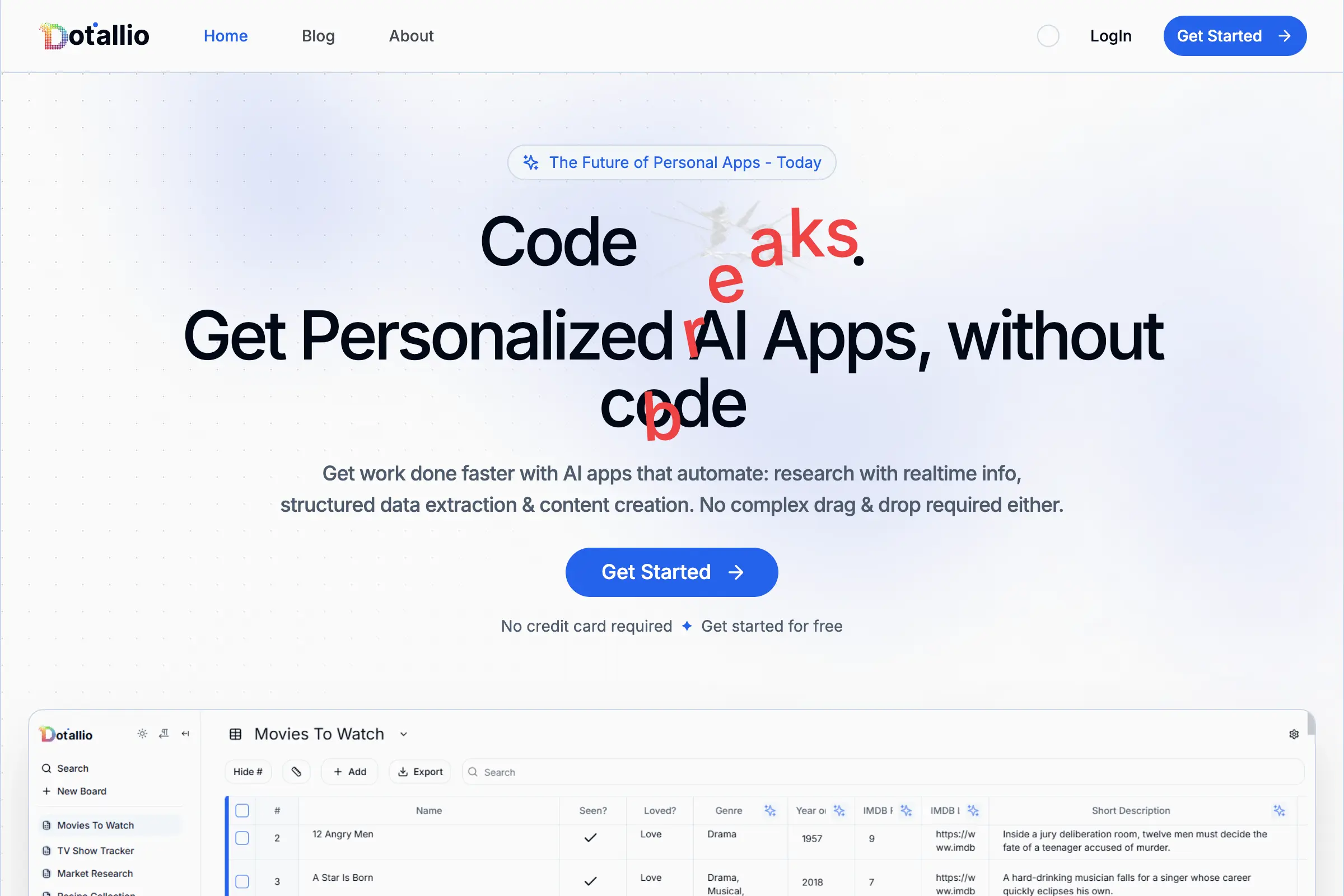
Dotallio
Personalized AI apps that automate research, data extraction, and content creation without code 🤖

Talk to Santa
Enjoy a magical live video chat or receive a unique AI-generated video greeting from Santa Claus 🎅

pozywka.pl
Scalable blog for food journalist, focused on performance and user experience 🌭
zagrodzki.me
Personal blog and portfolio of Bart Zagrodzki, where he shares his knowledge and work 💼
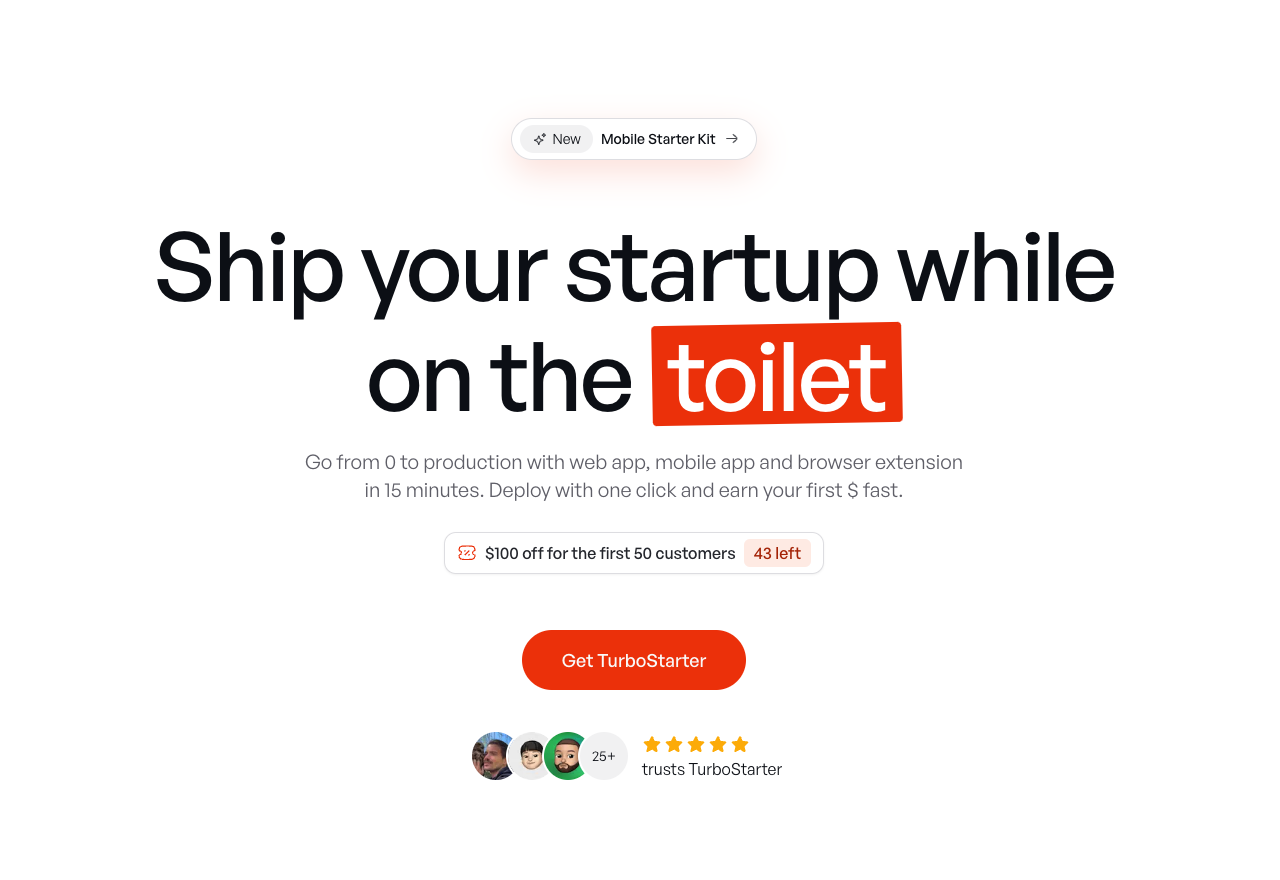
TurboStarter
Ship your startup everywhere. In minutes.
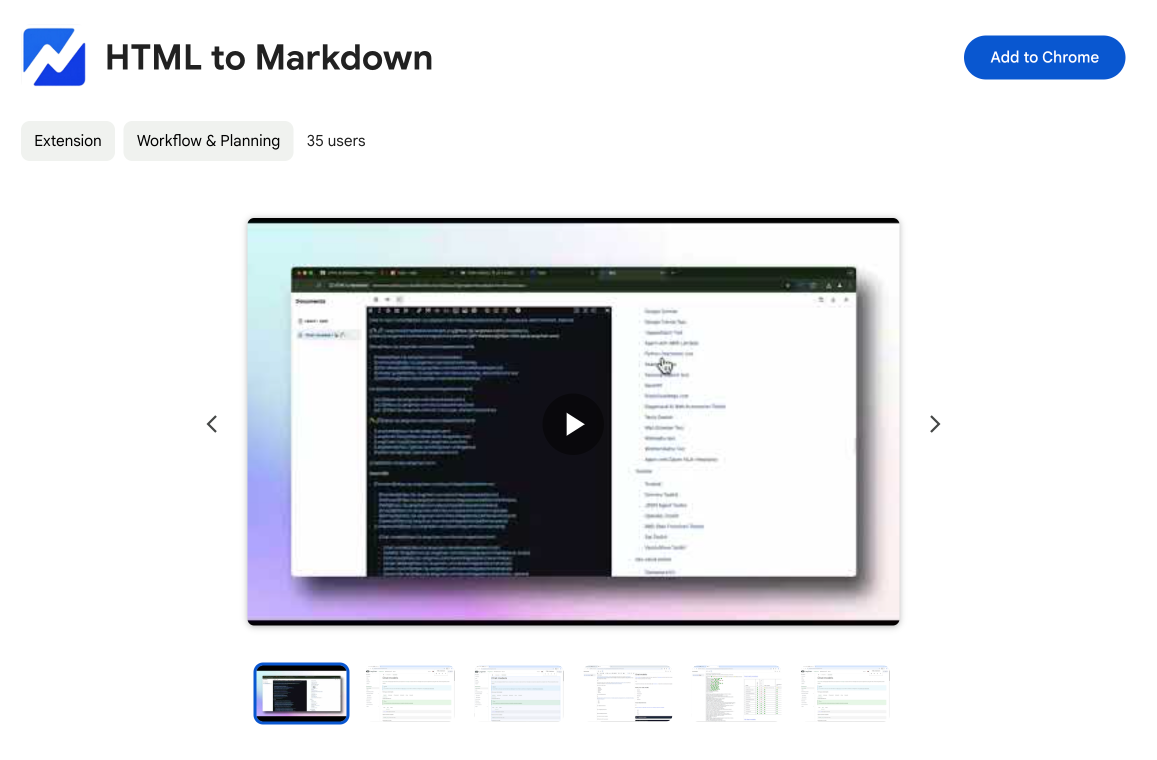
HTML to Markdown
Convert HTML to Markdown with ease, directly in your browser 📄
Dotallio
Personalized AI apps that automate research, data extraction, and content creation without code 🤖
Talk to Santa
Enjoy a magical live video chat or receive a unique AI-generated video greeting from Santa Claus 🎅
pozywka.pl
Scalable blog for food journalist, focused on performance and user experience 🌭
zagrodzki.me
Personal blog and portfolio of Bart Zagrodzki, where he shares his knowledge and work 💼
TurboStarter
Ship your startup everywhere. In minutes.
HTML to Markdown
Convert HTML to Markdown with ease, directly in your browser 📄
Dotallio
Personalized AI apps that automate research, data extraction, and content creation without code 🤖
Talk to Santa
Enjoy a magical live video chat or receive a unique AI-generated video greeting from Santa Claus 🎅
pozywka.pl
Scalable blog for food journalist, focused on performance and user experience 🌭
zagrodzki.me
Personal blog and portfolio of Bart Zagrodzki, where he shares his knowledge and work 💼
TurboStarter
Ship your startup everywhere. In minutes.
HTML to Markdown
Convert HTML to Markdown with ease, directly in your browser 📄
Dotallio
Personalized AI apps that automate research, data extraction, and content creation without code 🤖
Talk to Santa
Enjoy a magical live video chat or receive a unique AI-generated video greeting from Santa Claus 🎅
pozywka.pl
Scalable blog for food journalist, focused on performance and user experience 🌭
zagrodzki.me
Personal blog and portfolio of Bart Zagrodzki, where he shares his knowledge and work 💼
TurboStarter
Ship your startup everywhere. In minutes.
HTML to Markdown
Convert HTML to Markdown with ease, directly in your browser 📄
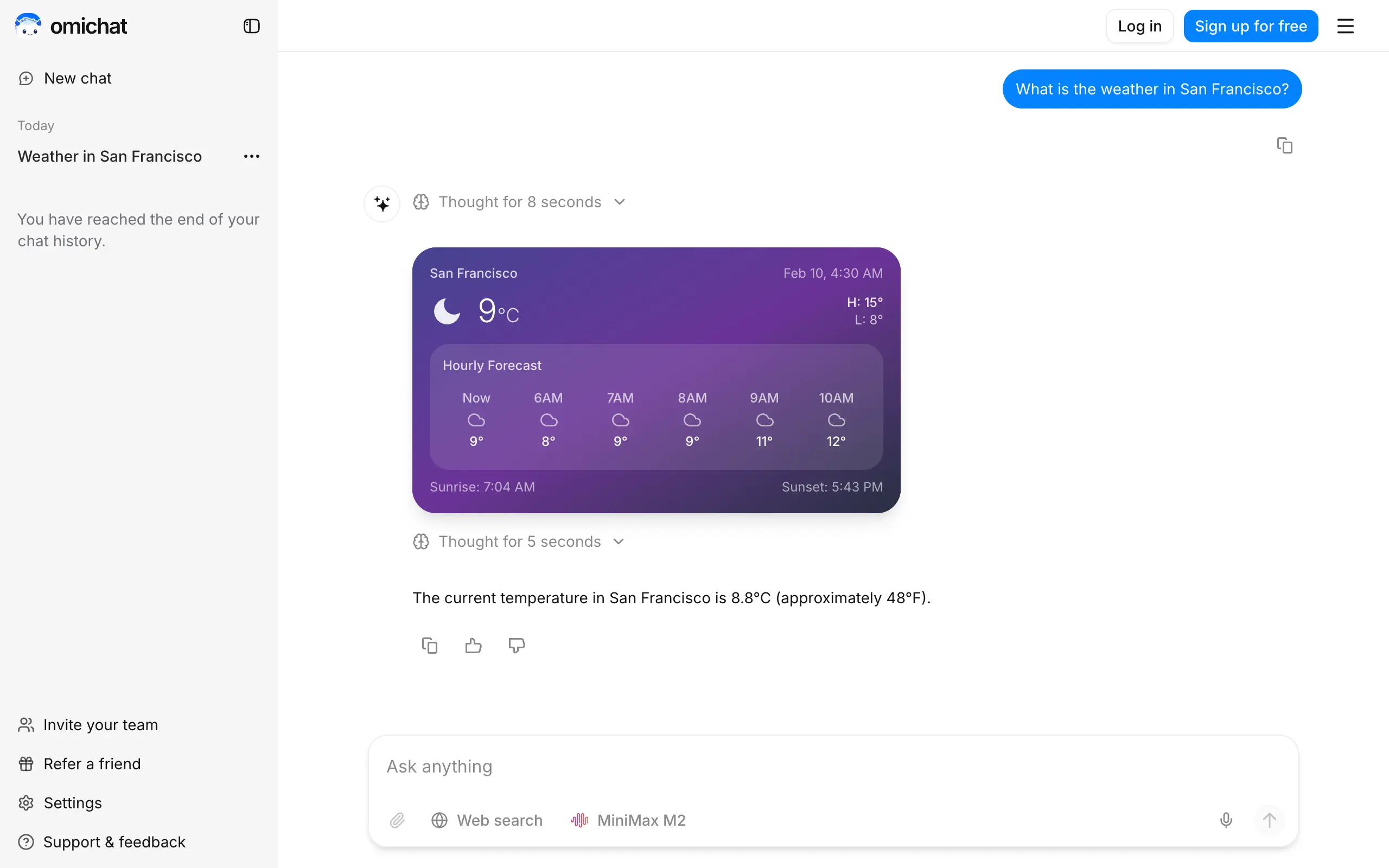
Omichat
Chat with 50+ AI models, including ChatGPT and Claude, in one place - switch models anytime without losing context 🤖
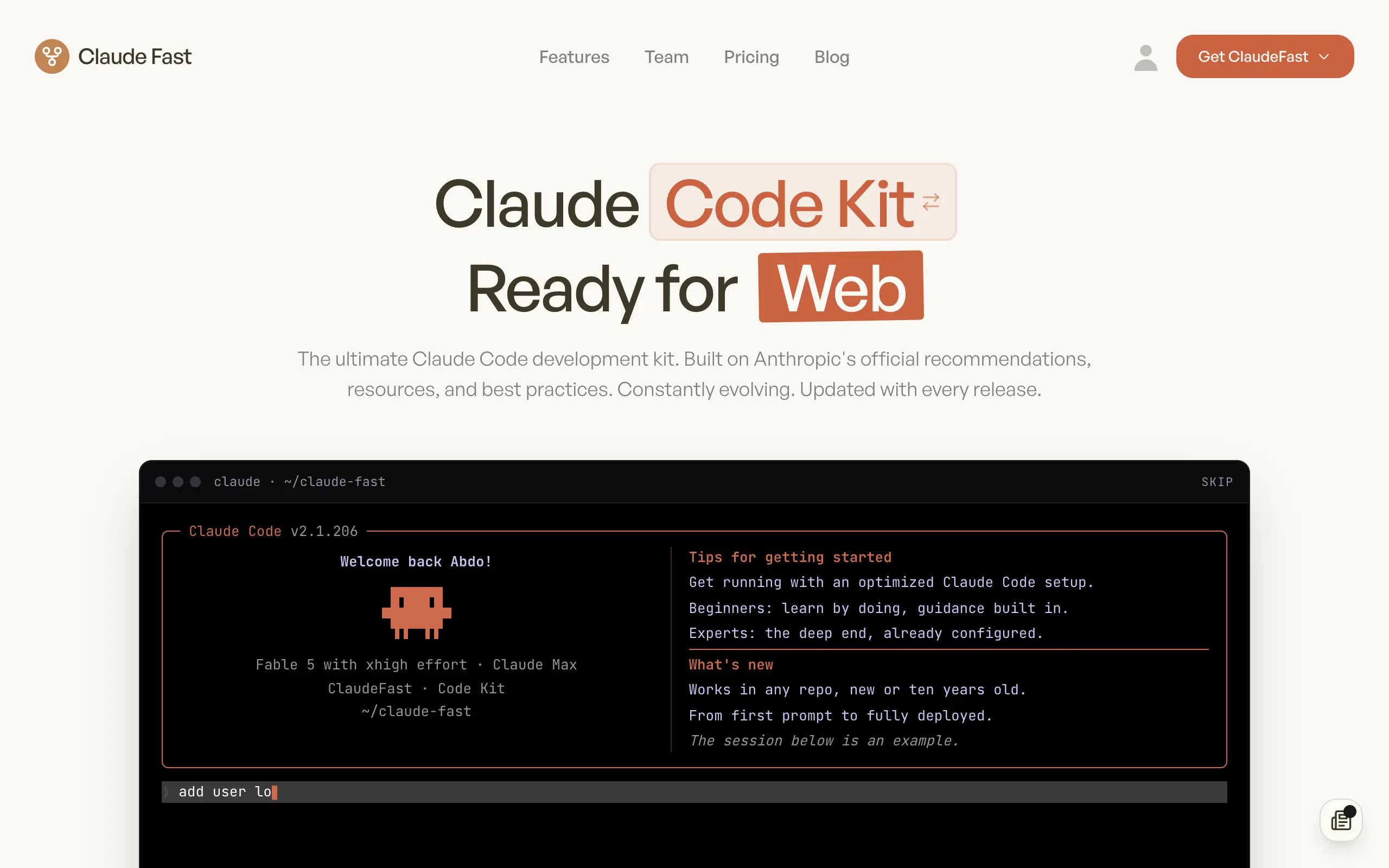
Claude Fast
Supercharge your Claude Code with 6x effective context window and specialized AI agents 🤖
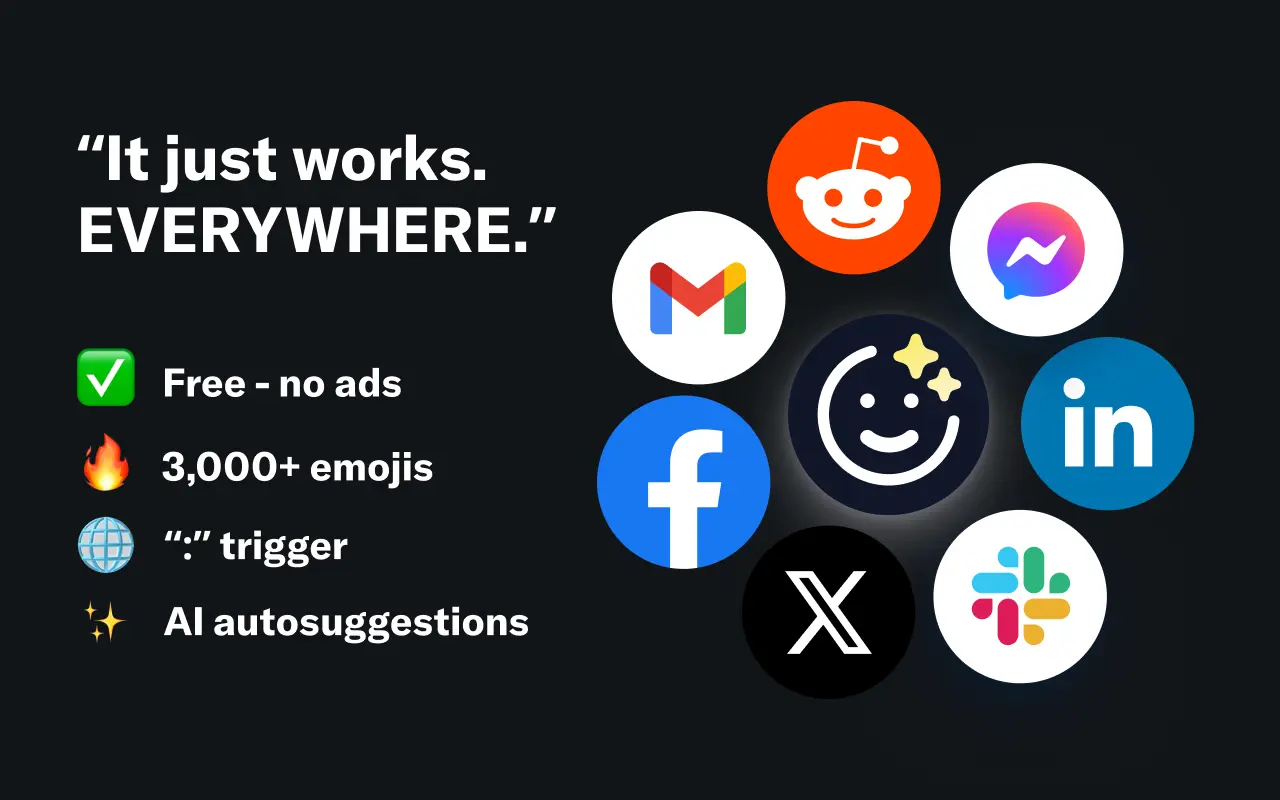
EmojAI
AI-powered emoji picker with smart, context-aware suggestions 🤖
Solohacker
Autonomous company launcher - AI agents work 24/7, escalate what matters, and you stay in control 🤖
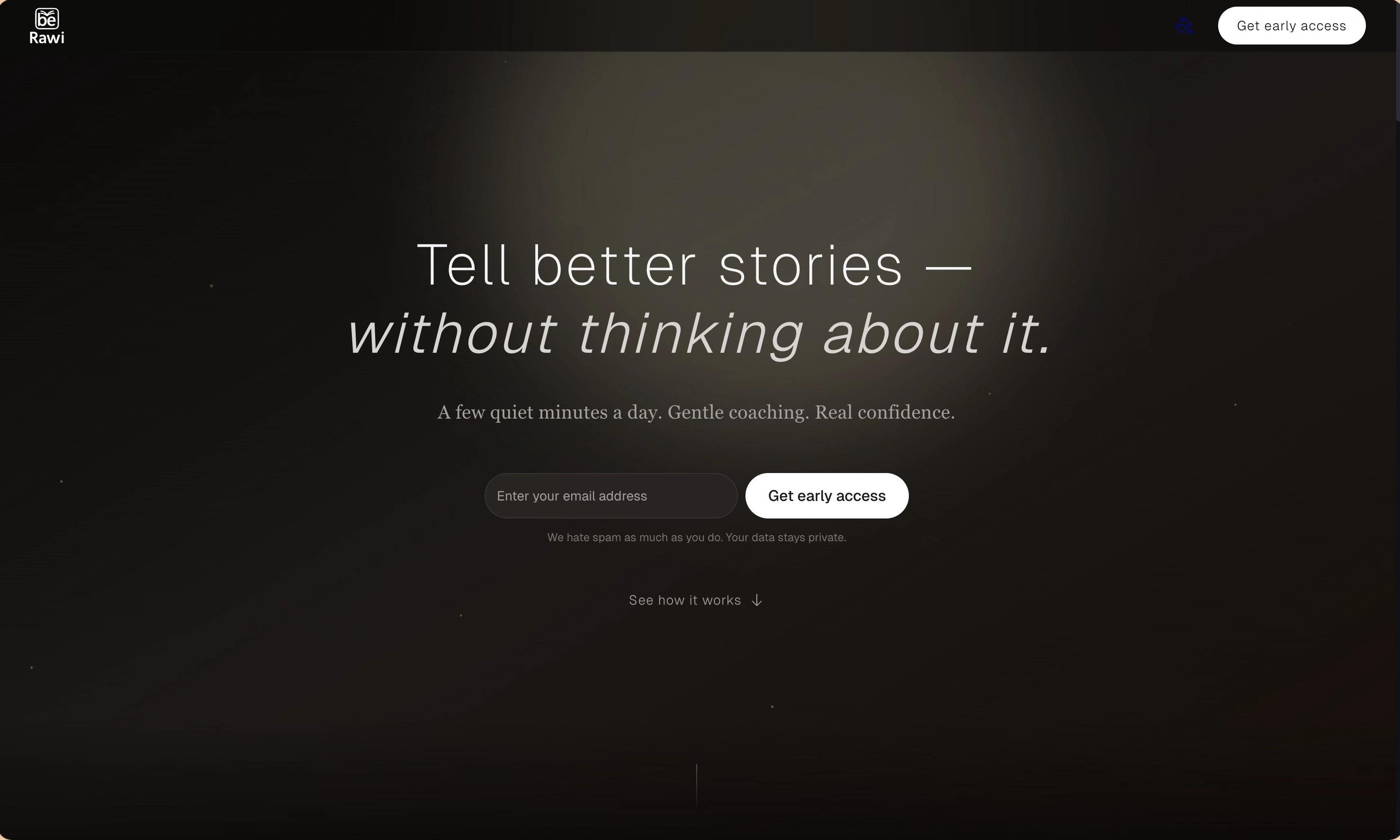
BeRawi: Storytelling Coach
Practice storytelling daily with instant feedback to sound clearer, more engaging, and confident 🎤
Omichat
Chat with 50+ AI models, including ChatGPT and Claude, in one place - switch models anytime without losing context 🤖
Claude Fast
Supercharge your Claude Code with 6x effective context window and specialized AI agents 🤖
EmojAI
AI-powered emoji picker with smart, context-aware suggestions 🤖
Solohacker
Autonomous company launcher - AI agents work 24/7, escalate what matters, and you stay in control 🤖
BeRawi: Storytelling Coach
Practice storytelling daily with instant feedback to sound clearer, more engaging, and confident 🎤
Omichat
Chat with 50+ AI models, including ChatGPT and Claude, in one place - switch models anytime without losing context 🤖
Claude Fast
Supercharge your Claude Code with 6x effective context window and specialized AI agents 🤖
EmojAI
AI-powered emoji picker with smart, context-aware suggestions 🤖
Solohacker
Autonomous company launcher - AI agents work 24/7, escalate what matters, and you stay in control 🤖
BeRawi: Storytelling Coach
Practice storytelling daily with instant feedback to sound clearer, more engaging, and confident 🎤
Omichat
Chat with 50+ AI models, including ChatGPT and Claude, in one place - switch models anytime without losing context 🤖
Claude Fast
Supercharge your Claude Code with 6x effective context window and specialized AI agents 🤖
EmojAI
AI-powered emoji picker with smart, context-aware suggestions 🤖
Solohacker
Autonomous company launcher - AI agents work 24/7, escalate what matters, and you stay in control 🤖
BeRawi: Storytelling Coach
Practice storytelling daily with instant feedback to sound clearer, more engaging, and confident 🎤

Connect with like-minded people
Join our community to get feedback, support, and grow together with 1,000+ builders on board, let's ship it!
Join usShip your startup everywhere. In minutes.
Don't burn tokens on setup and start building features on day one.