PlotPulse
An interactive story feedback platform where beta readers leave scene-level reactions and emotional analytics to help authors refine pacing and impact.
What is PlotPulse and why it matters for modern authors
Writing a compelling story is no longer just about beautiful prose. Today’s readers expect tight pacing, emotional resonance, and immersive storytelling from the very first chapter. Yet most authors still rely on fragmented feedback: email threads, Google Docs comments, private messages, or vague beta reader notes like “this part felt slow.”
PlotPulse is an interactive story feedback platform that allows beta readers to leave scene-level reactions and emotional analytics, giving authors real-time insights into pacing, engagement, and emotional impact.
Instead of asking:
“Did chapter 3 work for you?”
Authors can now ask:
“At minute 12 of chapter 3, when the reveal happens—did readers feel shock, confusion, or indifference?”
This shift—from subjective summaries to structured emotional analytics—represents a powerful evolution in how stories are refined.
This article explores:
- The target audience and their pain points
- The market opportunity for interactive story feedback tools
- Core features and emotional analytics engine
- Recommended tech stack and architecture
- Monetization strategies
- Competitive advantage and differentiation
- Risks and mitigation strategies
- Step-by-step implementation plan
If you're considering building PlotPulse—or validating the idea—this guide will give you expert-level clarity.
The problem: why traditional beta feedback fails
Fragmented and unstructured feedback
Most authors rely on:
- Google Docs comments
- Email feedback
- Discord groups
- Private reader DMs
- Spreadsheet notes
The result?
- Inconsistent formats
- Emotional feedback without timestamps
- No measurable pacing insights
- No comparative analytics across readers
Worse, authors must manually interpret dozens of subjective opinions.
No emotional data
Stories are emotional journeys. Yet current tools provide:
- Text comments
- High-level impressions
- Star ratings
What they don’t provide:
- Emotional intensity tracking
- Engagement dips
- Scene-level sentiment trends
- Drop-off analytics
In a world where streaming platforms track viewer behavior down to the second, fiction authors still guess.
Growing demand for data-informed creativity
The creator economy is increasingly data-driven:
- YouTube creators optimize watch-time
- Newsletter writers track open rates
- Game studios monitor player behavior
Authors deserve the same level of insight.
PlotPulse bridges storytelling and analytics.
Target audience analysis
PlotPulse serves a focused but high-value market.
Primary audience: indie authors
Self-published authors are:
- Highly iterative
- Data-driven
- Budget-conscious
- Motivated by measurable growth
They frequently use tools like:
- Scrivener
- Atticus
- Google Docs
- Vellum
- Kindle Direct Publishing
Pain points:
- Low-quality beta feedback
- Slow editing cycles
- Difficulty diagnosing pacing problems
PlotPulse becomes their story refinement dashboard.
Secondary audience: writing coaches and editors
Professional editors and writing consultants need:
- Structured client feedback
- Scene diagnostics
- Engagement reports
PlotPulse enables them to:
- Offer premium “emotional pacing reports”
- Deliver data-backed recommendations
- Differentiate from traditional editors
Tertiary audience: writing communities & MFA programs
Creative writing programs could use PlotPulse to:
- Compare reader reactions across cohorts
- Teach narrative pacing
- Analyze emotional arcs academically
Audience personas
Indie Fantasy Author
Writes 100k-word novels and struggles with pacing in the middle acts. Needs clear emotional engagement signals.
Romance Author
Wants to measure emotional payoff at key moments (meet-cute, breakup, reunion).
Writing Coach
Needs structured beta reader feedback reports to justify consulting fees.
Market opportunity and gap analysis
The publishing industry is evolving
According to industry reports (e.g., Statista publishing market data), the global book market generates billions annually. Self-publishing continues to grow, fueled by platforms like Amazon KDP.
Yet tools for manuscript refinement lag behind.
Most innovation has focused on:
- Writing software
- AI text generation
- Grammar correction
But not on reader reaction analytics.
Competitive landscape
Current alternatives include:
- Google Docs
- BetaReader.io
- Scribophile
- Wattpad comments
- Discord groups
None provide:
- Scene-level emotional tagging
- Time-based reaction tracking
- Aggregate pacing analytics
- Visual emotional arc graphs
Here’s how PlotPulse compares:
| Feature | Google Docs | Scribophile | Wattpad | PlotPulse |
|---|---|---|---|---|
| Scene-level reactions | ❌ | ❌ | ❌ | ✅ |
| Emotional analytics dashboard | ❌ | ❌ | ❌ | ✅ |
| Reader timestamp tracking | ❌ | ❌ | ❌ | ✅ |
| Aggregated pacing visualization | ❌ | ❌ | ❌ | ✅ |
PlotPulse is not a writing tool—it’s a story analytics platform.
That distinction is the competitive wedge.
Core features of PlotPulse
1. Interactive scene-level feedback
Readers can:
- Highlight a paragraph
- Select an emotional reaction (e.g., tension, confusion, excitement, boredom)
- Leave optional commentary
- Rate intensity on a 1–5 scale
This creates structured emotional metadata.
2. Emotional analytics dashboard
Authors see:
- Emotional heatmaps
- Engagement dips
- Scene-by-scene intensity charts
- Drop-off points
Example:
- Chapter 5: 60% readers marked “slow pacing”
- Scene 12: Emotional intensity drops sharply
Instead of guessing, authors get clarity.
3. Emotional arc visualization
PlotPulse can generate:
- Story-wide emotional graphs
- Character arc analytics
- Comparative beta reader overlays
This helps authors verify:
- Is the climax truly the emotional peak?
- Does tension escalate properly?
- Are emotional beats landing consistently?
4. Reader segmentation
Authors can filter feedback by:
- Genre familiarity
- Demographics
- Returning vs new readers
- Device type
This enables deeper insights:
- “New fantasy readers found chapter 2 confusing.”
- “Experienced readers loved the political subplot.”
5. AI-assisted insights (optional premium feature)
AI can summarize:
- Recurring reader frustrations
- Overused emotional beats
- Sentiment clusters
It should augment—not replace—human feedback.
Technical architecture and recommended tech stack
PlotPulse requires:
- Real-time interaction
- Data aggregation
- Scalable analytics
- Secure manuscript storage
Frontend
Recommended:
- React for UI
- Next.js for SSR and scalability
- TailwindCSS for fast UI development
Why?
- Component-driven UI suits interactive reader experience
- SSR improves SEO for landing pages
- Tailwind speeds design iteration
Backend
Recommended:
- Node.js (API layer)
- PostgreSQL (structured analytics data)
- Redis (real-time reactions caching)
Why PostgreSQL?
- Strong relational querying
- JSONB support for flexible emotional tags
- Analytical extensions
Data model considerations
Key entities:
- Author
- Manuscript
- Chapter
- Scene
- Reader
- Reaction
- EmotionTag
- IntensityScore
Example schema snippet:
type Reaction = {
  id: string
  readerId: string
  sceneId: string
  emotion: "tension" | "joy" | "confusion" | "boredom"
  intensity: number // 1-5
  timestamp: number
  comment?: string
}
Analytics engine
Options:
- Custom aggregation queries
- Lightweight OLAP layer
- Data warehouse for scaling
Trade-offs:
- Custom queries are cheaper initially
- Data warehouses support long-term scaling
Hosting & infrastructure
- Vercel (frontend deployment)
- AWS RDS for PostgreSQL
- S3 for manuscript storage
Security must include:
- Encrypted storage
- Access-controlled reader links
- Watermarked viewing options
Authors must trust the platform.
Monetization strategy
PlotPulse has multiple revenue pathways.
1. SaaS subscription tiers
Free tier
- 1 manuscript
- Up to 5 beta readers
- Basic analytics
Pro tier ($19–$39/month)
- Unlimited manuscripts
- Advanced emotional arc visualization
- AI summaries
- Exportable reports
Studio tier ($79+/month)
- Writing coach tools
- Client collaboration
- White-labeled reports
2. Per-project pricing
Some authors prefer:
- $29 per manuscript feedback cycle
This lowers entry friction.
3. Writing program licensing
Sell to:
- MFA programs
- Writing schools
- Online workshops
Institutional pricing increases ARPU significantly.
4. Marketplace expansion (future phase)
Eventually:
- Curated beta reader marketplace
- Revenue share model
Competitive advantage and unique positioning
PlotPulse’s unique selling proposition:
“Data-driven emotional storytelling refinement.”
Key differentiators:
- Emotional analytics engine
- Scene-level structured reactions
- Visual pacing diagnostics
- Reader segmentation
This is not just feedback—it’s story intelligence.
Risks and mitigation strategies
Risk 1: Authors resist analytics
Some writers fear “data killing creativity.”
Mitigation:
- Position as optional insight
- Emphasize augmentation, not prescription
- Use narrative-friendly UX language
Risk 2: Reader friction
If the interface is clunky, beta readers won’t use it.
Mitigation:
- One-click emotion reactions
- Minimal typing required
- Mobile-optimized experience
Risk 3: Manuscript piracy concerns
Authors fear leaks.
Mitigation:
- Disable copy/paste
- Expiring links
- Watermark reader identity
- Encrypted file delivery
Trust is critical
If authors do not feel their intellectual property is safe, adoption will stall regardless of product quality.
Implementation roadmap
Here’s a lean validation path.
MVP scope
Must include:
- Manuscript upload
- Scene segmentation
- Emotional reaction buttons
- Basic aggregation dashboard
Exclude:
- AI summaries
- Advanced segmentation
- Marketplace features
Focus on core value: emotional pacing insight.
Accelerating development
Using a production-ready SaaS foundation like TurboStarter can dramatically reduce build time by providing:
- Authentication
- Billing integration
- Role management
- SaaS-ready architecture
This allows founders to focus on the emotional analytics engine, not boilerplate.
Long-term expansion vision
PlotPulse could evolve into:
- A storytelling intelligence platform
- A predictive pacing engine
- A publishing readiness score tool
Future integrations:
- Scrivener export plugin
- Kindle pre-release beta integration
- AI-driven “emotional gap detection”
Over time, aggregated anonymized data could reveal:
- Genre-specific pacing norms
- Emotional arc benchmarks
- Reader engagement standards
This creates defensibility via data network effects.
Why PlotPulse can win
The market is:
- Large (millions of active writers)
- Growing (self-publishing rise)
- Underserved (lack of structured feedback tools)
The product is:
- Clearly differentiated
- Emotionally resonant
- Technically feasible
- Monetizable via SaaS
Most importantly, it solves a real frustration:
“I know something is wrong with my story, but I don’t know where.”
PlotPulse answers that question precisely.
Final actionable plan
If you’re building PlotPulse:
- Validate with author interviews
- Prototype emotional reaction UI first
- Keep beta reader friction near zero
- Build analytics that are visual and intuitive
- Prioritize security and trust
- Launch with indie author communities
- Collect testimonials from early users
- Iterate rapidly based on real manuscripts
Storytelling is emotional.
PlotPulse turns those emotions into insight.
If executed correctly, PlotPulse won’t just be another writing tool—it will become the analytics layer for modern storytelling.
More 💡 Other SaaS ideas
Discover more innovative other SaaS ideas that are trending in 2026. Each idea is AI-generated with market validation and growth potential to help you find your next profitable venture faster than competitors.
Your competitors are building with TurboStarter
Below are some of the SaaS ideas that have been generated and built with our starter kit.
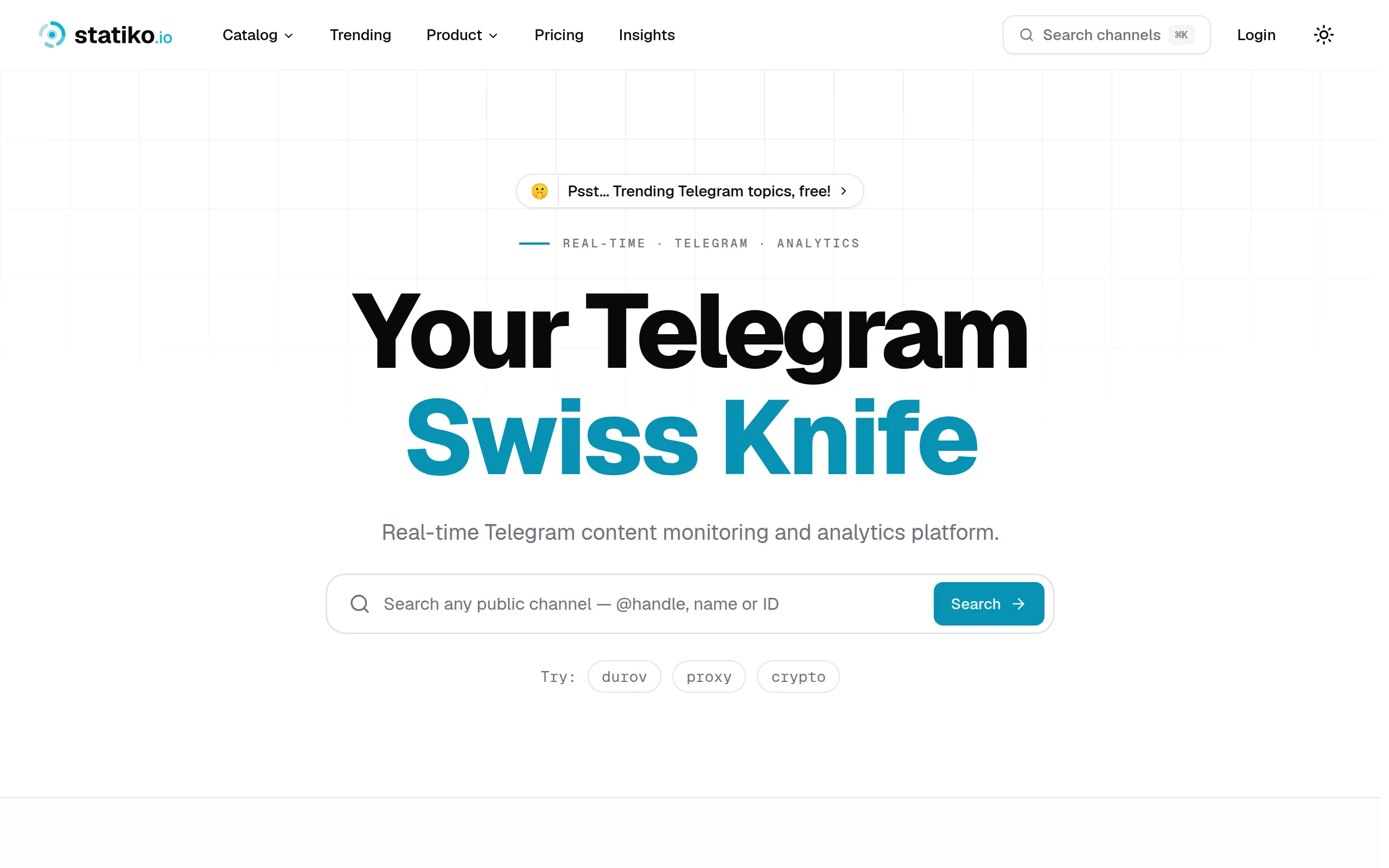
Statiko
Monitor any Telegram channel in real time - track posts, edits, deletions, and growth with AI recaps 📡

Shibui
AI website builder - describe your business, pick a niche template, edit by chatting, and publish instantly ✨

Pro Service
Find verified home service professionals, compare quotes, and pay securely through escrow - built for Brazilians across the US 🏠
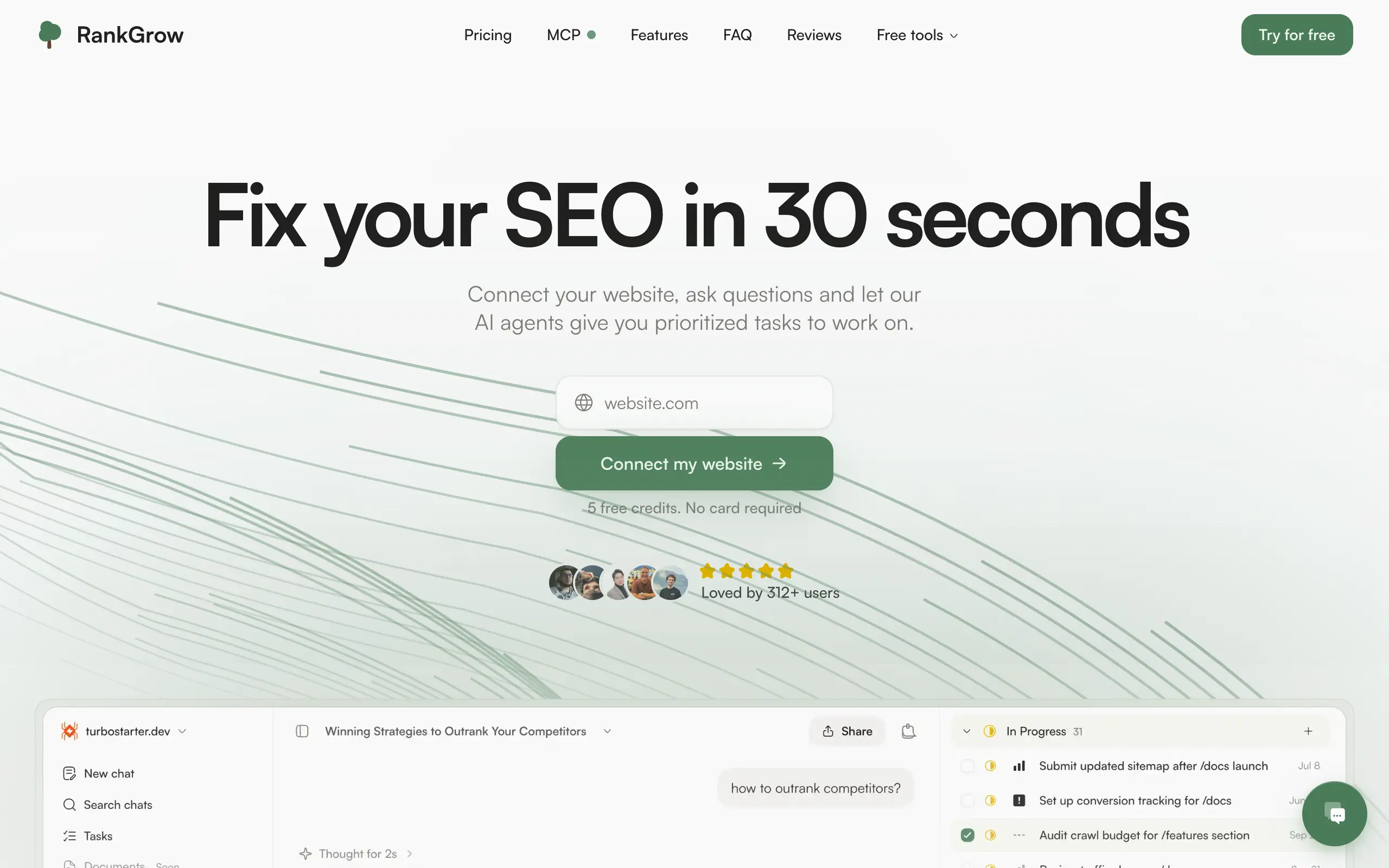
RankGrow
Fix your SEO with AI agents - connect Search Console, get prioritized tasks, and grow organic traffic 📈
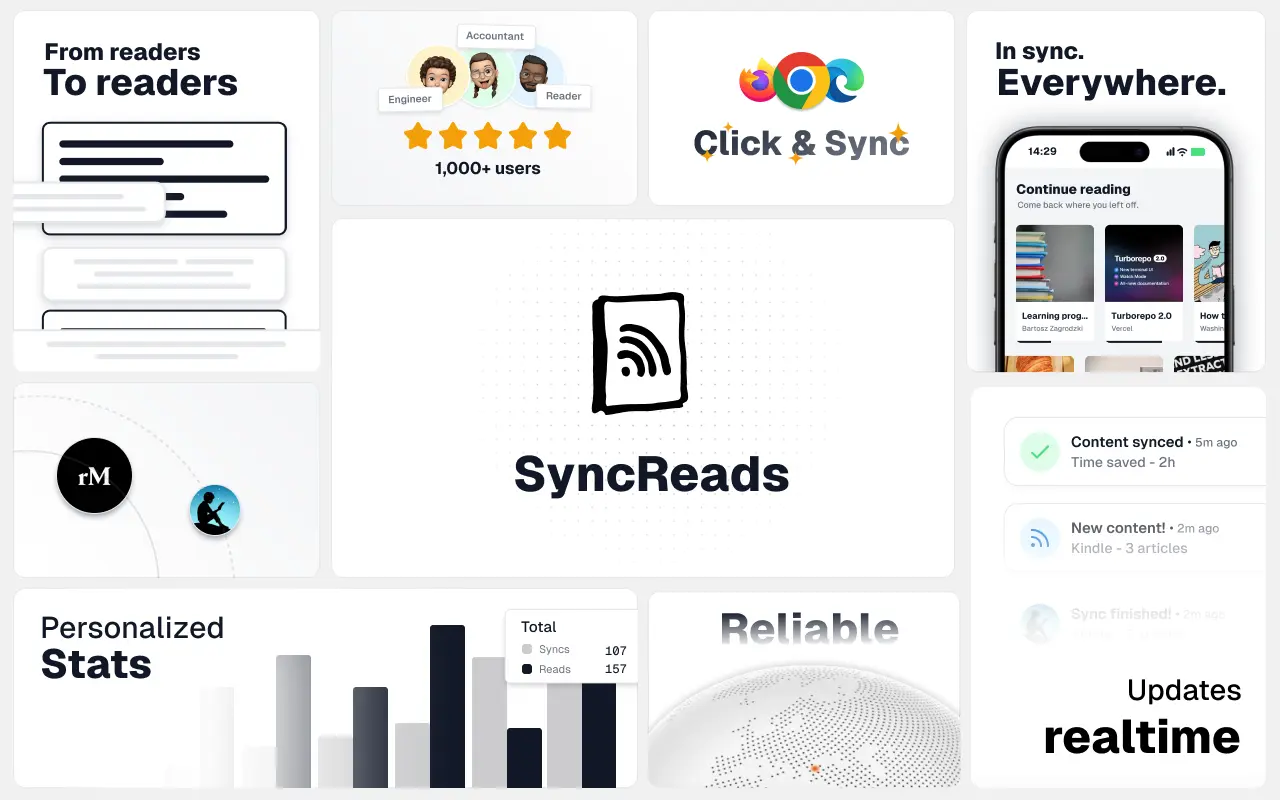
SyncReads
Sync your favorite content for distraction-free reading, save time and replace multiple apps. Anytime, anywhere 🔄
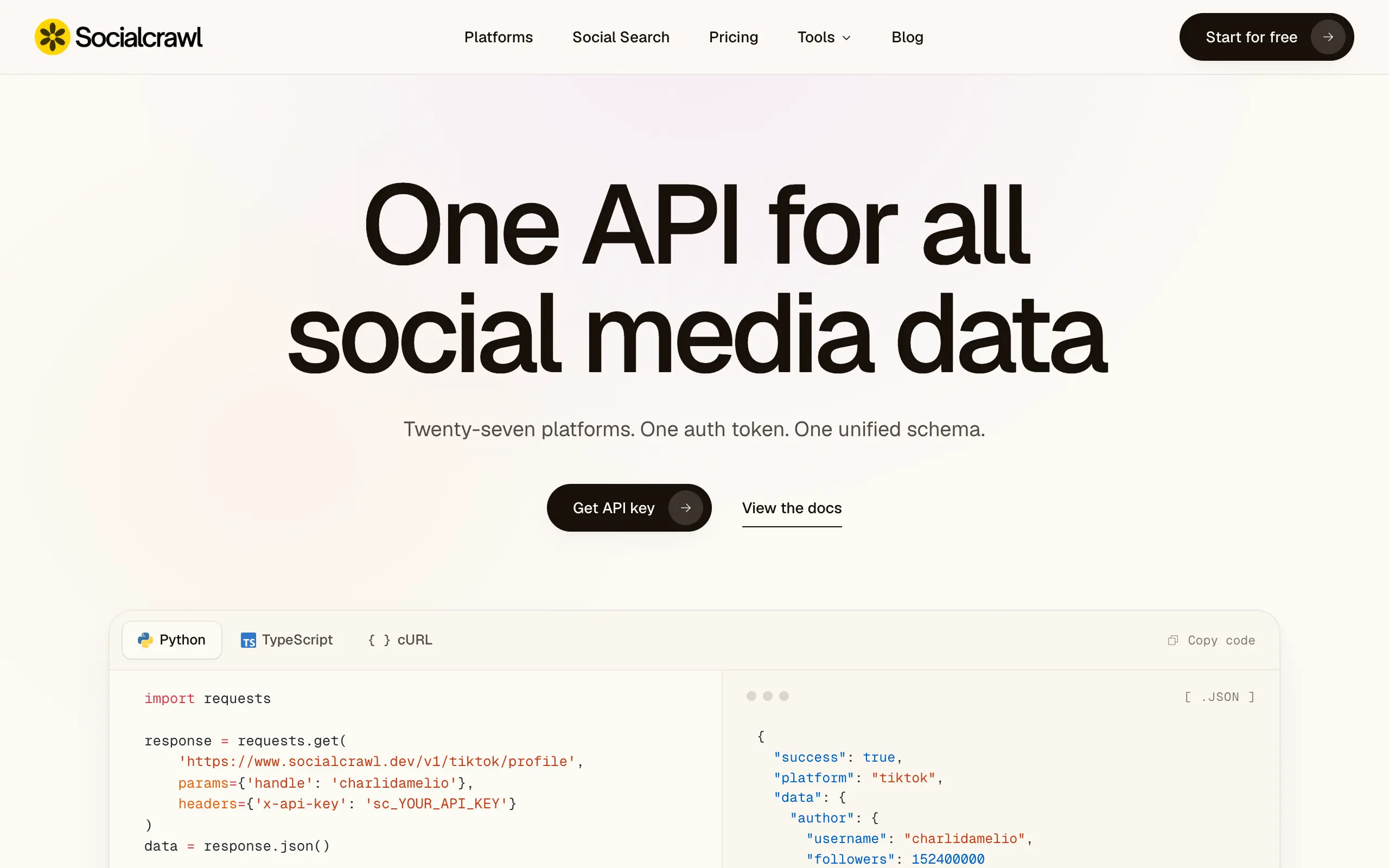
Socialcrawl
Get clean, structured data from 21 platforms like TikTok, Instagram, and YouTube with a single request 📊
Statiko
Monitor any Telegram channel in real time - track posts, edits, deletions, and growth with AI recaps 📡
Shibui
AI website builder - describe your business, pick a niche template, edit by chatting, and publish instantly ✨
Pro Service
Find verified home service professionals, compare quotes, and pay securely through escrow - built for Brazilians across the US 🏠
RankGrow
Fix your SEO with AI agents - connect Search Console, get prioritized tasks, and grow organic traffic 📈
SyncReads
Sync your favorite content for distraction-free reading, save time and replace multiple apps. Anytime, anywhere 🔄
Socialcrawl
Get clean, structured data from 21 platforms like TikTok, Instagram, and YouTube with a single request 📊
Statiko
Monitor any Telegram channel in real time - track posts, edits, deletions, and growth with AI recaps 📡
Shibui
AI website builder - describe your business, pick a niche template, edit by chatting, and publish instantly ✨
Pro Service
Find verified home service professionals, compare quotes, and pay securely through escrow - built for Brazilians across the US 🏠
RankGrow
Fix your SEO with AI agents - connect Search Console, get prioritized tasks, and grow organic traffic 📈
SyncReads
Sync your favorite content for distraction-free reading, save time and replace multiple apps. Anytime, anywhere 🔄
Socialcrawl
Get clean, structured data from 21 platforms like TikTok, Instagram, and YouTube with a single request 📊
Statiko
Monitor any Telegram channel in real time - track posts, edits, deletions, and growth with AI recaps 📡
Shibui
AI website builder - describe your business, pick a niche template, edit by chatting, and publish instantly ✨
Pro Service
Find verified home service professionals, compare quotes, and pay securely through escrow - built for Brazilians across the US 🏠
RankGrow
Fix your SEO with AI agents - connect Search Console, get prioritized tasks, and grow organic traffic 📈
SyncReads
Sync your favorite content for distraction-free reading, save time and replace multiple apps. Anytime, anywhere 🔄
Socialcrawl
Get clean, structured data from 21 platforms like TikTok, Instagram, and YouTube with a single request 📊
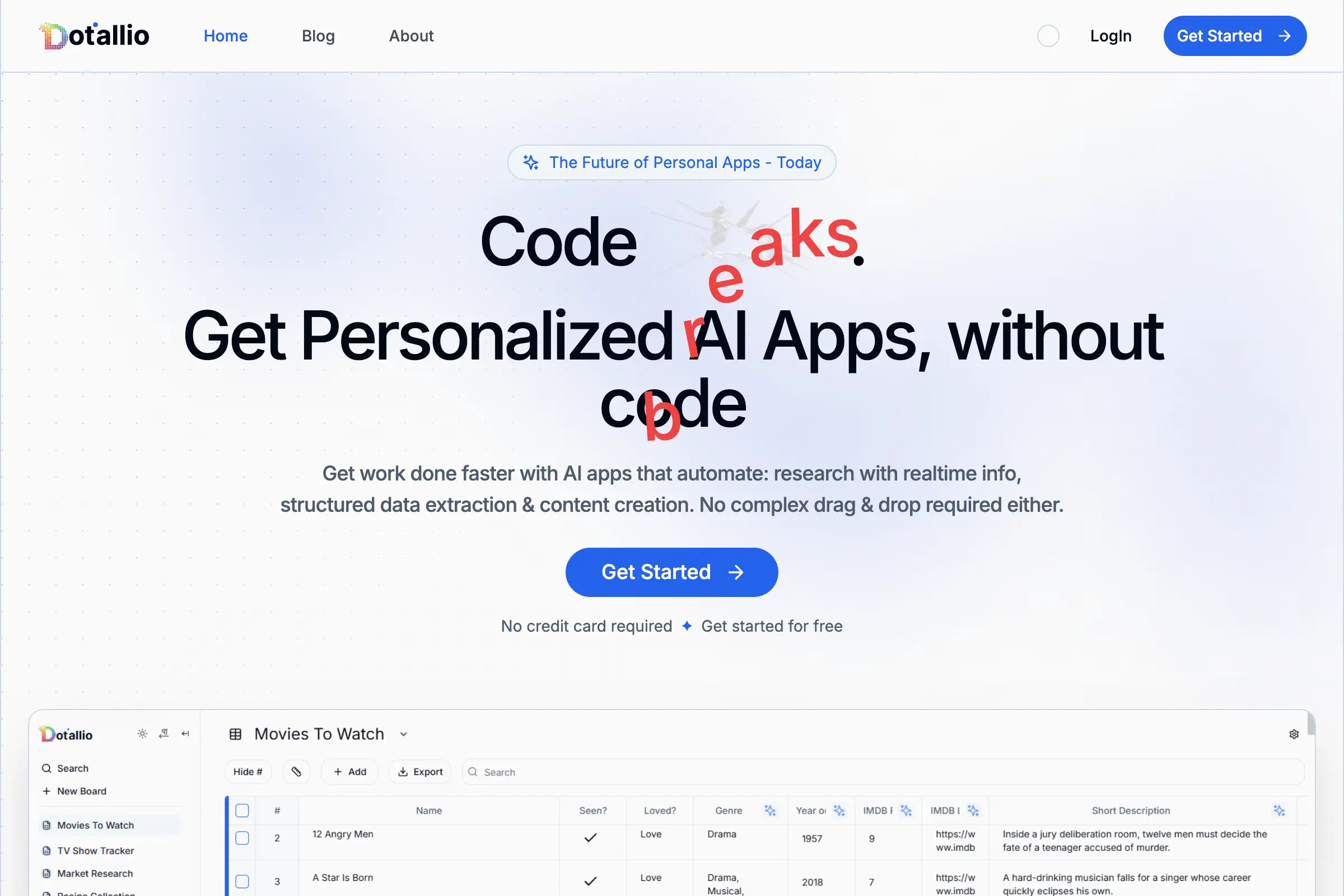
Dotallio
Personalized AI apps that automate research, data extraction, and content creation without code 🤖

Talk to Santa
Enjoy a magical live video chat or receive a unique AI-generated video greeting from Santa Claus 🎅

pozywka.pl
Scalable blog for food journalist, focused on performance and user experience 🌭
zagrodzki.me
Personal blog and portfolio of Bart Zagrodzki, where he shares his knowledge and work 💼
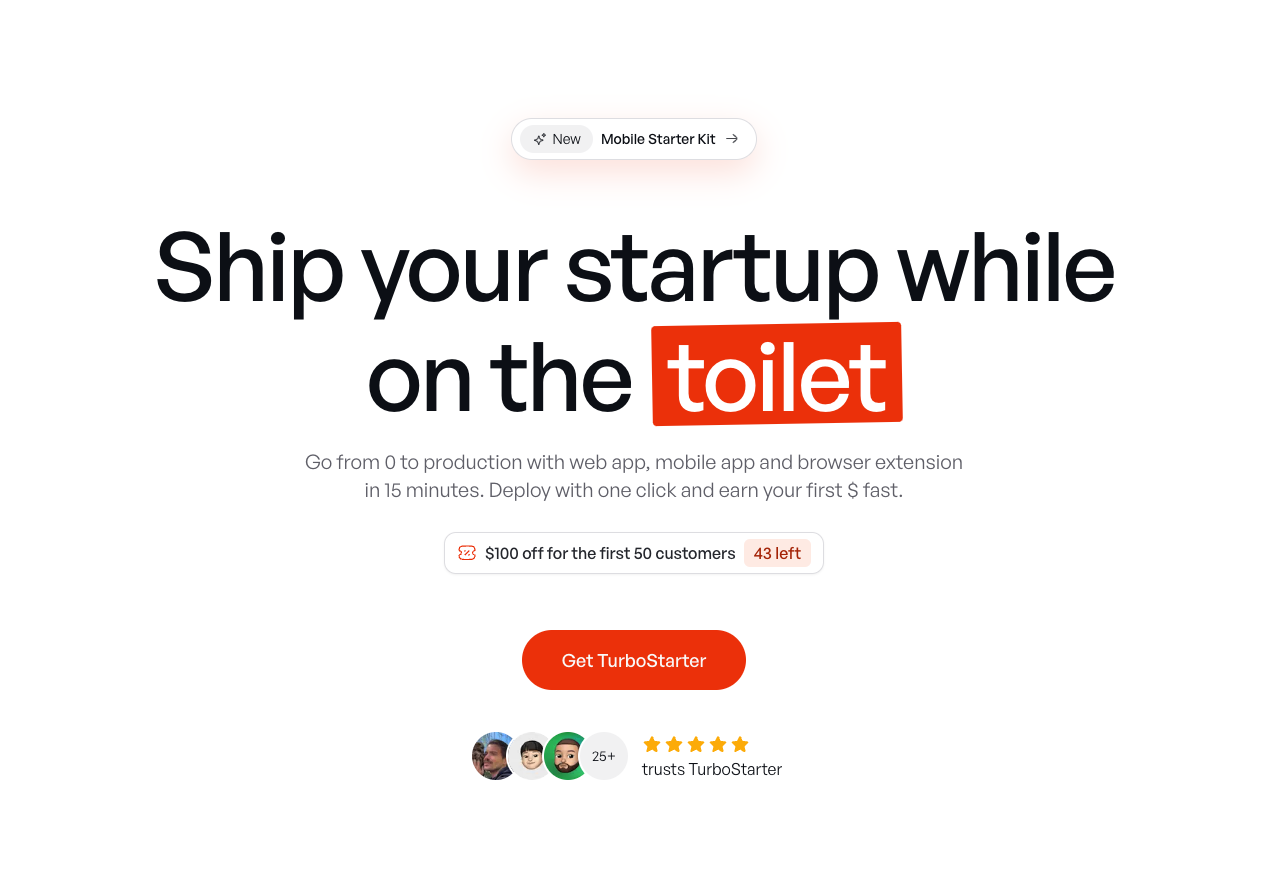
TurboStarter
Ship your startup everywhere. In minutes.
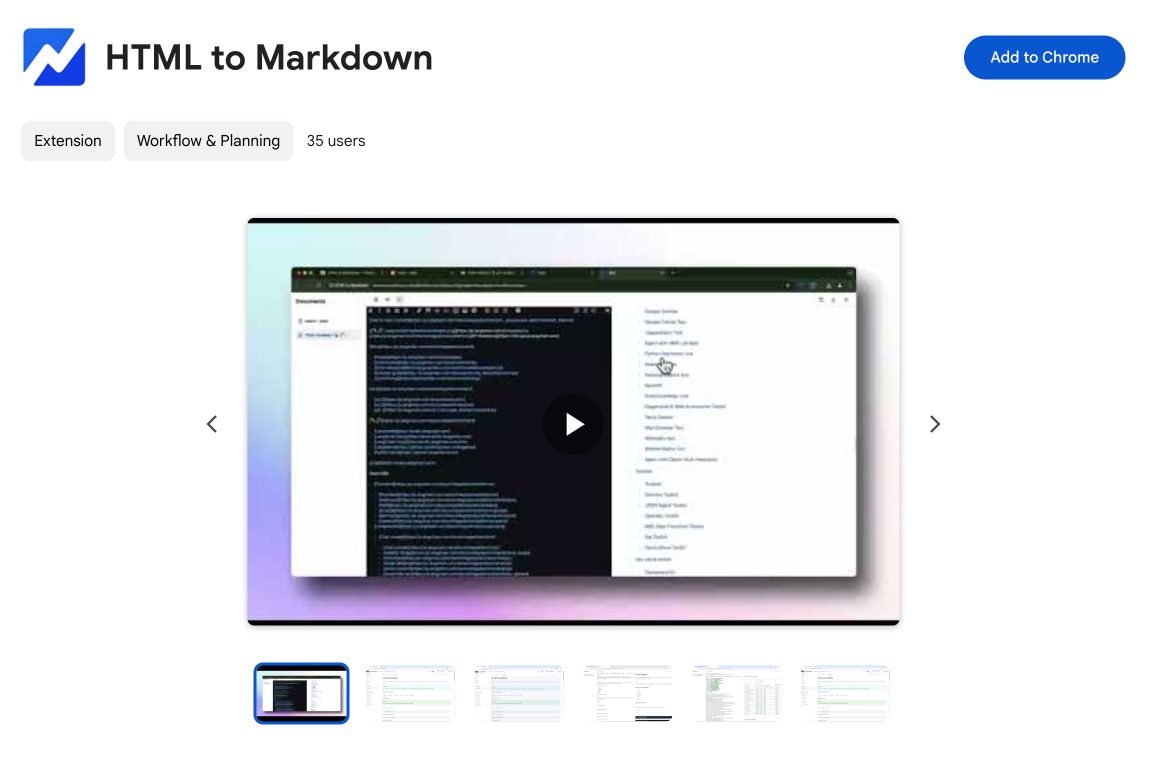
HTML to Markdown
Convert HTML to Markdown with ease, directly in your browser 📄
Dotallio
Personalized AI apps that automate research, data extraction, and content creation without code 🤖
Talk to Santa
Enjoy a magical live video chat or receive a unique AI-generated video greeting from Santa Claus 🎅
pozywka.pl
Scalable blog for food journalist, focused on performance and user experience 🌭
zagrodzki.me
Personal blog and portfolio of Bart Zagrodzki, where he shares his knowledge and work 💼
TurboStarter
Ship your startup everywhere. In minutes.
HTML to Markdown
Convert HTML to Markdown with ease, directly in your browser 📄
Dotallio
Personalized AI apps that automate research, data extraction, and content creation without code 🤖
Talk to Santa
Enjoy a magical live video chat or receive a unique AI-generated video greeting from Santa Claus 🎅
pozywka.pl
Scalable blog for food journalist, focused on performance and user experience 🌭
zagrodzki.me
Personal blog and portfolio of Bart Zagrodzki, where he shares his knowledge and work 💼
TurboStarter
Ship your startup everywhere. In minutes.
HTML to Markdown
Convert HTML to Markdown with ease, directly in your browser 📄
Dotallio
Personalized AI apps that automate research, data extraction, and content creation without code 🤖
Talk to Santa
Enjoy a magical live video chat or receive a unique AI-generated video greeting from Santa Claus 🎅
pozywka.pl
Scalable blog for food journalist, focused on performance and user experience 🌭
zagrodzki.me
Personal blog and portfolio of Bart Zagrodzki, where he shares his knowledge and work 💼
TurboStarter
Ship your startup everywhere. In minutes.
HTML to Markdown
Convert HTML to Markdown with ease, directly in your browser 📄
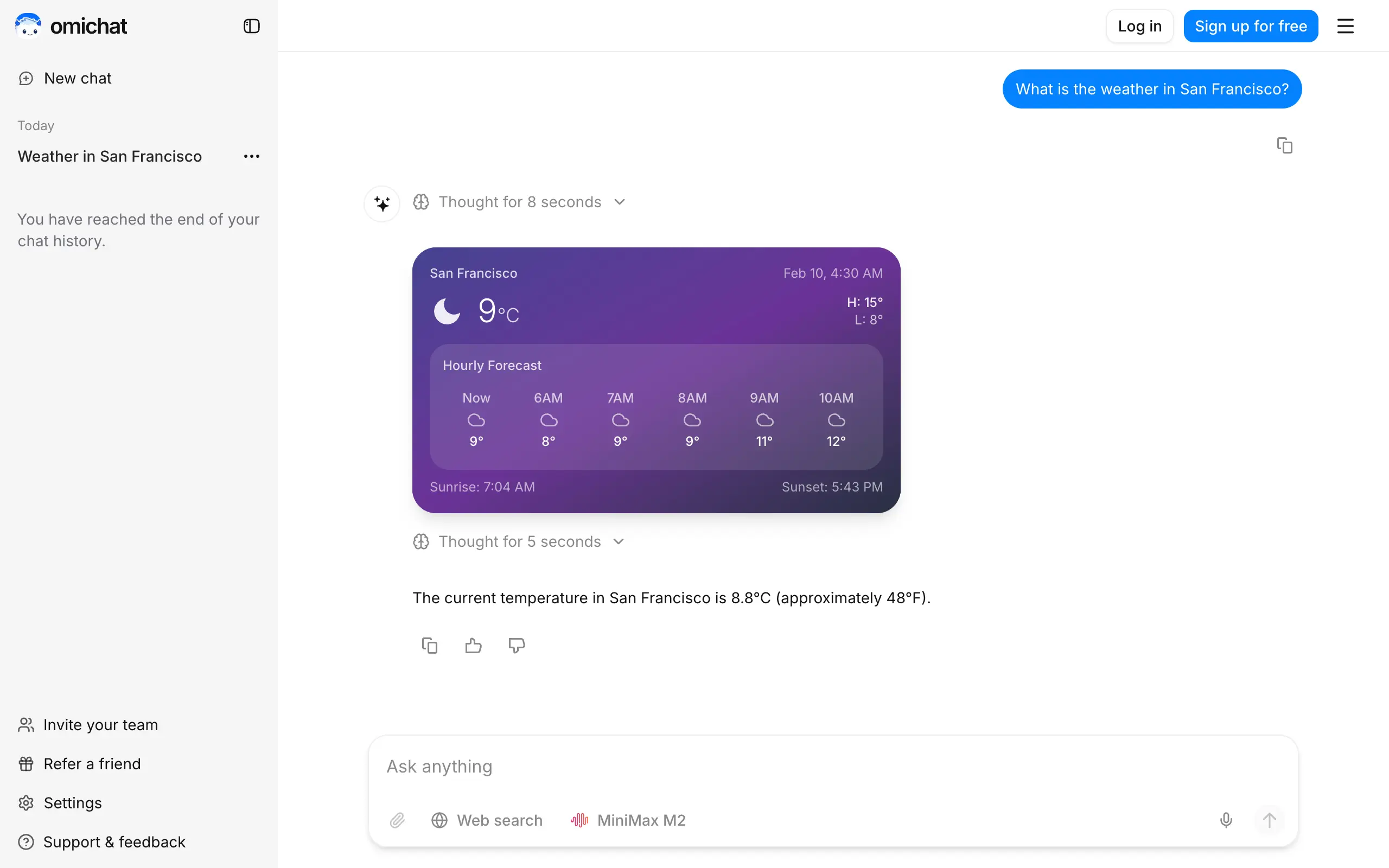
Omichat
Chat with 50+ AI models, including ChatGPT and Claude, in one place - switch models anytime without losing context 🤖
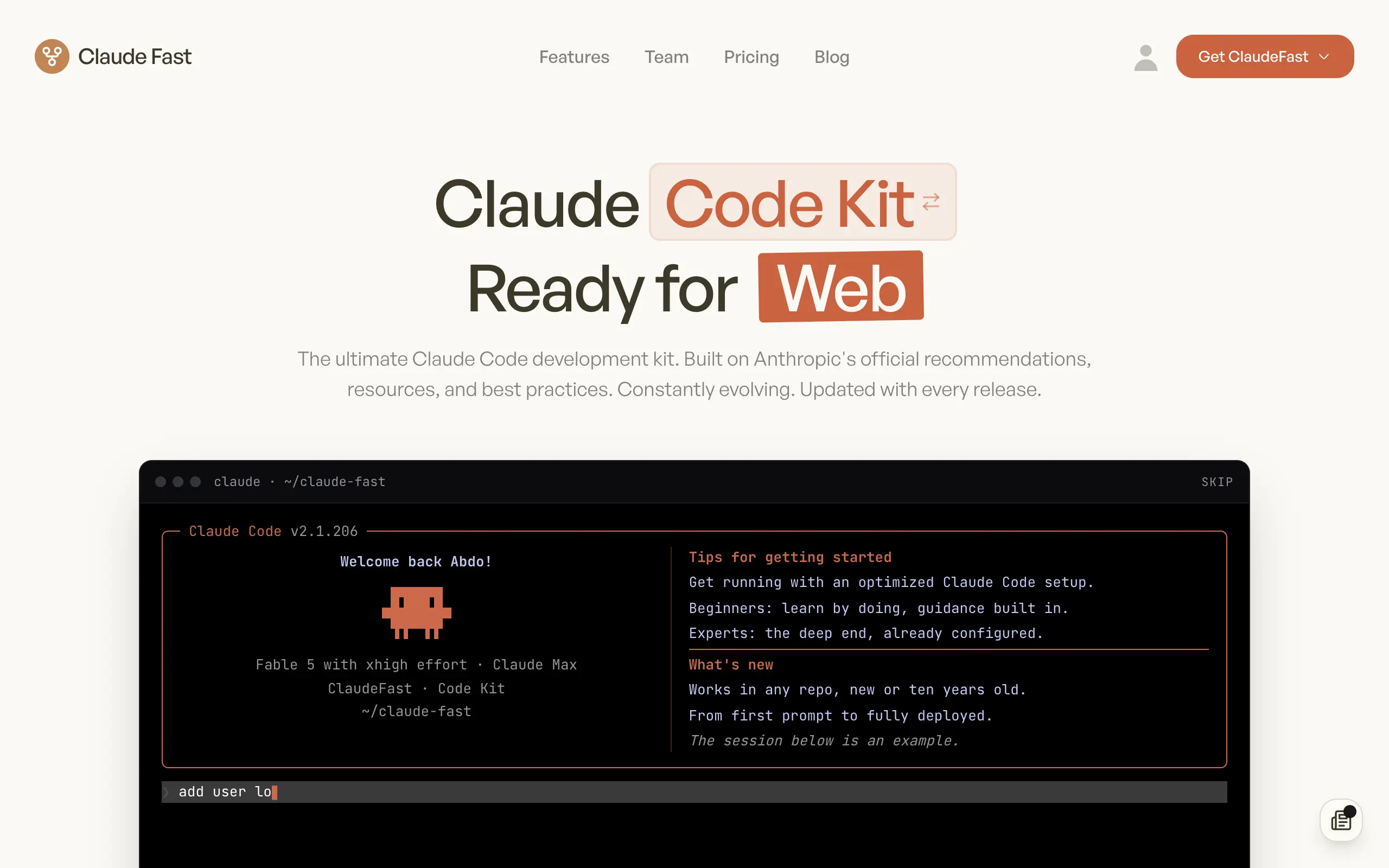
Claude Fast
Supercharge your Claude Code with 6x effective context window and specialized AI agents 🤖
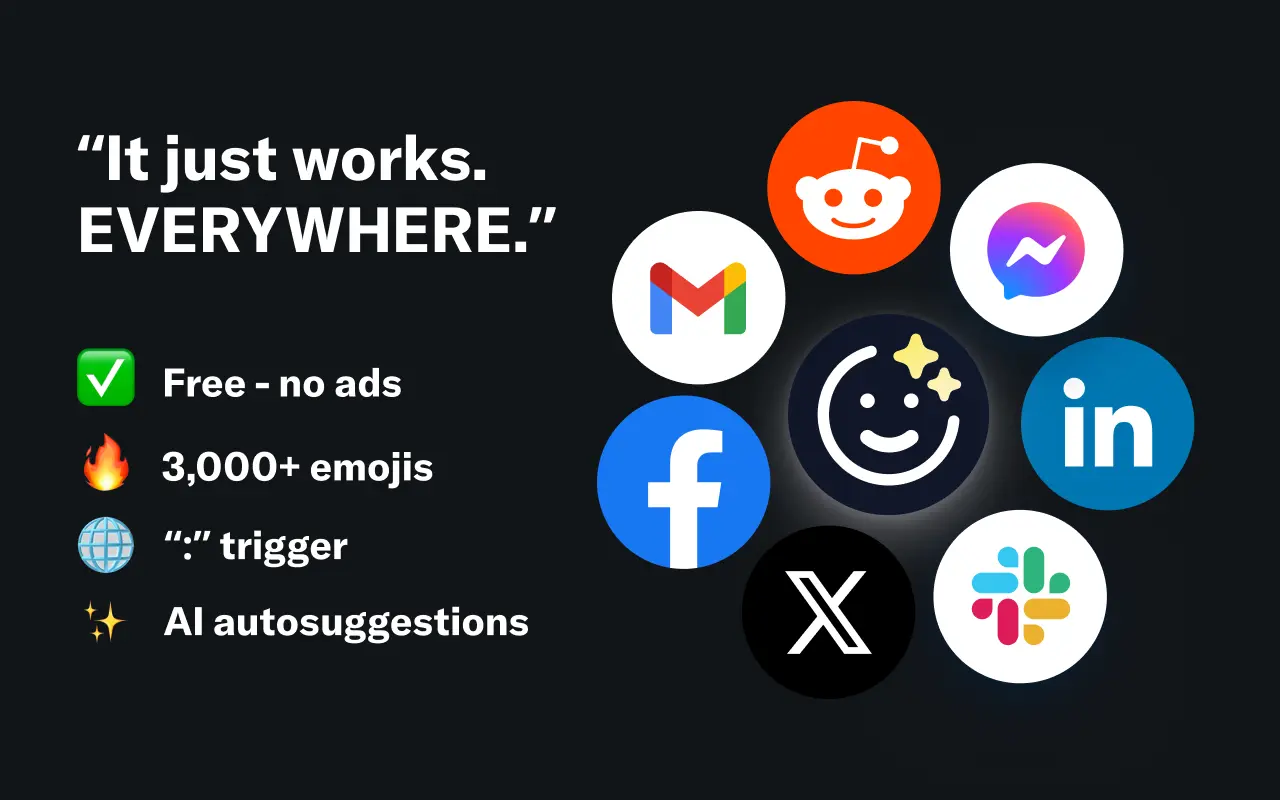
EmojAI
AI-powered emoji picker with smart, context-aware suggestions 🤖
Solohacker
Autonomous company launcher - AI agents work 24/7, escalate what matters, and you stay in control 🤖
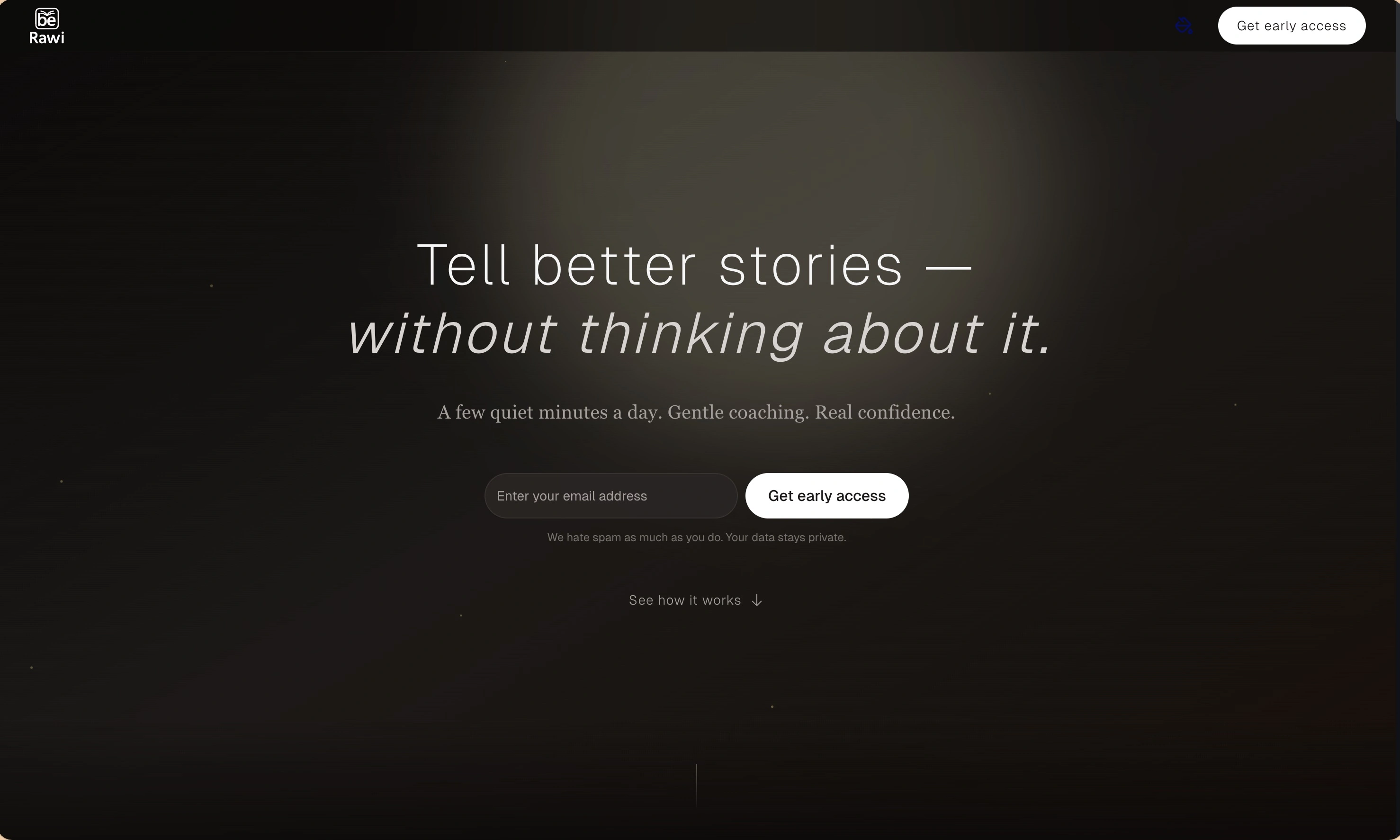
BeRawi: Storytelling Coach
Practice storytelling daily with instant feedback to sound clearer, more engaging, and confident 🎤
Omichat
Chat with 50+ AI models, including ChatGPT and Claude, in one place - switch models anytime without losing context 🤖
Claude Fast
Supercharge your Claude Code with 6x effective context window and specialized AI agents 🤖
EmojAI
AI-powered emoji picker with smart, context-aware suggestions 🤖
Solohacker
Autonomous company launcher - AI agents work 24/7, escalate what matters, and you stay in control 🤖
BeRawi: Storytelling Coach
Practice storytelling daily with instant feedback to sound clearer, more engaging, and confident 🎤
Omichat
Chat with 50+ AI models, including ChatGPT and Claude, in one place - switch models anytime without losing context 🤖
Claude Fast
Supercharge your Claude Code with 6x effective context window and specialized AI agents 🤖
EmojAI
AI-powered emoji picker with smart, context-aware suggestions 🤖
Solohacker
Autonomous company launcher - AI agents work 24/7, escalate what matters, and you stay in control 🤖
BeRawi: Storytelling Coach
Practice storytelling daily with instant feedback to sound clearer, more engaging, and confident 🎤
Omichat
Chat with 50+ AI models, including ChatGPT and Claude, in one place - switch models anytime without losing context 🤖
Claude Fast
Supercharge your Claude Code with 6x effective context window and specialized AI agents 🤖
EmojAI
AI-powered emoji picker with smart, context-aware suggestions 🤖
Solohacker
Autonomous company launcher - AI agents work 24/7, escalate what matters, and you stay in control 🤖
BeRawi: Storytelling Coach
Practice storytelling daily with instant feedback to sound clearer, more engaging, and confident 🎤

Connect with like-minded people
Join our community to get feedback, support, and grow together with 1,000+ builders on board, let's ship it!
Join usShip your startup everywhere. In minutes.
Don't burn tokens on setup and start building features on day one.