PlotForge Studio
AI-powered platform that helps authors build, test, and refine story arcs with predictive reader engagement insights and genre-specific templates.
What is an AI story arc generator and why it matters now
Storytelling has always been both an art and a structured craft. From Aristotle’s three-act structure to modern screenplay beats, writers have relied on frameworks to guide emotional pacing and narrative payoff. But in today’s hyper-competitive content ecosystem—where books, web series, and serialized fiction compete for shrinking attention spans—structure alone is no longer enough.
An AI story arc generator like PlotForge Studio represents the next evolution. It doesn’t just help you outline a story—it helps you simulate audience reactions, test narrative paths, and refine emotional engagement before publication.
This shift matters because:
- Reader expectations are rising due to streaming-era storytelling
- Indie authors must compete with professionally tested narratives
- Data-driven creativity is becoming a competitive advantage
PlotForge Studio sits at the intersection of creative writing, predictive analytics, and AI-assisted storytelling, offering authors a powerful new way to build stories that resonate deeply with their audience.
The core problem: why most stories fail to engage readers
Even experienced writers face recurring challenges:
- Weak pacing that loses reader interest mid-story
- Flat character arcs that fail to evolve meaningfully
- Predictable plot twists that lack emotional impact
- Genre mismatch that confuses audience expectations
- Lack of feedback until it's too late (post-publication)
Traditional tools like Scrivener or Notion help organize writing—but they don’t evaluate narrative effectiveness.
Key insight
Most writers don’t fail because they lack creativity—they fail because they lack structured feedback on narrative engagement before publishing.
PlotForge Studio addresses this gap by introducing predictive engagement modeling into the creative workflow.
Target audience: who benefits most from PlotForge Studio
Indie authors and self-publishers
These creators operate without editorial teams. They need:
- Fast iteration on story ideas
- Validation before publishing
- Genre-specific guidance
PlotForge provides a “virtual editorial board” powered by AI.
Screenwriters and script developers
In film and TV, structure is everything. PlotForge can help:
- Optimize story beats for pacing
- Test emotional arcs across episodes
- Identify weak narrative segments early
Content creators and serialized storytellers
Writers on platforms like Substack, Wattpad, or Webtoon can:
- Analyze reader retention trends
- Adjust story direction dynamically
- Optimize cliffhangers and episodic arcs
Game narrative designers
Interactive storytelling introduces complexity. PlotForge helps:
- Map branching storylines
- Evaluate player engagement paths
- Balance narrative outcomes
Writing educators and coaches
PlotForge becomes a teaching tool for:
- Demonstrating story structure
- Comparing narrative approaches
- Providing data-backed feedback
Market opportunity and emerging trends
The AI writing tools market is expanding rapidly, but most tools focus on text generation, not story architecture.
Current landscape
- Tools like Grammarly focus on grammar and clarity
- Tools like Jasper focus on content generation
- Tools like Sudowrite assist with creative writing
Gap: None provide predictive engagement analytics tied to story structure.
Key trends supporting this idea
- Rise of AI-assisted creativity
- Growth of self-publishing platforms
- Increased demand for data-driven storytelling
- Expansion of interactive and serialized content formats
Market gap
There is no dominant platform that combines:
- Story structure templates
- AI-driven engagement prediction
- Iterative narrative testing
PlotForge Studio fills this gap with a story-first, analytics-powered approach.
Core features of PlotForge Studio
1. AI-powered story arc generator
At the heart of PlotForge is its ability to:
- Generate structured story arcs based on genre
- Suggest key beats (inciting incident, climax, resolution)
- Adapt arcs dynamically based on user input
2. predictive reader engagement analysis
This is the defining feature.
PlotForge evaluates:
- Emotional intensity across the timeline
- Pacing consistency
- Narrative tension curves
- Character development arcs
It then predicts:
- Drop-off points
- Engagement peaks
- Reader satisfaction likelihood
3. genre-specific templates
Different genres require different pacing and expectations.
PlotForge includes templates for:
- Romance (emotional escalation)
- Thriller (tension spikes)
- Fantasy (world-building balance)
- Mystery (clue distribution)
- Sci-fi (concept clarity vs narrative flow)
4. story simulation engine
Writers can simulate:
- Multiple plot variations
- Alternative endings
- Character decisions
Each version is evaluated for engagement impact.
5. visual story mapping
PlotForge provides:
- Timeline-based story visualization
- Character arc diagrams
- Emotional intensity graphs
6. collaborative feedback layer
Writers can:
- Share drafts with collaborators
- Compare AI predictions with human feedback
- Iterate faster
Feature comparison
| Feature | PlotForge Studio | Sudowrite | Scrivener | Jasper | Grammarly |
|---|---|---|---|---|---|
| Story arc generation | ✅ | ✅ | ❌ | ❌ | ❌ |
| Predictive engagement analytics | ✅ | ❌ | ❌ | ❌ | ❌ |
| Genre templates | ✅ | ✅ | ❌ | ✅ | ❌ |
| Story simulation | ✅ | ❌ | ❌ | ❌ | ❌ |
How PlotForge Studio works (technical breakdown)
AI models powering the platform
PlotForge likely combines:
- Large language models (LLMs) for narrative understanding
- Sequence modeling for story progression analysis
- Sentiment analysis models for emotional tracking
- Reinforcement learning for engagement prediction
Data inputs
The system analyzes:
- Plot outlines
- Character descriptions
- Scene summaries
- Dialogue samples
Output metrics
Users receive:
- Engagement score (0–100)
- Emotional curve visualization
- Narrative pacing diagnostics
- Suggested improvements
Example workflow
const story = generateStoryArc({
  genre: "thriller",
  protagonist: "detective",
  conflict: "serial killer mystery"
});

const analysis = analyzeEngagement(story);

console.log(analysis.engagementScore);
Recommended tech stack for building PlotForge Studio
Frontend
- React for UI
- TailwindCSS for styling
- D3.js for data visualization (story graphs)
Backend
- Node.js or Python (FastAPI)
- GraphQL for flexible querying
- PostgreSQL for structured data
AI infrastructure
- OpenAI or similar LLM APIs
- Custom fine-tuned models for narrative analysis
- Vector databases like Pinecone for semantic search
Trade-offs to consider
- Accuracy vs speed: Real-time analysis may reduce depth
- Cost vs scalability: AI inference can be expensive
- Customization vs simplicity: Advanced features may overwhelm new users
Monetization strategies
Subscription model (primary)
- Free tier: limited story analyses
- Pro tier: unlimited analysis + templates
- Premium tier: advanced simulations + collaboration
Add-on services
- Genre packs (e.g., horror, romance)
- Advanced analytics reports
- Export tools for publishing platforms
Enterprise offering
- Writing teams (studios, publishers)
- API access for integrations
- Custom AI model tuning
Marketplace potential
PlotForge could evolve into a marketplace for:
- Story templates
- Narrative frameworks
- Expert feedback services
Competitive advantage: why PlotForge stands out
1. focus on structure, not just text
Most AI tools generate content. PlotForge analyzes storytelling quality.
2. predictive engagement modeling
This is a major differentiator—no mainstream tool currently offers it at scale.
3. genre intelligence
Instead of generic suggestions, PlotForge adapts to:
- Audience expectations
- Genre conventions
- Narrative pacing norms
4. simulation-first approach
Writers can test ideas before committing—saving time and improving outcomes.
Risks and challenges (and how to mitigate them)
Risk: over-reliance on AI
Writers may lose creative intuition.
Mitigation:
- Position AI as a guide, not a decision-maker
- Provide explanation for every recommendation
Risk: inaccurate predictions
AI models may misinterpret nuanced storytelling.
Mitigation:
- Continuously train models with real reader data
- Allow user feedback loops
Risk: high computational cost
AI analysis at scale is expensive.
Mitigation:
- Use tiered pricing
- Optimize inference pipelines
Risk: competition from big AI players
Larger platforms may enter the space.
Mitigation:
- Focus on niche depth (story structure)
- Build strong community and ecosystem
Implementation roadmap
Phase 1: MVP
Phase 2: advanced analytics
Phase 3: scale and ecosystem
Real-world use cases
Case 1: indie author improving retention
An author uploads a draft and discovers:
- Engagement drops at chapter 5
- Climax lacks intensity
They adjust pacing and increase stakes—resulting in better reader reviews.
Case 2: screenwriter optimizing pacing
A writer uses PlotForge to:
- Analyze act structure
- Adjust midpoint twist
- Improve emotional payoff
Case 3: serialized content creator
A creator uses engagement predictions to:
- Optimize episode endings
- Increase subscriber retention
Future potential: where this idea can go
PlotForge could evolve into:
- A story intelligence platform
- A creative analytics engine
- A standard tool in publishing workflows
Future features might include:
- Real-time reader feedback integration
- AI-generated audience personas
- Cross-media storytelling support
Actionable steps to build PlotForge Studio
If you're ready to turn this idea into a real SaaS product:
To accelerate development, you can use tools like TurboStarter to quickly scaffold your SaaS infrastructure, saving weeks of setup time.
Final thoughts: the future of storytelling is data-enhanced creativity
PlotForge Studio taps into a powerful shift: creativity augmented by intelligence.
Writers will always be the source of originality, emotion, and voice. But tools like PlotForge give them something new—clarity on what works and why.
That combination is incredibly powerful.
The next generation of successful stories won’t just be well-written—they’ll be well-engineered for engagement.
And that’s exactly where PlotForge Studio shines.
More 💡 Other SaaS ideas
Discover more innovative other SaaS ideas that are trending in 2026. Each idea is AI-generated with market validation and growth potential to help you find your next profitable venture faster than competitors.
Your competitors are building with TurboStarter
Below are some of the SaaS ideas that have been generated and built with our starter kit.

Statiko
Monitor any Telegram channel in real time - track posts, edits, deletions, and growth with AI recaps 📡

Shibui
AI website builder - describe your business, pick a niche template, edit by chatting, and publish instantly ✨

Pro Service
Find verified home service professionals, compare quotes, and pay securely through escrow - built for Brazilians across the US 🏠
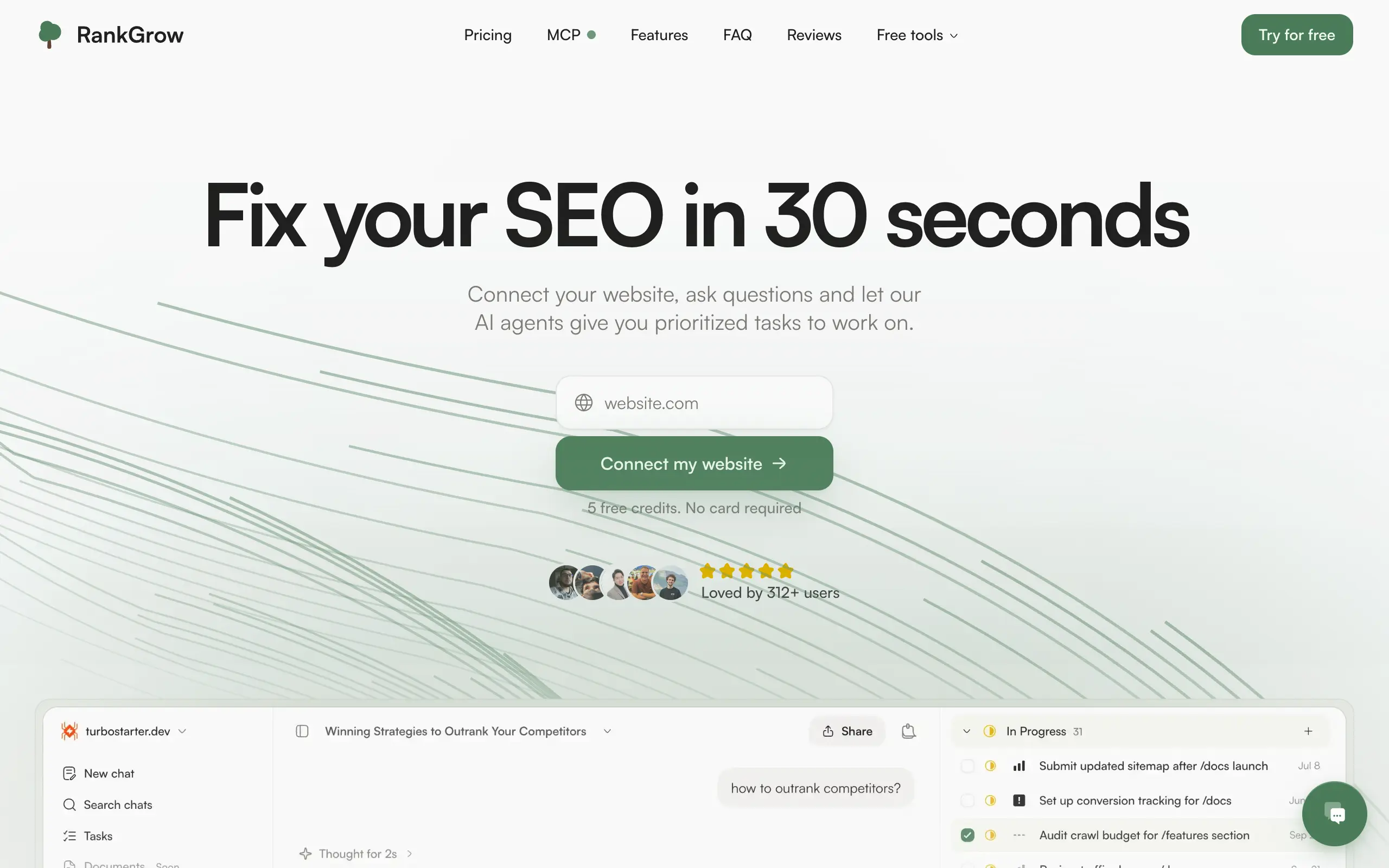
RankGrow
Fix your SEO with AI agents - connect Search Console, get prioritized tasks, and grow organic traffic 📈
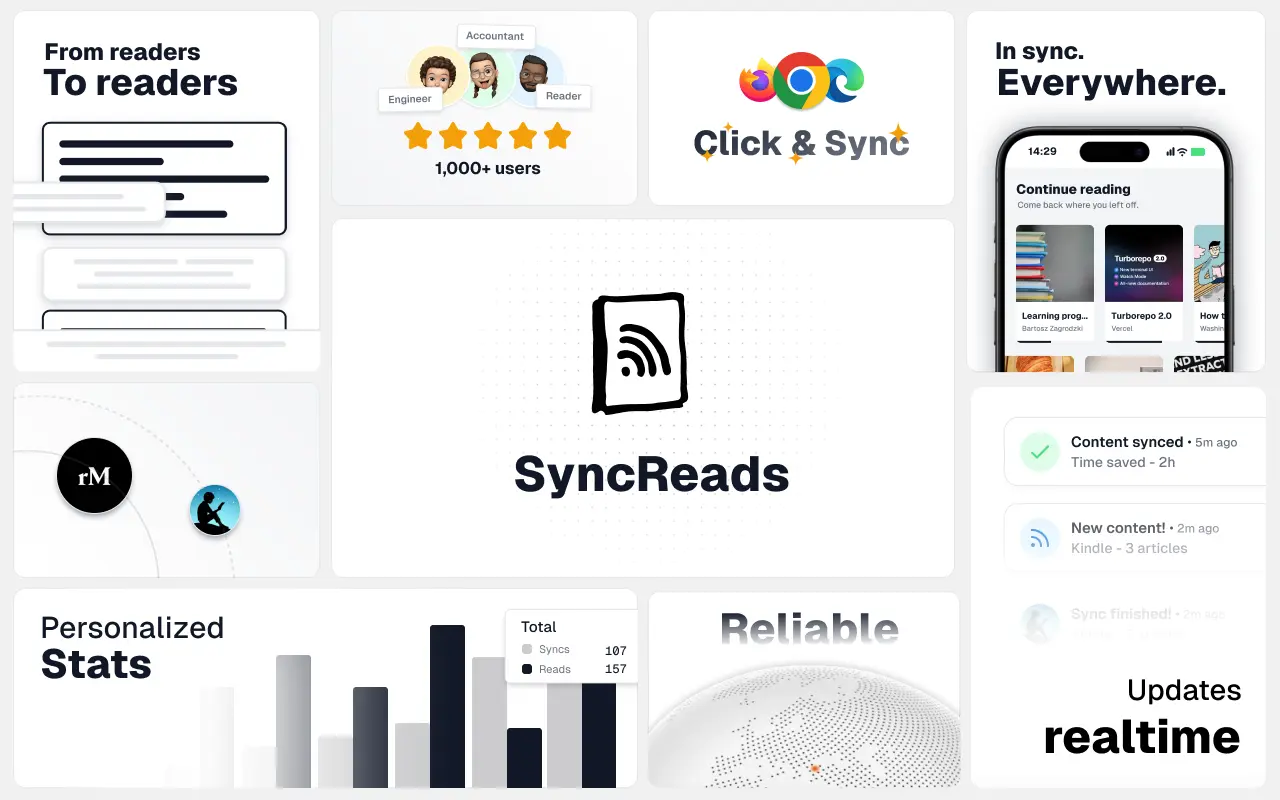
SyncReads
Sync your favorite content for distraction-free reading, save time and replace multiple apps. Anytime, anywhere 🔄
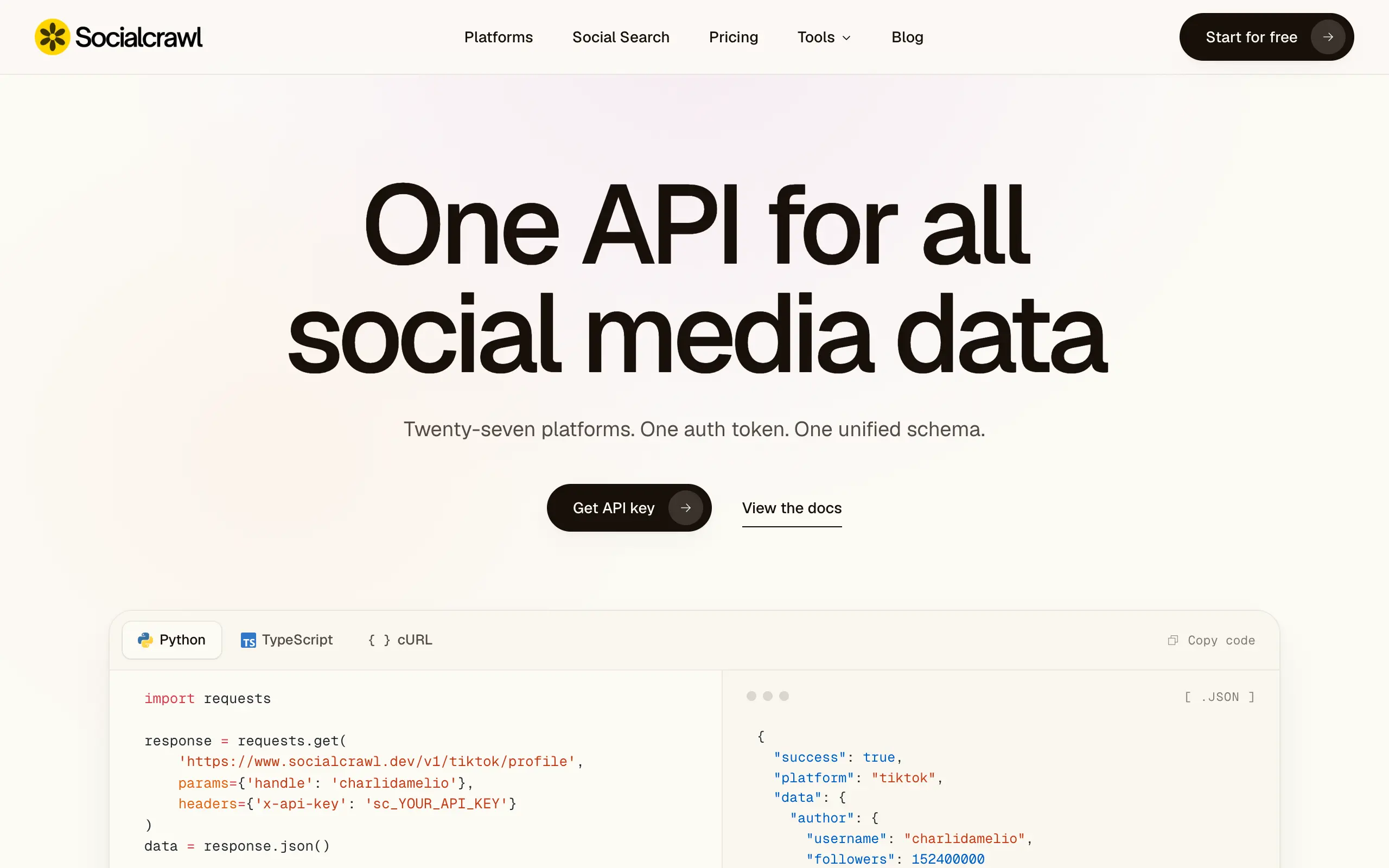
Socialcrawl
Get clean, structured data from 21 platforms like TikTok, Instagram, and YouTube with a single request 📊
Statiko
Monitor any Telegram channel in real time - track posts, edits, deletions, and growth with AI recaps 📡
Shibui
AI website builder - describe your business, pick a niche template, edit by chatting, and publish instantly ✨
Pro Service
Find verified home service professionals, compare quotes, and pay securely through escrow - built for Brazilians across the US 🏠
RankGrow
Fix your SEO with AI agents - connect Search Console, get prioritized tasks, and grow organic traffic 📈
SyncReads
Sync your favorite content for distraction-free reading, save time and replace multiple apps. Anytime, anywhere 🔄
Socialcrawl
Get clean, structured data from 21 platforms like TikTok, Instagram, and YouTube with a single request 📊
Statiko
Monitor any Telegram channel in real time - track posts, edits, deletions, and growth with AI recaps 📡
Shibui
AI website builder - describe your business, pick a niche template, edit by chatting, and publish instantly ✨
Pro Service
Find verified home service professionals, compare quotes, and pay securely through escrow - built for Brazilians across the US 🏠
RankGrow
Fix your SEO with AI agents - connect Search Console, get prioritized tasks, and grow organic traffic 📈
SyncReads
Sync your favorite content for distraction-free reading, save time and replace multiple apps. Anytime, anywhere 🔄
Socialcrawl
Get clean, structured data from 21 platforms like TikTok, Instagram, and YouTube with a single request 📊
Statiko
Monitor any Telegram channel in real time - track posts, edits, deletions, and growth with AI recaps 📡
Shibui
AI website builder - describe your business, pick a niche template, edit by chatting, and publish instantly ✨
Pro Service
Find verified home service professionals, compare quotes, and pay securely through escrow - built for Brazilians across the US 🏠
RankGrow
Fix your SEO with AI agents - connect Search Console, get prioritized tasks, and grow organic traffic 📈
SyncReads
Sync your favorite content for distraction-free reading, save time and replace multiple apps. Anytime, anywhere 🔄
Socialcrawl
Get clean, structured data from 21 platforms like TikTok, Instagram, and YouTube with a single request 📊
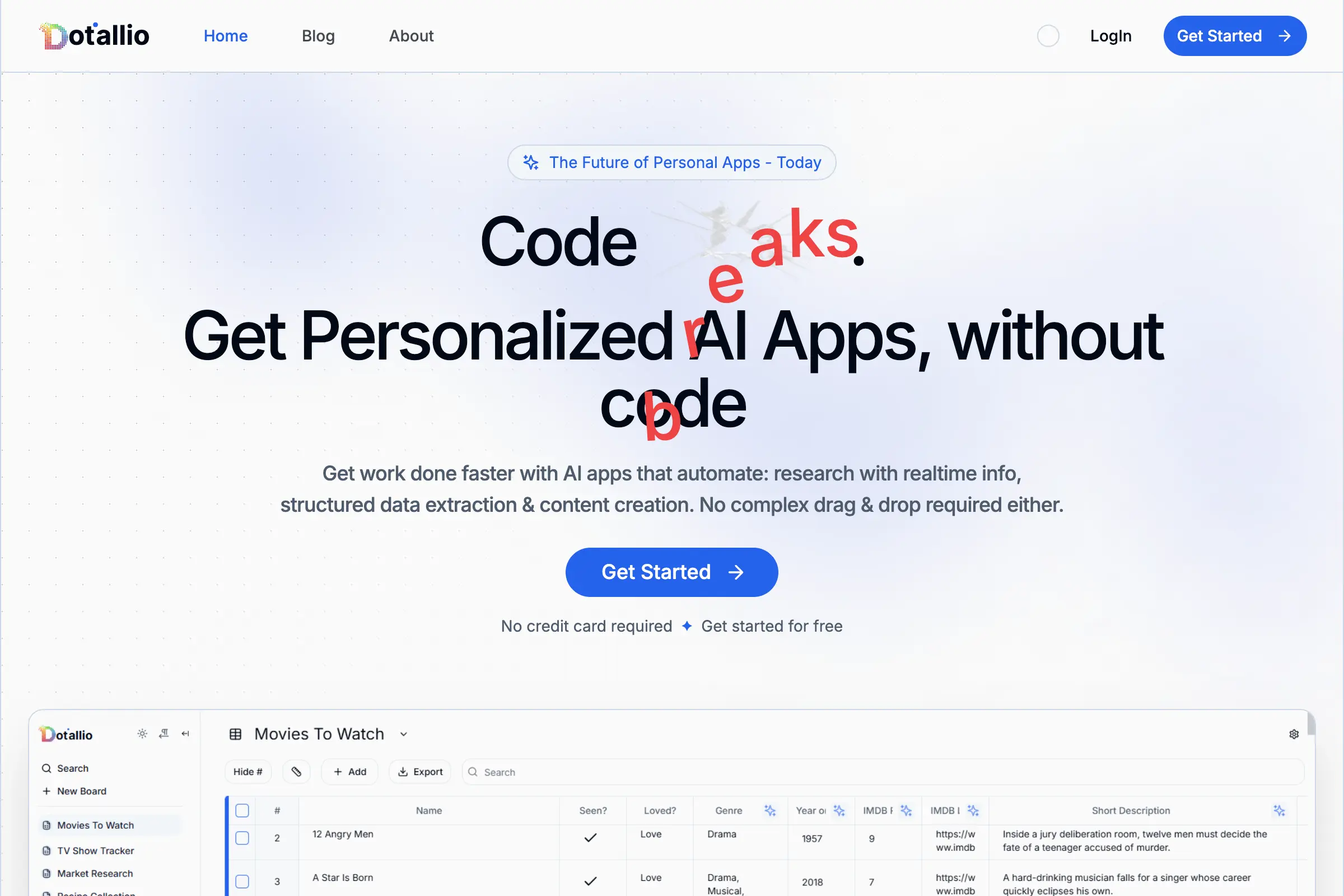
Dotallio
Personalized AI apps that automate research, data extraction, and content creation without code 🤖

Talk to Santa
Enjoy a magical live video chat or receive a unique AI-generated video greeting from Santa Claus 🎅

pozywka.pl
Scalable blog for food journalist, focused on performance and user experience 🌭
zagrodzki.me
Personal blog and portfolio of Bart Zagrodzki, where he shares his knowledge and work 💼
TurboStarter
Ship your startup everywhere. In minutes.
HTML to Markdown
Convert HTML to Markdown with ease, directly in your browser 📄
Dotallio
Personalized AI apps that automate research, data extraction, and content creation without code 🤖
Talk to Santa
Enjoy a magical live video chat or receive a unique AI-generated video greeting from Santa Claus 🎅
pozywka.pl
Scalable blog for food journalist, focused on performance and user experience 🌭
zagrodzki.me
Personal blog and portfolio of Bart Zagrodzki, where he shares his knowledge and work 💼
TurboStarter
Ship your startup everywhere. In minutes.
HTML to Markdown
Convert HTML to Markdown with ease, directly in your browser 📄
Dotallio
Personalized AI apps that automate research, data extraction, and content creation without code 🤖
Talk to Santa
Enjoy a magical live video chat or receive a unique AI-generated video greeting from Santa Claus 🎅
pozywka.pl
Scalable blog for food journalist, focused on performance and user experience 🌭
zagrodzki.me
Personal blog and portfolio of Bart Zagrodzki, where he shares his knowledge and work 💼
TurboStarter
Ship your startup everywhere. In minutes.
HTML to Markdown
Convert HTML to Markdown with ease, directly in your browser 📄
Dotallio
Personalized AI apps that automate research, data extraction, and content creation without code 🤖
Talk to Santa
Enjoy a magical live video chat or receive a unique AI-generated video greeting from Santa Claus 🎅
pozywka.pl
Scalable blog for food journalist, focused on performance and user experience 🌭
zagrodzki.me
Personal blog and portfolio of Bart Zagrodzki, where he shares his knowledge and work 💼
TurboStarter
Ship your startup everywhere. In minutes.
HTML to Markdown
Convert HTML to Markdown with ease, directly in your browser 📄
Omichat
Chat with 50+ AI models, including ChatGPT and Claude, in one place - switch models anytime without losing context 🤖
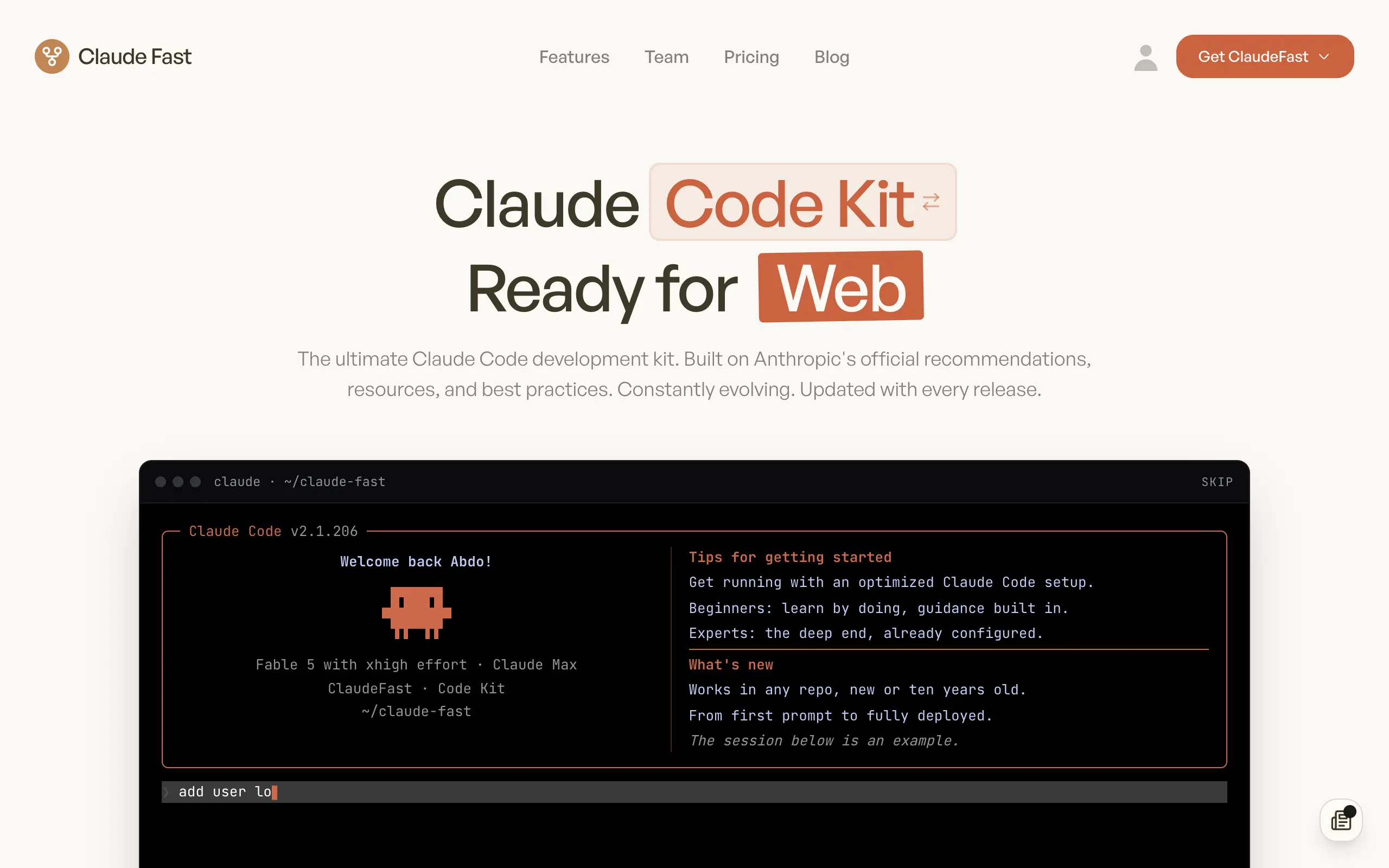
Claude Fast
Supercharge your Claude Code with 6x effective context window and specialized AI agents 🤖
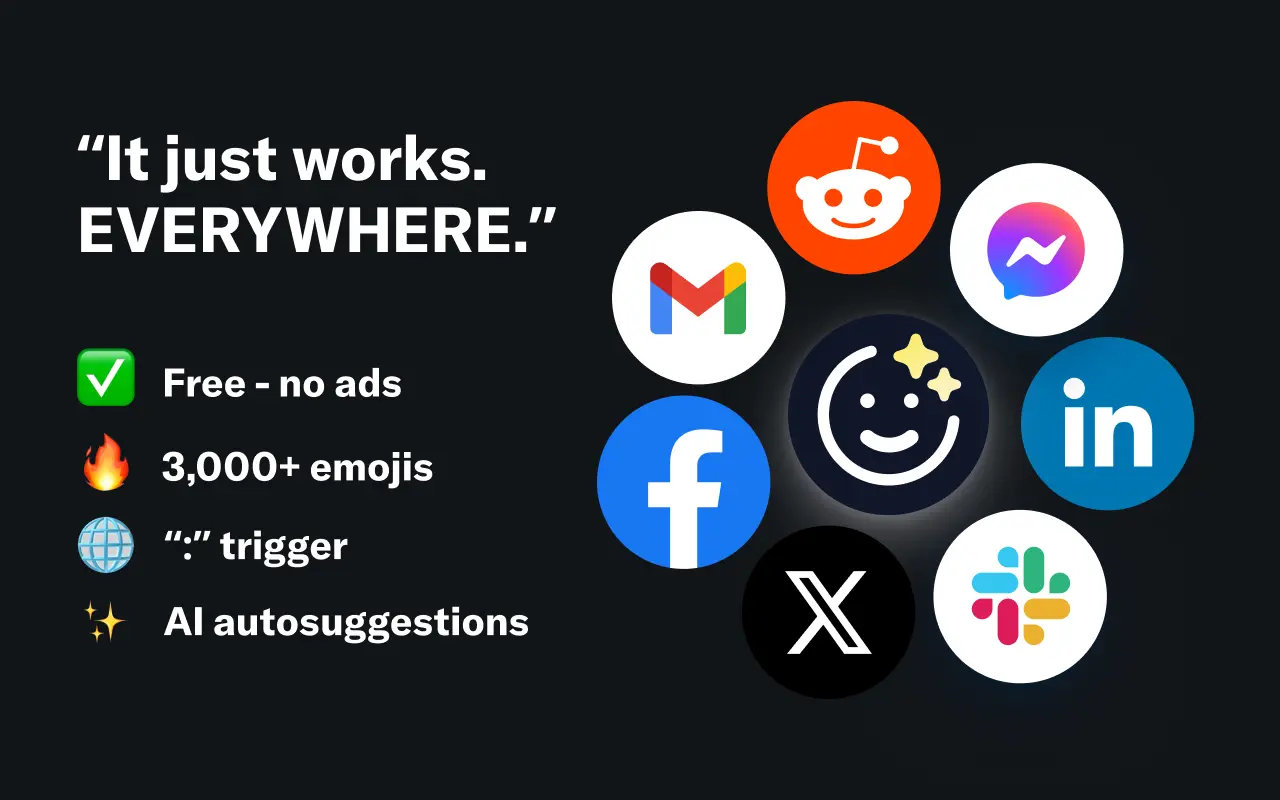
EmojAI
AI-powered emoji picker with smart, context-aware suggestions 🤖

Solohacker
Autonomous company launcher - AI agents work 24/7, escalate what matters, and you stay in control 🤖
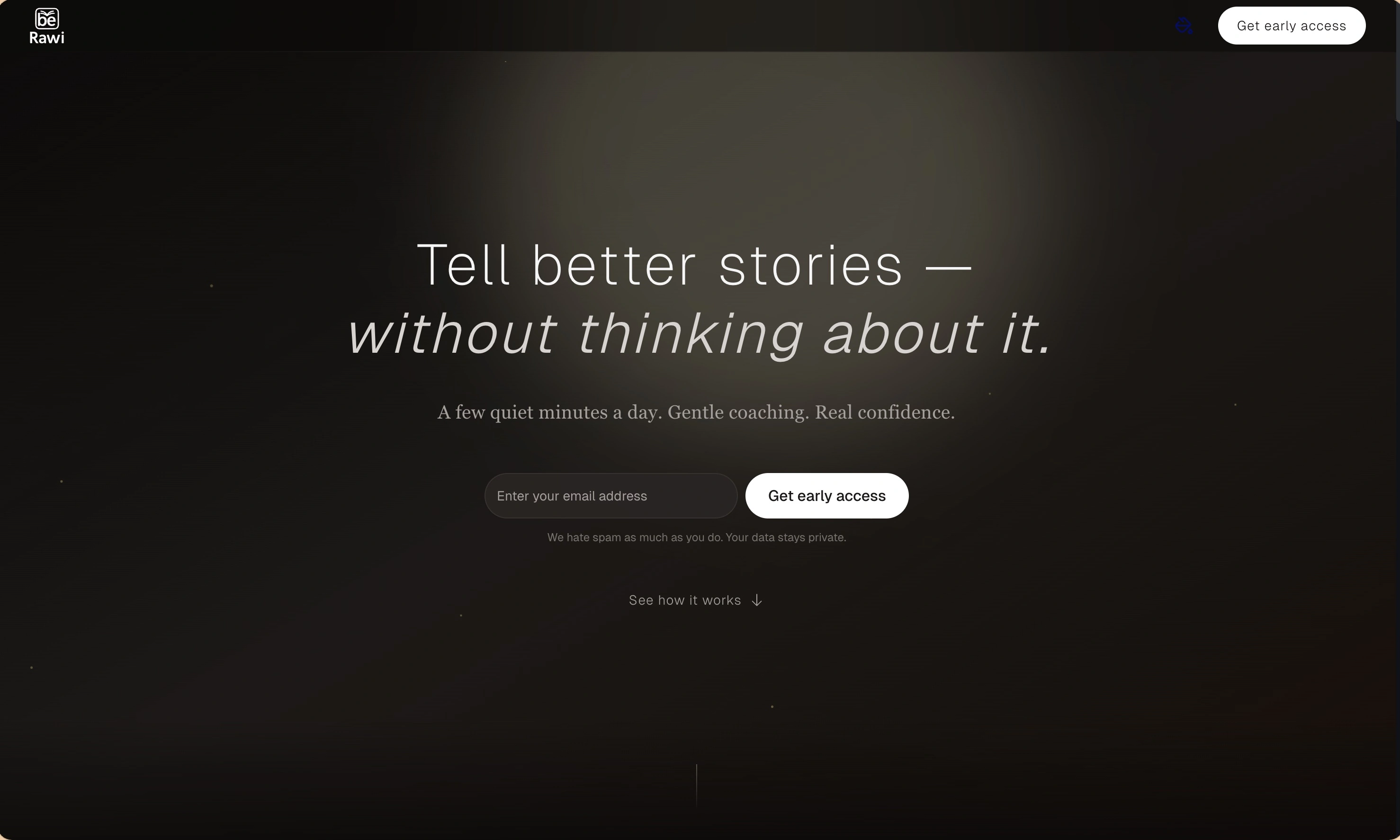
BeRawi: Storytelling Coach
Practice storytelling daily with instant feedback to sound clearer, more engaging, and confident 🎤
Omichat
Chat with 50+ AI models, including ChatGPT and Claude, in one place - switch models anytime without losing context 🤖
Claude Fast
Supercharge your Claude Code with 6x effective context window and specialized AI agents 🤖
EmojAI
AI-powered emoji picker with smart, context-aware suggestions 🤖
Solohacker
Autonomous company launcher - AI agents work 24/7, escalate what matters, and you stay in control 🤖
BeRawi: Storytelling Coach
Practice storytelling daily with instant feedback to sound clearer, more engaging, and confident 🎤
Omichat
Chat with 50+ AI models, including ChatGPT and Claude, in one place - switch models anytime without losing context 🤖
Claude Fast
Supercharge your Claude Code with 6x effective context window and specialized AI agents 🤖
EmojAI
AI-powered emoji picker with smart, context-aware suggestions 🤖
Solohacker
Autonomous company launcher - AI agents work 24/7, escalate what matters, and you stay in control 🤖
BeRawi: Storytelling Coach
Practice storytelling daily with instant feedback to sound clearer, more engaging, and confident 🎤
Omichat
Chat with 50+ AI models, including ChatGPT and Claude, in one place - switch models anytime without losing context 🤖
Claude Fast
Supercharge your Claude Code with 6x effective context window and specialized AI agents 🤖
EmojAI
AI-powered emoji picker with smart, context-aware suggestions 🤖
Solohacker
Autonomous company launcher - AI agents work 24/7, escalate what matters, and you stay in control 🤖
BeRawi: Storytelling Coach
Practice storytelling daily with instant feedback to sound clearer, more engaging, and confident 🎤

Connect with like-minded people
Join our community to get feedback, support, and grow together with 1,000+ builders on board, let's ship it!
Join usShip your startup everywhere. In minutes.
Don't burn tokens on setup and start building features on day one.