PocketProduct Studio
Turn a rough idea into a digital-product bundle with templates, product pages, and launch graphics. Beginner creators get a guided workflow without juggling design tools.
What PocketProduct Studio could become
PocketProduct Studio is a SaaS concept for helping beginner creators turn an early-stage idea into a polished digital-product launch bundle. Instead of switching between writing, design, and website tools, a user follows a guided workflow to create a product outline, reusable templates, a product page, and launch graphics in one place.
The core promise is not simply “make a digital product.” It is help me move from an unfinished idea to a launch-ready package without needing a design team or a complicated tool stack.
That distinction matters. Many people can generate a product idea. Far fewer can turn it into a clear offer, package the deliverables, explain its value, and prepare the assets needed to promote it. PocketProduct Studio could address that gap with a structured, beginner-friendly process that combines practical guidance with lightweight creation tools.
This article explores the target audience, market opportunity, product experience, technical approach, monetization, risks, and launch plan for PocketProduct Studio.
The problem PocketProduct Studio solves
Launching a digital product looks simple from the outside. A creator chooses an idea, makes a file, and sells it. In practice, even a small product can involve several disconnected tasks:
- Defining the target customer and the problem the product solves
- Choosing the right format, such as a workbook, template, guide, or mini-course
- Organizing the content into a useful product
- Creating a sales page that communicates the offer
- Designing a cover, preview images, and social graphics
- Preparing launch emails and promotional copy
- Exporting, hosting, and delivering the final files
A first-time creator may not know what to do first. They may have a product idea but no process for validating it, packaging it, or presenting it professionally. As a result, they can spend too much time comparing tools, watching tutorials, or polishing graphics before confirming that the offer is useful.
PocketProduct Studio can reduce that friction by turning a broad goal into a sequence of manageable decisions. Rather than asking a beginner to start with a blank canvas, the product can guide them through a series of prompts and produce a coordinated set of editable outputs.
The strongest version of the product would help users answer four questions:
- What am I making? Define the product, buyer, problem, and intended outcome.
- What goes inside it? Create a practical outline and choose an appropriate format.
- How will I present it? Build the product page, offer description, and supporting visuals.
- How will I launch it? Prepare promotional assets and a simple launch checklist.
The product should not claim that generated assets guarantee sales. Its value is helping creators move faster from an unclear concept to a coherent, usable launch package.
Target audience for PocketProduct Studio
PocketProduct Studio should begin with a narrow audience rather than trying to serve every person who wants to make something online. A focused initial customer profile makes product decisions, onboarding, messaging, and pricing easier.
Beginner creators with a specific skill
This group includes people who know how to do something useful but have never packaged that knowledge into a paid product. Examples could include a freelance designer who wants to sell a client onboarding kit, a fitness coach creating a habit tracker, or a language tutor preparing a study planner.
They often have subject expertise but limited experience with product design, ecommerce, or marketing. They need help translating what they know into a clear, customer-friendly format.
Freelancers and consultants
Independent professionals may want to create a small product that complements their services. A consultant could sell a diagnostic worksheet, a designer could offer a brand brief template, or a copywriter could create a messaging workbook.
For these users, a digital product may support lead generation, create an additional revenue stream, or make their service delivery more efficient. They are likely to value practical templates and polished presentation over an open-ended design environment.
Coaches, educators, and niche experts
Coaches and educators often have repeatable frameworks, exercises, or resources that could become paid downloads. Their challenge is frequently not a lack of knowledge but a lack of time and a repeatable production workflow.
PocketProduct Studio could help them create a consistent package from an existing method, including a workbook, landing-page copy, and promotional materials.
Creators testing a first offer
Some users may already publish content but have not yet launched a paid product. They want a low-risk way to test an offer before investing in a large course or membership.
For this segment, the platform should encourage small, testable products. A focused checklist, template pack, or short guide can be easier to create and validate than a comprehensive course.
Early customer profile
A useful initial profile might look like this:
- They have a skill, audience, or recurring customer problem.
- They are comfortable using basic web tools but do not identify as a designer.
- They want to launch a small product within days or weeks, not build a complex business platform.
- They are willing to edit AI-assisted drafts rather than expecting finished work from a single prompt.
- They value guidance, examples, and editable deliverables.
Avoid positioning the product as a tool for professional design agencies or established ecommerce brands at launch. Those customers may expect sophisticated brand controls, team permissions, integrations, and advanced analytics that would distract from the beginner workflow.
Market opportunity and the gap to investigate
The opportunity for PocketProduct Studio sits at the intersection of digital-product creation, creator tools, and no-code workflows. The market already contains tools for individual tasks: design platforms, document editors, website builders, payment providers, and AI writing assistants. The potential gap is not necessarily the absence of tools. It is the absence of a simple, connected process for a first-time creator.
A user can assemble a launch using separate applications, but every handoff introduces effort. They may need to copy product details from a planning document into a sales page, recreate brand colors in a design tool, and rewrite the same description for social posts. A guided product that keeps key decisions connected could make the process feel more coherent.
The opportunity is workflow orchestration
PocketProduct Studio should not compete by claiming to replace every creative application. That would create a broad and difficult product roadmap. Instead, it can organize the work that beginners need to complete and generate useful starting points for each deliverable.
For example, a product brief could become the source of truth for:
- The product title and summary
- The target customer and main problem
- The list of included resources
- The product-page headline and description
- The graphic copy and launch messages
This connected workflow is more defensible than a collection of unrelated generators because each output reflects the same offer and audience.
Validate the gap before building broadly
The idea should be tested through interviews and prototype tasks, not just positive reactions to a concept. Ask prospective users to describe their most recent attempt to create or launch a digital product. Focus on what they did, where they got stuck, and what they paid for or abandoned.
Useful discovery questions include:
- What was the last digital product you considered making?
- What did you do first, and what did you do next?
- Which part took longer than expected?
- Which tools did you use, and where did work need to be repeated?
- What did you publish, sell, or share with potential customers?
- What would have made the process feel easier?
Observe users trying a simple prototype. If they cannot explain the product they are creating, the product may need stronger idea-clarification steps before it generates assets. If they understand their offer but struggle with packaging, templates and export options may be the more urgent feature.
For market statistics, use current, attributable sources rather than repeating unsourced creator-economy figures. Relevant research may come from reputable industry reports, platform transparency reports, small-business surveys, or public company filings. Record the source, publication date, geography, and definition behind every number. The market case is strongest when supported by evidence from the specific audience PocketProduct Studio intends to serve.
The product experience and core features
The product should feel like a guided studio, not a prompt box with a collection of unrelated buttons. Its central experience can be a project workspace in which every product moves through a sequence of stages.
1. Guided product brief
Start by collecting the decisions that shape everything else. Keep the initial questionnaire short and conversational, then allow users to add detail as they progress.
The brief could ask for:
- The intended customer
- The problem or goal the product addresses
- The creator’s relevant experience
- The desired customer outcome
- The preferred product format
- The creator’s tone and visual preferences
The interface should make it clear that users can revise their answers. Beginners often do not know the perfect positioning at the start, so the product should support iteration instead of treating the first response as final.
2. Product concept and scope
Next, help users turn a broad idea into a product with a clear boundary. A focused first offer is easier to complete and explain than an oversized bundle.
The system could suggest an outline based on the selected format. For a workbook, that might include an introduction, short lessons, exercises, and a completion checklist. For a template pack, it might include the templates, usage instructions, and an example. Users should be able to accept, edit, reorder, or remove suggestions.
This feature should be framed as structured assistance, not expert certification. The creator remains responsible for checking that the content is accurate, useful, and appropriate for the audience.
3. Editable product templates
Templates make the product concrete. Early template categories could include:
- Workbooks and guided journals
- Checklists and planners
- Client onboarding documents
- Content calendars
- Mini-guides and resource sheets
- Simple spreadsheet-based trackers
Templates should be organized by purpose and format, not just visual style. A user creating a client intake pack needs a different structure from someone making a personal budgeting workbook.
Each template should include sensible defaults, readable typography, and clear placeholder instructions. The goal is not to offer unlimited customization at launch. It is to help a beginner produce a professional first version without confronting a complex design system.
4. Product page builder
A digital product needs a clear description before a customer can evaluate it. PocketProduct Studio could generate a structured product page with editable sections such as:
- Headline and short promise
- Who the product is for
- The problem it helps address
- What is included
- How the product is used
- Frequently asked questions
- A call to action
Good sales copy should describe the product accurately and avoid unsupported claims. The platform can encourage users to be specific about the deliverables and the intended use instead of promising guaranteed outcomes.
At first, the builder could export a page draft or provide a shareable hosted page. A full ecommerce platform—with taxes, refunds, customer accounts, and file delivery—would require additional operational and compliance work. It may be wiser to integrate with established selling tools before attempting to own the entire transaction.
5. Coordinated launch graphics
The launch-graphics feature could create a small, useful set of assets rather than an overwhelming library. A starter bundle might include:
- A product cover
- A square social graphic
- A vertical story graphic
- A product preview image
- A promotional announcement graphic
Visual consistency is important. The system should carry the creator’s selected colors, fonts, and imagery across the assets. It should also provide accessible contrast and allow users to edit text, because generated graphics can contain awkward line breaks or unsuitable copy.
6. Launch checklist and exports
A launch checklist can turn the bundle into action. It might cover final proofreading, checking download links, testing the product page on mobile, asking a small group for feedback, and preparing promotional posts.
Exports are a core product feature, not a minor technical detail. Users should know exactly what they can download, what format it will be in, and whether it can be edited later. Clear export behavior can build trust and reduce support requests.
A practical MVP for PocketProduct Studio
The first release should test the connected-workflow hypothesis with a small number of deliverables. Building a full creative suite before learning how users work would add cost without proving demand.
A focused MVP could include:
- A guided product brief
- A small library of product formats and templates
- Editable product-page copy
- A limited set of coordinated graphics
- PDF and image exports
- A saved project dashboard
For the initial version, limit the number of template categories and make each one genuinely useful. A polished workbook flow and a strong template-pack flow are more valuable than ten shallow formats.
Core job
Help a beginner creator move from an idea to a coherent, editable digital-product bundle.
Initial proof
Measure whether users complete the workflow, export assets, and return to improve or create another product.
Scope guardrail
Prioritize guidance and connected outputs before adding advanced design controls or a built-in marketplace.
Competitive advantage and positioning
PocketProduct Studio would operate in a crowded ecosystem, but it does not need to win by having more design features than established design platforms or more commerce features than established selling platforms. It needs a specific advantage that matters to its initial audience.
Potential alternatives users already have
A prospective user might combine:
- A writing assistant for outlines and copy
- A document editor for the product itself
- A design application for covers and promotional graphics
- A website builder for the sales page
- A payment or storefront platform for checkout and delivery
These tools can be powerful, but they may leave a beginner to design the workflow and connect the outputs. That creates an opening for guided creation.
| Product category | What it does well | Possible beginner friction | PocketProduct Studio opportunity | Strategic response |
|---|---|---|---|---|
| Design platforms | Flexible visual creation | Open-ended tools can feel complex | Start from product-specific templates | Offer focused, editable layouts |
| Writing assistants | Fast drafting and brainstorming | Outputs may lack product structure | Connect the brief to each deliverable | Use one project context throughout |
| Website builders | Flexible publishing | Users must create page structure | Provide a product-page draft | Export or integrate rather than replace |
| Ecommerce tools | Payments and delivery | Setup may be separate from creation | Prepare assets before storefront setup | Partner or integrate when validated |
| General template libraries | Large selection | Users may still assemble the bundle | Provide a guided end-to-end workflow | Curate by creator goal and product type |
The table describes strategic categories, not a claim that every tool in a category has the same capabilities. Competitive research should compare specific products, pricing, export options, accessibility, and onboarding before making public claims.
The potential USP
A concise positioning statement could be:
PocketProduct Studio helps first-time creators turn one product idea into an editable, launch-ready bundle through a single guided workflow.
The distinguishing elements are:
- Beginner-first guidance instead of a blank canvas
- Connected outputs based on one product brief
- A clear finish line that helps users know when a bundle is ready
- Editable assets rather than locked, one-click results
- A practical scope focused on small digital products
The strongest long-term advantage may be the workflow itself: the questions, templates, decision points, and quality checks that help users create better-structured offers. AI features can support that workflow, but AI access alone is unlikely to remain a meaningful differentiator.
Recommended technology stack
The right stack should support fast experimentation, dependable exports, and secure handling of customer projects. A small team should choose familiar technologies and avoid building infrastructure that does not validate the product.
Front end and application framework
React is a suitable interface foundation for interactive project workspaces, editors, and reusable UI. A team that wants server rendering, routing conventions, and a broader application framework could build with Next.js.
The trade-off is complexity. A framework can support a polished product experience, but it also introduces more architectural choices than a simple static marketing site. Keep the first application structure straightforward and separate the public marketing site from authenticated creation workflows where appropriate.
Styling and design system
Tailwind CSS can help a small team build consistent interface components quickly. Define a modest design system for spacing, typography, colors, buttons, and form states. Do not let rapid styling become an excuse to skip accessibility checks, responsive layouts, or clear validation messages.
Authentication, database, and file storage
A managed backend service can reduce the time spent operating servers. Supabase is one option for authentication, Postgres-backed data, and storage. A comparable managed service may be a better fit depending on team experience, data residency needs, and expected scale.
Store project records and generated asset metadata separately from large files. Use explicit ownership checks so users can only access their own projects and exports. Review the service’s security documentation and configuration carefully; a managed backend does not automatically make an application secure.
Payments and subscriptions
Stripe is a common payment option for subscriptions and one-time purchases. Before choosing a payment flow, decide whether PocketProduct Studio sells access to software, downloadable templates, usage credits, or a combination.
Payment setup involves more than a checkout button. Plan for failed payments, cancellations, refunds, invoices, tax obligations, and clear plan disclosures. Requirements vary by business location and customer location, so seek appropriate legal and accounting guidance.
AI and asset generation
AI can support idea refinement, outlines, product-page drafts, and promotional copy. It can also help users adapt the same message to different asset formats. Use an abstraction layer around model providers so the product can change providers or models without rewriting the entire application.
Important safeguards include:
- Let users edit and regenerate individual sections.
- Show what content was generated and where it appears.
- Avoid presenting unverified claims as facts.
- Give users a way to report low-quality or harmful outputs.
- Provide clear controls for saving, deleting, and reusing project content.
- Review the terms and data practices of any model provider before sending customer inputs.
Graphics may be handled through editable templates and a rendering service rather than generating every design from scratch. This can improve visual consistency and reduce unpredictable outputs. The correct approach depends on whether customers need editable source files or only final exports.
A simple project data model
A starting model might separate users, projects, deliverables, and exports:
type Project = {
  id: string;
  ownerId: string;
  name: string;
  productType: "workbook" | "template-pack" | "guide";
  brief: {
    audience: string;
    problem: string;
    outcome: string;
    tone: string;
  };
  status: "draft" | "in-progress" | "ready";
  createdAt: string;
  updatedAt: string;
};

type Deliverable = {
  id: string;
  projectId: string;
  kind: "outline" | "product-page" | "graphic";
  title: string;
  content: unknown;
  updatedAt: string;
};

type ExportRecord = {
  id: string;
  projectId: string;
  format: "pdf" | "png" | "jpg";
  storageKey: string;
  createdAt: string;
};
This is a conceptual starting point, not a complete production schema. A production application should define validation, access policies, version history, deletion behavior, and retention rules explicitly.
Monetization strategy options
Pricing should align with how often users create products and how much ongoing value they receive. A creator making one product may resist a permanent monthly subscription, while a consultant creating assets for clients may value a recurring plan.
Freemium with paid exports
Allow users to create a project and preview the workflow for free, then charge for higher-quality exports, additional projects, or premium templates. This can make the product easy to try, but the free experience must demonstrate value without frustrating users at the final step.
Subscription plans
A recurring plan could include more active projects, expanded template access, brand kits, saved versions, or client workspaces. Subscriptions make the most sense if users have a reason to return regularly. Validate repeat use before relying on monthly revenue as the core business model.
One-time product credits
Users could purchase a bundle of credits for creating or exporting product packages. This may fit occasional creators better than a subscription, though usage-based systems need simple explanations and transparent limits.
Paid template packs
Specialized packs for particular audiences or product formats could add revenue without requiring the platform to build a large feature set. Examples might include a coach’s client resource bundle or a freelancer’s service toolkit. Packs should be differentiated by usefulness and quality, not merely by quantity.
Team or client plans
Once independent professionals show demand, a higher-priced plan could support multiple client projects, shared brand settings, or collaborator access. This should come after the single-user workflow is dependable. Team permissions and client handoff introduce additional product and support requirements.
A sensible pricing experiment is to test two or three understandable packages with real users. Evaluate not only conversion but also activation, refund requests, support burden, and whether customers return to create another bundle.
Risks and how to mitigate them
The product feels like a generic AI wrapper
If the experience is mostly prompts that produce interchangeable text, users can compare it with general-purpose assistants and may not see a reason to pay.
Mitigation: Build product-specific workflows, templates, editing controls, quality checks, and exports. The value should be visible in the structure and usability of the finished bundle.
Generated content is weak or misleading
AI-assisted copy may be repetitive, inaccurate, or too confident. Users could publish claims that they cannot substantiate.
Mitigation: Keep drafts editable, encourage review, and use prompts that favor concrete product details over exaggerated outcomes. Provide reminders to verify factual or regulated claims before publication.
Users do not finish their projects
A long onboarding questionnaire or an intimidating editor can cause users to abandon the process.
Mitigation: Ask only for essential information at the beginning. Save progress automatically, show a clear completion path, and let users create a first draft before filling in every optional detail.
The market expects more than the MVP can deliver
Users may assume that “launch-ready” means payments, hosting, analytics, email automation, and file delivery are all included.
Mitigation: Define the scope precisely in product messaging. Explain what users receive, what they can export, and which external tools may still be required.
Design quality becomes difficult to maintain
A large template library can introduce inconsistent layouts and poor export results across devices and formats.
Mitigation: Start with a small number of carefully tested templates. Check exports across common screen sizes, page dimensions, and accessibility requirements before expanding the library.
Customer projects and files create privacy obligations
The platform may store business ideas, draft offers, customer information, or unreleased product content.
Mitigation: Collect only necessary data, publish clear privacy information, restrict internal access, and establish a deletion process. Review vendor terms and applicable privacy requirements with qualified advisors.
Acquisition costs exceed customer value
Beginner creators may be price-sensitive and may only need the product once. If paid acquisition is expensive or retention is low, a subscription model may be difficult to sustain.
Mitigation: Test organic acquisition channels, partnerships, and one-time purchase options. Track contribution margin and repeat usage rather than treating signups alone as evidence of product-market fit.
How to measure whether the product is working
Early metrics should reveal whether users reach value, not just whether they visit the site. A useful activation event might be a user completing a product brief and exporting at least one deliverable. The exact definition should match the product’s intended job.
Track measures such as:
- Brief completion rate: How many users provide enough information to start a project?
- First-value time: How long does it take a new user to create a usable draft?
- Project completion rate: How many projects reach the export or ready stage?
- Export rate: Which deliverables do users actually download?
- Revision activity: Do users edit and improve drafts, or abandon them?
- Repeat creation: Do users return to make another product?
- Paid conversion and refunds: Does the perceived value justify the price?
- Support themes: Which steps cause confusion or quality complaints?
Use interviews and session observation to understand why metrics change. A high export rate does not prove that the exported product is good. Ask users whether they used the assets, what they changed, and what happened after sharing them.
Actionable implementation steps
Interview prospective users
Speak with beginner creators, freelancers, and coaches who have recently considered making a digital product. Ask about their actual behavior, tools, delays, and spending. Do not rely only on hypothetical questions such as “Would you use this?”
Choose one initial audience and product format
Select a segment with a clear, repeated problem. Then choose one or two formats, such as workbooks and template packs. This constraint will make it easier to design a useful first workflow.
Prototype the end-to-end experience
Create a clickable prototype that takes a user from product brief to product outline, sales-page draft, and a small set of graphics. Test whether users understand each step and can complete the journey without extensive explanation.
Define the quality bar
Write down what “ready to export” means for each deliverable. Include checks for completeness, readability, editable content, file rendering, and consistency across the product bundle.
Build the smallest useful MVP
Implement the brief, project workspace, limited templates, editing controls, and exports. Avoid a marketplace, advanced analytics, and complex ecommerce features until user evidence supports them.
Run a small paid pilot
Invite a limited group of users and charge a clear, reasonable price. Observe how they use the product, what they edit, and whether they would recommend it. A paid pilot tests perceived value more directly than a free waitlist.
Improve based on behavior
Prioritize changes that help users finish a useful product bundle. Fix confusing steps and unreliable exports before adding more template categories or AI features.
The strategic case for PocketProduct Studio
PocketProduct Studio has a compelling product opportunity if it treats the creator’s workflow as the product—not simply the generation of text and graphics. Beginners need more than a set of tools. They need help making decisions, keeping their offer consistent, and producing assets they can confidently edit and use.
The most defensible early position is a focused digital product bundle builder for first-time creators. Its competitive advantage would come from pairing beginner-friendly guidance with connected, editable deliverables and a clear path to export. A small, high-quality workflow can be more valuable than a broad platform that tries to replace every tool in a creator’s business.
The next step is to validate the workflow with real creators, narrow the initial use case, and test whether users will pay to complete it. Build only what helps them move from idea to a coherent first product. As the product earns trust, expand into integrations, team features, and additional formats based on observed demand.
If you are building the first version, TurboStarter can help you move faster on the SaaS foundation while you focus on validating PocketProduct Studio’s core creator workflow.
More 💡 Other SaaS ideas
Discover more innovative other SaaS ideas that are trending in 2026. Each idea is AI-generated with market validation and growth potential to help you find your next profitable venture faster than competitors.
Your competitors are building with TurboStarter
Below are some of the SaaS ideas that have been generated and built with our starter kit.
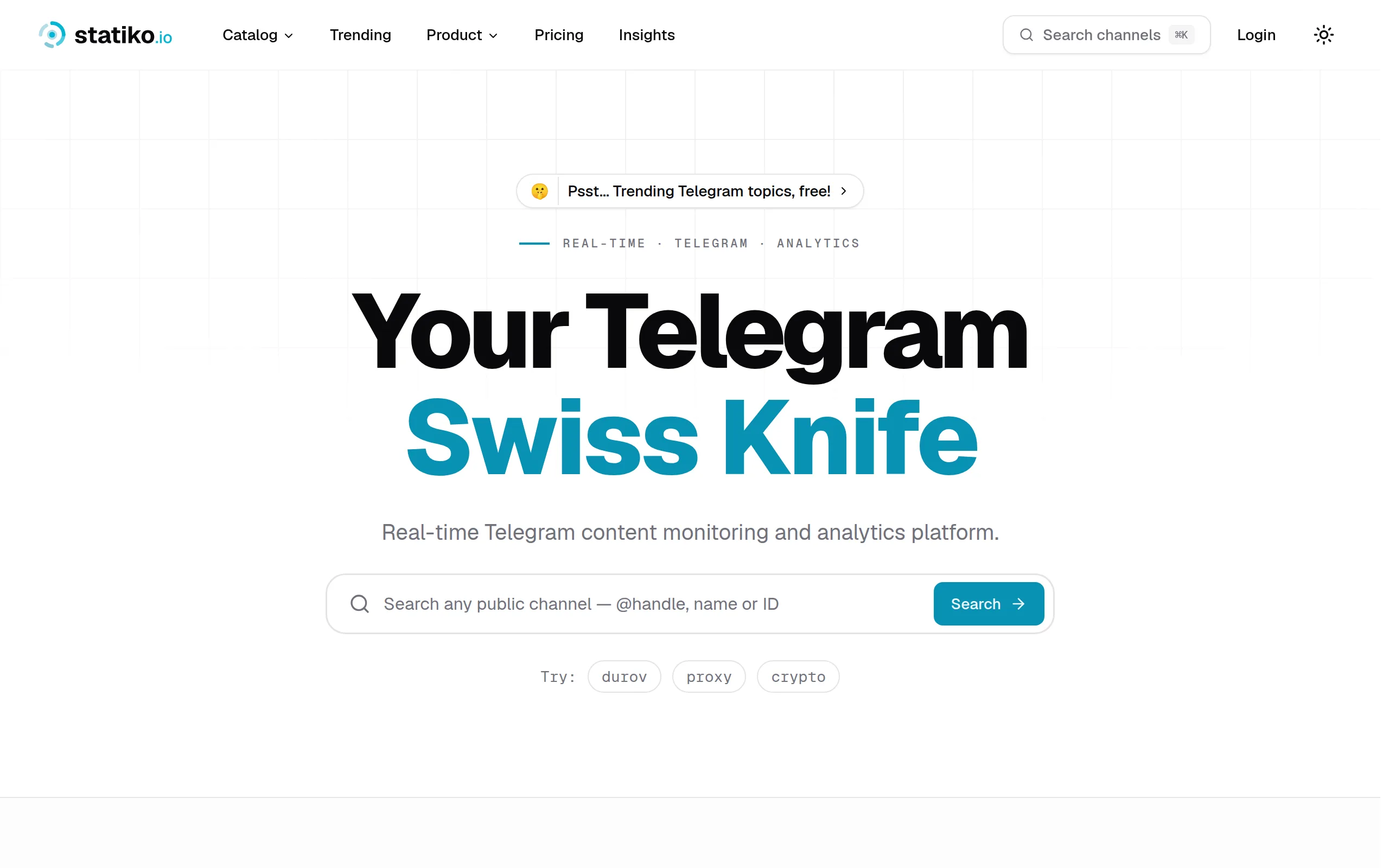
Statiko
Monitor any Telegram channel in real time - track posts, edits, deletions, and growth with AI recaps 📡
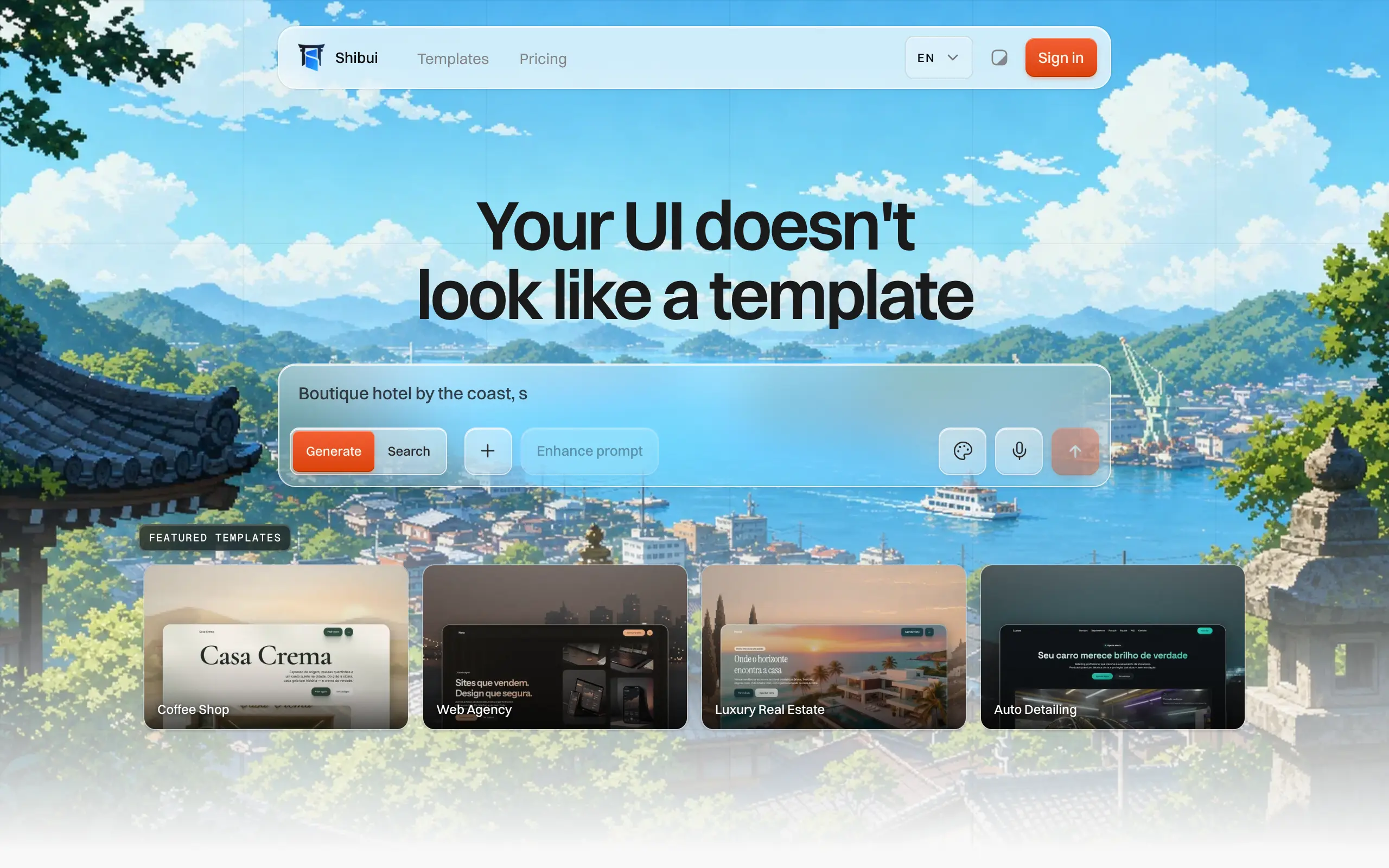
Shibui
AI website builder - describe your business, pick a niche template, edit by chatting, and publish instantly ✨

Pro Service
Find verified home service professionals, compare quotes, and pay securely through escrow - built for Brazilians across the US 🏠
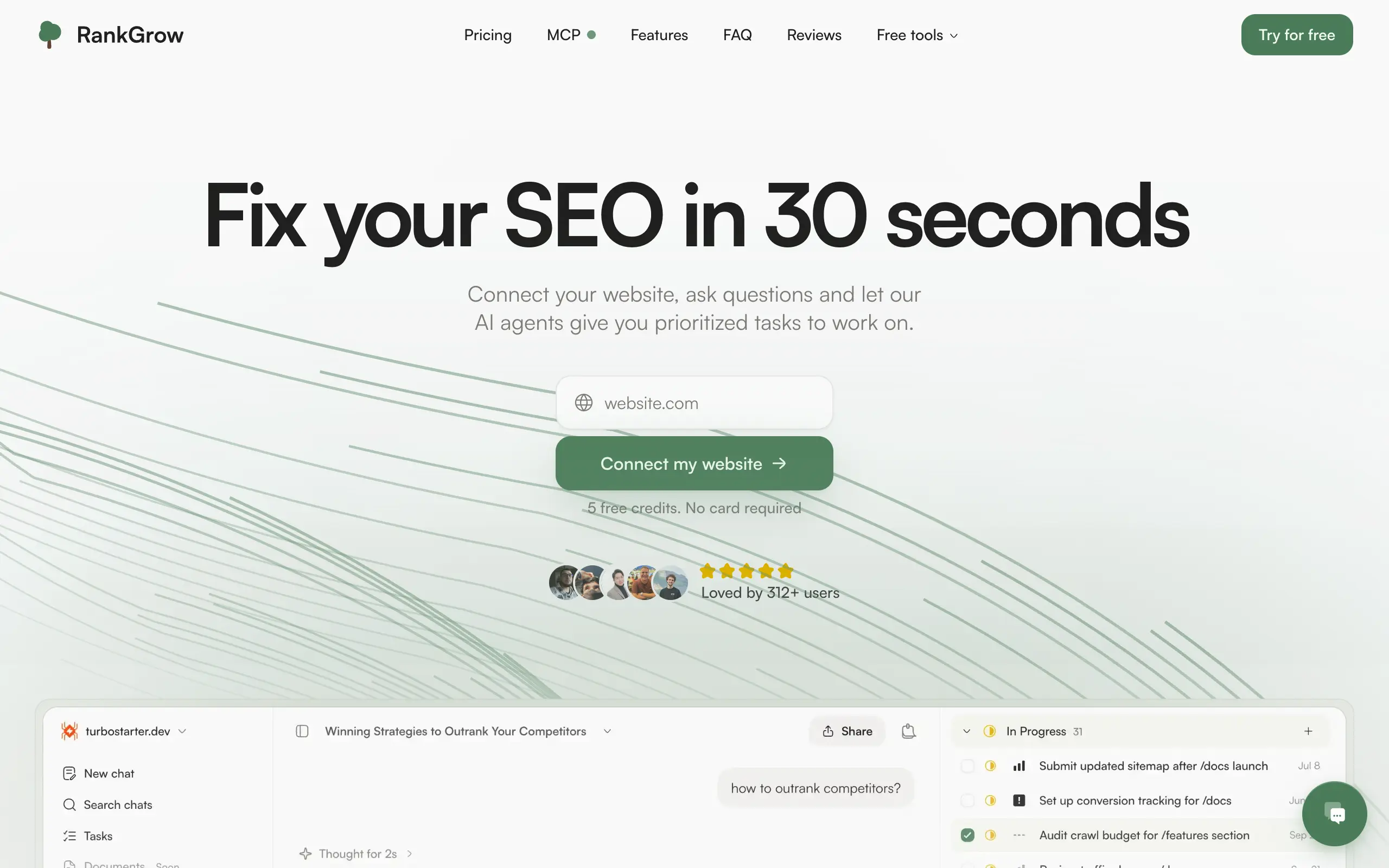
RankGrow
Fix your SEO with AI agents - connect Search Console, get prioritized tasks, and grow organic traffic 📈
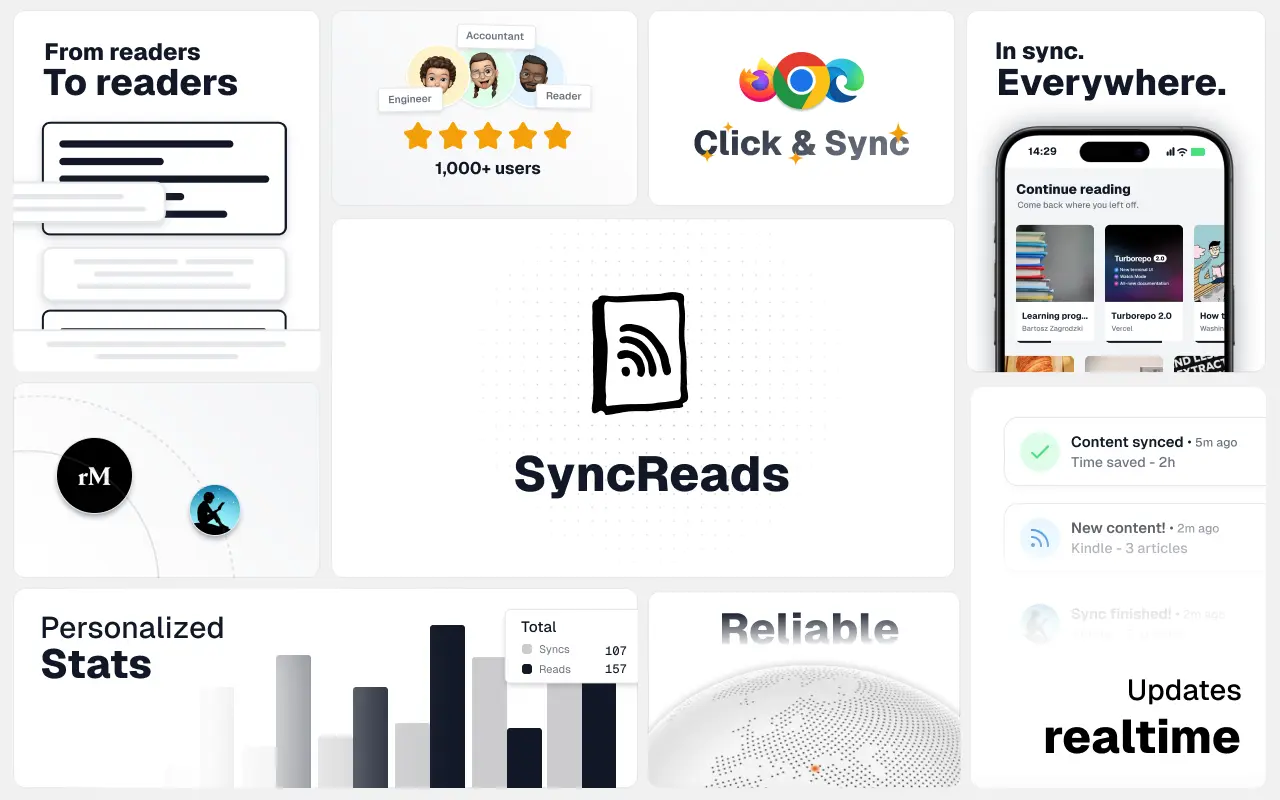
SyncReads
Sync your favorite content for distraction-free reading, save time and replace multiple apps. Anytime, anywhere 🔄
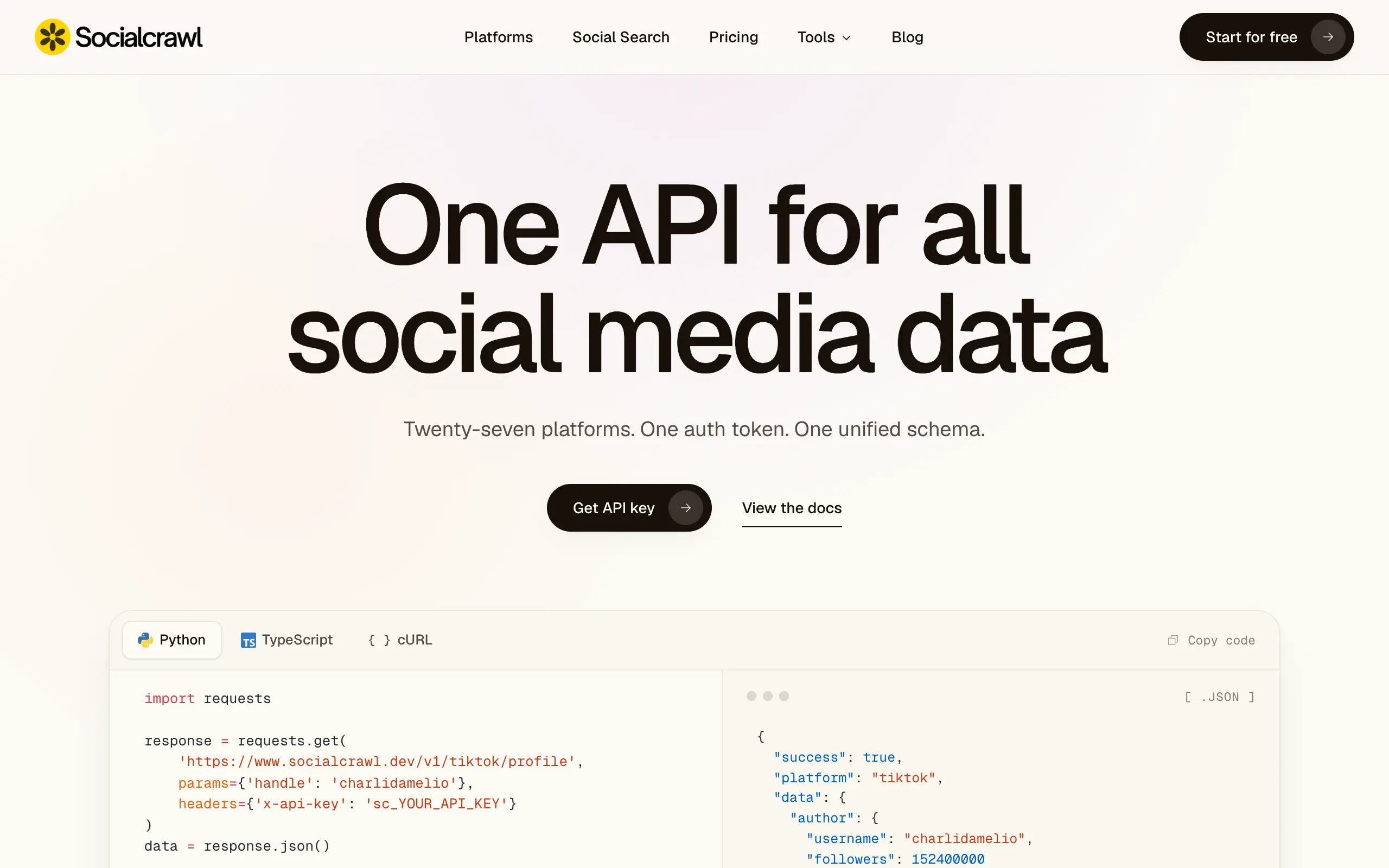
Socialcrawl
Get clean, structured data from 21 platforms like TikTok, Instagram, and YouTube with a single request 📊
Statiko
Monitor any Telegram channel in real time - track posts, edits, deletions, and growth with AI recaps 📡
Shibui
AI website builder - describe your business, pick a niche template, edit by chatting, and publish instantly ✨
Pro Service
Find verified home service professionals, compare quotes, and pay securely through escrow - built for Brazilians across the US 🏠
RankGrow
Fix your SEO with AI agents - connect Search Console, get prioritized tasks, and grow organic traffic 📈
SyncReads
Sync your favorite content for distraction-free reading, save time and replace multiple apps. Anytime, anywhere 🔄
Socialcrawl
Get clean, structured data from 21 platforms like TikTok, Instagram, and YouTube with a single request 📊
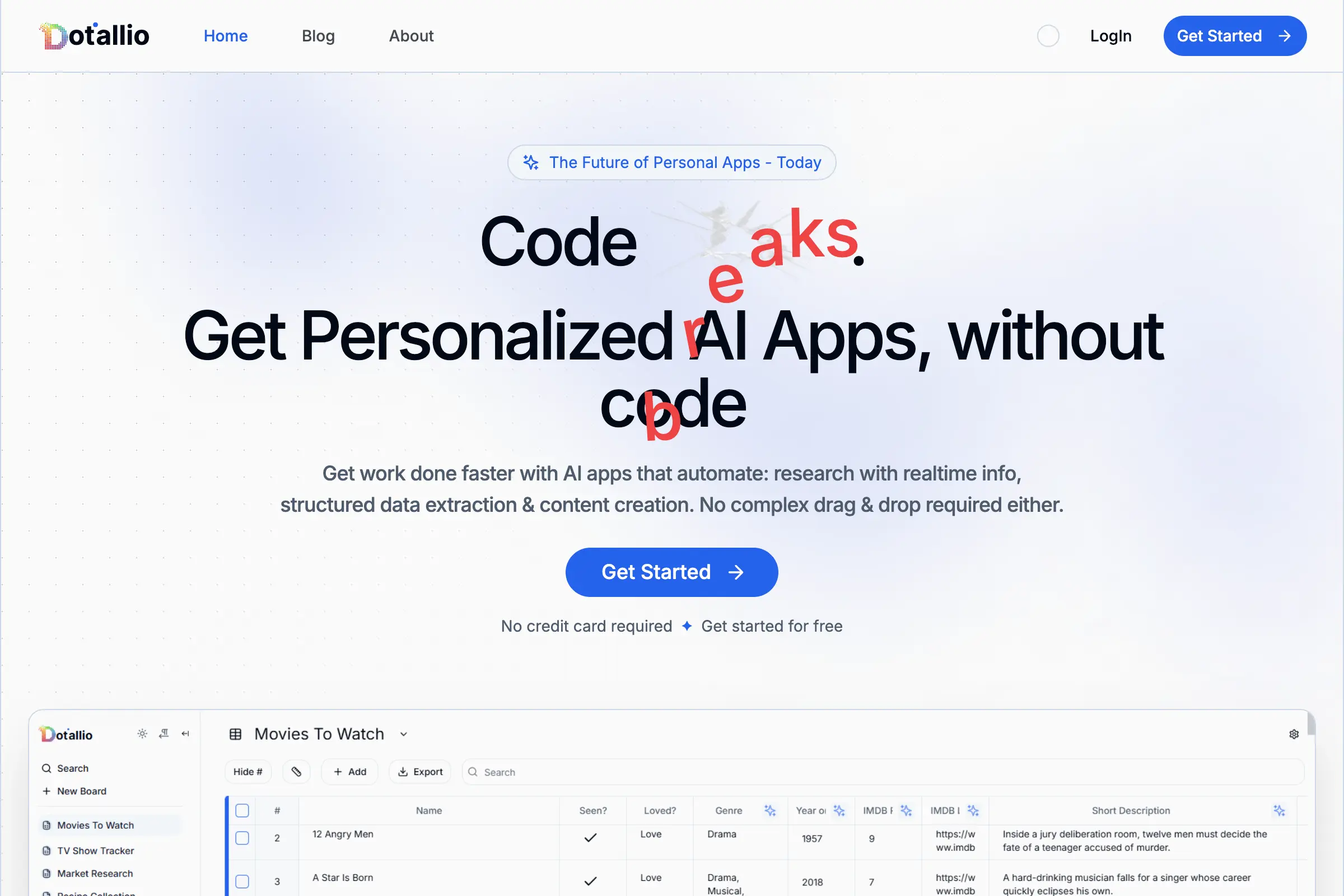
Dotallio
Personalized AI apps that automate research, data extraction, and content creation without code 🤖
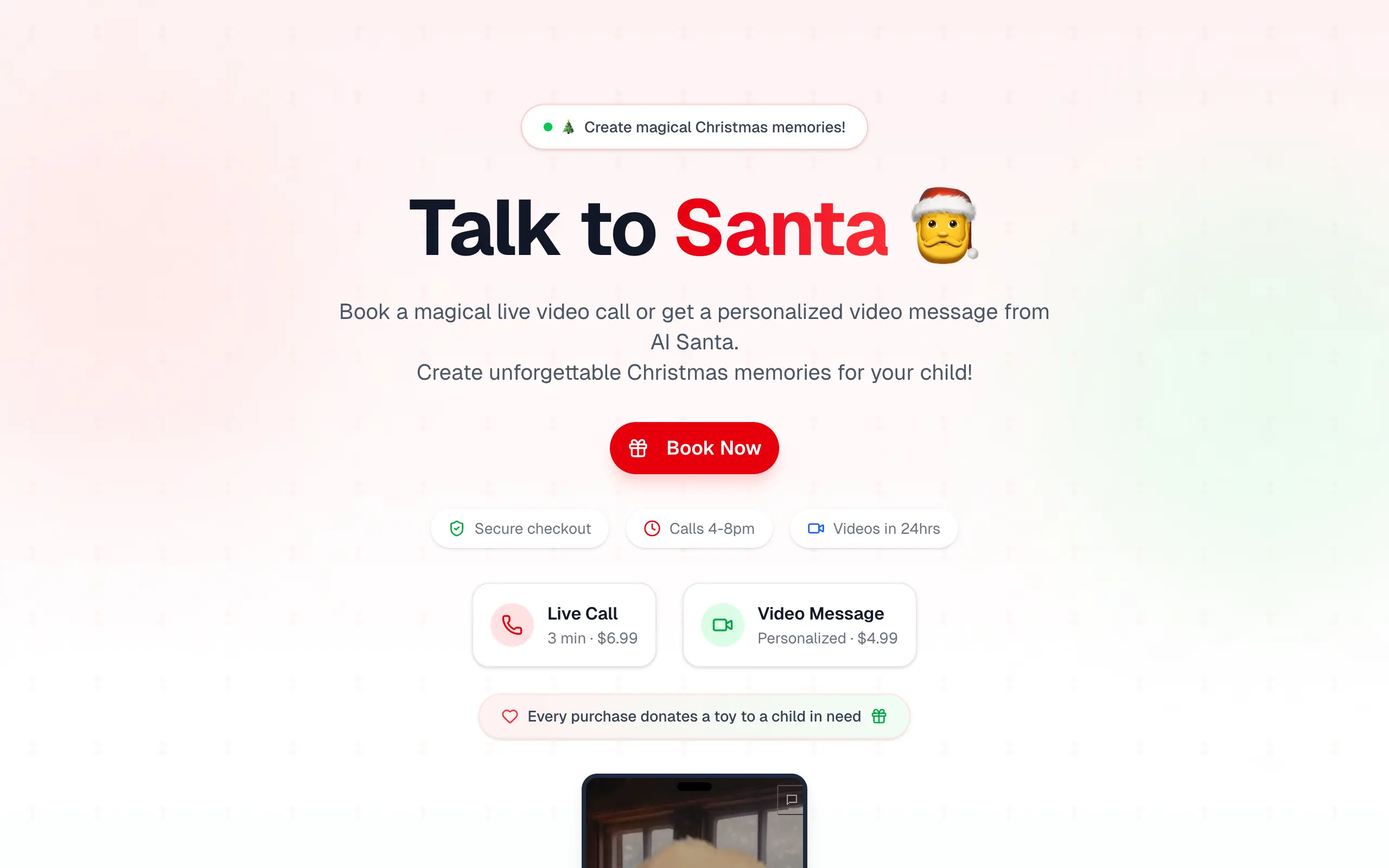
Talk to Santa
Enjoy a magical live video chat or receive a unique AI-generated video greeting from Santa Claus 🎅
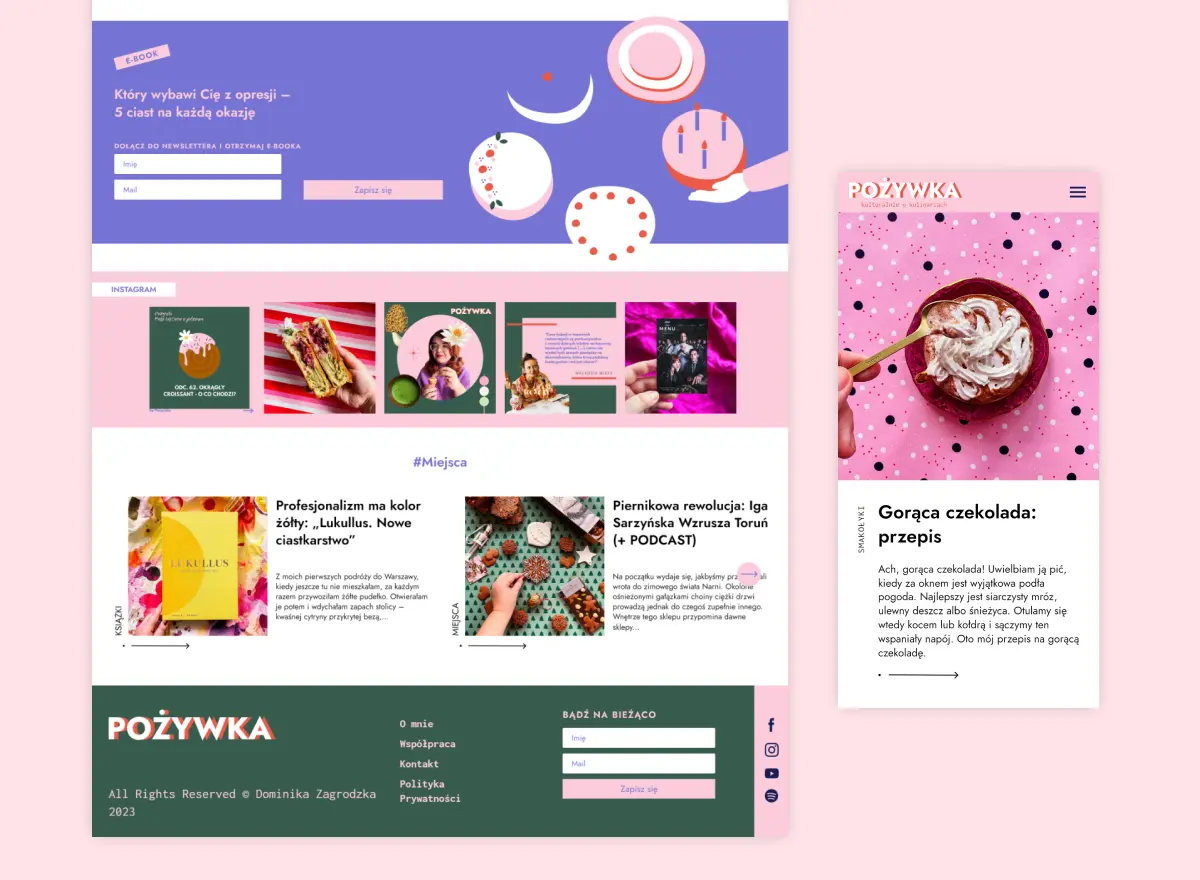
pozywka.pl
Scalable blog for food journalist, focused on performance and user experience 🌭
zagrodzki.me
Personal blog and portfolio of Bart Zagrodzki, where he shares his knowledge and work 💼
TurboStarter
Ship your startup everywhere. In minutes.
HTML to Markdown
Convert HTML to Markdown with ease, directly in your browser 📄
Dotallio
Personalized AI apps that automate research, data extraction, and content creation without code 🤖
Talk to Santa
Enjoy a magical live video chat or receive a unique AI-generated video greeting from Santa Claus 🎅
pozywka.pl
Scalable blog for food journalist, focused on performance and user experience 🌭
zagrodzki.me
Personal blog and portfolio of Bart Zagrodzki, where he shares his knowledge and work 💼
TurboStarter
Ship your startup everywhere. In minutes.
HTML to Markdown
Convert HTML to Markdown with ease, directly in your browser 📄
Omichat
Chat with 50+ AI models, including ChatGPT and Claude, in one place - switch models anytime without losing context 🤖
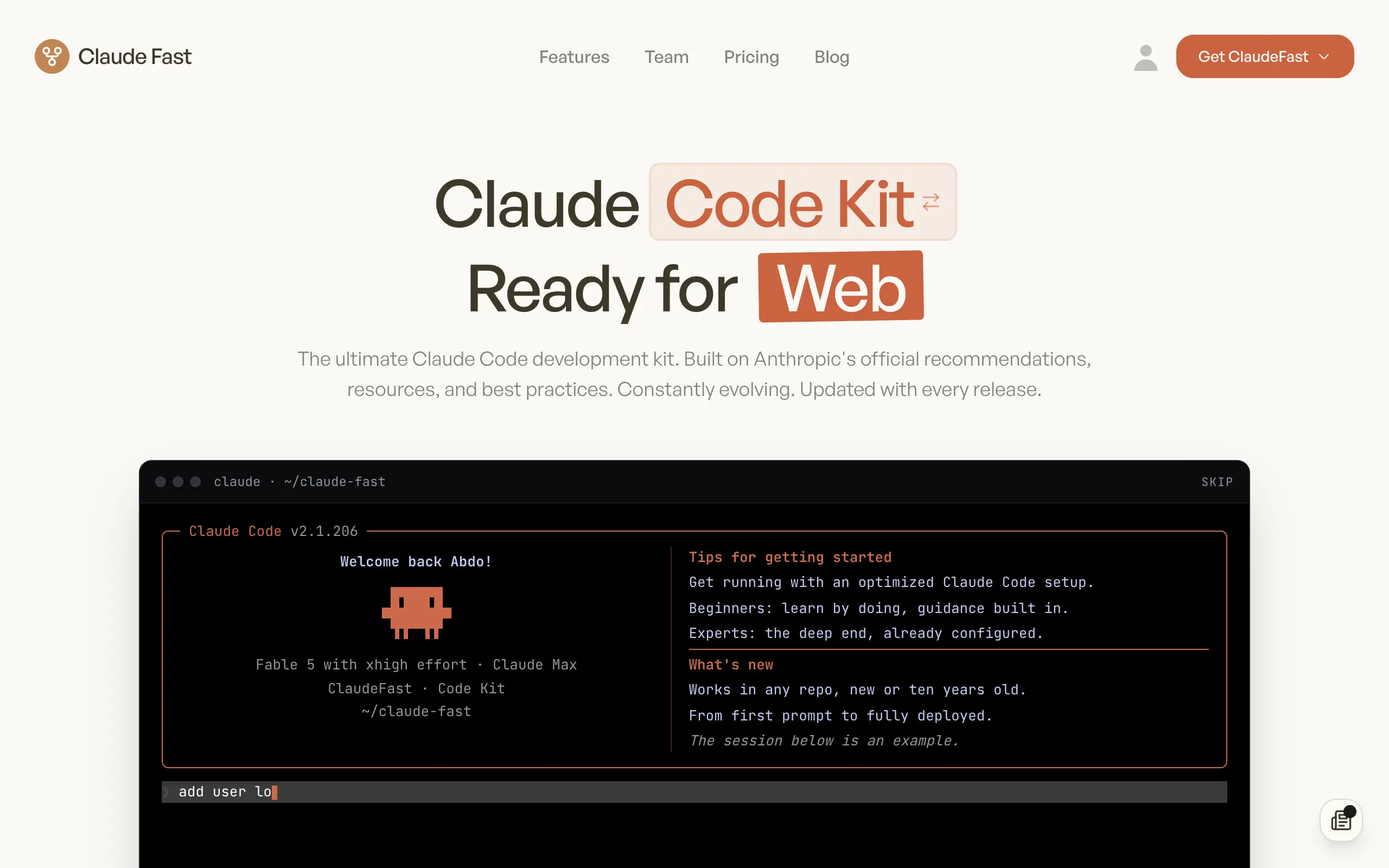
Claude Fast
Supercharge your Claude Code with 6x effective context window and specialized AI agents 🤖
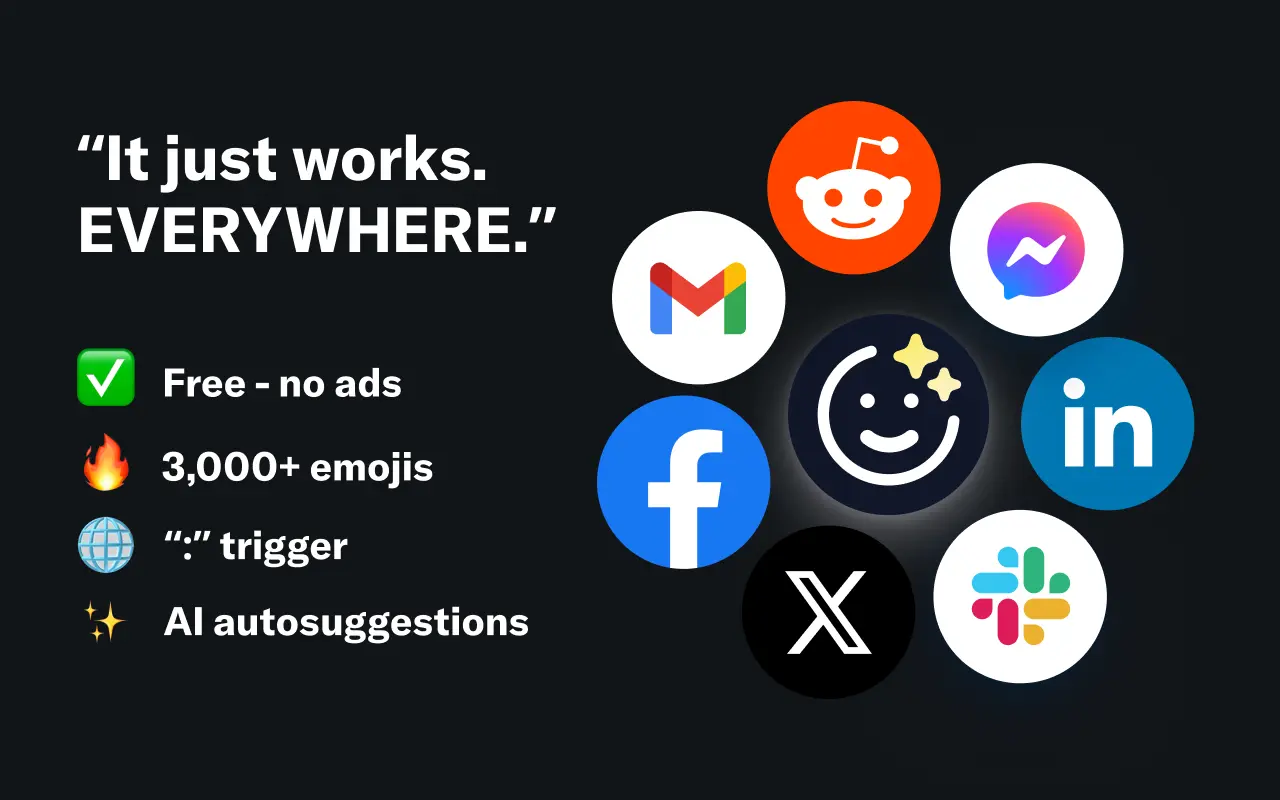
EmojAI
AI-powered emoji picker with smart, context-aware suggestions 🤖
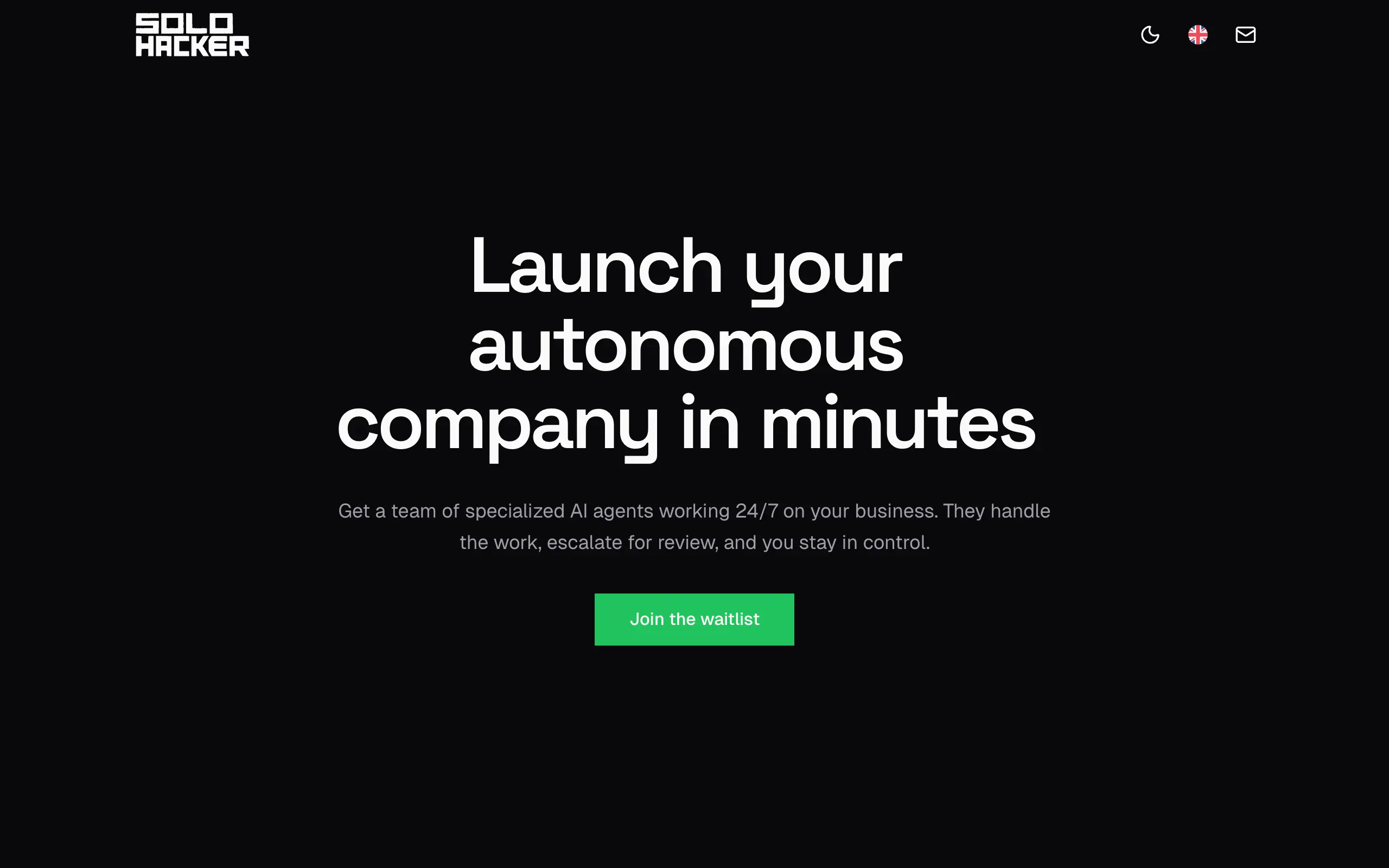
Solohacker
Autonomous company launcher - AI agents work 24/7, escalate what matters, and you stay in control 🤖
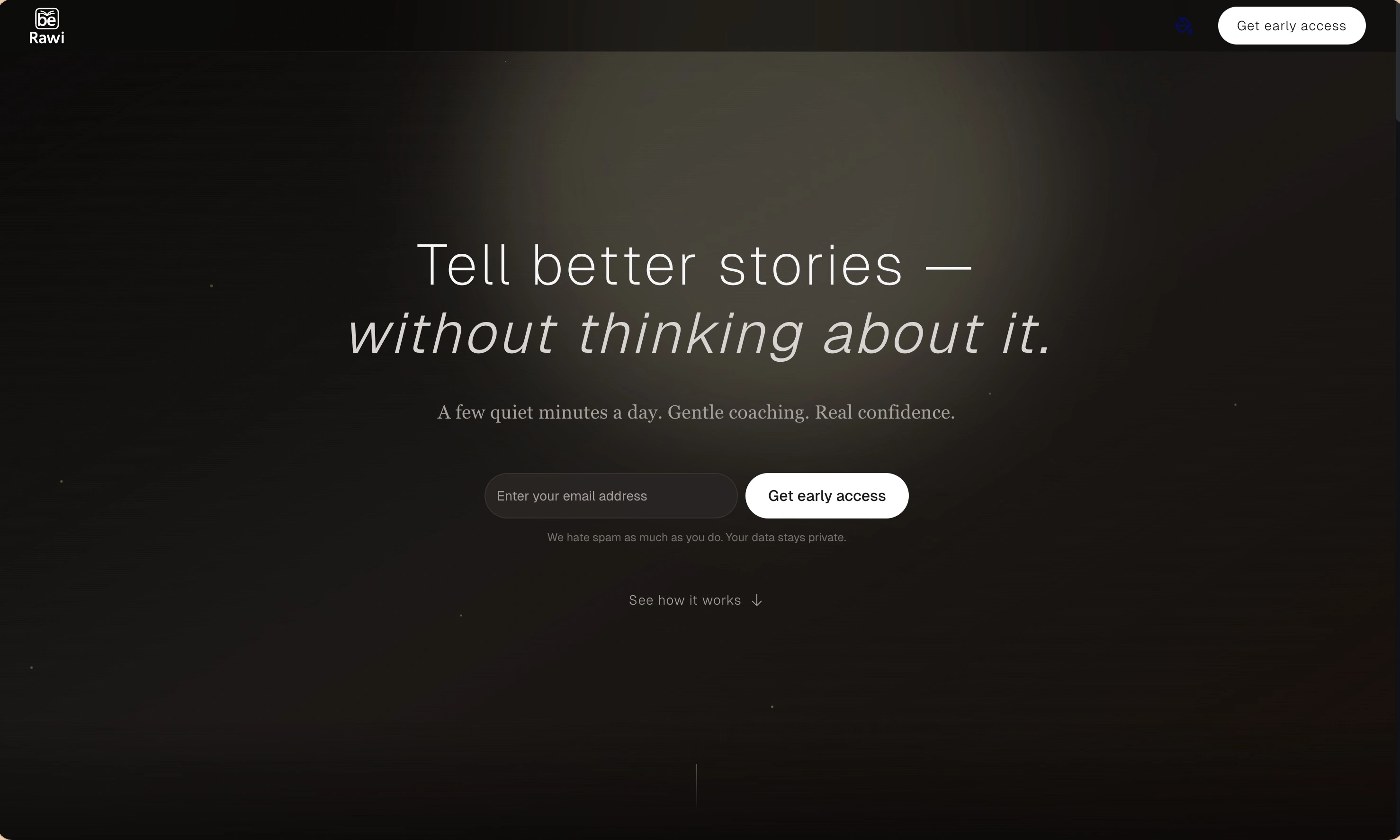
BeRawi: Storytelling Coach
Practice storytelling daily with instant feedback to sound clearer, more engaging, and confident 🎤
Omichat
Chat with 50+ AI models, including ChatGPT and Claude, in one place - switch models anytime without losing context 🤖
Claude Fast
Supercharge your Claude Code with 6x effective context window and specialized AI agents 🤖
EmojAI
AI-powered emoji picker with smart, context-aware suggestions 🤖
Solohacker
Autonomous company launcher - AI agents work 24/7, escalate what matters, and you stay in control 🤖
BeRawi: Storytelling Coach
Practice storytelling daily with instant feedback to sound clearer, more engaging, and confident 🎤

Connect with like-minded people
Join our community to get feedback, support, and grow together with 1,000+ builders on board, let's ship it!
Join usShip your startup everywhere. In minutes.
Don't burn tokens on setup and start building features on day one.