QueueHop
Real-time marketplace to buy and sell physical line spots for events, drops, and cafes, turning wait time into a tradable asset.
understanding the queue marketplace concept behind QueueHop
QueueHop introduces a bold and somewhat controversial idea: turning physical waiting time into a tradable digital asset. At its core, QueueHop is a real-time marketplace for buying and selling spots in physical lines—whether that’s for sneaker drops, concerts, product launches, restaurants, or even government services.
This concept sits at the intersection of the gig economy, real-time marketplaces, and location-based services, unlocking a new form of micro-commerce where time, presence, and position become monetizable.
From an SEO perspective, the primary keyword cluster revolves around:
- “queue marketplace app”
- “buy and sell line spots”
- “skip the line app”
- “wait time marketplace”
- “line standing service platform”
This article explores the business potential, product architecture, monetization strategy, risks, and execution roadmap for building QueueHop into a scalable SaaS platform.
the problem: waiting is expensive but undervalued
Modern consumers value time more than ever. Yet, waiting in line remains a deeply inefficient, unavoidable reality across industries.
common pain points
- Time waste: People spend hours waiting for high-demand events or products
- Opportunity cost: Time spent waiting could be used for work, leisure, or rest
- Inefficiency: First-come, first-served systems ignore flexibility in user preferences
- Scalability issues: Businesses struggle to manage demand spikes without better systems
real-world scenarios
- Sneakerheads camping overnight for limited drops
- Food lovers waiting 2+ hours at trending restaurants
- Fans lining up early for concert tickets or festival entry
- Government or visa office queues in major cities
These are not edge cases—they represent millions of hours lost globally each day.
Key insight
QueueHop reframes waiting as a tradable commodity, enabling a two-sided market between people who value time more than money and those who value money more than time.
target audience analysis
Understanding the users is crucial to building a marketplace that balances supply and demand.
demand side (buyers)
These users want to skip lines:
- Urban professionals with high hourly value
- Collectors and enthusiasts (e.g., sneakers, limited releases)
- Tourists trying to maximize time
- Parents juggling schedules
- Last-minute attendees for events
Their core motivation: pay to save time and reduce uncertainty
supply side (sellers)
These users are willing to wait:
- Students or part-time workers
- Gig workers looking for flexible income
- Event superfans already planning to queue
- Local “queue specialists” in high-demand cities
Their core motivation: earn money from time they’re willing to spend
marketplace dynamics
For QueueHop to succeed:
- Supply must exist before demand spikes
- Trust must be established between strangers
- Real-time coordination must be seamless
market opportunity and gap analysis
macro trends supporting QueueHop
- Growth of the gig economy (Uber, TaskRabbit, Fiverr)
- Increased acceptance of peer-to-peer marketplaces
- Expansion of location-based services
- Rise of real-time commerce platforms
- Cultural normalization of “paying for convenience”
According to widely cited reports (e.g., McKinsey gig economy analyses), up to 36% of the workforce engages in independent work, signaling a large potential supply base.
existing alternatives
- Professional line sitters (manual, expensive, non-scalable)
- Concierge services
- VIP or priority access (limited availability)
- Digital queue systems (don’t solve physical presence)
None provide a decentralized, real-time, peer-to-peer solution.
market gap
QueueHop fills a unique gap:
- Combines real-time location tracking + marketplace mechanics
- Enables dynamic pricing based on demand
- Offers global scalability vs. localized services
core product features and solution architecture
To succeed, QueueHop must deliver a frictionless, trustworthy experience.
core features
1. real-time queue listing
Users can:
- List their position in a line
- Share location and estimated wait time
- Set a price or allow bidding
2. live location tracking
- GPS verification ensures legitimacy
- Prevents fraud (fake listings)
- Builds trust between buyers and sellers
3. secure transaction system
- Escrow payments until transfer is complete
- Ratings and reviews for accountability
- Dispute resolution system
4. transfer coordination
- Chat or guided handoff process
- Timestamped verification
- Optional QR or token-based confirmation
5. dynamic pricing engine
- Prices adjust based on demand
- Popular events see higher bidding activity
- Encourages early queue participation
6. reputation system
- Verified users
- Ratings for reliability
- Penalties for no-shows or fraud
how QueueHop works (user flow)
technical architecture and recommended tech stack
Building QueueHop requires real-time capabilities, geolocation, and secure transactions.
frontend
- React for dynamic UI
- Next.js for SSR and performance
- TailwindCSS for rapid styling
backend
- Node.js with NestJS or Express
- Real-time communication via WebSockets (Socket.io)
- PostgreSQL for relational data
- Redis for caching and real-time state
geolocation and maps
- Google Maps API or Mapbox
- Geo-fencing for verifying proximity
payments
- Stripe Connect for marketplace payments
- Escrow handling and split payouts
authentication
- Firebase Auth or Auth0
- Phone verification for trust
example: real-time queue update logic
io.on("connection", (socket) => {
  socket.on("joinQueue", (queueId) => {
    socket.join(queueId);
  });

  socket.on("updatePosition", ({ queueId, position }) => {
    io.to(queueId).emit("positionUpdated", position);
  });
});
trade-offs to consider
- Accuracy vs battery usage (continuous GPS tracking)
- Real-time complexity vs scalability
- Trust systems vs onboarding friction
monetization strategies
QueueHop has multiple revenue streams:
1. transaction fees
- Take 10–25% per transaction
- Scales naturally with usage
2. surge pricing commission
- Higher fees during high-demand events
- Similar to ride-sharing models
3. premium subscriptions
For power users:
- Early access to listings
- Advanced filters
- Reduced fees
4. business partnerships
- Restaurants or venues can integrate QueueHop
- Offer official queue resale systems
5. featured listings
- Sellers pay to boost visibility
competitive advantage and defensibility
QueueHop’s moat depends on execution and network effects.
key advantages
- First-mover advantage in a controversial but viral category
- Network effects: more users = more valuable marketplace
- Data advantage: queue demand insights across cities
- Real-time infrastructure: hard to replicate quickly
| Feature | QueueHop | Concierge services | VIP systems | Task apps | Digital queues |
|---|---|---|---|---|---|
| Real-time trading | ✅ | ❌ | ❌ | ❌ | ❌ |
| Peer-to-peer marketplace | ✅ | ❌ | ❌ | ✅ | ❌ |
legal, ethical, and operational risks
This is where things get tricky—and where many similar ideas fail.
legal risks
- Some venues prohibit line reselling
- Potential classification as ticket scalping
- Local regulations vary significantly
ethical concerns
- Perceived unfairness (“buying privilege”)
- Exploitation concerns
- Public backlash potential
operational risks
- Fraud (fake positions)
- No-shows during handoff
- Disputes between users
Critical risk
If not carefully designed, QueueHop could face bans from venues or negative PR. Clear policies and partnerships are essential.
mitigation strategies
- Partner with venues for “official” resale
- Enforce strict verification systems
- Offer insurance or guarantees
- Transparent pricing and rules
growth strategy and go-to-market plan
initial niche focus
Start with high-demand, culturally accepted use cases:
- Sneaker drops
- Tech product launches
- Food trends in major cities
geographic strategy
Launch in:
- New York
- Los Angeles
- London
- Tokyo
These cities have:
- High density
- Queue culture
- Early adopters
viral mechanics
- Social proof (e.g., “Sold my spot for $120”)
- Referral incentives
- Influencer partnerships in niche communities
UX considerations for trust and adoption
Trust is everything in a marketplace involving physical interactions.
must-have UX elements
- Clear queue position visualization
- Real-time updates
- Verified user badges
- Simple handoff instructions
onboarding flow
- Browse queues
- View pricing and wait time
- Secure purchase
- Follow handoff instructions
- Join a queue
- List position
- Set price
- Coordinate transfer
future opportunities and expansion
QueueHop could evolve beyond line trading.
adjacent features
- Virtual queue prediction
- AI-powered wait time estimates
- Event demand analytics
enterprise offerings
- Queue management SaaS for venues
- White-label solutions
- Integration with ticketing platforms
long-term vision
QueueHop becomes the “time liquidity layer” for physical experiences.
actionable implementation roadmap
If you want to build QueueHop, here’s a realistic path:
MVP scope
Keep it simple:
- User accounts
- Queue listing
- Basic chat
- Payment integration
building faster with modern SaaS tools
Instead of building everything from scratch, use proven frameworks and starter kits.
TurboStarter can accelerate development by providing:
- Prebuilt authentication
- Payment integration
- Scalable architecture
- Production-ready frontend
This reduces time-to-market significantly—critical for marketplace startups.
final thoughts: is QueueHop worth building?
QueueHop is not a safe, conventional SaaS idea—it’s bold, potentially polarizing, and highly dependent on execution. But that’s exactly what makes it interesting.
If done right, it could:
- Create a new category
- Generate strong network effects
- Scale globally across multiple verticals
If done poorly, it risks:
- Legal challenges
- Trust issues
- Negative perception
The key lies in careful positioning, strong UX, and early partnerships.
Founders with experience in marketplaces, real-time systems, or gig economy platforms will have a significant advantage.
It depends on jurisdiction and implementation. Partnering with venues early reduces risk.
Trust systems, liquidity (users), and seamless real-time experience are the biggest drivers.
By treating time as a tradable asset, QueueHop challenges traditional norms—and that’s exactly where disruptive SaaS products are born.
More 💡 Other SaaS ideas
Discover more innovative other SaaS ideas that are trending in 2026. Each idea is AI-generated with market validation and growth potential to help you find your next profitable venture faster than competitors.
Your competitors are building with TurboStarter
Below are some of the SaaS ideas that have been generated and built with our starter kit.

Statiko
Monitor any Telegram channel in real time - track posts, edits, deletions, and growth with AI recaps 📡

Shibui
AI website builder - describe your business, pick a niche template, edit by chatting, and publish instantly ✨

Pro Service
Find verified home service professionals, compare quotes, and pay securely through escrow - built for Brazilians across the US 🏠

RankGrow
Fix your SEO with AI agents - connect Search Console, get prioritized tasks, and grow organic traffic 📈
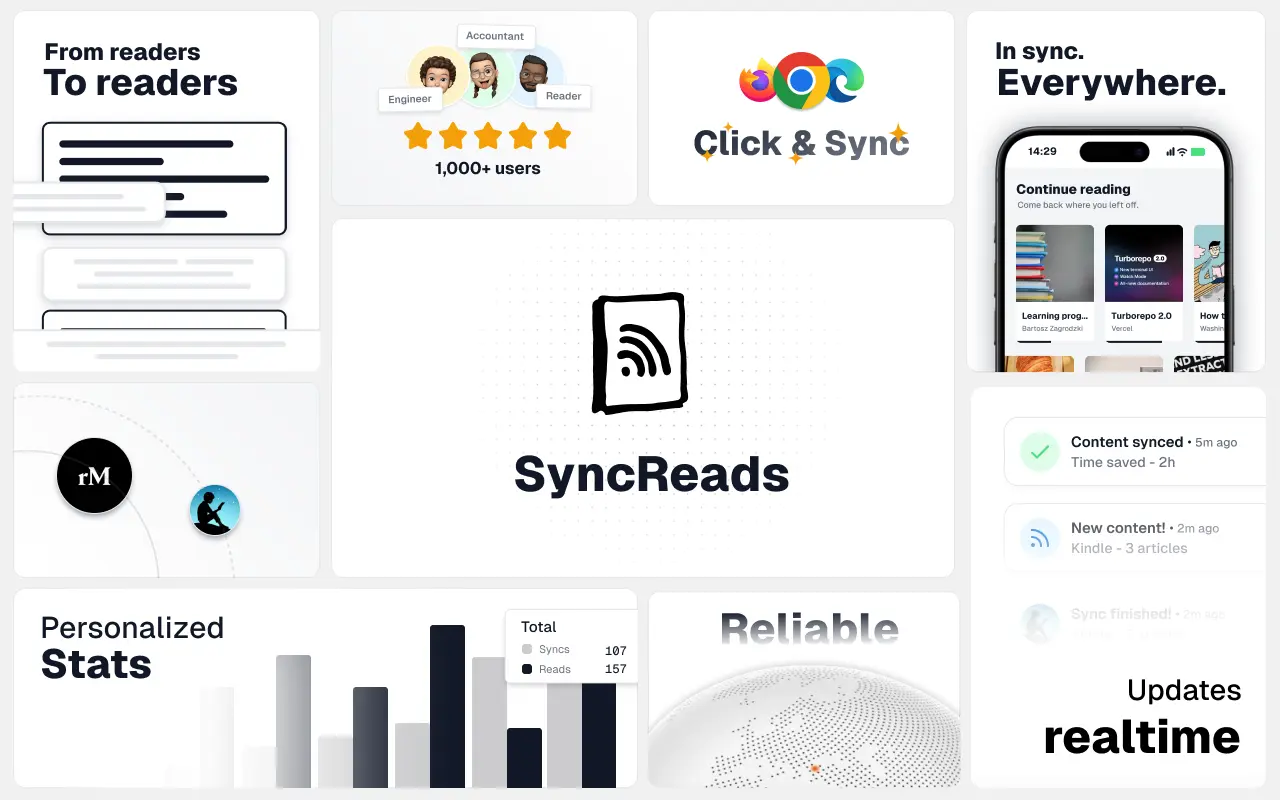
SyncReads
Sync your favorite content for distraction-free reading, save time and replace multiple apps. Anytime, anywhere 🔄
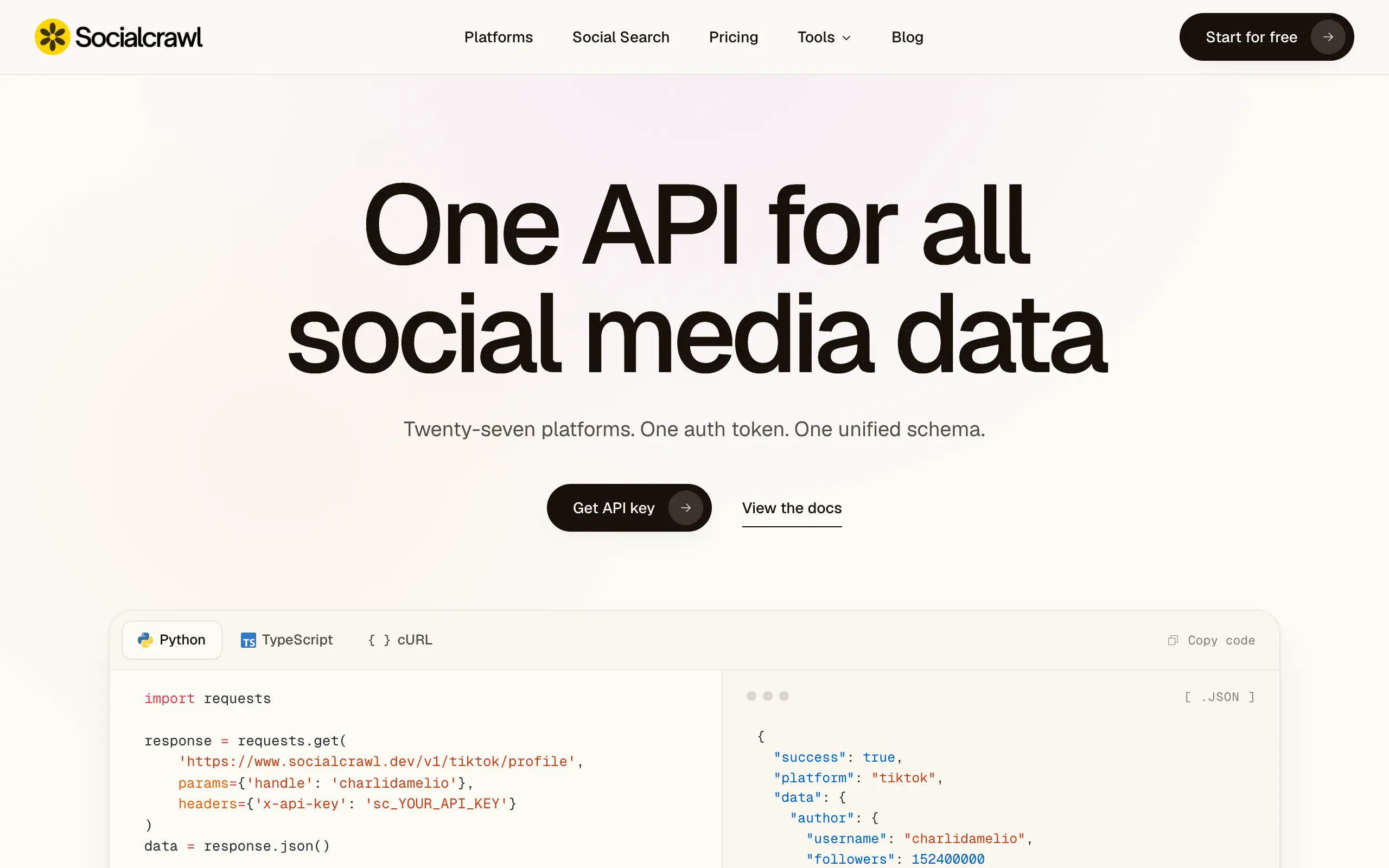
Socialcrawl
Get clean, structured data from 21 platforms like TikTok, Instagram, and YouTube with a single request 📊
Statiko
Monitor any Telegram channel in real time - track posts, edits, deletions, and growth with AI recaps 📡
Shibui
AI website builder - describe your business, pick a niche template, edit by chatting, and publish instantly ✨
Pro Service
Find verified home service professionals, compare quotes, and pay securely through escrow - built for Brazilians across the US 🏠
RankGrow
Fix your SEO with AI agents - connect Search Console, get prioritized tasks, and grow organic traffic 📈
SyncReads
Sync your favorite content for distraction-free reading, save time and replace multiple apps. Anytime, anywhere 🔄
Socialcrawl
Get clean, structured data from 21 platforms like TikTok, Instagram, and YouTube with a single request 📊
Statiko
Monitor any Telegram channel in real time - track posts, edits, deletions, and growth with AI recaps 📡
Shibui
AI website builder - describe your business, pick a niche template, edit by chatting, and publish instantly ✨
Pro Service
Find verified home service professionals, compare quotes, and pay securely through escrow - built for Brazilians across the US 🏠
RankGrow
Fix your SEO with AI agents - connect Search Console, get prioritized tasks, and grow organic traffic 📈
SyncReads
Sync your favorite content for distraction-free reading, save time and replace multiple apps. Anytime, anywhere 🔄
Socialcrawl
Get clean, structured data from 21 platforms like TikTok, Instagram, and YouTube with a single request 📊
Statiko
Monitor any Telegram channel in real time - track posts, edits, deletions, and growth with AI recaps 📡
Shibui
AI website builder - describe your business, pick a niche template, edit by chatting, and publish instantly ✨
Pro Service
Find verified home service professionals, compare quotes, and pay securely through escrow - built for Brazilians across the US 🏠
RankGrow
Fix your SEO with AI agents - connect Search Console, get prioritized tasks, and grow organic traffic 📈
SyncReads
Sync your favorite content for distraction-free reading, save time and replace multiple apps. Anytime, anywhere 🔄
Socialcrawl
Get clean, structured data from 21 platforms like TikTok, Instagram, and YouTube with a single request 📊
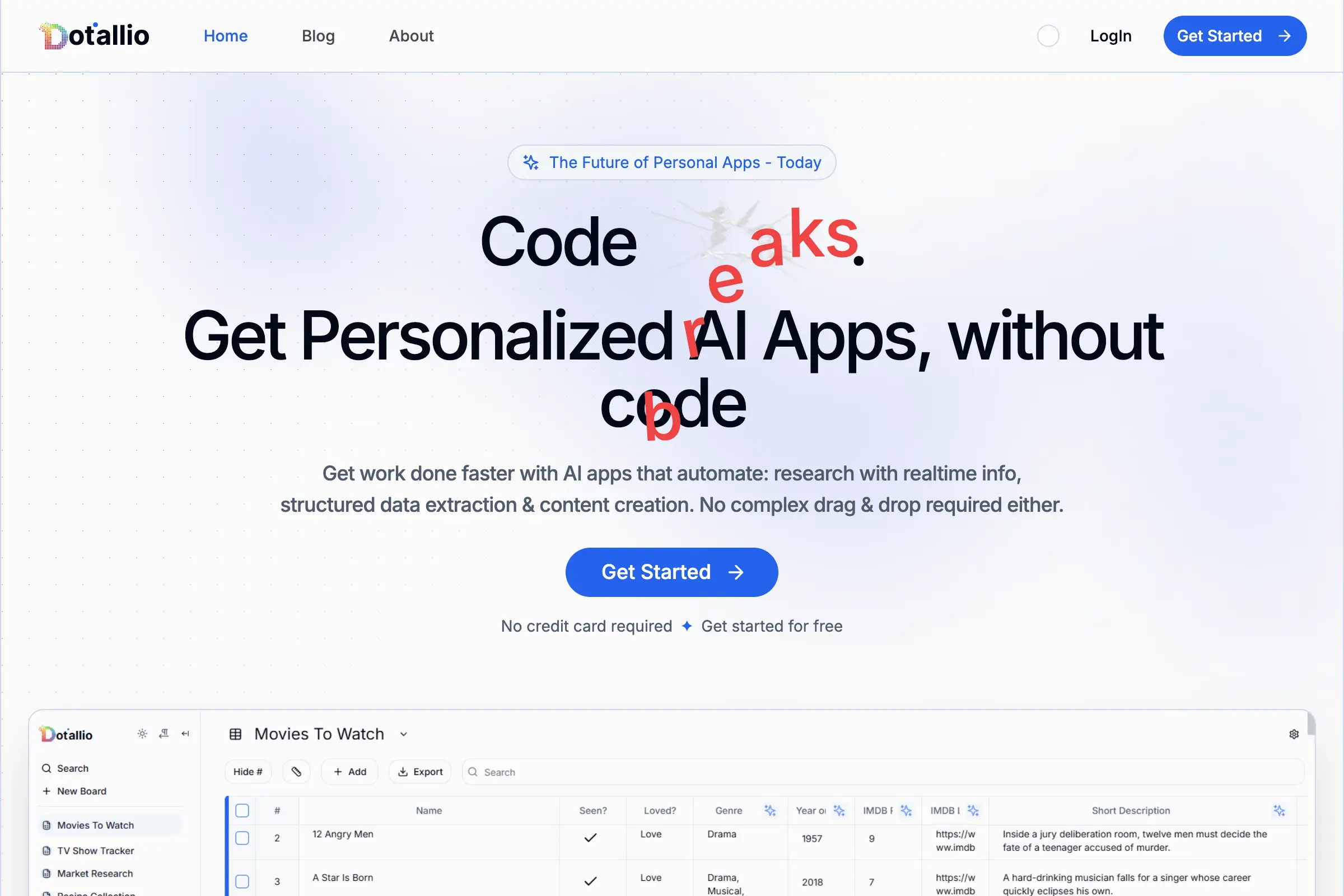
Dotallio
Personalized AI apps that automate research, data extraction, and content creation without code 🤖

Talk to Santa
Enjoy a magical live video chat or receive a unique AI-generated video greeting from Santa Claus 🎅

pozywka.pl
Scalable blog for food journalist, focused on performance and user experience 🌭
zagrodzki.me
Personal blog and portfolio of Bart Zagrodzki, where he shares his knowledge and work 💼
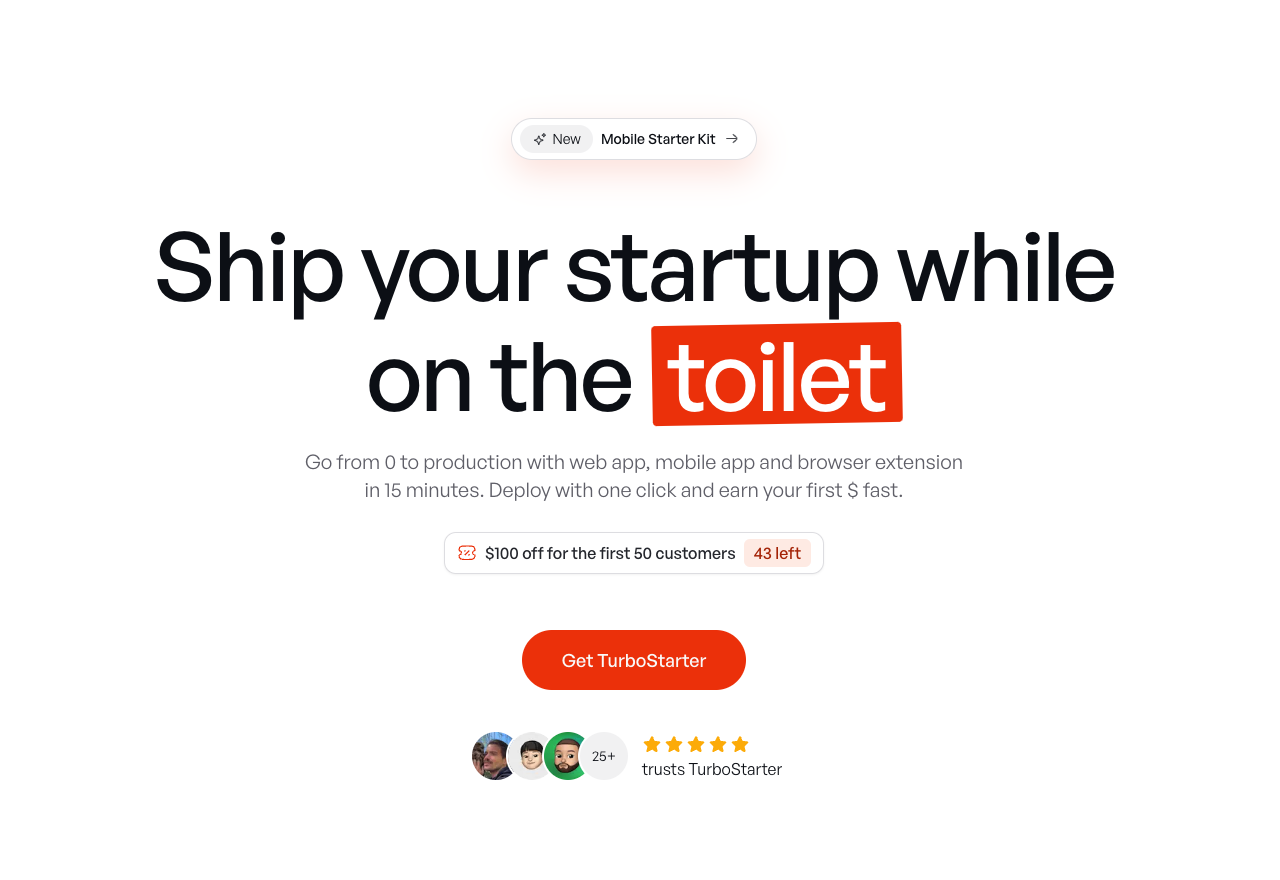
TurboStarter
Ship your startup everywhere. In minutes.
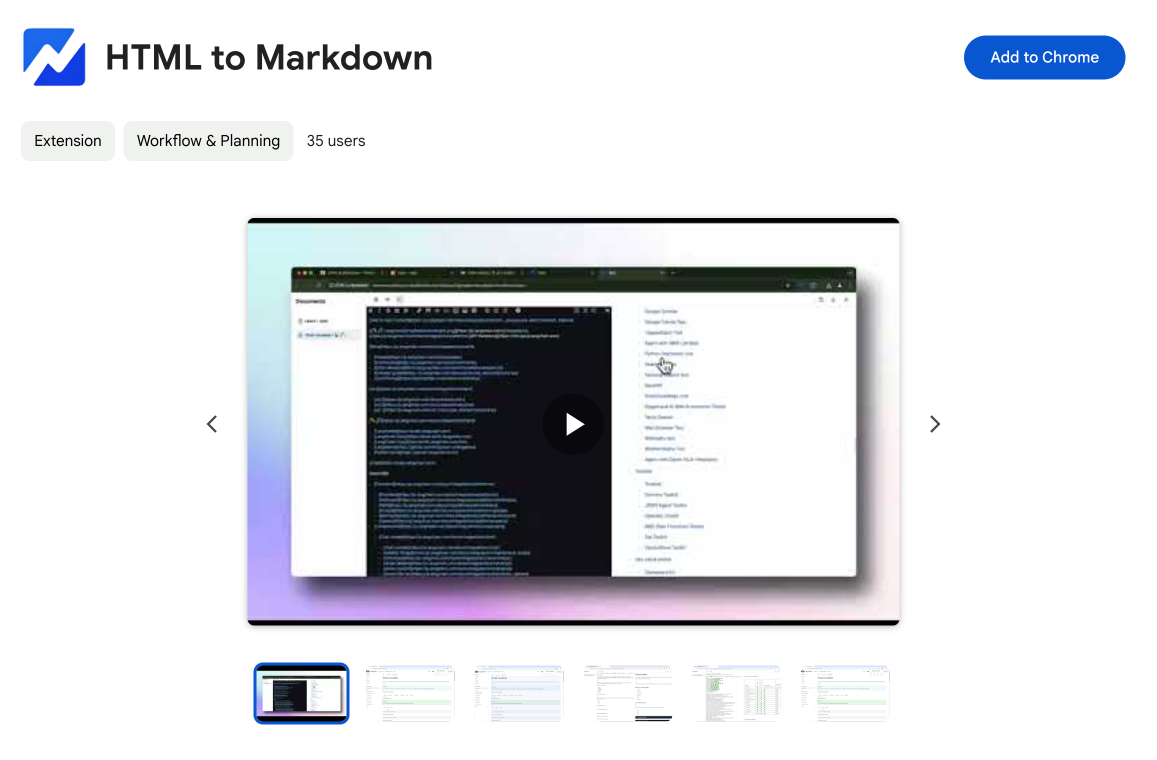
HTML to Markdown
Convert HTML to Markdown with ease, directly in your browser 📄
Dotallio
Personalized AI apps that automate research, data extraction, and content creation without code 🤖
Talk to Santa
Enjoy a magical live video chat or receive a unique AI-generated video greeting from Santa Claus 🎅
pozywka.pl
Scalable blog for food journalist, focused on performance and user experience 🌭
zagrodzki.me
Personal blog and portfolio of Bart Zagrodzki, where he shares his knowledge and work 💼
TurboStarter
Ship your startup everywhere. In minutes.
HTML to Markdown
Convert HTML to Markdown with ease, directly in your browser 📄
Dotallio
Personalized AI apps that automate research, data extraction, and content creation without code 🤖
Talk to Santa
Enjoy a magical live video chat or receive a unique AI-generated video greeting from Santa Claus 🎅
pozywka.pl
Scalable blog for food journalist, focused on performance and user experience 🌭
zagrodzki.me
Personal blog and portfolio of Bart Zagrodzki, where he shares his knowledge and work 💼
TurboStarter
Ship your startup everywhere. In minutes.
HTML to Markdown
Convert HTML to Markdown with ease, directly in your browser 📄
Dotallio
Personalized AI apps that automate research, data extraction, and content creation without code 🤖
Talk to Santa
Enjoy a magical live video chat or receive a unique AI-generated video greeting from Santa Claus 🎅
pozywka.pl
Scalable blog for food journalist, focused on performance and user experience 🌭
zagrodzki.me
Personal blog and portfolio of Bart Zagrodzki, where he shares his knowledge and work 💼
TurboStarter
Ship your startup everywhere. In minutes.
HTML to Markdown
Convert HTML to Markdown with ease, directly in your browser 📄
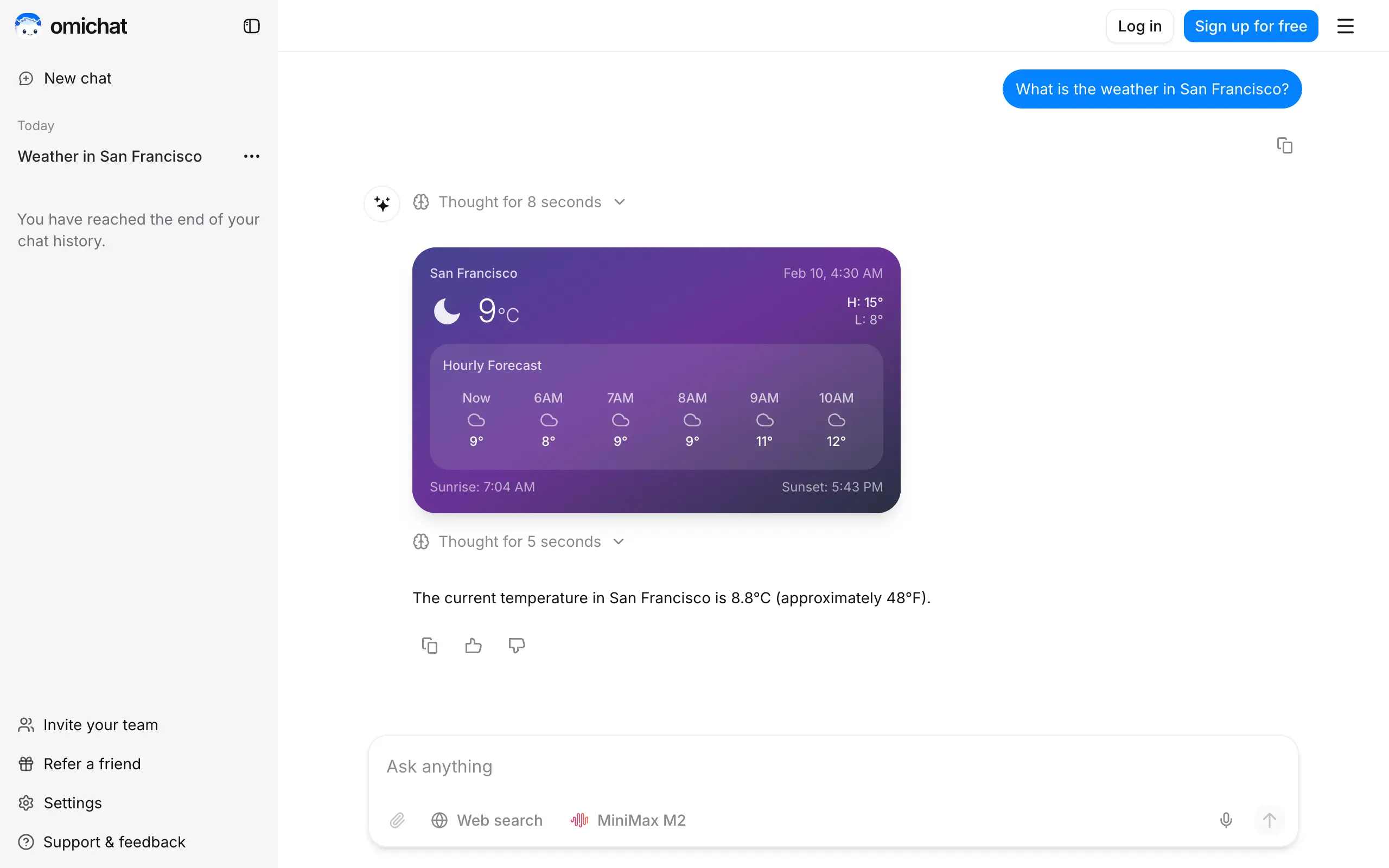
Omichat
Chat with 50+ AI models, including ChatGPT and Claude, in one place - switch models anytime without losing context 🤖
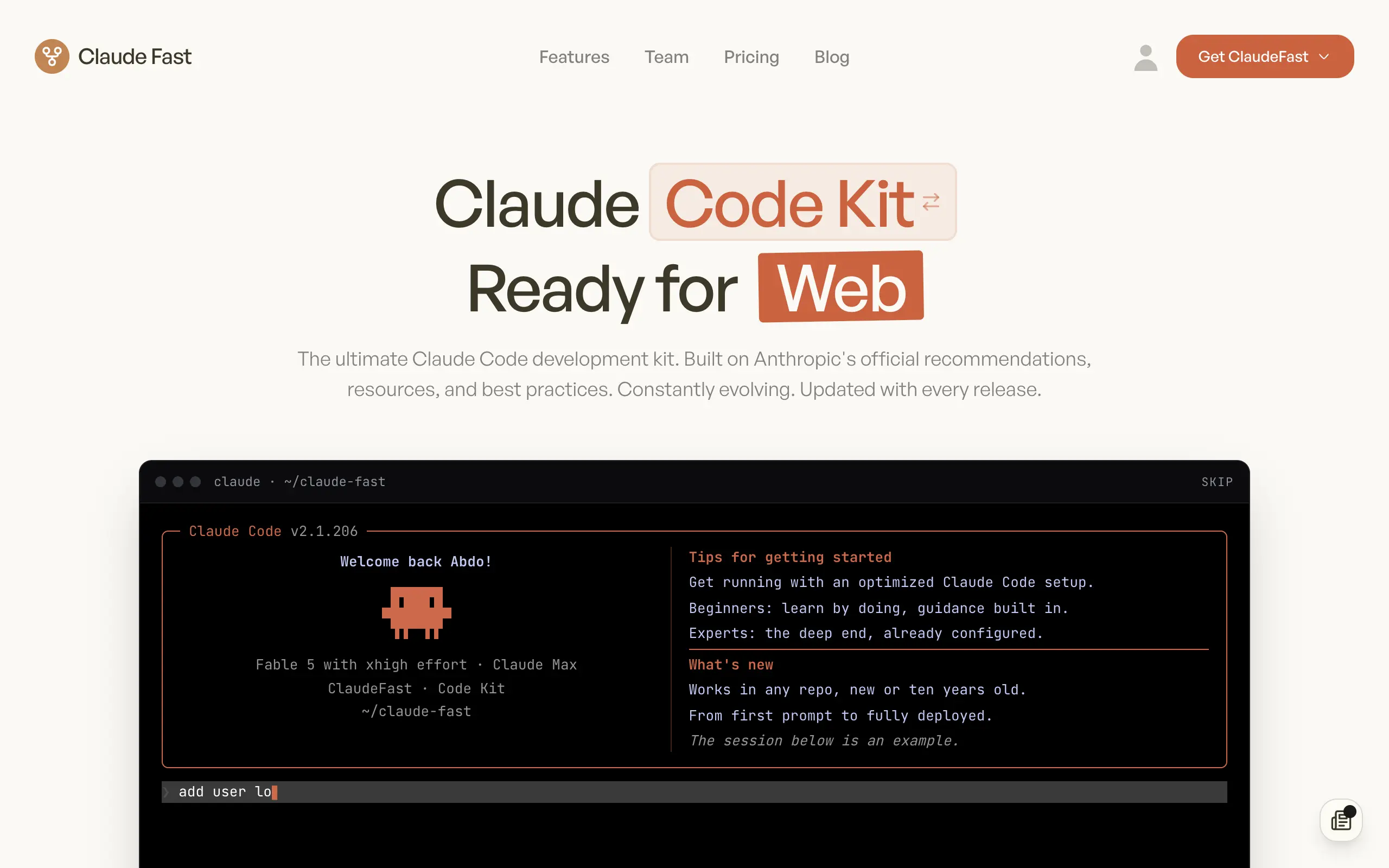
Claude Fast
Supercharge your Claude Code with 6x effective context window and specialized AI agents 🤖
EmojAI
AI-powered emoji picker with smart, context-aware suggestions 🤖

Solohacker
Autonomous company launcher - AI agents work 24/7, escalate what matters, and you stay in control 🤖

BeRawi: Storytelling Coach
Practice storytelling daily with instant feedback to sound clearer, more engaging, and confident 🎤
Omichat
Chat with 50+ AI models, including ChatGPT and Claude, in one place - switch models anytime without losing context 🤖
Claude Fast
Supercharge your Claude Code with 6x effective context window and specialized AI agents 🤖
EmojAI
AI-powered emoji picker with smart, context-aware suggestions 🤖
Solohacker
Autonomous company launcher - AI agents work 24/7, escalate what matters, and you stay in control 🤖
BeRawi: Storytelling Coach
Practice storytelling daily with instant feedback to sound clearer, more engaging, and confident 🎤
Omichat
Chat with 50+ AI models, including ChatGPT and Claude, in one place - switch models anytime without losing context 🤖
Claude Fast
Supercharge your Claude Code with 6x effective context window and specialized AI agents 🤖
EmojAI
AI-powered emoji picker with smart, context-aware suggestions 🤖
Solohacker
Autonomous company launcher - AI agents work 24/7, escalate what matters, and you stay in control 🤖
BeRawi: Storytelling Coach
Practice storytelling daily with instant feedback to sound clearer, more engaging, and confident 🎤
Omichat
Chat with 50+ AI models, including ChatGPT and Claude, in one place - switch models anytime without losing context 🤖
Claude Fast
Supercharge your Claude Code with 6x effective context window and specialized AI agents 🤖
EmojAI
AI-powered emoji picker with smart, context-aware suggestions 🤖
Solohacker
Autonomous company launcher - AI agents work 24/7, escalate what matters, and you stay in control 🤖
BeRawi: Storytelling Coach
Practice storytelling daily with instant feedback to sound clearer, more engaging, and confident 🎤

Connect with like-minded people
Join our community to get feedback, support, and grow together with 1,000+ builders on board, let's ship it!
Join usShip your startup everywhere. In minutes.
Don't burn tokens on setup and start building features on day one.