RefundRadar
RefundRadar automates digital product refund management for e-commerce and SaaS vendors, reducing chargebacks and improving customer retention with smart workflows.
RefundRadar is an innovative SaaS platform designed to automate digital product refund management for e-commerce and SaaS vendors. By leveraging smart workflows, RefundRadar aims to reduce chargebacks and improve customer retention—a critical need in today’s competitive digital marketplace. This comprehensive guide explores the market opportunity, target audience, core features, technology stack, monetization strategies, risks, and actionable steps for launching a solution like RefundRadar.
Understanding the user intent behind refund management automation
When users search for solutions like RefundRadar, their intent typically falls into one or more of the following categories:
- Seeking automation tools to streamline and optimize refund processes.
- Looking to reduce chargebacks and associated fees.
- Aiming to improve customer retention by handling refunds more efficiently.
- Comparing refund management solutions for digital products.
- Exploring technical implementation and integration with existing e-commerce or SaaS platforms.
This article addresses these needs by providing expert insights, actionable strategies, and a deep dive into the unique value proposition of RefundRadar.
Target audience analysis: Who benefits from RefundRadar?
RefundRadar is purpose-built for a specific, high-value audience:
- E-commerce vendors selling digital products (e-books, software, online courses, etc.).
- SaaS companies offering subscription-based or one-time digital services.
- Marketplace operators managing multiple vendors and digital transactions.
- Customer support and operations teams seeking to automate repetitive refund tasks.
- Finance and risk management professionals aiming to minimize chargebacks and revenue leakage.
Key pain points addressed
- Manual refund processing is time-consuming and error-prone.
- High chargeback rates can lead to increased fees and merchant account risks.
- Poor refund experiences damage customer trust and retention.
- Lack of visibility into refund trends and root causes.
By automating and optimizing these processes, RefundRadar directly addresses the operational and financial pain points of its target users.
Market opportunity and gap analysis
The growing digital product economy
The global digital goods market is booming, with e-commerce and SaaS sales projected to exceed $6 trillion by 2025 (source: suggest referencing Statista or Gartner). As digital transactions increase, so do refund requests and chargebacks—especially for intangible goods where disputes are harder to resolve.
Current challenges in refund management
- Fragmented workflows: Many vendors rely on manual processes or basic payment gateway tools, which lack customization and automation.
- Limited analytics: Existing solutions often fail to provide actionable insights into refund causes and trends.
- Chargeback risk: Without proactive management, chargebacks can spiral, impacting merchant reputation and profitability.
- Customer churn: Slow or unsatisfactory refund experiences drive customers away.
The gap RefundRadar fills
RefundRadar stands out by offering:
- End-to-end automation tailored for digital products.
- Smart workflows that adapt to business rules and customer profiles.
- Integrated analytics for continuous improvement.
- Seamless integration with popular e-commerce and SaaS platforms.
Core features and solution details
RefundRadar’s feature set is designed to deliver maximum value with minimal friction. Here’s a breakdown of its core capabilities:
1. Automated refund workflows
- Customizable rules: Define refund eligibility, timeframes, and approval logic.
- Multi-channel support: Handle refund requests from web, email, chat, and in-app sources.
- Bulk processing: Efficiently manage high volumes during product launches or promotions.
2. Chargeback prevention and management
- Early warning system: Detect patterns that may lead to chargebacks.
- Dispute automation: Prepare and submit evidence to payment processors automatically.
- Customer communication: Proactive notifications to reduce misunderstandings.
3. Customer retention tools
- Smart offers: Suggest alternatives (credits, discounts, upgrades) before processing refunds.
- Feedback collection: Gather insights on refund reasons to inform product improvements.
- Personalized follow-ups: Re-engage customers post-refund with targeted campaigns.
4. Analytics and reporting
- Refund trends: Visualize refund rates by product, channel, or customer segment.
- Root cause analysis: Identify common triggers and optimize policies.
- Chargeback metrics: Track prevention success and financial impact.
5. Integrations and extensibility
- E-commerce platforms: Shopify, WooCommerce, Magento, and more.
- SaaS billing: Stripe, Paddle, Chargebee, etc.
- Helpdesk and CRM: Zendesk, Intercom, HubSpot.
Automated workflows
Reduce manual effort and errors with customizable, rule-based refund processing.
Chargeback prevention
Proactively identify and mitigate chargeback risks with smart alerts and automated dispute handling.
Retention optimization
Turn refund requests into retention opportunities with targeted offers and follow-ups.
Actionable analytics
Gain deep insights into refund trends, root causes, and financial impact.
Seamless integrations
Connect with your existing e-commerce, billing, and support tools for a unified workflow.
Recommended tech stack for RefundRadar
Choosing the right technology stack is crucial for scalability, security, and integration flexibility. Here’s a recommended approach:
Frontend
- React: Modern, component-based UI development.
- TailwindCSS: Utility-first CSS for rapid, consistent styling.
- TypeScript: Type safety and maintainability.
Backend
- Node.js: High-performance, event-driven server environment.
- Express.js: Flexible API development.
- Prisma or TypeORM: Robust ORM for database management.
Database
- PostgreSQL: Reliable, scalable relational database.
- Redis: Caching and real-time event handling.
Integrations
- REST and Webhooks: For connecting with e-commerce, billing, and support platforms.
- OAuth 2.0: Secure authentication with third-party services.
Infrastructure
- Docker: Containerization for consistent deployment.
- Kubernetes: Orchestration for scaling and reliability.
- AWS or GCP: Cloud hosting, storage, and security.
Trade-offs and considerations
- Monolithic vs. microservices: Start with a modular monolith for faster MVP delivery; migrate to microservices as scale demands.
- No-code/low-code options: For rapid prototyping, consider platforms like TurboStarter to accelerate development.
Pro tip
Leverage TurboStarter to scaffold your SaaS MVP quickly, integrating best practices and essential features out of the box.
Monetization strategy options
A successful SaaS like RefundRadar requires a sustainable, scalable revenue model. Consider these proven approaches:
1. Subscription-based pricing
- Tiered plans: Offer multiple pricing tiers based on usage (number of refunds processed, integrations, analytics depth).
- Freemium model: Basic features free, advanced automation and analytics as paid upgrades.
2. Transaction-based fees
- Per-refund fee: Charge a small fee for each refund processed, aligning cost with value delivered.
- Chargeback savings share: Take a percentage of chargeback fees saved through proactive management.
3. Enterprise and custom solutions
- Custom integrations: Charge for bespoke integrations or workflow customizations.
- White-labeling: Offer branded versions for marketplaces or large vendors.
4. Add-on services
- Consulting: Help clients optimize refund policies and workflows.
- Premium support: Priority response and dedicated account management.
- Predictable recurring revenue
- Scalable with customer growth
- Easy to communicate value
- Aligns cost with usage
- Attractive for smaller vendors
- Potential for higher margins on high-volume clients
- High-value, bespoke contracts
- Deep integration and stickiness
- Longer sales cycles
Potential risks and mitigation strategies
Launching a SaaS like RefundRadar involves navigating several risks. Here’s how to address them:
Handling sensitive customer and payment data requires strict adherence to standards like PCI DSS and GDPR.
Mitigation: Use encrypted storage, regular security audits, and compliance certifications.
Supporting a wide range of platforms can introduce technical debt and maintenance challenges.
Mitigation: Prioritize integrations based on market demand; use modular architecture and robust API documentation.
Overzealous automation may deny legitimate refunds or escalate customer frustration.
Mitigation: Allow manual overrides, continuous monitoring, and feedback loops to refine rules.
Competing with established refund or chargeback tools requires clear differentiation.
Mitigation: Focus on digital product specialization, superior analytics, and customer retention features.
Payment and consumer protection regulations evolve rapidly.
Mitigation: Stay informed via legal counsel and industry groups; design workflows for adaptability.
Competitive advantage analysis
RefundRadar’s unique selling proposition (USP) is its laser focus on digital product refund automation, combining chargeback prevention and customer retention in a single, integrated platform.
How RefundRadar stands out
| Digital product focus | Chargeback automation | Retention tools | Deep analytics | Seamless integrations |
|---|---|---|---|---|
| ✅ | ❌ | ❌ | ✅ | ❌ |
| ✅ | ❌ | ✅ | ✅ | ❌ |
Key differentiators:
- Purpose-built for digital goods: Unlike generic refund tools, RefundRadar understands the nuances of digital product transactions.
- Integrated chargeback prevention: Proactively reduces financial risk, not just processes refunds.
- Retention-centric workflows: Turns refund requests into opportunities for customer loyalty.
- Actionable analytics: Empowers vendors to optimize products and policies continuously.
- Plug-and-play integrations: Minimizes setup time and operational disruption.
Implementation steps: Bringing RefundRadar to life
Building and launching a SaaS like RefundRadar requires a structured, iterative approach. Here’s a recommended roadmap:
Market validation:
- Conduct interviews with e-commerce and SaaS vendors.
- Validate pain points and willingness to pay.
MVP development:
- Use TurboStarter or similar tools to scaffold the core platform.
- Focus on automated workflows, chargeback prevention, and basic analytics.
Integration build-out:
- Prioritize top e-commerce and billing platforms for initial integrations.
- Ensure robust API and webhook support.
User onboarding and feedback:
- Launch with pilot customers.
- Gather feedback to refine workflows and UI/UX.
Analytics and reporting:
- Implement dashboards for refund trends and chargeback metrics.
- Use insights to drive product improvements.
Go-to-market launch:
- Develop content marketing, webinars, and case studies.
- Target digital product vendors and SaaS operators.
Iterate and scale:
- Expand integrations, add advanced retention tools, and optimize pricing.
Conclusion: Why RefundRadar is the future of digital refund management
RefundRadar addresses a critical gap in the digital commerce ecosystem by automating refund management, reducing chargebacks, and turning potential churn into retention opportunities. Its focus on digital products, smart workflows, and actionable analytics sets it apart from generic solutions.
By following the implementation steps above and leveraging modern SaaS best practices, vendors can unlock significant operational efficiencies and financial benefits. As the digital economy continues to grow, solutions like RefundRadar will become essential for maintaining customer trust and maximizing lifetime value.
Frequently asked questions about RefundRadar
RefundRadar uses early warning systems, automated dispute handling, and proactive customer communication to address issues before they escalate to chargebacks.
Yes, RefundRadar is designed for seamless integration with popular platforms like Shopify, WooCommerce, and major SaaS billing providers.
Security is a top priority. RefundRadar follows industry best practices for encryption, compliance, and regular security audits.
Its focus on digital products, combined with chargeback prevention and retention optimization, makes RefundRadar uniquely valuable for e-commerce and SaaS vendors.
By automating and optimizing refund management, RefundRadar empowers digital vendors to protect revenue, delight customers, and scale with confidence.
More 💡 Other SaaS ideas
Discover more innovative other SaaS ideas that are trending in 2026. Each idea is AI-generated with market validation and growth potential to help you find your next profitable venture faster than competitors.
Your competitors are building with TurboStarter
Below are some of the SaaS ideas that have been generated and built with our starter kit.
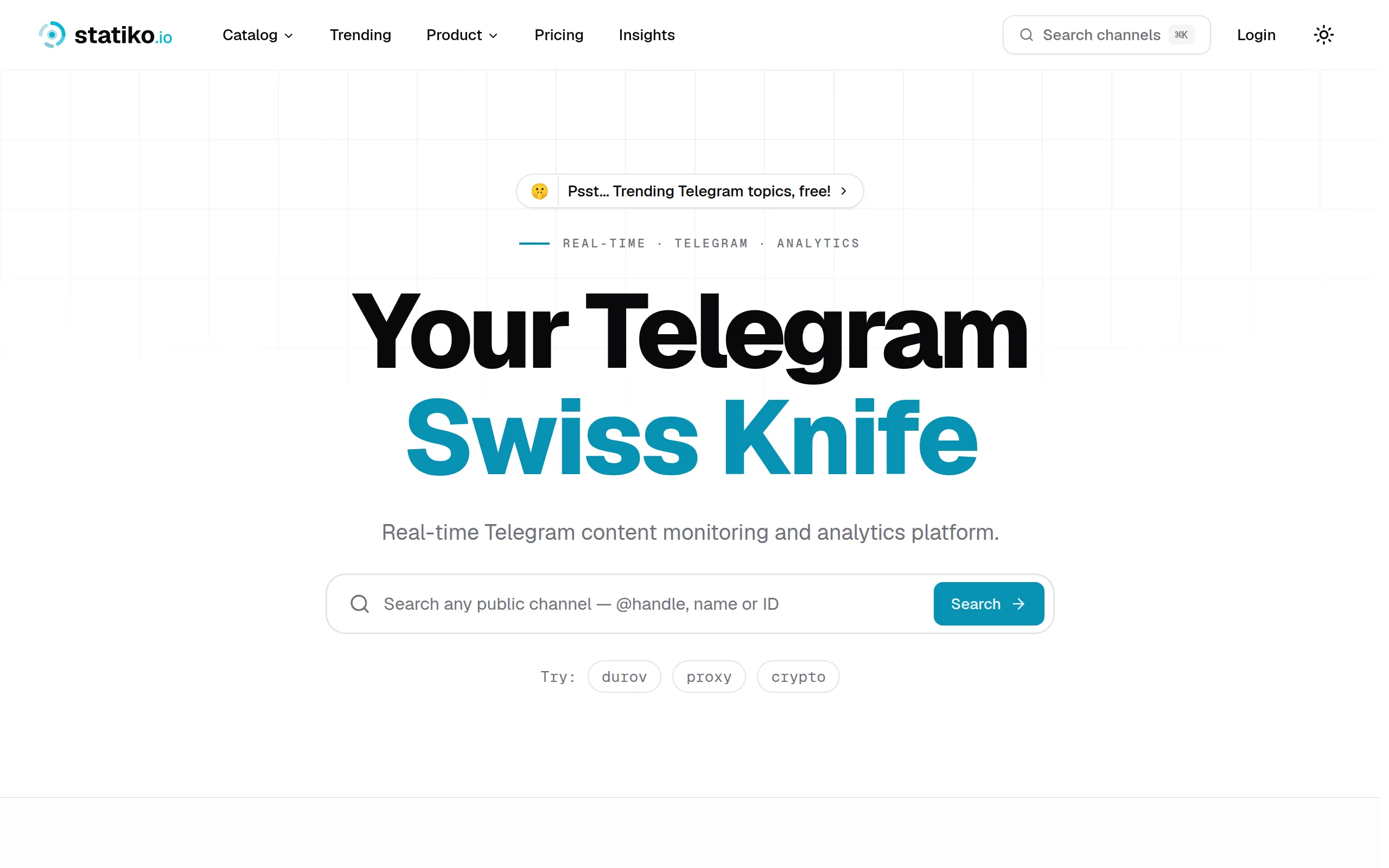
Statiko
Monitor any Telegram channel in real time - track posts, edits, deletions, and growth with AI recaps 📡

Shibui
AI website builder - describe your business, pick a niche template, edit by chatting, and publish instantly ✨

Pro Service
Find verified home service professionals, compare quotes, and pay securely through escrow - built for Brazilians across the US 🏠

RankGrow
Fix your SEO with AI agents - connect Search Console, get prioritized tasks, and grow organic traffic 📈
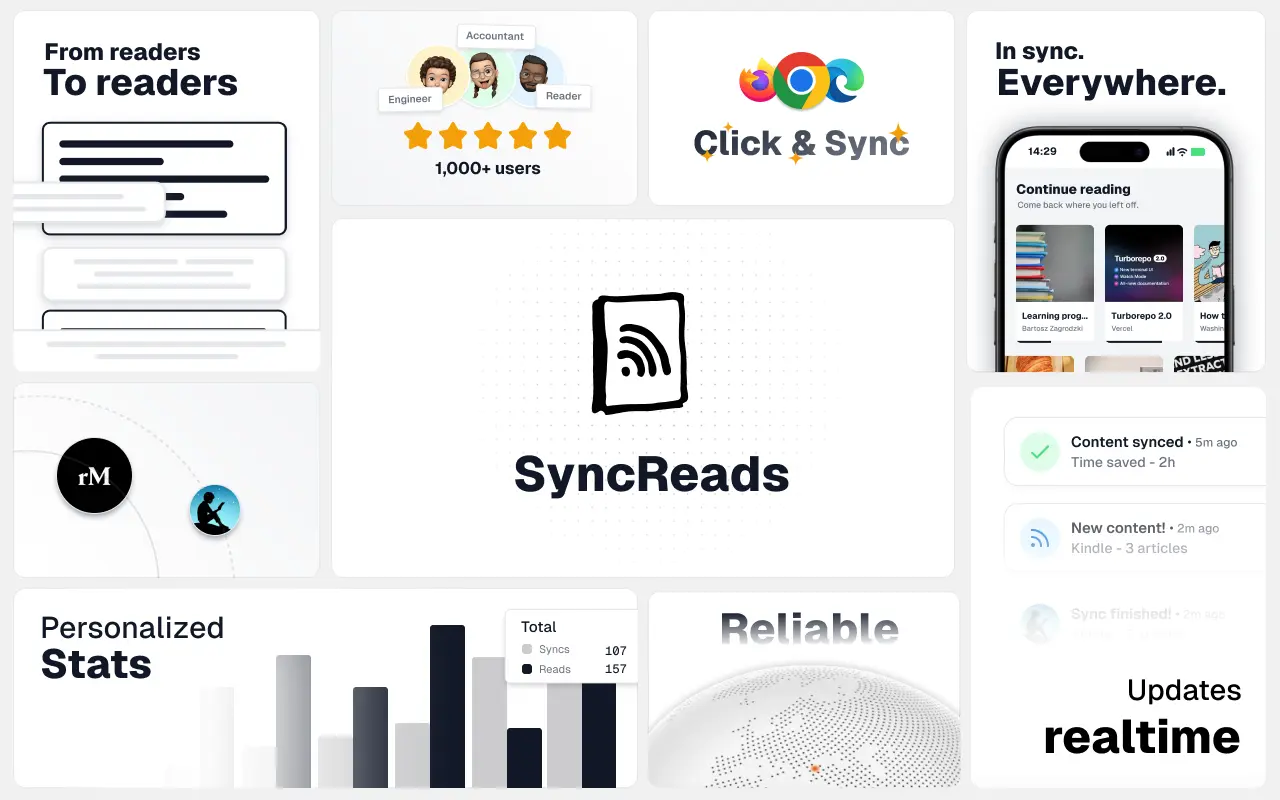
SyncReads
Sync your favorite content for distraction-free reading, save time and replace multiple apps. Anytime, anywhere 🔄
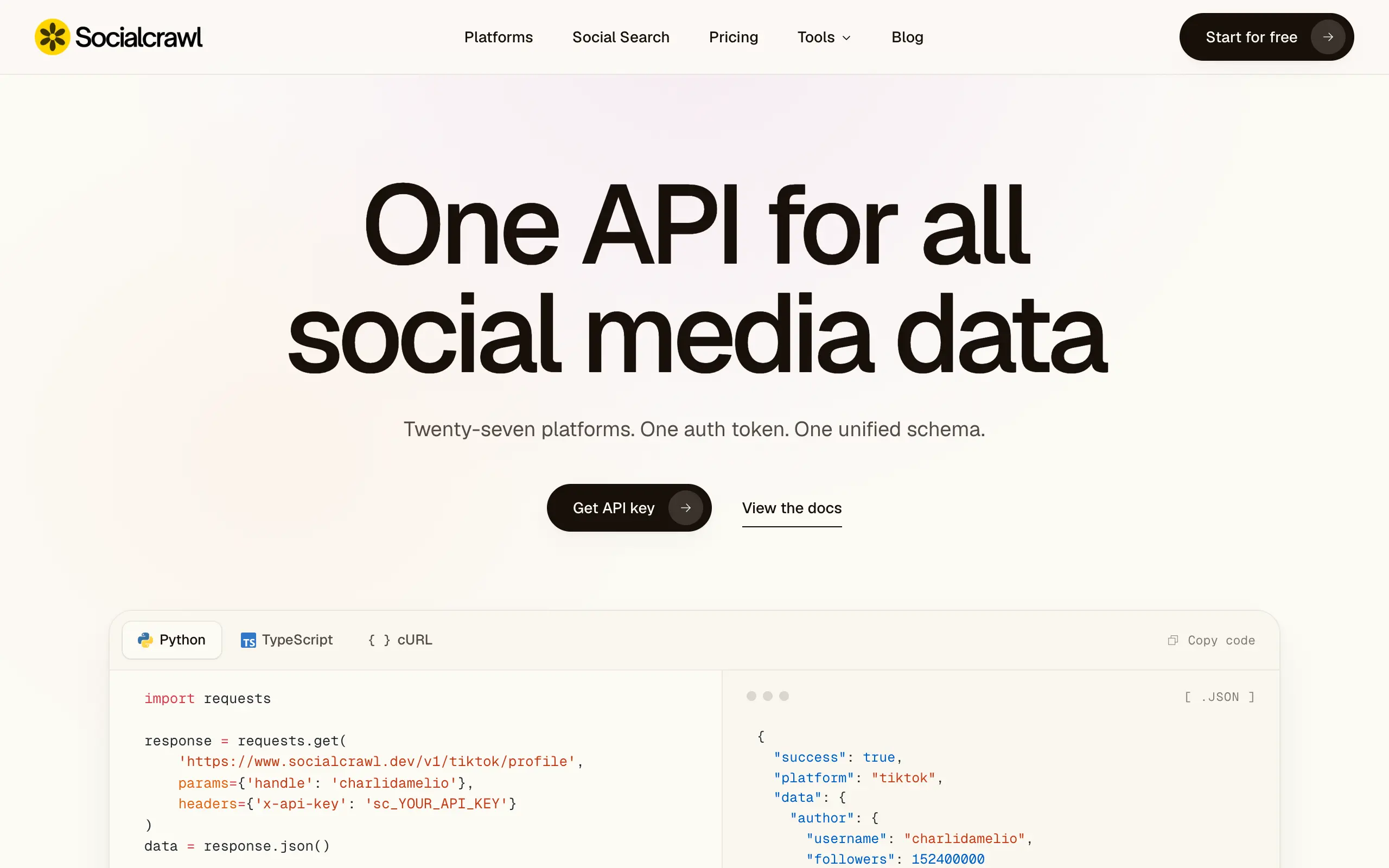
Socialcrawl
Get clean, structured data from 21 platforms like TikTok, Instagram, and YouTube with a single request 📊
Statiko
Monitor any Telegram channel in real time - track posts, edits, deletions, and growth with AI recaps 📡
Shibui
AI website builder - describe your business, pick a niche template, edit by chatting, and publish instantly ✨
Pro Service
Find verified home service professionals, compare quotes, and pay securely through escrow - built for Brazilians across the US 🏠
RankGrow
Fix your SEO with AI agents - connect Search Console, get prioritized tasks, and grow organic traffic 📈
SyncReads
Sync your favorite content for distraction-free reading, save time and replace multiple apps. Anytime, anywhere 🔄
Socialcrawl
Get clean, structured data from 21 platforms like TikTok, Instagram, and YouTube with a single request 📊
Statiko
Monitor any Telegram channel in real time - track posts, edits, deletions, and growth with AI recaps 📡
Shibui
AI website builder - describe your business, pick a niche template, edit by chatting, and publish instantly ✨
Pro Service
Find verified home service professionals, compare quotes, and pay securely through escrow - built for Brazilians across the US 🏠
RankGrow
Fix your SEO with AI agents - connect Search Console, get prioritized tasks, and grow organic traffic 📈
SyncReads
Sync your favorite content for distraction-free reading, save time and replace multiple apps. Anytime, anywhere 🔄
Socialcrawl
Get clean, structured data from 21 platforms like TikTok, Instagram, and YouTube with a single request 📊
Statiko
Monitor any Telegram channel in real time - track posts, edits, deletions, and growth with AI recaps 📡
Shibui
AI website builder - describe your business, pick a niche template, edit by chatting, and publish instantly ✨
Pro Service
Find verified home service professionals, compare quotes, and pay securely through escrow - built for Brazilians across the US 🏠
RankGrow
Fix your SEO with AI agents - connect Search Console, get prioritized tasks, and grow organic traffic 📈
SyncReads
Sync your favorite content for distraction-free reading, save time and replace multiple apps. Anytime, anywhere 🔄
Socialcrawl
Get clean, structured data from 21 platforms like TikTok, Instagram, and YouTube with a single request 📊
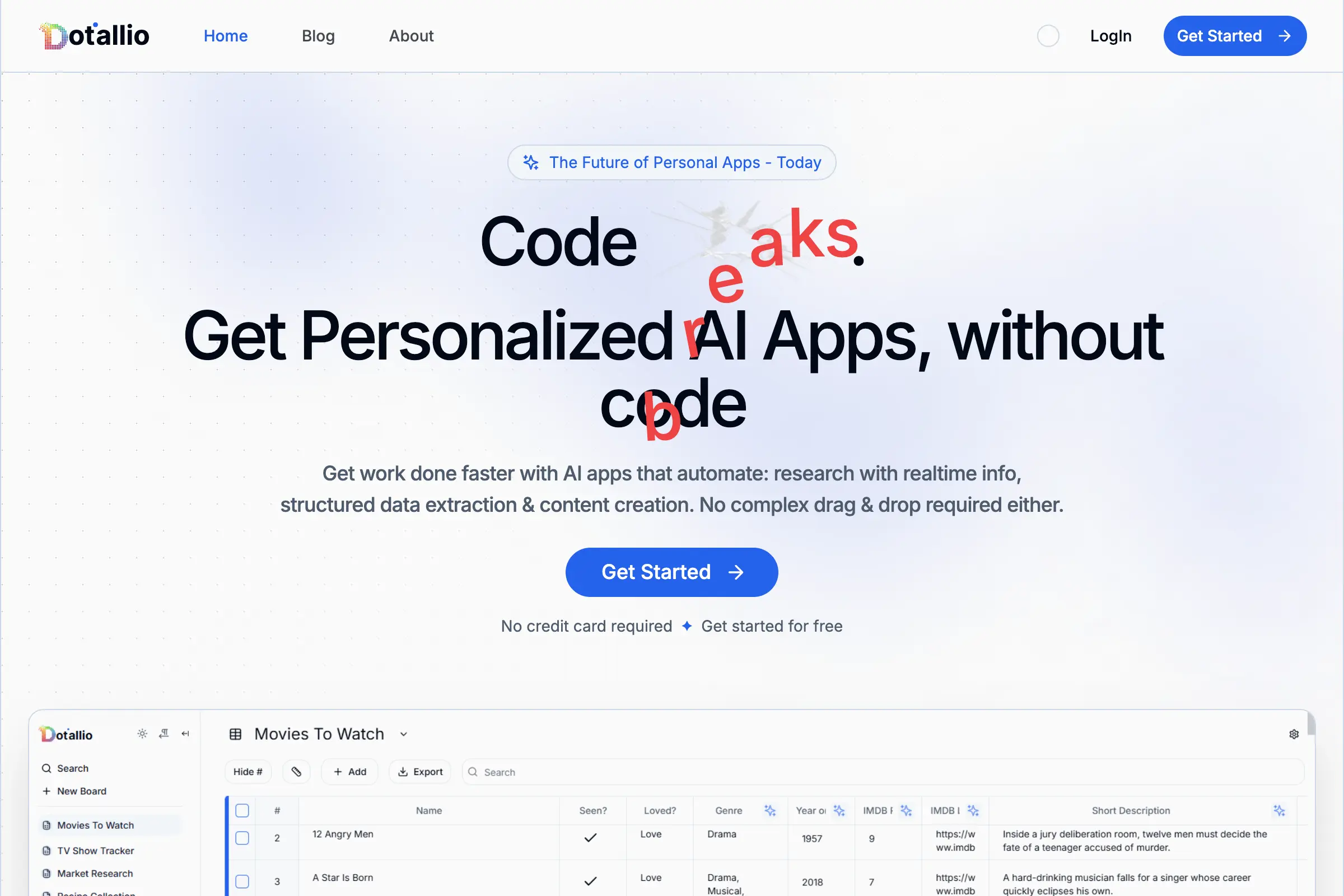
Dotallio
Personalized AI apps that automate research, data extraction, and content creation without code 🤖

Talk to Santa
Enjoy a magical live video chat or receive a unique AI-generated video greeting from Santa Claus 🎅

pozywka.pl
Scalable blog for food journalist, focused on performance and user experience 🌭
zagrodzki.me
Personal blog and portfolio of Bart Zagrodzki, where he shares his knowledge and work 💼
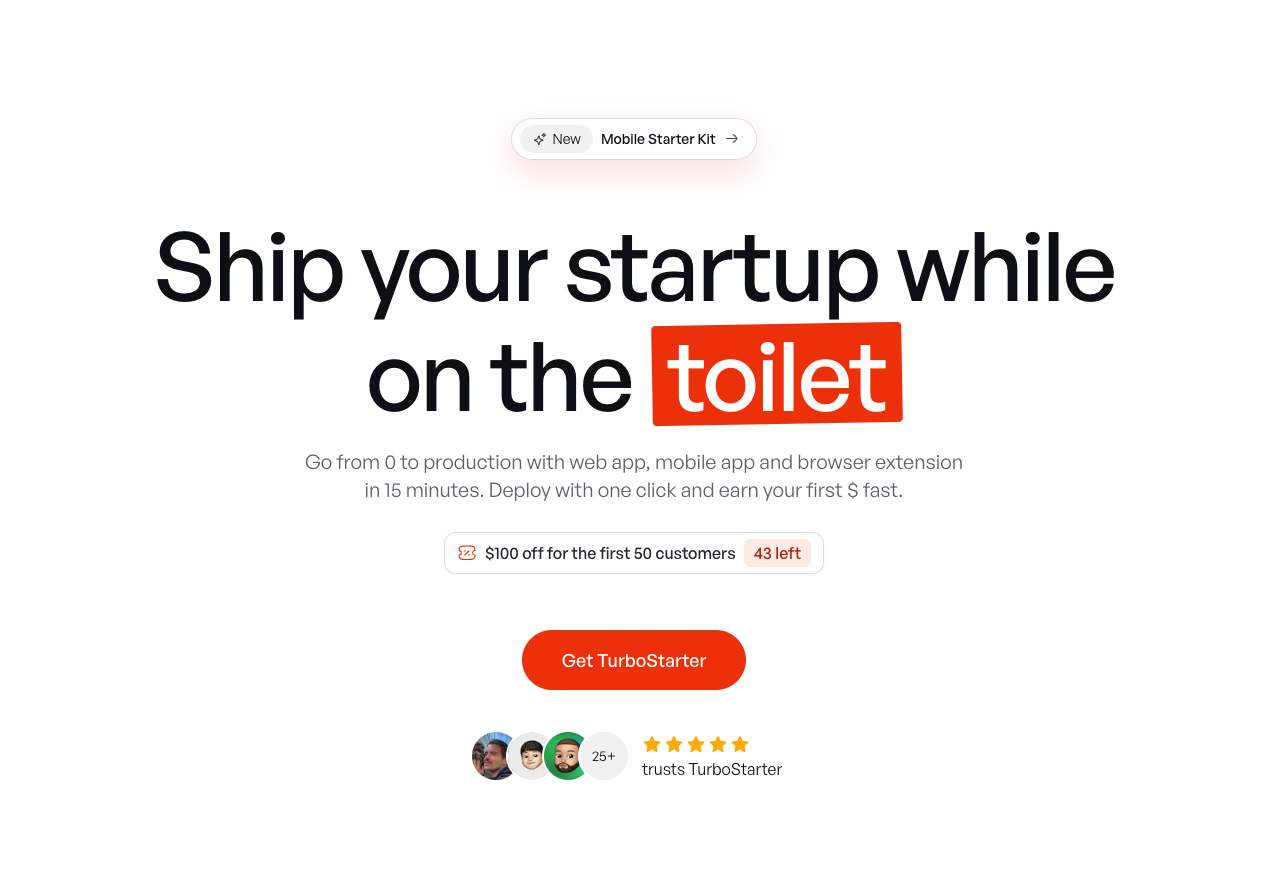
TurboStarter
Ship your startup everywhere. In minutes.
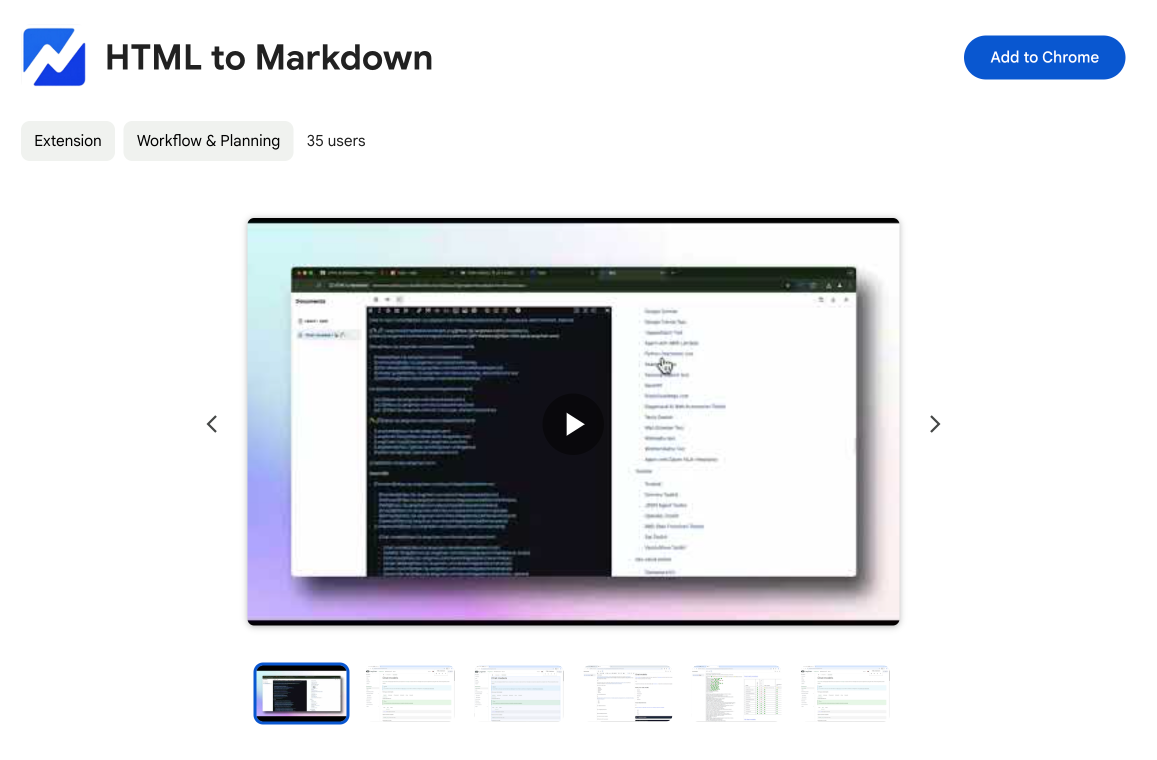
HTML to Markdown
Convert HTML to Markdown with ease, directly in your browser 📄
Dotallio
Personalized AI apps that automate research, data extraction, and content creation without code 🤖
Talk to Santa
Enjoy a magical live video chat or receive a unique AI-generated video greeting from Santa Claus 🎅
pozywka.pl
Scalable blog for food journalist, focused on performance and user experience 🌭
zagrodzki.me
Personal blog and portfolio of Bart Zagrodzki, where he shares his knowledge and work 💼
TurboStarter
Ship your startup everywhere. In minutes.
HTML to Markdown
Convert HTML to Markdown with ease, directly in your browser 📄
Dotallio
Personalized AI apps that automate research, data extraction, and content creation without code 🤖
Talk to Santa
Enjoy a magical live video chat or receive a unique AI-generated video greeting from Santa Claus 🎅
pozywka.pl
Scalable blog for food journalist, focused on performance and user experience 🌭
zagrodzki.me
Personal blog and portfolio of Bart Zagrodzki, where he shares his knowledge and work 💼
TurboStarter
Ship your startup everywhere. In minutes.
HTML to Markdown
Convert HTML to Markdown with ease, directly in your browser 📄
Dotallio
Personalized AI apps that automate research, data extraction, and content creation without code 🤖
Talk to Santa
Enjoy a magical live video chat or receive a unique AI-generated video greeting from Santa Claus 🎅
pozywka.pl
Scalable blog for food journalist, focused on performance and user experience 🌭
zagrodzki.me
Personal blog and portfolio of Bart Zagrodzki, where he shares his knowledge and work 💼
TurboStarter
Ship your startup everywhere. In minutes.
HTML to Markdown
Convert HTML to Markdown with ease, directly in your browser 📄
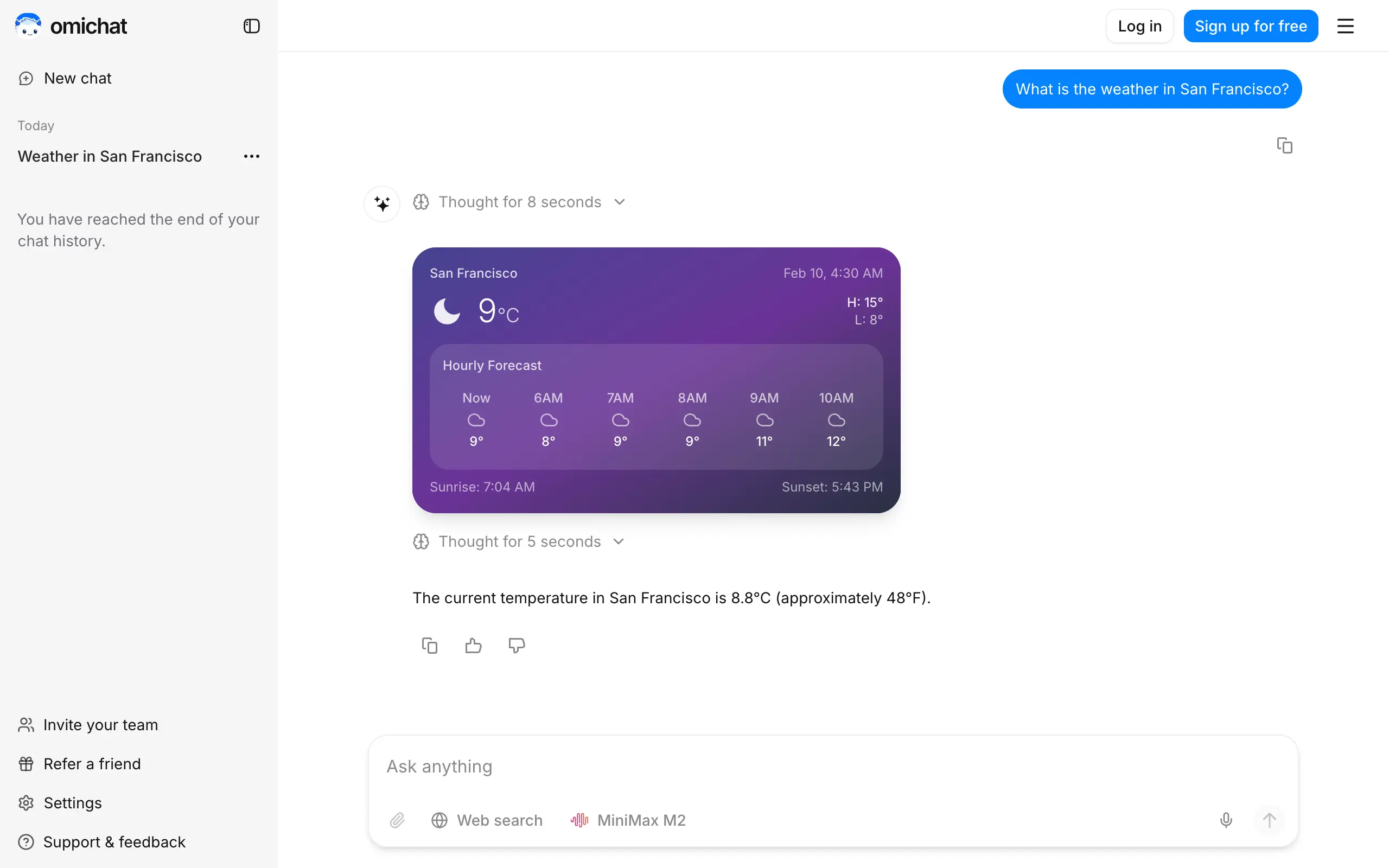
Omichat
Chat with 50+ AI models, including ChatGPT and Claude, in one place - switch models anytime without losing context 🤖
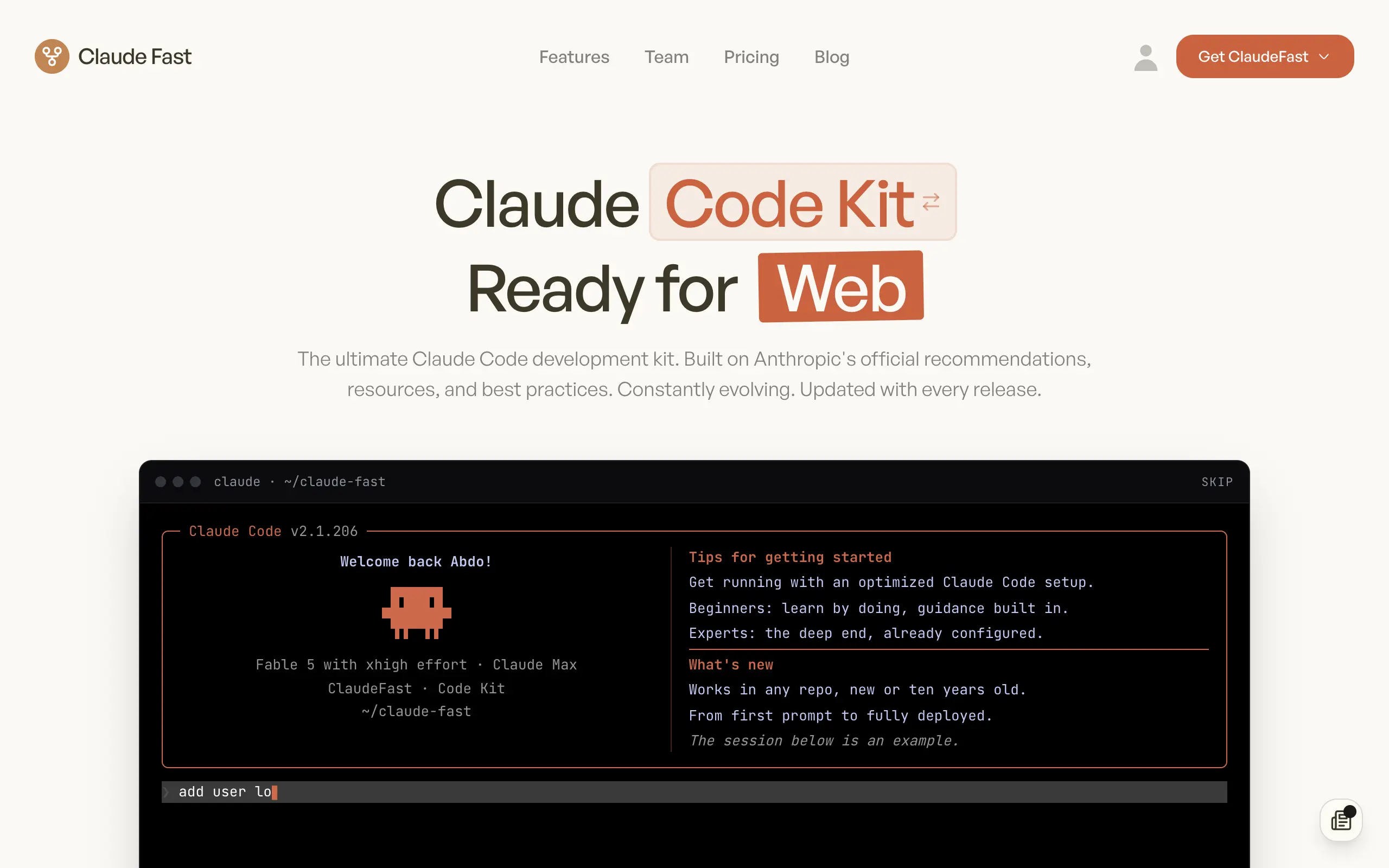
Claude Fast
Supercharge your Claude Code with 6x effective context window and specialized AI agents 🤖
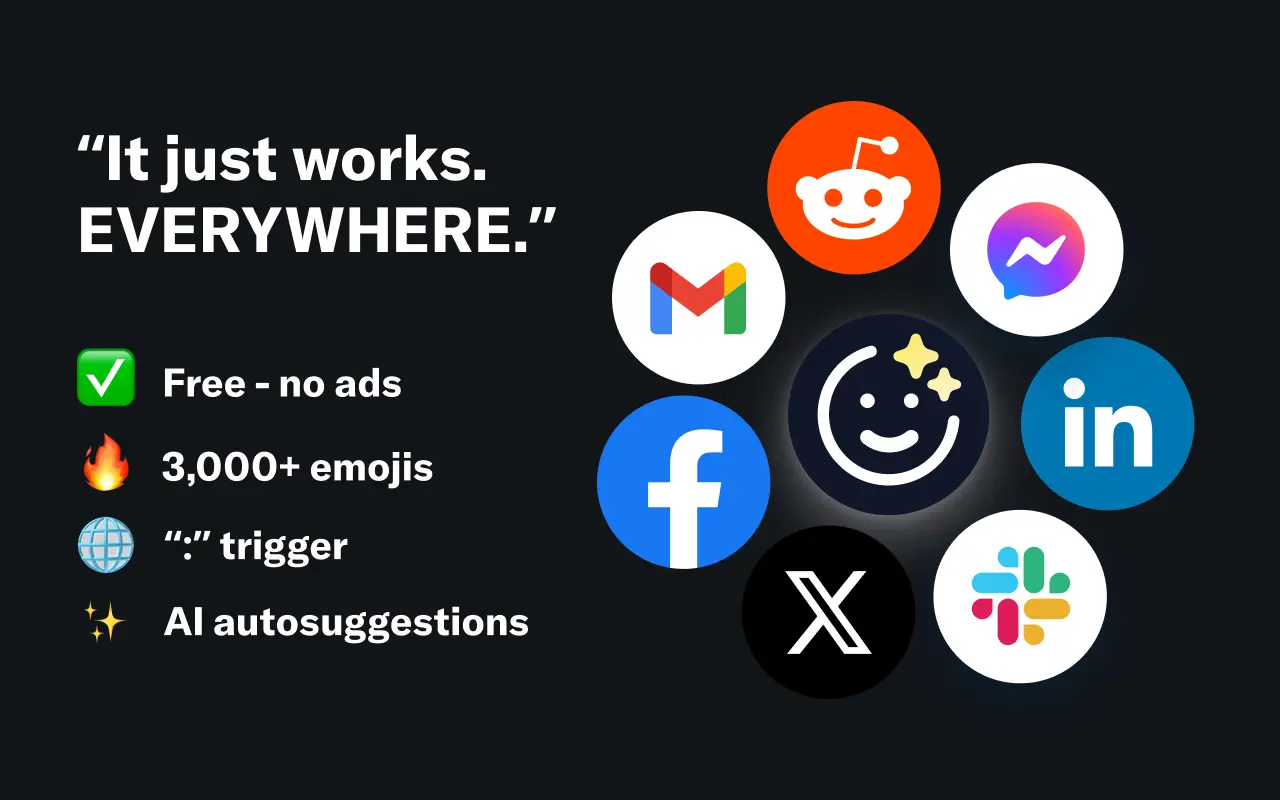
EmojAI
AI-powered emoji picker with smart, context-aware suggestions 🤖

Solohacker
Autonomous company launcher - AI agents work 24/7, escalate what matters, and you stay in control 🤖
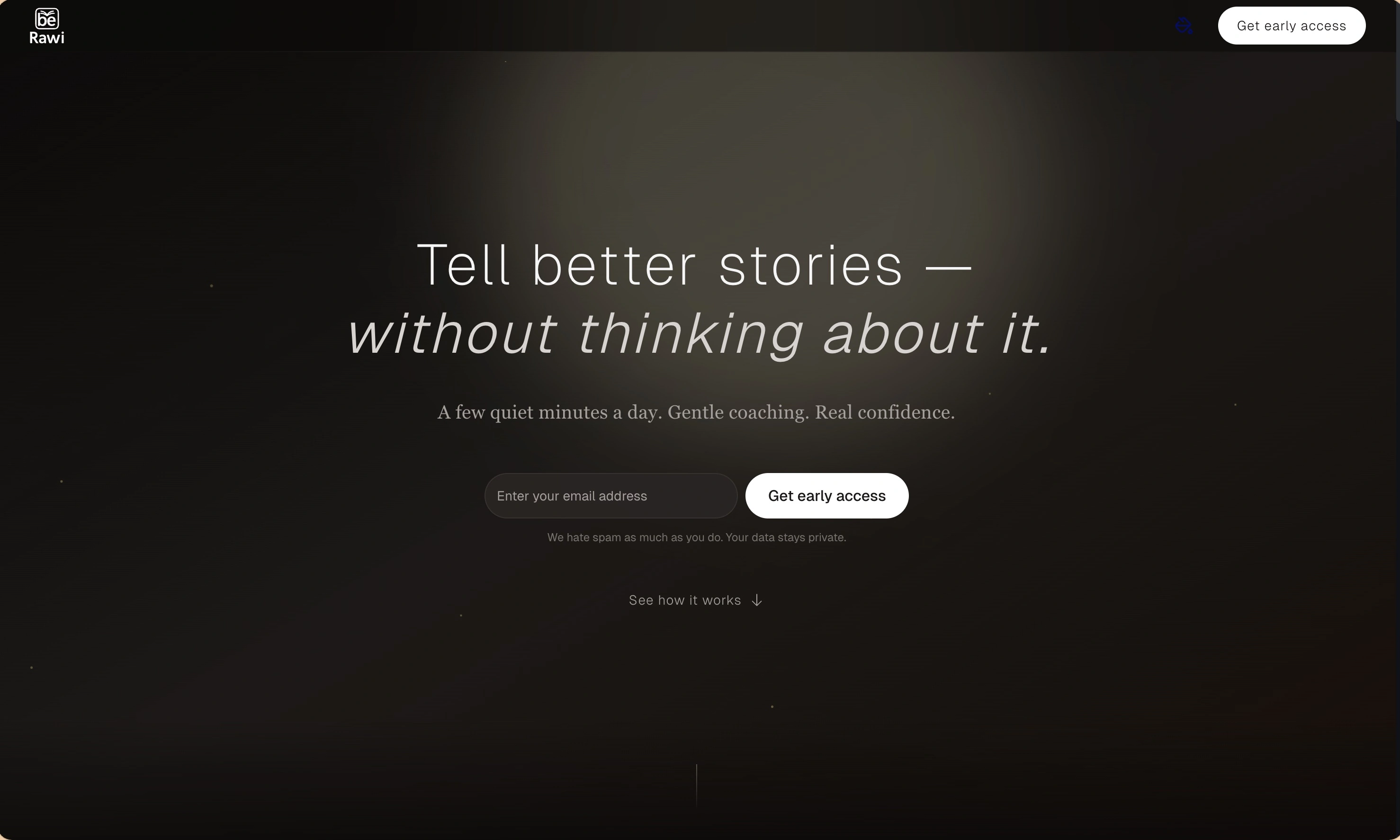
BeRawi: Storytelling Coach
Practice storytelling daily with instant feedback to sound clearer, more engaging, and confident 🎤
Omichat
Chat with 50+ AI models, including ChatGPT and Claude, in one place - switch models anytime without losing context 🤖
Claude Fast
Supercharge your Claude Code with 6x effective context window and specialized AI agents 🤖
EmojAI
AI-powered emoji picker with smart, context-aware suggestions 🤖
Solohacker
Autonomous company launcher - AI agents work 24/7, escalate what matters, and you stay in control 🤖
BeRawi: Storytelling Coach
Practice storytelling daily with instant feedback to sound clearer, more engaging, and confident 🎤
Omichat
Chat with 50+ AI models, including ChatGPT and Claude, in one place - switch models anytime without losing context 🤖
Claude Fast
Supercharge your Claude Code with 6x effective context window and specialized AI agents 🤖
EmojAI
AI-powered emoji picker with smart, context-aware suggestions 🤖
Solohacker
Autonomous company launcher - AI agents work 24/7, escalate what matters, and you stay in control 🤖
BeRawi: Storytelling Coach
Practice storytelling daily with instant feedback to sound clearer, more engaging, and confident 🎤
Omichat
Chat with 50+ AI models, including ChatGPT and Claude, in one place - switch models anytime without losing context 🤖
Claude Fast
Supercharge your Claude Code with 6x effective context window and specialized AI agents 🤖
EmojAI
AI-powered emoji picker with smart, context-aware suggestions 🤖
Solohacker
Autonomous company launcher - AI agents work 24/7, escalate what matters, and you stay in control 🤖
BeRawi: Storytelling Coach
Practice storytelling daily with instant feedback to sound clearer, more engaging, and confident 🎤

Connect with like-minded people
Join our community to get feedback, support, and grow together with 1,000+ builders on board, let's ship it!
Join usShip your startup everywhere. In minutes.
Don't burn tokens on setup and start building features on day one.