Safety Protocol Builder
Create, deploy, and audit safety protocols for factories with interactive workflows and compliance tracking to minimize industrial accidents.
Understanding the need for a safety protocol builder in the industrial sector
Industrial safety remains a critical issue worldwide, with manufacturers, plant managers, and safety officers continually searching for efficient ways to prevent accidents and comply with ever-changing regulations. Traditional methods of managing and auditing safety protocols—paper checklists, static PDFs, scattered spreadsheets—are error-prone and inefficient, often leading to compliance gaps and, ultimately, costly or tragic incidents.
A modern Safety Protocol Builder addresses these challenges by offering an interactive, cloud-based platform to create, deploy, and audit safety protocols for factories. Through customizable workflows, real-time compliance tracking, and rich audit trails, factories can minimize industrial accidents and empower teams to act proactively. In this article, we’ll explore the opportunity, ideal users, essential features, supporting technologies, monetization models, and strategic advantages of launching a Safety Protocol Builder SaaS in 2024 and beyond.
Target audience analysis: Who benefits the most?
Understanding the primary stakeholders and their pain points is essential for product-market fit. The Safety Protocol Builder directly serves:
Factory and industrial site managers
Key user intent: Streamline safety processes, reduce manual effort, and have a clear view of ongoing compliance.
- Responsible for implementing and maintaining safety systems
- Need up-to-date records for internal use and regulatory audits
- Often operate with limited IT and compliance support
Environmental Health & Safety (EHS) officers
Key user intent: Ensure every worker follows current protocols and provide evidence of compliance.
- Accountable for risk assessments, training, and safety audits
- Seeking tools to build flexible workflows and automate reminders
- Value clear reporting and easy protocol updates
Operations and compliance teams
Key user intent: Centralize and standardize safety documentation across multiple locations.
- Handling documentation across various sites, languages, and legal contexts
- Require digital transformation to replace paper-heavy or fragmented systems
- Desire audit trails and rapid incident response
Factory workers and supervisors
Key user intent: Access simple, compliant instructions for everyday tasks.
- Need interactive and visual workflows
- Require mobile-friendly, role-specific safety checklists
- Want a straightforward way to report hazards and incidents
Secondary audiences:
- Third-party safety consultants
- Compliance auditors
- Insurers and risk assessment firms
Identifying the market gap for interactive safety protocol platforms
Despite rapid adoption of digital manufacturing tools, safety protocol management has lagged. Here’s what’s missing from current solutions and how a dedicated Safety Protocol Builder fills this void:
Major pain points in the current market
- Many EHS solutions focus on incident reporting instead of proactive safety design
- Off-the-shelf compliance tools lack interactive, customizable protocol workflows
- Fragmented data—silos between HR, maintenance, and EHS—generate inefficiencies
- Mobile accessibility for real-time protocol updates is limited
- Most platforms are not designed to support ongoing regulatory and standards evolution
Addressing evolving regulations and workforce trends
- Regulatory pressure: Agencies like OSHA, HSE, and EU-OSHA continue to raise standards (OSHA).
- Workforce shifts: Aging workers, language diversity, and growing contractor ecosystems demand clearer, more adaptive safety protocols.
- Technology trend: Rise of IoT, wearables, and cloud-based industrial solutions (McKinsey).
Opportunity snapshot:
A cloud-native, interactive platform that makes safety protocol creation and auditing both flexible and intuitive—and integrates with existing factory workflows—is overdue in the market.
Core features and the solution offered by Safety Protocol Builder
The Safety Protocol Builder is designed specifically to address the gaps outlined above. Here’s what it offers:
1. Drag-and-drop protocol designer
- Create, edit, and version safety checklists, inspection procedures, and incident workflows with a visual editor
- Leverage template libraries for common industry standards (OSHA, ISO 45001, etc.)
- Localize protocols to specific factories, lines, or worker groups
2. Interactive deployment and real-time compliance
- Assign interactive workflows to teams, shifts, or roles
- Ensure workers see only relevant steps (conditional branching)
- Mobile-optimized interfaces for on-the-floor usage (smartphones, tablets, wearable screens)
3. Automated audit trail & compliance tracking
- All activities (review, changes, completions) are timestamped and user-attributed
- Automated reports for internal audits or regulator review
- Integrates with badge readers, sign-in systems, and IoT sensors for richer compliance evidence
4. Incident and hazard reporting integration
- Allow instant reporting of hazards and near misses, directly linked to protocols
- Enable corrective action workflows and feedback loops
- Aggregate incident data for proactive risk mitigation
5. Analytics & compliance dashboards
- Track completion rates, overdue items, repeat incidents, and more
- Benchmark sites or teams by compliance scores
- Export historical data for insurance or regulatory reporting
6. Admin features and integration support
- Single sign-on, granular permissions, and multi-site support
- API access to link with HR, maintenance, or MES systems
- Compliance updates and regulatory changefeeds pushed directly to protocol templates
Visual protocol builder
Drag-and-drop workflows for custom safety checklists and inspection procedures.
Real-time audit trails
Automatically recorded, immutable logs for every compliance step.
Mobile-first deployment
Protocols easily accessed and completed on phones, tablets, and industrial wearables.
Recommended tech stack: Balancing flexibility, scalability, and security
Choosing the right technologies for a SaaS like Safety Protocol Builder underpins both scalability and feature velocity. Below, we outline an optimal stack and considerations.
Frontend
- React: Industry-standard for dynamic, scalable user interfaces.
- TailwindCSS: Utility-first CSS for rapid UI design and responsive layouts.
- PWA (Progressive Web App): Ensures offline access for factory-floor environments, enhancing reliability.
Backend
- Node.js or FastAPI: High-performance backend with real-time support and RESTful APIs.
- PostgreSQL: Reliable relational database with strong audit logging and ACID guarantees.
- Cloud hosting (AWS, Azure, or GCP): Enables elasticity and robust compliance controls.
Integrations
- IoT/Edge device support: Mechanisms to pull data from sensors and badge readers.
- REST & Webhooks: Connect seamlessly to HR, ERP, and compliance systems.
Security & compliance
- OAuth2/OIDC for authentication
- Field-level encryption and audit logging
- Multi-tenant architecture for data separation between factories/sites
| Stack Layer | Recommended | Pros | Cons | Notes |
|---|---|---|---|---|
| Frontend | React + TailwindCSS | Best-in-class ecosystem, fast UI dev | Learning curve for state management | PWA recommended for offline access |
| Backend | Node.js or FastAPI | Async, scalable, mature packages | Resource tuning needed at scale | Match team expertise, API-first design |
| Database | PostgreSQL | Strong consistency and security | Vertical scaling may be needed | Use row-level security |
Why progressive web apps matter
Ensuring safety protocols are accessible offline is crucial—network outages should never prevent critical safety checks. PWA capabilities make this possible.
Monetization strategies for a Safety Protocol Builder SaaS
Careful monetization can maximize revenue while still encouraging widespread adoption. Here are viable models:
1. Subscription-based pricing (SaaS standard)
- Per site: Charge monthly/annually per factory location.
- Per user: Tiered pricing for active users, ideal for consulting firms or large, distributed teams.
- Feature tiers: Base plan (protocol creation), higher tiers (advanced analytics, IoT integrations, white-labeling, etc.).
2. Enterprise and add-on modules
- Dedicated onboarding, API access, or compliance consulting as paid services.
- Industry-specific protocol templates for a premium.
- Integration add-ons—custom modules for HRMS, badge in/out, or sensor data.
3. Success-based/insurance partnerships
- Partner with insurers to offer premium discounts for high-compliance clients.
- Share savings on reduced incident rates, quantifying ROI.
4. Freemium with upgrade path
- Allow basic protocol editing and deployment for small teams at no cost.
- Paywalls for audit tools, analytics, or integrations.
Consider bundling onboarding and certification services, which not only provide revenue but drive sticky engagement and trusted relationships.
Potential risks and effective mitigation strategies
No SaaS is without risks. Here are the key ones for a Safety Protocol Builder and actionable mitigations:
- Implement end-to-end encryption, audit logging, and strong access controls.
- Regular penetration testing and compliance with GDPR/HIPAA as applicable.
- Clear data ownership and export policies for clients.
- Update protocol templates with the latest regulations.
- Partnership with legal/compliance experts for each major market.
- Legal indemnity wording in contracts.
- User-friendly onboarding tools and in-app guidance.
- Pilot programs with champions in client organizations.
- Success stories and ROI case studies to encourage adoption.
- Multi-cloud, global hosting with redundancy.
- 99.9%+ uptime SLAs.
- Extensive backup and rollback systems.
- Focus on core USP: interactive, factory-specific protocol workflows.
- Integrate seamlessly with larger EHS/ERP systems, not replace them.
How Safety Protocol Builder stands out (competitive advantage)
The industrial software space is crowded, but few solutions truly address the full lifecycle of factory-specific safety protocol creation, deployment, and compliance auditing. Here’s why Safety Protocol Builder leads:
Unique selling proposition (USP)
- First platform to unify interactive workflow design, instant deployment, and auditable compliance across multiple locations and languages
- Mobile-first, low-friction UI specifically optimized for on-the-floor, shift-based environments
- Modular integration with IoT, badge readers, HR, and maintenance systems for unified safety data
- Built-in library of updatable, regulator-approved protocol templates
- Exportable, immutable audit logs trusted by insurers and regulators alike
Comparison with alternatives
Most EHS SaaS products offer either incident reporting tools or rigid protocol management. Few enable interactive protocol authoring, conditional workflows, instant deployment, and live compliance dashboards.
| Interactive Workflow Design | Mobile-native | Compliance Auditing | IoT Integration | Template Library |
|---|---|---|---|---|
| ✅ | ✅ | ✅ | ✅ | ✅ |
| Most EHS Suites: ❌ | Some: ❌ | ✅ | ❌ | Few: ❌ |
Notable industry trends
As of 2024, digital transformation in manufacturing focuses on empowering frontline workers, automating compliance, and integrating real-time data. A cloud-based Safety Protocol Builder aligns directly with these trends—offering both immediate and long-term ROI.
Implementation steps: Bringing Safety Protocol Builder to life
A focused implementation roadmap ensures a successful launch and rapid value delivery:
Market validation & discovery: Engage directly with EHS officers and factory managers. Conduct in-depth interviews to refine core pain points and desired features.
Build a functional MVP: Focus on visual protocol builder, basic user management, and protocol deployment. Utilize TurboStarter to speed up SaaS boilerplate setup, authentication, and billing.
Pilot with target factories: Onboard 2-3 early adopters. Iterate on workflow design UX, offline support, and audit trails based on real-world feedback.
Expand integrations and analytics: Build APIs for HR, IoT, and incident management. Launch compliance dashboards and export functionality.
Iterate and scale: Add advanced features (multilingual, white-labeling, advanced alerting), then scale sales via channel partners/industry events.
Actionable next steps for SaaS founders
- Engage with at least 5-10 factory managers/EHS leaders for discovery discussions.
- Prototype the protocol builder editor (use React and TailwindCSS for rapid iteration).
- Leverage TurboStarter to ship your SaaS MVP with authentication, payments, and user management out-of-the-box.
- Target one industry vertical for launch—chemicals, automotive, or food processing—before broadening.
- Measure and market: Use compliance improvement statistics and testimonials for B2B marketing outreach.
Final thoughts:
A Safety Protocol Builder SaaS directly addresses the root causes of industrial accidents—unclear procedures, outdated protocols, and compliance gaps. Combining interactive workflows, real-time auditing, and mobile-native accessibility with industry regulatory trends presents a unique opportunity for SaaS founders and EHS innovators alike. By carefully validating user needs and starting with focused MVPs, you can deliver transformative value—potentially saving both money and lives.
Looking to launch your own Safety Protocol Builder or similar SaaS?
Check out TurboStarter for the fastest way to build secure, scalable SaaS foundations—empowering you to focus on innovation, not boilerplate.
More 💡 Other SaaS ideas
Discover more innovative other SaaS ideas that are trending in 2026. Each idea is AI-generated with market validation and growth potential to help you find your next profitable venture faster than competitors.
Your competitors are building with TurboStarter
Below are some of the SaaS ideas that have been generated and built with our starter kit.

Statiko
Monitor any Telegram channel in real time - track posts, edits, deletions, and growth with AI recaps 📡

Shibui
AI website builder - describe your business, pick a niche template, edit by chatting, and publish instantly ✨

Pro Service
Find verified home service professionals, compare quotes, and pay securely through escrow - built for Brazilians across the US 🏠
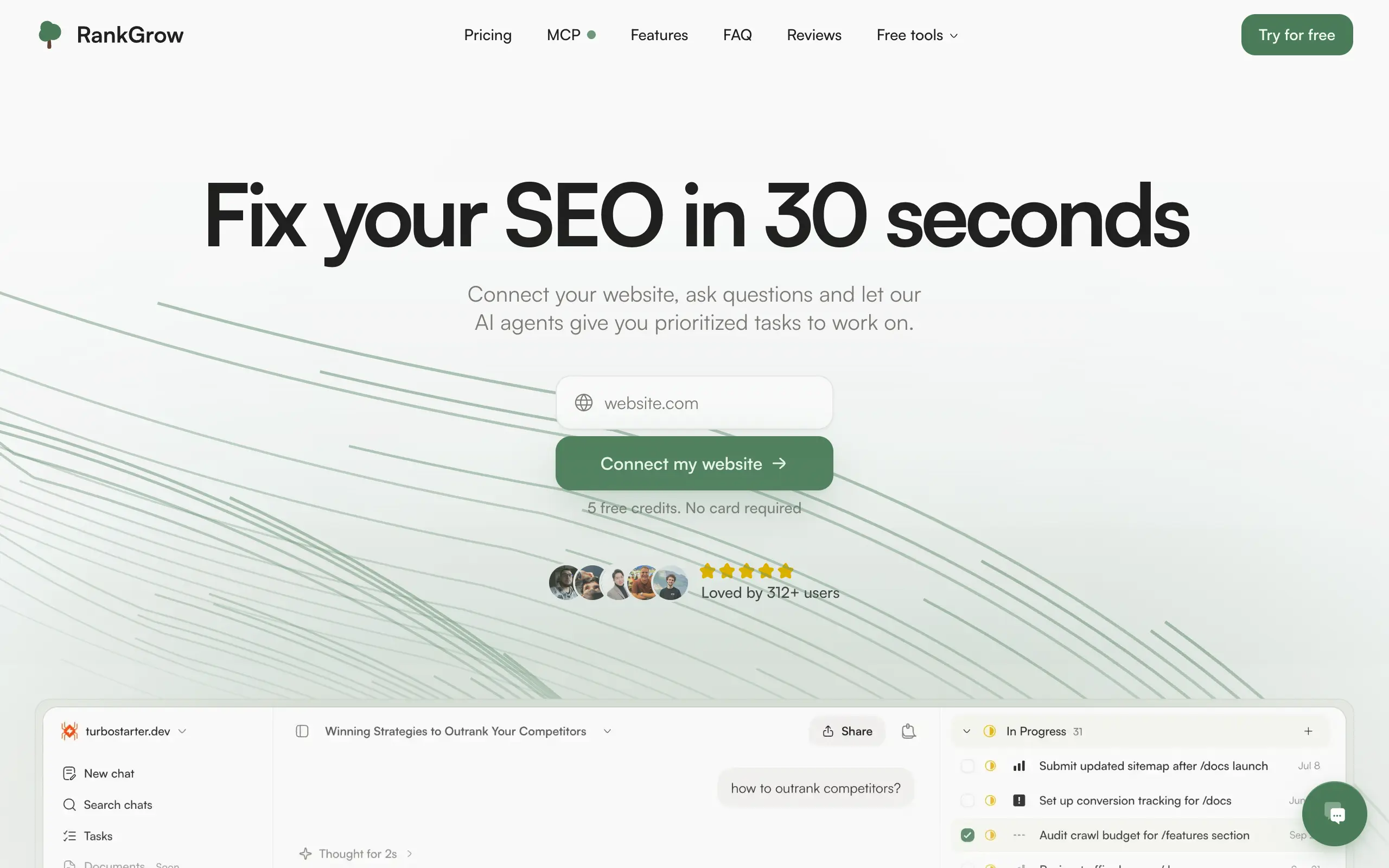
RankGrow
Fix your SEO with AI agents - connect Search Console, get prioritized tasks, and grow organic traffic 📈
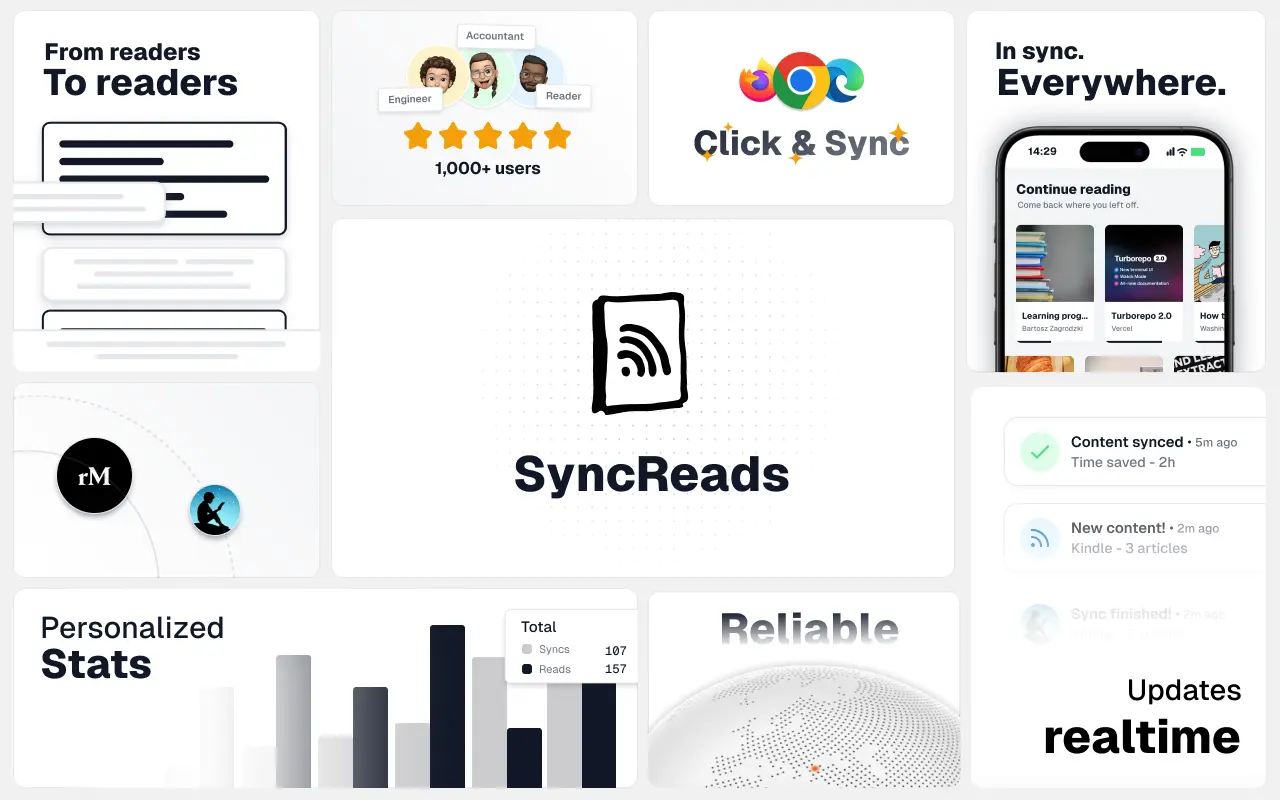
SyncReads
Sync your favorite content for distraction-free reading, save time and replace multiple apps. Anytime, anywhere 🔄
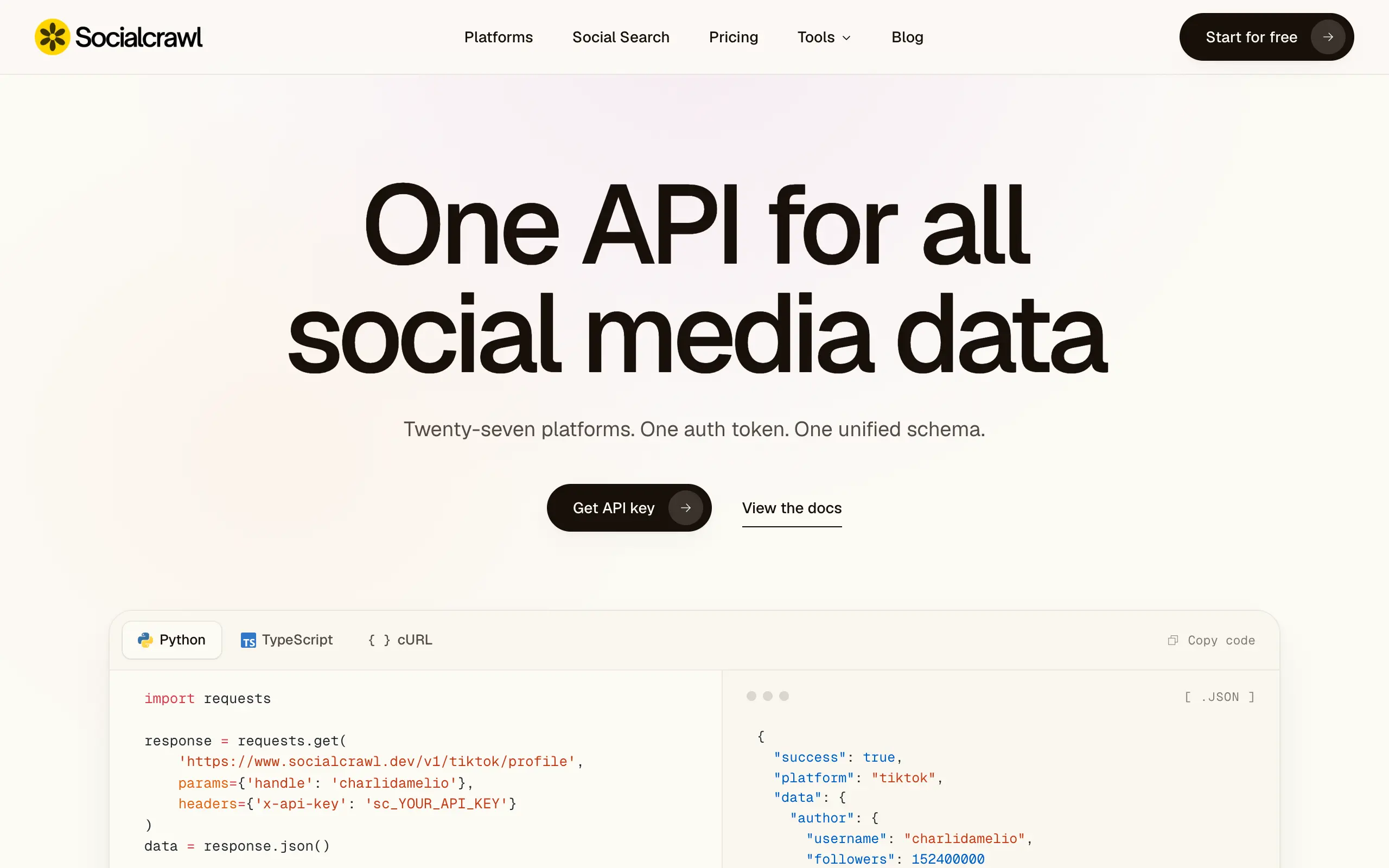
Socialcrawl
Get clean, structured data from 21 platforms like TikTok, Instagram, and YouTube with a single request 📊
Statiko
Monitor any Telegram channel in real time - track posts, edits, deletions, and growth with AI recaps 📡
Shibui
AI website builder - describe your business, pick a niche template, edit by chatting, and publish instantly ✨
Pro Service
Find verified home service professionals, compare quotes, and pay securely through escrow - built for Brazilians across the US 🏠
RankGrow
Fix your SEO with AI agents - connect Search Console, get prioritized tasks, and grow organic traffic 📈
SyncReads
Sync your favorite content for distraction-free reading, save time and replace multiple apps. Anytime, anywhere 🔄
Socialcrawl
Get clean, structured data from 21 platforms like TikTok, Instagram, and YouTube with a single request 📊
Statiko
Monitor any Telegram channel in real time - track posts, edits, deletions, and growth with AI recaps 📡
Shibui
AI website builder - describe your business, pick a niche template, edit by chatting, and publish instantly ✨
Pro Service
Find verified home service professionals, compare quotes, and pay securely through escrow - built for Brazilians across the US 🏠
RankGrow
Fix your SEO with AI agents - connect Search Console, get prioritized tasks, and grow organic traffic 📈
SyncReads
Sync your favorite content for distraction-free reading, save time and replace multiple apps. Anytime, anywhere 🔄
Socialcrawl
Get clean, structured data from 21 platforms like TikTok, Instagram, and YouTube with a single request 📊
Statiko
Monitor any Telegram channel in real time - track posts, edits, deletions, and growth with AI recaps 📡
Shibui
AI website builder - describe your business, pick a niche template, edit by chatting, and publish instantly ✨
Pro Service
Find verified home service professionals, compare quotes, and pay securely through escrow - built for Brazilians across the US 🏠
RankGrow
Fix your SEO with AI agents - connect Search Console, get prioritized tasks, and grow organic traffic 📈
SyncReads
Sync your favorite content for distraction-free reading, save time and replace multiple apps. Anytime, anywhere 🔄
Socialcrawl
Get clean, structured data from 21 platforms like TikTok, Instagram, and YouTube with a single request 📊
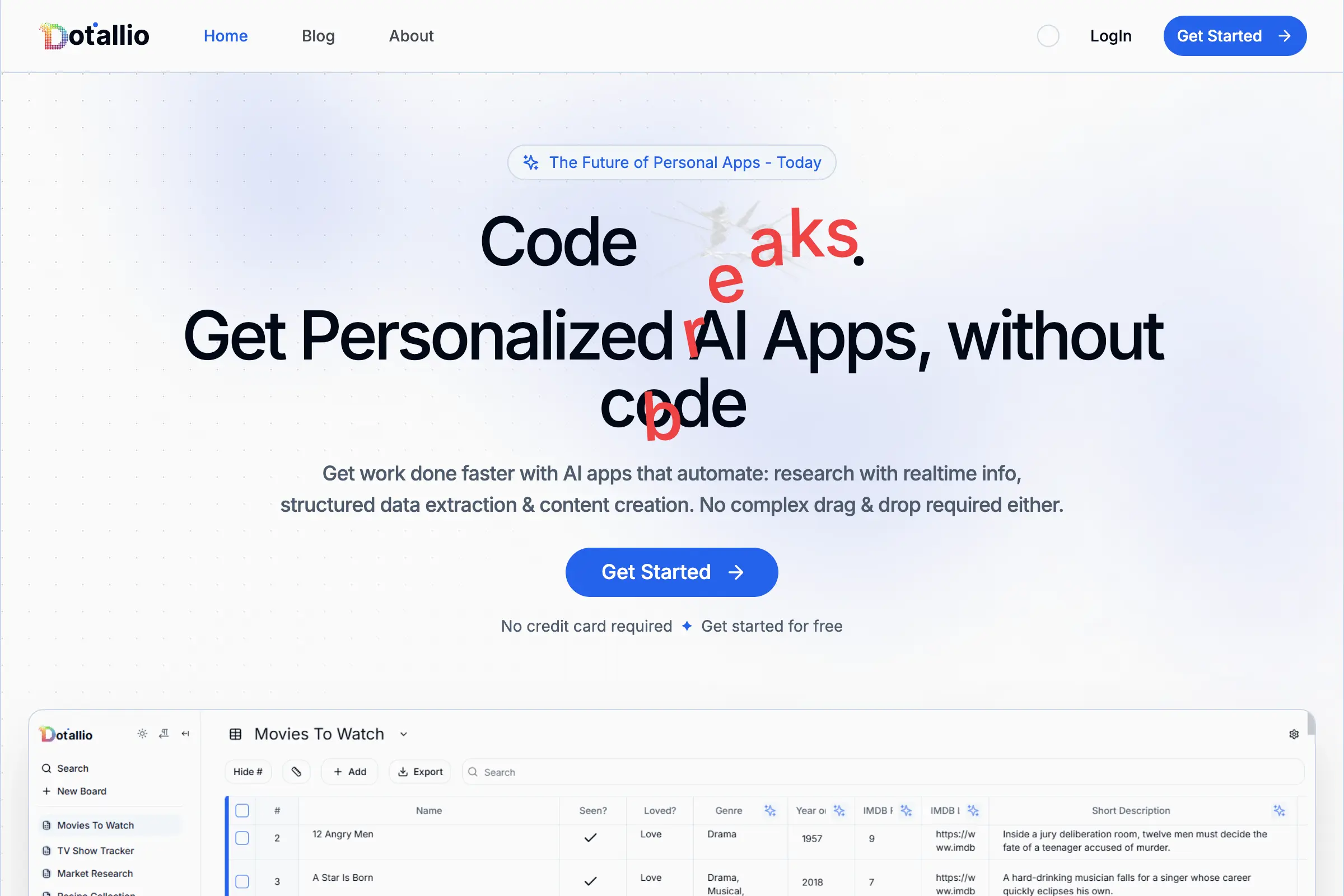
Dotallio
Personalized AI apps that automate research, data extraction, and content creation without code 🤖

Talk to Santa
Enjoy a magical live video chat or receive a unique AI-generated video greeting from Santa Claus 🎅

pozywka.pl
Scalable blog for food journalist, focused on performance and user experience 🌭
zagrodzki.me
Personal blog and portfolio of Bart Zagrodzki, where he shares his knowledge and work 💼
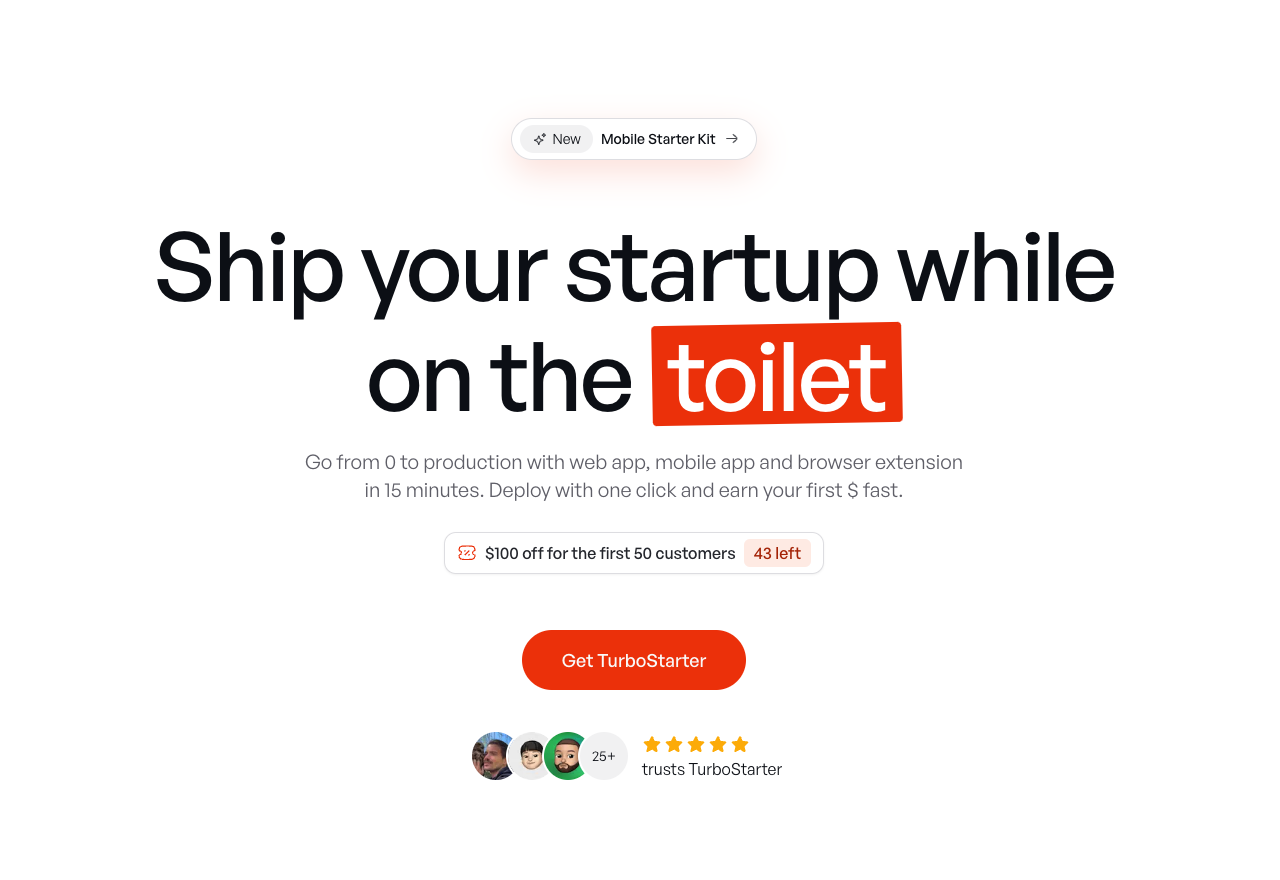
TurboStarter
Ship your startup everywhere. In minutes.
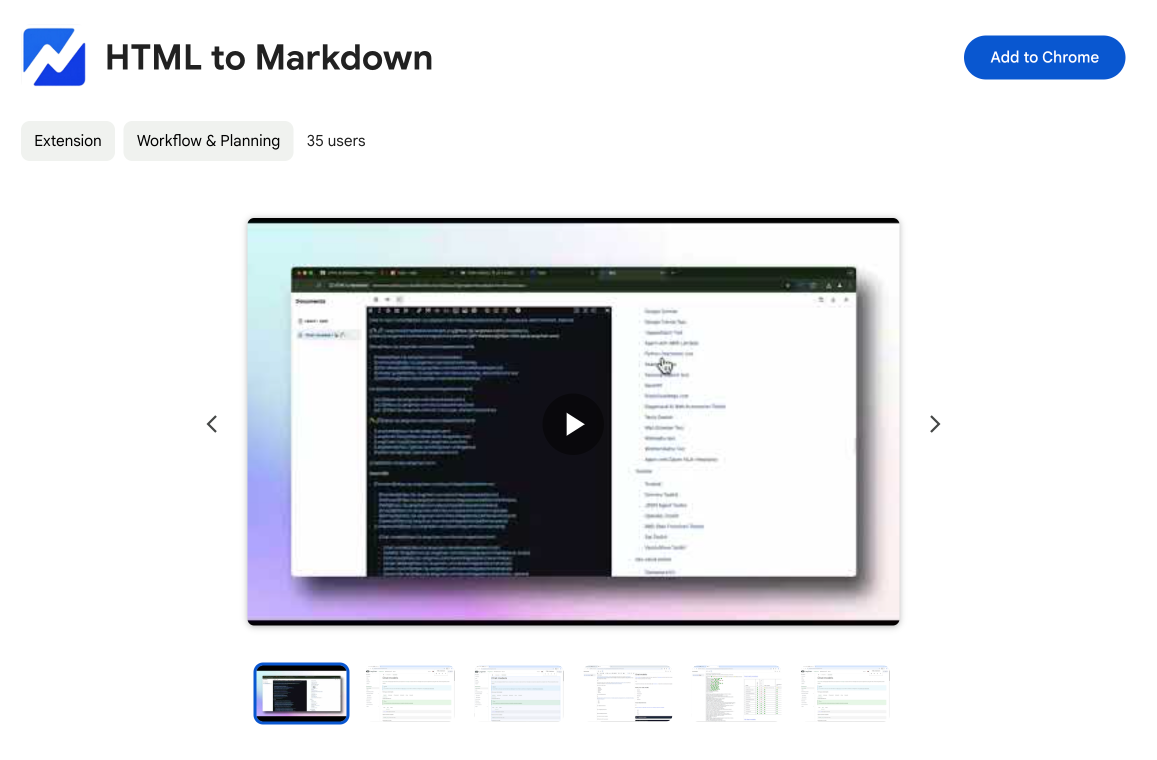
HTML to Markdown
Convert HTML to Markdown with ease, directly in your browser 📄
Dotallio
Personalized AI apps that automate research, data extraction, and content creation without code 🤖
Talk to Santa
Enjoy a magical live video chat or receive a unique AI-generated video greeting from Santa Claus 🎅
pozywka.pl
Scalable blog for food journalist, focused on performance and user experience 🌭
zagrodzki.me
Personal blog and portfolio of Bart Zagrodzki, where he shares his knowledge and work 💼
TurboStarter
Ship your startup everywhere. In minutes.
HTML to Markdown
Convert HTML to Markdown with ease, directly in your browser 📄
Dotallio
Personalized AI apps that automate research, data extraction, and content creation without code 🤖
Talk to Santa
Enjoy a magical live video chat or receive a unique AI-generated video greeting from Santa Claus 🎅
pozywka.pl
Scalable blog for food journalist, focused on performance and user experience 🌭
zagrodzki.me
Personal blog and portfolio of Bart Zagrodzki, where he shares his knowledge and work 💼
TurboStarter
Ship your startup everywhere. In minutes.
HTML to Markdown
Convert HTML to Markdown with ease, directly in your browser 📄
Dotallio
Personalized AI apps that automate research, data extraction, and content creation without code 🤖
Talk to Santa
Enjoy a magical live video chat or receive a unique AI-generated video greeting from Santa Claus 🎅
pozywka.pl
Scalable blog for food journalist, focused on performance and user experience 🌭
zagrodzki.me
Personal blog and portfolio of Bart Zagrodzki, where he shares his knowledge and work 💼
TurboStarter
Ship your startup everywhere. In minutes.
HTML to Markdown
Convert HTML to Markdown with ease, directly in your browser 📄
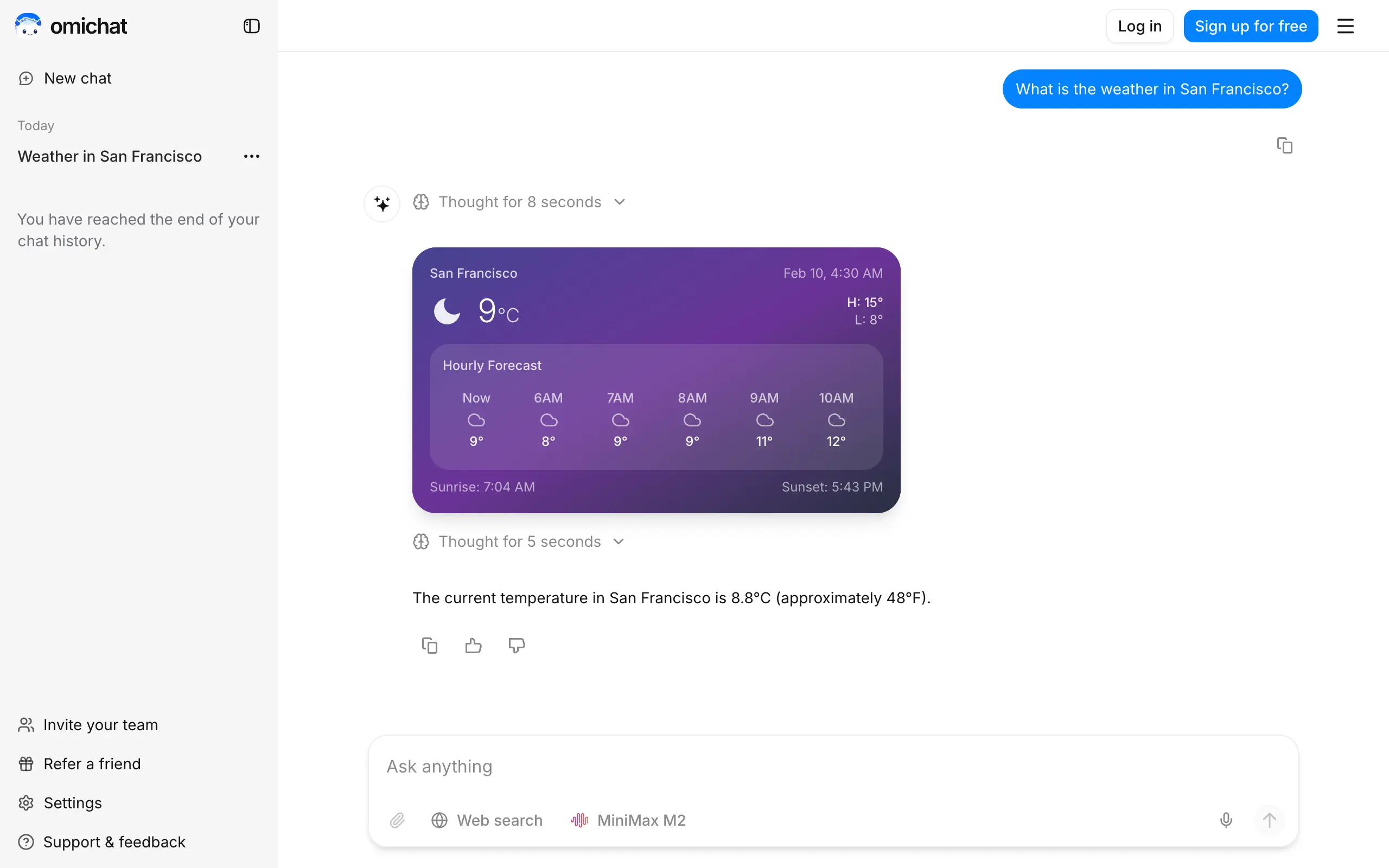
Omichat
Chat with 50+ AI models, including ChatGPT and Claude, in one place - switch models anytime without losing context 🤖
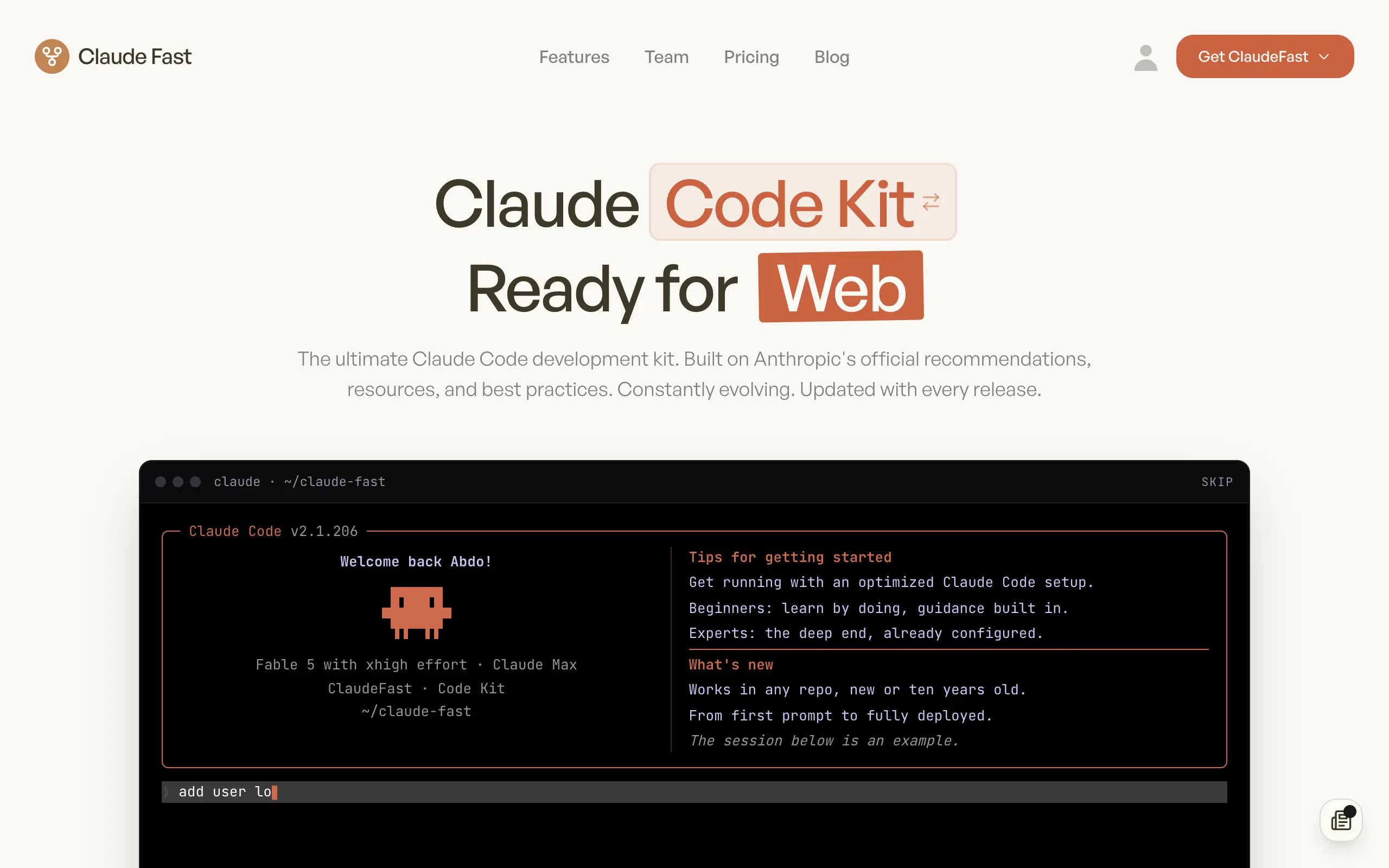
Claude Fast
Supercharge your Claude Code with 6x effective context window and specialized AI agents 🤖

EmojAI
AI-powered emoji picker with smart, context-aware suggestions 🤖

Solohacker
Autonomous company launcher - AI agents work 24/7, escalate what matters, and you stay in control 🤖

BeRawi: Storytelling Coach
Practice storytelling daily with instant feedback to sound clearer, more engaging, and confident 🎤
Omichat
Chat with 50+ AI models, including ChatGPT and Claude, in one place - switch models anytime without losing context 🤖
Claude Fast
Supercharge your Claude Code with 6x effective context window and specialized AI agents 🤖
EmojAI
AI-powered emoji picker with smart, context-aware suggestions 🤖
Solohacker
Autonomous company launcher - AI agents work 24/7, escalate what matters, and you stay in control 🤖
BeRawi: Storytelling Coach
Practice storytelling daily with instant feedback to sound clearer, more engaging, and confident 🎤
Omichat
Chat with 50+ AI models, including ChatGPT and Claude, in one place - switch models anytime without losing context 🤖
Claude Fast
Supercharge your Claude Code with 6x effective context window and specialized AI agents 🤖
EmojAI
AI-powered emoji picker with smart, context-aware suggestions 🤖
Solohacker
Autonomous company launcher - AI agents work 24/7, escalate what matters, and you stay in control 🤖
BeRawi: Storytelling Coach
Practice storytelling daily with instant feedback to sound clearer, more engaging, and confident 🎤
Omichat
Chat with 50+ AI models, including ChatGPT and Claude, in one place - switch models anytime without losing context 🤖
Claude Fast
Supercharge your Claude Code with 6x effective context window and specialized AI agents 🤖
EmojAI
AI-powered emoji picker with smart, context-aware suggestions 🤖
Solohacker
Autonomous company launcher - AI agents work 24/7, escalate what matters, and you stay in control 🤖
BeRawi: Storytelling Coach
Practice storytelling daily with instant feedback to sound clearer, more engaging, and confident 🎤

Connect with like-minded people
Join our community to get feedback, support, and grow together with 1,000+ builders on board, let's ship it!
Join usShip your startup everywhere. In minutes.
Don't burn tokens on setup and start building features on day one.