SignalBrief
Turn YouTube analytics and audience comments into a prioritized content roadmap. AI links each opportunity to briefs, owners, and production deadlines.
What SignalBrief is and why creators need it
SignalBrief is a SaaS concept for turning YouTube analytics and audience comments into a prioritized content roadmap. Instead of leaving creators to interpret charts, sift through comments, and brainstorm ideas across disconnected tools, it connects a potential opportunity to the next practical steps: a content brief, an owner, and a production deadline.
The underlying problem is familiar to many YouTube teams. A channel may have a growing library of videos, a steady stream of comments, and plenty of performance data, yet still struggle to answer questions such as:
- Which topic should we cover next?
- What are viewers asking for that we have not addressed?
- Is a video’s performance a sign of a repeatable opportunity or a one-off result?
- Who is responsible for turning an insight into a publishable video?
- How can we keep promising ideas from disappearing into a spreadsheet?
SignalBrief’s value is not simply collecting more data. It is helping a team move from signals to decisions to production. The product should make it easier to understand what viewers are responding to, decide which opportunities are worth pursuing, and assign the work needed to publish.
For a founder assessing this SaaS idea, the central question is whether SignalBrief can consistently save time and improve editorial decisions. That should guide product scope, technical choices, pricing, and go-to-market strategy.
The target audience for YouTube analytics content roadmap software
SignalBrief should begin with users who already have enough publishing activity and audience feedback to benefit from a repeatable planning system. A brand-new creator with only a few videos may not yet have enough channel data to support reliable recommendations. A small media team, on the other hand, may be losing hours each week to manual analysis and coordination.
Primary audience: creator-led teams
The strongest initial audience is likely to be creators who have moved beyond doing everything alone. These teams often include a channel owner, a producer or strategist, an editor, and sometimes a researcher or scriptwriter.
Their needs include:
- Finding promising topics from performance and comment patterns.
- Sharing research without relying on scattered documents.
- Assigning ideas and briefs to specific people.
- Keeping a visible production calendar.
- Reviewing whether published content fulfilled the original opportunity.
SignalBrief can appeal to this group because it links discovery and execution. A spreadsheet can hold ideas, and a project-management tool can assign tasks, but creators may still have to manually connect an audience insight to the actual work.
Secondary audience: agencies and channel consultants
Agencies that manage several YouTube channels face a different version of the same problem. They need to analyze multiple channels, compare opportunities, and communicate recommendations to clients.
For this audience, useful capabilities may include:
- Separate workspaces for different clients.
- Client-ready reports and editorial plans.
- Approval workflows for proposed topics.
- Role-based access for agency staff and client stakeholders.
- A clear record of why an idea was recommended.
Agencies can be attractive early adopters because a single customer may manage several channels. However, they may also require more complex permissions, reporting, and white-label options. Those features should be validated before they become part of the first release.
Additional audience segments
Other potential users include:
- Educators and subject-matter experts who publish instructional videos and want to identify unanswered learner questions.
- Podcast and interview channels that need to turn recurring audience questions into future episodes.
- Brands with YouTube content teams that must coordinate publishing with product launches, campaigns, or support priorities.
- YouTube consultants who advise creators on channel strategy and need a repeatable way to support recommendations.
These segments have different buying motivations. A creator may want to save planning time. An agency may want to serve more clients without adding as much analysis work. A brand may care more about workflow visibility, approvals, and consistency. SignalBrief should avoid trying to satisfy all of them at launch.
A practical ideal customer profile
A promising early customer is a creator or small team that:
- Publishes regularly.
- Receives enough comments to make manual review burdensome.
- Uses analytics to inform decisions but does not have a consistent planning process.
- Has more than one person involved in production, or is starting to delegate.
- Can identify the cost of missed opportunities, delayed publishing, or repeated research.
Interviewing customers who fit this profile can reveal whether the main pain is insight discovery, idea prioritization, team handoff, or deadline tracking. That distinction matters. If users mostly need a better calendar, an AI research platform would be unnecessary. If they already have a calendar but do not trust their ideas, then insight quality is likely the core product challenge.
The market opportunity and product gap
Creators already have access to YouTube Studio analytics, channel management tools, note-taking apps, spreadsheets, and general project-management software. SignalBrief should not assume that users lack data or tools. The more useful hypothesis is that they lack a reliable workflow connecting those tools.
The gap is between observing a signal and acting on it.
A creator might notice that a tutorial attracts unusually thoughtful questions. They may save a comment, mention the idea in a team chat, and plan to revisit it later. Without a defined process, the comment can be forgotten. Even when the idea survives, the team may not know who will research it, when it should be produced, or how success will be evaluated.
SignalBrief can address this gap by making each opportunity traceable:
- Identify a signal in performance data or audience feedback.
- Explain why the signal may indicate an opportunity.
- Convert the opportunity into a brief.
- Assign an owner and production deadline.
- Track the idea through production and publication.
- Compare the result with the original hypothesis.
This is a sharper position than “AI for YouTube.” It frames the product as a planning and execution system informed by channel data.
Why existing tools may not solve the full problem
YouTube Studio is the natural source for channel and video performance information, but it is not designed to be a complete editorial operations system. A spreadsheet can offer flexible analysis, but it requires users to create and maintain their own structure. A project-management platform can track tasks, but it may not explain why a video idea deserves attention.
The opportunity is to combine a focused set of capabilities without making users operate a complex analytics suite. SignalBrief should not try to replace every creator tool. It should make a high-value workflow easier and allow users to keep their existing editing, publishing, and collaboration tools where appropriate.
Validate the gap before building deeply
A useful validation process is to ask potential customers to show, rather than describe, how they plan content today. Look for:
- How they review analytics after publishing.
- Where they save interesting comments.
- How ideas become briefs.
- How they choose between competing topics.
- What happens when a deadline slips.
- How they evaluate whether an idea performed as expected.
Ask for examples from recent work. “Would you use an AI content planner?” is less revealing than “Show me the last time you turned a viewer question into a video.” Concrete examples expose workarounds, urgency, and willingness to pay.
The core features of SignalBrief
SignalBrief should be designed around a small number of connected workflows. A long feature list is not the same as a coherent product. The initial version should prove that the platform can surface useful opportunities and help a team act on them.
1. YouTube channel connection and data import
Users should be able to connect a channel through a clear authorization flow and understand what data the product can access. The integration should collect only what is needed for the product’s stated functionality.
Relevant information may include:
- Video metadata, such as titles, descriptions, publication dates, and durations.
- Available performance metrics for videos and channels.
- Public comments or other permitted audience feedback.
- The date and source of each data point, so users can distinguish recent information from historical records.
YouTube offers separate developer resources for analytics and channel data. Review the YouTube Analytics API documentation and the YouTube Data API documentation when defining the integration. The actual capabilities, permissions, quotas, and approval requirements should be confirmed during technical planning rather than assumed.
The connection experience should explain what SignalBrief does with imported information, how users can disconnect a channel, and what happens to stored data afterward. Clear explanations help build trust and reduce uncertainty during onboarding.
2. Comment and audience-question analysis
Comments can reveal confusion, requests for follow-up, objections, and recurring interests. But raw comment volume is not equivalent to useful insight. SignalBrief should help users find patterns while retaining access to the underlying evidence.
A useful analysis workflow might:
- Group similar questions and requests into themes.
- Identify comments that appear to ask for a follow-up.
- Distinguish direct requests from general praise or unrelated discussion.
- Show representative comments alongside each theme.
- Let users correct, merge, dismiss, or label themes.
AI-generated summaries should be treated as suggestions, not facts. A user should be able to inspect the source comments behind a claim and decide whether the system has interpreted them correctly. This evidence-first design is essential for trust: a plausible summary without traceable examples can mislead a team.
3. Opportunity scoring and prioritization
SignalBrief needs a transparent way to help users compare ideas. A score can be useful, but an unexplained score risks feeling arbitrary. The product should show which factors contributed to a recommendation and allow teams to adjust their priorities.
Possible factors include:
- Audience demand indicated by recurring questions.
- Performance relative to the channel’s own baseline.
- Topic freshness or timing.
- Relevance to the channel’s established subject matter.
- Production effort or resource requirements.
- Whether the channel has already covered the subject in depth.
Avoid presenting a single number as a guarantee of future performance. A score is a decision aid, not a prediction of views. It should communicate uncertainty and be grounded in channel-specific context wherever possible.
For example, an opportunity could be labeled “strong audience demand, moderate production effort” rather than “92% chance of success.” The first description is more honest unless the product has validated predictive evidence.
4. A content brief linked to its evidence
When a user selects an opportunity, SignalBrief should turn it into a useful starting brief. The brief might include:
- The proposed topic and audience need.
- The comments or analytics signals that motivated it.
- A suggested angle or question to answer.
- Related videos already published by the channel.
- Potential follow-up questions for research.
- A place for the creator to add their own expertise and editorial judgment.
The purpose is not to generate a finished script automatically. It is to reduce the time between identifying an idea and beginning meaningful work. Good briefs should make the rationale visible and editable.
5. Ownership, deadlines, and roadmap management
An opportunity becomes actionable when someone owns the next step. SignalBrief should connect briefs to a simple workflow with statuses such as “new,” “researching,” “approved,” “in production,” “scheduled,” and “published.”
The minimum viable workflow should make it possible to:
- Assign an owner.
- Set a target production or publishing date.
- Add notes and status updates.
- Filter the roadmap by owner, status, or date.
- See which ideas are waiting for a decision.
- Preserve the link between an idea and its evidence.
Integrations with calendars or project-management tools may become valuable later. Initially, a focused in-product roadmap can help establish whether users want SignalBrief to be their planning home or simply an intelligence layer connected to other systems.
6. Feedback after publication
SignalBrief can become more valuable when it closes the loop. After a video is published, the team should be able to connect it back to the opportunity and review the results against the original hypothesis.
Useful questions include:
- Did the video address the audience need identified in the comments?
- How did it perform compared with the channel’s own recent videos?
- Did viewers raise new questions?
- Should the topic lead to a follow-up?
- Was the production effort justified?
This creates a learning cycle rather than a one-time idea generator. Over time, the product may help each channel understand which kinds of audience signals are most useful for its own editorial strategy.
Competitive advantage and the SignalBrief USP
SignalBrief’s strongest potential advantage is the connection between audience evidence, content decisions, and production ownership.
Many tools can provide a piece of this workflow. Analytics tools show performance. Comment tools help moderate or organize conversations. Generative AI can suggest topics. Project-management platforms assign tasks. SignalBrief can stand out by making the relationship between these pieces explicit.
| Capability | Analytics tools | General project tools | AI idea generators | SignalBrief opportunity |
|---|---|---|---|---|
| Show channel performance | Strong | Limited | Variable | Use performance as planning evidence |
| Surface audience themes | Variable | Limited | Often generic | Link themes to source comments |
| Prioritize ideas | Sometimes | Manual | Often opaque | Explain the factors behind each opportunity |
| Create a production brief | Limited | Manual | Often disconnected | Generate an editable brief from evidence |
| Assign owners and deadlines | Limited | Strong | Limited | Connect every selected opportunity to execution |
| Learn from published outcomes | Variable | Manual | Limited | Close the loop from idea to result |
The product’s unique selling proposition should not be “AI-powered recommendations.” That phrase is easy for competitors to imitate and does not tell users why the recommendations are useful. A more defensible promise is:
Turn real audience and channel signals into a prioritized, owned content roadmap.
This positioning is specific, operational, and connected to an outcome users can evaluate.
What can make the advantage durable
A durable advantage is more likely to come from workflow quality and trust than from a particular language model. Potential sources include:
- A well-designed history of opportunities and outcomes for each channel.
- Transparent links between recommendations and their supporting evidence.
- A low-friction collaboration workflow for creators and small teams.
- Channel-specific feedback that improves prioritization over time.
- A focused user experience that turns research into production without excessive setup.
These advantages require consistent execution. Simply storing user data does not create a moat. SignalBrief must help users make better decisions and should give them clear control over their information.
Recommended technology stack
The technology stack should support a reliable SaaS product without creating unnecessary infrastructure work. The best choices depend on team experience, expected scale, integration needs, and the product’s data-retention requirements.
Front end
A React-based application is a sensible choice for a collaborative dashboard and roadmap interface. React provides a component model suited to reusable interface patterns, while Next.js can support application routing, server rendering where useful, and server-side functionality.
For styling, Tailwind CSS can help a small team build and refine a consistent interface quickly. Its utility-first approach is productive for teams comfortable composing styles in markup, but teams that prefer a more conventional component stylesheet may find it less intuitive at first.
The interface should prioritize clarity over dashboard density. A useful opportunity card should show the idea, the reason it matters, the supporting evidence, and the next action. Avoid exposing every available metric on the first screen.
Backend and data storage
A relational database such as PostgreSQL is a strong fit because SignalBrief’s core entities have clear relationships:
- Workspaces and members.
- Connected channels.
- Videos and imported metrics.
- Comments and themes.
- Opportunities and briefs.
- Owners, deadlines, and workflow states.
- Published outcomes and evaluations.
A managed PostgreSQL platform can reduce operational overhead for an early-stage team. For example, Supabase provides managed database and application services. The trade-off is that a managed platform can introduce platform-specific patterns, so the team should understand how its chosen features affect portability and security.
A simplified data model might represent opportunities with fields such as:
type Opportunity = {
  id: string;
  channelId: string;
  title: string;
  rationale: string;
  evidenceIds: string[];
  status: "new" | "researching" | "approved" | "in_production" | "published";
  ownerId: string | null;
  dueDate: string | null;
  createdAt: string;
};
This structure is only a starting point. In production, evidence should generally be represented through explicit relational records rather than relying solely on an array of identifiers. The design should also account for workspace access, data provenance, and deletion behavior.
Background processing and AI services
Importing channel information, grouping comments, and refreshing metrics can involve asynchronous work. A background job system helps prevent slow integrations or AI requests from blocking user-facing actions.
The application should record job status, retry transient failures carefully, and provide a useful message when a connection or import needs attention. For AI-related processing, store enough metadata to understand what was analyzed and when, while respecting the product’s retention policy and users’ expectations.
AI should be applied to bounded tasks such as clustering comments, extracting recurring questions, and drafting an editable summary. It should not silently invent performance claims or imply that a recommendation is certain. An evaluation process should compare model output with human judgments, especially for false grouping, missed context, and incorrect interpretations.
Authentication, billing, and security
Use established authentication and payment services where practical rather than building sensitive infrastructure from scratch. Stripe is a common option for subscription billing. Whatever providers are selected, the application still needs to enforce workspace-level authorization, protect credentials, and handle account deletion and access revocation correctly.
Security priorities should include:
- Encrypting credentials and sensitive tokens appropriately.
- Applying least-privilege access to connected accounts.
- Separating customer data by workspace.
- Logging administrative actions without exposing secrets.
- Limiting access to production data for staff.
- Defining retention and deletion policies.
- Reviewing vendor terms and data-processing requirements.
For YouTube integrations, confirm the applicable platform policies and permissions before launch. The product should request only the scopes it needs and should explain those requests in plain language.
Monetization strategy options
SignalBrief can be monetized through subscriptions, with pricing aligned to the value and complexity of the workflow. Pricing should be tested with real users rather than chosen only by comparing feature lists from adjacent products.
Creator tiers
A tiered subscription could distinguish plans by the number of connected channels, seats, historical data access, or workflow capabilities.
- Solo plan: One channel, a limited roadmap, and basic opportunity analysis.
- Team plan: Multiple seats, shared briefs, assignments, and collaboration.
- Agency plan: Multiple client workspaces, consolidated management, and reporting.
The exact limits should reflect actual usage and cost. Charging by seats can be intuitive for collaboration, while charging by channels may better match agency value. Combining too many limits can make pricing difficult to understand.
Usage-based components
If AI analysis or data processing creates meaningful variable costs, a usage allowance may be appropriate. However, unpredictable bills can undermine trust. Consider including a generous, understandable allowance and clearly showing usage before customers incur additional charges.
Potential usage dimensions include the number of channels analyzed, the volume of comments processed, or the frequency of refreshed analysis. Avoid charging for every small action if doing so discourages the repeated use that makes the product valuable.
Agency and business plans
Agencies may pay more for client separation, access controls, reporting, and workflow visibility across channels. Business plans could include advanced permissions, onboarding support, or service-level commitments once the product can reliably provide them.
Do not overbuild enterprise capabilities based on hypothetical interest. First confirm that qualified teams will pay for the product’s core workflow. A handful of structured sales conversations can clarify which features affect purchasing decisions and which are merely nice to have.
A pricing validation approach
Test pricing by connecting the proposed fee to an observable benefit. For example, ask whether a team would pay to reduce weekly research time, improve the consistency of client recommendations, or prevent ideas from getting lost between planning and production.
Useful validation signals include:
- A user agreeing to a paid pilot.
- A customer renewing after a trial.
- A team adding collaborators without prompting.
- Regular use of briefs and assignments, not just one-time AI analysis.
- A user describing the product as part of their recurring planning process.
Free trials can help users experience the workflow, but a free plan should not attract users who lack enough channel activity to realize value. If the product requires meaningful data to demonstrate its usefulness, a guided trial with sample insights may be more effective than a permanently limited free tier.
Risks and how to mitigate them
Risk: recommendations feel generic or wrong
If SignalBrief suggests ideas that could apply to any channel, users may see little reason to trust it. If it misreads comments, the product may be actively counterproductive.
Mitigation: Show source evidence, label uncertainty, allow corrections, and evaluate recommendation quality with real channel teams. Start with a narrower set of insights that can be explained rather than promising comprehensive creative judgment.
Risk: YouTube API or policy changes affect the product
Third-party platform access can change. API quotas, authorization requirements, permitted uses, or platform policies may affect functionality and costs.
Mitigation: Review current official documentation and applicable policies before implementation, monitor quota usage, build graceful handling for unavailable data, and avoid making the entire product dependent on a single fragile data source. Maintain a clear integration-health status for users.
Risk: small channels lack sufficient data
A channel with few videos or comments may not provide enough information for useful analysis. If the product promises meaningful recommendations too early, customers may churn before they see value.
Mitigation: Set realistic onboarding expectations. Offer useful workflows for manual research and idea organization, but clearly distinguish user-added ideas from data-supported opportunities. Consider focusing initial acquisition on channels with enough publishing history to benefit.
Risk: creators distrust AI-generated analysis
Creators may feel that automated recommendations flatten their voice or misunderstand their audience. A system that presents suggestions as instructions could undermine the user’s expertise.
Mitigation: Keep creators in control. Make outputs editable, show the evidence behind them, and describe AI as an assistant for research and organization rather than a replacement for editorial judgment.
Risk: the product becomes a crowded feature bundle
It is tempting to add script writing, thumbnail generation, scheduling, editing integrations, and social publishing. Each addition increases product complexity and can blur the core value proposition.
Mitigation: Use a clear product filter: does this feature improve the path from signal to prioritized opportunity to owned production? If not, defer it unless customer research shows a compelling reason to expand.
Risk: sensitive data and account access create trust concerns
Connecting a channel means users are granting access to account-related information. Confusing authorization screens, vague retention rules, or weak access controls can damage trust.
Mitigation: Explain each permission, protect tokens, provide a reliable disconnect option, and state what happens to imported data when a user disconnects or deletes an account. Have security and privacy practices reviewed as the product and customer base grow.
Risk: users collect ideas but do not complete them
An insight dashboard can create a false sense of progress if users browse recommendations but never produce videos.
Mitigation: Measure activation through meaningful actions, such as creating a brief, assigning an owner, or moving an opportunity into production. Keep the roadmap simple and make the next action visible. The product should reward follow-through, not just generate more suggestions.
An actionable implementation plan
A staged plan can help SignalBrief test the riskiest assumptions before investing in a broad platform.
Interview and observe target users. Speak with creators, small production teams, and agencies separately. Ask them to walk through their current planning process and show recent examples of comments, analytics reviews, briefs, and missed ideas. Record which steps are most painful and what they already pay for.
Define one high-value workflow. Choose a narrow use case, such as turning recurring comments on a channel’s recent videos into a reviewed, prioritized set of content opportunities. Specify what evidence the product needs and what a successful recommendation looks like to users.
Prototype the roadmap before building integrations. Create clickable screens for the opportunity list, evidence view, brief, and ownership workflow. Test whether users understand why an idea is recommended and whether they know what to do next. A polished integration is not useful if the workflow itself is unclear.
Build a minimum viable data pipeline. Implement secure channel connection, limited data import, background processing, and clear failure states. Confirm current YouTube API requirements and test the experience with channels that have different sizes and publishing histories.
Add evidence-based analysis. Start with a small set of comment themes and performance comparisons. Display representative evidence and give users controls to correct or dismiss conclusions. Track where the analysis fails instead of hiding uncertainty.
Connect selected opportunities to production. Add editable briefs, owners, due dates, and a small number of status states. Keep the workflow focused enough that a new user can understand it without a lengthy setup process.
Run a paid pilot. Recruit a small group of qualified teams and charge a real, clearly explained pilot fee. Observe usage over several planning cycles. Pay attention to whether customers return, assign work, and connect published videos back to prior opportunities.
Improve retention before expanding scope. Fix onboarding, recommendation quality, and workflow friction before adding unrelated creator tools. Expand only when repeated customer behavior demonstrates a real need.
A useful early success metric is not the number of ideas generated. It is the proportion of evidence-supported opportunities that users review, convert into briefs, and move into production. That metric is closer to the product’s promise and less vulnerable to vanity growth.
Metrics to evaluate product-market fit
SignalBrief should combine product usage measures with customer outcomes. No single metric proves product-market fit, but a consistent pattern of repeated use and willingness to pay is meaningful.
Potential measures include:
- Time to first useful opportunity: How quickly a new customer sees an insight they consider relevant.
- Evidence review rate: How often users inspect the comments or performance signals behind a recommendation.
- Brief creation rate: The share of reviewed opportunities that become actionable briefs.
- Production progression: How many briefs receive an owner and move into production.
- Repeat planning frequency: Whether customers return for subsequent planning cycles.
- Team collaboration: Whether users invite colleagues and assign work.
- Retention and renewal: Whether customers continue paying after the initial evaluation period.
- Customer-reported time saved: Whether users can describe a specific reduction in research or coordination effort.
These metrics should be segmented by customer type. A creator working alone may use the product differently from an agency managing multiple channels. Combining both in one average can hide which audience has the strongest fit.
What not to build first
A focused launch is more likely to produce useful feedback than a broad creator suite. Early versions should generally avoid:
- Automated video publishing.
- Full script generation as the main product promise.
- Complex social-media scheduling.
- An opaque “viral score.”
- Extensive enterprise reporting before there are enterprise customers.
- A large catalog of integrations with no validated workflow need.
These may become useful later. The question is whether they strengthen the core connection between evidence and execution. If a proposed feature does not help users understand an opportunity, make a decision, or move work forward, it is probably not an MVP priority.
How to position SignalBrief in the market
SignalBrief should communicate the user outcome in simple language. Positioning should make clear that the product is for YouTube planning, that it uses channel and audience signals, and that it supports action rather than merely producing ideas.
A concise positioning statement could be:
SignalBrief helps YouTube teams turn channel analytics and audience comments into a prioritized content roadmap, complete with briefs, owners, and deadlines.
Supporting messaging can emphasize:
- Grounded ideas: Recommendations are connected to visible channel or audience evidence.
- Practical next steps: Selected opportunities can become briefs and assigned work.
- Team alignment: Everyone can see why an idea matters and who owns it.
- Editorial control: Creators review, revise, and decide what to produce.
Avoid guaranteeing growth, virality, or specific view counts. Those outcomes depend on many factors beyond a planning tool’s control. A trustworthy product promises a better decision process, not an assured result.
Implementation support for an early SaaS team
Building SignalBrief involves more than the core recommendation feature. The team will also need authentication, account management, billing, onboarding, workspace permissions, and a maintainable application foundation. Using a starter can reduce the time spent on standard SaaS plumbing, leaving more room to validate the YouTube-specific workflow.
TurboStarter is one option to consider when setting up a SaaS foundation. Evaluate any starter against your actual needs, including its supported stack, authentication approach, billing implementation, and ability to accommodate workspace-level data separation.
A starter does not replace product discovery or security review. It can help accelerate the foundation, but the team still needs to design the data model, integration permissions, background jobs, recommendation quality controls, and deletion policies around SignalBrief’s use case.
Keep the promise measurable
The product should promise a more organized, evidence-backed planning process—not guaranteed views or viral growth. That distinction helps set realistic expectations and makes customer outcomes easier to measure.
Final recommendation
SignalBrief addresses a credible workflow problem for YouTube creators and teams: useful signals are spread across analytics, comments, and planning tools, while the work required to act on them is often disconnected. Its opportunity is to become the bridge between those signals and a production-ready roadmap.
The strongest version of the product will not simply generate more video ideas. It will explain why an opportunity is worth considering, show the evidence behind it, help a team turn it into a brief, and make ownership and follow-through visible. That combination is the concept’s clearest competitive advantage.
The next step is not to build every proposed feature. It is to validate the workflow with creators who already publish consistently, prototype the evidence-to-brief experience, and run a paid pilot that tests whether teams return to SignalBrief for repeated planning cycles. If users trust the recommendations and routinely move them into production, the product will have a solid foundation for expansion.
More 💡 Other SaaS ideas
Discover more innovative other SaaS ideas that are trending in 2026. Each idea is AI-generated with market validation and growth potential to help you find your next profitable venture faster than competitors.
Your competitors are building with TurboStarter
Below are some of the SaaS ideas that have been generated and built with our starter kit.
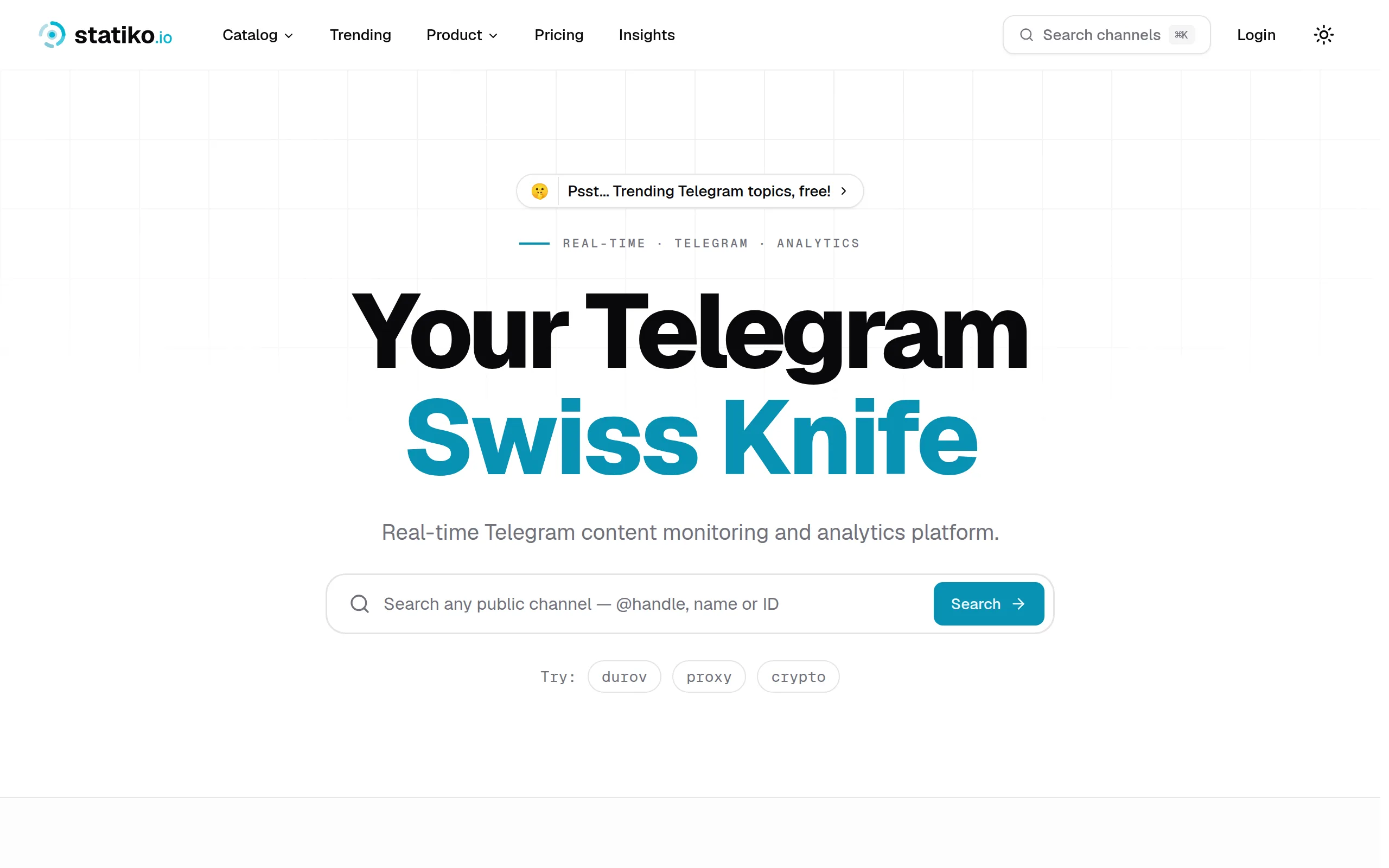
Statiko
Monitor any Telegram channel in real time - track posts, edits, deletions, and growth with AI recaps 📡

Shibui
AI website builder - describe your business, pick a niche template, edit by chatting, and publish instantly ✨

Pro Service
Find verified home service professionals, compare quotes, and pay securely through escrow - built for Brazilians across the US 🏠
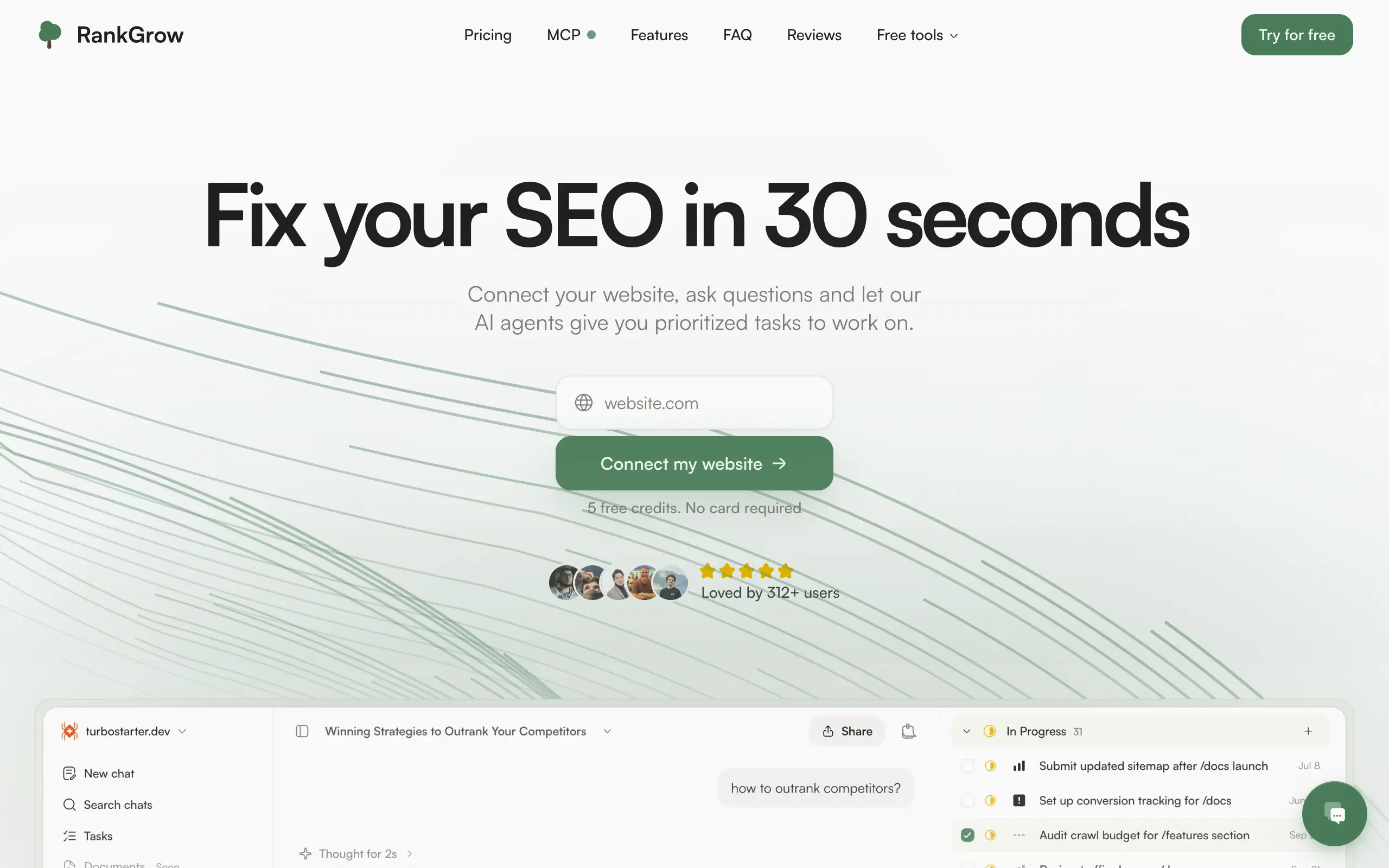
RankGrow
Fix your SEO with AI agents - connect Search Console, get prioritized tasks, and grow organic traffic 📈
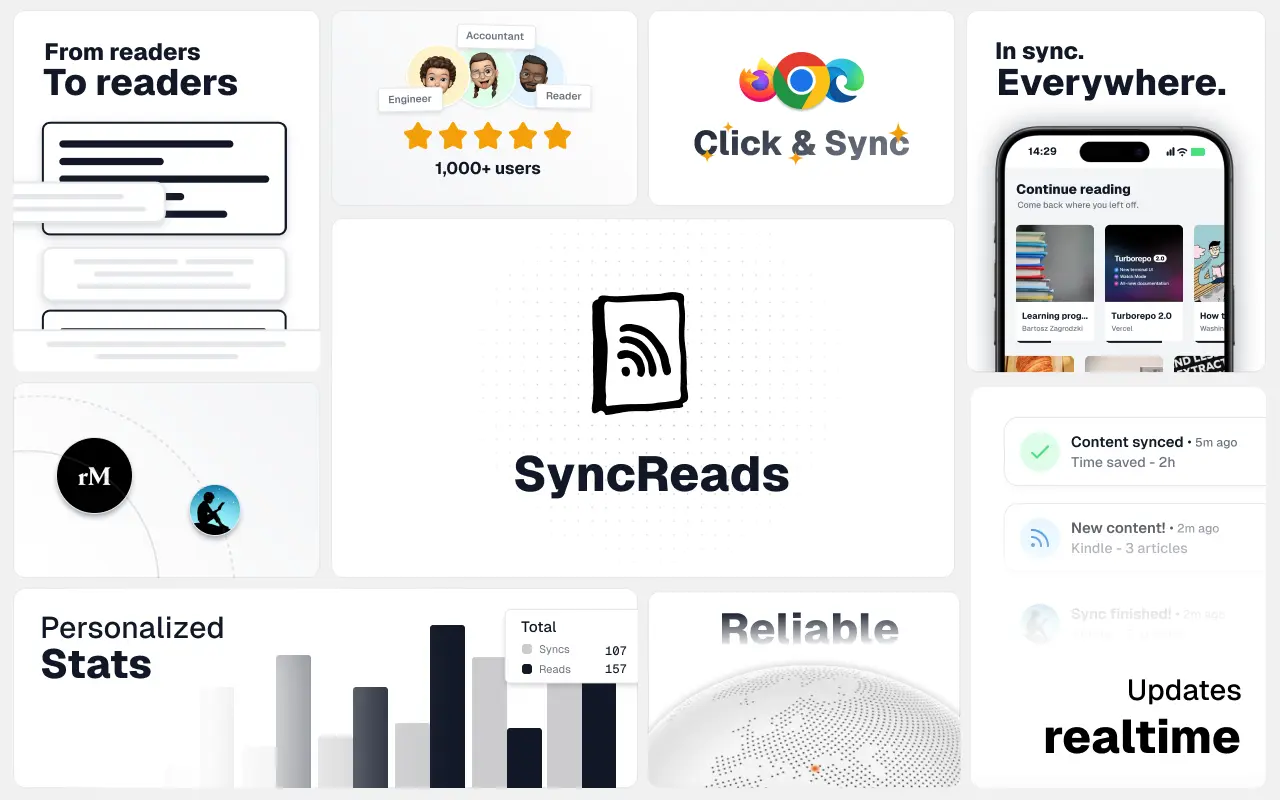
SyncReads
Sync your favorite content for distraction-free reading, save time and replace multiple apps. Anytime, anywhere 🔄
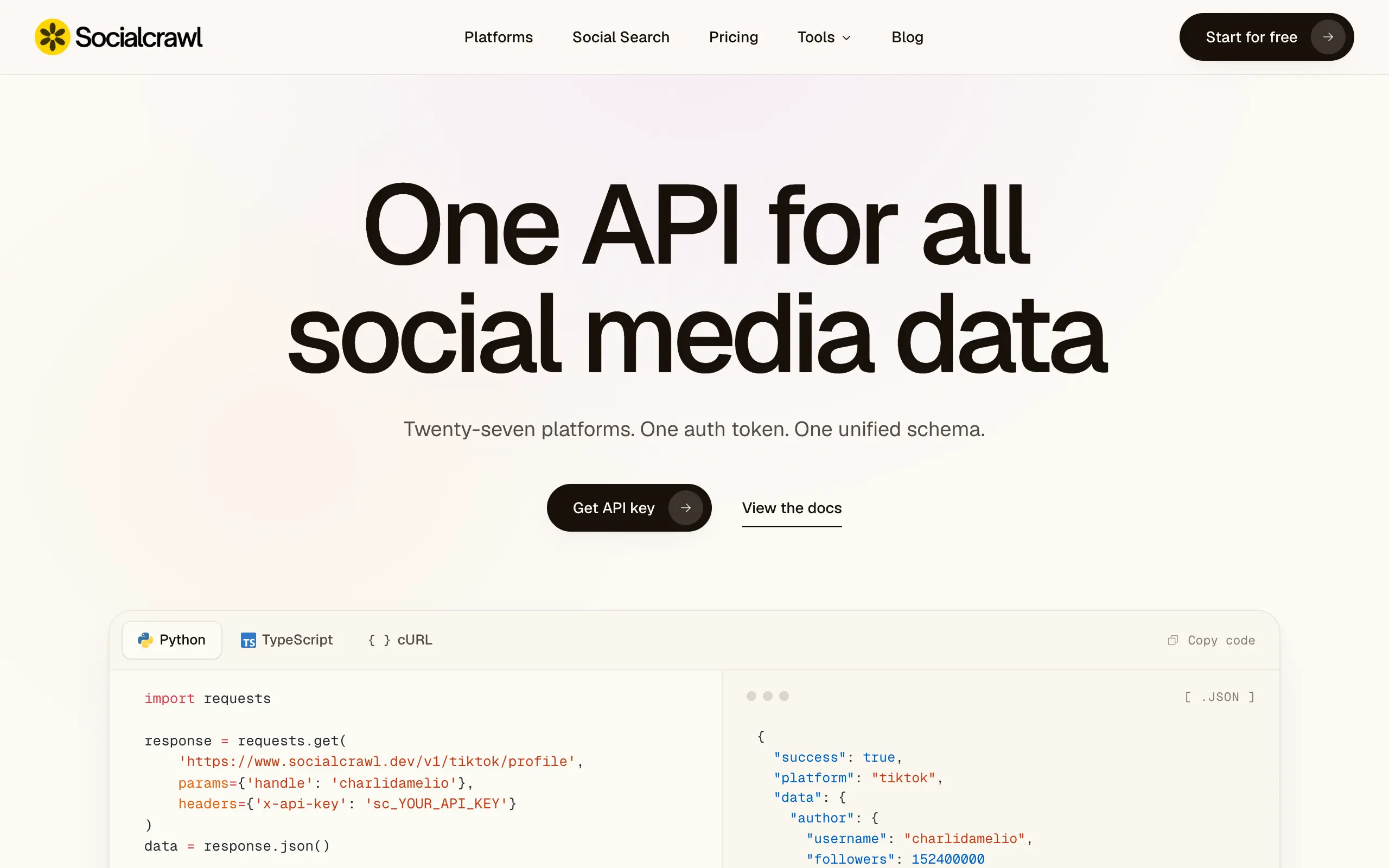
Socialcrawl
Get clean, structured data from 21 platforms like TikTok, Instagram, and YouTube with a single request 📊
Statiko
Monitor any Telegram channel in real time - track posts, edits, deletions, and growth with AI recaps 📡
Shibui
AI website builder - describe your business, pick a niche template, edit by chatting, and publish instantly ✨
Pro Service
Find verified home service professionals, compare quotes, and pay securely through escrow - built for Brazilians across the US 🏠
RankGrow
Fix your SEO with AI agents - connect Search Console, get prioritized tasks, and grow organic traffic 📈
SyncReads
Sync your favorite content for distraction-free reading, save time and replace multiple apps. Anytime, anywhere 🔄
Socialcrawl
Get clean, structured data from 21 platforms like TikTok, Instagram, and YouTube with a single request 📊
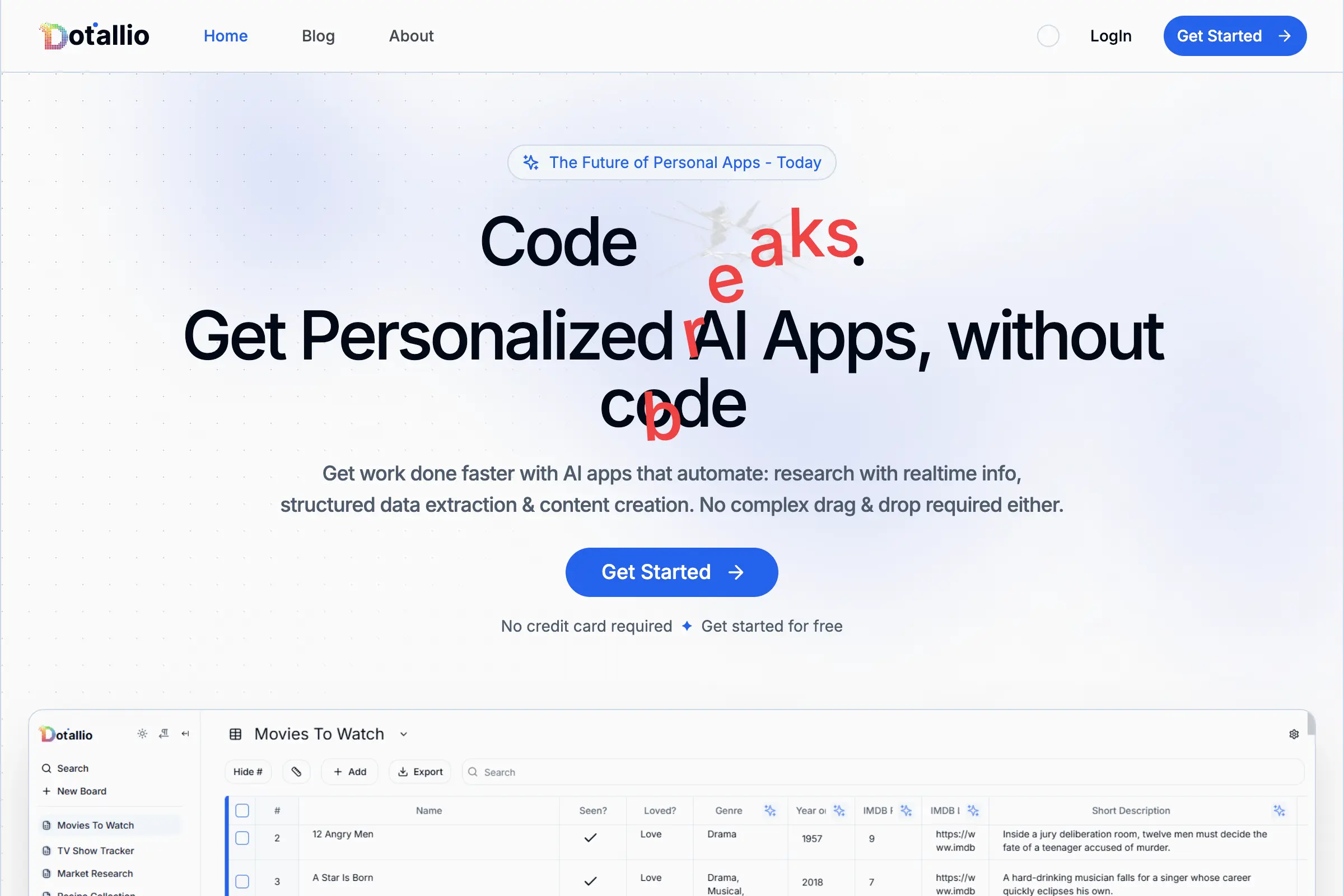
Dotallio
Personalized AI apps that automate research, data extraction, and content creation without code 🤖

Talk to Santa
Enjoy a magical live video chat or receive a unique AI-generated video greeting from Santa Claus 🎅

pozywka.pl
Scalable blog for food journalist, focused on performance and user experience 🌭
zagrodzki.me
Personal blog and portfolio of Bart Zagrodzki, where he shares his knowledge and work 💼
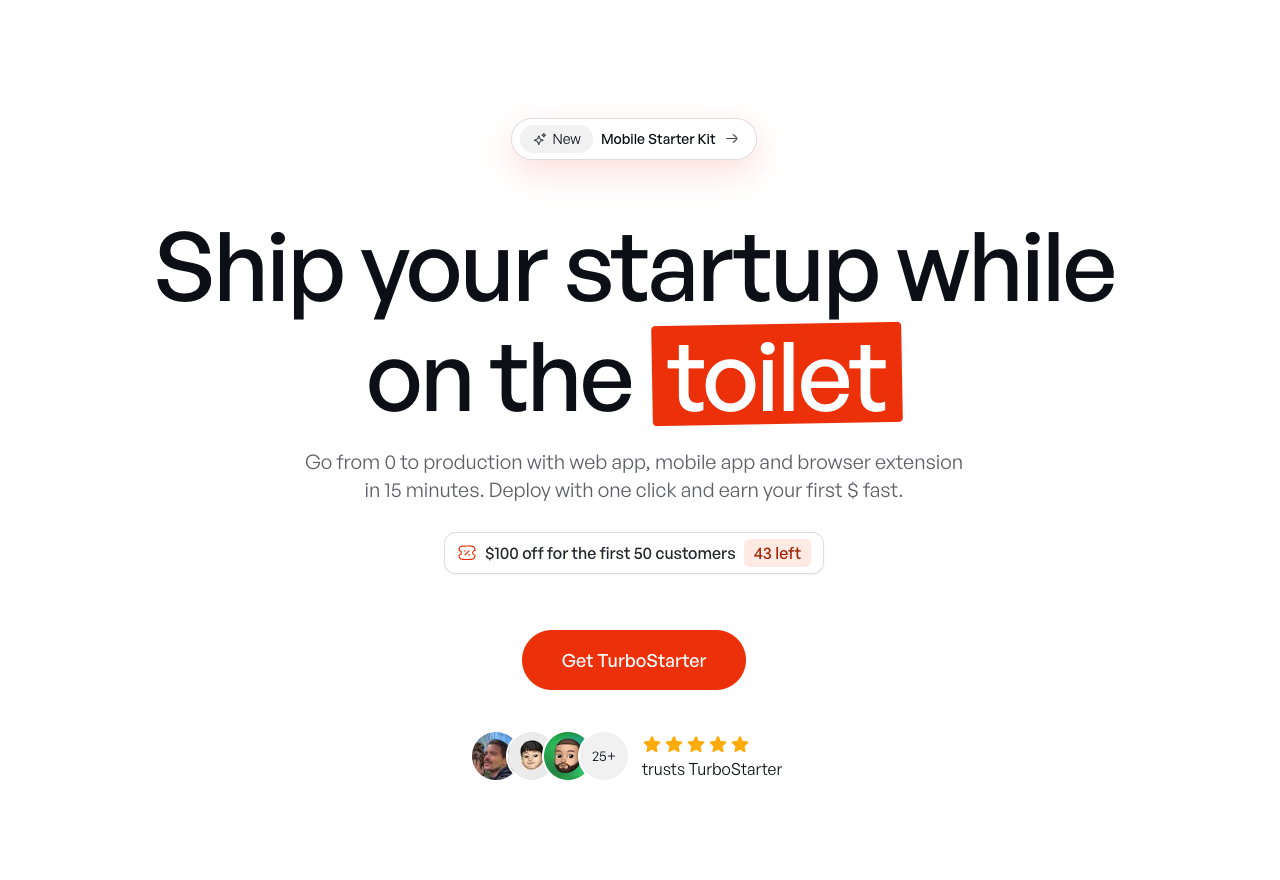
TurboStarter
Ship your startup everywhere. In minutes.
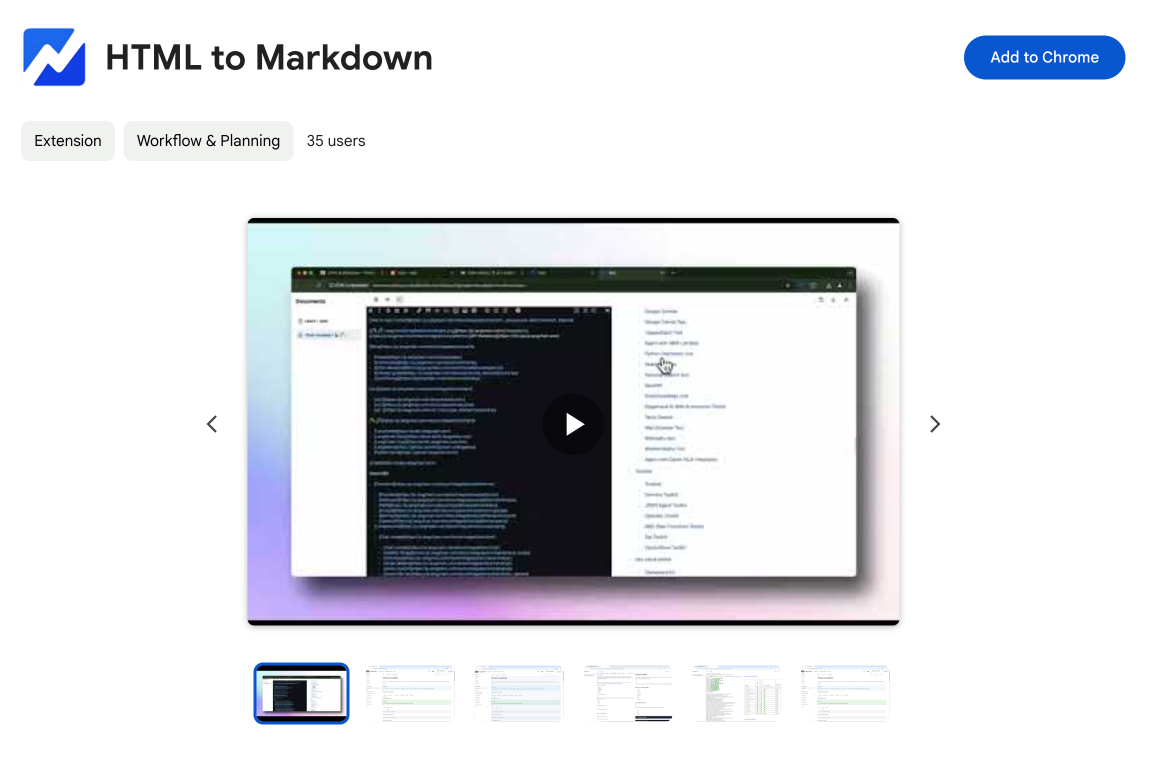
HTML to Markdown
Convert HTML to Markdown with ease, directly in your browser 📄
Dotallio
Personalized AI apps that automate research, data extraction, and content creation without code 🤖
Talk to Santa
Enjoy a magical live video chat or receive a unique AI-generated video greeting from Santa Claus 🎅
pozywka.pl
Scalable blog for food journalist, focused on performance and user experience 🌭
zagrodzki.me
Personal blog and portfolio of Bart Zagrodzki, where he shares his knowledge and work 💼
TurboStarter
Ship your startup everywhere. In minutes.
HTML to Markdown
Convert HTML to Markdown with ease, directly in your browser 📄
Omichat
Chat with 50+ AI models, including ChatGPT and Claude, in one place - switch models anytime without losing context 🤖
Claude Fast
Supercharge your Claude Code with 6x effective context window and specialized AI agents 🤖
EmojAI
AI-powered emoji picker with smart, context-aware suggestions 🤖
Solohacker
Autonomous company launcher - AI agents work 24/7, escalate what matters, and you stay in control 🤖
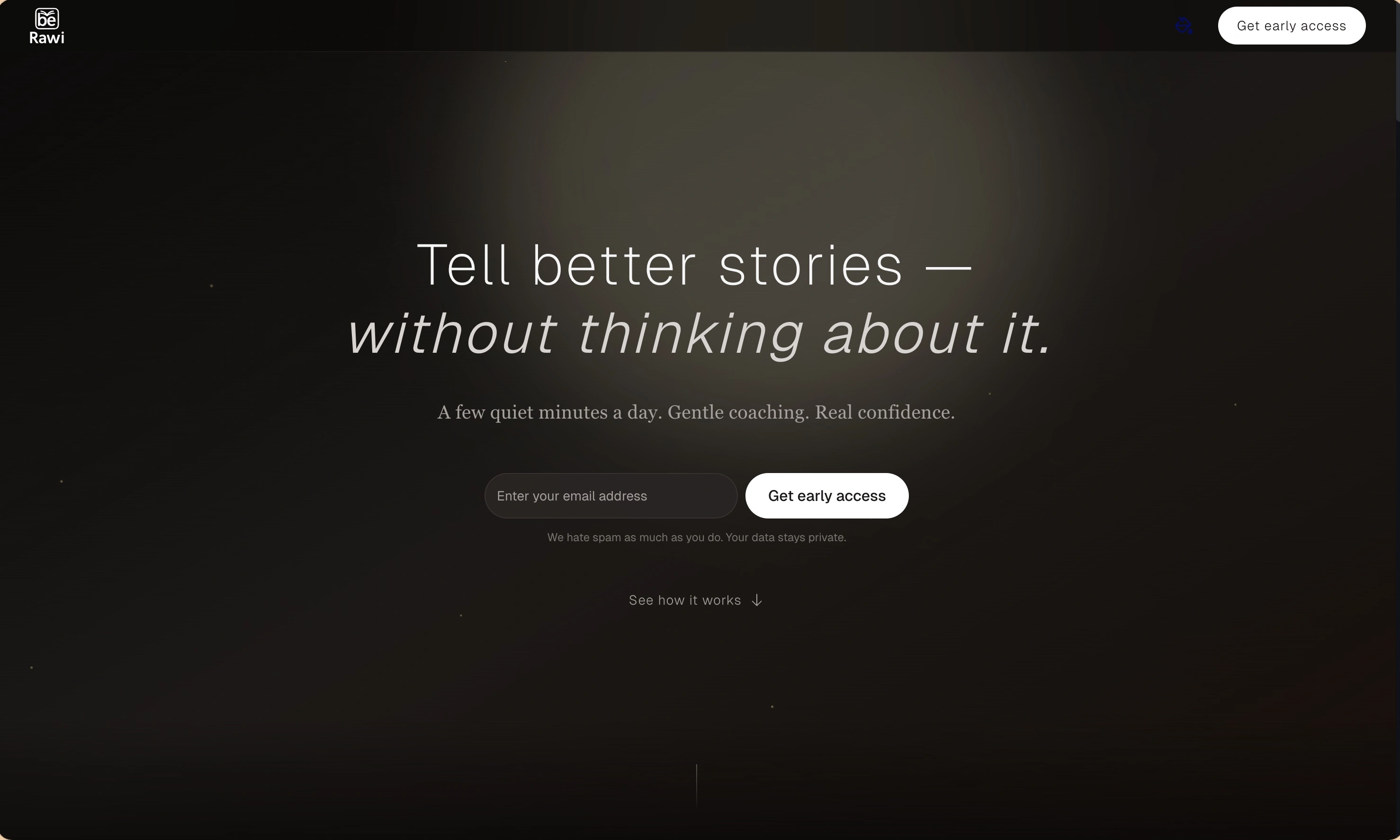
BeRawi: Storytelling Coach
Practice storytelling daily with instant feedback to sound clearer, more engaging, and confident 🎤
Omichat
Chat with 50+ AI models, including ChatGPT and Claude, in one place - switch models anytime without losing context 🤖
Claude Fast
Supercharge your Claude Code with 6x effective context window and specialized AI agents 🤖
EmojAI
AI-powered emoji picker with smart, context-aware suggestions 🤖
Solohacker
Autonomous company launcher - AI agents work 24/7, escalate what matters, and you stay in control 🤖
BeRawi: Storytelling Coach
Practice storytelling daily with instant feedback to sound clearer, more engaging, and confident 🎤

Connect with like-minded people
Join our community to get feedback, support, and grow together with 1,000+ builders on board, let's ship it!
Join usShip your startup everywhere. In minutes.
Don't burn tokens on setup and start building features on day one.