SkillMatch Maghreb
A talent matching platform focused on Tunisia’s informal and freelance workforce, linking skilled workers with SMEs needing flexible, verified labor.
Why a talent matching platform for Tunisia’s informal workforce matters now
Tunisia—and the broader Maghreb region—has a vibrant, highly skilled workforce operating largely outside formal employment systems. From electricians and mechanics to freelance designers and developers, a significant portion of economic activity happens informally. While this flexibility fuels entrepreneurship, it also creates friction: businesses struggle to find reliable talent, and workers lack visibility, stability, and trust signals.
A platform like SkillMatch Maghreb directly addresses this inefficiency by creating a structured, verified, and scalable marketplace for skilled labor. At its core, this is a localized talent matching platform tailored to the realities of Tunisia’s informal economy.
This article explores the full opportunity—from market dynamics and product design to monetization, risks, and implementation.
Understanding the target audience
Two-sided marketplace dynamics
SkillMatch Maghreb operates as a two-sided platform, serving:
- Supply side: informal workers, freelancers, and tradespeople
- Demand side: SMEs, startups, and local businesses needing flexible labor
Each side has distinct needs and motivations.
Worker personas (supply side)
-
Skilled tradespeople
- Electricians, plumbers, carpenters, mechanics
- Often rely on word-of-mouth referrals
- Limited digital presence
-
Freelancers
- Designers, developers, marketers
- Already somewhat digital but lack consistent leads
- Compete globally but prefer local clients
-
Gig workers transitioning to formalization
- Interested in building reputation and steady income
- Need trust signals and payment security
Key pain points:
- No centralized platform for local jobs
- Difficulty proving credibility
- Payment uncertainty
- Inconsistent work flow
SME and business personas (demand side)
-
Small business owners
- Need quick, affordable labor
- Lack HR infrastructure
-
Startups
- Require flexible, project-based talent
- Prefer local, culturally aligned workers
-
Agencies and contractors
- Need overflow capacity
- Require verified and reliable workers
Key pain points:
- Difficulty finding trusted workers quickly
- No standardized vetting system
- Risk of poor quality or no-shows
- Fragmented communication channels
Market opportunity and gap analysis
The informal economy in Tunisia
According to global economic studies (e.g., World Bank reports), informal employment can account for 30–50%+ of total employment in North African economies. Tunisia is no exception.
This creates a massive untapped digital marketplace.
Key insight
The opportunity is not to replace the informal economy—but to organize and enhance it with trust, visibility, and efficiency.
Existing solutions and their limitations
Let’s examine the current landscape:
| Platform | Local focus | Verification | Offline integration | Trust system |
|---|---|---|---|---|
| Facebook groups | ✅ | ❌ | ✅ | ❌ |
| Upwork/Fiverr | ❌ | ✅ | ❌ | ✅ |
| ❌ | ✅ | ❌ | ✅ | |
| Local classifieds | ✅ | ❌ | ✅ | ❌ |
The gap SkillMatch Maghreb fills
SkillMatch Maghreb sits at the intersection of:
- Local relevance
- Worker verification
- Digital trust systems
- Informal-to-formal transition
Unique positioning:
- Built specifically for Tunisia and Maghreb markets
- Mobile-first for accessibility
- Designed for both digital and non-digital users
Core product features and solution design
1. Worker profiles with trust signals
Each worker profile should include:
- Verified identity (ID or phone verification)
- Skill categories and certifications
- Portfolio or past work
- Ratings and reviews
- Completed job history
This transforms informal workers into trusted service providers.
2. Smart matching engine
A key differentiator is intelligent matching:
- Location-based recommendations
- Skill-based filtering
- Availability matching
- Budget alignment
function matchWorkerToJob(worker, job) {
  const score = (
    worker.skills.includes(job.requiredSkill) * 0.4 +
    (worker.location === job.location ? 1 : 0) * 0.3 +
    (worker.rating / 5) * 0.2 +
    (worker.availability === job.schedule ? 1 : 0) * 0.1
  );
  return score;
}
3. Booking and scheduling system
- Real-time availability
- Instant booking or request-based hiring
- Calendar integration
This reduces friction and speeds up hiring.
4. Secure payment system
- Escrow payments
- Mobile wallet integration
- Partial payments for milestones
This is critical for trust.
5. Review and reputation system
- Star ratings
- Written reviews
- Repeat hire tracking
Reputation becomes a portable asset for workers.
6. Offline accessibility features
- SMS notifications
- Lightweight mobile app
- Multilingual interface (Arabic, French)
7. SME dashboard
Businesses get:
- Talent search tools
- Job posting system
- Hiring analytics
- Budget tracking
Recommended tech stack (with trade-offs)
Frontend
Why:
- Fast development
- SEO-friendly rendering
- Mobile-first design
Trade-off:
- Requires experienced developers
Backend
- Node.js with NestJS or Express
- PostgreSQL for structured data
- Redis for caching
Alternative:
- Firebase for faster MVP
Trade-off:
- Firebase scales quickly but can become expensive
Matching & search
- Elasticsearch or Algolia
Why:
- Fast filtering
- Scalable search
Payments
- Stripe (if supported) or local payment APIs
- Mobile wallet integrations
Infrastructure
- Vercel or AWS
- CDN for performance
Rapid development option
Using a SaaS starter kit like TurboStarter can accelerate development by providing:
- Authentication
- Billing systems
- UI components
- API scaffolding
Monetization strategies
1. Commission-based model
- Take 5–15% per transaction
Pros:
- Scales with usage
- Low barrier to entry
Cons:
- Requires strong liquidity
2. Subscription plans for businesses
- Monthly access to talent pool
- Premium features (priority hiring, analytics)
3. Featured listings
- Workers pay to boost visibility
- SMEs pay to highlight job posts
4. Verification fees
- Paid identity or skill verification
- Adds trust and revenue
5. Financial services upsell
- Microloans
- Insurance
- Income smoothing tools
Competitive advantage
SkillMatch Maghreb’s moat comes from localization + trust infrastructure.
Hyper-local focus
Built specifically for Tunisia’s economic and cultural context.
Trust layer
Verification, ratings, and payment protection reduce risk.
Offline-first design
Accessible to users without constant internet access.
Network effects
More workers attract more SMEs—and vice versa.
Potential risks and mitigation strategies
1. Liquidity problem (cold start)
Risk: Not enough users on either side
Mitigation:
- Start with one city (e.g., Tunis)
- Focus on one vertical (e.g., home services)
- Use manual matching initially
2. Trust issues
Risk: Fraud or low-quality workers
Mitigation:
- Verification system
- Escrow payments
- Review system
3. Cultural resistance
Risk: Informal workers resist digital tools
Mitigation:
- Simple UX
- WhatsApp integration
- Local ambassadors
4. Payment infrastructure limitations
Risk: Limited digital payment adoption
Mitigation:
- Cash + digital hybrid model
- Mobile wallet partnerships
5. Competition from global platforms
Risk: Fiverr, Upwork expansion
Mitigation:
- Focus on local services
- Offer offline integration
Step-by-step implementation roadmap
Go-to-market strategy
1. Supply-first acquisition
- Recruit workers via:
- Local communities
- Trade associations
- Facebook groups
2. Demand generation
- Partner with SMEs
- Offer free trials
- Use referral incentives
3. Community building
- Local events
- Workshops
- Success stories
SEO strategy for growth
To rank for terms like:
- “find freelance workers Tunisia”
- “hire skilled labor Tunisia”
- “freelance platform Maghreb”
Focus on:
- Location-based landing pages
- Worker profile indexing
- Blog content (guides, case studies)
Future expansion opportunities
Geographic expansion
- Morocco
- Algeria
- Egypt
Vertical expansion
- Healthcare staffing
- Construction labor
- Creative freelancers
AI-powered features
- Skill assessment
- Job recommendations
- Pricing suggestions
Frequently asked questions
It focuses on local, informal workers and integrates offline realities like cash payments and SMS communication.
Yes—if the platform is simple, mobile-first, and offers clear value like more jobs and secure payments.
Achieving marketplace liquidity—ensuring enough workers and employers are active simultaneously.
Final thoughts and actionable next steps
SkillMatch Maghreb isn’t just another freelance platform—it’s a digital infrastructure layer for an underserved economy. By formalizing trust without removing flexibility, it unlocks massive economic potential.
If you’re building this:
- Start small and focused
- Prioritize trust over features
- Design for real-world constraints
- Build community, not just software
The opportunity is both commercially viable and socially impactful.
More 💡 Other SaaS ideas
Discover more innovative other SaaS ideas that are trending in 2026. Each idea is AI-generated with market validation and growth potential to help you find your next profitable venture faster than competitors.
Your competitors are building with TurboStarter
Below are some of the SaaS ideas that have been generated and built with our starter kit.
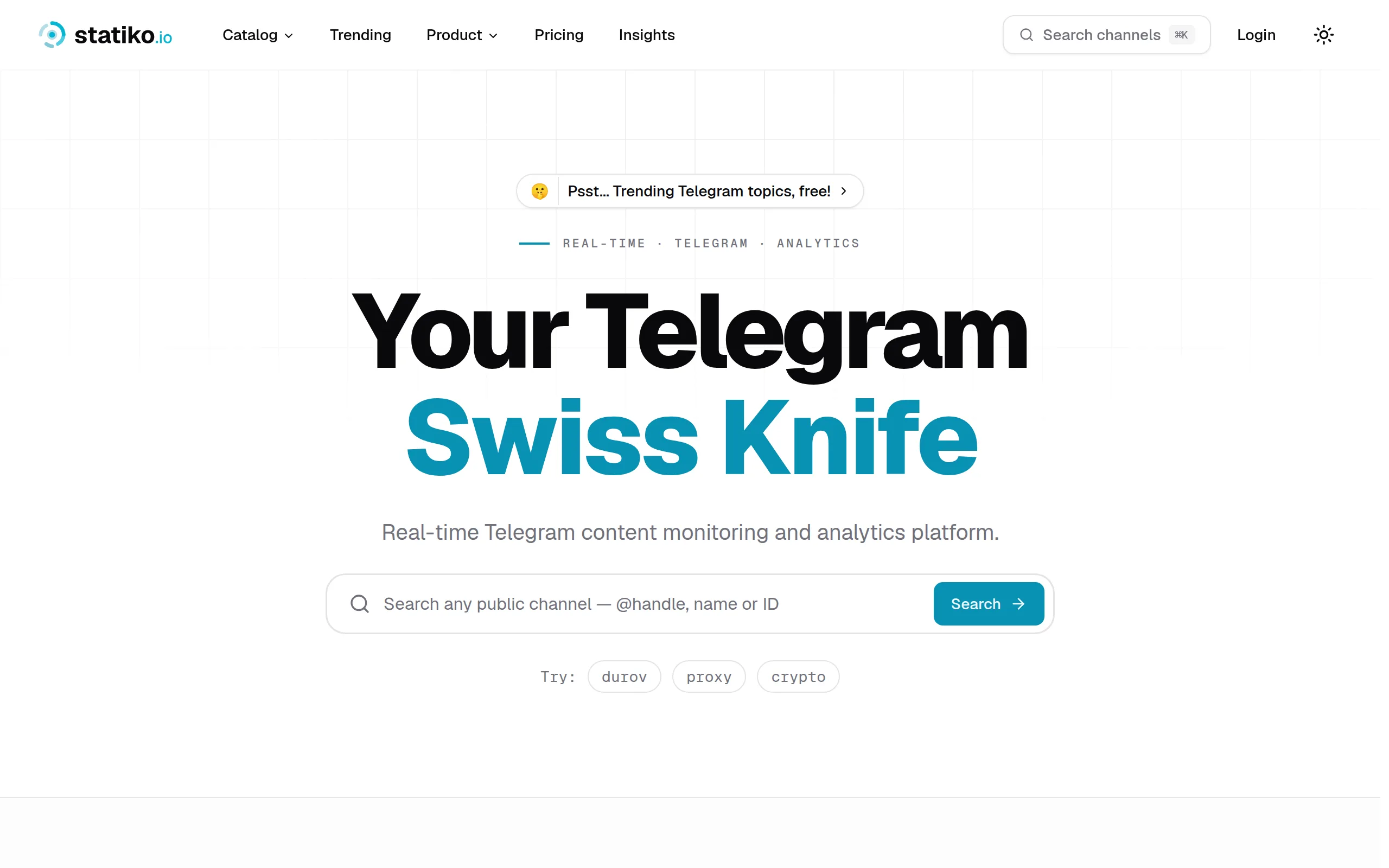
Statiko
Monitor any Telegram channel in real time - track posts, edits, deletions, and growth with AI recaps 📡

Shibui
AI website builder - describe your business, pick a niche template, edit by chatting, and publish instantly ✨

Pro Service
Find verified home service professionals, compare quotes, and pay securely through escrow - built for Brazilians across the US 🏠
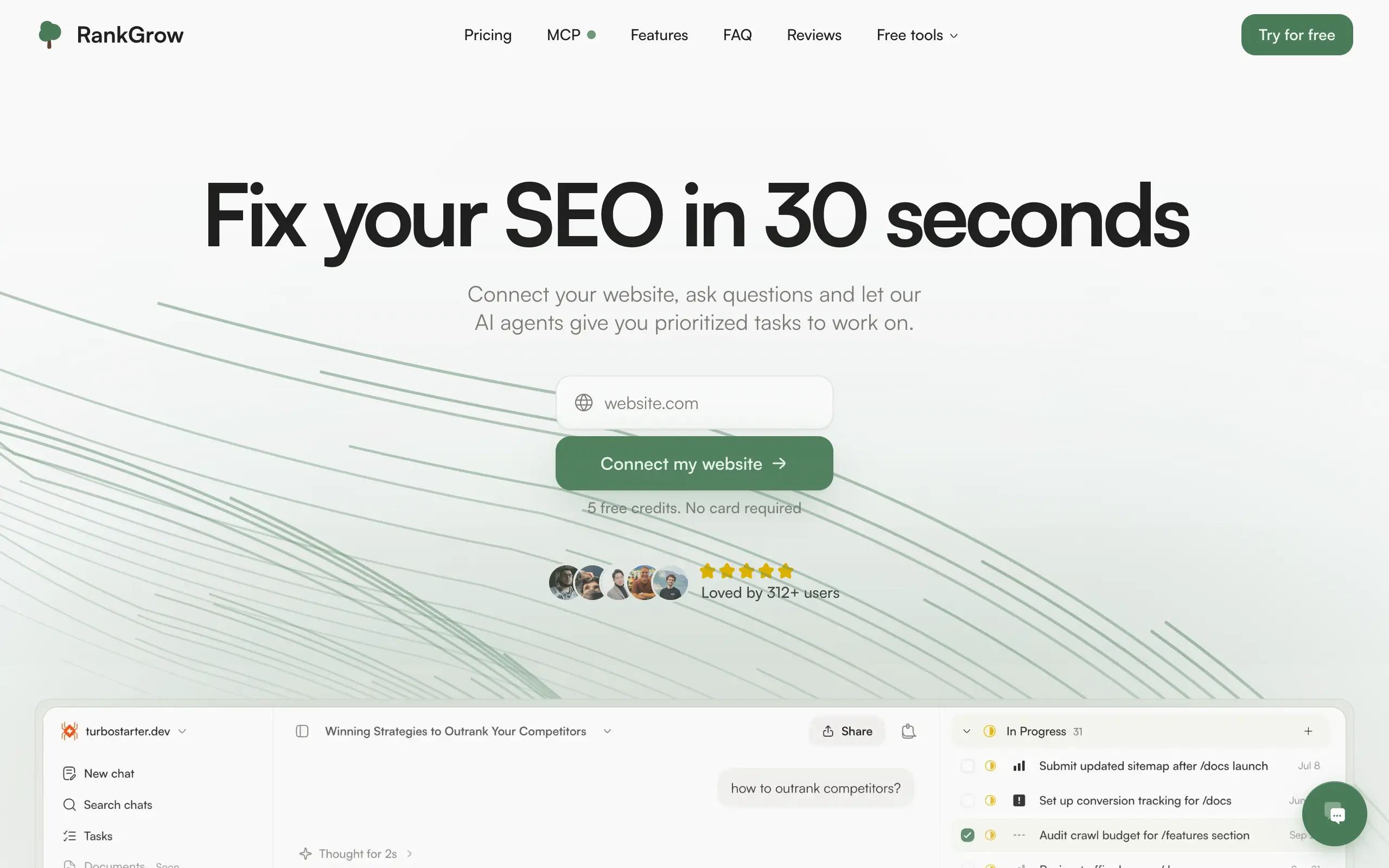
RankGrow
Fix your SEO with AI agents - connect Search Console, get prioritized tasks, and grow organic traffic 📈
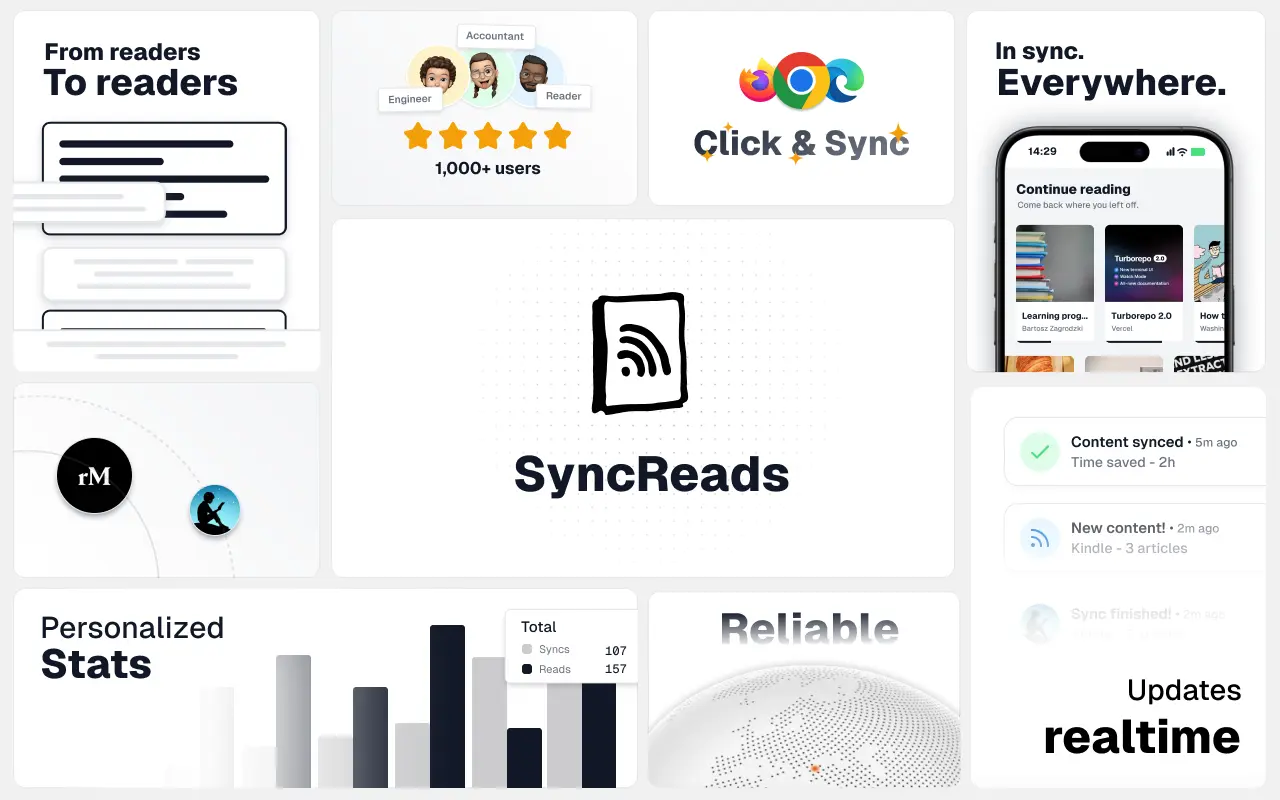
SyncReads
Sync your favorite content for distraction-free reading, save time and replace multiple apps. Anytime, anywhere 🔄
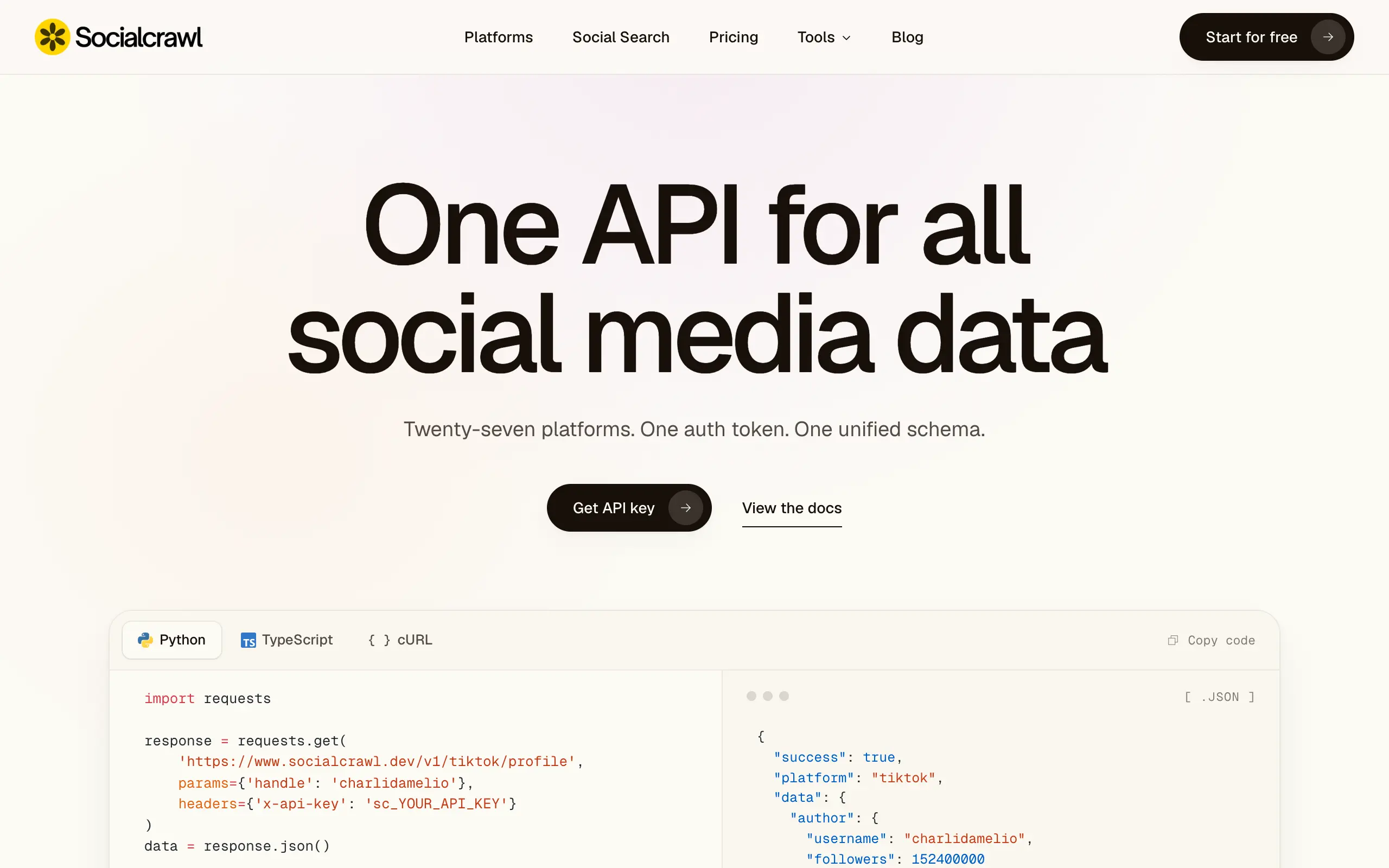
Socialcrawl
Get clean, structured data from 21 platforms like TikTok, Instagram, and YouTube with a single request 📊
Statiko
Monitor any Telegram channel in real time - track posts, edits, deletions, and growth with AI recaps 📡
Shibui
AI website builder - describe your business, pick a niche template, edit by chatting, and publish instantly ✨
Pro Service
Find verified home service professionals, compare quotes, and pay securely through escrow - built for Brazilians across the US 🏠
RankGrow
Fix your SEO with AI agents - connect Search Console, get prioritized tasks, and grow organic traffic 📈
SyncReads
Sync your favorite content for distraction-free reading, save time and replace multiple apps. Anytime, anywhere 🔄
Socialcrawl
Get clean, structured data from 21 platforms like TikTok, Instagram, and YouTube with a single request 📊
Statiko
Monitor any Telegram channel in real time - track posts, edits, deletions, and growth with AI recaps 📡
Shibui
AI website builder - describe your business, pick a niche template, edit by chatting, and publish instantly ✨
Pro Service
Find verified home service professionals, compare quotes, and pay securely through escrow - built for Brazilians across the US 🏠
RankGrow
Fix your SEO with AI agents - connect Search Console, get prioritized tasks, and grow organic traffic 📈
SyncReads
Sync your favorite content for distraction-free reading, save time and replace multiple apps. Anytime, anywhere 🔄
Socialcrawl
Get clean, structured data from 21 platforms like TikTok, Instagram, and YouTube with a single request 📊
Statiko
Monitor any Telegram channel in real time - track posts, edits, deletions, and growth with AI recaps 📡
Shibui
AI website builder - describe your business, pick a niche template, edit by chatting, and publish instantly ✨
Pro Service
Find verified home service professionals, compare quotes, and pay securely through escrow - built for Brazilians across the US 🏠
RankGrow
Fix your SEO with AI agents - connect Search Console, get prioritized tasks, and grow organic traffic 📈
SyncReads
Sync your favorite content for distraction-free reading, save time and replace multiple apps. Anytime, anywhere 🔄
Socialcrawl
Get clean, structured data from 21 platforms like TikTok, Instagram, and YouTube with a single request 📊
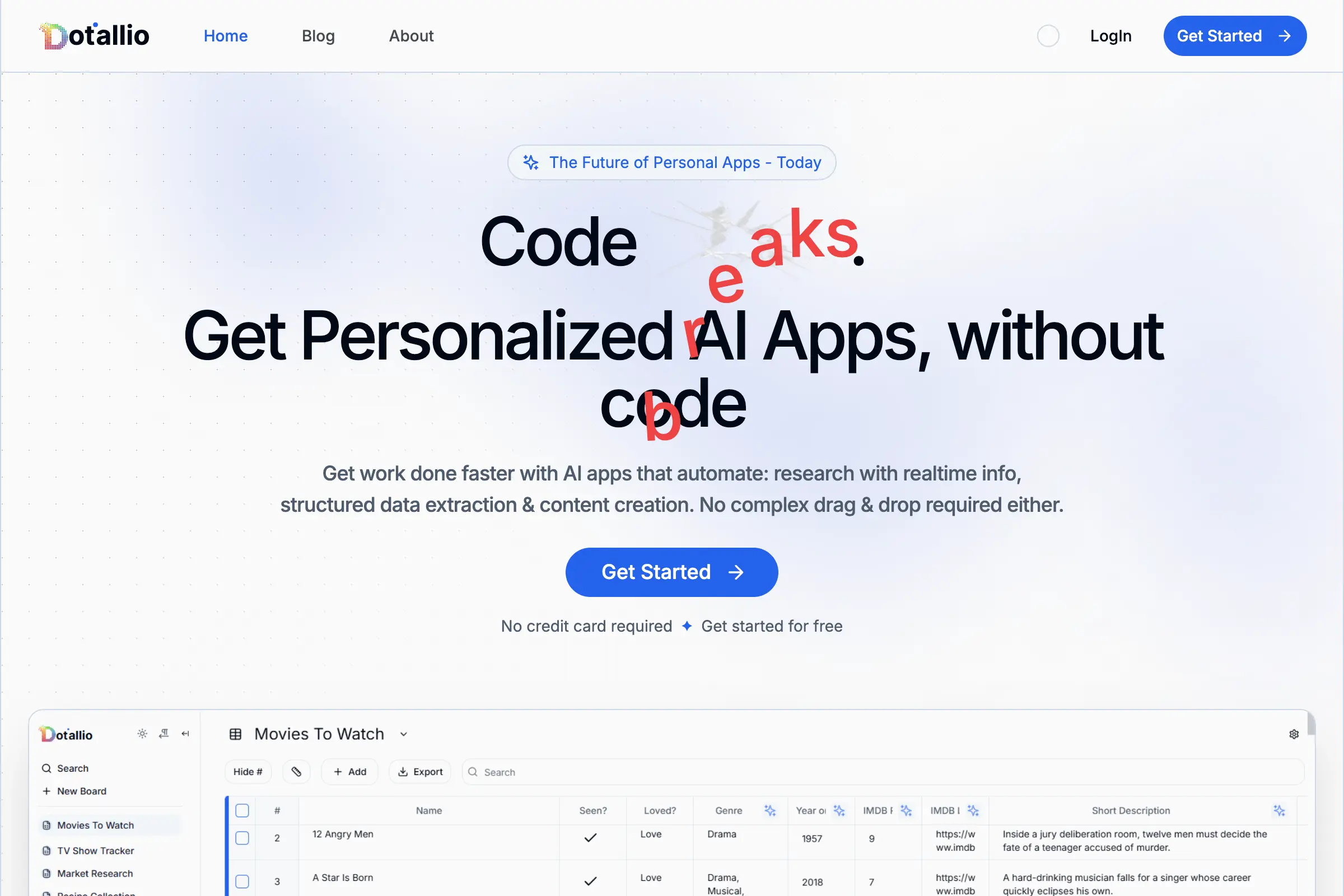
Dotallio
Personalized AI apps that automate research, data extraction, and content creation without code 🤖

Talk to Santa
Enjoy a magical live video chat or receive a unique AI-generated video greeting from Santa Claus 🎅
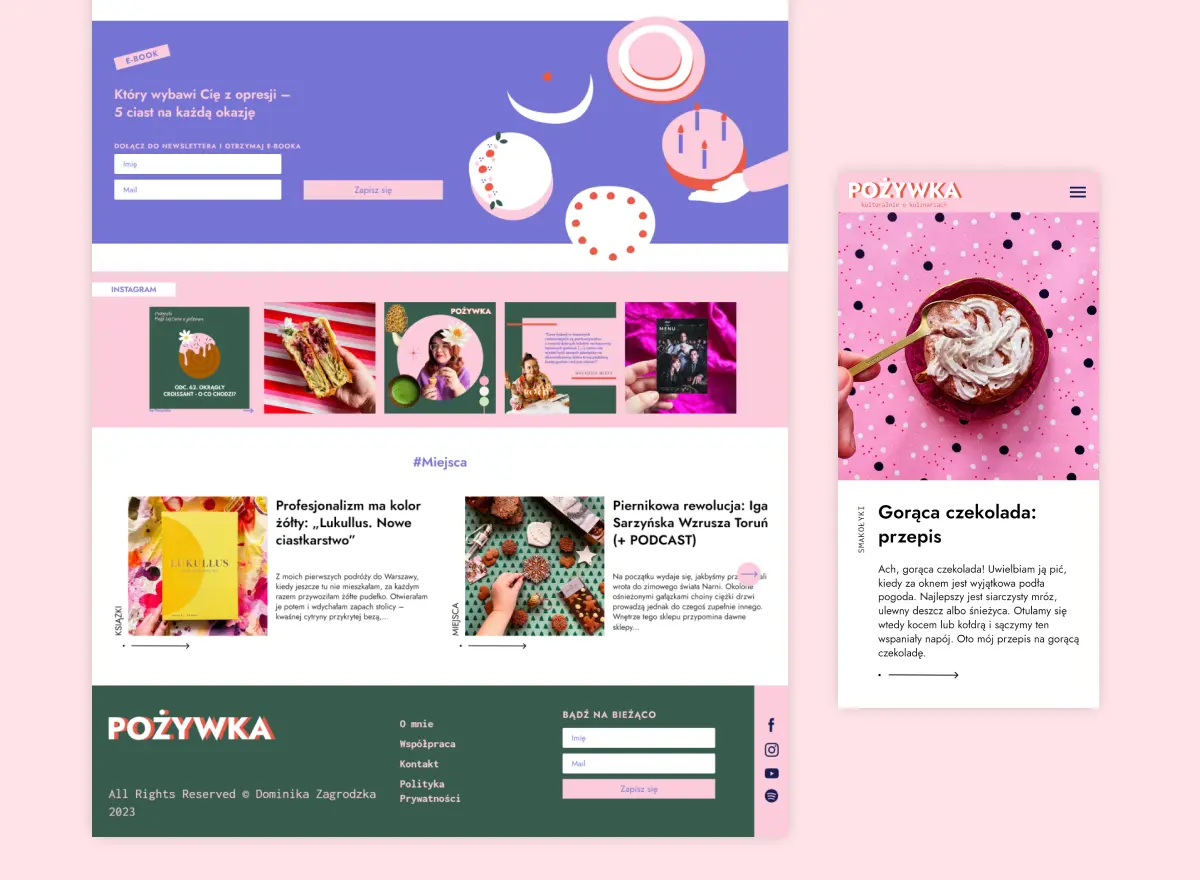
pozywka.pl
Scalable blog for food journalist, focused on performance and user experience 🌭
zagrodzki.me
Personal blog and portfolio of Bart Zagrodzki, where he shares his knowledge and work 💼
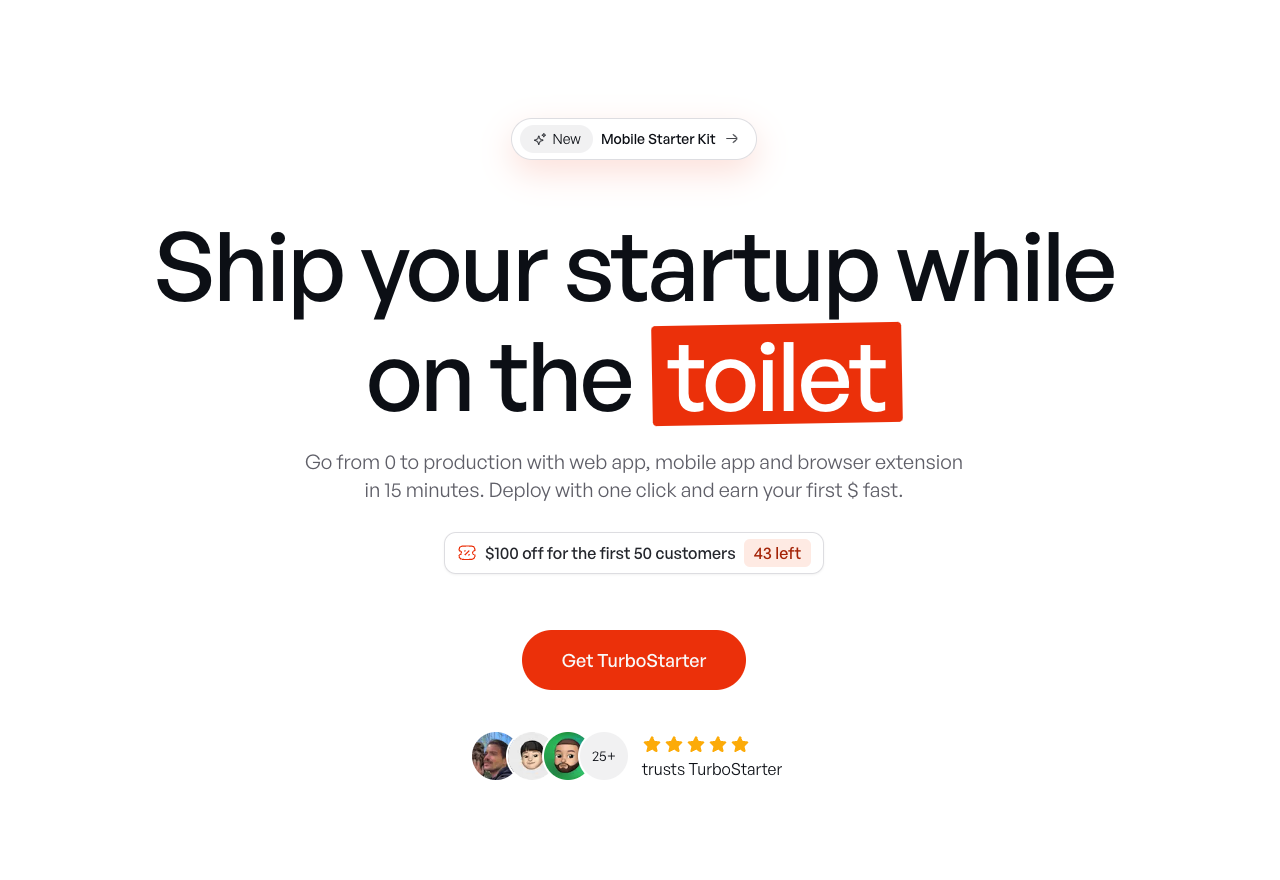
TurboStarter
Ship your startup everywhere. In minutes.
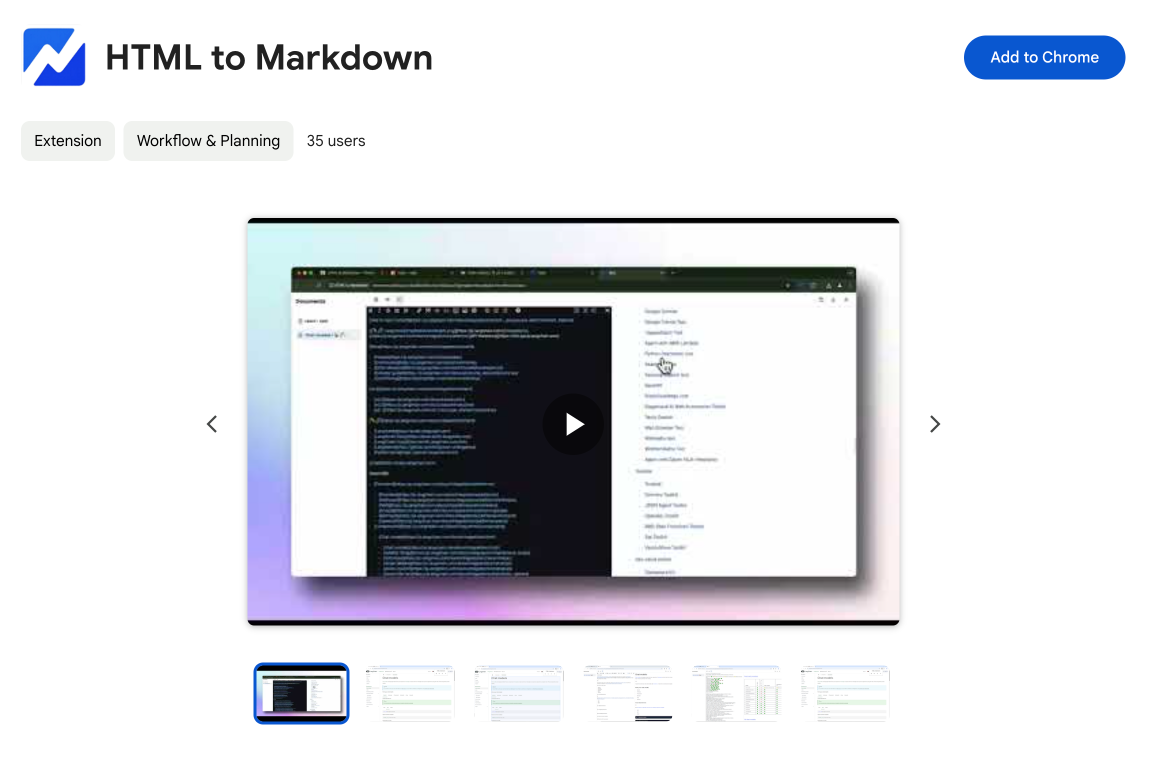
HTML to Markdown
Convert HTML to Markdown with ease, directly in your browser 📄
Dotallio
Personalized AI apps that automate research, data extraction, and content creation without code 🤖
Talk to Santa
Enjoy a magical live video chat or receive a unique AI-generated video greeting from Santa Claus 🎅
pozywka.pl
Scalable blog for food journalist, focused on performance and user experience 🌭
zagrodzki.me
Personal blog and portfolio of Bart Zagrodzki, where he shares his knowledge and work 💼
TurboStarter
Ship your startup everywhere. In minutes.
HTML to Markdown
Convert HTML to Markdown with ease, directly in your browser 📄
Dotallio
Personalized AI apps that automate research, data extraction, and content creation without code 🤖
Talk to Santa
Enjoy a magical live video chat or receive a unique AI-generated video greeting from Santa Claus 🎅
pozywka.pl
Scalable blog for food journalist, focused on performance and user experience 🌭
zagrodzki.me
Personal blog and portfolio of Bart Zagrodzki, where he shares his knowledge and work 💼
TurboStarter
Ship your startup everywhere. In minutes.
HTML to Markdown
Convert HTML to Markdown with ease, directly in your browser 📄
Dotallio
Personalized AI apps that automate research, data extraction, and content creation without code 🤖
Talk to Santa
Enjoy a magical live video chat or receive a unique AI-generated video greeting from Santa Claus 🎅
pozywka.pl
Scalable blog for food journalist, focused on performance and user experience 🌭
zagrodzki.me
Personal blog and portfolio of Bart Zagrodzki, where he shares his knowledge and work 💼
TurboStarter
Ship your startup everywhere. In minutes.
HTML to Markdown
Convert HTML to Markdown with ease, directly in your browser 📄
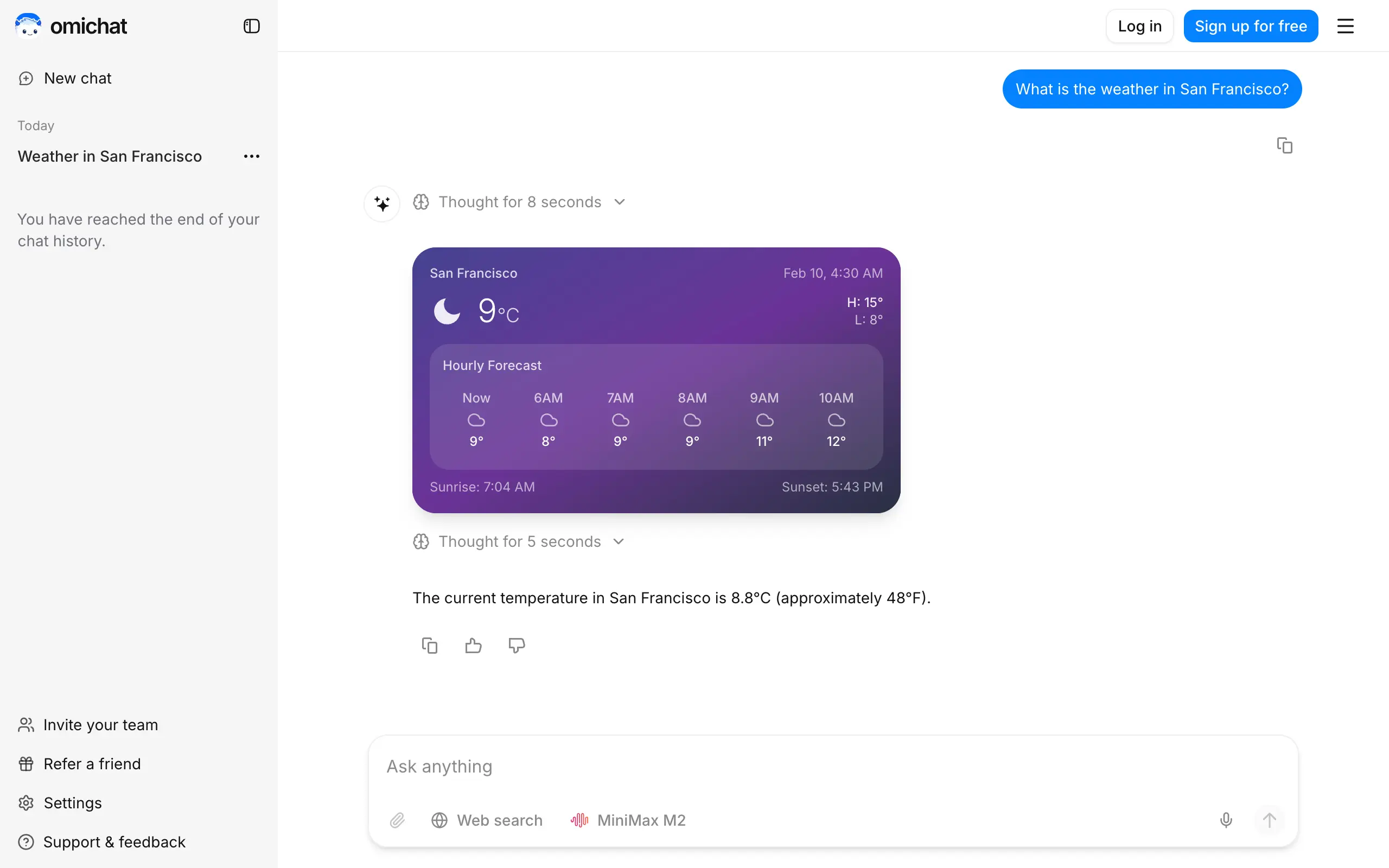
Omichat
Chat with 50+ AI models, including ChatGPT and Claude, in one place - switch models anytime without losing context 🤖
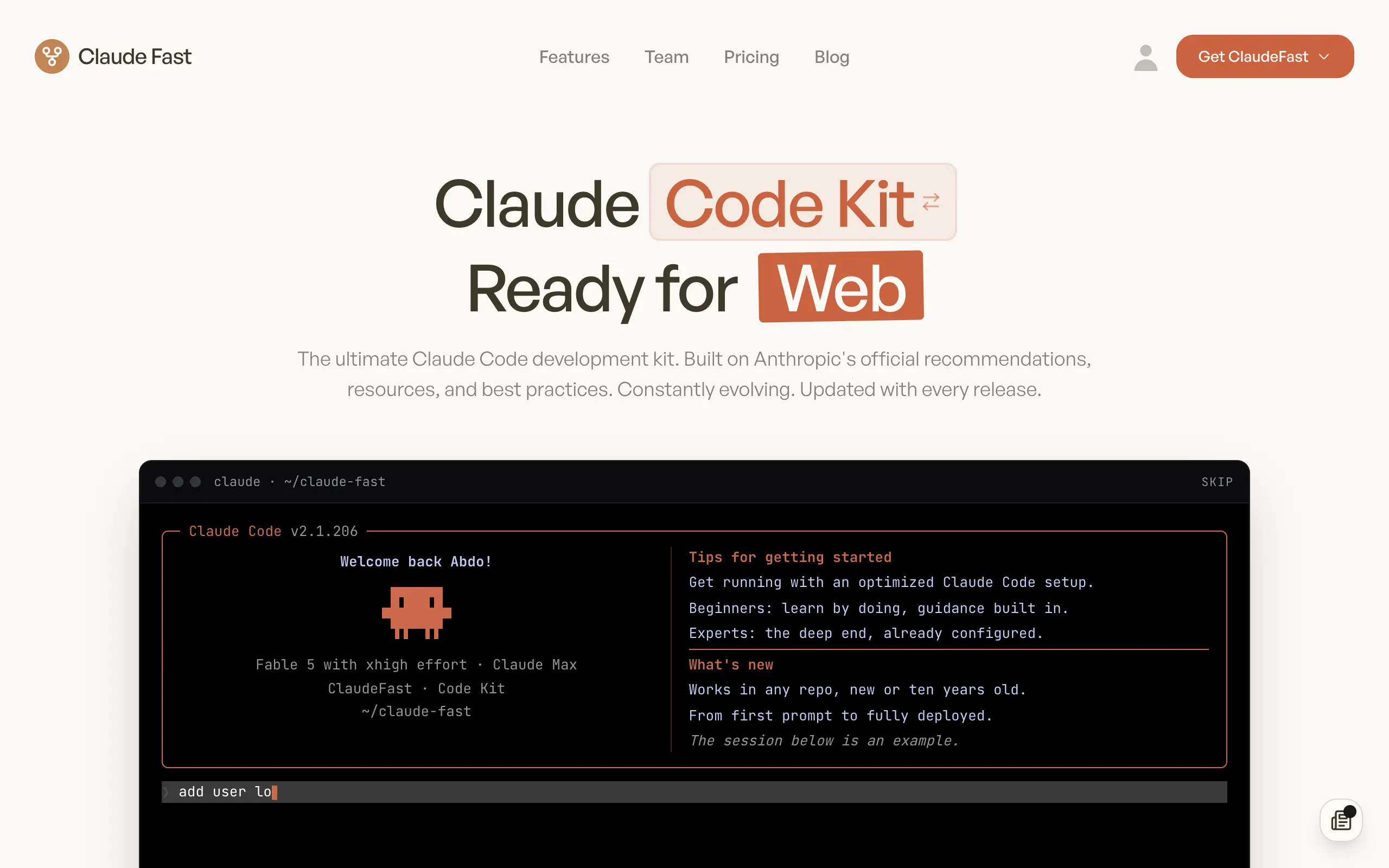
Claude Fast
Supercharge your Claude Code with 6x effective context window and specialized AI agents 🤖
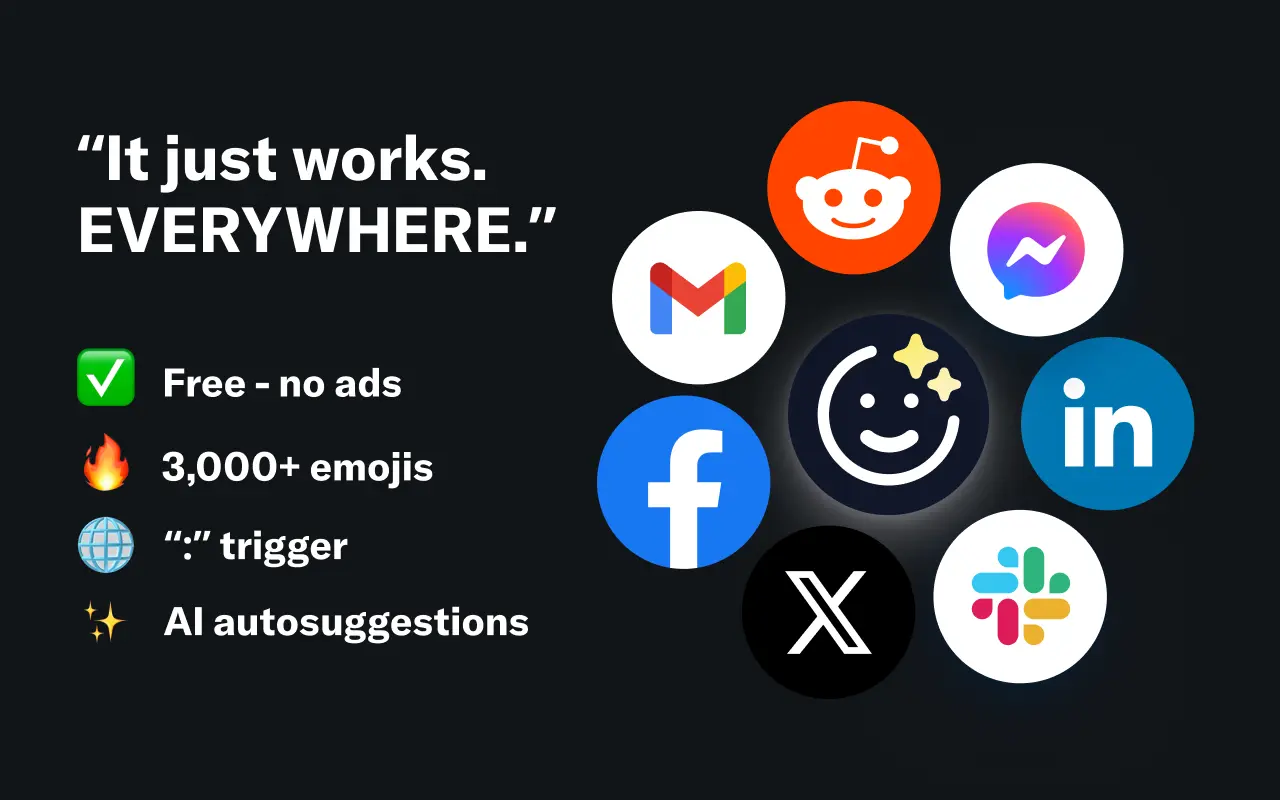
EmojAI
AI-powered emoji picker with smart, context-aware suggestions 🤖
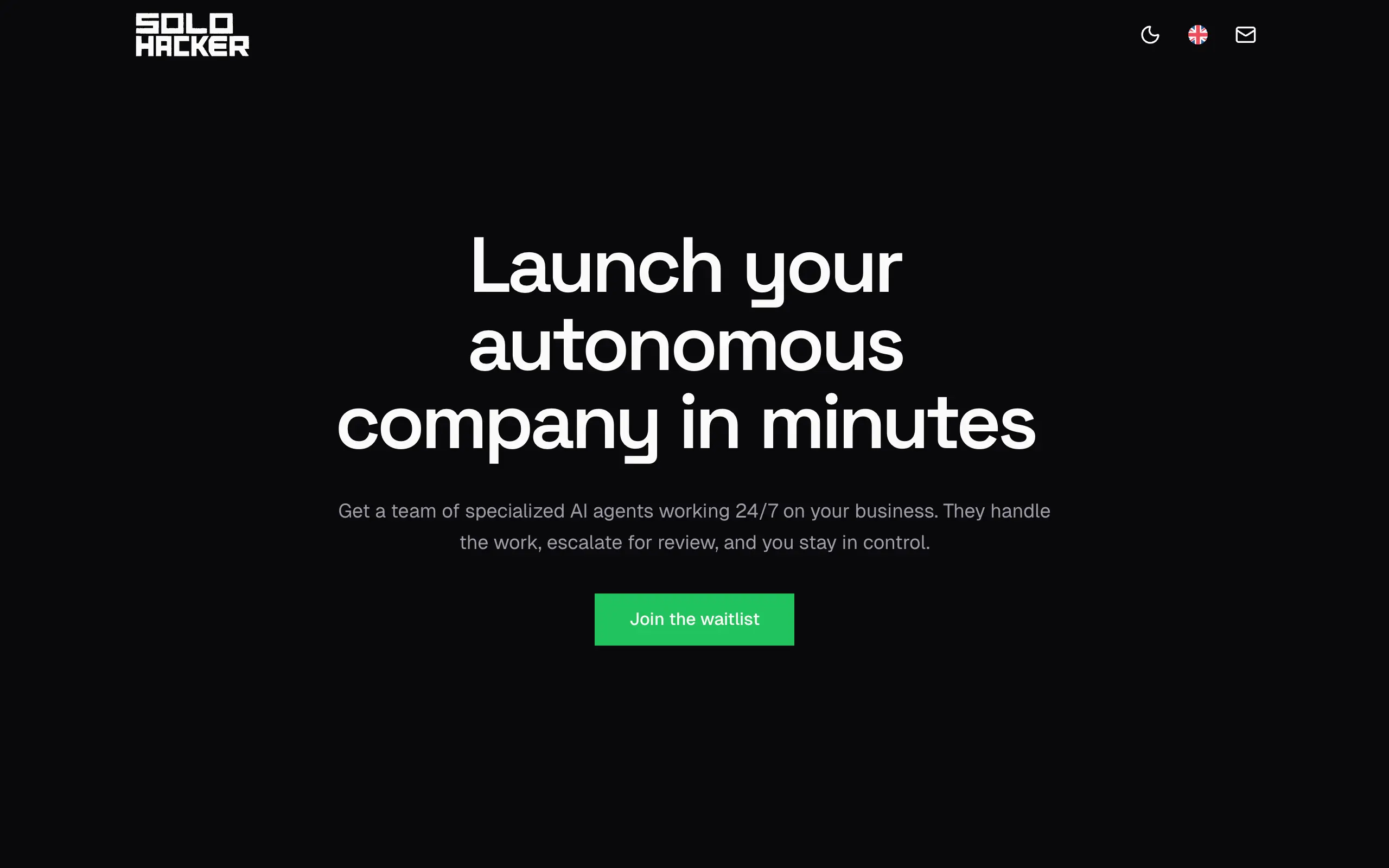
Solohacker
Autonomous company launcher - AI agents work 24/7, escalate what matters, and you stay in control 🤖
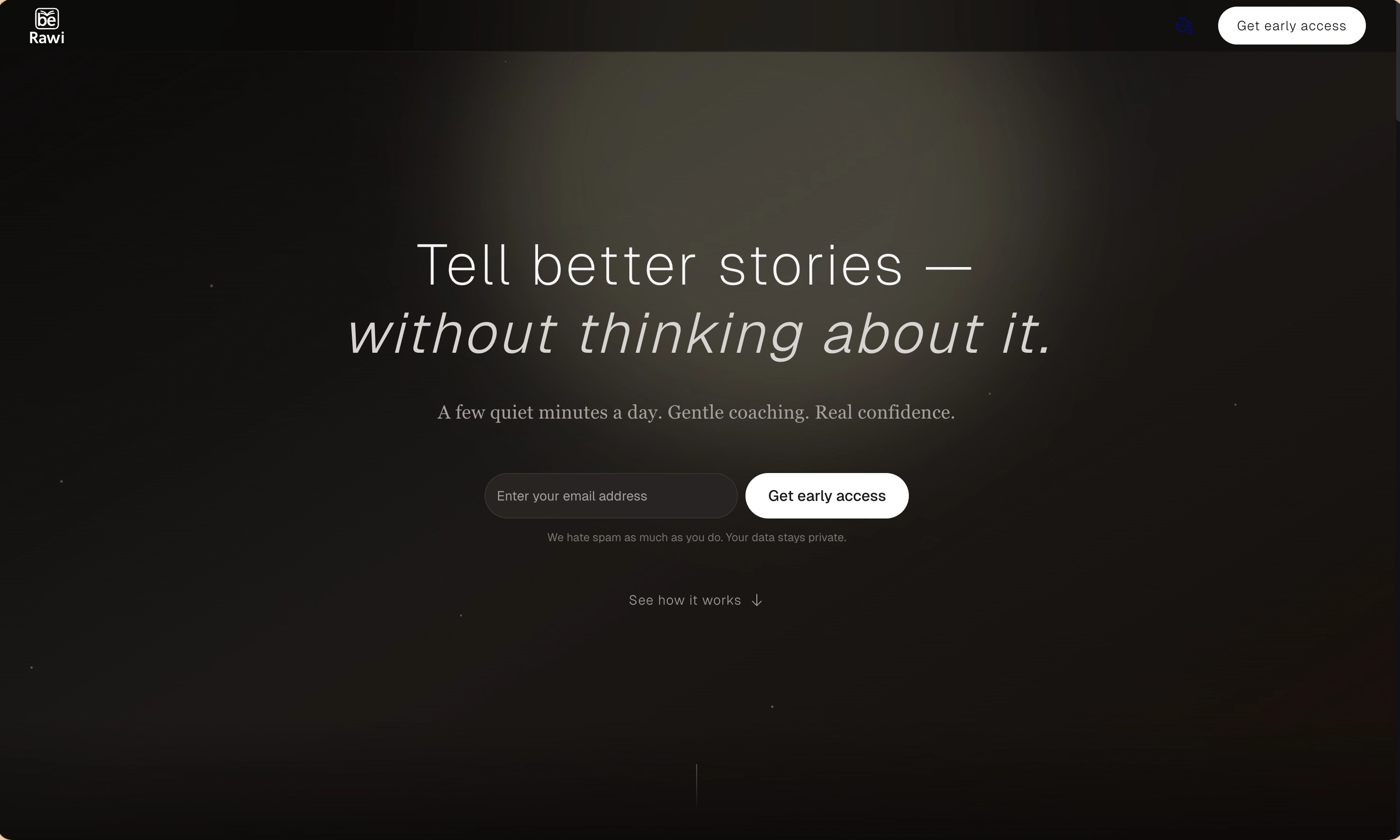
BeRawi: Storytelling Coach
Practice storytelling daily with instant feedback to sound clearer, more engaging, and confident 🎤
Omichat
Chat with 50+ AI models, including ChatGPT and Claude, in one place - switch models anytime without losing context 🤖
Claude Fast
Supercharge your Claude Code with 6x effective context window and specialized AI agents 🤖
EmojAI
AI-powered emoji picker with smart, context-aware suggestions 🤖
Solohacker
Autonomous company launcher - AI agents work 24/7, escalate what matters, and you stay in control 🤖
BeRawi: Storytelling Coach
Practice storytelling daily with instant feedback to sound clearer, more engaging, and confident 🎤
Omichat
Chat with 50+ AI models, including ChatGPT and Claude, in one place - switch models anytime without losing context 🤖
Claude Fast
Supercharge your Claude Code with 6x effective context window and specialized AI agents 🤖
EmojAI
AI-powered emoji picker with smart, context-aware suggestions 🤖
Solohacker
Autonomous company launcher - AI agents work 24/7, escalate what matters, and you stay in control 🤖
BeRawi: Storytelling Coach
Practice storytelling daily with instant feedback to sound clearer, more engaging, and confident 🎤
Omichat
Chat with 50+ AI models, including ChatGPT and Claude, in one place - switch models anytime without losing context 🤖
Claude Fast
Supercharge your Claude Code with 6x effective context window and specialized AI agents 🤖
EmojAI
AI-powered emoji picker with smart, context-aware suggestions 🤖
Solohacker
Autonomous company launcher - AI agents work 24/7, escalate what matters, and you stay in control 🤖
BeRawi: Storytelling Coach
Practice storytelling daily with instant feedback to sound clearer, more engaging, and confident 🎤

Connect with like-minded people
Join our community to get feedback, support, and grow together with 1,000+ builders on board, let's ship it!
Join usShip your startup everywhere. In minutes.
Don't burn tokens on setup and start building features on day one.