SocialBattery
A smart social energy planner that helps users balance plans, alone time, and work to prevent burnout and overcommitment.
The growing need for a smart social energy planner
In an always-on world of Slack notifications, group chats, calendar invites, and social media events, overcommitment has become the norm. Many professionals, students, freelancers, and even remote workers struggle with a subtle but powerful problem: social burnout.
People don’t just manage time anymore — they manage energy.
This is where a product like SocialBattery, a smart social energy planner, enters the market. Unlike traditional calendar apps, SocialBattery focuses on helping users balance social plans, alone time, and work commitments to prevent burnout and decision fatigue.
The primary keyword for this concept is social energy planner, supported by related terms such as:
- social burnout prevention app
- overcommitment management tool
- energy-based scheduling
- digital wellbeing planner
- work-life balance app
- introvert-friendly calendar
- mental health productivity tool
This article provides a comprehensive, expert-level breakdown of:
- The target audience and real user pain points
- The market gap and opportunity
- Core features and product design
- Recommended tech stack and architecture
- Monetization models
- Risks and mitigation strategies
- Competitive differentiation
- Actionable implementation steps
If you're validating, building, or investing in a SaaS idea in the digital wellbeing or productivity space, this guide gives you a complete blueprint.
Understanding the problem: social burnout is real
Traditional productivity tools optimize time. But time is not the same as energy.
Two people can have identical calendars yet experience vastly different mental fatigue levels.
Common user struggles
- Saying “yes” to too many events
- Stacking high-energy meetings back-to-back
- No buffer time between work and social plans
- Guilt when declining invitations
- Ignoring personal recharge needs
- Burnout cycles every few weeks
This is especially common among:
- Remote workers with blurred work-life boundaries
- Extroverts who overschedule
- Introverts who underestimate recovery time
- Freelancers juggling client calls
- Students balancing academics and social life
The World Health Organization has formally recognized burnout as an occupational phenomenon (see WHO resources on burnout for reference). While traditionally associated with work, social burnout is a growing adjacent problem — amplified by hybrid work and digital connectivity.
SocialBattery positions itself as the first intentional social energy management system, not just another calendar app.
Target audience analysis
To build a high-converting SaaS product, clarity about the target persona is essential.
Primary audience: young professionals (22–40)
Profile:
- Urban professionals
- Knowledge workers
- Remote or hybrid employees
- Active social lives
- Use Google Calendar and productivity tools
Pain points:
- Exhaustion after work events
- Social guilt when canceling
- Back-to-back meetings and dinners
- Difficulty setting boundaries
Why they will pay:
- High awareness of mental health
- Willing to invest in wellness tools
- Familiar with subscription SaaS
Secondary audience: students
Profile:
- University students
- Highly social environments
- Academic pressure
Pain points:
- Overcommitment during exam seasons
- Fear of missing out (FOMO)
- Poor time-energy balance
Monetization note: Likely price-sensitive → good for freemium entry tier.
Tertiary audience: therapists & coaches
SocialBattery could also become:
- A tool therapists recommend to clients
- A structured system for burnout recovery
- A coaching companion tool
This expands distribution beyond direct-to-consumer.
Market opportunity and gap analysis
Existing tools in the space
Let’s compare current categories:
- Calendar apps (Google Calendar, Outlook)
- Habit trackers
- Mood tracking apps
- Time-blocking tools
- Productivity planners
None directly combine:
- Calendar integration
- Energy scoring
- Social recovery planning
- Burnout prediction
Here’s a high-level feature comparison:
| Feature | Google Calendar | Notion | Mood Apps | SocialBattery | Habit Trackers |
|---|---|---|---|---|---|
| Energy tracking | ❌ | ❌ | ✅ | ✅ | ❌ |
| Calendar sync | ✅ | ✅ | ❌ | ✅ | ❌ |
Gap identified: There is no mainstream energy-aware scheduling tool.
Industry trends supporting growth
- Digital wellbeing movement
- Rise of burnout awareness
- Remote work normalization
- Personal analytics (quantified self)
- Mental health app market growth
The global mental wellness app market has been reported in industry analyses as a multi-billion dollar market with steady year-over-year growth (see Statista or Grand View Research reports for current data).
SocialBattery sits at the intersection of:
- Productivity SaaS
- Mental health tech
- Lifestyle optimization
This cross-category positioning is a strategic advantage.
Core product vision: what makes SocialBattery unique?
The USP (unique selling proposition):
SocialBattery is a smart social energy planner that predicts burnout risk based on your schedule and helps you proactively balance plans, alone time, and work.
Unlike a passive calendar, it acts as:
- An energy dashboard
- A burnout early-warning system
- A social boundary assistant
Core features of a social energy planner
1. Energy scoring system
Each event receives an energy impact score:
- High-energy drain (large social gathering)
- Moderate (team meeting)
- Neutral (solo work block)
- Recharge (alone time, gym, walk)
Users can customize scores based on personality type (introvert/extrovert spectrum).
2. Weekly energy forecast
Based on scheduled events, SocialBattery calculates:
- Predicted energy levels per day
- Overload risk days
- Recovery gaps
Visualization ideas:
- Battery-style UI
- Color-coded days
- Risk alerts
3. Smart buffer suggestions
If three high-drain events stack together:
- Suggest recovery time
- Recommend rescheduling
- Offer “protect your energy” notifications
4. AI-powered social balance insights
Using pattern recognition:
- “You tend to overcommit on Thursdays.”
- “After 2+ social evenings, your next-day productivity drops.”
- “You cancel 40% of events scheduled after 9pm.”
These insights turn passive scheduling into actionable self-awareness.
5. Boundary assistant
Pre-written polite decline templates:
- “I’d love to, but I’m at capacity this week.”
- “Can we reschedule for next week?”
This reduces emotional friction.
6. Personal recharge library
Users can tag activities that recharge them:
- Reading
- Solo walks
- Gym sessions
- Creative time
SocialBattery ensures these are scheduled proactively.
Product architecture and recommended tech stack
For a modern SaaS product like SocialBattery, scalability and speed to market are critical.
Frontend
Why:
- Fast iteration
- SEO-friendly rendering
- Large ecosystem
- Strong developer community
Backend
Options:
Option A: Node.js + PostgreSQL
- Flexible
- Mature ecosystem
Option B: Supabase
- Built-in auth
- Postgres-based
- Faster MVP development
Trade-off:
- Supabase = faster start
- Custom backend = more flexibility at scale
Calendar integrations
- Google Calendar API
- Microsoft Outlook API
OAuth flow example:
// Example OAuth initiation
const handleGoogleConnect = async () => {
  window.location.href = "/api/auth/google";
};
AI & analytics layer
- OpenAI API for pattern insights
- Custom scoring algorithms
- Scheduled cron jobs for weekly reports
Deployment
- Vercel for frontend hosting
- Managed Postgres (e.g., Supabase or Neon)
- Stripe for payments
Monetization strategy
Freemium model
Free tier:
- Basic energy scoring
- Single calendar integration
- Weekly report
Pro tier ($8–15/month):
- AI insights
- Burnout risk predictions
- Unlimited integrations
- Advanced analytics
- Personal coaching reports
Annual discount strategy
Offer:
- 20% discount for yearly subscription
- Early adopter lifetime deals (limited)
B2B version (future expansion)
Sell to:
- HR departments
- Remote-first companies
- Wellness programs
Enterprise dashboard could include:
- Anonymous team energy metrics
- Burnout trend analysis
Competitive advantage analysis
Why SocialBattery wins
Energy-first approach
Focuses on energy, not just time management.
Behavioral intelligence
Predicts burnout risk using patterns.
Emotional UX
Designed around guilt reduction and boundary setting.
Potential risks and mitigation
Risk 1: Users don’t log energy consistently
Mitigation:
- Auto-detection from event type
- One-tap daily check-ins
- Gamified streaks
Risk 2: Calendar APIs limitations
Mitigation:
- Build abstraction layer
- Support manual event entry fallback
Risk 3: Privacy concerns
Mitigation:
- Clear data policy
- End-to-end encryption
- Minimal data retention
- Transparent AI usage
Use a visible privacy-first positioning in marketing.
Go-to-market strategy
Phase 1: Niche positioning
Market as:
“The productivity tool for introverts.”
This sharp positioning builds traction.
Phase 2: Content marketing
SEO articles targeting:
- “how to stop overcommitting”
- “social burnout symptoms”
- “how to say no without guilt”
- “energy-based scheduling”
Phase 3: Influencer partnerships
Collaborate with:
- Productivity YouTubers
- Mental health advocates
- Remote work creators
Implementation roadmap
MVP feature prioritization
Use this simplified framework:
Must-have:
- Calendar sync
- Energy tagging
- Weekly energy dashboard
Should-have:
- AI suggestions
- Notifications
Nice-to-have:
- Community features
- Social sharing
Estimated development timeline
- Week 1–2: UI/UX design
- Week 3–6: Core build
- Week 7: Beta testing
- Week 8: Public launch
Using a pre-built SaaS starter like TurboStarter can significantly reduce setup time for authentication, payments, and infrastructure.
Why this idea has long-term defensibility
- Behavioral data accumulation
- Personalized energy models
- Emotional brand positioning
- Network effects (team features later)
Over time, SocialBattery becomes smarter as it learns user patterns.
Frequently asked questions about social energy planners
No. A social energy planner focuses on emotional and cognitive load rather than just time slots.
Yes, especially professionals already investing in wellness and productivity tools.
Mood tracking is reactive. SocialBattery is predictive and proactive.
The bigger vision
In 5 years, SocialBattery could evolve into:
- A wearable-integrated energy platform
- A team burnout analytics tool
- A mental resilience assistant
- A lifestyle operating system
Energy is the next frontier after time management.
Final thoughts: building the future of energy-aware productivity
We optimized for time. Now we must optimize for sustainability.
A social energy planner like SocialBattery meets a real, growing need in modern life:
- Prevent burnout
- Reduce guilt
- Improve boundaries
- Protect mental health
- Increase long-term productivity
The market is ready. The tools exist. The behavioral shift is happening.
The question isn’t whether energy-aware scheduling will emerge — it’s who will build the best version first.
If you’re serious about launching SocialBattery or a similar SaaS product, focus on:
- Clear niche positioning
- Fast MVP execution
- Privacy-first design
- Deep personalization
And ship early.
The future of productivity is not about doing more.
It’s about protecting your battery.
More 💡 Other SaaS ideas
Discover more innovative other SaaS ideas that are trending in 2026. Each idea is AI-generated with market validation and growth potential to help you find your next profitable venture faster than competitors.
Your competitors are building with TurboStarter
Below are some of the SaaS ideas that have been generated and built with our starter kit.
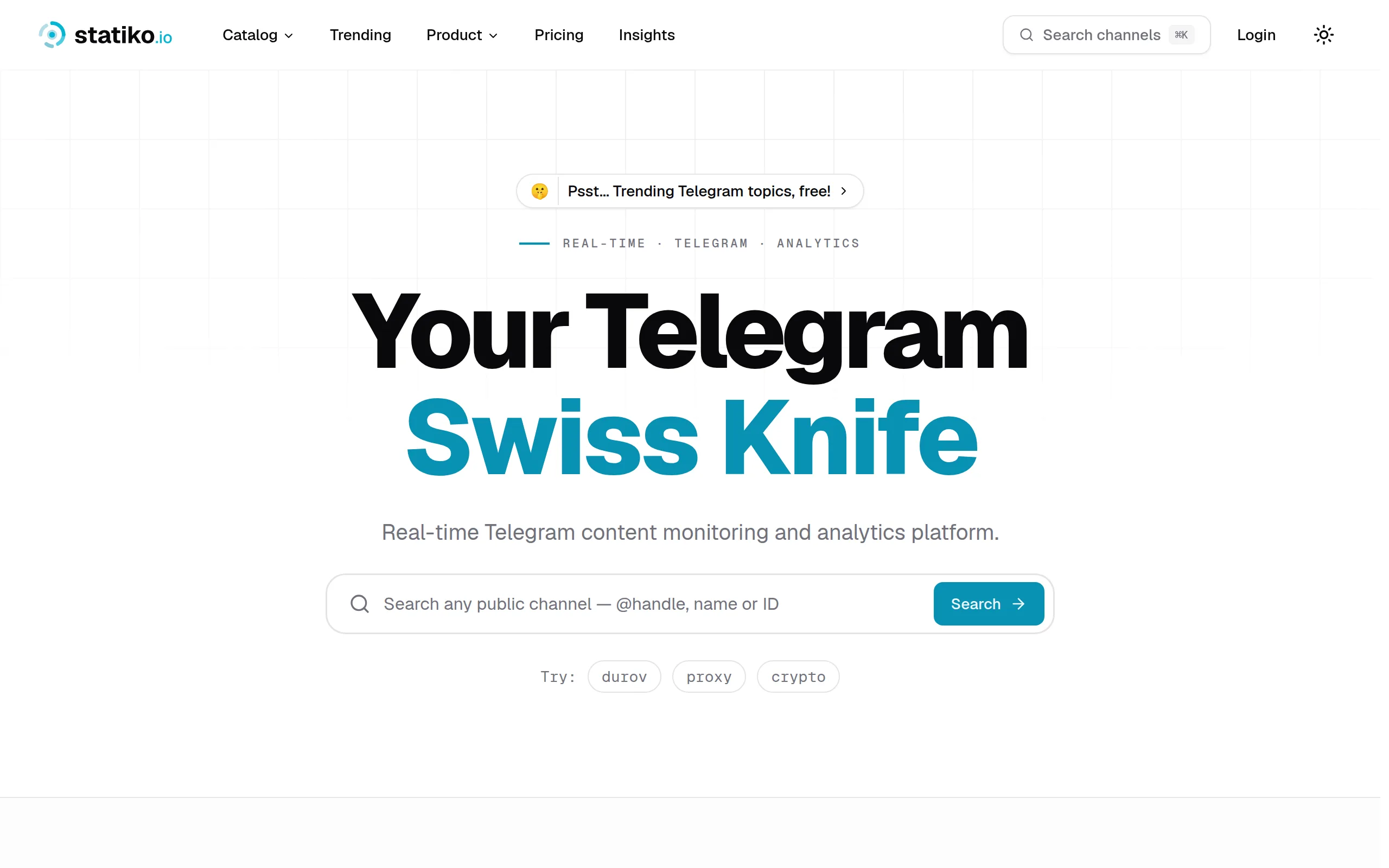
Statiko
Monitor any Telegram channel in real time - track posts, edits, deletions, and growth with AI recaps 📡
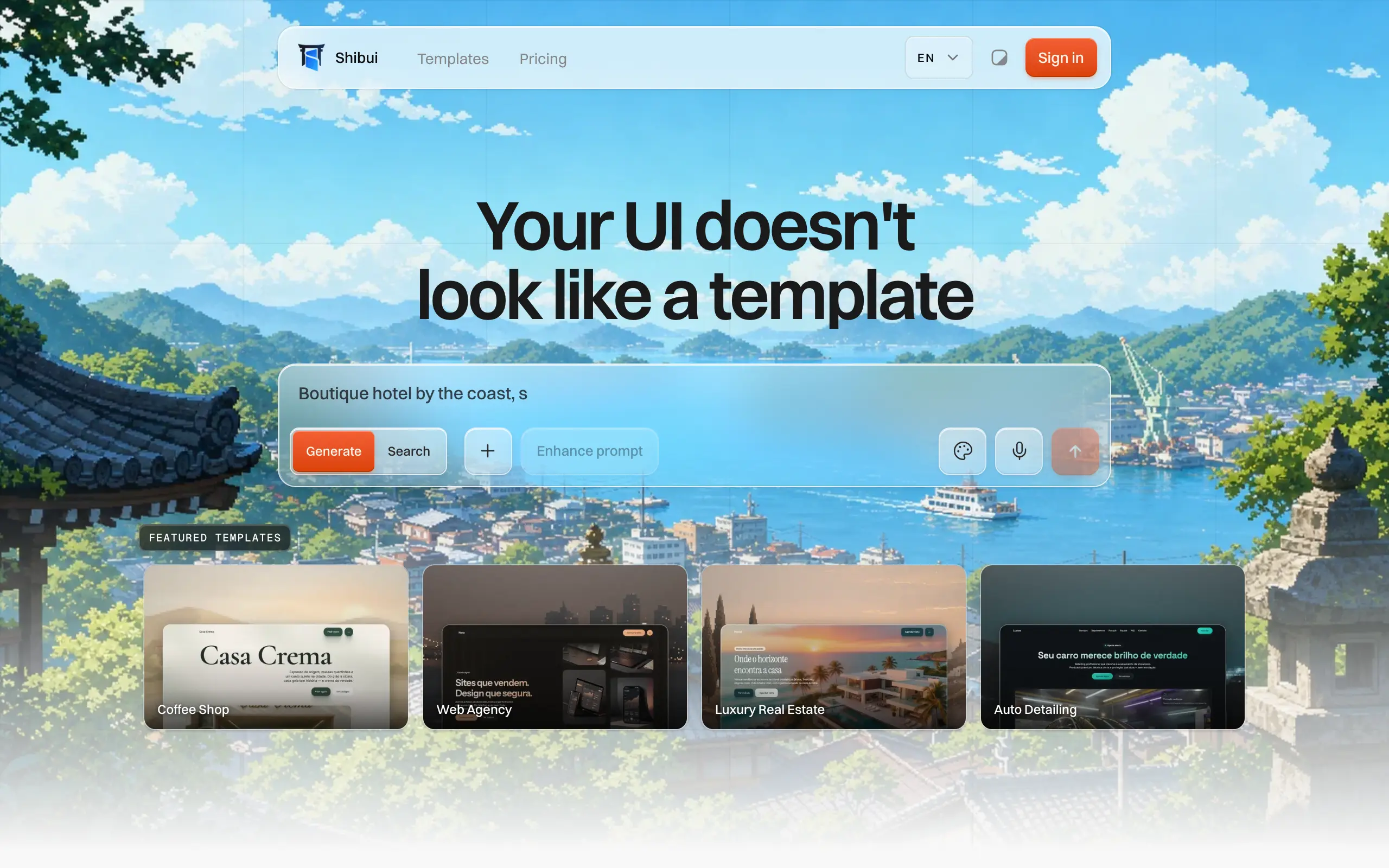
Shibui
AI website builder - describe your business, pick a niche template, edit by chatting, and publish instantly ✨

Pro Service
Find verified home service professionals, compare quotes, and pay securely through escrow - built for Brazilians across the US 🏠
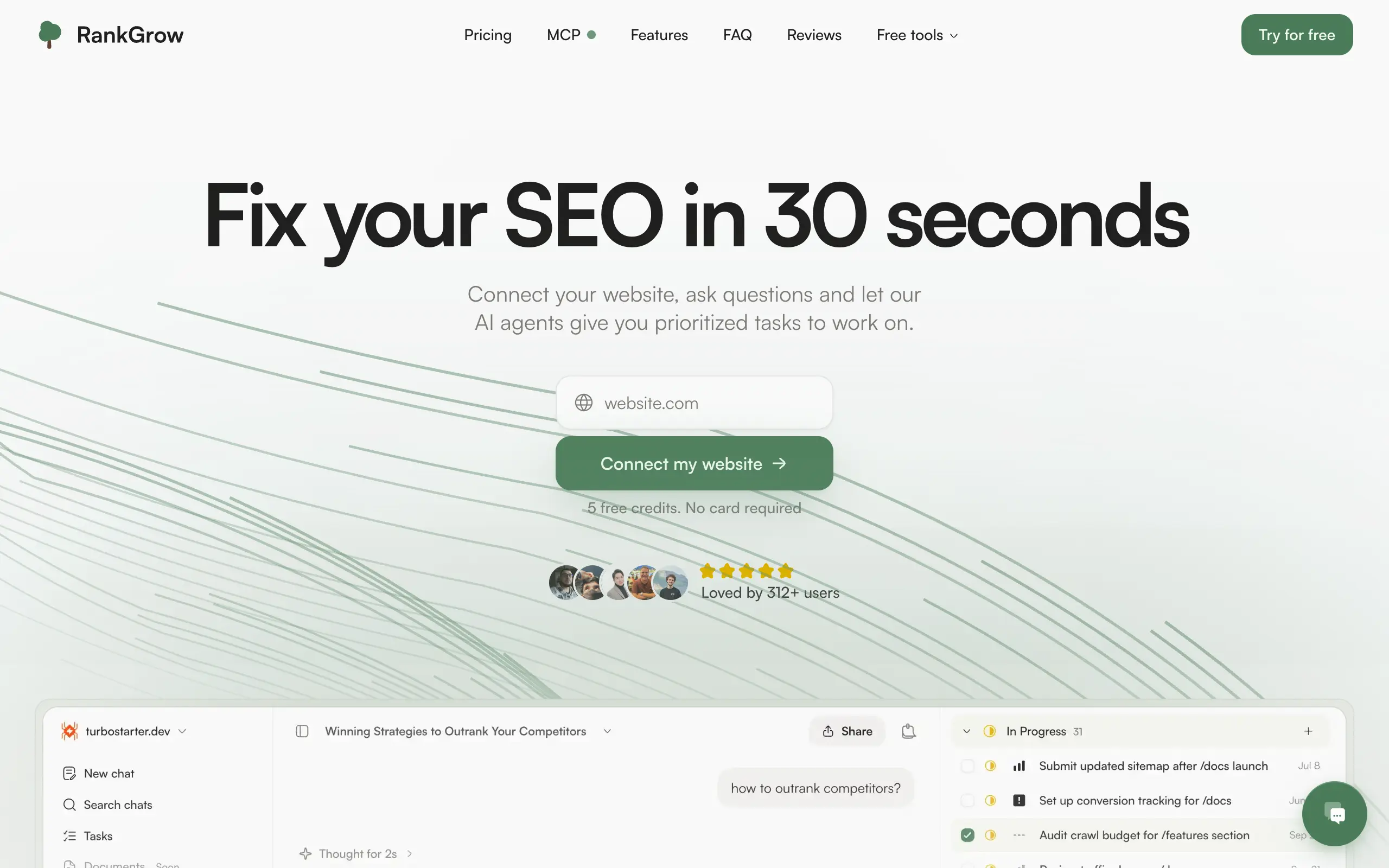
RankGrow
Fix your SEO with AI agents - connect Search Console, get prioritized tasks, and grow organic traffic 📈
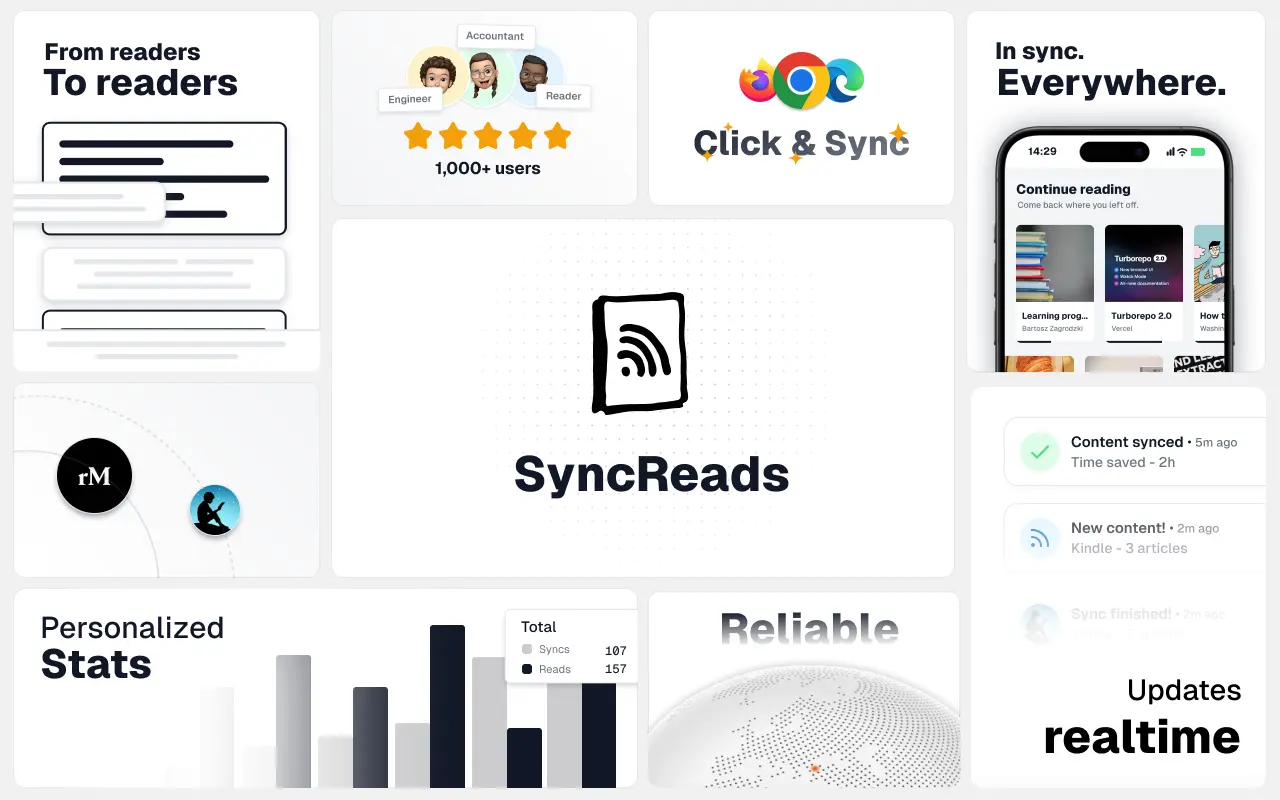
SyncReads
Sync your favorite content for distraction-free reading, save time and replace multiple apps. Anytime, anywhere 🔄
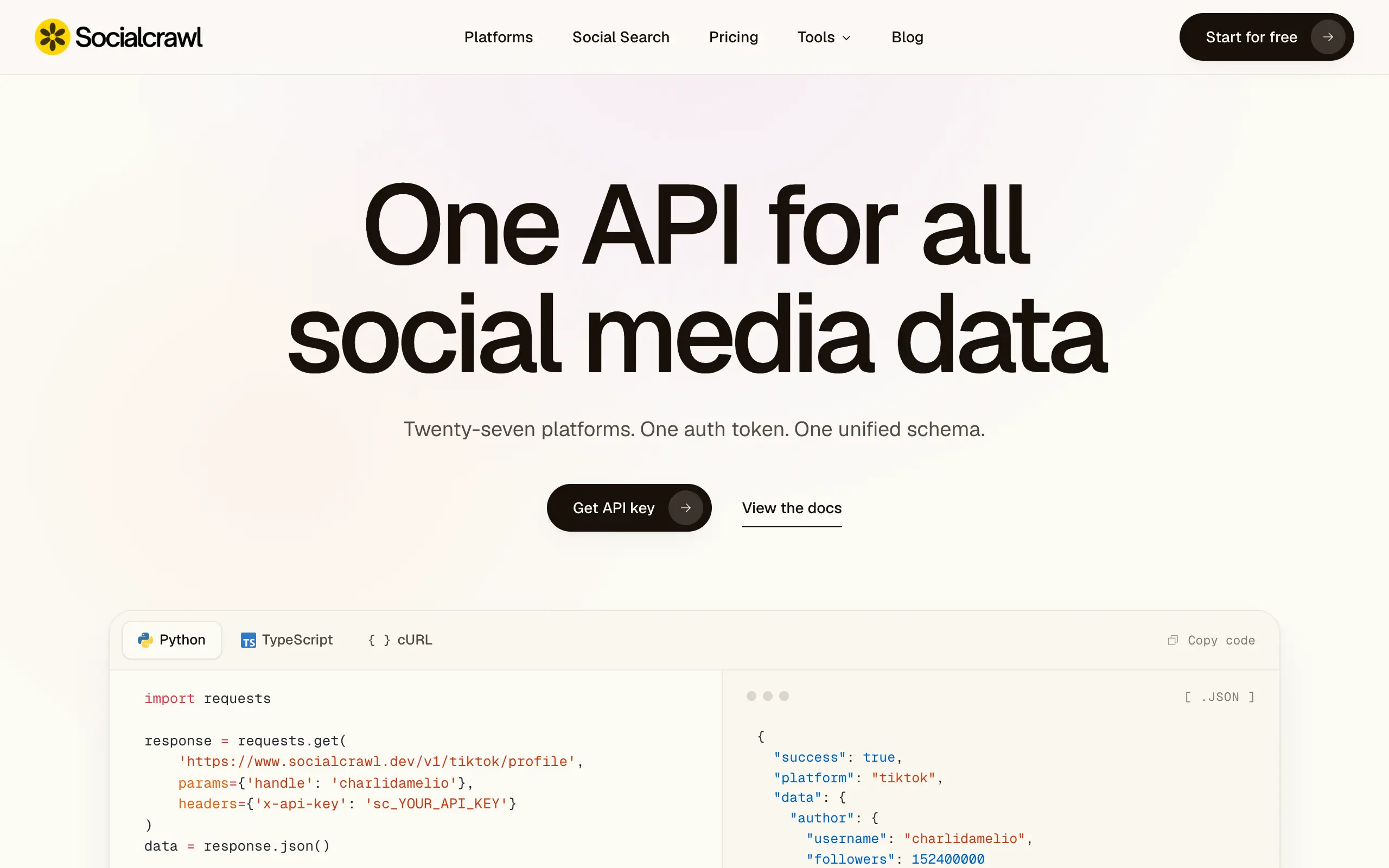
Socialcrawl
Get clean, structured data from 21 platforms like TikTok, Instagram, and YouTube with a single request 📊
Statiko
Monitor any Telegram channel in real time - track posts, edits, deletions, and growth with AI recaps 📡
Shibui
AI website builder - describe your business, pick a niche template, edit by chatting, and publish instantly ✨
Pro Service
Find verified home service professionals, compare quotes, and pay securely through escrow - built for Brazilians across the US 🏠
RankGrow
Fix your SEO with AI agents - connect Search Console, get prioritized tasks, and grow organic traffic 📈
SyncReads
Sync your favorite content for distraction-free reading, save time and replace multiple apps. Anytime, anywhere 🔄
Socialcrawl
Get clean, structured data from 21 platforms like TikTok, Instagram, and YouTube with a single request 📊
Statiko
Monitor any Telegram channel in real time - track posts, edits, deletions, and growth with AI recaps 📡
Shibui
AI website builder - describe your business, pick a niche template, edit by chatting, and publish instantly ✨
Pro Service
Find verified home service professionals, compare quotes, and pay securely through escrow - built for Brazilians across the US 🏠
RankGrow
Fix your SEO with AI agents - connect Search Console, get prioritized tasks, and grow organic traffic 📈
SyncReads
Sync your favorite content for distraction-free reading, save time and replace multiple apps. Anytime, anywhere 🔄
Socialcrawl
Get clean, structured data from 21 platforms like TikTok, Instagram, and YouTube with a single request 📊
Statiko
Monitor any Telegram channel in real time - track posts, edits, deletions, and growth with AI recaps 📡
Shibui
AI website builder - describe your business, pick a niche template, edit by chatting, and publish instantly ✨
Pro Service
Find verified home service professionals, compare quotes, and pay securely through escrow - built for Brazilians across the US 🏠
RankGrow
Fix your SEO with AI agents - connect Search Console, get prioritized tasks, and grow organic traffic 📈
SyncReads
Sync your favorite content for distraction-free reading, save time and replace multiple apps. Anytime, anywhere 🔄
Socialcrawl
Get clean, structured data from 21 platforms like TikTok, Instagram, and YouTube with a single request 📊
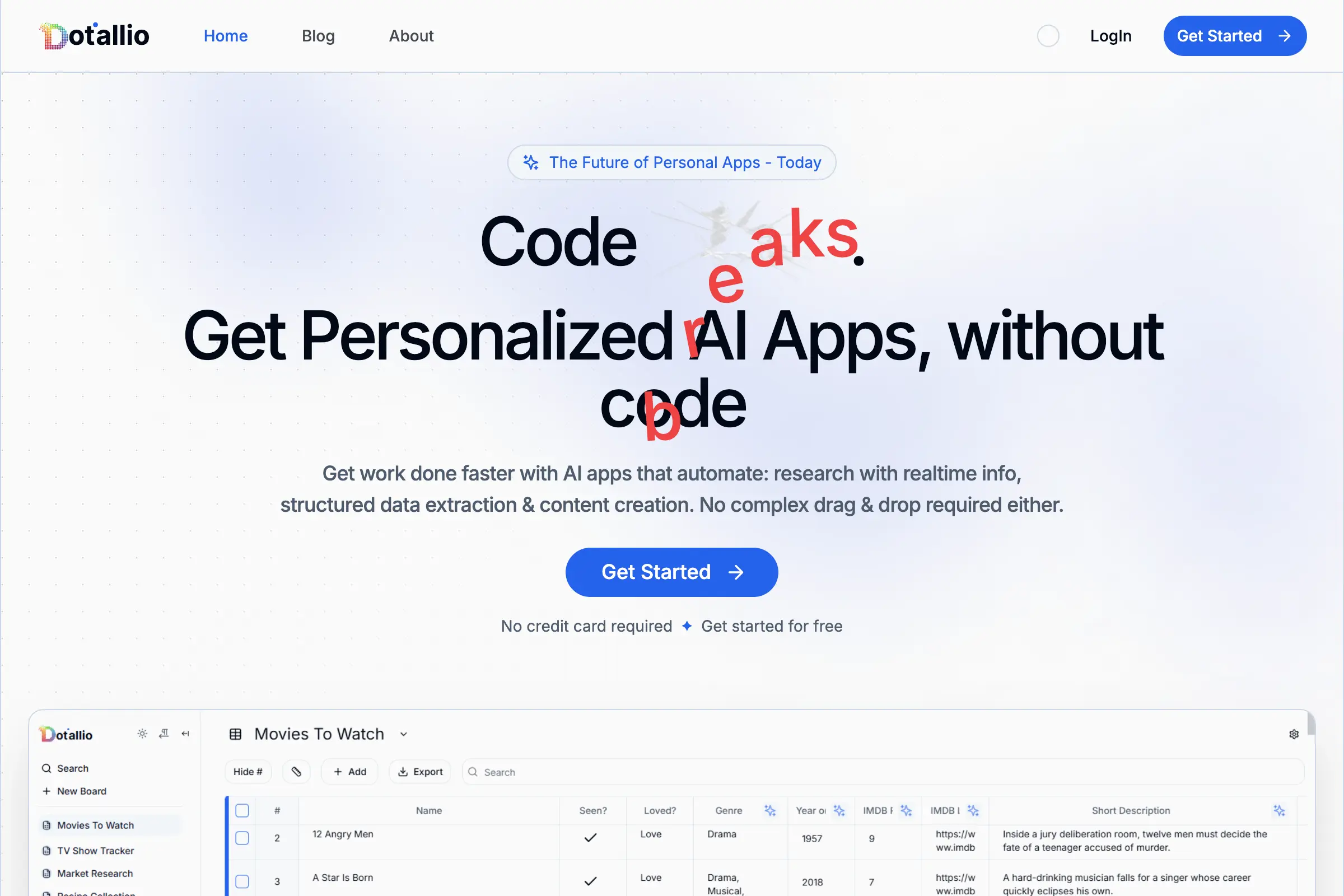
Dotallio
Personalized AI apps that automate research, data extraction, and content creation without code 🤖
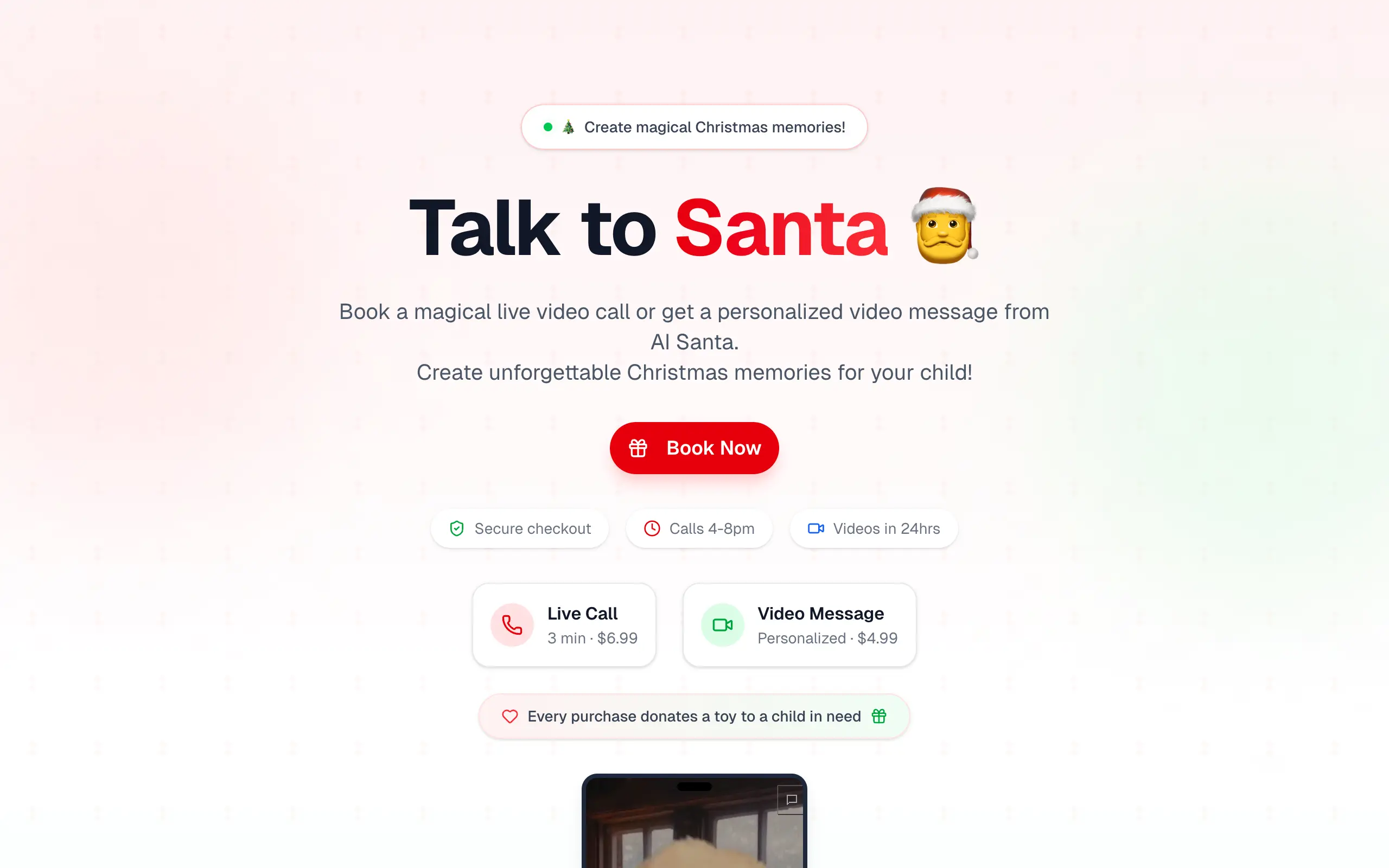
Talk to Santa
Enjoy a magical live video chat or receive a unique AI-generated video greeting from Santa Claus 🎅
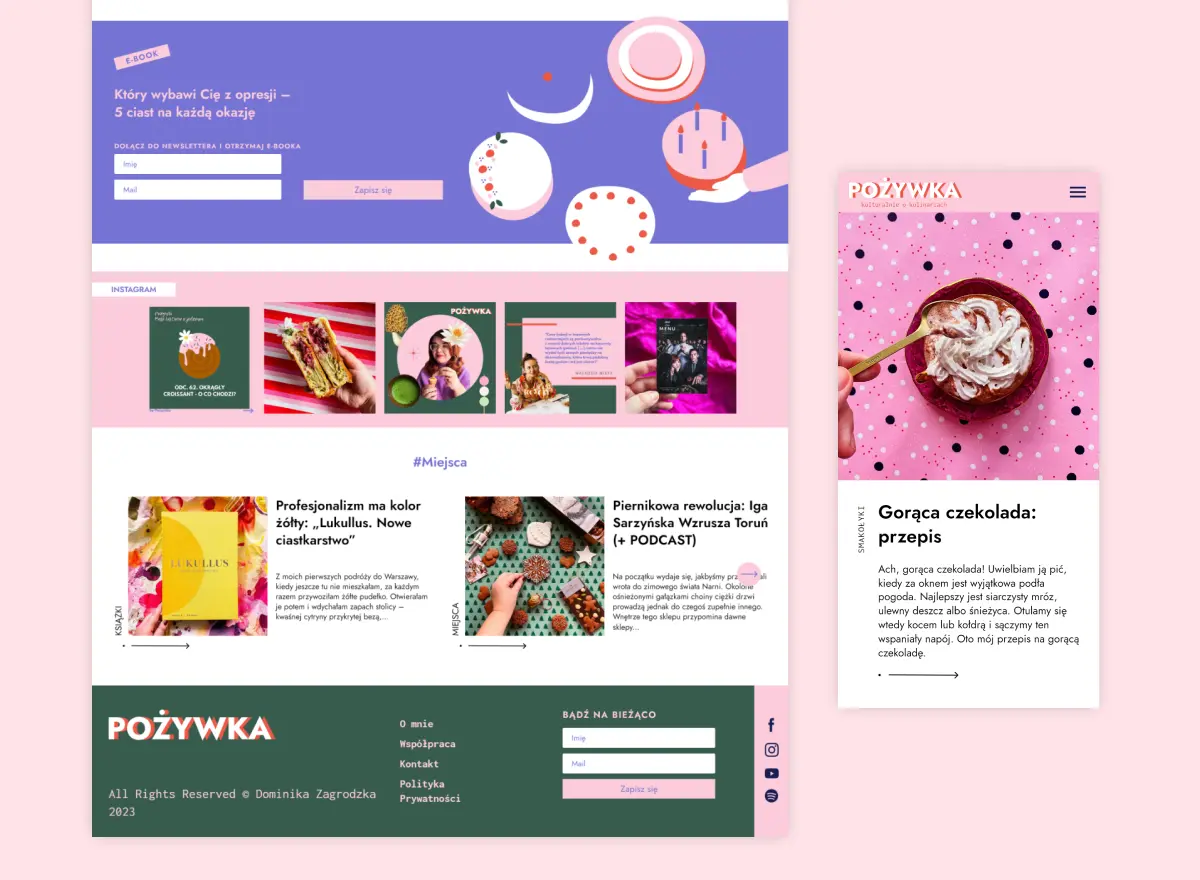
pozywka.pl
Scalable blog for food journalist, focused on performance and user experience 🌭
zagrodzki.me
Personal blog and portfolio of Bart Zagrodzki, where he shares his knowledge and work 💼
TurboStarter
Ship your startup everywhere. In minutes.
HTML to Markdown
Convert HTML to Markdown with ease, directly in your browser 📄
Dotallio
Personalized AI apps that automate research, data extraction, and content creation without code 🤖
Talk to Santa
Enjoy a magical live video chat or receive a unique AI-generated video greeting from Santa Claus 🎅
pozywka.pl
Scalable blog for food journalist, focused on performance and user experience 🌭
zagrodzki.me
Personal blog and portfolio of Bart Zagrodzki, where he shares his knowledge and work 💼
TurboStarter
Ship your startup everywhere. In minutes.
HTML to Markdown
Convert HTML to Markdown with ease, directly in your browser 📄
Dotallio
Personalized AI apps that automate research, data extraction, and content creation without code 🤖
Talk to Santa
Enjoy a magical live video chat or receive a unique AI-generated video greeting from Santa Claus 🎅
pozywka.pl
Scalable blog for food journalist, focused on performance and user experience 🌭
zagrodzki.me
Personal blog and portfolio of Bart Zagrodzki, where he shares his knowledge and work 💼
TurboStarter
Ship your startup everywhere. In minutes.
HTML to Markdown
Convert HTML to Markdown with ease, directly in your browser 📄
Dotallio
Personalized AI apps that automate research, data extraction, and content creation without code 🤖
Talk to Santa
Enjoy a magical live video chat or receive a unique AI-generated video greeting from Santa Claus 🎅
pozywka.pl
Scalable blog for food journalist, focused on performance and user experience 🌭
zagrodzki.me
Personal blog and portfolio of Bart Zagrodzki, where he shares his knowledge and work 💼
TurboStarter
Ship your startup everywhere. In minutes.
HTML to Markdown
Convert HTML to Markdown with ease, directly in your browser 📄
Omichat
Chat with 50+ AI models, including ChatGPT and Claude, in one place - switch models anytime without losing context 🤖
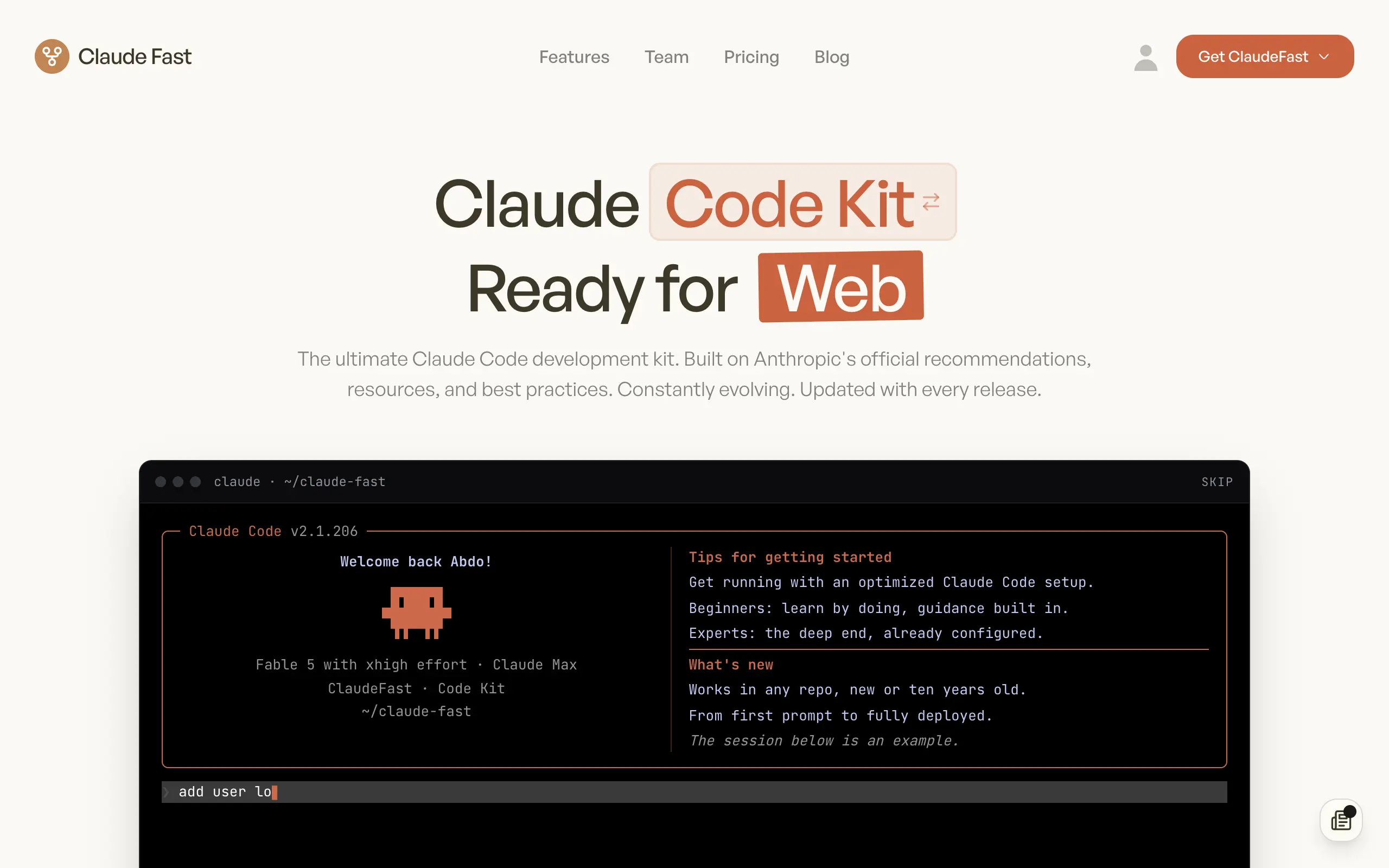
Claude Fast
Supercharge your Claude Code with 6x effective context window and specialized AI agents 🤖
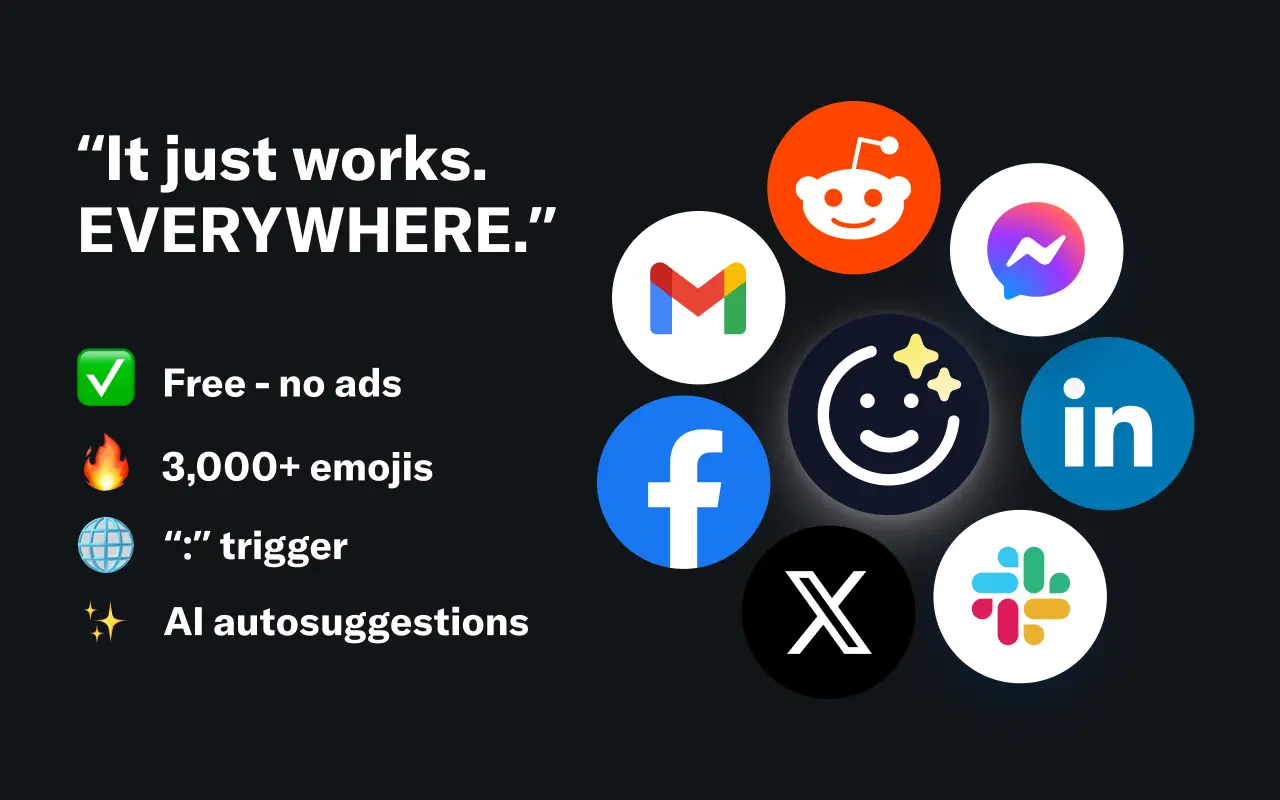
EmojAI
AI-powered emoji picker with smart, context-aware suggestions 🤖
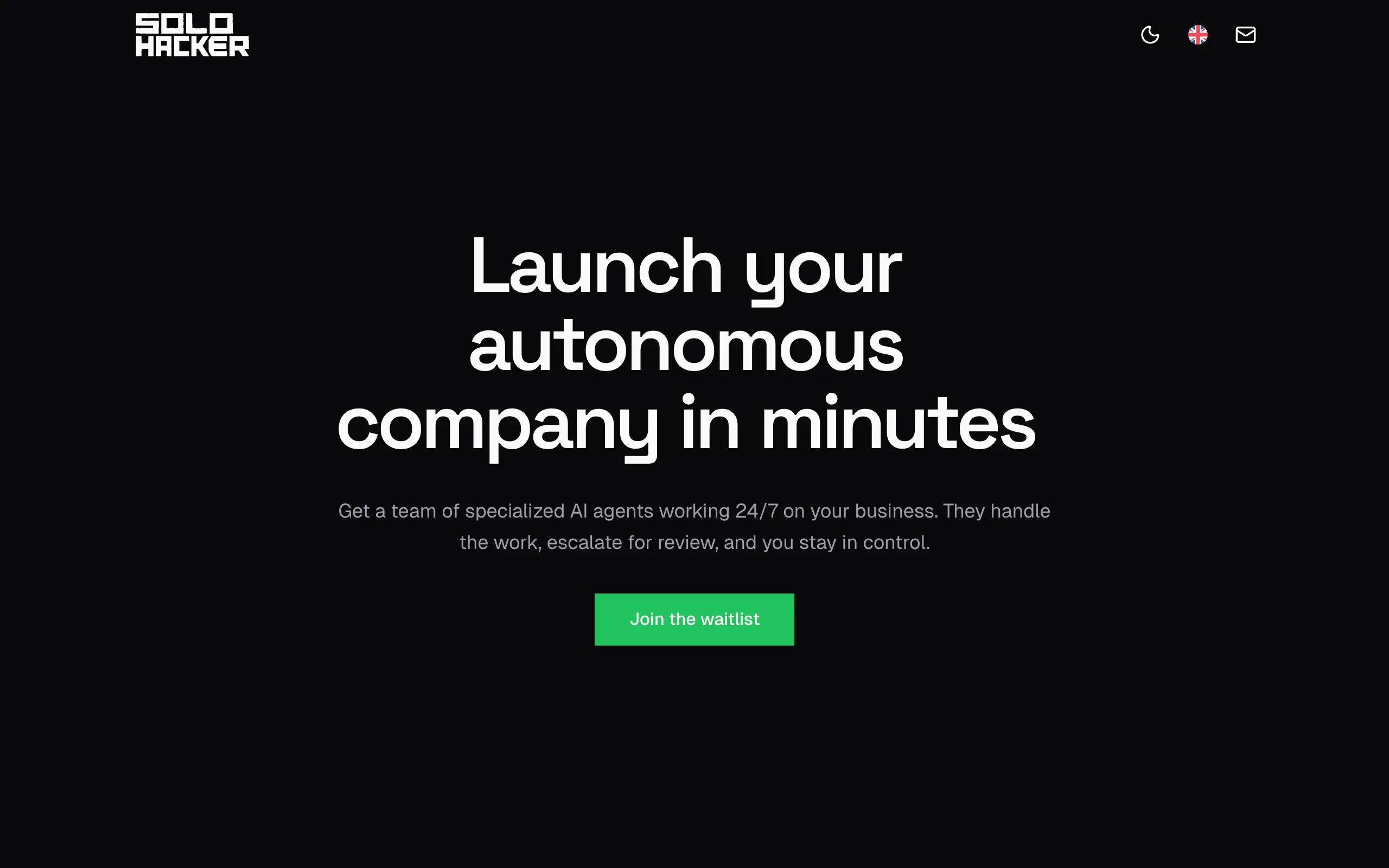
Solohacker
Autonomous company launcher - AI agents work 24/7, escalate what matters, and you stay in control 🤖
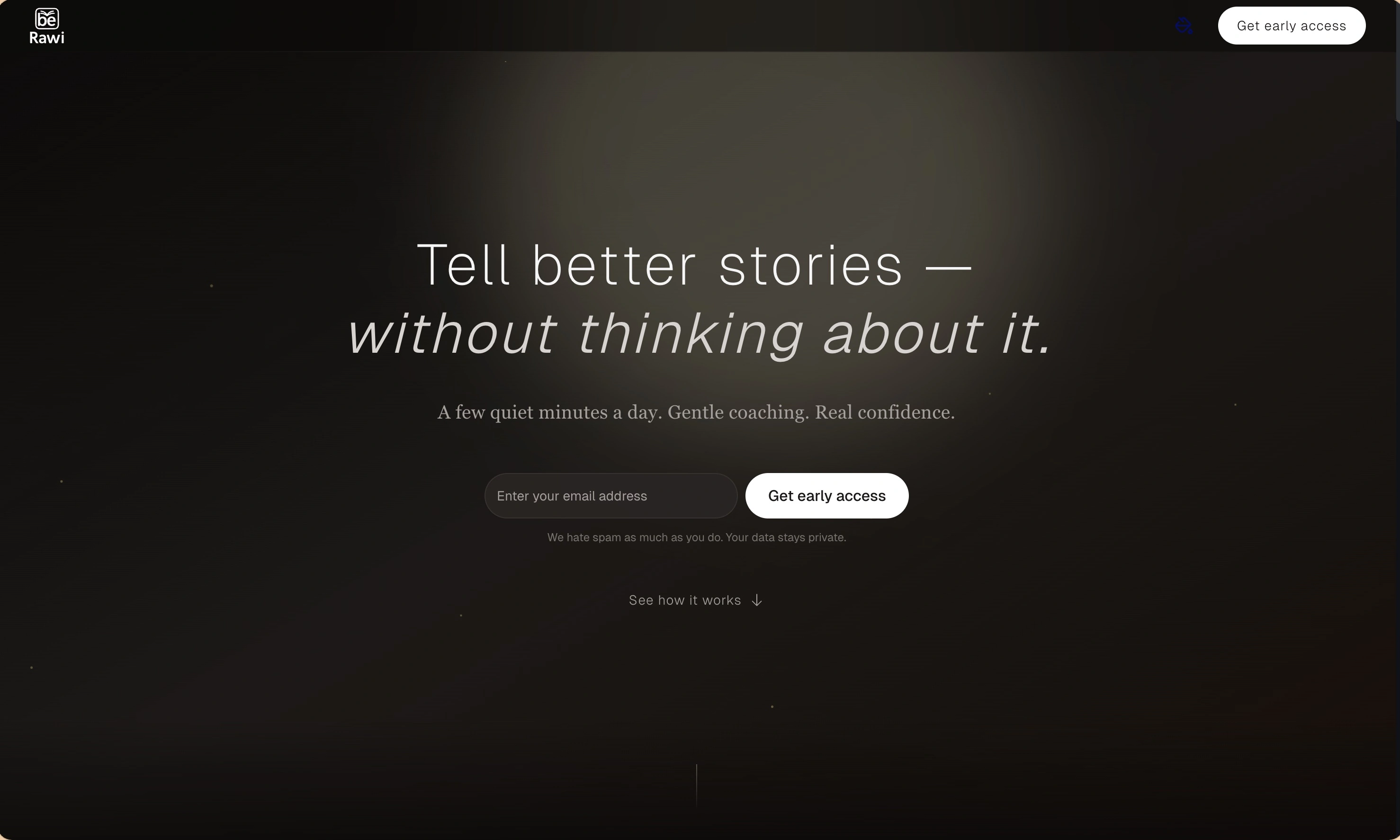
BeRawi: Storytelling Coach
Practice storytelling daily with instant feedback to sound clearer, more engaging, and confident 🎤
Omichat
Chat with 50+ AI models, including ChatGPT and Claude, in one place - switch models anytime without losing context 🤖
Claude Fast
Supercharge your Claude Code with 6x effective context window and specialized AI agents 🤖
EmojAI
AI-powered emoji picker with smart, context-aware suggestions 🤖
Solohacker
Autonomous company launcher - AI agents work 24/7, escalate what matters, and you stay in control 🤖
BeRawi: Storytelling Coach
Practice storytelling daily with instant feedback to sound clearer, more engaging, and confident 🎤
Omichat
Chat with 50+ AI models, including ChatGPT and Claude, in one place - switch models anytime without losing context 🤖
Claude Fast
Supercharge your Claude Code with 6x effective context window and specialized AI agents 🤖
EmojAI
AI-powered emoji picker with smart, context-aware suggestions 🤖
Solohacker
Autonomous company launcher - AI agents work 24/7, escalate what matters, and you stay in control 🤖
BeRawi: Storytelling Coach
Practice storytelling daily with instant feedback to sound clearer, more engaging, and confident 🎤
Omichat
Chat with 50+ AI models, including ChatGPT and Claude, in one place - switch models anytime without losing context 🤖
Claude Fast
Supercharge your Claude Code with 6x effective context window and specialized AI agents 🤖
EmojAI
AI-powered emoji picker with smart, context-aware suggestions 🤖
Solohacker
Autonomous company launcher - AI agents work 24/7, escalate what matters, and you stay in control 🤖
BeRawi: Storytelling Coach
Practice storytelling daily with instant feedback to sound clearer, more engaging, and confident 🎤

Connect with like-minded people
Join our community to get feedback, support, and grow together with 1,000+ builders on board, let's ship it!
Join usShip your startup everywhere. In minutes.
Don't burn tokens on setup and start building features on day one.