SoukFlow Logistics
A last-mile coordination tool connecting small Tunisian retailers with local couriers, optimizing deliveries, routes, and cash-on-delivery tracking.
soukflow logistics: redefining last-mile delivery for tunisian retailers
Last-mile delivery remains one of the most complex, expensive, and fragmented parts of the logistics chain—especially in emerging markets like Tunisia. Small and medium-sized retailers often struggle with inefficient courier coordination, unreliable delivery timelines, and manual cash-on-delivery (COD) tracking. These operational bottlenecks limit growth, reduce customer satisfaction, and create unnecessary financial risk.
SoukFlow Logistics is positioned as a specialized SaaS platform that connects local Tunisian retailers with independent couriers while optimizing routes, automating COD tracking, and streamlining delivery operations. This article explores the full strategic, technical, and market landscape behind this idea—helping founders, operators, and investors evaluate its viability and execution.
understanding the market gap in tunisian logistics
fragmented last-mile ecosystem
Tunisia’s logistics ecosystem is highly decentralized. Unlike mature markets where large courier networks dominate, Tunisia relies heavily on:
- Independent freelance couriers
- Small local delivery companies
- Informal WhatsApp-based coordination
- Manual cash reconciliation processes
This fragmentation creates several systemic inefficiencies:
- Lack of real-time tracking
- Poor route optimization
- High delivery failure rates
- Cash leakage and reconciliation errors
rise of e-commerce and social selling
The demand side is rapidly growing. Platforms like Facebook Marketplace, Instagram Shops, and local e-commerce websites are driving a surge in order volume.
Key trends shaping demand:
- Increased reliance on cash-on-delivery (COD) as the primary payment method
- Growth of micro-retailers and home-based sellers
- Customer expectation for fast and reliable delivery
According to widely cited industry reports (e.g., World Bank logistics data), emerging markets experience disproportionately high last-mile costs—sometimes exceeding 50% of total shipping expenses.
Key insight
The real opportunity is not building another courier company—it’s building the coordination layer that connects supply (couriers) with demand (retailers).
target audience analysis
primary users
SoukFlow Logistics serves two core user groups:
1. small and medium retailers
These include:
- Instagram and Facebook sellers
- Shopify store owners
- Local boutiques and shops
- Dropshipping businesses operating locally
Their pain points:
- Difficulty finding reliable couriers
- No visibility into delivery status
- Manual COD tracking (often in spreadsheets or notebooks)
- High delivery failure rates
2. independent couriers
Freelance or small-scale delivery providers who:
- Lack consistent order flow
- Have no route optimization tools
- Manage deliveries manually
- Struggle with payment tracking
secondary stakeholders
- Logistics startups seeking infrastructure
- Marketplace platforms needing delivery integration
- Wholesale distributors managing regional deliveries
core value proposition of soukflow logistics
SoukFlow isn’t just a logistics tool—it’s a coordination infrastructure layer.
key benefits
- Centralized delivery management for retailers
- Automated courier assignment based on proximity and availability
- Smart route optimization to reduce fuel costs and time
- COD tracking and reconciliation with real-time updates
- Performance analytics for couriers and deliveries
feature breakdown and product architecture
1. retailer dashboard
A unified interface for managing all deliveries.
Key features:
- Order creation and bulk uploads
- Delivery status tracking (pending, in transit, delivered, failed)
- Courier assignment automation
- COD reconciliation reports
2. courier mobile app
A lightweight mobile app for delivery agents.
Features:
- Delivery task list
- GPS navigation and optimized routes
- COD collection logging
- Proof of delivery (signature/photo)
3. route optimization engine
Efficient routing is critical for cost savings.
Possible implementation approaches:
- Basic: Google Maps Directions API
- Advanced: custom optimization using heuristics (e.g., nearest neighbor, vehicle routing problem)
Recommended integration:
4. COD management system
Cash-on-delivery is central to Tunisian commerce.
Capabilities:
- Real-time COD logging per delivery
- Automated reconciliation dashboards
- Fraud detection signals (e.g., discrepancies)
- Courier-level cash summaries
5. matching and dispatch system
Core engine that connects retailers with couriers.
Matching factors:
- Geographic proximity
- Courier availability
- Historical performance
- Delivery urgency
product flow overview
recommended tech stack and trade-offs
frontend
- React for web dashboard
- React Native for courier app
Why:
- Strong ecosystem
- Cross-platform flexibility
- Large developer talent pool
backend
- Node.js (Express or NestJS)
- PostgreSQL for relational data
- Redis for caching and real-time updates
Trade-offs:
- Node.js offers speed and scalability, but requires careful handling of concurrency
- PostgreSQL ensures data integrity for financial tracking (critical for COD)
infrastructure
- AWS or Vercel + serverless functions
- Cloud storage for delivery proof images
real-time tracking
- WebSockets (e.g., Socket.IO)
- Firebase Realtime Database (alternative)
mapping and geolocation
- Google Maps API (paid but reliable)
- OpenStreetMap (free but less robust)
example route optimization logic
function assignCourier(order, couriers) {
  return couriers
    .filter(c => c.isAvailable)
    .sort((a, b) => distance(a.location, order.location) - distance(b.location, order.location))[0];
}
monetization strategies
SoukFlow can adopt multiple revenue streams:
1. subscription model (primary)
Retailers pay monthly based on usage:
- Starter: limited deliveries
- Growth: mid-volume businesses
- Pro: high-volume sellers
2. commission per delivery
- Small fee per completed delivery
- Shared between retailer and courier
3. courier subscription or service fee
- Access to consistent delivery jobs
- Premium features (analytics, priority matching)
4. financial services (future expansion)
- COD financing (early payout for retailers)
- Courier microloans
- Insurance products
Fintech integration can significantly increase lifetime value and create a defensible moat.
competitive landscape
current alternatives
- Informal WhatsApp coordination
- Local courier companies
- Generic delivery platforms
comparison
| Feature | SoukFlow | Local couriers | Manual process | Global tools | Marketplaces |
|---|---|---|---|---|---|
| Route optimization | ✅ | ❌ | ❌ | ✅ | ❌ |
| COD tracking | ✅ | ❌ | ❌ | ❌ | ✅ |
unique selling proposition (USP)
SoukFlow’s competitive edge lies in:
- Localization: Built specifically for Tunisian logistics realities
- COD-first infrastructure: Unlike global tools that prioritize digital payments
- Courier marketplace model: Flexible supply-side scaling
- Operational intelligence: Data-driven delivery optimization
risks and mitigation strategies
1. courier reliability
Risk: inconsistent service quality
Mitigation:
- Rating and review system
- Performance-based incentives
- Gradual onboarding and vetting
2. cash handling risks
Risk: theft, errors, delayed reconciliation
Mitigation:
- Real-time COD tracking
- Digital logs and audit trails
- Optional escrow system
3. adoption barriers
Risk: retailers resist switching from manual workflows
Mitigation:
- Simple onboarding UX
- WhatsApp integration
- Free trial period
4. regulatory challenges
Risk: unclear logistics regulations
Mitigation:
- Partner with legal advisors
- Structure as a SaaS platform, not a courier company
growth strategy
initial go-to-market
- Target high-volume Instagram sellers
- Partner with micro-influencers in e-commerce
- Offer free onboarding for early adopters
expansion opportunities
- Other North African markets (Morocco, Algeria)
- Integration with e-commerce platforms
- API for marketplaces
product roadmap
Phase 1: MVP
Basic order management, courier matching, COD tracking
Phase 2: Optimization
Advanced routing, analytics, performance tracking
Phase 3: Scale
Fintech features, API integrations, regional expansion
implementation guide
If you want to build SoukFlow Logistics, here’s a practical roadmap:
step 1: validate demand
- Interview 20–30 local retailers
- Identify key pain points
- Test willingness to pay
step 2: build MVP
Focus only on:
- Order creation
- Courier assignment
- Basic tracking
Use tools like TurboStarter to accelerate development and reduce setup time.
step 3: onboard couriers
- Start with a small group
- Offer guaranteed earnings initially
- Build trust and reliability
step 4: iterate based on feedback
- Improve UX
- Optimize routing
- Add analytics
step 5: scale supply and demand
- Balance retailer growth with courier availability
- Avoid oversupply or undersupply
future trends shaping logistics saas
AI-powered optimization
Machine learning can:
- Predict delivery times
- Optimize routes dynamically
- Detect fraud patterns
embedded fintech
COD-heavy markets are ripe for:
- Digital wallets
- Instant payouts
- Credit scoring for retailers
hyperlocal logistics networks
Decentralized courier systems will outperform centralized fleets in emerging markets.
frequently asked questions
No, it acts as a coordination platform connecting retailers with independent couriers.
COD is the dominant payment method in Tunisia, making it critical for adoption and trust.
Yes, especially in regions with similar logistics challenges like North Africa and parts of Southeast Asia.
conclusion: building the logistics layer for emerging markets
SoukFlow Logistics addresses a real and urgent problem: the inefficiency of last-mile delivery in fragmented markets. By focusing on coordination, optimization, and COD tracking, it creates value for both retailers and couriers.
The opportunity is substantial—but execution will depend on:
- Building trust with users
- Ensuring operational reliability
- Scaling supply and demand simultaneously
If done right, SoukFlow can become a foundational infrastructure layer for commerce in Tunisia and beyond.
ready to build soukflow?
If you're serious about launching a logistics SaaS platform like SoukFlow, speed and execution matter. Start with a solid technical foundation, validate quickly, and iterate based on real user behavior.
More 💡 Other SaaS ideas
Discover more innovative other SaaS ideas that are trending in 2026. Each idea is AI-generated with market validation and growth potential to help you find your next profitable venture faster than competitors.
Your competitors are building with TurboStarter
Below are some of the SaaS ideas that have been generated and built with our starter kit.
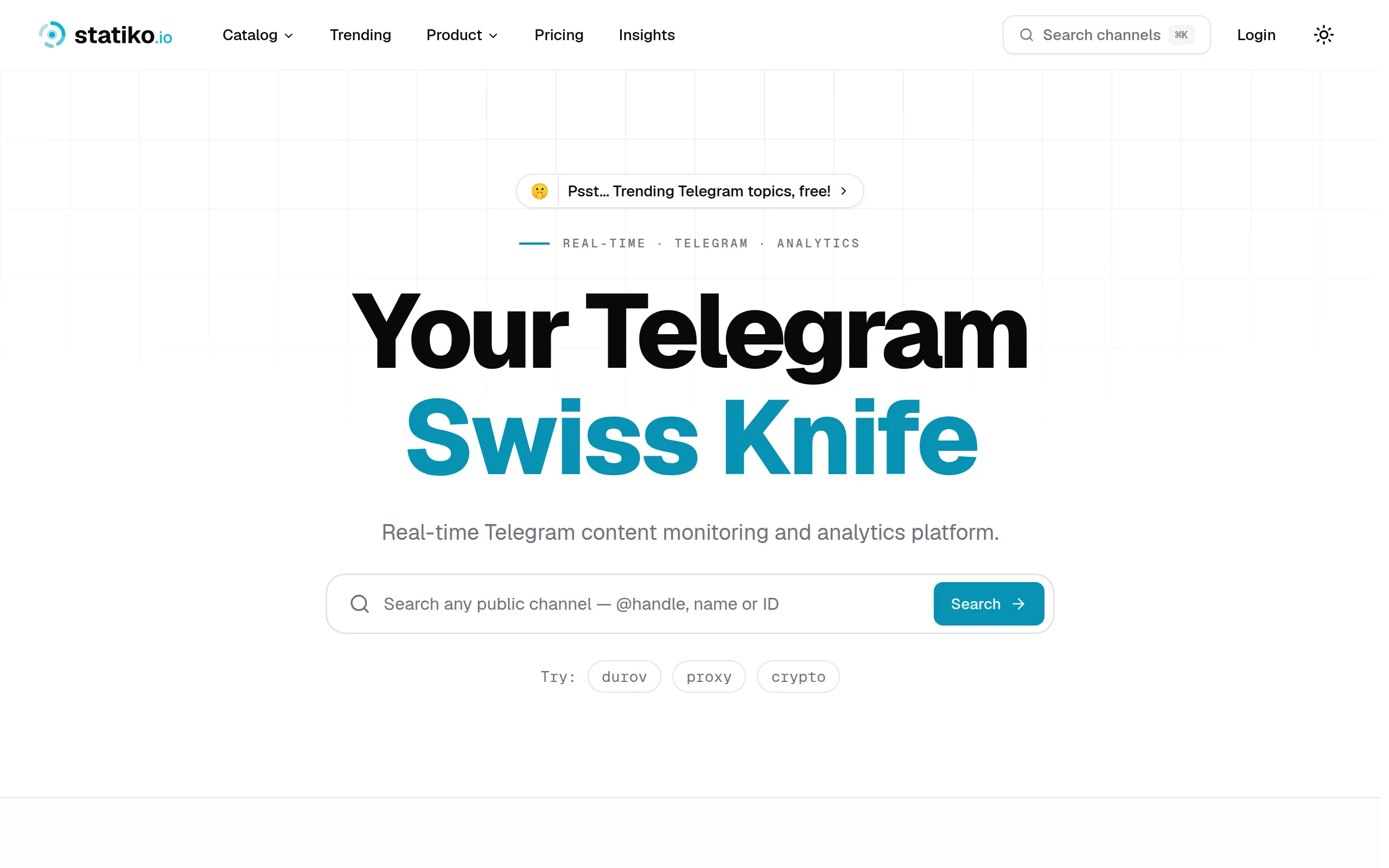
Statiko
Monitor any Telegram channel in real time - track posts, edits, deletions, and growth with AI recaps 📡

Shibui
AI website builder - describe your business, pick a niche template, edit by chatting, and publish instantly ✨

Pro Service
Find verified home service professionals, compare quotes, and pay securely through escrow - built for Brazilians across the US 🏠
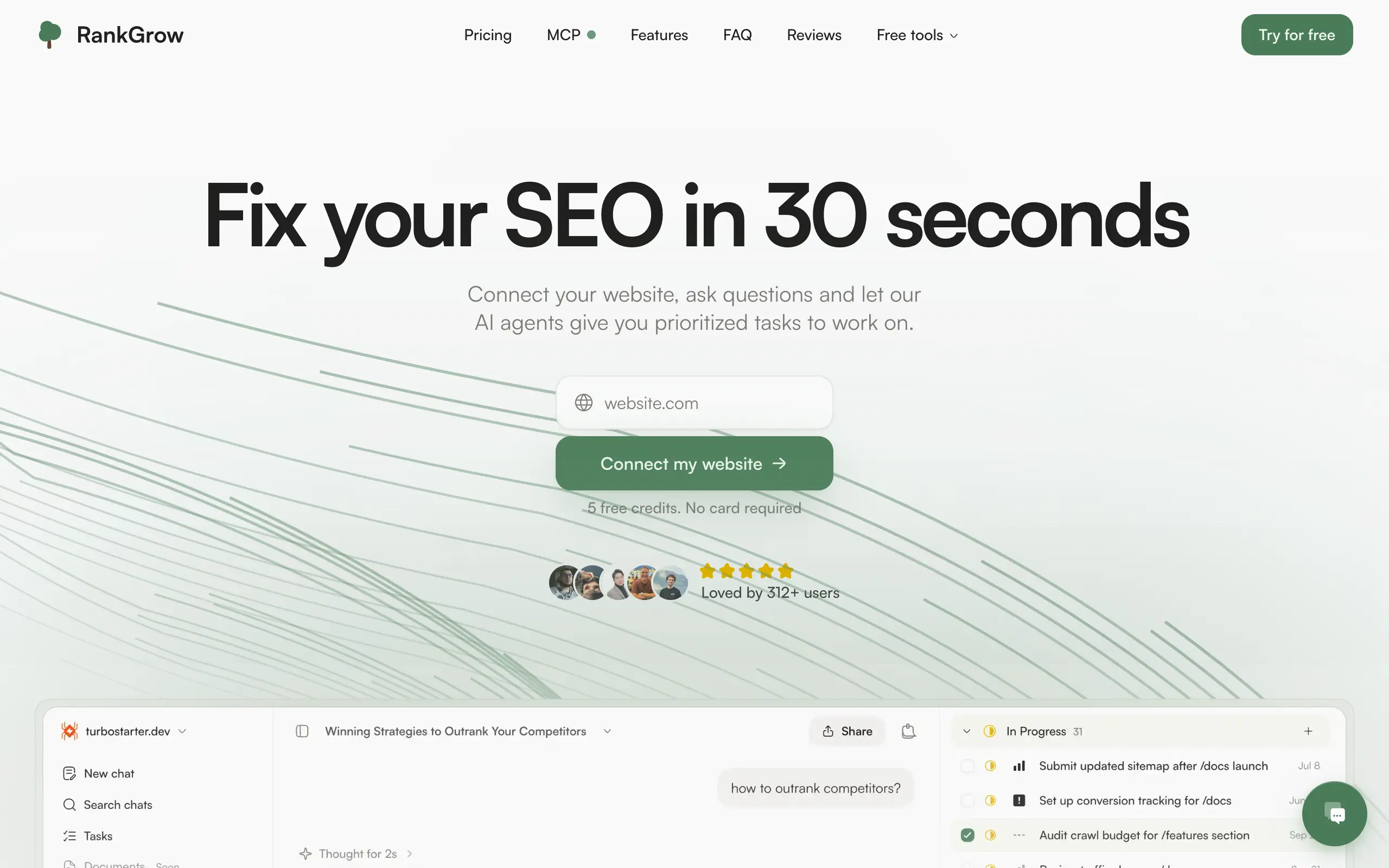
RankGrow
Fix your SEO with AI agents - connect Search Console, get prioritized tasks, and grow organic traffic 📈
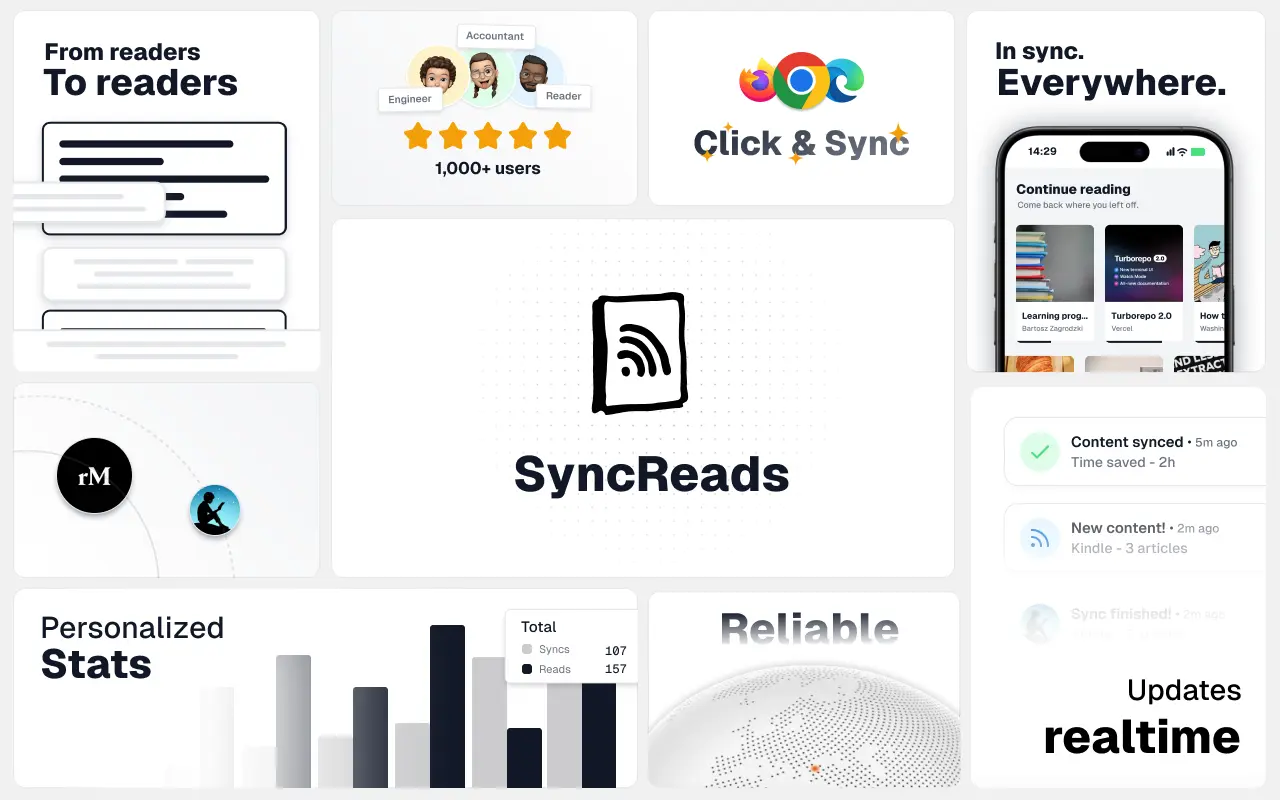
SyncReads
Sync your favorite content for distraction-free reading, save time and replace multiple apps. Anytime, anywhere 🔄
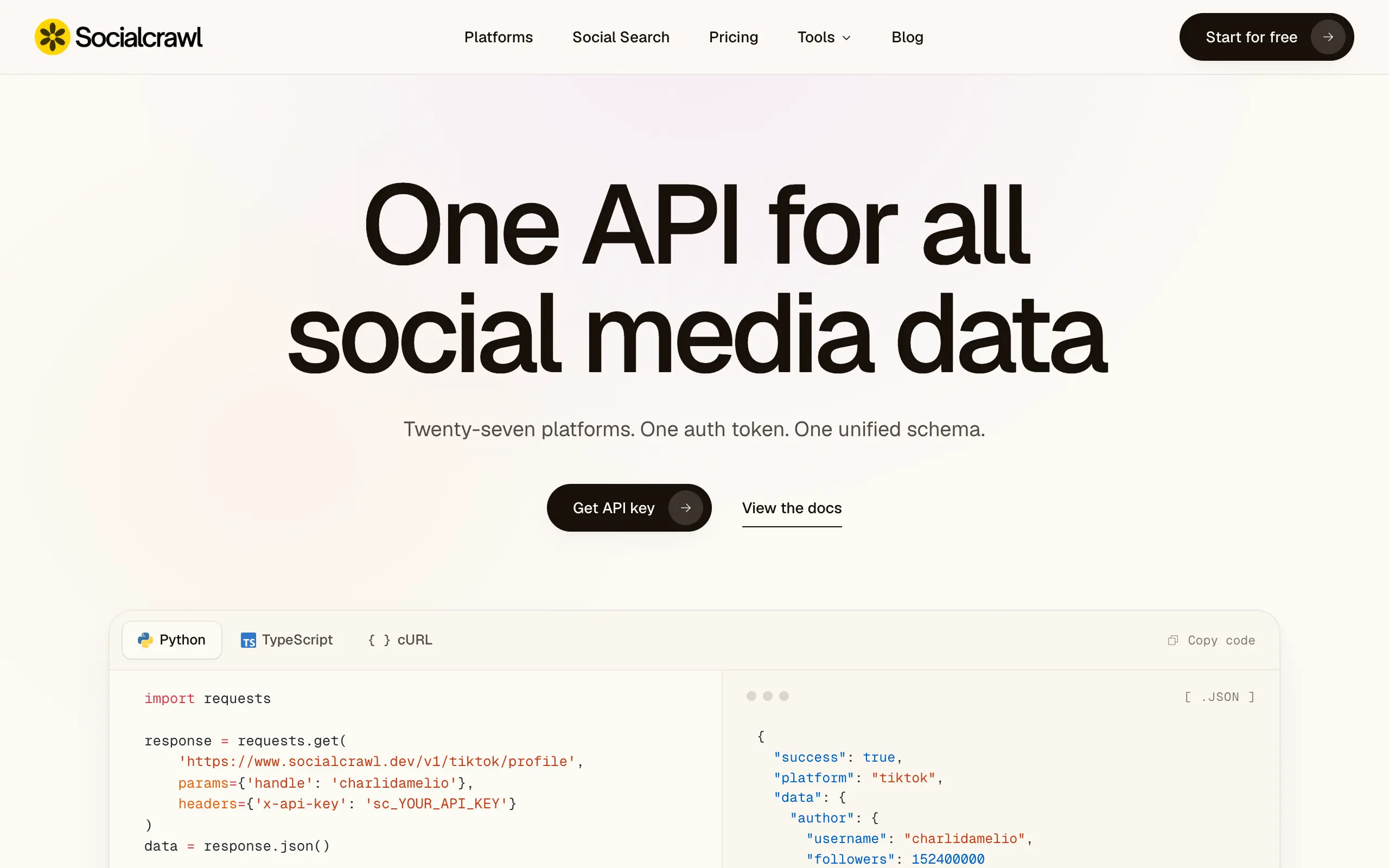
Socialcrawl
Get clean, structured data from 21 platforms like TikTok, Instagram, and YouTube with a single request 📊
Statiko
Monitor any Telegram channel in real time - track posts, edits, deletions, and growth with AI recaps 📡
Shibui
AI website builder - describe your business, pick a niche template, edit by chatting, and publish instantly ✨
Pro Service
Find verified home service professionals, compare quotes, and pay securely through escrow - built for Brazilians across the US 🏠
RankGrow
Fix your SEO with AI agents - connect Search Console, get prioritized tasks, and grow organic traffic 📈
SyncReads
Sync your favorite content for distraction-free reading, save time and replace multiple apps. Anytime, anywhere 🔄
Socialcrawl
Get clean, structured data from 21 platforms like TikTok, Instagram, and YouTube with a single request 📊
Statiko
Monitor any Telegram channel in real time - track posts, edits, deletions, and growth with AI recaps 📡
Shibui
AI website builder - describe your business, pick a niche template, edit by chatting, and publish instantly ✨
Pro Service
Find verified home service professionals, compare quotes, and pay securely through escrow - built for Brazilians across the US 🏠
RankGrow
Fix your SEO with AI agents - connect Search Console, get prioritized tasks, and grow organic traffic 📈
SyncReads
Sync your favorite content for distraction-free reading, save time and replace multiple apps. Anytime, anywhere 🔄
Socialcrawl
Get clean, structured data from 21 platforms like TikTok, Instagram, and YouTube with a single request 📊
Statiko
Monitor any Telegram channel in real time - track posts, edits, deletions, and growth with AI recaps 📡
Shibui
AI website builder - describe your business, pick a niche template, edit by chatting, and publish instantly ✨
Pro Service
Find verified home service professionals, compare quotes, and pay securely through escrow - built for Brazilians across the US 🏠
RankGrow
Fix your SEO with AI agents - connect Search Console, get prioritized tasks, and grow organic traffic 📈
SyncReads
Sync your favorite content for distraction-free reading, save time and replace multiple apps. Anytime, anywhere 🔄
Socialcrawl
Get clean, structured data from 21 platforms like TikTok, Instagram, and YouTube with a single request 📊
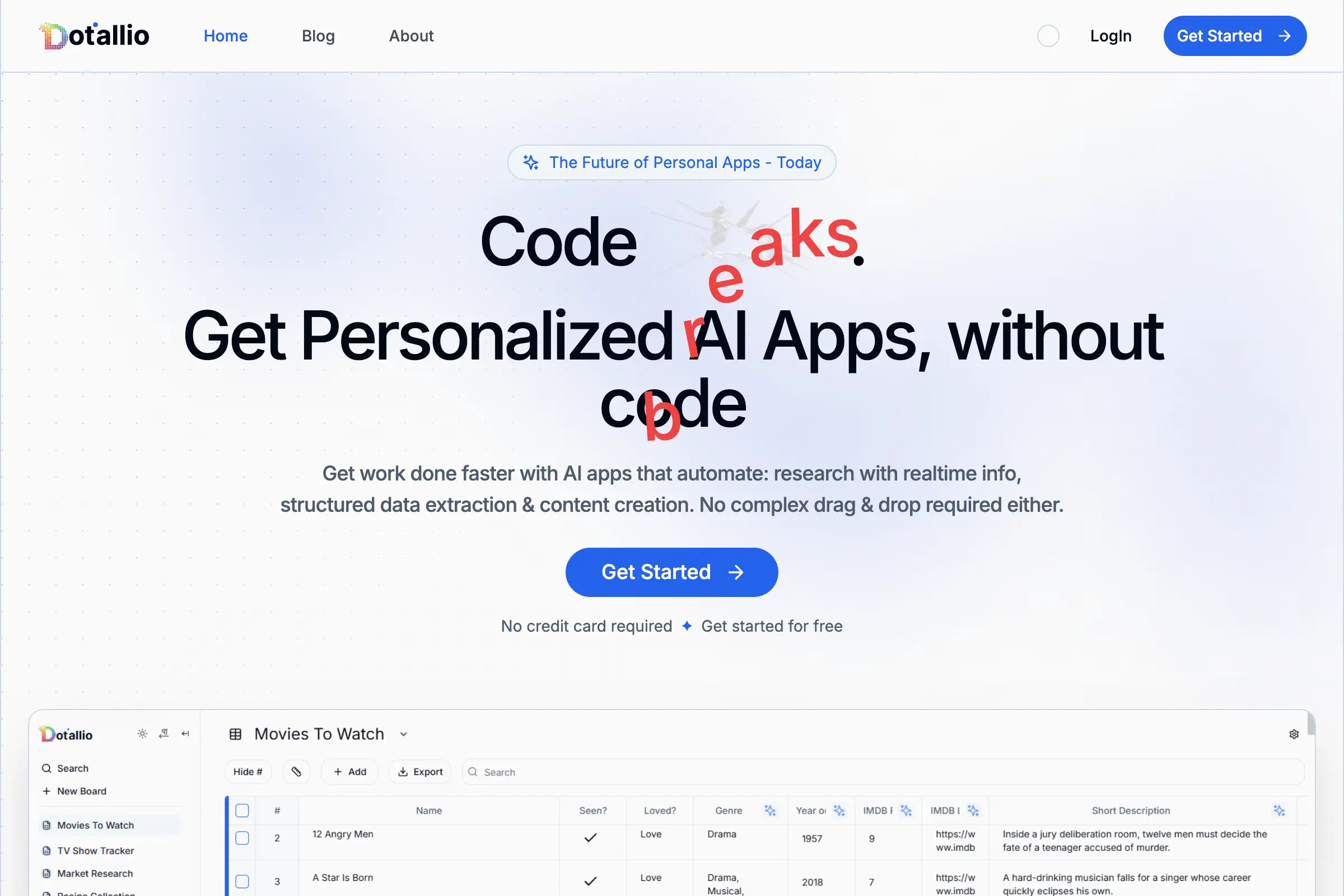
Dotallio
Personalized AI apps that automate research, data extraction, and content creation without code 🤖
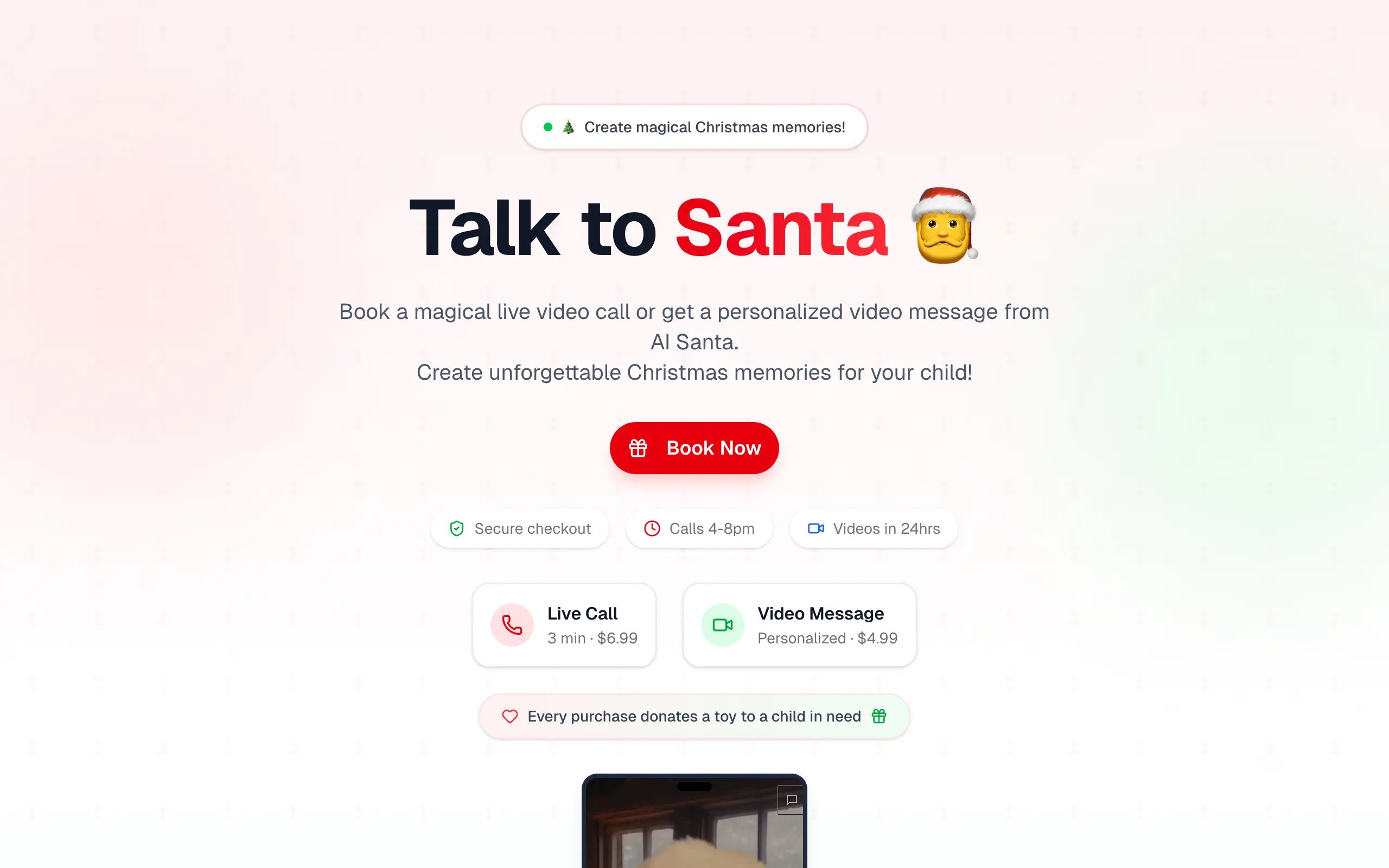
Talk to Santa
Enjoy a magical live video chat or receive a unique AI-generated video greeting from Santa Claus 🎅
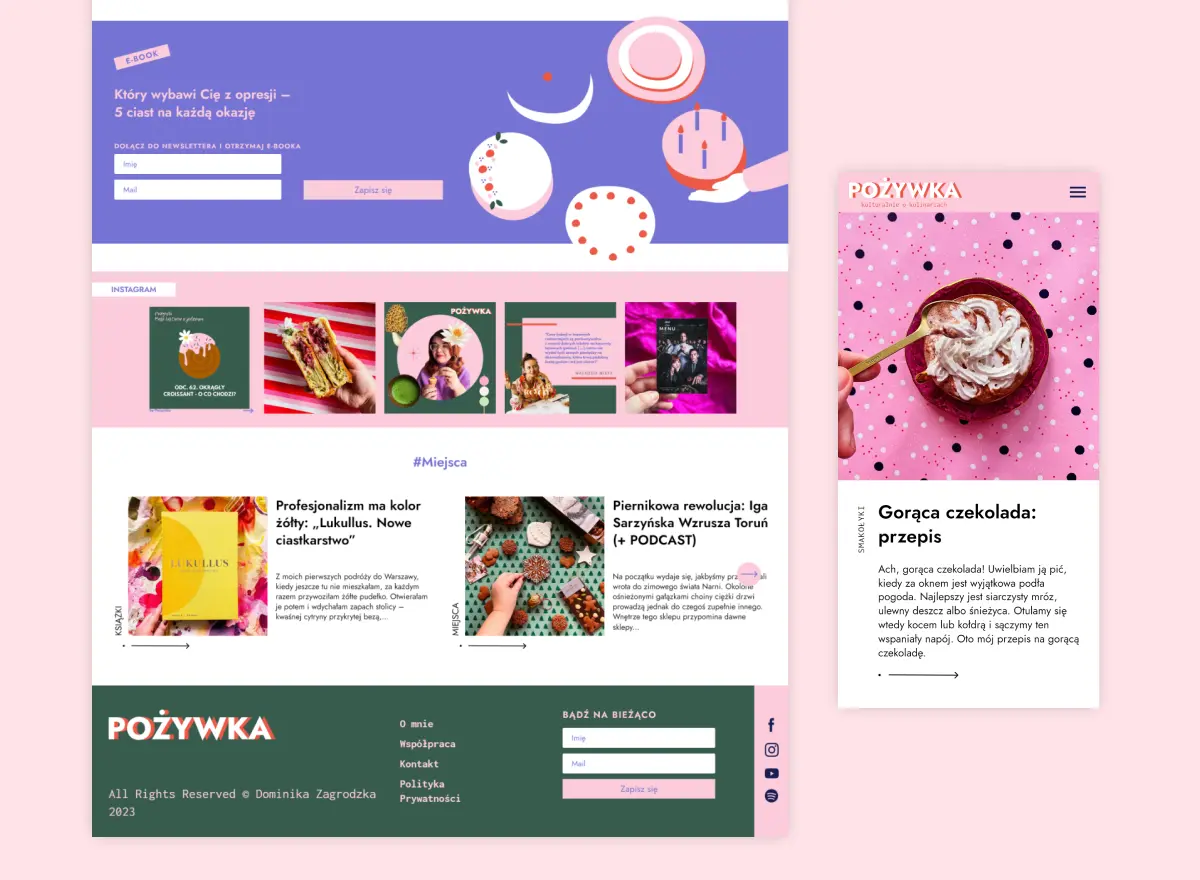
pozywka.pl
Scalable blog for food journalist, focused on performance and user experience 🌭
zagrodzki.me
Personal blog and portfolio of Bart Zagrodzki, where he shares his knowledge and work 💼
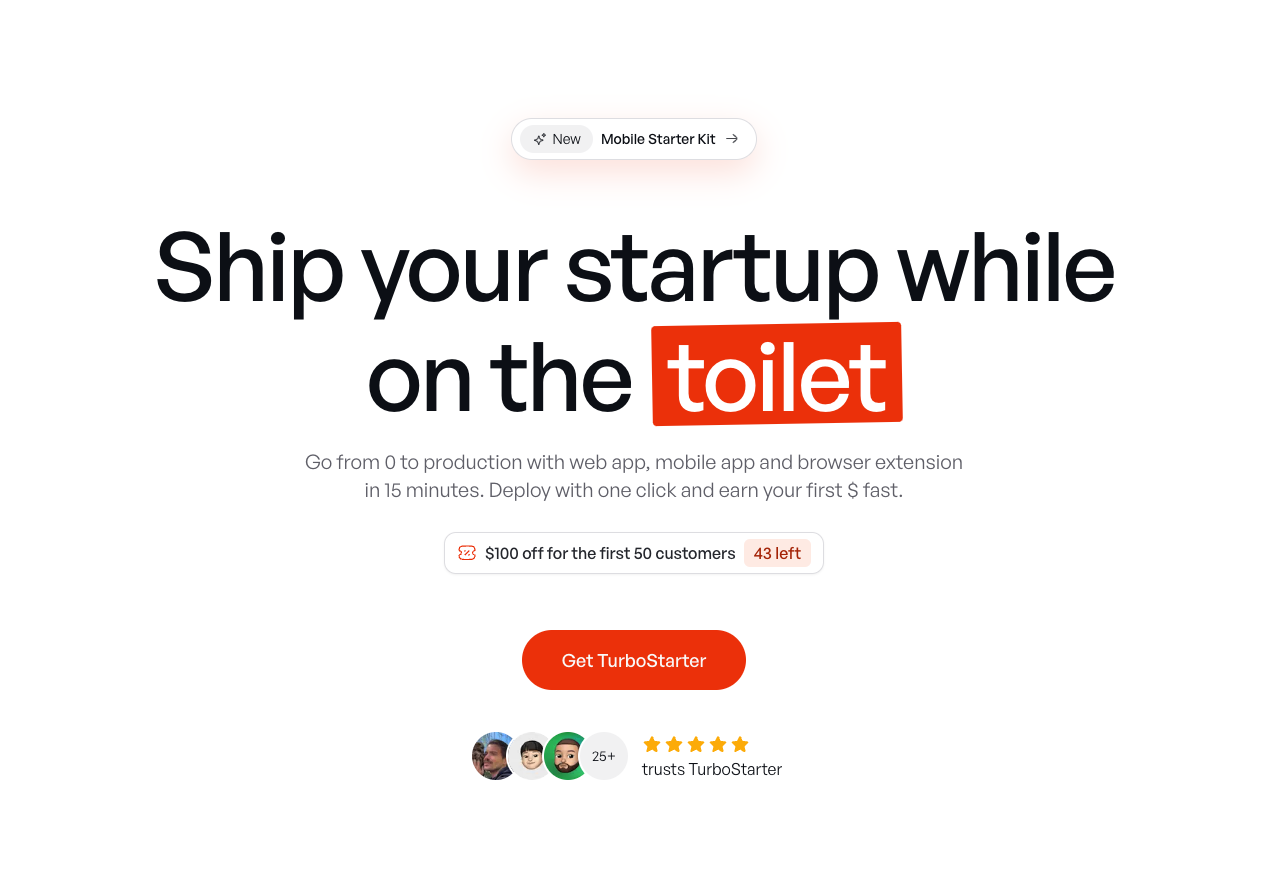
TurboStarter
Ship your startup everywhere. In minutes.
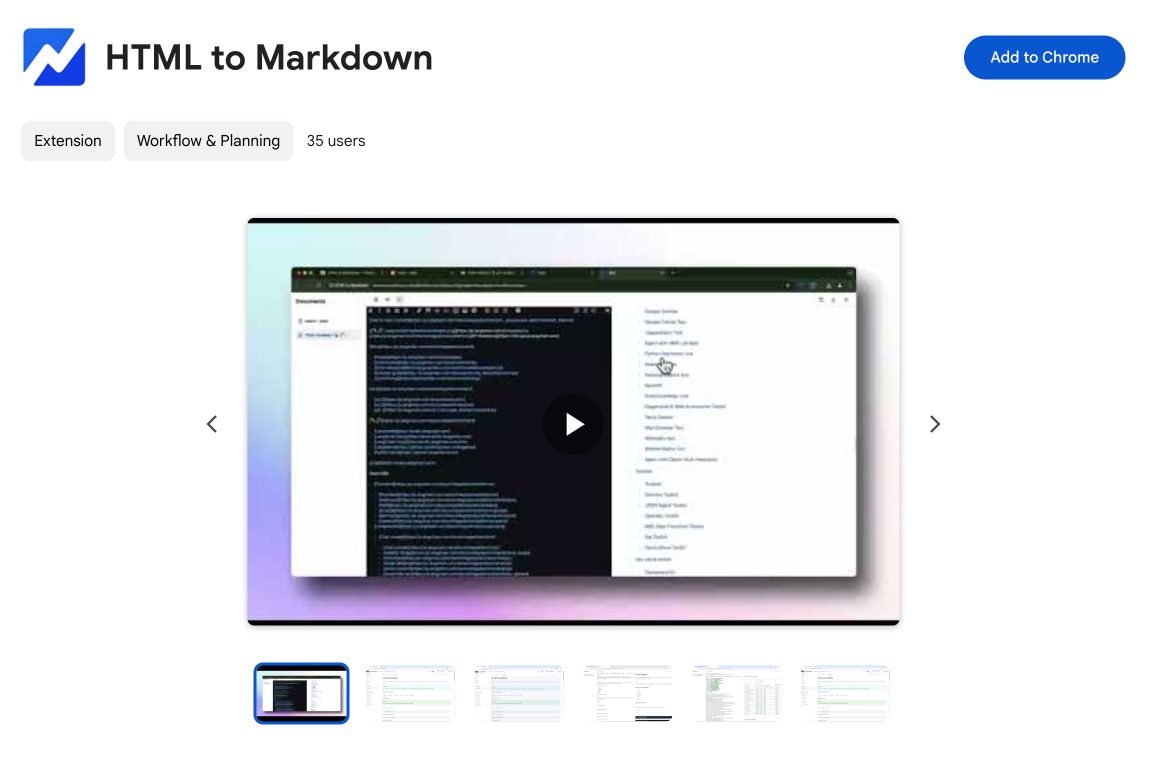
HTML to Markdown
Convert HTML to Markdown with ease, directly in your browser 📄
Dotallio
Personalized AI apps that automate research, data extraction, and content creation without code 🤖
Talk to Santa
Enjoy a magical live video chat or receive a unique AI-generated video greeting from Santa Claus 🎅
pozywka.pl
Scalable blog for food journalist, focused on performance and user experience 🌭
zagrodzki.me
Personal blog and portfolio of Bart Zagrodzki, where he shares his knowledge and work 💼
TurboStarter
Ship your startup everywhere. In minutes.
HTML to Markdown
Convert HTML to Markdown with ease, directly in your browser 📄
Dotallio
Personalized AI apps that automate research, data extraction, and content creation without code 🤖
Talk to Santa
Enjoy a magical live video chat or receive a unique AI-generated video greeting from Santa Claus 🎅
pozywka.pl
Scalable blog for food journalist, focused on performance and user experience 🌭
zagrodzki.me
Personal blog and portfolio of Bart Zagrodzki, where he shares his knowledge and work 💼
TurboStarter
Ship your startup everywhere. In minutes.
HTML to Markdown
Convert HTML to Markdown with ease, directly in your browser 📄
Dotallio
Personalized AI apps that automate research, data extraction, and content creation without code 🤖
Talk to Santa
Enjoy a magical live video chat or receive a unique AI-generated video greeting from Santa Claus 🎅
pozywka.pl
Scalable blog for food journalist, focused on performance and user experience 🌭
zagrodzki.me
Personal blog and portfolio of Bart Zagrodzki, where he shares his knowledge and work 💼
TurboStarter
Ship your startup everywhere. In minutes.
HTML to Markdown
Convert HTML to Markdown with ease, directly in your browser 📄
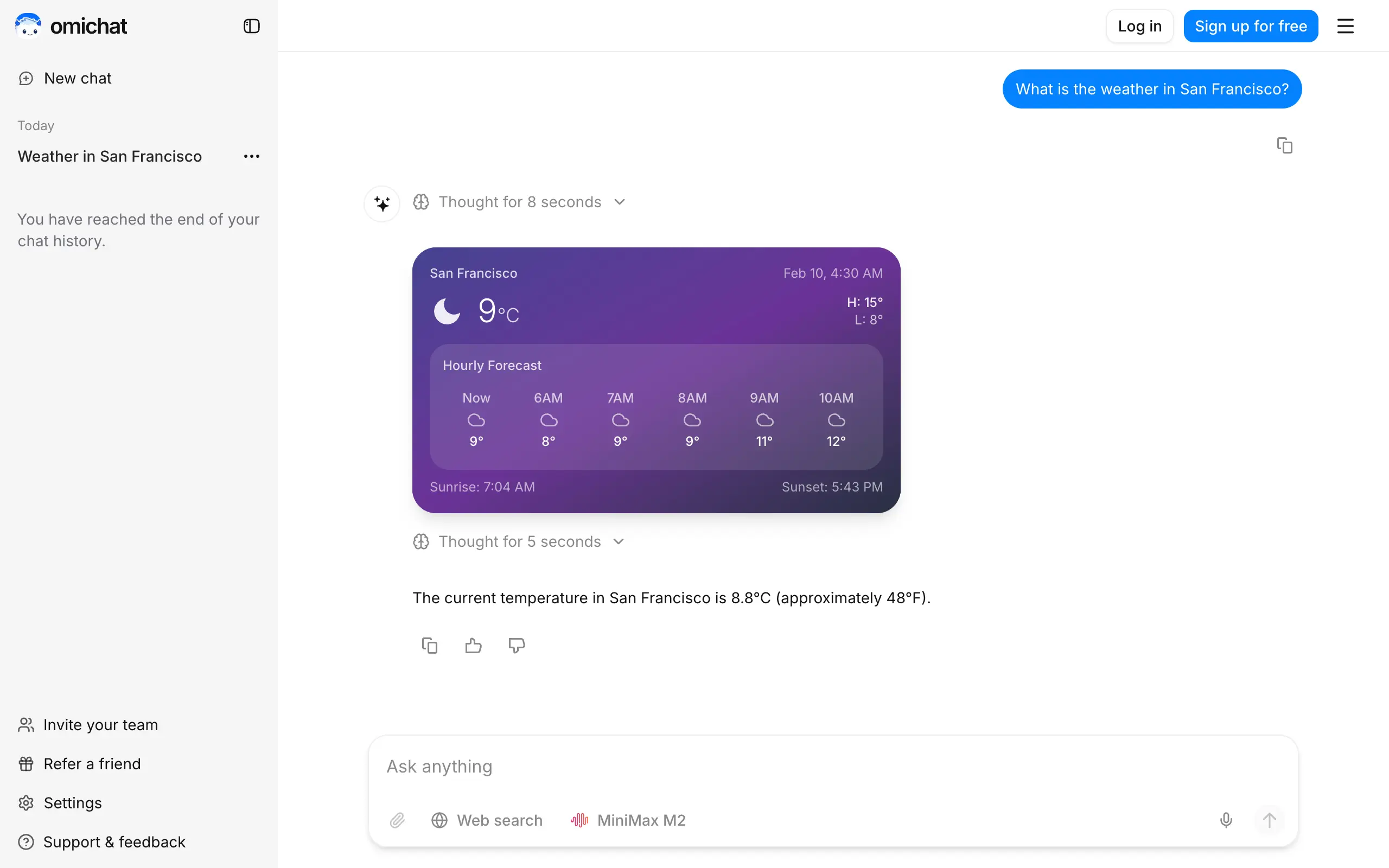
Omichat
Chat with 50+ AI models, including ChatGPT and Claude, in one place - switch models anytime without losing context 🤖
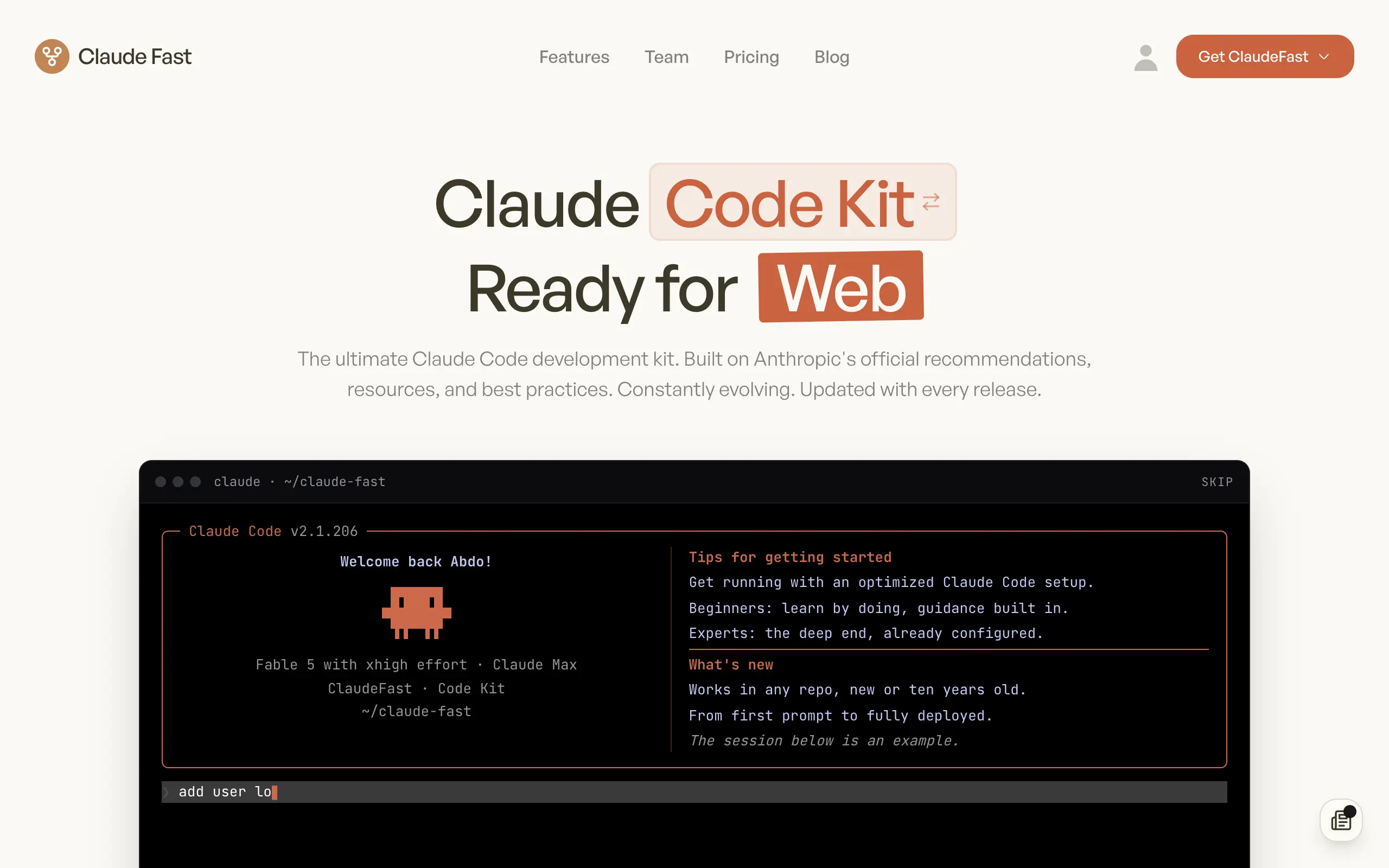
Claude Fast
Supercharge your Claude Code with 6x effective context window and specialized AI agents 🤖
EmojAI
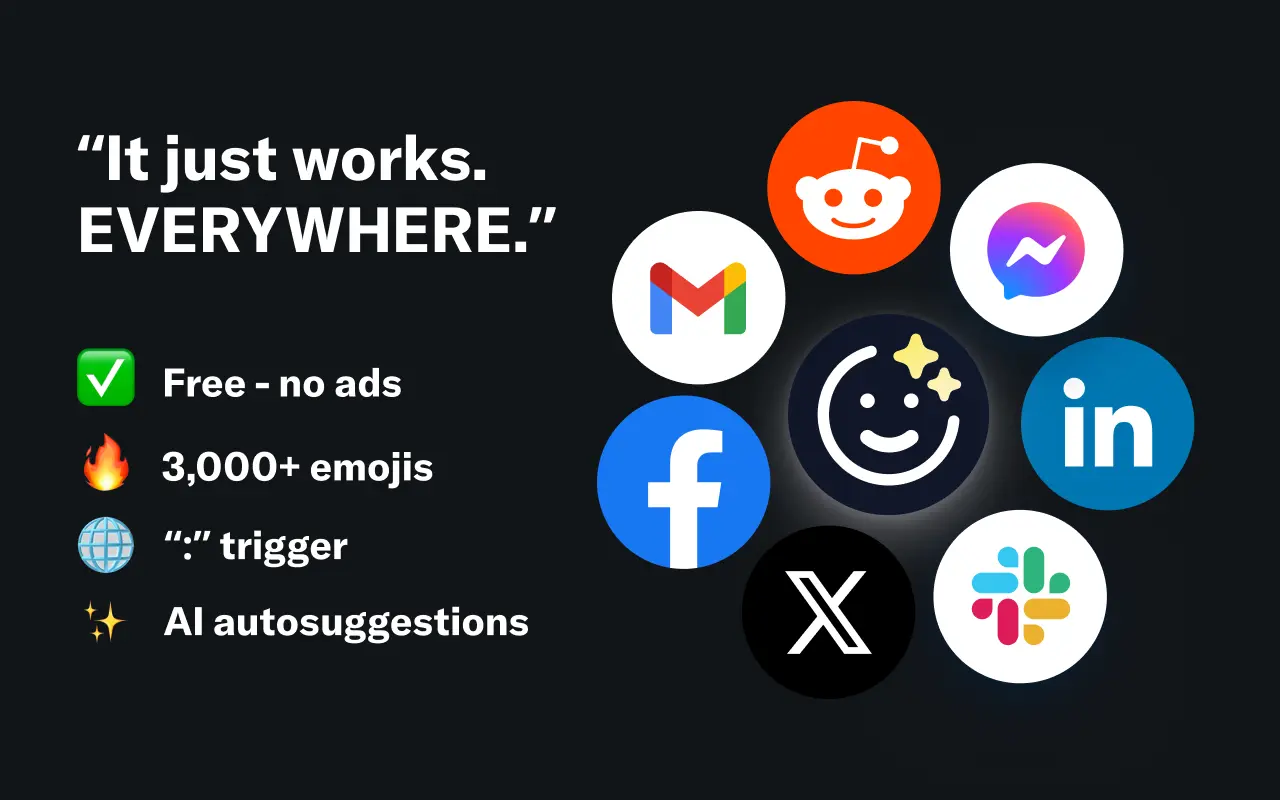
AI-powered emoji picker with smart, context-aware suggestions 🤖

Solohacker
Autonomous company launcher - AI agents work 24/7, escalate what matters, and you stay in control 🤖

BeRawi: Storytelling Coach
Practice storytelling daily with instant feedback to sound clearer, more engaging, and confident 🎤
Omichat
Chat with 50+ AI models, including ChatGPT and Claude, in one place - switch models anytime without losing context 🤖
Claude Fast
Supercharge your Claude Code with 6x effective context window and specialized AI agents 🤖
EmojAI
AI-powered emoji picker with smart, context-aware suggestions 🤖
Solohacker
Autonomous company launcher - AI agents work 24/7, escalate what matters, and you stay in control 🤖
BeRawi: Storytelling Coach
Practice storytelling daily with instant feedback to sound clearer, more engaging, and confident 🎤
Omichat
Chat with 50+ AI models, including ChatGPT and Claude, in one place - switch models anytime without losing context 🤖
Claude Fast
Supercharge your Claude Code with 6x effective context window and specialized AI agents 🤖
EmojAI
AI-powered emoji picker with smart, context-aware suggestions 🤖
Solohacker
Autonomous company launcher - AI agents work 24/7, escalate what matters, and you stay in control 🤖
BeRawi: Storytelling Coach
Practice storytelling daily with instant feedback to sound clearer, more engaging, and confident 🎤
Omichat
Chat with 50+ AI models, including ChatGPT and Claude, in one place - switch models anytime without losing context 🤖
Claude Fast
Supercharge your Claude Code with 6x effective context window and specialized AI agents 🤖
EmojAI
AI-powered emoji picker with smart, context-aware suggestions 🤖
Solohacker
Autonomous company launcher - AI agents work 24/7, escalate what matters, and you stay in control 🤖
BeRawi: Storytelling Coach
Practice storytelling daily with instant feedback to sound clearer, more engaging, and confident 🎤

Connect with like-minded people
Join our community to get feedback, support, and grow together with 1,000+ builders on board, let's ship it!
Join usShip your startup everywhere. In minutes.
Don't burn tokens on setup and start building features on day one.