StopSense
Real-time manufacturing line monitoring that detects micro-stoppages, identifies root causes, and quantifies lost revenue to improve production efficiency fast.
real-time manufacturing line monitoring for micro-stoppage detection and revenue recovery
Manufacturing leaders are no longer struggling with obvious downtime—they’ve already invested in systems to track major failures. The real problem now lies in the hidden inefficiencies: micro-stoppages, minor slowdowns, and intermittent disruptions that silently erode production capacity and profit margins.
This is where StopSense, a real-time manufacturing line monitoring platform, creates a decisive advantage. By detecting micro-stoppages, identifying root causes, and translating inefficiencies into measurable revenue loss, StopSense empowers operations teams to act faster, smarter, and with financial clarity.
This article explores the full business, technical, and strategic landscape of building and scaling a product like StopSense—from market opportunity to implementation.
understanding the real problem: micro-stoppages are killing efficiency
Most factories track downtime—but micro-stoppages often go unnoticed.
what are micro-stoppages?
Micro-stoppages are brief, frequent interruptions in production that typically last from a few seconds to a few minutes. Individually, they seem insignificant. Collectively, they can account for 5–20% of lost production time.
Common examples:
- Sensor misreads causing temporary halts
- Material misfeeds requiring operator intervention
- Machine recalibration pauses
- Operator delays between cycles
- Software latency or PLC communication lag
why traditional systems fail
Legacy MES (Manufacturing Execution Systems) and SCADA systems:
- Focus on major downtime events
- Lack granularity for sub-minute disruptions
- Provide historical reporting, not real-time insights
- Fail to quantify the financial impact
Hidden cost reality
Many manufacturers underestimate micro-stoppages because they don't appear in standard reports—yet they often represent the largest untapped efficiency gain.
target audience: who needs StopSense the most?
StopSense is designed for industries where continuous production and uptime are critical.
primary users
- Plant managers: need real-time visibility into performance
- Operations leaders: focused on throughput optimization
- Lean manufacturing teams: driving continuous improvement
- Maintenance engineers: identifying recurring issues
- CFOs / finance teams: interested in cost-to-revenue translation
industries with strongest fit
- Automotive manufacturing
- Food & beverage processing
- Pharmaceuticals
- Packaging and logistics
- Electronics assembly
- Consumer goods production
user pain points
- Lack of real-time operational insights
- Inability to prioritize issues by financial impact
- Reactive instead of proactive maintenance
- Disconnected data across machines and systems
- Inefficient root cause analysis
market opportunity and gap analysis
The industrial analytics and smart manufacturing market is expanding rapidly, driven by Industry 4.0 adoption.
key trends driving demand
- Increased investment in IIoT (Industrial Internet of Things)
- Shift toward data-driven manufacturing
- Demand for predictive and prescriptive analytics
- Rising labor costs pushing automation efficiency
- ESG and waste reduction initiatives
Industry analysts (e.g., McKinsey, Deloitte) consistently highlight that:
- 30–50% of manufacturing inefficiencies remain unaddressed
- Most gains now come from optimization, not expansion
the gap StopSense fills
Existing solutions fall into three categories:
- MES systems – too broad, not real-time enough
- IoT dashboards – data-heavy, insight-light
- Predictive maintenance tools – focus on failures, not inefficiencies
StopSense uniquely focuses on:
- Micro-stoppage detection
- Real-time root cause analysis
- Financial impact quantification
core features of StopSense
A successful StopSense platform must combine real-time data ingestion, analytics, and actionable insights.
1. real-time machine monitoring
- Integrates with PLCs, sensors, and IoT devices
- Captures cycle times, stoppages, and anomalies
- Streams data continuously for instant visibility
2. micro-stoppage detection engine
- Identifies sub-threshold stoppages (e.g., < 5 minutes)
- Uses time-series anomaly detection
- Clusters recurring patterns
3. root cause analysis
- Correlates stoppages with:
- Machine states
- Operator actions
- Environmental conditions
- Provides ranked probable causes
4. revenue loss quantification
This is the core differentiator.
- Converts downtime into:
- Lost units
- Lost revenue
- Opportunity cost
- Customizable based on production economics
5. real-time alerts and dashboards
- Live dashboards for plant floor visibility
- Alerts via SMS, email, or mobile app
- Escalation workflows
6. historical analytics and reporting
- Trend analysis over time
- Pareto charts for top inefficiencies
- Continuous improvement tracking
feature comparison vs existing solutions
| Capability | StopSense | MES | IoT dashboards | Predictive maintenance |
|---|---|---|---|---|
| Micro-stoppage detection | ✅ | ❌ | ❌ | ❌ |
| Real-time insights | ✅ | ⚠️ | ✅ | ⚠️ |
| Revenue impact tracking | ✅ | ❌ | ❌ | ❌ |
| Root cause intelligence | ✅ | ⚠️ | ❌ | ✅ |
technical architecture and recommended tech stack
Building StopSense requires a robust, scalable, real-time data infrastructure.
frontend layer
- React for dynamic dashboards
- TailwindCSS for fast UI development
- WebSockets for live updates
backend layer
- Node.js or Python (FastAPI)
- GraphQL or REST APIs
- Real-time event processing
data ingestion
- MQTT for IoT communication
- OPC-UA integration for industrial machines
- Kafka for streaming pipelines
data storage
- Time-series database: InfluxDB or TimescaleDB
- Relational DB: PostgreSQL
- Data lake for long-term analytics
analytics and AI
- Python (NumPy, Pandas, scikit-learn)
- Anomaly detection models
- Event correlation engines
deployment
- Kubernetes for scalability
- Cloud providers (AWS, Azure, GCP)
- Edge computing for low-latency environments
example: real-time event processing pipeline
// simplified micro-stoppage detection logic

function detectMicroStoppage(events) {
  const threshold = 120; // seconds

  return events.filter(event => {
    return event.duration > 5 && event.duration < threshold;
  }).map(event => ({
    ...event,
    impact: calculateRevenueLoss(event)
  }));
}

function calculateRevenueLoss(event) {
  const unitsLost = event.duration * event.unitsPerSecond;
  return unitsLost * event.unitValue;
}
monetization strategy
StopSense can adopt multiple pricing strategies depending on market positioning.
saas subscription model
- Tiered pricing based on:
- Number of machines
- Data volume
- Features
Example:
- Starter: $99/month (small plants)
- Growth: $499/month
- Enterprise: custom pricing
usage-based pricing
- Charge per:
- Data point processed
- Machine connected
- Alerts triggered
value-based pricing (highly recommended)
- Price tied to revenue saved
- Example:
- 5–10% of recovered efficiency value
High-leverage pricing insight
Manufacturers are far more willing to pay when ROI is clearly quantified. StopSense’s revenue-loss feature makes value-based pricing especially powerful.
competitive advantage and unique selling proposition
StopSense stands out due to its financial-first approach to operational efficiency.
key differentiators
- Converts machine data into business impact
- Focuses on micro inefficiencies, not just failures
- Provides real-time actionable insights
- Enables faster decision-making on the floor
defensibility
- Data network effects (more data = better insights)
- Custom integrations with factory systems
- Industry-specific models and tuning
risks and challenges (and how to mitigate them)
1. integration complexity
Problem: Factories have diverse and legacy systems
Solution:
- Build flexible connectors (OPC-UA, APIs)
- Offer implementation support
2. data quality issues
Problem: Noisy or incomplete sensor data
Solution:
- Data validation pipelines
- Redundancy and smoothing algorithms
3. user adoption resistance
Problem: Operators resist new tools
Solution:
- Simple, intuitive dashboards
- Clear ROI demonstration
4. long sales cycles
Problem: Enterprise deals take time
Solution:
- Start with pilot programs
- Show quick wins within 30 days
product roadmap and expansion opportunities
phase 1: core platform
- Real-time monitoring
- Micro-stoppage detection
- Basic dashboards
phase 2: intelligence layer
- Root cause analysis
- Predictive insights
- Automated recommendations
phase 3: automation
- Closed-loop optimization
- Integration with control systems
- AI-driven process tuning
go-to-market strategy
initial wedge
Target:
- Mid-sized manufacturers
- Single-factory operations
- High automation environments
acquisition channels
- Industry conferences
- LinkedIn outreach
- Partnerships with system integrators
- Content marketing (case studies, ROI calculators)
sales strategy
- Offer free audit/demo
- Provide ROI projections
- Close with pilot program
actionable implementation steps
building faster with modern tooling
Instead of starting from scratch, founders can accelerate development using pre-built SaaS infrastructure like TurboStarter.
Benefits:
- Authentication and billing ready out of the box
- Scalable architecture
- Faster time-to-market
- Focus on core product innovation
frequently asked questions
StopSense focuses specifically on micro-stoppages and real-time insights, whereas MES systems are broader and often retrospective. It also uniquely quantifies revenue loss.
Not necessarily. StopSense can integrate with existing PLCs and sensors, though additional IoT devices may enhance data accuracy.
Many manufacturers can see measurable improvements within weeks, especially by addressing recurring micro-stoppages.
Yes, especially those with automated lines where even small inefficiencies significantly impact output.
final thoughts: why StopSense is a high-impact SaaS opportunity
The next frontier in manufacturing isn’t automation—it’s optimization.
StopSense targets one of the most overlooked yet valuable areas in production: micro-efficiency. By combining real-time monitoring, intelligent analysis, and financial clarity, it delivers a compelling value proposition that resonates across technical and executive stakeholders.
In a world where margins are tightening and efficiency is everything, tools that translate operational data into immediate, actionable, and financially meaningful insights will define the future of smart manufacturing.
StopSense isn’t just another analytics tool—it’s a decision engine for modern factories.
More 💡 Other SaaS ideas
Discover more innovative other SaaS ideas that are trending in 2026. Each idea is AI-generated with market validation and growth potential to help you find your next profitable venture faster than competitors.
Your competitors are building with TurboStarter
Below are some of the SaaS ideas that have been generated and built with our starter kit.
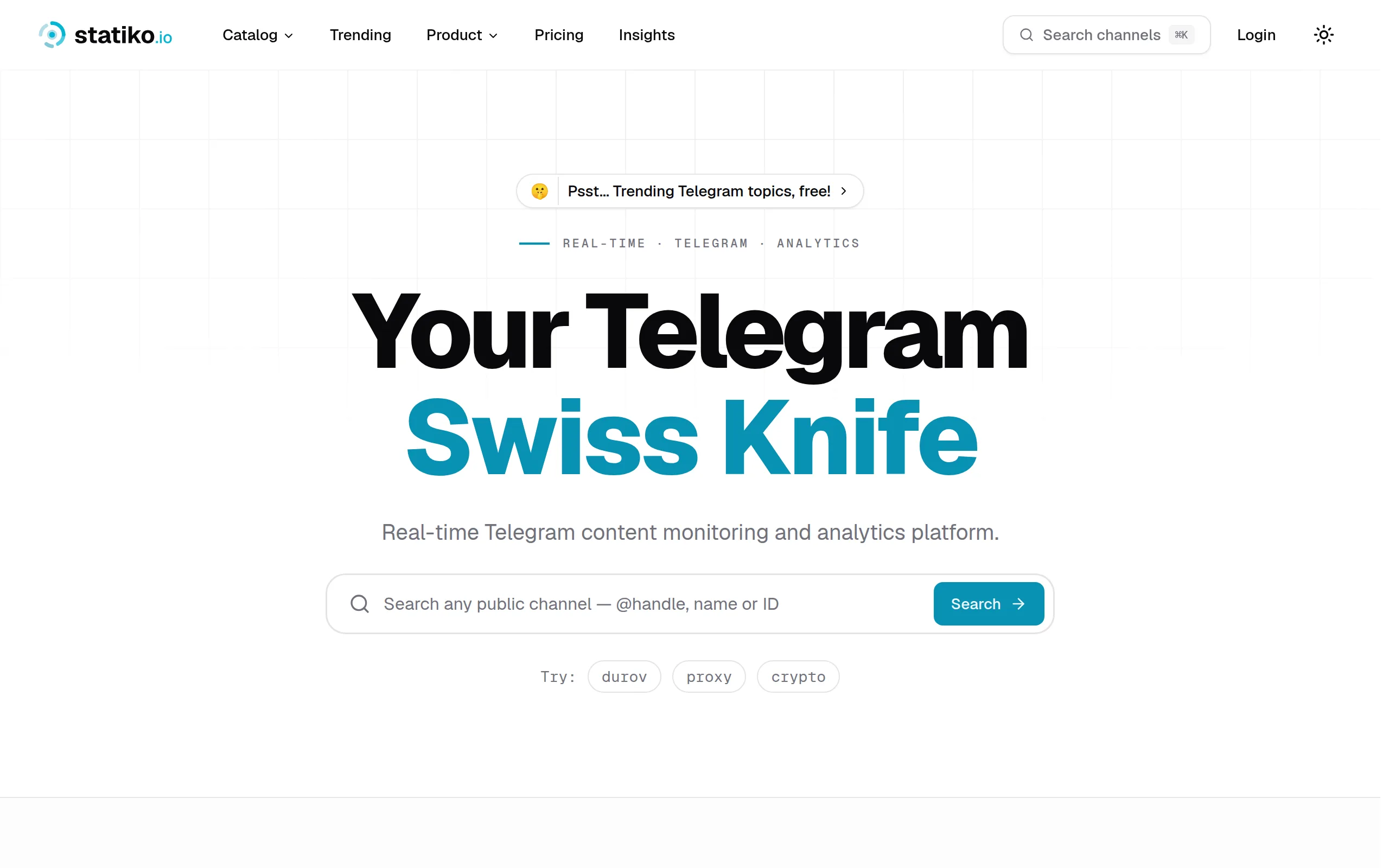
Statiko
Monitor any Telegram channel in real time - track posts, edits, deletions, and growth with AI recaps 📡

Shibui
AI website builder - describe your business, pick a niche template, edit by chatting, and publish instantly ✨
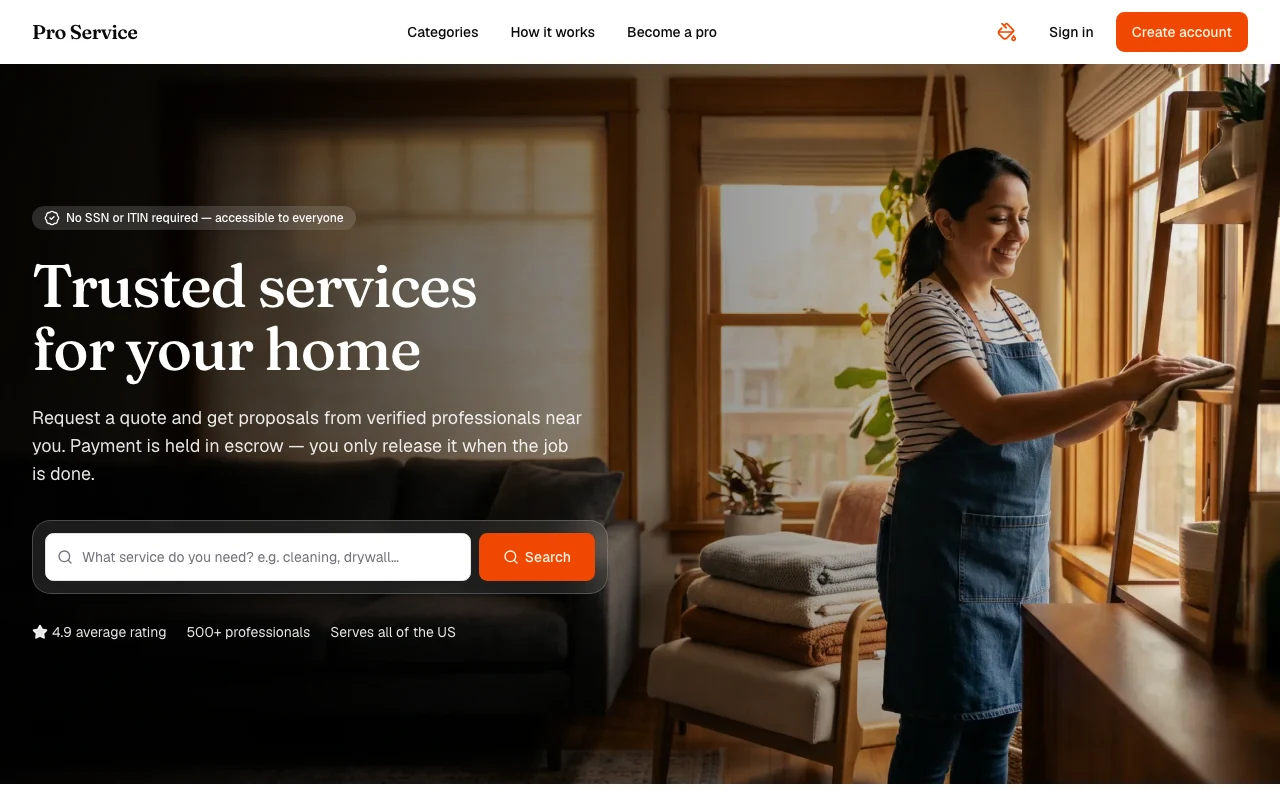
Pro Service
Find verified home service professionals, compare quotes, and pay securely through escrow - built for Brazilians across the US 🏠
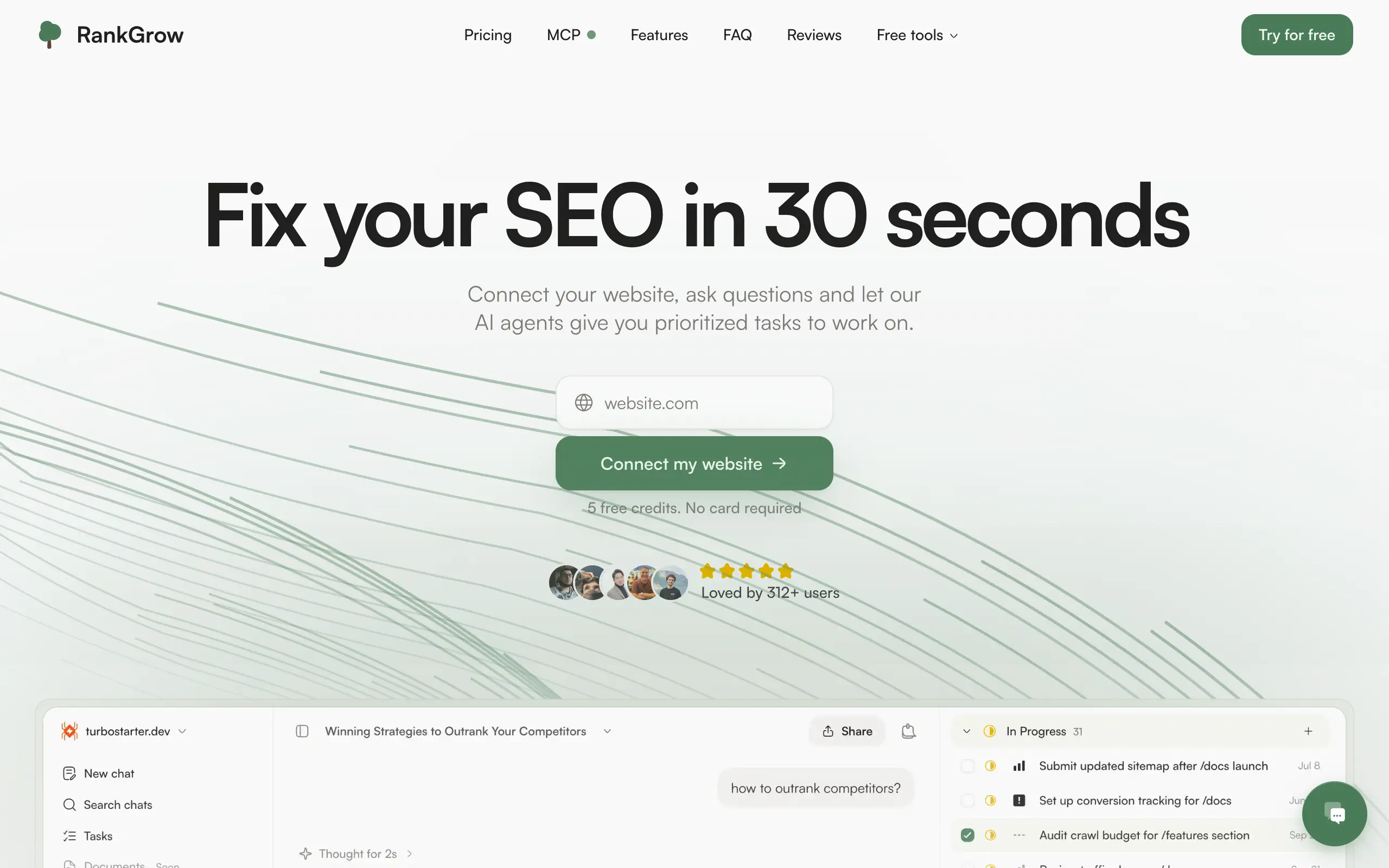
RankGrow
Fix your SEO with AI agents - connect Search Console, get prioritized tasks, and grow organic traffic 📈
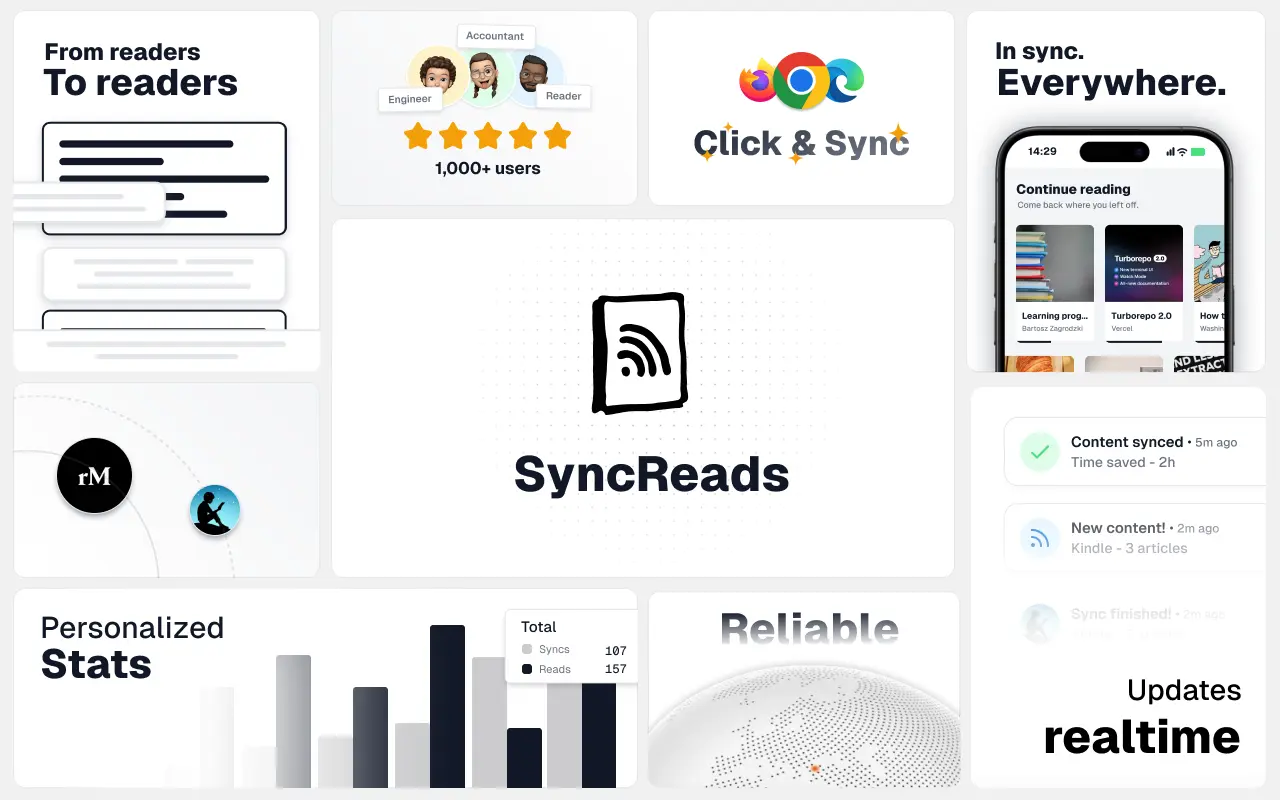
SyncReads
Sync your favorite content for distraction-free reading, save time and replace multiple apps. Anytime, anywhere 🔄
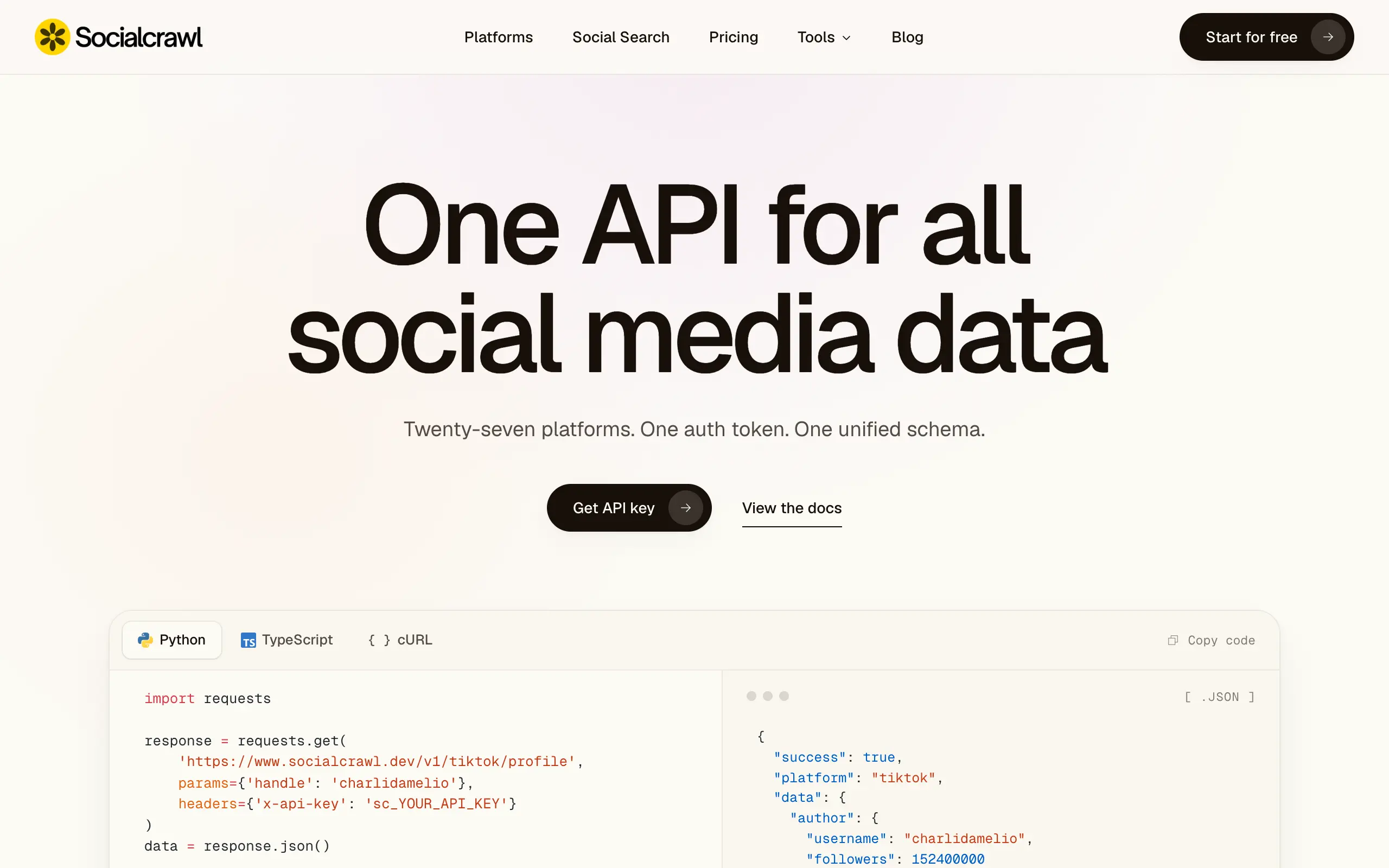
Socialcrawl
Get clean, structured data from 21 platforms like TikTok, Instagram, and YouTube with a single request 📊
Statiko
Monitor any Telegram channel in real time - track posts, edits, deletions, and growth with AI recaps 📡
Shibui
AI website builder - describe your business, pick a niche template, edit by chatting, and publish instantly ✨
Pro Service
Find verified home service professionals, compare quotes, and pay securely through escrow - built for Brazilians across the US 🏠
RankGrow
Fix your SEO with AI agents - connect Search Console, get prioritized tasks, and grow organic traffic 📈
SyncReads
Sync your favorite content for distraction-free reading, save time and replace multiple apps. Anytime, anywhere 🔄
Socialcrawl
Get clean, structured data from 21 platforms like TikTok, Instagram, and YouTube with a single request 📊
Statiko
Monitor any Telegram channel in real time - track posts, edits, deletions, and growth with AI recaps 📡
Shibui
AI website builder - describe your business, pick a niche template, edit by chatting, and publish instantly ✨
Pro Service
Find verified home service professionals, compare quotes, and pay securely through escrow - built for Brazilians across the US 🏠
RankGrow
Fix your SEO with AI agents - connect Search Console, get prioritized tasks, and grow organic traffic 📈
SyncReads
Sync your favorite content for distraction-free reading, save time and replace multiple apps. Anytime, anywhere 🔄
Socialcrawl
Get clean, structured data from 21 platforms like TikTok, Instagram, and YouTube with a single request 📊
Statiko
Monitor any Telegram channel in real time - track posts, edits, deletions, and growth with AI recaps 📡
Shibui
AI website builder - describe your business, pick a niche template, edit by chatting, and publish instantly ✨
Pro Service
Find verified home service professionals, compare quotes, and pay securely through escrow - built for Brazilians across the US 🏠
RankGrow
Fix your SEO with AI agents - connect Search Console, get prioritized tasks, and grow organic traffic 📈
SyncReads
Sync your favorite content for distraction-free reading, save time and replace multiple apps. Anytime, anywhere 🔄
Socialcrawl
Get clean, structured data from 21 platforms like TikTok, Instagram, and YouTube with a single request 📊
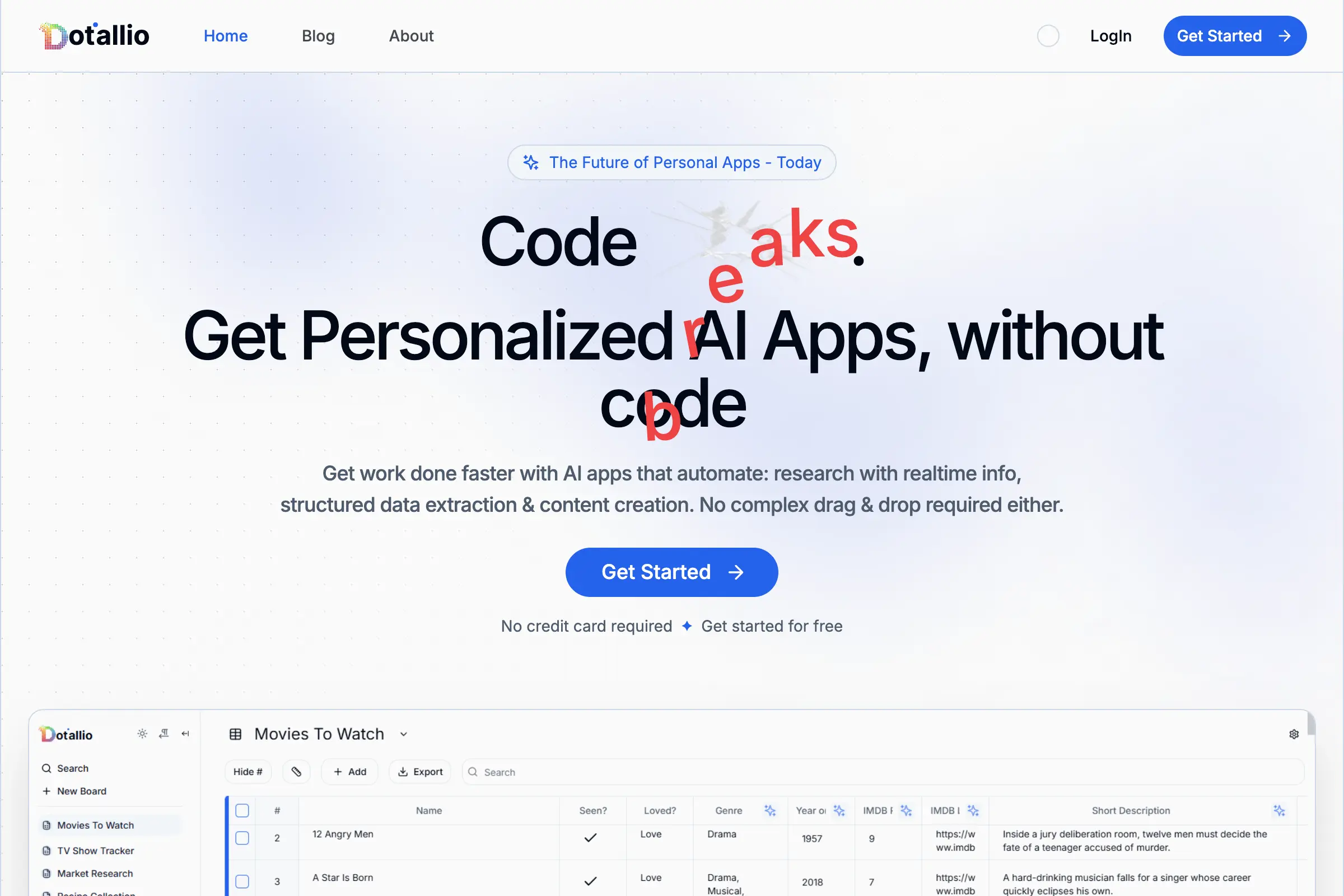
Dotallio
Personalized AI apps that automate research, data extraction, and content creation without code 🤖
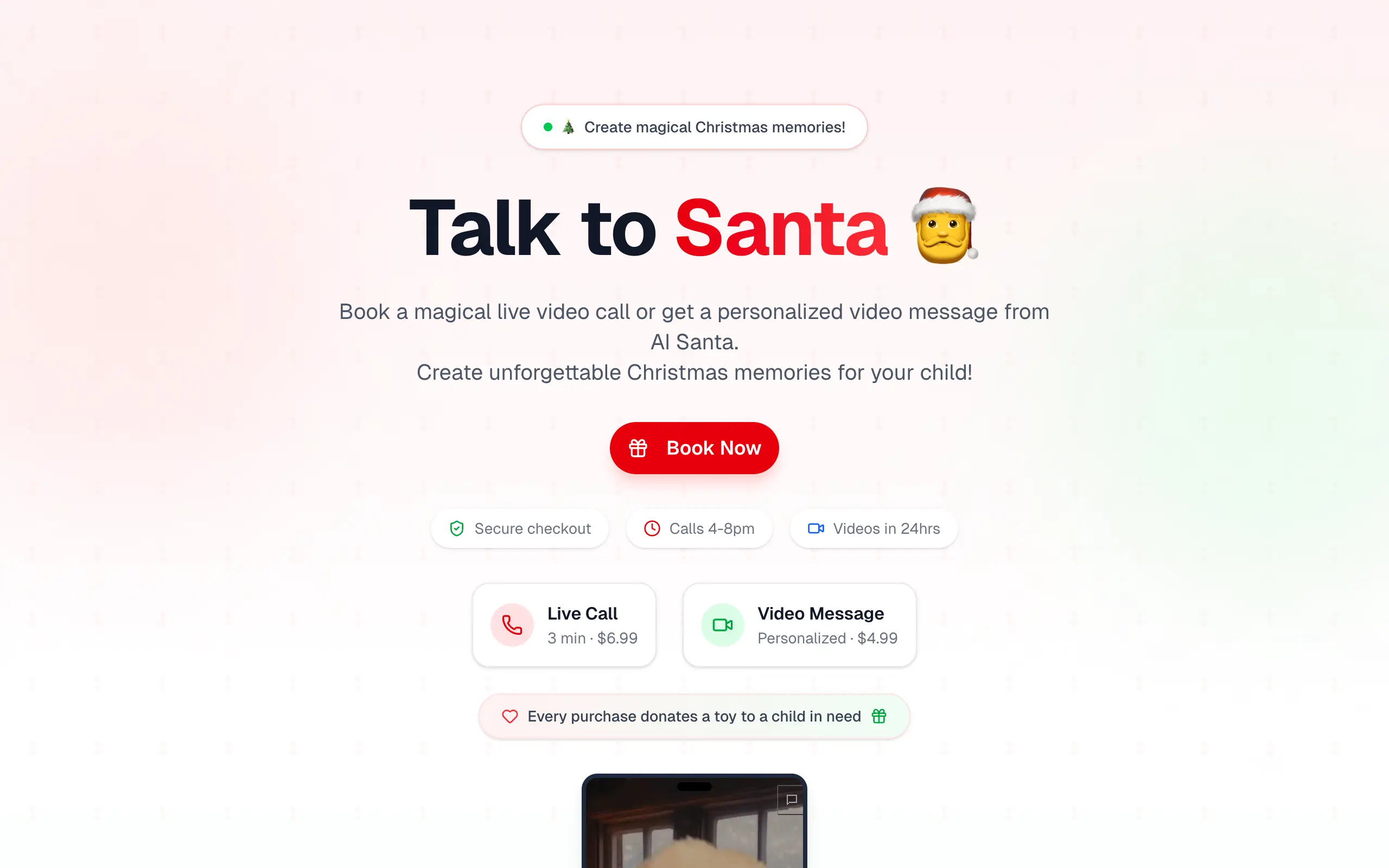
Talk to Santa
Enjoy a magical live video chat or receive a unique AI-generated video greeting from Santa Claus 🎅
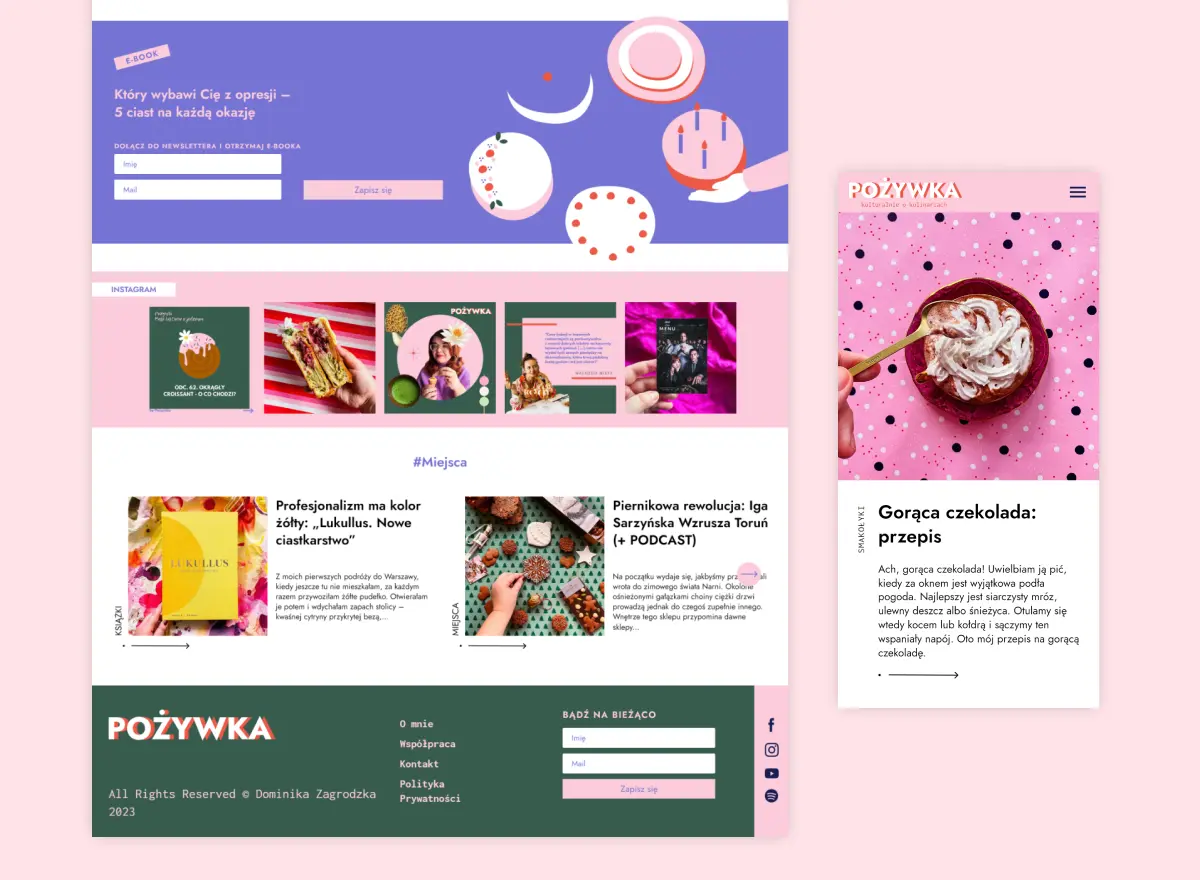
pozywka.pl
Scalable blog for food journalist, focused on performance and user experience 🌭
zagrodzki.me
Personal blog and portfolio of Bart Zagrodzki, where he shares his knowledge and work 💼
TurboStarter
Ship your startup everywhere. In minutes.
HTML to Markdown
Convert HTML to Markdown with ease, directly in your browser 📄
Dotallio
Personalized AI apps that automate research, data extraction, and content creation without code 🤖
Talk to Santa
Enjoy a magical live video chat or receive a unique AI-generated video greeting from Santa Claus 🎅
pozywka.pl
Scalable blog for food journalist, focused on performance and user experience 🌭
zagrodzki.me
Personal blog and portfolio of Bart Zagrodzki, where he shares his knowledge and work 💼
TurboStarter
Ship your startup everywhere. In minutes.
HTML to Markdown
Convert HTML to Markdown with ease, directly in your browser 📄
Dotallio
Personalized AI apps that automate research, data extraction, and content creation without code 🤖
Talk to Santa
Enjoy a magical live video chat or receive a unique AI-generated video greeting from Santa Claus 🎅
pozywka.pl
Scalable blog for food journalist, focused on performance and user experience 🌭
zagrodzki.me
Personal blog and portfolio of Bart Zagrodzki, where he shares his knowledge and work 💼
TurboStarter
Ship your startup everywhere. In minutes.
HTML to Markdown
Convert HTML to Markdown with ease, directly in your browser 📄
Dotallio
Personalized AI apps that automate research, data extraction, and content creation without code 🤖
Talk to Santa
Enjoy a magical live video chat or receive a unique AI-generated video greeting from Santa Claus 🎅
pozywka.pl
Scalable blog for food journalist, focused on performance and user experience 🌭
zagrodzki.me
Personal blog and portfolio of Bart Zagrodzki, where he shares his knowledge and work 💼
TurboStarter
Ship your startup everywhere. In minutes.
HTML to Markdown
Convert HTML to Markdown with ease, directly in your browser 📄
Omichat
Chat with 50+ AI models, including ChatGPT and Claude, in one place - switch models anytime without losing context 🤖
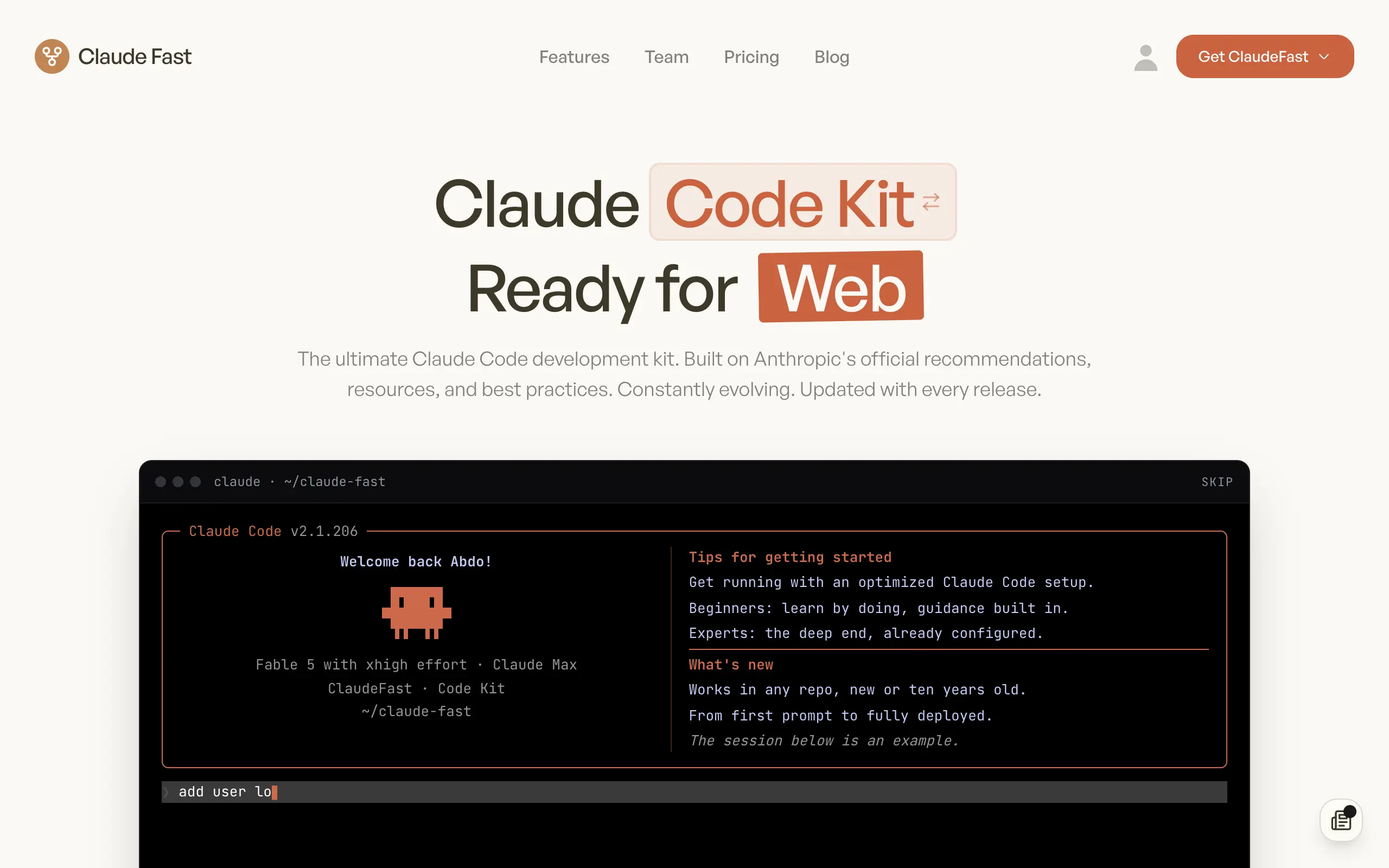
Claude Fast
Supercharge your Claude Code with 6x effective context window and specialized AI agents 🤖
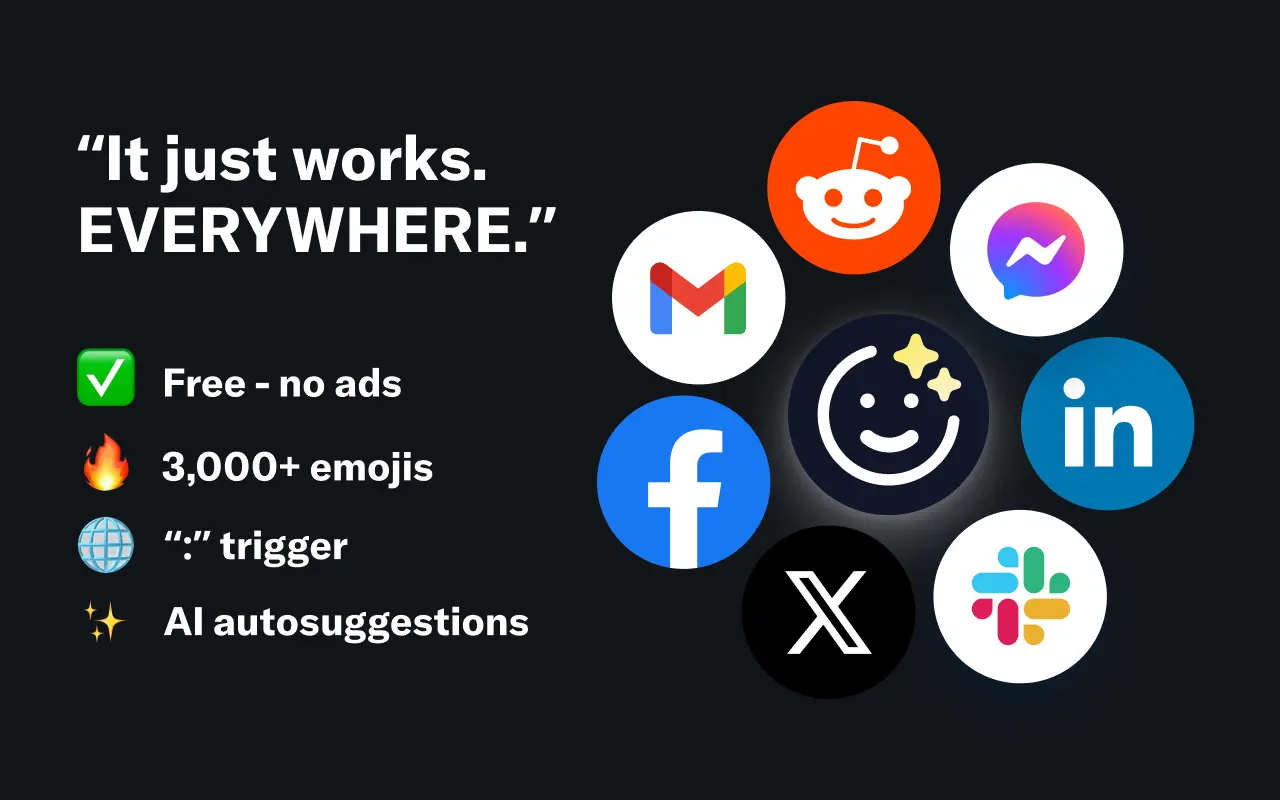
EmojAI
AI-powered emoji picker with smart, context-aware suggestions 🤖
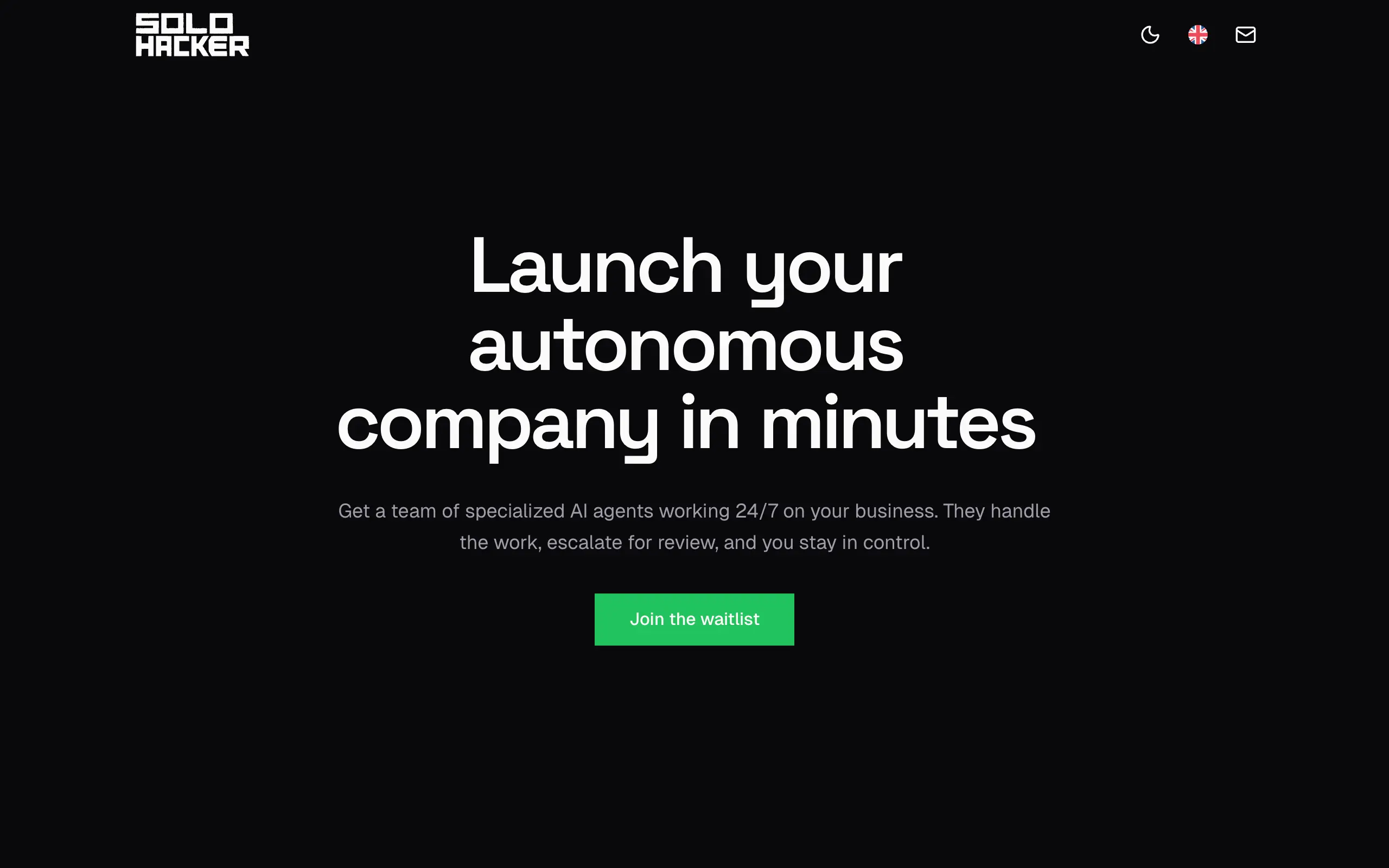
Solohacker
Autonomous company launcher - AI agents work 24/7, escalate what matters, and you stay in control 🤖
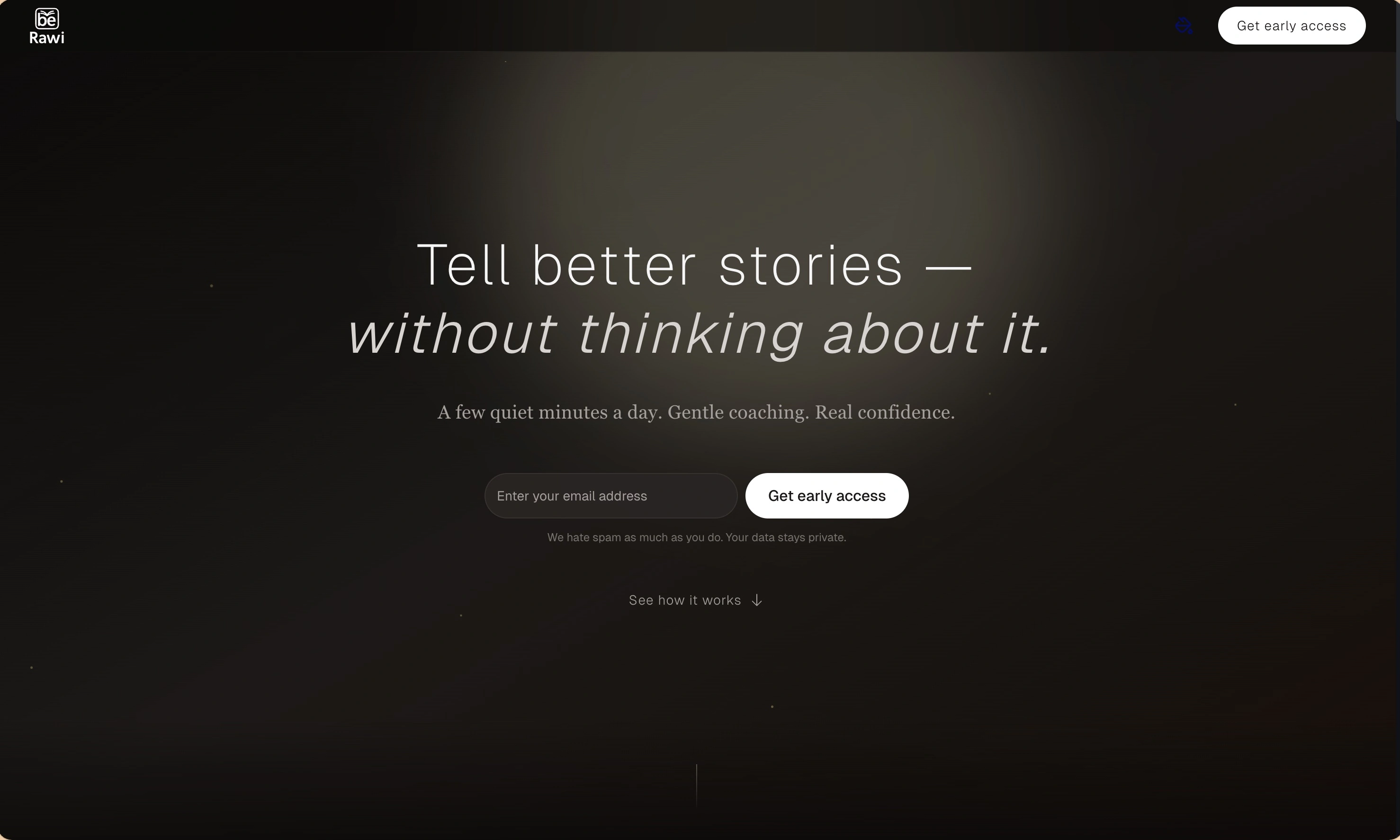
BeRawi: Storytelling Coach
Practice storytelling daily with instant feedback to sound clearer, more engaging, and confident 🎤
Omichat
Chat with 50+ AI models, including ChatGPT and Claude, in one place - switch models anytime without losing context 🤖
Claude Fast
Supercharge your Claude Code with 6x effective context window and specialized AI agents 🤖
EmojAI
AI-powered emoji picker with smart, context-aware suggestions 🤖
Solohacker
Autonomous company launcher - AI agents work 24/7, escalate what matters, and you stay in control 🤖
BeRawi: Storytelling Coach
Practice storytelling daily with instant feedback to sound clearer, more engaging, and confident 🎤
Omichat
Chat with 50+ AI models, including ChatGPT and Claude, in one place - switch models anytime without losing context 🤖
Claude Fast
Supercharge your Claude Code with 6x effective context window and specialized AI agents 🤖
EmojAI
AI-powered emoji picker with smart, context-aware suggestions 🤖
Solohacker
Autonomous company launcher - AI agents work 24/7, escalate what matters, and you stay in control 🤖
BeRawi: Storytelling Coach
Practice storytelling daily with instant feedback to sound clearer, more engaging, and confident 🎤
Omichat
Chat with 50+ AI models, including ChatGPT and Claude, in one place - switch models anytime without losing context 🤖
Claude Fast
Supercharge your Claude Code with 6x effective context window and specialized AI agents 🤖
EmojAI
AI-powered emoji picker with smart, context-aware suggestions 🤖
Solohacker
Autonomous company launcher - AI agents work 24/7, escalate what matters, and you stay in control 🤖
BeRawi: Storytelling Coach
Practice storytelling daily with instant feedback to sound clearer, more engaging, and confident 🎤

Connect with like-minded people
Join our community to get feedback, support, and grow together with 1,000+ builders on board, let's ship it!
Join usShip your startup everywhere. In minutes.
Don't burn tokens on setup and start building features on day one.