SyncStage Manager
Sistema web para planejar e acompanhar todas as etapas da carreira artística, com metas, dados de streaming e gestão integrada de projetos musicais.
what is an artist career management platform like SyncStage Manager?
The rise of independent artists, creator economies, and streaming-first distribution has fundamentally changed how music careers are built. Today’s artists are not just performers—they are project managers, marketers, data analysts, and entrepreneurs. This shift creates a massive need for structured systems that bring clarity, control, and strategy to creative careers.
A platform like SyncStage Manager—a web-based system for planning, tracking, and optimizing every stage of an artist’s career—sits directly at the intersection of music, productivity, and data intelligence.
At its core, SyncStage Manager combines:
- Career planning tools (goal setting, milestones, roadmap)
- Streaming analytics integration (Spotify, Apple Music, YouTube insights)
- Project management for releases (singles, albums, campaigns)
- Team collaboration tools (producers, marketers, managers)
This isn’t just another “music tool.” It’s a career operating system for artists.
understanding the target audience
To build and position SyncStage Manager effectively, you need to clearly define who it serves—and more importantly, what problems they face daily.
primary audience segments
1. independent artists (DIY musicians)
These users are:
- Managing their own releases
- Tracking streaming performance manually
- Struggling with consistency and planning
Pain points:
- No centralized place for career planning
- Difficulty interpreting streaming data
- Lack of long-term strategy
- Overwhelmed by scattered tools
2. artist managers and small labels
These professionals:
- Handle multiple artists at once
- Need reporting and oversight tools
- Coordinate campaigns and releases
Pain points:
- Fragmented workflows across tools (Notion, Excel, email, etc.)
- No unified dashboard for artist performance
- Difficulty aligning team members
3. emerging creators and content-driven musicians
This includes TikTok-native artists and YouTube musicians who:
- Focus on content velocity
- Need insights tied to growth metrics
- Often lack structured planning
Pain points:
- Reactive instead of strategic decision-making
- No roadmap for scaling success
- Difficulty connecting content performance to music growth
market opportunity and gap analysis
The music tech ecosystem is crowded—but fragmented.
current tools in the ecosystem
Let’s break down what already exists:
| Tool Type | Examples | Strength | Weakness | Opportunity |
|---|---|---|---|---|
| Streaming analytics | Spotify for Artists | Accurate data | Limited planning tools | Combine with strategy |
| Project management | Notion, Trello | Flexible workflows | Not music-specific | Industry-tailored UX |
| Distribution platforms | DistroKid, TuneCore | Release management | No career tracking | Lifecycle insights |
| Marketing tools | Hootsuite, Buffer | Scheduling | No artist context | Unified strategy layer |
the gap SyncStage Manager fills
There is no single platform that connects:
- Career goals
- Release execution
- Performance data
- Strategic decision-making
This creates a strong opportunity for SyncStage Manager to become:
“The operating system for modern music careers”
core features and product vision
To succeed, SyncStage Manager needs to go beyond basic dashboards and deliver actionable intelligence + structured workflows.
1. career roadmap and goal planning
Artists need a clear path, not just inspiration.
Key features:
- Goal setting (monthly, quarterly, yearly)
- Milestone tracking (e.g., “10k monthly listeners”)
- Visual roadmap timeline
- AI-assisted recommendations based on data
Example:
- Goal: Reach 100k Spotify streams
- Suggested actions:
- Release 2 singles
- Launch TikTok campaign
- Collaborate with similar artists
2. streaming data integration
Data is everywhere—but rarely actionable.
Integrations should include:
- Spotify for Artists
- Apple Music for Artists
- YouTube Analytics
Key capabilities:
- Unified dashboard across platforms
- Growth trends visualization
- Audience insights (geo, demographics)
- Release performance comparison
Strategic insight
Artists don’t just need data—they need interpretation. SyncStage Manager should translate analytics into clear next steps.
3. music project management
Each release is a complex project involving:
- Production
- Distribution
- Marketing
- Post-release analysis
Features:
- Release planning templates (single, EP, album)
- Task assignments
- Deadlines and reminders
- Checklist automation
4. campaign tracking and performance
Marketing is often the most chaotic part of a music career.
SyncStage Manager can centralize:
- Social media campaigns
- Influencer outreach
- Playlist pitching
- Ad performance tracking
5. collaboration and team management
Artists rarely work alone.
Features:
- Role-based access (manager, producer, marketer)
- Shared dashboards
- Communication threads
- File sharing
6. AI-powered career assistant
This is where real differentiation happens.
Possible capabilities:
- Suggest release timing based on past performance
- Identify audience growth opportunities
- Recommend content strategies
- Predict streaming outcomes
recommended tech stack (with trade-offs)
Choosing the right stack is crucial for scalability and performance.
frontend
Why:
- Fast development
- SEO-friendly rendering
- Scalable UI systems
Trade-offs:
- Requires strong architecture discipline
- Can become complex without proper state management
backend
- Node.js (with NestJS or Express)
- PostgreSQL for structured data
- Redis for caching
Why:
- Real-time capabilities
- Strong ecosystem
- Scales well for SaaS apps
data integration layer
- APIs from:
- Spotify
- YouTube
- Apple Music
Challenge:
- Rate limits
- Inconsistent data formats
Solution:
- Build a normalization layer
- Cache frequently accessed data
AI layer
- OpenAI API or similar LLM providers
- Vector database (e.g., Pinecone)
Use cases:
- Insight generation
- Recommendation systems
- Natural language dashboards
infrastructure
- Vercel (frontend hosting)
- AWS or Supabase (backend + DB)
monetization strategy
A SaaS like SyncStage Manager benefits from tiered subscription pricing.
freemium model
- Basic analytics dashboard
- Limited projects
- Single-user access
Goal: user acquisition
paid tiers
pro plan (artists)
- Unlimited projects
- Advanced analytics
- AI insights
- Campaign tracking
team plan (managers/labels)
- Multi-user access
- Team collaboration
- Portfolio dashboards
enterprise (labels/agencies)
- Custom integrations
- Advanced reporting
- API access
additional revenue streams
- Marketplace for services (producers, marketers)
- Educational content (courses, templates)
- Data insights reports
competitive advantage and differentiation
To win, SyncStage Manager must clearly differentiate.
key advantages
All-in-one platform
Combines planning, analytics, and execution in one place
Music-specific workflows
Designed specifically for artists, not generic productivity tools
AI-driven insights
Transforms data into actionable career strategies
Career-first approach
Focuses on long-term growth, not just short-term metrics
positioning statement
SyncStage Manager is not just a tool—it’s a strategic partner for artists building sustainable careers.
potential risks and mitigation strategies
Every SaaS idea comes with challenges.
1. API dependency risk
If Spotify or other platforms change APIs:
Mitigation:
- Cache critical data
- Diversify integrations
- Build value beyond raw data
2. user churn
Artists may abandon tools quickly.
Mitigation:
- Strong onboarding
- Immediate value delivery
- Gamification (progress tracking, achievements)
3. complexity overload
Too many features can overwhelm users.
Mitigation:
- Progressive onboarding
- Feature gating by plan
- Clean UX design
4. competition from large platforms
Spotify or labels could build similar tools.
Mitigation:
- Focus on independence
- Faster innovation cycles
- Community-driven features
step-by-step implementation roadmap
MVP feature scope (what to build first)
Focus on high-impact, low-complexity features:
- Career goal tracking
- Spotify analytics dashboard
- Release planning tool
- Basic reporting
Avoid:
- Overbuilding AI too early
- Complex integrations at launch
growth and go-to-market strategy
organic channels
- SEO content targeting:
- “how to grow as an independent artist”
- “music career planning tools”
- YouTube tutorials
- Artist case studies
partnerships
- Music distributors
- Artist communities
- Influencer musicians
product-led growth
- Shareable dashboards
- Public artist profiles
- Viral growth loops
future opportunities and expansion
Once established, SyncStage Manager can expand into:
1. financial tracking
- Revenue dashboards
- Royalties tracking
- Expense management
2. fan engagement tools
- CRM for fans
- Email/SMS campaigns
- Community building
3. marketplace ecosystem
- Connect artists with services
- Monetize through commissions
why now is the perfect time
Several trends make this idea especially relevant:
- Explosion of independent artists
- Growth of the creator economy
- Increased importance of data-driven decisions
- Fragmentation of existing tools
Artists are no longer just creators—they are operators of their own businesses.
actionable next steps to build SyncStage Manager
If you’re ready to turn this into a real SaaS product:
- Interview 15–20 independent artists
- Identify their biggest workflow pain points
- Build a lean MVP (focus on clarity, not features)
- Launch quickly to a niche audience
- Iterate aggressively
If you want to accelerate development, platforms like TurboStarter can help you bootstrap your SaaS with a production-ready foundation, saving weeks of setup time.
final thoughts
SyncStage Manager represents a powerful shift in how artists manage their careers—from chaotic, reactive workflows to structured, data-driven growth systems.
The opportunity isn’t just to build another SaaS tool—it’s to define a new category:
Career Operating Systems for Creators
If executed well, this platform could become essential infrastructure for the next generation of artists.
The key is simple:
- Focus on real user problems
- Deliver immediate value
- Build for long-term career growth
Do that, and SyncStage Manager won’t just compete—it will lead.
More 💡 Other SaaS ideas
Discover more innovative other SaaS ideas that are trending in 2026. Each idea is AI-generated with market validation and growth potential to help you find your next profitable venture faster than competitors.
Your competitors are building with TurboStarter
Below are some of the SaaS ideas that have been generated and built with our starter kit.
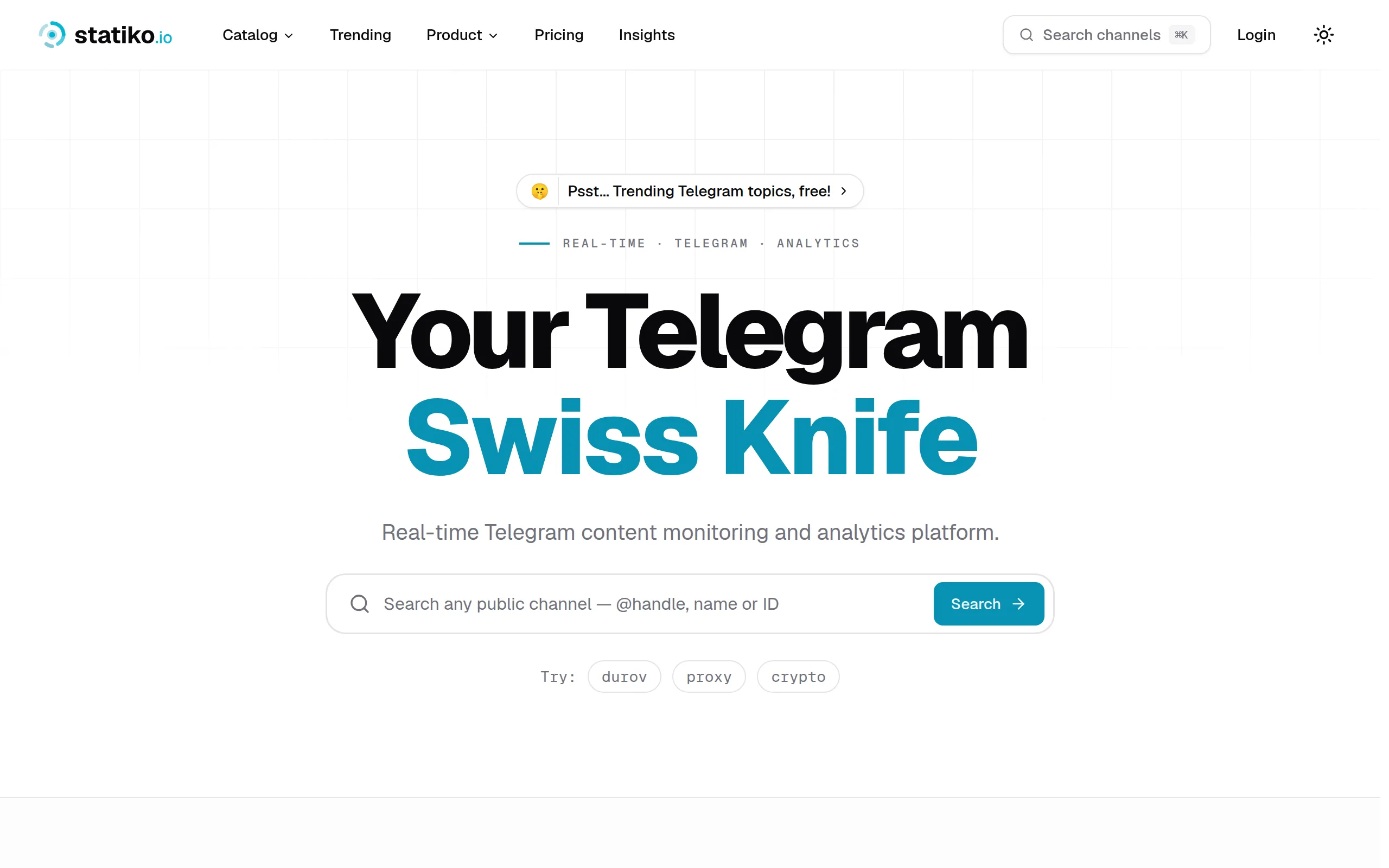
Statiko
Monitor any Telegram channel in real time - track posts, edits, deletions, and growth with AI recaps 📡

Shibui
AI website builder - describe your business, pick a niche template, edit by chatting, and publish instantly ✨

Pro Service
Find verified home service professionals, compare quotes, and pay securely through escrow - built for Brazilians across the US 🏠
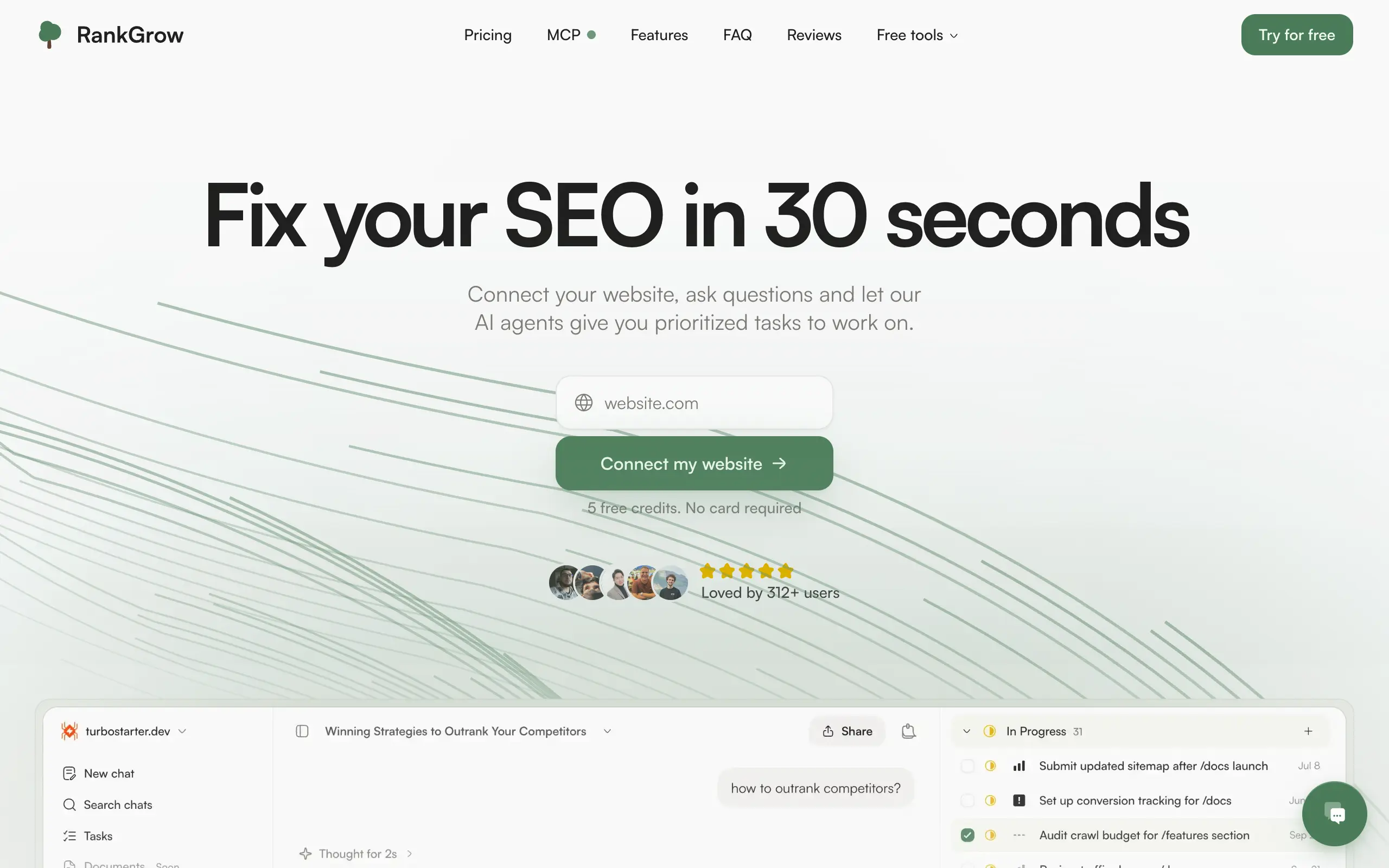
RankGrow
Fix your SEO with AI agents - connect Search Console, get prioritized tasks, and grow organic traffic 📈
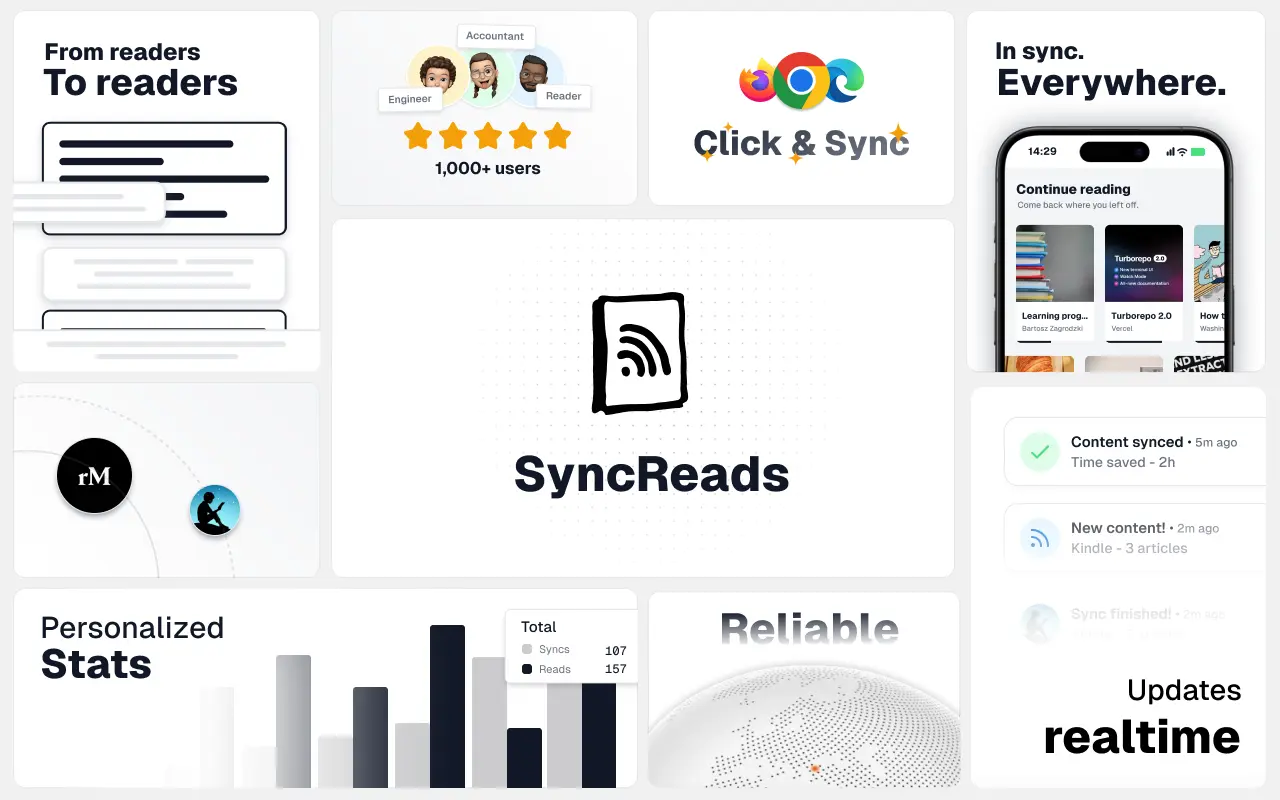
SyncReads
Sync your favorite content for distraction-free reading, save time and replace multiple apps. Anytime, anywhere 🔄
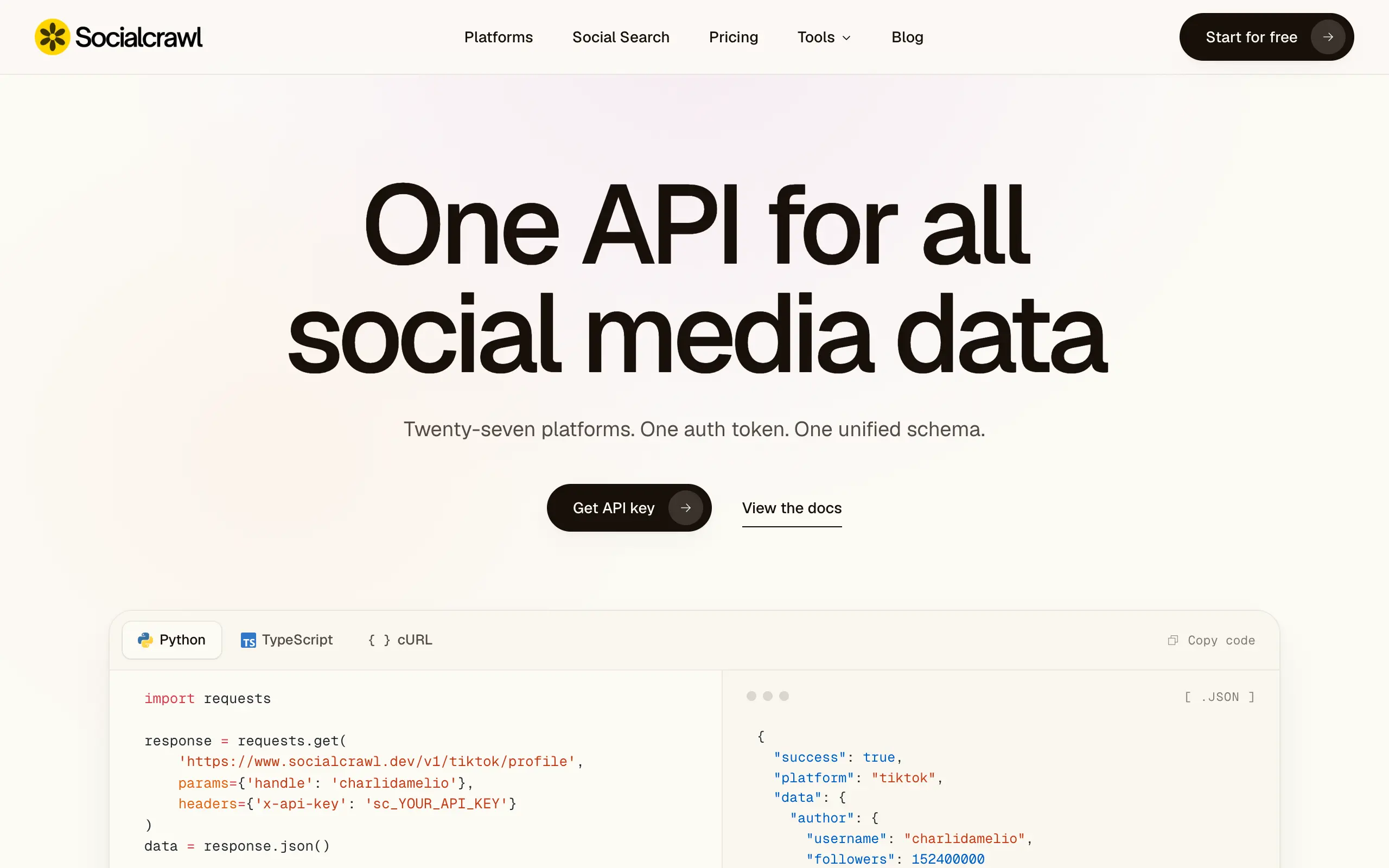
Socialcrawl
Get clean, structured data from 21 platforms like TikTok, Instagram, and YouTube with a single request 📊
Statiko
Monitor any Telegram channel in real time - track posts, edits, deletions, and growth with AI recaps 📡
Shibui
AI website builder - describe your business, pick a niche template, edit by chatting, and publish instantly ✨
Pro Service
Find verified home service professionals, compare quotes, and pay securely through escrow - built for Brazilians across the US 🏠
RankGrow
Fix your SEO with AI agents - connect Search Console, get prioritized tasks, and grow organic traffic 📈
SyncReads
Sync your favorite content for distraction-free reading, save time and replace multiple apps. Anytime, anywhere 🔄
Socialcrawl
Get clean, structured data from 21 platforms like TikTok, Instagram, and YouTube with a single request 📊
Statiko
Monitor any Telegram channel in real time - track posts, edits, deletions, and growth with AI recaps 📡
Shibui
AI website builder - describe your business, pick a niche template, edit by chatting, and publish instantly ✨
Pro Service
Find verified home service professionals, compare quotes, and pay securely through escrow - built for Brazilians across the US 🏠
RankGrow
Fix your SEO with AI agents - connect Search Console, get prioritized tasks, and grow organic traffic 📈
SyncReads
Sync your favorite content for distraction-free reading, save time and replace multiple apps. Anytime, anywhere 🔄
Socialcrawl
Get clean, structured data from 21 platforms like TikTok, Instagram, and YouTube with a single request 📊
Statiko
Monitor any Telegram channel in real time - track posts, edits, deletions, and growth with AI recaps 📡
Shibui
AI website builder - describe your business, pick a niche template, edit by chatting, and publish instantly ✨
Pro Service
Find verified home service professionals, compare quotes, and pay securely through escrow - built for Brazilians across the US 🏠
RankGrow
Fix your SEO with AI agents - connect Search Console, get prioritized tasks, and grow organic traffic 📈
SyncReads
Sync your favorite content for distraction-free reading, save time and replace multiple apps. Anytime, anywhere 🔄
Socialcrawl
Get clean, structured data from 21 platforms like TikTok, Instagram, and YouTube with a single request 📊
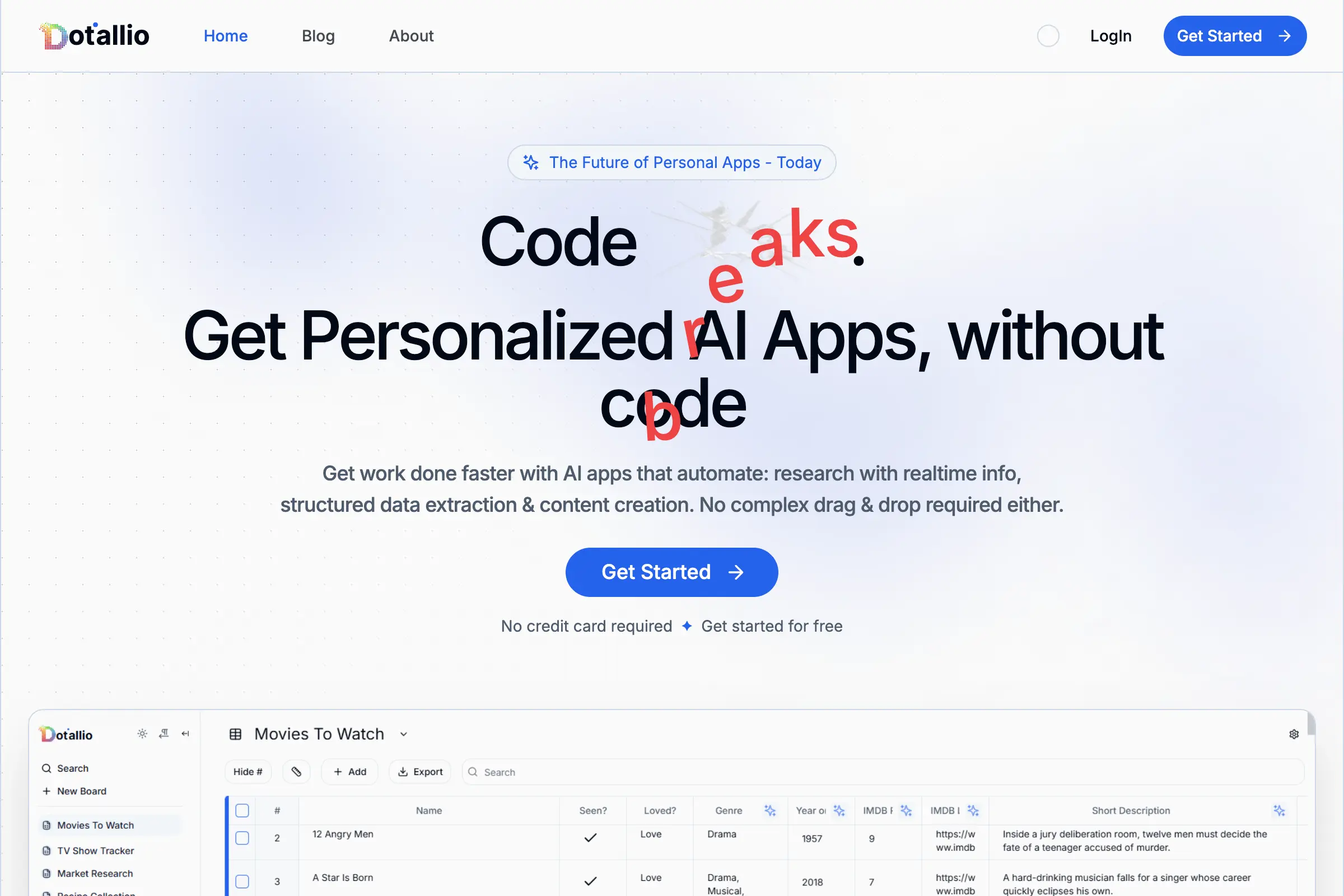
Dotallio
Personalized AI apps that automate research, data extraction, and content creation without code 🤖
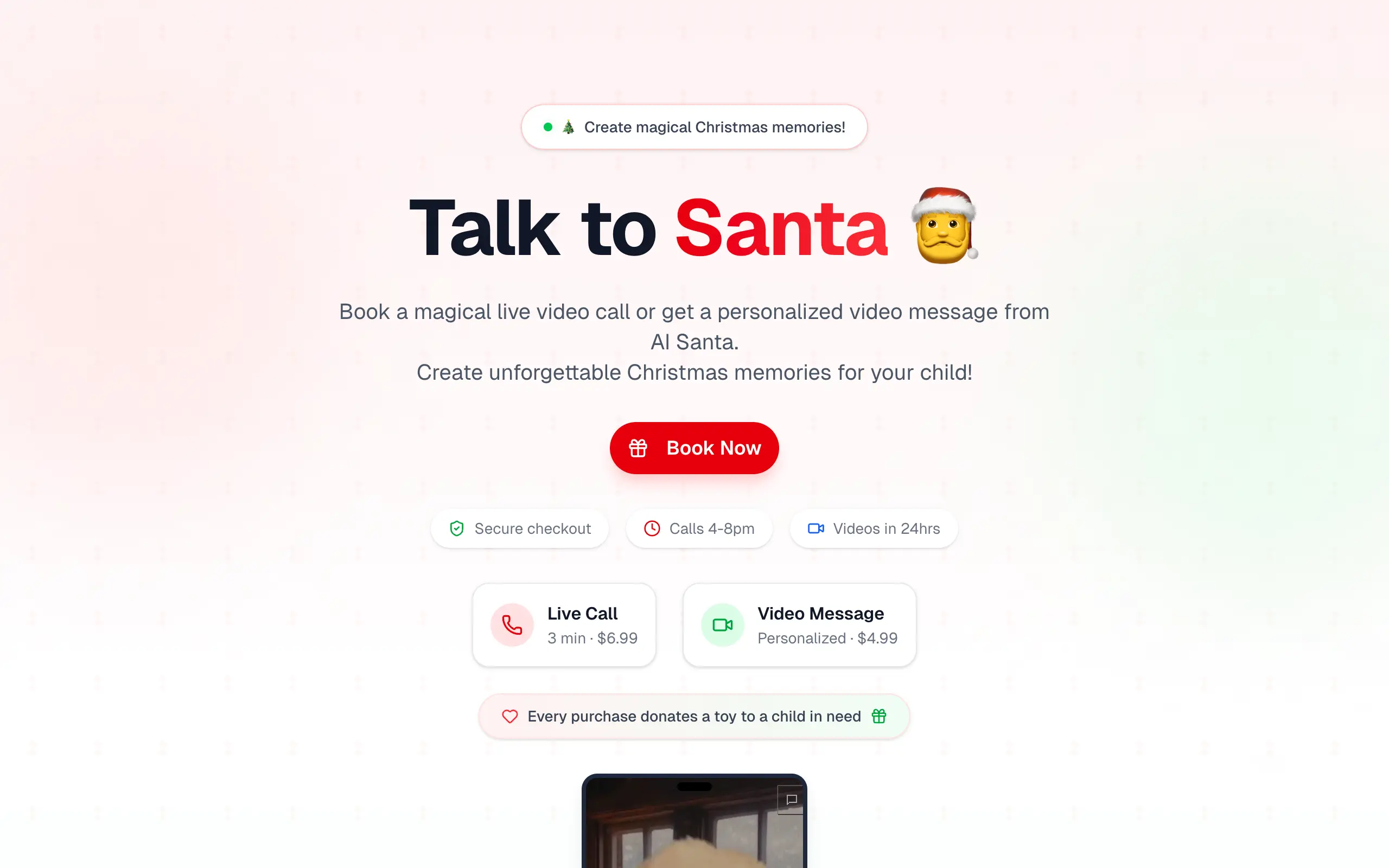
Talk to Santa
Enjoy a magical live video chat or receive a unique AI-generated video greeting from Santa Claus 🎅
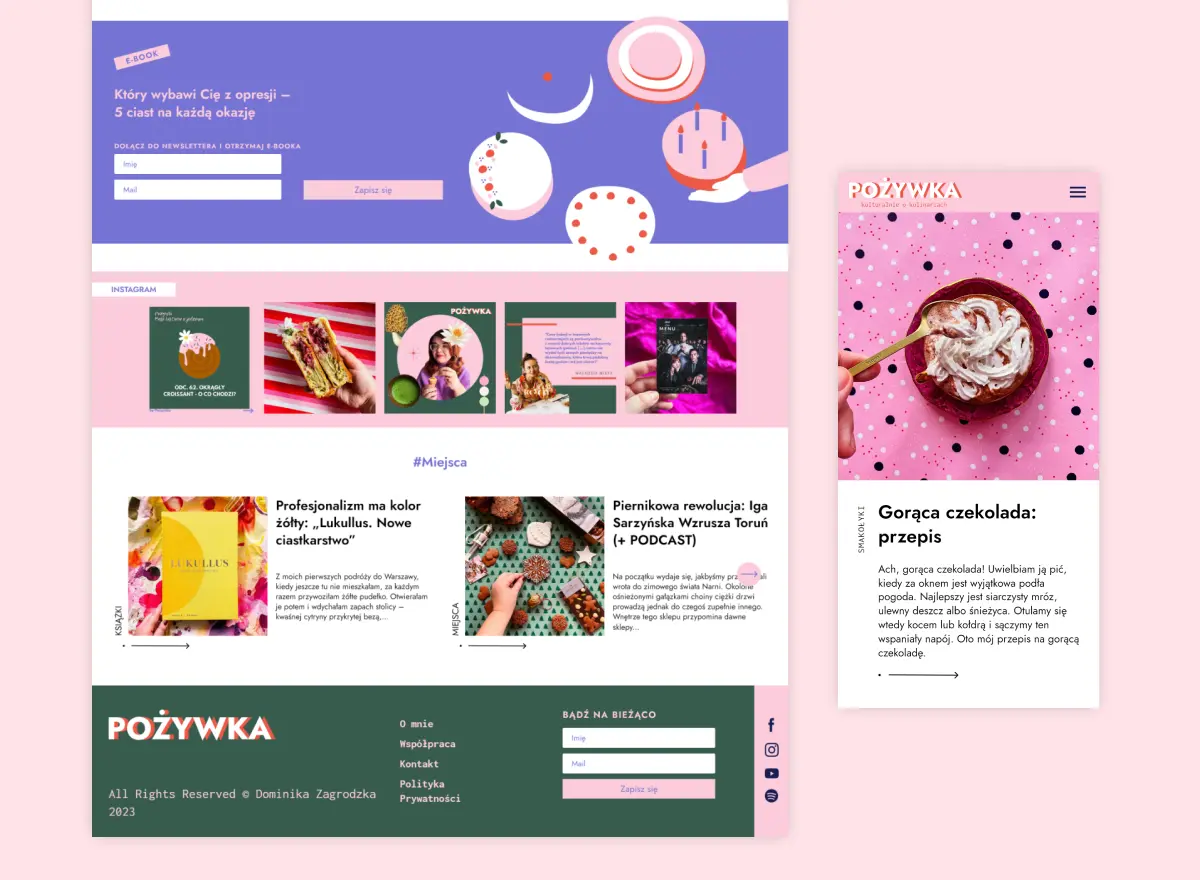
pozywka.pl
Scalable blog for food journalist, focused on performance and user experience 🌭
zagrodzki.me
Personal blog and portfolio of Bart Zagrodzki, where he shares his knowledge and work 💼
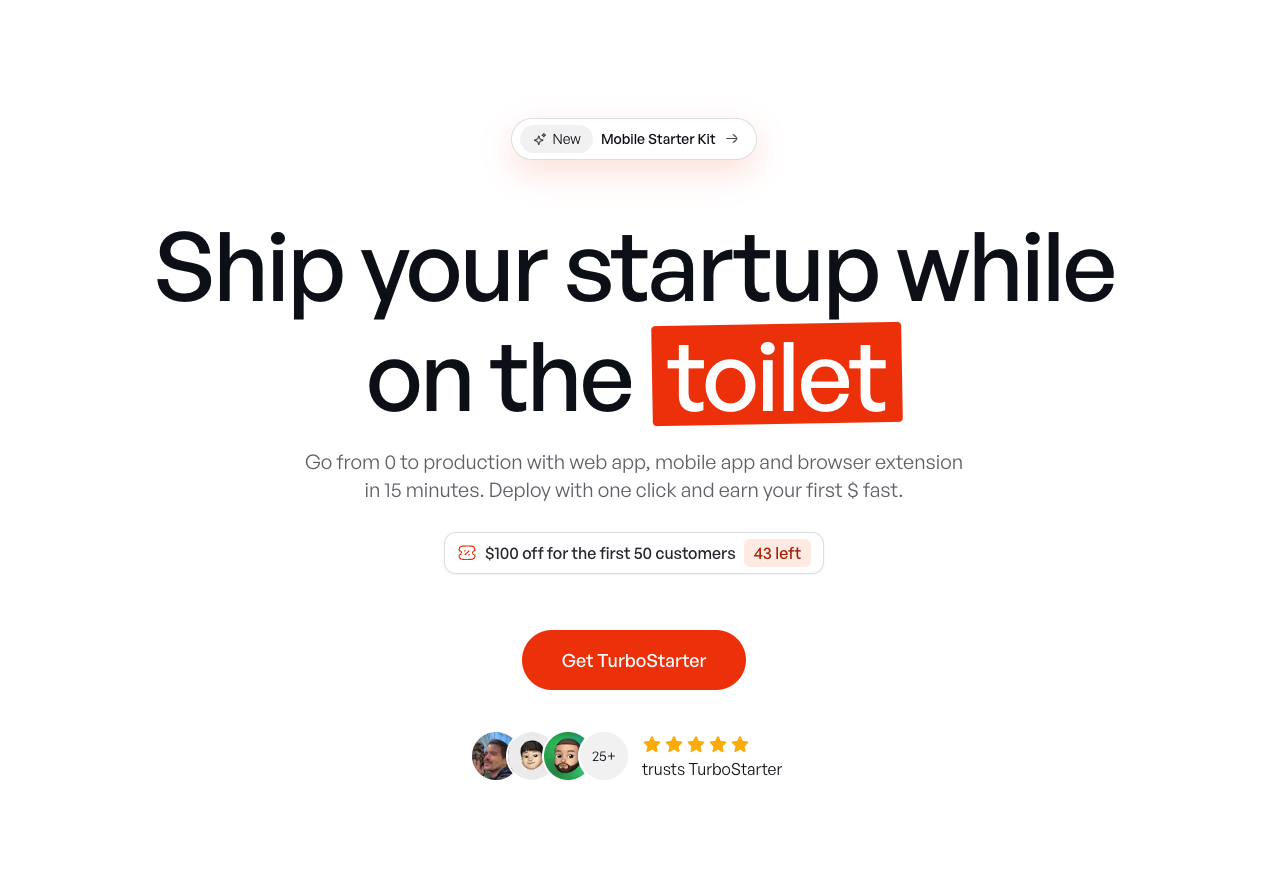
TurboStarter
Ship your startup everywhere. In minutes.
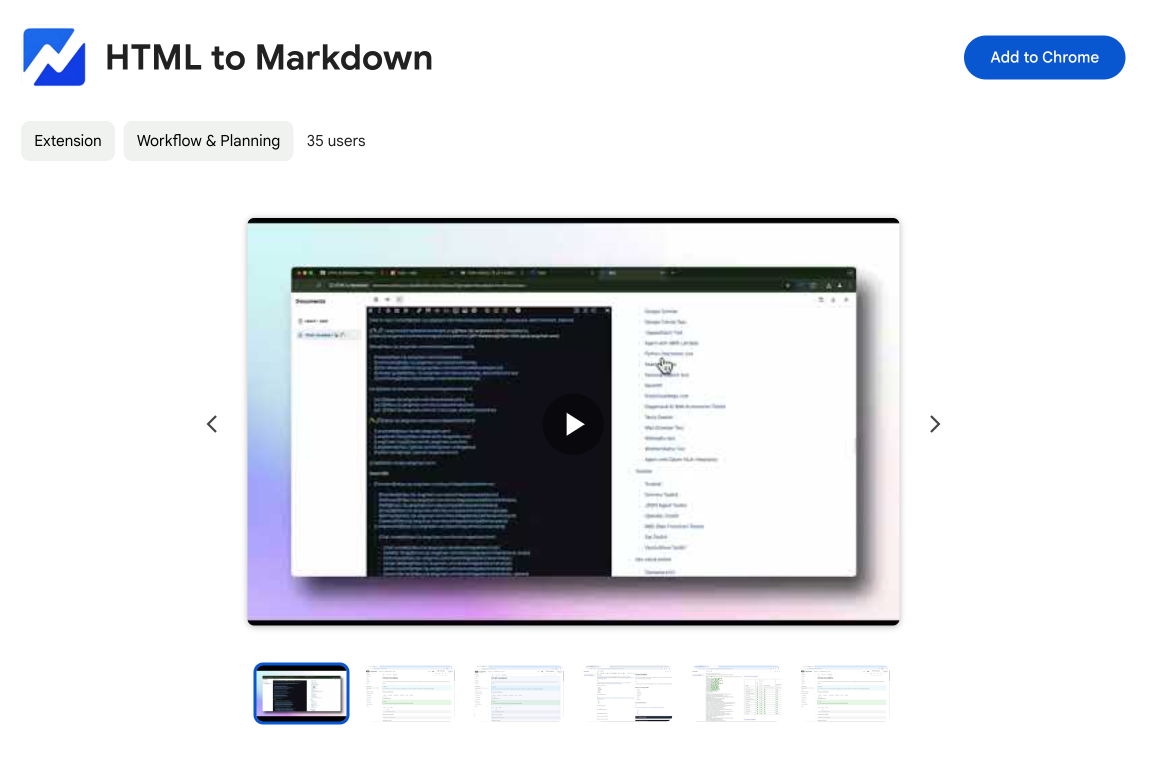
HTML to Markdown
Convert HTML to Markdown with ease, directly in your browser 📄
Dotallio
Personalized AI apps that automate research, data extraction, and content creation without code 🤖
Talk to Santa
Enjoy a magical live video chat or receive a unique AI-generated video greeting from Santa Claus 🎅
pozywka.pl
Scalable blog for food journalist, focused on performance and user experience 🌭
zagrodzki.me
Personal blog and portfolio of Bart Zagrodzki, where he shares his knowledge and work 💼
TurboStarter
Ship your startup everywhere. In minutes.
HTML to Markdown
Convert HTML to Markdown with ease, directly in your browser 📄
Dotallio
Personalized AI apps that automate research, data extraction, and content creation without code 🤖
Talk to Santa
Enjoy a magical live video chat or receive a unique AI-generated video greeting from Santa Claus 🎅
pozywka.pl
Scalable blog for food journalist, focused on performance and user experience 🌭
zagrodzki.me
Personal blog and portfolio of Bart Zagrodzki, where he shares his knowledge and work 💼
TurboStarter
Ship your startup everywhere. In minutes.
HTML to Markdown
Convert HTML to Markdown with ease, directly in your browser 📄
Dotallio
Personalized AI apps that automate research, data extraction, and content creation without code 🤖
Talk to Santa
Enjoy a magical live video chat or receive a unique AI-generated video greeting from Santa Claus 🎅
pozywka.pl
Scalable blog for food journalist, focused on performance and user experience 🌭
zagrodzki.me
Personal blog and portfolio of Bart Zagrodzki, where he shares his knowledge and work 💼
TurboStarter
Ship your startup everywhere. In minutes.
HTML to Markdown
Convert HTML to Markdown with ease, directly in your browser 📄
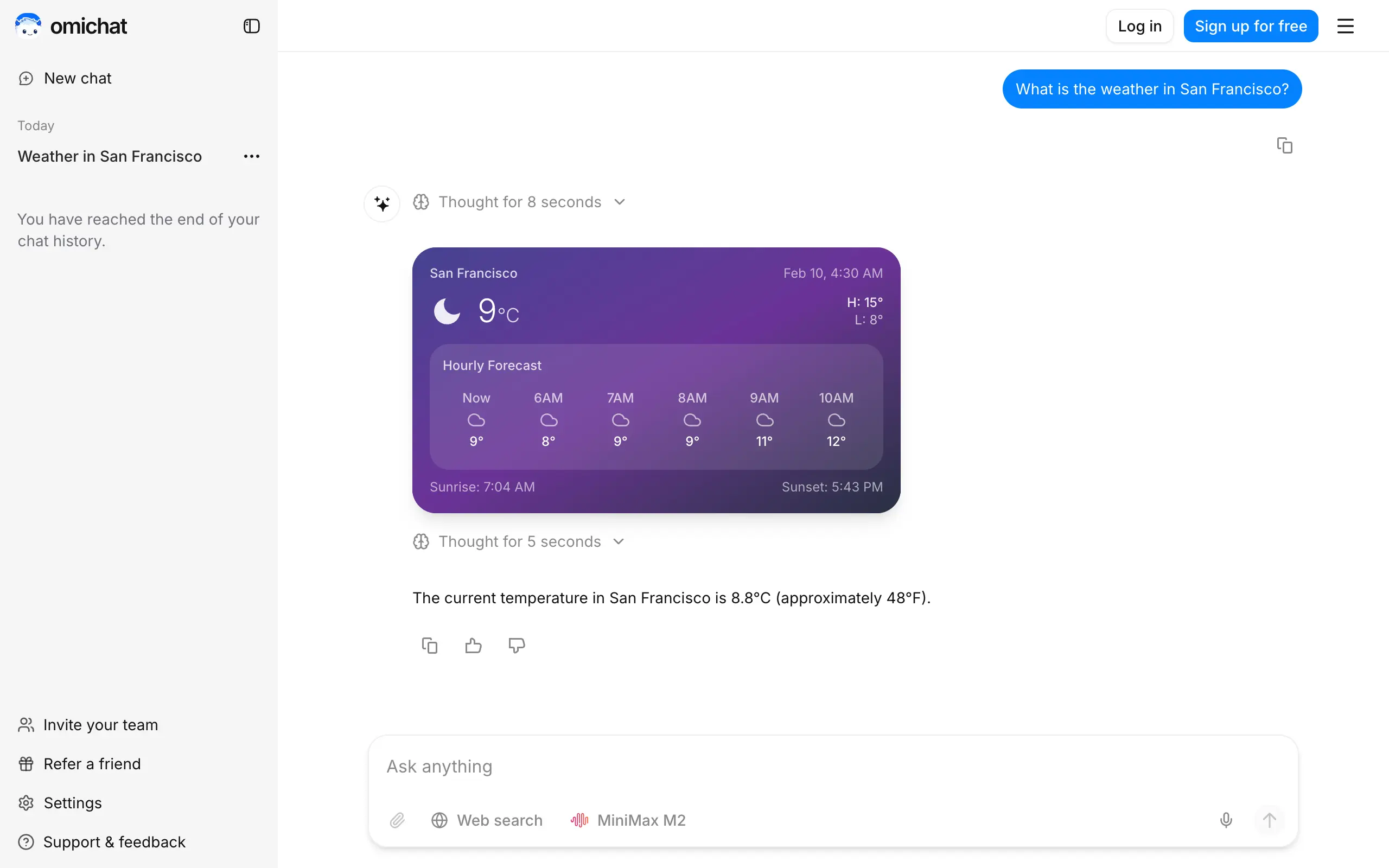
Omichat
Chat with 50+ AI models, including ChatGPT and Claude, in one place - switch models anytime without losing context 🤖
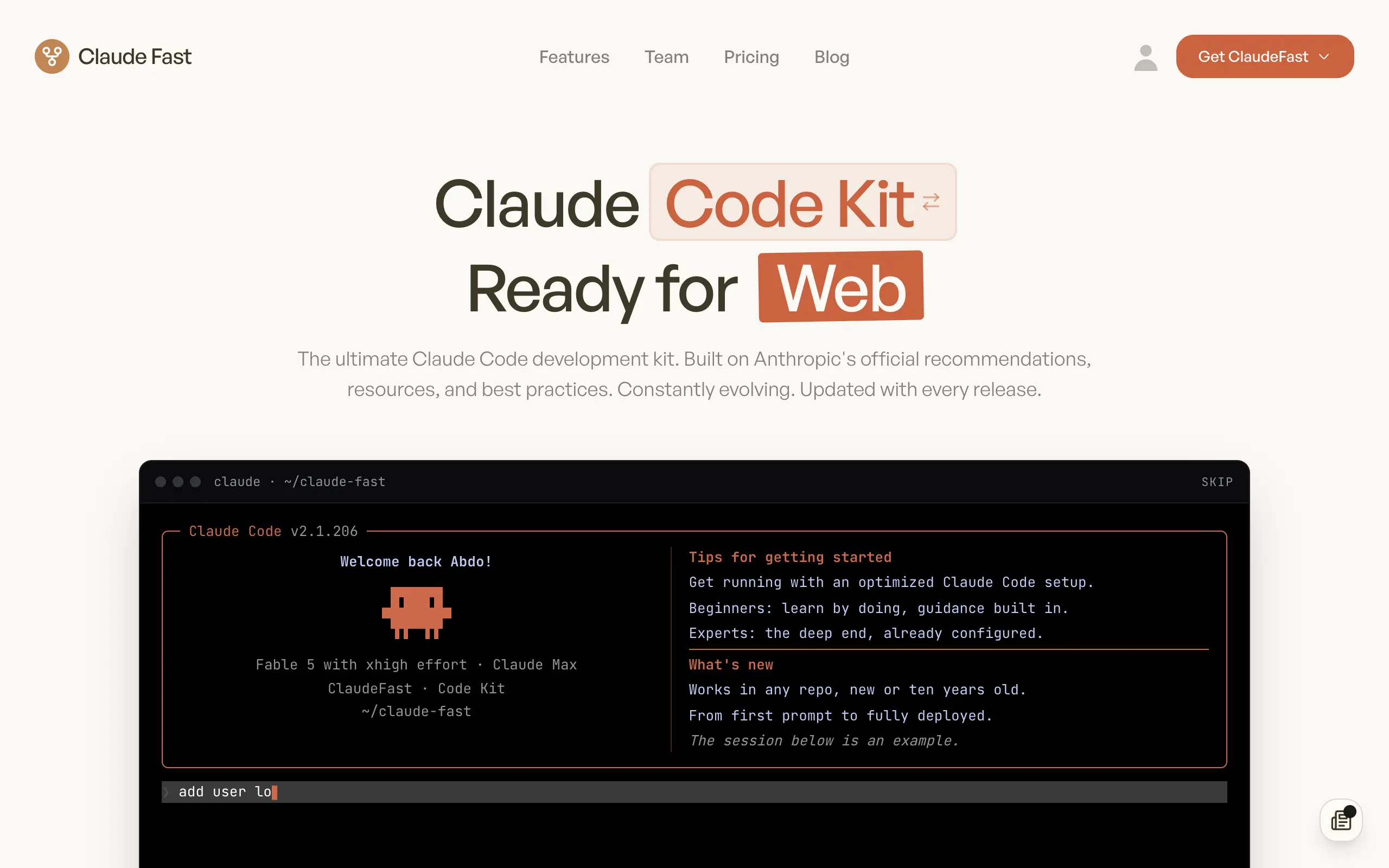
Claude Fast
Supercharge your Claude Code with 6x effective context window and specialized AI agents 🤖
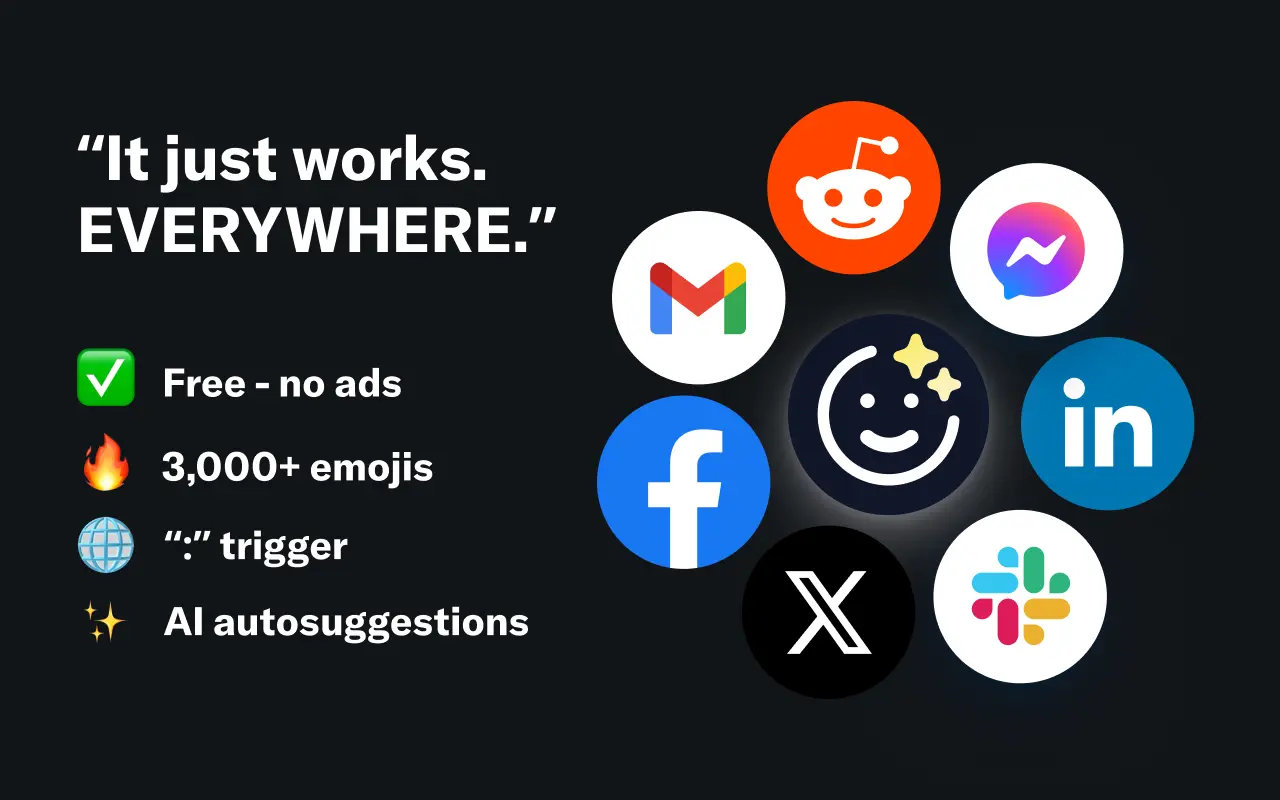
EmojAI
AI-powered emoji picker with smart, context-aware suggestions 🤖
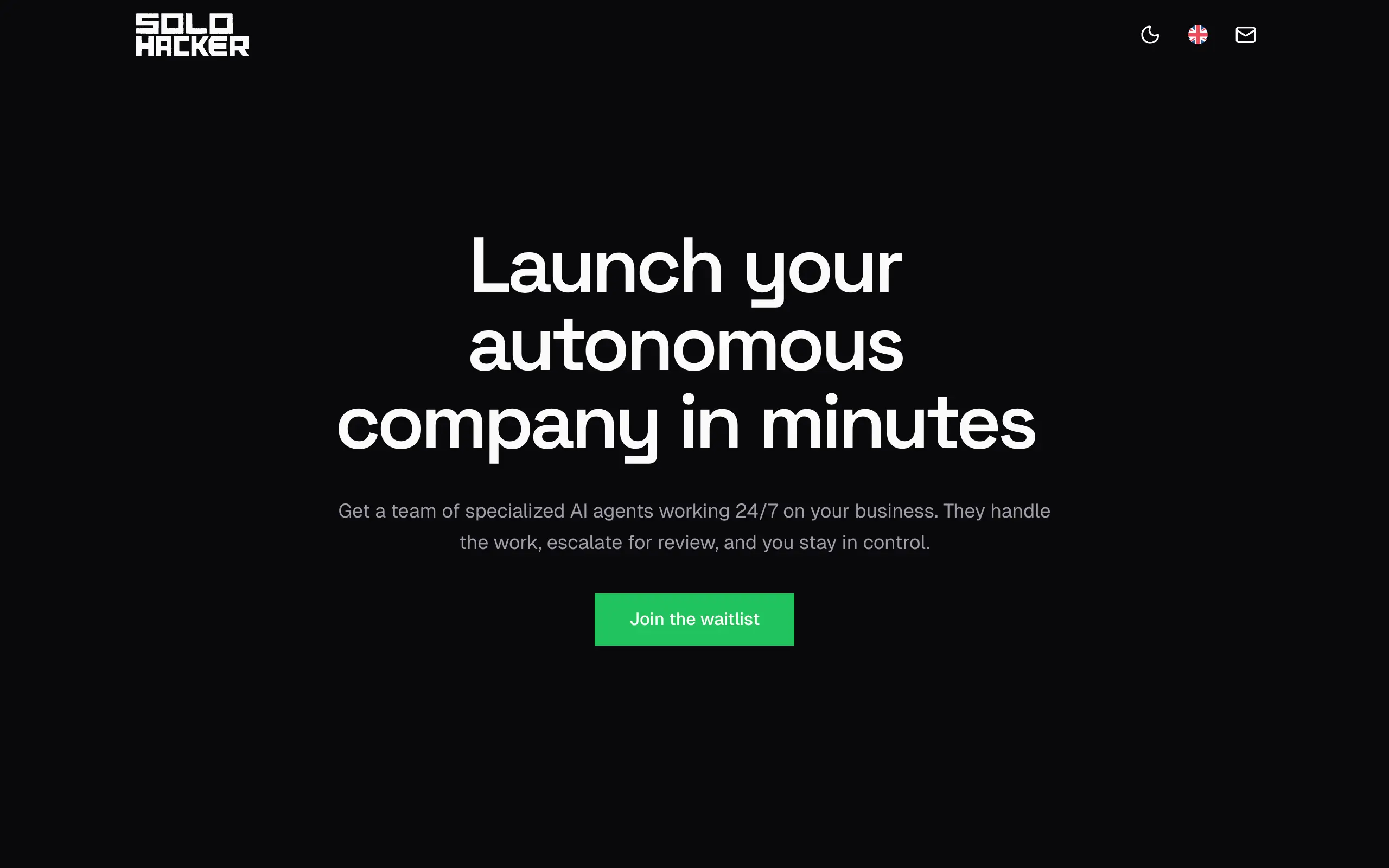
Solohacker
Autonomous company launcher - AI agents work 24/7, escalate what matters, and you stay in control 🤖
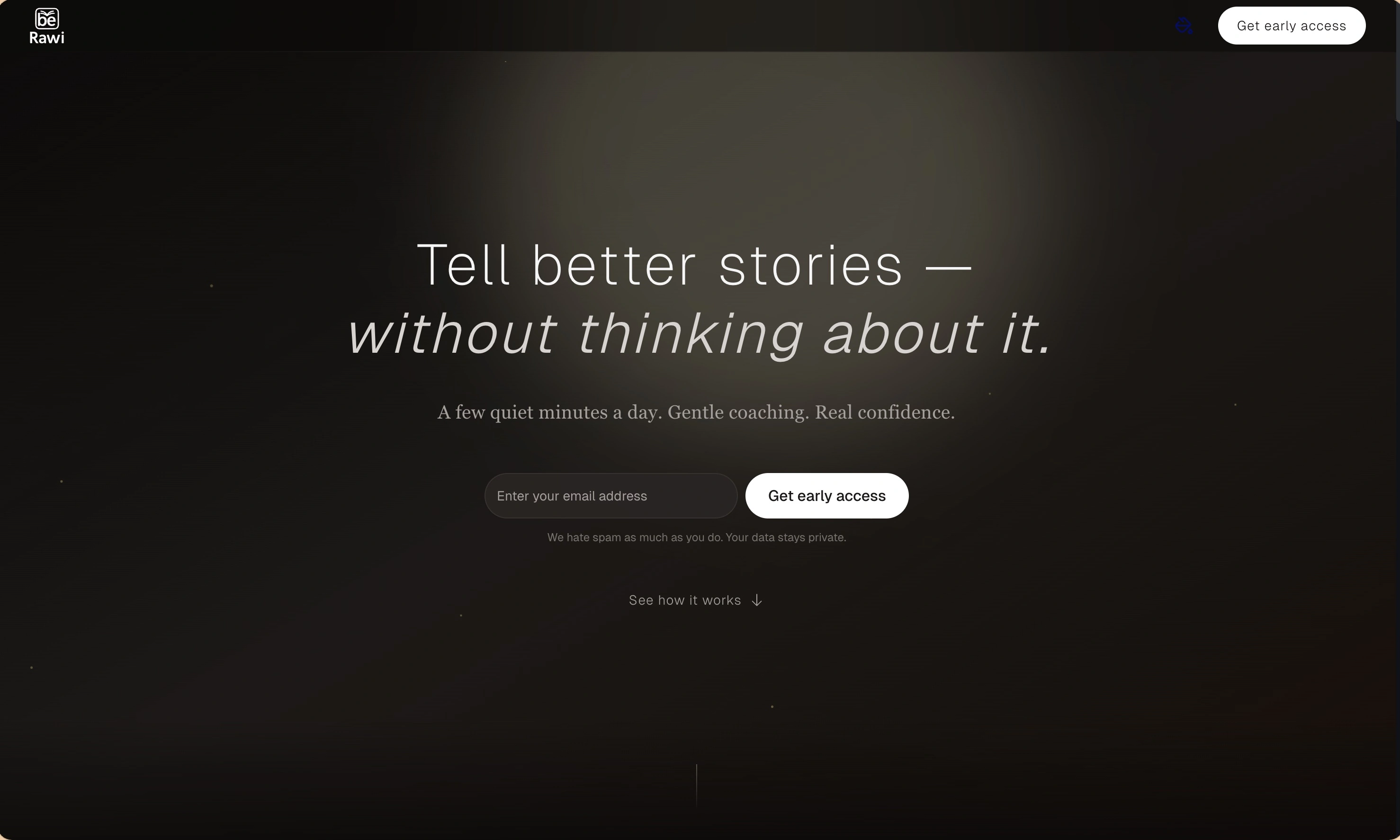
BeRawi: Storytelling Coach
Practice storytelling daily with instant feedback to sound clearer, more engaging, and confident 🎤
Omichat
Chat with 50+ AI models, including ChatGPT and Claude, in one place - switch models anytime without losing context 🤖
Claude Fast
Supercharge your Claude Code with 6x effective context window and specialized AI agents 🤖
EmojAI
AI-powered emoji picker with smart, context-aware suggestions 🤖
Solohacker
Autonomous company launcher - AI agents work 24/7, escalate what matters, and you stay in control 🤖
BeRawi: Storytelling Coach
Practice storytelling daily with instant feedback to sound clearer, more engaging, and confident 🎤
Omichat
Chat with 50+ AI models, including ChatGPT and Claude, in one place - switch models anytime without losing context 🤖
Claude Fast
Supercharge your Claude Code with 6x effective context window and specialized AI agents 🤖
EmojAI
AI-powered emoji picker with smart, context-aware suggestions 🤖
Solohacker
Autonomous company launcher - AI agents work 24/7, escalate what matters, and you stay in control 🤖
BeRawi: Storytelling Coach
Practice storytelling daily with instant feedback to sound clearer, more engaging, and confident 🎤
Omichat
Chat with 50+ AI models, including ChatGPT and Claude, in one place - switch models anytime without losing context 🤖
Claude Fast
Supercharge your Claude Code with 6x effective context window and specialized AI agents 🤖
EmojAI
AI-powered emoji picker with smart, context-aware suggestions 🤖
Solohacker
Autonomous company launcher - AI agents work 24/7, escalate what matters, and you stay in control 🤖
BeRawi: Storytelling Coach
Practice storytelling daily with instant feedback to sound clearer, more engaging, and confident 🎤

Connect with like-minded people
Join our community to get feedback, support, and grow together with 1,000+ builders on board, let's ship it!
Join usShip your startup everywhere. In minutes.
Don't burn tokens on setup and start building features on day one.