SyntaxSage
A personalized learning assistant that adapts to your coding style and progress, offering tailored exercises and real-time feedback to enhance your programming skills.
Revolutionizing the Way You Learn to Code
Imagine an intelligent assistant that not only evaluates your code but evolves with you as you learn. This personalized learning assistant is designed to adapt to your coding style and progress, offering tailored coding exercises and real-time feedback. Its core mission is to help you master programming skills in a way that fits your individual pace and methods.
The system works by understanding your unique workflow, providing insights when you get stuck and suggestions to improve your problem-solving techniques. In today's fast-paced tech landscape, such a dynamic tool is more than just a learning platform—it is a stepping stone to long-term career success.
Who Benefits the Most? A Deep Dive into Our Target Audience
This solution is built with several specific groups in mind:
- Aspiring Programmers: Beginners looking for a hands-on environment where they can learn through practice rather than just theory.
- Experienced Developers: Professionals wanting to refine their skills, learn new languages, or transition to different areas of development.
- Coding Bootcamp Students: Individuals enrolled in intensive programs who need a personalized pace to complement classroom-style teaching.
- Educators and Mentors: Teachers who require supplemental tools to offer tailored exercises and constructive feedback to their students.
For each of these segments, the assistant provides a unique, customizable experience. It tracks progress, highlights areas that need improvement, and even suggests next steps based on your personal learning curve.
Tapping into a Thriving Market Opportunity
The growth in personalized learning tools has skyrocketed as modern educational trends embrace technology-driven, adaptive learning. With digital transformation across all sectors, there's an increasing need for services that deliver:
- Scalable personal guidance: As the number of learners increases, automated personalized assistance addresses the problem of limited mentorship.
- Flexible learning schedules: Users can engage with the platform whenever and wherever they have time.
- Technology-enhanced education: The integration of AI and adaptive learning models reduces the traditional one-size-fits-all approach in education.
Market research signals a tremendous opportunity in the niche of coding education. With a rising number of people opting for remote learning in coding skills and more businesses seeking tech-savvy employees, innovating this space can create a lasting impact.
Companies and educational institutions alike are increasingly investing in adaptive technologies. This offers a chance to capture a substantial share of the education and professional development market by providing a tool that evolves with its user's needs.
Embracing a Robust Tech Stack for a Seamless Experience
A critical piece in ensuring the solution's success is selecting the right technology stack. For a platform so intricately tailored to the individual, the infrastructure must be both flexible and robust. A recommended tech stack might include:
- Frontend Frameworks: React or Vue.js for intuitive user interfaces designed for responsive layouts.
- Backend Services: Node.js with Express or similar frameworks to enable quick iteration and scalability.
- Database Solution: A combination of NoSQL databases like MongoDB for dynamic content storage and SQL databases for structured data.
- AI and ML: Python-based tools and libraries (e.g., TensorFlow, PyTorch) for real-time code analysis and personalized content delivery.
- DevOps: Cloud services such as AWS, Azure, or Google Cloud to ensure the platform scales rapidly with user demand.
- Rapid Implementation: Consider using a starter kit like TurboStarter, which accelerates both web and mobile development. It offers a streamlined codebase that simplifies initial setup and future modifications.
Integrating these technologies ensures not only a secure and scalable system but also a smooth user experience with real-time feedback capabilities.
Below is a simple code snippet that showcases the structure of a dynamic code evaluation module:
const evaluateUserCode = (userCode: string) => {
  // Parse the user code and generate feedback
  console.log("Evaluating code: ", userCode);
  // Custom logic to analyze code and return personalized suggestions
};
This module is at the heart of providing that personalized experience—assessing your code dynamically and offering insights that grow with your learning journey.
Modular Design
A well-structured code base that facilitates continuous improvement and easy updates.
Generating Revenue with a Strong Monetization Strategy
One of the most vital aspects of any SaaS solution is a sustainable revenue model balanced with significant value for the user. This personalized assistant can leverage several monetization strategies:
- Freemium Model: Offer core functionalities for free while charging for advanced features like deep analytics, additional learning modules, or expert reviews.
- Subscription Plans: Monthly or yearly subscription models that provide unlimited access to personalized feedback and premium coding challenges.
- Enterprise Licensing: Tailoring the platform for educational institutions and corporate training programs can open up a lucrative revenue stream.
- In-App Purchases: Allow users to buy specialized learning modules or add-ons, such as coding exam simulations and interview preparation kits.
- Affiliate Marketing and Certification Programs: Develop partnerships with coding bootcamps or certification providers to add another income channel.
Each revenue stream not only sustains the ongoing improvements of the platform but also encourages a long-term relationship with the user. When people see ample value that directly impacts their personal growth and career advancement, they’re more likely to invest in premium features.
Mitigating Challenges: Risks and Their Management
No innovative project is free from risks, and understanding them helps in shaping a robust strategy. The major risks associated with a personalized learning assistant include:
- Data Privacy and Security: Collecting individual coding habits and performance metrics can raise concerns about data protection. It will be essential to implement robust encryption and secure storage practices.
- Scalability: As user demand increases, ensuring that the system scales without performance hiccups is crucial.
- Accuracy of Feedback: Real-time analysis and suggestions rely heavily on machine learning algorithms. Inaccuracies might lead to user frustration.
- Technical Debt: Rapid expansion of features may lead to complex code bases with hidden bugs. Regular maintenance and code refactoring are necessary.
- Market Competition: With numerous platforms offering online coding exercises and tutorials, differentiation in personalized guidance and real-time feedback is key.
A proactive approach to these challenges includes regular security audits, performance monitoring, iterative testing of ML algorithms, and gathering user feedback to continuously improve the service.
Security Reminder
Make sure to follow best practices for data encryption and compliance with relevant data protection regulations.
Standing Out: Competitive Advantages in a Crowded Market
The personalized learning assistant offers several competitive advantages that set it apart:
- Tailored Learning Experience: Unlike generic coding tutorials, the system adapts exercises and hints based on individual progress.
- Real-Time Feedback: Immediate responses help users correct mistakes as they code, stimulating faster learning.
- Community Insights: Integration with developer communities allows for peer reviews and collaborative learning.
- Adaptive AI Friendliness: The assistant evolves with the user, meaning the more you use it, the more attuned it becomes to your learning style.
- Cross-Platform Accessibility: Designed to work seamlessly on web, mobile, and even browser extensions, the system meets you where you are.
- Ease of Integration: Its modular design means it can be integrated into educational platforms or company training programs without major overhauls.
Such advantages not only cater directly to the user needs but also create a strong barrier against competitors. By handling the learning process with nuanced, data-driven insights, the platform ensures that its users receive a truly unique experience coupled with tangible job market advantages.
The adaptive learning module learns from every code snippet you write. It continually refines its assessment criteria to keep pace with your evolving skill set.
Interactive exercises are not just static problems but dynamic challenges that adjust in complexity based on your progress. This approach keeps you engaged and constantly motivated.
Deep Dive into the Technology Behind the Magic
Technical excellence is paramount for delivering a personalized and secure learning experience. Here, the synergy between a smart tech stack and innovative design principles comes to life. Key features include:
- Modularity: The backend architecture is designed in modules, ensuring that new features and adjustments can be rapidly deployed without unsettling the entire system.
- AI-Personalization Engine: The core engine leverages artificial intelligence to analyze coding patterns, track progress, and generate real-time feedback. Continuous learning algorithms help it evolve across various coding paradigms.
- Optimized for User Engagement: The use of responsive frameworks and efficient databases ensures that the platform remains highly interactive and snappy—critical attributes in maintaining long-term user engagement.
- Integrated Testing and DevOps: Continuous integration pipelines, unit tests, and containerization ensure that updates are safe, scalable, and reliable under heavy traffic.
For rapid development and ease of implementation, leveraging a starter kit like TurboStarter can jumpstart the process. TurboStarter streamlines the initial development phases, providing pre-configured modules and integrations that can be customized according to the platform's requirements.
This blend of cutting-edge technology and user-centric design creates an ecosystem where learning to code becomes both engaging and efficient.
The AI engine utilizes deep learning techniques to constantly improve the accuracy of feedback. It takes into account not just syntax and logic but also stylistic nuances that reflect your unique approach to problem-solving.
With cloud integration and modularization, the platform is built to scale seamlessly as user engagement increases. Regular performance benchmarks ensure that each iteration is more robust than the last.
A Comprehensive Monetization and Business Strategy
When it comes to bringing this assistant to life, a well-rounded monetization strategy acts as a backbone for sustainable growth. Here’s how the business model can be structured:
- Freemium Access: Offer a substantial feature set for free to hook new users. After experiencing the value, users are more likely to upgrade to premium plans.
- Subscription Services: Offer monthly or yearly subscriptions with enhanced features, including in-depth analytics, one-on-one mentoring sessions, and advanced coding challenges.
- Corporate Partnerships: Educational institutions and tech companies are prime candidates for licensing this technology as part of their internal training and development programs.
- Revenue from Certifications: A pathway could include offering certifications upon course completion, endorsed by partner institutions, adding both credibility and a new revenue stream.
- Targeted Advertising and Affiliate Deals: Once a user base is established, tailored advertising and affiliate deals within the coding niche can supplement revenue without detracting from user experience.
This layered approach not only diversifies revenue sources but also aligns perfectly with varied user needs—from individual learners to large educational bodies.
Balancing Growth with Thoughtful Risk Management
No innovative launch is without its challenges. Though the personalized learning assistant is built for a competitive landscape, it's equally crucial to manage risks proactively. Some considerations include:
- Regulatory Compliance: Staying up-to-date with global data protection regulations is essential when handling user-specific learning data.
- AI Bias: Continually auditing and refining the algorithm to ensure accurate and unbiased feedback is provided to every user.
- Technical Hurdles: As the system scales, ensuring rapid load times, smooth transitions, and bug-free performance under heavy use is a constant goal.
- User Retention: Keeping users engaged with continuous content updates and relevant challenges to prevent churn is vital for long-term success.
Engaging with early adopters and coding communities can offer critical insights to identify potential shortcomings. By leveraging a robust feedback loop, the platform can iterate effectively, ensuring that risks are minimized and user trust is consistently maintained.
Competitive Advantages That Set This Assistant Apart
The unique aspects of this personalized learning platform position it as a clear leader. Here are some of the key benefits:
- Customization at Scale: Every user’s progression is tracked individually, crafting unique learning paths that reflect the pace and style of each coder.
- Real-Time Error Identification: Instantaneous feedback not only corrects mistakes on the fly but also explains the rationale behind the corrections, fostering deeper learning.
- Enhanced Engagement: From interactive coding challenges to community-driven questions and answers, the platform makes learning to code a lively, responsive experience.
- Integrated Learning Ecosystem: The tool doesn't operate in isolation; it can integrate with other educational platforms, coding communities, and even corporate learning management systems.
- Cross-Platform Capabilities: Accessible as a web service, mobile app, and browser extension, the assistant provides a seamless learning experience regardless of the user’s preferred device.
- Future-Ready Approach: Built with scalability and modularity in mind, it’s prepared not just for today's learning requirements but is also adaptable to tomorrow's innovations.
The combination of these advantages underpins a value proposition that is hard to beat. By investing in technology that directly addresses the individualized nature of learning to code, this personalized assistant stands apart from generic educational platforms.
Concluding Implementation Steps and Future Vision
As we look ahead to launching a platform that revolutionizes how coding skills are learned and honed, practical steps for implementation become crucial. The following steps outline the pathway from concept to market:
Begin with extensive market research to refine user profiles and pinpoint pain points in current coding education methods. Follow this with rapid prototyping and pilot testing, then iteratively refine features based on real-world feedback. Leverage cloud infrastructure for scalability and integrate robust AI algorithms for personalized feedback.
-
Planning and Research:
- Identify core user demographics and their learning challenges.
- Analyze competitor platforms to spot gaps in the current market.
- Outline key functionalities and prioritize features for the MVP.
-
Development Phase:
- Utilize a flexible tech stack featuring modern frontend frameworks like React and robust backend services.
- Consider platforms such as TurboStarter to accelerate web, mobile, and browser extension development.
- Set up continuous integration and deployment pipelines to maintain stable releases even during rapid feature updates.
- Develop the AI personalization engine with iterative testing scheduled to improve accuracy over time.
-
Testing and Quality Assurance:
- Employ beta testing with a select group of early adopters.
- Use A/B testing methods to determine which features resonate most with users.
- Implement comprehensive security measures to protect user data and provide a reliable service environment.
-
Launch and Marketing:
- Roll out a phased launch beginning with the freemium model to build a user base.
- Engage with online coding communities and educational forums to generate early interest.
- Continuously monitor user feedback, using it to refine and expand the platform features.
-
Growth and Expansion:
- Integrate additional features based on emerging trends and user behavior analytics.
- Explore enterprise partnerships and certification programs to diversify revenue streams.
- Invest in content and community building to maintain a vibrant, loyal user base.
By implementing these steps, developers and product managers can not only create a robust platform, but also engage with a community eager for a better way to learn to code.
Combining thoughtful design with a focus on adaptive learning and scalability, this personalized learning assistant is poised to transform the coding education space. Its strength lies in meticulously addressing the needs of each user while offering a scalable, secure, and engaging experience. By following the detailed implementation roadmap and capitalizing on innovative technologies and partnerships available today, the future of coding education looks brighter than ever.
Embrace this opportunity to innovate and lead the way in tech education. With tailored learning paths, cutting-edge AI capabilities, and a user-first approach, this solution is set not only to be a tool for mastery but a catalyst for the next generation of coding professionals. Whether you're an aspiring coder or a seasoned developer aiming to refine your skills, the journey to coding excellence begins with a single, personalized step.
More 💡 Other SaaS ideas
Discover more innovative other SaaS ideas that are trending in 2026. Each idea is AI-generated with market validation and growth potential to help you find your next profitable venture faster than competitors.
Your competitors are building with TurboStarter
Below are some of the SaaS ideas that have been generated and built with our starter kit.

Shibui
AI website builder - describe your business, pick a niche template, edit by chatting, and publish instantly ✨

Pro Service
Find verified home service professionals, compare quotes, and pay securely through escrow - built for Brazilians across the US 🏠
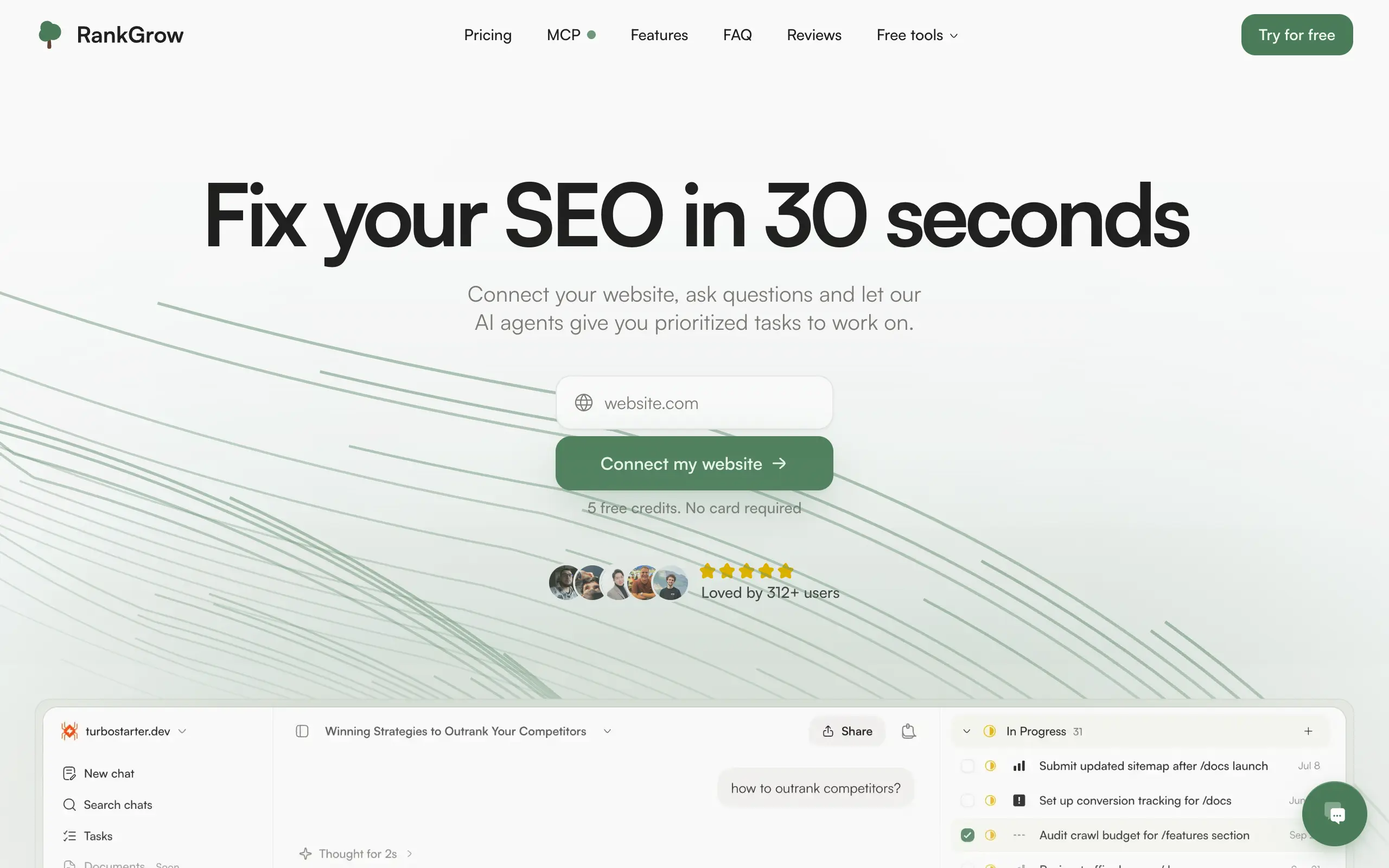
RankGrow
Fix your SEO with AI agents - connect Search Console, get prioritized tasks, and grow organic traffic 📈
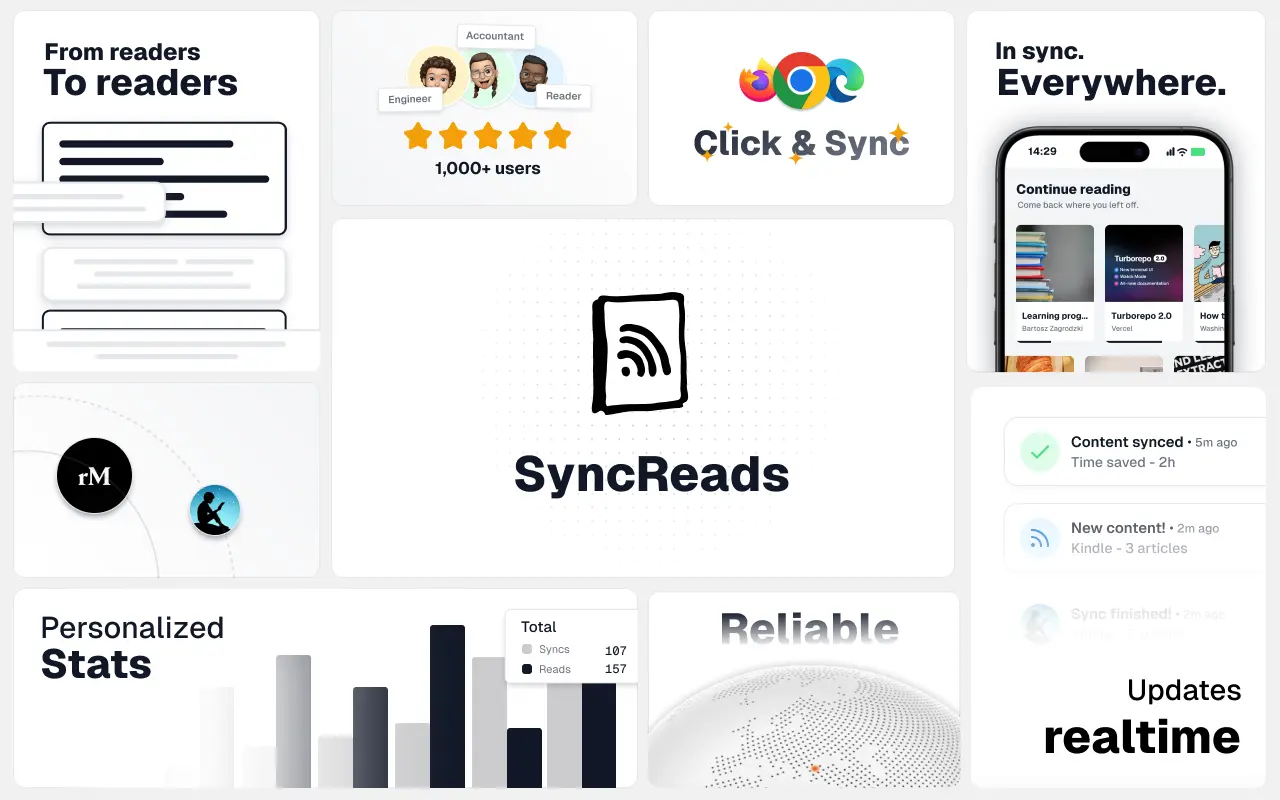
SyncReads
Sync your favorite content for distraction-free reading, save time and replace multiple apps. Anytime, anywhere 🔄
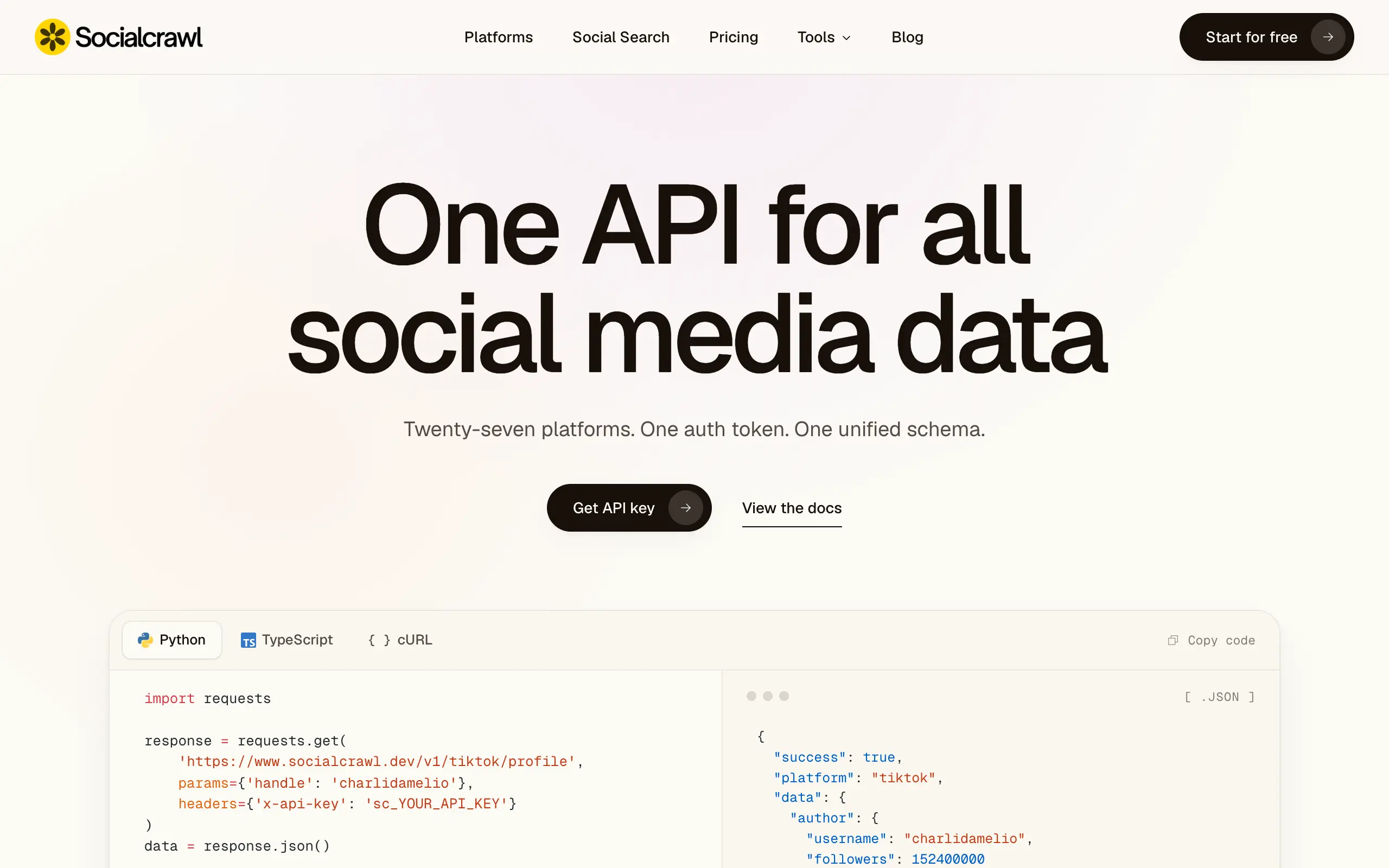
Socialcrawl
Get clean, structured data from 21 platforms like TikTok, Instagram, and YouTube with a single request 📊
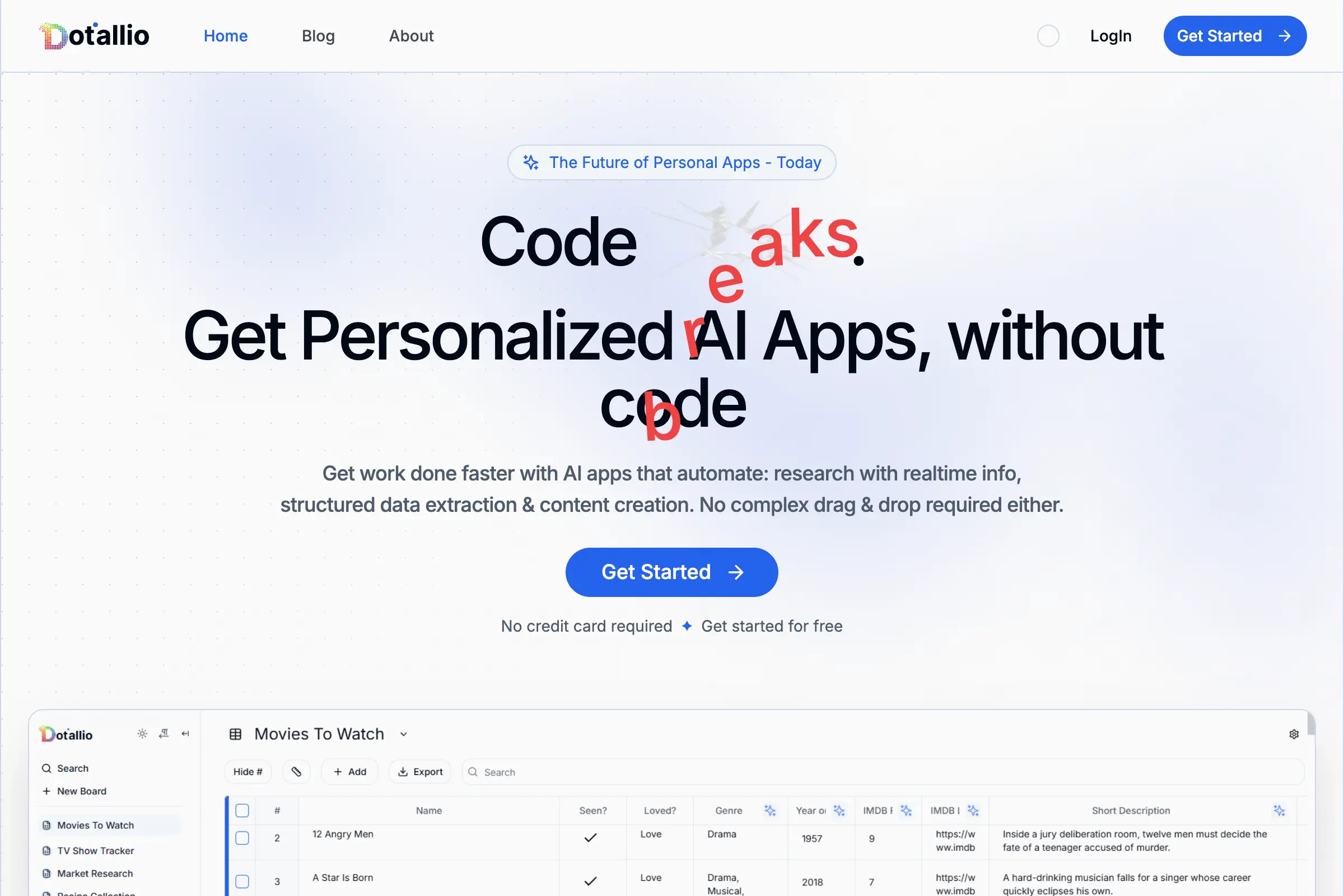
Dotallio
Personalized AI apps that automate research, data extraction, and content creation without code 🤖
Shibui
AI website builder - describe your business, pick a niche template, edit by chatting, and publish instantly ✨
Pro Service
Find verified home service professionals, compare quotes, and pay securely through escrow - built for Brazilians across the US 🏠
RankGrow
Fix your SEO with AI agents - connect Search Console, get prioritized tasks, and grow organic traffic 📈
SyncReads
Sync your favorite content for distraction-free reading, save time and replace multiple apps. Anytime, anywhere 🔄
Socialcrawl
Get clean, structured data from 21 platforms like TikTok, Instagram, and YouTube with a single request 📊
Dotallio
Personalized AI apps that automate research, data extraction, and content creation without code 🤖
Shibui
AI website builder - describe your business, pick a niche template, edit by chatting, and publish instantly ✨
Pro Service
Find verified home service professionals, compare quotes, and pay securely through escrow - built for Brazilians across the US 🏠
RankGrow
Fix your SEO with AI agents - connect Search Console, get prioritized tasks, and grow organic traffic 📈
SyncReads
Sync your favorite content for distraction-free reading, save time and replace multiple apps. Anytime, anywhere 🔄
Socialcrawl
Get clean, structured data from 21 platforms like TikTok, Instagram, and YouTube with a single request 📊
Dotallio
Personalized AI apps that automate research, data extraction, and content creation without code 🤖
Shibui
AI website builder - describe your business, pick a niche template, edit by chatting, and publish instantly ✨
Pro Service
Find verified home service professionals, compare quotes, and pay securely through escrow - built for Brazilians across the US 🏠
RankGrow
Fix your SEO with AI agents - connect Search Console, get prioritized tasks, and grow organic traffic 📈
SyncReads
Sync your favorite content for distraction-free reading, save time and replace multiple apps. Anytime, anywhere 🔄
Socialcrawl
Get clean, structured data from 21 platforms like TikTok, Instagram, and YouTube with a single request 📊
Dotallio
Personalized AI apps that automate research, data extraction, and content creation without code 🤖
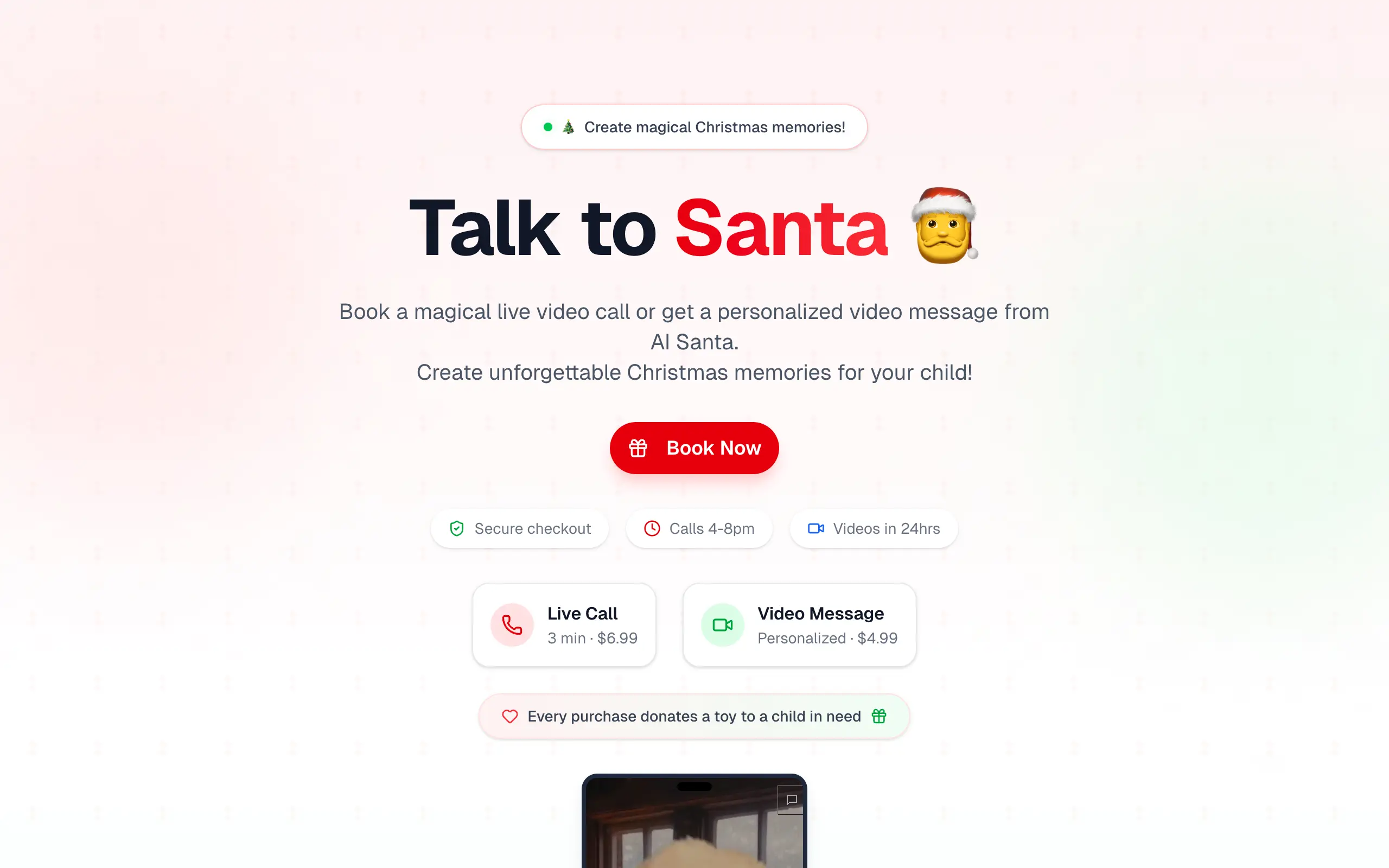
Talk to Santa
Enjoy a magical live video chat or receive a unique AI-generated video greeting from Santa Claus 🎅
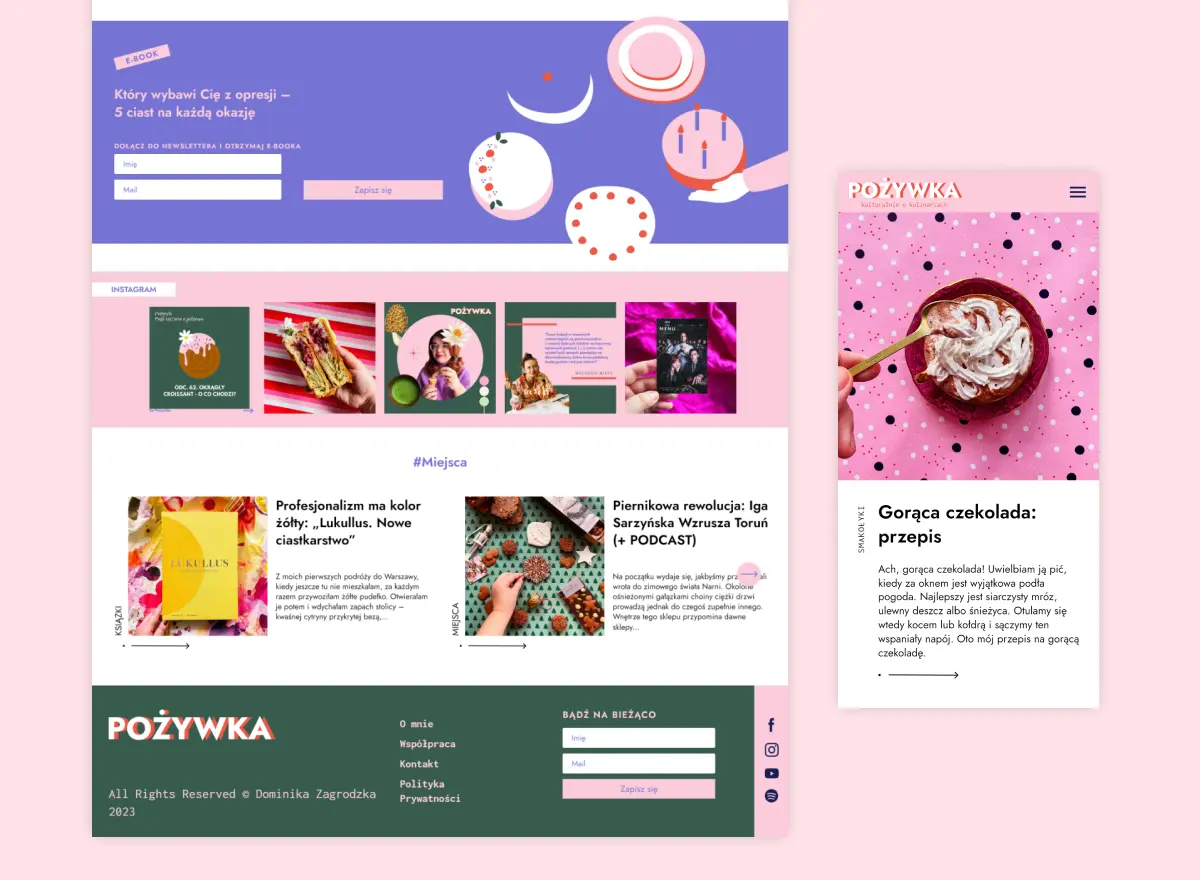
pozywka.pl
Scalable blog for food journalist, focused on performance and user experience 🌭
zagrodzki.me
Personal blog and portfolio of Bart Zagrodzki, where he shares his knowledge and work 💼
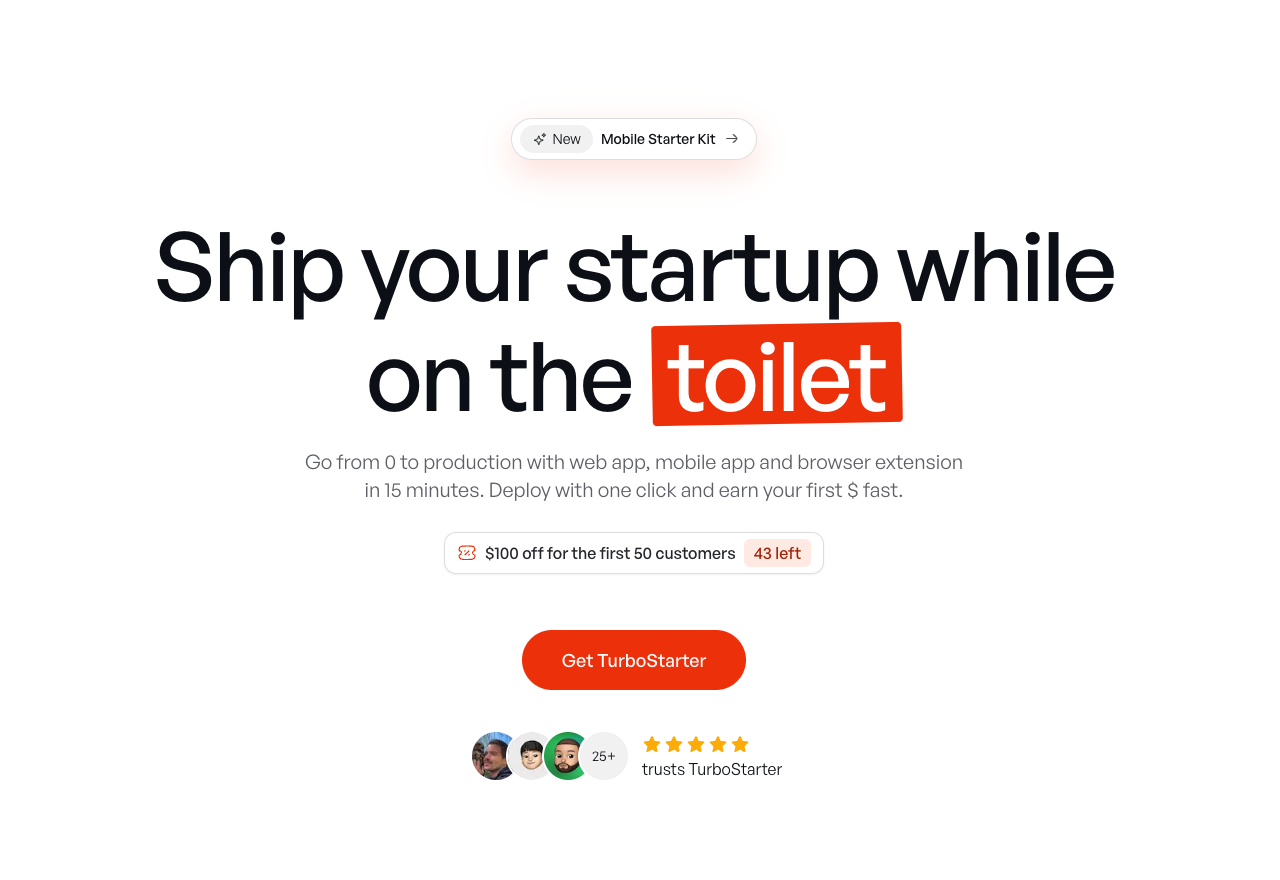
TurboStarter
Ship your startup everywhere. In minutes.
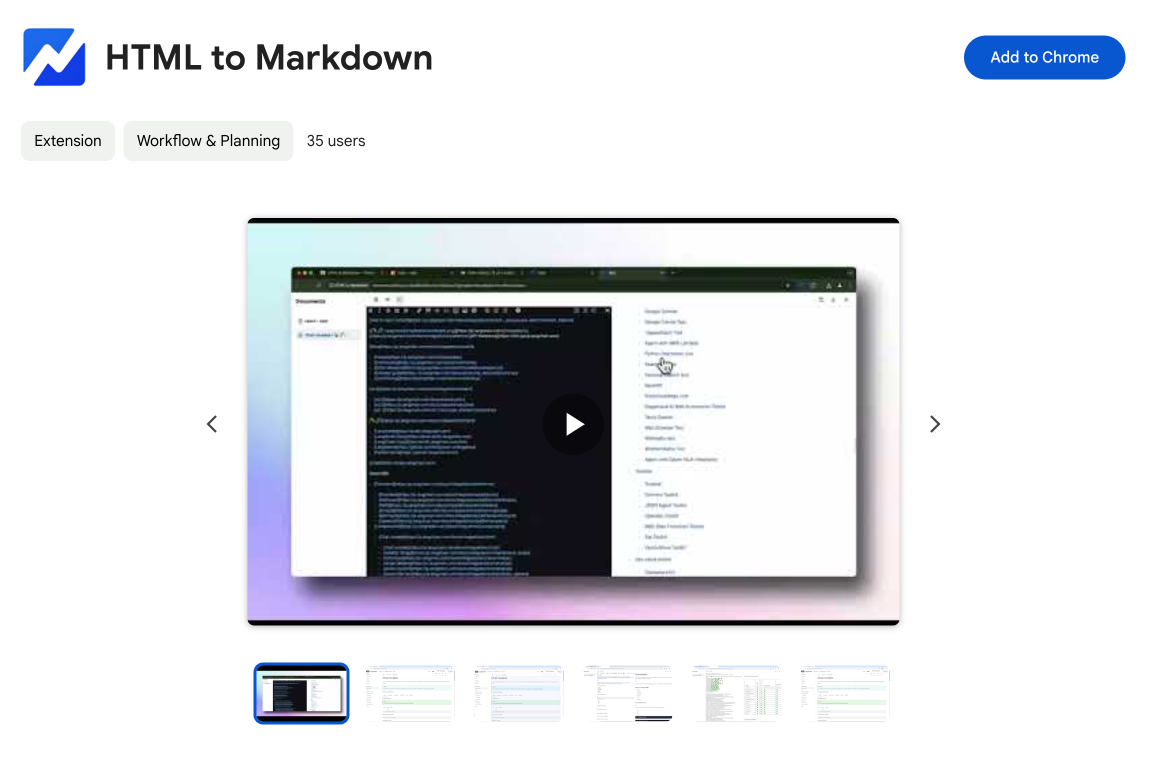
HTML to Markdown
Convert HTML to Markdown with ease, directly in your browser 📄
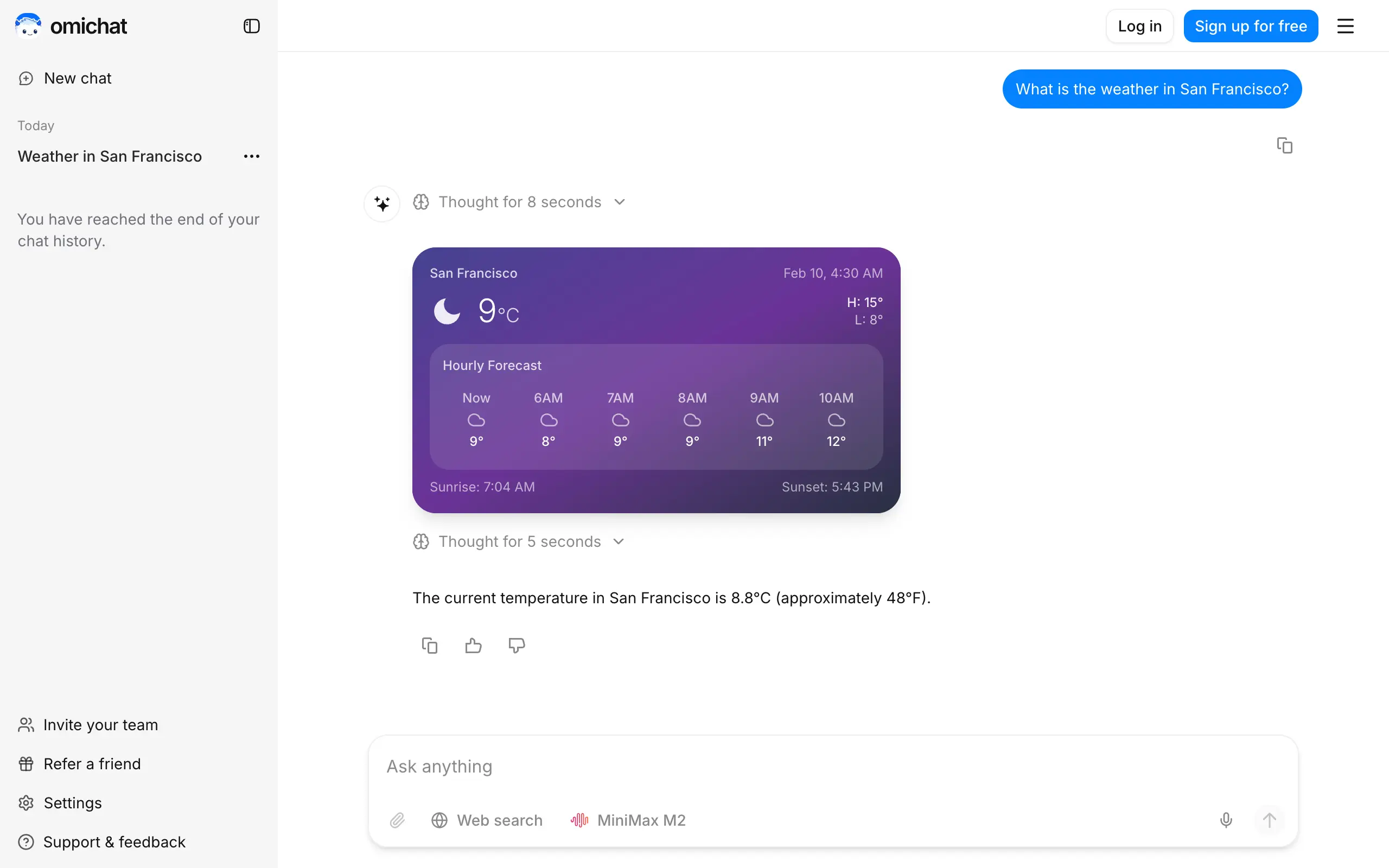
Omichat
Chat with 50+ AI models, including ChatGPT and Claude, in one place - switch models anytime without losing context 🤖
Talk to Santa
Enjoy a magical live video chat or receive a unique AI-generated video greeting from Santa Claus 🎅
pozywka.pl
Scalable blog for food journalist, focused on performance and user experience 🌭
zagrodzki.me
Personal blog and portfolio of Bart Zagrodzki, where he shares his knowledge and work 💼
TurboStarter
Ship your startup everywhere. In minutes.
HTML to Markdown
Convert HTML to Markdown with ease, directly in your browser 📄
Omichat
Chat with 50+ AI models, including ChatGPT and Claude, in one place - switch models anytime without losing context 🤖
Talk to Santa
Enjoy a magical live video chat or receive a unique AI-generated video greeting from Santa Claus 🎅
pozywka.pl
Scalable blog for food journalist, focused on performance and user experience 🌭
zagrodzki.me
Personal blog and portfolio of Bart Zagrodzki, where he shares his knowledge and work 💼
TurboStarter
Ship your startup everywhere. In minutes.
HTML to Markdown
Convert HTML to Markdown with ease, directly in your browser 📄
Omichat
Chat with 50+ AI models, including ChatGPT and Claude, in one place - switch models anytime without losing context 🤖
Talk to Santa
Enjoy a magical live video chat or receive a unique AI-generated video greeting from Santa Claus 🎅
pozywka.pl
Scalable blog for food journalist, focused on performance and user experience 🌭
zagrodzki.me
Personal blog and portfolio of Bart Zagrodzki, where he shares his knowledge and work 💼
TurboStarter
Ship your startup everywhere. In minutes.
HTML to Markdown
Convert HTML to Markdown with ease, directly in your browser 📄
Omichat
Chat with 50+ AI models, including ChatGPT and Claude, in one place - switch models anytime without losing context 🤖
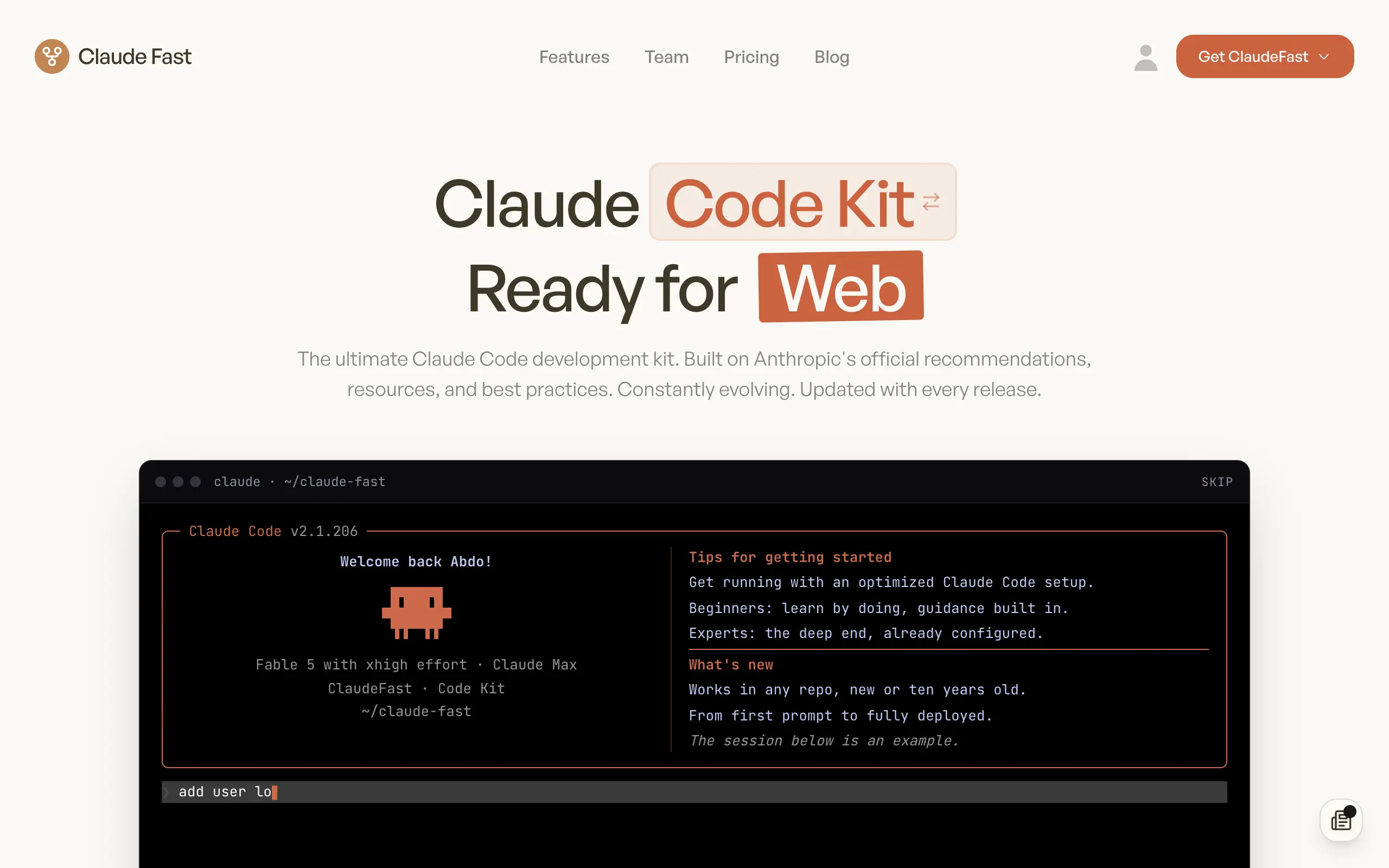
Claude Fast
Supercharge your Claude Code with 6x effective context window and specialized AI agents 🤖
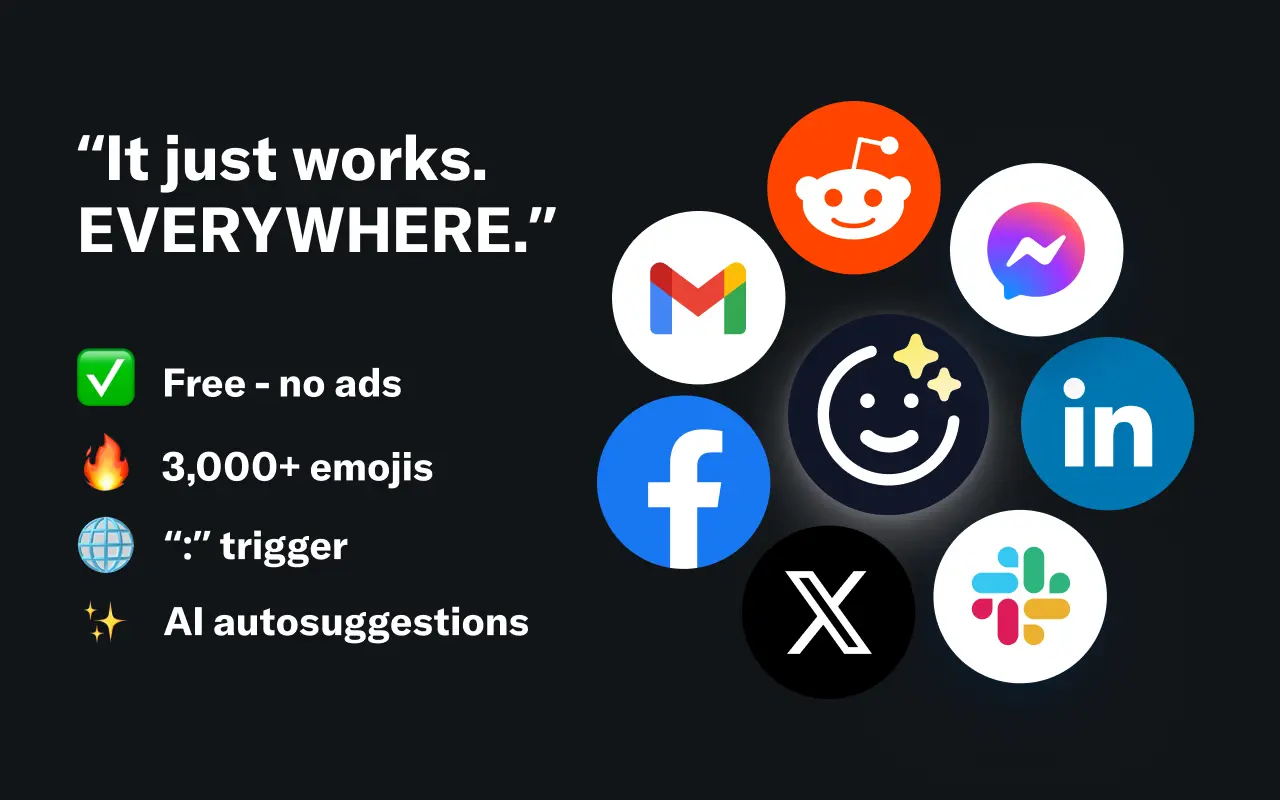
EmojAI
AI-powered emoji picker with smart, context-aware suggestions 🤖
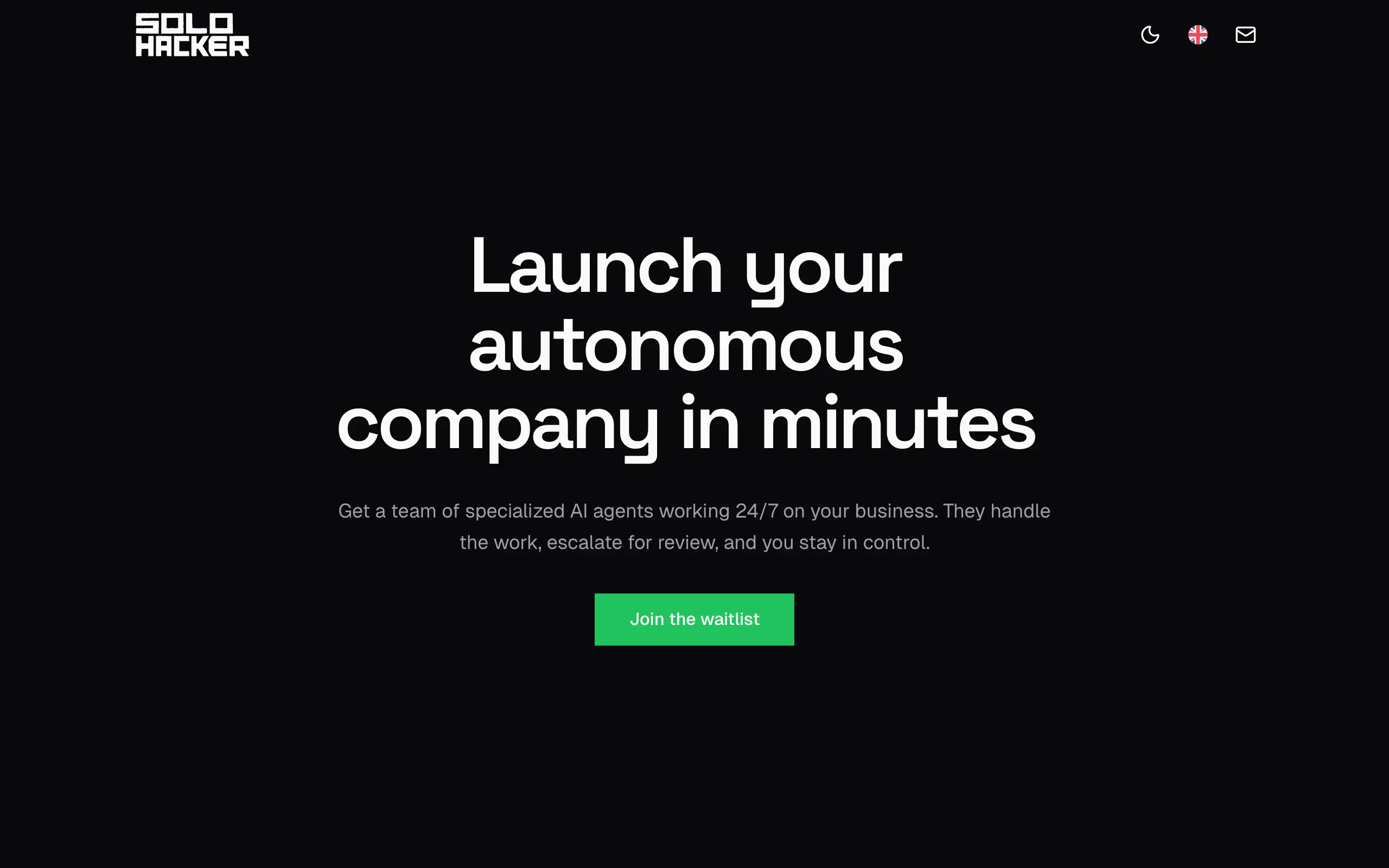
Solohacker
Autonomous company launcher - AI agents work 24/7, escalate what matters, and you stay in control 🤖
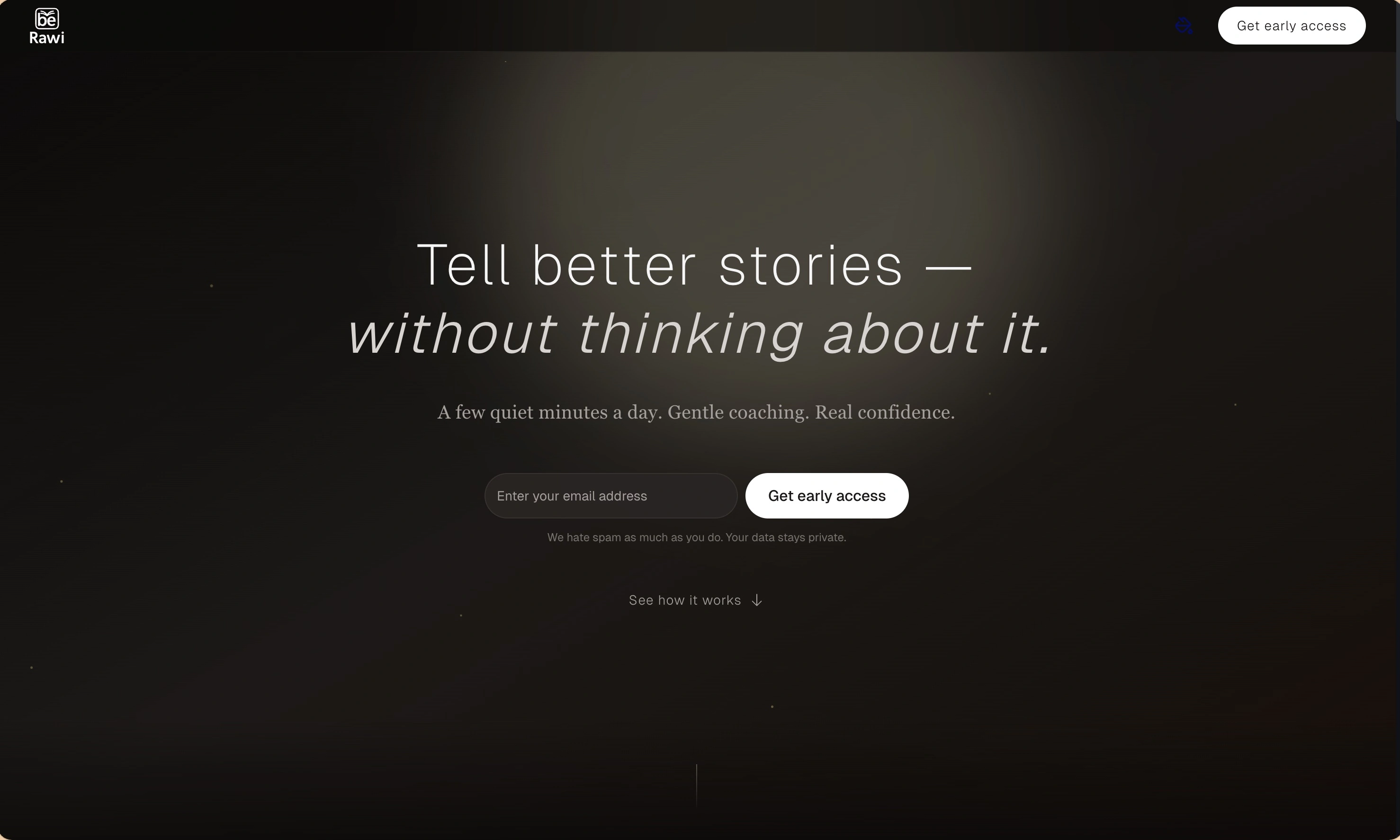
BeRawi: Storytelling Coach
Practice storytelling daily with instant feedback to sound clearer, more engaging, and confident 🎤
Claude Fast
Supercharge your Claude Code with 6x effective context window and specialized AI agents 🤖
EmojAI
AI-powered emoji picker with smart, context-aware suggestions 🤖
Solohacker
Autonomous company launcher - AI agents work 24/7, escalate what matters, and you stay in control 🤖
BeRawi: Storytelling Coach
Practice storytelling daily with instant feedback to sound clearer, more engaging, and confident 🎤
Claude Fast
Supercharge your Claude Code with 6x effective context window and specialized AI agents 🤖
EmojAI
AI-powered emoji picker with smart, context-aware suggestions 🤖
Solohacker
Autonomous company launcher - AI agents work 24/7, escalate what matters, and you stay in control 🤖
BeRawi: Storytelling Coach
Practice storytelling daily with instant feedback to sound clearer, more engaging, and confident 🎤
Claude Fast
Supercharge your Claude Code with 6x effective context window and specialized AI agents 🤖
EmojAI
AI-powered emoji picker with smart, context-aware suggestions 🤖
Solohacker
Autonomous company launcher - AI agents work 24/7, escalate what matters, and you stay in control 🤖
BeRawi: Storytelling Coach
Practice storytelling daily with instant feedback to sound clearer, more engaging, and confident 🎤

Connect with like-minded people
Join our community to get feedback, support, and grow together with 1,000+ builders on board, let's ship it!
Join usShip your startup everywhere. In minutes.
Don't burn tokens on setup and start building features on day one.