WildTrek Stories
WildTrek Stories is an AR adventure app that encourages gamers to explore real-world parks and nature trails, unlocking location-based quests and wildlife facts.
WildTrek Stories is an innovative AR adventure app designed to blend the thrill of video gaming with real-world nature exploration. By encouraging gamers to visit parks and nature trails, the app unlocks interactive quests, engaging wildlife facts, and immersive storytelling experiences at real locations. In this article, we’ll explore the in-depth potential of WildTrek Stories, from target audience and market analysis to technical implementation, monetization, risks, and unique competitive advantages.
Understanding the search intent behind AR adventure app exploration
When users search for terms like “AR adventure app,” “location-based AR games for parks,” or “nature trail gamification,” they are often:
- Looking for inspiration for new AR gaming or nature-focused app ideas.
- Seeking detailed validation for an adventure-based SaaS product.
- Interested in technical specifics, like core app features, AR capabilities, and tech stack recommendations.
- Wanting market insights, competitor analysis, and monetization strategies.
- Searching for actionable implementation steps for an AR SaaS concept.
This article directly addresses these intents by providing evidence-based analysis, actionable insights, and expert commentary on every critical aspect of building a product like WildTrek Stories.
Target audience analysis for WildTrek Stories
A deep understanding of the target user base is foundational for WildTrek Stories’ strategy and success. The app primarily appeals to:
1. Nature-loving gamers
- Outdoor enthusiasts who also enjoy mobile gaming and technology.
- Individuals motivated by achievements, quests, and interactive challenges.
2. Families and educators
- Parents seeking screen-positive activities that combine learning and exercise.
- Schools, afterschool clubs, and youth organizations promoting nature literacy.
3. Wellness and fitness advocates
- Hikers, joggers, and fitness communities looking for added motivation and new experiences during outdoor activities.
4. Parks and conservation organizations
- Park rangers and facility managers aiming to promote park visitation and environmental education via engaging technology.
Demographic trends
Recent data from mobile gaming and fitness tracking apps highlight that Gen Z, Millennials, and active families are increasingly using technology to augment outdoor experiences. Interest in nature, conservation, and “edutainment” is also on the rise (source: suggest referencing Pew Research or App Annie mobile gaming reports).
Market opportunity and gap analysis
The AR gaming industry has seen explosive growth since the breakthrough of location-based games like Pokémon GO. However, there remains an underserved niche at the intersection of augmented reality, nature education, and real-world adventure.
Key market trends
- Growth of AR mobile apps: The global AR gaming market is expected to exceed $30 billion by 2025 [Reference: MarketsandMarkets, industry reports].
- Surge in outdoor recreation: The pandemic accelerated a renewed interest in parks, trails, and safe outdoor activities.
- Edutainment demand: Families and educators are increasingly in search of products that combine learning and entertainment in meaningful ways.
Identified gaps
- Most AR games focus on urban locations, fantasy themes, or commerce—rarely on nature or real-world wildlife literacy.
- Location-based adventure apps often lack robust storytelling and learning components.
- Few platforms partner directly with parks, conservation orgs, and educators to tailor in-park quests and informational experiences.
WildTrek Stories addresses these gaps by merging AR gaming, environmental education, and real-world exploration, creating a unique and scalable market niche.
Core features and solution details
WildTrek Stories is differentiated by a powerful blend of technology and authentic outdoor engagement. Here’s an overview of its flagship features, optimized for both user delight and retention.
Location-based AR quests
- Users unlock dynamic quests, stories, and challenges that activate only at specific GPS-tagged locations (parks, trails, points of interest).
- Each quest seamlessly blends AR overlays (e.g., virtual animals, hidden artifacts, or helpful guides) with context-driven tasks—like identifying plant species or solving environmental puzzles.
Dynamic wildlife facts and storytelling
- On-location AR elements present users with animated guides or characters who share wildlife facts and ecosystem lore.
- Children and adults can “collect” facts, take quizzes, or follow branching storylines that reward deeper exploration.
Gamification and progression
- Achievement badges, collection points, and tiered questlines motivate ongoing engagement. Seasonal or limited-time events encourage return visits.
- Integration of fitness challenges (e.g., walk a certain distance, find X species in a day).
Social and community features
- Optional group quests and leaderboards for families, friends, or classrooms.
- Safe sharing of discoveries on social or via in-app community feeds, with privacy controls.
Park and organization partnerships
- A dedicated portal for park authorities and educators to upload custom quests, wildlife info, or conservation messages, fostering community collaboration.
Recommended tech stack and trade-offs
Building a robust, scalable AR adventure app requires careful technology selection. Recommended options include:
| Mobile platform | AR framework | Backend | Map/GIS | UI Library |
|---|---|---|---|---|
| React Native | Unity AR Foundation | Firebase | Mapbox | TailwindCSS |
| Swift/Kotlin | ARCore/ARKit | AWS Amplify | Google Maps API | Native SDKs |
Tech stack highlights
- React Native (React Native): Cross-platform, strong AR support, and scalable performance for iOS and Android.
- Unity AR Foundation (Unity): Advanced AR features, 3D asset support, and broad developer community.
- Firebase (Firebase): Rapid database, authentication, and real-time sync—vital for user-generated content and live events.
- Mapbox (Mapbox): Custom, high-accuracy map/GIS layers for trails and park features.
- TailwindCSS (TailwindCSS): Efficient styling and component-driven UI consistency.
Trade-offs:
- Deep AR experiences may require heavier battery consumption and advanced device compatibility (especially on older smartphones).
- Device fragmentation (different screen sizes, camera specs) necessitates careful QA and optimization.
- Unity or native AR (ARCore/ARKit) might offer progressively richer features, but increase development complexity and cost.
Pro tip
If rapid prototyping and iteration are crucial, consider leveraging low-code AR platforms for MVP validation, then migrate to Unity or native as you scale.
Monetization options for AR adventure apps
Selecting the right revenue streams is essential. For WildTrek Stories, the following models offer promising ROI:
Freemium with premium quests
- Basic quests and wildlife facts are free.
- Premium quests, rare achievements, or exclusive AR items are available via subscription or one-time in-app purchases.
Sponsored partnerships
- National or local parks, conservation orgs, and branded adventure campaigns can sponsor featured stories or quests.
- Educational institutions may pay for white-labeled, curriculum-aligned versions of the app.
Merchandise and collectibles
- In-app collectibles (digital badges, rare "virtual" wildlife) can be converted to real-world merchandise (stickers, printables, apparel).
- Partnering with parks for co-branded souvenirs.
Data-driven insights (with privacy safeguards)
- Aggregated, anonymized insights on park visitation, interest trends, or educational engagement—valuable for conservation research or event planning.
Freemium model
Attract users with free content and convert power users with premium experiences.
Sponsored partnerships
Create value for parks and educators while supporting long-term sustainability.
Collectibles & merch
Tap into fan engagement with physical and digital rewards.
Risks and mitigation strategies
Launching an AR adventure app comes with technical, regulatory, and adoption-related risks. Below are key considerations and actionable mitigations.
| Risk | Mitigation |
|---|---|
| AR/game fatigue & novelty burnout | Regularly update with seasonal stories, community events, and expanding locations |
| Privacy/data security concerns (location tracking) | Fully transparent opt-ins, anonymized data, and robust privacy policies |
| Limited park WiFi or poor mobile coverage | Offline mode with preloaded quests and facts; sync progress when online |
| Accessibility issues (physical ability, device type) | Design quests for varying activity/ability levels; maintain broad device compatibility |
| Safety in remote or wild areas | Parental controls, “no dangerous area” geo-fencing, and strong safety messaging |
| App store guideline changes or platform lock-in | Adopt cross-platform stacks, stay updated with OS policies, and maintain a modular architecture |
Strong privacy safeguards—such as allowing users to disable GPS at any time, clear usage data, and opt into or out of leaderboards—are vital. Clearly explained privacy policies build trust, particularly with families and schools.
Community-driven features should include simple reporting and moderation tools to prevent abuse or the posting of inaccurate wildlife information.
Competitive landscape and unique selling proposition
How WildTrek Stories stands out
While there are several well-known AR apps on the market, including Pokémon GO (urban collect-a-thons), Geocaching (global treasure hunts), and iNaturalist (nature documentation), none deliver on all the following:
- Story-driven, location-based AR quests tied specifically to parks and nature trails
- Integrated wildlife facts and quiz mechanics, not just collection or documentation
- Tailored down to local parks and with tools for educators and rangers to contribute quests
- Strong community, safety, and accessibility controls for families and schools
Focuses on learning, interactive quests, and park-based story experiences for all ages.
Primarily a collect-and-battle game, mostly set in urban or suburban spaces.
Treasure hunt app relying on user-generated content; weak on education/storytelling.
Citizen science app for wildlife logging, less interactive or story-driven.
Defining the unique value
WildTrek Stories’ USP is its immersive blend of real-world activity, AR storytelling, and authentic wildlife education in partnership with local organizations. In a market full of urban escapism or data-driven documentation, this platform delivers active learning, family co-play, and community-driven nature quests that directly promote conservation and healthy outdoor habits.
Implementation steps: from concept to launch
Ready to bring WildTrek Stories to life? Here’s an actionable implementation roadmap, based on proven SaaS and AR development principles.
Market validation:
Survey target groups (families, park visitors, teachers) and collaborate with at least 1–2 local parks for a pilot.
UX and AR prototyping:
Design wireframes, user flows, and interactive prototypes using tools like Figma. Build an MVP with basic AR quest, storytelling, and tracking using React Native or Unity.
Content development:
Script a diverse set of quests, wildlife facts, and story scenarios. Recruit educators, rangers, or biologists to ensure accuracy.
Technical architecture:
Set up backend with Firebase or AWS Amplify. Integrate Mapbox, and plan flexible AR asset delivery for easy updates.
Beta and partnerships:
Launch closed beta in select parks. Gather feedback from real users and refine onboarding, privacy controls, and offline features.
Monetization and go-to-market:
Release the app in key regions, implement freemium upgrades, and begin outreach for partnerships with parks, schools, and conservation brands.
Keeping your AR adventure app future-proof
To stay ahead, keep an eye on the following trends:
- Augmented reality hardware: Adoption of AR glasses and more powerful mobile sensors will enable richer experiences.
- Open data movements: Collaborate with global wildlife databases and open nature APIs for richer, real-time educational content.
- Gamification in public health: Partner with civic organizations to align game quests with wellness or conservation campaigns.
Conclusion: launch your vision with confidence
WildTrek Stories transforms how people engage with nature, using AR to turn everyday walks into epic, educational adventures. By aligning cutting-edge technology with meaningful learning and community collaboration, the app is uniquely positioned to capture a fast-growing, socially conscious market focused on wellness, discovery, and outdoor fun.
If you're serious about building the next-generation AR adventure app—or any SaaS platform that bridges gaming, learning, and real-world activity—now is the time to act.
Explore more resources to accelerate your SaaS journey:
- Learn from app builder best practices at TurboStarter
- Deepen AR integration with Unity and React Native
- Style your mobile app effortlessly with TailwindCSS
By focusing on unique value, technical excellence, and genuine user needs, WildTrek Stories or similar AR SaaS platforms can deliver impact, growth, and years of sustainable engagement.
More 💡 Other SaaS ideas
Discover more innovative other SaaS ideas that are trending in 2026. Each idea is AI-generated with market validation and growth potential to help you find your next profitable venture faster than competitors.
Your competitors are building with TurboStarter
Below are some of the SaaS ideas that have been generated and built with our starter kit.

Statiko
Monitor any Telegram channel in real time - track posts, edits, deletions, and growth with AI recaps 📡

Shibui
AI website builder - describe your business, pick a niche template, edit by chatting, and publish instantly ✨

Pro Service
Find verified home service professionals, compare quotes, and pay securely through escrow - built for Brazilians across the US 🏠
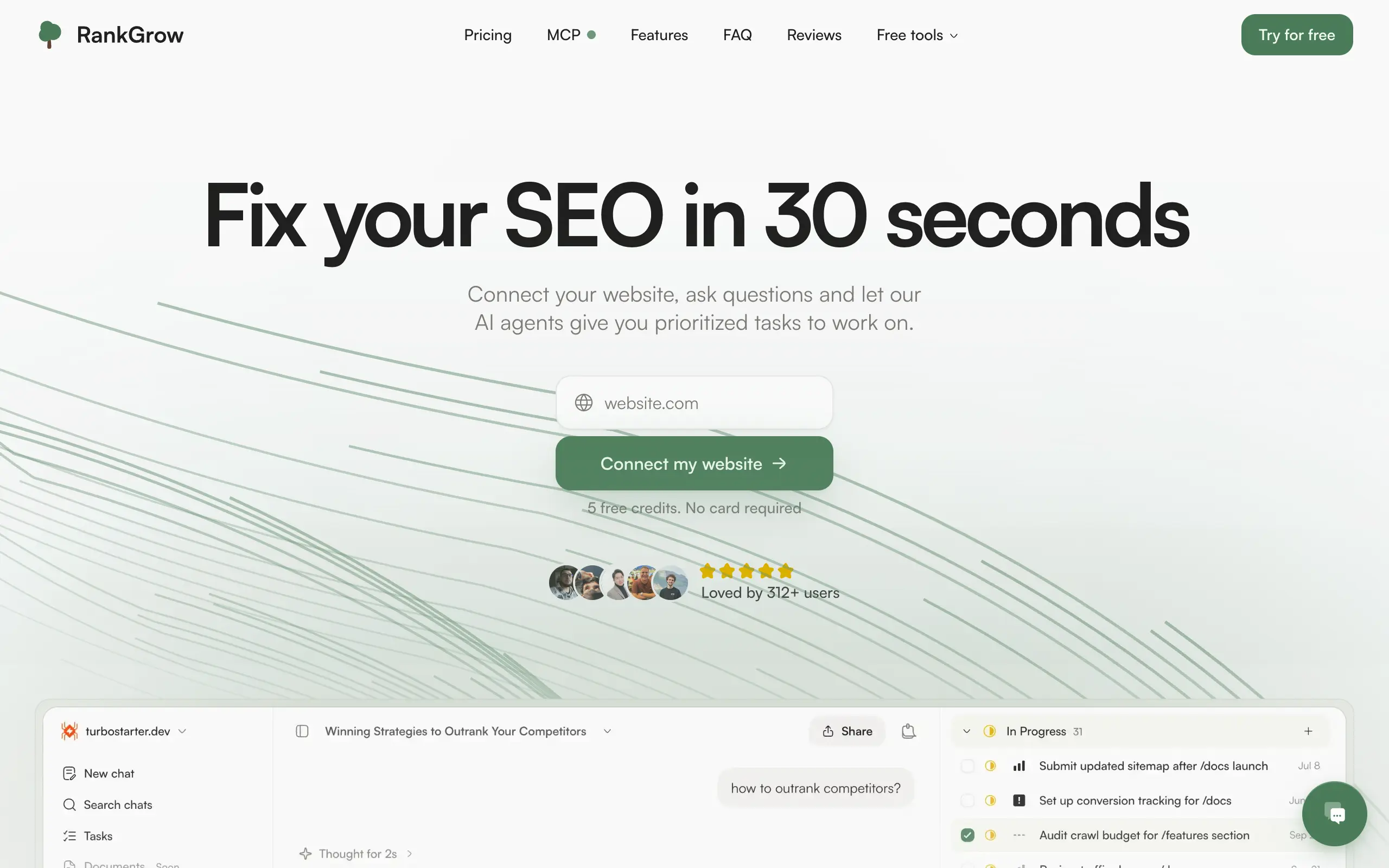
RankGrow
Fix your SEO with AI agents - connect Search Console, get prioritized tasks, and grow organic traffic 📈
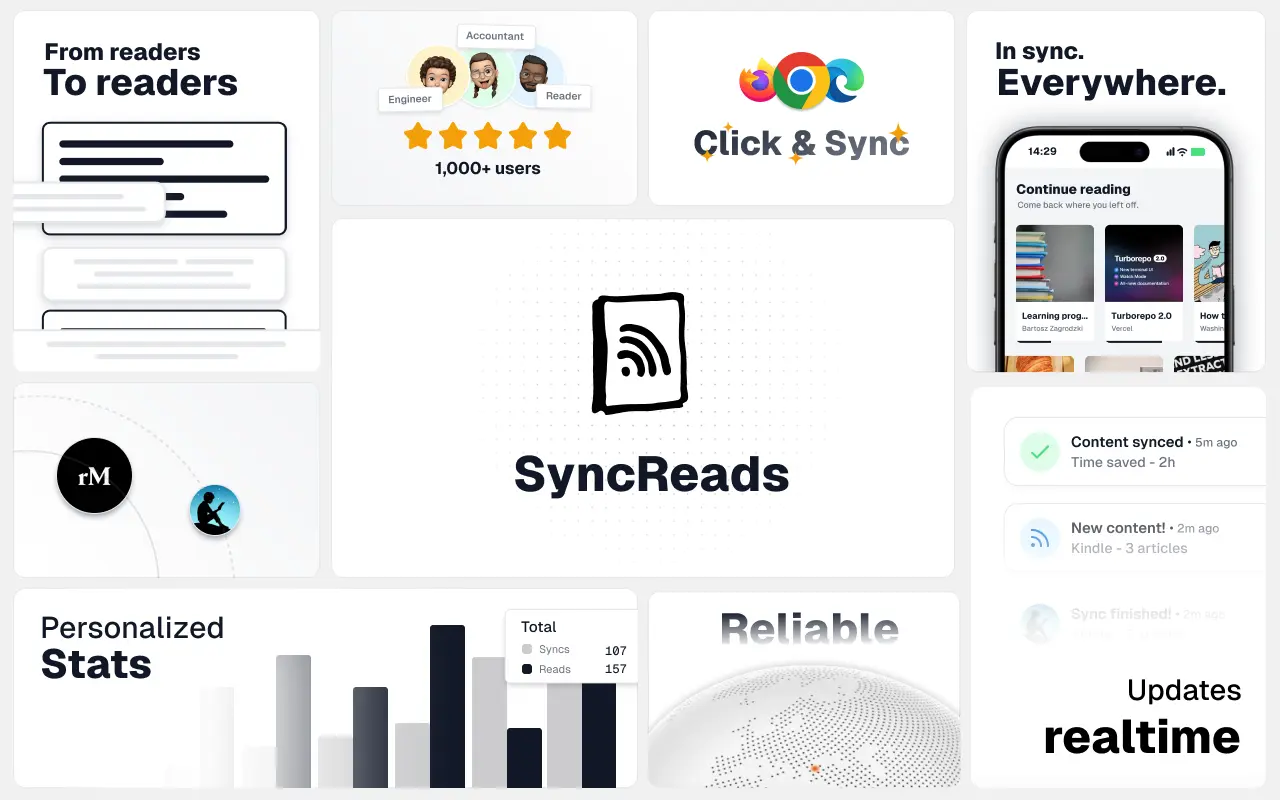
SyncReads
Sync your favorite content for distraction-free reading, save time and replace multiple apps. Anytime, anywhere 🔄
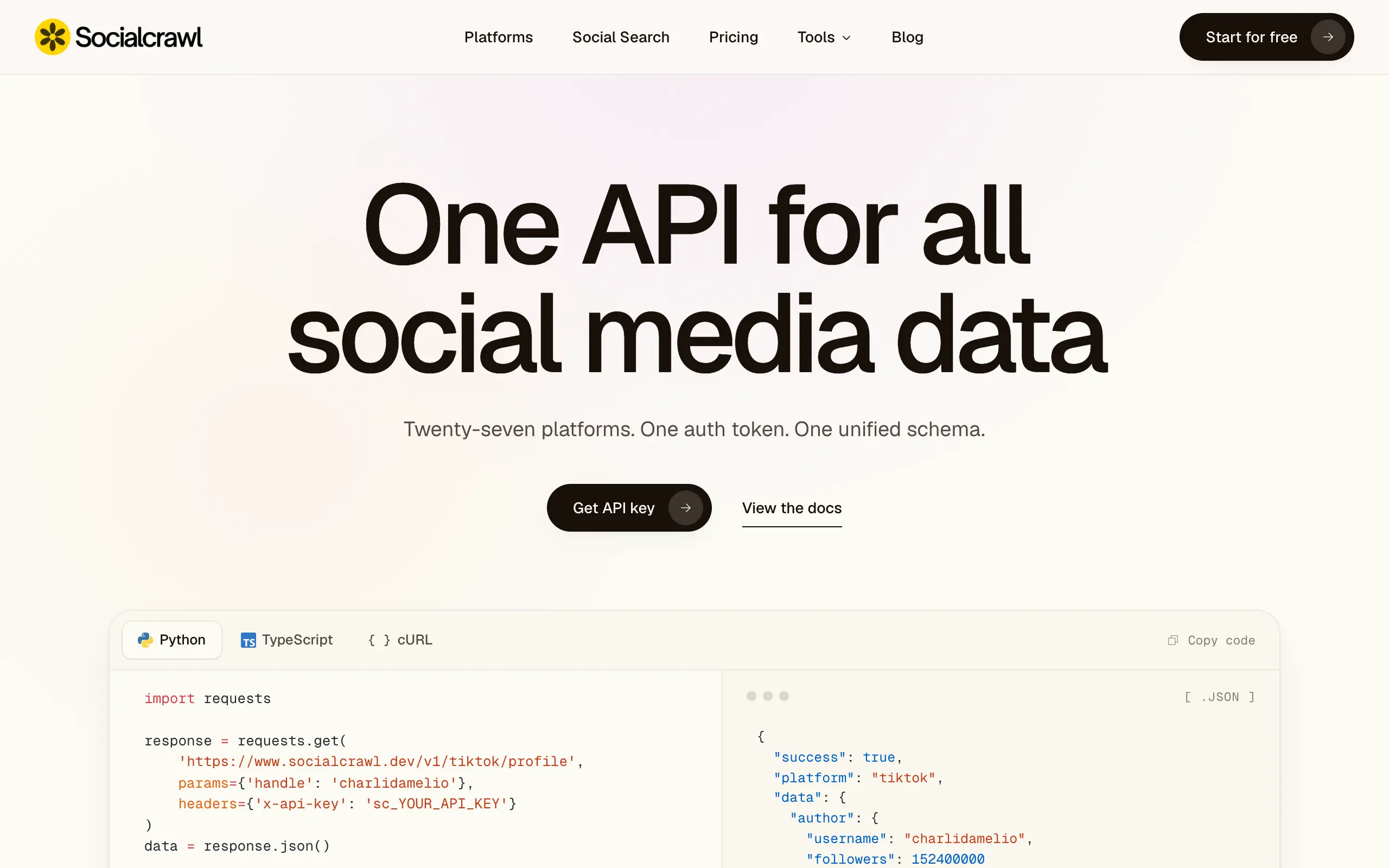
Socialcrawl
Get clean, structured data from 21 platforms like TikTok, Instagram, and YouTube with a single request 📊
Statiko
Monitor any Telegram channel in real time - track posts, edits, deletions, and growth with AI recaps 📡
Shibui
AI website builder - describe your business, pick a niche template, edit by chatting, and publish instantly ✨
Pro Service
Find verified home service professionals, compare quotes, and pay securely through escrow - built for Brazilians across the US 🏠
RankGrow
Fix your SEO with AI agents - connect Search Console, get prioritized tasks, and grow organic traffic 📈
SyncReads
Sync your favorite content for distraction-free reading, save time and replace multiple apps. Anytime, anywhere 🔄
Socialcrawl
Get clean, structured data from 21 platforms like TikTok, Instagram, and YouTube with a single request 📊
Statiko
Monitor any Telegram channel in real time - track posts, edits, deletions, and growth with AI recaps 📡
Shibui
AI website builder - describe your business, pick a niche template, edit by chatting, and publish instantly ✨
Pro Service
Find verified home service professionals, compare quotes, and pay securely through escrow - built for Brazilians across the US 🏠
RankGrow
Fix your SEO with AI agents - connect Search Console, get prioritized tasks, and grow organic traffic 📈
SyncReads
Sync your favorite content for distraction-free reading, save time and replace multiple apps. Anytime, anywhere 🔄
Socialcrawl
Get clean, structured data from 21 platforms like TikTok, Instagram, and YouTube with a single request 📊
Statiko
Monitor any Telegram channel in real time - track posts, edits, deletions, and growth with AI recaps 📡
Shibui
AI website builder - describe your business, pick a niche template, edit by chatting, and publish instantly ✨
Pro Service
Find verified home service professionals, compare quotes, and pay securely through escrow - built for Brazilians across the US 🏠
RankGrow
Fix your SEO with AI agents - connect Search Console, get prioritized tasks, and grow organic traffic 📈
SyncReads
Sync your favorite content for distraction-free reading, save time and replace multiple apps. Anytime, anywhere 🔄
Socialcrawl
Get clean, structured data from 21 platforms like TikTok, Instagram, and YouTube with a single request 📊
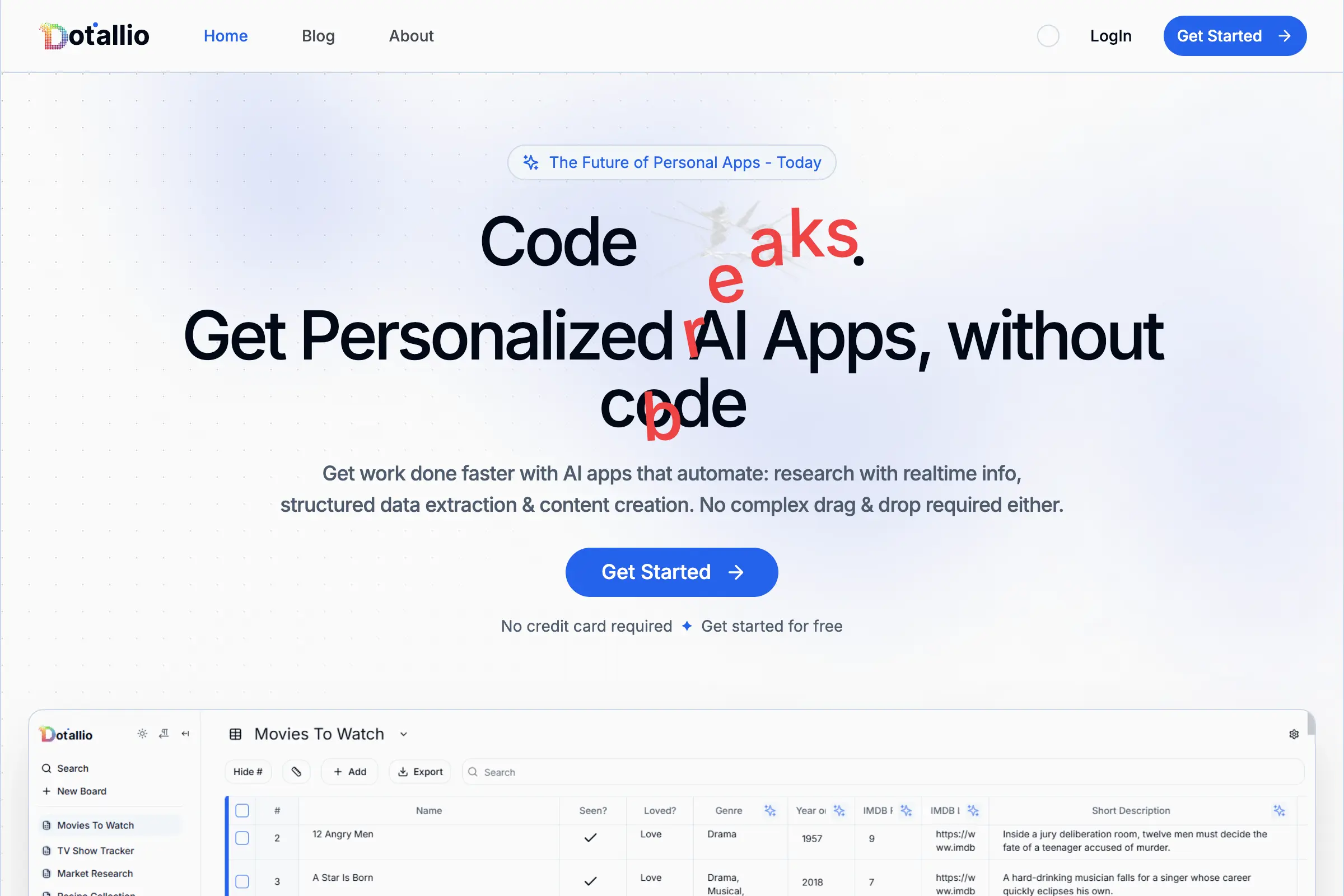
Dotallio
Personalized AI apps that automate research, data extraction, and content creation without code 🤖

Talk to Santa
Enjoy a magical live video chat or receive a unique AI-generated video greeting from Santa Claus 🎅

pozywka.pl
Scalable blog for food journalist, focused on performance and user experience 🌭
zagrodzki.me
Personal blog and portfolio of Bart Zagrodzki, where he shares his knowledge and work 💼
TurboStarter
Ship your startup everywhere. In minutes.
HTML to Markdown
Convert HTML to Markdown with ease, directly in your browser 📄
Dotallio
Personalized AI apps that automate research, data extraction, and content creation without code 🤖
Talk to Santa
Enjoy a magical live video chat or receive a unique AI-generated video greeting from Santa Claus 🎅
pozywka.pl
Scalable blog for food journalist, focused on performance and user experience 🌭
zagrodzki.me
Personal blog and portfolio of Bart Zagrodzki, where he shares his knowledge and work 💼
TurboStarter
Ship your startup everywhere. In minutes.
HTML to Markdown
Convert HTML to Markdown with ease, directly in your browser 📄
Dotallio
Personalized AI apps that automate research, data extraction, and content creation without code 🤖
Talk to Santa
Enjoy a magical live video chat or receive a unique AI-generated video greeting from Santa Claus 🎅
pozywka.pl
Scalable blog for food journalist, focused on performance and user experience 🌭
zagrodzki.me
Personal blog and portfolio of Bart Zagrodzki, where he shares his knowledge and work 💼
TurboStarter
Ship your startup everywhere. In minutes.
HTML to Markdown
Convert HTML to Markdown with ease, directly in your browser 📄
Dotallio
Personalized AI apps that automate research, data extraction, and content creation without code 🤖
Talk to Santa
Enjoy a magical live video chat or receive a unique AI-generated video greeting from Santa Claus 🎅
pozywka.pl
Scalable blog for food journalist, focused on performance and user experience 🌭
zagrodzki.me
Personal blog and portfolio of Bart Zagrodzki, where he shares his knowledge and work 💼
TurboStarter
Ship your startup everywhere. In minutes.
HTML to Markdown
Convert HTML to Markdown with ease, directly in your browser 📄
Omichat
Chat with 50+ AI models, including ChatGPT and Claude, in one place - switch models anytime without losing context 🤖
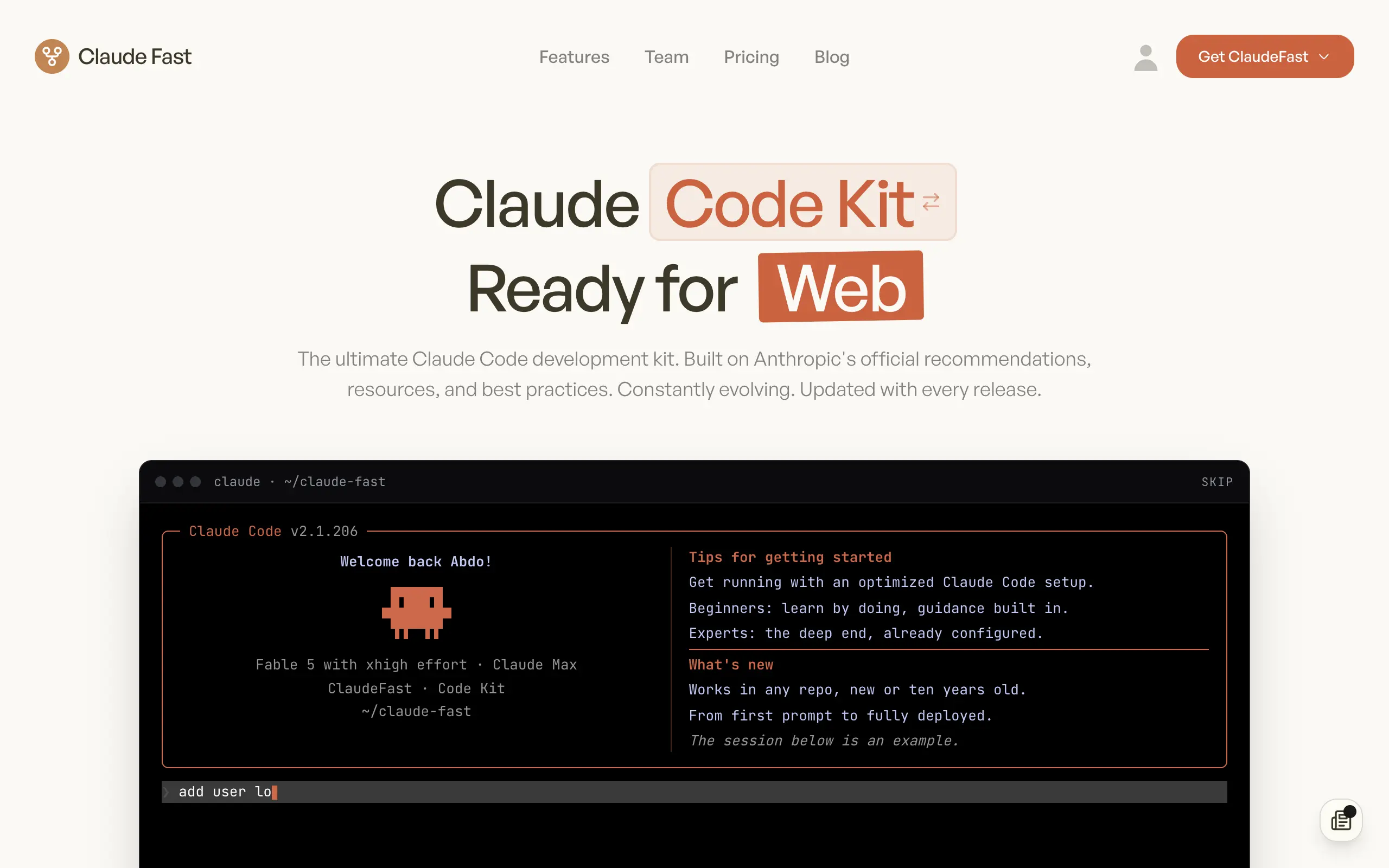
Claude Fast
Supercharge your Claude Code with 6x effective context window and specialized AI agents 🤖
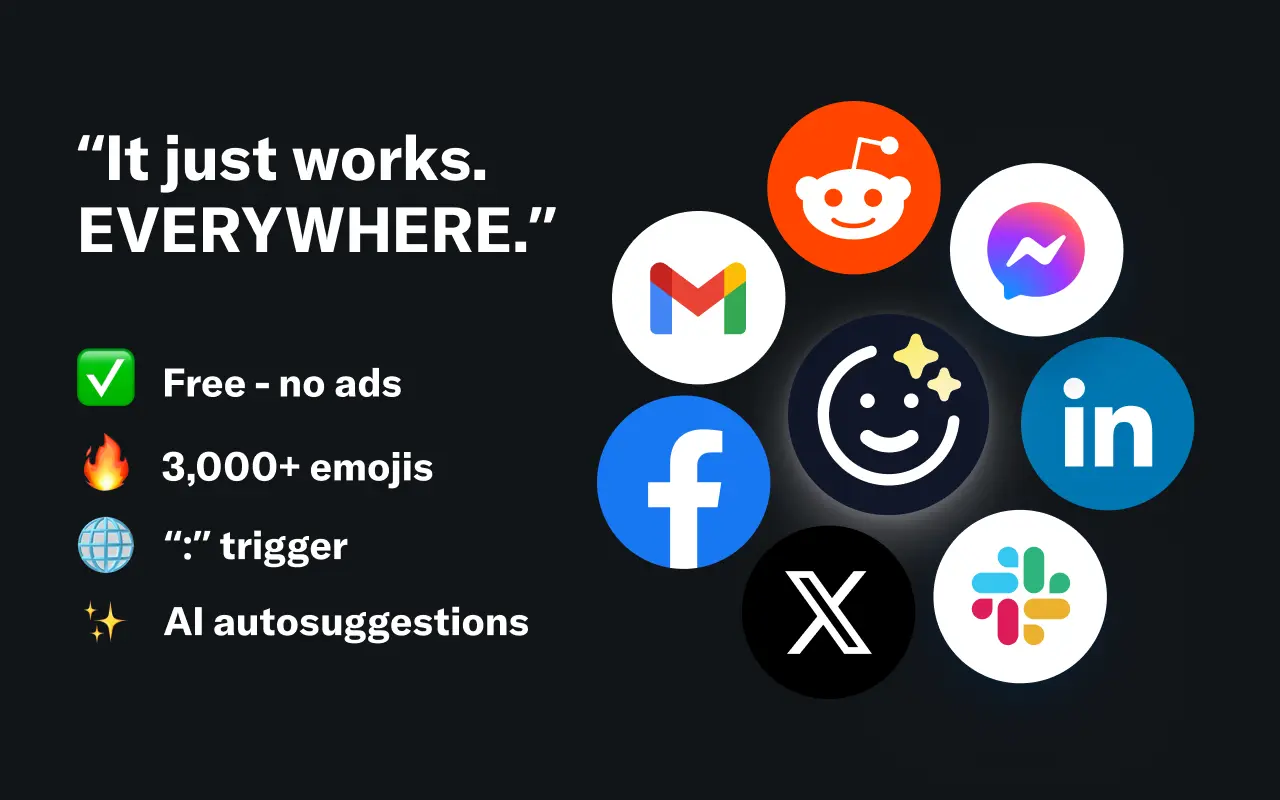
EmojAI
AI-powered emoji picker with smart, context-aware suggestions 🤖

Solohacker
Autonomous company launcher - AI agents work 24/7, escalate what matters, and you stay in control 🤖
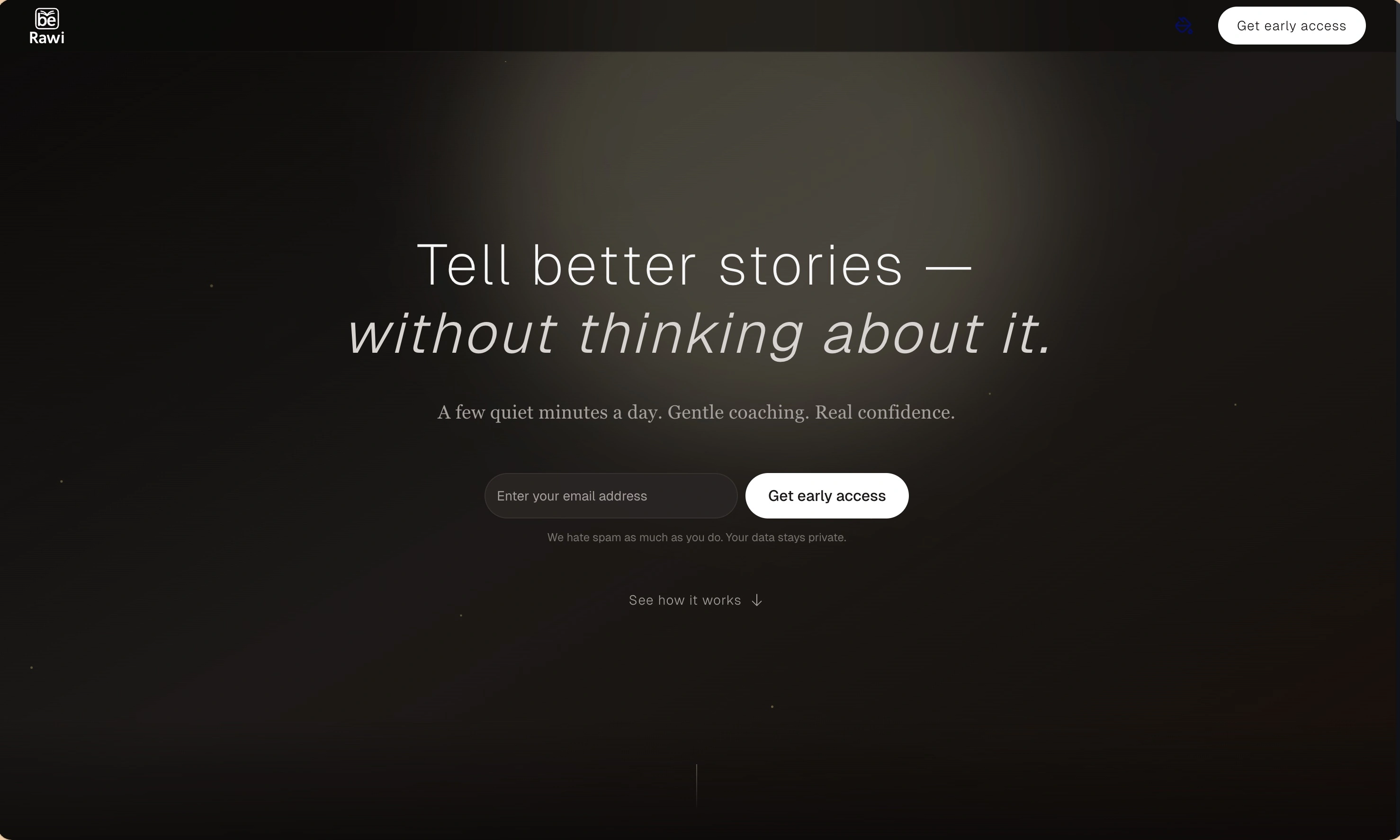
BeRawi: Storytelling Coach
Practice storytelling daily with instant feedback to sound clearer, more engaging, and confident 🎤
Omichat
Chat with 50+ AI models, including ChatGPT and Claude, in one place - switch models anytime without losing context 🤖
Claude Fast
Supercharge your Claude Code with 6x effective context window and specialized AI agents 🤖
EmojAI
AI-powered emoji picker with smart, context-aware suggestions 🤖
Solohacker
Autonomous company launcher - AI agents work 24/7, escalate what matters, and you stay in control 🤖
BeRawi: Storytelling Coach
Practice storytelling daily with instant feedback to sound clearer, more engaging, and confident 🎤
Omichat
Chat with 50+ AI models, including ChatGPT and Claude, in one place - switch models anytime without losing context 🤖
Claude Fast
Supercharge your Claude Code with 6x effective context window and specialized AI agents 🤖
EmojAI
AI-powered emoji picker with smart, context-aware suggestions 🤖
Solohacker
Autonomous company launcher - AI agents work 24/7, escalate what matters, and you stay in control 🤖
BeRawi: Storytelling Coach
Practice storytelling daily with instant feedback to sound clearer, more engaging, and confident 🎤
Omichat
Chat with 50+ AI models, including ChatGPT and Claude, in one place - switch models anytime without losing context 🤖
Claude Fast
Supercharge your Claude Code with 6x effective context window and specialized AI agents 🤖
EmojAI
AI-powered emoji picker with smart, context-aware suggestions 🤖
Solohacker
Autonomous company launcher - AI agents work 24/7, escalate what matters, and you stay in control 🤖
BeRawi: Storytelling Coach
Practice storytelling daily with instant feedback to sound clearer, more engaging, and confident 🎤

Connect with like-minded people
Join our community to get feedback, support, and grow together with 1,000+ builders on board, let's ship it!
Join usShip your startup everywhere. In minutes.
Don't burn tokens on setup and start building features on day one.