AsyncFlow
A smart async collaboration hub that turns scattered team messages into structured tasks, summaries, and clear next steps.
The problem with async communication in modern teams
Remote and hybrid teams rely heavily on tools like Slack, Microsoft Teams, email, Notion, and project management platforms. While these tools enable flexibility, they also create fragmented communication. Conversations live in one place, decisions in another, and tasks in yet another.
Over time, this fragmentation leads to:
- Missed action items
- Repeated discussions
- Lack of accountability
- Context switching fatigue
- Poor visibility into decisions
The result? Teams spend more time searching for information than executing.
This is the gap AsyncFlow, a smart async collaboration hub, is designed to solve. AsyncFlow transforms scattered team messages into structured tasks, AI-generated summaries, and clear next steps—all in one streamlined workflow.
This article explores the full SaaS opportunity behind AsyncFlow, including target audience, market analysis, feature strategy, tech stack recommendations, monetization models, risks, and a step-by-step implementation roadmap.
Understanding the search intent behind async collaboration tools
People searching for tools like “async collaboration software,” “turn Slack messages into tasks,” or “AI meeting summary tool” typically want one of the following:
- A way to reduce meeting overload
- A system to convert conversations into actionable work
- Improved team alignment without constant check-ins
- Better documentation of decisions
- AI-powered productivity automation
AsyncFlow directly addresses all five intents by acting as a bridge between conversation and execution.
Market opportunity: why async collaboration is exploding
Remote work is permanent
Remote and hybrid work are no longer trends—they’re foundational business models. According to reports from sources like McKinsey and Gartner (recommended citation), hybrid work continues to grow globally.
Key shifts driving demand:
- Distributed teams across time zones
- Increased reliance on Slack/Teams
- Async-first startup culture
- Global talent hiring
- AI adoption in productivity tools
The productivity SaaS market is crowded—but fragmented
Existing tools fall into categories:
- Chat platforms: Slack, Microsoft Teams
- Task managers: Asana, ClickUp, Trello
- Documentation tools: Notion, Confluence
- AI assistants: Otter.ai, Fireflies.ai
What’s missing?
A system that automatically converts communication into structured execution without manual copy-paste work.
That is AsyncFlow’s core opportunity.
The core value proposition of AsyncFlow
AsyncFlow acts as an AI-powered async collaboration hub that:
- Connects to chat platforms
- Detects decisions and action items
- Generates summaries
- Assigns structured tasks
- Creates clear next steps
- Maintains contextual history
Instead of manually creating tasks after conversations, teams let AsyncFlow handle the transformation automatically.
Unique selling proposition (USP)
AsyncFlow doesn’t replace chat tools—it makes them executable.
This positioning allows it to integrate into existing workflows rather than compete directly with major platforms.
Target audience analysis
Understanding who AsyncFlow is for determines feature design and pricing strategy.
1. Remote-first startups
Pain points:
- Rapid growth
- Informal Slack-heavy workflows
- Lost decisions
- No documentation culture
Why they care:
- Speed and clarity are critical
- Async culture already adopted
- AI-first mindset
2. Product and engineering teams
Pain points:
- Feature decisions buried in threads
- Action items unclear
- Cross-functional misalignment
Why they care:
- Need structured output
- Clear ownership required
- Accountability is essential
3. Agencies and consulting firms
Pain points:
- Multiple client conversations
- Scope changes undocumented
- Task leakage
Why they care:
- Billing accuracy
- Client transparency
- Reduced project overruns
4. Distributed enterprise teams
Pain points:
- Time zone delays
- Too many meetings
- Knowledge silos
Why they care:
- Compliance and documentation
- Reduced operational friction
- Executive visibility
The core features of AsyncFlow
Below is a structured breakdown of essential features.
1. AI-powered message parsing
AsyncFlow connects to Slack or Teams and detects:
- Action items
- Decisions
- Questions
- Deadlines
- Ownership mentions
It uses NLP models to classify intent and generate structured outputs.
2. Automatic task creation
Converts chat threads into:
- Assignable tasks
- Linked context
- Due dates
- Priority levels
3. Smart summaries
Generates:
- Thread summaries
- Daily async reports
- Weekly digest
- Decision logs
4. Context-linked documentation
Each task includes:
- Original conversation reference
- Participants
- Timestamp
- Linked files
5. Workflow integrations
Sync with:
- Asana
- ClickUp
- Jira
- Notion
- Linear
6. Async decision tracking
A centralized decision board:
- Who decided
- What was decided
- When
- Why
7. AI follow-up reminders
Detects incomplete decisions and suggests follow-ups.
Feature differentiation vs competitors
| Feature | Slack | Asana | Notion | AsyncFlow |
|---|---|---|---|---|
| AI task extraction | ❌ | ❌ | ❌ | ✅ |
| Conversation summaries | ❌ | ❌ | ❌ | ✅ |
| Decision tracking | ❌ | ⚠️ | ⚠️ | ✅ |
| Context-linked tasks | ❌ | ✅ | ⚠️ | ✅ |
AsyncFlow becomes the connective layer between communication and execution.
Recommended tech stack for building AsyncFlow
A scalable, AI-powered productivity SaaS requires modern architecture.
Frontend
- React for UI
- Next.js for SSR and performance
- TailwindCSS for design speed
- TypeScript for maintainability
Backend
- Node.js with NestJS or Express
- PostgreSQL for relational data
- Redis for caching
- Webhooks for real-time Slack integration
AI layer
- OpenAI or Anthropic APIs for NLP
- Fine-tuned prompt pipelines
- Context compression logic
Example AI extraction service:
async function extractTasksFromThread(threadText: string) {
  const response = await openai.chat.completions.create({
    model: "gpt-4o-mini",
    messages: [
      { role: "system", content: "Extract tasks, owners, deadlines." },
      { role: "user", content: threadText }
    ]
  });

  return response.choices[0].message.content;
}
Infrastructure
- Vercel or AWS
- Supabase or custom Postgres
- OAuth 2.0 for Slack auth
- Encryption at rest and in transit
Monetization strategy for AsyncFlow
1. SaaS subscription model
Recommended tiers:
- Free tier – Limited summaries per month
- Pro ($12–$20/user/month) – Full AI extraction
- Team ($25–$40/user/month) – Integrations + analytics
- Enterprise – SSO + compliance
2. Usage-based AI credits
Since AI processing incurs costs, implement:
- Base subscription
- AI credit overage billing
3. Enterprise compliance add-ons
- SOC 2 readiness
- Audit logs
- Data retention controls
Competitive advantage strategy
AsyncFlow should position itself as:
The AI execution engine for async teams.
Key defensibility:
- Context-aware AI models trained on real collaboration patterns
- Integration depth
- Decision tracking feature (rare in market)
- Async-first branding
Long-term moat:
- Accumulated team decision graph data
- Behavioral learning
- Predictive workflow suggestions
Risks and mitigation strategies
Risk 1: Slack building native AI features
Mitigation:
- Multi-platform integrations
- Focus on execution layer
- Specialized task intelligence
Risk 2: AI extraction inaccuracies
Mitigation:
- Human-in-the-loop validation
- Feedback loops
- Adjustable confidence thresholds
Risk 3: Data privacy concerns
Mitigation:
- End-to-end encryption
- Transparent AI processing
- Enterprise-grade security documentation
Security is non-negotiable
AsyncFlow processes sensitive company conversations. Prioritize SOC 2 compliance early to win enterprise trust.
How AsyncFlow aligns with industry trends
Trend 1: AI copilots for work
Microsoft and Google are embedding AI across productivity suites. AsyncFlow fits this shift by becoming an AI workflow copilot.
Trend 2: Fewer meetings, more async
Companies are actively reducing meetings. AsyncFlow supports async decision-making with structure.
Trend 3: Knowledge management automation
Organizations want automatic documentation. AsyncFlow generates living decision logs without manual effort.
Step-by-step implementation roadmap
MVP feature prioritization
- Slack integration
- AI task extraction
- Thread summaries
- Basic dashboard
- Task assignment
- Cross-platform integrations
- Decision analytics
- Predictive reminders
- Advanced reporting
Go-to-market strategy
Phase 1: Founder-led growth
- Target async-first startups
- Engage in remote work communities
- Share productivity case studies
Phase 2: Content SEO
Target keywords:
- async collaboration tool
- convert Slack messages to tasks
- AI task extraction
- async team productivity software
- decision tracking software
Publish comparison posts and case studies.
Phase 3: Integration marketplace listings
- Slack App Directory
- Notion integrations page
- Zapier directory
Building AsyncFlow faster with the right foundation
If you're launching a SaaS like AsyncFlow, development speed matters. Using a production-ready SaaS boilerplate like TurboStarter can accelerate:
- Authentication
- Billing
- Team accounts
- Role management
- Admin dashboards
This allows you to focus on core AI and Slack integrations rather than rebuilding SaaS fundamentals.
The long-term vision for AsyncFlow
AsyncFlow can evolve into:
- AI meeting replacement system
- Organizational memory engine
- Predictive workflow assistant
- Executive alignment dashboard
Over time, it becomes less about summarizing messages and more about orchestrating work autonomously.
Final thoughts: why AsyncFlow is a high-potential SaaS idea
The shift to async work is irreversible. Teams are drowning in messages but starving for clarity. Existing tools capture conversations but fail to convert them into structured execution.
AsyncFlow solves this by:
- Turning chat into tasks
- Turning threads into summaries
- Turning decisions into documented records
- Turning async chaos into operational clarity
The opportunity is not just another productivity app—it’s building the AI execution layer for modern teams.
If executed well with strong UX, secure infrastructure, and smart positioning, AsyncFlow could become essential infrastructure for remote-first organizations.
Your next move
If you’re serious about building AsyncFlow or a similar AI-powered productivity SaaS:
- Validate with real remote teams
- Focus obsessively on AI accuracy
- Differentiate with decision tracking
- Prioritize security early
- Launch fast and iterate relentlessly
The async future is here. The teams that structure it will win.
More ⚡ Productivity Tool SaaS ideas
Discover more innovative productivity tool SaaS ideas that are trending in 2026. Each idea is AI-generated with market validation and growth potential to help you find your next profitable venture faster than competitors.
Your competitors are building with TurboStarter
Below are some of the SaaS ideas that have been generated and built with our starter kit.

Shibui
AI website builder - describe your business, pick a niche template, edit by chatting, and publish instantly ✨

Pro Service
Find verified home service professionals, compare quotes, and pay securely through escrow - built for Brazilians across the US 🏠
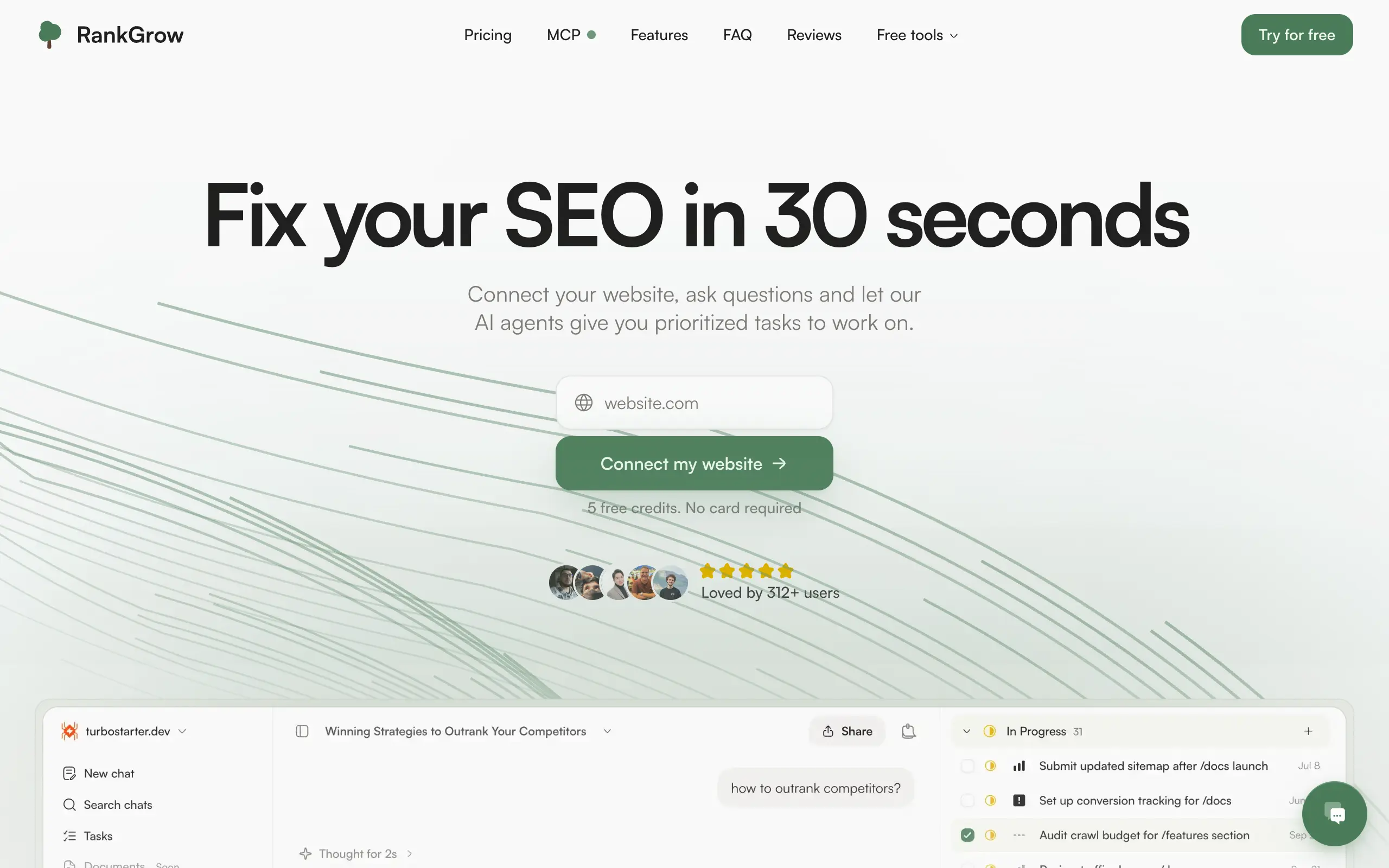
RankGrow
Fix your SEO with AI agents - connect Search Console, get prioritized tasks, and grow organic traffic 📈
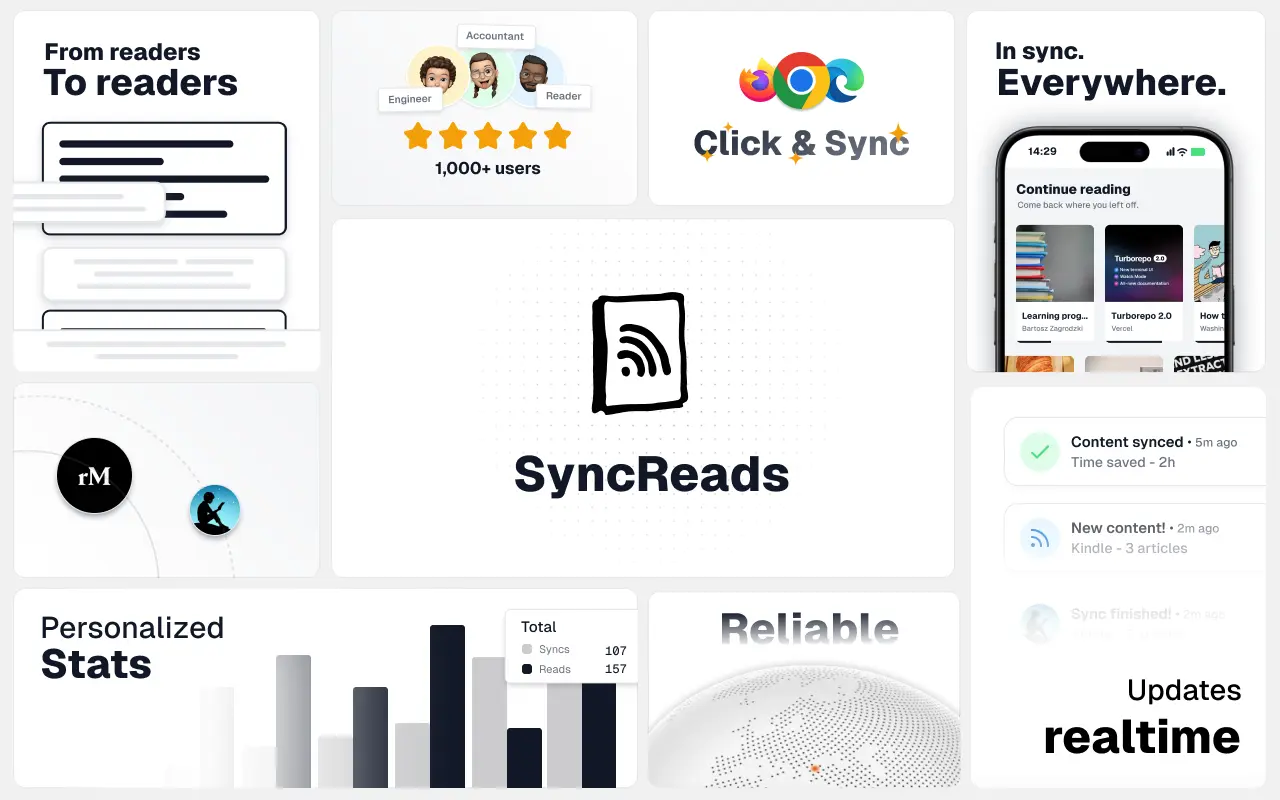
SyncReads
Sync your favorite content for distraction-free reading, save time and replace multiple apps. Anytime, anywhere 🔄
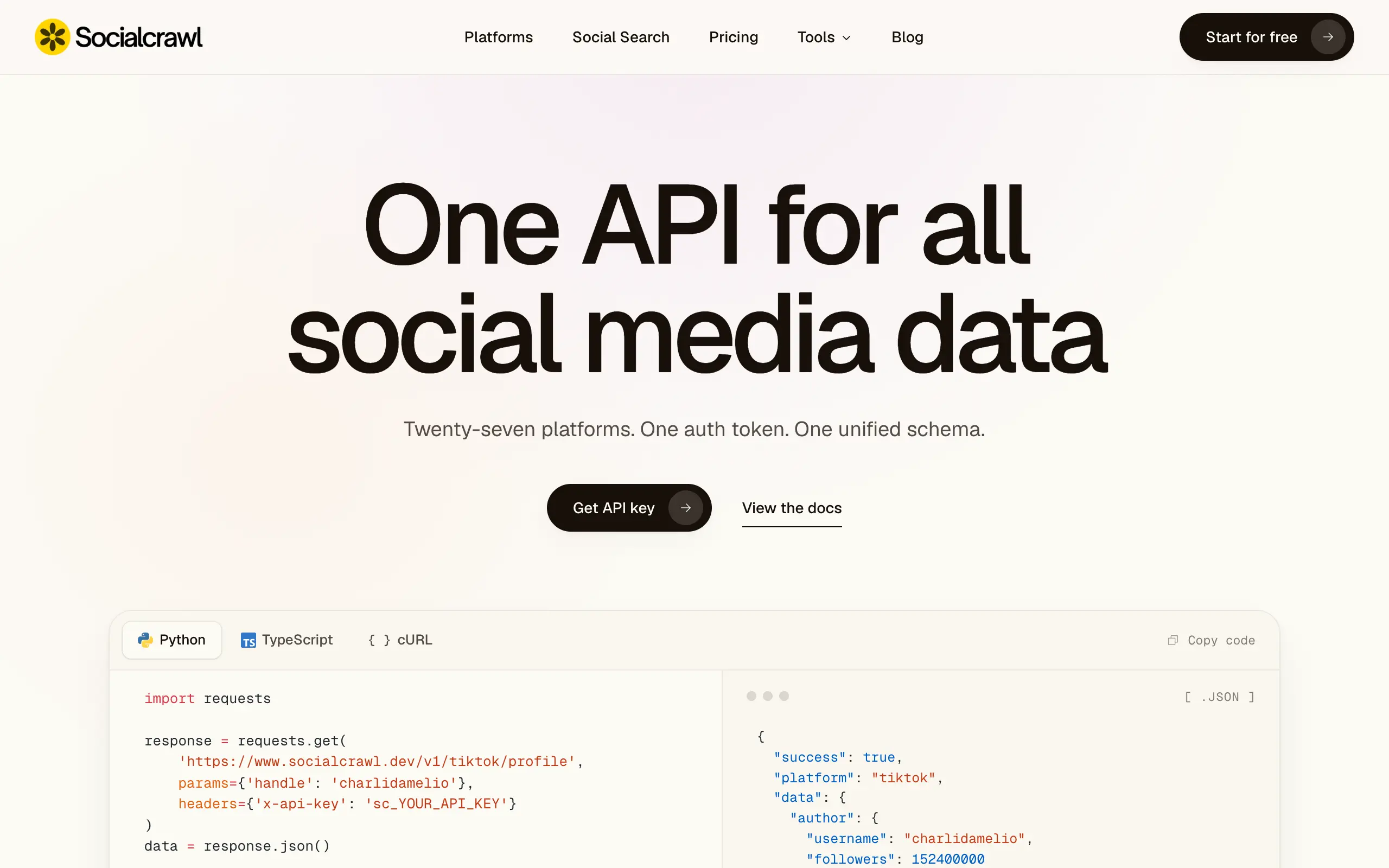
Socialcrawl
Get clean, structured data from 21 platforms like TikTok, Instagram, and YouTube with a single request 📊
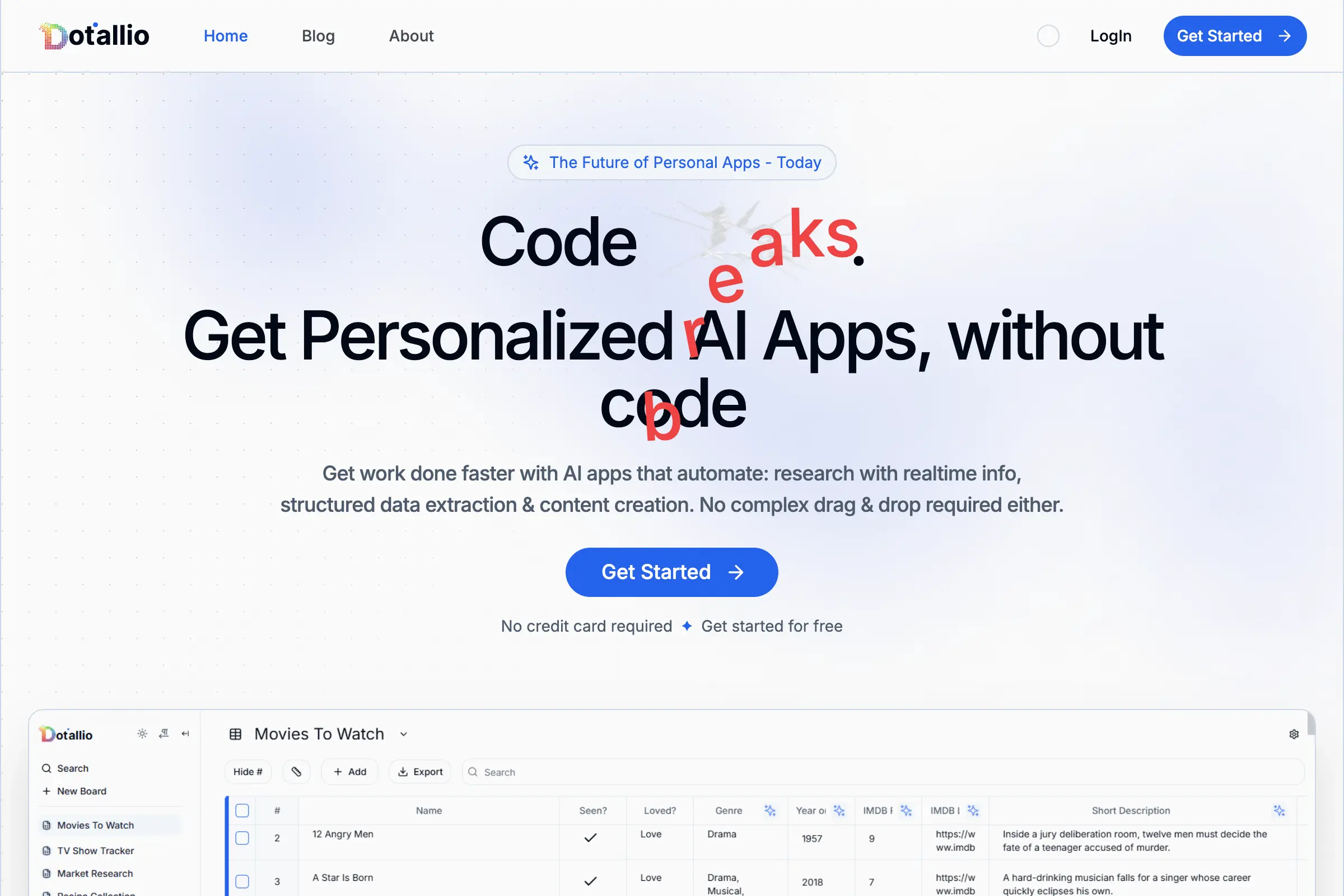
Dotallio
Personalized AI apps that automate research, data extraction, and content creation without code 🤖
Shibui
AI website builder - describe your business, pick a niche template, edit by chatting, and publish instantly ✨
Pro Service
Find verified home service professionals, compare quotes, and pay securely through escrow - built for Brazilians across the US 🏠
RankGrow
Fix your SEO with AI agents - connect Search Console, get prioritized tasks, and grow organic traffic 📈
SyncReads
Sync your favorite content for distraction-free reading, save time and replace multiple apps. Anytime, anywhere 🔄
Socialcrawl
Get clean, structured data from 21 platforms like TikTok, Instagram, and YouTube with a single request 📊
Dotallio
Personalized AI apps that automate research, data extraction, and content creation without code 🤖
Shibui
AI website builder - describe your business, pick a niche template, edit by chatting, and publish instantly ✨
Pro Service
Find verified home service professionals, compare quotes, and pay securely through escrow - built for Brazilians across the US 🏠
RankGrow
Fix your SEO with AI agents - connect Search Console, get prioritized tasks, and grow organic traffic 📈
SyncReads
Sync your favorite content for distraction-free reading, save time and replace multiple apps. Anytime, anywhere 🔄
Socialcrawl
Get clean, structured data from 21 platforms like TikTok, Instagram, and YouTube with a single request 📊
Dotallio
Personalized AI apps that automate research, data extraction, and content creation without code 🤖
Shibui
AI website builder - describe your business, pick a niche template, edit by chatting, and publish instantly ✨
Pro Service
Find verified home service professionals, compare quotes, and pay securely through escrow - built for Brazilians across the US 🏠
RankGrow
Fix your SEO with AI agents - connect Search Console, get prioritized tasks, and grow organic traffic 📈
SyncReads
Sync your favorite content for distraction-free reading, save time and replace multiple apps. Anytime, anywhere 🔄
Socialcrawl
Get clean, structured data from 21 platforms like TikTok, Instagram, and YouTube with a single request 📊
Dotallio
Personalized AI apps that automate research, data extraction, and content creation without code 🤖

Talk to Santa
Enjoy a magical live video chat or receive a unique AI-generated video greeting from Santa Claus 🎅
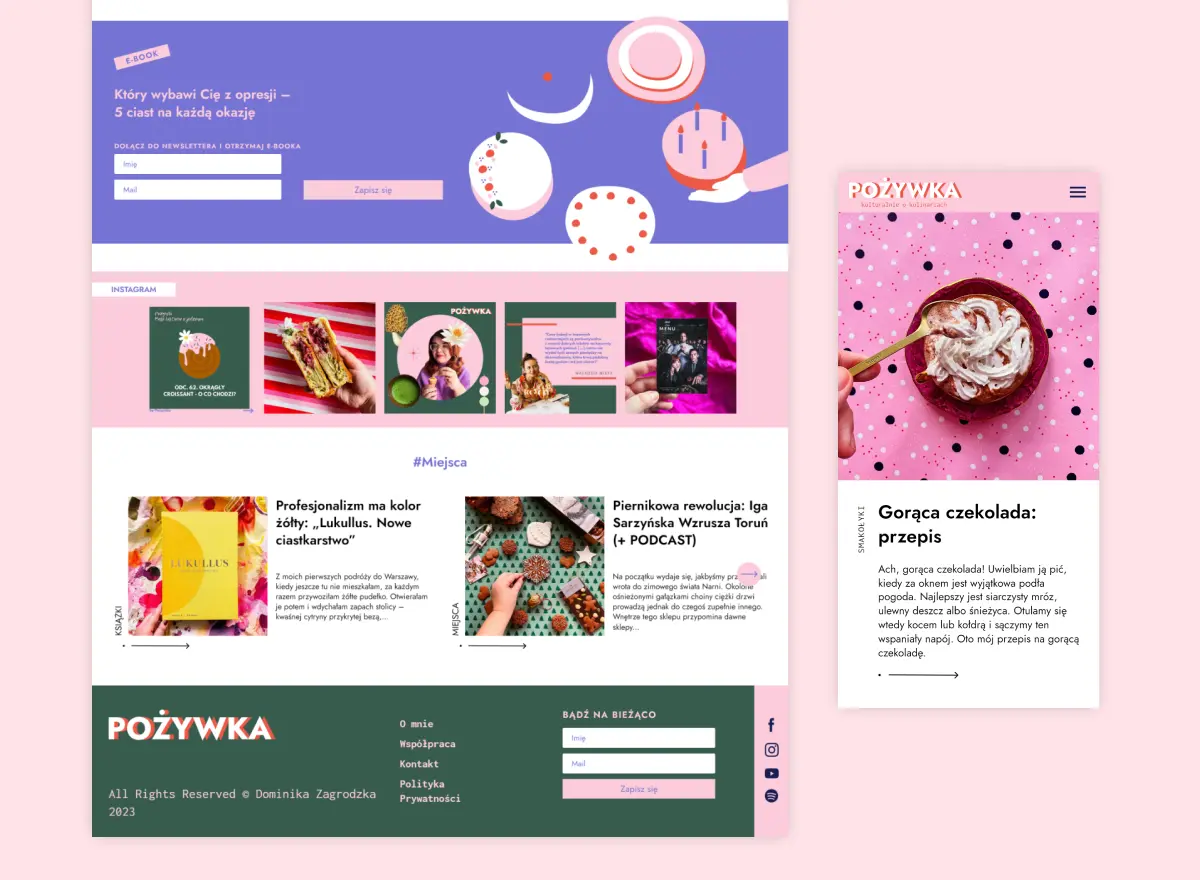
pozywka.pl
Scalable blog for food journalist, focused on performance and user experience 🌭
zagrodzki.me
Personal blog and portfolio of Bart Zagrodzki, where he shares his knowledge and work 💼
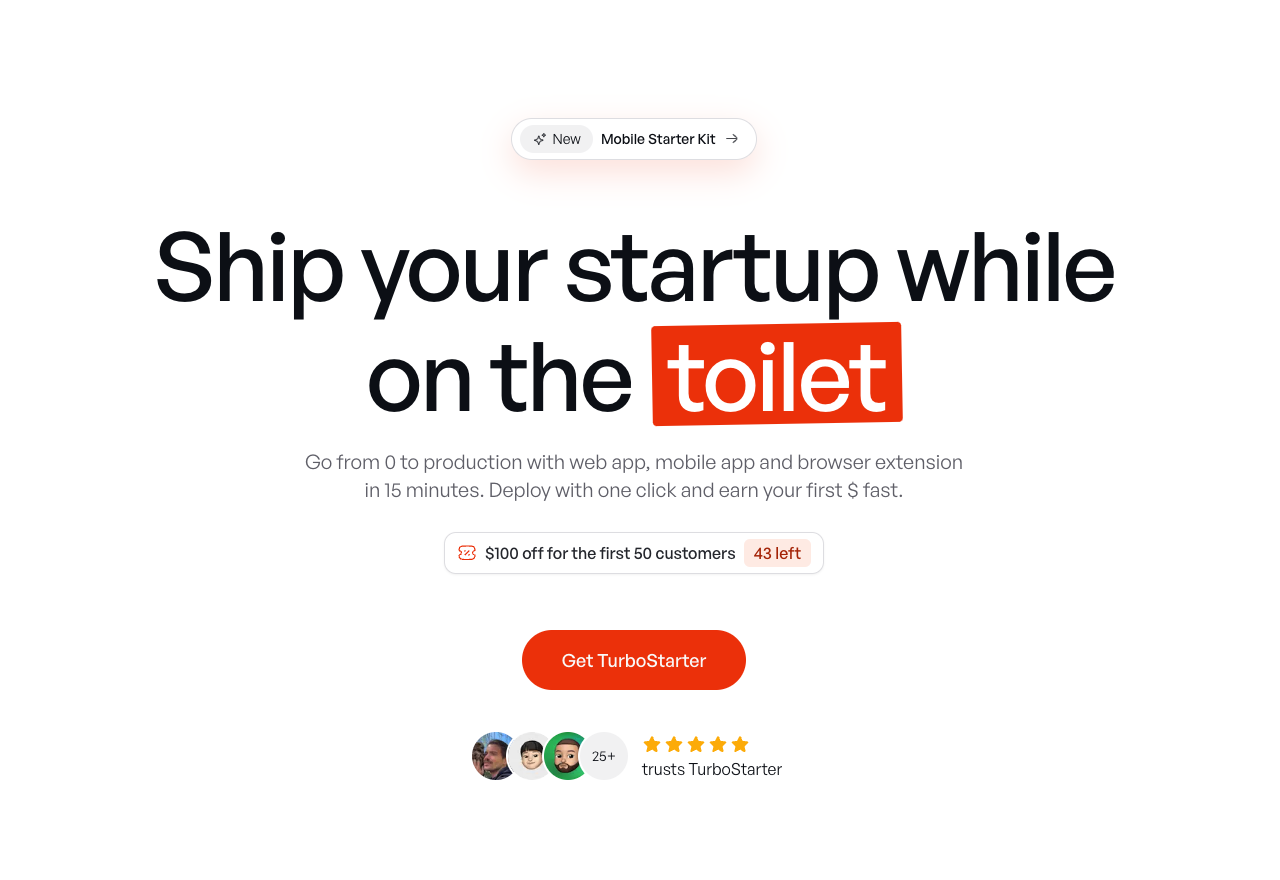
TurboStarter
Ship your startup everywhere. In minutes.
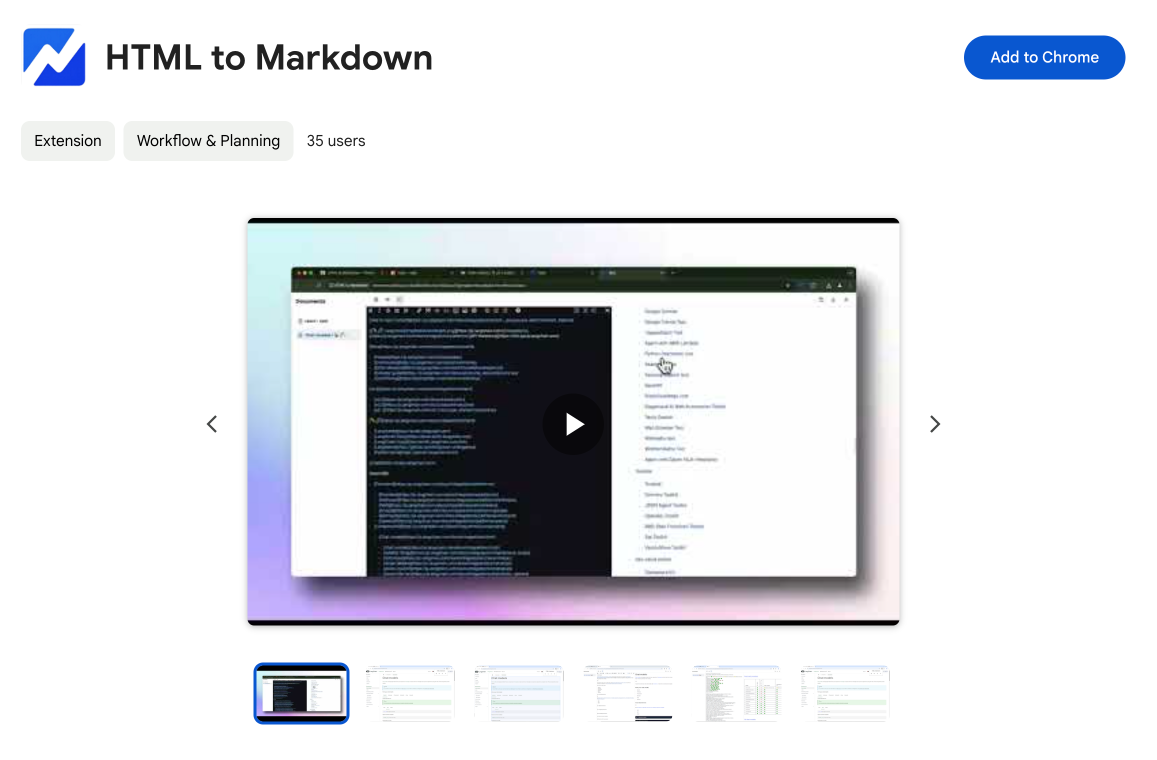
HTML to Markdown
Convert HTML to Markdown with ease, directly in your browser 📄
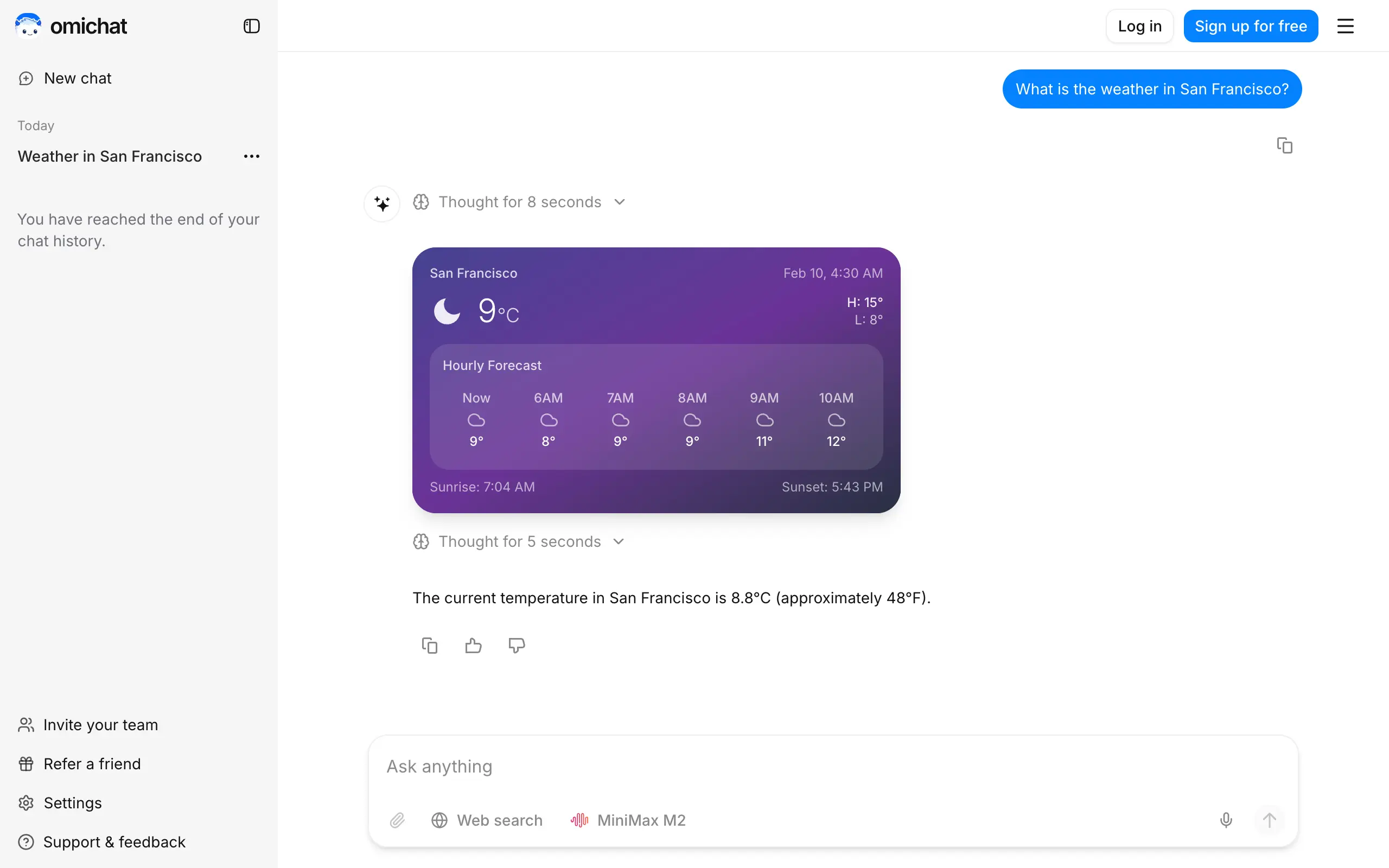
Omichat
Chat with 50+ AI models, including ChatGPT and Claude, in one place - switch models anytime without losing context 🤖
Talk to Santa
Enjoy a magical live video chat or receive a unique AI-generated video greeting from Santa Claus 🎅
pozywka.pl
Scalable blog for food journalist, focused on performance and user experience 🌭
zagrodzki.me
Personal blog and portfolio of Bart Zagrodzki, where he shares his knowledge and work 💼
TurboStarter
Ship your startup everywhere. In minutes.
HTML to Markdown
Convert HTML to Markdown with ease, directly in your browser 📄
Omichat
Chat with 50+ AI models, including ChatGPT and Claude, in one place - switch models anytime without losing context 🤖
Talk to Santa
Enjoy a magical live video chat or receive a unique AI-generated video greeting from Santa Claus 🎅
pozywka.pl
Scalable blog for food journalist, focused on performance and user experience 🌭
zagrodzki.me
Personal blog and portfolio of Bart Zagrodzki, where he shares his knowledge and work 💼
TurboStarter
Ship your startup everywhere. In minutes.
HTML to Markdown
Convert HTML to Markdown with ease, directly in your browser 📄
Omichat
Chat with 50+ AI models, including ChatGPT and Claude, in one place - switch models anytime without losing context 🤖
Talk to Santa
Enjoy a magical live video chat or receive a unique AI-generated video greeting from Santa Claus 🎅
pozywka.pl
Scalable blog for food journalist, focused on performance and user experience 🌭
zagrodzki.me
Personal blog and portfolio of Bart Zagrodzki, where he shares his knowledge and work 💼
TurboStarter
Ship your startup everywhere. In minutes.
HTML to Markdown
Convert HTML to Markdown with ease, directly in your browser 📄
Omichat
Chat with 50+ AI models, including ChatGPT and Claude, in one place - switch models anytime without losing context 🤖
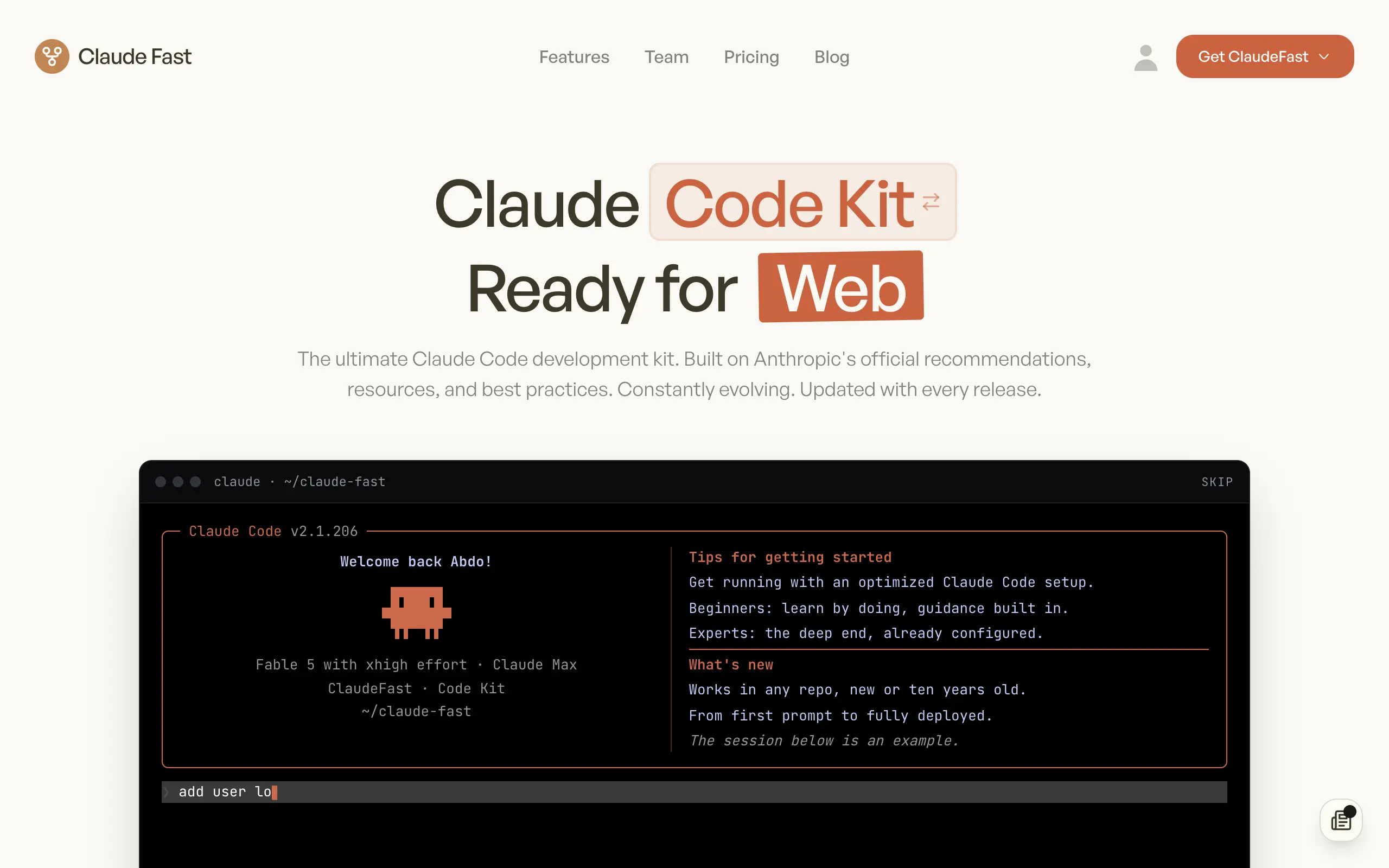
Claude Fast
Supercharge your Claude Code with 6x effective context window and specialized AI agents 🤖
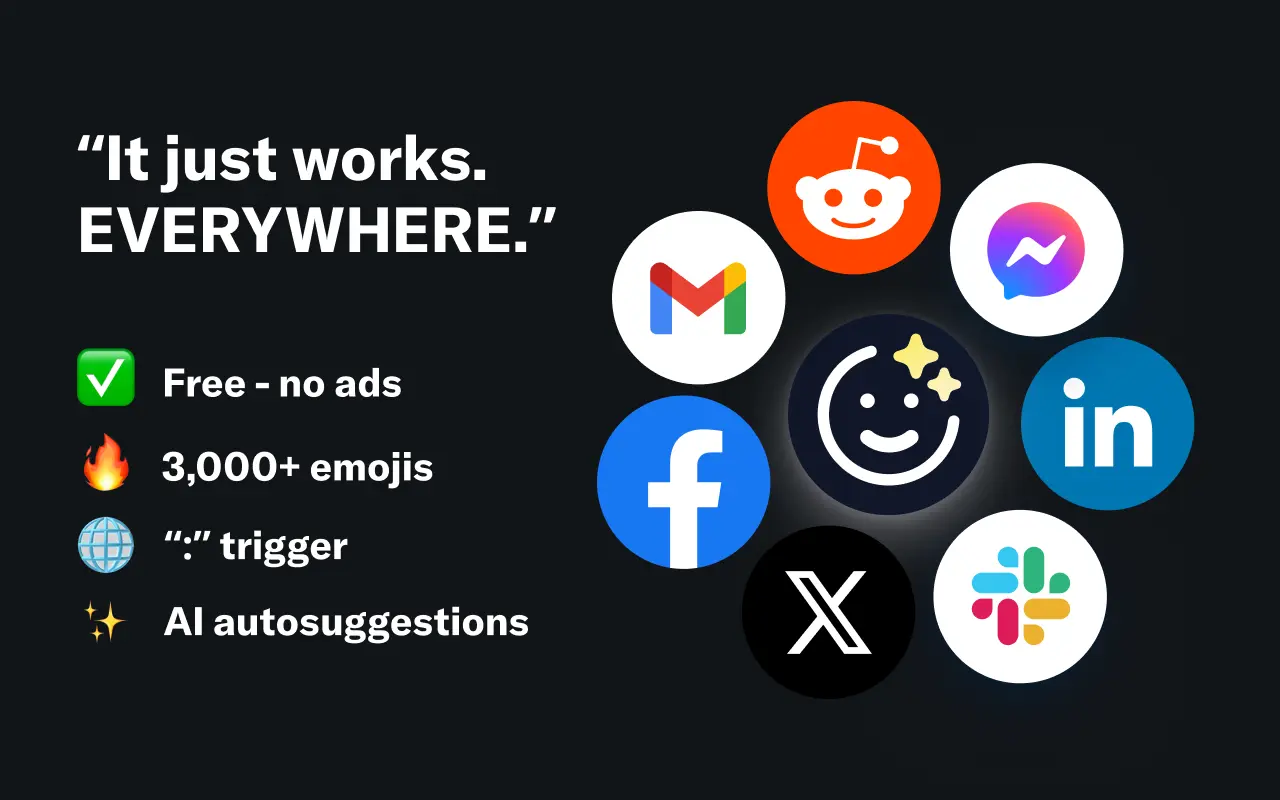
EmojAI
AI-powered emoji picker with smart, context-aware suggestions 🤖
Solohacker
Autonomous company launcher - AI agents work 24/7, escalate what matters, and you stay in control 🤖
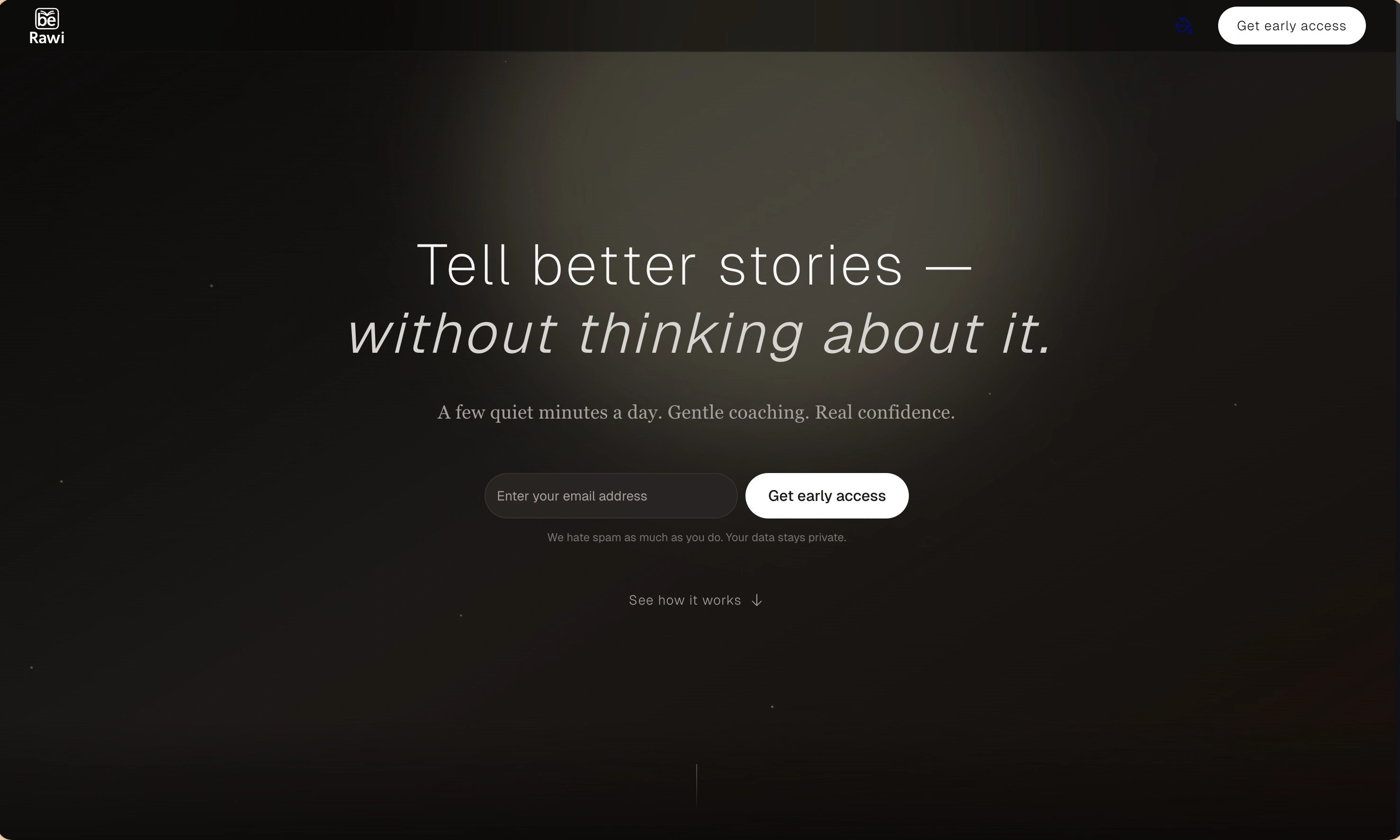
BeRawi: Storytelling Coach
Practice storytelling daily with instant feedback to sound clearer, more engaging, and confident 🎤
Claude Fast
Supercharge your Claude Code with 6x effective context window and specialized AI agents 🤖
EmojAI
AI-powered emoji picker with smart, context-aware suggestions 🤖
Solohacker
Autonomous company launcher - AI agents work 24/7, escalate what matters, and you stay in control 🤖
BeRawi: Storytelling Coach
Practice storytelling daily with instant feedback to sound clearer, more engaging, and confident 🎤
Claude Fast
Supercharge your Claude Code with 6x effective context window and specialized AI agents 🤖
EmojAI
AI-powered emoji picker with smart, context-aware suggestions 🤖
Solohacker
Autonomous company launcher - AI agents work 24/7, escalate what matters, and you stay in control 🤖
BeRawi: Storytelling Coach
Practice storytelling daily with instant feedback to sound clearer, more engaging, and confident 🎤
Claude Fast
Supercharge your Claude Code with 6x effective context window and specialized AI agents 🤖
EmojAI
AI-powered emoji picker with smart, context-aware suggestions 🤖
Solohacker
Autonomous company launcher - AI agents work 24/7, escalate what matters, and you stay in control 🤖
BeRawi: Storytelling Coach
Practice storytelling daily with instant feedback to sound clearer, more engaging, and confident 🎤

Connect with like-minded people
Join our community to get feedback, support, and grow together with 1,000+ builders on board, let's ship it!
Join usShip your startup everywhere. In minutes.
Don't burn tokens on setup and start building features on day one.