AutoDetail Flow
AI-driven platform for auto detailing shops that predicts inventory needs and optimizes staff scheduling, reducing downtime and preventing supply shortages.
Auto detailing businesses face a constant balancing act: keeping inventory in stock, avoiding costly over-ordering, and aligning staff schedules with real customer demand. These operational headaches cost shops both time and profit. AutoDetail Flow is an AI-powered SaaS solution designed to tackle these exact problems—helping auto detailers minimize downtime, optimize staffing, and eliminate inventory shortages before they happen.
This expert guide explores how AutoDetail Flow solves real-world pain points for auto detailing shops. We'll analyze its core features, examine the target market, explore technology choices, and provide actionable steps for launching this SaaS. If you're seeking insight into AI-based productivity automation for the auto services sector, you’re in the right place.
Understanding the target audience for AutoDetail Flow
Who needs an AI-driven productivity solution in auto detailing?
Auto detailing is a highly competitive, service-based industry where margins are often tight. The primary audience segments that benefit from AutoDetail Flow’s AI automation include:
- Independent auto detailing shops – Ranging from single-bay operators to small local chains, these businesses often lack dedicated operational managers or advanced planning tools.
- Mobile detailing services – Teams or individuals providing detailing at off-site locations with dynamic demand and limited storage for inventory.
- Franchise networks – Multi-location detailing businesses aiming to standardize operations and maximize efficiency across all branches.
- Large auto dealers with in-house detailing operations – Dealerships and auto service centers striving to reduce service bottlenecks and maintain a positive customer experience.
User pain points addressed:
- Inventory stockouts delay service, frustrate customers, and cause lost revenue.
- Over-ordering ties up cash in supplies that gather dust.
- Poor scheduling leads to underutilized labor or burnout during peak times.
- Lack of data-driven decision-making—most operators rely on gut feeling or paper logs.
Stakeholder personas
Shop Owners
Want transparency, reliability, and minimized lost opportunities due to inventory gaps or unplanned downtime.
Managers
Aim to meet demand without overstaffing or burning out technicians. Seek automation to save time on admin work.
Technicians
Prefer consistent workflows and want to avoid scheduling mishaps or running out of cleaning products mid-job.
Identifying the market opportunity and gaps
The $12+ billion U.S. auto detailing market is evolving rapidly. As consumer expectations increase, so does the need for professional-grade tools and streamlined operations—areas where manual systems consistently fall short.
Existing solutions and their limitations
Most auto detailing businesses use a patchwork of off-the-shelf tools (like spreadsheets, calendar widgets, or generic POS/inventory tools) to manage operations. However:
- Spreadsheets are manual, error-prone, and not real-time.
- Generalist scheduling apps ignore detailing-specific workflows (prep, cure times, re-detail requests, etc.).
- Legacy POS systems offer no predictive alerts about supply or staff shortages.
- AI-driven, sector-focused solutions are virtually nonexistent.
Statistical insight
According to IBISWorld and other industry analysts, over 70% of independent auto detailers cite "inventory tracking and staff scheduling" among top operational challenges.
Why AI productivity platforms are emerging now
- Labor shortages and supply chain volatility (especially post-pandemic) put pressure on cost controls and staffing flexibility.
- AI and machine learning adoption in service businesses is growing, but few vertical-specific products exist for auto detailing.
- Customers expect fast, reliable service, making downtime or appointment backlogs a competitive disadvantage.
Core features and solutions of AutoDetail Flow
AutoDetail Flow distinguishes itself by merging vertical-specific intelligence with real operational automation. Let’s break down the feature set:
1. AI-powered inventory prediction
- Real-time analytics of stock usage trends (e.g., waxes, towels, cleaning chemicals).
- Automatic reorder suggestions before supplies run critically low.
- Seasonal adjustment algorithms that account for weather-driven business spikes.
- Waste reduction via tracking per-service consumption and lost/wasted items.
2. Optimized staff scheduling
- Demand forecasting using historical booking data, event calendars, and even weather feeds.
- AI shift proposals balancing skills coverage, labor regulations, and employee time-off requests.
- Instant conflict detection and what-if scenario planning for unexpected absences.
3. Visual dashboards & real-time alerts
- Live KPI summaries for inventory, bookings, and staff utilization.
- Alerts via SMS, email, or in-app notifications for low inventory, schedule gaps, or double-bookings.
- Staff and owner portals tailored with role-based access.
4. Integration & automation
- POS, supplier, and calendar integrations to streamline workflows and reduce data entry.
- API access for advanced users/franchises needing custom extensions.
5. Security and compliance
- User permissions and role management.
- Data security best practices including encrypted cloud storage and multi-factor authentication.
AI models learn patterns in supply usage and appointment bookings, factoring in external events (like weather or local happenings). This allows proactive notifications rather than reactive scrambling, minimizing emergency reorders and reducing staffing mismatches.
Yes—AutoDetail Flow is built for scalability, supporting multi-location management with cross-location analytics.
Recommended tech stack for AutoDetail Flow
Choosing the right technologies is crucial for scalability, speed, and AI capabilities. Here’s an expert-recommended stack:
Core components
- Frontend: React (modern UI, community support) + TailwindCSS (efficient styling).
- Backend/API: Node.js or Python (FastAPI) for rapid prototype-to-production. Python offers strong ML ecosystem support.
- Database: PostgreSQL (robust, scalable, supports structured and analytical queries).
- AI/ML layer: TensorFlow or PyTorch for forecasting, scikit-learn for rapid model prototyping.
- Auth/Security: Auth0 or Firebase Auth.
- Hosting/Cloud: AWS, Google Cloud, or Azure, chosen based on shop size and data residency needs.
- Notifications: Twilio (SMS), SendGrid (email), or built-in mobile push.
Trade-offs
- Python vs Node.js for backend: Python offers better AI/ML integration; Node.js excels for real-time web features and massive concurrency.
- Cloud DB (PostgreSQL) vs on-prem: Cloud is easier to scale and secure but may raise data residency or privacy concerns for some shops.
- Custom/Coded integrations require more upfront investment but enable seamless workflows across different tools (POS, CRM, etc.).
TurboStarter
If you’re building a modern SaaS MVP, TurboStarter jump-starts production with pre-built authentication, dashboard, and integration modules, saving months of dev effort.
Example: Inventory prediction model snippet
from sklearn.ensemble import RandomForestRegressor

# Assume dataframe df with date, quantity_used, weather, events
model = RandomForestRegressor(n_estimators=100)
X = df[['day_of_week', 'weather_score', 'event_score']]
y = df['quantity_used']
model.fit(X, y)
# Predict upcoming week’s inventory needs
Monetization strategies for AutoDetail Flow
Building a sustainable SaaS requires the right pricing/revenue mix, especially for SMB clients:
Subscription tiers
- Starter: Single shop, limited user seats, basic AI predictions, monthly fee (e.g., $69/mo).
- Pro: Multiple locations, enhanced analytics, integrations, priority support (e.g., $149/mo).
- Enterprise: Fully customizable, API access, white-label, volume discounts (custom quote).
Add-ons and upsells
- Inventory ordering automation (charging a % of supply transaction or flat fee).
- Premium support (SLA-based).
- Custom integrations with third-party shop/CRM tools.
Free trials and onboarding
- 14–30 day free trial to reduce friction and facilitate value demonstration.
- Onboarding consulting as a one-time paid option.
Risks and mitigation strategies
No SaaS is without challenges, especially when entering a vertical as specific as auto detailing.
| Risk | Severity | Likelihood | Mitigation | Status |
|---|---|---|---|---|
| AI model irrelevance (rare events) | High | Moderate | Manual override & feedback loops | Ongoing |
| Integration friction (POS/CRM) | Medium | High | Robust API, support for major vendors | Planned |
| User onboarding resistance | Medium | High | Guided setup, knowledge base, demos | In progress |
Competitive advantage: What makes AutoDetail Flow unique?
AutoDetail Flow isn’t a generic scheduling or inventory app. Its unique selling proposition (USP):
- Purpose-built AI for the auto detailing sector, not generic retail or hospitality.
- Unified platform: Inventory intelligence, proactive scheduling, and KPI dashboards in one streamlined interface.
- Integration-friendly design: Works with industry-standard POS and booking tools, minimizing operational change.
- Automated, not just digital: Predicts needs and prevents problems, rather than just tracking activity.
- Mobile-ready and cloud-based: Scalable from one vehicle to multi-location franchises.
AutoDetail Flow
AI-driven, industry-specific decision automation in inventory and scheduling.
Generic POS
Limited to sales tracking and basic stock levels; zero predictive power.
Manual methods
Time-consuming and prone to costly human error.
Actionable steps to get started with AutoDetail Flow
Launching a vertical SaaS like AutoDetail Flow requires deliberate validation, rapid prototyping, and focused marketing. Follow these recommended steps:
Conclusion: The future of auto detailing productivity
AutoDetail Flow represents the next evolution in auto detailing productivity—marrying AI automation with a deep understanding of the sector’s challenges. By preventing supply shortages and optimizing staffing at the operational core, businesses can focus less on admin headaches and more on delighting customers.
For SaaS founders, this space offers a compelling blend of repeatable pain points, under-served verticals, and the opportunity for real-world impact through intelligent automation.
Frequently asked questions
No—it integrates with popular POS/booking tools but adds a purpose-built AI overlay for smart inventory and staff management.
The onboarding flow is wizard-driven and typically completed in under an hour, with instant value through predictive alerts and scheduling automation.
Yes—human users can always override, approve, or adjust AI recommendations for both scheduling and order suggestions.
If you’re ready to bring AI automation to the world of professional auto detailing, AutoDetail Flow is a prime example of how SaaS can drive both productivity and profitability in a thriving, service-critical industry.
More ⚡ Productivity Tool SaaS ideas
Discover more innovative productivity tool SaaS ideas that are trending in 2026. Each idea is AI-generated with market validation and growth potential to help you find your next profitable venture faster than competitors.
Your competitors are building with TurboStarter
Below are some of the SaaS ideas that have been generated and built with our starter kit.

Statiko
Monitor any Telegram channel in real time - track posts, edits, deletions, and growth with AI recaps 📡

Shibui
AI website builder - describe your business, pick a niche template, edit by chatting, and publish instantly ✨

Pro Service
Find verified home service professionals, compare quotes, and pay securely through escrow - built for Brazilians across the US 🏠
RankGrow
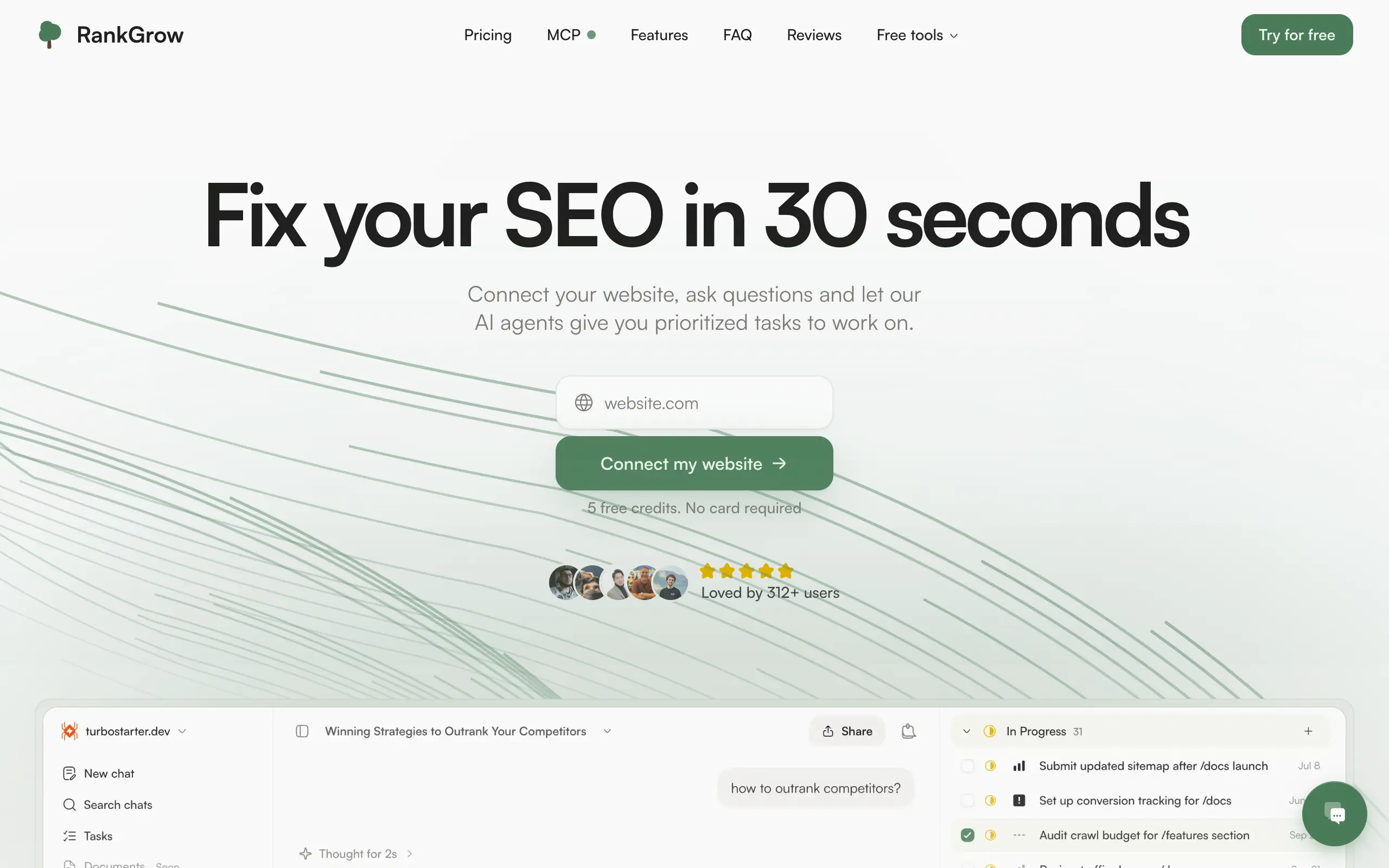
Fix your SEO with AI agents - connect Search Console, get prioritized tasks, and grow organic traffic 📈
SyncReads
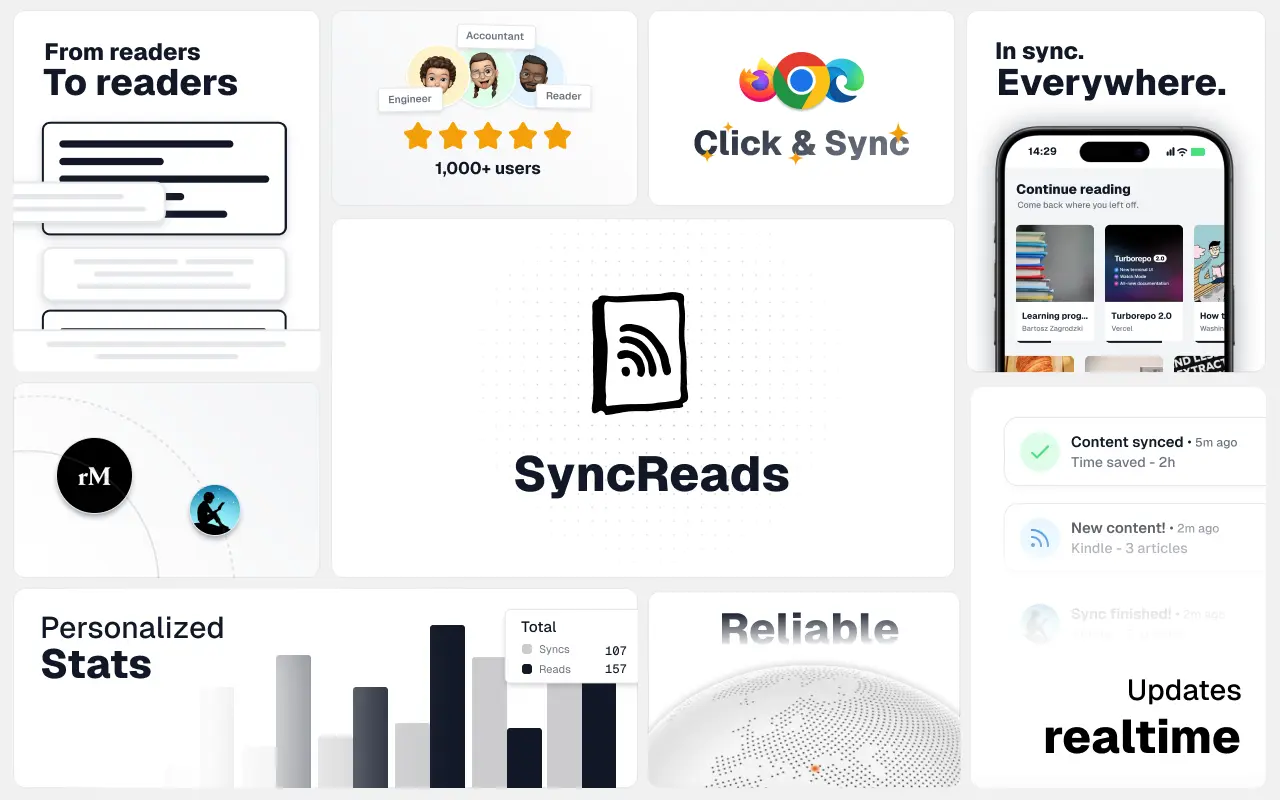
Sync your favorite content for distraction-free reading, save time and replace multiple apps. Anytime, anywhere 🔄
Socialcrawl
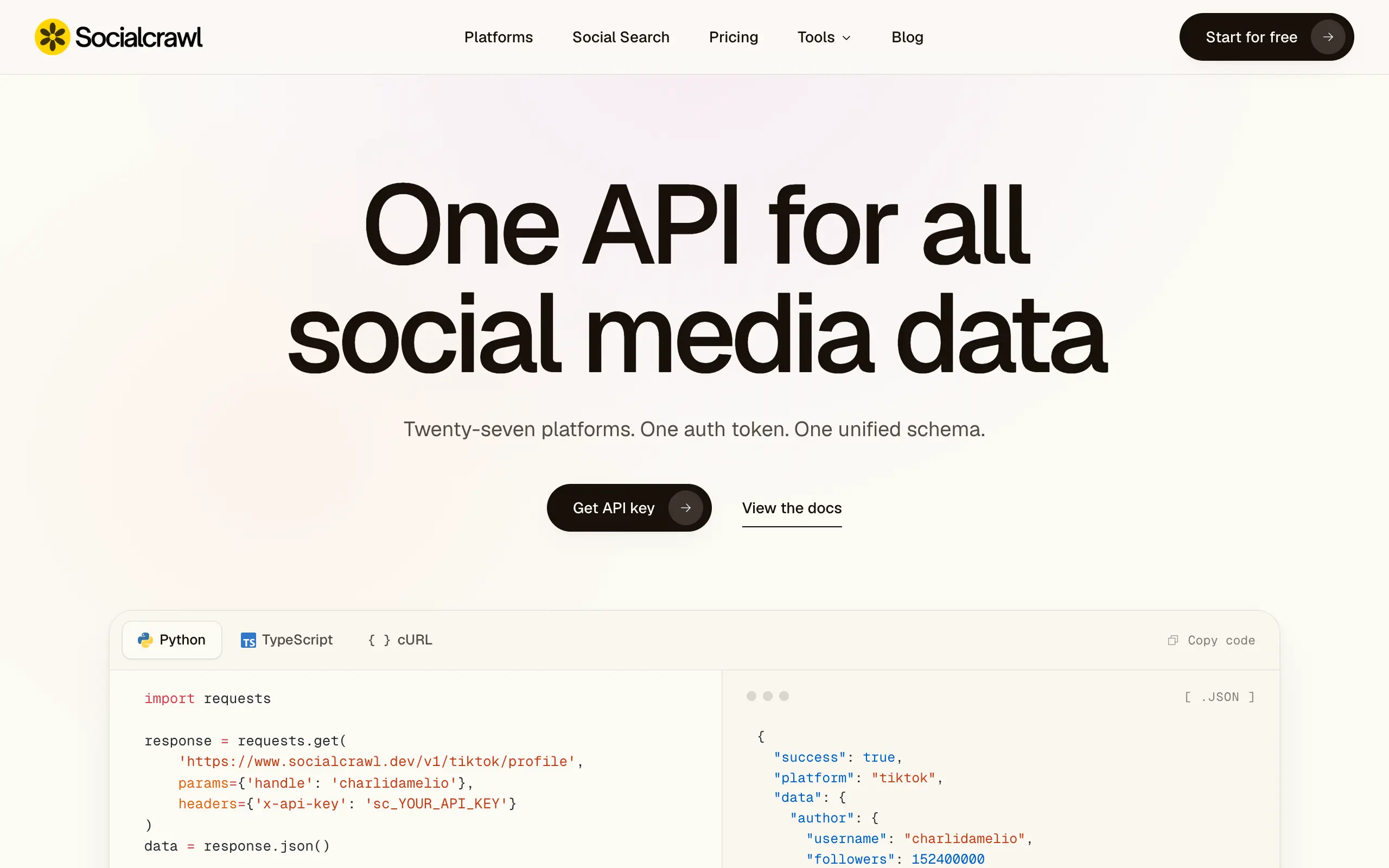
Get clean, structured data from 21 platforms like TikTok, Instagram, and YouTube with a single request 📊
Statiko
Monitor any Telegram channel in real time - track posts, edits, deletions, and growth with AI recaps 📡
Shibui
AI website builder - describe your business, pick a niche template, edit by chatting, and publish instantly ✨
Pro Service
Find verified home service professionals, compare quotes, and pay securely through escrow - built for Brazilians across the US 🏠
RankGrow
Fix your SEO with AI agents - connect Search Console, get prioritized tasks, and grow organic traffic 📈
SyncReads
Sync your favorite content for distraction-free reading, save time and replace multiple apps. Anytime, anywhere 🔄
Socialcrawl
Get clean, structured data from 21 platforms like TikTok, Instagram, and YouTube with a single request 📊
Statiko
Monitor any Telegram channel in real time - track posts, edits, deletions, and growth with AI recaps 📡
Shibui
AI website builder - describe your business, pick a niche template, edit by chatting, and publish instantly ✨
Pro Service
Find verified home service professionals, compare quotes, and pay securely through escrow - built for Brazilians across the US 🏠
RankGrow
Fix your SEO with AI agents - connect Search Console, get prioritized tasks, and grow organic traffic 📈
SyncReads
Sync your favorite content for distraction-free reading, save time and replace multiple apps. Anytime, anywhere 🔄
Socialcrawl
Get clean, structured data from 21 platforms like TikTok, Instagram, and YouTube with a single request 📊
Statiko
Monitor any Telegram channel in real time - track posts, edits, deletions, and growth with AI recaps 📡
Shibui
AI website builder - describe your business, pick a niche template, edit by chatting, and publish instantly ✨
Pro Service
Find verified home service professionals, compare quotes, and pay securely through escrow - built for Brazilians across the US 🏠
RankGrow
Fix your SEO with AI agents - connect Search Console, get prioritized tasks, and grow organic traffic 📈
SyncReads
Sync your favorite content for distraction-free reading, save time and replace multiple apps. Anytime, anywhere 🔄
Socialcrawl
Get clean, structured data from 21 platforms like TikTok, Instagram, and YouTube with a single request 📊
Dotallio
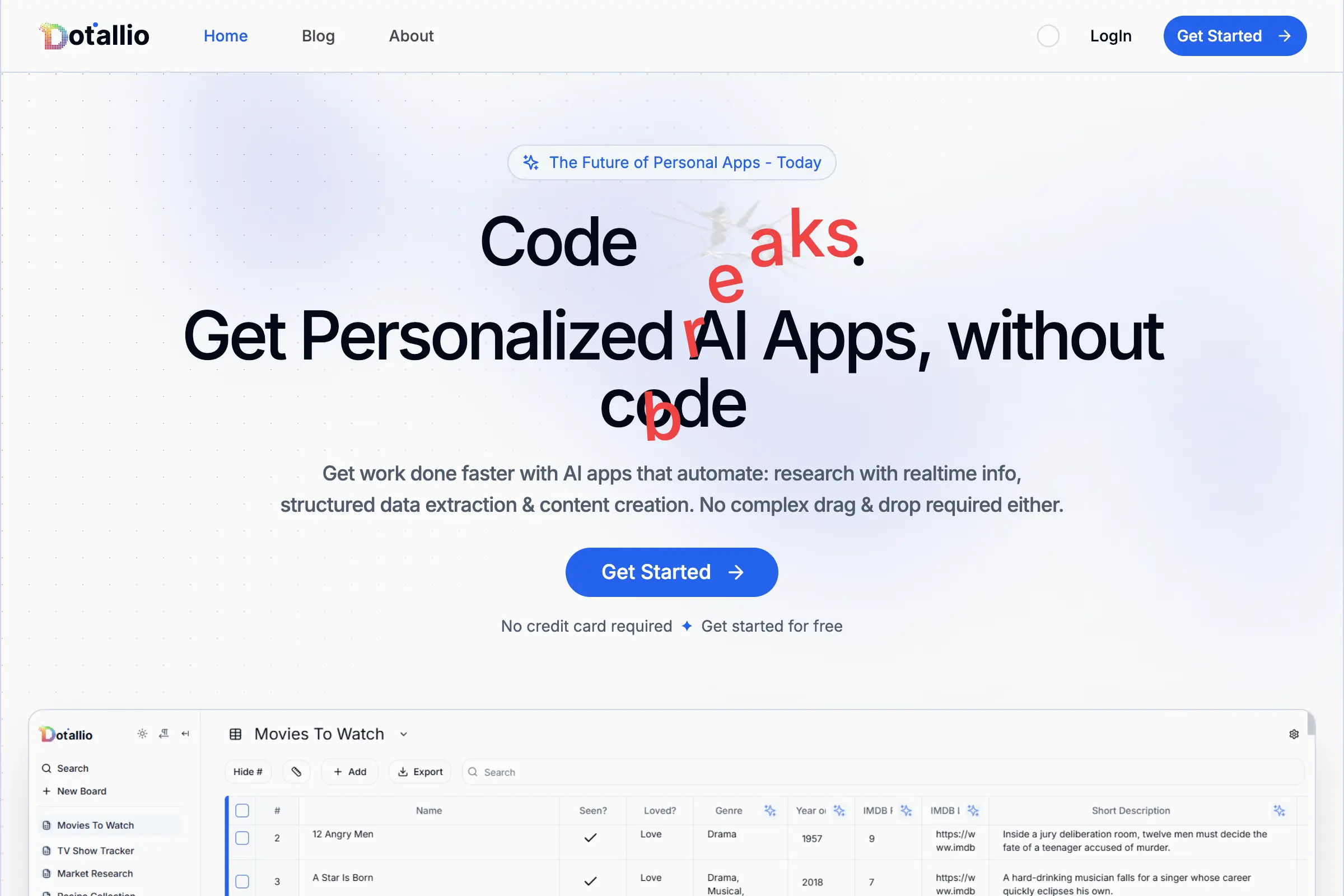
Personalized AI apps that automate research, data extraction, and content creation without code 🤖

Talk to Santa
Enjoy a magical live video chat or receive a unique AI-generated video greeting from Santa Claus 🎅
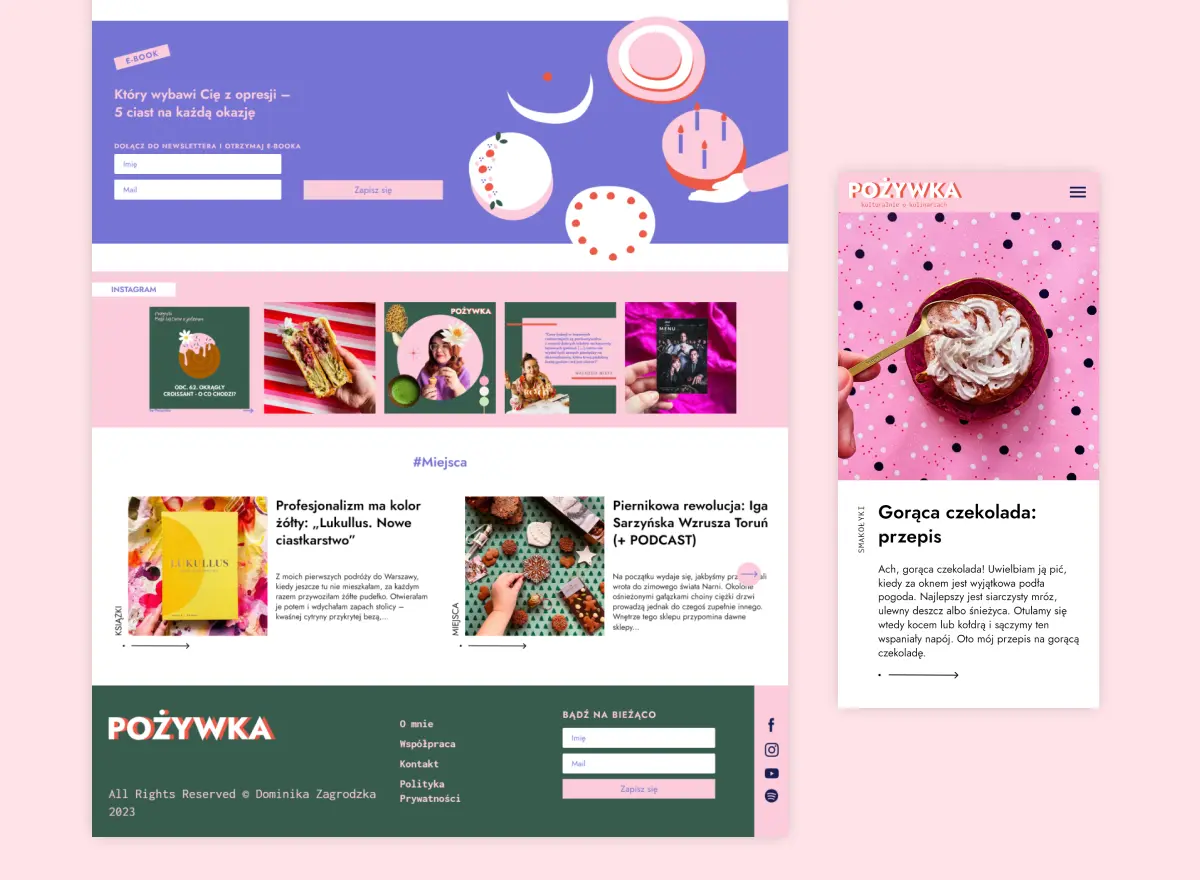
pozywka.pl
Scalable blog for food journalist, focused on performance and user experience 🌭
zagrodzki.me
Personal blog and portfolio of Bart Zagrodzki, where he shares his knowledge and work 💼
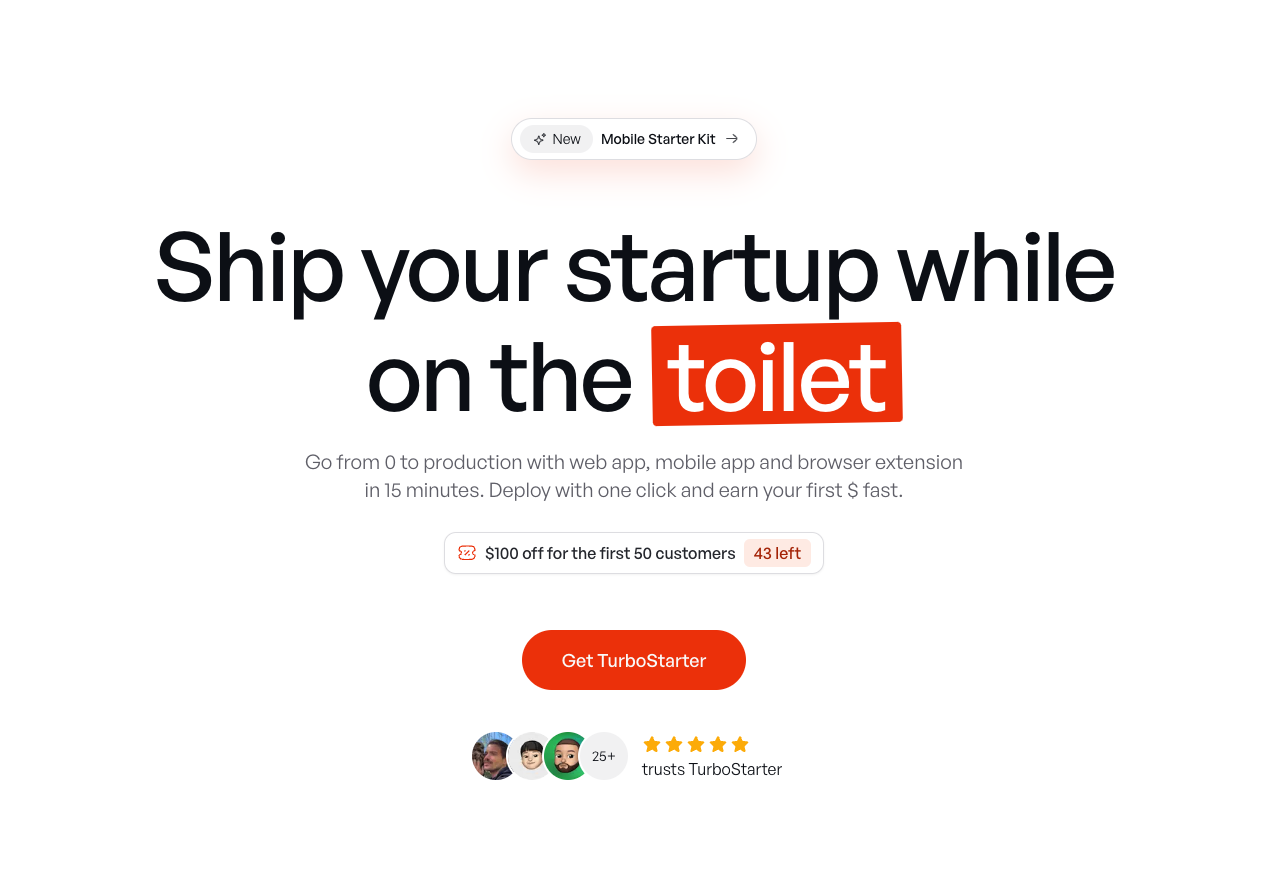
TurboStarter
Ship your startup everywhere. In minutes.
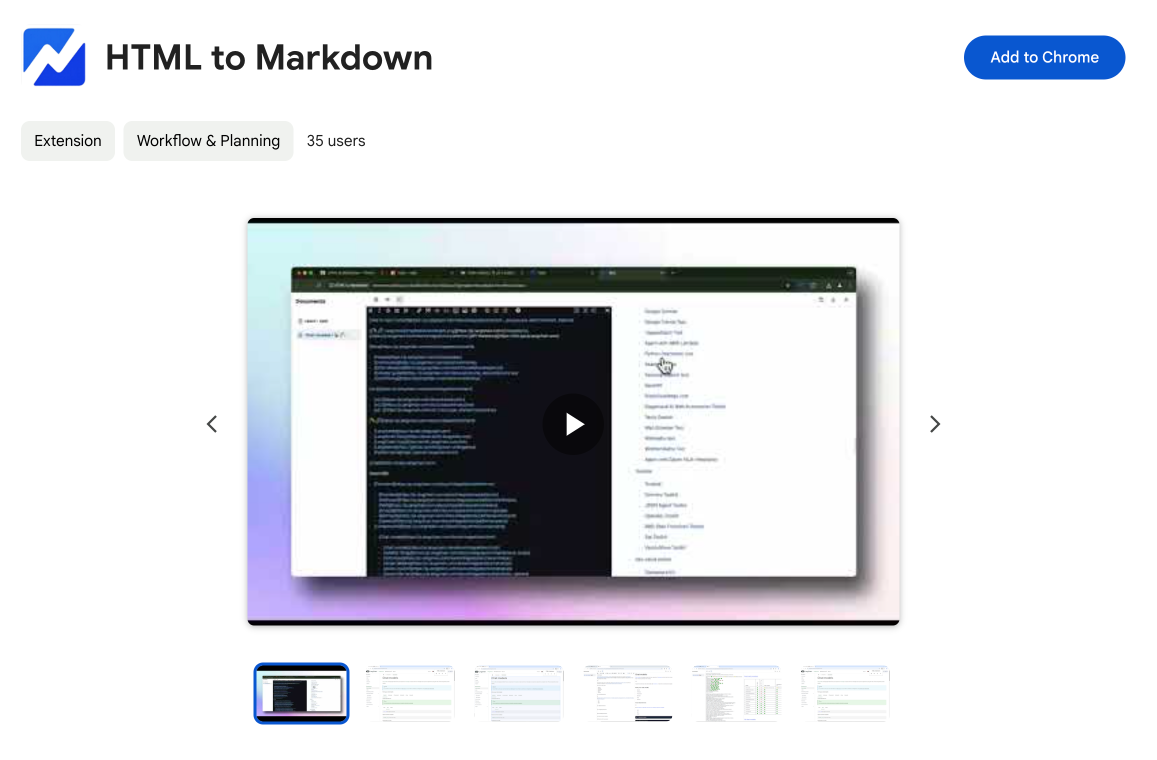
HTML to Markdown
Convert HTML to Markdown with ease, directly in your browser 📄
Dotallio
Personalized AI apps that automate research, data extraction, and content creation without code 🤖
Talk to Santa
Enjoy a magical live video chat or receive a unique AI-generated video greeting from Santa Claus 🎅
pozywka.pl
Scalable blog for food journalist, focused on performance and user experience 🌭
zagrodzki.me
Personal blog and portfolio of Bart Zagrodzki, where he shares his knowledge and work 💼
TurboStarter
Ship your startup everywhere. In minutes.
HTML to Markdown
Convert HTML to Markdown with ease, directly in your browser 📄
Dotallio
Personalized AI apps that automate research, data extraction, and content creation without code 🤖
Talk to Santa
Enjoy a magical live video chat or receive a unique AI-generated video greeting from Santa Claus 🎅
pozywka.pl
Scalable blog for food journalist, focused on performance and user experience 🌭
zagrodzki.me
Personal blog and portfolio of Bart Zagrodzki, where he shares his knowledge and work 💼
TurboStarter
Ship your startup everywhere. In minutes.
HTML to Markdown
Convert HTML to Markdown with ease, directly in your browser 📄
Dotallio
Personalized AI apps that automate research, data extraction, and content creation without code 🤖
Talk to Santa
Enjoy a magical live video chat or receive a unique AI-generated video greeting from Santa Claus 🎅
pozywka.pl
Scalable blog for food journalist, focused on performance and user experience 🌭
zagrodzki.me
Personal blog and portfolio of Bart Zagrodzki, where he shares his knowledge and work 💼
TurboStarter
Ship your startup everywhere. In minutes.
HTML to Markdown
Convert HTML to Markdown with ease, directly in your browser 📄
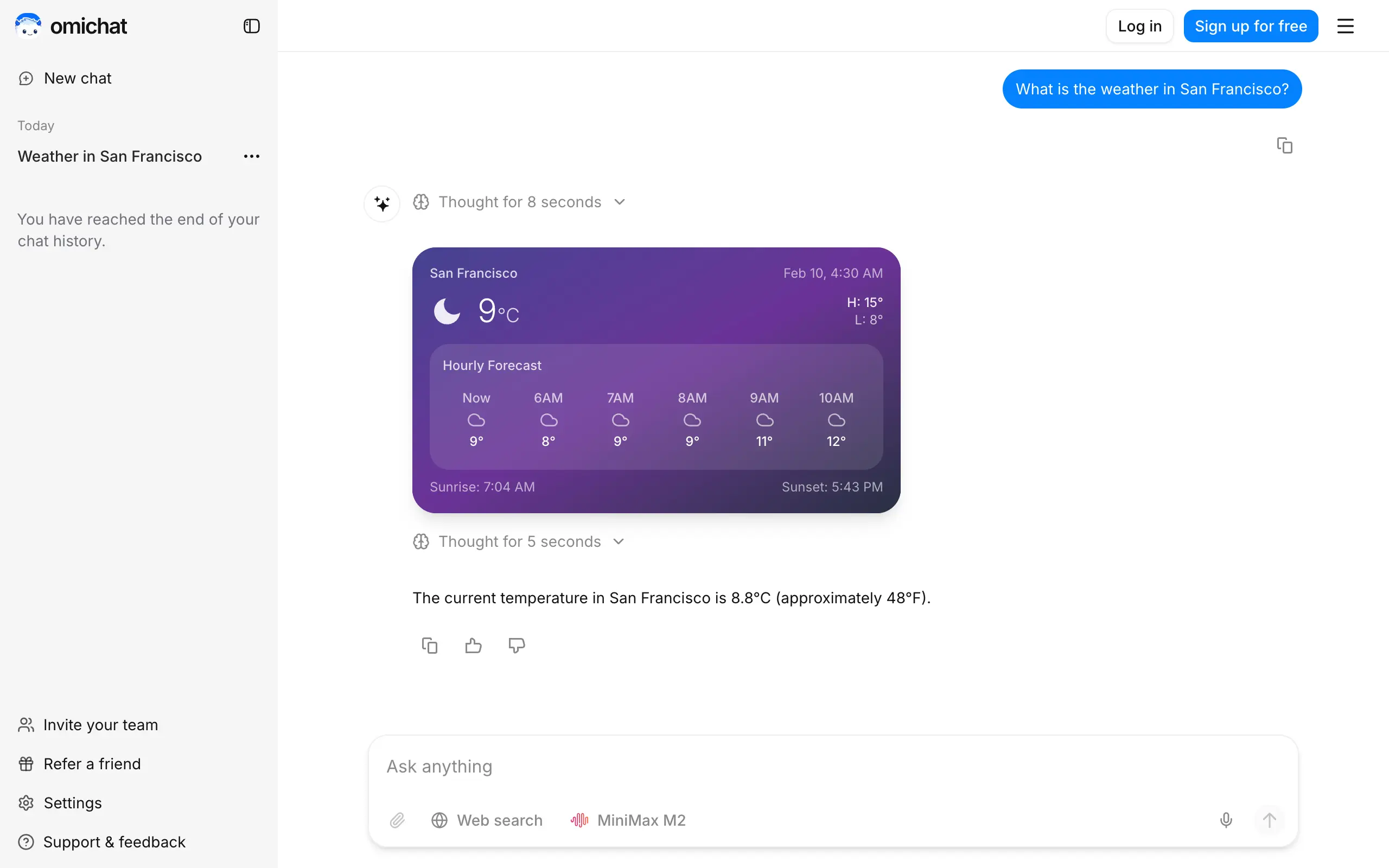
Omichat
Chat with 50+ AI models, including ChatGPT and Claude, in one place - switch models anytime without losing context 🤖
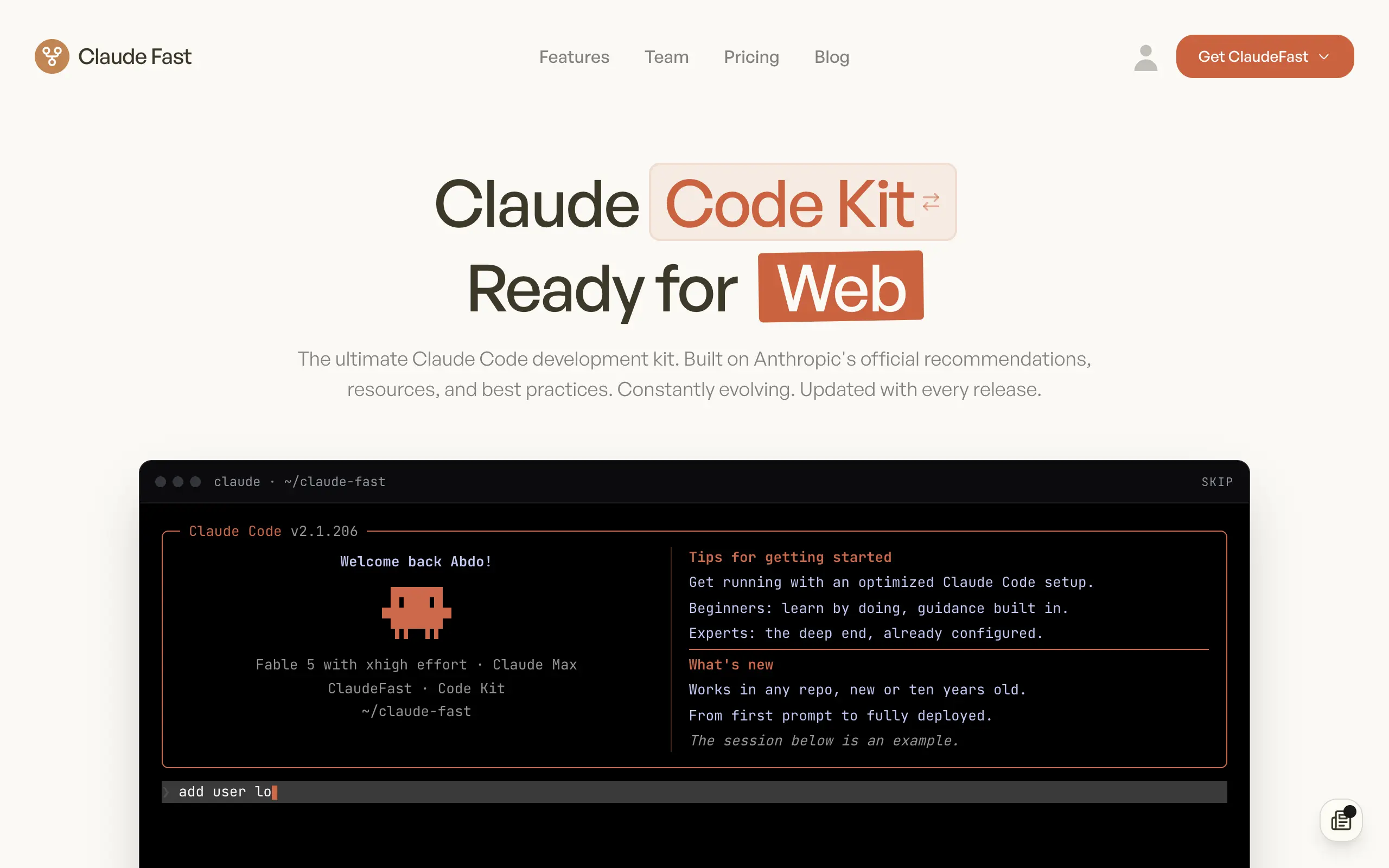
Claude Fast
Supercharge your Claude Code with 6x effective context window and specialized AI agents 🤖
EmojAI
AI-powered emoji picker with smart, context-aware suggestions 🤖
Solohacker
Autonomous company launcher - AI agents work 24/7, escalate what matters, and you stay in control 🤖
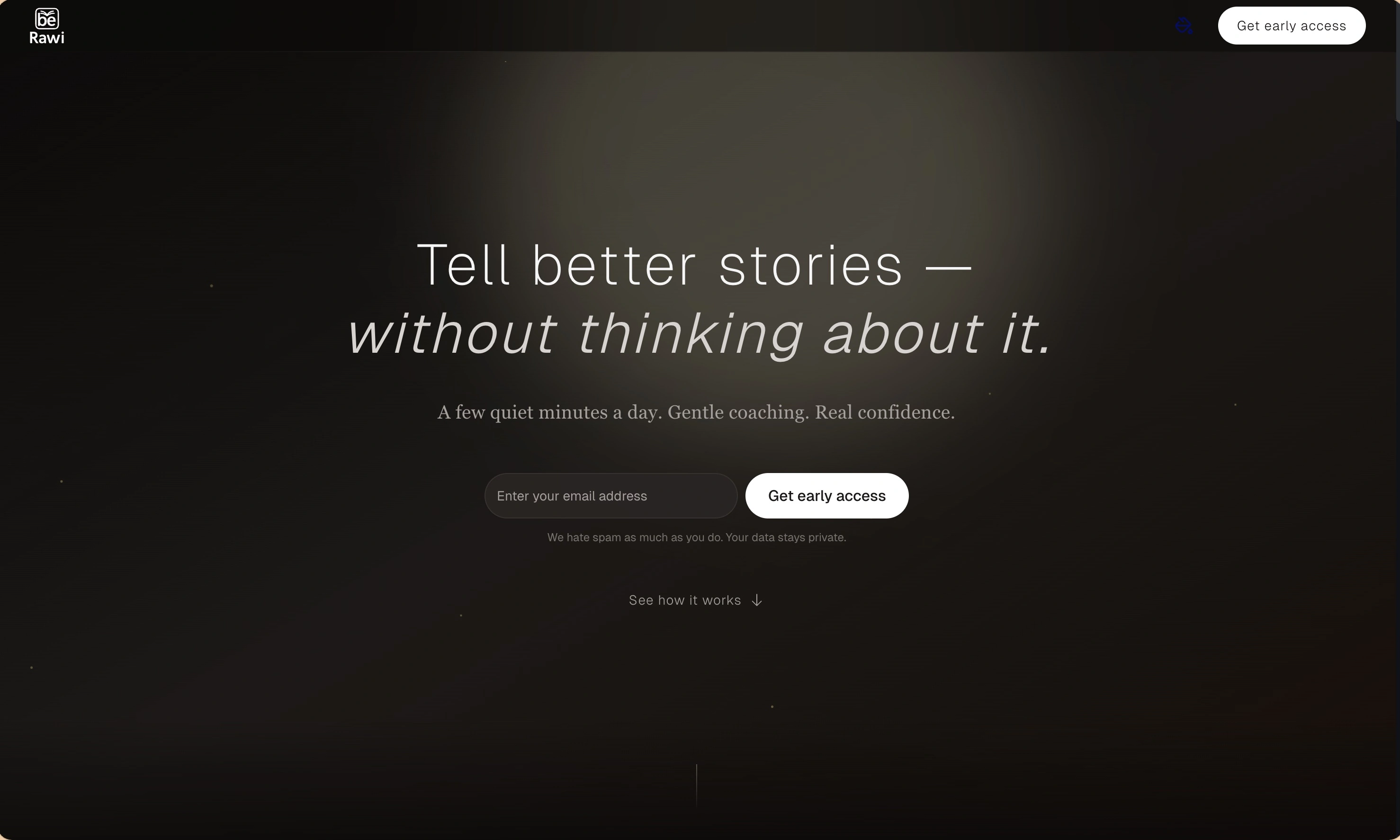
BeRawi: Storytelling Coach
Practice storytelling daily with instant feedback to sound clearer, more engaging, and confident 🎤
Omichat
Chat with 50+ AI models, including ChatGPT and Claude, in one place - switch models anytime without losing context 🤖
Claude Fast
Supercharge your Claude Code with 6x effective context window and specialized AI agents 🤖
EmojAI
AI-powered emoji picker with smart, context-aware suggestions 🤖
Solohacker
Autonomous company launcher - AI agents work 24/7, escalate what matters, and you stay in control 🤖
BeRawi: Storytelling Coach
Practice storytelling daily with instant feedback to sound clearer, more engaging, and confident 🎤
Omichat
Chat with 50+ AI models, including ChatGPT and Claude, in one place - switch models anytime without losing context 🤖
Claude Fast
Supercharge your Claude Code with 6x effective context window and specialized AI agents 🤖
EmojAI
AI-powered emoji picker with smart, context-aware suggestions 🤖
Solohacker
Autonomous company launcher - AI agents work 24/7, escalate what matters, and you stay in control 🤖
BeRawi: Storytelling Coach
Practice storytelling daily with instant feedback to sound clearer, more engaging, and confident 🎤
Omichat
Chat with 50+ AI models, including ChatGPT and Claude, in one place - switch models anytime without losing context 🤖
Claude Fast
Supercharge your Claude Code with 6x effective context window and specialized AI agents 🤖
EmojAI
AI-powered emoji picker with smart, context-aware suggestions 🤖
Solohacker
Autonomous company launcher - AI agents work 24/7, escalate what matters, and you stay in control 🤖
BeRawi: Storytelling Coach
Practice storytelling daily with instant feedback to sound clearer, more engaging, and confident 🎤

Connect with like-minded people
Join our community to get feedback, support, and grow together with 1,000+ builders on board, let's ship it!
Join usShip your startup everywhere. In minutes.
Don't burn tokens on setup and start building features on day one.