BugLogr
A smart developer journal that tracks bugs you fix, lessons learned, and patterns over time—turning daily debugging into measurable skill growth.
Why a smart developer journal for debugging is a massive opportunity
Every experienced developer knows this truth: we solve the same types of bugs over and over again.
- Misconfigured environment variables
- Race conditions in async code
- Incorrect assumptions about third-party APIs
- Off-by-one logic errors
- Subtle state management issues
Yet most of those lessons disappear into Slack threads, Git commit messages, or half-forgotten Notion pages.
That’s where BugLogr, a smart developer journal for tracking bugs and debugging patterns, creates a powerful opportunity. Instead of letting hard-earned debugging knowledge vanish, BugLogr turns it into structured, searchable, measurable skill growth.
This article explores:
- The target audience for BugLogr
- The market gap in developer productivity tools
- Core features and product architecture
- Recommended tech stack (with trade-offs)
- Monetization strategies
- Competitive advantage and positioning
- Risks and mitigation strategies
- Step-by-step implementation roadmap
If you're evaluating, validating, or planning to build BugLogr, this guide gives you a comprehensive, expert-level blueprint.
Understanding the target audience for BugLogr
Primary audience: professional software developers
BugLogr targets developers who:
- Work in teams (startup, mid-size, enterprise)
- Regularly debug complex systems
- Care about improving technical skills
- Value structured thinking and documentation
These developers typically use:
- GitHub or GitLab
- Jira, Linear, or ClickUp
- Slack or Discord
- IDEs like VS Code or JetBrains
- CI/CD pipelines
However, none of these tools track personal debugging growth.
They track:
- Issues
- Tickets
- Code
- Deployments
But not:
- Lessons learned
- Root causes
- Repeated error patterns
- Skill progression over time
That’s the gap BugLogr fills.
Secondary audience: aspiring and early-career developers
Junior developers struggle with:
- Understanding why a bug occurred
- Avoiding repeated mistakes
- Building debugging intuition
A smart developer journal for debugging helps them:
- Build pattern recognition
- Develop structured thinking
- Accelerate growth through reflection
This segment is highly motivated and willing to invest in tools that help them grow faster.
Tertiary audience: tech leads and engineering managers
Engineering leaders care about:
- Reducing recurring bugs
- Improving debugging efficiency
- Upskilling teams
- Institutional knowledge retention
BugLogr can evolve into:
- A team-level debugging intelligence dashboard
- A way to identify systemic issues
- A knowledge retention engine
The market gap in developer productivity tools
The developer tooling market is crowded:
- Code editors
- Git clients
- Issue trackers
- Monitoring tools
- AI coding assistants
But there is no dominant product focused on:
Turning daily debugging into measurable skill growth.
Let’s analyze the ecosystem.
Existing categories
| Tool Type | Tracks Bugs | Tracks Personal Growth | Identifies Patterns | Built for Reflection |
|---|---|---|---|---|
| Issue Trackers | ✅ | ❌ | Limited | ❌ |
| Notion Journals | Manual | ✅ | ❌ | ✅ |
| Monitoring Tools | ✅ | ❌ | System-level | ❌ |
| BugLogr | ✅ | ✅ | ✅ | ✅ |
No mainstream tool bridges:
- Debugging
- Reflection
- Skill tracking
- Pattern analysis
That is BugLogr’s wedge.
The core value proposition of BugLogr
BugLogr is a smart developer journal for debugging that:
- Logs bugs you fix
- Captures root causes
- Extracts patterns
- Tracks growth over time
- Provides insights into recurring weaknesses
Instead of treating debugging as disposable labor, it treats it as skill-building data.
Core transformation
Without BugLogr:
“I fixed a weird async issue last month… I think?”
With BugLogr:
“I’ve fixed 14 async race condition bugs in 6 months. 60% involved stale closures in React.”
That’s measurable growth.
Core features of BugLogr
1. Structured bug entry system
Every bug log entry should include:
- Title
- Context (project, tech stack)
- Symptoms
- Root cause
- Fix implemented
- Lessons learned
- Tags (e.g., async, state, API, config)
Optional:
- Time spent debugging
- Severity
- Linked Git commit
- Linked Jira ticket
This structure enforces reflective thinking.
2. AI-assisted root cause summarization
Using LLM APIs, BugLogr can:
- Summarize debugging notes
- Extract root causes
- Suggest tags
- Detect repeated patterns
Example:
“You’ve logged 7 bugs involving stale React state. Consider reviewing React state lifecycle patterns.”
This is where the “smart” layer differentiates it from a generic journal.
3. Pattern detection engine
Over time, BugLogr should detect:
- Most common bug categories
- Frequent root causes
- Recurring frameworks involved
- Average debugging time per category
Example analytics:
- 30% API integration errors
- 25% async issues
- 15% environment misconfiguration
This transforms qualitative data into quantitative insight.
4. Personal debugging dashboard
The dashboard might include:
- Total bugs fixed
- Bugs by category
- Average time-to-fix
- Improvement trend line
- “Recurring weakness” indicators
This gamifies skill growth without being gimmicky.
5. Reflection prompts
To improve learning retention, BugLogr can include prompts like:
- “What assumption was incorrect?”
- “How could this have been prevented?”
- “Was this test-covered?”
This encourages metacognition — a proven learning accelerator.
6. Team mode (future expansion)
For teams:
- Shared pattern dashboards
- Anonymous aggregated analytics
- Systemic issue detection
- Knowledge base from recurring bugs
This unlocks B2B expansion.
Recommended tech stack for BugLogr
The product must feel lightweight, fast, and developer-friendly.
Frontend
- React or Next.js
- TailwindCSS
- TypeScript (non-negotiable for dev audience)
Why?
Developers trust modern, performant stacks. A clunky UI kills credibility.
Backend
Options:
Node.js (with Express or Fastify)
Pros:
- Unified TypeScript stack
- Fast iteration
- Large ecosystem
Cons:
- Heavy compute tasks may need optimization
Python (FastAPI)
Pros:
- Strong AI integration ecosystem
- Clean API structure
- Excellent for analytics
Cons:
- Two-language stack if frontend is TypeScript
Database
- PostgreSQL (structured relational data)
- Optional: vector database (for semantic bug similarity)
Bug entries are relational and analytics-heavy. PostgreSQL is ideal.
AI layer
Use:
- OpenAI API for summarization
- Embeddings for similarity detection
- Optional fine-tuned model for categorization
Analytics pipeline
- Background workers (e.g., BullMQ or Celery)
- Event tracking
- Aggregation queries
Pattern detection should not block user interactions.
Monetization strategy for BugLogr
1. Freemium model (recommended)
Free tier:
- 50 bug entries
- Basic tagging
- Limited analytics
Pro tier ($10–$15/month):
- Unlimited logs
- AI insights
- Pattern detection
- Growth analytics
- Export features
This aligns with individual developer budgets.
2. Team plan
$8–$12 per user/month for:
- Shared dashboards
- Org-wide analytics
- Admin controls
- SSO
3. Educational licensing
Bootcamps and CS programs could use BugLogr to:
- Teach debugging frameworks
- Track student progress
Competitive advantage of BugLogr
BugLogr’s USP is clear:
It treats debugging as a skill progression system — not a task.
Let’s analyze positioning.
Focused niche
BugLogr focuses exclusively on debugging growth, unlike generic productivity tools.
AI-powered insights
Pattern detection and summarization create defensible intelligence over time.
High retention loop
The more you log, the more valuable your analytics become.
Potential risks and mitigation strategies
Risk 1: Developers won’t log bugs consistently
Mitigation:
- Git integration
- Quick-entry mode
- Slack command entry
- Browser extension
Reduce friction drastically.
Risk 2: AI insights feel generic
Mitigation:
- Use user-specific embeddings
- Train categorization logic on real bug data
- Continuously refine tagging heuristics
Risk 3: Privacy concerns
Developers may not want proprietary code details stored.
Mitigation:
- Clear data policy
- Optional local mode (future)
- Redaction prompts
- Encryption at rest
Risk 4: Low perceived ROI
Mitigation:
- Strong onboarding
- Show insights after first 5 entries
- Visual progress indicators
Immediate value is critical.
SEO positioning strategy for buglogr.dev
Primary keyword:
- smart developer journal
- debugging journal
- track bugs you fix
- developer skill tracking tool
Secondary semantic keywords:
- debugging productivity tool
- developer growth tracking
- software debugging patterns
- developer reflection tool
- engineering skill analytics
Content strategy:
- “How to improve debugging skills”
- “Why you keep fixing the same bugs”
- “Best developer productivity tools for growth”
- “How to track bugs you fix”
BugLogr becomes the natural solution in each article.
Step-by-step implementation roadmap
MVP scope definition
Keep V1 extremely focused:
- User authentication
- Bug entry form
- Tagging
- List view
- Basic analytics (counts per tag)
No AI initially if necessary.
Speed matters more than complexity.
Example data model (simplified)
type BugEntry = {
  id: string;
  userId: string;
  title: string;
  description: string;
  rootCause: string;
  fix: string;
  tags: string[];
  timeSpentMinutes?: number;
  createdAt: Date;
};
Later, add:
- AI-generated summary
- Embedding vector
- Pattern cluster ID
How BugLogr builds real E-E-A-T credibility
To rank well and convert:
- Publish debugging deep-dives
- Share anonymized aggregated insights
- Provide real frameworks
- Create developer case studies
Example:
“Across 1,200 logged bugs, 34% were caused by incorrect assumptions about third-party APIs.”
Cite aggregated internal data transparently.
Why this idea is aligned with industry trends
- AI coding assistants increase code velocity
- Faster code → more subtle bugs
- Remote work reduces tribal knowledge
- Developers prioritize skill growth
The more AI writes code, the more debugging becomes a differentiator.
BugLogr positions itself at that intersection.
Actionable next steps to build BugLogr
- Define ICP (indie devs vs teams)
- Create landing page with value proposition
- Collect 200+ waitlist emails
- Interview 15 developers about debugging habits
- Ship MVP in 6–8 weeks
- Launch publicly in dev communities
- Iterate based on retention data
If you want to accelerate development with a production-ready SaaS foundation, you can use TurboStarter to skip months of boilerplate and focus entirely on BugLogr’s core differentiation: pattern intelligence and analytics.
Final thoughts: turning debugging into compounding growth
Most developers measure:
- Lines of code
- Commits
- Features shipped
Very few measure:
- Debugging skill evolution
- Root cause awareness
- Pattern reduction over time
BugLogr reframes debugging from a frustrating chore into:
A personal intelligence system for becoming a better engineer.
In a world where AI increasingly writes code, the developers who win will be those who:
- Understand systems deeply
- Recognize patterns quickly
- Learn from every failure
BugLogr turns those invisible improvements into visible, measurable progress.
That’s not just a productivity tool.
It’s a career accelerator.
More ⚡ Productivity Tool SaaS ideas
Discover more innovative productivity tool SaaS ideas that are trending in 2026. Each idea is AI-generated with market validation and growth potential to help you find your next profitable venture faster than competitors.
Your competitors are building with TurboStarter
Below are some of the SaaS ideas that have been generated and built with our starter kit.

Statiko
Monitor any Telegram channel in real time - track posts, edits, deletions, and growth with AI recaps 📡

Shibui
AI website builder - describe your business, pick a niche template, edit by chatting, and publish instantly ✨

Pro Service
Find verified home service professionals, compare quotes, and pay securely through escrow - built for Brazilians across the US 🏠
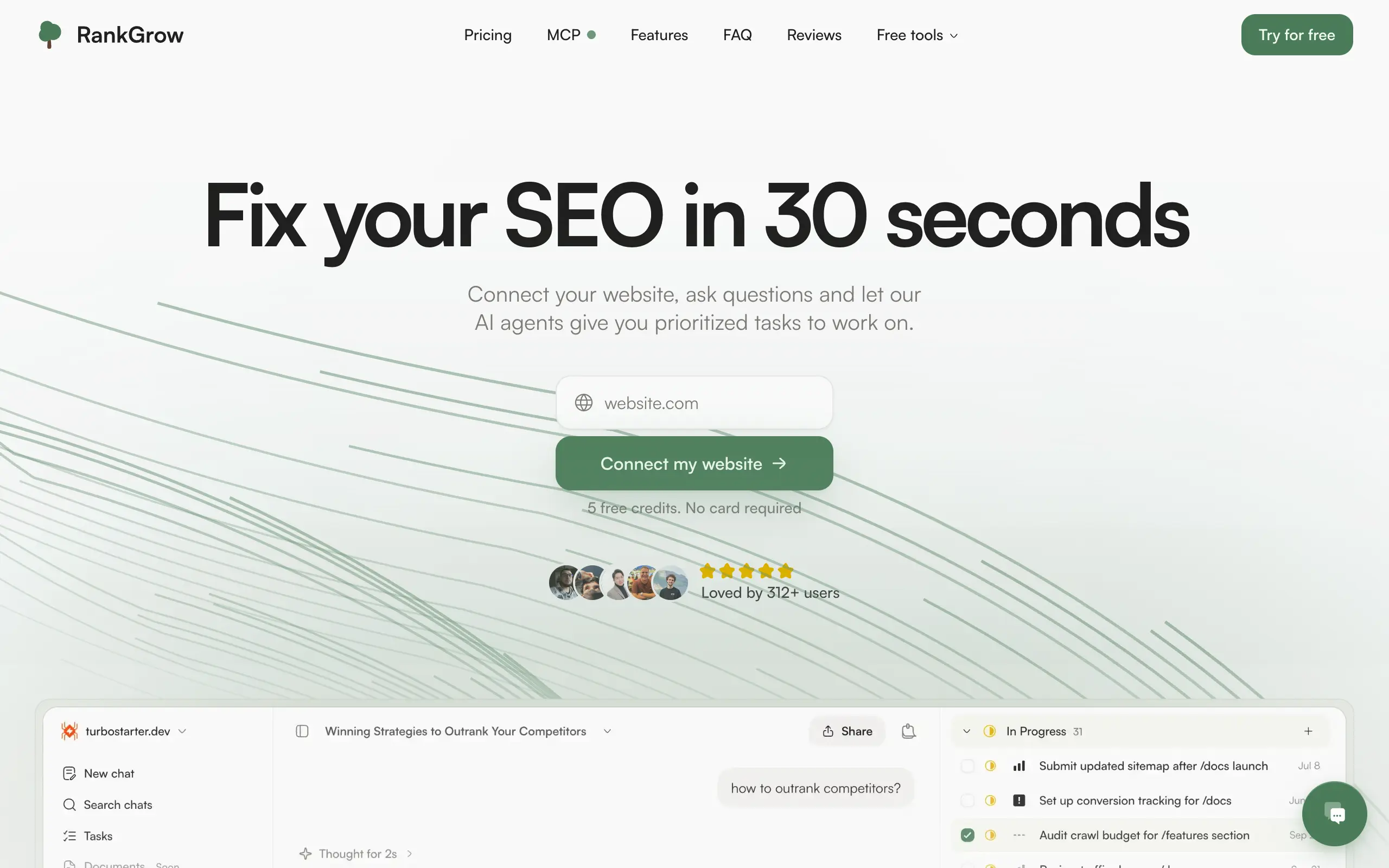
RankGrow
Fix your SEO with AI agents - connect Search Console, get prioritized tasks, and grow organic traffic 📈
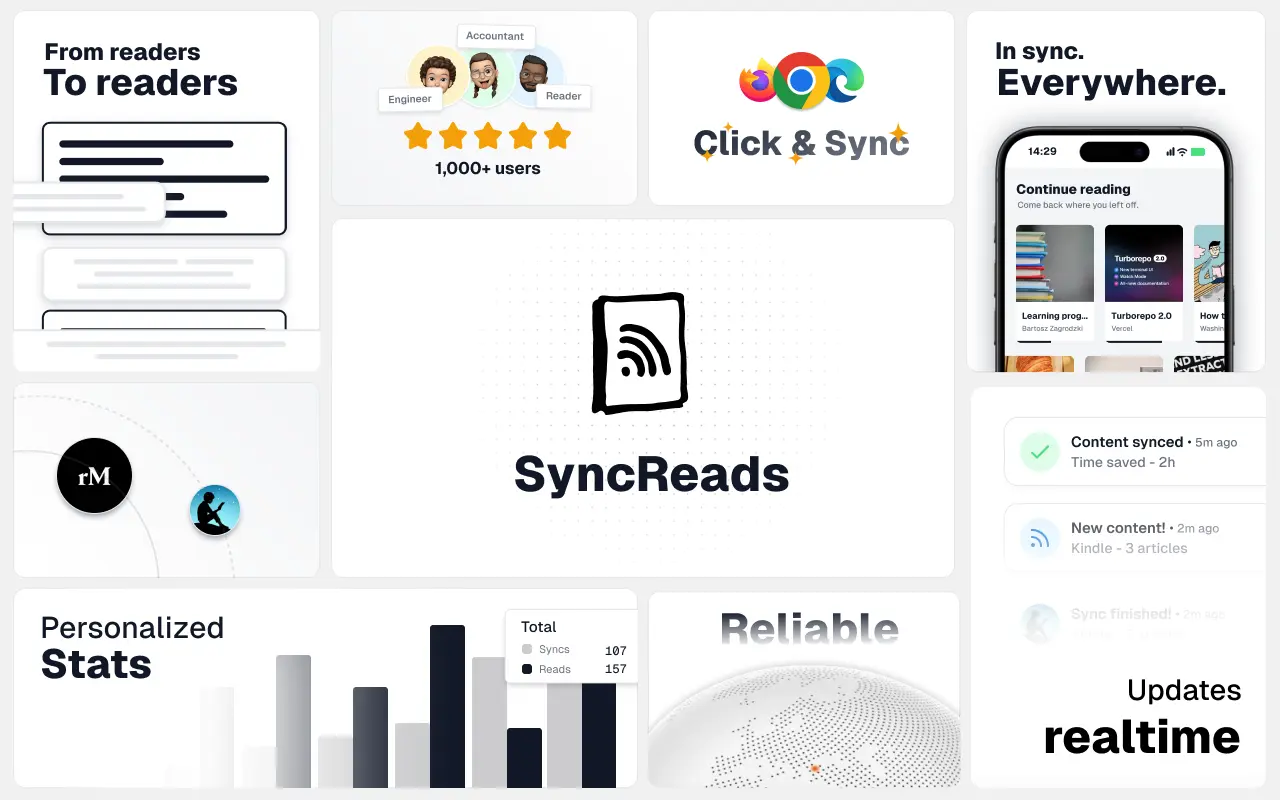
SyncReads
Sync your favorite content for distraction-free reading, save time and replace multiple apps. Anytime, anywhere 🔄
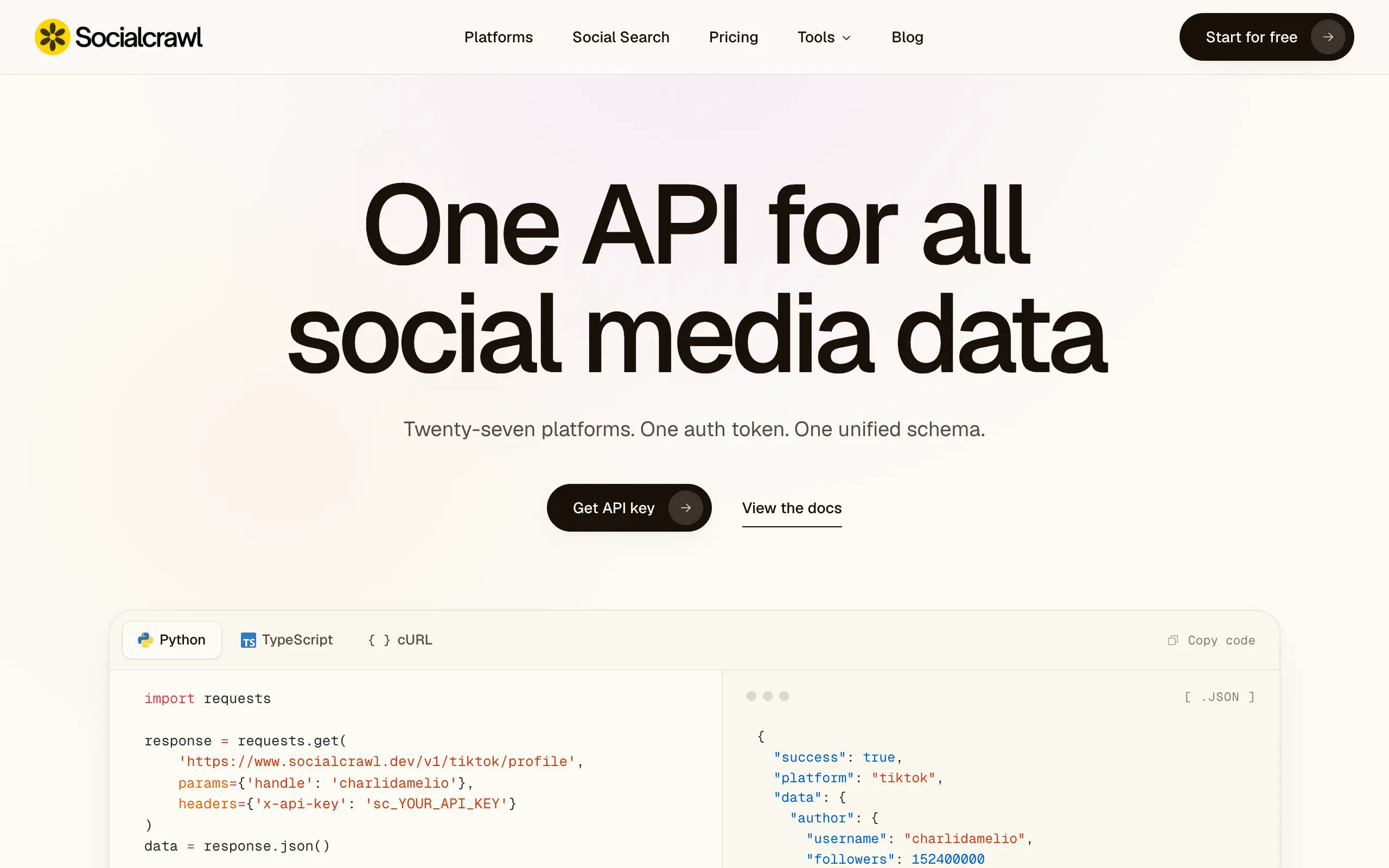
Socialcrawl
Get clean, structured data from 21 platforms like TikTok, Instagram, and YouTube with a single request 📊
Statiko
Monitor any Telegram channel in real time - track posts, edits, deletions, and growth with AI recaps 📡
Shibui
AI website builder - describe your business, pick a niche template, edit by chatting, and publish instantly ✨
Pro Service
Find verified home service professionals, compare quotes, and pay securely through escrow - built for Brazilians across the US 🏠
RankGrow
Fix your SEO with AI agents - connect Search Console, get prioritized tasks, and grow organic traffic 📈
SyncReads
Sync your favorite content for distraction-free reading, save time and replace multiple apps. Anytime, anywhere 🔄
Socialcrawl
Get clean, structured data from 21 platforms like TikTok, Instagram, and YouTube with a single request 📊
Statiko
Monitor any Telegram channel in real time - track posts, edits, deletions, and growth with AI recaps 📡
Shibui
AI website builder - describe your business, pick a niche template, edit by chatting, and publish instantly ✨
Pro Service
Find verified home service professionals, compare quotes, and pay securely through escrow - built for Brazilians across the US 🏠
RankGrow
Fix your SEO with AI agents - connect Search Console, get prioritized tasks, and grow organic traffic 📈
SyncReads
Sync your favorite content for distraction-free reading, save time and replace multiple apps. Anytime, anywhere 🔄
Socialcrawl
Get clean, structured data from 21 platforms like TikTok, Instagram, and YouTube with a single request 📊
Statiko
Monitor any Telegram channel in real time - track posts, edits, deletions, and growth with AI recaps 📡
Shibui
AI website builder - describe your business, pick a niche template, edit by chatting, and publish instantly ✨
Pro Service
Find verified home service professionals, compare quotes, and pay securely through escrow - built for Brazilians across the US 🏠
RankGrow
Fix your SEO with AI agents - connect Search Console, get prioritized tasks, and grow organic traffic 📈
SyncReads
Sync your favorite content for distraction-free reading, save time and replace multiple apps. Anytime, anywhere 🔄
Socialcrawl
Get clean, structured data from 21 platforms like TikTok, Instagram, and YouTube with a single request 📊
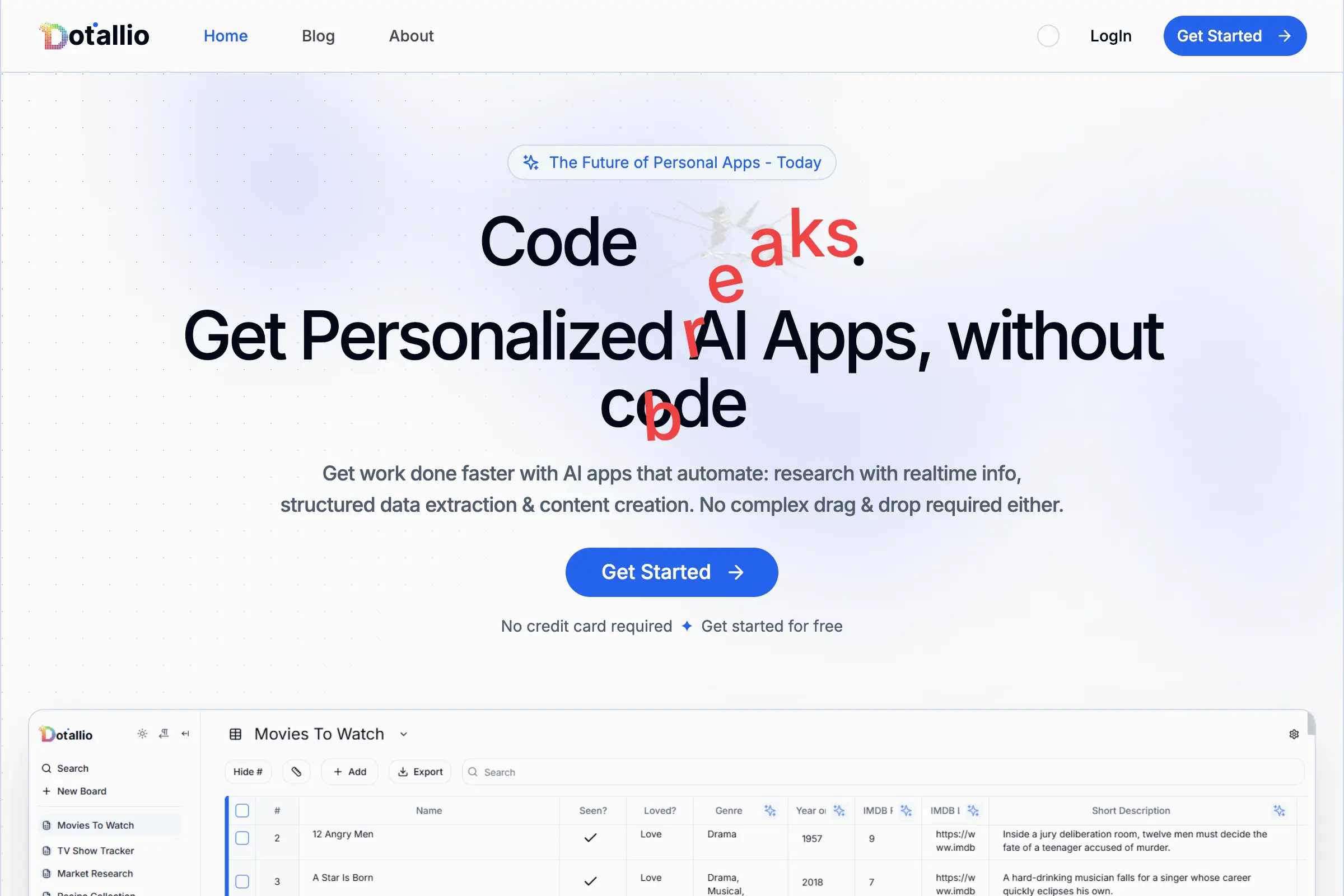
Dotallio
Personalized AI apps that automate research, data extraction, and content creation without code 🤖

Talk to Santa
Enjoy a magical live video chat or receive a unique AI-generated video greeting from Santa Claus 🎅

pozywka.pl
Scalable blog for food journalist, focused on performance and user experience 🌭
zagrodzki.me
Personal blog and portfolio of Bart Zagrodzki, where he shares his knowledge and work 💼
TurboStarter
Ship your startup everywhere. In minutes.
HTML to Markdown
Convert HTML to Markdown with ease, directly in your browser 📄
Dotallio
Personalized AI apps that automate research, data extraction, and content creation without code 🤖
Talk to Santa
Enjoy a magical live video chat or receive a unique AI-generated video greeting from Santa Claus 🎅
pozywka.pl
Scalable blog for food journalist, focused on performance and user experience 🌭
zagrodzki.me
Personal blog and portfolio of Bart Zagrodzki, where he shares his knowledge and work 💼
TurboStarter
Ship your startup everywhere. In minutes.
HTML to Markdown
Convert HTML to Markdown with ease, directly in your browser 📄
Dotallio
Personalized AI apps that automate research, data extraction, and content creation without code 🤖
Talk to Santa
Enjoy a magical live video chat or receive a unique AI-generated video greeting from Santa Claus 🎅
pozywka.pl
Scalable blog for food journalist, focused on performance and user experience 🌭
zagrodzki.me
Personal blog and portfolio of Bart Zagrodzki, where he shares his knowledge and work 💼
TurboStarter
Ship your startup everywhere. In minutes.
HTML to Markdown
Convert HTML to Markdown with ease, directly in your browser 📄
Dotallio
Personalized AI apps that automate research, data extraction, and content creation without code 🤖
Talk to Santa
Enjoy a magical live video chat or receive a unique AI-generated video greeting from Santa Claus 🎅
pozywka.pl
Scalable blog for food journalist, focused on performance and user experience 🌭
zagrodzki.me
Personal blog and portfolio of Bart Zagrodzki, where he shares his knowledge and work 💼
TurboStarter
Ship your startup everywhere. In minutes.
HTML to Markdown
Convert HTML to Markdown with ease, directly in your browser 📄
Omichat
Chat with 50+ AI models, including ChatGPT and Claude, in one place - switch models anytime without losing context 🤖
Claude Fast
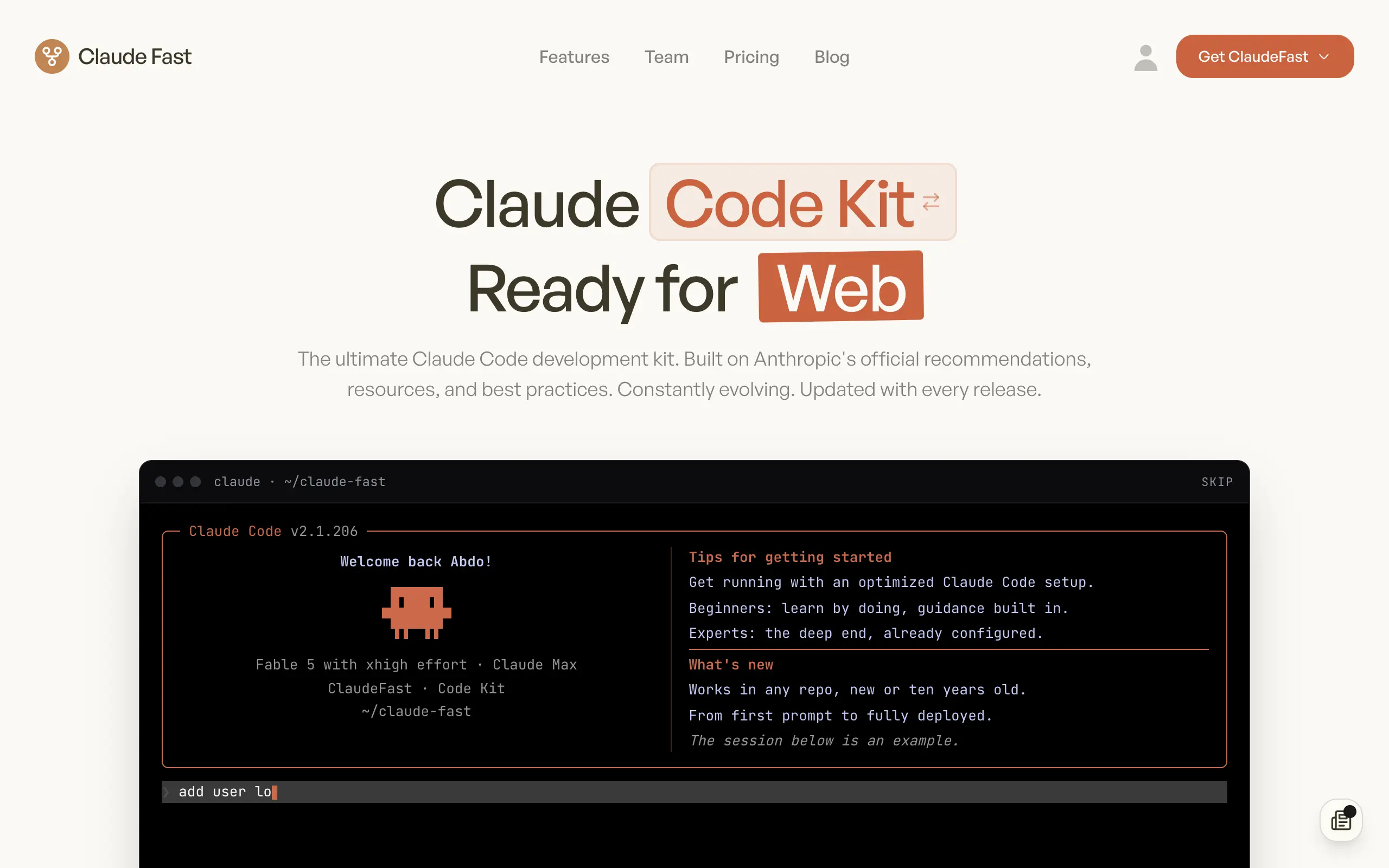
Supercharge your Claude Code with 6x effective context window and specialized AI agents 🤖
EmojAI
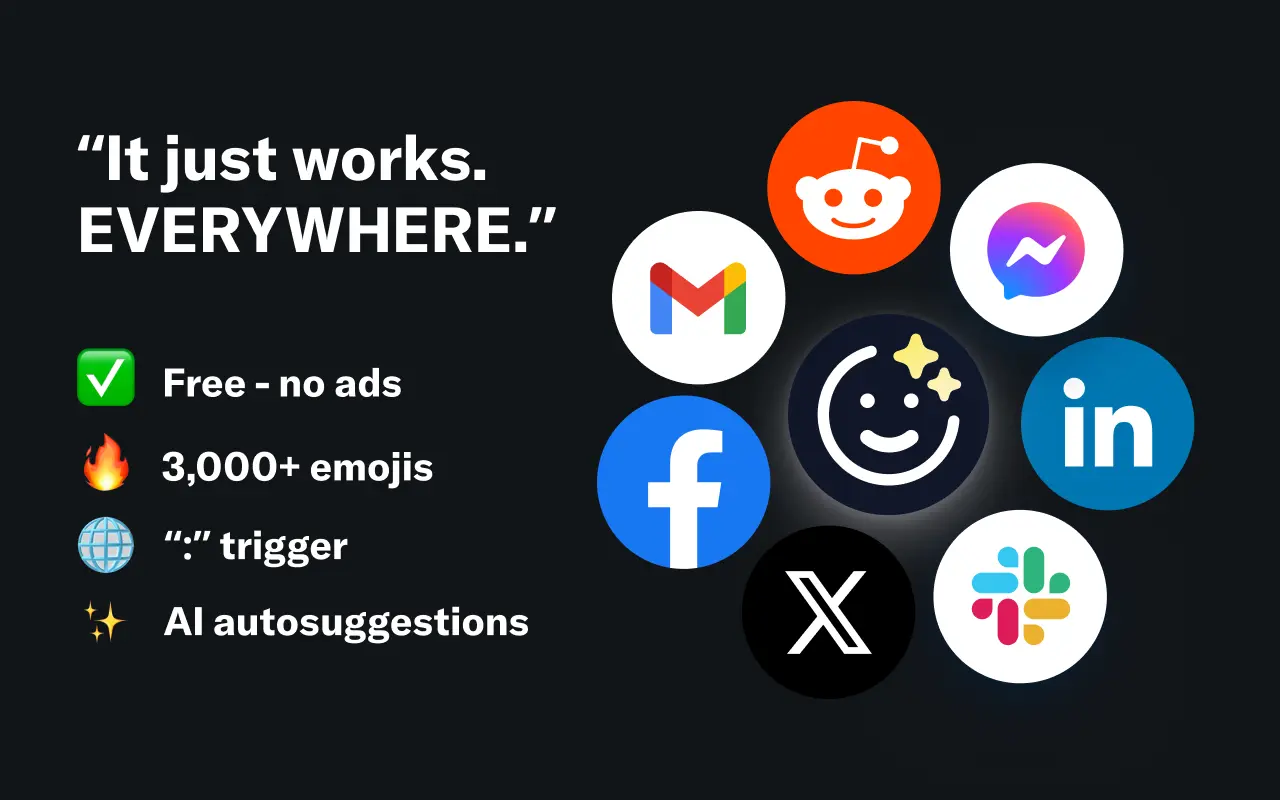
AI-powered emoji picker with smart, context-aware suggestions 🤖

Solohacker
Autonomous company launcher - AI agents work 24/7, escalate what matters, and you stay in control 🤖

BeRawi: Storytelling Coach
Practice storytelling daily with instant feedback to sound clearer, more engaging, and confident 🎤
Omichat
Chat with 50+ AI models, including ChatGPT and Claude, in one place - switch models anytime without losing context 🤖
Claude Fast
Supercharge your Claude Code with 6x effective context window and specialized AI agents 🤖
EmojAI
AI-powered emoji picker with smart, context-aware suggestions 🤖
Solohacker
Autonomous company launcher - AI agents work 24/7, escalate what matters, and you stay in control 🤖
BeRawi: Storytelling Coach
Practice storytelling daily with instant feedback to sound clearer, more engaging, and confident 🎤
Omichat
Chat with 50+ AI models, including ChatGPT and Claude, in one place - switch models anytime without losing context 🤖
Claude Fast
Supercharge your Claude Code with 6x effective context window and specialized AI agents 🤖
EmojAI
AI-powered emoji picker with smart, context-aware suggestions 🤖
Solohacker
Autonomous company launcher - AI agents work 24/7, escalate what matters, and you stay in control 🤖
BeRawi: Storytelling Coach
Practice storytelling daily with instant feedback to sound clearer, more engaging, and confident 🎤
Omichat
Chat with 50+ AI models, including ChatGPT and Claude, in one place - switch models anytime without losing context 🤖
Claude Fast
Supercharge your Claude Code with 6x effective context window and specialized AI agents 🤖
EmojAI
AI-powered emoji picker with smart, context-aware suggestions 🤖
Solohacker
Autonomous company launcher - AI agents work 24/7, escalate what matters, and you stay in control 🤖
BeRawi: Storytelling Coach
Practice storytelling daily with instant feedback to sound clearer, more engaging, and confident 🎤

Connect with like-minded people
Join our community to get feedback, support, and grow together with 1,000+ builders on board, let's ship it!
Join usShip your startup everywhere. In minutes.
Don't burn tokens on setup and start building features on day one.