ChoreQuest
A shared calendar that turns household chores into RPG-style quests with XP, levels, and boss fights so roommates stay accountable and motivated.
Understanding the problem ChoreQuest is solving
Household chores are a universal pain point. Whether it’s roommates splitting cleaning duties, couples managing daily tasks, or families trying to teach kids responsibility, the same problems appear again and again:
- Tasks are forgotten or delayed.
- Accountability feels awkward or confrontational.
- Motivation drops quickly after the first week.
- One or two people end up doing more than their fair share.
Traditional tools like shared calendars, to‑do lists, or reminder apps help with visibility, but they fail to address human behavior. They assume people are naturally motivated by checkboxes and due dates.
ChoreQuest approaches the problem from a behavioral psychology and game design perspective. By turning chores into RPG-style quests with XP, levels, rewards, and boss fights, it transforms mundane tasks into a shared game where progress feels tangible and accountability is social rather than confrontational.
This article explores ChoreQuest as a SaaS product idea in depth, analyzing the market opportunity, target audience, core features, technical architecture, monetization strategies, risks, and a practical roadmap for building and launching the product.
What is ChoreQuest?
ChoreQuest is a gamified shared calendar and task management app designed specifically for households. Instead of static checklists, chores become quests. Completing tasks earns XP, levels up characters, unlocks rewards, and contributes to group goals like “boss fights” (e.g., deep-cleaning the apartment).
At its core, ChoreQuest sits at the intersection of:
- Productivity SaaS
- Household management
- Gamification and behavioral design
The primary keyword naturally associated with this product is:
gamified chore management app
Closely related semantic keywords include:
- chore tracking app for roommates
- shared household calendar
- gamified productivity app
- roommate chore app
- RPG-style task management
- household task accountability software
Target audience analysis
Understanding who ChoreQuest is for — and why they would use it — is critical to building the right feature set and messaging.
Primary audience: roommates (ages 18–35)
This is the strongest initial market for ChoreQuest.
Key characteristics:
- Live in shared apartments or houses
- Often split rent and utilities evenly
- Have recurring conflicts over cleanliness
- Comfortable with mobile apps and casual gaming
- Value fairness, transparency, and low-friction communication
Pain points:
- “I always end up taking out the trash.”
- “We agreed on chores, but nobody sticks to it.”
- “I don’t want to nag my roommates.”
ChoreQuest replaces awkward conversations with a neutral game system. The app becomes the “bad guy,” not the roommate.
Secondary audience: couples and families
Once validated with roommates, ChoreQuest naturally expands into other household types.
Couples
- Shared apartments or homes
- Desire fairness without micromanagement
- Open to playful, gamified experiences
Families with children (ages 7+)
- Parents want to teach responsibility
- Kids respond well to rewards and leveling systems
- Visual progress and achievements reinforce habits
Strategic note
Launching with roommates first keeps the product scope focused and avoids complex parental control and compliance requirements early on.
Market opportunity and gap analysis
The current landscape
The chore and task management space is crowded, but fragmented:
- Generic task apps: Todoist, Microsoft To Do, Google Tasks
- Household organizers: OurHome, Cozi, Tody
- Gamified productivity apps: Habitica
Each category solves part of the problem, but none fully address shared household accountability with deep gamification.
Where existing tools fall short
| Feature | Generic to-do apps | Household organizers | Gamified habit apps | ChoreQuest | Designed for roommates |
|---|---|---|---|---|---|
| Shared accountability | ❌ | ✅ | ❌ | ✅ | ✅ |
| Deep RPG gamification | ❌ | ❌ | ✅ | ✅ | ✅ |
The gap ChoreQuest fills
ChoreQuest uniquely combines:
- Shared calendars and recurring chores
- Explicit fairness and contribution tracking
- Social gamification designed for groups
- Low-stakes, fun accountability
This positions it as a category-defining product rather than a feature-level competitor.
Core features and solution design
Shared household calendar
At the foundation of ChoreQuest is a shared calendar visible to all household members.
Key capabilities:
- Recurring chores (daily, weekly, monthly)
- One-off quests (e.g., “Clean fridge before guests arrive”)
- Visual assignment and ownership
- Automatic reminders
Unlike standard calendars, each event is tied to game mechanics.
RPG-style quest system
Every chore is framed as a quest.
Quest attributes include:
- Difficulty level
- XP reward
- Time estimate
- Optional bonus objectives
Example:
- Quest: Defeat the Dust Dragon (vacuum living room)
- XP: 50
- Bonus: +10 XP if completed before 6 PM
This framing taps into intrinsic motivation and makes chores feel less transactional.
XP, levels, and progression
Gamification only works when progression feels meaningful.
ChoreQuest implements:
- Individual XP and levels
- Household-wide progress bars
- Seasonal resets or “chapters”
Levels unlock:
- Cosmetic badges
- Titles (e.g., “Master of Dishes”)
- Optional reward permissions set by the household
Boss fights for major cleaning sessions
Boss fights are collaborative events that require multiple chores to be completed within a time window.
Examples:
- “End-of-lease cleanup”
- “Pre-party prep”
- “Spring cleaning raid”
Boss fights encourage teamwork and prevent last-minute panic.
Why boss fights work
They reframe overwhelming tasks as shared goals and reduce the feeling of individual burden.
Social pressure, done right
Progress bars and shared wins create accountability without direct confrontation.
Fairness and accountability engine
A core differentiator is how ChoreQuest handles fairness.
Features include:
- Contribution summaries by week or month
- Overdue quest tracking
- Optional penalties (XP decay, missed rewards)
- Transparency without shaming
This data-driven approach reduces emotional friction.
Recommended tech stack and architecture
ChoreQuest is well-suited to a modern SaaS stack optimized for real-time collaboration and cross-platform access.
Frontend
- React – component-based UI and strong ecosystem (React)
- TypeScript – safer state management and scalability
- Tailwind CSS – fast iteration on playful UI (TailwindCSS)
Trade-off: Tailwind accelerates development but requires design discipline to avoid visual inconsistency.
Backend
- Node.js with a framework like NestJS or Express
- PostgreSQL for relational household and task data
- Redis for real-time game state and notifications
Why relational data matters:
Households, users, quests, and rewards have clear relationships that benefit from SQL integrity.
Real-time and notifications
- WebSockets or server-sent events for live updates
- Push notifications for reminders and boss fights
- Email summaries for weekly progress
Authentication and security
- OAuth for quick onboarding
- Role-based access (admin roommate, member)
- Clear data ownership per household
Security consideration
Household data is deeply personal. Clear privacy controls and transparent data policies are essential for trust.
Gamification design principles behind ChoreQuest
ChoreQuest’s success depends on sustainable motivation, not novelty.
Intrinsic vs extrinsic motivation
- XP and levels provide extrinsic rewards
- Autonomy, fairness, and mastery drive intrinsic motivation
The system avoids pay-to-win mechanics or excessive penalties.
Social reinforcement
- Shared progress
- Collective wins
- Visible contributions
These elements create positive peer pressure without toxicity.
Avoiding burnout
- Optional “rest days”
- XP caps per day
- Seasonal resets
This prevents the game from becoming another obligation.
Monetization strategy options
ChoreQuest has several viable revenue paths.
Freemium model (recommended)
Free tier:
- One household
- Core quest system
- Limited customization
Premium tier:
- Advanced analytics
- Custom rewards and rules
- Seasonal themes
- Priority support
This aligns with user expectations in productivity SaaS.
Household subscriptions
Charge per household instead of per user.
Benefits:
- Easier cost splitting
- Less friction for invites
- Clear value framing
Add-on purchases (later stage)
- Cosmetic themes
- Special event packs
- Seasonal boss fights
Monetization principle
Never lock fairness or core accountability features behind a paywall.
Competitive advantage and defensibility
What makes ChoreQuest hard to copy?
-
Narrow focus on households
Unlike generic productivity apps, ChoreQuest is deeply contextual. -
System-level gamification
Not just badges — progression, collaboration, and narrative. -
Social graph lock-in
Once a household adopts it, switching costs are high. -
Behavioral design moat
Copying features is easy; copying motivation systems is not.
Potential risks and mitigation strategies
Risk: novelty wears off
Mitigation:
- Seasonal content
- Rotating challenges
- Lightweight narrative arcs
Risk: conflict escalation
Mitigation:
- Neutral language
- Opt-in penalties
- Private contribution views
Risk: low retention after onboarding
Mitigation:
- Fast setup (under 5 minutes)
- Prebuilt chore templates
- Immediate visible progress
Go-to-market strategy
Initial launch channel: roommates
- University housing groups
- Reddit communities (e.g., roommates, apartments)
- TikTok and short-form demos
Content-led growth
- “Roommate harmony” blog posts
- Gamified productivity guides
- SEO around chore management keywords
Implementation roadmap
Measuring success
Key metrics to track:
- Weekly active households
- Quest completion rate
- Retention at 30 and 90 days
- Household invite acceptance rate
These metrics reflect real value, not vanity growth.
Why ChoreQuest is a strong SaaS opportunity
ChoreQuest isn’t just another productivity tool. It’s a behavioral system designed around real human dynamics inside shared living spaces.
By combining:
- Clear accountability
- Playful motivation
- Social collaboration
- Thoughtful monetization
…it addresses a daily problem that millions of people actively dislike dealing with.
For founders building in the productivity SaaS space, ChoreQuest represents a rare opportunity: a product that is useful, delightful, and habit-forming.
If you’re looking to turn this idea into a production-ready SaaS faster, platforms like TurboStarter can dramatically reduce setup time and let you focus on what matters most — building a product people actually enjoy using.
Final thoughts
The future of productivity software isn’t about more reminders or stricter rules. It’s about designing systems that align with how people actually behave.
ChoreQuest does exactly that — turning shared responsibility into shared progress.
For households tired of arguing about chores, that’s not just a feature. It’s a transformation.
More ⚡ Productivity Tool SaaS ideas
Discover more innovative productivity tool SaaS ideas that are trending in 2026. Each idea is AI-generated with market validation and growth potential to help you find your next profitable venture faster than competitors.
Your competitors are building with TurboStarter
Below are some of the SaaS ideas that have been generated and built with our starter kit.
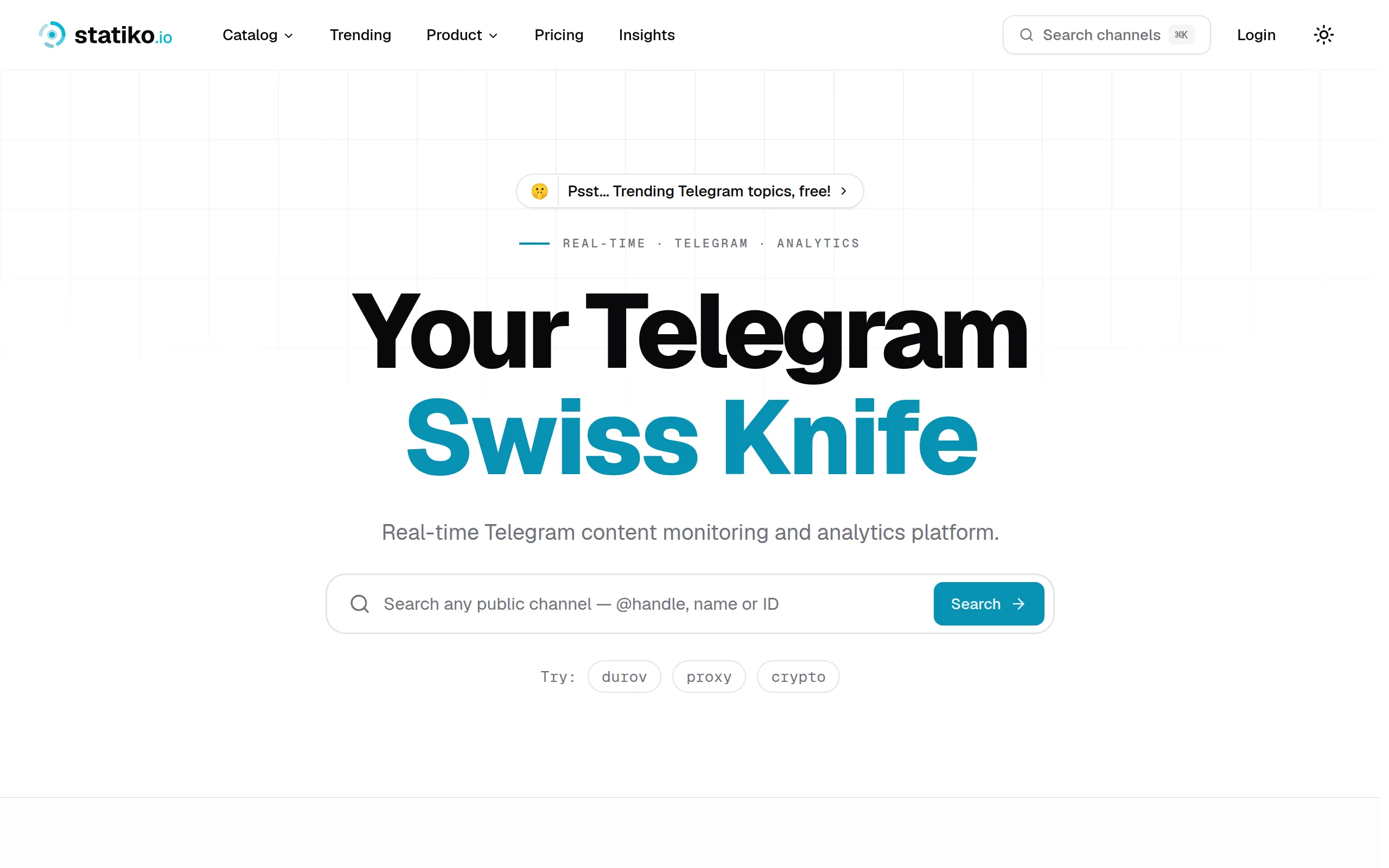
Statiko
Monitor any Telegram channel in real time - track posts, edits, deletions, and growth with AI recaps 📡

Shibui
AI website builder - describe your business, pick a niche template, edit by chatting, and publish instantly ✨
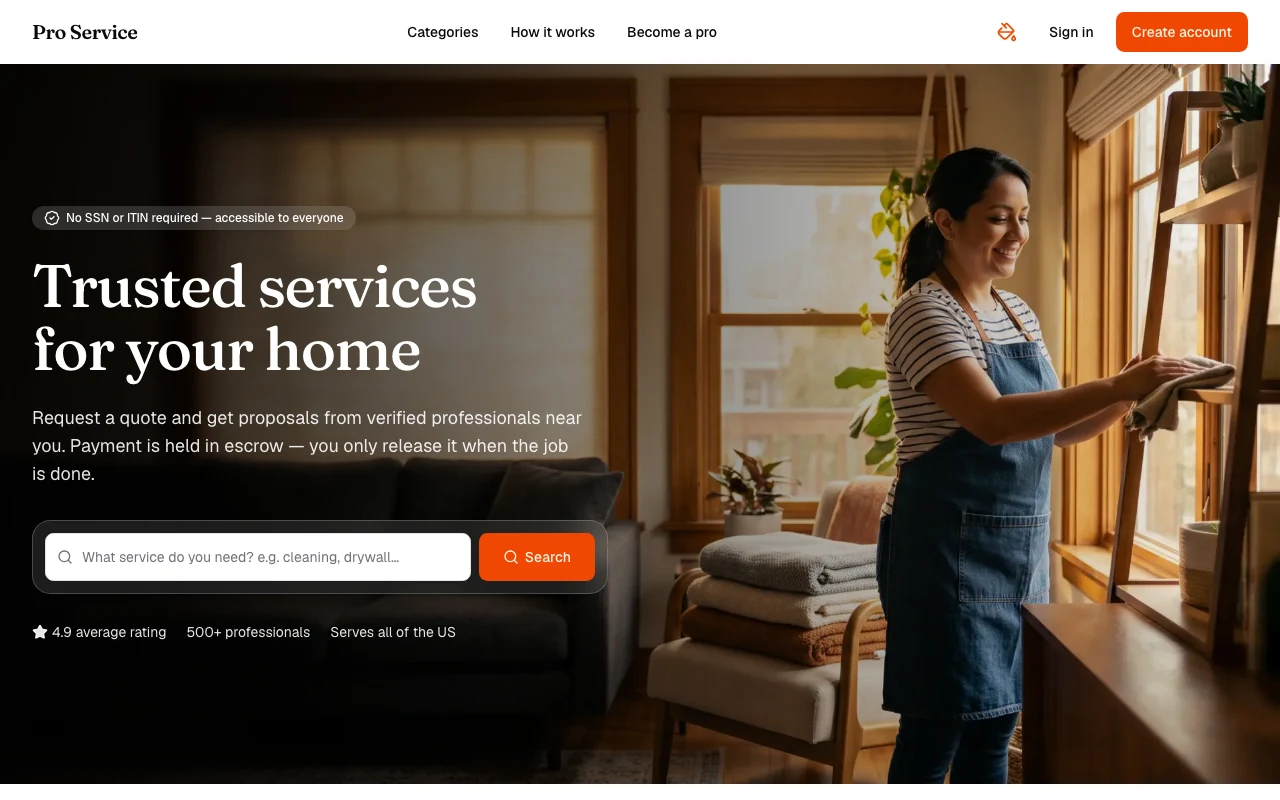
Pro Service
Find verified home service professionals, compare quotes, and pay securely through escrow - built for Brazilians across the US 🏠
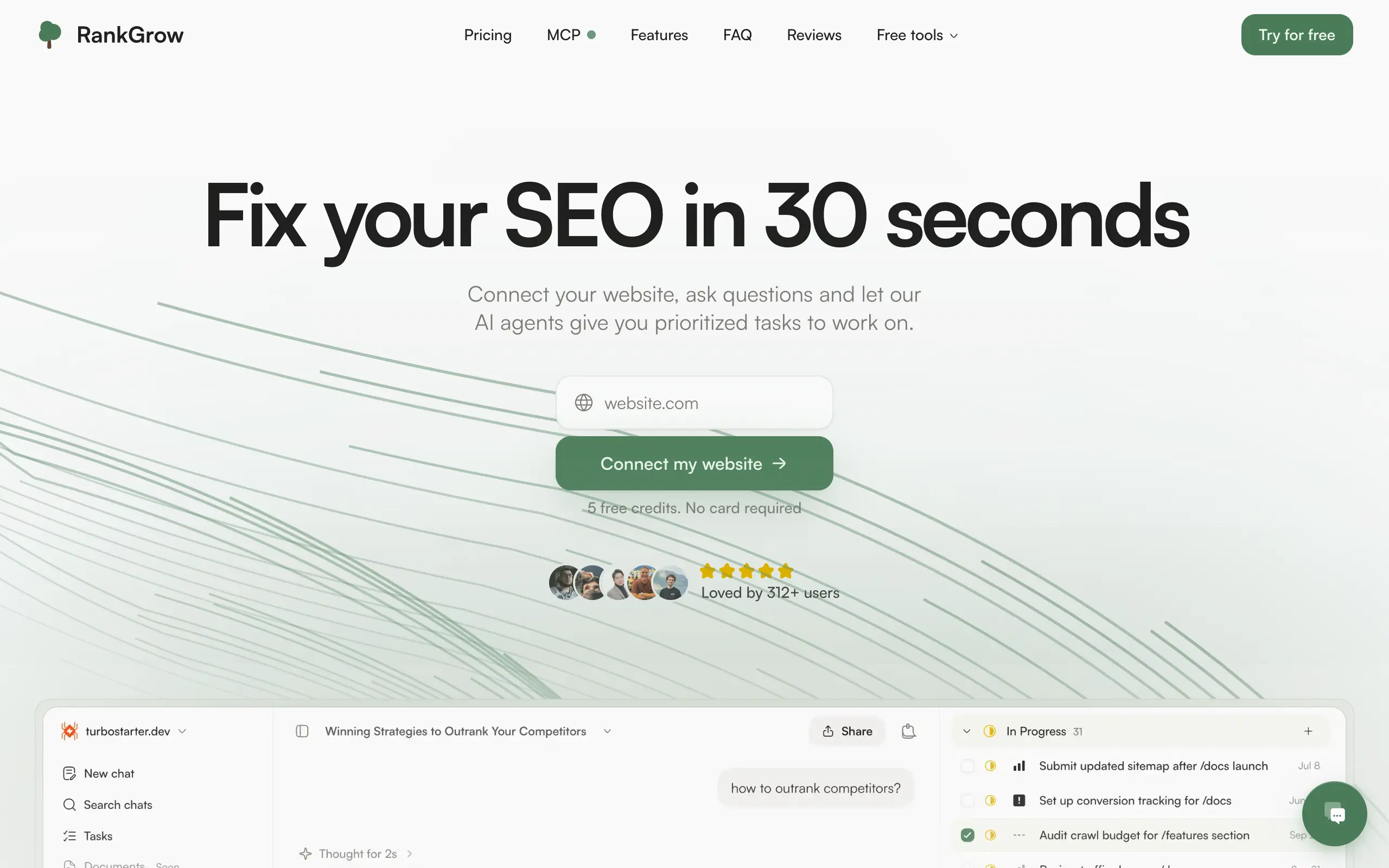
RankGrow
Fix your SEO with AI agents - connect Search Console, get prioritized tasks, and grow organic traffic 📈
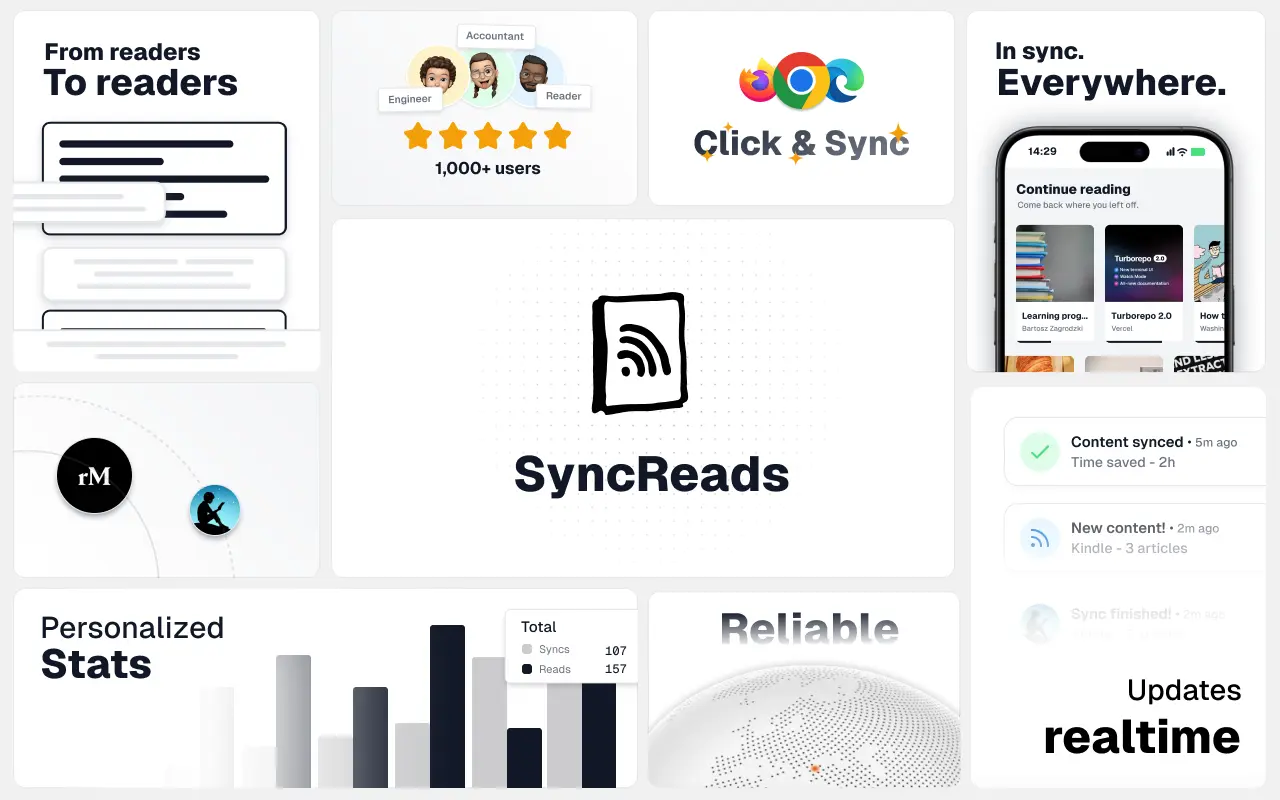
SyncReads
Sync your favorite content for distraction-free reading, save time and replace multiple apps. Anytime, anywhere 🔄
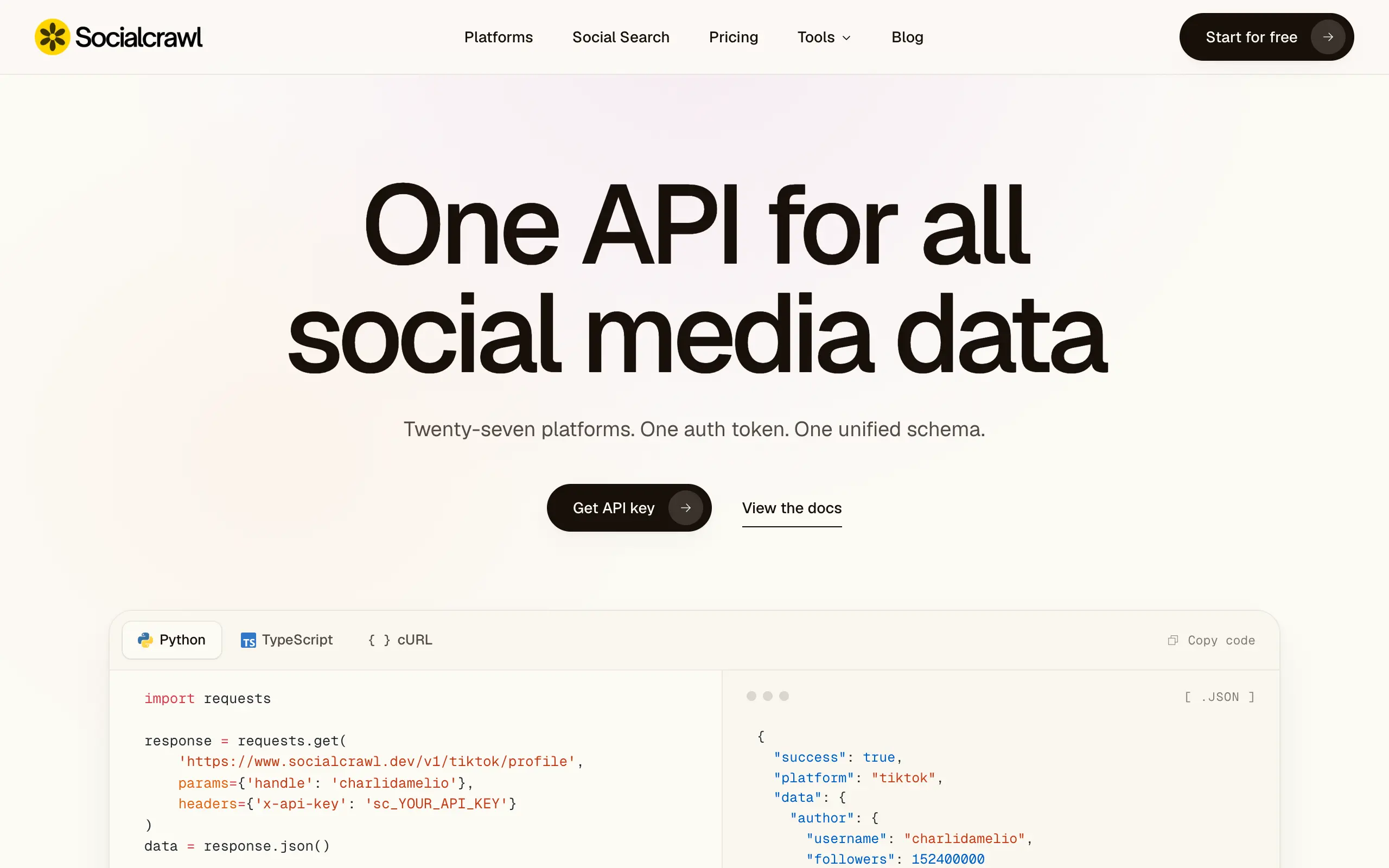
Socialcrawl
Get clean, structured data from 21 platforms like TikTok, Instagram, and YouTube with a single request 📊
Statiko
Monitor any Telegram channel in real time - track posts, edits, deletions, and growth with AI recaps 📡
Shibui
AI website builder - describe your business, pick a niche template, edit by chatting, and publish instantly ✨
Pro Service
Find verified home service professionals, compare quotes, and pay securely through escrow - built for Brazilians across the US 🏠
RankGrow
Fix your SEO with AI agents - connect Search Console, get prioritized tasks, and grow organic traffic 📈
SyncReads
Sync your favorite content for distraction-free reading, save time and replace multiple apps. Anytime, anywhere 🔄
Socialcrawl
Get clean, structured data from 21 platforms like TikTok, Instagram, and YouTube with a single request 📊
Statiko
Monitor any Telegram channel in real time - track posts, edits, deletions, and growth with AI recaps 📡
Shibui
AI website builder - describe your business, pick a niche template, edit by chatting, and publish instantly ✨
Pro Service
Find verified home service professionals, compare quotes, and pay securely through escrow - built for Brazilians across the US 🏠
RankGrow
Fix your SEO with AI agents - connect Search Console, get prioritized tasks, and grow organic traffic 📈
SyncReads
Sync your favorite content for distraction-free reading, save time and replace multiple apps. Anytime, anywhere 🔄
Socialcrawl
Get clean, structured data from 21 platforms like TikTok, Instagram, and YouTube with a single request 📊
Statiko
Monitor any Telegram channel in real time - track posts, edits, deletions, and growth with AI recaps 📡
Shibui
AI website builder - describe your business, pick a niche template, edit by chatting, and publish instantly ✨
Pro Service
Find verified home service professionals, compare quotes, and pay securely through escrow - built for Brazilians across the US 🏠
RankGrow
Fix your SEO with AI agents - connect Search Console, get prioritized tasks, and grow organic traffic 📈
SyncReads
Sync your favorite content for distraction-free reading, save time and replace multiple apps. Anytime, anywhere 🔄
Socialcrawl
Get clean, structured data from 21 platforms like TikTok, Instagram, and YouTube with a single request 📊
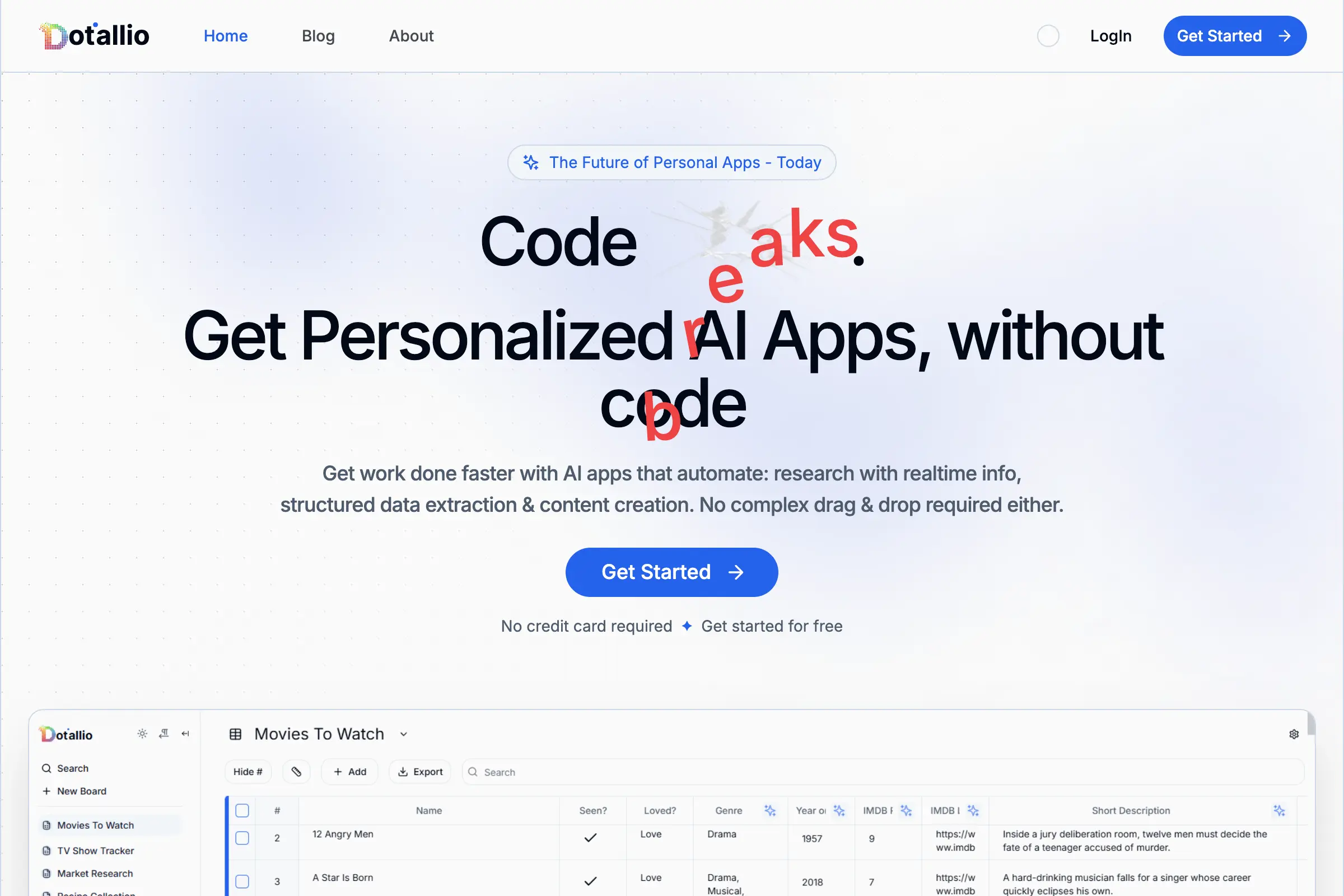
Dotallio
Personalized AI apps that automate research, data extraction, and content creation without code 🤖

Talk to Santa
Enjoy a magical live video chat or receive a unique AI-generated video greeting from Santa Claus 🎅
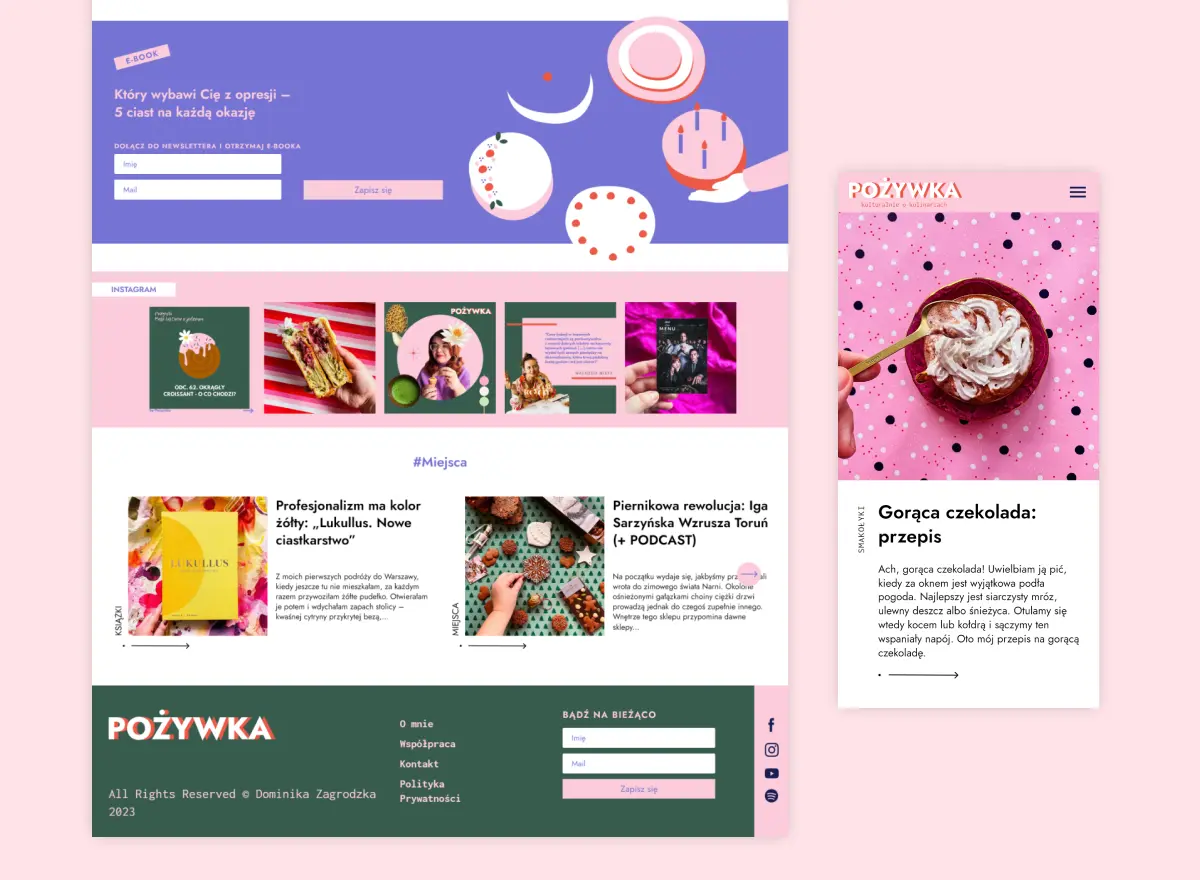
pozywka.pl
Scalable blog for food journalist, focused on performance and user experience 🌭
zagrodzki.me
Personal blog and portfolio of Bart Zagrodzki, where he shares his knowledge and work 💼
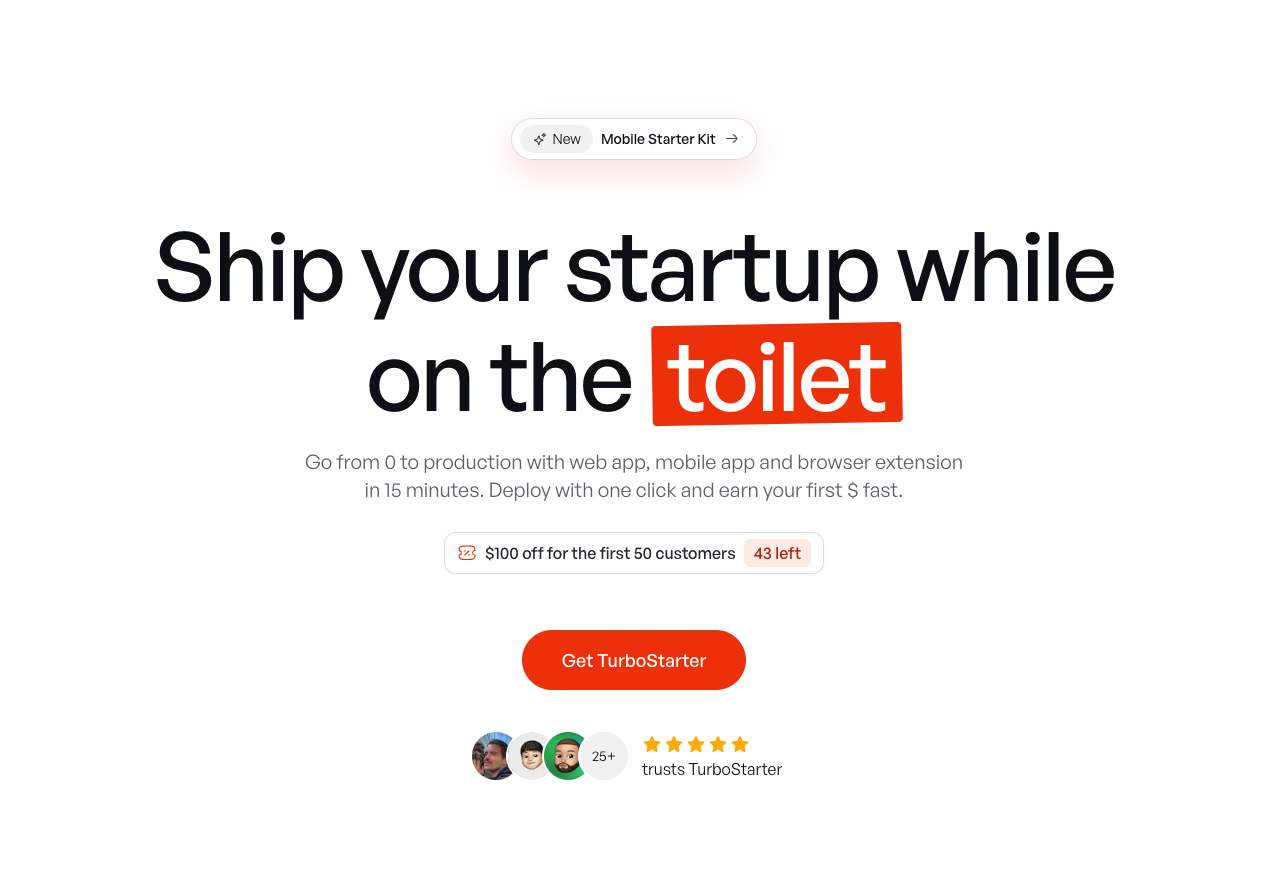
TurboStarter
Ship your startup everywhere. In minutes.
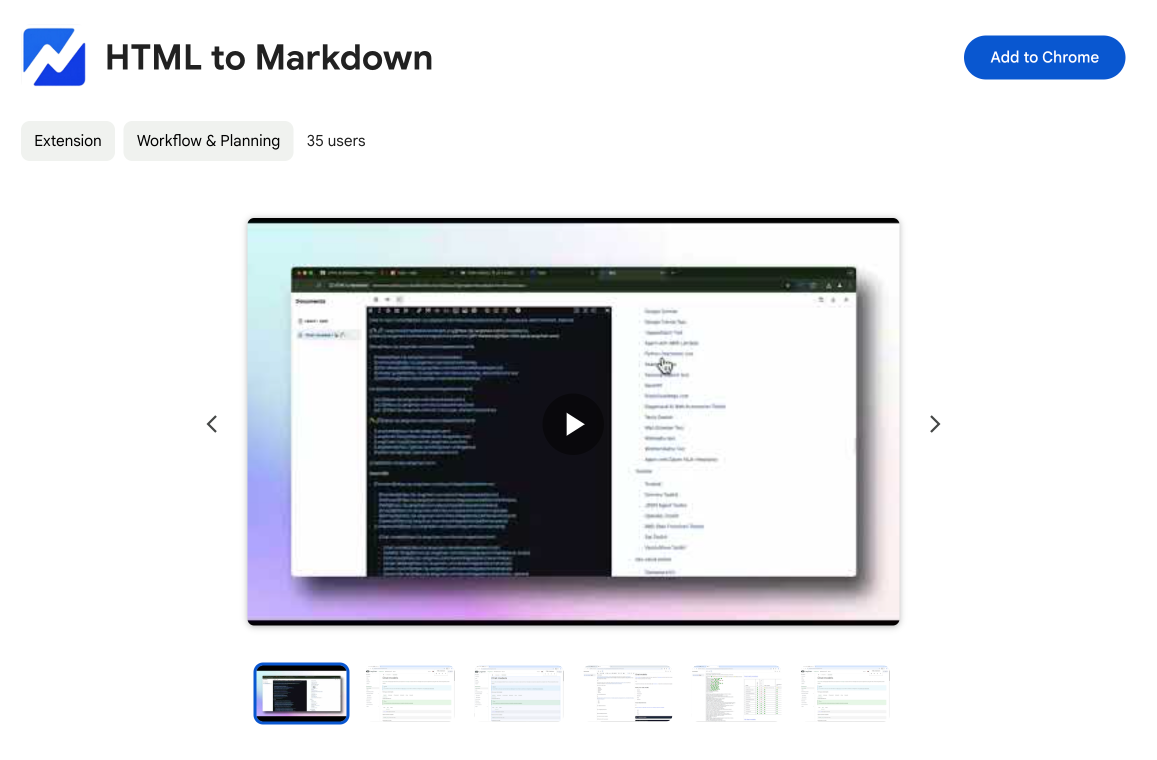
HTML to Markdown
Convert HTML to Markdown with ease, directly in your browser 📄
Dotallio
Personalized AI apps that automate research, data extraction, and content creation without code 🤖
Talk to Santa
Enjoy a magical live video chat or receive a unique AI-generated video greeting from Santa Claus 🎅
pozywka.pl
Scalable blog for food journalist, focused on performance and user experience 🌭
zagrodzki.me
Personal blog and portfolio of Bart Zagrodzki, where he shares his knowledge and work 💼
TurboStarter
Ship your startup everywhere. In minutes.
HTML to Markdown
Convert HTML to Markdown with ease, directly in your browser 📄
Dotallio
Personalized AI apps that automate research, data extraction, and content creation without code 🤖
Talk to Santa
Enjoy a magical live video chat or receive a unique AI-generated video greeting from Santa Claus 🎅
pozywka.pl
Scalable blog for food journalist, focused on performance and user experience 🌭
zagrodzki.me
Personal blog and portfolio of Bart Zagrodzki, where he shares his knowledge and work 💼
TurboStarter
Ship your startup everywhere. In minutes.
HTML to Markdown
Convert HTML to Markdown with ease, directly in your browser 📄
Dotallio
Personalized AI apps that automate research, data extraction, and content creation without code 🤖
Talk to Santa
Enjoy a magical live video chat or receive a unique AI-generated video greeting from Santa Claus 🎅
pozywka.pl
Scalable blog for food journalist, focused on performance and user experience 🌭
zagrodzki.me
Personal blog and portfolio of Bart Zagrodzki, where he shares his knowledge and work 💼
TurboStarter
Ship your startup everywhere. In minutes.
HTML to Markdown
Convert HTML to Markdown with ease, directly in your browser 📄
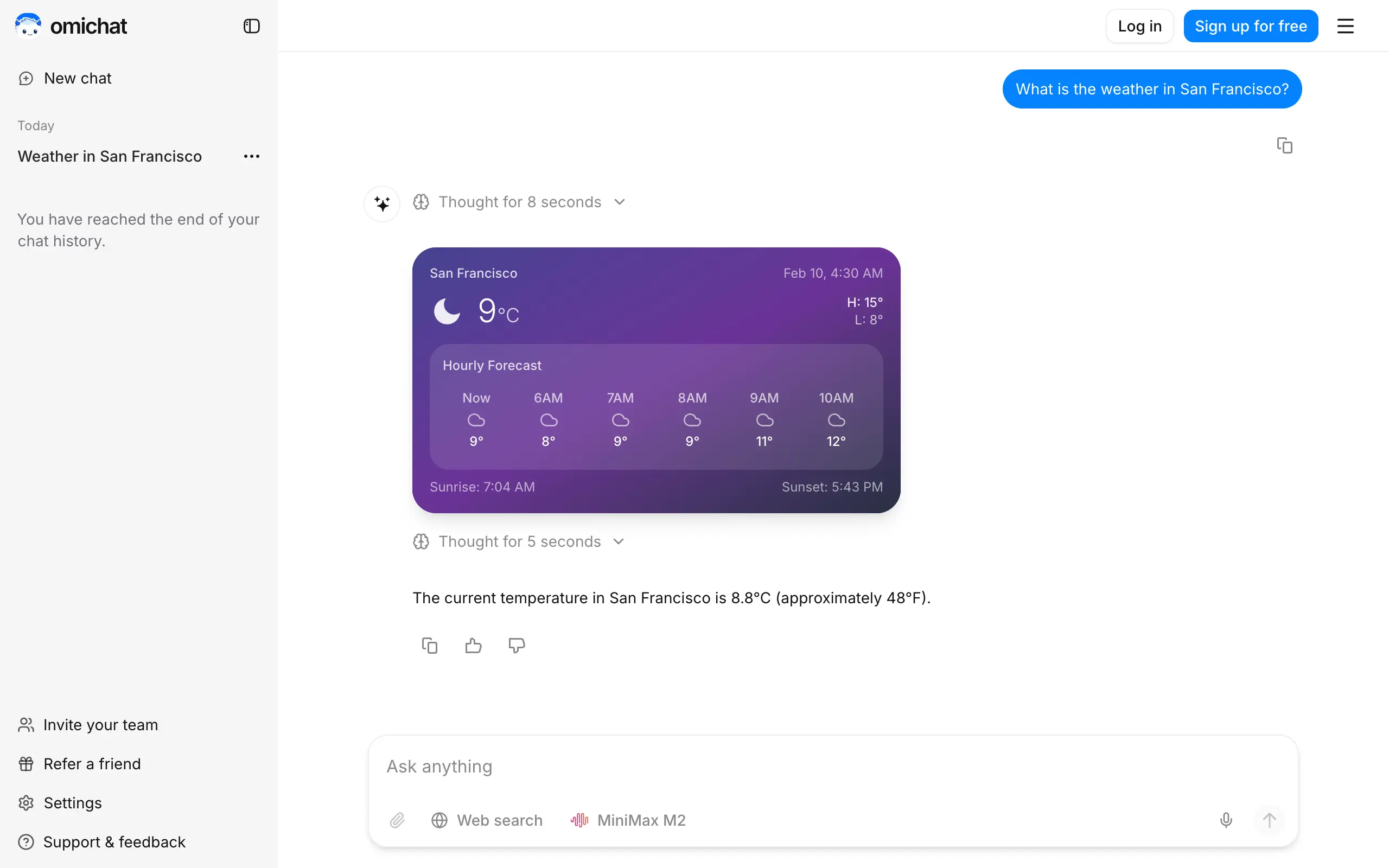
Omichat
Chat with 50+ AI models, including ChatGPT and Claude, in one place - switch models anytime without losing context 🤖
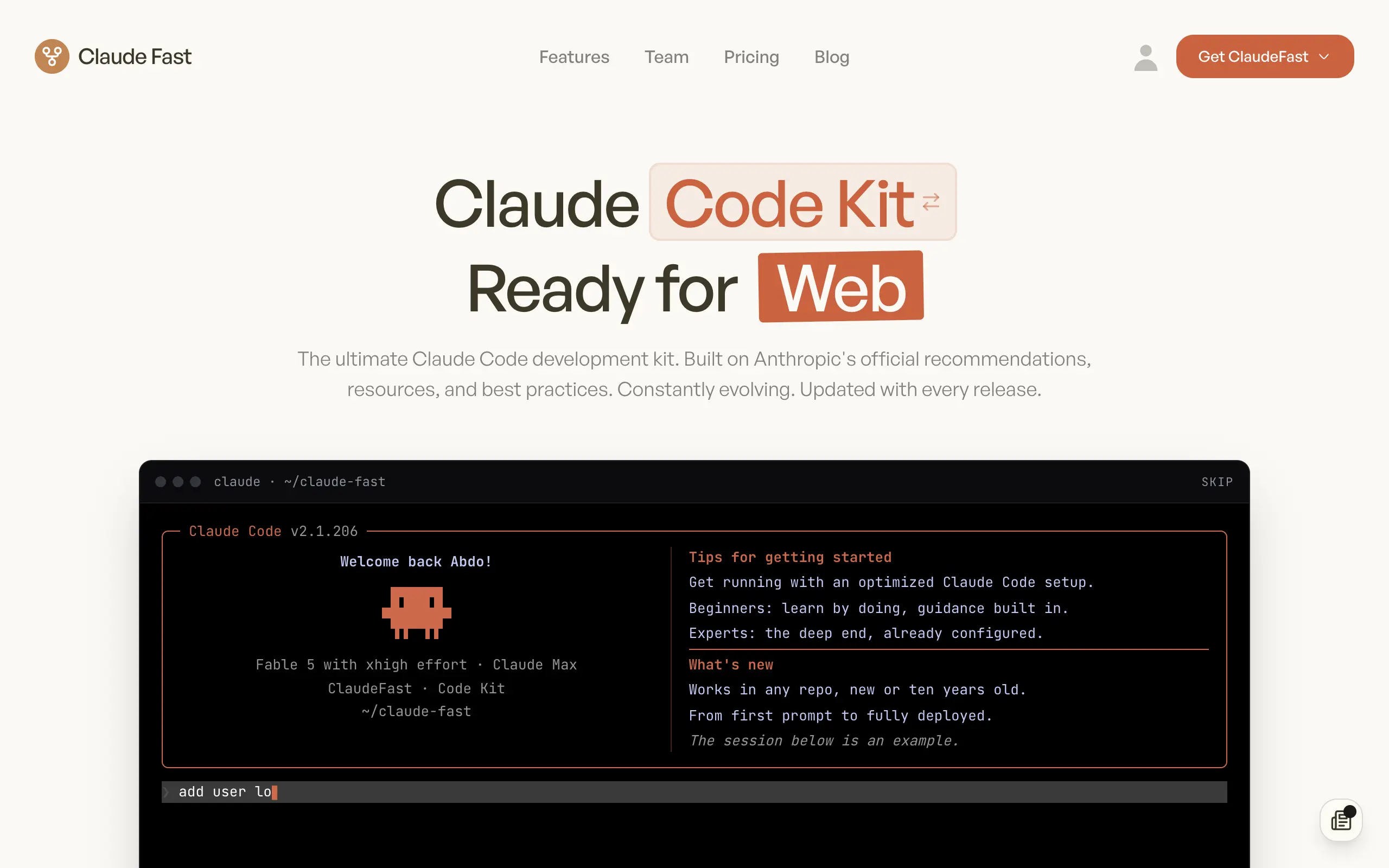
Claude Fast
Supercharge your Claude Code with 6x effective context window and specialized AI agents 🤖
EmojAI
AI-powered emoji picker with smart, context-aware suggestions 🤖
Solohacker
Autonomous company launcher - AI agents work 24/7, escalate what matters, and you stay in control 🤖
BeRawi: Storytelling Coach
Practice storytelling daily with instant feedback to sound clearer, more engaging, and confident 🎤
Omichat
Chat with 50+ AI models, including ChatGPT and Claude, in one place - switch models anytime without losing context 🤖
Claude Fast
Supercharge your Claude Code with 6x effective context window and specialized AI agents 🤖
EmojAI
AI-powered emoji picker with smart, context-aware suggestions 🤖
Solohacker
Autonomous company launcher - AI agents work 24/7, escalate what matters, and you stay in control 🤖
BeRawi: Storytelling Coach
Practice storytelling daily with instant feedback to sound clearer, more engaging, and confident 🎤
Omichat
Chat with 50+ AI models, including ChatGPT and Claude, in one place - switch models anytime without losing context 🤖
Claude Fast
Supercharge your Claude Code with 6x effective context window and specialized AI agents 🤖
EmojAI
AI-powered emoji picker with smart, context-aware suggestions 🤖
Solohacker
Autonomous company launcher - AI agents work 24/7, escalate what matters, and you stay in control 🤖
BeRawi: Storytelling Coach
Practice storytelling daily with instant feedback to sound clearer, more engaging, and confident 🎤
Omichat
Chat with 50+ AI models, including ChatGPT and Claude, in one place - switch models anytime without losing context 🤖
Claude Fast
Supercharge your Claude Code with 6x effective context window and specialized AI agents 🤖
EmojAI
AI-powered emoji picker with smart, context-aware suggestions 🤖
Solohacker
Autonomous company launcher - AI agents work 24/7, escalate what matters, and you stay in control 🤖
BeRawi: Storytelling Coach
Practice storytelling daily with instant feedback to sound clearer, more engaging, and confident 🎤

Connect with like-minded people
Join our community to get feedback, support, and grow together with 1,000+ builders on board, let's ship it!
Join usShip your startup everywhere. In minutes.
Don't burn tokens on setup and start building features on day one.