ClarityOps
Transform chaotic thoughts and fragmented to-dos into a unified daily operations hub that organizes goals, insights, and tasks into clear next steps.
The new generation of productivity software: why clarity beats more tools
Modern professionals don’t suffer from a lack of productivity tools. They suffer from fragmentation.
- Notes live in one app
- Tasks in another
- Long-term goals in a separate dashboard
- Insights buried in Slack, email, or voice memos
- Strategic thinking trapped in documents no one revisits
The result? Cognitive overload, context switching, and daily work that drifts away from meaningful outcomes.
This is where ClarityOps, a next-generation daily operations hub, creates a powerful opportunity. Positioned as a unified productivity SaaS, ClarityOps transforms chaotic thoughts and fragmented to-dos into structured, goal-aligned next steps.
In this article, we’ll explore:
- The market gap in productivity software
- Target audience analysis
- Core features and differentiation
- Technical architecture recommendations
- Monetization models
- Competitive analysis
- Risks and mitigation
- A clear roadmap to implementation
If you’re evaluating this SaaS idea for validation or execution, this guide will give you a comprehensive blueprint.
Understanding the real user problem: fragmented productivity systems
The productivity software market is crowded. Tools like Notion, Todoist, and Asana dominate task and project management.
Yet users still search for:
- “How to organize my thoughts and tasks”
- “How to turn goals into daily actions”
- “Best system for aligning goals and tasks”
- “Personal operating system for productivity”
This signals an unmet need: integration between thinking and execution.
The core pain points
-
Thought capture is disconnected from execution
- Ideas go into notes.
- Tasks go into task managers.
- Strategic goals sit in planning docs.
-
No bridge from goals → insights → tasks
- Goals are defined quarterly.
- Daily to-dos are reactive.
-
Overloaded task lists
- Hundreds of tasks with no prioritization logic.
- No connection to bigger outcomes.
-
Cognitive switching costs
- Moving between tools drains mental energy.
- Users rebuild context repeatedly.
ClarityOps addresses this with a unified “daily operations hub” designed around clarity-first execution.
Target audience analysis: who needs ClarityOps most?
ClarityOps is not a generic task manager. Its ideal users are knowledge workers and strategic thinkers who struggle with mental fragmentation.
Primary audience segments
Solo founders & indie hackers
Need to translate big vision into daily execution while juggling product, marketing, and operations.
Creators & thought leaders
Constant idea generation but difficulty turning insights into structured workflows.
Remote knowledge workers
Operate across Slack, Notion, Google Docs, and task apps, losing coherence daily.
Product managers & strategists
Responsible for aligning long-term goals with execution but lacking a unified thinking-to-action system.
Secondary audience
- Coaches and consultants
- Graduate students & researchers
- High-performance professionals
- ADHD or neurodivergent knowledge workers seeking clarity systems
User intent categories
From an SEO perspective, ClarityOps should target:
- Informational intent: “How to organize my life and goals”
- Comparative intent: “Notion vs Todoist for productivity”
- Transactional intent: “Best productivity system for founders”
Your content strategy should map directly to these search patterns.
Market opportunity: productivity is crowded, but clarity is underserved
The productivity SaaS market is massive and growing. According to widely cited industry research from firms like Gartner and Statista, collaboration and productivity software continues to expand due to:
- Remote and hybrid work
- Digital-first entrepreneurship
- AI-enhanced workflows
- Increasing cognitive overload
However, most tools fall into these categories:
| Category | Examples | Focus |
|---|---|---|
| Task managers | Todoist, Things | Task tracking |
| Project management | Asana, ClickUp | Team workflows |
| Knowledge bases | Notion, Confluence | Documentation |
| Note-taking | Obsidian, Evernote | Thought capture |
ClarityOps sits at the intersection:
It’s not just a task manager.
It’s not just a note system.
It’s a daily operations layer that connects thinking → goals → execution.
This positioning avoids competing directly on feature volume and instead competes on clarity architecture.
The ClarityOps solution: a unified daily operations hub
ClarityOps transforms fragmented inputs into structured action.
Core product philosophy
- Capture everything.
- Structure automatically.
- Align to goals.
- Generate clear next steps.
- Review daily with context.
This makes it a “personal operating system” rather than a tool.
Core features of ClarityOps
1. Unified capture inbox
Users can dump:
- Thoughts
- Tasks
- Goals
- Insights
- Voice notes
- Quick reflections
Everything enters one inbox.
Then, the system guides classification:
- Is this a goal?
- Is this a task?
- Is this an insight?
- Is this a project?
2. Goal-to-task alignment engine
Every task must connect to:
- A project
- A goal
- Or be explicitly marked as maintenance
This eliminates “random busywork.”
3. Daily operations dashboard
A single daily view showing:
- Top 3 aligned priorities
- Supporting tasks
- Strategic goals in context
- Recent insights related to current work
This dashboard becomes the operational cockpit.
4. Insight-to-action conversion
Many productivity tools ignore thinking.
ClarityOps enables:
- Highlighting insights
- Tagging them to goals
- Converting them into tasks instantly
5. Weekly clarity review system
Built-in review templates:
- What moved key goals forward?
- What tasks were reactive?
- What insights should become initiatives?
6. AI-assisted structuring (optional advanced feature)
AI can:
- Suggest categorization
- Detect goal drift
- Identify redundant tasks
- Recommend next steps
This uses recent advances in LLM APIs without overpromising automation.
Strategic differentiation
Avoid marketing ClarityOps as “AI productivity.” Position AI as an assistant to clarity, not the product itself.
Competitive analysis: where ClarityOps wins
Let’s compare against common productivity platforms.
| Feature | Notion | Todoist | Asana | ClarityOps |
|---|---|---|---|---|
| Unified thought + task capture | ✅ | ❌ | ❌ | ✅ |
| Goal-to-task enforced alignment | ⚠️ Manual | ❌ | ✅ | ✅ |
| Daily operational cockpit | ⚠️ Custom setup | ✅ | ✅ | ✅ (native) |
| Built-in strategic review workflow | ❌ | ❌ | ⚠️ Limited | ✅ |
Key advantage
ClarityOps removes configuration complexity. Users don’t need to build a system. The system is embedded.
That reduces friction and improves onboarding retention.
Recommended tech stack for building ClarityOps
To build a scalable, modern productivity SaaS:
Frontend
- React – component-based UI
- Next.js – SSR + performance
- TailwindCSS – fast styling
- Zustand or Redux – state management
Backend
- Node.js with Express or Next.js API routes
- PostgreSQL (structured relational goal-task links)
- Redis for caching session data
- OpenAI API for AI-assisted structuring
Authentication
- Clerk or Auth.js
- OAuth for Google login
Infrastructure
- Vercel or AWS
- Managed PostgreSQL (Supabase or RDS)
Trade-offs
| Choice | Benefit | Risk |
|---|---|---|
| PostgreSQL | Strong relational structure | Schema rigidity |
| No-code backend | Fast MVP | Limited scaling |
| Heavy AI usage | Differentiation | High API costs |
Start lean. Add AI later if core clarity system proves sticky.
Example data model for goal-task alignment
type Goal = {
  id: string;
  title: string;
  description?: string;
  timeframe: "quarterly" | "annual" | "long-term";
};

type Project = {
  id: string;
  title: string;
  goalId: string;
};

type Task = {
  id: string;
  title: string;
  projectId?: string;
  goalId?: string;
  status: "todo" | "in-progress" | "done";
  priority: 1 | 2 | 3;
};
This ensures every task has contextual grounding.
Monetization strategy for ClarityOps
A clarity-focused SaaS lends itself well to tiered pricing.
1. Freemium model
Free tier:
- Basic task + goal linking
- Limited projects
- Limited AI suggestions
Pro ($12–$18/month):
- Unlimited goals & projects
- AI alignment suggestions
- Advanced reviews
- Weekly insights analytics
Team plan ($25–$35/user/month):
- Shared goals
- Team dashboard
- Execution alignment metrics
2. Annual discounts
Offer 20–30% discount for annual plans to improve cash flow.
3. Add-on revenue streams
- Clarity coaching templates
- Founder execution templates
- Premium productivity frameworks
- API integrations marketplace
Go-to-market strategy
ClarityOps should avoid generic productivity positioning.
Content strategy pillars
- “How to align goals and daily tasks”
- “Build your personal operating system”
- “Stop reactive productivity”
- “Founder execution systems”
Long-form SEO content targeting these keywords can drive high-intent traffic.
Community-led growth
- Founder communities
- Indie hacker forums
- LinkedIn thought leadership
- Newsletter audience building
Product-led growth
- Free daily dashboard
- Built-in viral referral system
- Public shareable goal boards
Risks and mitigation strategies
Risk 1: Market saturation
Mitigation:
- Focus on clarity positioning.
- Avoid competing on feature volume.
Risk 2: Feature creep
Mitigation:
- Ruthlessly protect core value: goal-aligned execution.
Risk 3: User overwhelm
Mitigation:
- Opinionated onboarding.
- Guided setup wizard.
Risk 4: AI cost explosion
Mitigation:
- Use AI only for structured prompts.
- Cache suggestions.
- Offer AI as premium feature.
Implementation roadmap
Building ClarityOps efficiently
If you want to accelerate development, using a high-quality SaaS boilerplate can significantly reduce setup time for:
- Authentication
- Billing
- Multi-tenant architecture
- Landing pages
- SEO structure
A strong starting point is TurboStarter, which helps launch production-ready SaaS platforms faster while maintaining scalability and clean architecture.
This allows you to focus on your unique clarity engine instead of rebuilding infrastructure.
Final thoughts: why ClarityOps has strong potential
ClarityOps succeeds if it delivers one promise:
Every day feels intentional, not reactive.
In a world overwhelmed by tools, notifications, and infinite input, clarity becomes a competitive advantage.
The opportunity is not to build another productivity app.
It’s to build:
- A thinking-to-execution bridge
- A daily operational cockpit
- A system that aligns work with meaning
With precise positioning, opinionated design, and disciplined scope, ClarityOps can carve out a powerful niche in the productivity SaaS market.
The market is crowded with tools.
It is not crowded with clarity.
More ⚡ Productivity Tool SaaS ideas
Discover more innovative productivity tool SaaS ideas that are trending in 2026. Each idea is AI-generated with market validation and growth potential to help you find your next profitable venture faster than competitors.
Your competitors are building with TurboStarter
Below are some of the SaaS ideas that have been generated and built with our starter kit.
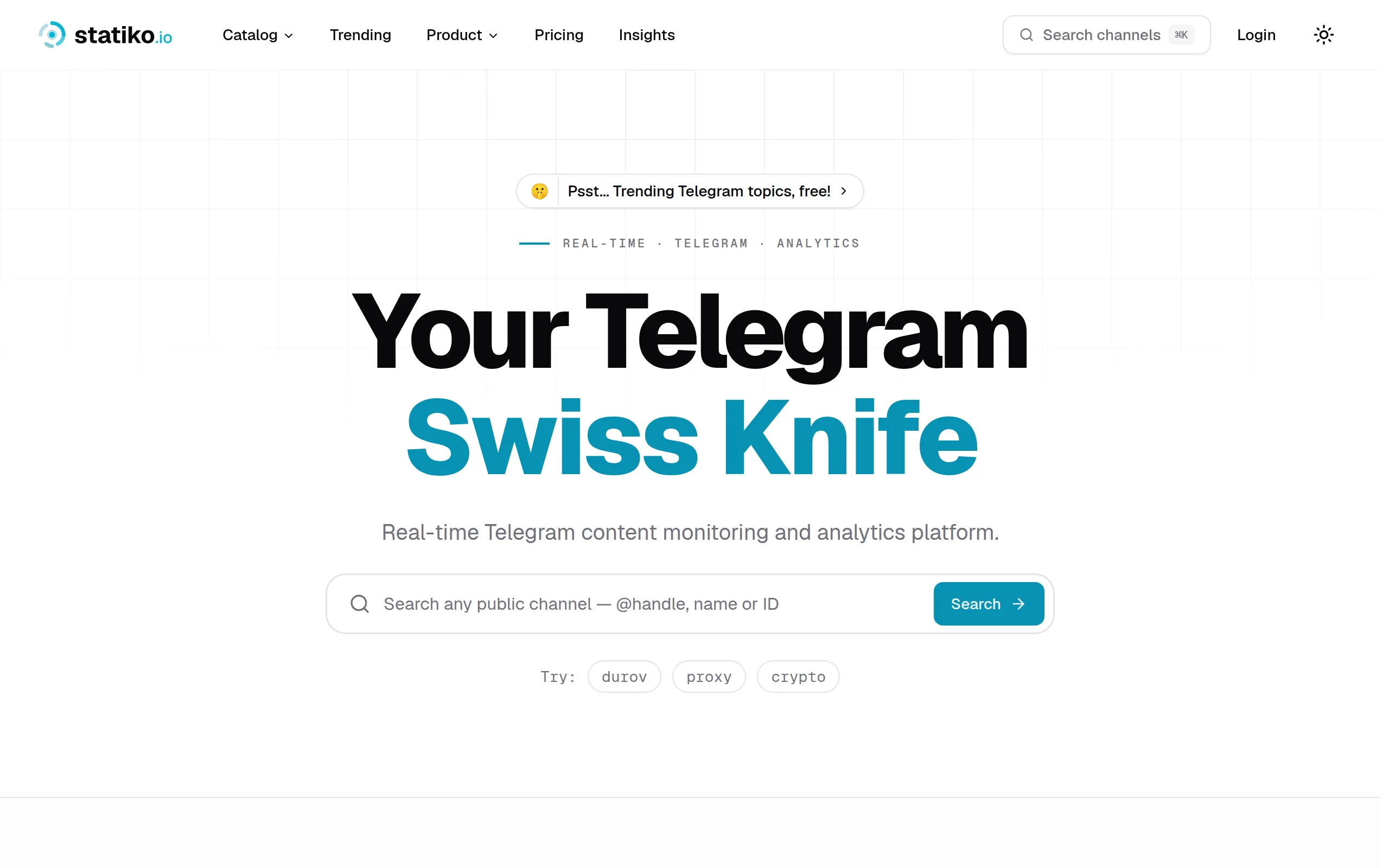
Statiko
Monitor any Telegram channel in real time - track posts, edits, deletions, and growth with AI recaps 📡

Shibui
AI website builder - describe your business, pick a niche template, edit by chatting, and publish instantly ✨

Pro Service
Find verified home service professionals, compare quotes, and pay securely through escrow - built for Brazilians across the US 🏠
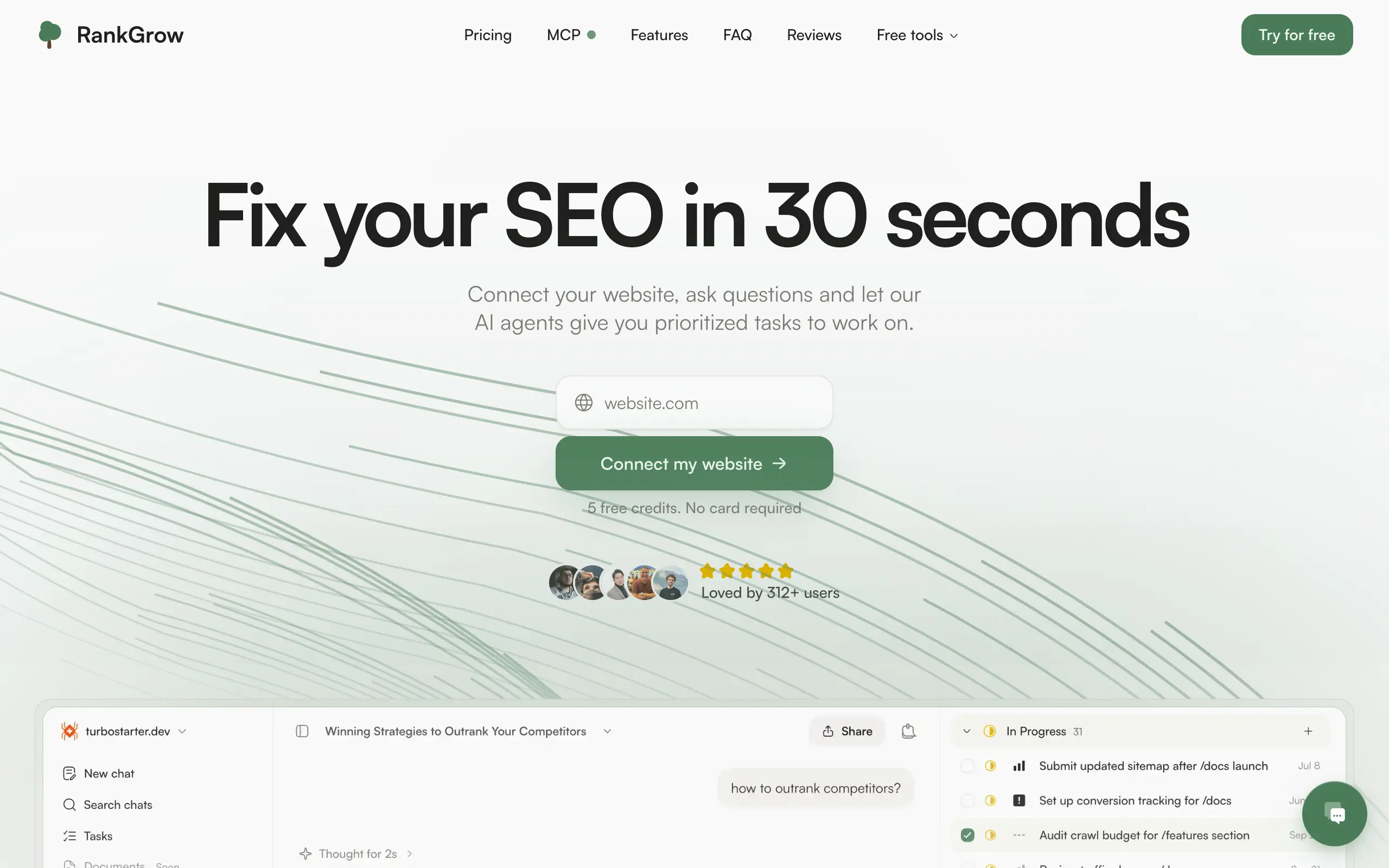
RankGrow
Fix your SEO with AI agents - connect Search Console, get prioritized tasks, and grow organic traffic 📈
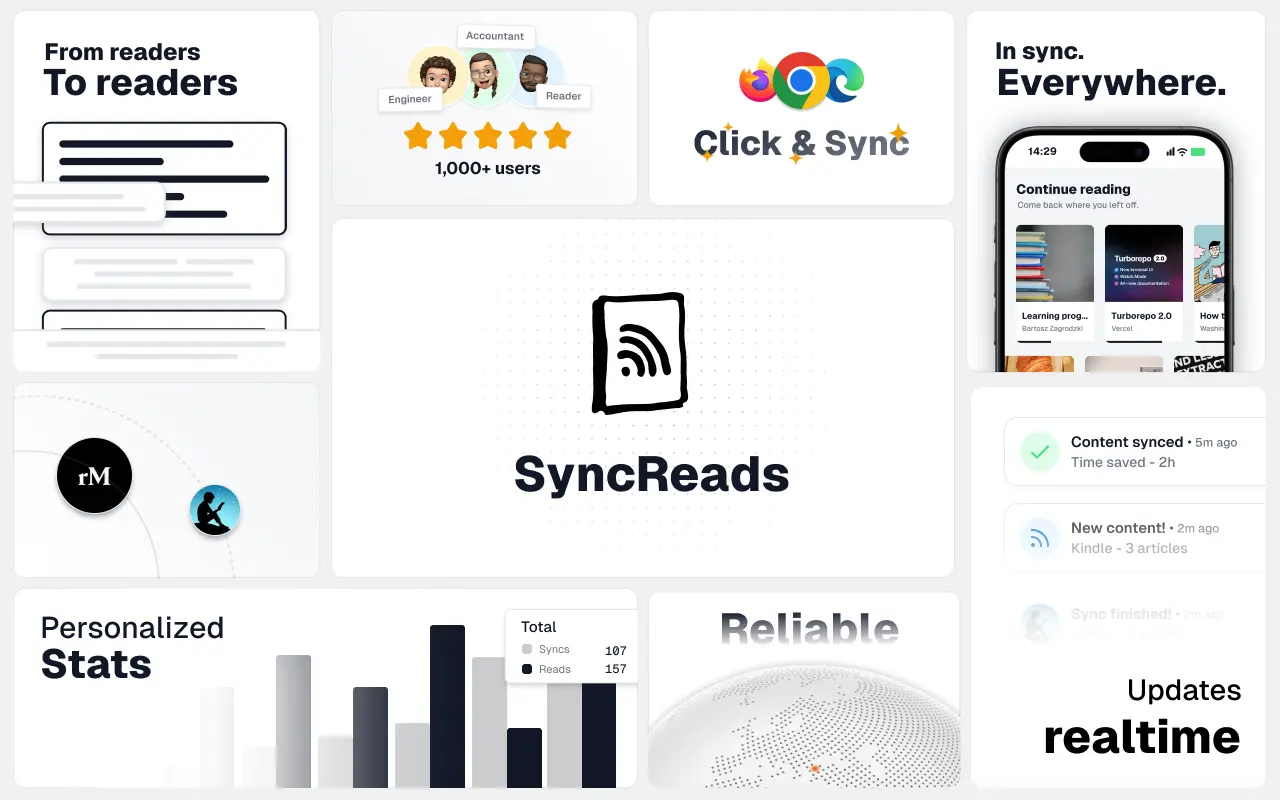
SyncReads
Sync your favorite content for distraction-free reading, save time and replace multiple apps. Anytime, anywhere 🔄
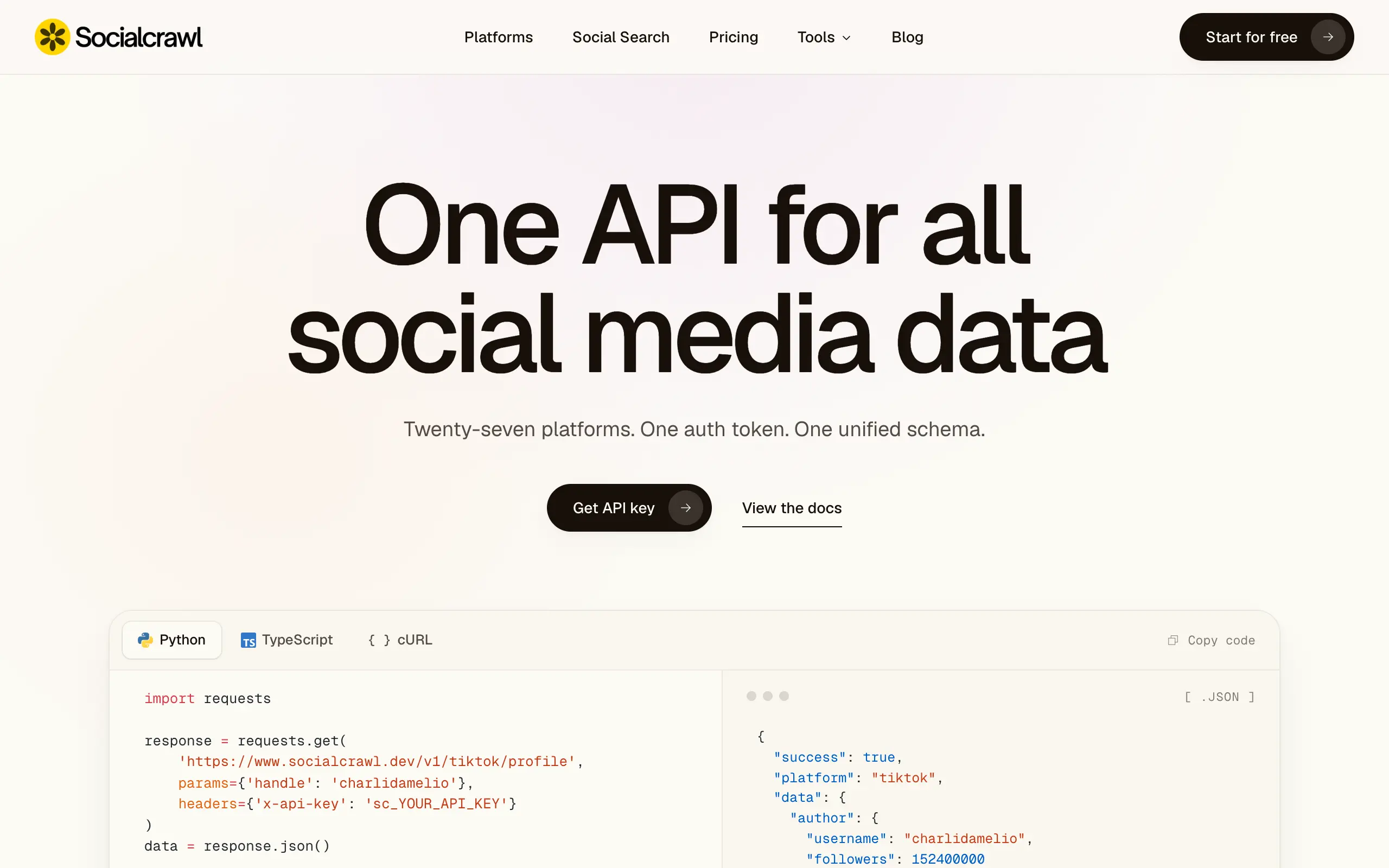
Socialcrawl
Get clean, structured data from 21 platforms like TikTok, Instagram, and YouTube with a single request 📊
Statiko
Monitor any Telegram channel in real time - track posts, edits, deletions, and growth with AI recaps 📡
Shibui
AI website builder - describe your business, pick a niche template, edit by chatting, and publish instantly ✨
Pro Service
Find verified home service professionals, compare quotes, and pay securely through escrow - built for Brazilians across the US 🏠
RankGrow
Fix your SEO with AI agents - connect Search Console, get prioritized tasks, and grow organic traffic 📈
SyncReads
Sync your favorite content for distraction-free reading, save time and replace multiple apps. Anytime, anywhere 🔄
Socialcrawl
Get clean, structured data from 21 platforms like TikTok, Instagram, and YouTube with a single request 📊
Statiko
Monitor any Telegram channel in real time - track posts, edits, deletions, and growth with AI recaps 📡
Shibui
AI website builder - describe your business, pick a niche template, edit by chatting, and publish instantly ✨
Pro Service
Find verified home service professionals, compare quotes, and pay securely through escrow - built for Brazilians across the US 🏠
RankGrow
Fix your SEO with AI agents - connect Search Console, get prioritized tasks, and grow organic traffic 📈
SyncReads
Sync your favorite content for distraction-free reading, save time and replace multiple apps. Anytime, anywhere 🔄
Socialcrawl
Get clean, structured data from 21 platforms like TikTok, Instagram, and YouTube with a single request 📊
Statiko
Monitor any Telegram channel in real time - track posts, edits, deletions, and growth with AI recaps 📡
Shibui
AI website builder - describe your business, pick a niche template, edit by chatting, and publish instantly ✨
Pro Service
Find verified home service professionals, compare quotes, and pay securely through escrow - built for Brazilians across the US 🏠
RankGrow
Fix your SEO with AI agents - connect Search Console, get prioritized tasks, and grow organic traffic 📈
SyncReads
Sync your favorite content for distraction-free reading, save time and replace multiple apps. Anytime, anywhere 🔄
Socialcrawl
Get clean, structured data from 21 platforms like TikTok, Instagram, and YouTube with a single request 📊
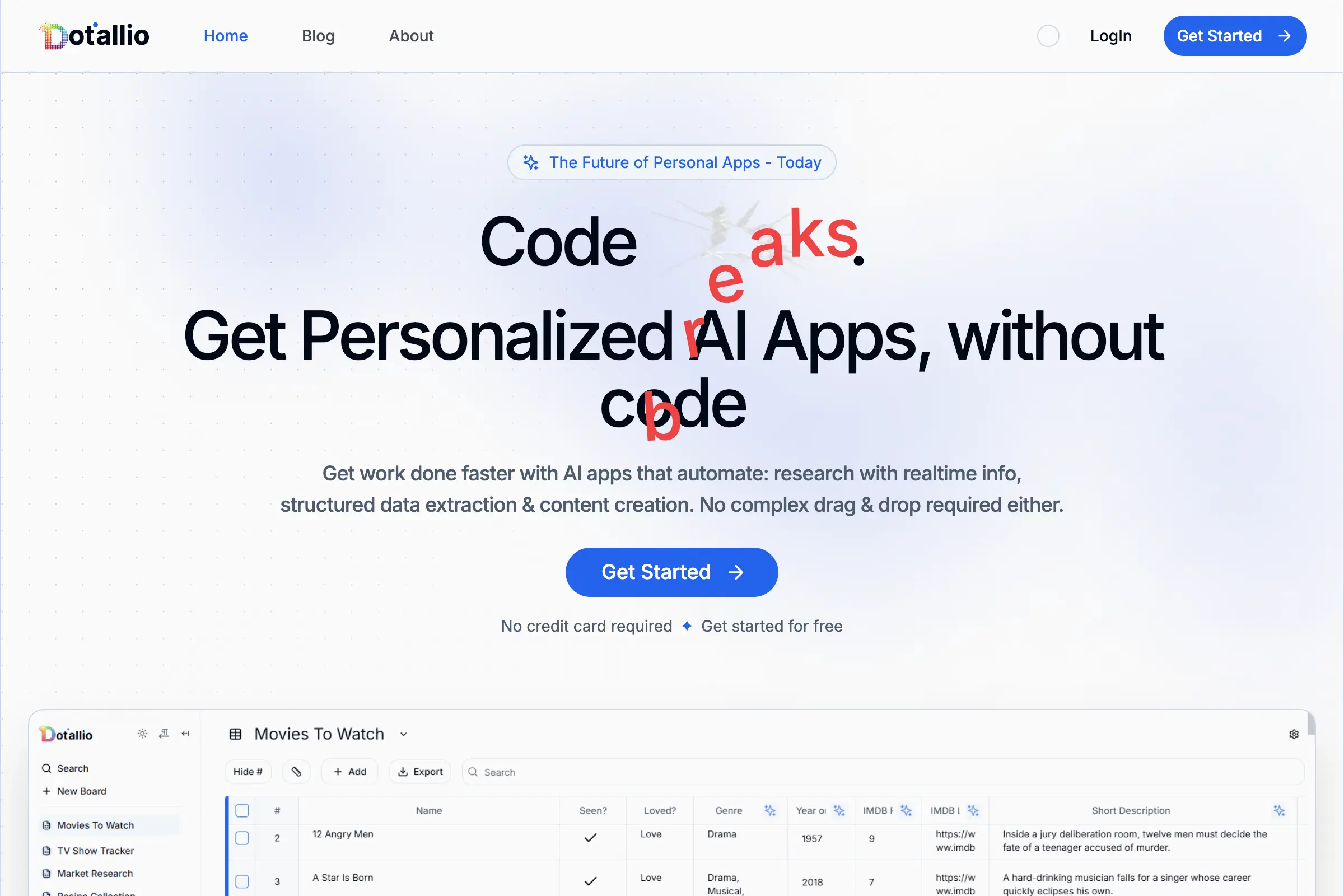
Dotallio
Personalized AI apps that automate research, data extraction, and content creation without code 🤖

Talk to Santa
Enjoy a magical live video chat or receive a unique AI-generated video greeting from Santa Claus 🎅
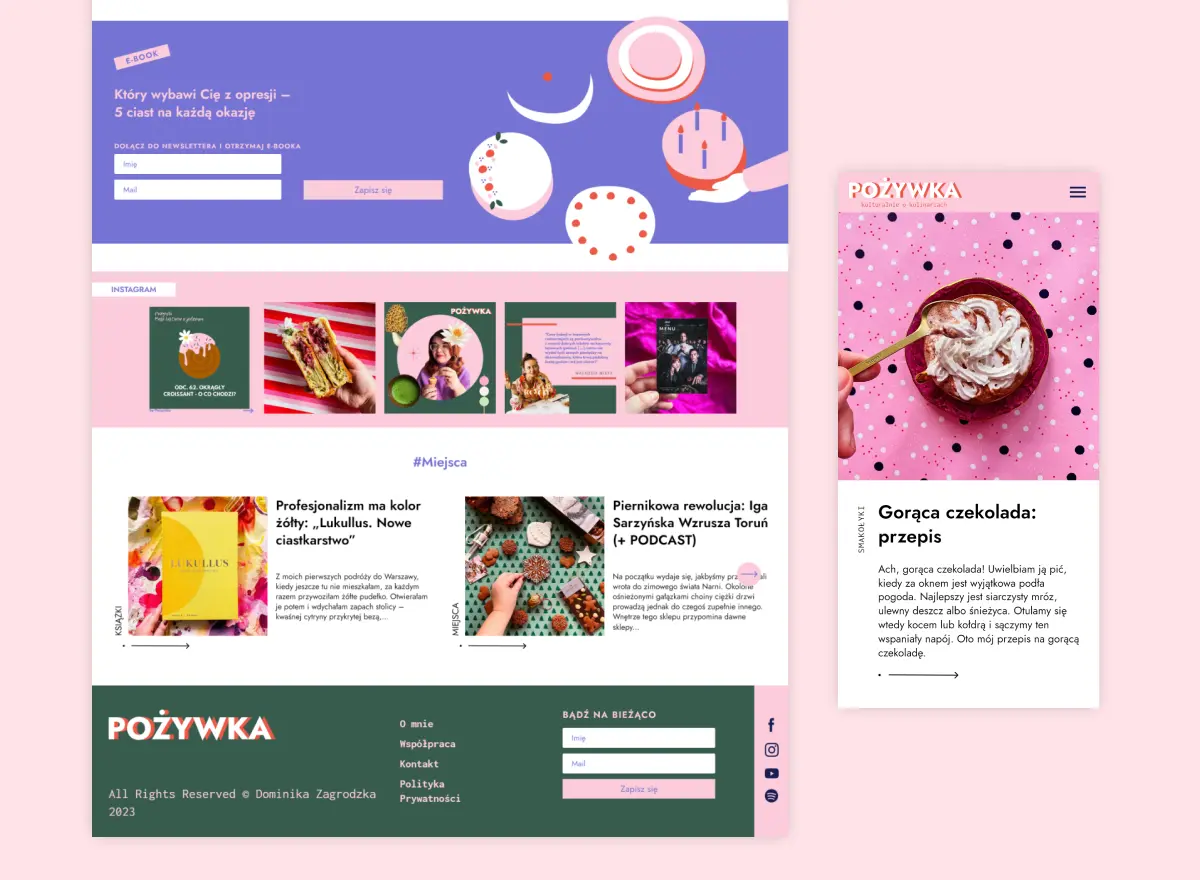
pozywka.pl
Scalable blog for food journalist, focused on performance and user experience 🌭
zagrodzki.me
Personal blog and portfolio of Bart Zagrodzki, where he shares his knowledge and work 💼
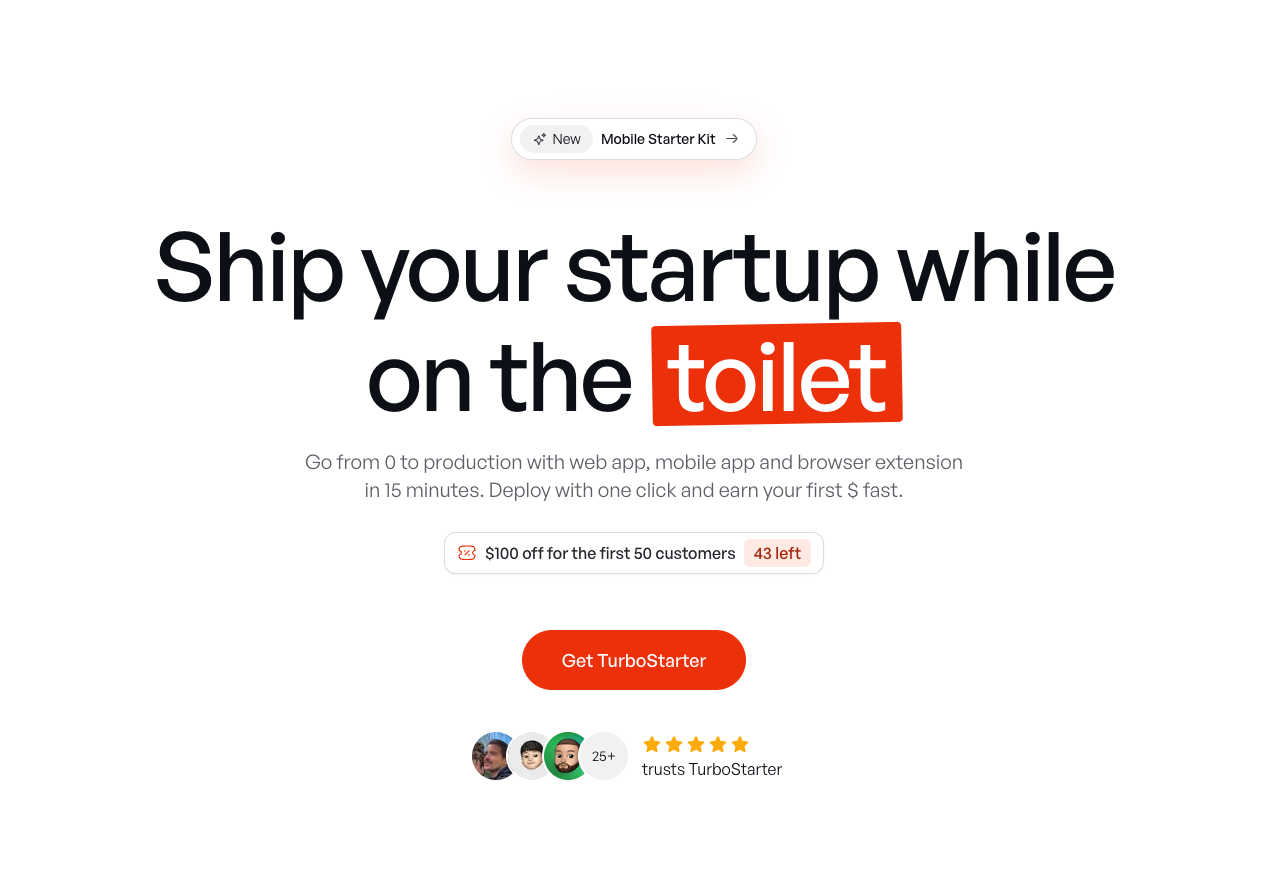
TurboStarter
Ship your startup everywhere. In minutes.
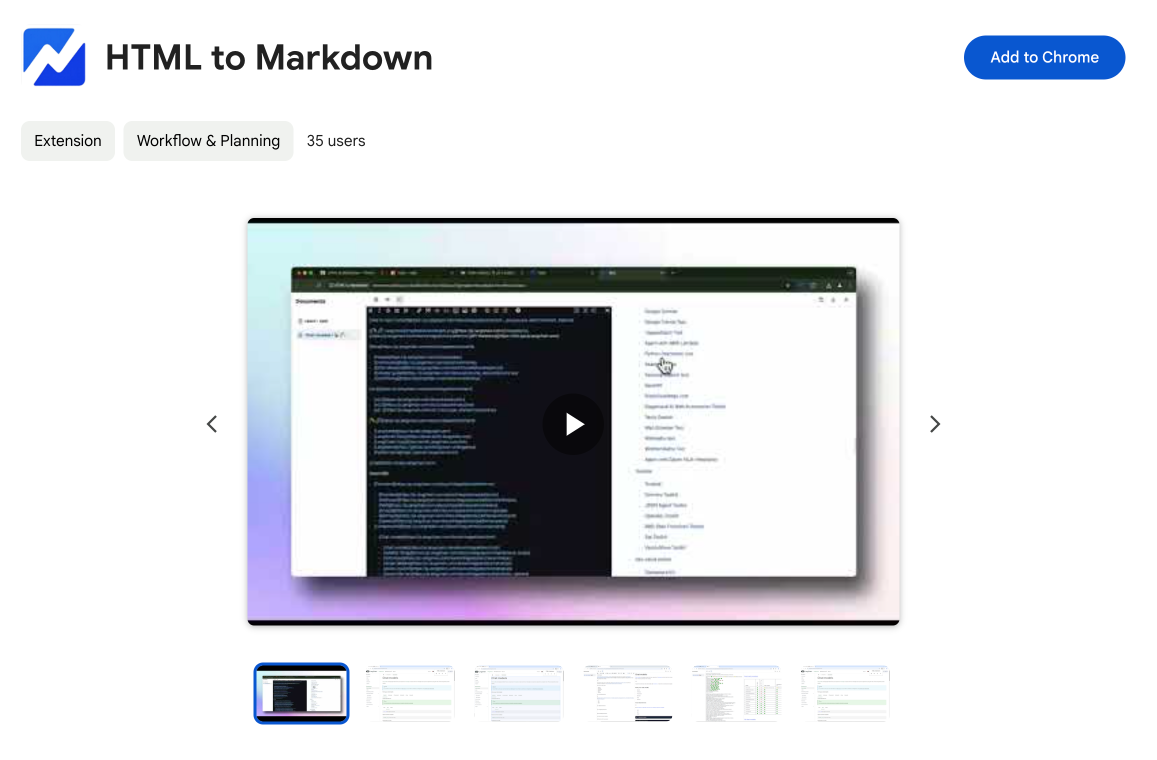
HTML to Markdown
Convert HTML to Markdown with ease, directly in your browser 📄
Dotallio
Personalized AI apps that automate research, data extraction, and content creation without code 🤖
Talk to Santa
Enjoy a magical live video chat or receive a unique AI-generated video greeting from Santa Claus 🎅
pozywka.pl
Scalable blog for food journalist, focused on performance and user experience 🌭
zagrodzki.me
Personal blog and portfolio of Bart Zagrodzki, where he shares his knowledge and work 💼
TurboStarter
Ship your startup everywhere. In minutes.
HTML to Markdown
Convert HTML to Markdown with ease, directly in your browser 📄
Dotallio
Personalized AI apps that automate research, data extraction, and content creation without code 🤖
Talk to Santa
Enjoy a magical live video chat or receive a unique AI-generated video greeting from Santa Claus 🎅
pozywka.pl
Scalable blog for food journalist, focused on performance and user experience 🌭
zagrodzki.me
Personal blog and portfolio of Bart Zagrodzki, where he shares his knowledge and work 💼
TurboStarter
Ship your startup everywhere. In minutes.
HTML to Markdown
Convert HTML to Markdown with ease, directly in your browser 📄
Dotallio
Personalized AI apps that automate research, data extraction, and content creation without code 🤖
Talk to Santa
Enjoy a magical live video chat or receive a unique AI-generated video greeting from Santa Claus 🎅
pozywka.pl
Scalable blog for food journalist, focused on performance and user experience 🌭
zagrodzki.me
Personal blog and portfolio of Bart Zagrodzki, where he shares his knowledge and work 💼
TurboStarter
Ship your startup everywhere. In minutes.
HTML to Markdown
Convert HTML to Markdown with ease, directly in your browser 📄
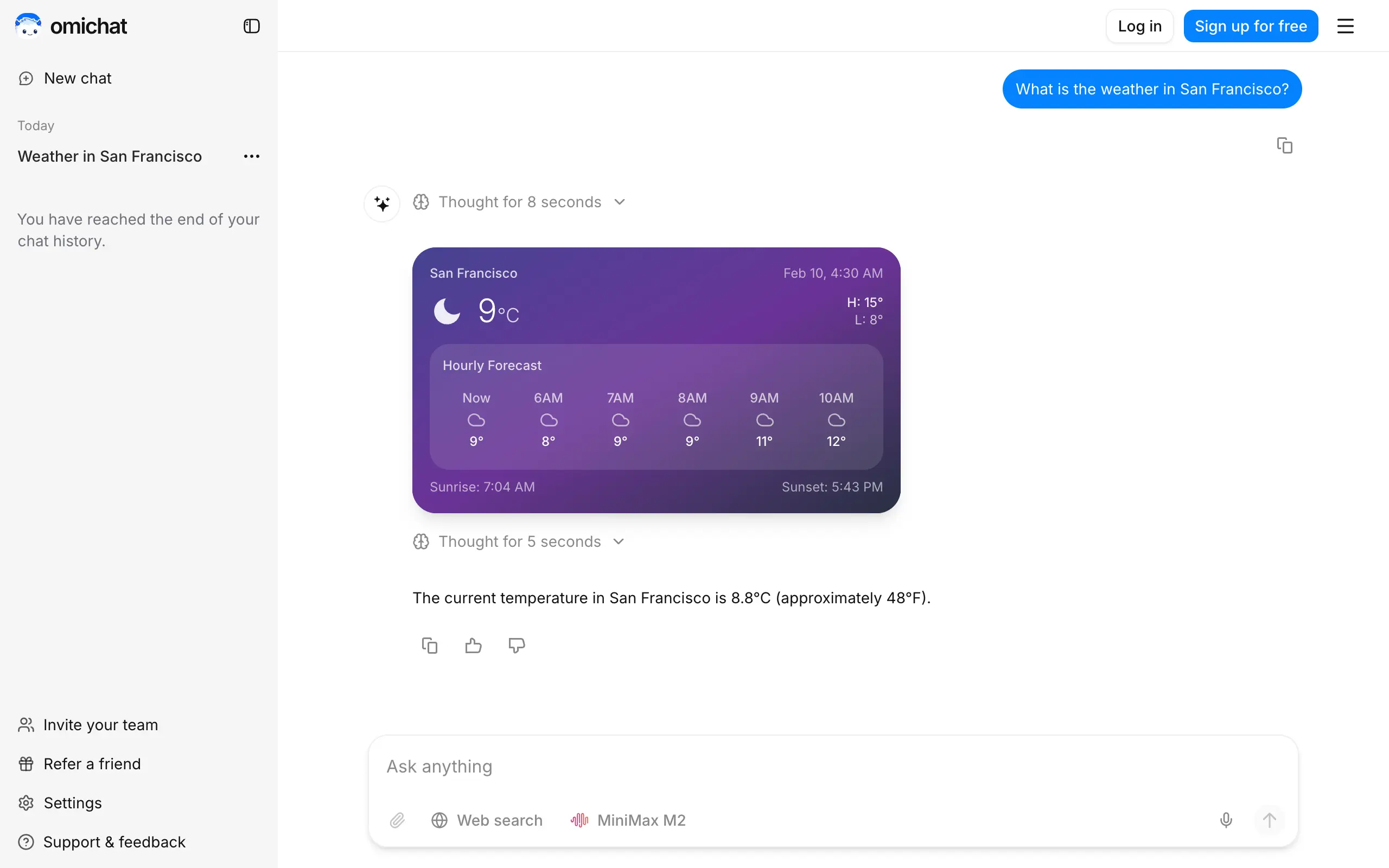
Omichat
Chat with 50+ AI models, including ChatGPT and Claude, in one place - switch models anytime without losing context 🤖
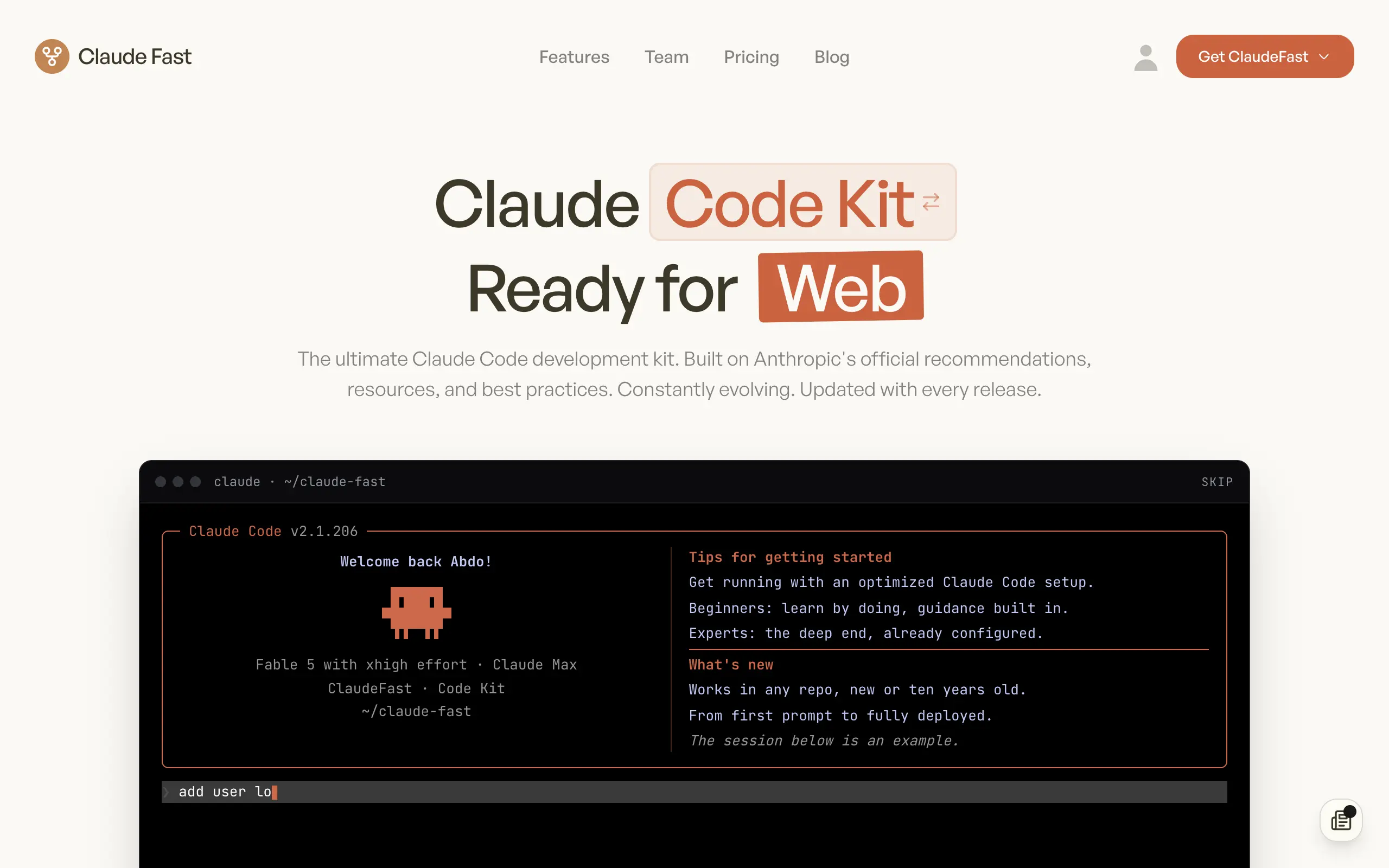
Claude Fast
Supercharge your Claude Code with 6x effective context window and specialized AI agents 🤖
EmojAI
AI-powered emoji picker with smart, context-aware suggestions 🤖
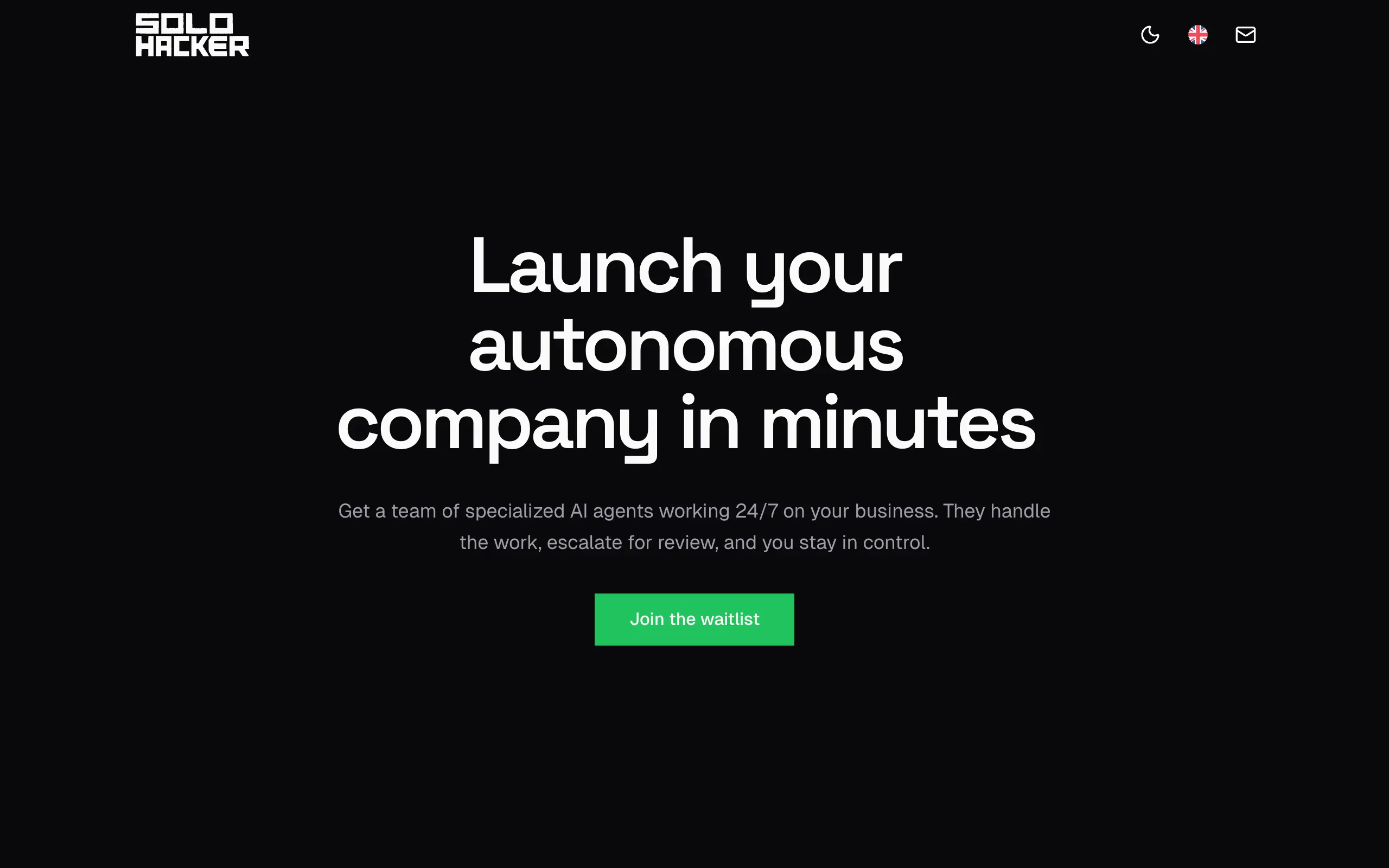
Solohacker
Autonomous company launcher - AI agents work 24/7, escalate what matters, and you stay in control 🤖
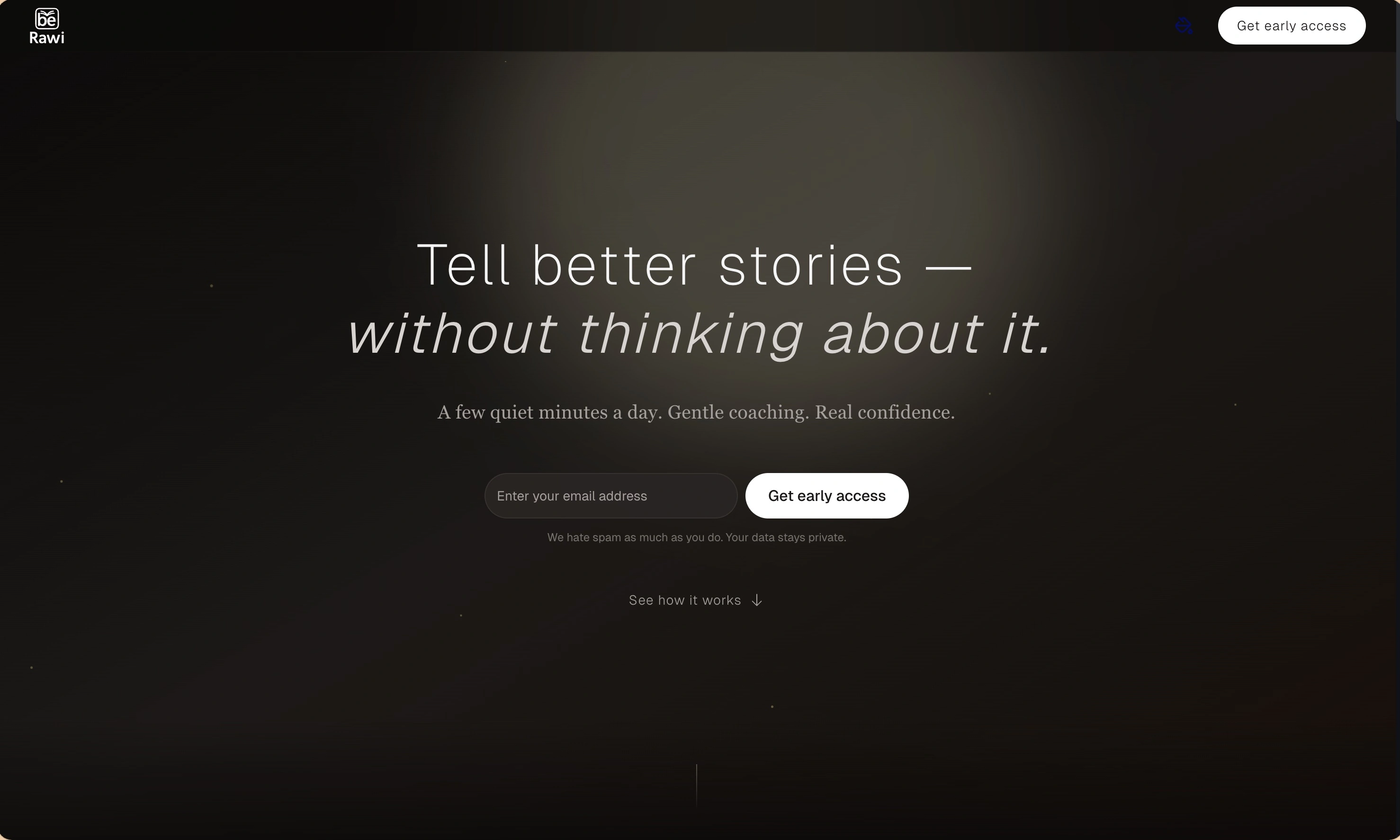
BeRawi: Storytelling Coach
Practice storytelling daily with instant feedback to sound clearer, more engaging, and confident 🎤
Omichat
Chat with 50+ AI models, including ChatGPT and Claude, in one place - switch models anytime without losing context 🤖
Claude Fast
Supercharge your Claude Code with 6x effective context window and specialized AI agents 🤖
EmojAI
AI-powered emoji picker with smart, context-aware suggestions 🤖
Solohacker
Autonomous company launcher - AI agents work 24/7, escalate what matters, and you stay in control 🤖
BeRawi: Storytelling Coach
Practice storytelling daily with instant feedback to sound clearer, more engaging, and confident 🎤
Omichat
Chat with 50+ AI models, including ChatGPT and Claude, in one place - switch models anytime without losing context 🤖
Claude Fast
Supercharge your Claude Code with 6x effective context window and specialized AI agents 🤖
EmojAI
AI-powered emoji picker with smart, context-aware suggestions 🤖
Solohacker
Autonomous company launcher - AI agents work 24/7, escalate what matters, and you stay in control 🤖
BeRawi: Storytelling Coach
Practice storytelling daily with instant feedback to sound clearer, more engaging, and confident 🎤
Omichat
Chat with 50+ AI models, including ChatGPT and Claude, in one place - switch models anytime without losing context 🤖
Claude Fast
Supercharge your Claude Code with 6x effective context window and specialized AI agents 🤖
EmojAI
AI-powered emoji picker with smart, context-aware suggestions 🤖
Solohacker
Autonomous company launcher - AI agents work 24/7, escalate what matters, and you stay in control 🤖
BeRawi: Storytelling Coach
Practice storytelling daily with instant feedback to sound clearer, more engaging, and confident 🎤

Connect with like-minded people
Join our community to get feedback, support, and grow together with 1,000+ builders on board, let's ship it!
Join usShip your startup everywhere. In minutes.
Don't burn tokens on setup and start building features on day one.