ClawFlow Studio
A no-code workflow builder for OpenClaw that lets teams design, test, and deploy multi-step AI agents visually with version control and collaboration tools.
The rise of visual AI agent orchestration
AI agents are no longer experimental prototypes. Teams are actively deploying multi-step agents to automate research, customer support, data extraction, internal knowledge workflows, and decision support. However, building and maintaining these agents—especially in frameworks like OpenClaw—still requires technical expertise, complex orchestration logic, and fragile prompt engineering.
That’s where ClawFlow Studio, a no-code workflow builder for OpenClaw, fits into the market.
ClawFlow Studio enables teams to visually design, test, version, and deploy multi-step AI agents without writing orchestration code. It bridges the gap between AI experimentation and production-ready workflows—empowering product teams, operations leaders, and AI engineers to collaborate efficiently.
This guide explores the full business and technical blueprint behind ClawFlow Studio, including:
- Target audience and user intent
- Market opportunity and positioning
- Core features and system architecture
- Recommended tech stack
- Monetization strategies
- Competitive differentiation
- Risks and mitigation strategies
- Actionable implementation roadmap
If you're evaluating the opportunity or planning to build a no-code AI workflow platform, this comprehensive analysis will give you a clear path forward.
Understanding the primary keyword: no-code OpenClaw workflow builder
The primary keyword derived from the product concept is:
no-code OpenClaw workflow builder
Related semantic keywords include:
- Visual AI agent builder
- OpenClaw orchestration platform
- AI workflow automation tool
- Multi-step AI agent designer
- Collaborative AI workflow platform
- Version-controlled AI agents
- AI agent testing environment
Users searching these terms typically have one of the following intents:
- Technical validation – Can I visually design OpenClaw agents?
- Tool comparison – Is there a UI-based alternative to manual orchestration?
- Implementation guidance – How do I build collaborative AI agent workflows?
- Product research – What’s the best no-code platform for AI agents?
This article addresses all four.
The problem: AI agent orchestration is powerful but fragile
OpenClaw and similar frameworks allow:
- Multi-step reasoning
- Tool calling
- Memory integration
- Conditional branching
- API integrations
But productionizing these workflows presents serious challenges:
1. Complex orchestration logic
Workflows are often implemented as nested functions or chains. As they grow, they become:
- Hard to debug
- Difficult to visualize
- Risky to modify
2. Poor collaboration
Most agent logic lives in code repositories:
- Non-technical stakeholders can’t contribute
- Product managers lack visibility
- Version diffs are not intuitive
3. Weak testing environments
AI workflows require:
- Prompt testing
- Tool output validation
- Scenario simulation
- Failure path handling
Yet most teams rely on ad-hoc logs or console output.
4. No visual version control
Traditional version control (Git) works for code—but not for:
- Visual flow comparisons
- Prompt change tracking
- Node-level rollback
- Experiment branching
ClawFlow Studio solves these issues by combining visual design, collaboration, testing, and deployment in one unified platform.
Target audience analysis
ClawFlow Studio is a B2B productivity SaaS product targeting AI-enabled teams.
Primary audience segments
AI engineers
Want faster iteration cycles and a visual way to manage complex OpenClaw agents.
Product managers
Need visibility into agent logic and the ability to experiment without writing code.
Automation teams
Building internal tools and workflow automations using AI agents.
Startups building AI products
Require rapid prototyping and structured version control for production agents.
Secondary audiences
- Enterprise innovation teams
- No-code builders transitioning to AI
- AI consultants managing multiple client agents
User pain points
- “I can’t see how my agent flows together.”
- “It breaks when I change one prompt.”
- “We need a staging environment for AI.”
- “My non-technical team can’t contribute.”
ClawFlow Studio should speak directly to these frustrations.
Market opportunity: the AI workflow layer is still open
The AI infrastructure stack can be divided into:
- Model providers (OpenAI, Anthropic, etc.)
- Frameworks (OpenClaw, LangChain, etc.)
- Vector databases
- Agent orchestration platforms
- Vertical AI SaaS products
ClawFlow Studio sits at Layer 4: the orchestration and workflow layer.
Why this is a strong opportunity
- AI agents are becoming multi-step systems.
- No-code adoption is growing rapidly.
- Companies want governance and version control.
- Teams need visual explainability.
Unlike single-prompt AI apps, modern agents require structured flows with branching, retries, fallback logic, and tool chains.
This complexity creates demand for a visual OpenClaw workflow builder.
Core product vision: what ClawFlow Studio must deliver
ClawFlow Studio should not be “just a flowchart tool.”
It must combine:
- Visual agent design
- Real-time testing
- Version control
- Collaboration
- Production deployment
Let’s break down the feature architecture.
Core features of ClawFlow Studio
1. Visual drag-and-drop workflow builder
Users should be able to:
- Add nodes (LLM, tool, condition, memory, webhook)
- Connect edges visually
- Define branching logic
- Configure prompts and parameters
Each node should support:
- Prompt templates
- Tool bindings
- Input/output schema validation
- Timeout/retry logic
2. Live testing and simulation
A built-in testing console allows users to:
- Run sample inputs
- Inspect intermediate outputs
- View token usage
- Simulate failure paths
Visual node editor with draggable connections and configuration side panels.
Execution timeline showing step-by-step outputs, errors, and branching decisions.
This dramatically reduces debugging time.
3. Built-in version control for AI workflows
Versioning should include:
- Node-level change tracking
- Prompt diff comparisons
- Rollback to previous versions
- Branch-based experimentation
Why this matters
AI behavior changes significantly with small prompt edits. A visual diff tool for prompts and logic is a massive productivity multiplier.
4. Collaborative workspace
Teams should be able to:
- Comment on nodes
- Assign reviewers
- Lock production versions
- Maintain staging environments
This is critical for enterprise adoption.
5. One-click deployment to OpenClaw
ClawFlow Studio should generate:
- OpenClaw-compatible configuration
- API endpoints
- Webhook integrations
Example export:
export const agentWorkflow = {
  nodes: [
    {
      id: "analysis",
      type: "llm",
      model: "gpt-4",
      prompt: "Analyze the user's request..."
    }
  ],
  edges: [
    { from: "analysis", to: "decision" }
  ]
}
This allows seamless production deployment.
Recommended tech stack for ClawFlow Studio
Building a no-code AI workflow platform requires scalability and flexibility.
Frontend
- React
- TailwindCSS
- React Flow (for node graph visualization)
- Zustand or Redux for state management
Backend
- Node.js with TypeScript
- PostgreSQL (workflow storage)
- Redis (execution state)
- OpenClaw SDK integration
Infrastructure
- Docker for isolated agent execution
- Kubernetes for scaling
- WebSockets for real-time updates
Trade-offs
| Decision | Pros | Cons |
|---|---|---|
| Visual graph storage in JSON | Flexible and portable | Requires validation layer |
| Server-side execution | Secure and controlled | Higher infra cost |
| Client-side preview execution | Faster feedback | Security limitations |
The recommended approach is hybrid: preview locally, deploy server-side.
Competitive landscape
ClawFlow Studio competes with:
- Custom-built internal tools
- Low-code automation platforms
- Generic AI workflow builders
Let’s analyze positioning.
| Feature | Custom Code | Zapier | Generic AI Builder | ClawFlow Studio |
|---|---|---|---|---|
| Visual AI branching | ❌ | ❌ | ✅ | ✅ |
| OpenClaw native support | ❌ | ❌ | ❌ | ✅ |
Unique selling proposition (USP)
ClawFlow Studio is the first dedicated no-code workflow builder designed specifically for OpenClaw agents, with built-in version control and collaborative testing.
That specialization creates defensibility.
Monetization strategy
Tiered SaaS pricing
Starter
- Limited workflows
- Basic testing
- Community support
Pro
- Unlimited workflows
- Version control
- Collaboration
- Priority support
Enterprise
- SSO
- Role-based access control
- On-prem deployment
- Audit logs
Additional revenue streams
- Execution-based pricing
- Agent hosting fees
- Consulting packages
- Template marketplace
Potential risks and mitigation strategies
Risk 1: OpenClaw evolves rapidly
Mitigation:
- Maintain modular SDK integration
- Offer compatibility updates
- Provide migration tools
Risk 2: Big players enter the space
Mitigation:
- Focus on OpenClaw specialization
- Build community-driven templates
- Develop strong brand authority
Risk 3: Overcomplicated UI
Mitigation:
- Start with essential node types
- Conduct UX testing
- Offer guided onboarding
Implementation roadmap
Go-to-market strategy
Content marketing
Target keywords:
- “How to build OpenClaw agents”
- “Visual AI agent builder”
- “OpenClaw workflow automation”
- “No-code AI orchestration tool”
Create:
- Technical tutorials
- Comparison articles
- Case studies
- Workflow templates
Community strategy
- Engage OpenClaw GitHub discussions
- Publish example agents
- Offer free templates
How to build ClawFlow Studio faster
Instead of building everything from scratch, you can accelerate development using a SaaS boilerplate like TurboStarter.
TurboStarter provides:
- Authentication
- Billing integration
- Dashboard UI
- Team management
- Subscription logic
This allows you to focus on the core differentiator: the visual AI workflow builder.
Final thoughts: why ClawFlow Studio can win
AI is shifting from single prompts to structured, multi-step agents. As this transition accelerates, teams will demand:
- Visual clarity
- Collaborative tools
- Version control
- Production-ready deployment
ClawFlow Studio addresses this need directly with a specialized no-code OpenClaw workflow builder designed for serious AI teams.
The opportunity is not just to build another AI tool—but to become the standard orchestration layer for OpenClaw.
If executed correctly—with strong UX, developer trust, and clear positioning—ClawFlow Studio can define this category before larger players notice the gap.
The next wave of AI innovation won’t be about better prompts.
It will be about better workflows.
And that’s exactly where ClawFlow Studio belongs.
More ⚡ Productivity Tool SaaS ideas
Discover more innovative productivity tool SaaS ideas that are trending in 2026. Each idea is AI-generated with market validation and growth potential to help you find your next profitable venture faster than competitors.
Your competitors are building with TurboStarter
Below are some of the SaaS ideas that have been generated and built with our starter kit.
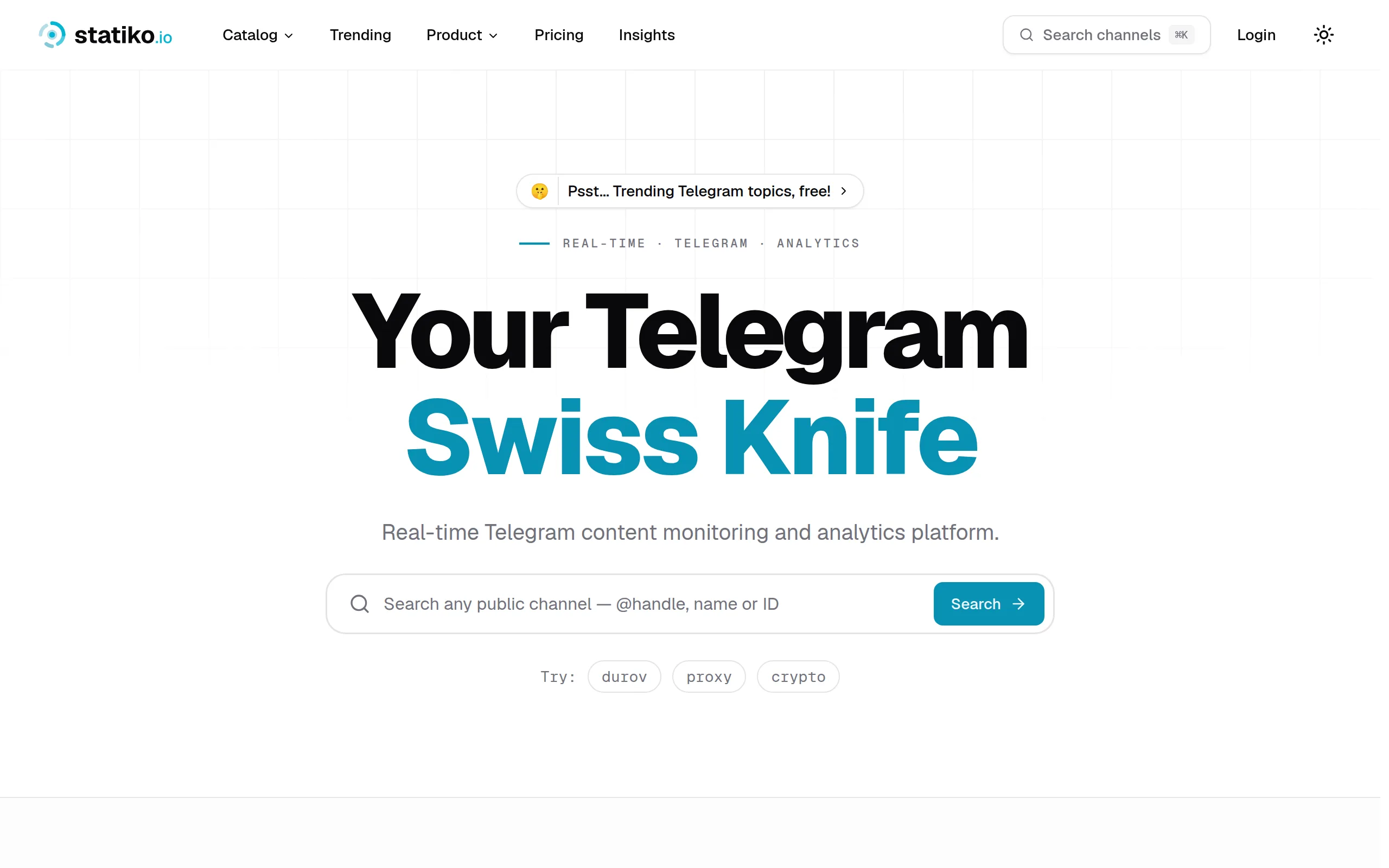
Statiko
Monitor any Telegram channel in real time - track posts, edits, deletions, and growth with AI recaps 📡

Shibui
AI website builder - describe your business, pick a niche template, edit by chatting, and publish instantly ✨

Pro Service
Find verified home service professionals, compare quotes, and pay securely through escrow - built for Brazilians across the US 🏠
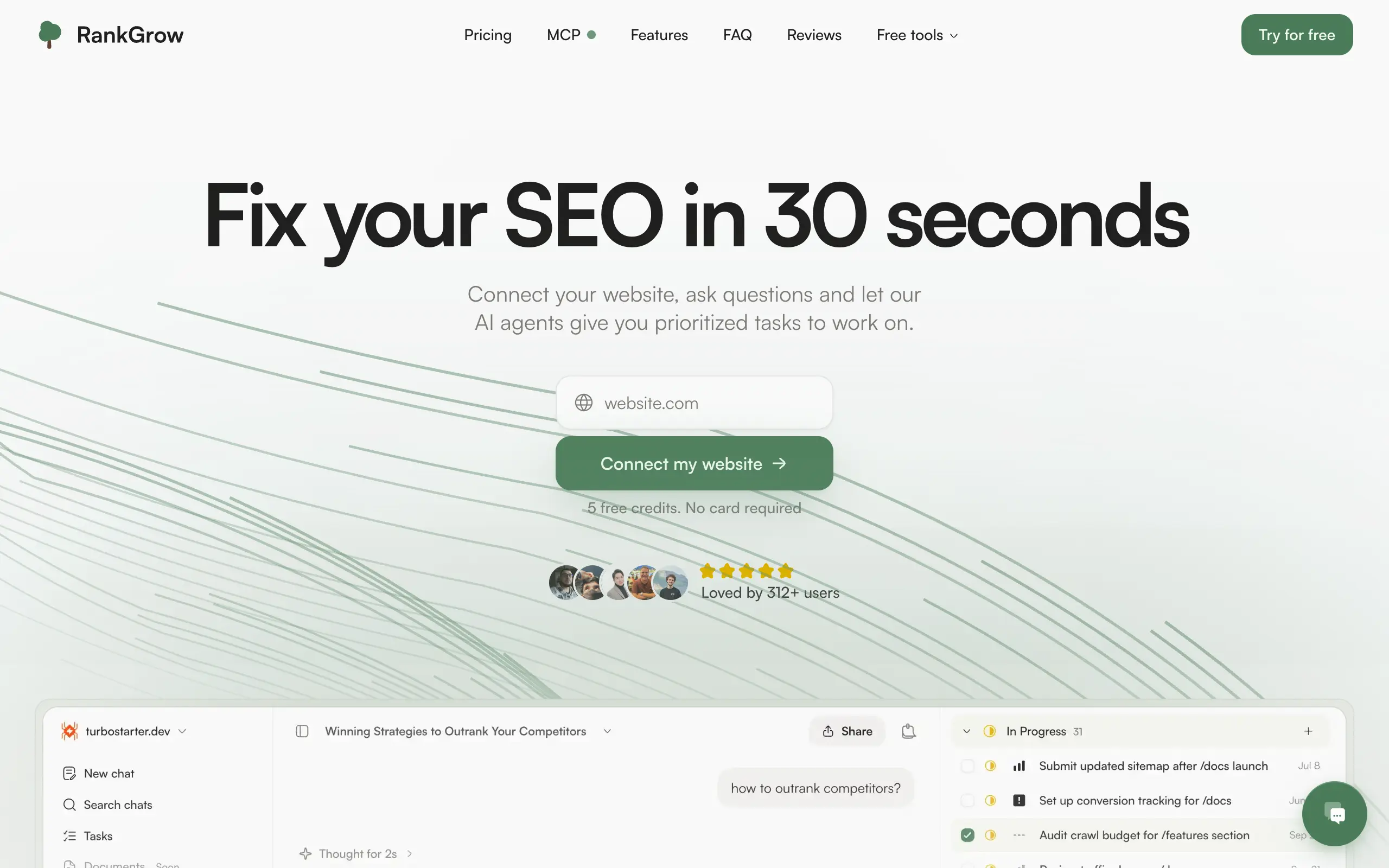
RankGrow
Fix your SEO with AI agents - connect Search Console, get prioritized tasks, and grow organic traffic 📈
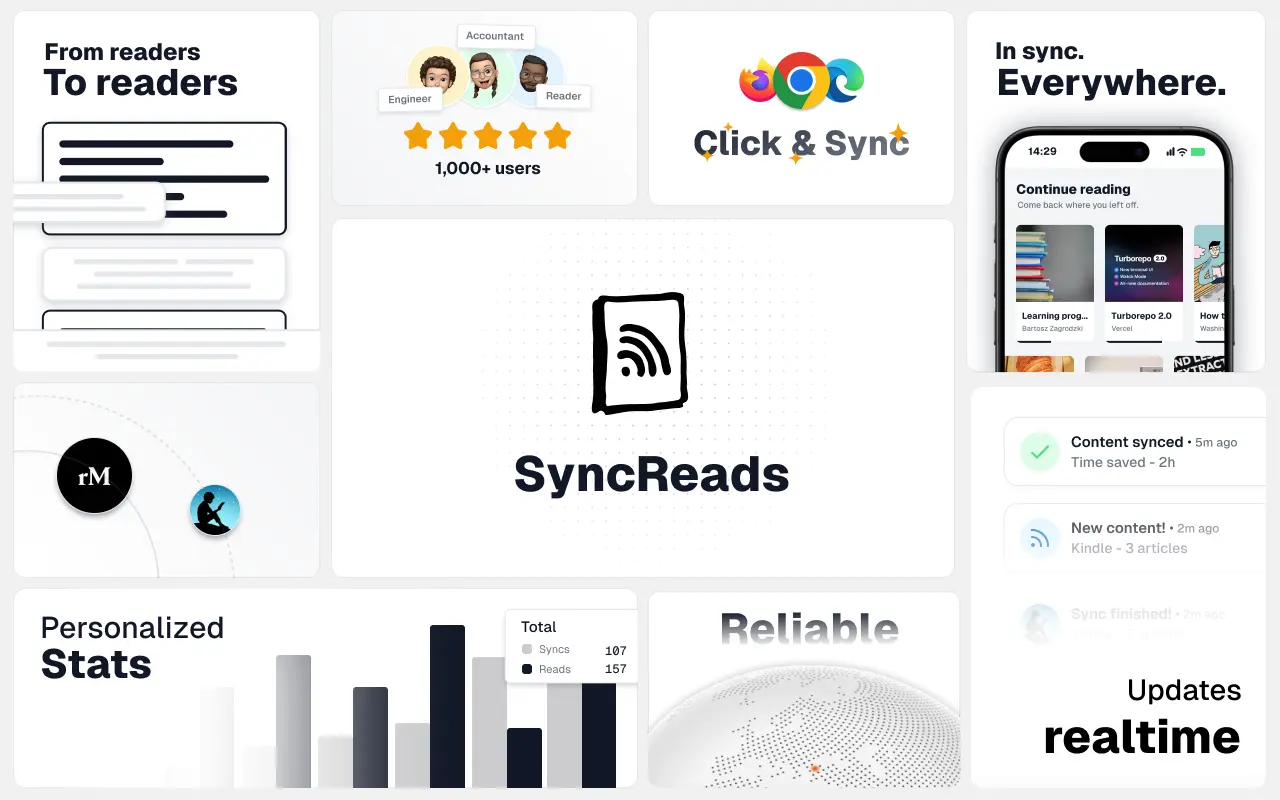
SyncReads
Sync your favorite content for distraction-free reading, save time and replace multiple apps. Anytime, anywhere 🔄
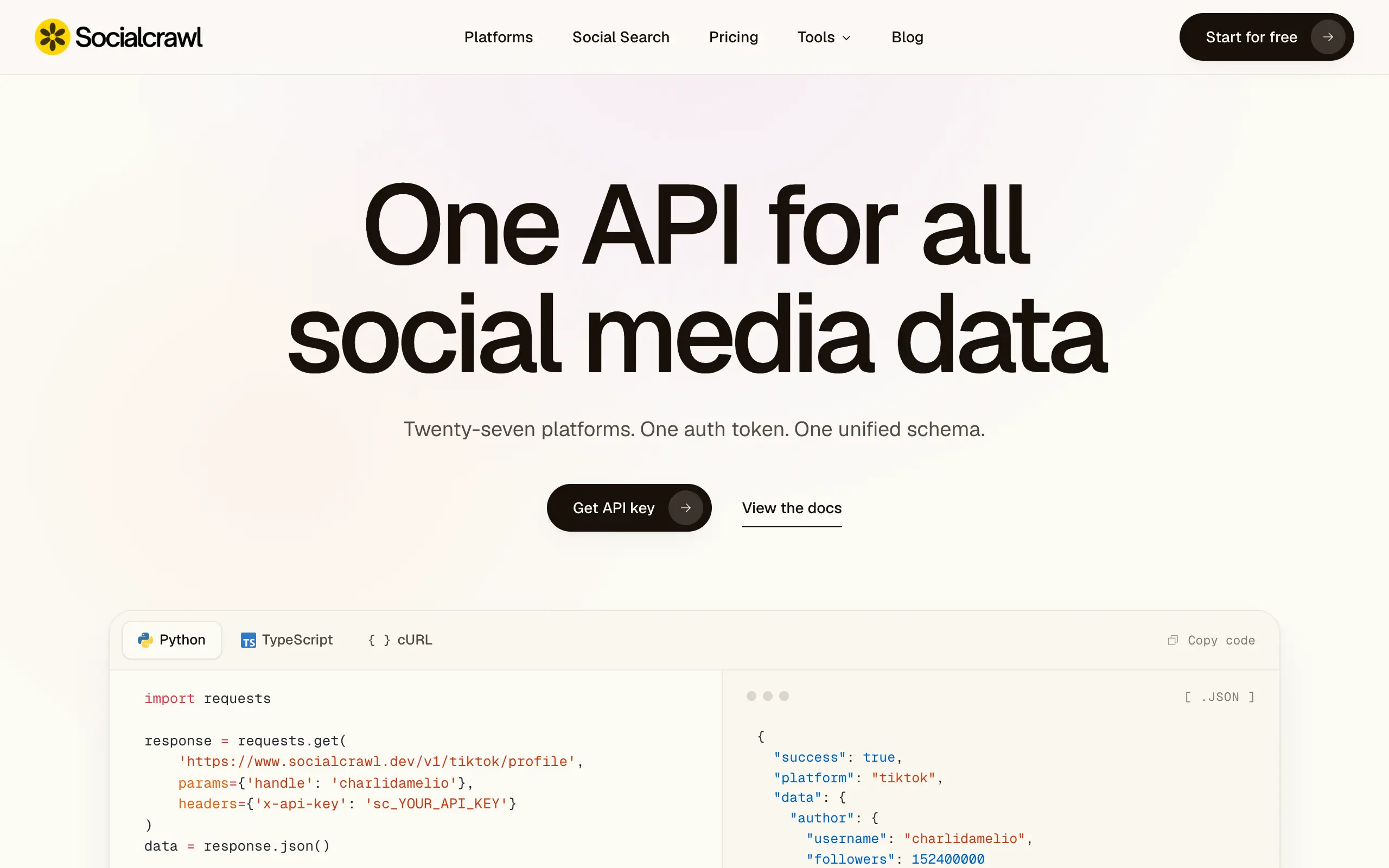
Socialcrawl
Get clean, structured data from 21 platforms like TikTok, Instagram, and YouTube with a single request 📊
Statiko
Monitor any Telegram channel in real time - track posts, edits, deletions, and growth with AI recaps 📡
Shibui
AI website builder - describe your business, pick a niche template, edit by chatting, and publish instantly ✨
Pro Service
Find verified home service professionals, compare quotes, and pay securely through escrow - built for Brazilians across the US 🏠
RankGrow
Fix your SEO with AI agents - connect Search Console, get prioritized tasks, and grow organic traffic 📈
SyncReads
Sync your favorite content for distraction-free reading, save time and replace multiple apps. Anytime, anywhere 🔄
Socialcrawl
Get clean, structured data from 21 platforms like TikTok, Instagram, and YouTube with a single request 📊
Statiko
Monitor any Telegram channel in real time - track posts, edits, deletions, and growth with AI recaps 📡
Shibui
AI website builder - describe your business, pick a niche template, edit by chatting, and publish instantly ✨
Pro Service
Find verified home service professionals, compare quotes, and pay securely through escrow - built for Brazilians across the US 🏠
RankGrow
Fix your SEO with AI agents - connect Search Console, get prioritized tasks, and grow organic traffic 📈
SyncReads
Sync your favorite content for distraction-free reading, save time and replace multiple apps. Anytime, anywhere 🔄
Socialcrawl
Get clean, structured data from 21 platforms like TikTok, Instagram, and YouTube with a single request 📊
Statiko
Monitor any Telegram channel in real time - track posts, edits, deletions, and growth with AI recaps 📡
Shibui
AI website builder - describe your business, pick a niche template, edit by chatting, and publish instantly ✨
Pro Service
Find verified home service professionals, compare quotes, and pay securely through escrow - built for Brazilians across the US 🏠
RankGrow
Fix your SEO with AI agents - connect Search Console, get prioritized tasks, and grow organic traffic 📈
SyncReads
Sync your favorite content for distraction-free reading, save time and replace multiple apps. Anytime, anywhere 🔄
Socialcrawl
Get clean, structured data from 21 platforms like TikTok, Instagram, and YouTube with a single request 📊
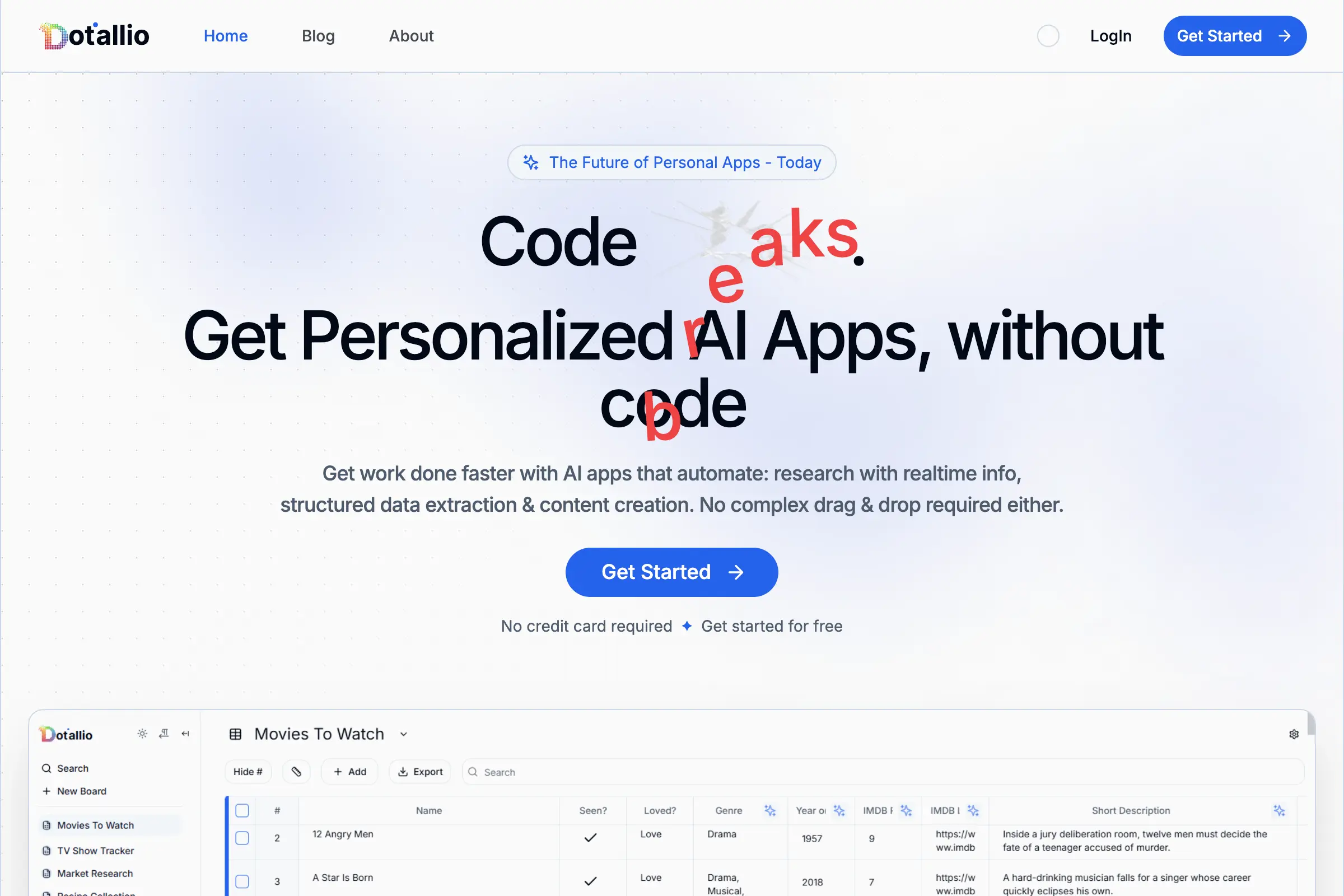
Dotallio
Personalized AI apps that automate research, data extraction, and content creation without code 🤖

Talk to Santa
Enjoy a magical live video chat or receive a unique AI-generated video greeting from Santa Claus 🎅
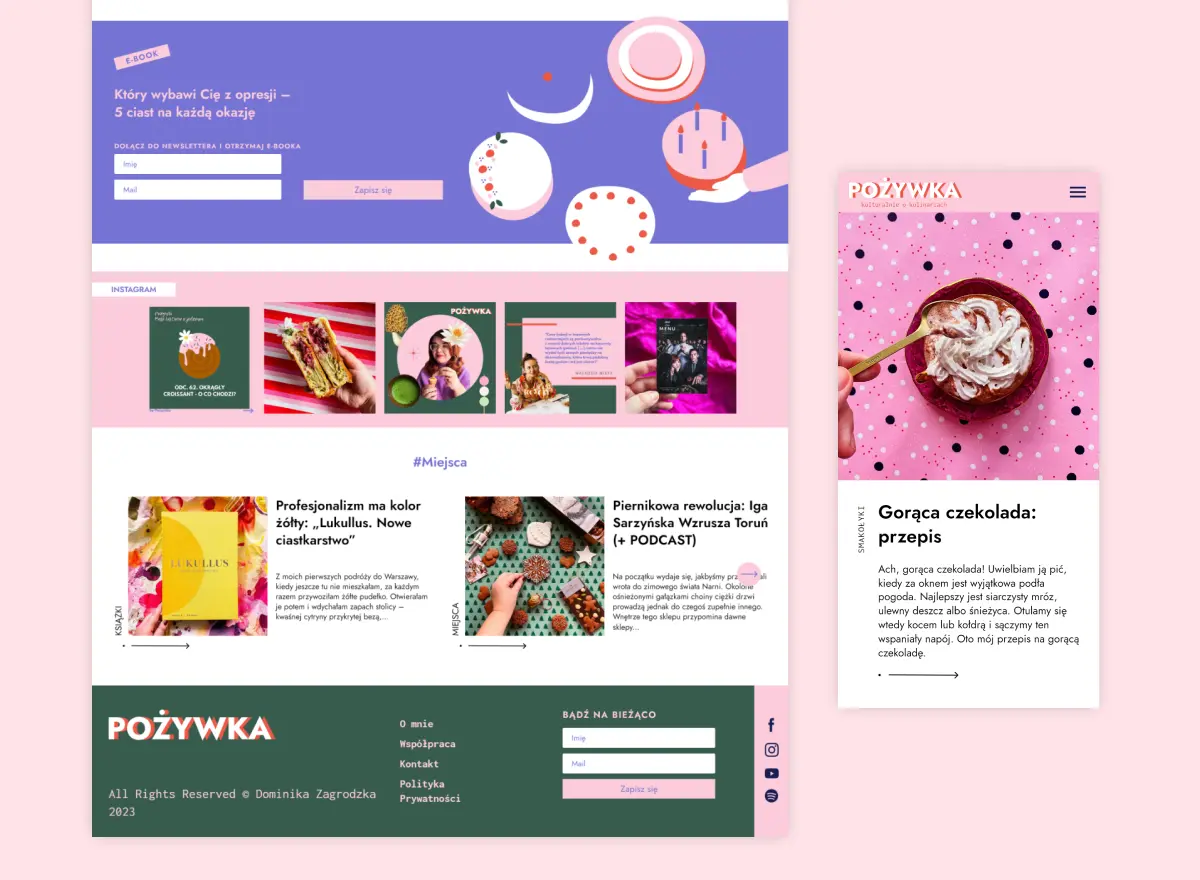
pozywka.pl
Scalable blog for food journalist, focused on performance and user experience 🌭
zagrodzki.me
Personal blog and portfolio of Bart Zagrodzki, where he shares his knowledge and work 💼
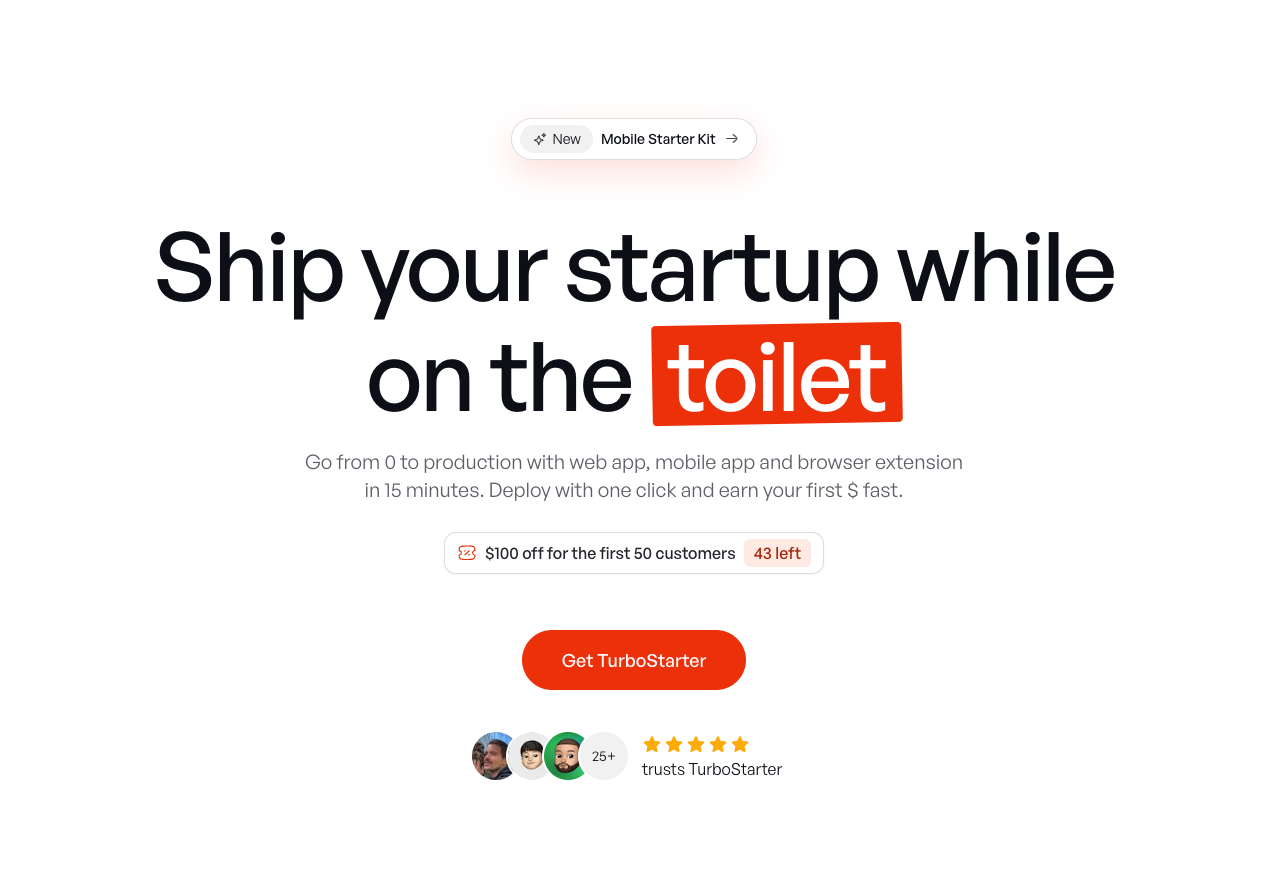
TurboStarter
Ship your startup everywhere. In minutes.
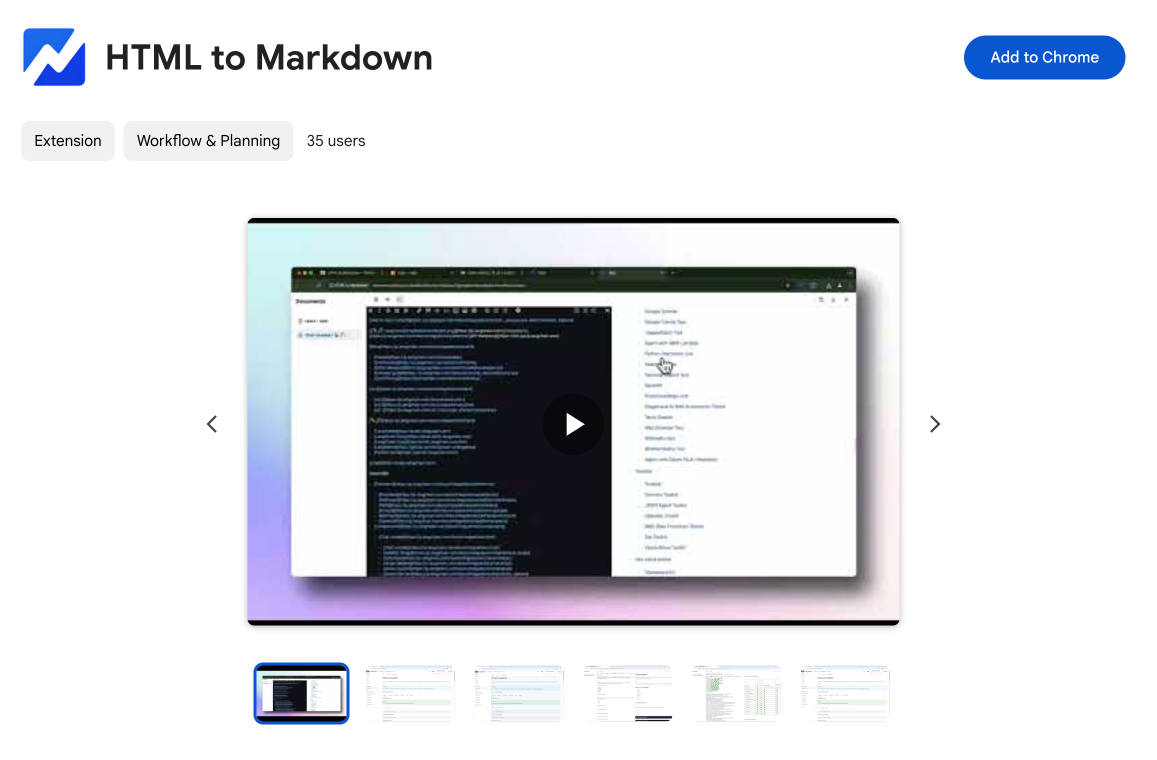
HTML to Markdown
Convert HTML to Markdown with ease, directly in your browser 📄
Dotallio
Personalized AI apps that automate research, data extraction, and content creation without code 🤖
Talk to Santa
Enjoy a magical live video chat or receive a unique AI-generated video greeting from Santa Claus 🎅
pozywka.pl
Scalable blog for food journalist, focused on performance and user experience 🌭
zagrodzki.me
Personal blog and portfolio of Bart Zagrodzki, where he shares his knowledge and work 💼
TurboStarter
Ship your startup everywhere. In minutes.
HTML to Markdown
Convert HTML to Markdown with ease, directly in your browser 📄
Dotallio
Personalized AI apps that automate research, data extraction, and content creation without code 🤖
Talk to Santa
Enjoy a magical live video chat or receive a unique AI-generated video greeting from Santa Claus 🎅
pozywka.pl
Scalable blog for food journalist, focused on performance and user experience 🌭
zagrodzki.me
Personal blog and portfolio of Bart Zagrodzki, where he shares his knowledge and work 💼
TurboStarter
Ship your startup everywhere. In minutes.
HTML to Markdown
Convert HTML to Markdown with ease, directly in your browser 📄
Dotallio
Personalized AI apps that automate research, data extraction, and content creation without code 🤖
Talk to Santa
Enjoy a magical live video chat or receive a unique AI-generated video greeting from Santa Claus 🎅
pozywka.pl
Scalable blog for food journalist, focused on performance and user experience 🌭
zagrodzki.me
Personal blog and portfolio of Bart Zagrodzki, where he shares his knowledge and work 💼
TurboStarter
Ship your startup everywhere. In minutes.
HTML to Markdown
Convert HTML to Markdown with ease, directly in your browser 📄
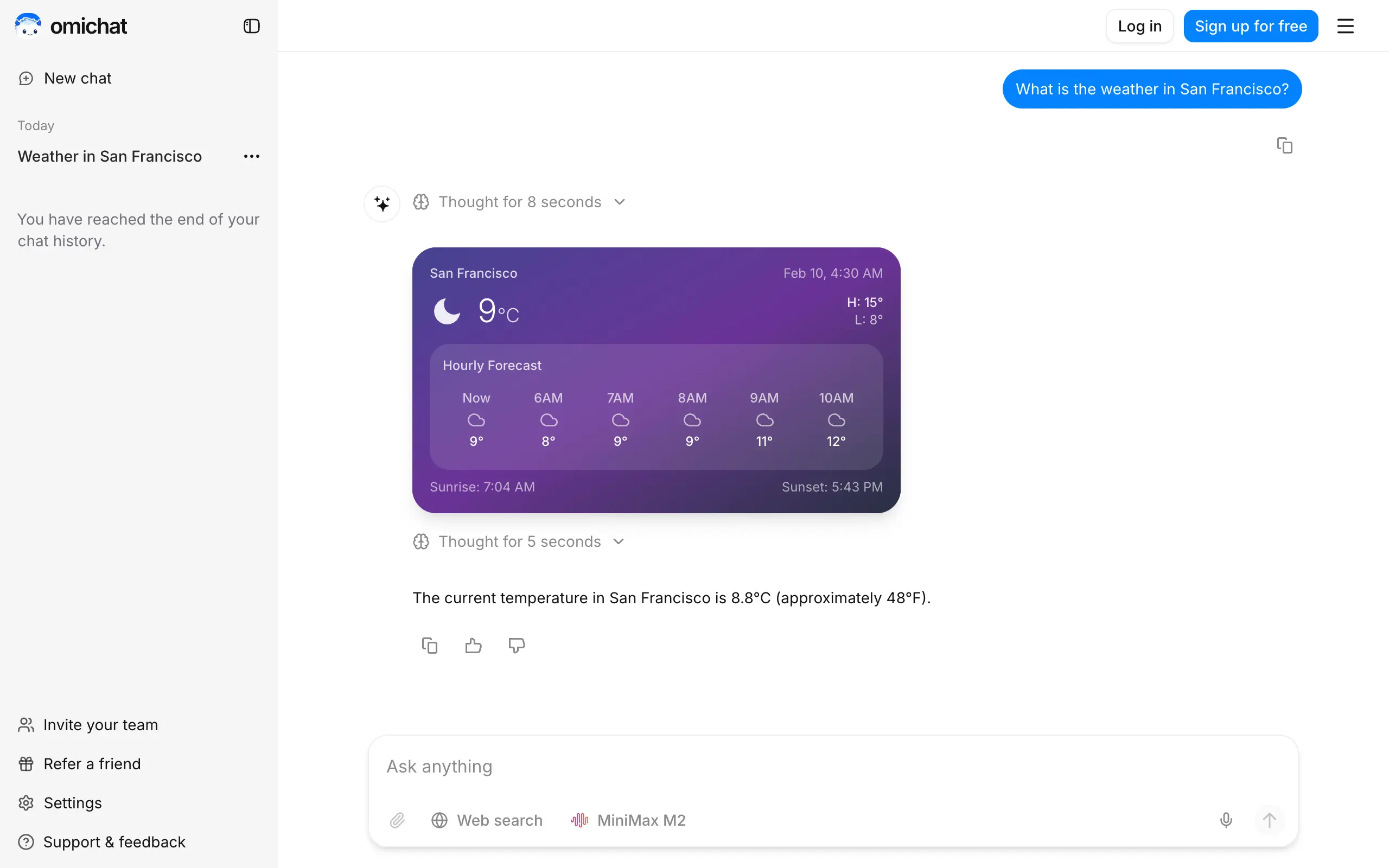
Omichat
Chat with 50+ AI models, including ChatGPT and Claude, in one place - switch models anytime without losing context 🤖
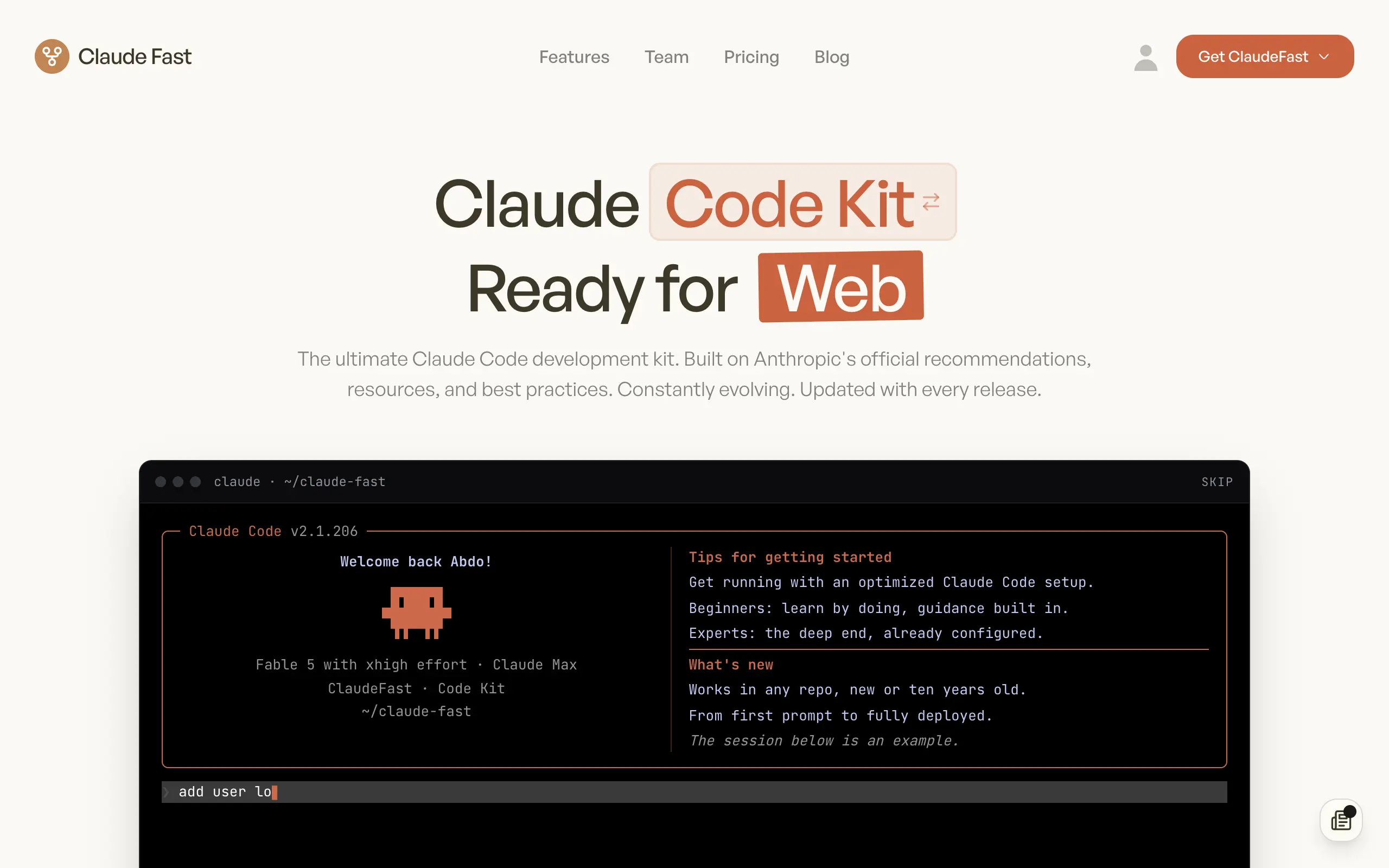
Claude Fast
Supercharge your Claude Code with 6x effective context window and specialized AI agents 🤖
EmojAI
AI-powered emoji picker with smart, context-aware suggestions 🤖
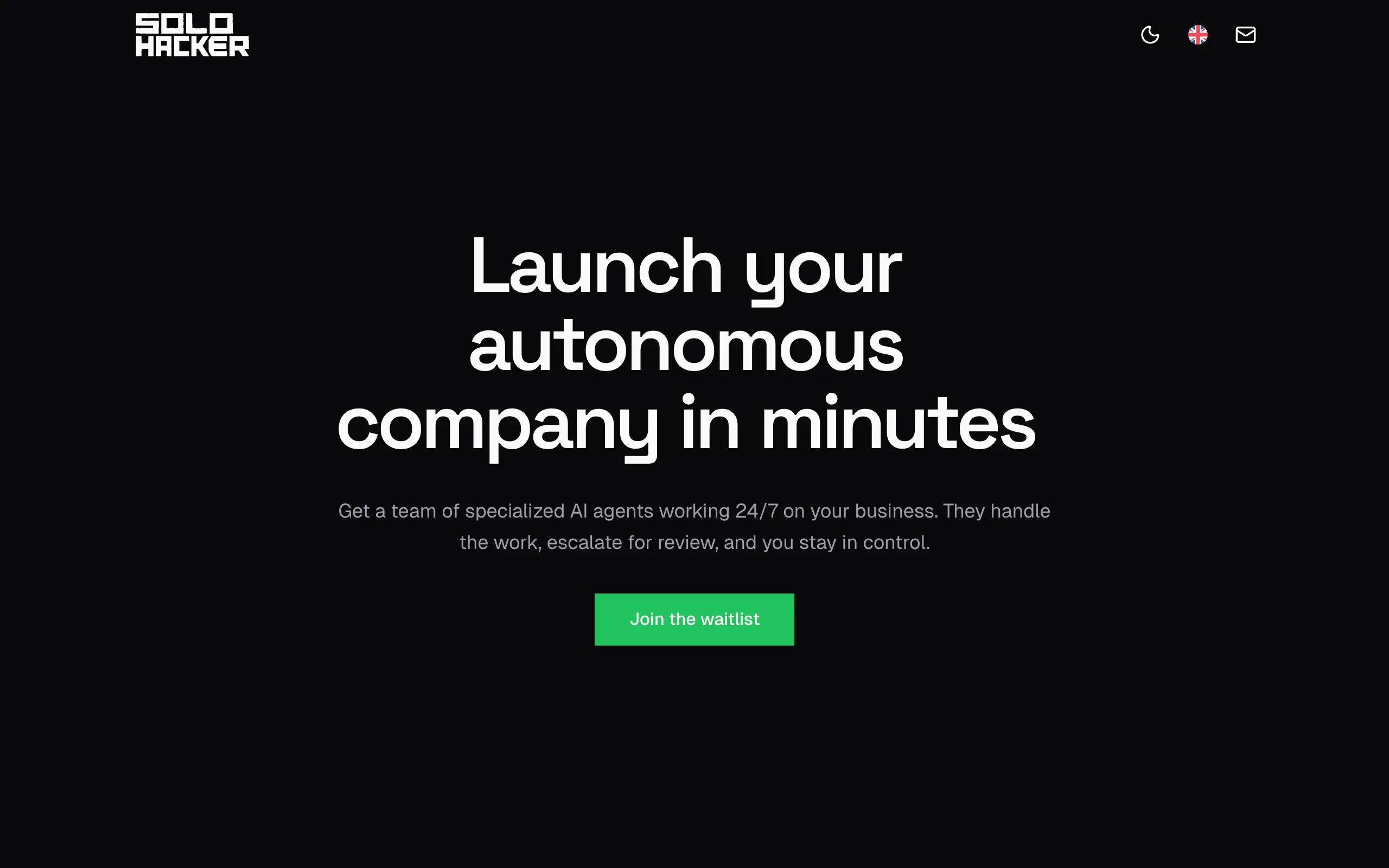
Solohacker
Autonomous company launcher - AI agents work 24/7, escalate what matters, and you stay in control 🤖
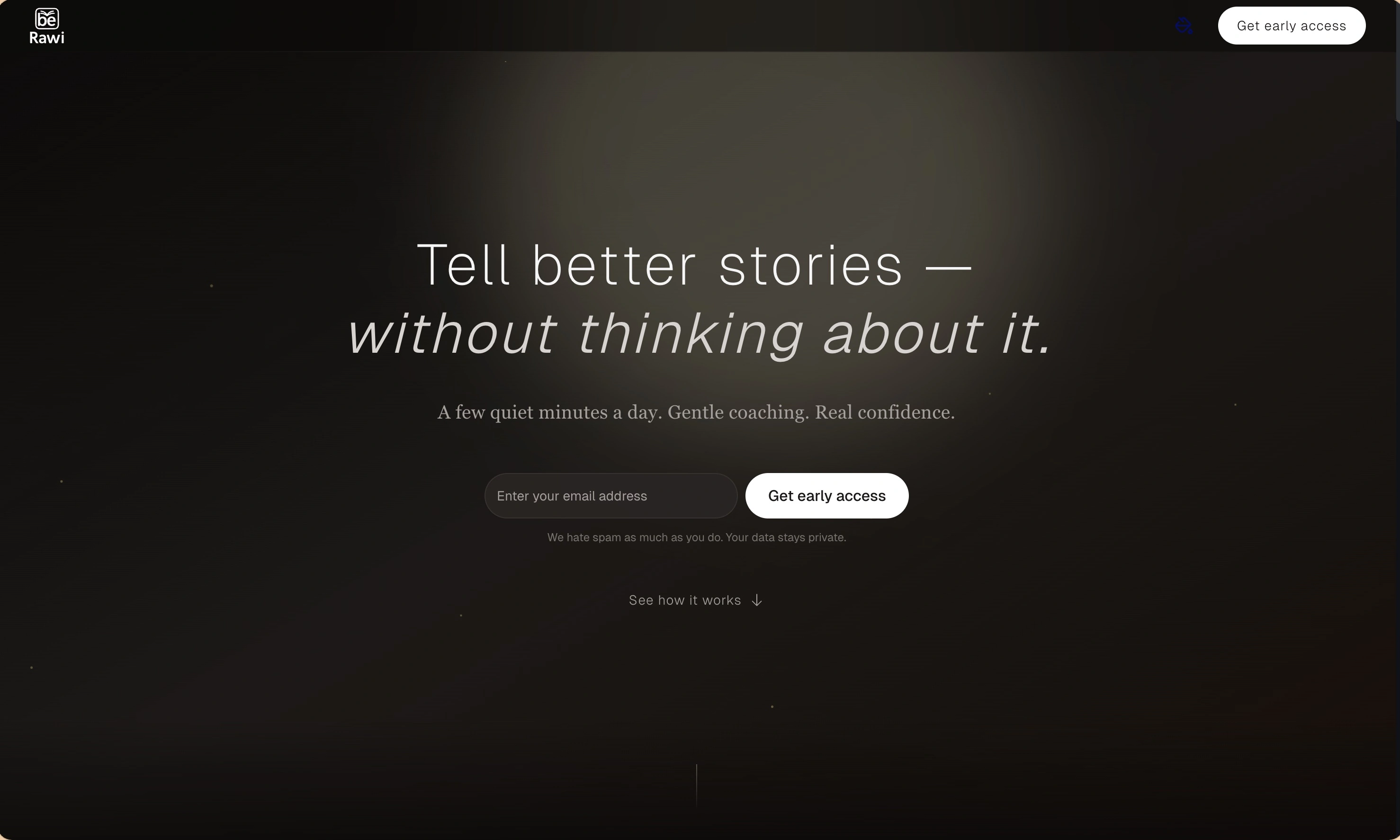
BeRawi: Storytelling Coach
Practice storytelling daily with instant feedback to sound clearer, more engaging, and confident 🎤
Omichat
Chat with 50+ AI models, including ChatGPT and Claude, in one place - switch models anytime without losing context 🤖
Claude Fast
Supercharge your Claude Code with 6x effective context window and specialized AI agents 🤖
EmojAI
AI-powered emoji picker with smart, context-aware suggestions 🤖
Solohacker
Autonomous company launcher - AI agents work 24/7, escalate what matters, and you stay in control 🤖
BeRawi: Storytelling Coach
Practice storytelling daily with instant feedback to sound clearer, more engaging, and confident 🎤
Omichat
Chat with 50+ AI models, including ChatGPT and Claude, in one place - switch models anytime without losing context 🤖
Claude Fast
Supercharge your Claude Code with 6x effective context window and specialized AI agents 🤖
EmojAI
AI-powered emoji picker with smart, context-aware suggestions 🤖
Solohacker
Autonomous company launcher - AI agents work 24/7, escalate what matters, and you stay in control 🤖
BeRawi: Storytelling Coach
Practice storytelling daily with instant feedback to sound clearer, more engaging, and confident 🎤
Omichat
Chat with 50+ AI models, including ChatGPT and Claude, in one place - switch models anytime without losing context 🤖
Claude Fast
Supercharge your Claude Code with 6x effective context window and specialized AI agents 🤖
EmojAI
AI-powered emoji picker with smart, context-aware suggestions 🤖
Solohacker
Autonomous company launcher - AI agents work 24/7, escalate what matters, and you stay in control 🤖
BeRawi: Storytelling Coach
Practice storytelling daily with instant feedback to sound clearer, more engaging, and confident 🎤

Connect with like-minded people
Join our community to get feedback, support, and grow together with 1,000+ builders on board, let's ship it!
Join usShip your startup everywhere. In minutes.
Don't burn tokens on setup and start building features on day one.