ContextForge
Unify scattered personal data from JSON, PDFs, and exports into a searchable, structured knowledge base with AI-powered synthesis and tagging.
What is a unified personal knowledge base and why it matters now
In a world where your digital life is fragmented across dozens of apps, files, and formats, managing personal data has quietly become one of the biggest productivity bottlenecks. Notes sit in Notion, PDFs pile up in Google Drive, JSON exports from apps collect dust, and key insights get buried in inboxes or obscure folders.
This is where a unified personal knowledge base becomes not just useful, but essential.
ContextForge is built to solve this exact problem. It transforms scattered personal data—from JSON files and PDFs to exported archives—into a structured, searchable, and AI-enhanced knowledge system. Instead of manually organizing everything, users gain a system that understands, tags, and synthesizes their information automatically.
This article explores the full potential of ContextForge as a SaaS product, including market opportunity, features, technical architecture, monetization, and execution strategy.
The growing problem: data fragmentation across tools
Modern knowledge workers use an overwhelming number of tools:
- Note-taking apps (Notion, Obsidian, Evernote)
- Cloud storage (Google Drive, Dropbox)
- Communication tools (Slack, email)
- Export-heavy platforms (Twitter/X archives, banking CSVs, fitness trackers)
Each of these generates data in different formats:
- JSON exports
- PDFs
- CSV files
- Markdown or plain text
- Proprietary formats
The result? Information silos everywhere.
Why existing tools fall short
Most current solutions focus on one type of data or workflow:
- Note apps → great for writing, weak for imports
- File storage → great for storage, weak for meaning
- Search tools → keyword-based, not context-aware
Even tools like Notion or Obsidian require manual structuring, tagging, and linking.
Key insight
The real problem is not storing data—it’s extracting meaning and connections from it.
Target audience: who needs ContextForge the most
1. Knowledge workers and researchers
- Consultants
- Analysts
- Writers
- Academics
They deal with:
- Research PDFs
- Interview notes
- Exported datasets
Pain point: Connecting insights across sources
2. Builders and indie hackers
- Developers
- SaaS founders
- Product managers
They deal with:
- API responses (JSON)
- Logs and exports
- Documentation
Pain point: Reusing and querying past work efficiently
3. Personal data enthusiasts (the quantified self crowd)
- People tracking health, finance, productivity
They deal with:
- CSV exports
- App data dumps
- Reports
Pain point: Making sense of historical data
4. Digital minimalists and organizers
- People trying to declutter digital lives
They deal with:
- Years of accumulated files
- Mixed formats
- Poor organization
Pain point: Turning chaos into clarity
Market opportunity and timing
The timing for ContextForge is particularly strong due to three converging trends:
1. Explosion of personal data
According to reports from firms like IDC (suggest citing official studies), the amount of personal data generated per user is growing exponentially.
2. Rise of AI-powered workflows
Users now expect tools to:
- Summarize documents
- Extract meaning
- Suggest connections
3. Data ownership movement
Users increasingly want:
- Control over their data
- Portability across tools
- Independence from walled gardens
Competitive landscape overview
| Feature | Notion | Obsidian | Evernote | ContextForge |
|---|---|---|---|---|
| Multi-format ingestion | ❌ | ❌ | ❌ | ✅ |
| AI synthesis | ✅ | ❌ | ❌ | ✅ |
| Automatic tagging | Limited | ❌ | ❌ | ✅ |
| Structured data from JSON | ❌ | ❌ | ❌ | ✅ |
Core product vision: how ContextForge works
At its core, ContextForge acts as a data ingestion + structuring + intelligence layer.
Step 1: ingest
Users upload or connect:
- JSON exports
- PDFs
- CSV files
- Text documents
Step 2: parse and structure
The system:
- Extracts entities
- Identifies relationships
- Converts unstructured data into structured formats
Step 3: AI enrichment
Using modern LLMs:
- Summaries are generated
- Tags are auto-assigned
- Insights are synthesized
Step 4: unified search and retrieval
Users can:
- Search across all formats
- Query with natural language
- Explore connections
Core features that define ContextForge
1. universal data ingestion engine
Supports:
- JSON parsing
- PDF extraction
- CSV normalization
Technical challenge
PDF parsing is notoriously inconsistent. You’ll need robust fallback strategies and possibly OCR integration.
2. AI-powered tagging system
- Automatic topic classification
- Context-aware tagging
- User-editable taxonomy
3. semantic search
Instead of keyword matching:
- “Show me all notes related to startup ideas”
- “Find insights from finance PDFs last year”
4. knowledge graph generation
Visual relationships between:
- Concepts
- Documents
- Entities
5. synthesis engine
This is the standout feature:
- Combines multiple documents into insights
- Generates summaries across datasets
- Identifies patterns
Example workflow
- Upload a folder of PDFs and JSON exports
- ContextForge processes and structures them
- AI generates tags and summaries
- User searches: “key ideas from my startup notes”
- Results include synthesized insights
- Parser extracts text + metadata
- LLM processes chunks
- Embeddings stored in vector DB
- Graph relationships built
- Query hits semantic + structured layers
Recommended tech stack (with trade-offs)
Frontend
Pros:
- Fast UI iteration
- Component ecosystem
Backend
- Node.js or Python (FastAPI)
Trade-offs:
- Node: better for real-time + JS ecosystem
- Python: stronger for data processing + AI
Data processing
- Python pipelines for:
- PDF parsing (PyMuPDF)
- JSON normalization
AI layer
- OpenAI or similar LLM APIs
- Embeddings for semantic search
Database architecture
- PostgreSQL → structured data
- Vector DB (like Pinecone or Weaviate) → semantic search
- Graph DB (optional, e.g., Neo4j) → relationships
Example ingestion snippet
async function processDocument(file) {
  const text = await extractText(file);
  const summary = await generateSummary(text);
  const tags = await generateTags(text);

  return {
    text,
    summary,
    tags
  };
}
Monetization strategy
1. subscription tiers
-
Free:
- Limited uploads
- Basic search
-
Pro ($10–$25/month):
- Unlimited ingestion
- AI synthesis
- Advanced search
-
Team plan:
- Shared knowledge base
- Collaboration features
2. usage-based pricing
Charge based on:
- Number of processed documents
- AI tokens used
3. enterprise offering
- Secure deployments
- Compliance features
- Custom integrations
Unique selling proposition (USP)
ContextForge stands out because it focuses on:
- Multi-format intelligence, not just note-taking
- Automatic structuring, not manual organization
- Synthesis across data, not just storage
Not just storage
Transforms raw data into structured knowledge automatically
Not just search
Understands meaning, not just keywords
Not just notes
Works with real-world messy data formats
Risks and how to mitigate them
1. parsing complexity
Problem:
- Different file formats behave unpredictably
Solution:
- Build modular parsers
- Use fallback extraction layers
2. AI hallucinations
Problem:
- Incorrect summaries or tags
Solution:
- Show source references
- Allow user corrections
3. performance scaling
Problem:
- Large datasets slow down queries
Solution:
- Hybrid indexing (vector + structured)
- Caching frequently accessed results
4. user trust and privacy
Problem:
- Users upload sensitive data
Solution:
- End-to-end encryption
- Transparent data policies
Competitive advantage breakdown
ContextForge wins by combining three layers:
- Data ingestion layer
- AI understanding layer
- Knowledge graph layer
Most competitors only cover one or two.
Go-to-market strategy
1. target early adopters
- Indie hackers
- Researchers
- Developers
2. content-driven SEO
Focus keywords:
- “personal knowledge base AI”
- “organize PDFs and JSON data”
- “AI knowledge management tools”
3. community-led growth
- Product Hunt launch
- Indie Hacker communities
- Developer Twitter/X
4. integrations
- Google Drive
- Notion exports
- Dropbox
Implementation roadmap
Practical build strategy
Start simple:
- Focus on one format first (JSON or PDFs)
- Build a strong ingestion pipeline
- Layer AI features gradually
Avoid trying to:
- Support every format immediately
- Build perfect UI early
Scaling the product
Once validated:
- Add integrations
- Introduce collaboration features
- Expand AI capabilities
Future opportunities
- Personal AI assistant trained on your data
- Automated report generation
- Cross-domain insights (finance + health + work)
Why ContextForge can win
The shift from data storage → knowledge synthesis is just beginning.
Most tools still treat data as:
- Static
- Isolated
- User-managed
ContextForge flips this:
- Dynamic
- Connected
- AI-managed
That’s a fundamental shift.
Final actionable steps
If you want to build ContextForge:
- Validate demand with a landing page
- Build ingestion for one format
- Add AI summarization
- Launch to a niche audience
- Iterate based on real usage
Closing thoughts
The future of productivity isn’t about taking more notes or storing more files. It’s about making sense of everything you already have.
ContextForge sits right at that intersection:
- Data chaos
- AI intelligence
- Human insight
If executed well, it’s not just another productivity tool—it becomes a second brain that actually understands context.
And that’s a category-defining opportunity.
More ⚡ Productivity Tool SaaS ideas
Discover more innovative productivity tool SaaS ideas that are trending in 2026. Each idea is AI-generated with market validation and growth potential to help you find your next profitable venture faster than competitors.
Your competitors are building with TurboStarter
Below are some of the SaaS ideas that have been generated and built with our starter kit.
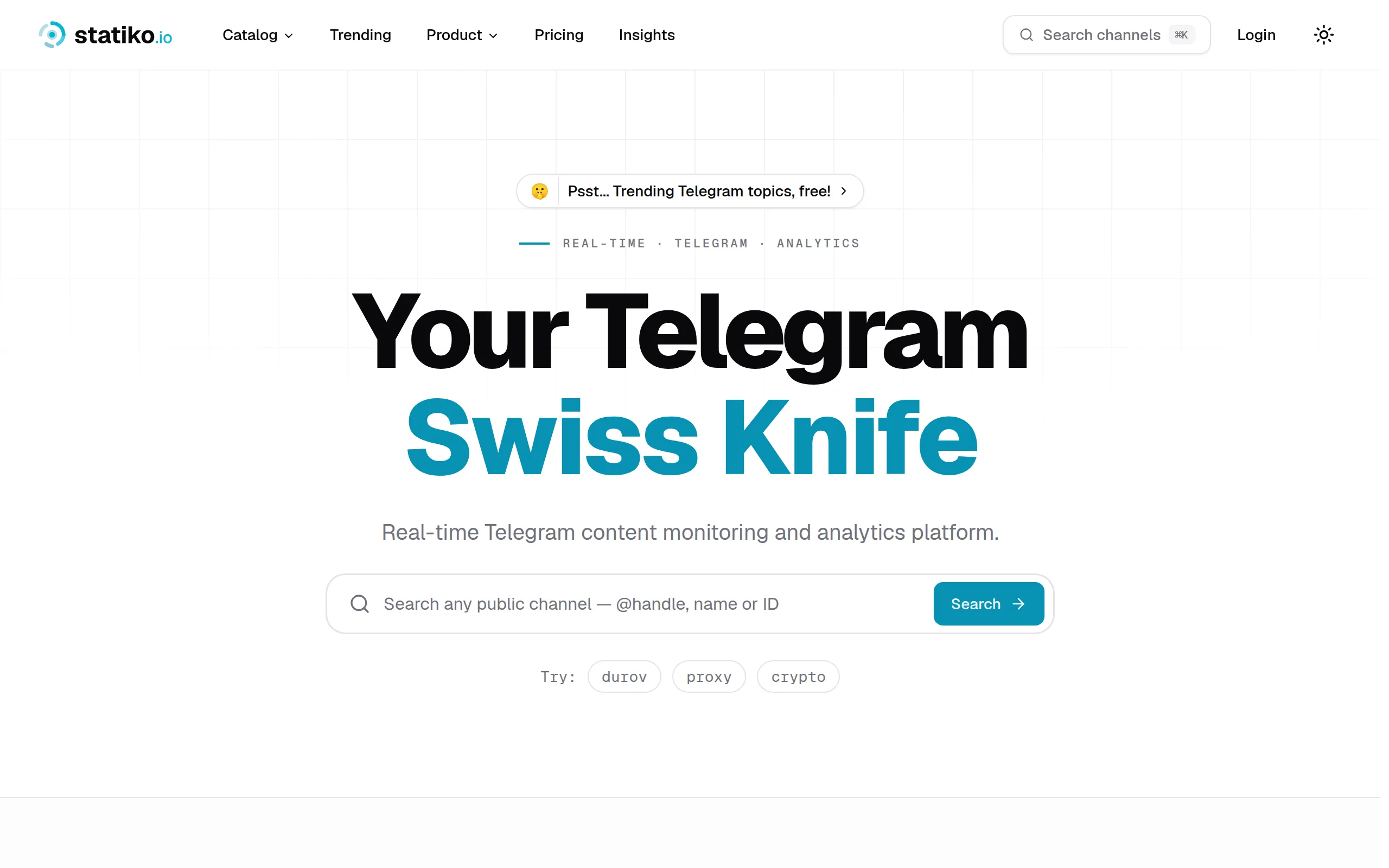
Statiko
Monitor any Telegram channel in real time - track posts, edits, deletions, and growth with AI recaps 📡

Shibui
AI website builder - describe your business, pick a niche template, edit by chatting, and publish instantly ✨

Pro Service
Find verified home service professionals, compare quotes, and pay securely through escrow - built for Brazilians across the US 🏠
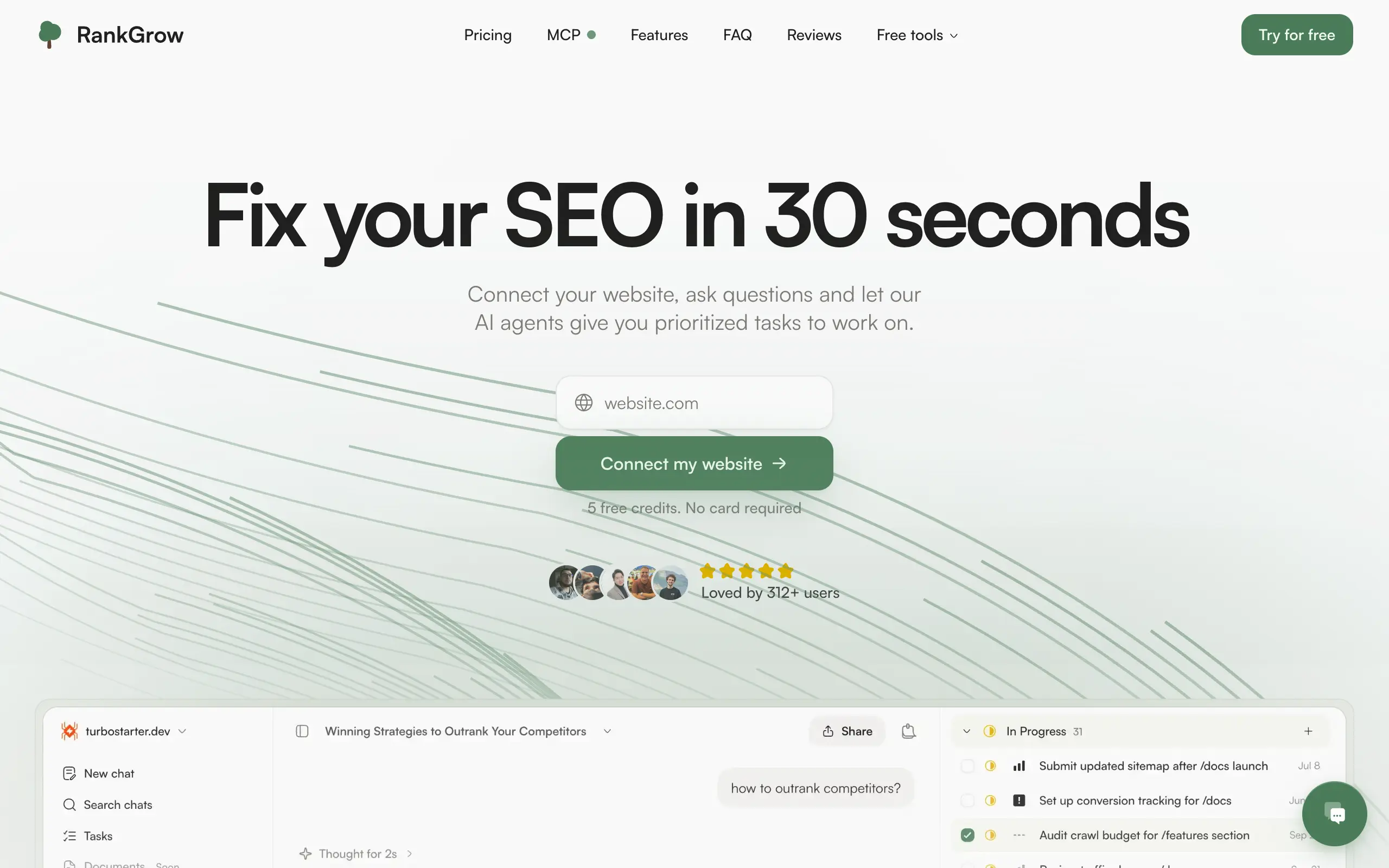
RankGrow
Fix your SEO with AI agents - connect Search Console, get prioritized tasks, and grow organic traffic 📈
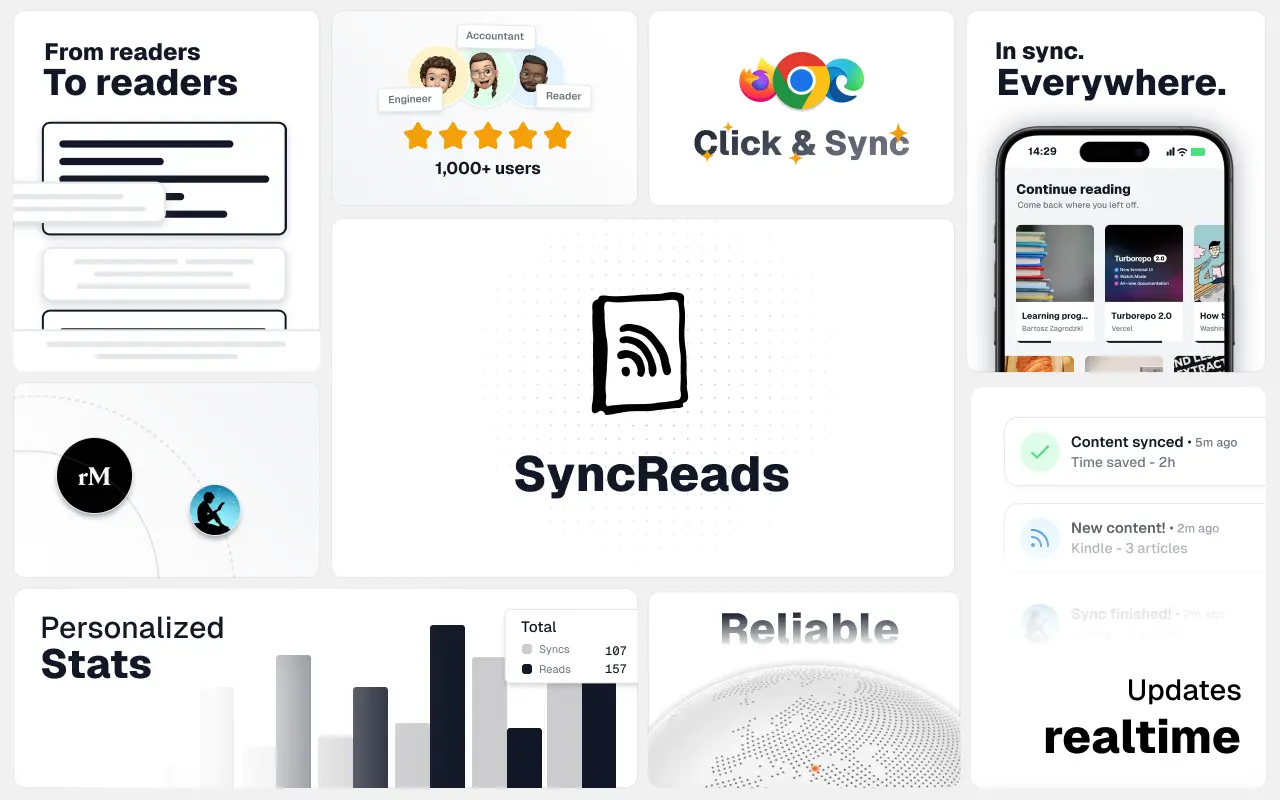
SyncReads
Sync your favorite content for distraction-free reading, save time and replace multiple apps. Anytime, anywhere 🔄
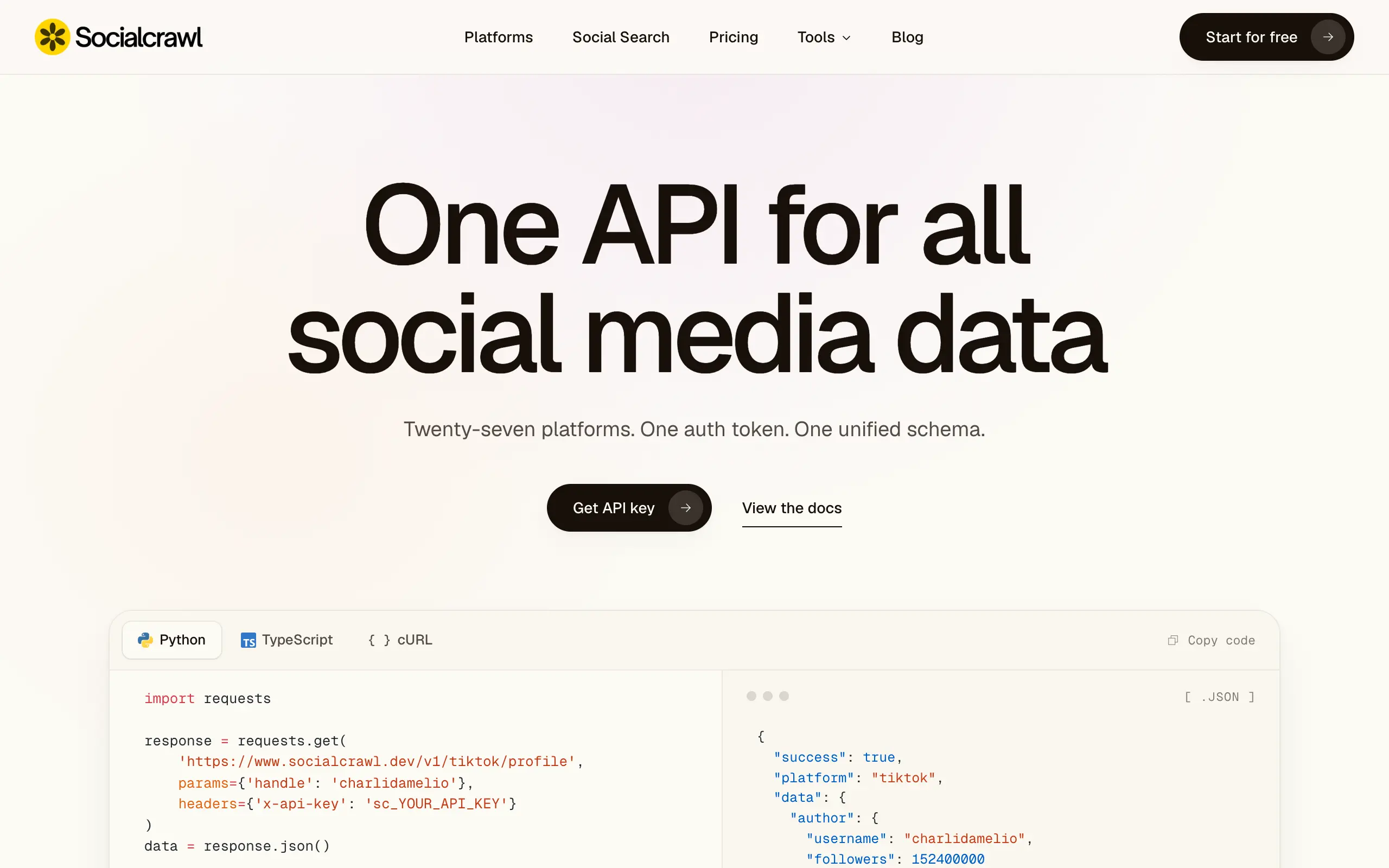
Socialcrawl
Get clean, structured data from 21 platforms like TikTok, Instagram, and YouTube with a single request 📊
Statiko
Monitor any Telegram channel in real time - track posts, edits, deletions, and growth with AI recaps 📡
Shibui
AI website builder - describe your business, pick a niche template, edit by chatting, and publish instantly ✨
Pro Service
Find verified home service professionals, compare quotes, and pay securely through escrow - built for Brazilians across the US 🏠
RankGrow
Fix your SEO with AI agents - connect Search Console, get prioritized tasks, and grow organic traffic 📈
SyncReads
Sync your favorite content for distraction-free reading, save time and replace multiple apps. Anytime, anywhere 🔄
Socialcrawl
Get clean, structured data from 21 platforms like TikTok, Instagram, and YouTube with a single request 📊
Statiko
Monitor any Telegram channel in real time - track posts, edits, deletions, and growth with AI recaps 📡
Shibui
AI website builder - describe your business, pick a niche template, edit by chatting, and publish instantly ✨
Pro Service
Find verified home service professionals, compare quotes, and pay securely through escrow - built for Brazilians across the US 🏠
RankGrow
Fix your SEO with AI agents - connect Search Console, get prioritized tasks, and grow organic traffic 📈
SyncReads
Sync your favorite content for distraction-free reading, save time and replace multiple apps. Anytime, anywhere 🔄
Socialcrawl
Get clean, structured data from 21 platforms like TikTok, Instagram, and YouTube with a single request 📊
Statiko
Monitor any Telegram channel in real time - track posts, edits, deletions, and growth with AI recaps 📡
Shibui
AI website builder - describe your business, pick a niche template, edit by chatting, and publish instantly ✨
Pro Service
Find verified home service professionals, compare quotes, and pay securely through escrow - built for Brazilians across the US 🏠
RankGrow
Fix your SEO with AI agents - connect Search Console, get prioritized tasks, and grow organic traffic 📈
SyncReads
Sync your favorite content for distraction-free reading, save time and replace multiple apps. Anytime, anywhere 🔄
Socialcrawl
Get clean, structured data from 21 platforms like TikTok, Instagram, and YouTube with a single request 📊
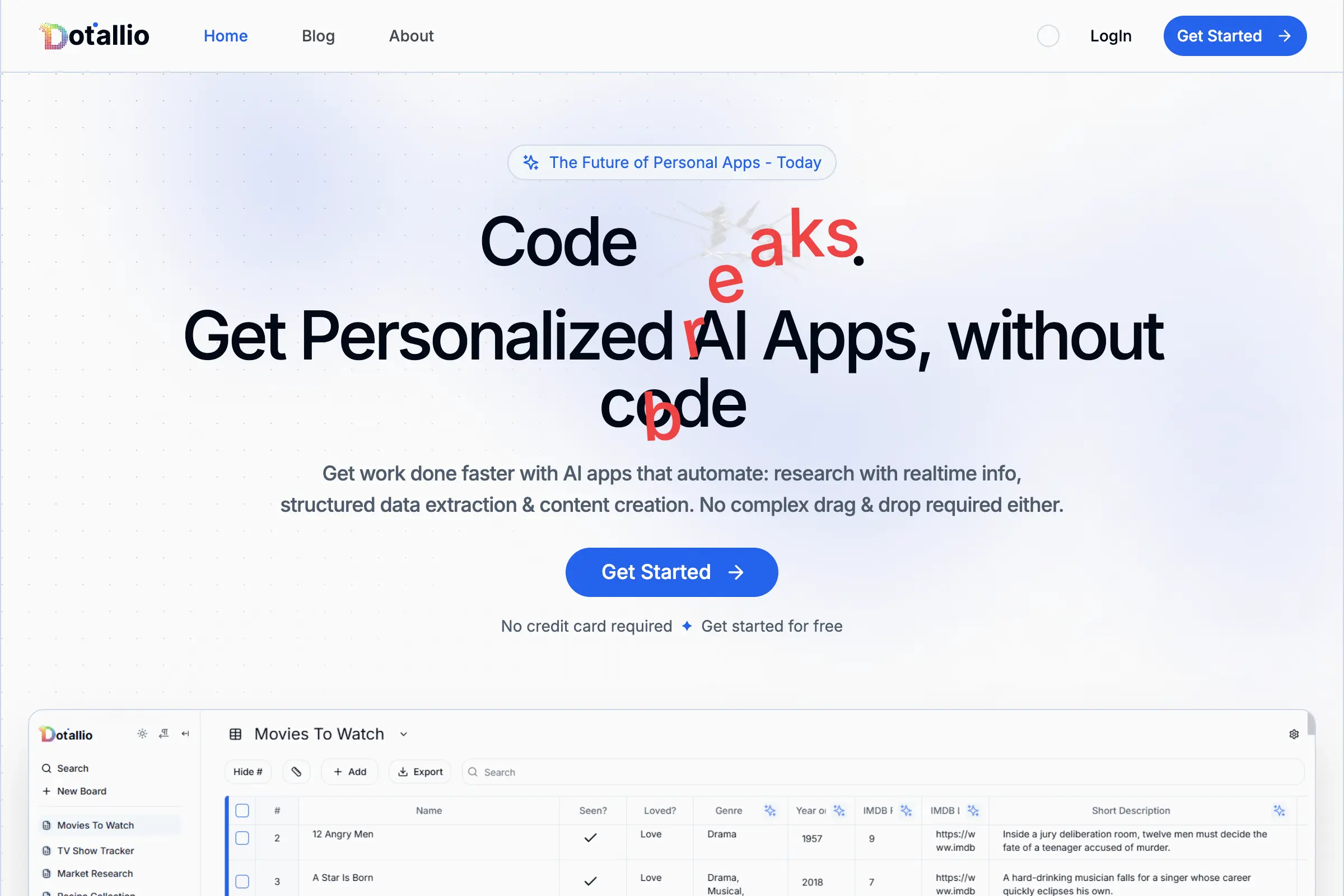
Dotallio
Personalized AI apps that automate research, data extraction, and content creation without code 🤖

Talk to Santa
Enjoy a magical live video chat or receive a unique AI-generated video greeting from Santa Claus 🎅

pozywka.pl
Scalable blog for food journalist, focused on performance and user experience 🌭
zagrodzki.me
Personal blog and portfolio of Bart Zagrodzki, where he shares his knowledge and work 💼
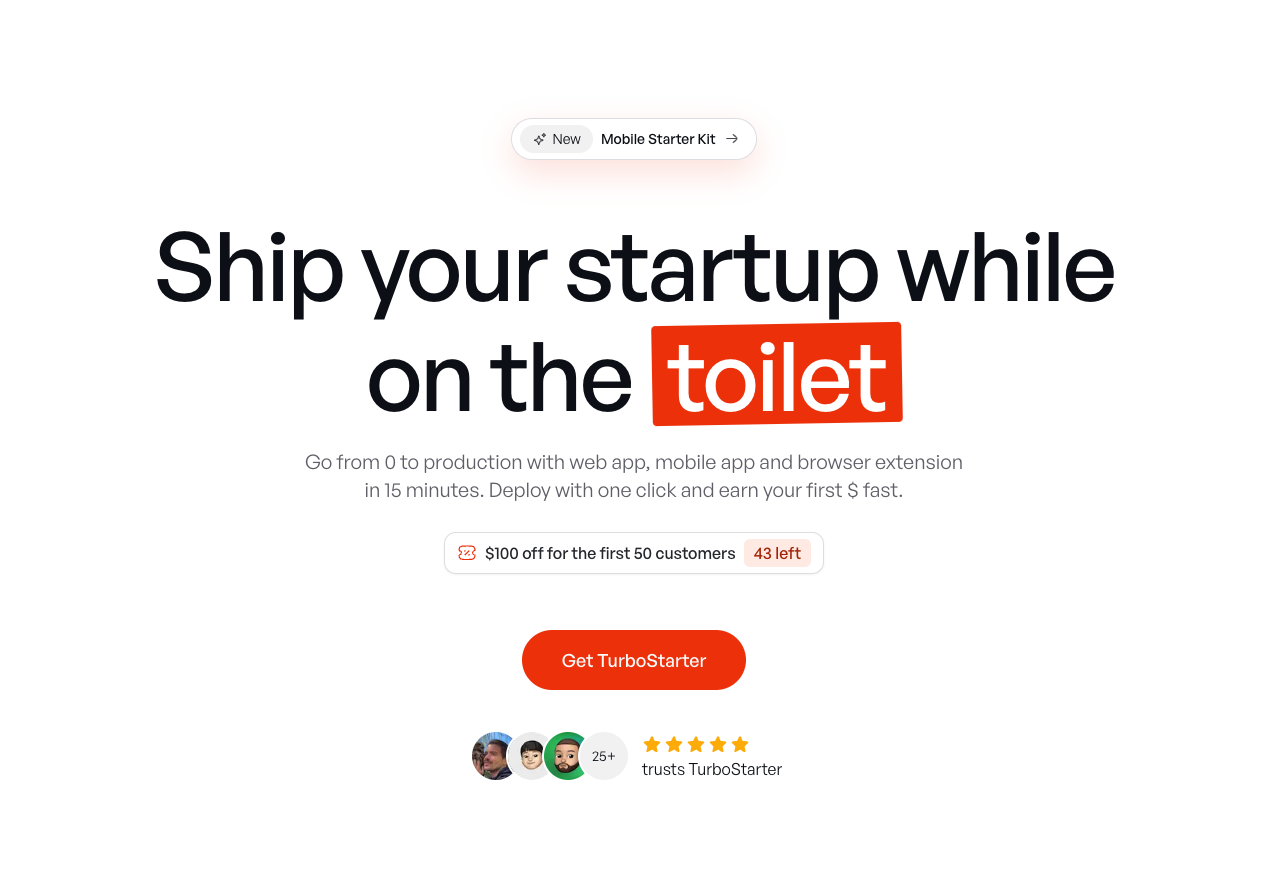
TurboStarter
Ship your startup everywhere. In minutes.
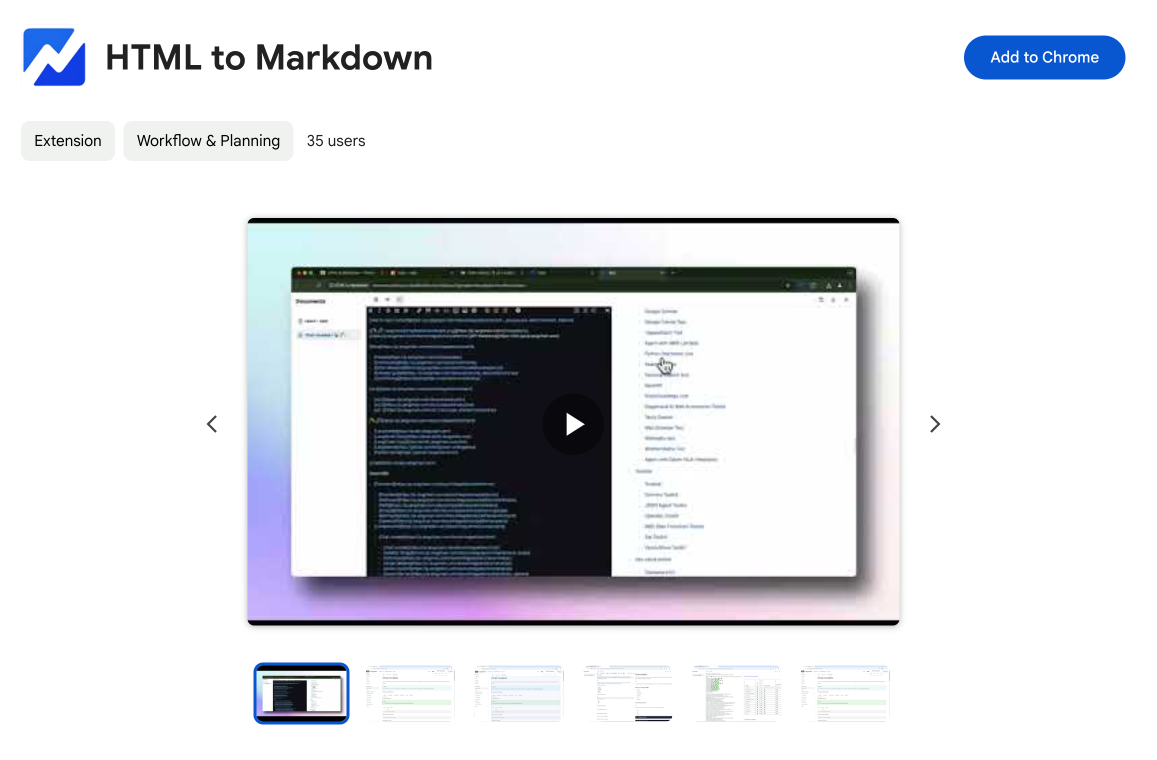
HTML to Markdown
Convert HTML to Markdown with ease, directly in your browser 📄
Dotallio
Personalized AI apps that automate research, data extraction, and content creation without code 🤖
Talk to Santa
Enjoy a magical live video chat or receive a unique AI-generated video greeting from Santa Claus 🎅
pozywka.pl
Scalable blog for food journalist, focused on performance and user experience 🌭
zagrodzki.me
Personal blog and portfolio of Bart Zagrodzki, where he shares his knowledge and work 💼
TurboStarter
Ship your startup everywhere. In minutes.
HTML to Markdown
Convert HTML to Markdown with ease, directly in your browser 📄
Dotallio
Personalized AI apps that automate research, data extraction, and content creation without code 🤖
Talk to Santa
Enjoy a magical live video chat or receive a unique AI-generated video greeting from Santa Claus 🎅
pozywka.pl
Scalable blog for food journalist, focused on performance and user experience 🌭
zagrodzki.me
Personal blog and portfolio of Bart Zagrodzki, where he shares his knowledge and work 💼
TurboStarter
Ship your startup everywhere. In minutes.
HTML to Markdown
Convert HTML to Markdown with ease, directly in your browser 📄
Dotallio
Personalized AI apps that automate research, data extraction, and content creation without code 🤖
Talk to Santa
Enjoy a magical live video chat or receive a unique AI-generated video greeting from Santa Claus 🎅
pozywka.pl
Scalable blog for food journalist, focused on performance and user experience 🌭
zagrodzki.me
Personal blog and portfolio of Bart Zagrodzki, where he shares his knowledge and work 💼
TurboStarter
Ship your startup everywhere. In minutes.
HTML to Markdown
Convert HTML to Markdown with ease, directly in your browser 📄
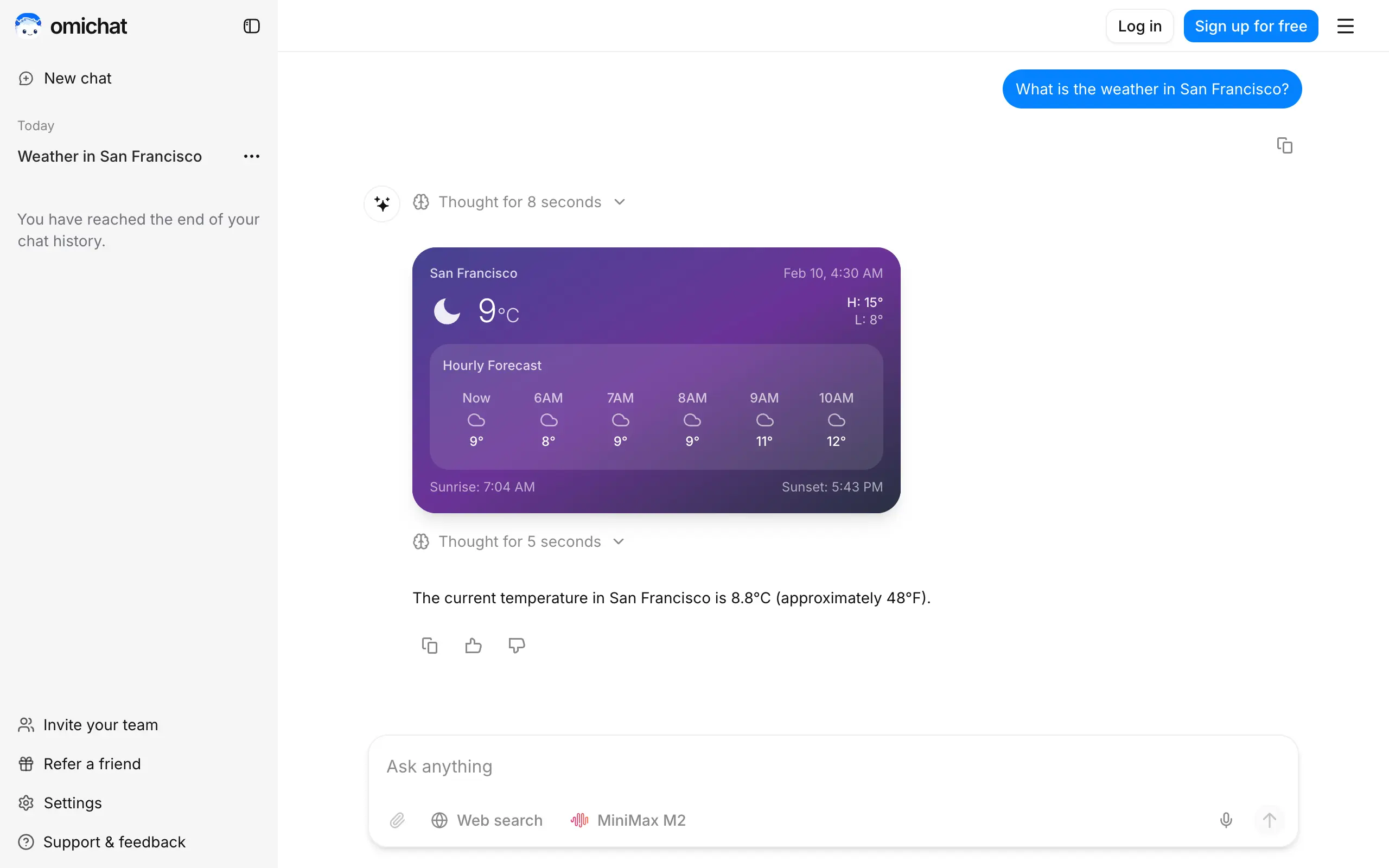
Omichat
Chat with 50+ AI models, including ChatGPT and Claude, in one place - switch models anytime without losing context 🤖
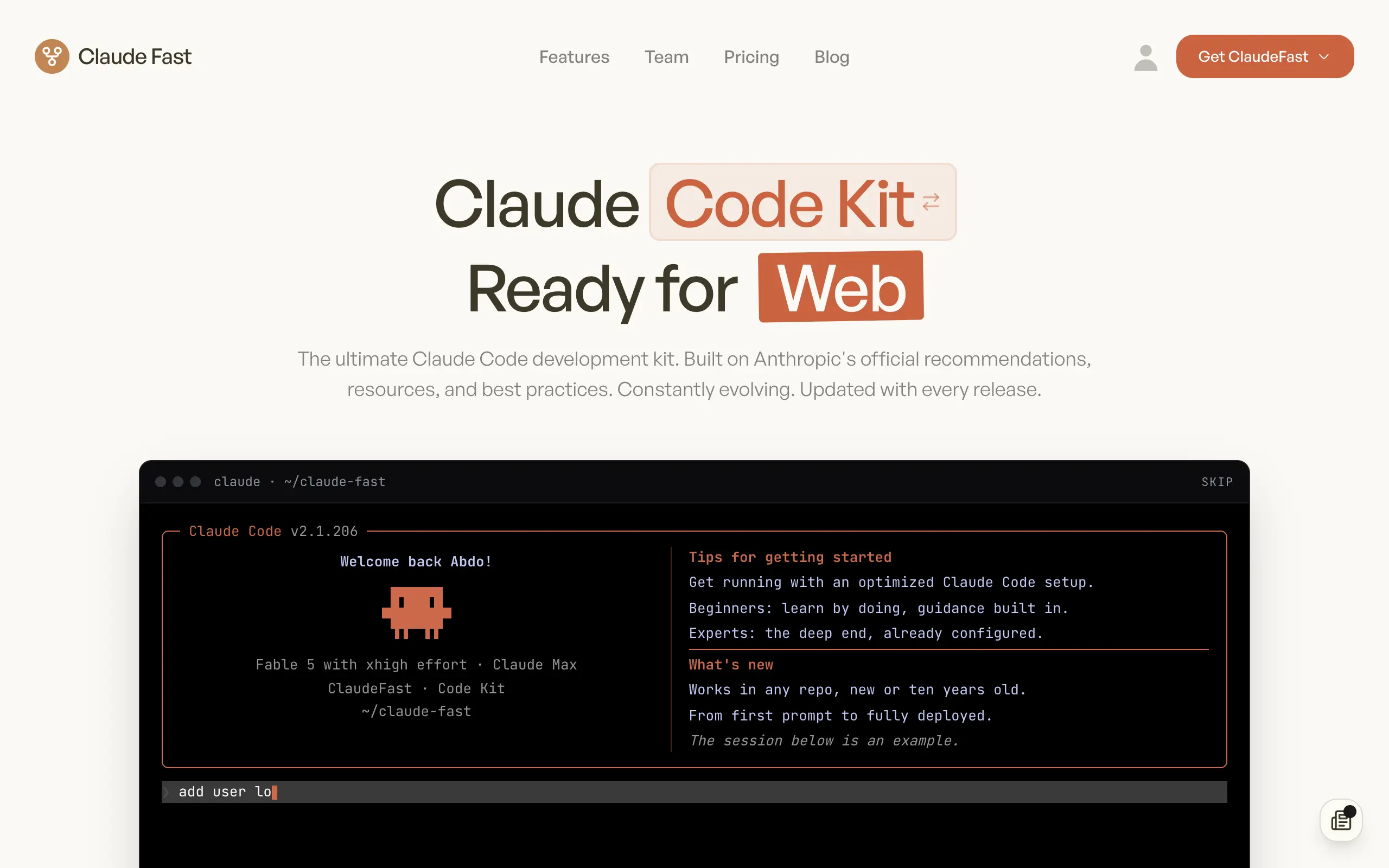
Claude Fast
Supercharge your Claude Code with 6x effective context window and specialized AI agents 🤖
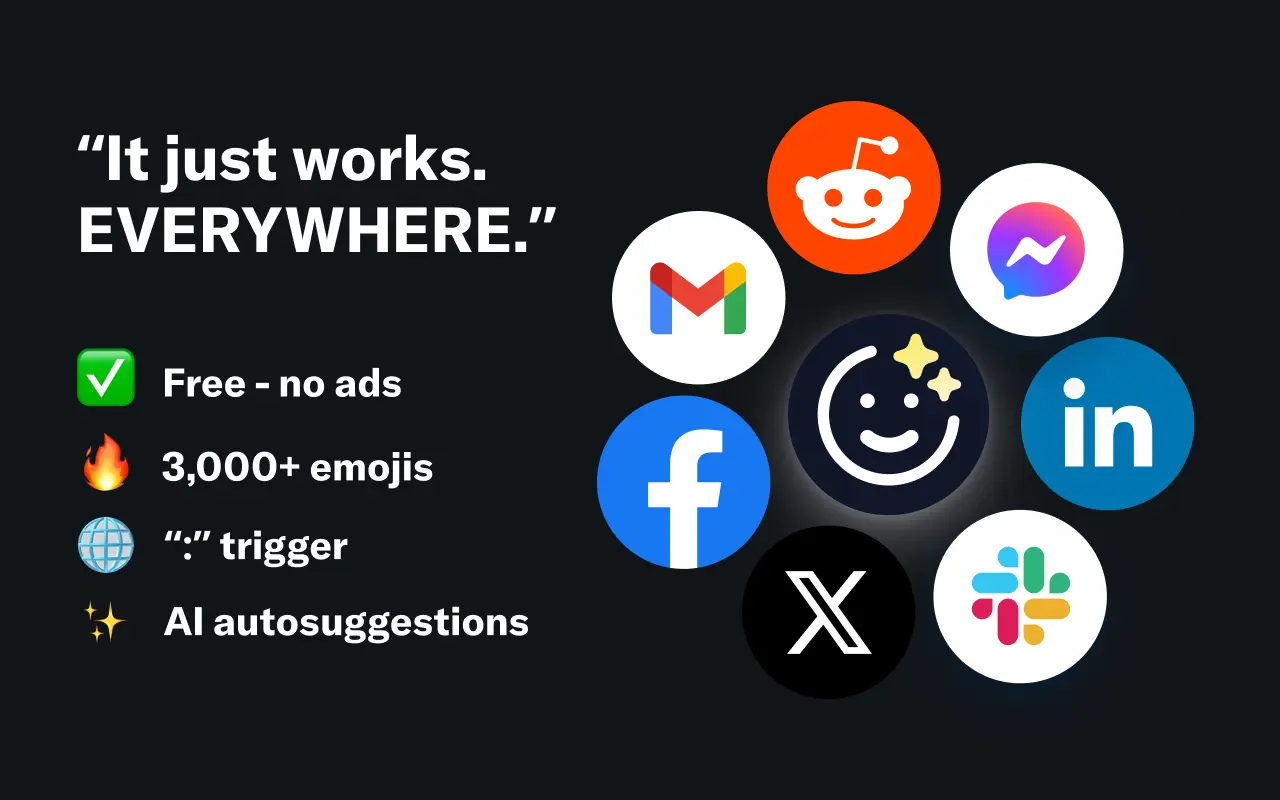
EmojAI
AI-powered emoji picker with smart, context-aware suggestions 🤖
Solohacker
Autonomous company launcher - AI agents work 24/7, escalate what matters, and you stay in control 🤖
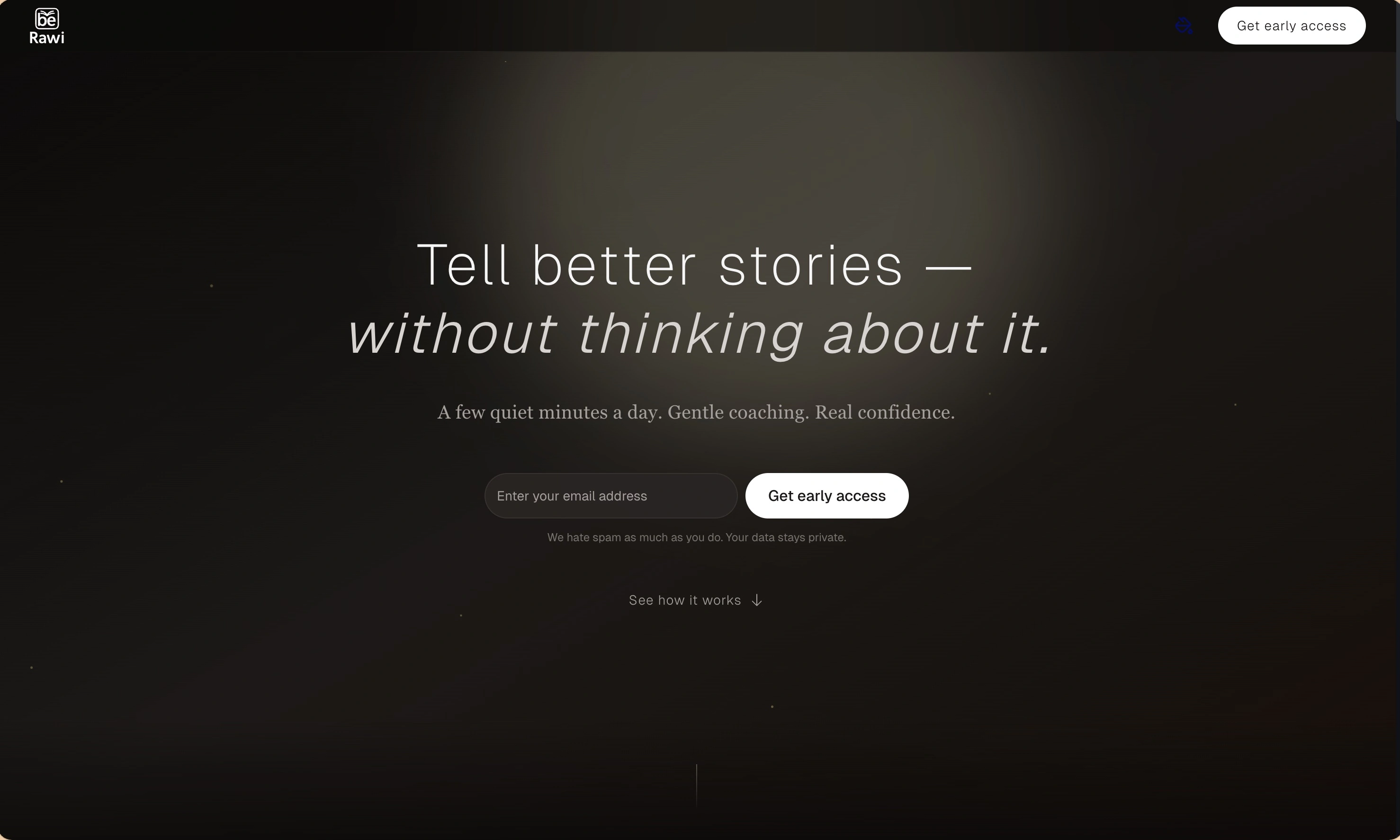
BeRawi: Storytelling Coach
Practice storytelling daily with instant feedback to sound clearer, more engaging, and confident 🎤
Omichat
Chat with 50+ AI models, including ChatGPT and Claude, in one place - switch models anytime without losing context 🤖
Claude Fast
Supercharge your Claude Code with 6x effective context window and specialized AI agents 🤖
EmojAI
AI-powered emoji picker with smart, context-aware suggestions 🤖
Solohacker
Autonomous company launcher - AI agents work 24/7, escalate what matters, and you stay in control 🤖
BeRawi: Storytelling Coach
Practice storytelling daily with instant feedback to sound clearer, more engaging, and confident 🎤
Omichat
Chat with 50+ AI models, including ChatGPT and Claude, in one place - switch models anytime without losing context 🤖
Claude Fast
Supercharge your Claude Code with 6x effective context window and specialized AI agents 🤖
EmojAI
AI-powered emoji picker with smart, context-aware suggestions 🤖
Solohacker
Autonomous company launcher - AI agents work 24/7, escalate what matters, and you stay in control 🤖
BeRawi: Storytelling Coach
Practice storytelling daily with instant feedback to sound clearer, more engaging, and confident 🎤
Omichat
Chat with 50+ AI models, including ChatGPT and Claude, in one place - switch models anytime without losing context 🤖
Claude Fast
Supercharge your Claude Code with 6x effective context window and specialized AI agents 🤖
EmojAI
AI-powered emoji picker with smart, context-aware suggestions 🤖
Solohacker
Autonomous company launcher - AI agents work 24/7, escalate what matters, and you stay in control 🤖
BeRawi: Storytelling Coach
Practice storytelling daily with instant feedback to sound clearer, more engaging, and confident 🎤

Connect with like-minded people
Join our community to get feedback, support, and grow together with 1,000+ builders on board, let's ship it!
Join usShip your startup everywhere. In minutes.
Don't burn tokens on setup and start building features on day one.