DataWeave
Automate ingestion and transformation of social exports and notes into a clean, queryable personal data graph with smart deduplication.
What is DataWeave AI and why it matters now
In a world where your digital life is scattered across dozens of platforms—Twitter/X exports, Notion notes, Google Docs, Slack messages, Kindle highlights, and more—the problem is no longer collecting information. It’s making sense of it.
DataWeave AI is a productivity SaaS that automates the ingestion, cleaning, deduplication, and transformation of personal data into a structured, queryable personal data graph. Instead of fragmented silos, users get a unified, intelligent layer over their knowledge.
This article breaks down the full opportunity behind DataWeave AI: market demand, target users, product architecture, monetization, risks, and how to actually build and launch it.
The growing problem: fragmented personal data
Most knowledge workers today operate across 10–20 tools daily. Each tool captures valuable information—but none talk to each other effectively.
Common pain points
- Exported data is messy and inconsistent (JSON dumps, CSV chaos)
- Duplicate content across platforms (e.g., same idea in Notion + Twitter thread)
- No unified search across personal knowledge
- Context loss (who said what, when, and why)
- Manual organization doesn’t scale
Key trend
The rise of AI-native workflows has increased demand for structured, high-quality personal data. LLMs perform significantly better when operating over clean, deduplicated, and well-linked datasets.
Target audience: who needs DataWeave AI?
DataWeave AI is not for everyone—it’s for people who live in information.
Primary audience segments
1. Knowledge workers and creators
- Writers, researchers, analysts
- Heavy users of Notion, Obsidian, Roam
- Need to connect ideas across time
2. Indie hackers and builders
- Track ideas, experiments, and learnings
- Want reusable insights from past work
- Need structured personal datasets for AI agents
3. Tech professionals
- Engineers, PMs, designers
- Consume large volumes of content
- Need searchable, contextual recall
4. Lifelong learners
- Read books, take notes, save articles
- Want synthesis, not just storage
Market opportunity and gap analysis
The personal knowledge management (PKM) space is crowded—but incomplete.
Existing categories
- Note-taking tools: Notion, Obsidian, Evernote
- Read-it-later apps: Pocket, Instapaper
- Data connectors: Zapier, Make
- AI assistants: ChatGPT, Claude
The gap
None of these tools solve data normalization + deduplication + graph structuring at scale.
Here’s how DataWeave AI differentiates:
| Feature | Notion | Zapier | Obsidian | DataWeave AI |
|---|---|---|---|---|
| Unified ingestion | ❌ | ✅ | ❌ | ✅ |
| Smart deduplication | ❌ | ❌ | ❌ | ✅ |
| Personal data graph | ❌ | ❌ | ✅ | ✅ |
| AI-native querying | ✅ | ❌ | ✅ | ✅ |
| Cross-platform synthesis | ❌ | ❌ | ❌ | ✅ |
Why now?
Several trends make DataWeave AI especially timely:
- Explosion of personal data exports (GDPR-driven portability)
- AI agents needing structured memory
- Increasing demand for "second brain" systems
- Growth of API ecosystems across platforms
Core product vision: the personal data graph
At its core, DataWeave AI builds a knowledge graph of your life.
What is a personal data graph?
Instead of storing notes as isolated documents, DataWeave represents:
- Entities (people, topics, ideas)
- Relationships (mentions, references, evolution over time)
- Context (timestamps, sources, interactions)
Example
A tweet, a Notion note, and a Slack message about "AI startups" become:
- One unified concept node
- Linked across sources
- Deduplicated and enriched
Key features of DataWeave AI
1. Automated data ingestion
Connectors pull data from:
- Twitter/X exports
- Notion workspaces
- Google Drive
- Slack archives
- Email (Gmail/IMAP)
- Kindle highlights
Plug-and-play integrations
Users connect accounts once; DataWeave handles ongoing sync and updates.
Batch imports
Upload historical exports for full data reconstruction.
2. Smart deduplication engine
This is the core differentiator.
Instead of simple string matching, DataWeave uses:
- Semantic similarity (embeddings)
- Temporal proximity
- Source weighting
- Context clustering
Example logic
function isDuplicate(entryA, entryB) {
  const semanticScore = cosineSimilarity(embed(entryA), embed(entryB));
  const timeDelta = Math.abs(entryA.timestamp - entryB.timestamp);

  return semanticScore > 0.92 && timeDelta < 7 * 24 * 60 * 60;
}
3. Data normalization and transformation
Raw exports are messy. DataWeave transforms them into:
- Clean schemas
- Unified metadata
- Consistent formatting
Example transformations
- Tweets → ideas + engagement metadata
- Notes → structured blocks
- Emails → threads + entities
4. Queryable knowledge graph
Users can:
- Search semantically ("ideas about AI I had last year")
- Ask questions ("what patterns do I repeat?")
- Generate summaries
5. AI-powered insights
DataWeave goes beyond storage:
- Detect recurring themes
- Highlight forgotten ideas
- Suggest connections
Think of it as a memory layer for your AI tools—clean, structured, and context-aware.
6. API for personal data
Developers can build on top of their own data graph.
- GraphQL or REST endpoints
- Fine-grained permissions
- AI agent integration
Recommended tech stack (with trade-offs)
Frontend
- React for UI
- TailwindCSS for styling
Why: Fast iteration, strong ecosystem
Backend
- Node.js (NestJS) or Python (FastAPI)
Trade-offs:
- Node: better for real-time pipelines
- Python: better for ML-heavy workloads
Data processing pipeline
- Apache Kafka or managed alternatives
- Background workers (BullMQ / Celery)
Database layer
PostgreSQL + pgvector
- Pros: simple, reliable
- Cons: limited graph capabilities
Neo4j or graph DB
- Pros: native graph relationships
- Cons: complexity, cost
AI/ML layer
- Embeddings via OpenAI or open-source models
- Vector search (pgvector, Pinecone, Weaviate)
Infrastructure
- Vercel (frontend)
- AWS / GCP (backend + pipelines)
- Object storage for raw data
Monetization strategy
1. Subscription tiers
- Free: limited integrations + storage
- Pro ($10–$20/month): full sync + AI queries
- Power users ($30–$50/month): API + advanced insights
2. Usage-based pricing
Charge for:
- Data processing volume
- AI queries
- Storage
3. Developer platform
Offer paid API access for:
- AI agents
- Personal analytics tools
- Research applications
4. Enterprise version
Target teams:
- Shared knowledge graphs
- Cross-team insights
- Compliance features
Competitive advantage
DataWeave AI wins by combining three things others don’t:
1. Deduplication-first architecture
Most tools store more data. DataWeave stores better data.
2. Graph-native thinking
Relationships are first-class, not an afterthought.
3. AI-ready data layer
Optimized for LLM querying and reasoning.
Risks and mitigation strategies
Risk 1: Data privacy concerns
Users are hesitant to centralize personal data.
Mitigation:
- End-to-end encryption
- Local-first options
- Transparent data policies
Risk 2: Integration complexity
APIs change frequently.
Mitigation:
- Modular connector architecture
- Fallback import options
Risk 3: High compute costs
AI + embeddings can get expensive.
Mitigation:
- Cache embeddings
- Tiered processing
- Use open-source models where viable
Risk 4: User overwhelm
Too much data can be confusing.
Mitigation:
- Focus on insights, not raw data
- Strong UX around discovery
Go-to-market strategy
Phase 1: niche audience
Target:
- Indie hackers
- PKM enthusiasts
- Obsidian/Notion power users
Phase 2: content-led growth
Create SEO content around:
- "How to build a second brain"
- "Organize personal data"
- "AI for knowledge management"
Phase 3: integrations as growth loops
Each integration becomes a distribution channel.
Implementation roadmap
MVP feature scope
Keep it tight:
- 2–3 integrations (e.g., Twitter, Notion, CSV upload)
- Basic deduplication
- Simple semantic search
- Clean UI
Example user workflow
- Connect accounts
- Import data
- DataWeave cleans and deduplicates
- User queries their knowledge
- Insights emerge
Future expansion opportunities
- Personal AI agents trained on your graph
- Team knowledge graphs
- Cross-user anonymized insights
- Marketplace of data plugins
SEO strategy for DataWeave AI
Primary keyword targets
- personal data graph
- knowledge management AI
- data deduplication SaaS
- personal knowledge graph tool
Content clusters
- PKM systems
- AI productivity tools
- data organization strategies
Technical SEO
- Fast load times
- Structured data
- API documentation indexing
Why DataWeave AI stands out
Most tools help you store information.
DataWeave helps you understand and reuse it.
That’s a fundamental shift.
Final thoughts and execution advice
Building DataWeave AI is ambitious—but highly aligned with where software is heading: AI-native, data-centric, user-owned systems.
The biggest mistake would be overbuilding too early.
Focus on:
- One killer use case
- One clean workflow
- One clear outcome
Everything else can follow.
Build faster with the right foundation
If you're serious about launching a SaaS like DataWeave AI, starting from scratch can slow you down significantly.
Using a production-ready foundation like TurboStarter can help you:
- Skip boilerplate setup
- Focus on core product logic
- Launch faster with best practices built-in
FAQs about DataWeave AI
No. It sits above note-taking apps, unifying and structuring data across multiple sources.
Zapier automates workflows. DataWeave transforms and understands data.
Not necessarily. It enhances them by adding a unified intelligence layer.
Yes, especially if the UI focuses on insights rather than raw data.
Closing perspective
The future of productivity isn’t about more apps—it’s about better data.
DataWeave AI taps directly into that shift, turning scattered digital exhaust into a structured, intelligent system you can actually use.
If executed well, it won’t just be another tool—it could become the foundation layer for personal AI systems.
More ⚡ Productivity Tool SaaS ideas
Discover more innovative productivity tool SaaS ideas that are trending in 2026. Each idea is AI-generated with market validation and growth potential to help you find your next profitable venture faster than competitors.
Your competitors are building with TurboStarter
Below are some of the SaaS ideas that have been generated and built with our starter kit.
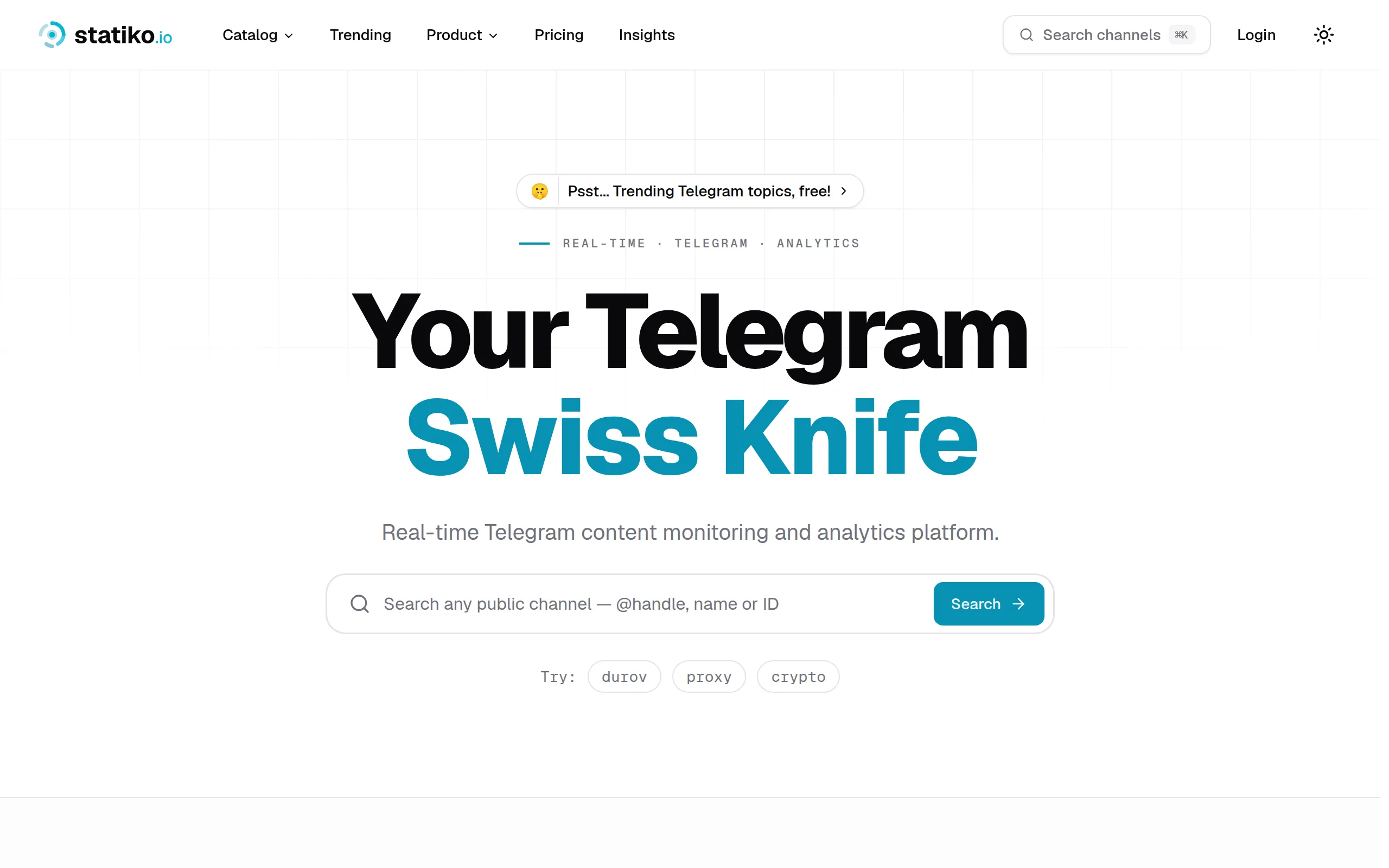
Statiko
Monitor any Telegram channel in real time - track posts, edits, deletions, and growth with AI recaps 📡

Shibui
AI website builder - describe your business, pick a niche template, edit by chatting, and publish instantly ✨

Pro Service
Find verified home service professionals, compare quotes, and pay securely through escrow - built for Brazilians across the US 🏠
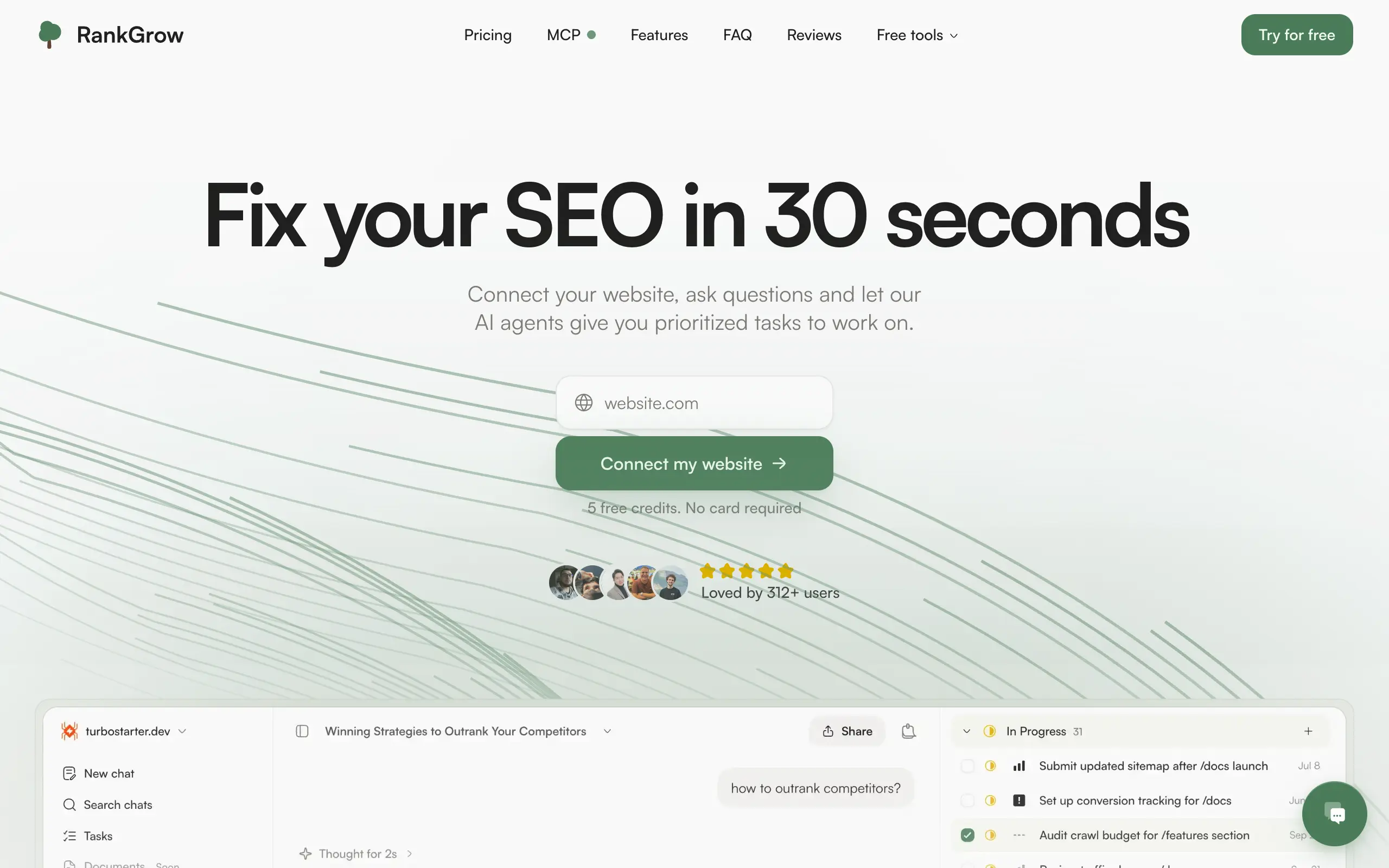
RankGrow
Fix your SEO with AI agents - connect Search Console, get prioritized tasks, and grow organic traffic 📈
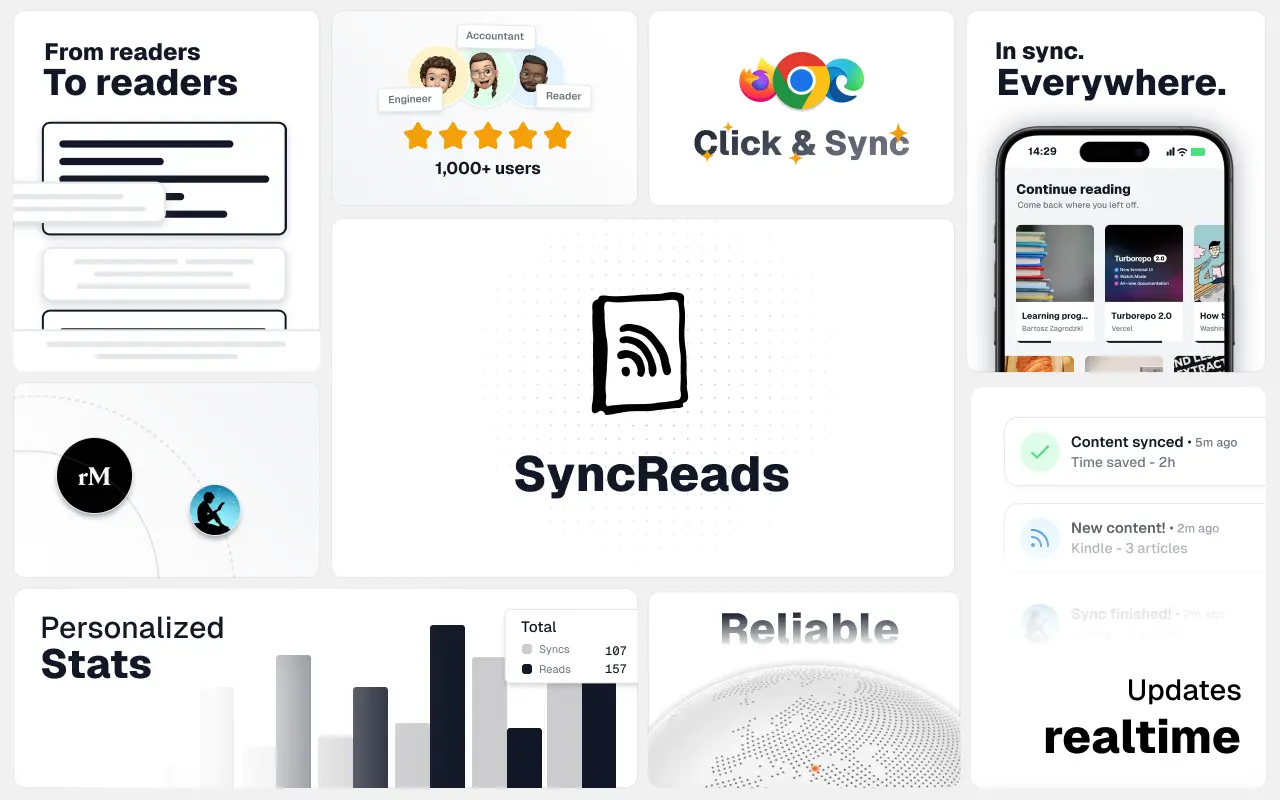
SyncReads
Sync your favorite content for distraction-free reading, save time and replace multiple apps. Anytime, anywhere 🔄
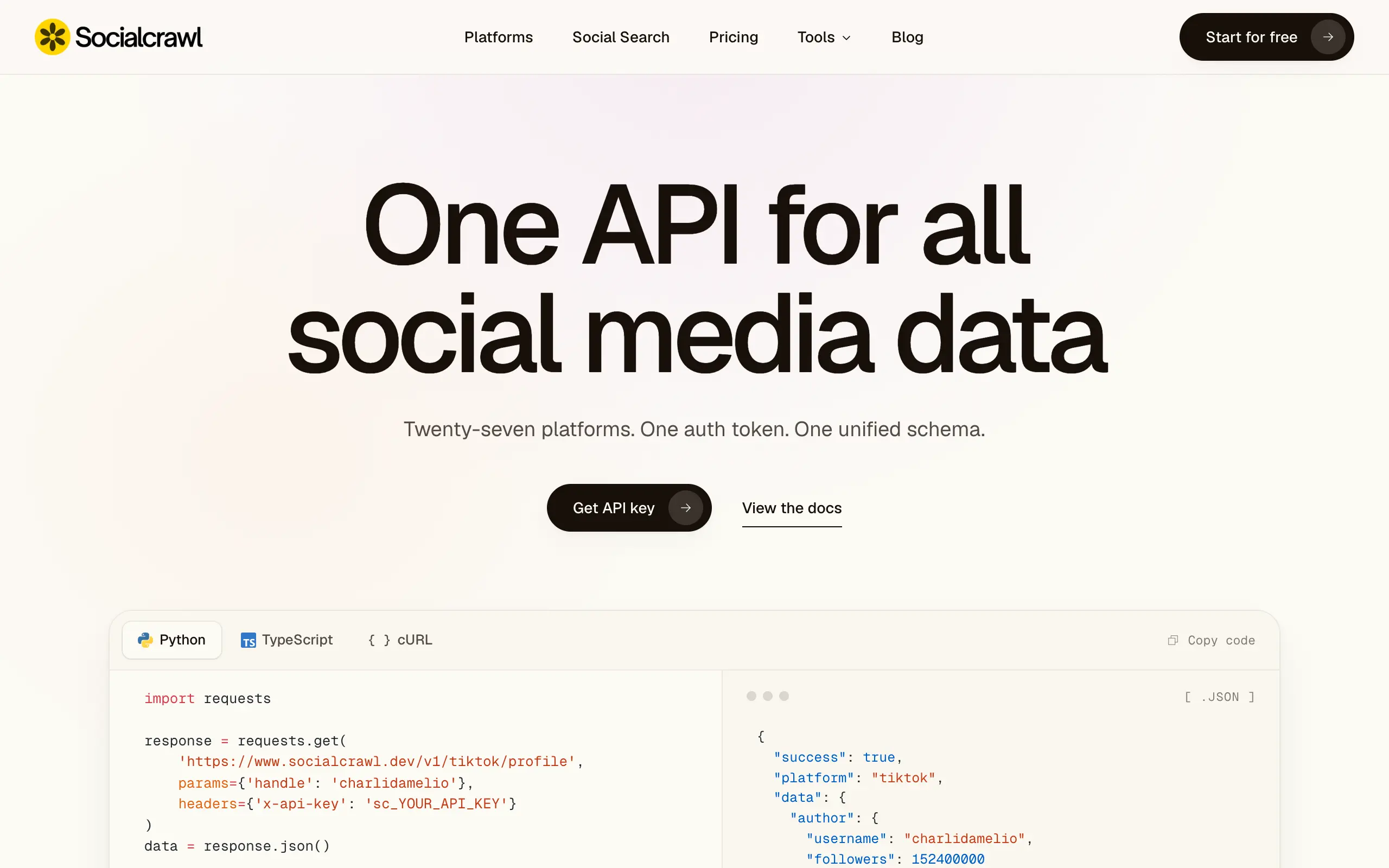
Socialcrawl
Get clean, structured data from 21 platforms like TikTok, Instagram, and YouTube with a single request 📊
Statiko
Monitor any Telegram channel in real time - track posts, edits, deletions, and growth with AI recaps 📡
Shibui
AI website builder - describe your business, pick a niche template, edit by chatting, and publish instantly ✨
Pro Service
Find verified home service professionals, compare quotes, and pay securely through escrow - built for Brazilians across the US 🏠
RankGrow
Fix your SEO with AI agents - connect Search Console, get prioritized tasks, and grow organic traffic 📈
SyncReads
Sync your favorite content for distraction-free reading, save time and replace multiple apps. Anytime, anywhere 🔄
Socialcrawl
Get clean, structured data from 21 platforms like TikTok, Instagram, and YouTube with a single request 📊
Statiko
Monitor any Telegram channel in real time - track posts, edits, deletions, and growth with AI recaps 📡
Shibui
AI website builder - describe your business, pick a niche template, edit by chatting, and publish instantly ✨
Pro Service
Find verified home service professionals, compare quotes, and pay securely through escrow - built for Brazilians across the US 🏠
RankGrow
Fix your SEO with AI agents - connect Search Console, get prioritized tasks, and grow organic traffic 📈
SyncReads
Sync your favorite content for distraction-free reading, save time and replace multiple apps. Anytime, anywhere 🔄
Socialcrawl
Get clean, structured data from 21 platforms like TikTok, Instagram, and YouTube with a single request 📊
Statiko
Monitor any Telegram channel in real time - track posts, edits, deletions, and growth with AI recaps 📡
Shibui
AI website builder - describe your business, pick a niche template, edit by chatting, and publish instantly ✨
Pro Service
Find verified home service professionals, compare quotes, and pay securely through escrow - built for Brazilians across the US 🏠
RankGrow
Fix your SEO with AI agents - connect Search Console, get prioritized tasks, and grow organic traffic 📈
SyncReads
Sync your favorite content for distraction-free reading, save time and replace multiple apps. Anytime, anywhere 🔄
Socialcrawl
Get clean, structured data from 21 platforms like TikTok, Instagram, and YouTube with a single request 📊
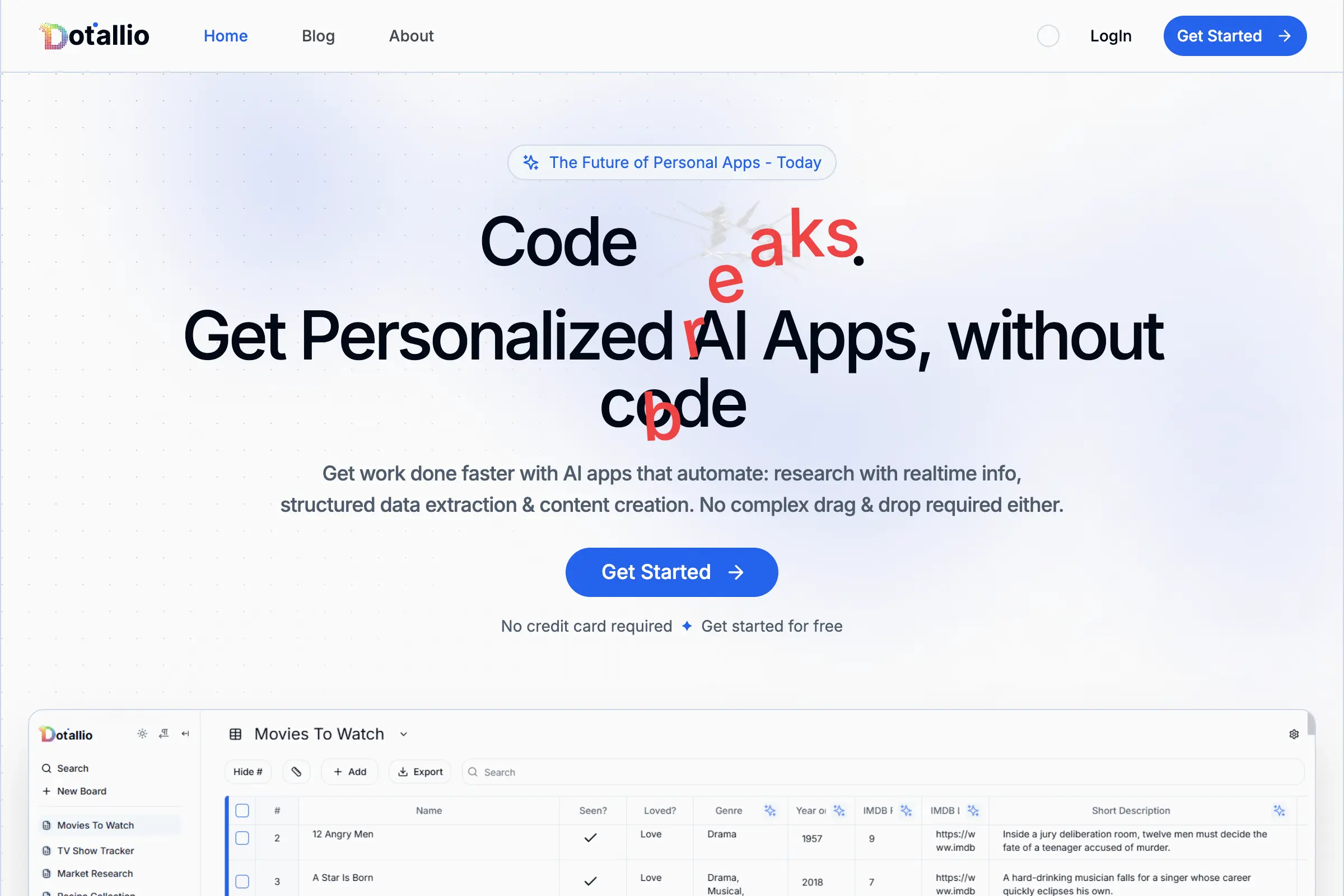
Dotallio
Personalized AI apps that automate research, data extraction, and content creation without code 🤖

Talk to Santa
Enjoy a magical live video chat or receive a unique AI-generated video greeting from Santa Claus 🎅

pozywka.pl
Scalable blog for food journalist, focused on performance and user experience 🌭
zagrodzki.me
Personal blog and portfolio of Bart Zagrodzki, where he shares his knowledge and work 💼
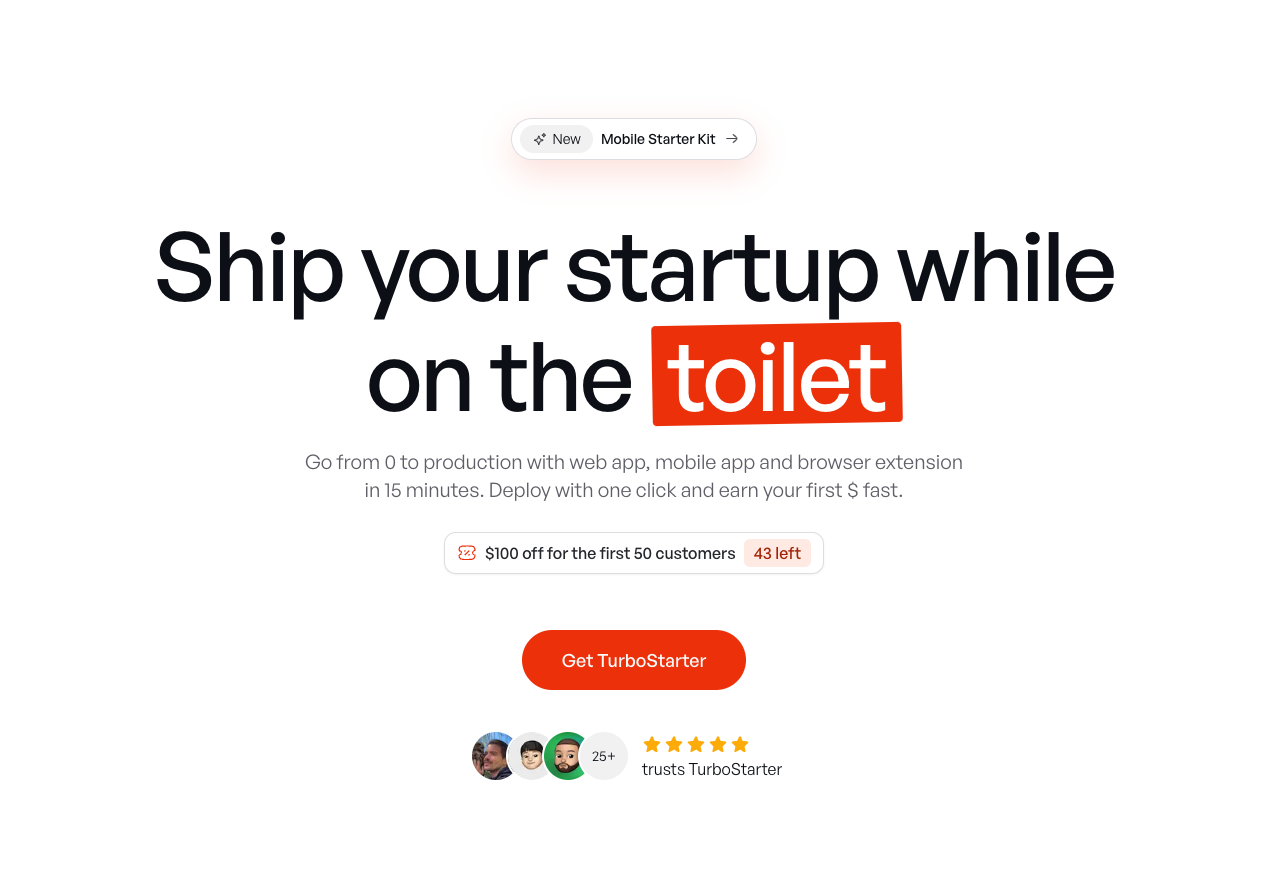
TurboStarter
Ship your startup everywhere. In minutes.
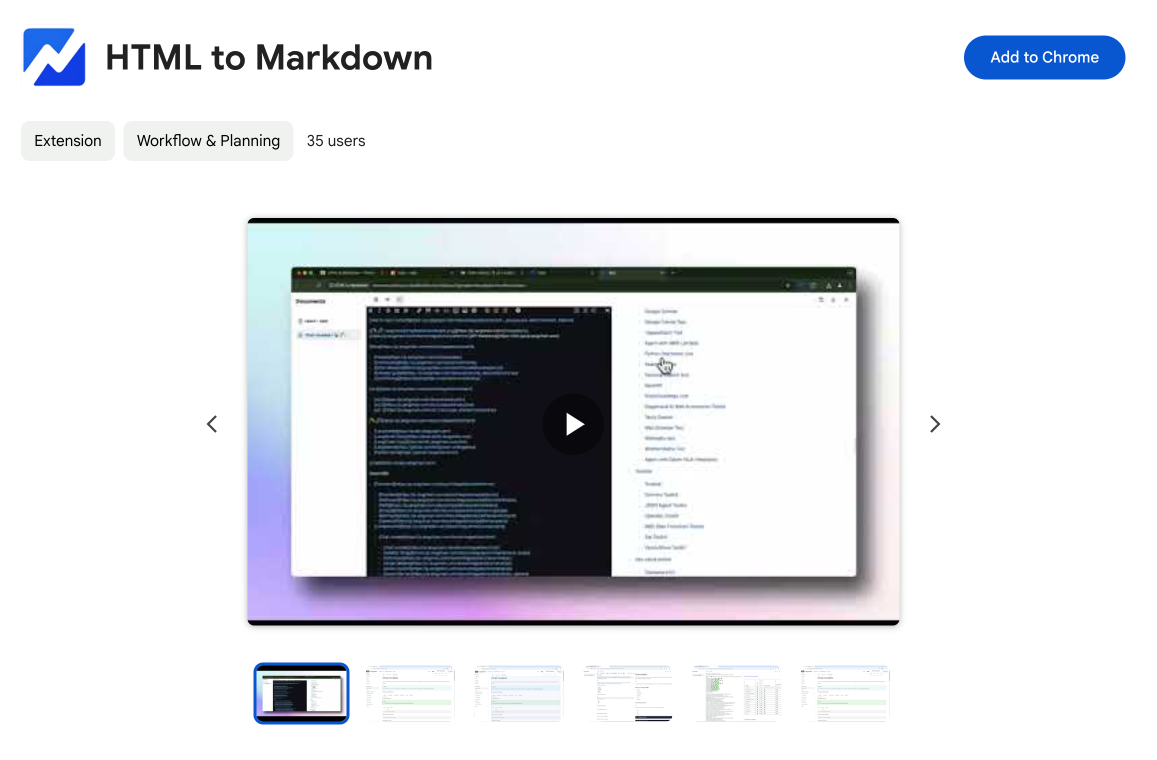
HTML to Markdown
Convert HTML to Markdown with ease, directly in your browser 📄
Dotallio
Personalized AI apps that automate research, data extraction, and content creation without code 🤖
Talk to Santa
Enjoy a magical live video chat or receive a unique AI-generated video greeting from Santa Claus 🎅
pozywka.pl
Scalable blog for food journalist, focused on performance and user experience 🌭
zagrodzki.me
Personal blog and portfolio of Bart Zagrodzki, where he shares his knowledge and work 💼
TurboStarter
Ship your startup everywhere. In minutes.
HTML to Markdown
Convert HTML to Markdown with ease, directly in your browser 📄
Dotallio
Personalized AI apps that automate research, data extraction, and content creation without code 🤖
Talk to Santa
Enjoy a magical live video chat or receive a unique AI-generated video greeting from Santa Claus 🎅
pozywka.pl
Scalable blog for food journalist, focused on performance and user experience 🌭
zagrodzki.me
Personal blog and portfolio of Bart Zagrodzki, where he shares his knowledge and work 💼
TurboStarter
Ship your startup everywhere. In minutes.
HTML to Markdown
Convert HTML to Markdown with ease, directly in your browser 📄
Dotallio
Personalized AI apps that automate research, data extraction, and content creation without code 🤖
Talk to Santa
Enjoy a magical live video chat or receive a unique AI-generated video greeting from Santa Claus 🎅
pozywka.pl
Scalable blog for food journalist, focused on performance and user experience 🌭
zagrodzki.me
Personal blog and portfolio of Bart Zagrodzki, where he shares his knowledge and work 💼
TurboStarter
Ship your startup everywhere. In minutes.
HTML to Markdown
Convert HTML to Markdown with ease, directly in your browser 📄
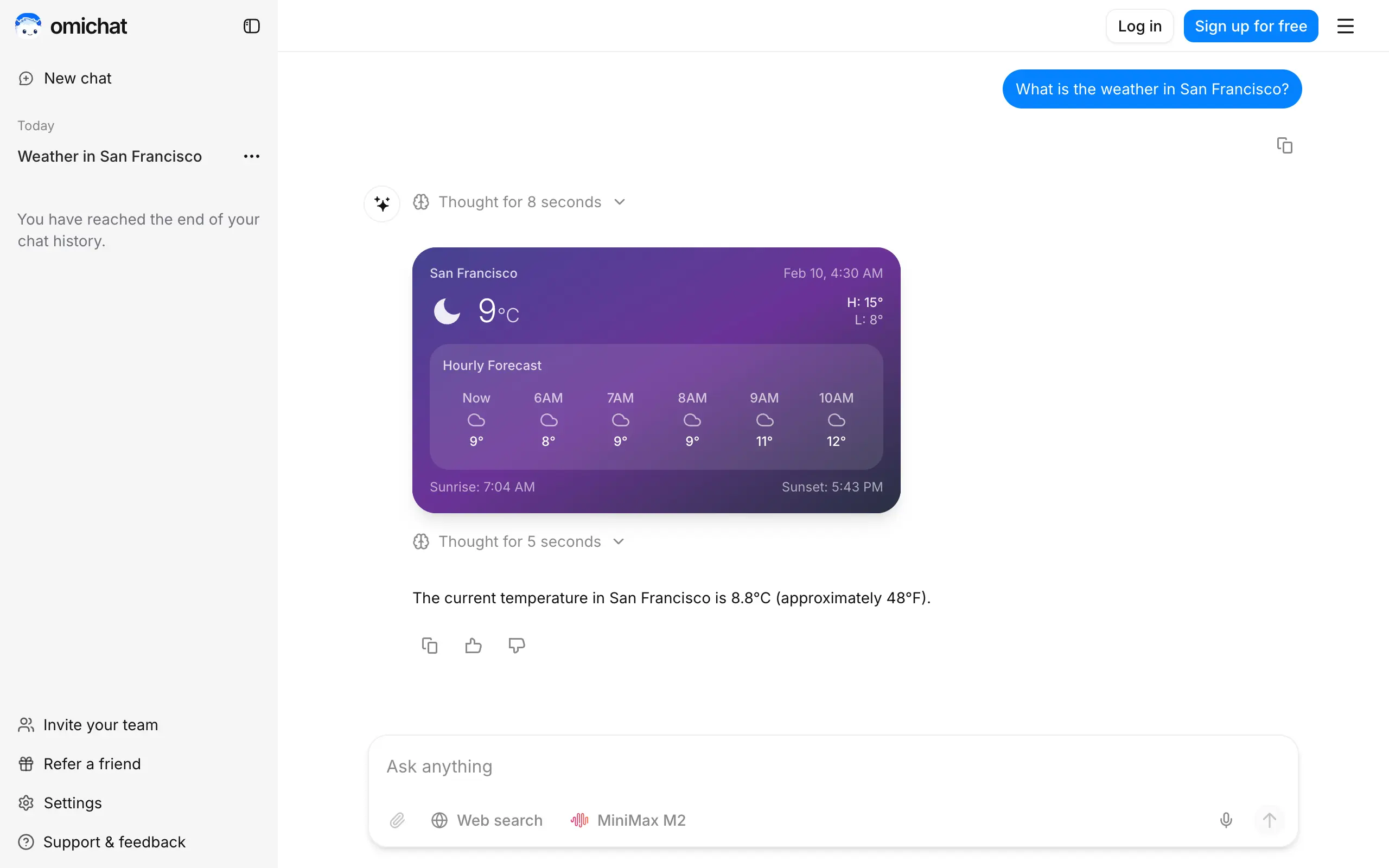
Omichat
Chat with 50+ AI models, including ChatGPT and Claude, in one place - switch models anytime without losing context 🤖
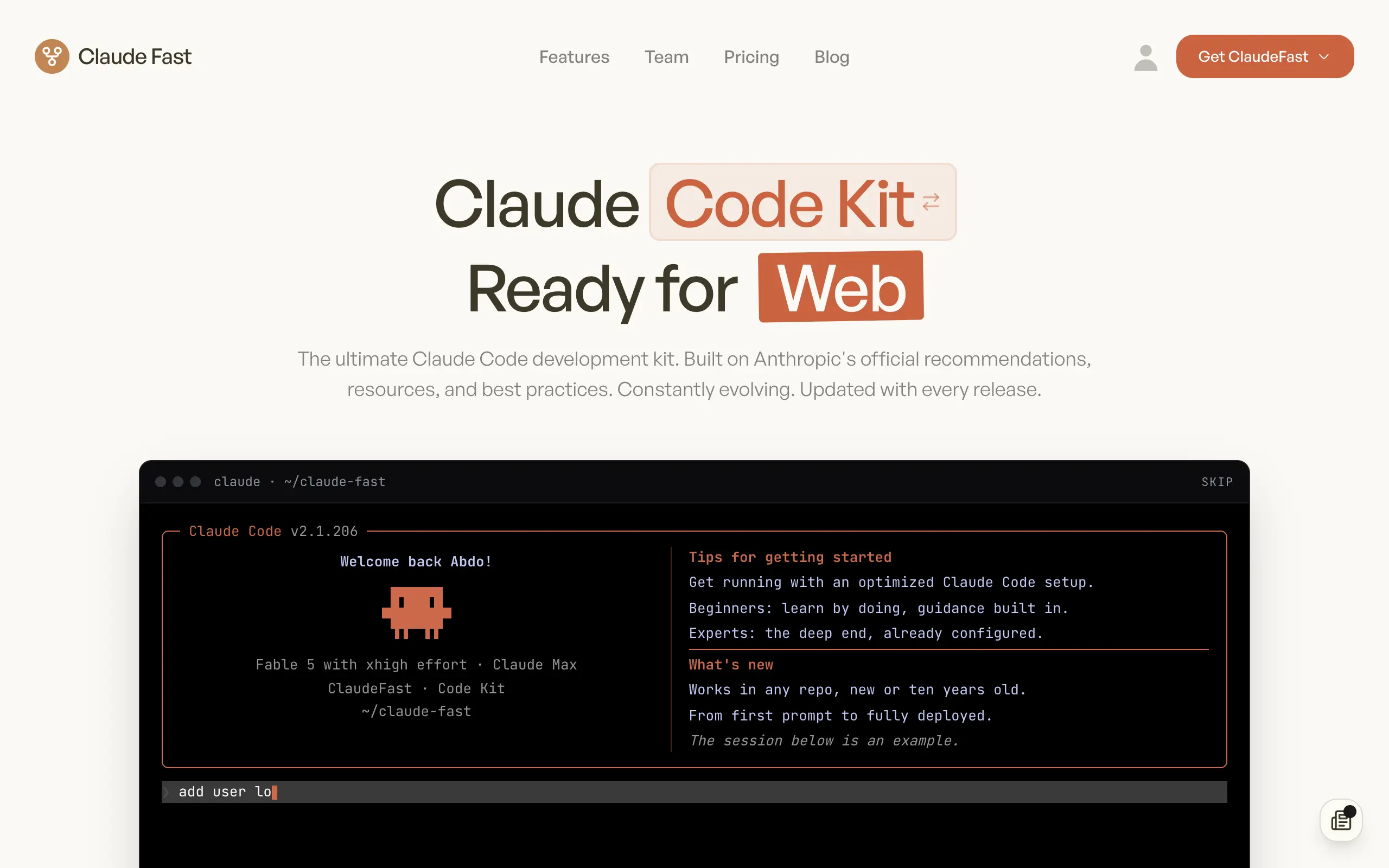
Claude Fast
Supercharge your Claude Code with 6x effective context window and specialized AI agents 🤖
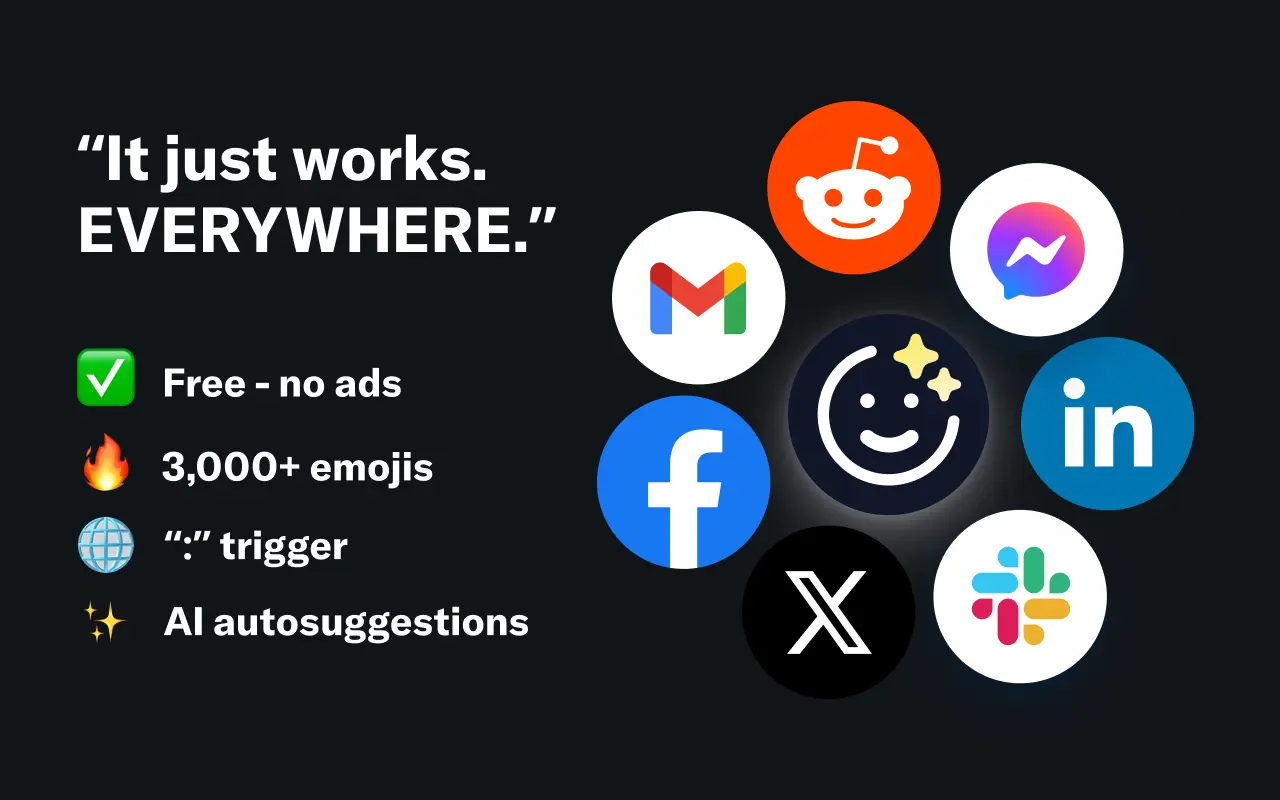
EmojAI
AI-powered emoji picker with smart, context-aware suggestions 🤖
Solohacker
Autonomous company launcher - AI agents work 24/7, escalate what matters, and you stay in control 🤖
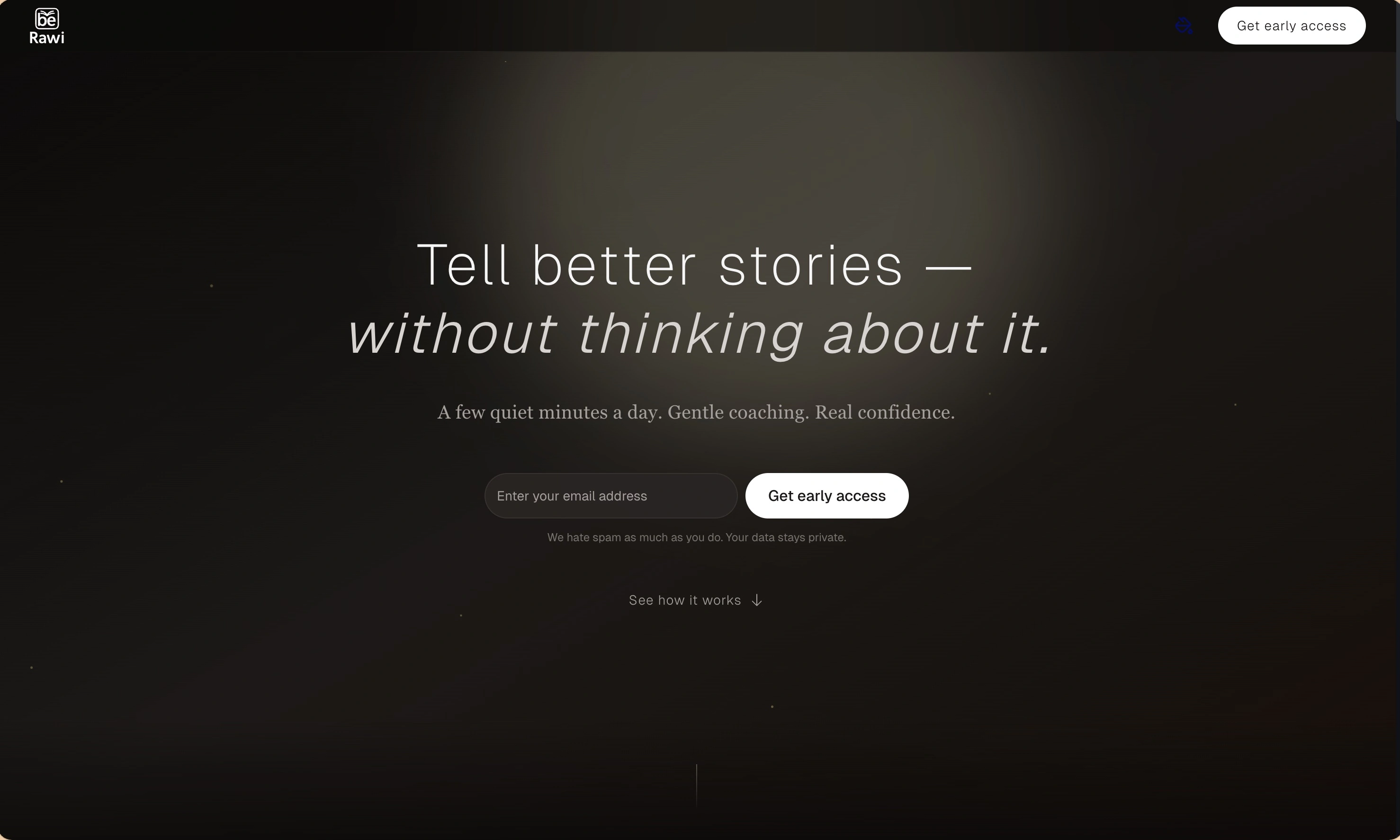
BeRawi: Storytelling Coach
Practice storytelling daily with instant feedback to sound clearer, more engaging, and confident 🎤
Omichat
Chat with 50+ AI models, including ChatGPT and Claude, in one place - switch models anytime without losing context 🤖
Claude Fast
Supercharge your Claude Code with 6x effective context window and specialized AI agents 🤖
EmojAI
AI-powered emoji picker with smart, context-aware suggestions 🤖
Solohacker
Autonomous company launcher - AI agents work 24/7, escalate what matters, and you stay in control 🤖
BeRawi: Storytelling Coach
Practice storytelling daily with instant feedback to sound clearer, more engaging, and confident 🎤
Omichat
Chat with 50+ AI models, including ChatGPT and Claude, in one place - switch models anytime without losing context 🤖
Claude Fast
Supercharge your Claude Code with 6x effective context window and specialized AI agents 🤖
EmojAI
AI-powered emoji picker with smart, context-aware suggestions 🤖
Solohacker
Autonomous company launcher - AI agents work 24/7, escalate what matters, and you stay in control 🤖
BeRawi: Storytelling Coach
Practice storytelling daily with instant feedback to sound clearer, more engaging, and confident 🎤
Omichat
Chat with 50+ AI models, including ChatGPT and Claude, in one place - switch models anytime without losing context 🤖
Claude Fast
Supercharge your Claude Code with 6x effective context window and specialized AI agents 🤖
EmojAI
AI-powered emoji picker with smart, context-aware suggestions 🤖
Solohacker
Autonomous company launcher - AI agents work 24/7, escalate what matters, and you stay in control 🤖
BeRawi: Storytelling Coach
Practice storytelling daily with instant feedback to sound clearer, more engaging, and confident 🎤

Connect with like-minded people
Join our community to get feedback, support, and grow together with 1,000+ builders on board, let's ship it!
Join usShip your startup everywhere. In minutes.
Don't burn tokens on setup and start building features on day one.