Deadline Guardian
An AI planner that predicts workload, tracks assignments across platforms, and warns students before burnout or missed deadlines. Smart scheduling meets academic survival.
The rising need for intelligent academic planning tools
The modern student isn’t just juggling classes—they’re navigating a fragmented digital ecosystem of learning platforms, deadlines, group projects, and personal commitments. Between LMS platforms like Canvas, Blackboard, and Google Classroom, plus extracurriculars and part-time jobs, managing time effectively has become a serious cognitive burden.
This is where an AI-powered academic planner like Deadline Guardian steps in—not as a simple to-do list, but as a predictive system designed to prevent missed deadlines and academic burnout before they happen.
The primary keyword here is AI academic planner, supported by semantic variations like student productivity software, smart scheduling app for students, AI workload prediction tool, and deadline tracking system.
This article explores the full strategic potential of building Deadline Guardian as a SaaS product—from market opportunity to implementation.
Understanding the target audience
A strong SaaS product begins with clarity about who it's for. Deadline Guardian serves a diverse but clearly defined audience.
Core user segments
-
College and university students
- Heavy workload across multiple courses
- Multiple platforms and deadlines to track
- High stress and burnout risk
-
High school students (advanced or AP tracks)
- Early exposure to digital learning platforms
- Increasing pressure from college prep
-
Online learners and bootcamp participants
- Self-paced learning environments
- High dropout rates due to poor time management
-
Graduate students and researchers
- Complex, long-term projects
- Independent scheduling challenges
-
Academic institutions (B2B opportunity)
- Interested in student retention and performance analytics
Key pain points
- Fragmented assignment tracking across platforms
- Lack of predictive insights into workload peaks
- Poor prioritization and time estimation
- Burnout due to overcommitment
- Missed deadlines caused by oversight, not laziness
Insight
Studies from organizations like the American College Health Association consistently show that stress and time management are among the top academic challenges affecting student success.
Market opportunity and gap analysis
The productivity SaaS market is saturated—but the student-specific AI planning niche is still underdeveloped.
Existing solutions
-
Notion / Todoist / Trello
- Flexible but not specialized for students
- No predictive intelligence
-
Google Calendar
- Great for scheduling, weak for workload management
-
MyStudyLife
- Student-focused but lacks AI capabilities
-
Motion / Reclaim.ai
- AI scheduling exists, but not tailored to academic workflows
The gap
There is no dominant solution that combines:
- Multi-platform assignment syncing
- AI-based workload prediction
- Burnout detection
- Academic-specific prioritization
Opportunity
Deadline Guardian can own the category of:
“Predictive academic planning powered by AI”
This positioning is both differentiated and highly defensible.
Core features of Deadline Guardian
To stand out, the product must go beyond task tracking and offer real intelligence.
1. Cross-platform assignment aggregation
Automatically pull assignments from:
- Canvas
- Google Classroom
- Blackboard
- Moodle
This eliminates manual entry—a major friction point.
2. AI workload prediction engine
Analyze:
- Assignment difficulty (based on type and historical patterns)
- Estimated completion time
- User productivity patterns
Output:
- Daily workload forecasts
- “Overload risk” alerts
- Suggested redistribution of tasks
3. Smart scheduling assistant
Automatically generate optimal schedules based on:
- Deadlines
- User availability
- Cognitive load balancing
4. Burnout detection system
Use behavioral signals like:
- Late-night work spikes
- Increasing task backlog
- Reduced completion rates
Then trigger:
- Alerts
- Suggested breaks
- Schedule adjustments
5. Priority scoring system
Each task gets a dynamic score based on:
- Urgency
- Complexity
- Impact on grades
6. Real-time deadline alerts
Not just reminders—but contextual warnings, such as:
- “You’re 3 hours behind your optimal pace”
- “This week exceeds your usual workload by 40%”
Feature comparison with existing tools
| Feature | Deadline Guardian | Notion | Google Calendar | Motion | MyStudyLife |
|---|---|---|---|---|---|
| AI workload prediction | ✅ | ❌ | ❌ | ✅ | ❌ |
| Academic-specific design | ✅ | ❌ | ❌ | ❌ | ✅ |
| Burnout detection | ✅ | ❌ | ❌ | ❌ | ❌ |
| Auto assignment syncing | ✅ | ❌ | ❌ | ❌ | ✅ |
Recommended tech stack and architecture
Building Deadline Guardian requires a balance between real-time performance and intelligent modeling.
Frontend
- React for dynamic UI
- TailwindCSS for rapid styling
- Optional: React Native for mobile apps
Backend
- Node.js with NestJS or Express
- GraphQL API for flexible data queries
AI & data layer
- Python-based microservices for ML models
- Use frameworks like:
- TensorFlow or PyTorch
- Scikit-learn for simpler models
Scheduling engine
- Constraint-solving algorithms
- Heuristics combined with ML predictions
Integrations
- LMS APIs (Canvas, Google Classroom)
- Calendar APIs (Google Calendar, Outlook)
Infrastructure
- AWS or Vercel for hosting
- PostgreSQL for structured data
- Redis for caching and real-time updates
Trade-off consideration
Real-time AI predictions can be resource-intensive. Consider batching predictions or using edge caching to reduce compute costs in early stages.
Monetization strategy
Deadline Guardian has multiple viable revenue streams.
Freemium model
-
Free tier:
- Basic task tracking
- Limited AI insights
-
Premium tier ($5–$12/month):
- Full AI scheduling
- Burnout detection
- Cross-platform syncing
Institutional licensing (B2B)
- Universities pay for:
- Student success dashboards
- Retention analytics
- Early burnout detection
Add-ons
- Personalized coaching insights
- Integration with tutoring services
Pricing psychology
Students are price-sensitive, so:
- Offer student discounts
- Bundle with academic tools
- Provide annual plans with savings
Competitive advantage and USP
Deadline Guardian’s strength lies in its predictive intelligence and specialization.
Key differentiators
- Built specifically for students (not generic productivity users)
- Predicts future workload, not just tracks current tasks
- Detects burnout before it happens
- Integrates directly with academic platforms
Defensibility
-
Data network effects:
- More users = better prediction models
-
Platform integrations:
- Hard to replicate once deeply embedded
-
Behavioral insights:
- Unique dataset of student productivity patterns
Risks and mitigation strategies
No SaaS product is without challenges.
Risk 1: API limitations from LMS platforms
Mitigation:
- Start with the most accessible platforms (Google Classroom)
- Use browser extensions as fallback scraping tools
Risk 2: AI accuracy skepticism
Mitigation:
- Provide transparency in predictions
- Show confidence scores
- Allow user overrides
Risk 3: User retention
Mitigation:
- Gamify progress tracking
- Provide weekly insights reports
- Build habit-forming notifications
Risk 4: Privacy concerns
Mitigation:
- Strong data encryption
- Clear data usage policies
- Optional anonymized analytics
Step-by-step implementation roadmap
Example: AI workload prediction logic
function predictWorkload(tasks, userHistory) {
  return tasks.map(task => {
    const baseTime = estimateTaskTime(task.type);
    const userFactor = userHistory.avgCompletionRate;
    const urgencyWeight = calculateUrgency(task.deadline);

    const predictedTime = baseTime * userFactor * urgencyWeight;

    return {
      taskId: task.id,
      predictedHours: predictedTime,
      riskLevel: predictedTime > 5 ? "high" : "moderate"
    };
  });
}
This simplified logic can evolve into a sophisticated ML model over time.
Growth strategy and distribution channels
Organic acquisition
- SEO content targeting:
- “best planner for students”
- “AI study planner”
- “how to avoid missing deadlines in college”
Social media
- TikTok and Instagram:
- Study hacks
- Productivity tips
- “Day in the life” content
Partnerships
- Universities
- Student influencers
- EdTech platforms
Referral loops
- Reward users for inviting classmates
- Group scheduling features for shared classes
Future expansion opportunities
Deadline Guardian can evolve beyond a planner.
Potential expansions
- AI academic advisor
- Career planning integration
- Mental health insights
- Study group coordination tools
AI academic coach
Suggests study strategies based on performance patterns
Career alignment insights
Connect coursework with long-term career goals
Collaborative planning
Sync schedules with classmates for group projects
Why now is the perfect time to build this
Several trends make this idea especially timely:
- Increased adoption of digital learning platforms
- Rising awareness of student mental health
- Advances in AI personalization
- Demand for automation in productivity tools
The convergence of these trends creates a high-leverage opportunity.
Actionable next steps
If you’re serious about building Deadline Guardian, here’s how to start:
- Interview 20–30 students about their workflow
- Identify the most painful inefficiencies
- Build a no-code prototype (or MVP)
- Validate willingness to pay
- Develop core AI features incrementally
You don’t need a perfect AI model at launch—just a useful and believable one.
Build faster with the right foundation
Instead of building everything from scratch, using a starter kit can significantly accelerate development.
TurboStarter provides a production-ready foundation for SaaS apps, helping you focus on core features like AI scheduling and integrations rather than boilerplate setup.
Final thoughts
Deadline Guardian isn’t just another productivity tool—it’s a shift toward predictive, intelligent academic support.
Students don’t need more reminders. They need systems that understand their workload, anticipate challenges, and actively guide them toward success.
If executed well, this product has the potential to become an essential part of every student’s academic life—like a GPS for their time, constantly recalculating the best path forward.
And that’s a category worth owning.
More ⚡ Productivity Tool SaaS ideas
Discover more innovative productivity tool SaaS ideas that are trending in 2026. Each idea is AI-generated with market validation and growth potential to help you find your next profitable venture faster than competitors.
Your competitors are building with TurboStarter
Below are some of the SaaS ideas that have been generated and built with our starter kit.
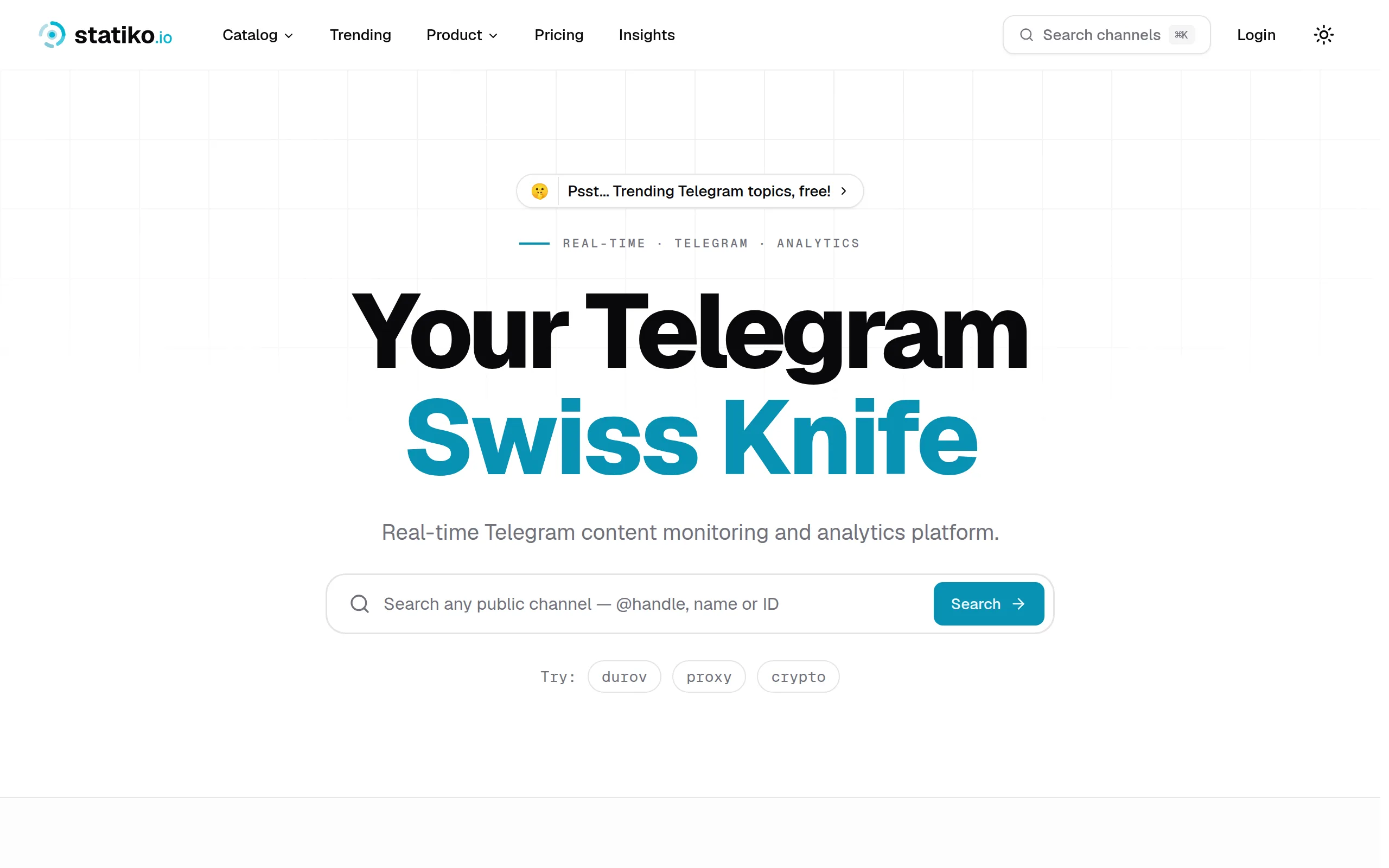
Statiko
Monitor any Telegram channel in real time - track posts, edits, deletions, and growth with AI recaps 📡

Shibui
AI website builder - describe your business, pick a niche template, edit by chatting, and publish instantly ✨

Pro Service
Find verified home service professionals, compare quotes, and pay securely through escrow - built for Brazilians across the US 🏠
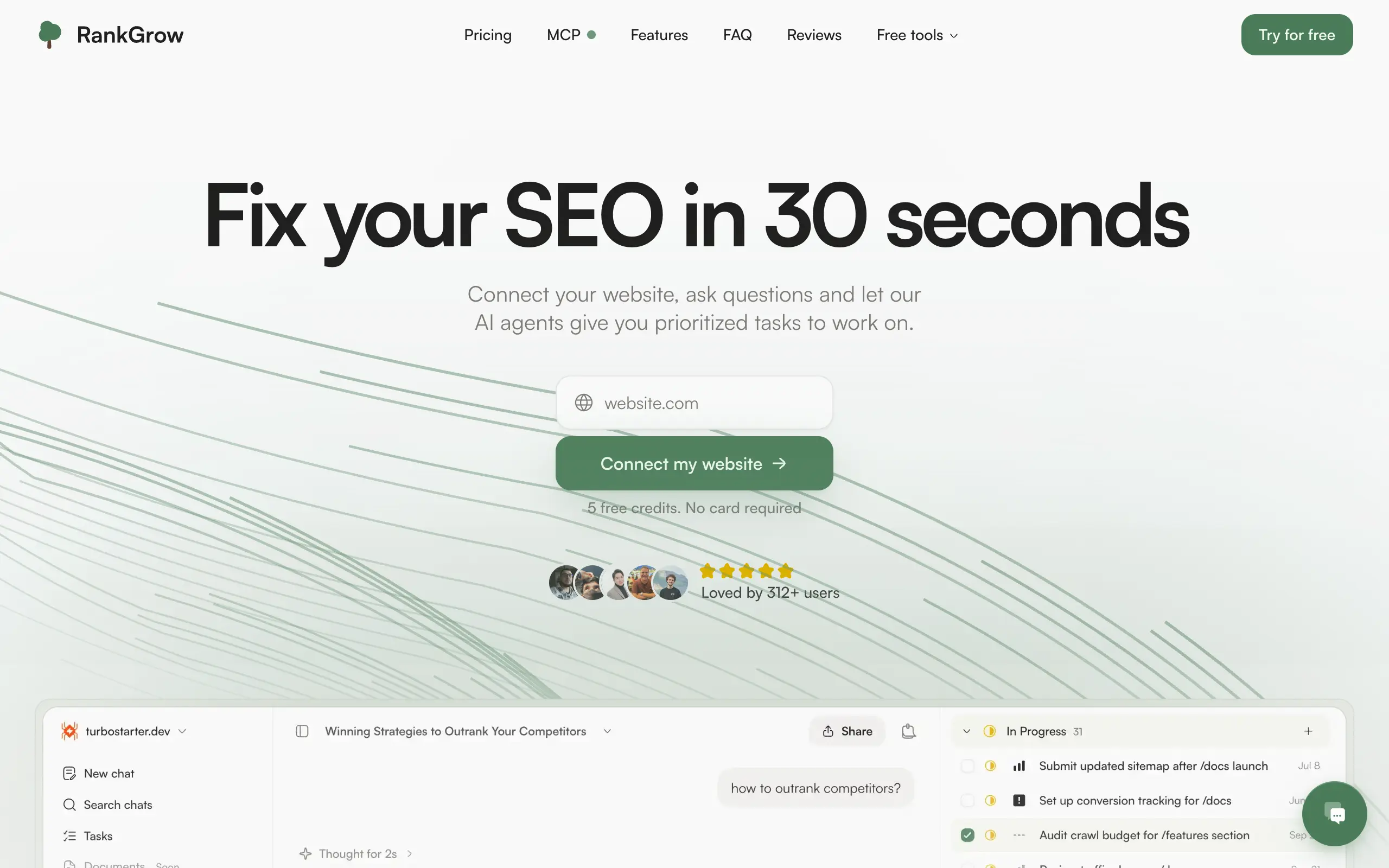
RankGrow
Fix your SEO with AI agents - connect Search Console, get prioritized tasks, and grow organic traffic 📈
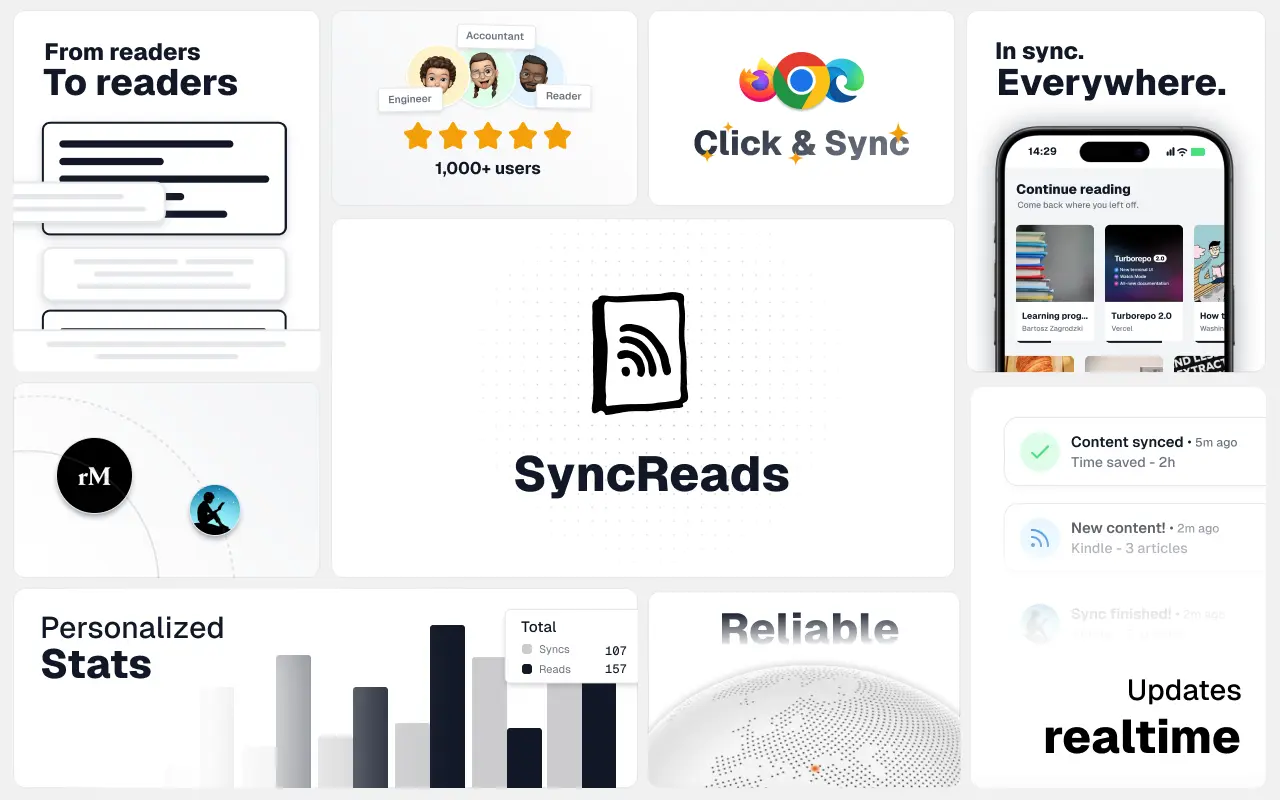
SyncReads
Sync your favorite content for distraction-free reading, save time and replace multiple apps. Anytime, anywhere 🔄
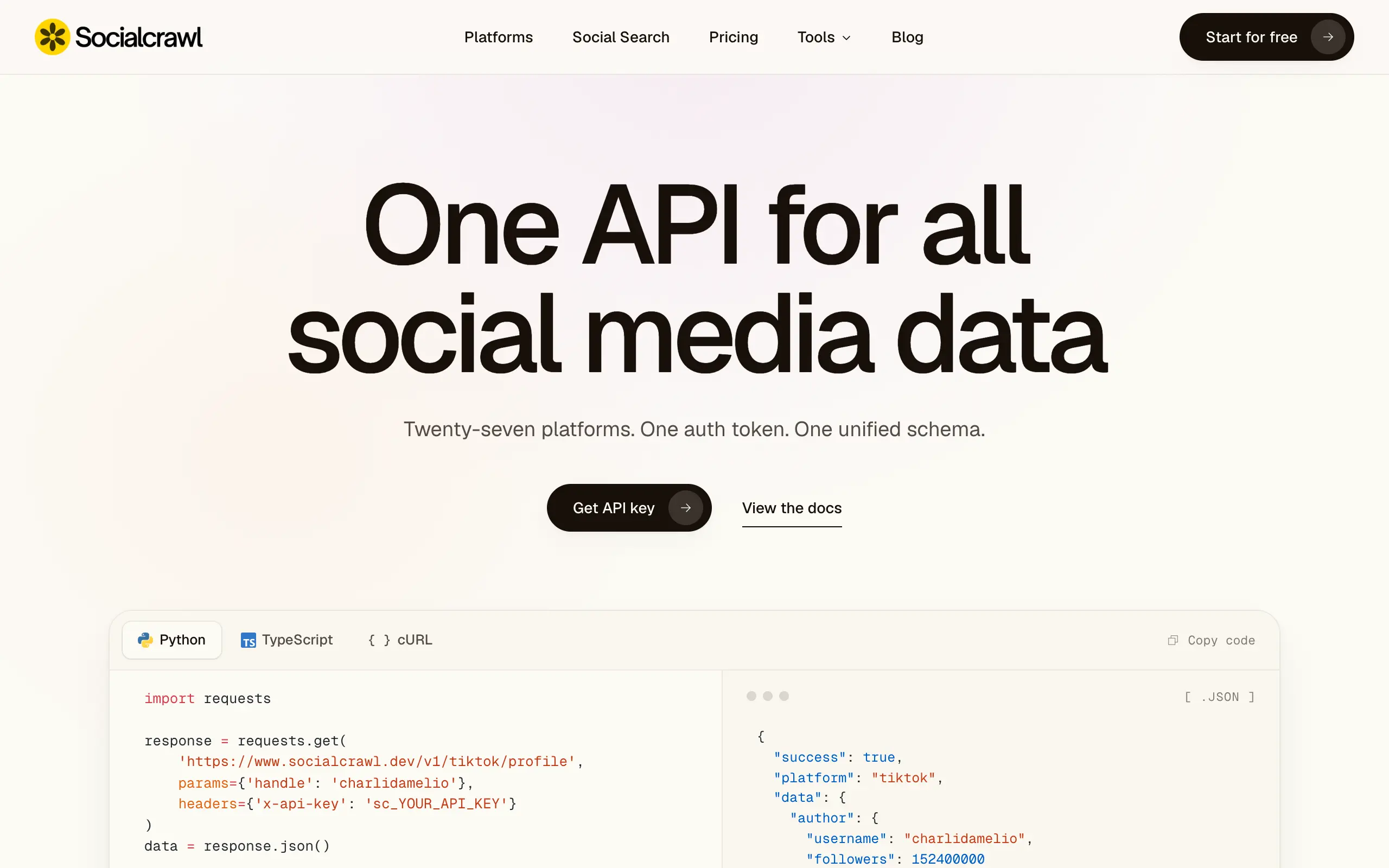
Socialcrawl
Get clean, structured data from 21 platforms like TikTok, Instagram, and YouTube with a single request 📊
Statiko
Monitor any Telegram channel in real time - track posts, edits, deletions, and growth with AI recaps 📡
Shibui
AI website builder - describe your business, pick a niche template, edit by chatting, and publish instantly ✨
Pro Service
Find verified home service professionals, compare quotes, and pay securely through escrow - built for Brazilians across the US 🏠
RankGrow
Fix your SEO with AI agents - connect Search Console, get prioritized tasks, and grow organic traffic 📈
SyncReads
Sync your favorite content for distraction-free reading, save time and replace multiple apps. Anytime, anywhere 🔄
Socialcrawl
Get clean, structured data from 21 platforms like TikTok, Instagram, and YouTube with a single request 📊
Statiko
Monitor any Telegram channel in real time - track posts, edits, deletions, and growth with AI recaps 📡
Shibui
AI website builder - describe your business, pick a niche template, edit by chatting, and publish instantly ✨
Pro Service
Find verified home service professionals, compare quotes, and pay securely through escrow - built for Brazilians across the US 🏠
RankGrow
Fix your SEO with AI agents - connect Search Console, get prioritized tasks, and grow organic traffic 📈
SyncReads
Sync your favorite content for distraction-free reading, save time and replace multiple apps. Anytime, anywhere 🔄
Socialcrawl
Get clean, structured data from 21 platforms like TikTok, Instagram, and YouTube with a single request 📊
Statiko
Monitor any Telegram channel in real time - track posts, edits, deletions, and growth with AI recaps 📡
Shibui
AI website builder - describe your business, pick a niche template, edit by chatting, and publish instantly ✨
Pro Service
Find verified home service professionals, compare quotes, and pay securely through escrow - built for Brazilians across the US 🏠
RankGrow
Fix your SEO with AI agents - connect Search Console, get prioritized tasks, and grow organic traffic 📈
SyncReads
Sync your favorite content for distraction-free reading, save time and replace multiple apps. Anytime, anywhere 🔄
Socialcrawl
Get clean, structured data from 21 platforms like TikTok, Instagram, and YouTube with a single request 📊
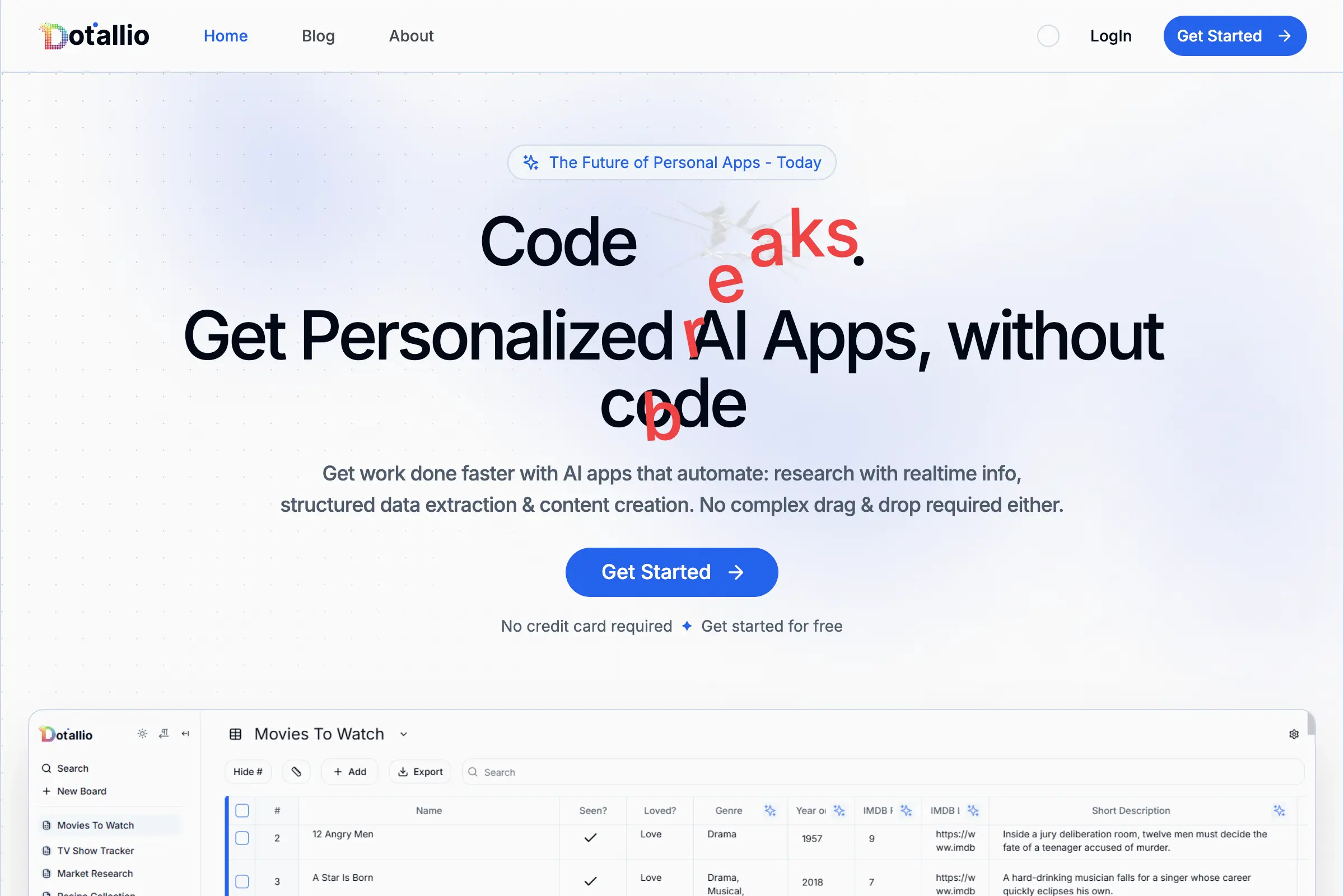
Dotallio
Personalized AI apps that automate research, data extraction, and content creation without code 🤖
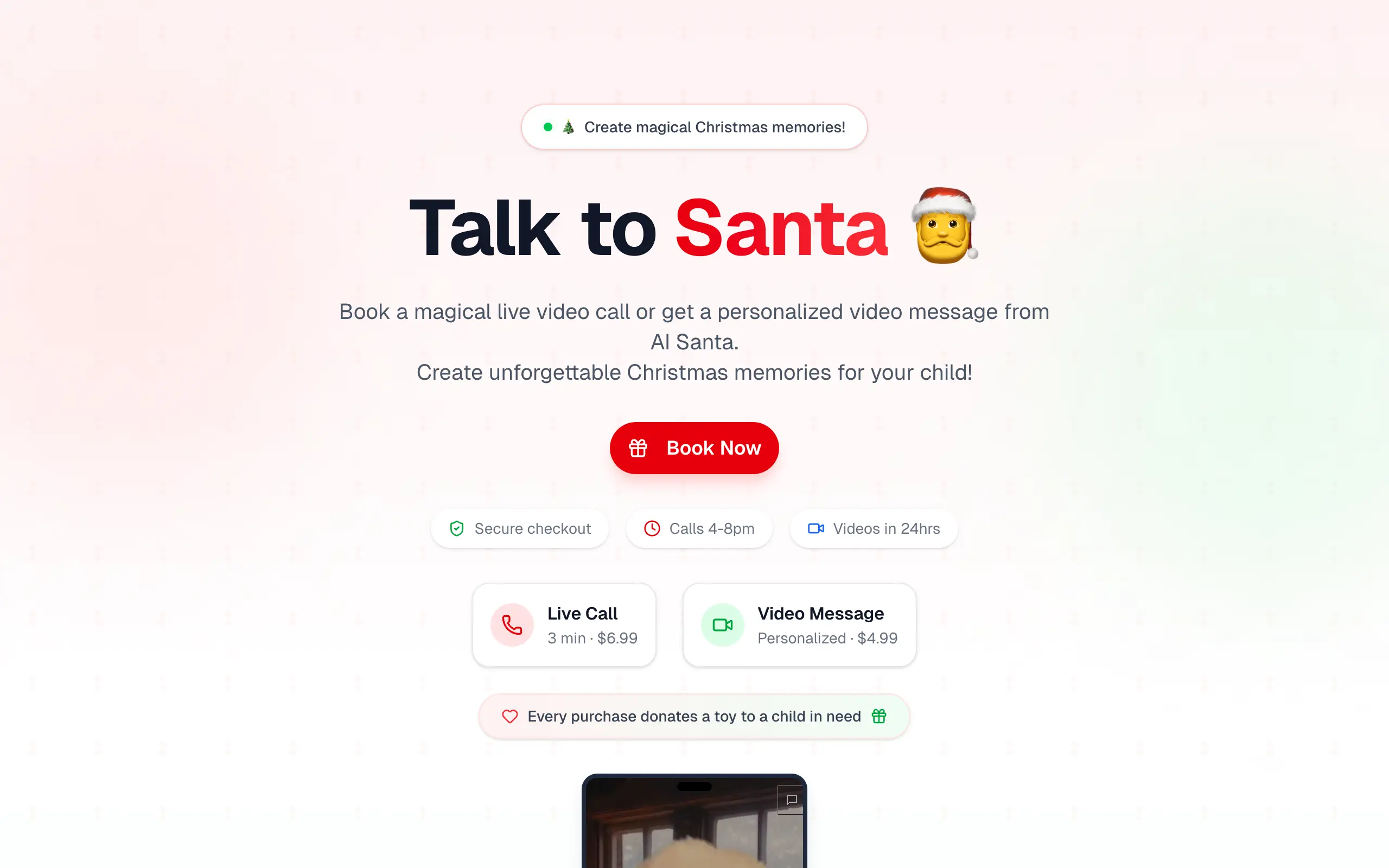
Talk to Santa
Enjoy a magical live video chat or receive a unique AI-generated video greeting from Santa Claus 🎅
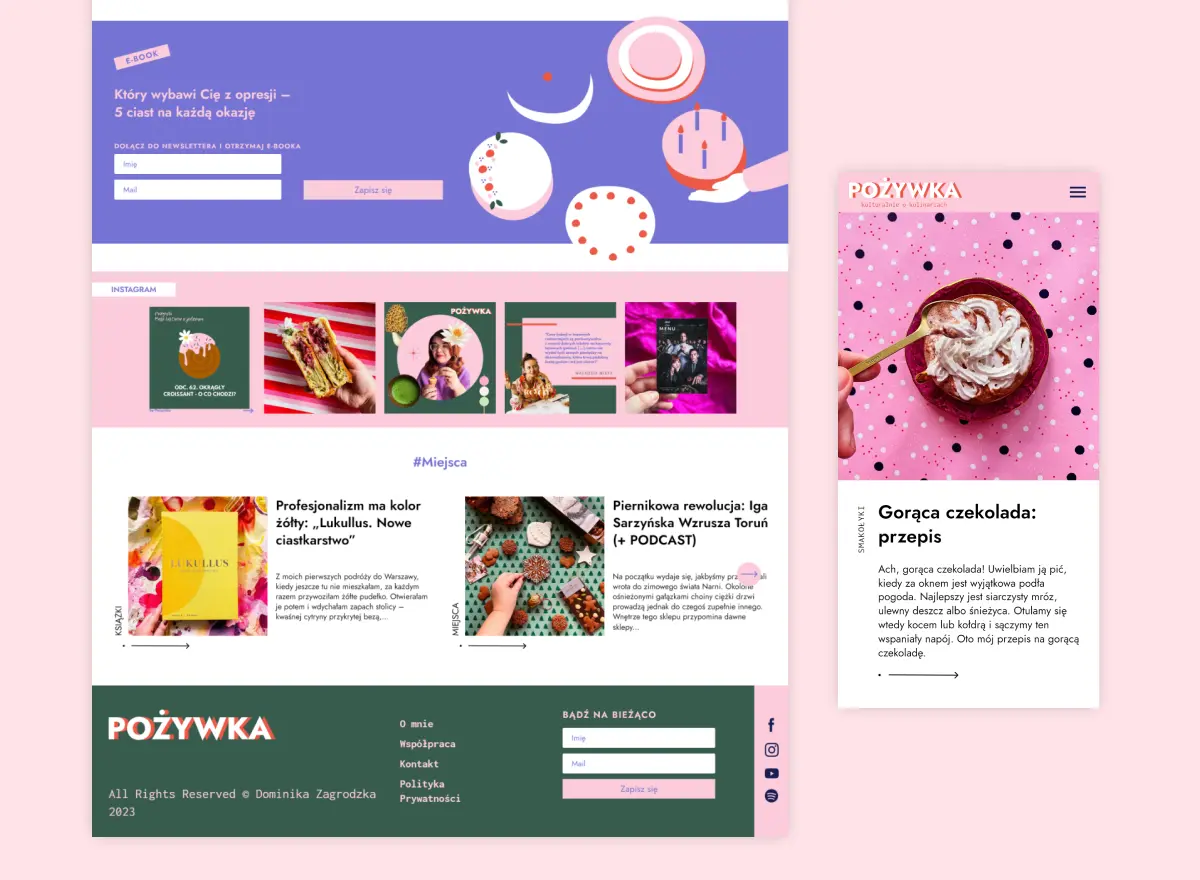
pozywka.pl
Scalable blog for food journalist, focused on performance and user experience 🌭
zagrodzki.me
Personal blog and portfolio of Bart Zagrodzki, where he shares his knowledge and work 💼
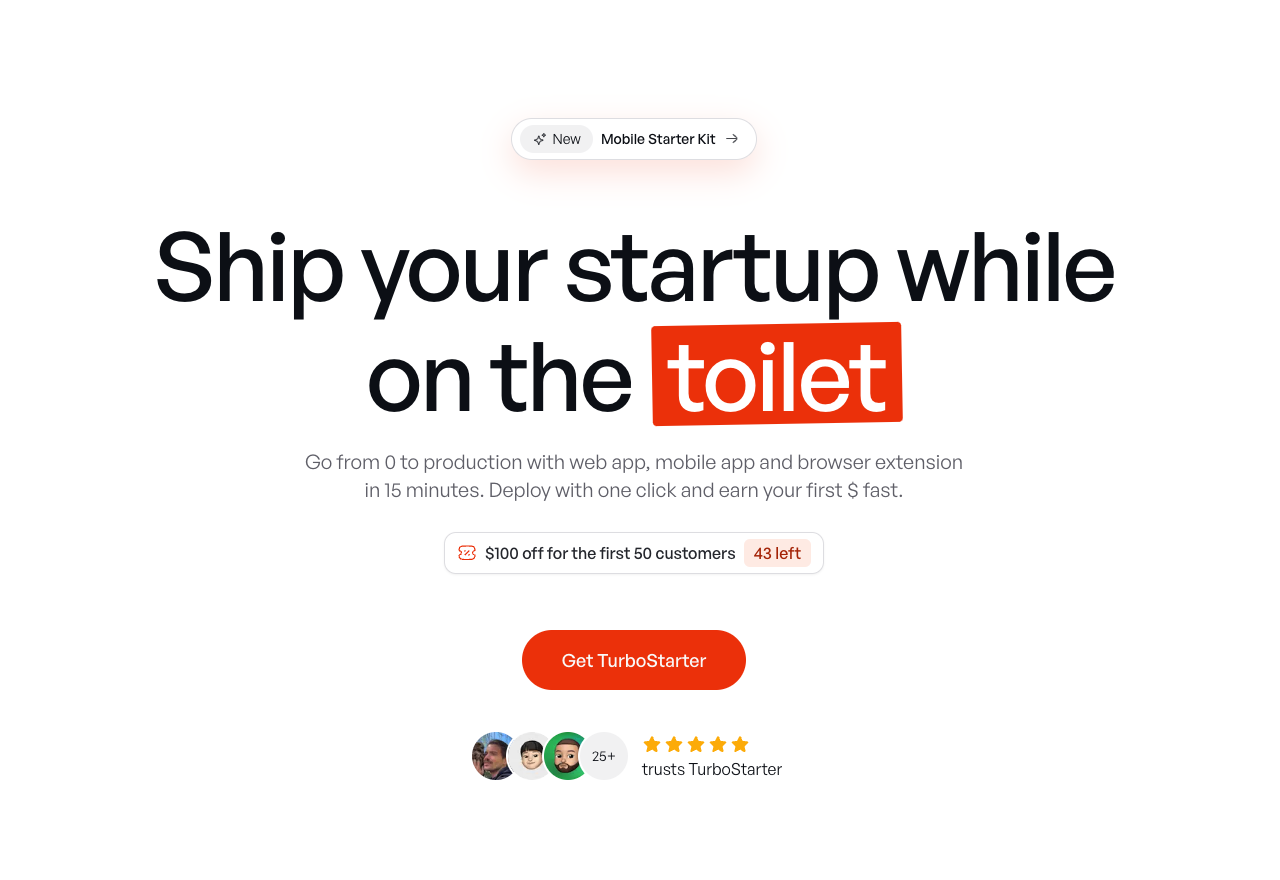
TurboStarter
Ship your startup everywhere. In minutes.
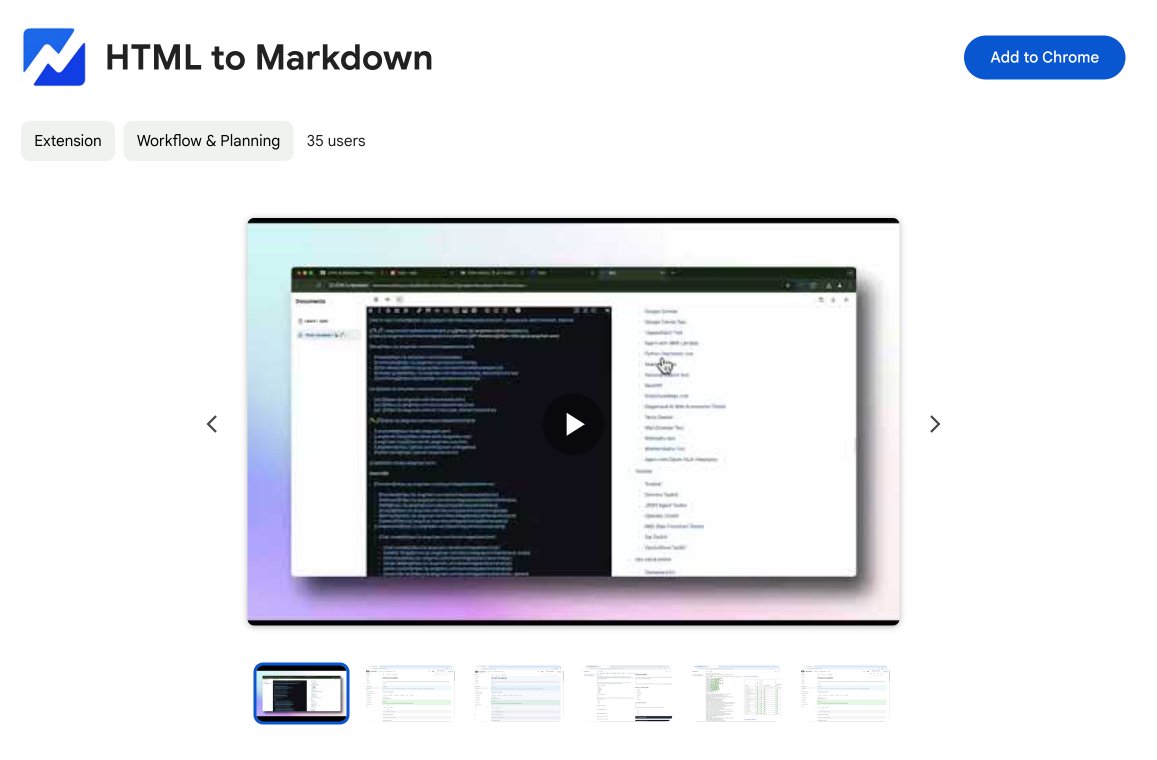
HTML to Markdown
Convert HTML to Markdown with ease, directly in your browser 📄
Dotallio
Personalized AI apps that automate research, data extraction, and content creation without code 🤖
Talk to Santa
Enjoy a magical live video chat or receive a unique AI-generated video greeting from Santa Claus 🎅
pozywka.pl
Scalable blog for food journalist, focused on performance and user experience 🌭
zagrodzki.me
Personal blog and portfolio of Bart Zagrodzki, where he shares his knowledge and work 💼
TurboStarter
Ship your startup everywhere. In minutes.
HTML to Markdown
Convert HTML to Markdown with ease, directly in your browser 📄
Dotallio
Personalized AI apps that automate research, data extraction, and content creation without code 🤖
Talk to Santa
Enjoy a magical live video chat or receive a unique AI-generated video greeting from Santa Claus 🎅
pozywka.pl
Scalable blog for food journalist, focused on performance and user experience 🌭
zagrodzki.me
Personal blog and portfolio of Bart Zagrodzki, where he shares his knowledge and work 💼
TurboStarter
Ship your startup everywhere. In minutes.
HTML to Markdown
Convert HTML to Markdown with ease, directly in your browser 📄
Dotallio
Personalized AI apps that automate research, data extraction, and content creation without code 🤖
Talk to Santa
Enjoy a magical live video chat or receive a unique AI-generated video greeting from Santa Claus 🎅
pozywka.pl
Scalable blog for food journalist, focused on performance and user experience 🌭
zagrodzki.me
Personal blog and portfolio of Bart Zagrodzki, where he shares his knowledge and work 💼
TurboStarter
Ship your startup everywhere. In minutes.
HTML to Markdown
Convert HTML to Markdown with ease, directly in your browser 📄
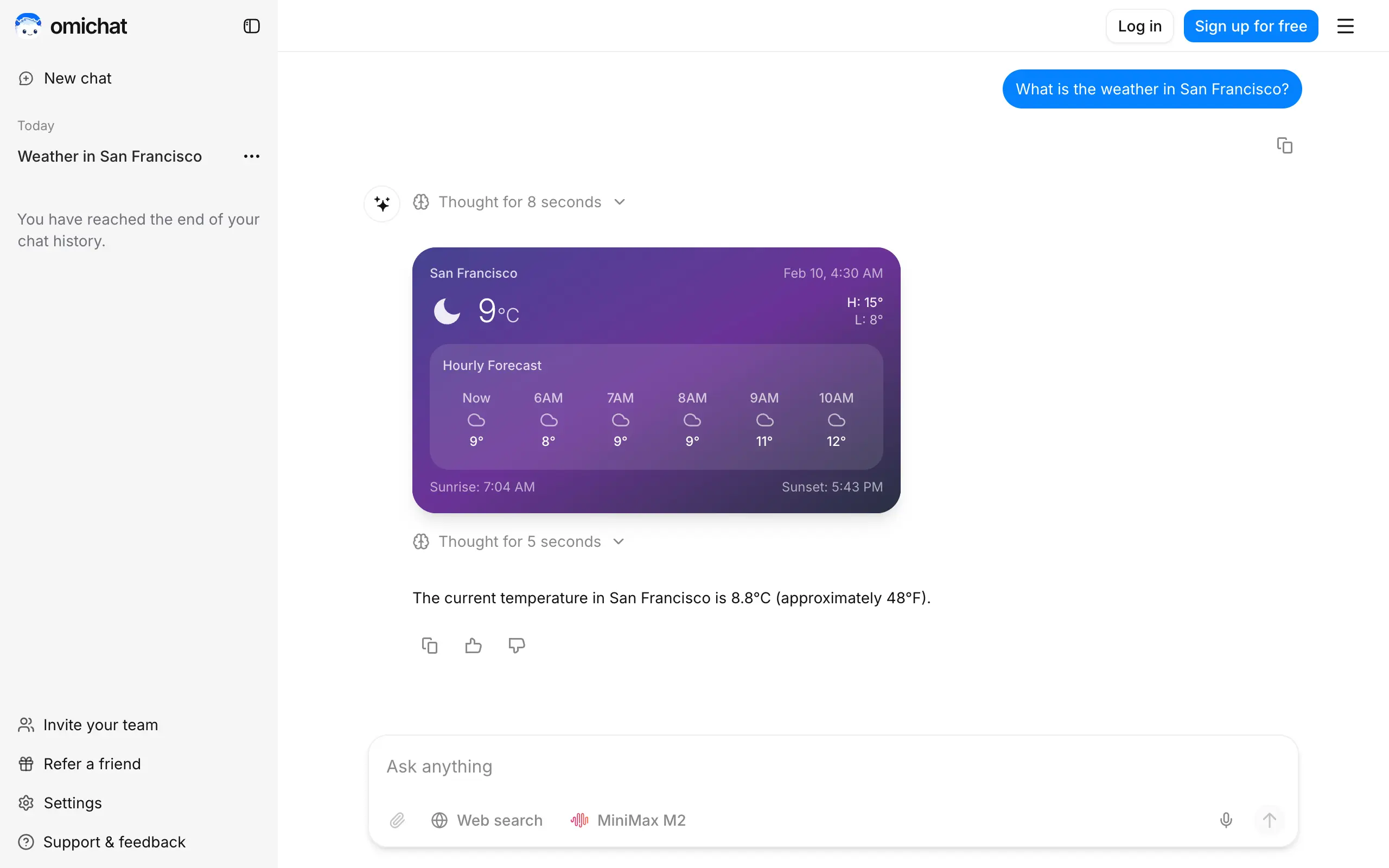
Omichat
Chat with 50+ AI models, including ChatGPT and Claude, in one place - switch models anytime without losing context 🤖
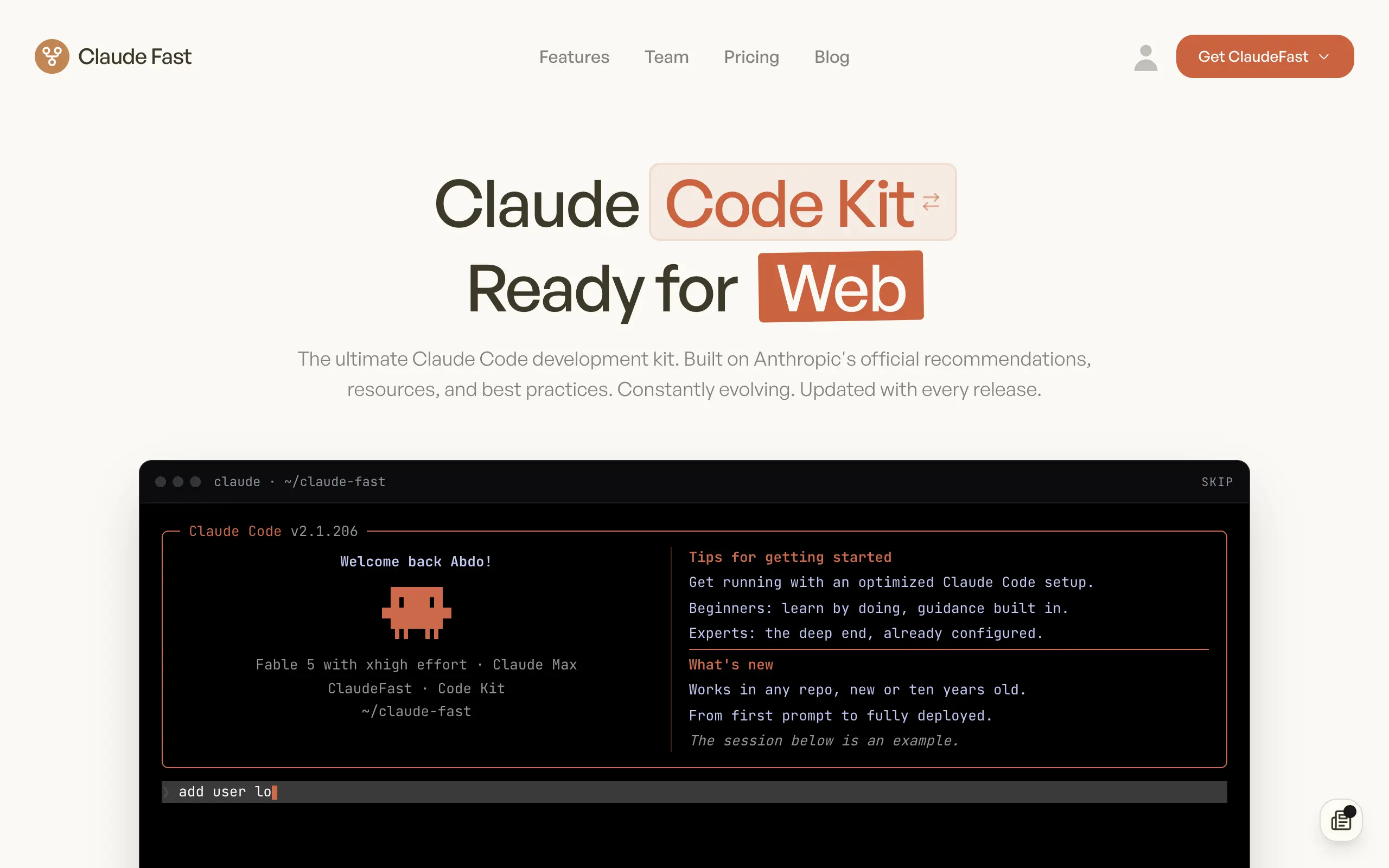
Claude Fast
Supercharge your Claude Code with 6x effective context window and specialized AI agents 🤖
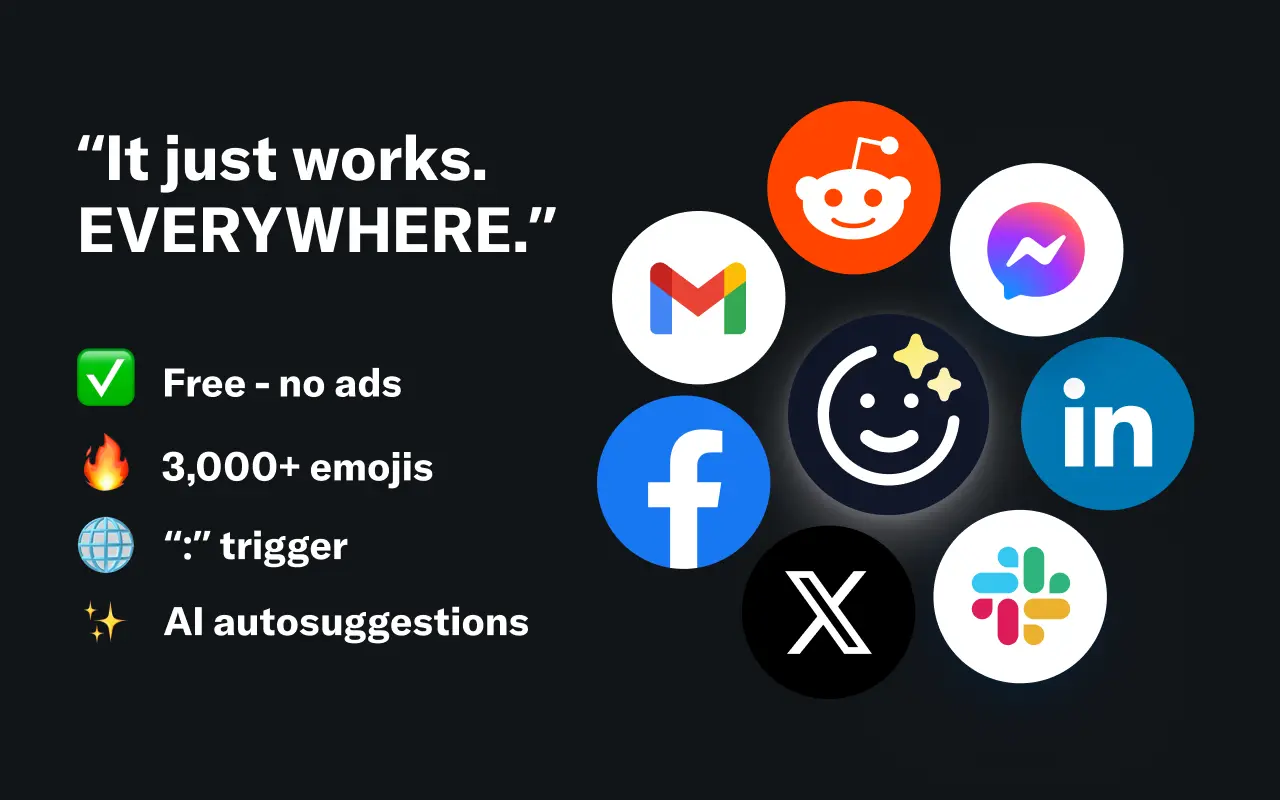
EmojAI
AI-powered emoji picker with smart, context-aware suggestions 🤖
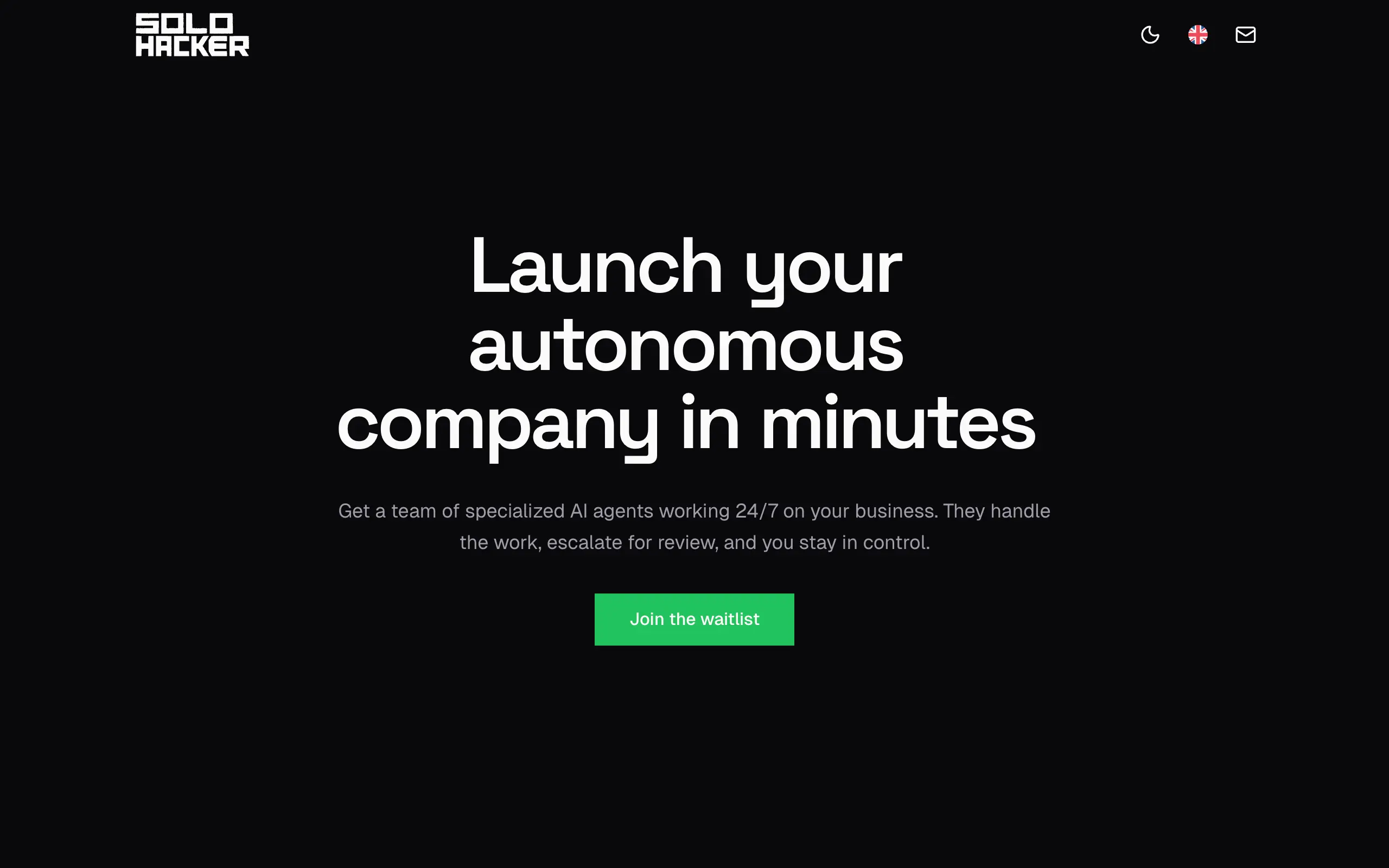
Solohacker
Autonomous company launcher - AI agents work 24/7, escalate what matters, and you stay in control 🤖
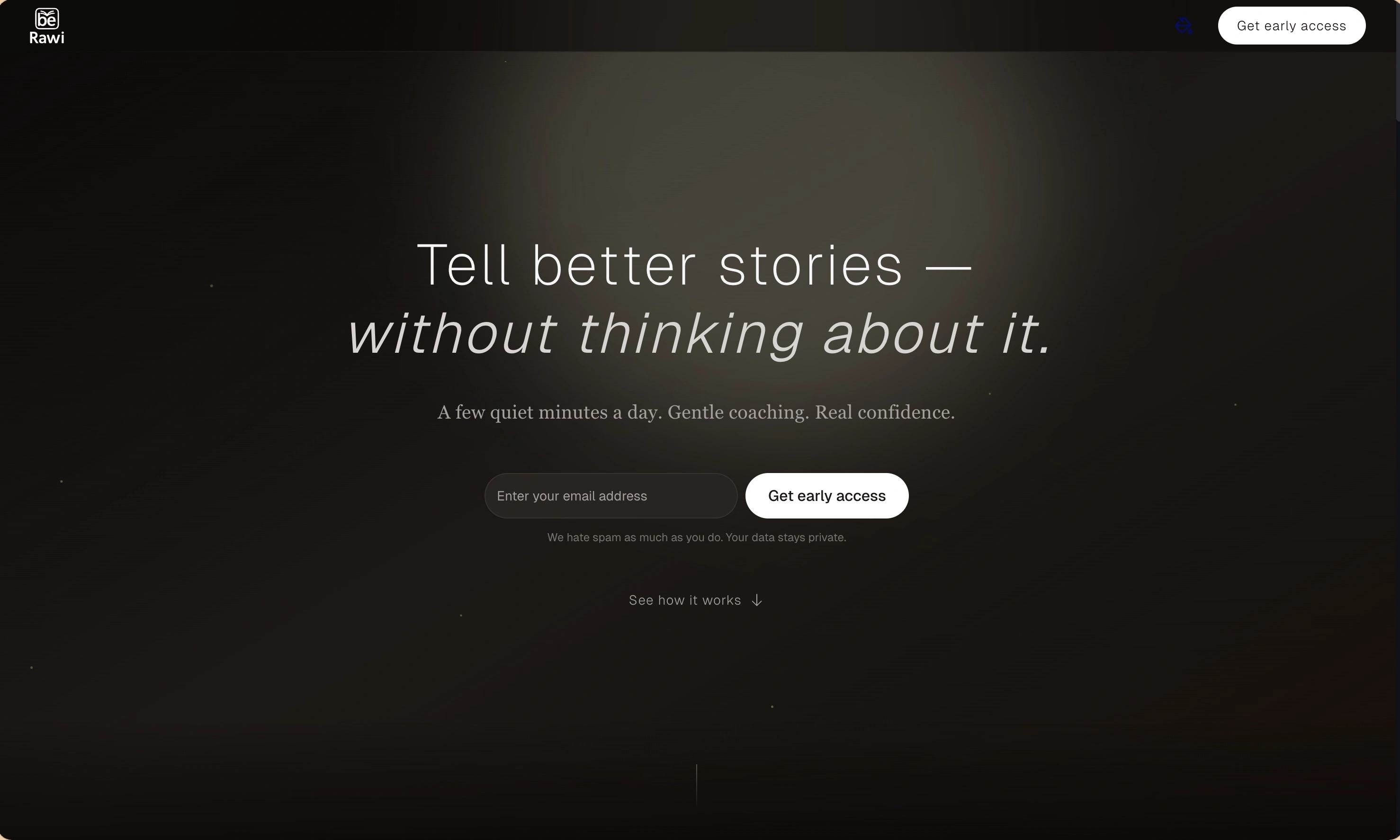
BeRawi: Storytelling Coach
Practice storytelling daily with instant feedback to sound clearer, more engaging, and confident 🎤
Omichat
Chat with 50+ AI models, including ChatGPT and Claude, in one place - switch models anytime without losing context 🤖
Claude Fast
Supercharge your Claude Code with 6x effective context window and specialized AI agents 🤖
EmojAI
AI-powered emoji picker with smart, context-aware suggestions 🤖
Solohacker
Autonomous company launcher - AI agents work 24/7, escalate what matters, and you stay in control 🤖
BeRawi: Storytelling Coach
Practice storytelling daily with instant feedback to sound clearer, more engaging, and confident 🎤
Omichat
Chat with 50+ AI models, including ChatGPT and Claude, in one place - switch models anytime without losing context 🤖
Claude Fast
Supercharge your Claude Code with 6x effective context window and specialized AI agents 🤖
EmojAI
AI-powered emoji picker with smart, context-aware suggestions 🤖
Solohacker
Autonomous company launcher - AI agents work 24/7, escalate what matters, and you stay in control 🤖
BeRawi: Storytelling Coach
Practice storytelling daily with instant feedback to sound clearer, more engaging, and confident 🎤
Omichat
Chat with 50+ AI models, including ChatGPT and Claude, in one place - switch models anytime without losing context 🤖
Claude Fast
Supercharge your Claude Code with 6x effective context window and specialized AI agents 🤖
EmojAI
AI-powered emoji picker with smart, context-aware suggestions 🤖
Solohacker
Autonomous company launcher - AI agents work 24/7, escalate what matters, and you stay in control 🤖
BeRawi: Storytelling Coach
Practice storytelling daily with instant feedback to sound clearer, more engaging, and confident 🎤

Connect with like-minded people
Join our community to get feedback, support, and grow together with 1,000+ builders on board, let's ship it!
Join usShip your startup everywhere. In minutes.
Don't burn tokens on setup and start building features on day one.