DriftGuard
Detect when an AI-built app has drifted from its original spec, then generate focused repair prompts and acceptance tests.
Building an application with AI coding tools is faster than traditional development, but speed introduces a difficult operational problem: the implementation can gradually diverge from the product specification without anyone noticing until late in QA or production.
DriftGuard is a SaaS concept for detecting that divergence early. It compares an original product specification, user stories, architecture decisions, and acceptance criteria against the current codebase and deployed behavior. It then produces prioritized drift findings, targeted repair prompts for AI coding agents, and executable acceptance tests.
The primary opportunity is not simply another code review tool. DriftGuard is AI app drift detection software for teams that need to preserve product intent while using AI to ship software quickly. It gives product managers, founders, engineering leads, and QA teams a shared way to answer a critical question: Does the app still do what we agreed it should do?
The core product thesis
AI-assisted development makes implementation cheaper and faster. Product alignment, regression prevention, and verification are becoming the bottleneck. DriftGuard addresses that bottleneck by turning specifications into continuously checked engineering artifacts.
What is AI app drift detection software?
AI app drift detection software identifies meaningful differences between what an application was intended to do and what it currently does. In DriftGuard’s case, “drift” includes more than code quality issues or broken builds.
It can include changes such as:
- A checkout flow that no longer enforces the original subscription entitlement rules
- A dashboard that displays a metric differently from the approved product requirements document
- An AI-generated feature that works visually but ignores edge cases in the user story
- An API that changes a response contract without corresponding documentation or test updates
- A role-based permission path that was removed during an AI-assisted refactor
- A generated component that uses a new data model inconsistent with the approved domain model
- A feature branch that passes unit tests but fails the agreed business acceptance criteria
Traditional static analysis tools answer questions about formatting, security patterns, complexity, type safety, or likely bugs. Product analytics answers questions about behavior after users interact with the product. Issue trackers document what a team hopes to build.
DriftGuard occupies the gap between these categories. It continuously evaluates whether the code, UI, APIs, tests, and observed behavior remain aligned with the intended product specification.
This is especially relevant for teams using tools such as GitHub Copilot, Claude Code, Cursor, v0, Lovable, Replit, and agentic development workflows. These tools can generate substantial implementation changes from limited context. The resulting code may compile, look polished, and still violate business rules that were only written in a ticket, design document, or earlier planning conversation.
Why specification drift is growing in AI-assisted development
Software teams have always faced scope creep, undocumented decisions, and regressions. AI-assisted software development changes the scale and speed of those risks.
A developer can now create a large pull request in hours. A founder can generate an MVP without a formal engineering review. A product manager can describe a feature in natural language and receive a plausible implementation before the acceptance criteria are fully defined.
That acceleration is valuable, but it creates three important conditions for drift.
AI coding agents optimize for local instructions
An AI coding agent generally works from the context it receives. If it sees a task like “add a team invitation page,” it may generate a working interface, database schema, API route, and email flow.
However, it may not know that:
- Invitations must expire after seven days
- Only workspace owners can invite users
- SSO-managed domains require approval before membership is active
- Invited users must be excluded from billing seats until acceptance
- Existing audit-log conventions must record each invite event
Those rules may exist in a PRD, a Figma comment, a support ticket, a previous pull request, or a team member’s institutional knowledge. Without a system that consolidates and verifies requirements, the generated implementation can be incomplete while appearing finished.
Product specifications are fragmented
Most teams do not maintain one canonical specification. Product intent is typically spread across:
- Product requirement documents
- Linear, Jira, GitHub, or Notion tickets
- Design files and annotations
- Architecture decision records
- API documentation
- Slack conversations
- Customer commitments
- Existing test suites
- Prior pull requests and review comments
DriftGuard should help create a living specification graph that links requirements to code locations, endpoints, UI flows, database entities, test cases, and deployment versions.
Existing tests do not reliably represent business intent
A project may have strong unit-test coverage and still fail its product requirements. Unit tests often verify isolated functions. End-to-end tests can be brittle and expensive to maintain. Manual QA may happen late or inconsistently.
The valuable output is not merely “test coverage increased.” The valuable output is:
This release changed the invitation workflow, and these two acceptance criteria from the original specification are no longer satisfied.
That framing helps teams make a product decision instead of sorting through generic technical warnings.
Target audience for DriftGuard
The most effective go-to-market strategy is to focus on teams where AI-generated code is common, releases are frequent, and product mistakes are expensive enough to justify a dedicated verification layer.
The initial economic buyers are likely to be CTOs, VP Engineering leaders, engineering managers, and technical founders. They own delivery quality, development velocity, and the cost of escaped defects.
They need visibility into whether faster AI-assisted delivery is creating hidden maintenance and compliance risk.
The daily users are product managers, staff engineers, QA leads, developers, and design engineering teams. Each group uses DriftGuard differently.
- "Product managers": upload or connect requirements, review drift findings, approve specification changes
- "Developers": run drift checks in pull requests and use repair prompts to correct gaps
- "QA leads": convert high-risk requirements into regression suites and release gates
- "Engineering leaders": monitor trend reports across repositories, teams, and releases
The best early adopters are AI-native SaaS companies with 5 to 100 engineers, agencies building custom products rapidly, and internal platform teams supporting many product squads.
They already value automated quality controls but feel that linters, test runners, and code review do not fully protect product intent.
Ideal customer profile
A strong ideal customer profile for DriftGuard has the following characteristics:
- Ships at least weekly, often through continuous deployment
- Uses AI coding assistants or autonomous coding agents actively
- Manages one or more customer-facing web applications
- Has requirements in a semi-structured source such as Markdown, Notion, Linear, Jira, or GitHub Issues
- Uses pull requests and a CI/CD pipeline
- Has experienced regressions caused by misunderstood requirements, incomplete implementation, or rushed changes
- Values auditability for enterprise customers, internal security teams, or regulated workflows
Teams building fintech, healthtech, HR technology, legal technology, B2B SaaS, and workflow automation products are particularly attractive. Their business rules tend to be nuanced, and a small deviation can create an outsized customer or compliance impact.
Jobs to be done
DriftGuard should be designed around practical customer jobs rather than abstract “AI governance” messaging.
- “When our team ships AI-generated code, help us verify that it still meets the approved requirements.”
- “When a pull request changes a core user flow, show us exactly which acceptance criteria may have been broken.”
- “When a feature drifts, give developers a constrained repair prompt instead of a vague bug report.”
- “When requirements change, distinguish intentional evolution from accidental regression.”
- “Before release, give product and engineering one shared source of truth for what has been verified.”
The market gap: code intelligence does not equal intent intelligence
The developer tooling market already includes mature categories:
- Static analysis and code quality platforms
- Security scanning and software supply-chain tools
- Observability and error monitoring tools
- Test automation platforms
- Product management and issue tracking tools
- AI coding assistants and agent platforms
Each category solves a real problem, but none necessarily maintains a durable link between product intent and implementation reality.
| Tool category | Primary question answered | Typical limitation | DriftGuard opportunity |
|---|---|---|---|
| Static analysis | Is this code unsafe or inconsistent? | Does not understand business acceptance criteria | Map code changes to product requirements |
| Test automation | Did expected scripted behavior pass? | Tests may be missing, stale, or narrowly scoped | Generate and maintain tests from specifications |
| Issue tracking | What did the team plan to build? | Rarely verifies implementation after delivery | Connect tickets to verified release evidence |
| AI coding tools | How can we generate code quickly? | Often lack persistent product context | Supply context-aware repair instructions |
| Observability | Is the deployed application healthy? | Detects failures after behavior reaches users | Catch requirement drift before production |
The market opportunity is strengthened by the shift toward agentic engineering. As AI agents become capable of editing multiple files, modifying schemas, and opening pull requests, teams need controls that are more semantic than a linter and more product-aware than a test runner.
A useful market validation approach is to interview engineering leaders who have adopted AI coding workflows. Ask for examples of changes that were technically successful but productually wrong. In many organizations, those stories are easy to find: incorrect pricing logic, missing permissions, deleted edge-case handling, undocumented API contract changes, or polished UI features that do not match the workflow agreed with customers.
For externally published market sizing, cite reputable sources in a verifiable format, such as an annual report from Gartner, a developer survey from Stack Overflow, or a report from an established cloud provider. Avoid relying on generic market-size claims without checking the original publication date, methodology, and definitions.
DriftGuard’s core product workflow
The DriftGuard workflow should feel straightforward enough to join an existing engineering process rather than create a new documentation burden.
1. Ingest and normalize the original specification
The product begins by ingesting structured and semi-structured context. This could include Markdown product specifications, GitHub Issues, Linear projects, Jira epics, OpenAPI files, database schemas, architecture decision records, and test plans.
DriftGuard should convert these inputs into a normalized requirement model. Each requirement needs a stable identifier, priority, source reference, user role, relevant entities, expected behavior, edge cases, and acceptance criteria.
For example:
Requirement: INVITE-04

As a workspace owner, I can revoke a pending invitation so that
unneeded invitations cannot be accepted.

Acceptance criteria:
- Only workspace owners can revoke invitations.
- Revoked invitation links cannot activate membership.
- The system records an audit event.
- Revocation does not consume a paid seat.
The normalized model is essential. A language model can summarize a loosely written requirement, but reliable drift detection requires traceable, versioned requirements that can be compared over time.
2. Build a traceability map
DriftGuard should create relationships between specification elements and technical artifacts. These relationships may be inferred with code analysis and embeddings, then confirmed by developers when confidence is low.
A traceability map can link:
- Requirement IDs to files, functions, API routes, and UI components
- Acceptance criteria to unit, integration, and end-to-end tests
- Domain concepts to database tables and event names
- Product flows to browser automation scenarios
- Pull requests to affected requirements
- Releases to the exact specification version that was approved
This makes the product substantially more useful than a generic retrieval-augmented generation layer. The goal is not only to retrieve a document. The goal is to create evidence showing how a requirement is implemented and verified.
3. Analyze changes for drift signals
When a pull request is opened, DriftGuard analyzes the diff alongside the traceability map. It should identify possible drift signals such as:
- A mapped implementation file changed while related acceptance tests did not
- A role check disappeared from a sensitive workflow
- API behavior changed without an updated API contract
- A UI state no longer reflects a required business state
- A database migration alters an entity involved in a critical requirement
- A requirement has no implementation evidence after a feature is marked complete
- A generated change conflicts with documented architectural constraints
The product should report confidence and evidence, not make unexplained judgments. Every drift finding needs links to the relevant specification excerpt, code diff, test result, and reasoning summary.
4. Generate focused repair prompts
This is a major product differentiator. A generic alert saying “possible requirements mismatch” creates more work. DriftGuard should produce a prompt that developers can send to their preferred AI coding assistant or use as a structured implementation brief.
A useful repair prompt includes:
- The exact requirement and acceptance criterion at risk
- Relevant changed files and functions
- What behavior appears to have changed
- Constraints that must remain intact
- Suggested test cases
- A request to make the smallest safe correction
- A final verification checklist
Repair task: restore INVITE-04 revocation behavior.

Context:
The invitation revoke endpoint was updated in this pull request.
The current implementation deletes the invitation record but no longer writes
the required audit event.

Required behavior:
- Only workspace owners can revoke pending invitations.
- Revoked invitation links must not activate membership.
- Record an "invitation.revoked" audit event.
- Revocation must not change paid-seat usage.

Affected files:
- app/api/invitations/[id]/revoke/route.ts
- lib/invitations/revoke.ts

Make the smallest correction possible. Add or update tests for each acceptance
criterion. Do not alter existing invitation expiration behavior.
The repair prompt is valuable because it supplies bounded context. It reduces the risk that a developer or agent responds to a defect by making a broad, unrelated rewrite.
5. Create acceptance tests and release evidence
DriftGuard should generate test candidates from acceptance criteria, but teams must retain approval controls. In early product versions, generated tests should be proposed as drafts and reviewed by an engineer or QA lead before being committed.
The system can support multiple test layers:
- Unit tests for deterministic domain logic
- Integration tests for API, database, and authorization rules
- Contract tests for service boundaries
- End-to-end tests for critical user workflows
- Manual verification checklists for subjective UX requirements
At release time, DriftGuard can generate a concise verification report: requirements covered, tests passed, unresolved drift risks, intentional specification changes, and approval status.
Core features for an MVP
An overly broad first release would be risky. The MVP should prove one high-value workflow: detect specification drift in pull requests and generate actionable remediation guidance.
Specification workspace
Upload Markdown specifications or connect a GitHub repository, then organize requirements into versioned product areas.
Pull request drift check
Analyze changed files against mapped requirements and return evidence-backed findings directly in the review workflow.
Acceptance test generator
Produce reviewable test scenarios from approved acceptance criteria, beginning with Playwright or existing test conventions.
Repair prompt builder
Generate narrow, context-rich prompts that developers can use with their preferred AI coding assistant.
Traceability dashboard
Show which critical requirements have implementation links, active tests, recent changes, and unresolved risk.
Release verification report
Create an auditable summary of requirement coverage, test evidence, exceptions, and approvals.
Essential MVP design principles
The product experience should follow several non-negotiable principles.
- "Evidence over assertion": every finding must show the requirement, changed artifact, and reasoning path.
- "Human approval for critical decisions": users should approve mappings, test generation, and intentional exceptions.
- "Incremental setup": allow a team to start with one repository and one high-risk workflow.
- "Low-noise defaults": prioritize fewer, high-confidence findings over a flood of speculative alerts.
- "Vendor-neutral output": repair prompts should work with multiple AI coding tools rather than locking customers into one agent.
- "Versioned intent": preserve historical specifications so the product can distinguish a legitimate change in direction from accidental drift.
Recommended tech stack for DriftGuard
DriftGuard is a developer-facing SaaS product that benefits from a modern TypeScript architecture, background processing, secure integrations, and a careful approach to AI model orchestration.
A strong starting point is Next.js with React and TypeScript. This combination supports a fast product interface, server-side workflows, API routes, typed domain models, and a broad hiring ecosystem.
For faster SaaS implementation, a foundation such as TurboStarter can reduce time spent wiring common requirements such as authentication, billing patterns, dashboard layouts, emails, and production conventions.
Application and data layer
A practical initial stack could include:
- "Frontend and application layer": Next.js, React, and TypeScript
- "Styling": Tailwind CSS for rapid, consistent interface development
- "Database": PostgreSQL for transactional data, version history, organization boundaries, and audit records
- "ORM": Prisma for typed data access and migrations
- "Authentication": an enterprise-ready authentication provider with SSO support on higher plans
- "Object storage": S3-compatible storage for imported documents, generated reports, and artifacts
- "Background jobs": a durable queue for repository indexing, embedding jobs, PR analysis, and test generation
- "Observability": structured logs, error tracking, traces, and prompt/model telemetry
PostgreSQL is an appropriate source of truth because DriftGuard requires strong relational modeling. Organizations, repositories, specifications, requirements, mappings, findings, approvals, and release reports all benefit from transactions and clear ownership boundaries.
For semantic search, start with PostgreSQL vector capabilities if query volume and corpus size are moderate. A dedicated vector database can be introduced later if scale, retrieval latency, or filtering requirements justify the operational complexity.
Code analysis architecture
Drift detection should not depend exclusively on large language models. The best system combines deterministic analysis with model-assisted reasoning.
The analysis pipeline can include:
- Parse repository structure and detect supported languages.
- Build code symbols, imports, API routes, schemas, and test relationships.
- Index product documents and extract requirement objects.
- Use embeddings to identify likely requirement-to-code relationships.
- Apply deterministic rules for high-confidence patterns.
- Use an LLM to evaluate semantic mismatches and explain evidence.
- Score confidence, severity, and business impact.
- Store feedback from user decisions to improve future suggestions.
For JavaScript and TypeScript repositories, abstract syntax tree analysis can provide precise signals around exported functions, route handlers, authorization middleware, database operations, and test coverage. Language server protocols or tree-sitter-based parsing can broaden language support later.
AI model strategy and trade-offs
DriftGuard should use models for extraction, semantic matching, explanation, and test generation. It should not treat model output as unquestionable truth.
The central trade-off is between accuracy, cost, latency, and data privacy.
- "Frontier model APIs": often provide stronger reasoning and generation quality, but may increase cost and create enterprise data-review requirements.
- "Smaller hosted models": reduce cost and latency for classification, extraction, and reranking tasks, but may miss nuanced business logic.
- "Private deployment options": appeal to security-sensitive customers, but add infrastructure and support complexity.
- "Multi-model routing": can optimize quality and cost, but requires robust evaluation and observability.
Early on, use model routing by task. Deterministic extraction and code graph generation should remain local or infrastructure-controlled. Reserve more expensive reasoning calls for changed requirements, ambiguous mappings, and high-value pull requests.
Do not promise perfect semantic verification
No AI app drift detection platform can reliably infer every unstated business rule from code and scattered documents. DriftGuard should position its output as evidence-backed risk detection with human review, not autonomous certification.
Monetization strategy for DriftGuard
The pricing model should align with the value driver: protecting high-impact product changes without penalizing experimentation too aggressively.
A hybrid model of platform pricing plus active engineering seats is a sensible default.
Suggested pricing tiers
- "Free or trial tier": one repository, limited monthly pull request analyses, imported Markdown specifications, and basic findings. The purpose is fast time to value.
- "Team tier": priced per active developer or per repository, with GitHub integration, pull request comments, acceptance test generation, and team collaboration.
- "Business tier": includes multiple repositories, release reports, workflow controls, role-based access, and advanced analytics.
- "Enterprise tier": annual contract with SSO, SCIM, audit retention, private networking options, custom data controls, support SLAs, and procurement assistance.
Usage-based pricing can supplement seat pricing for expensive AI analysis. For example, include a monthly allowance for deep semantic analyses, then charge for additional processing. The billing page must explain usage clearly; opaque AI credits create distrust.
Value metric considerations
Avoid pricing only by lines of code or document volume. These inputs do not correspond cleanly to customer value. Better value metrics include:
- Pull requests analyzed
- Protected repositories
- Critical product flows under active monitoring
- Release verification reports
- Active developers receiving findings
For larger customers, the strongest commercial story is risk reduction and release confidence. A single prevented authorization regression or billing workflow defect may justify the annual cost.
Competitive advantage and defensibility
DriftGuard’s USP is the combination of specification traceability, AI-assisted drift detection, focused repair prompts, and acceptance-test evidence in one workflow.
Many tools can analyze code. Many tools can generate tests. Many AI assistants can write a fix. The durable advantage comes from preserving the relationship among intent, implementation, and verification over time.
What makes DriftGuard difficult to copy
The moat is not simply a prompt template. It is a growing, customer-specific intelligence layer.
- A versioned graph connecting requirements, code symbols, tests, pull requests, and releases
- Feedback data showing which proposed mappings and drift findings users accepted or dismissed
- Organization-specific vocabulary, architecture conventions, and business rules
- Integrations embedded in daily workflows such as pull requests, issue tracking, and CI
- A high-quality evaluation dataset for measuring finding precision and repair effectiveness
- Trust earned through explainable findings, data controls, and reliable audit trails
The product should resist becoming a generic “chat with your codebase” experience. Generic code chat is easy to evaluate and often useful, but it is not a defensible workflow. DriftGuard must consistently answer a more specific, higher-value question: Which approved requirements are now at risk, and what is the smallest verified change that restores them?
Risks and mitigation strategies
The most significant risk is false positives. If DriftGuard comments on every pull request with weakly supported warnings, developers will ignore it or disable the integration.
False positives and alert fatigue
Mitigation starts with conservative thresholds. Only block a pull request for findings that combine high confidence with high impact, such as authorization rules, financial calculations, data deletion policies, or compliance-related requirements.
Other findings should appear as advisory suggestions. Let teams tune rules by repository and mark findings as intentional changes, accepted risks, or incorrect mappings. This feedback must influence future ranking.
Ambiguous or poor-quality specifications
Garbage in produces unreliable drift analysis. Many teams have vague requirements such as “make onboarding intuitive” or “support enterprise users.”
DriftGuard should detect specification quality problems and guide users toward clearer acceptance criteria. It can offer structured templates that ask for actors, triggers, expected outcomes, error states, permissions, data changes, and measurable constraints.
Security and source-code privacy
Source code and product requirements are sensitive. Security must be a product foundation, not an enterprise add-on.
Key safeguards include encryption in transit and at rest, tenant isolation, least-privilege GitHub permissions, short-lived access tokens, configurable retention, audit logs, and clear model-provider data handling policies. Enterprise buyers will expect detailed answers about whether data is used for training, where processing occurs, and how deletion requests are handled.
Overreliance on AI-generated tests
Generated tests can codify an incorrect interpretation of a requirement. Mitigate this through review workflows, visible source citations, test confidence scoring, and a clear distinction between draft tests and verified tests.
Integration complexity
Supporting every issue tracker, design tool, code host, and programming language on day one would slow execution. Start with a narrow, valuable path: GitHub, Markdown specifications, TypeScript repositories, and a popular end-to-end testing framework.
How to validate the DriftGuard idea before building deeply
Before investing in a broad platform, validate whether target users will trust and pay for the workflow.
Interview 20 engineering leaders, product managers, and QA leads at AI-native SaaS companies. Collect specific examples of product regressions caused by misunderstood or AI-generated changes.
Ask participants to provide an anonymized requirement and a related pull request. Manually produce a drift analysis and repair brief to test whether the output feels valuable.
Build a lightweight GitHub App that analyzes one repository and comments only on high-confidence requirement gaps.
Measure finding acceptance rate, repair time, false-positive rate, and repeat usage across multiple pull requests.
Charge early design partners for priority access, implementation support, and influence over the roadmap. Paid validation is stronger than positive interview feedback.
The initial success metric should not be “number of LLM calls” or “documents indexed.” Track outcomes that customers recognize:
- Percentage of findings marked useful
- Time from drift finding to accepted repair
- Number of critical requirements with verified test coverage
- Reduction in escaped requirement-related defects
- Pull request adoption rate
- Number of teams using release reports in their approval process
Actionable implementation roadmap
A focused roadmap can turn DriftGuard from an ambitious concept into a shippable SaaS product.
Phase one: establish the requirement model
Build the specification workspace, Markdown import flow, requirement parser, version history, and manual requirement editing. Make each requirement easy to cite and easy to connect to a repository.
Do not begin with fully autonomous ingestion from every external system. A clean internal model matters more than a long integration list.
Phase two: ship GitHub pull request analysis
Create a GitHub App with repository installation, webhook handling, pull request diff retrieval, and secure token management. Support TypeScript first, where AST analysis and test discovery are highly practical.
Return only a small number of evidence-backed findings. The first version can focus on missing acceptance-test updates, changed authorization logic, and mismatches between API changes and documented requirements.
Phase three: add repair prompts and test drafts
Give users an actionable path from detection to resolution. Let them copy a repair prompt, send it to their preferred coding assistant, or create a GitHub issue populated with context.
Generate test drafts in the project’s existing style whenever possible. A test that fits the repository’s conventions is more likely to be reviewed, merged, and maintained.
Phase four: build trust through reporting and controls
Add release verification reports, approval workflows, role-based access, audit trails, configurable policies, and organization-level trend dashboards. These capabilities make DriftGuard credible for larger engineering organizations.
Phase five: expand integrations and intelligence
After achieving strong precision in the initial workflow, add integrations for planning systems, design artifacts, additional programming languages, CI providers, and runtime observability signals.
The expansion should follow customer demand. Every new integration must strengthen the intent-to-implementation graph rather than simply increase the number of connected tools.
Start with GitHub pull request analysis for TypeScript repositories and versioned Markdown specifications. This narrow workflow can demonstrate the core value proposition without requiring broad integrations, autonomous agents, or multi-language analysis from day one.
Not initially. Begin with advisory findings and team-configurable severity levels. Automatic blocking should be limited to mature, high-confidence policies around critical workflows after customers have validated the accuracy of the system.
Code review AI primarily evaluates code changes for technical quality, bugs, and style. DriftGuard evaluates those changes against documented product intent, then produces traceable repair guidance and acceptance-test evidence.
Final recommendation
DriftGuard addresses a timely and increasingly expensive problem in AI-assisted software delivery: teams can generate working code faster than they can verify that it still fulfills the right product requirements.
The strongest positioning is not “AI quality assurance” in the abstract. It is a specification integrity layer for AI-built applications. By connecting original requirements to code changes, tests, and release evidence, DriftGuard can help teams retain control as development becomes more autonomous.
The winning product will be conservative, explainable, and workflow-native. It should identify meaningful drift with evidence, avoid noisy speculation, preserve human approval, and make remediation dramatically easier through focused repair prompts and reviewable acceptance tests.
More ⚡ Productivity Tool SaaS ideas
Discover more innovative productivity tool SaaS ideas that are trending in 2026. Each idea is AI-generated with market validation and growth potential to help you find your next profitable venture faster than competitors.
Your competitors are building with TurboStarter
Below are some of the SaaS ideas that have been generated and built with our starter kit.
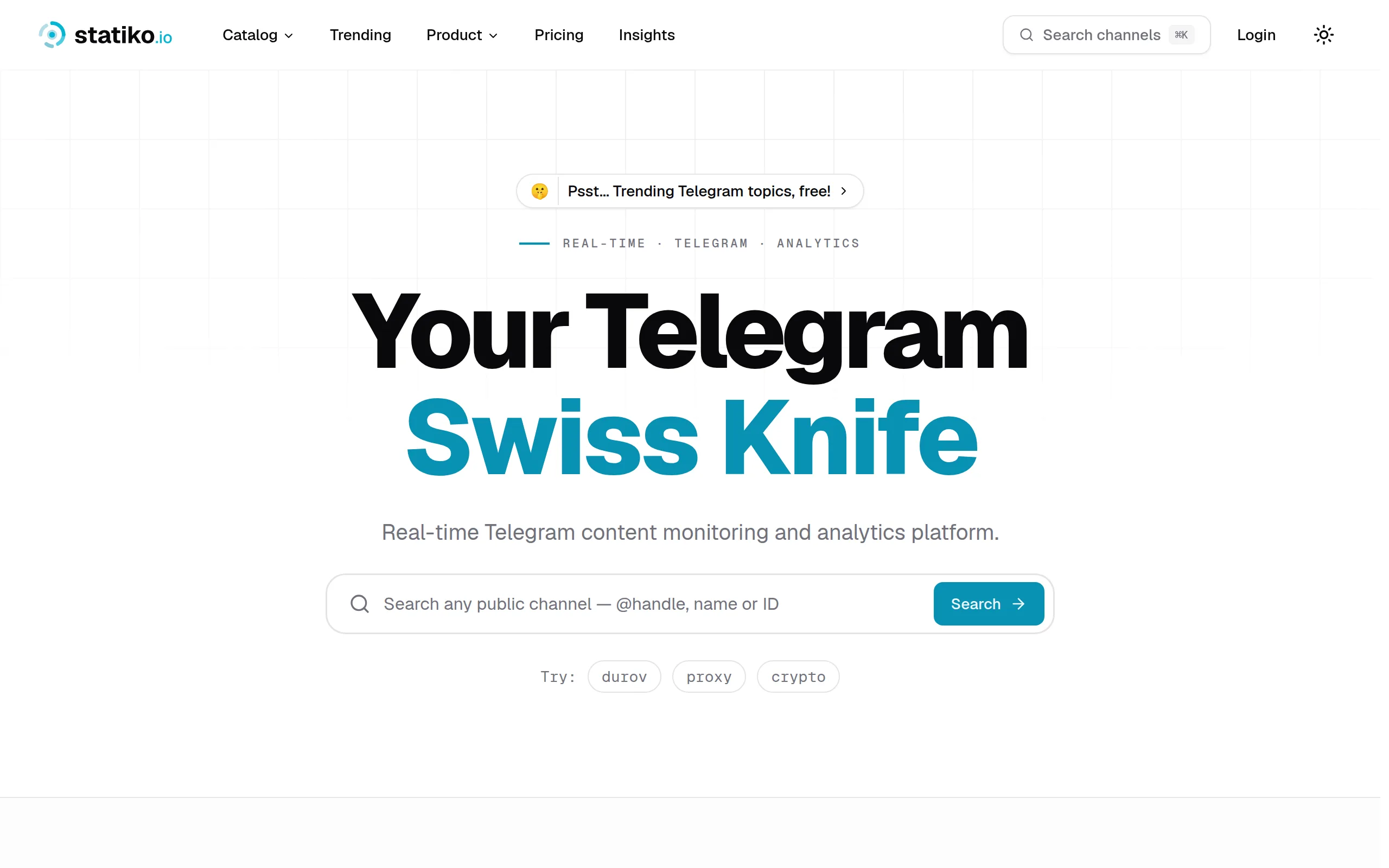
Statiko
Monitor any Telegram channel in real time - track posts, edits, deletions, and growth with AI recaps 📡

Shibui
AI website builder - describe your business, pick a niche template, edit by chatting, and publish instantly ✨

Pro Service
Find verified home service professionals, compare quotes, and pay securely through escrow - built for Brazilians across the US 🏠
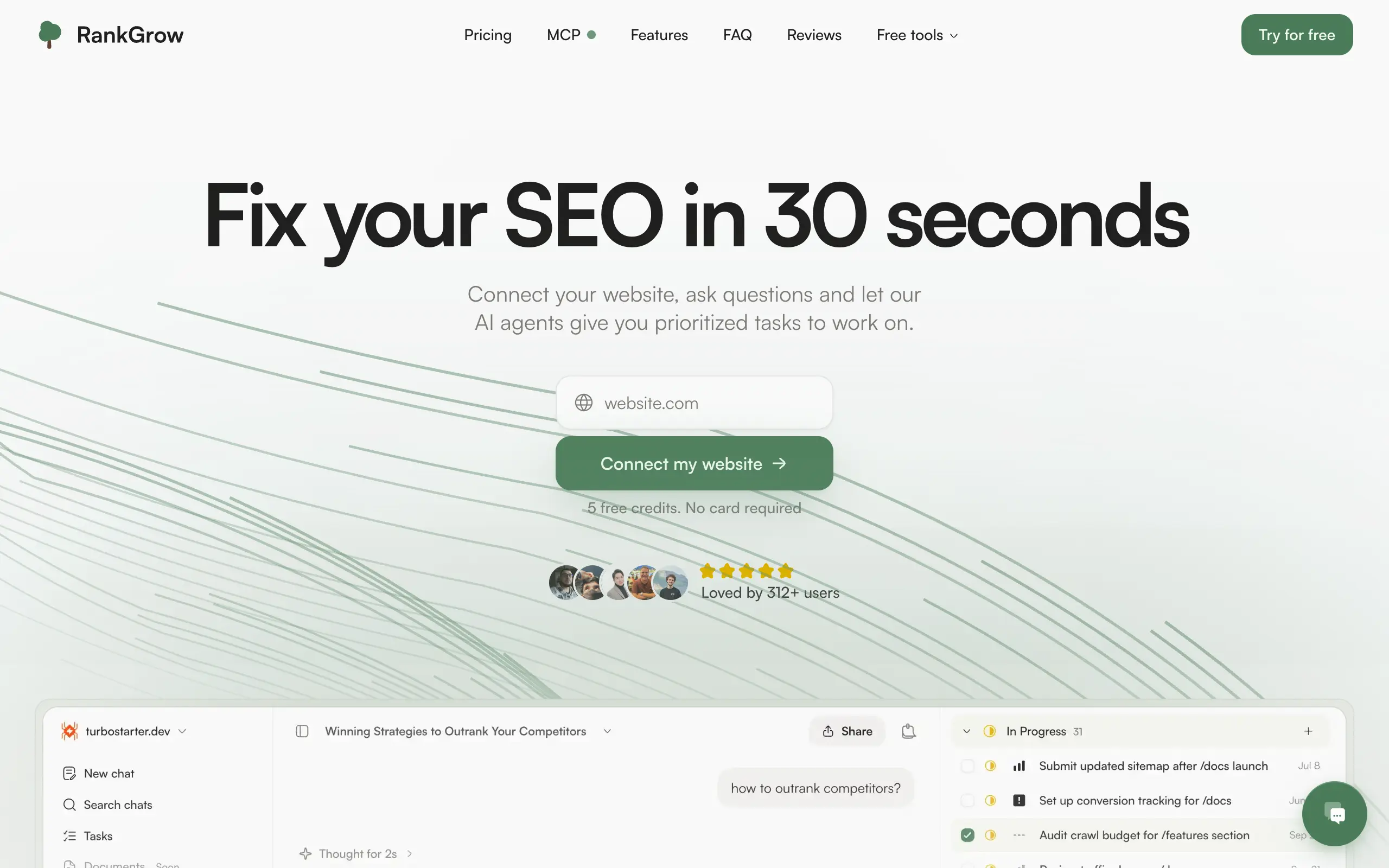
RankGrow
Fix your SEO with AI agents - connect Search Console, get prioritized tasks, and grow organic traffic 📈
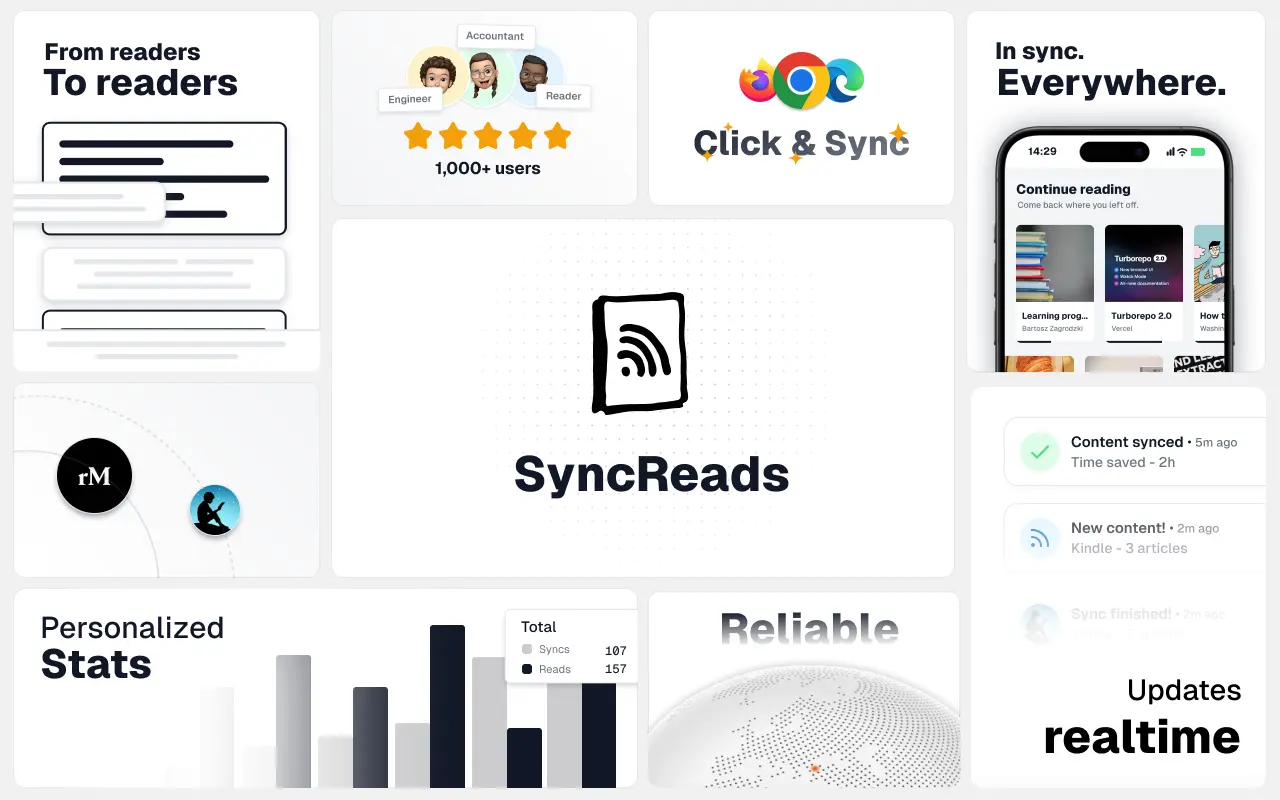
SyncReads
Sync your favorite content for distraction-free reading, save time and replace multiple apps. Anytime, anywhere 🔄
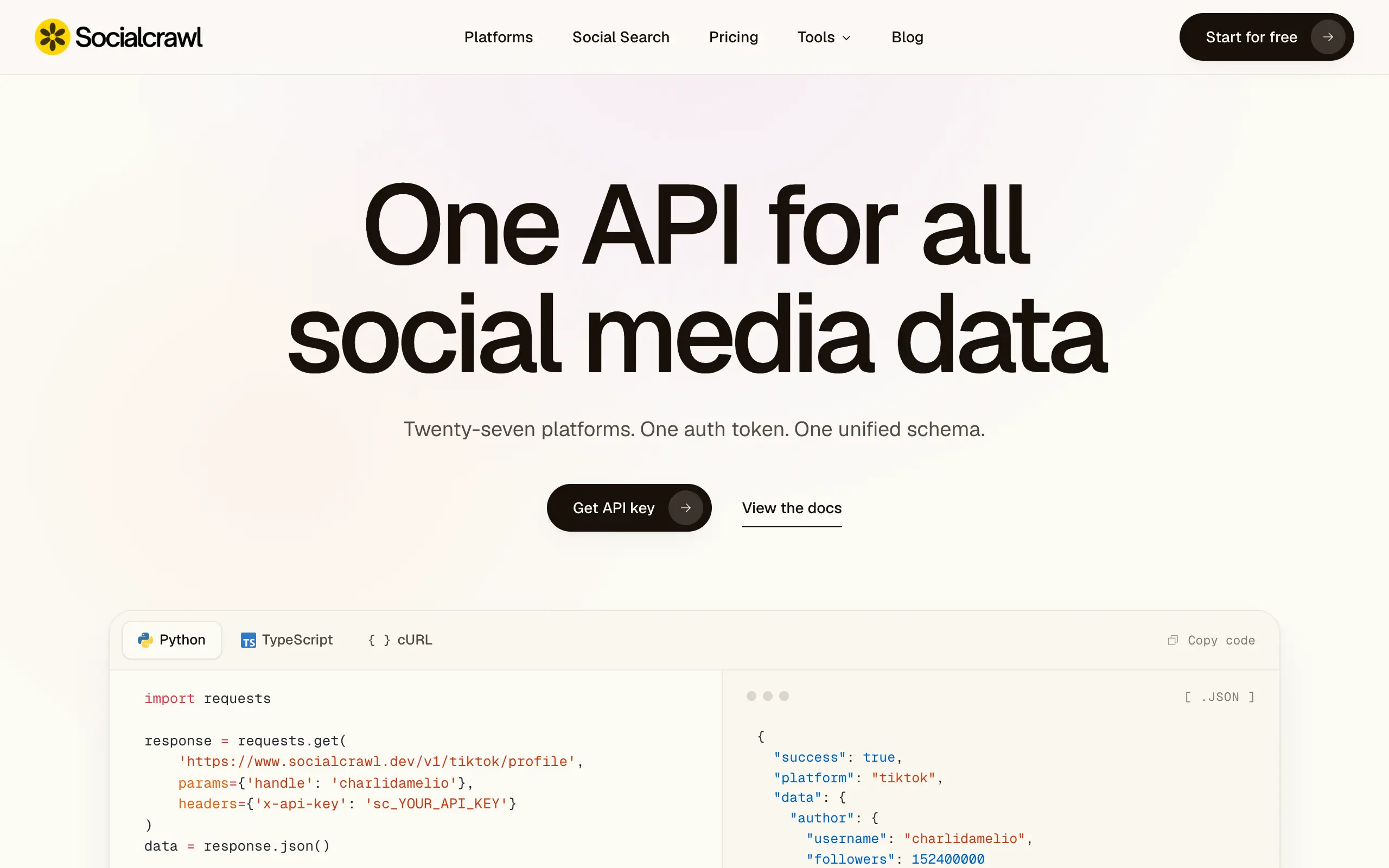
Socialcrawl
Get clean, structured data from 21 platforms like TikTok, Instagram, and YouTube with a single request 📊
Statiko
Monitor any Telegram channel in real time - track posts, edits, deletions, and growth with AI recaps 📡
Shibui
AI website builder - describe your business, pick a niche template, edit by chatting, and publish instantly ✨
Pro Service
Find verified home service professionals, compare quotes, and pay securely through escrow - built for Brazilians across the US 🏠
RankGrow
Fix your SEO with AI agents - connect Search Console, get prioritized tasks, and grow organic traffic 📈
SyncReads
Sync your favorite content for distraction-free reading, save time and replace multiple apps. Anytime, anywhere 🔄
Socialcrawl
Get clean, structured data from 21 platforms like TikTok, Instagram, and YouTube with a single request 📊
Statiko
Monitor any Telegram channel in real time - track posts, edits, deletions, and growth with AI recaps 📡
Shibui
AI website builder - describe your business, pick a niche template, edit by chatting, and publish instantly ✨
Pro Service
Find verified home service professionals, compare quotes, and pay securely through escrow - built for Brazilians across the US 🏠
RankGrow
Fix your SEO with AI agents - connect Search Console, get prioritized tasks, and grow organic traffic 📈
SyncReads
Sync your favorite content for distraction-free reading, save time and replace multiple apps. Anytime, anywhere 🔄
Socialcrawl
Get clean, structured data from 21 platforms like TikTok, Instagram, and YouTube with a single request 📊
Statiko
Monitor any Telegram channel in real time - track posts, edits, deletions, and growth with AI recaps 📡
Shibui
AI website builder - describe your business, pick a niche template, edit by chatting, and publish instantly ✨
Pro Service
Find verified home service professionals, compare quotes, and pay securely through escrow - built for Brazilians across the US 🏠
RankGrow
Fix your SEO with AI agents - connect Search Console, get prioritized tasks, and grow organic traffic 📈
SyncReads
Sync your favorite content for distraction-free reading, save time and replace multiple apps. Anytime, anywhere 🔄
Socialcrawl
Get clean, structured data from 21 platforms like TikTok, Instagram, and YouTube with a single request 📊
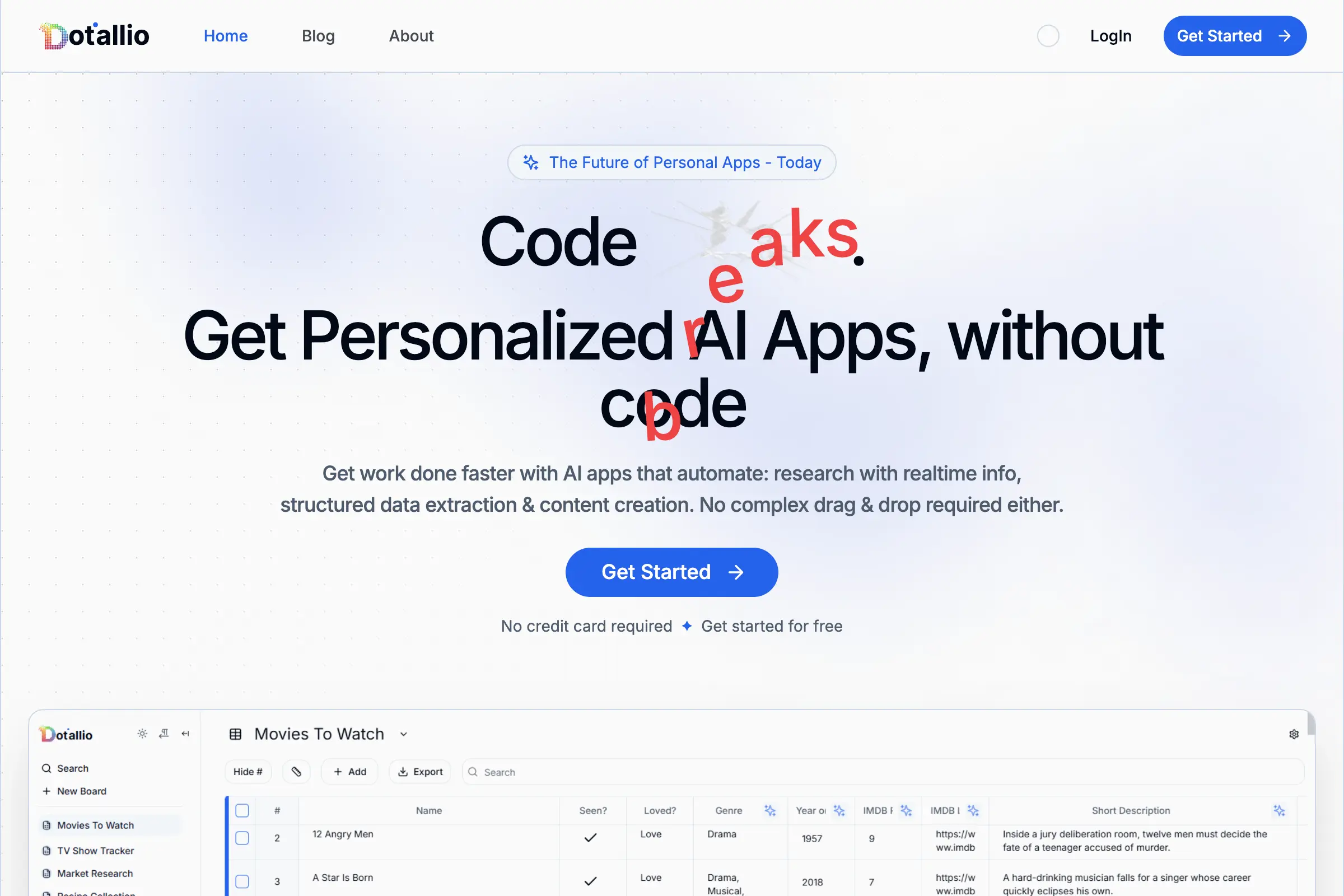
Dotallio
Personalized AI apps that automate research, data extraction, and content creation without code 🤖

Talk to Santa
Enjoy a magical live video chat or receive a unique AI-generated video greeting from Santa Claus 🎅

pozywka.pl
Scalable blog for food journalist, focused on performance and user experience 🌭
zagrodzki.me
Personal blog and portfolio of Bart Zagrodzki, where he shares his knowledge and work 💼
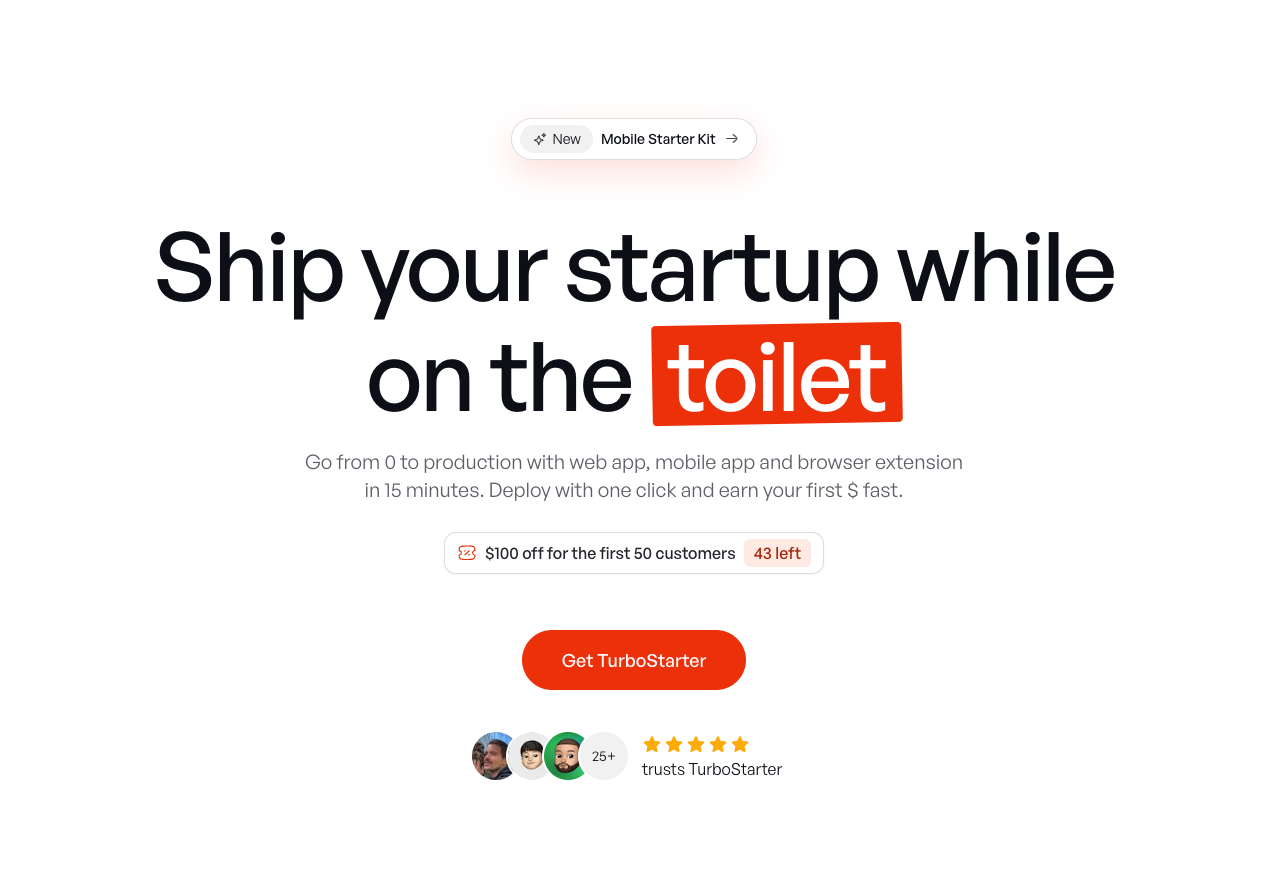
TurboStarter
Ship your startup everywhere. In minutes.
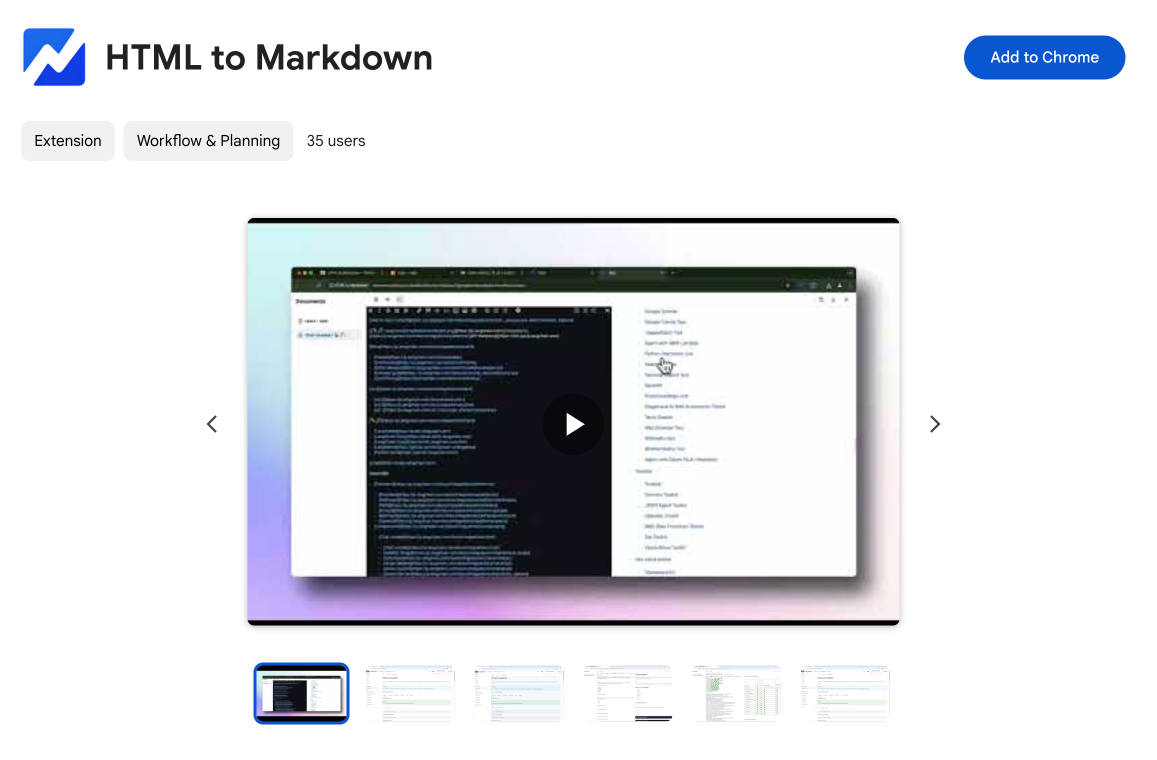
HTML to Markdown
Convert HTML to Markdown with ease, directly in your browser 📄
Dotallio
Personalized AI apps that automate research, data extraction, and content creation without code 🤖
Talk to Santa
Enjoy a magical live video chat or receive a unique AI-generated video greeting from Santa Claus 🎅
pozywka.pl
Scalable blog for food journalist, focused on performance and user experience 🌭
zagrodzki.me
Personal blog and portfolio of Bart Zagrodzki, where he shares his knowledge and work 💼
TurboStarter
Ship your startup everywhere. In minutes.
HTML to Markdown
Convert HTML to Markdown with ease, directly in your browser 📄
Dotallio
Personalized AI apps that automate research, data extraction, and content creation without code 🤖
Talk to Santa
Enjoy a magical live video chat or receive a unique AI-generated video greeting from Santa Claus 🎅
pozywka.pl
Scalable blog for food journalist, focused on performance and user experience 🌭
zagrodzki.me
Personal blog and portfolio of Bart Zagrodzki, where he shares his knowledge and work 💼
TurboStarter
Ship your startup everywhere. In minutes.
HTML to Markdown
Convert HTML to Markdown with ease, directly in your browser 📄
Dotallio
Personalized AI apps that automate research, data extraction, and content creation without code 🤖
Talk to Santa
Enjoy a magical live video chat or receive a unique AI-generated video greeting from Santa Claus 🎅
pozywka.pl
Scalable blog for food journalist, focused on performance and user experience 🌭
zagrodzki.me
Personal blog and portfolio of Bart Zagrodzki, where he shares his knowledge and work 💼
TurboStarter
Ship your startup everywhere. In minutes.
HTML to Markdown
Convert HTML to Markdown with ease, directly in your browser 📄
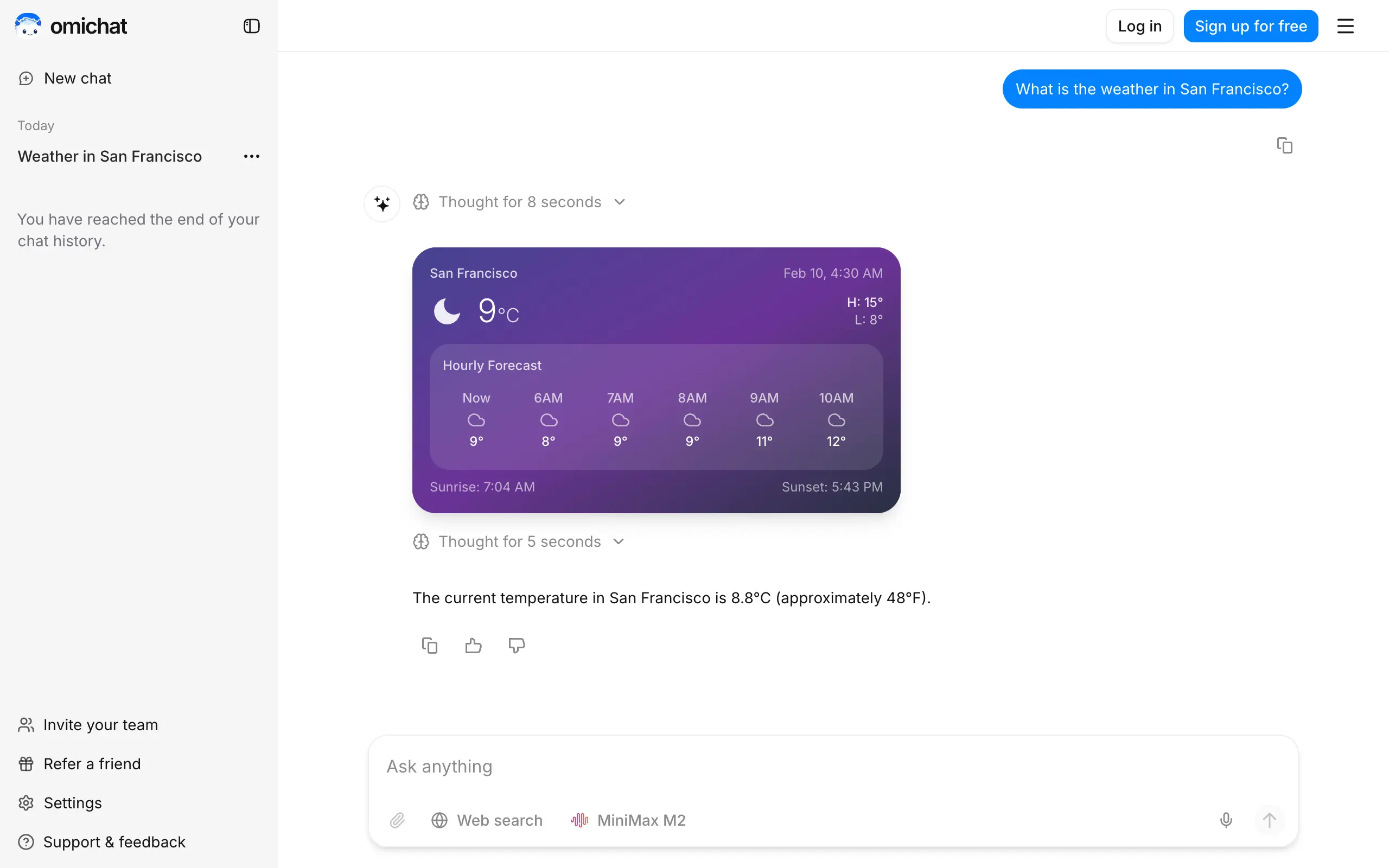
Omichat
Chat with 50+ AI models, including ChatGPT and Claude, in one place - switch models anytime without losing context 🤖
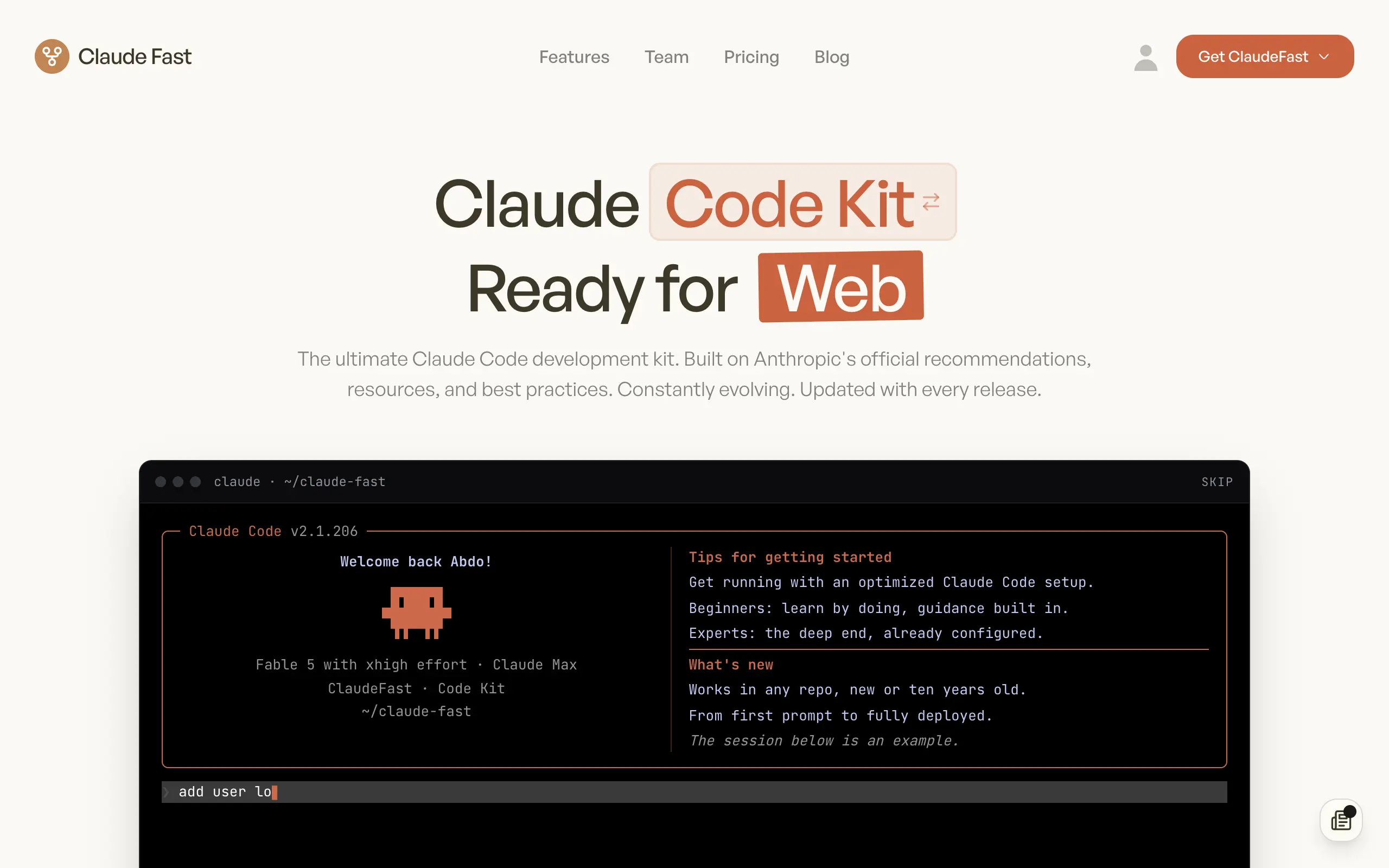
Claude Fast
Supercharge your Claude Code with 6x effective context window and specialized AI agents 🤖
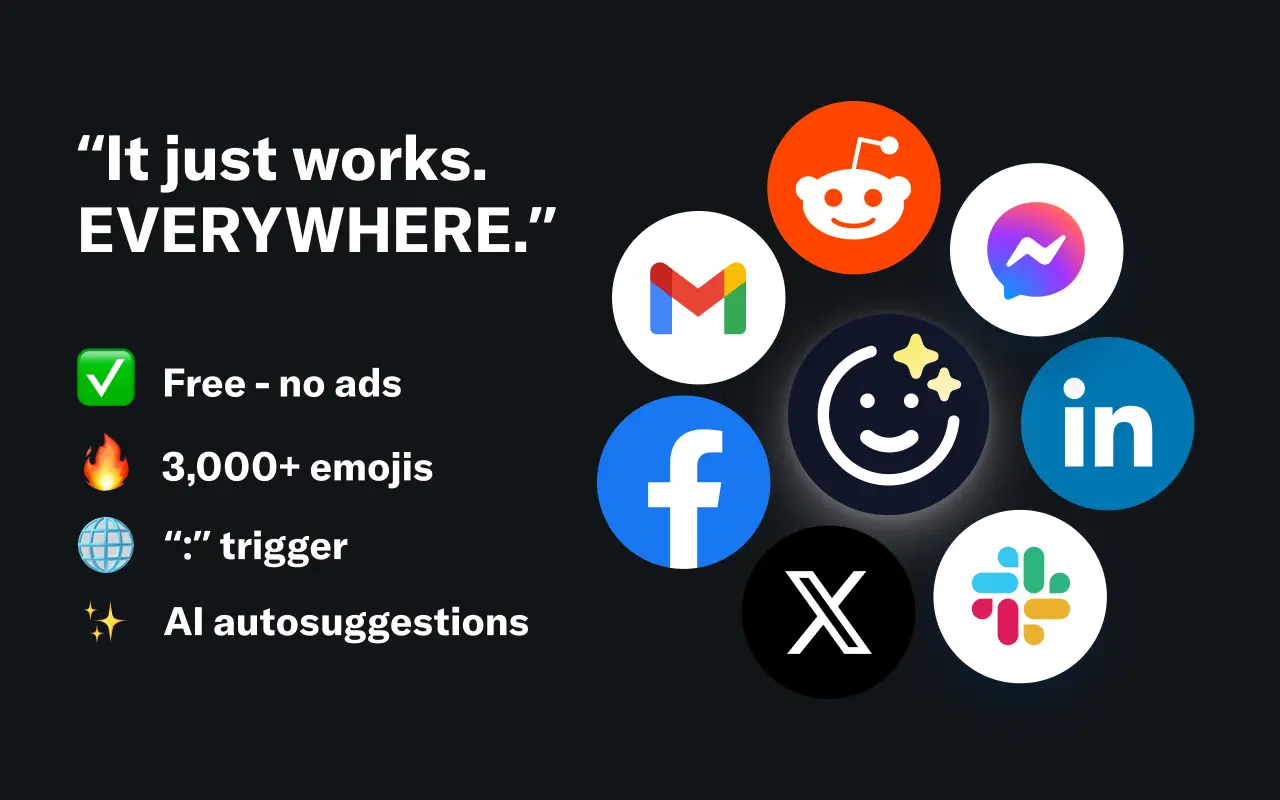
EmojAI
AI-powered emoji picker with smart, context-aware suggestions 🤖
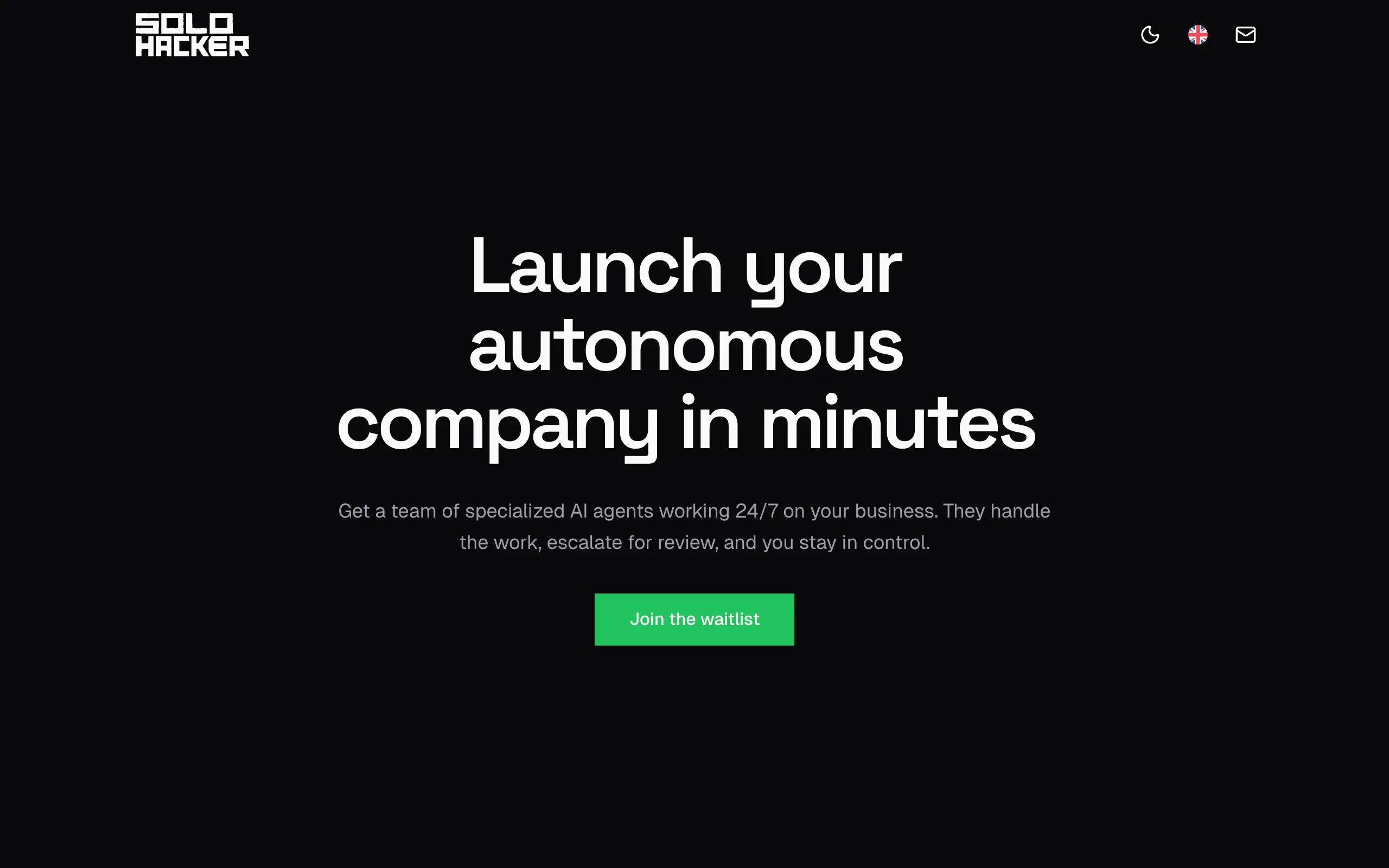
Solohacker
Autonomous company launcher - AI agents work 24/7, escalate what matters, and you stay in control 🤖
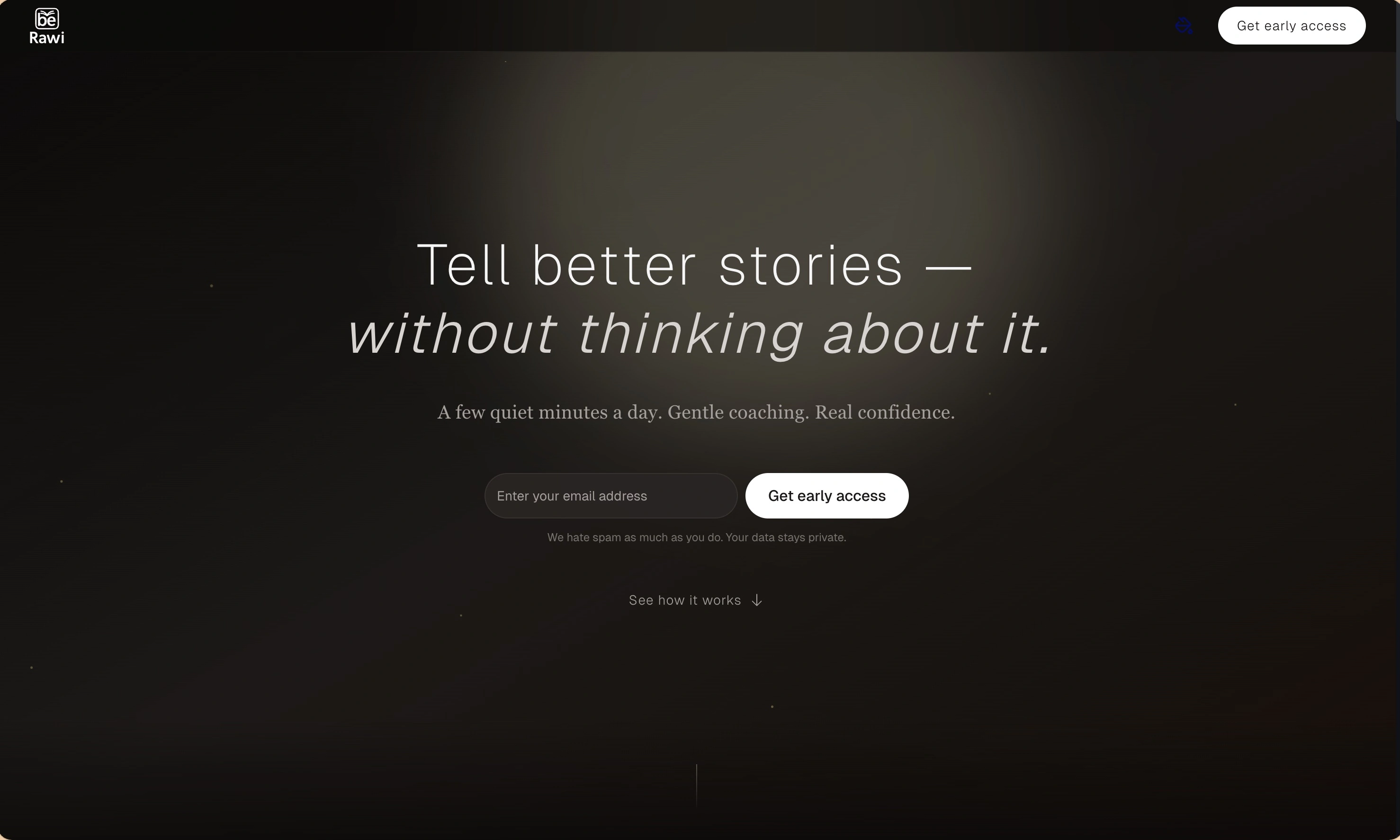
BeRawi: Storytelling Coach
Practice storytelling daily with instant feedback to sound clearer, more engaging, and confident 🎤
Omichat
Chat with 50+ AI models, including ChatGPT and Claude, in one place - switch models anytime without losing context 🤖
Claude Fast
Supercharge your Claude Code with 6x effective context window and specialized AI agents 🤖
EmojAI
AI-powered emoji picker with smart, context-aware suggestions 🤖
Solohacker
Autonomous company launcher - AI agents work 24/7, escalate what matters, and you stay in control 🤖
BeRawi: Storytelling Coach
Practice storytelling daily with instant feedback to sound clearer, more engaging, and confident 🎤
Omichat
Chat with 50+ AI models, including ChatGPT and Claude, in one place - switch models anytime without losing context 🤖
Claude Fast
Supercharge your Claude Code with 6x effective context window and specialized AI agents 🤖
EmojAI
AI-powered emoji picker with smart, context-aware suggestions 🤖
Solohacker
Autonomous company launcher - AI agents work 24/7, escalate what matters, and you stay in control 🤖
BeRawi: Storytelling Coach
Practice storytelling daily with instant feedback to sound clearer, more engaging, and confident 🎤
Omichat
Chat with 50+ AI models, including ChatGPT and Claude, in one place - switch models anytime without losing context 🤖
Claude Fast
Supercharge your Claude Code with 6x effective context window and specialized AI agents 🤖
EmojAI
AI-powered emoji picker with smart, context-aware suggestions 🤖
Solohacker
Autonomous company launcher - AI agents work 24/7, escalate what matters, and you stay in control 🤖
BeRawi: Storytelling Coach
Practice storytelling daily with instant feedback to sound clearer, more engaging, and confident 🎤

Connect with like-minded people
Join our community to get feedback, support, and grow together with 1,000+ builders on board, let's ship it!
Join usShip your startup everywhere. In minutes.
Don't burn tokens on setup and start building features on day one.