ExploitTheExam
A cybersecurity-inspired study planner that reverse-engineers exams into attack maps, weak-point detection, and adaptive practice drills.
Rethinking exam preparation with a cybersecurity mindset
Traditional study planners assume one thing: if you cover enough content, you’ll succeed. But exams are not neutral knowledge checks — they are structured systems with patterns, vulnerabilities, weighting biases, and predictable logic.
ExploitTheExam is a cybersecurity-inspired study planner that treats exams like systems to analyze, map, and strategically “attack.” Instead of passively reviewing material, students reverse-engineer the exam structure, detect weak points, and run adaptive practice drills — similar to how ethical hackers test and exploit system vulnerabilities.
This article explores the full SaaS opportunity behind a cybersecurity-inspired study planner, including:
- Target audience and market gap
- Core features and differentiators
- Technical architecture and stack recommendations
- Monetization strategy
- Competitive positioning
- Risks and mitigation
- Actionable implementation steps
If you're evaluating this idea for validation, building, or scaling, this guide gives you a complete strategic breakdown.
The core idea: reverse-engineering exams
Exams follow patterns:
- Repeated question archetypes
- Weighted topics
- Predictable traps
- Time-pressure constraints
- Psychological fatigue curves
Yet most study tools focus only on content management, not exam exploitation strategy.
ExploitTheExam reframes studying through three cybersecurity concepts:
- Attack surface mapping → What topics and question types are most exposed?
- Weak-point detection → Where are the student’s vulnerabilities?
- Adaptive penetration drills → High-intensity simulations targeting weaknesses.
This approach aligns with high-intent user searches like:
- “How to study smarter for exams”
- “Reverse engineer exam strategy”
- “Best study planner for competitive exams”
- “How to identify weak areas before exams”
- “Adaptive exam practice tool”
The product positions itself at the intersection of:
- EdTech
- Productivity SaaS
- Adaptive learning systems
- Performance optimization tools
Target audience analysis
Primary audience: high-stakes exam takers
These include:
- SAT, ACT, GRE, GMAT candidates
- Medical and law entrance exams
- Civil service and government exams
- Professional certifications (CPA, CFA, AWS, PMP)
- University midterms and finals in competitive programs
What they care about:
- Score maximization
- Time efficiency
- Strategic advantage
- Measurable progress
- Weakness detection
They are outcome-driven and willing to pay.
Secondary audience: ambitious students and productivity enthusiasts
- College students optimizing GPA
- Students in STEM-heavy fields
- Students influenced by “study hacking” culture
- Competitive high school students
This audience responds strongly to the cybersecurity aesthetic and positioning.
Market opportunity and gap analysis
The EdTech productivity saturation problem
There are thousands of:
- Flashcard apps
- Note-taking tools
- AI tutors
- Generic study planners
But very few tools focus specifically on:
- Reverse-engineering exam patterns
- Strategic scoring optimization
- Weak-point exploitation drills
Most tools focus on content input, not exam structure analysis.
Competitive landscape overview
Common competitors:
- Notion-based study templates
- Anki
- Quizlet
- Generic AI tutoring platforms
- Exam prep platforms (Kaplan, Princeton Review)
Let’s compare positioning:
| Feature | Traditional Planners | Flashcard Apps | Exam Prep Giants | ExploitTheExam |
|---|---|---|---|---|
| Exam reverse-engineering | ❌ | ❌ | Limited | ✅ |
| Weak-point detection analytics | ❌ | Basic | ✅ | ✅ |
| Adaptive drills | ❌ | ❌ | ✅ | ✅ (focused & strategic) |
| Gamified attack-map visualization | ❌ | ❌ | ❌ | ✅ |
The strategic gap
There is no dominant tool that:
- Frames studying as system exploitation
- Visualizes exams as attack maps
- Combines analytics + simulation + strategic mapping
That is the market wedge.
Core features of ExploitTheExam
1. Exam attack surface mapping
Students input:
- Syllabus
- Past exams
- Topic weighting
- Question types
- Time constraints
The system generates:
- Topic importance heatmap
- Frequency analysis
- Question archetype clusters
- Risk zones (high probability, high difficulty)
Strategic insight
Students don’t fail exams because they lack knowledge — they fail because they misallocate effort.
2. Weak-point detection engine
Based on practice sessions:
- Accuracy by topic
- Speed metrics
- Error type classification
- Confidence self-rating
The system builds a vulnerability profile.
This is similar to how a penetration test identifies:
- Exposed ports
- Misconfigurations
- Outdated dependencies
Here, the vulnerabilities are:
- Conceptual misunderstanding
- Procedural slowness
- Pattern misrecognition
- Fatigue-based errors
3. Adaptive exploitation drills
Instead of generic practice sets, the system:
- Prioritizes high-impact weak areas
- Simulates exam-like constraints
- Increases pressure progressively
- Adapts in real time
Example drill types:
- Time compression rounds
- Trap recognition training
- High-weight topic simulations
- Mixed-difficulty chaos rounds
4. Attack map dashboard
A visual representation:
- Topics as nodes
- Difficulty as color gradient
- Weakness as vulnerability flags
- Exam probability as weight thickness
This gamifies preparation while preserving seriousness.
5. Exam-day simulation engine
Includes:
- Full-length timed simulations
- Fatigue curve tracking
- Performance drop-off detection
- “Critical 15-minute window” analysis
This is highly differentiated compared to static practice platforms.
Product architecture and recommended tech stack
To build ExploitTheExam as a scalable SaaS, the stack must support:
- Real-time analytics
- Adaptive algorithms
- Visual dashboards
- AI-assisted classification
- Secure user data storage
Frontend
- React for component-driven UI
- Next.js for SSR, routing, and SEO
- TailwindCSS for scalable styling
- D3.js or Recharts for attack map visualizations
Trade-off:
- D3.js offers flexibility but increases complexity.
- Recharts is simpler but less customizable.
Backend
Options:
- Node.js + Express or Next.js API routes
- PostgreSQL for relational performance data
- Redis for session & real-time drill tracking
- Basic analytics pipeline
- Node.js backend
- Python microservice for adaptive scoring algorithms
- LLM integration for error classification
- Vector database for question similarity clustering
AI integration opportunities
- Automatic question tagging
- Weakness explanation summaries
- Adaptive question generation
- Personalized study strategy recommendations
However, AI should enhance — not replace — the strategic positioning.
Data model concept example
interface TopicPerformance {
  topicId: string
  accuracy: number
  avgTimePerQuestion: number
  difficultyBreakdown: {
    easy: number
    medium: number
    hard: number
  }
  vulnerabilityScore: number
}

interface DrillSession {
  sessionId: string
  duration: number
  topicsTargeted: string[]
  performanceDelta: number
}
The key metric is vulnerabilityScore — the core differentiator.
Monetization strategy
ExploitTheExam can support multiple revenue models.
1. Freemium model
Free:
- Basic attack map
- Limited drill sessions
- Basic analytics
Premium:
- Full adaptive engine
- Advanced vulnerability analysis
- Unlimited simulations
- Performance forecasting
Pricing range:
- $15–$29/month for students
- $99–$199 per exam cycle
2. Exam-specific packs
Sell structured templates:
- “SAT Exploitation Blueprint”
- “CPA Tactical Kit”
- “GRE Attack Map”
One-time purchase model.
3. Institutional licensing
Target:
- Test prep centers
- Universities
- Bootcamps
- Coaching institutes
Provide:
- Admin dashboard
- Cohort vulnerability mapping
- Instructor analytics
Higher revenue potential per account.
Competitive advantage analysis
The main USP:
“We don’t help you study more. We help you exploit the exam system.”
Differentiation pillars
- Cybersecurity metaphor branding
- Visual attack maps
- Weak-point scoring system
- Drill-focused, not content-focused
- Strategic framing
Most EdTech platforms focus on knowledge acquisition.
ExploitTheExam focuses on performance optimization.
Psychological and behavioral advantage
The cybersecurity framing creates:
- Competitive energy
- Tactical mindset
- Gamified seriousness
- Reduced passive learning
It appeals especially to:
- STEM students
- Competitive personalities
- Gamers
- Strategy-oriented learners
This psychological positioning increases engagement and retention.
SEO strategy for long-term growth
To rank effectively for “exam study strategy tool” and related keywords, content marketing should focus on:
Pillar pages
- How to reverse engineer any exam
- How to identify weak areas before exams
- Strategic study planning guide
- Adaptive learning vs traditional studying
Supporting cluster topics
- Time management under exam pressure
- How to analyze past papers
- Exam fatigue management
- Pattern recognition in standardized tests
Internal linking strategy should support a structured topical cluster model.
Risks and mitigation
Risk 1: Overcomplication
Students may find the system intimidating.
Mitigation:
- Offer guided onboarding
- Provide “Beginner Mode”
- Use simple UI defaults
Risk 2: Perceived gimmick
Cybersecurity metaphor may feel gimmicky.
Mitigation:
- Back features with real analytics
- Provide evidence-based study science
- Cite cognitive research (e.g., retrieval practice, spaced repetition)
Risk 3: AI dependency risk
Overreliance on AI can increase costs.
Mitigation:
- Hybrid logic system
- Deterministic scoring models
- Optional AI add-ons
Unique positioning statement
ExploitTheExam is not:
- A flashcard app
- A generic AI tutor
- A static study planner
It is:
A tactical performance engine for high-stakes exams.
That positioning creates category differentiation.
Implementation roadmap
MVP scope recommendation
Keep initial version narrow:
- One exam category (e.g., SAT)
- Attack map visualization
- Manual topic input
- Performance analytics
- Basic drill mode
Avoid building:
- AI generation
- Complex marketplace
- Multi-exam support
- Institutional dashboards
Speed > complexity.
Using a production-ready SaaS foundation like TurboStarter can significantly reduce time-to-market by handling authentication, billing, and infrastructure boilerplate so you can focus on core analytics logic.
Growth strategy
Phase 1: niche domination
Target:
- SAT subreddit
- Student YouTube audience
- Study influencers
- Discord communities
Messaging:
- “Stop studying blindly.”
- “Map the exam before it maps you.”
Phase 2: authority building
- Publish exam strategy breakdowns
- Analyze real exam structures publicly
- Create interactive demos
Phase 3: institutional outreach
- Partner with coaching centers
- Offer cohort dashboards
- Provide instructor insights
Long-term expansion opportunities
- AI-generated custom mock exams
- Mobile companion app
- Chrome extension for question tagging
- Performance forecasting using predictive modeling
- API for integration with LMS platforms
Why this idea has strong SaaS potential
- High emotional pain (exam anxiety)
- Measurable ROI (scores improve or not)
- Recurring demand (new exams each cycle)
- Premium positioning opportunity
- Differentiated brand narrative
Most productivity SaaS products struggle with:
- Low urgency
- Weak retention
Exam prep has built-in urgency and deadlines.
Final strategic insight
Students don’t need more content.
They need:
- Precision
- Clarity
- Tactical leverage
ExploitTheExam reframes studying as strategic system analysis, aligning with how top performers already think.
If built correctly, it doesn’t compete with generic study tools — it creates a new micro-category:
Strategic exam exploitation software.
Actionable next steps for founders
- Interview 20 high-stakes exam takers.
- Map common frustration patterns.
- Prototype vulnerability scoring logic.
- Create interactive demo attack map.
- Launch landing page with strong positioning.
- Collect early access emails.
- Ship MVP in 6–8 weeks.
- Focus on one exam niche.
- Iterate based on performance data.
- Scale vertically.
If executed with clarity, strong branding, and data-backed strategy, ExploitTheExam can carve out a powerful position in the productivity and EdTech SaaS landscape — not as another study tool, but as a performance optimization engine for serious exam competitors.
More ⚡ Productivity Tool SaaS ideas
Discover more innovative productivity tool SaaS ideas that are trending in 2026. Each idea is AI-generated with market validation and growth potential to help you find your next profitable venture faster than competitors.
Your competitors are building with TurboStarter
Below are some of the SaaS ideas that have been generated and built with our starter kit.
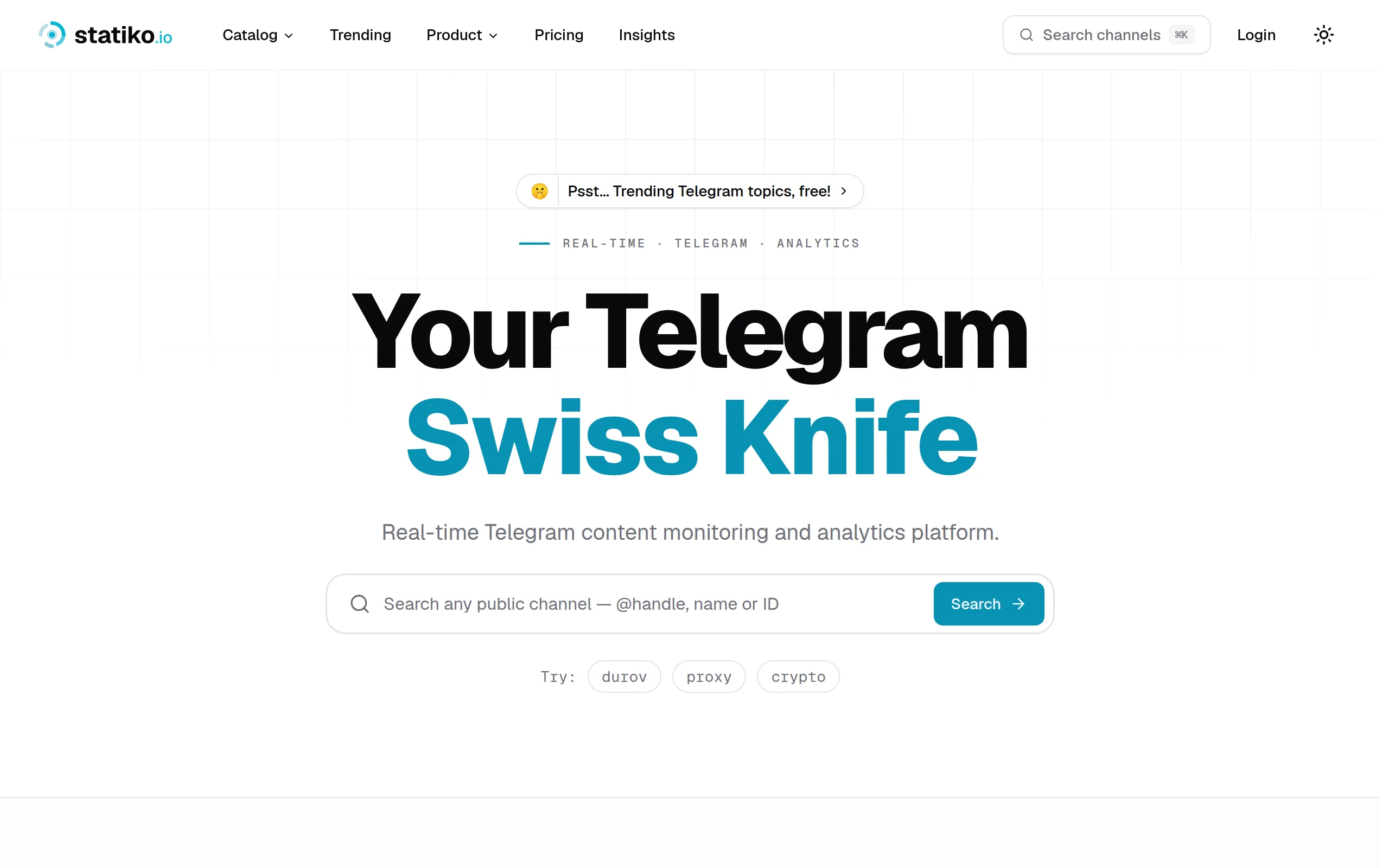
Statiko
Monitor any Telegram channel in real time - track posts, edits, deletions, and growth with AI recaps 📡
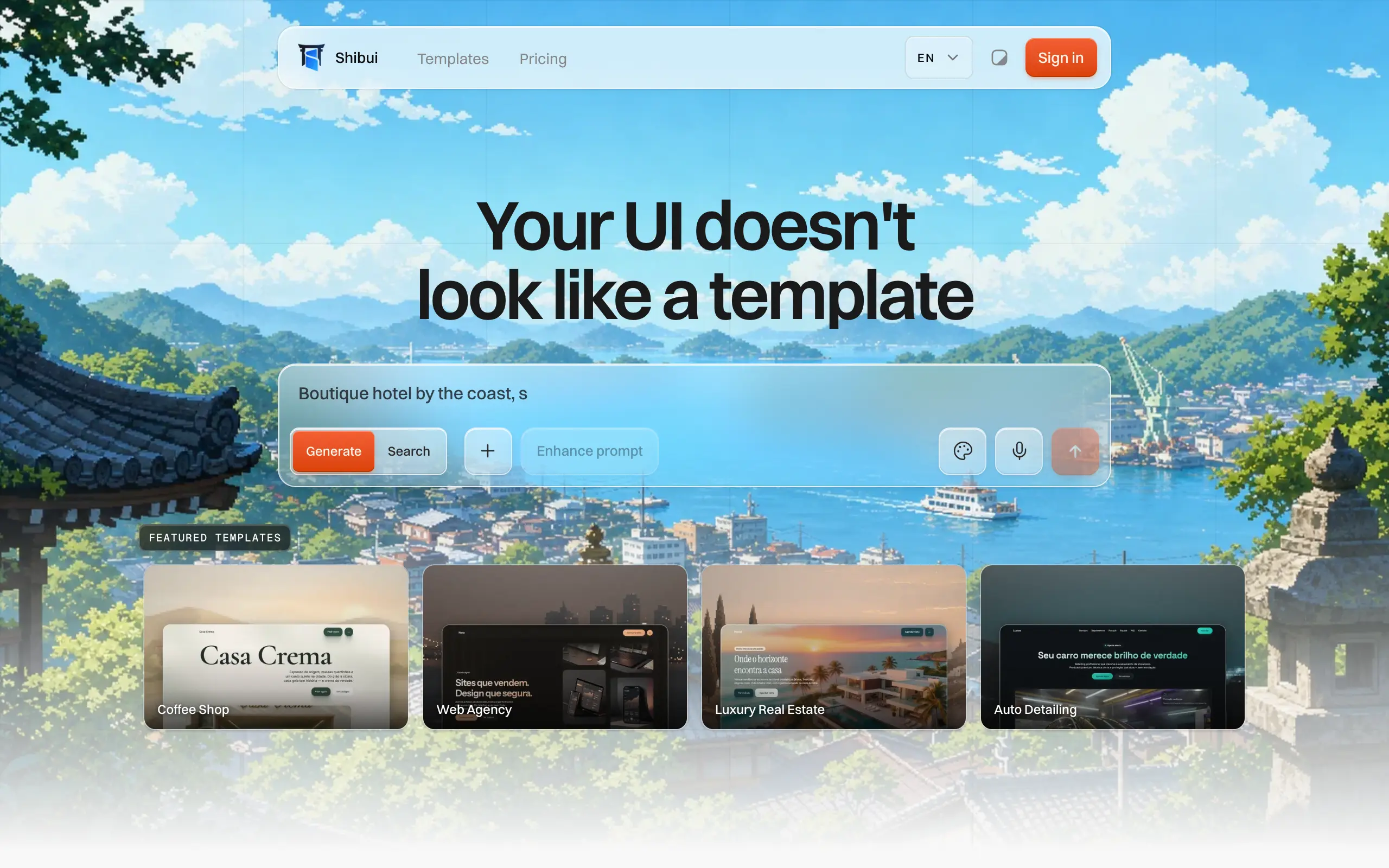
Shibui
AI website builder - describe your business, pick a niche template, edit by chatting, and publish instantly ✨

Pro Service
Find verified home service professionals, compare quotes, and pay securely through escrow - built for Brazilians across the US 🏠
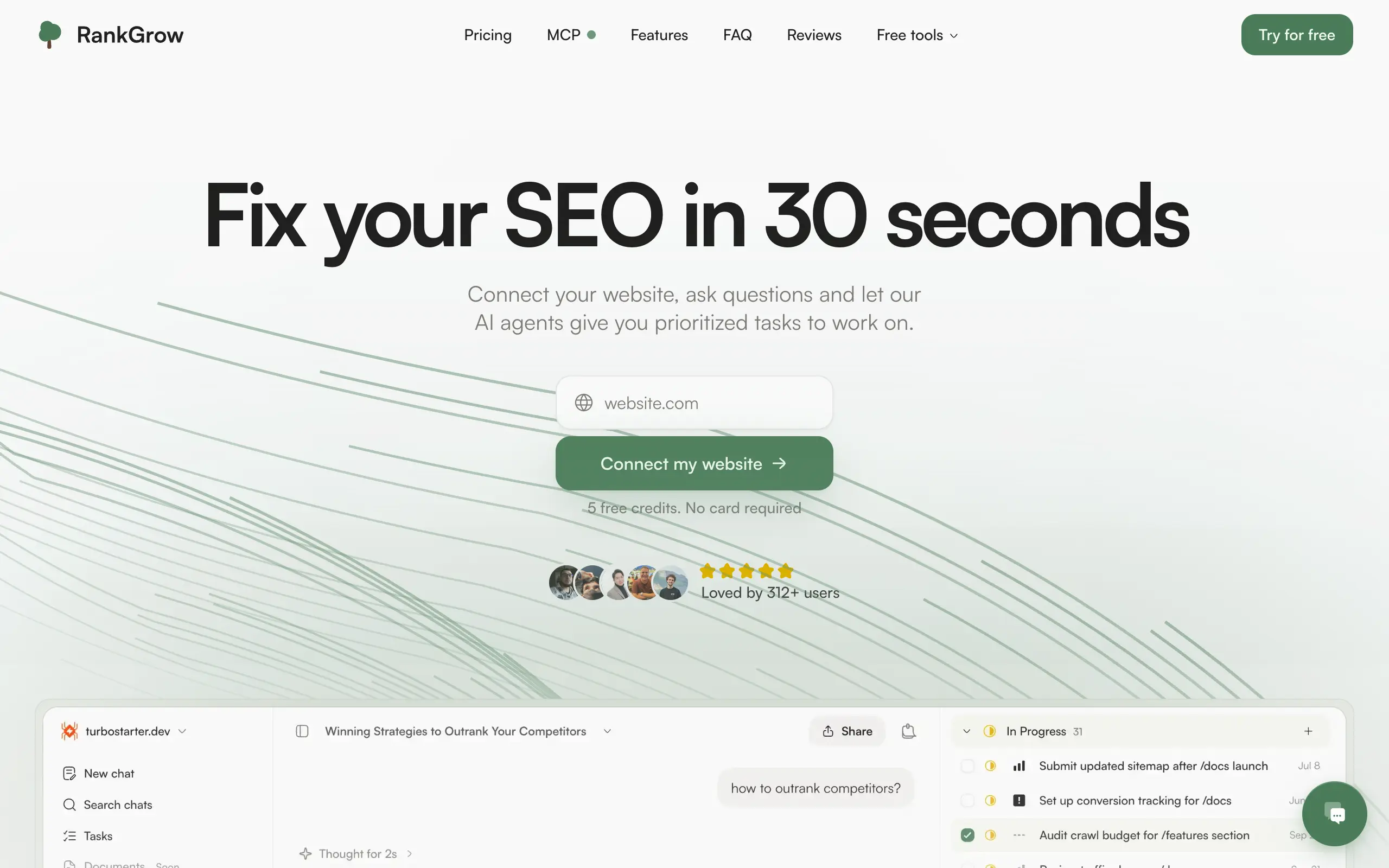
RankGrow
Fix your SEO with AI agents - connect Search Console, get prioritized tasks, and grow organic traffic 📈
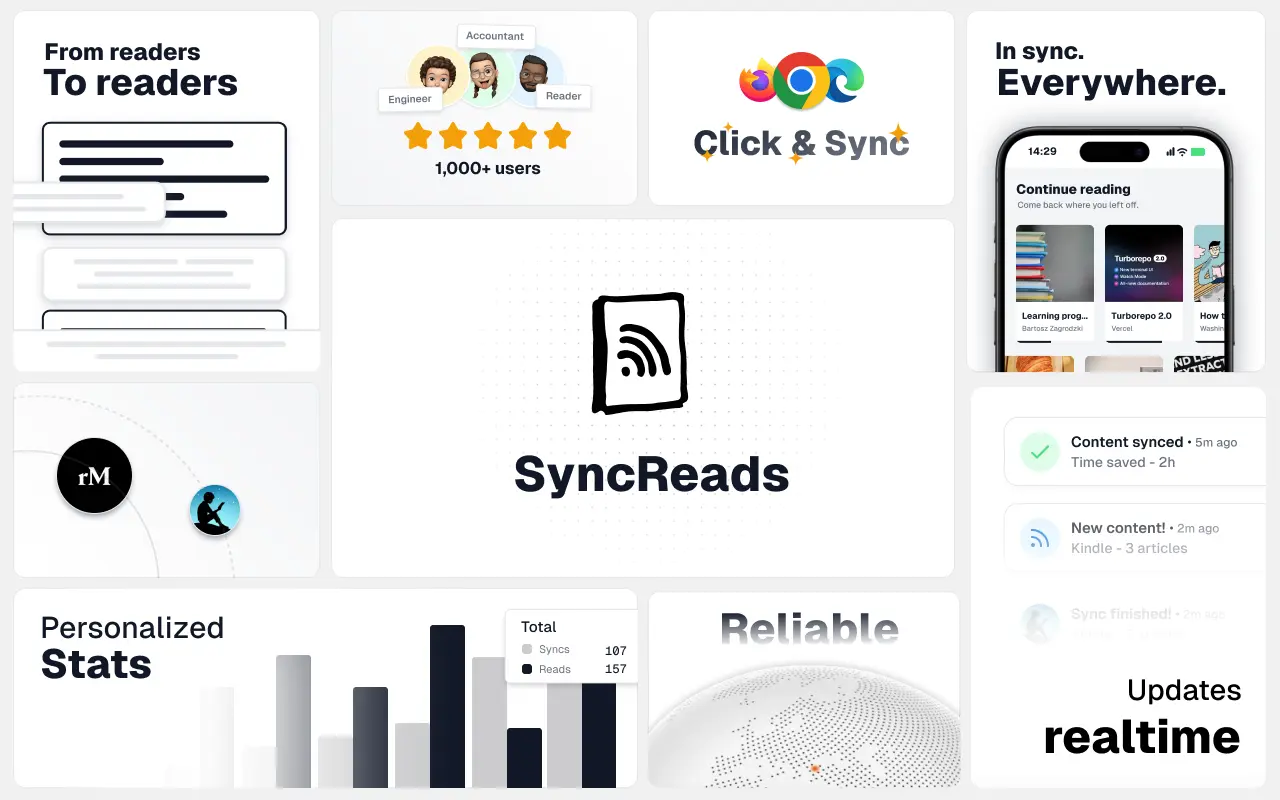
SyncReads
Sync your favorite content for distraction-free reading, save time and replace multiple apps. Anytime, anywhere 🔄
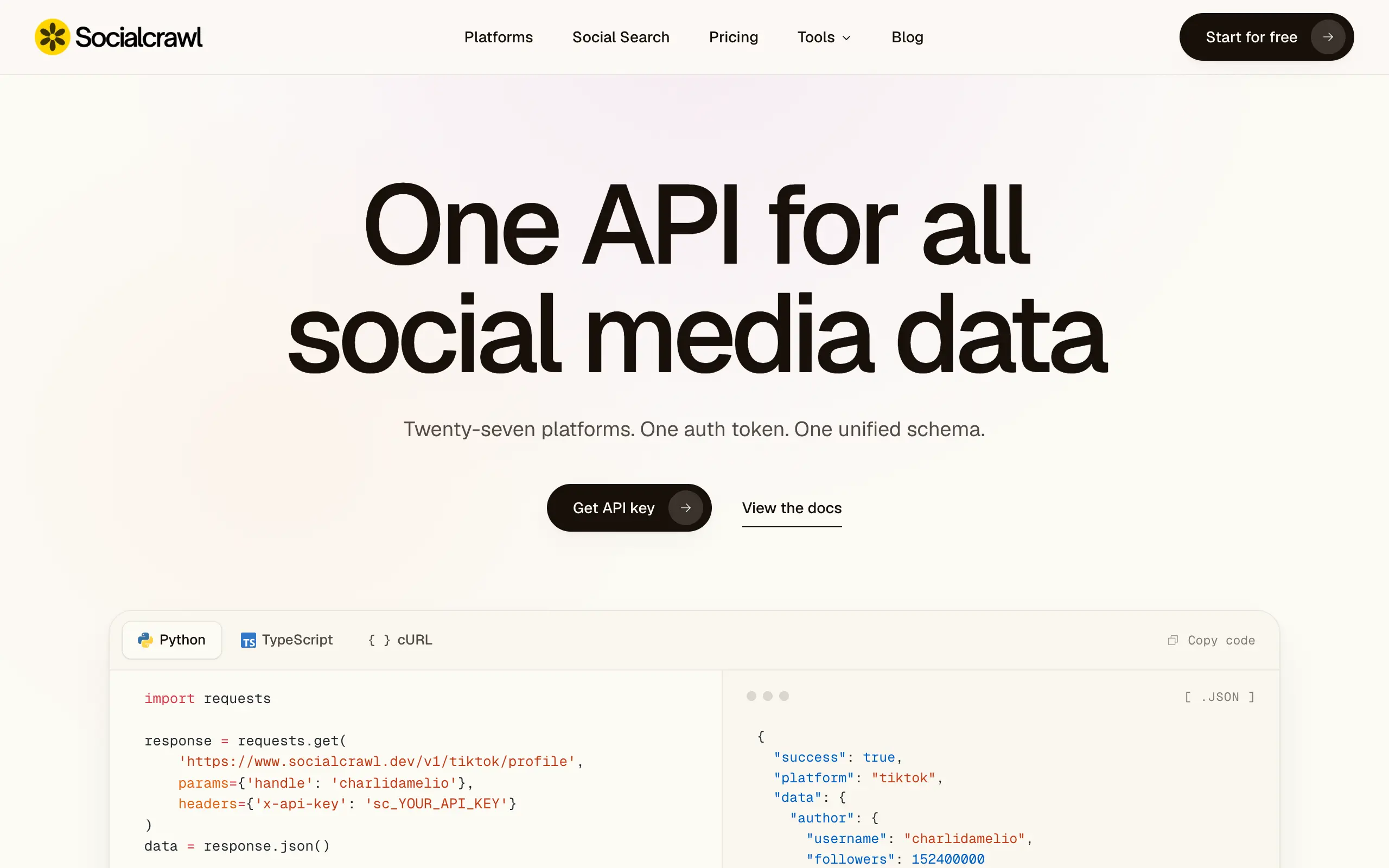
Socialcrawl
Get clean, structured data from 21 platforms like TikTok, Instagram, and YouTube with a single request 📊
Statiko
Monitor any Telegram channel in real time - track posts, edits, deletions, and growth with AI recaps 📡
Shibui
AI website builder - describe your business, pick a niche template, edit by chatting, and publish instantly ✨
Pro Service
Find verified home service professionals, compare quotes, and pay securely through escrow - built for Brazilians across the US 🏠
RankGrow
Fix your SEO with AI agents - connect Search Console, get prioritized tasks, and grow organic traffic 📈
SyncReads
Sync your favorite content for distraction-free reading, save time and replace multiple apps. Anytime, anywhere 🔄
Socialcrawl
Get clean, structured data from 21 platforms like TikTok, Instagram, and YouTube with a single request 📊
Statiko
Monitor any Telegram channel in real time - track posts, edits, deletions, and growth with AI recaps 📡
Shibui
AI website builder - describe your business, pick a niche template, edit by chatting, and publish instantly ✨
Pro Service
Find verified home service professionals, compare quotes, and pay securely through escrow - built for Brazilians across the US 🏠
RankGrow
Fix your SEO with AI agents - connect Search Console, get prioritized tasks, and grow organic traffic 📈
SyncReads
Sync your favorite content for distraction-free reading, save time and replace multiple apps. Anytime, anywhere 🔄
Socialcrawl
Get clean, structured data from 21 platforms like TikTok, Instagram, and YouTube with a single request 📊
Statiko
Monitor any Telegram channel in real time - track posts, edits, deletions, and growth with AI recaps 📡
Shibui
AI website builder - describe your business, pick a niche template, edit by chatting, and publish instantly ✨
Pro Service
Find verified home service professionals, compare quotes, and pay securely through escrow - built for Brazilians across the US 🏠
RankGrow
Fix your SEO with AI agents - connect Search Console, get prioritized tasks, and grow organic traffic 📈
SyncReads
Sync your favorite content for distraction-free reading, save time and replace multiple apps. Anytime, anywhere 🔄
Socialcrawl
Get clean, structured data from 21 platforms like TikTok, Instagram, and YouTube with a single request 📊
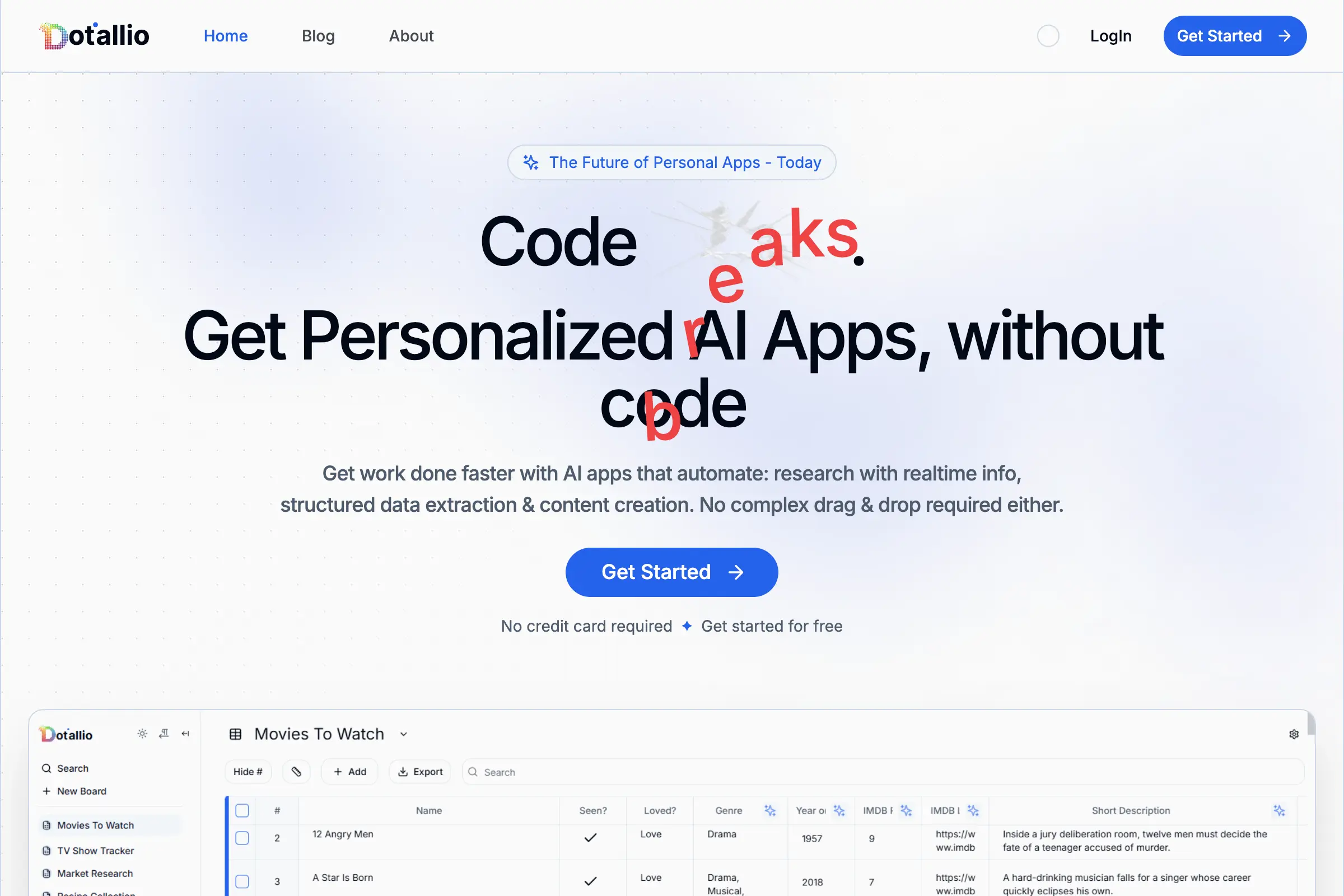
Dotallio
Personalized AI apps that automate research, data extraction, and content creation without code 🤖
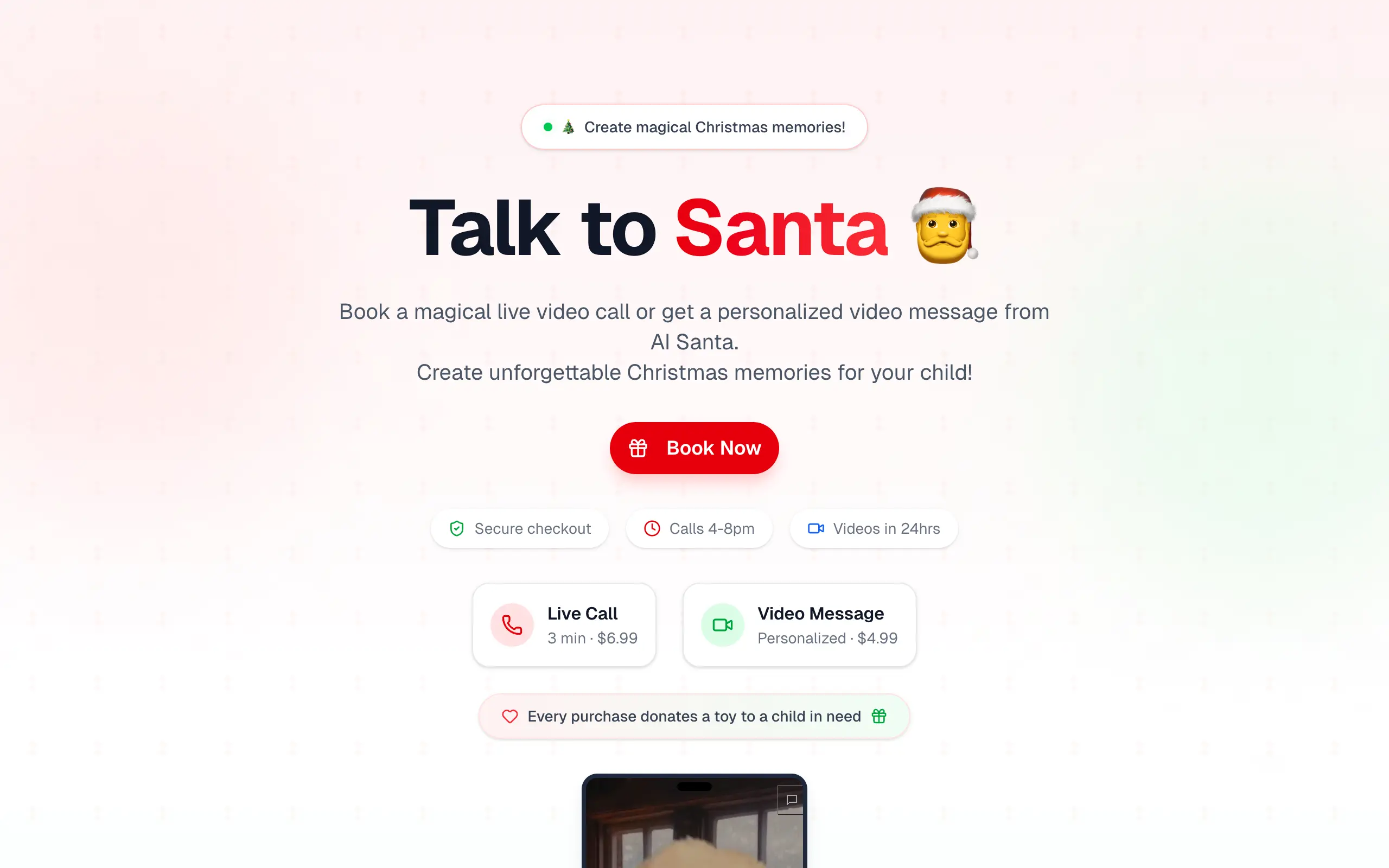
Talk to Santa
Enjoy a magical live video chat or receive a unique AI-generated video greeting from Santa Claus 🎅
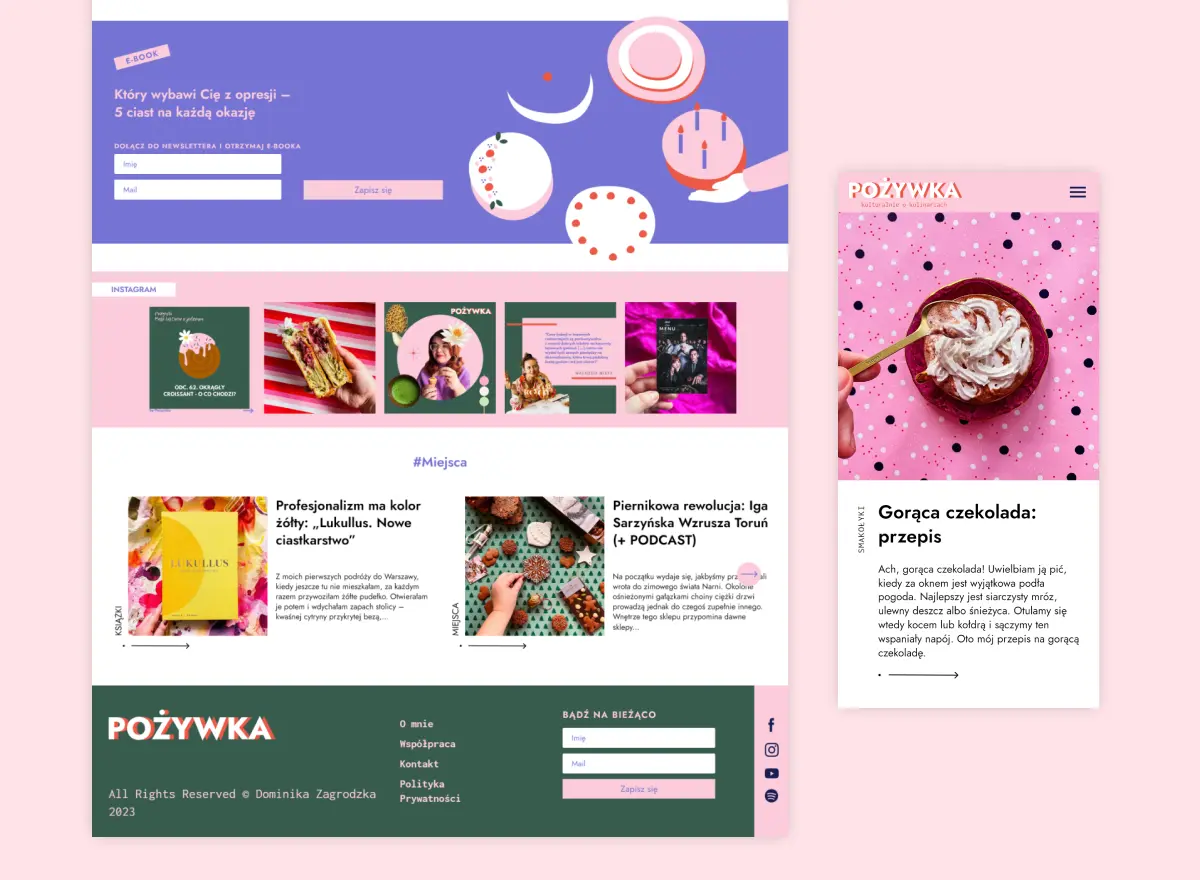
pozywka.pl
Scalable blog for food journalist, focused on performance and user experience 🌭
zagrodzki.me
Personal blog and portfolio of Bart Zagrodzki, where he shares his knowledge and work 💼
TurboStarter
Ship your startup everywhere. In minutes.
HTML to Markdown
Convert HTML to Markdown with ease, directly in your browser 📄
Dotallio
Personalized AI apps that automate research, data extraction, and content creation without code 🤖
Talk to Santa
Enjoy a magical live video chat or receive a unique AI-generated video greeting from Santa Claus 🎅
pozywka.pl
Scalable blog for food journalist, focused on performance and user experience 🌭
zagrodzki.me
Personal blog and portfolio of Bart Zagrodzki, where he shares his knowledge and work 💼
TurboStarter
Ship your startup everywhere. In minutes.
HTML to Markdown
Convert HTML to Markdown with ease, directly in your browser 📄
Dotallio
Personalized AI apps that automate research, data extraction, and content creation without code 🤖
Talk to Santa
Enjoy a magical live video chat or receive a unique AI-generated video greeting from Santa Claus 🎅
pozywka.pl
Scalable blog for food journalist, focused on performance and user experience 🌭
zagrodzki.me
Personal blog and portfolio of Bart Zagrodzki, where he shares his knowledge and work 💼
TurboStarter
Ship your startup everywhere. In minutes.
HTML to Markdown
Convert HTML to Markdown with ease, directly in your browser 📄
Dotallio
Personalized AI apps that automate research, data extraction, and content creation without code 🤖
Talk to Santa
Enjoy a magical live video chat or receive a unique AI-generated video greeting from Santa Claus 🎅
pozywka.pl
Scalable blog for food journalist, focused on performance and user experience 🌭
zagrodzki.me
Personal blog and portfolio of Bart Zagrodzki, where he shares his knowledge and work 💼
TurboStarter
Ship your startup everywhere. In minutes.
HTML to Markdown
Convert HTML to Markdown with ease, directly in your browser 📄
Omichat
Chat with 50+ AI models, including ChatGPT and Claude, in one place - switch models anytime without losing context 🤖
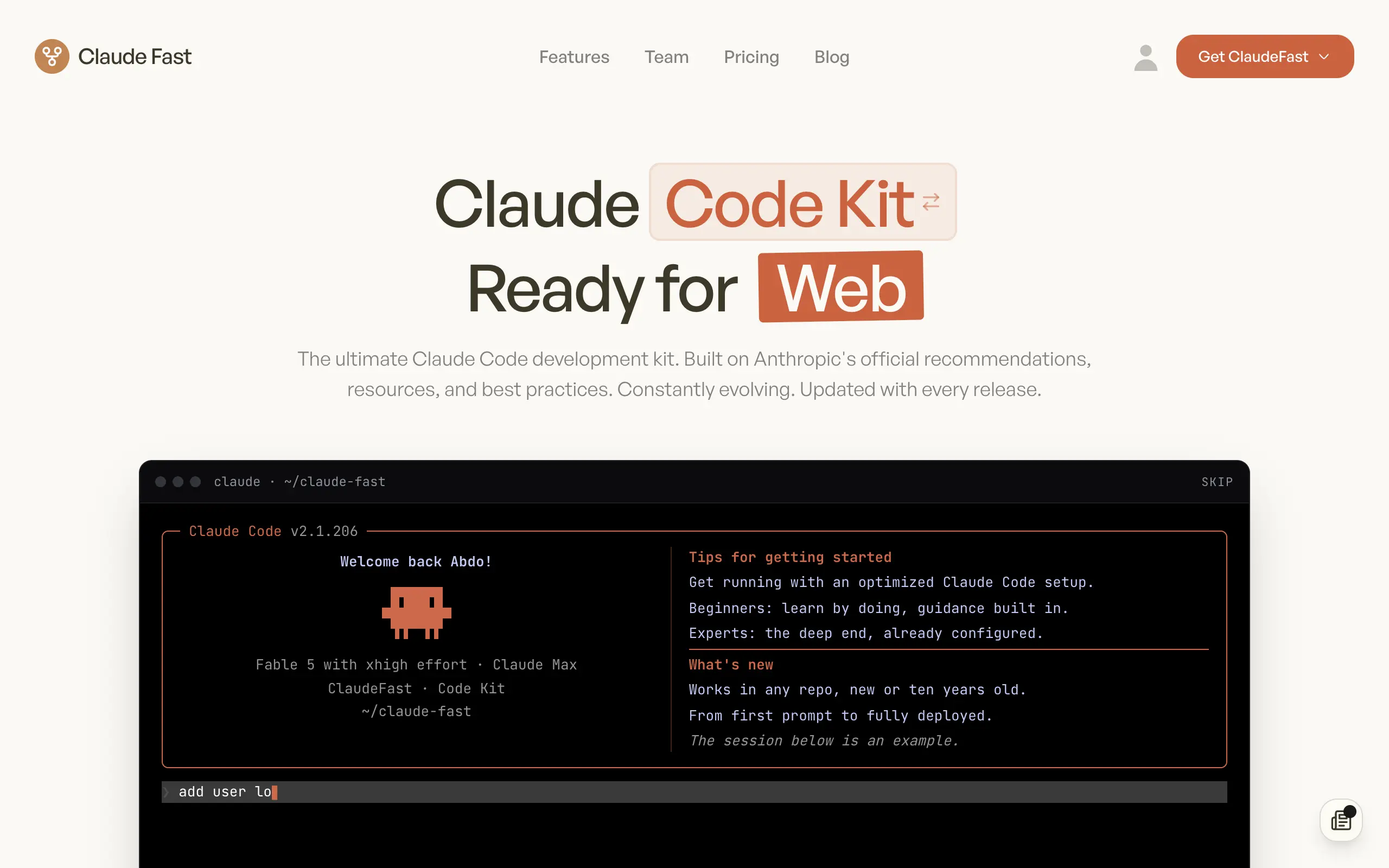
Claude Fast
Supercharge your Claude Code with 6x effective context window and specialized AI agents 🤖
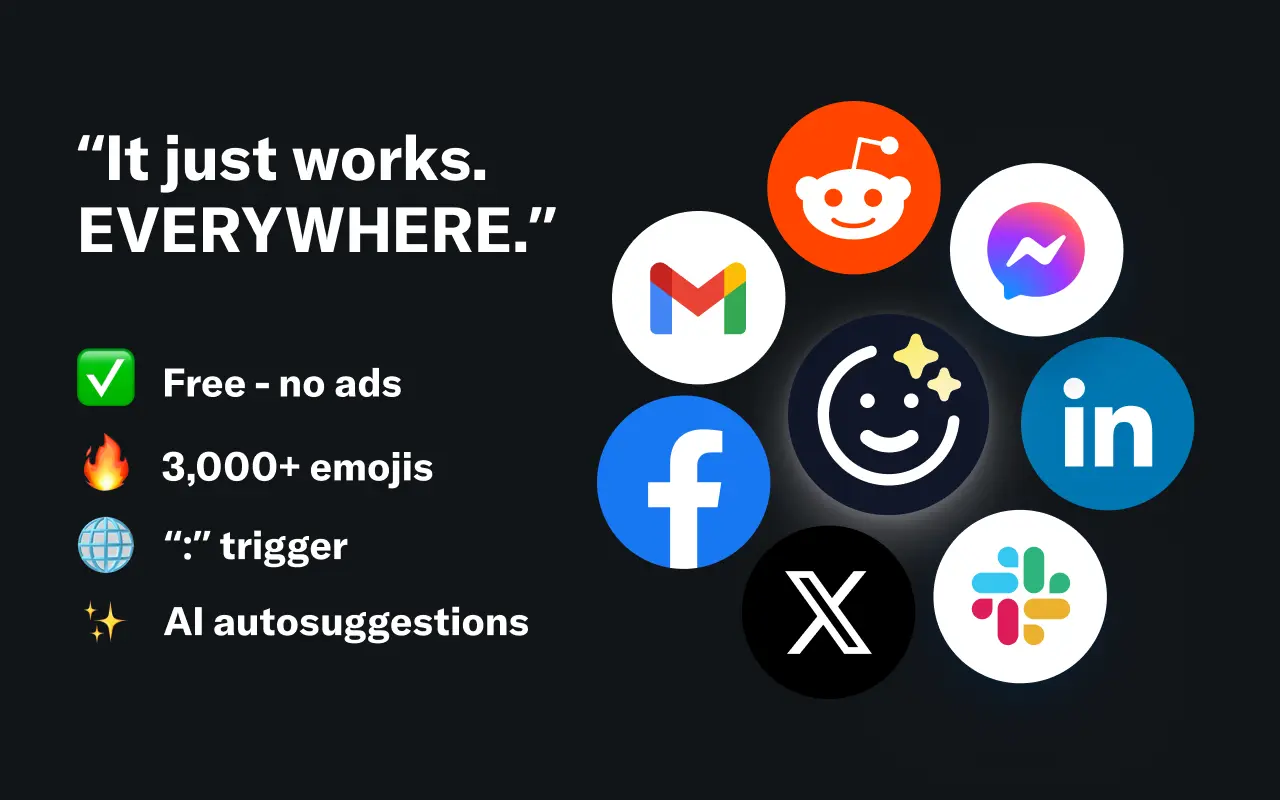
EmojAI
AI-powered emoji picker with smart, context-aware suggestions 🤖
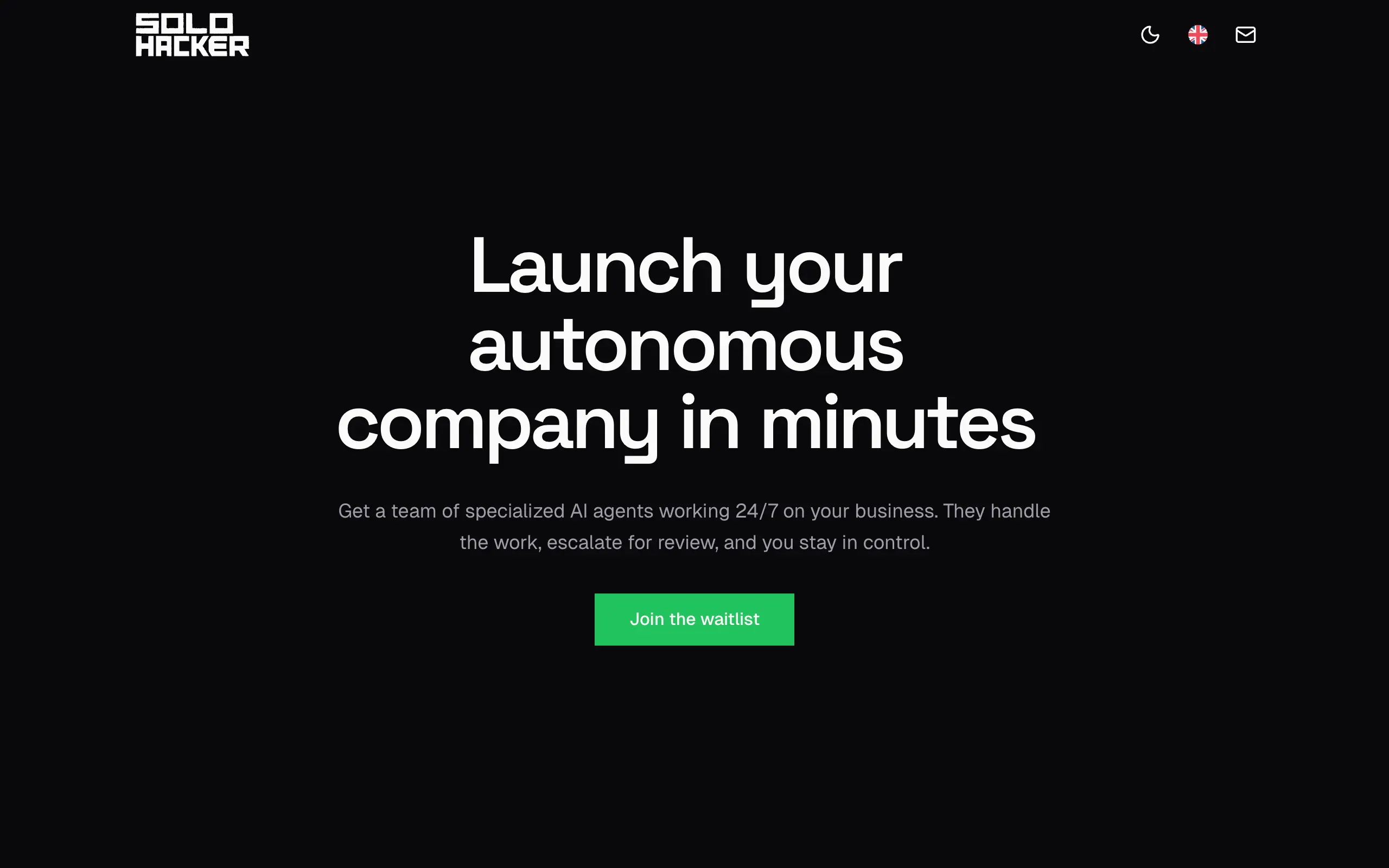
Solohacker
Autonomous company launcher - AI agents work 24/7, escalate what matters, and you stay in control 🤖
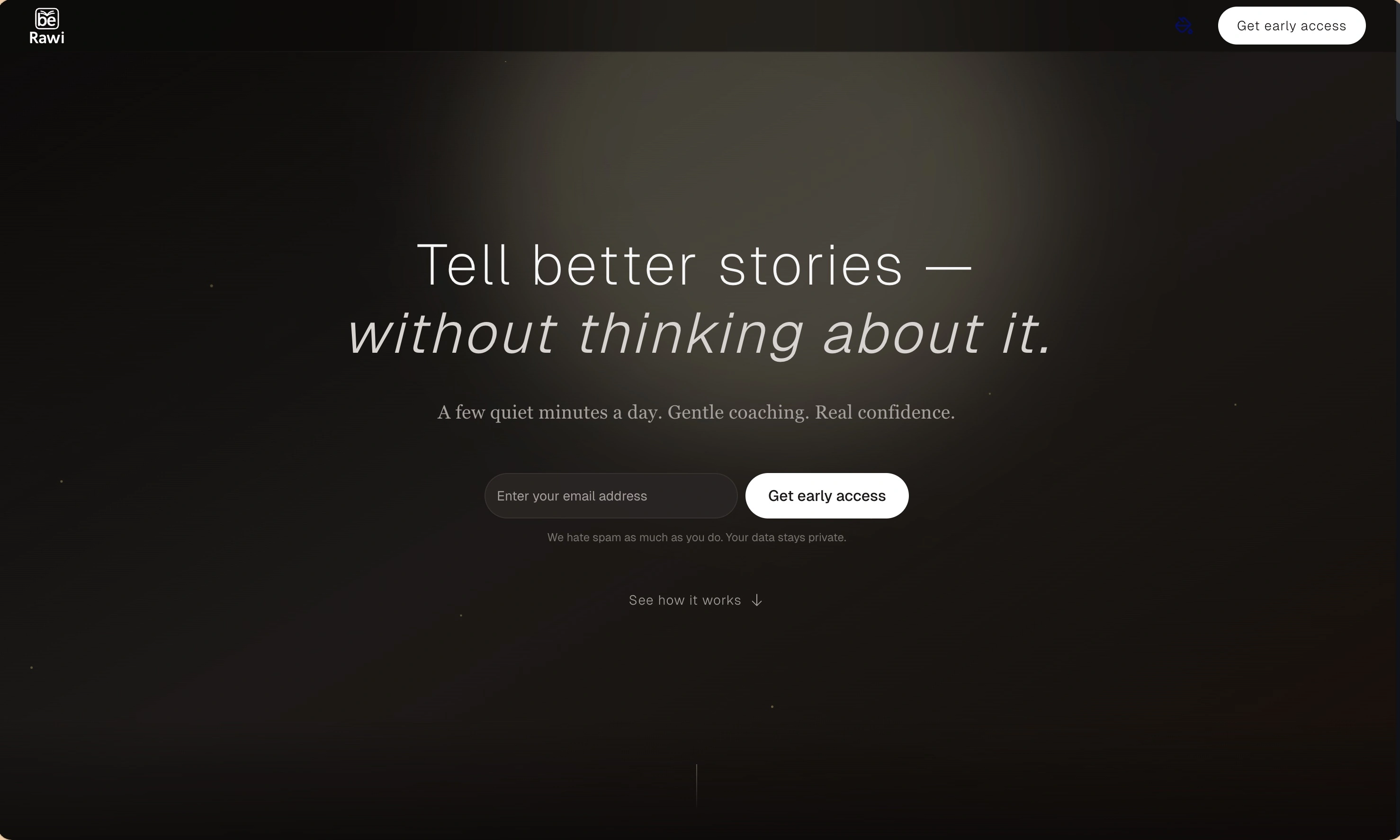
BeRawi: Storytelling Coach
Practice storytelling daily with instant feedback to sound clearer, more engaging, and confident 🎤
Omichat
Chat with 50+ AI models, including ChatGPT and Claude, in one place - switch models anytime without losing context 🤖
Claude Fast
Supercharge your Claude Code with 6x effective context window and specialized AI agents 🤖
EmojAI
AI-powered emoji picker with smart, context-aware suggestions 🤖
Solohacker
Autonomous company launcher - AI agents work 24/7, escalate what matters, and you stay in control 🤖
BeRawi: Storytelling Coach
Practice storytelling daily with instant feedback to sound clearer, more engaging, and confident 🎤
Omichat
Chat with 50+ AI models, including ChatGPT and Claude, in one place - switch models anytime without losing context 🤖
Claude Fast
Supercharge your Claude Code with 6x effective context window and specialized AI agents 🤖
EmojAI
AI-powered emoji picker with smart, context-aware suggestions 🤖
Solohacker
Autonomous company launcher - AI agents work 24/7, escalate what matters, and you stay in control 🤖
BeRawi: Storytelling Coach
Practice storytelling daily with instant feedback to sound clearer, more engaging, and confident 🎤
Omichat
Chat with 50+ AI models, including ChatGPT and Claude, in one place - switch models anytime without losing context 🤖
Claude Fast
Supercharge your Claude Code with 6x effective context window and specialized AI agents 🤖
EmojAI
AI-powered emoji picker with smart, context-aware suggestions 🤖
Solohacker
Autonomous company launcher - AI agents work 24/7, escalate what matters, and you stay in control 🤖
BeRawi: Storytelling Coach
Practice storytelling daily with instant feedback to sound clearer, more engaging, and confident 🎤

Connect with like-minded people
Join our community to get feedback, support, and grow together with 1,000+ builders on board, let's ship it!
Join usShip your startup everywhere. In minutes.
Don't burn tokens on setup and start building features on day one.