FocusForge
A deep-work productivity app that builds personalized focus rituals based on your energy patterns and distractions, helping you get more done in less time.
The rise of AI-powered deep work planners
Modern knowledge workers are drowning in meetings, notifications, and fragmented tasks. While productivity apps have exploded in popularity, most still rely on manual planning. They help you list tasks — but not actually decide when to do them in alignment with your natural energy cycles.
This is where an AI-powered deep work planner like FocusForge becomes a game-changer.
FocusForge is designed to automatically schedule tasks around:
- Your daily energy peaks and slumps
- Existing meetings and calendar commitments
- Task complexity and cognitive load
- Deadlines and priority levels
Instead of reacting to your calendar, you proactively shape it for maximum output.
This article explores the full business and technical potential of FocusForge — including target market analysis, competitive landscape, monetization strategy, tech stack, risks, and actionable implementation steps.
Why deep work scheduling is a growing market opportunity
The global productivity software market continues to expand rapidly (industry analysts like Gartner and Statista frequently report steady double-digit growth). Remote and hybrid work have fundamentally changed how professionals structure their time.
However, most current tools — such as traditional task managers and calendar apps — are static systems. They don’t dynamically optimize your day based on cognitive science or behavioral data.
The productivity gap
Professionals struggle with:
- Constant context switching
- Shallow work dominating their day
- Decision fatigue around task prioritization
- Overbooked calendars
- Energy misalignment (doing complex work at low-energy times)
Cal Newport’s concept of deep work has become mainstream, and executives increasingly recognize that high-value cognitive work requires structured focus time.
Yet few tools operationalize that philosophy intelligently.
Market gap FocusForge addresses
There are:
- Calendar apps (Google Calendar, Outlook)
- Task managers (Todoist, Asana, ClickUp)
- Time blocking tools (Motion, Sunsama, Reclaim.ai)
- Habit trackers and energy journaling apps
But there is no dominant AI-first deep work planner that:
- Maps energy rhythms to task complexity
- Auto-schedules around meetings
- Continuously adapts based on performance data
- Learns from user behavior
That gap is where FocusForge lives.
Understanding the target audience
Primary audience: knowledge workers
- Founders
- Engineers
- Product managers
- Designers
- Consultants
- Researchers
- Writers
- Graduate students
These users:
- Work primarily with their minds
- Have flexible scheduling control
- Experience cognitive overload
- Value efficiency and performance optimization
Secondary audience: high-performance professionals
- Executives
- Athletes in training (mental optimization)
- Creators and YouTubers
- Coaches
- Agency owners
They care deeply about:
- Energy management
- Peak performance
- Strategic output
Core pain points FocusForge solves
Let’s break down user search intent. When someone searches:
- “Best deep work app”
- “AI productivity planner”
- “How to schedule tasks around energy levels”
- “Smart time blocking app”
They are likely looking for:
- Automation
- Optimization
- Reduced decision fatigue
- Higher output
- Scientific backing
FocusForge directly answers those needs.
How FocusForge works (core solution design)
At its core, FocusForge combines:
- Calendar synchronization
- Task management
- Energy profiling
- AI-based scheduling
- Adaptive optimization
1. Energy profiling engine
Users complete:
- Chronotype assessment (morning vs evening)
- Weekly energy journal (optional)
- Self-reported focus windows
- Historical productivity ratings
Over time, AI builds a personalized energy curve.
2. Task classification system
Tasks are categorized by:
- Cognitive intensity (deep, medium, shallow)
- Estimated duration
- Deadline urgency
- Context (solo vs collaborative)
Example:
- “Write investor pitch” → Deep
- “Email responses” → Shallow
- “Review analytics” → Medium
3. AI auto-scheduling algorithm
The AI prioritizes:
- Deep tasks during peak energy
- Shallow tasks during low-energy periods
- Buffer time between meetings
- Deadline constraints
- Workload balance
4. Continuous learning loop
After each block, users rate:
- Focus quality
- Energy alignment
- Output satisfaction
The system adapts future scheduling decisions accordingly.
Key features that differentiate FocusForge
Energy-aware scheduling
Aligns deep tasks with peak cognitive windows automatically.
Meeting-aware optimization
Intelligently reshuffles work around meetings and interruptions.
Adaptive AI learning
Improves scheduling decisions based on behavioral feedback.
Deep work analytics
Tracks weekly focus time, output efficiency, and cognitive load.
Competitive landscape analysis
Below is a simplified comparison of FocusForge vs existing categories:
| Feature | Google Calendar | Todoist | Reclaim.ai | FocusForge |
|---|---|---|---|---|
| AI energy-based scheduling | ❌ | ❌ | ❌ | ✅ |
| Automatic task rescheduling | ❌ | ❌ | ✅ | ✅ |
| Deep work analytics | ❌ | ❌ | Limited | ✅ |
| Energy profiling | ❌ | ❌ | ❌ | ✅ |
Competitive advantage
FocusForge’s moat comes from:
- Proprietary energy-performance dataset
- Behavioral feedback loops
- AI personalization depth
- Positioning around cognitive performance, not just productivity
This shifts it from “task manager” to performance optimization platform.
Recommended tech stack for building FocusForge
To build a scalable AI-powered deep work planner, choose modern, proven technologies.
Frontend
- React for UI
- TailwindCSS for styling
- Next.js (for SSR + performance)
- Calendar visualization library (e.g., FullCalendar)
Backend
- Node.js (NestJS or Express)
- PostgreSQL (relational scheduling logic)
- Redis (for caching schedules)
- Background job processing (BullMQ)
AI layer
- OpenAI API for optimization prompts
- Custom heuristic scheduling engine
- Future: reinforcement learning layer
Example scheduling logic snippet:
function assignTaskToSlot(task, energyCurve, calendar) {
  const optimalWindows = energyCurve.filter(
    (slot) => slot.energyLevel >= task.requiredEnergy
  );

  return findFirstAvailableSlot(optimalWindows, calendar);
}
Infrastructure
- Vercel (frontend hosting)
- AWS or Supabase (backend & DB)
- OAuth with Google & Microsoft
- Calendar API integrations
For rapid MVP development, frameworks like TurboStarter can significantly accelerate SaaS scaffolding with auth, billing, and dashboard templates.
Monetization strategy
FocusForge fits a strong SaaS recurring model.
Tiered pricing model
Free Plan
- Limited tasks
- Basic scheduling
- Calendar sync
Pro ($12–$19/month)
- Unlimited tasks
- AI optimization
- Deep work analytics
- Smart rescheduling
Elite ($29–$49/month)
- Advanced analytics
- Executive reporting
- API access
- Team energy dashboards
B2B team offering
Companies could use FocusForge to:
- Optimize engineering productivity
- Reduce burnout
- Improve strategic output
Team pricing:
- $15–$25 per user/month
- Admin dashboards
- Productivity reporting
Data strategy and defensibility
The long-term defensibility lies in:
- Energy pattern datasets
- Behavioral feedback loops
- Performance outcome metrics
- Predictive productivity modeling
The more users engage, the smarter the scheduling becomes.
This creates network effects at the data level — not social, but algorithmic.
Risks and mitigation strategies
Market risk
Users may resist giving AI control over their schedule.
Mitigation:
Start with “suggested schedule” instead of auto-locking time blocks.
Data privacy concerns
Energy and productivity data is sensitive.
Mitigation:
- End-to-end encryption
- Transparent data policy
- SOC 2 compliance roadmap
- No data resale
Competition from established players
Major calendar apps could integrate similar features.
Mitigation:
Position as a performance OS, not just scheduling add-on.
Go-to-market strategy
Phase 1: Niche dominance
Target:
- Indie hackers
- Founders
- Tech Twitter audience
- Productivity enthusiasts
Channels:
- Content marketing (SEO around “deep work app”)
- LinkedIn thought leadership
- YouTube productivity creators
- Founder communities
Phase 2: Authority building
- Publish annual “Deep Work Report”
- Release anonymized productivity benchmarks
- Collaborate with neuroscientists and performance experts
Phase 3: B2B expansion
- Sell to startups
- Target remote-first companies
- Offer productivity ROI case studies
Implementation roadmap
Future expansion opportunities
- Wearable integration (Oura, Apple Watch)
- Biometric-based scheduling
- AI meeting fatigue detection
- Voice assistant integration
- Cross-platform mobile apps
Long term, FocusForge could evolve into a personal cognitive operating system.
Why FocusForge stands out
Most productivity tools optimize tasks.
FocusForge optimizes human performance.
That distinction is powerful.
It aligns with major trends:
- AI personalization
- Biohacking and energy optimization
- Remote-first work
- Burnout prevention
- Performance analytics
Instead of asking:
“What do I need to do today?”
FocusForge answers:
“When should I do this for maximum impact?”
That is a fundamentally different value proposition.
Actionable next steps to build FocusForge
If you want to build this AI-powered deep work planner:
- Define a narrow ICP (e.g., startup founders).
- Ship a focused MVP with energy + scheduling.
- Emphasize UX simplicity over complex AI early on.
- Collect structured feedback loops.
- Build a proprietary dataset.
- Invest heavily in content marketing around deep work and AI productivity.
Speed matters — but clarity matters more.
FocusForge wins by being the smartest planner in the room.
Final thoughts
The future of productivity software is not more lists.
It’s intelligent alignment between work and human biology.
An AI-powered deep work planner like FocusForge taps into:
- The science of attention
- The power of machine learning
- The economic value of cognitive output
If executed correctly, it can evolve beyond a simple app into a category-defining performance platform.
The opportunity is clear.
The market is ready.
The only question is: will you build it?
More ⚡ Productivity Tool SaaS ideas
Discover more innovative productivity tool SaaS ideas that are trending in 2026. Each idea is AI-generated with market validation and growth potential to help you find your next profitable venture faster than competitors.
Your competitors are building with TurboStarter
Below are some of the SaaS ideas that have been generated and built with our starter kit.

Shibui
AI website builder - describe your business, pick a niche template, edit by chatting, and publish instantly ✨

Pro Service
Find verified home service professionals, compare quotes, and pay securely through escrow - built for Brazilians across the US 🏠
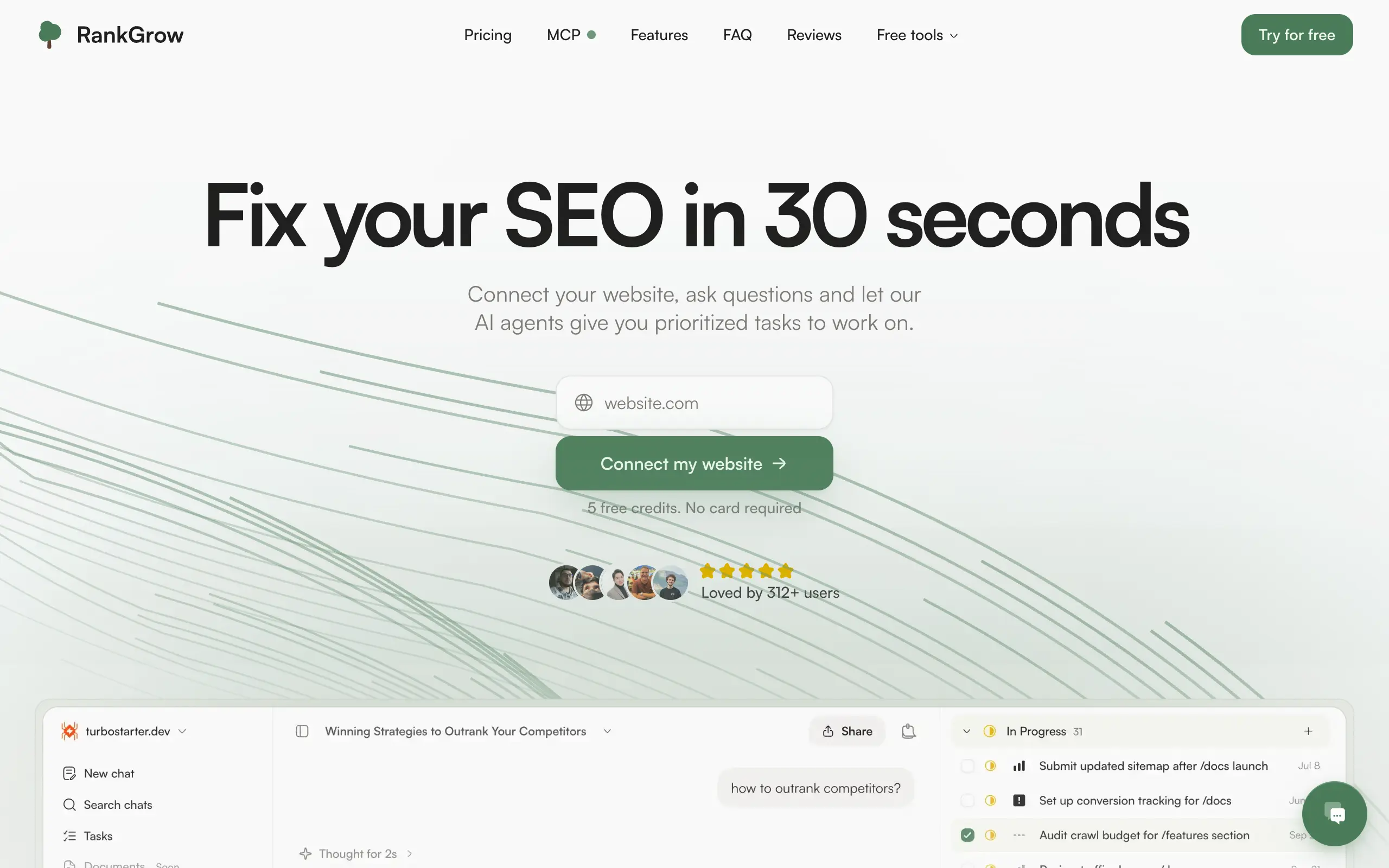
RankGrow
Fix your SEO with AI agents - connect Search Console, get prioritized tasks, and grow organic traffic 📈
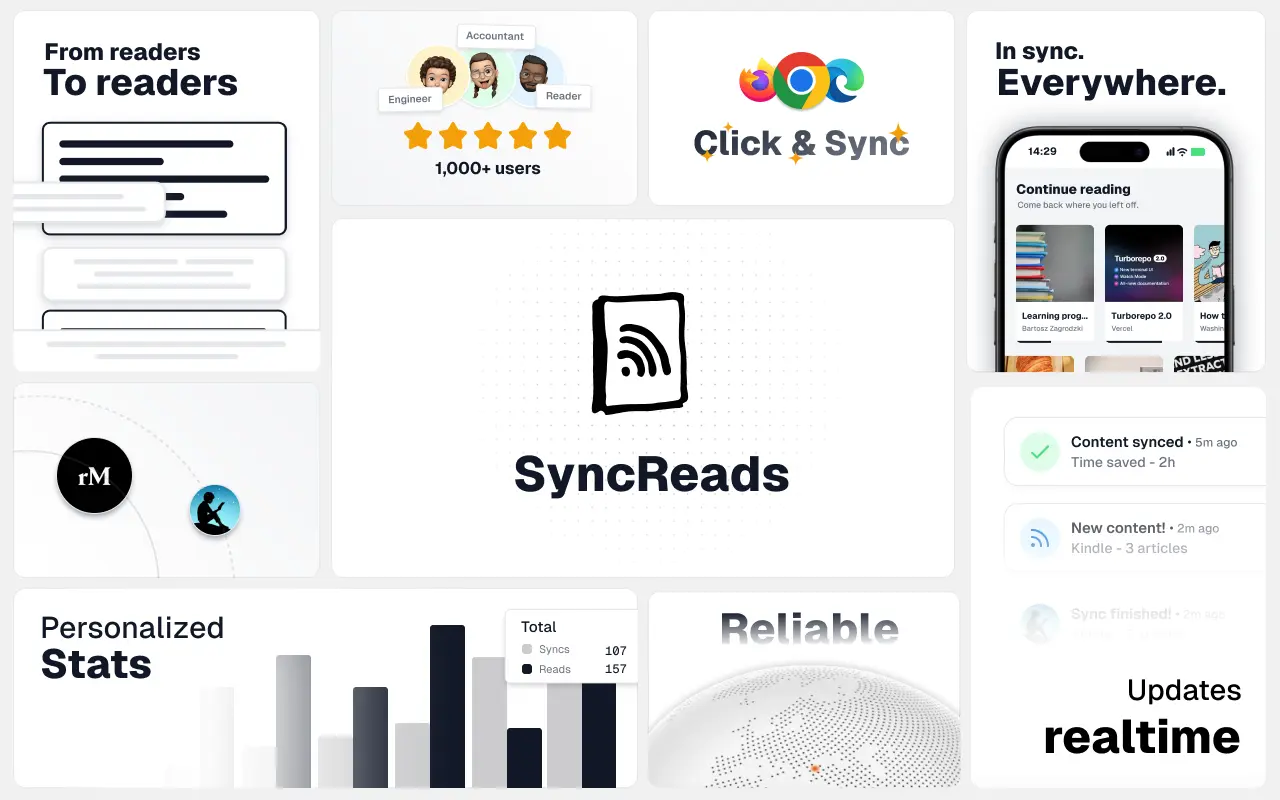
SyncReads
Sync your favorite content for distraction-free reading, save time and replace multiple apps. Anytime, anywhere 🔄
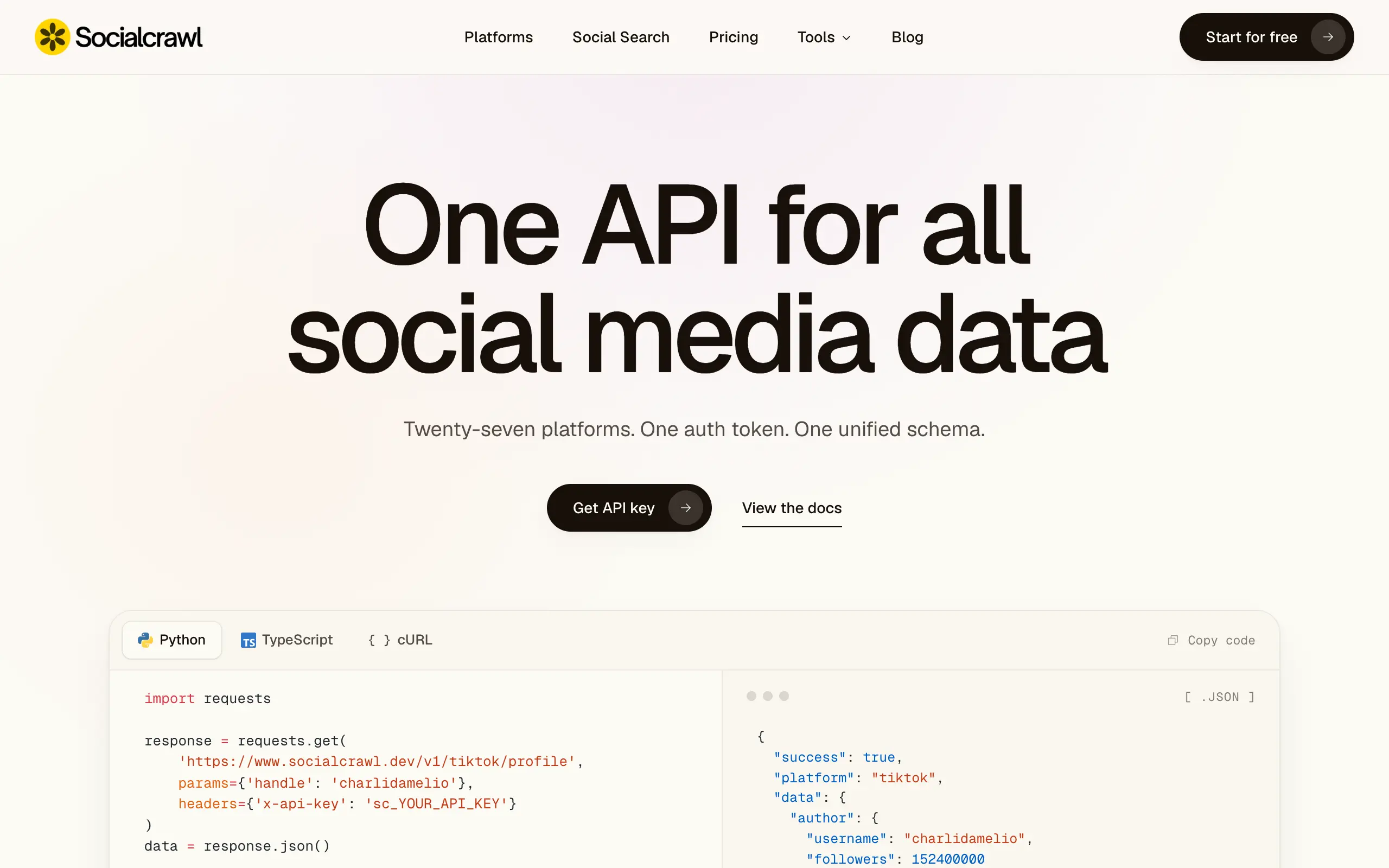
Socialcrawl
Get clean, structured data from 21 platforms like TikTok, Instagram, and YouTube with a single request 📊
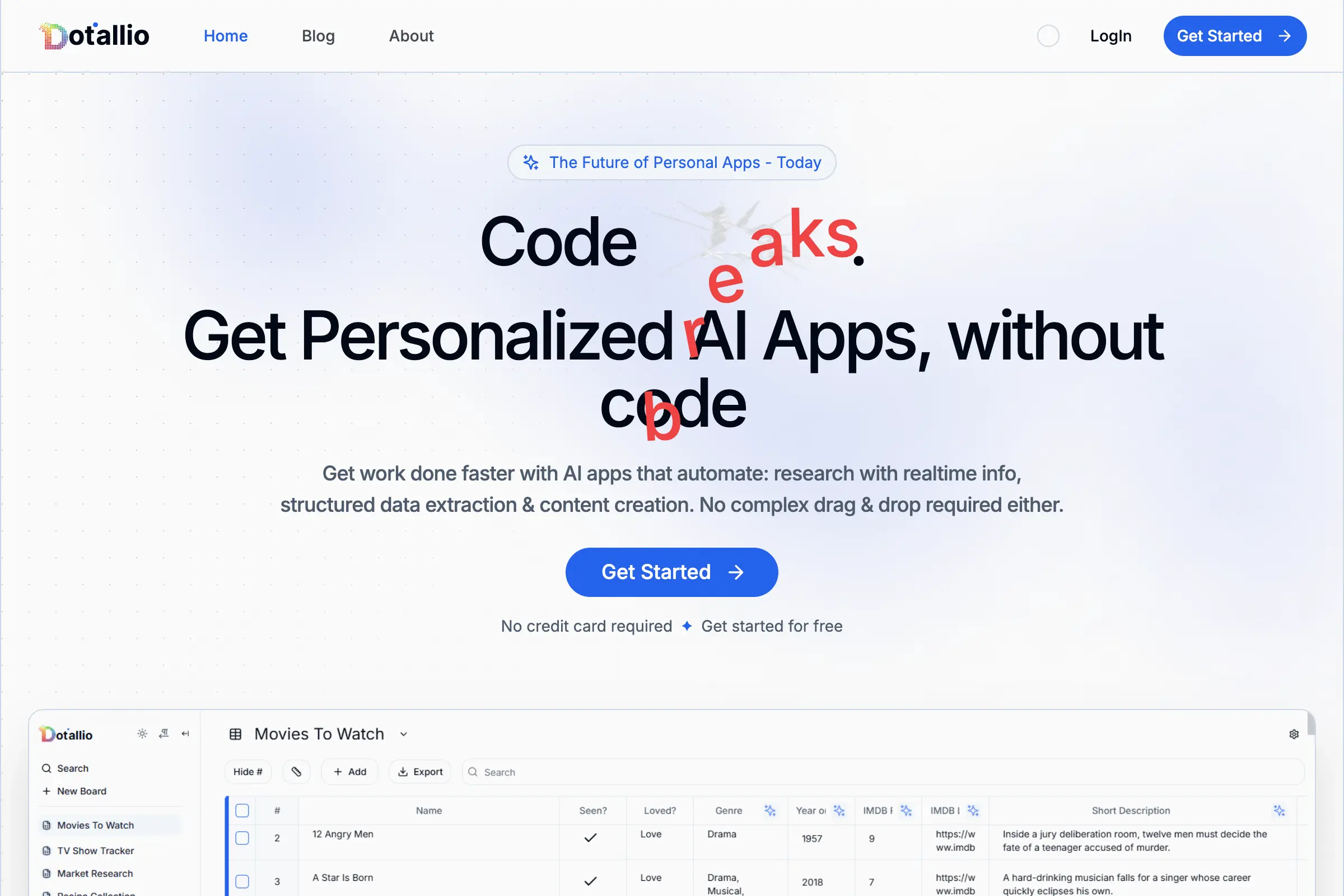
Dotallio
Personalized AI apps that automate research, data extraction, and content creation without code 🤖
Shibui
AI website builder - describe your business, pick a niche template, edit by chatting, and publish instantly ✨
Pro Service
Find verified home service professionals, compare quotes, and pay securely through escrow - built for Brazilians across the US 🏠
RankGrow
Fix your SEO with AI agents - connect Search Console, get prioritized tasks, and grow organic traffic 📈
SyncReads
Sync your favorite content for distraction-free reading, save time and replace multiple apps. Anytime, anywhere 🔄
Socialcrawl
Get clean, structured data from 21 platforms like TikTok, Instagram, and YouTube with a single request 📊
Dotallio
Personalized AI apps that automate research, data extraction, and content creation without code 🤖
Shibui
AI website builder - describe your business, pick a niche template, edit by chatting, and publish instantly ✨
Pro Service
Find verified home service professionals, compare quotes, and pay securely through escrow - built for Brazilians across the US 🏠
RankGrow
Fix your SEO with AI agents - connect Search Console, get prioritized tasks, and grow organic traffic 📈
SyncReads
Sync your favorite content for distraction-free reading, save time and replace multiple apps. Anytime, anywhere 🔄
Socialcrawl
Get clean, structured data from 21 platforms like TikTok, Instagram, and YouTube with a single request 📊
Dotallio
Personalized AI apps that automate research, data extraction, and content creation without code 🤖
Shibui
AI website builder - describe your business, pick a niche template, edit by chatting, and publish instantly ✨
Pro Service
Find verified home service professionals, compare quotes, and pay securely through escrow - built for Brazilians across the US 🏠
RankGrow
Fix your SEO with AI agents - connect Search Console, get prioritized tasks, and grow organic traffic 📈
SyncReads
Sync your favorite content for distraction-free reading, save time and replace multiple apps. Anytime, anywhere 🔄
Socialcrawl
Get clean, structured data from 21 platforms like TikTok, Instagram, and YouTube with a single request 📊
Dotallio
Personalized AI apps that automate research, data extraction, and content creation without code 🤖

Talk to Santa
Enjoy a magical live video chat or receive a unique AI-generated video greeting from Santa Claus 🎅
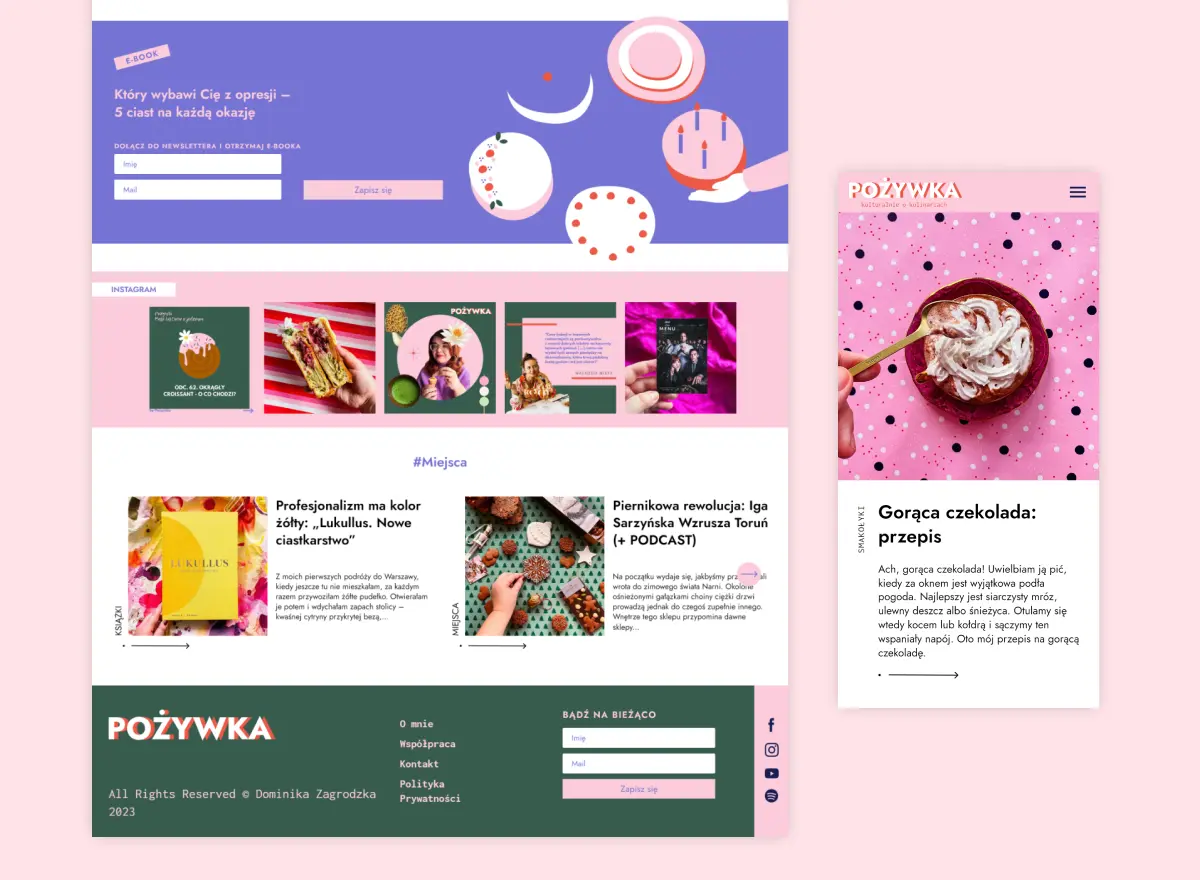
pozywka.pl
Scalable blog for food journalist, focused on performance and user experience 🌭
zagrodzki.me
Personal blog and portfolio of Bart Zagrodzki, where he shares his knowledge and work 💼
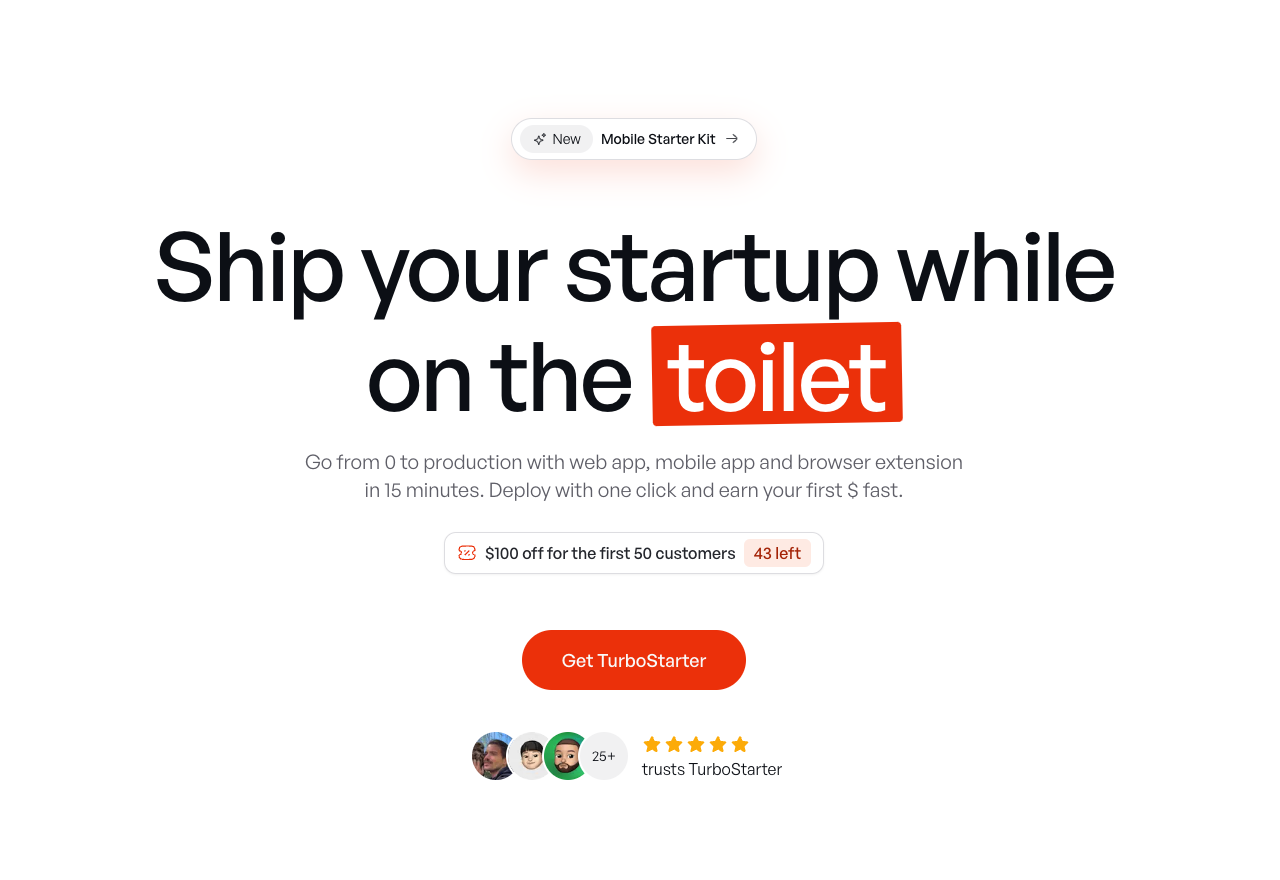
TurboStarter
Ship your startup everywhere. In minutes.
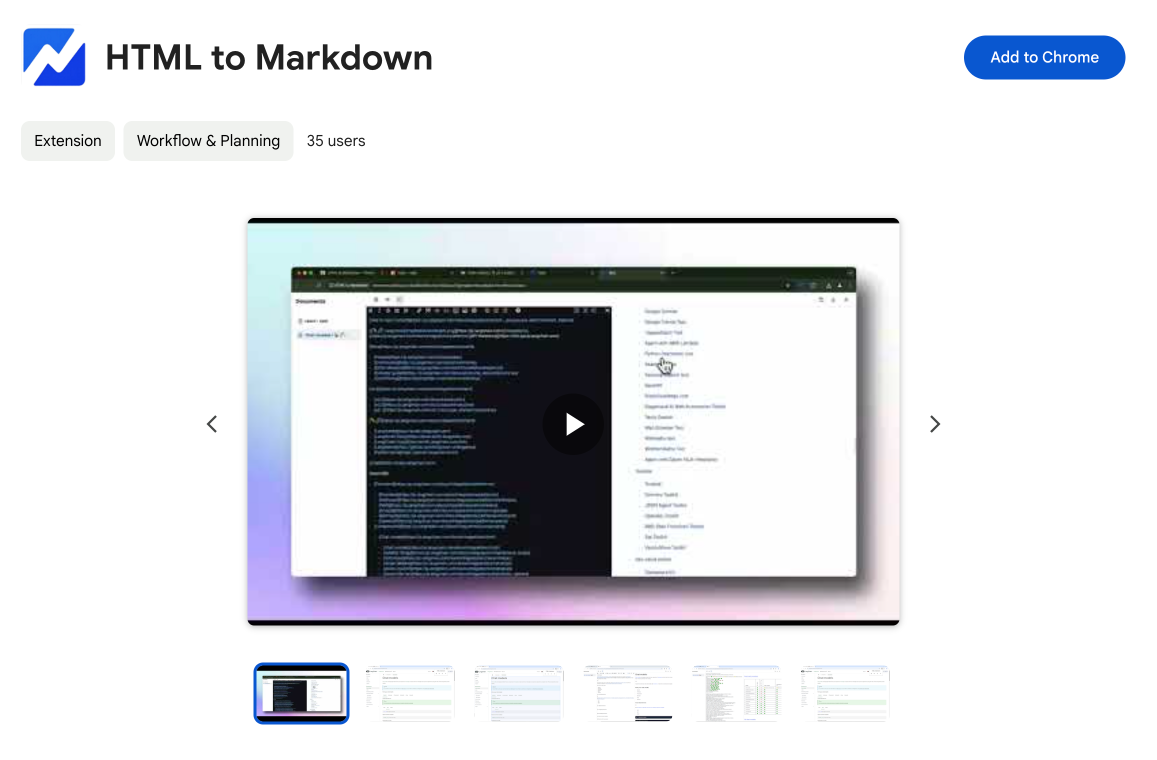
HTML to Markdown
Convert HTML to Markdown with ease, directly in your browser 📄
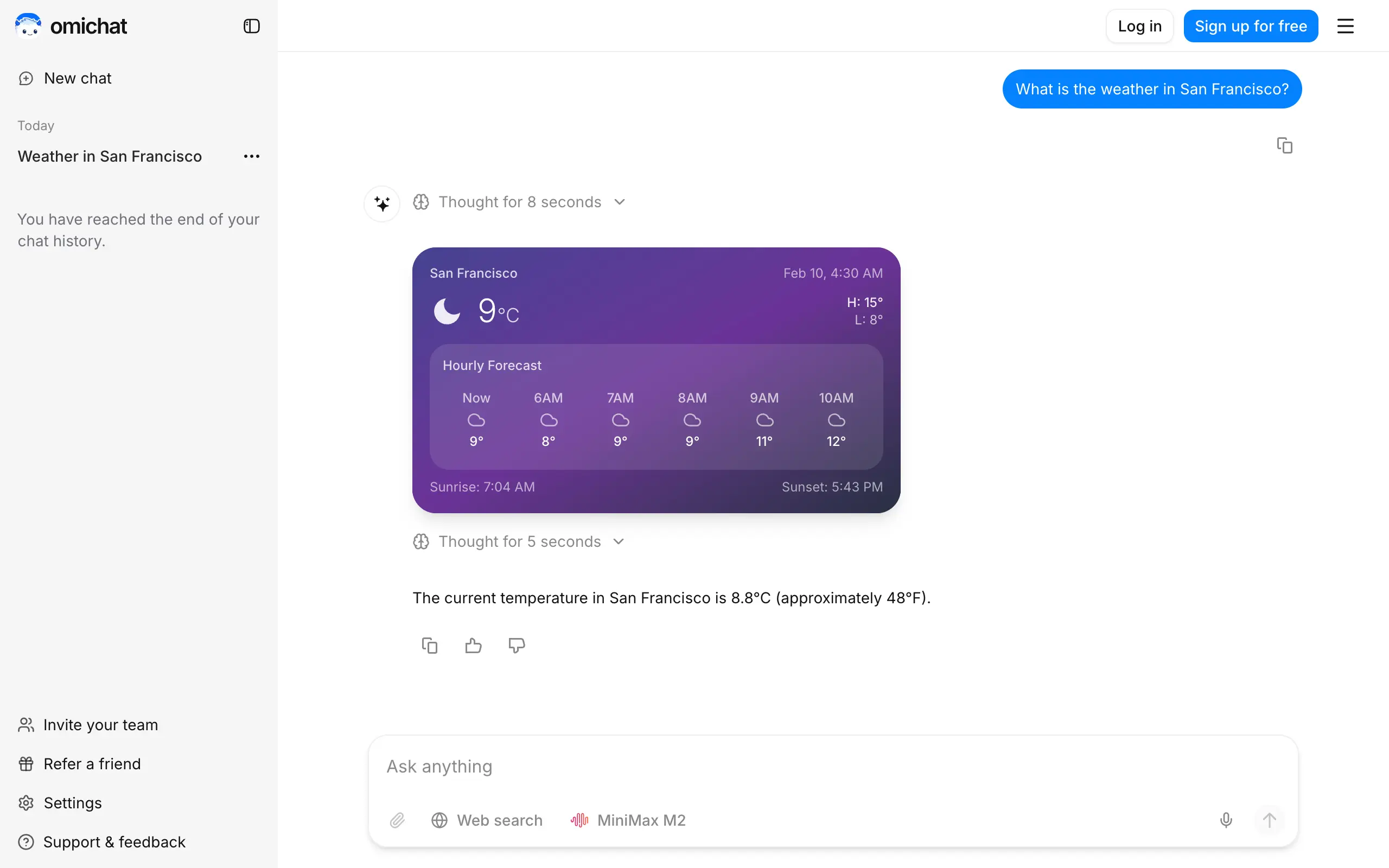
Omichat
Chat with 50+ AI models, including ChatGPT and Claude, in one place - switch models anytime without losing context 🤖
Talk to Santa
Enjoy a magical live video chat or receive a unique AI-generated video greeting from Santa Claus 🎅
pozywka.pl
Scalable blog for food journalist, focused on performance and user experience 🌭
zagrodzki.me
Personal blog and portfolio of Bart Zagrodzki, where he shares his knowledge and work 💼
TurboStarter
Ship your startup everywhere. In minutes.
HTML to Markdown
Convert HTML to Markdown with ease, directly in your browser 📄
Omichat
Chat with 50+ AI models, including ChatGPT and Claude, in one place - switch models anytime without losing context 🤖
Talk to Santa
Enjoy a magical live video chat or receive a unique AI-generated video greeting from Santa Claus 🎅
pozywka.pl
Scalable blog for food journalist, focused on performance and user experience 🌭
zagrodzki.me
Personal blog and portfolio of Bart Zagrodzki, where he shares his knowledge and work 💼
TurboStarter
Ship your startup everywhere. In minutes.
HTML to Markdown
Convert HTML to Markdown with ease, directly in your browser 📄
Omichat
Chat with 50+ AI models, including ChatGPT and Claude, in one place - switch models anytime without losing context 🤖
Talk to Santa
Enjoy a magical live video chat or receive a unique AI-generated video greeting from Santa Claus 🎅
pozywka.pl
Scalable blog for food journalist, focused on performance and user experience 🌭
zagrodzki.me
Personal blog and portfolio of Bart Zagrodzki, where he shares his knowledge and work 💼
TurboStarter
Ship your startup everywhere. In minutes.
HTML to Markdown
Convert HTML to Markdown with ease, directly in your browser 📄
Omichat
Chat with 50+ AI models, including ChatGPT and Claude, in one place - switch models anytime without losing context 🤖
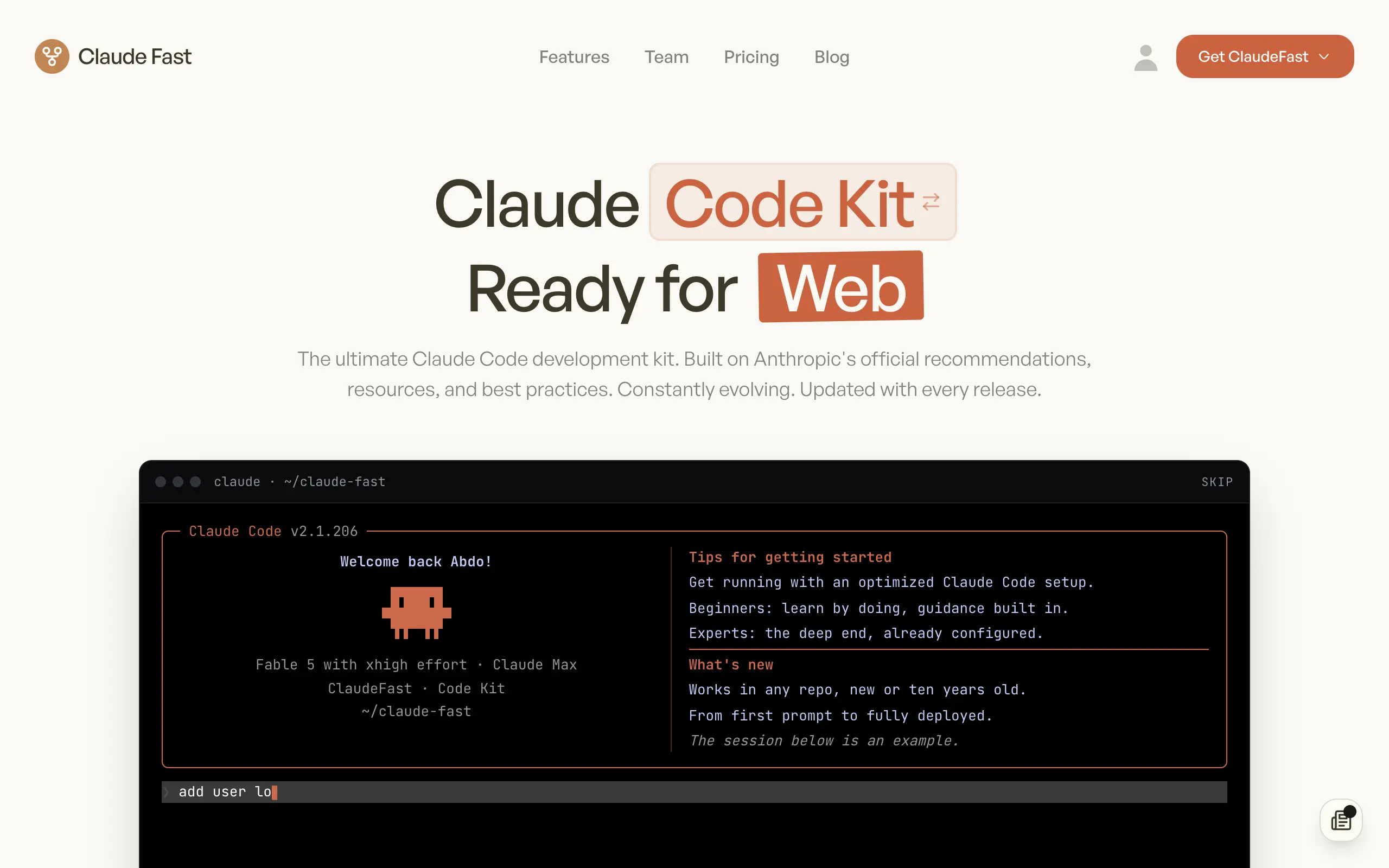
Claude Fast
Supercharge your Claude Code with 6x effective context window and specialized AI agents 🤖
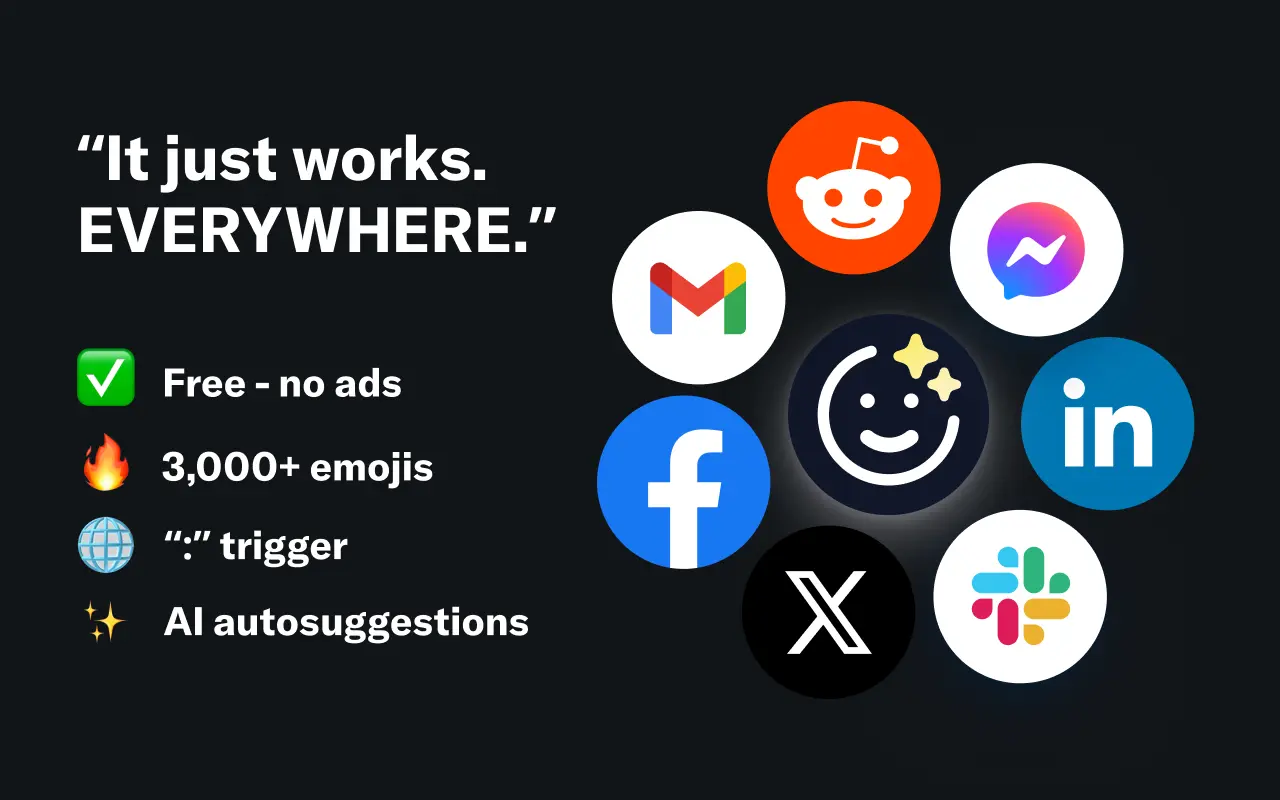
EmojAI
AI-powered emoji picker with smart, context-aware suggestions 🤖
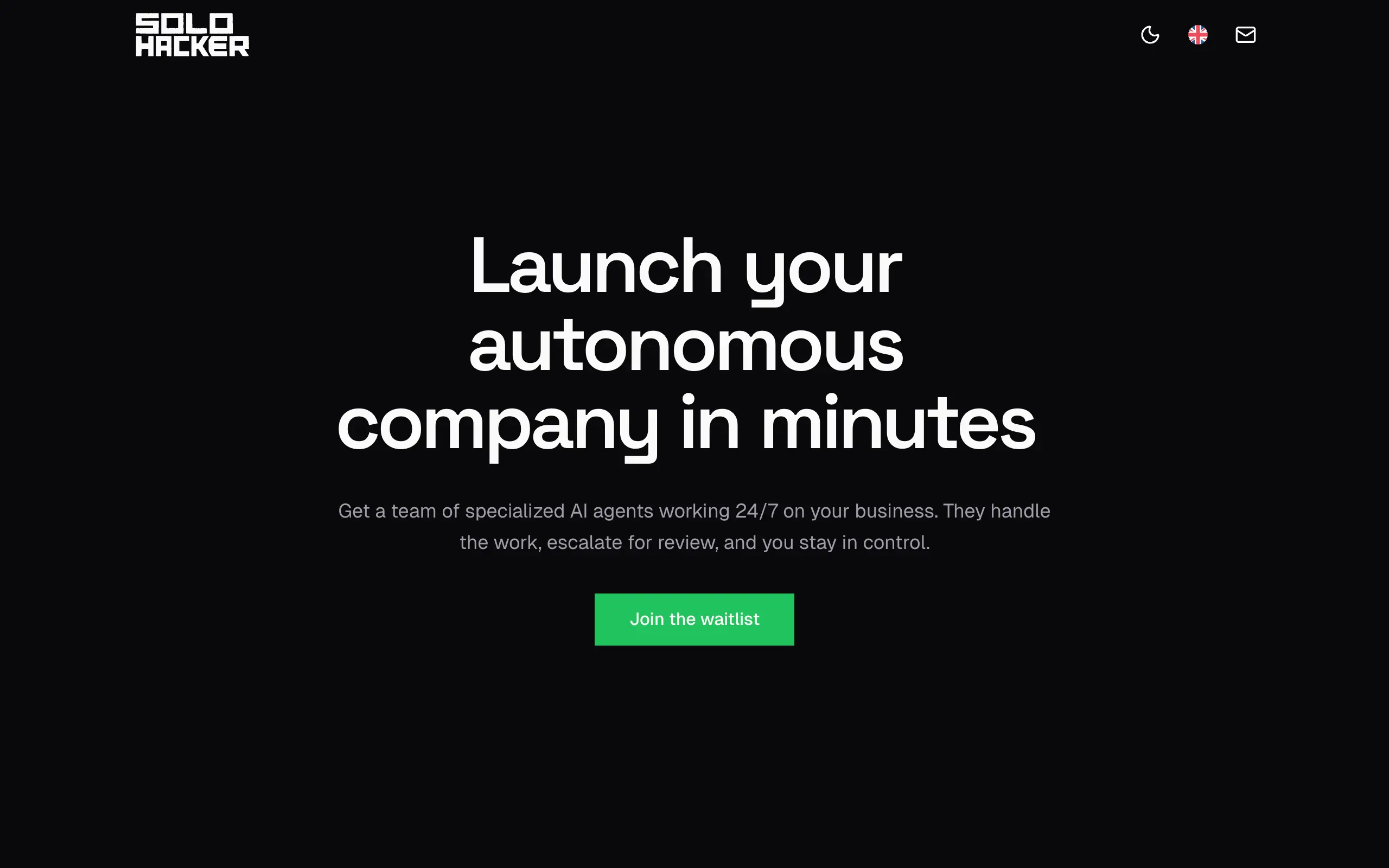
Solohacker
Autonomous company launcher - AI agents work 24/7, escalate what matters, and you stay in control 🤖
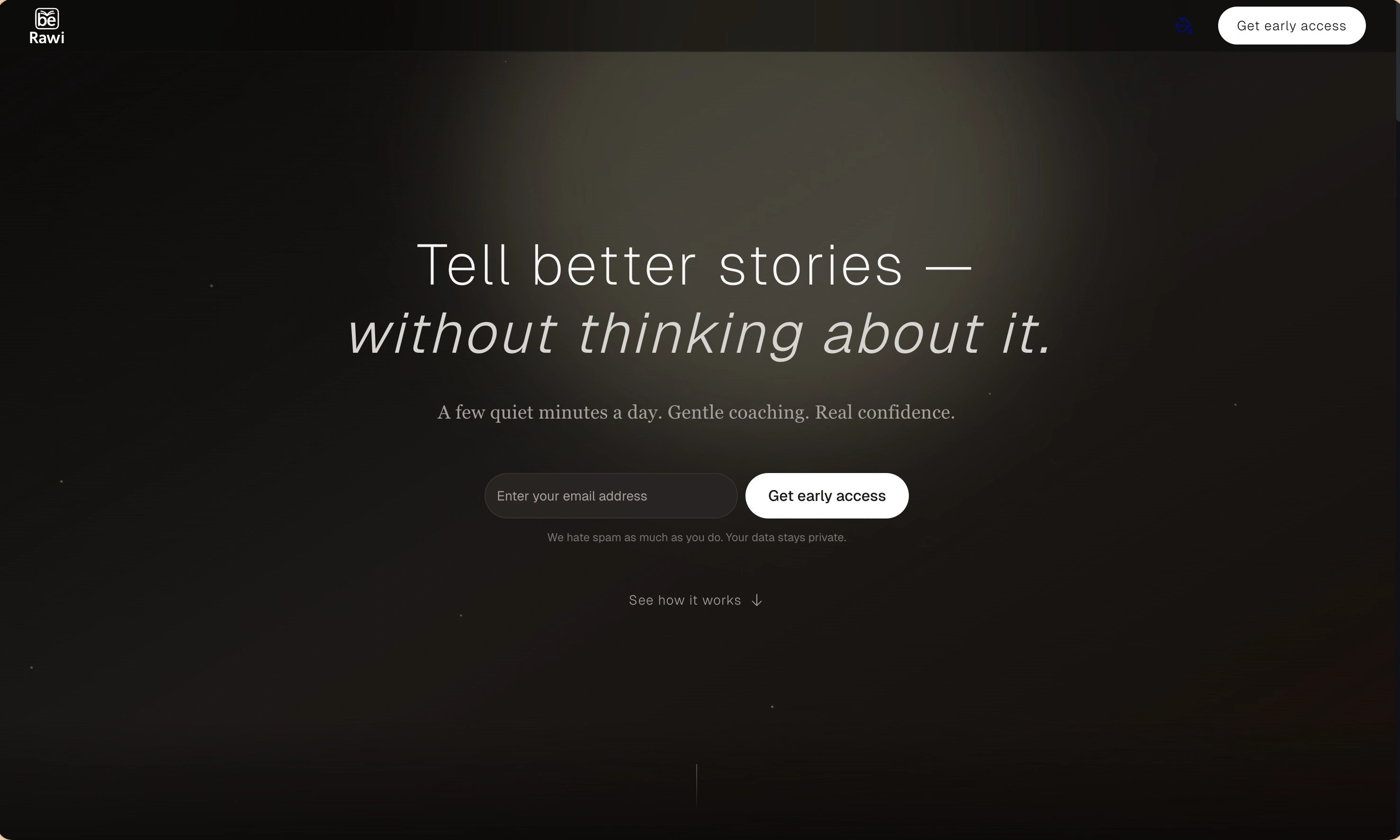
BeRawi: Storytelling Coach
Practice storytelling daily with instant feedback to sound clearer, more engaging, and confident 🎤
Claude Fast
Supercharge your Claude Code with 6x effective context window and specialized AI agents 🤖
EmojAI
AI-powered emoji picker with smart, context-aware suggestions 🤖
Solohacker
Autonomous company launcher - AI agents work 24/7, escalate what matters, and you stay in control 🤖
BeRawi: Storytelling Coach
Practice storytelling daily with instant feedback to sound clearer, more engaging, and confident 🎤
Claude Fast
Supercharge your Claude Code with 6x effective context window and specialized AI agents 🤖
EmojAI
AI-powered emoji picker with smart, context-aware suggestions 🤖
Solohacker
Autonomous company launcher - AI agents work 24/7, escalate what matters, and you stay in control 🤖
BeRawi: Storytelling Coach
Practice storytelling daily with instant feedback to sound clearer, more engaging, and confident 🎤
Claude Fast
Supercharge your Claude Code with 6x effective context window and specialized AI agents 🤖
EmojAI
AI-powered emoji picker with smart, context-aware suggestions 🤖
Solohacker
Autonomous company launcher - AI agents work 24/7, escalate what matters, and you stay in control 🤖
BeRawi: Storytelling Coach
Practice storytelling daily with instant feedback to sound clearer, more engaging, and confident 🎤

Connect with like-minded people
Join our community to get feedback, support, and grow together with 1,000+ builders on board, let's ship it!
Join usShip your startup everywhere. In minutes.
Don't burn tokens on setup and start building features on day one.