FocusMerge Dev
A deep-work productivity tool built for software engineers that syncs with Git and issue trackers to auto-create focused coding sessions and reduce context switching.
The problem: context switching is killing developer productivity
Modern software engineers don’t struggle with a lack of tools. They struggle with too many tools.
On any given day, a developer might switch between:
- GitHub or GitLab for pull requests
- Jira, Linear, or Azure DevOps for issue tracking
- Slack for team communication
- IDEs like VS Code or JetBrains
- Documentation platforms like Notion or Confluence
- CI/CD dashboards
- Monitoring tools
This constant toggling creates fragmented attention and shallow work cycles. Research frequently cited in productivity studies suggests it can take 15–25 minutes to fully refocus after an interruption (for reference, see work by researchers such as Gloria Mark at UC Irvine). For software engineers, that lost time compounds quickly.
This is where FocusMerge Dev, a deep-work productivity tool for software engineers, creates a compelling opportunity.
Rather than being another generic Pomodoro timer, FocusMerge Dev syncs directly with Git repositories and issue trackers to automatically generate structured, focused coding sessions—dramatically reducing context switching and increasing meaningful output.
This article explores the complete business, product, and technical blueprint behind FocusMerge Dev—from market validation to monetization strategy—while analyzing its competitive advantage and long-term scalability.
What is FocusMerge Dev?
FocusMerge Dev is a developer-centric productivity SaaS platform that integrates with Git and issue tracking tools to automatically:
- Identify active tickets assigned to a developer
- Analyze related branches and recent commits
- Create structured “deep work” sessions around a single task
- Block distractions and unrelated task switching
- Track session-based productivity metrics tied to real code output
Unlike generic time trackers, FocusMerge Dev is designed specifically for software engineering workflows.
Primary keyword: deep-work productivity tool for software engineers
Related keywords (LSI):
- developer productivity software
- Git-integrated focus tool
- coding session automation
- reduce context switching
- issue tracker integration
- engineering workflow optimization
Understanding the target audience
Primary audience: mid-level and senior software engineers
These developers:
- Work in agile teams
- Use Git + issue tracking daily
- Struggle with task fragmentation
- Care about measurable output
- Value automation over manual tracking
They are not looking for motivational quotes or aesthetic dashboards. They want:
- Frictionless workflows
- Minimal setup
- Direct Git integration
- Real metrics tied to commits and PRs
Secondary audience: engineering managers & CTOs
Engineering leaders are deeply concerned with:
- Sprint predictability
- Throughput and cycle time
- Burnout prevention
- Engineering velocity
If FocusMerge Dev can demonstrate measurable reductions in task switching and increased deep-work time, it becomes valuable at the team and enterprise level.
Tertiary audience: remote developers & freelancers
Remote engineers often face:
- High Slack/Discord interruptions
- Asynchronous overload
- Self-managed productivity challenges
FocusMerge Dev becomes their digital “focus contract.”
The market opportunity in developer productivity software
The developer tools market is booming. According to multiple industry reports (e.g., GitHub’s State of the Octoverse and Stack Overflow Developer Surveys), the number of professional developers globally continues to grow year over year.
Yet most tools focus on:
- Code collaboration
- Deployment
- Monitoring
- CI/CD
Very few focus specifically on cognitive optimization for engineers.
The gap in the market
Current productivity tools fall into three buckets:
- Generic productivity apps (Todoist, Notion, Trello)
- Time trackers (RescueTime, Toggl)
- Team dashboards (Jira analytics, Linear insights)
What’s missing?
A tool that:
- Automatically creates focus sessions from real Git/issue context
- Detects when you switch branches mid-session
- Measures productivity by meaningful code progress
- Encourages single-threaded execution
That’s the white space FocusMerge Dev can own.
Why context switching is the core enemy
Software engineering is cognitively expensive. Writing and reasoning about complex systems requires working memory.
When a developer:
- Switches tickets
- Jumps between branches
- Responds to Slack pings
- Reviews unrelated PRs
They incur mental reload costs.
FocusMerge Dev is not just a timer. It’s a workflow guardrail system that enforces cognitive boundaries based on real engineering activity.
Core features of FocusMerge Dev
Below is a structured breakdown of essential product capabilities.
1. Git-aware focus sessions
FocusMerge Dev connects to:
- GitHub
- GitLab
- Bitbucket
When a developer starts a session:
- The tool locks onto a branch
- Tracks commits
- Flags unrelated branch checkouts
- Monitors PR context
This creates a code-bound focus container.
2. Issue tracker integration
Integrations include:
- Jira
- Linear
- Azure DevOps
- ClickUp
The system automatically:
- Pulls assigned tickets
- Prioritizes based on sprint deadlines
- Creates session templates
3. Smart session generation
Instead of manually starting timers, FocusMerge Dev:
- Detects open ticket + active branch
- Suggests a 60–90 minute deep-work block
- Pre-loads related files and PR context
This is where automation becomes powerful.
4. Context switch detection
Using Git events and IDE activity:
- Detect branch change
- Detect unrelated file editing
- Detect ticket switching
The tool can prompt:
“You switched to another branch. End session or continue?”
This reduces accidental multitasking.
5. Engineering productivity analytics
Unlike traditional time trackers, metrics include:
- Commits per session
- Session completion rate
- Cycle time reduction
- Interruptions per hour
- Deep-work ratio (focused time vs total time)
This is far more meaningful for developers.
Competitive landscape analysis
Let’s compare FocusMerge Dev against common alternatives.
| Feature | Generic Timer | Time Tracker | Issue Tracker | FocusMerge Dev |
|---|---|---|---|---|
| Git integration | ❌ | ❌ | ❌ | ✅ |
| Issue sync | ❌ | ❌ | ✅ | ✅ |
| Context switch detection | ❌ | ❌ | ❌ | ✅ |
| Session-based code metrics | ❌ | ⚠️ | ❌ | ✅ |
Unique selling proposition (USP):
FocusMerge Dev merges Git activity, issue tracking, and deep-work psychology into a single, automated workflow engine.
Recommended tech stack
Frontend
Why?
- Mature ecosystem
- Fast iteration
- Strong SaaS patterns
Backend
- Node.js with NestJS or Express
- Webhooks from Git providers
- Background job processing (e.g., BullMQ)
Database
- PostgreSQL for relational data
- Redis for session state & real-time events
Integrations layer
- OAuth 2.0 for GitHub/GitLab
- Webhooks for commit tracking
- REST polling fallback
Desktop agent (optional but powerful)
To detect real-time branch switching and IDE activity:
- Electron or Tauri
- Local Git hook listeners
Trade-off:
- Adds complexity
- But enables real-time context detection (major differentiator)
Example session creation logic
// Pseudocode for auto-generating a focus session
async function createFocusSession(userId: string) {
  const activeTicket = await getAssignedTicket(userId);
  const activeBranch = await getCurrentGitBranch(userId);

  if (!activeTicket || !activeBranch) {
    return null;
  }

  return {
    userId,
    ticketId: activeTicket.id,
    branch: activeBranch.name,
    startTime: new Date(),
    allowedBranches: [activeBranch.name],
    status: "active"
  };
}
This shows how tightly sessions can bind to real engineering workflows.
Monetization strategy for FocusMerge Dev
1. Freemium model
Free plan:
- 3 sessions per day
- Basic analytics
- GitHub only
Pro ($12–$20/month):
- Unlimited sessions
- Advanced analytics
- Multiple integrations
- Context switch detection
2. Team plan ($15–$25/user/month)
Includes:
- Team dashboards
- Sprint-level insights
- Engineering throughput metrics
3. Enterprise plan
- SSO (SAML)
- On-premise deployment
- Compliance logging
- Dedicated support
Pricing psychology considerations
Developers resist bloated SaaS tools.
So:
- Keep UI minimal
- Avoid unnecessary gamification
- Focus on measurable engineering output
Managers will pay if you show:
- Reduced cycle time
- Increased sprint predictability
- Fewer half-finished tickets
Potential risks and mitigation strategies
Risk 1: Developers reject monitoring tools
Mitigation:
- Position as self-optimization tool
- Make data private by default
- Transparent metrics
Risk 2: API rate limits from Git providers
Mitigation:
- Use webhook-first architecture
- Cache intelligently
- Batch process updates
Risk 3: Over-complex MVP
Mitigation:
- Launch with GitHub + Linear only
- Add other integrations later
Go-to-market strategy
Phase 1: Developer-first adoption
- Launch on Product Hunt
- Post in dev communities
- Offer free beta for OSS contributors
Phase 2: Engineering manager targeting
- Publish case studies
- Share throughput improvements
- LinkedIn thought leadership
Phase 3: Content marketing
SEO-driven content around:
- “How to reduce context switching as a developer”
- “Deep work for software engineers”
- “Improve sprint velocity without overtime”
This aligns perfectly with organic search intent.
Implementation roadmap
Why FocusMerge Dev has a defensible moat
- Deep integration complexity
- Accumulated productivity data
- Behavioral workflow embedding
- Switching cost once team metrics rely on it
The combination of Git telemetry + cognitive modeling creates defensibility.
Building faster with a SaaS starter kit
Instead of building everything from scratch, you can accelerate development using a production-ready foundation like TurboStarter.
It provides:
- Authentication
- Payments integration
- SaaS architecture
- Production-ready codebase
This allows you to focus entirely on the core differentiator: Git-aware deep work automation.
Final thoughts: the future of developer productivity
AI is transforming coding. But paradoxically, as tools increase, attention decreases.
The next wave of developer tools will not just help write code.
They will help protect cognitive bandwidth.
FocusMerge Dev sits at the intersection of:
- Developer workflow automation
- Deep work psychology
- Git-integrated telemetry
- Engineering performance analytics
If executed correctly, it can become the default deep-work productivity tool for software engineers.
The opportunity is not just to build another SaaS.
It’s to redefine how engineers structure their thinking time.
More ⚡ Productivity Tool SaaS ideas
Discover more innovative productivity tool SaaS ideas that are trending in 2026. Each idea is AI-generated with market validation and growth potential to help you find your next profitable venture faster than competitors.
Your competitors are building with TurboStarter
Below are some of the SaaS ideas that have been generated and built with our starter kit.
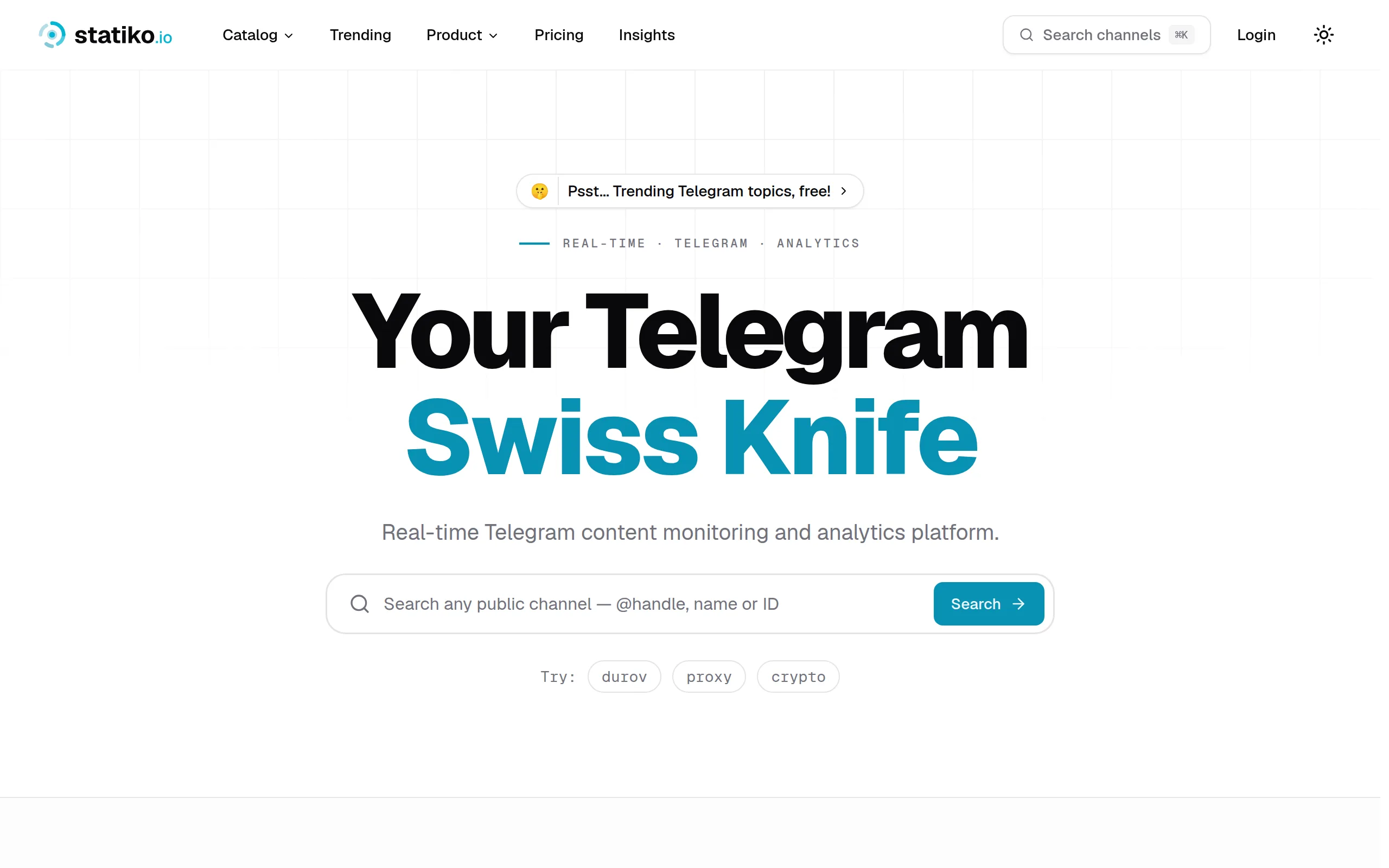
Statiko
Monitor any Telegram channel in real time - track posts, edits, deletions, and growth with AI recaps 📡

Shibui
AI website builder - describe your business, pick a niche template, edit by chatting, and publish instantly ✨

Pro Service
Find verified home service professionals, compare quotes, and pay securely through escrow - built for Brazilians across the US 🏠
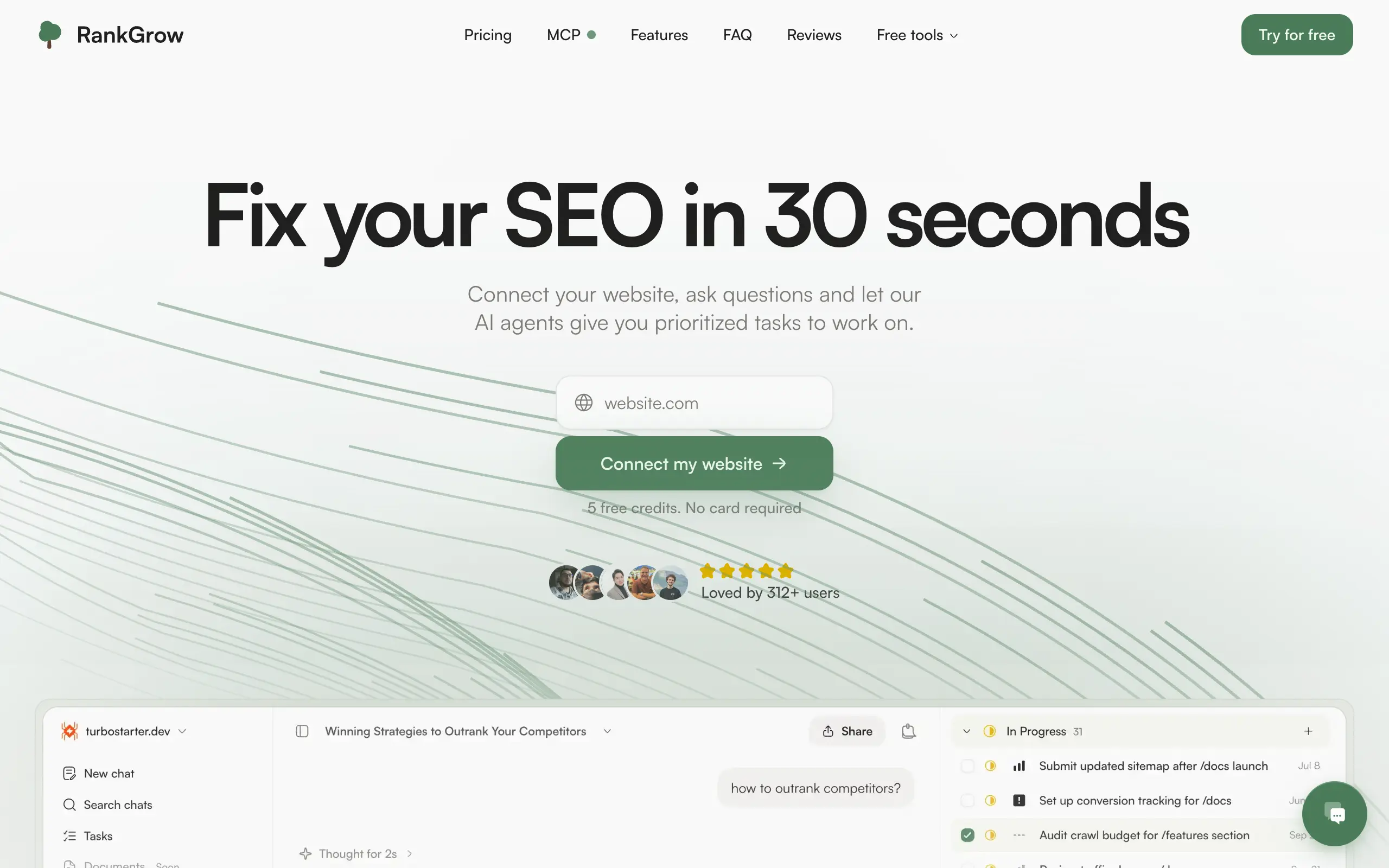
RankGrow
Fix your SEO with AI agents - connect Search Console, get prioritized tasks, and grow organic traffic 📈
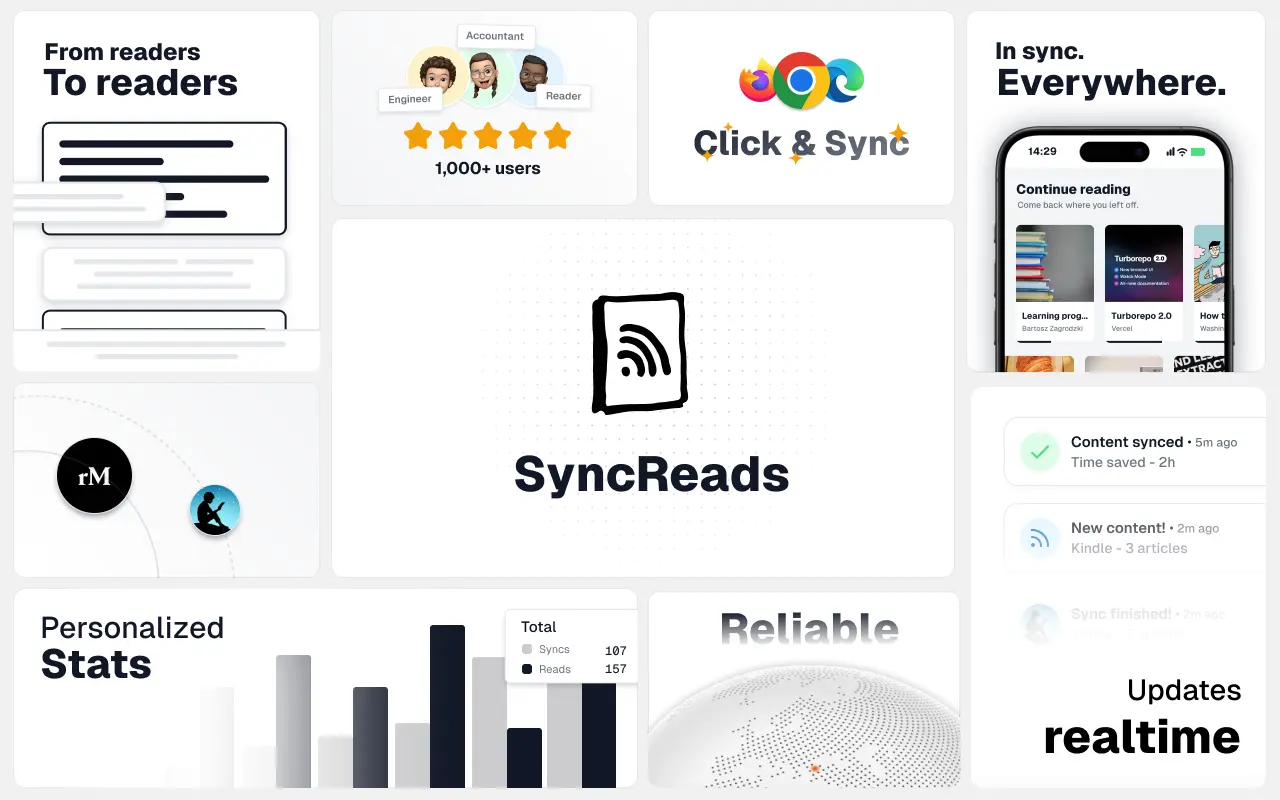
SyncReads
Sync your favorite content for distraction-free reading, save time and replace multiple apps. Anytime, anywhere 🔄
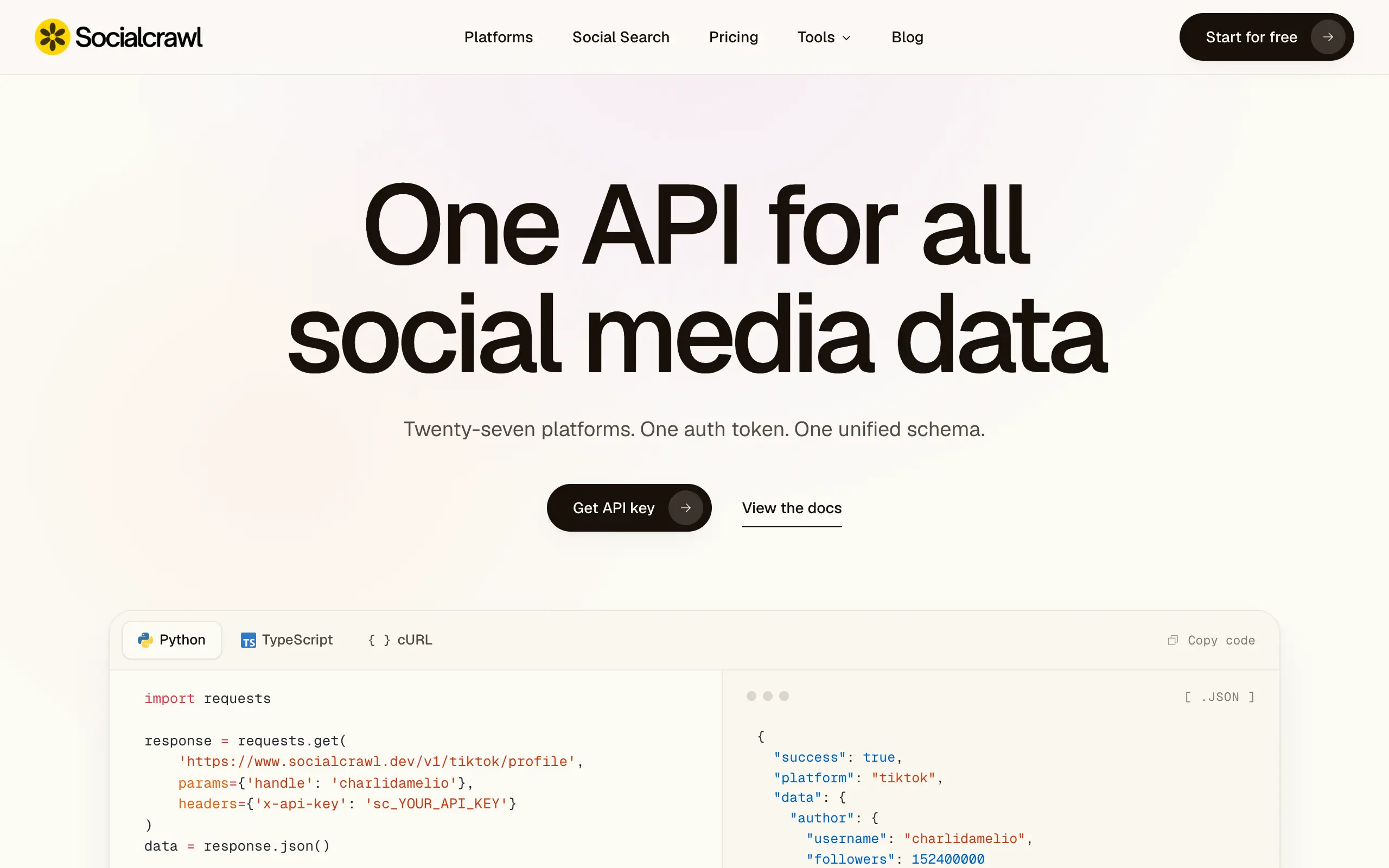
Socialcrawl
Get clean, structured data from 21 platforms like TikTok, Instagram, and YouTube with a single request 📊
Statiko
Monitor any Telegram channel in real time - track posts, edits, deletions, and growth with AI recaps 📡
Shibui
AI website builder - describe your business, pick a niche template, edit by chatting, and publish instantly ✨
Pro Service
Find verified home service professionals, compare quotes, and pay securely through escrow - built for Brazilians across the US 🏠
RankGrow
Fix your SEO with AI agents - connect Search Console, get prioritized tasks, and grow organic traffic 📈
SyncReads
Sync your favorite content for distraction-free reading, save time and replace multiple apps. Anytime, anywhere 🔄
Socialcrawl
Get clean, structured data from 21 platforms like TikTok, Instagram, and YouTube with a single request 📊
Statiko
Monitor any Telegram channel in real time - track posts, edits, deletions, and growth with AI recaps 📡
Shibui
AI website builder - describe your business, pick a niche template, edit by chatting, and publish instantly ✨
Pro Service
Find verified home service professionals, compare quotes, and pay securely through escrow - built for Brazilians across the US 🏠
RankGrow
Fix your SEO with AI agents - connect Search Console, get prioritized tasks, and grow organic traffic 📈
SyncReads
Sync your favorite content for distraction-free reading, save time and replace multiple apps. Anytime, anywhere 🔄
Socialcrawl
Get clean, structured data from 21 platforms like TikTok, Instagram, and YouTube with a single request 📊
Statiko
Monitor any Telegram channel in real time - track posts, edits, deletions, and growth with AI recaps 📡
Shibui
AI website builder - describe your business, pick a niche template, edit by chatting, and publish instantly ✨
Pro Service
Find verified home service professionals, compare quotes, and pay securely through escrow - built for Brazilians across the US 🏠
RankGrow
Fix your SEO with AI agents - connect Search Console, get prioritized tasks, and grow organic traffic 📈
SyncReads
Sync your favorite content for distraction-free reading, save time and replace multiple apps. Anytime, anywhere 🔄
Socialcrawl
Get clean, structured data from 21 platforms like TikTok, Instagram, and YouTube with a single request 📊
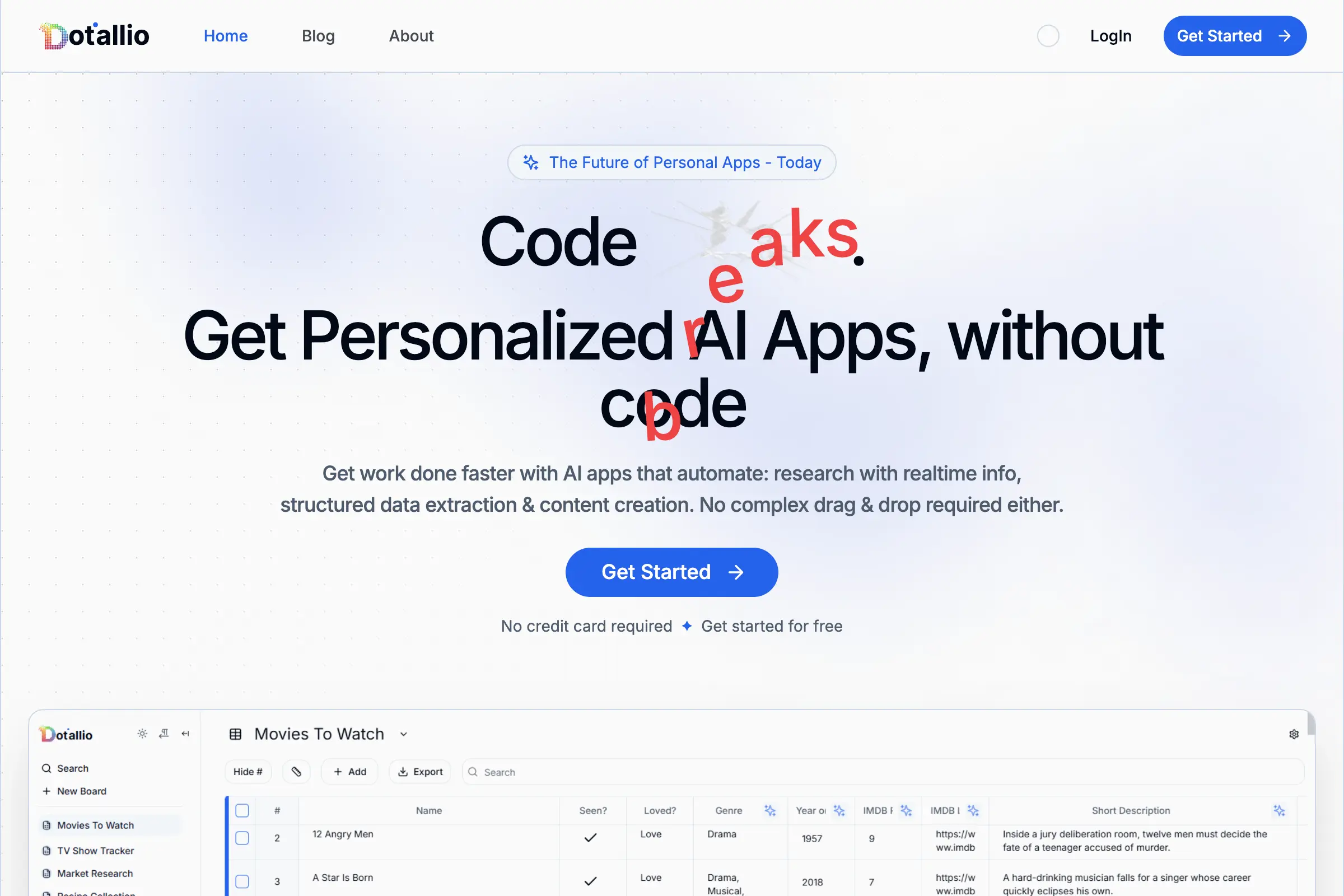
Dotallio
Personalized AI apps that automate research, data extraction, and content creation without code 🤖

Talk to Santa
Enjoy a magical live video chat or receive a unique AI-generated video greeting from Santa Claus 🎅

pozywka.pl
Scalable blog for food journalist, focused on performance and user experience 🌭
zagrodzki.me
Personal blog and portfolio of Bart Zagrodzki, where he shares his knowledge and work 💼
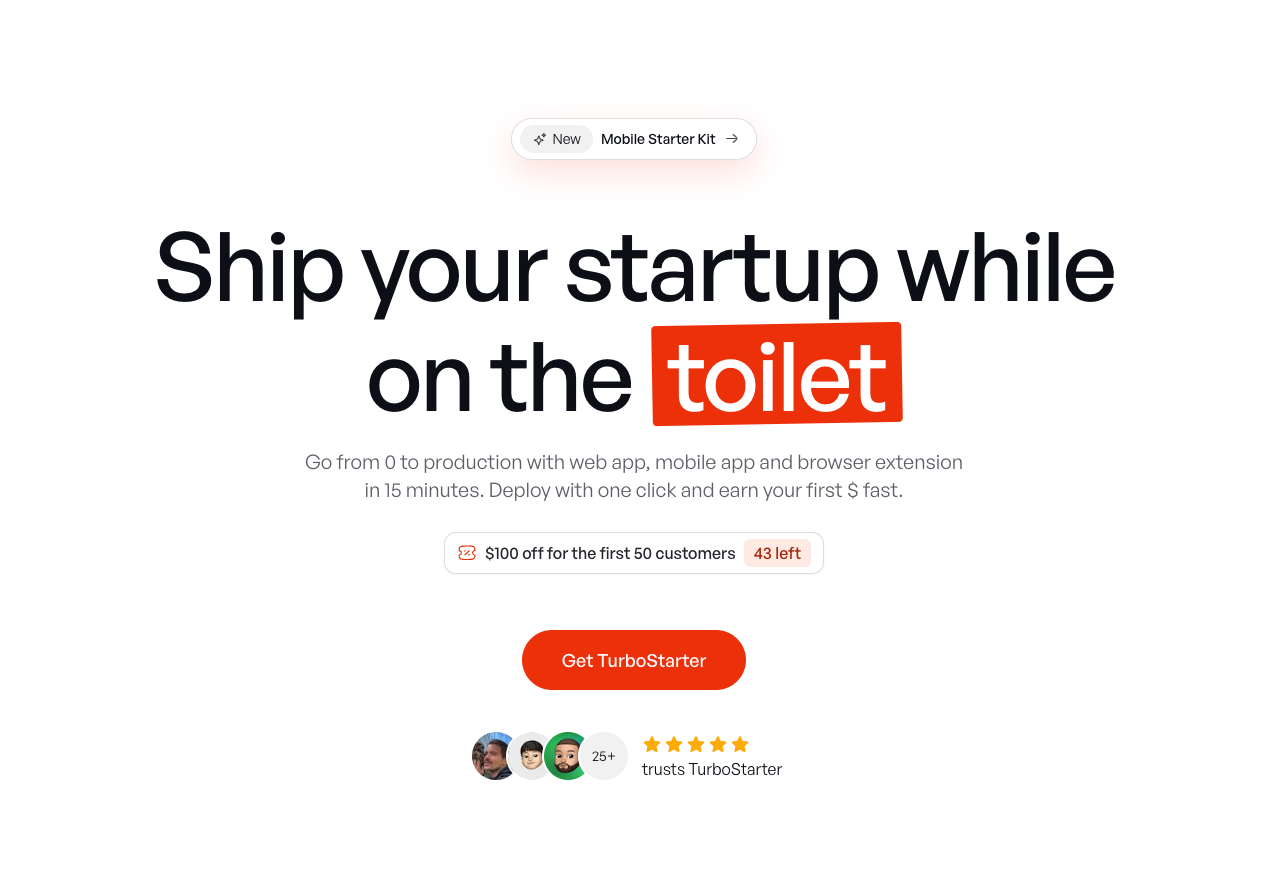
TurboStarter
Ship your startup everywhere. In minutes.
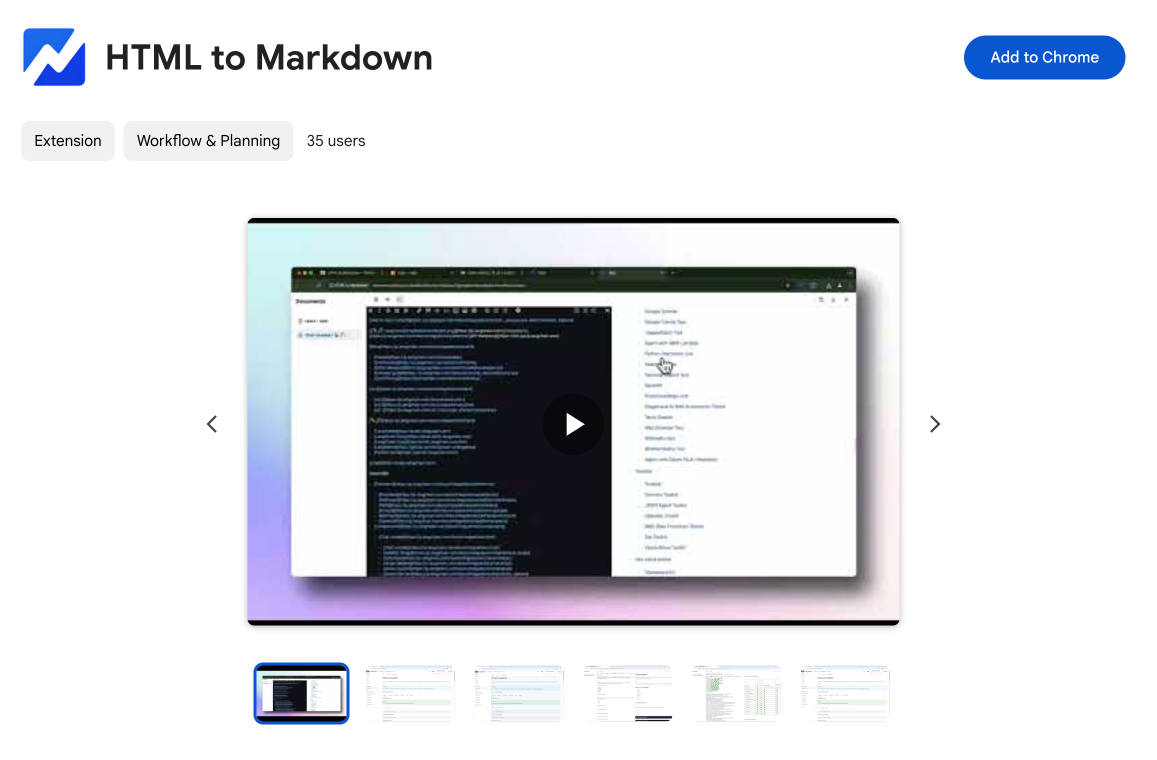
HTML to Markdown
Convert HTML to Markdown with ease, directly in your browser 📄
Dotallio
Personalized AI apps that automate research, data extraction, and content creation without code 🤖
Talk to Santa
Enjoy a magical live video chat or receive a unique AI-generated video greeting from Santa Claus 🎅
pozywka.pl
Scalable blog for food journalist, focused on performance and user experience 🌭
zagrodzki.me
Personal blog and portfolio of Bart Zagrodzki, where he shares his knowledge and work 💼
TurboStarter
Ship your startup everywhere. In minutes.
HTML to Markdown
Convert HTML to Markdown with ease, directly in your browser 📄
Dotallio
Personalized AI apps that automate research, data extraction, and content creation without code 🤖
Talk to Santa
Enjoy a magical live video chat or receive a unique AI-generated video greeting from Santa Claus 🎅
pozywka.pl
Scalable blog for food journalist, focused on performance and user experience 🌭
zagrodzki.me
Personal blog and portfolio of Bart Zagrodzki, where he shares his knowledge and work 💼
TurboStarter
Ship your startup everywhere. In minutes.
HTML to Markdown
Convert HTML to Markdown with ease, directly in your browser 📄
Dotallio
Personalized AI apps that automate research, data extraction, and content creation without code 🤖
Talk to Santa
Enjoy a magical live video chat or receive a unique AI-generated video greeting from Santa Claus 🎅
pozywka.pl
Scalable blog for food journalist, focused on performance and user experience 🌭
zagrodzki.me
Personal blog and portfolio of Bart Zagrodzki, where he shares his knowledge and work 💼
TurboStarter
Ship your startup everywhere. In minutes.
HTML to Markdown
Convert HTML to Markdown with ease, directly in your browser 📄
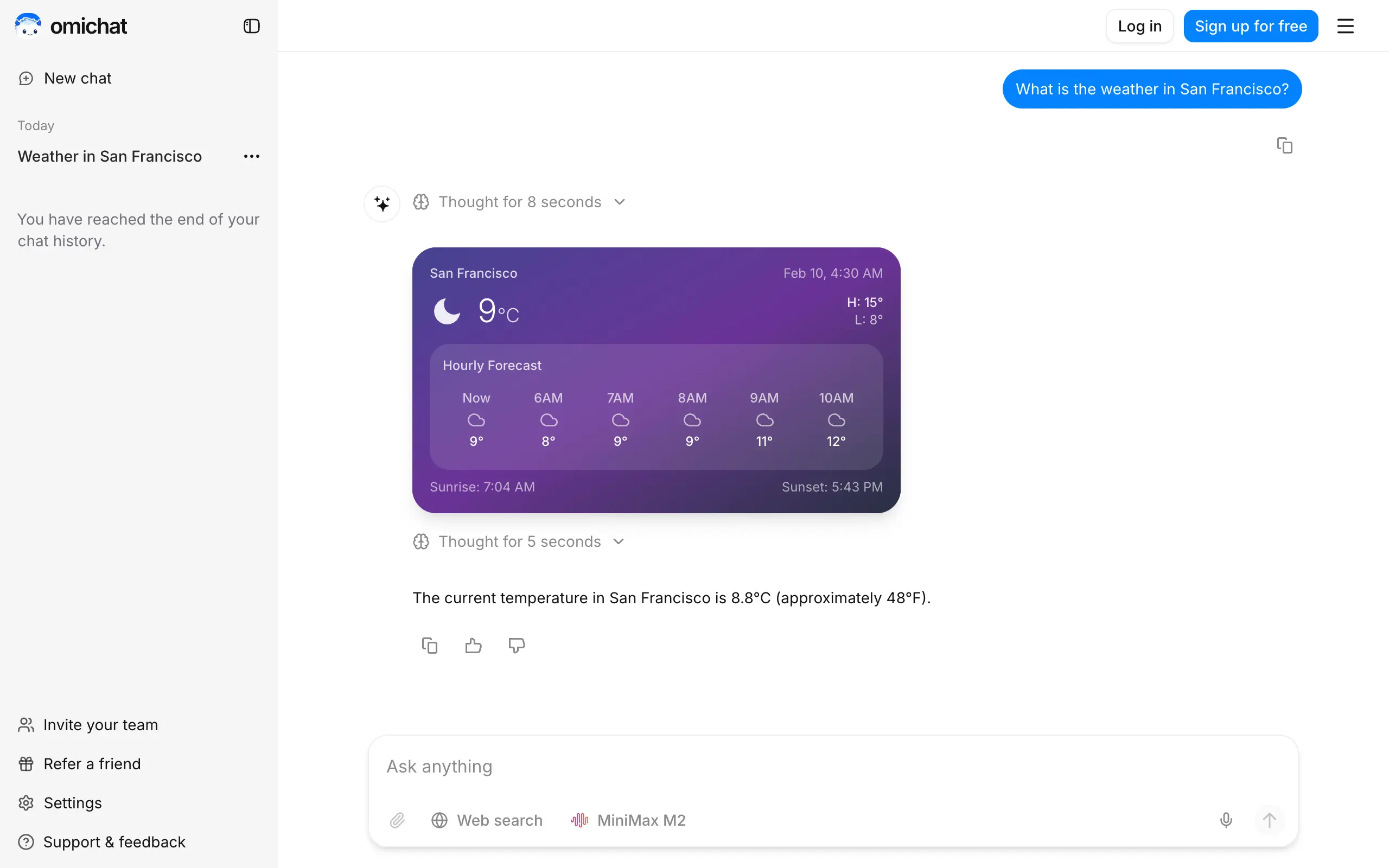
Omichat
Chat with 50+ AI models, including ChatGPT and Claude, in one place - switch models anytime without losing context 🤖
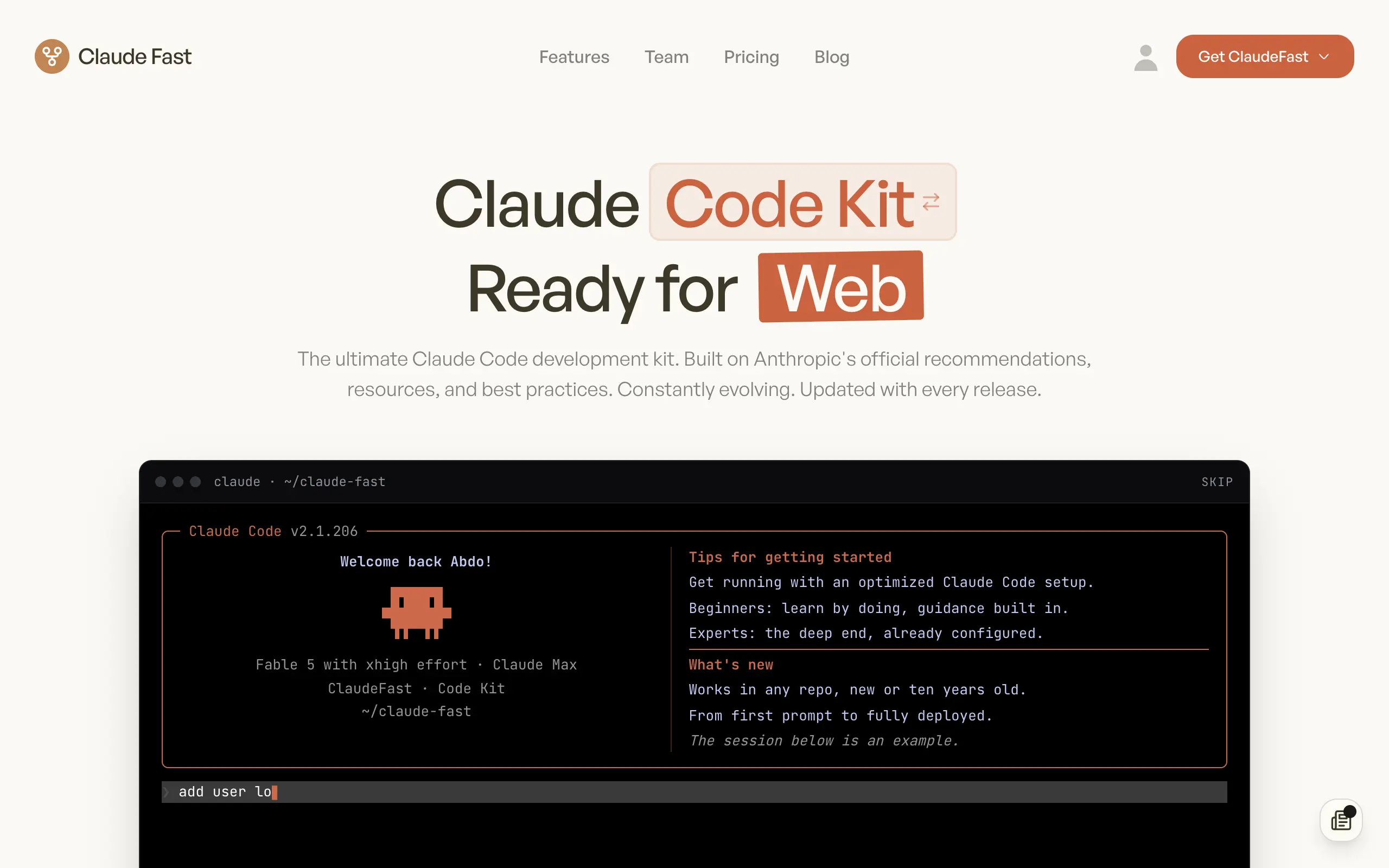
Claude Fast
Supercharge your Claude Code with 6x effective context window and specialized AI agents 🤖
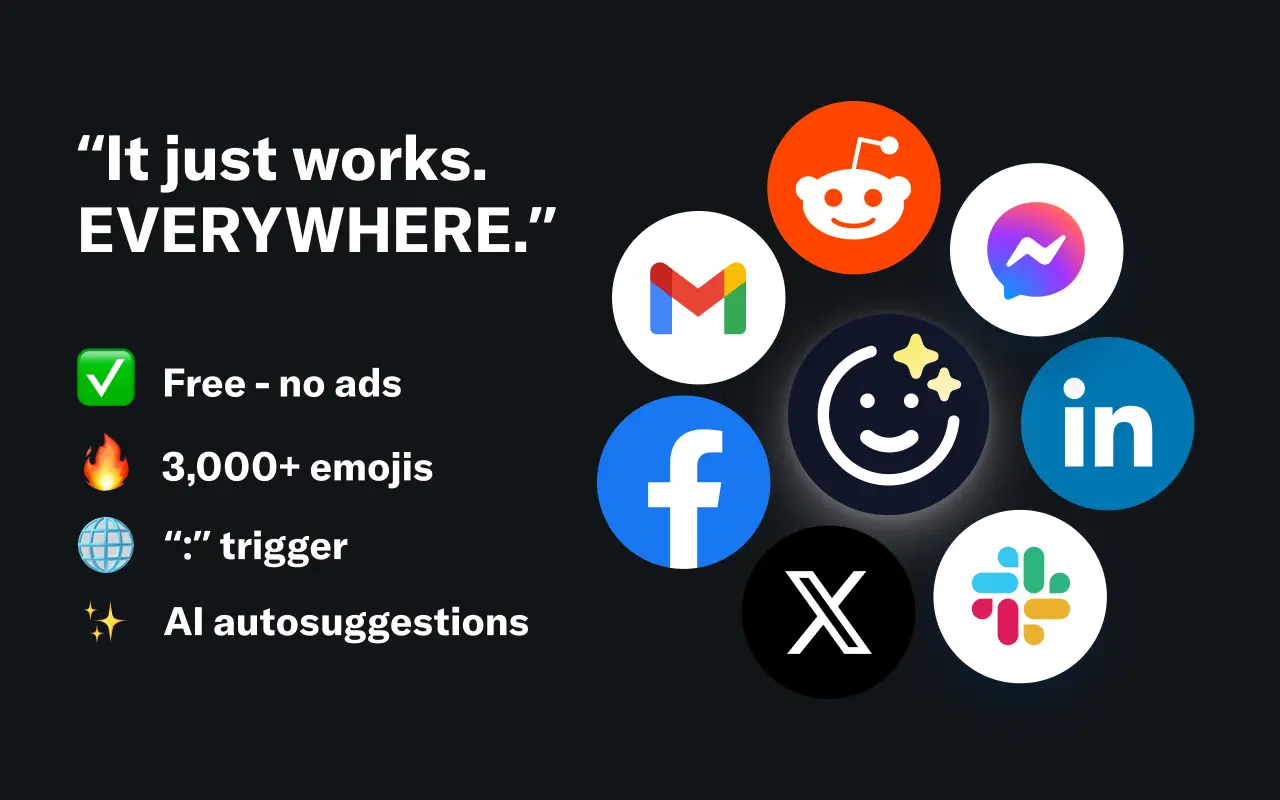
EmojAI
AI-powered emoji picker with smart, context-aware suggestions 🤖
Solohacker
Autonomous company launcher - AI agents work 24/7, escalate what matters, and you stay in control 🤖
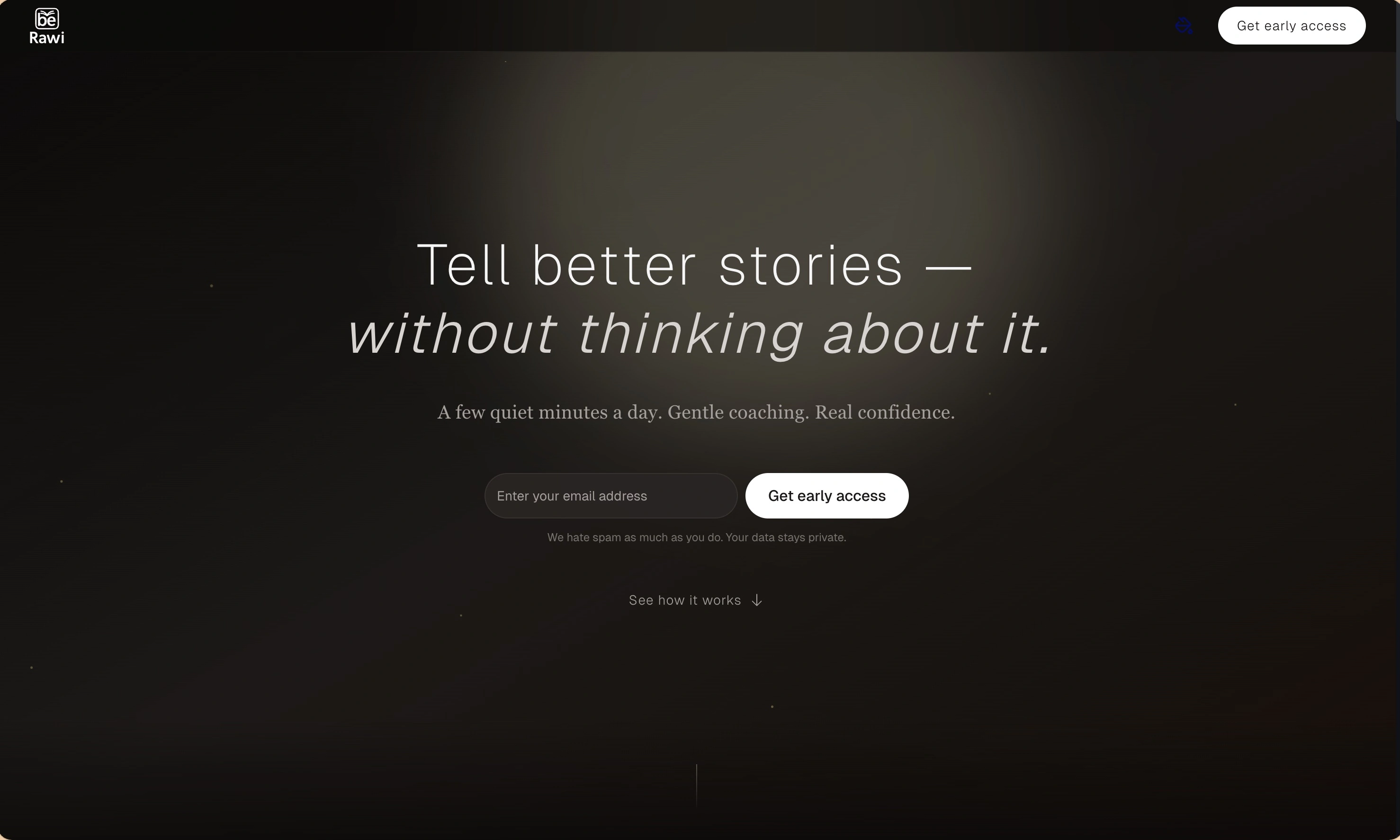
BeRawi: Storytelling Coach
Practice storytelling daily with instant feedback to sound clearer, more engaging, and confident 🎤
Omichat
Chat with 50+ AI models, including ChatGPT and Claude, in one place - switch models anytime without losing context 🤖
Claude Fast
Supercharge your Claude Code with 6x effective context window and specialized AI agents 🤖
EmojAI
AI-powered emoji picker with smart, context-aware suggestions 🤖
Solohacker
Autonomous company launcher - AI agents work 24/7, escalate what matters, and you stay in control 🤖
BeRawi: Storytelling Coach
Practice storytelling daily with instant feedback to sound clearer, more engaging, and confident 🎤
Omichat
Chat with 50+ AI models, including ChatGPT and Claude, in one place - switch models anytime without losing context 🤖
Claude Fast
Supercharge your Claude Code with 6x effective context window and specialized AI agents 🤖
EmojAI
AI-powered emoji picker with smart, context-aware suggestions 🤖
Solohacker
Autonomous company launcher - AI agents work 24/7, escalate what matters, and you stay in control 🤖
BeRawi: Storytelling Coach
Practice storytelling daily with instant feedback to sound clearer, more engaging, and confident 🎤
Omichat
Chat with 50+ AI models, including ChatGPT and Claude, in one place - switch models anytime without losing context 🤖
Claude Fast
Supercharge your Claude Code with 6x effective context window and specialized AI agents 🤖
EmojAI
AI-powered emoji picker with smart, context-aware suggestions 🤖
Solohacker
Autonomous company launcher - AI agents work 24/7, escalate what matters, and you stay in control 🤖
BeRawi: Storytelling Coach
Practice storytelling daily with instant feedback to sound clearer, more engaging, and confident 🎤

Connect with like-minded people
Join our community to get feedback, support, and grow together with 1,000+ builders on board, let's ship it!
Join usShip your startup everywhere. In minutes.
Don't burn tokens on setup and start building features on day one.