FocusPages
A distraction-free, minimalist online journal enabling time-blocked entries, goal setting, and robust search to help users capture, reflect, and stay focused.
Understanding FocusPages: A next-generation distraction-free online journal
In today’s hyperconnected world, sustaining focus can feel nearly impossible. FocusPages emerges as a response—a minimalist, distraction-free online journal platform designed to support time-blocked entries, reflective goal-setting, and robust search. The product’s ethos is simple but powerful: empower individuals to efficiently capture thoughts, reflect, set intentions, and, most importantly, stay focused.
This in-depth guide will explore FocusPages from every angle: the target market, market opportunity, essential features, technology stack, monetization strategies, risk profile, competitive landscape, and actionable steps for bringing this productivity SaaS to life.
Who is FocusPages for? Target audience analysis
Understanding the ideal user is foundational for building a successful productivity SaaS. FocusPages’ audience broadly includes anyone striving for better focus, structure, and intention in their writing and daily routines. Let’s break this down:
Primary segments
- Knowledge workers: Professionals (writers, managers, developers, students) who need a clutter-free space to process ideas, document progress, and plan.
- Goal-oriented individuals: People pursuing structured personal growth, including journaling enthusiasts, productivity hackers, and self-improvement advocates.
- Remote workers and freelancers: Those seeking organization and mental clarity amidst the chaos of remote or gig-based work.
- Students: Learners managing research notes, assignment logs, study goals, or daily reflections.
- Neurodivergent individuals: People with ADHD or similar traits who benefit from streamlined, non-distracting digital environments.
Pain points FocusPages addresses
- Overwhelm from busy, feature-bloated apps.
- Inability to focus due to notifications, popups, and in-app clutter.
- Fragmented thoughts and difficulty tracking progress or goals.
- Poor searchability in analog notebooks or oversimplified digital tools.
User intent: The typical FocusPages user is actively seeking:
- Clean, no-frills digital journaling.
- Tools to structure thought, document progress, and set actionable goals.
- Enhanced focus and reduction in digital distractions.
Identifying the market gap: Why does FocusPages matter?
The digital productivity market is saturated, but user complaints about feature bloat and notification overload are louder than ever. Minimalism and intentional design are the new gold standards.
Current landscape
Apps like Notion, Evernote, Roam Research, and Google Keep dominate the productivity/journaling space. However, according to user feedback and trend analyses:
- Notion and Evernote are powerful, but their flexibility often leads to clutter.
- Roam Research and similar tools require steep learning curves.
- Simple note apps (Apple Notes, Google Keep) lack structure and goal-setting features.
Market trends and statistics
Recent studies (see: "Distraction and Productivity in Digital Work" on reputable industry research platforms) show:
- Average knowledge worker switches screens every 40 seconds.
- 70% feel digital tools are overwhelming rather than enabling.
- Minimalist productivity apps are experiencing a 30% YoY increase in adoption, particularly among Gen Z and millennials.
The FocusPages opportunity
What’s missing?
- A clean, digital journal that enforces focus, supports time-blocking, and embraces goal setting—without overwhelming users with unnecessary options.
FocusPages stands apart by:
- Providing only what’s essential.
- Structuring journaling sessions into focused, time-blocked entries.
- Seamlessly integrating goal-tracking and powerful search.
Industry insight
Minimalist tools that fight distraction are projected to be one of the fastest-growing SaaS productivity segments over the next five years.
Deep dive: Core features & solution details
Let’s unpack how FocusPages addresses user needs and delivers real value.
1. Distraction-free writing interface
- Minimal UI: Zero clutter, hidden toolbars, soft color schemes, and focus mode by default.
- Full-screen session: Eliminates notifications, popups, and sidebar distractions.
2. Time-blocked entries
- Built-in timer: Users select preset time blocks (e.g., 10, 25, 50 minutes) inspired by the Pomodoro Technique.
- Session progress tracking: Visual feedback on time spent journaling.
- Session locking: Optional feature to lock the session, discouraging tab-switching.
3. Goal setting and reflection
- SMART goal templates: Guides for defining and tracking goals.
- Daily/weekly review prompts: Encourages intentional reflection.
- Progress markers: Visuals and logs to see growth over time.
4. Robust, privacy-first search
- Full-text search: Instantly find past entries or goals based on keywords, tags, or dates.
- Semantic suggestions: Surface related entries to aid reflection.
5. Secure, privacy-respecting cloud storage
- End-to-end encryption: Data privacy is paramount; all entries are encrypted at rest and in transit.
- Export options: Users can export data at any time (PDF, Markdown, plain text).
6. Lightweight integrations (optional, but not distracting)
- Calendar sync: (Optional) Block journaling time on Google Calendar or Outlook.
- Reminders: (Optional) Soft nudges—never disruptive—to encourage regular reflection.
7. Accessibility and adaptability
- WCAG-compliant design: Fully accessible for screen readers and assistive tech.
- Customizable fonts and themes: To suit preferences and reduce eye strain.
UX at the core: Why minimalism outperforms feature bloat
Modern cognitive psychology research suggests that every UI element competes for working memory. Minimal interfaces reduce mental fatigue, helping users stay 'in flow' and boost writing productivity. FocusPages strips away distractions, aligning with best-in-class cognitive design principles.
Paper is great for focus but lacks searchability, security, and multi-device access. FocusPages brings the best of both worlds: paper's serenity, tech's search and backup, and anywhere access—even offline if built as a PWA.
While FocusPages avoids extensive feature sets, offering a small handful of thoughtfully designed goal-setting and journaling templates ensures structure without clutter.
Recommended technology stack: Building with best-in-class tools
A robust, scalable SaaS requires the right tools—balancing developer experience, performance, and cost. Here’s a suggested stack for FocusPages:
Frontend
- React: Fast, component-based UI development.
- Next.js: SSR and SSG for best-in-class performance; enables fast, SEO-friendly pages.
- TailwindCSS: Modern utility-first styling supporting easy theming and accessibility.
- TypeScript: For safety and developer productivity.
Backend
- Node.js with Express: Lightweight API, good for scalability.
- Prisma: Modern ORM; works with PostgreSQL for robust relational data management.
- PostgreSQL: Secure, scalable, ACID-compliant database.
Authentication and Security
Optional integrations
- Google Calendar API: If supporting calendar sync.
- SendGrid: For reminders and notification emails.
Deployment and CI/CD
- Vercel or Netlify: Fast, global serverless hosting.
- TurboStarter: For scaffolding MVPs, increasing efficiency.
Tech stack comparison table
| React | TailwindCSS | PostgreSQL | Auth0 | Vercel |
|---|---|---|---|---|
| ✅ | ❌ | ❌ | ✅ | ❌ |
| ✅ | ❌ | ✅ | ✅ | ❌ |
Trade-offs and rationale
- Why Next.js & React? SSR/SSG delivers extremely fast, SEO-optimized landing pages—important for organic growth.
- TailwindCSS vs. traditional CSS frameworks: Tailwind supports rapid UI prototyping and ensures consistency, but may feel unintuitive to some newcomers.
- Prisma + PostgreSQL: Balances reliability and developer ergonomics; Prisma handles migrations and relationships gracefully.
- Vercel: Tightly integrated with Next.js, reducing operational overhead for small teams.
Monetization strategies: Building a sustainable SaaS
Turning FocusPages into a thriving business entails carefully chosen monetization techniques that align with user expectations and perceived value.
1. Freemium model
- Free tier: Core journaling, basic search, limited goal tracking.
- Pro plan: Advanced features—goal analytics, daily review prompts, calendar sync, unlimited entries/history, export options.
2. Subscription-based pricing
- Monthly and annual plans: Discounted annual pricing to encourage longer retention.
- Student & educator discounts: Attract the academic segment.
3. One-time licenses (optional)
- Lifetime access: For users who prefer avoiding subscriptions.
- Team/organization licenses: For small teams or clinics looking to support group journaling.
4. Add-ons and integrations
- Offer optional, paid integrations (e.g., advanced analytics, third-party cloud backups).
Freemium model
Lower barrier to entry, viral word-of-mouth.
Pro subscriptions
Recurring, predictable revenue.
Team/clinic plans
Serve group mental health providers or coaching businesses.
Risks and mitigation strategies
Like any SaaS venture, FocusPages faces risks. Recognizing and preparing for these is key to long-term viability.
1. Feature overreach
Risk: Temptation to add too many features, eroding the minimalist USP.
Mitigation: Maintain a clear product philosophy—prioritize focus and clarity over new widgets. Regularly survey users to understand their biggest needs.
2. Competition from established players
Risk: Notion, Roam Research, and Evernote have large user bases and R&D budgets.
Mitigation: Double down on minimalism and user mental health. Maintain extremely high privacy standards. Foster a passionate early community.
3. Privacy and data breaches
Risk: Journals often contain sensitive information.
Mitigation: Invest in state-of-the-art encryption. Offer offline/PWA options. Undergo annual security audits.
4. Low user retention
Risk: Many users abandon journaling apps after a honeymoon period.
Mitigation: Use gentle, adaptive reminders. Build in-app streak tracking/rewards (optionally). Guide users with onboarding and periodic, non-intrusive check-ins.
Competitive advantage: What sets FocusPages apart?
FocusPages’ unique selling proposition (USP) arises from intentional simplicity and a focus-first approach.
How FocusPages stays ahead
- Laser-focused on mental clarity: No notifications, no clutter—just a serene place to write and reflect.
- Time-blocked journaling workflow: Nudges users to form sustainable journaling habits and beat procrastination.
- Privacy as a bedrock value: Encrypted by default; cloud storage with opting into advanced backup integrations.
- Robust, semantic search: Allows users to quickly find themes and progress across time, impossible with analog journaling.
- Accessibility: Built from the ground up for inclusivity.
Quick comparison to top journaling tools
| Feature | FocusPages | Notion | Roam Research | Evernote | Google Keep |
|---|---|---|---|---|---|
| Distraction-free UI | ✅ | ❌ | ❌ | ❌ | ✅ |
| Time-blocked entries | ✅ | ❌ | ❌ | ❌ | ❌ |
| Goal setting/reflection | ✅ | ✅ | ❌ | ✅ | ❌ |
| Advanced search | ✅ | ✅ | ✅ | ✅ | ❌ |
| End-to-end encryption | ✅ | ❌ | ❌ | ❌ | ❌ |
| Minimalist focus-first UX | ✅ | ❌ | ❌ | ❌ | ✅ |
| Accessible by design | ✅ | ✅ | ❌ | ✅ | ✅ |
Implementation roadmap: Steps to launch FocusPages
Building and validating a SaaS like FocusPages requires an agile, iterative roadmap. Here’s a step-by-step launch guide:
Concluding thoughts: Why FocusPages is the future of intentional journaling
FocusPages isn’t just another online journal—it’s a thoughtfully designed productivity SaaS that reclaims users’ mental space. In an era where digital distraction is rampant, FocusPages offers a calming, privacy-first environment tailored to build long-term writing and reflection habits. Its blend of minimalism, time-blocked workflows, robust search, and accessibility set it apart from crowded alternatives.
The path ahead balances technical rigor with product philosophy. By staying true to focus-first design, prioritizing user privacy, and listening to its core audience, FocusPages can build loyal communities seeking intention over interruption.
Frequently asked questions (FAQs)
What differentiates FocusPages from Notion and Evernote?
FocusPages is laser-focused on minimalism, time-blocked sessions, and privacy-first journaling. Unlike bloated productivity tools, it’s designed to eliminate distractions and empower focused writing from day one.
Is my data safe on FocusPages?
Yes—FocusPages prioritizes end-to-end encryption and gives users full control over their journal exports, ensuring both privacy and data portability.
Can FocusPages help with habit formation?
Absolutely. The combination of time-blocked sessions, goal/reflection prompts, and streak tracking helps users form durable writing and reflection habits, supported by cognitive and behavioral research.
By following this blueprint, FocusPages is poised to carve out its niche as the preferred digital sanctuary for focus-driven, goal-conscious users.
More ⚡ Productivity Tool SaaS ideas
Discover more innovative productivity tool SaaS ideas that are trending in 2026. Each idea is AI-generated with market validation and growth potential to help you find your next profitable venture faster than competitors.
Your competitors are building with TurboStarter
Below are some of the SaaS ideas that have been generated and built with our starter kit.
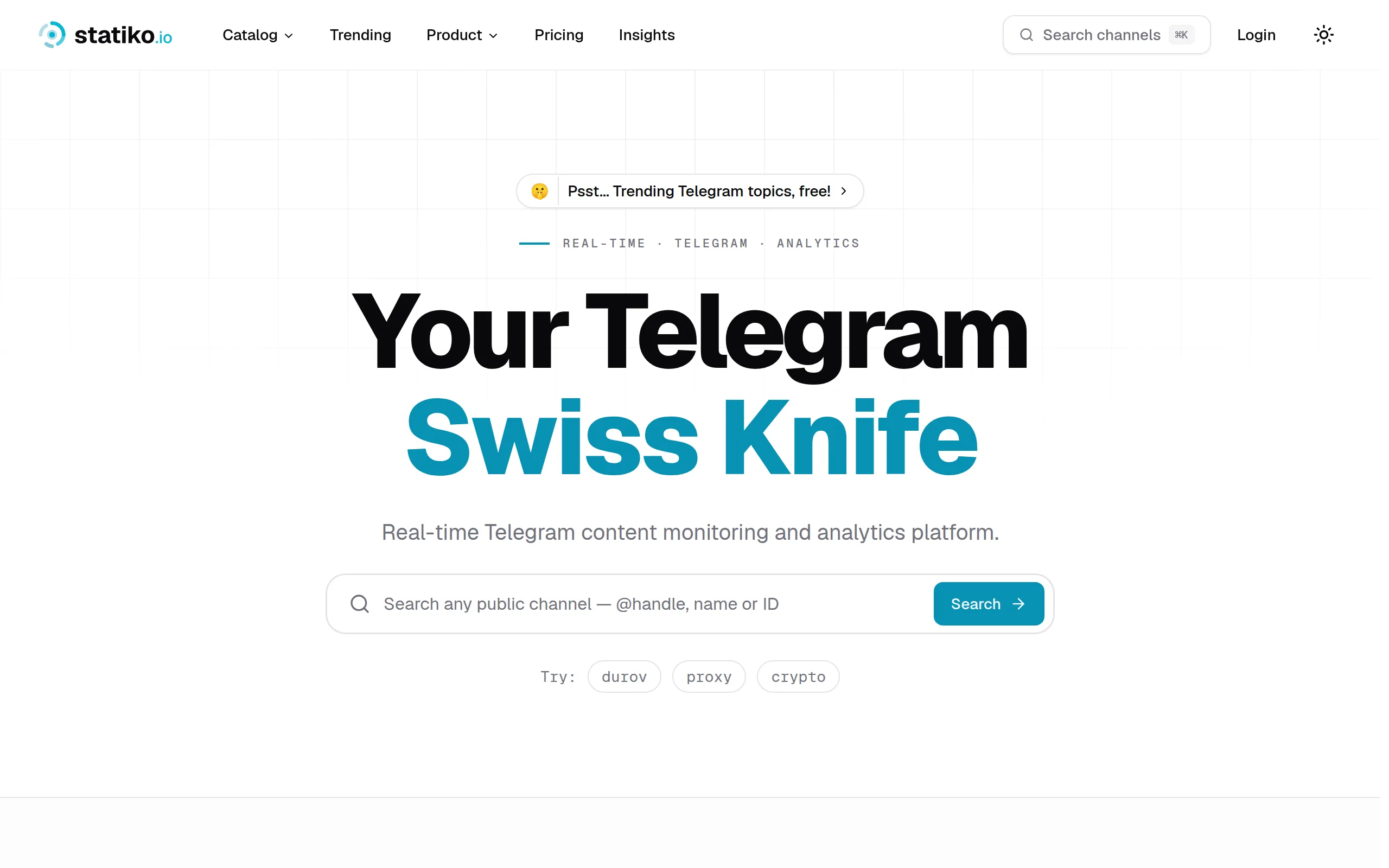
Statiko
Monitor any Telegram channel in real time - track posts, edits, deletions, and growth with AI recaps 📡

Shibui
AI website builder - describe your business, pick a niche template, edit by chatting, and publish instantly ✨

Pro Service
Find verified home service professionals, compare quotes, and pay securely through escrow - built for Brazilians across the US 🏠
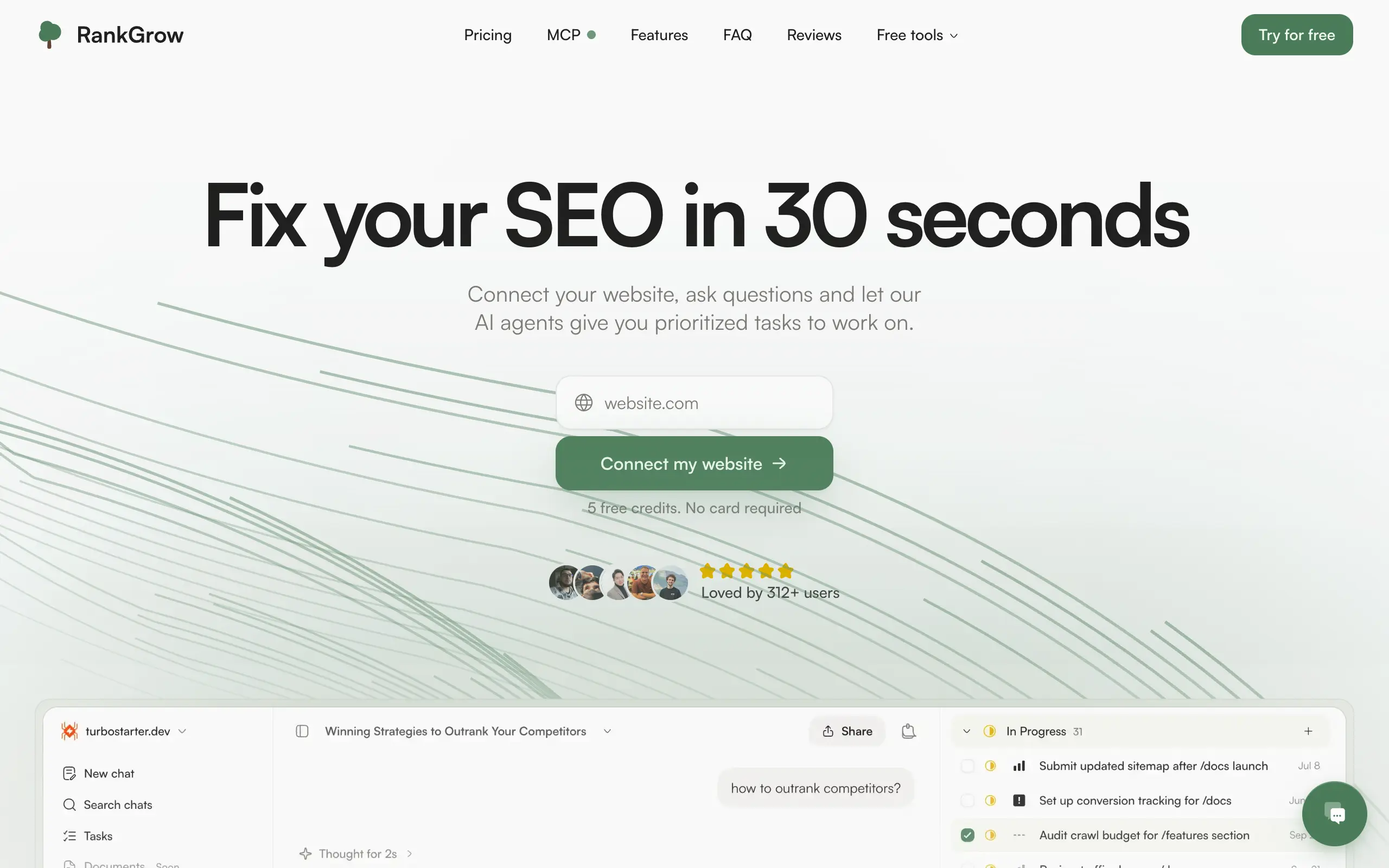
RankGrow
Fix your SEO with AI agents - connect Search Console, get prioritized tasks, and grow organic traffic 📈
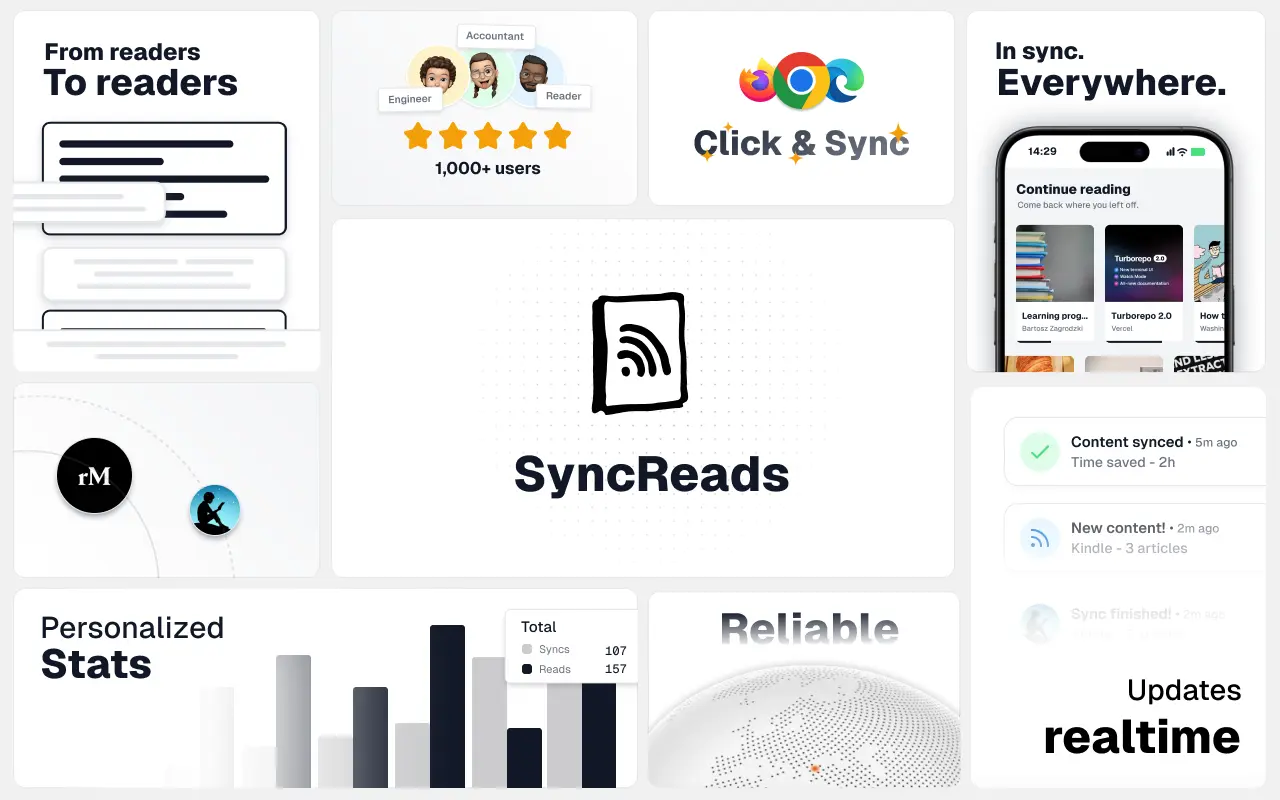
SyncReads
Sync your favorite content for distraction-free reading, save time and replace multiple apps. Anytime, anywhere 🔄
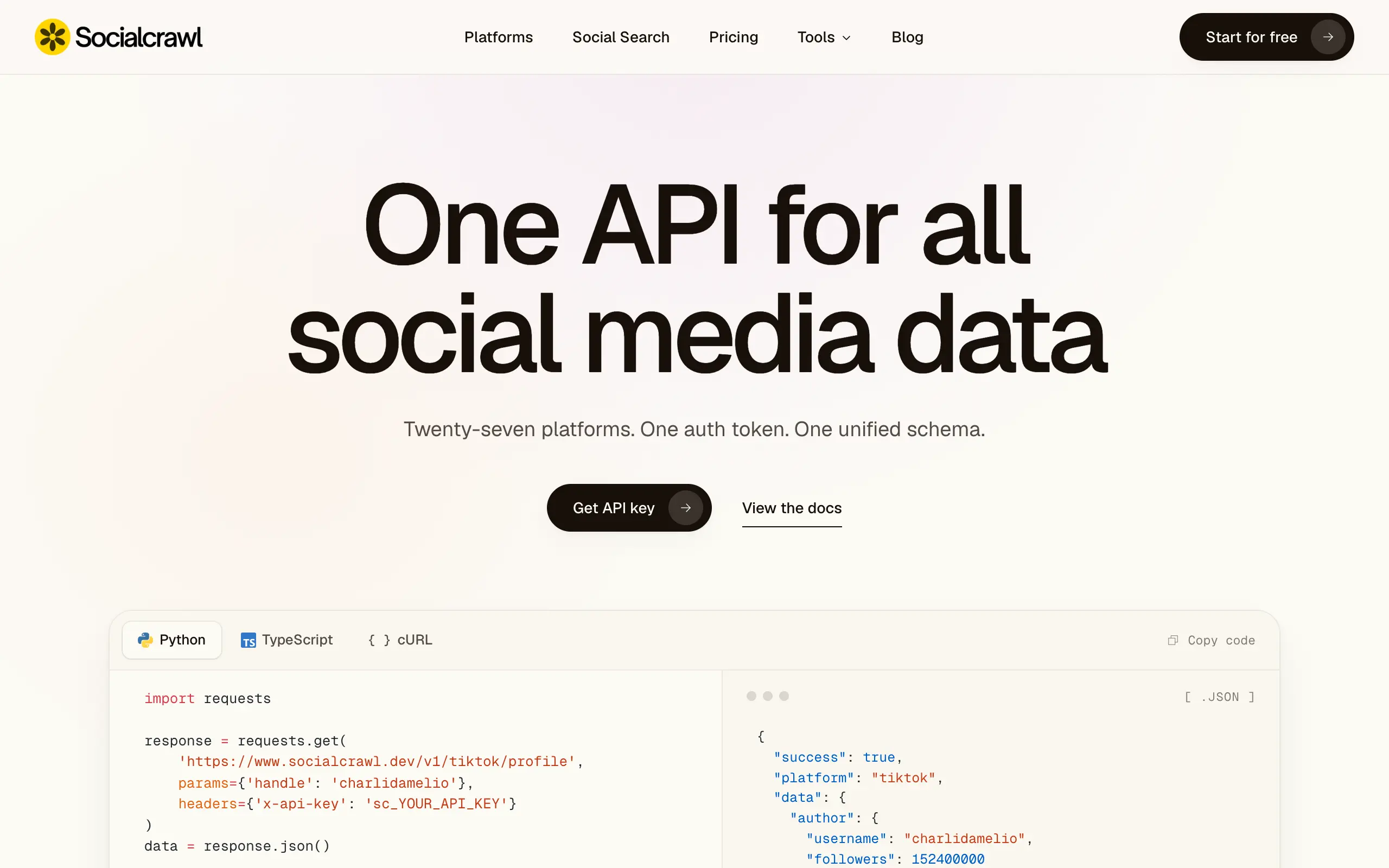
Socialcrawl
Get clean, structured data from 21 platforms like TikTok, Instagram, and YouTube with a single request 📊
Statiko
Monitor any Telegram channel in real time - track posts, edits, deletions, and growth with AI recaps 📡
Shibui
AI website builder - describe your business, pick a niche template, edit by chatting, and publish instantly ✨
Pro Service
Find verified home service professionals, compare quotes, and pay securely through escrow - built for Brazilians across the US 🏠
RankGrow
Fix your SEO with AI agents - connect Search Console, get prioritized tasks, and grow organic traffic 📈
SyncReads
Sync your favorite content for distraction-free reading, save time and replace multiple apps. Anytime, anywhere 🔄
Socialcrawl
Get clean, structured data from 21 platforms like TikTok, Instagram, and YouTube with a single request 📊
Statiko
Monitor any Telegram channel in real time - track posts, edits, deletions, and growth with AI recaps 📡
Shibui
AI website builder - describe your business, pick a niche template, edit by chatting, and publish instantly ✨
Pro Service
Find verified home service professionals, compare quotes, and pay securely through escrow - built for Brazilians across the US 🏠
RankGrow
Fix your SEO with AI agents - connect Search Console, get prioritized tasks, and grow organic traffic 📈
SyncReads
Sync your favorite content for distraction-free reading, save time and replace multiple apps. Anytime, anywhere 🔄
Socialcrawl
Get clean, structured data from 21 platforms like TikTok, Instagram, and YouTube with a single request 📊
Statiko
Monitor any Telegram channel in real time - track posts, edits, deletions, and growth with AI recaps 📡
Shibui
AI website builder - describe your business, pick a niche template, edit by chatting, and publish instantly ✨
Pro Service
Find verified home service professionals, compare quotes, and pay securely through escrow - built for Brazilians across the US 🏠
RankGrow
Fix your SEO with AI agents - connect Search Console, get prioritized tasks, and grow organic traffic 📈
SyncReads
Sync your favorite content for distraction-free reading, save time and replace multiple apps. Anytime, anywhere 🔄
Socialcrawl
Get clean, structured data from 21 platforms like TikTok, Instagram, and YouTube with a single request 📊
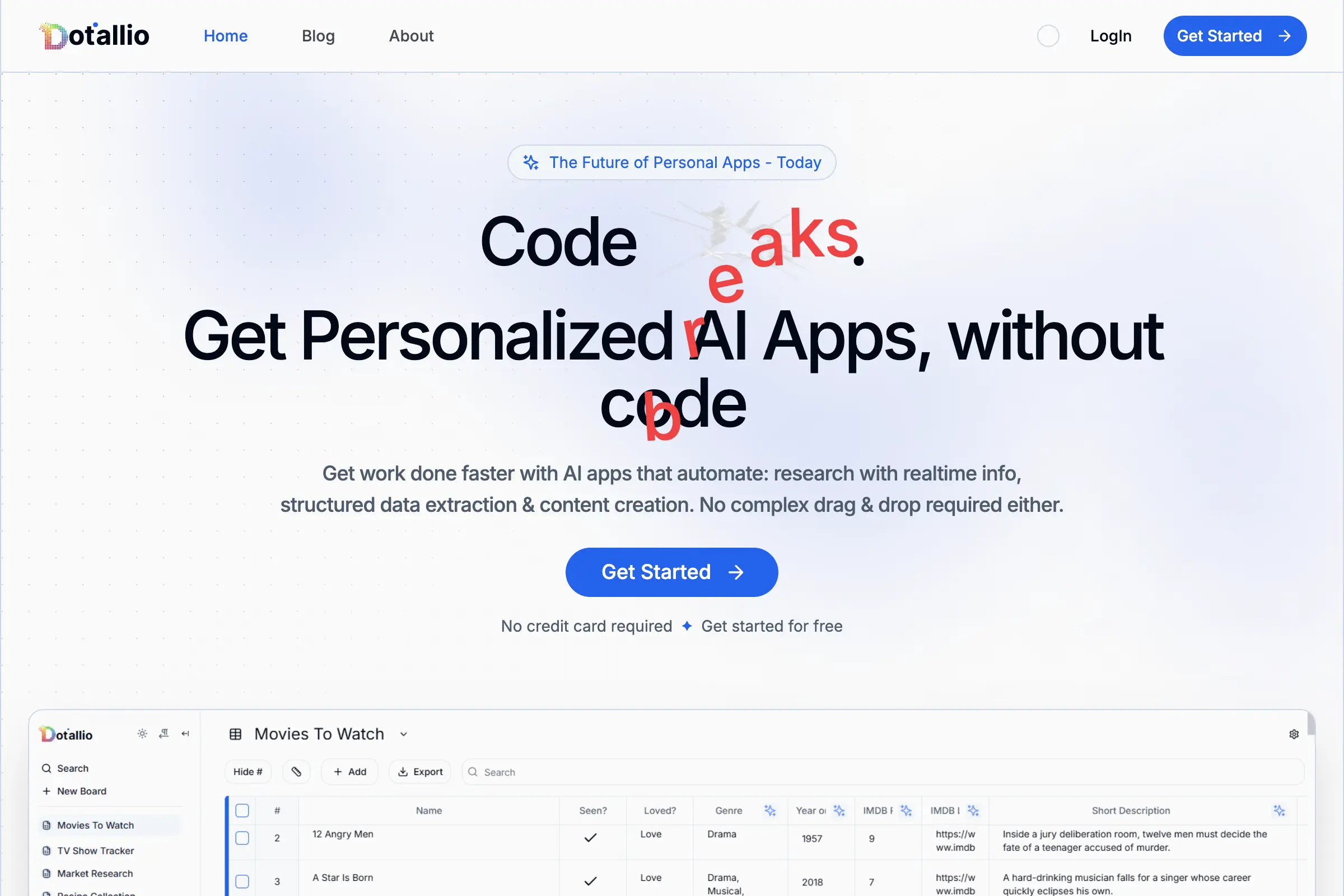
Dotallio
Personalized AI apps that automate research, data extraction, and content creation without code 🤖
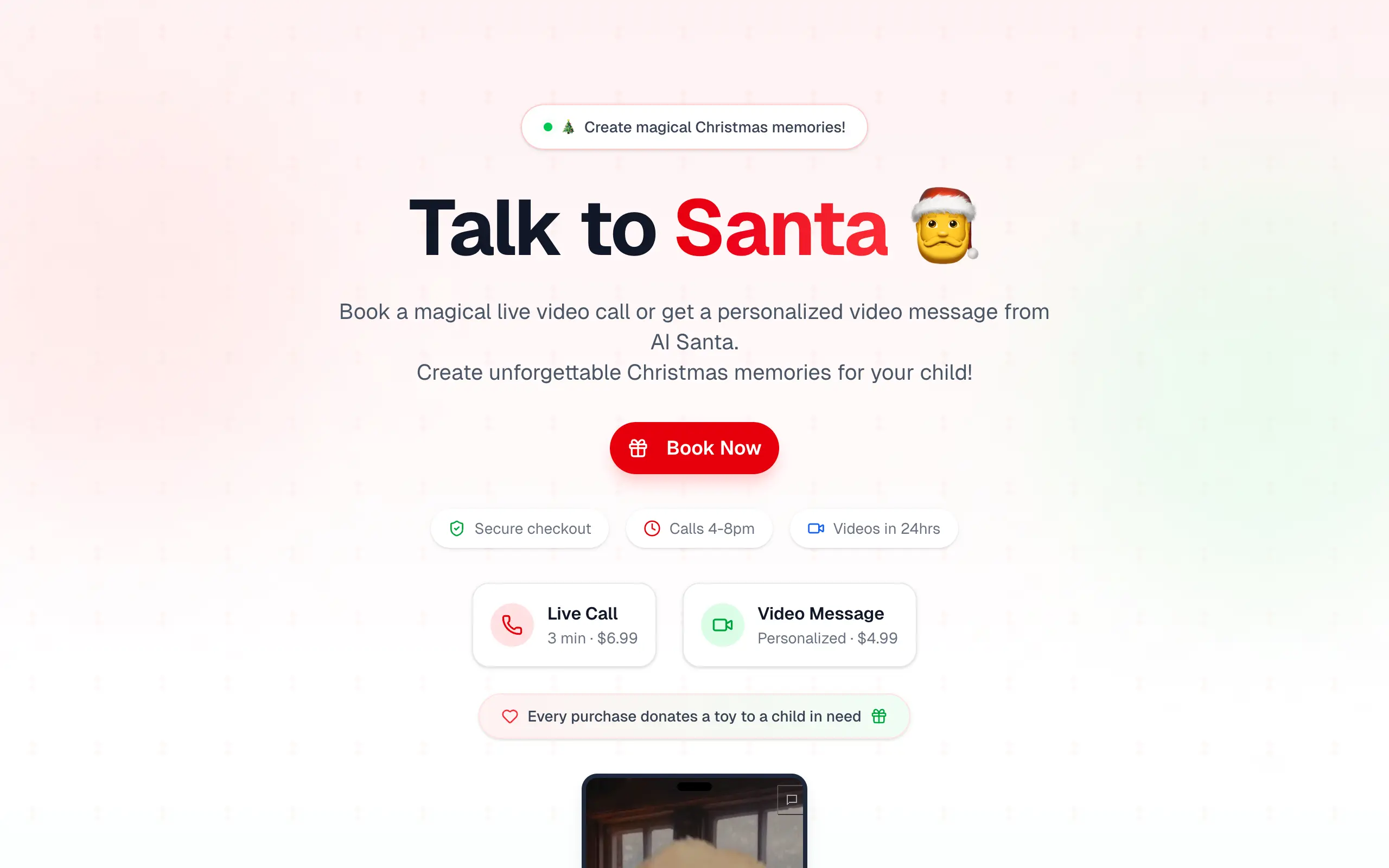
Talk to Santa
Enjoy a magical live video chat or receive a unique AI-generated video greeting from Santa Claus 🎅
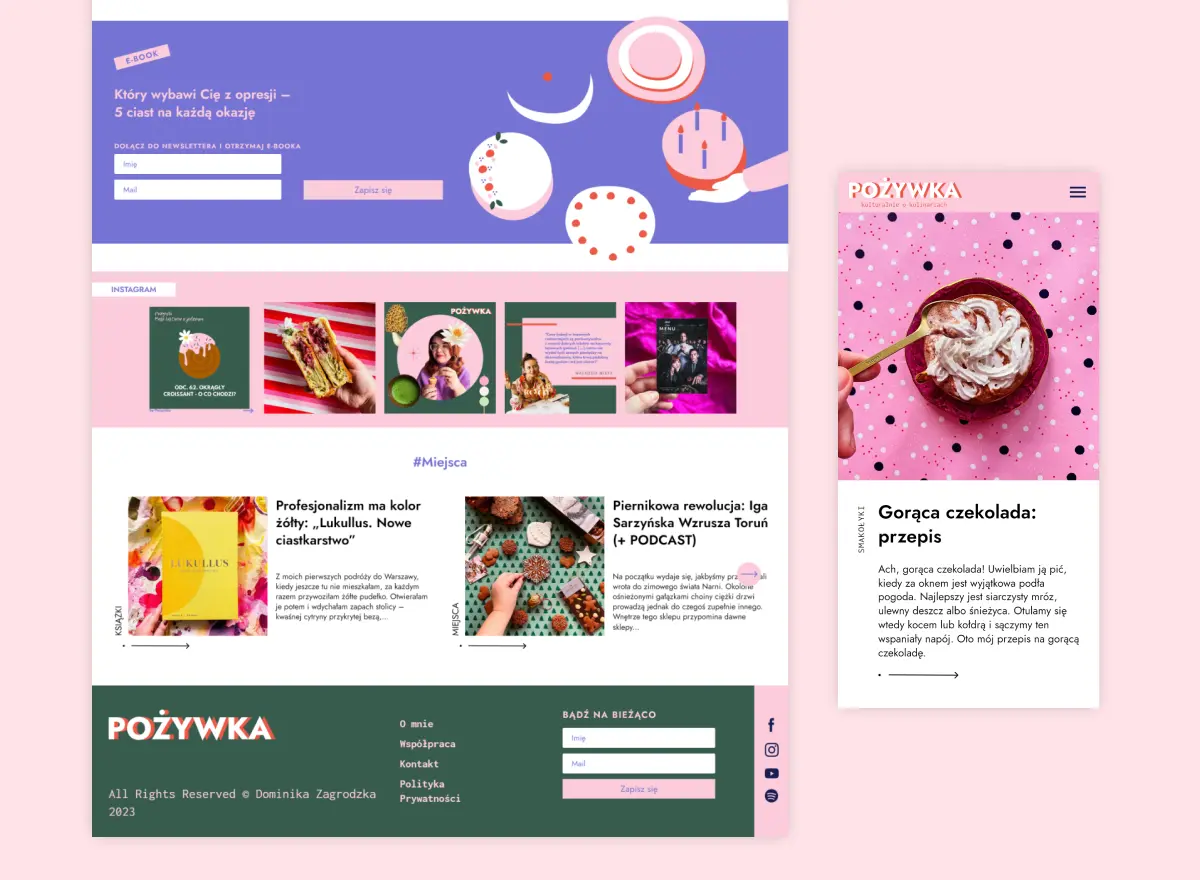
pozywka.pl
Scalable blog for food journalist, focused on performance and user experience 🌭
zagrodzki.me
Personal blog and portfolio of Bart Zagrodzki, where he shares his knowledge and work 💼
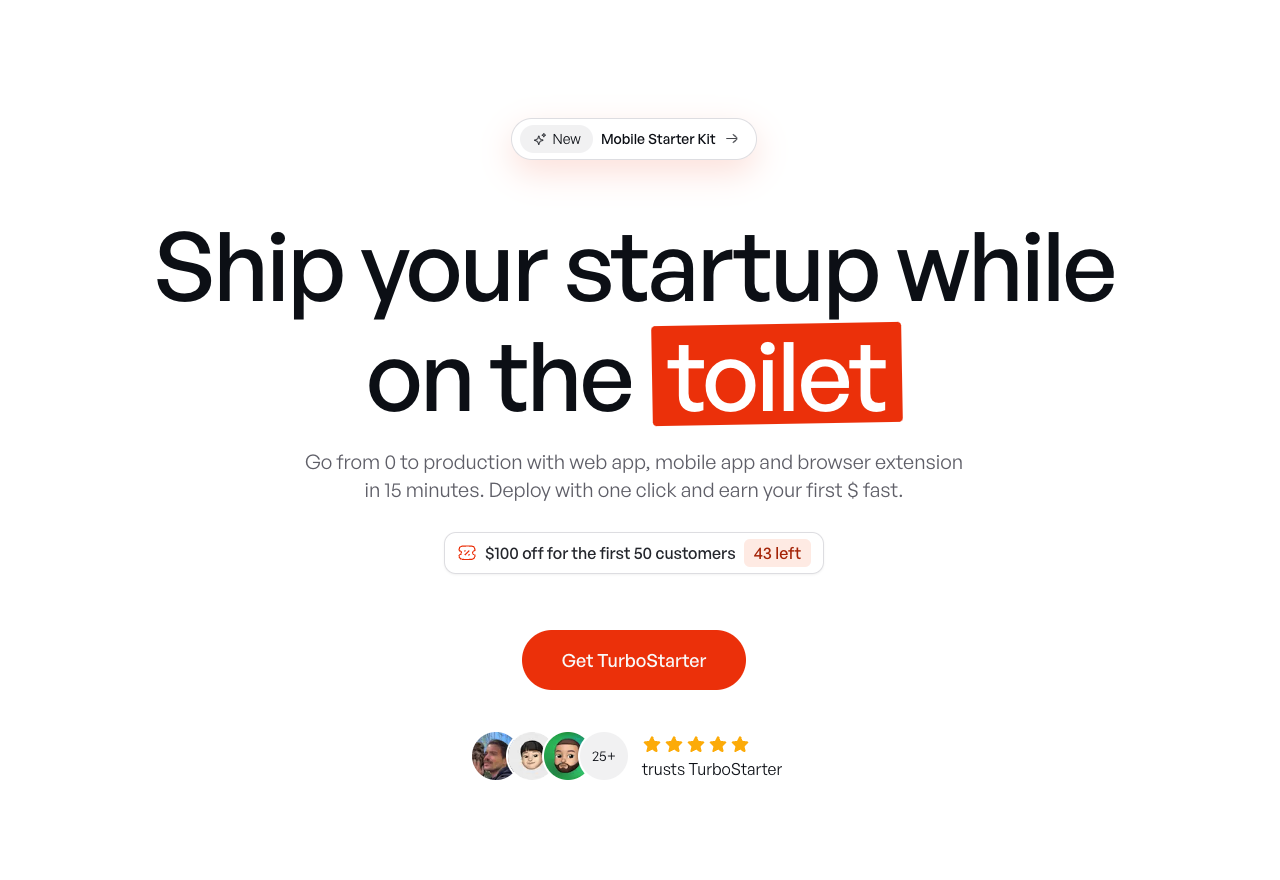
TurboStarter
Ship your startup everywhere. In minutes.
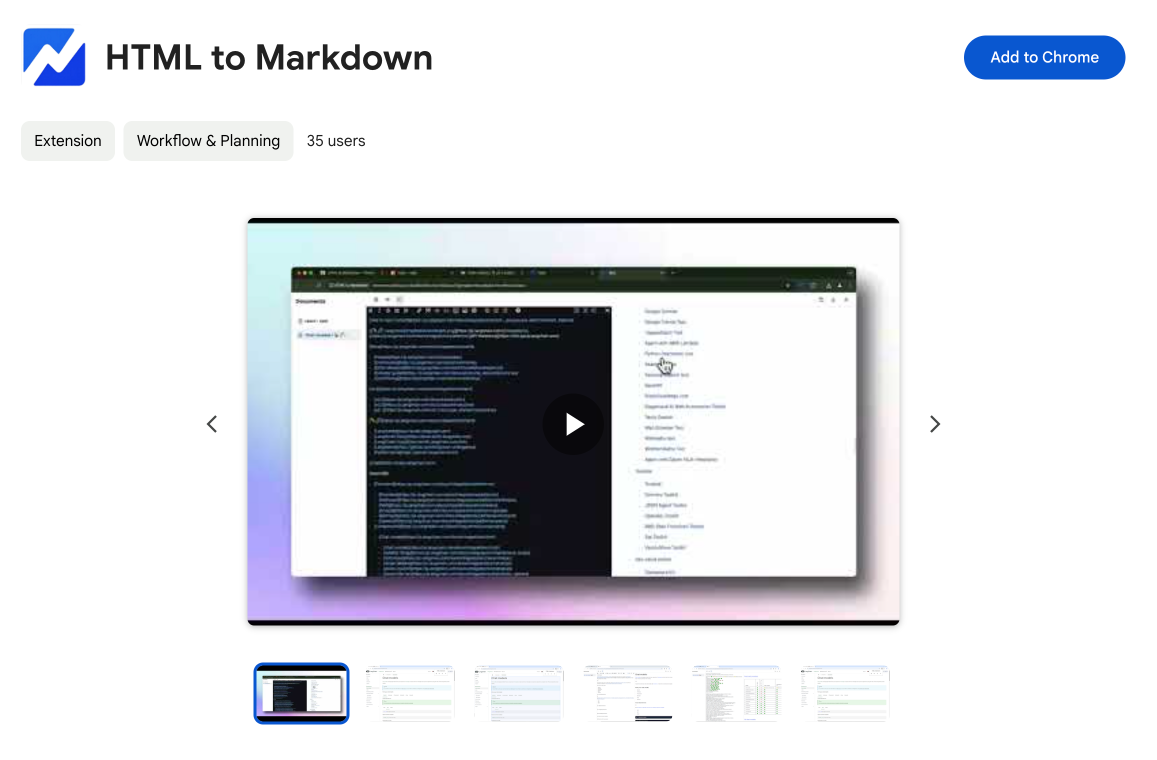
HTML to Markdown
Convert HTML to Markdown with ease, directly in your browser 📄
Dotallio
Personalized AI apps that automate research, data extraction, and content creation without code 🤖
Talk to Santa
Enjoy a magical live video chat or receive a unique AI-generated video greeting from Santa Claus 🎅
pozywka.pl
Scalable blog for food journalist, focused on performance and user experience 🌭
zagrodzki.me
Personal blog and portfolio of Bart Zagrodzki, where he shares his knowledge and work 💼
TurboStarter
Ship your startup everywhere. In minutes.
HTML to Markdown
Convert HTML to Markdown with ease, directly in your browser 📄
Dotallio
Personalized AI apps that automate research, data extraction, and content creation without code 🤖
Talk to Santa
Enjoy a magical live video chat or receive a unique AI-generated video greeting from Santa Claus 🎅
pozywka.pl
Scalable blog for food journalist, focused on performance and user experience 🌭
zagrodzki.me
Personal blog and portfolio of Bart Zagrodzki, where he shares his knowledge and work 💼
TurboStarter
Ship your startup everywhere. In minutes.
HTML to Markdown
Convert HTML to Markdown with ease, directly in your browser 📄
Dotallio
Personalized AI apps that automate research, data extraction, and content creation without code 🤖
Talk to Santa
Enjoy a magical live video chat or receive a unique AI-generated video greeting from Santa Claus 🎅
pozywka.pl
Scalable blog for food journalist, focused on performance and user experience 🌭
zagrodzki.me
Personal blog and portfolio of Bart Zagrodzki, where he shares his knowledge and work 💼
TurboStarter
Ship your startup everywhere. In minutes.
HTML to Markdown
Convert HTML to Markdown with ease, directly in your browser 📄
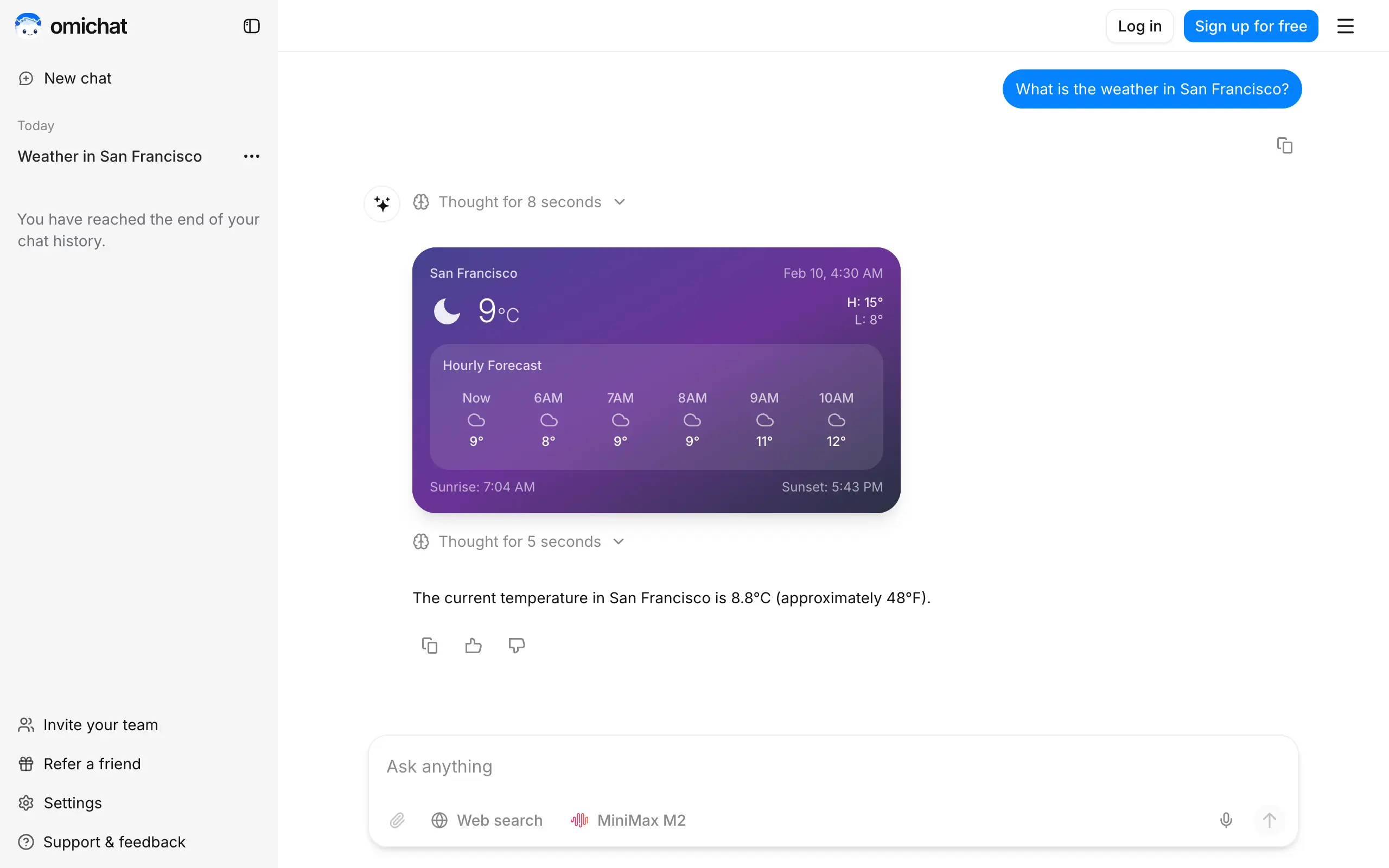
Omichat
Chat with 50+ AI models, including ChatGPT and Claude, in one place - switch models anytime without losing context 🤖
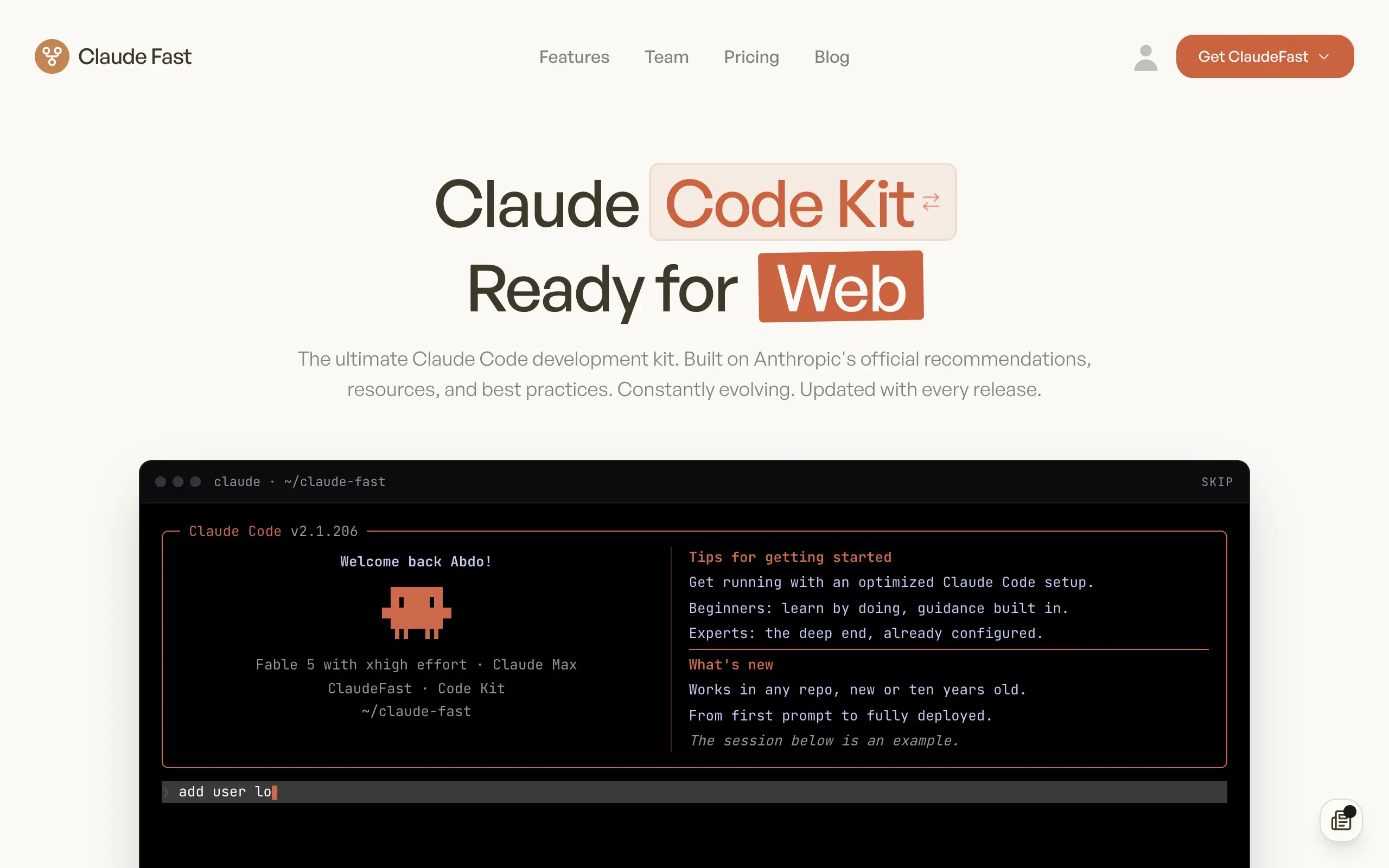
Claude Fast
Supercharge your Claude Code with 6x effective context window and specialized AI agents 🤖
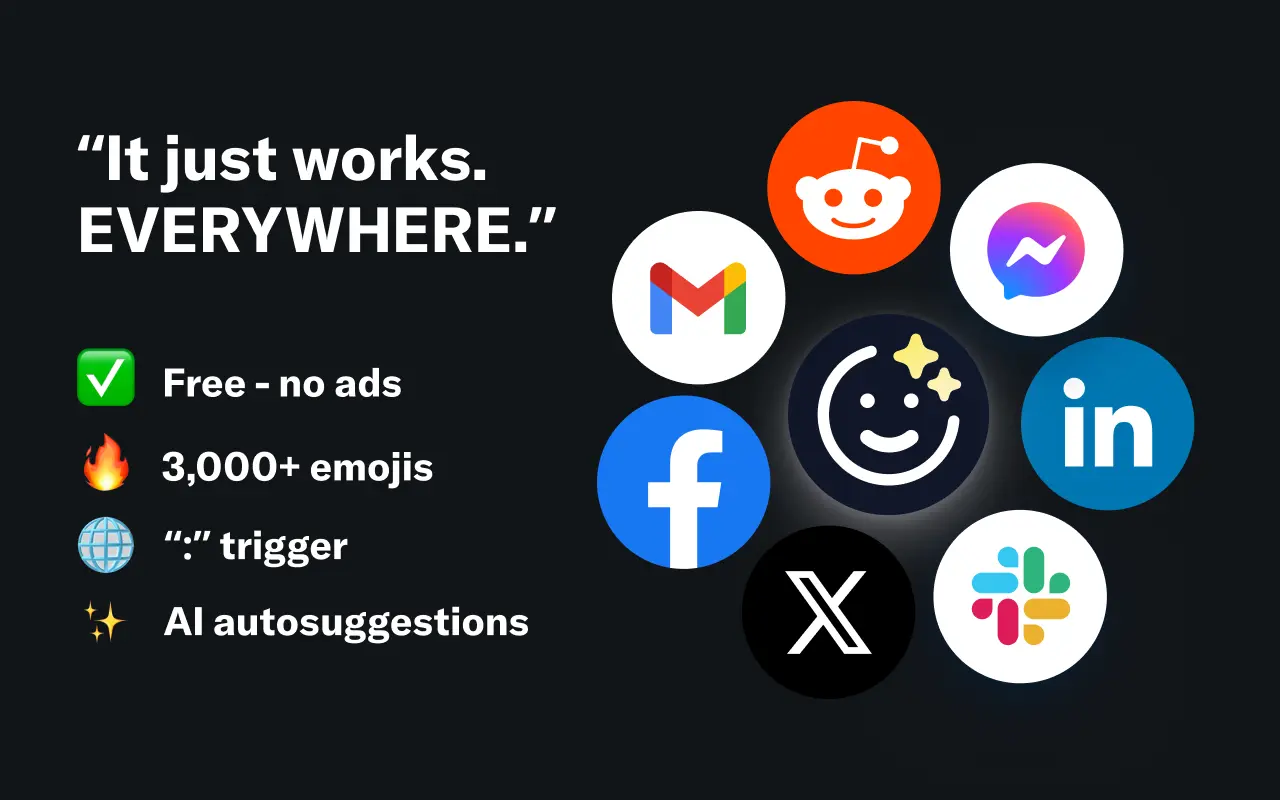
EmojAI
AI-powered emoji picker with smart, context-aware suggestions 🤖
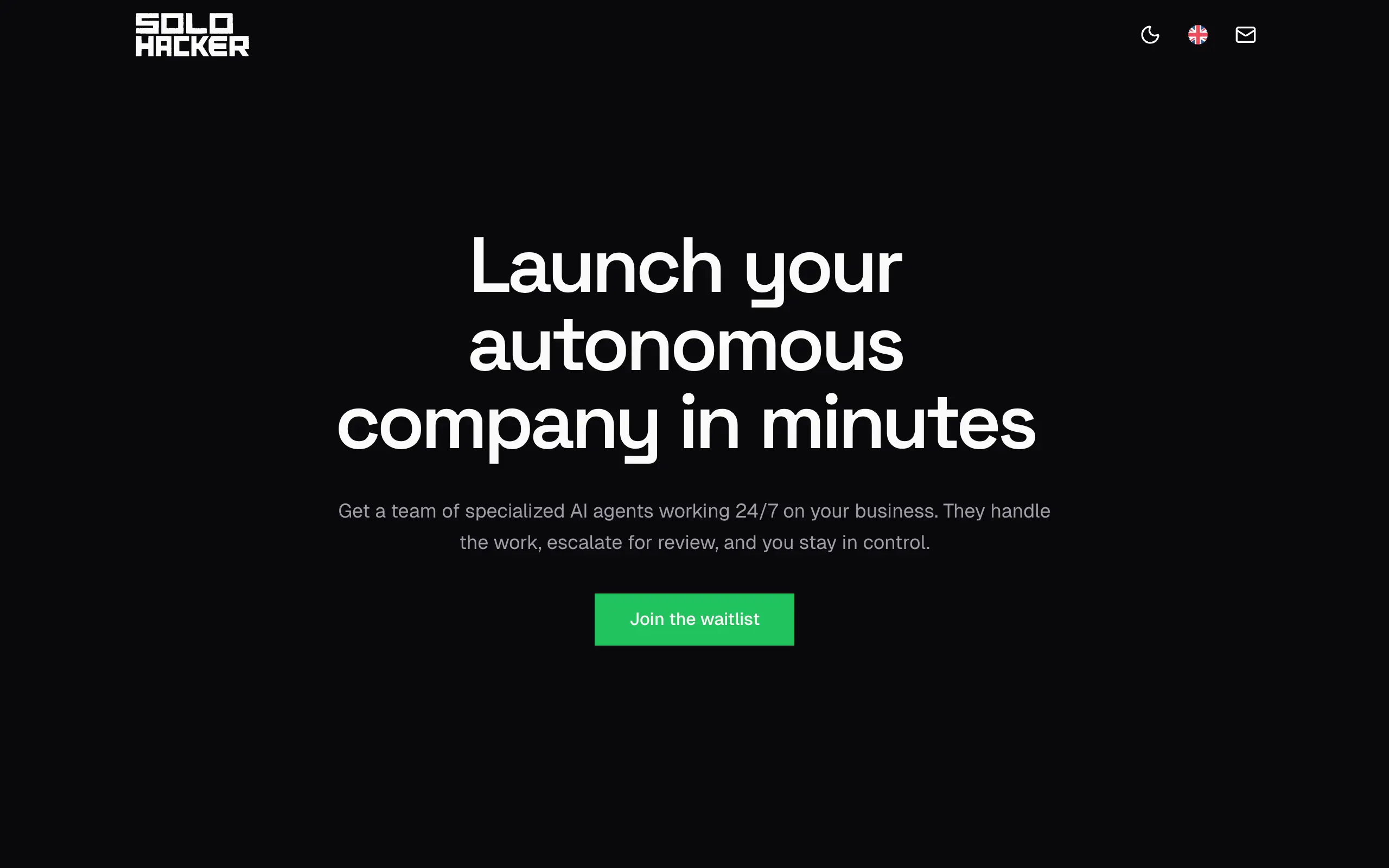
Solohacker
Autonomous company launcher - AI agents work 24/7, escalate what matters, and you stay in control 🤖
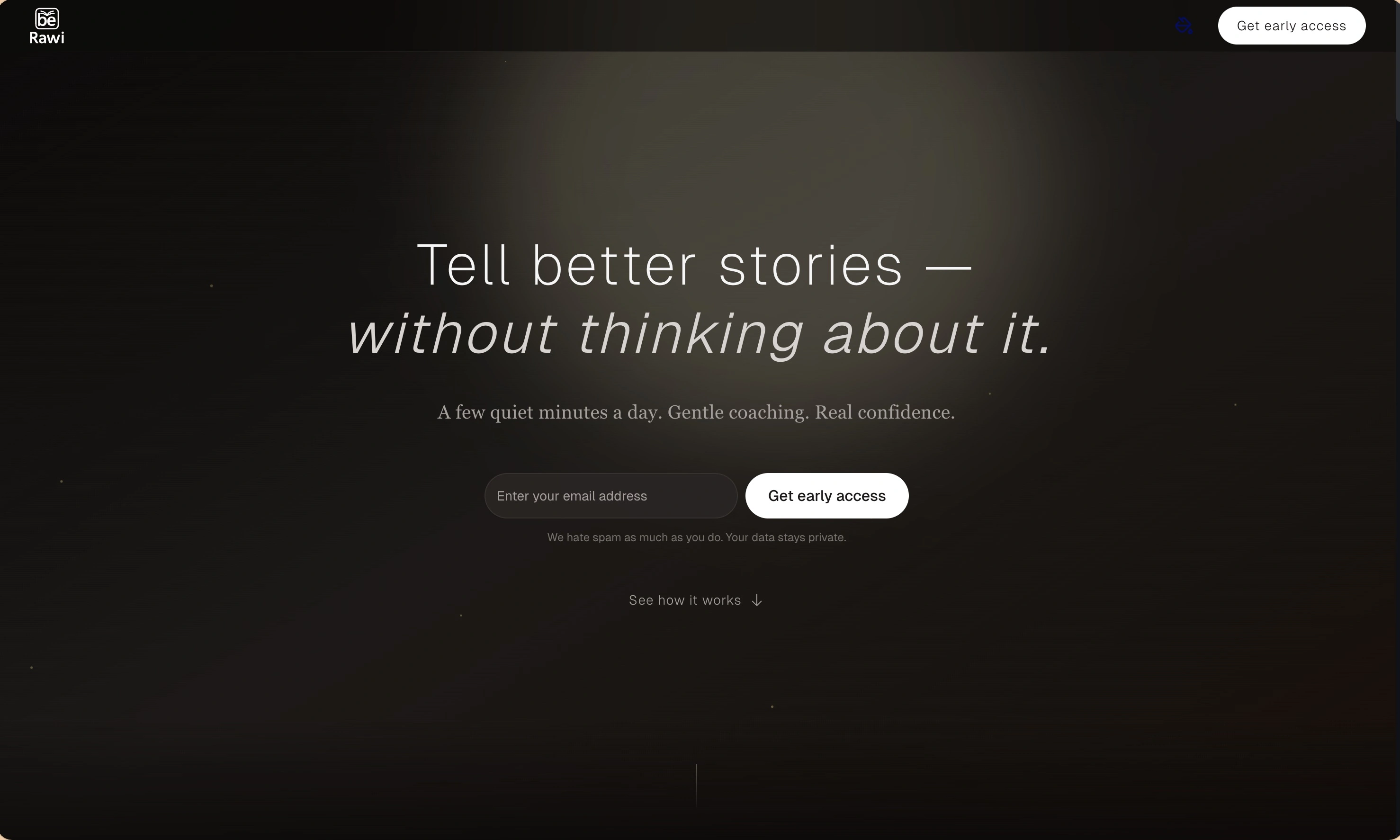
BeRawi: Storytelling Coach
Practice storytelling daily with instant feedback to sound clearer, more engaging, and confident 🎤
Omichat
Chat with 50+ AI models, including ChatGPT and Claude, in one place - switch models anytime without losing context 🤖
Claude Fast
Supercharge your Claude Code with 6x effective context window and specialized AI agents 🤖
EmojAI
AI-powered emoji picker with smart, context-aware suggestions 🤖
Solohacker
Autonomous company launcher - AI agents work 24/7, escalate what matters, and you stay in control 🤖
BeRawi: Storytelling Coach
Practice storytelling daily with instant feedback to sound clearer, more engaging, and confident 🎤
Omichat
Chat with 50+ AI models, including ChatGPT and Claude, in one place - switch models anytime without losing context 🤖
Claude Fast
Supercharge your Claude Code with 6x effective context window and specialized AI agents 🤖
EmojAI
AI-powered emoji picker with smart, context-aware suggestions 🤖
Solohacker
Autonomous company launcher - AI agents work 24/7, escalate what matters, and you stay in control 🤖
BeRawi: Storytelling Coach
Practice storytelling daily with instant feedback to sound clearer, more engaging, and confident 🎤
Omichat
Chat with 50+ AI models, including ChatGPT and Claude, in one place - switch models anytime without losing context 🤖
Claude Fast
Supercharge your Claude Code with 6x effective context window and specialized AI agents 🤖
EmojAI
AI-powered emoji picker with smart, context-aware suggestions 🤖
Solohacker
Autonomous company launcher - AI agents work 24/7, escalate what matters, and you stay in control 🤖
BeRawi: Storytelling Coach
Practice storytelling daily with instant feedback to sound clearer, more engaging, and confident 🎤

Connect with like-minded people
Join our community to get feedback, support, and grow together with 1,000+ builders on board, let's ship it!
Join usShip your startup everywhere. In minutes.
Don't burn tokens on setup and start building features on day one.