HabitStacker
A visual habit-building app that lets you stack micro-habits into guided daily routines, turning small actions into consistent long-term progress.
Why a visual habit-building app like HabitStacker matters now
Building better habits is one of the most searched and discussed self-improvement topics online. Terms like “habit tracker app,” “build better habits,” “daily routine app,” and “micro-habits for productivity” consistently generate strong search demand. Yet most tools on the market either:
- Overwhelm users with data and streak pressure
- Focus only on tracking, not guidance
- Treat habits as isolated tasks rather than structured routines
HabitStacker addresses a clear gap: a visual habit-building app that helps users stack micro-habits into guided daily routines, transforming small actions into long-term consistency.
Instead of simply asking, “Did you complete your habit today?”, HabitStacker asks, “What tiny action can you attach to something you already do?”
This article explores:
- The market opportunity for a visual habit stacking app
- The target audience and real-world use cases
- Core features and product architecture
- Recommended tech stack and trade-offs
- Monetization models
- Competitive positioning
- Risks and mitigation strategies
- Step-by-step implementation roadmap
If you're evaluating this SaaS idea for validation, development, or investment, this breakdown is built to answer your questions in depth.
The psychology behind habit stacking and micro-habits
Before analyzing the product opportunity, it's essential to understand the science behind it.
What is habit stacking?
Habit stacking is a behavioral design principle popularized in modern productivity literature. The idea is simple:
Attach a new small behavior to an existing habit.
Example:
- After I brush my teeth → I will floss one tooth.
- After I pour my morning coffee → I will write one sentence.
- After I open my laptop → I will review my top task.
This approach works because it leverages existing neural pathways. Instead of relying on motivation, it uses environmental cues and repetition loops.
Why micro-habits outperform big goals
Research in behavioral psychology consistently shows:
- Smaller actions reduce resistance
- Low-friction habits increase consistency
- Consistency compounds over time
A 5-minute habit performed daily beats a 60-minute habit performed once a week.
The problem? Most habit tracker apps still focus on big, abstract goals, not frictionless micro-actions.
HabitStacker’s positioning around micro-habit routines + visual stacking directly aligns with how habits actually form.
Market opportunity for a visual habit tracker app
Growing demand for productivity SaaS
The global productivity software market continues to expand, driven by:
- Remote work normalization
- Creator economy growth
- Increased focus on mental health and self-optimization
- Smartphone-first user behavior
Habit-tracking and routine apps sit at the intersection of:
- Personal development
- Mental wellness
- Digital planning tools
- Self-improvement
Users actively search for:
- Best habit tracker app
- Daily routine planner app
- How to build habits that stick
- Micro habits examples
- Atomic habits app
This indicates strong commercial intent.
Gap in the current market
Most existing apps fall into one of three categories:
- Basic streak trackers
- Task managers with recurring tasks
- Overengineered self-optimization dashboards
Very few tools:
- Visually connect habits into sequences
- Encourage stacking rather than isolated tracking
- Emphasize “tiny actions first”
- Guide users through routines instead of presenting a checklist
This gap is where HabitStacker can differentiate.
Target audience analysis
A successful SaaS product must deeply understand its users.
Primary audience segments
Self-improvement enthusiasts
People actively reading productivity books, listening to podcasts, and seeking tools to optimize their routines.
Busy professionals
Knowledge workers who want structured morning or evening routines without overcomplication.
Creators and solopreneurs
Individuals who need consistent micro-actions to grow audience, write, or ship projects.
Students
Users building study routines and time-management systems.
Secondary audiences
- Mental health–focused users (seeking small daily wins)
- Fitness beginners
- People recovering from burnout
- ADHD users who benefit from guided sequences
Core user pain points
- “I know what I should do, but I don’t follow through.”
- “I forget my habits.”
- “I start strong, then quit.”
- “Habit apps feel like pressure.”
- “My routines are messy and inconsistent.”
HabitStacker directly addresses these pain points by:
- Reducing friction
- Encouraging tiny commitments
- Visualizing routine flow
- Removing streak anxiety
Core product concept: guided micro-habit stacking
At its heart, HabitStacker is not a tracker. It is a routine builder.
Core value proposition
Turn small actions into structured daily systems.
Key differentiator
Instead of listing habits vertically like tasks, HabitStacker:
- Groups them into stacks
- Visualizes flow
- Encourages dependency sequencing
- Promotes incremental expansion
Example stack:
Morning stack:
- Drink water
- Stretch for 2 minutes
- Write 1 sentence
- Review top priority
Each habit builds on the previous one.
Core features of HabitStacker
1. Visual stack builder (drag-and-drop routine editor)
Users can:
- Create a routine (Morning, Work Start, Night, Gym)
- Add micro-habits
- Drag to reorder
- Visually connect them
This visual sequencing reinforces behavior chaining.
2. Micro-habit templates
Prebuilt stacks such as:
- 5-minute morning reset
- Deep work starter stack
- Sleep wind-down routine
- Beginner fitness stack
These templates reduce decision fatigue.
3. Smart progression system
Users start with:
- 1–2 micro-actions
After consistency:
- Suggest expansion
- Increase duration gradually
This mimics progressive overload principles.
4. Guided mode
Instead of checking items manually:
- App prompts one habit at a time
- Clean, distraction-free interface
- Completion animation
- Encouragement micro-feedback
This makes it feel like a coach, not a tracker.
5. Analytics without pressure
Avoid streak obsession.
Instead:
- Weekly consistency visualization
- Stack completion percentage
- Growth timeline
Focus on progress, not perfection.
Feature comparison vs competitors
| Feature | Traditional Habit App | Task Manager | HabitStacker | Notes App |
|---|---|---|---|---|
| Visual habit sequencing | ❌ | ❌ | ✅ | ❌ |
| Guided routine mode | ❌ | ❌ | ✅ | ❌ |
| Micro-habit focus | ❌ | ❌ | ✅ | ❌ |
| Advanced task management | ❌ | ✅ | ❌ | ❌ |
This positioning makes HabitStacker distinct rather than “another habit tracker.”
Recommended tech stack for building HabitStacker
Choosing the right stack affects scalability, performance, and cost.
Frontend
Why:
- Component-driven architecture
- Excellent performance with SSR
- Rapid UI iteration
- Strong ecosystem
Backend
Options:
Supabase
Pros:
- Built-in auth
- Postgres database
- Realtime features
- Fast MVP
Cons:
- Less control over complex logic
Node.js + Express or NestJS
Pros:
- Full control
- Custom analytics logic
- Advanced business rules
Cons:
- Longer build time
- Higher DevOps complexity
Database
- PostgreSQL (ideal for relational habit-stack structures)
Mobile approach
- React Native (shared codebase)
- Or PWA first, native later
Infrastructure
- Vercel (for frontend)
- Supabase or Railway for backend
- Stripe for subscriptions
Example habit stack data model
type Habit = {
  id: string;
  title: string;
  durationMinutes: number;
  cue: string;
  order: number;
};

type Stack = {
  id: string;
  name: string;
  habits: Habit[];
  timeOfDay: "morning" | "work" | "evening";
};
This relational structure makes reordering and analytics easy.
Monetization strategy for HabitStacker
A strong SaaS needs sustainable revenue.
1. Freemium model (recommended)
Free:
- 2 active stacks
- Basic analytics
- Limited templates
Pro ($6–$12/month):
- Unlimited stacks
- Advanced insights
- AI stack suggestions
- Custom reminders
- Sync across devices
2. Annual subscription discount
Encourage yearly commitment:
- $79/year plan
- Reduces churn
- Improves cash flow
3. Team/coach tier
Target:
- Productivity coaches
- Corporate wellness programs
Features:
- Shareable stacks
- Client tracking dashboard
Competitive landscape and positioning
HabitStacker competes indirectly with:
- Habit tracker apps
- Task management tools
- Journaling apps
- Routine planners
But its messaging should be clear:
Not a tracker. A guided micro-habit system.
Competitive advantage
- Visual stacking UX
- Micro-habit-first philosophy
- Guided routine mode
- Reduced streak pressure
- Behavioral science positioning
If marketed properly, HabitStacker can own the keyword niche:
- “Habit stacking app”
- “Micro habit routine app”
- “Visual routine builder”
Risks and mitigation strategies
Risk 1: Market saturation
Mitigation:
- Strong branding around micro-habit stacking
- Clear differentiation
- SEO focus on underserved keywords
Risk 2: User churn
Habit apps suffer from drop-off.
Mitigation:
- Onboarding that forces tiny commitments
- Celebrate consistency, not streaks
- Smart re-engagement emails
Risk 3: Overengineering
Mitigation:
- MVP first
- Focus on routine builder + guided mode
- Ship analytics later
Go-to-market strategy
1. SEO content engine
Create articles targeting:
- How to build habits that stick
- Micro habits examples
- Morning routine checklist
- Habit stacking examples
Build authority over time.
2. Creator partnerships
Target:
- Productivity YouTubers
- Self-improvement bloggers
- Newsletter creators
3. Social proof loops
Encourage users to:
- Share their stack
- Screenshot routine completion
Implementation roadmap
Building faster with the right foundation
If you're serious about launching HabitStacker quickly, starting from scratch can slow you down.
Using a SaaS starter kit like TurboStarter allows you to:
- Skip auth boilerplate
- Get Stripe billing pre-integrated
- Launch in weeks, not months
- Focus on product differentiation
This significantly reduces time-to-market.
Final thoughts: is HabitStacker worth building?
Yes — if positioned correctly.
The demand for better habit-building tools is strong. But the real opportunity lies in:
- Simplifying the process
- Emphasizing micro-habits
- Structuring routines visually
- Removing guilt-driven streak mechanics
HabitStacker’s edge is psychological alignment.
If executed with clean UX, thoughtful onboarding, and focused branding, it can stand apart in the crowded productivity app market.
The key is not to compete on features — but on philosophy.
Build small. Guide clearly. Make progress visible. Encourage consistency.
And stack habits into something bigger.
More ⚡ Productivity Tool SaaS ideas
Discover more innovative productivity tool SaaS ideas that are trending in 2026. Each idea is AI-generated with market validation and growth potential to help you find your next profitable venture faster than competitors.
Your competitors are building with TurboStarter
Below are some of the SaaS ideas that have been generated and built with our starter kit.
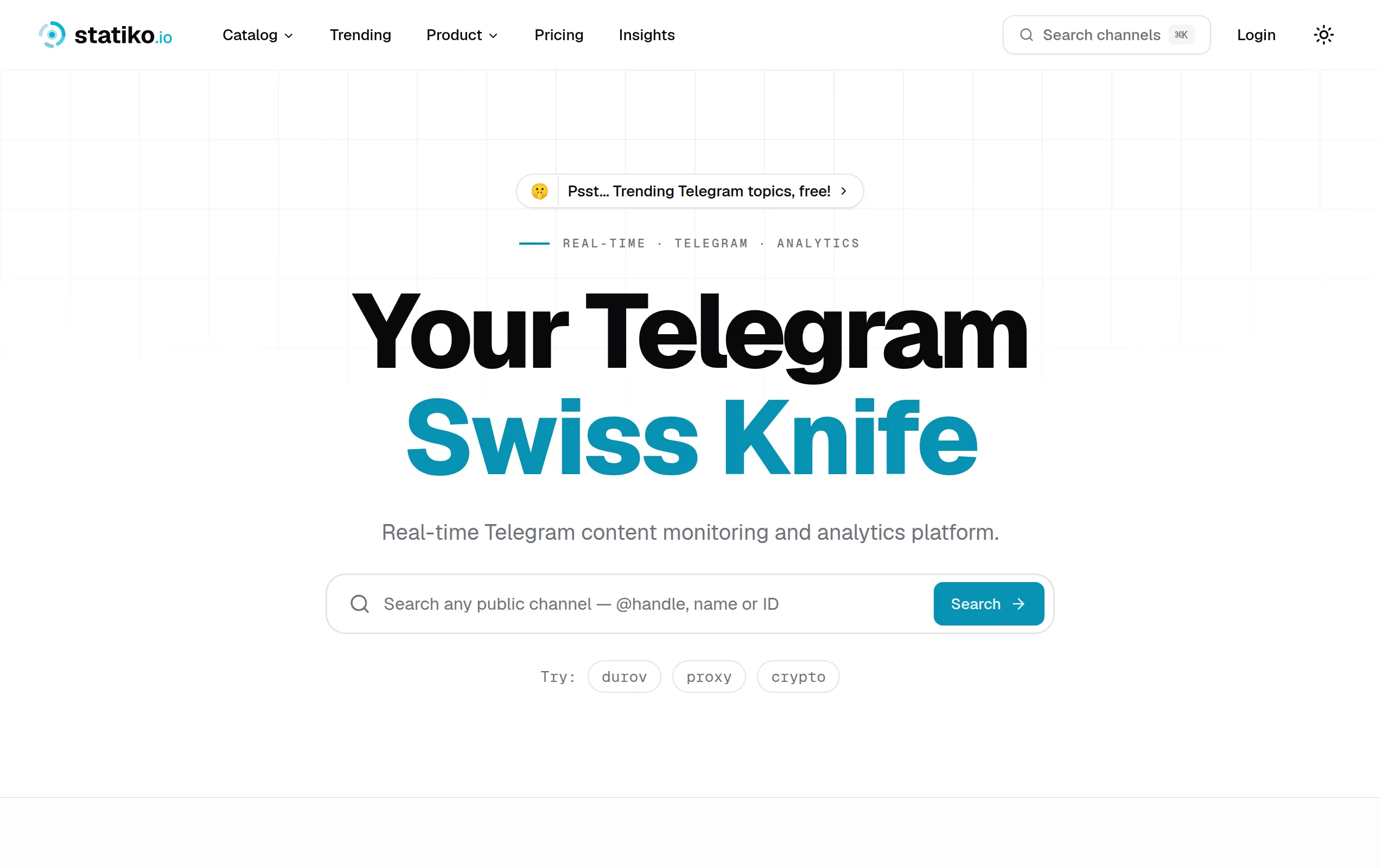
Statiko
Monitor any Telegram channel in real time - track posts, edits, deletions, and growth with AI recaps 📡

Shibui
AI website builder - describe your business, pick a niche template, edit by chatting, and publish instantly ✨

Pro Service
Find verified home service professionals, compare quotes, and pay securely through escrow - built for Brazilians across the US 🏠
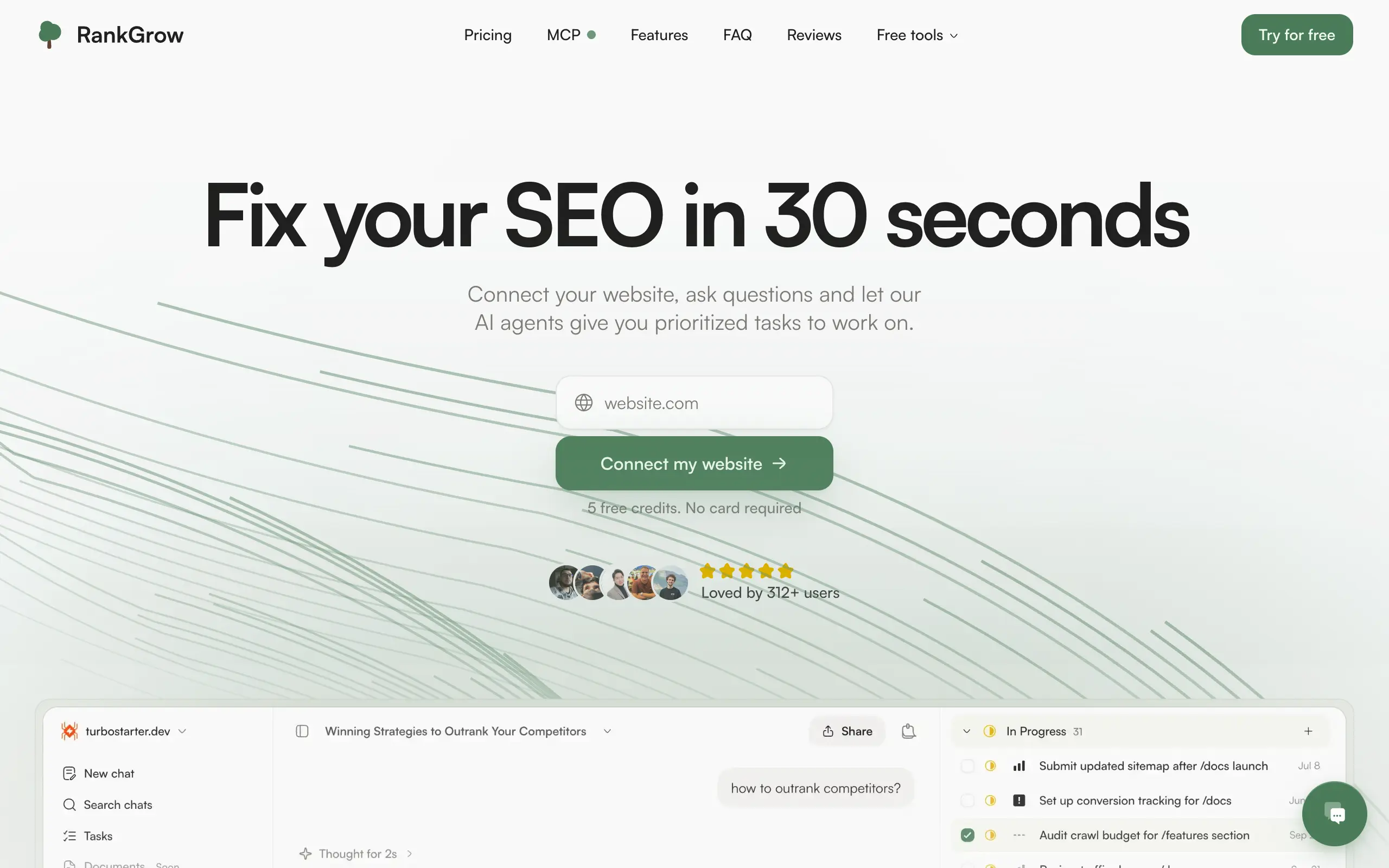
RankGrow
Fix your SEO with AI agents - connect Search Console, get prioritized tasks, and grow organic traffic 📈
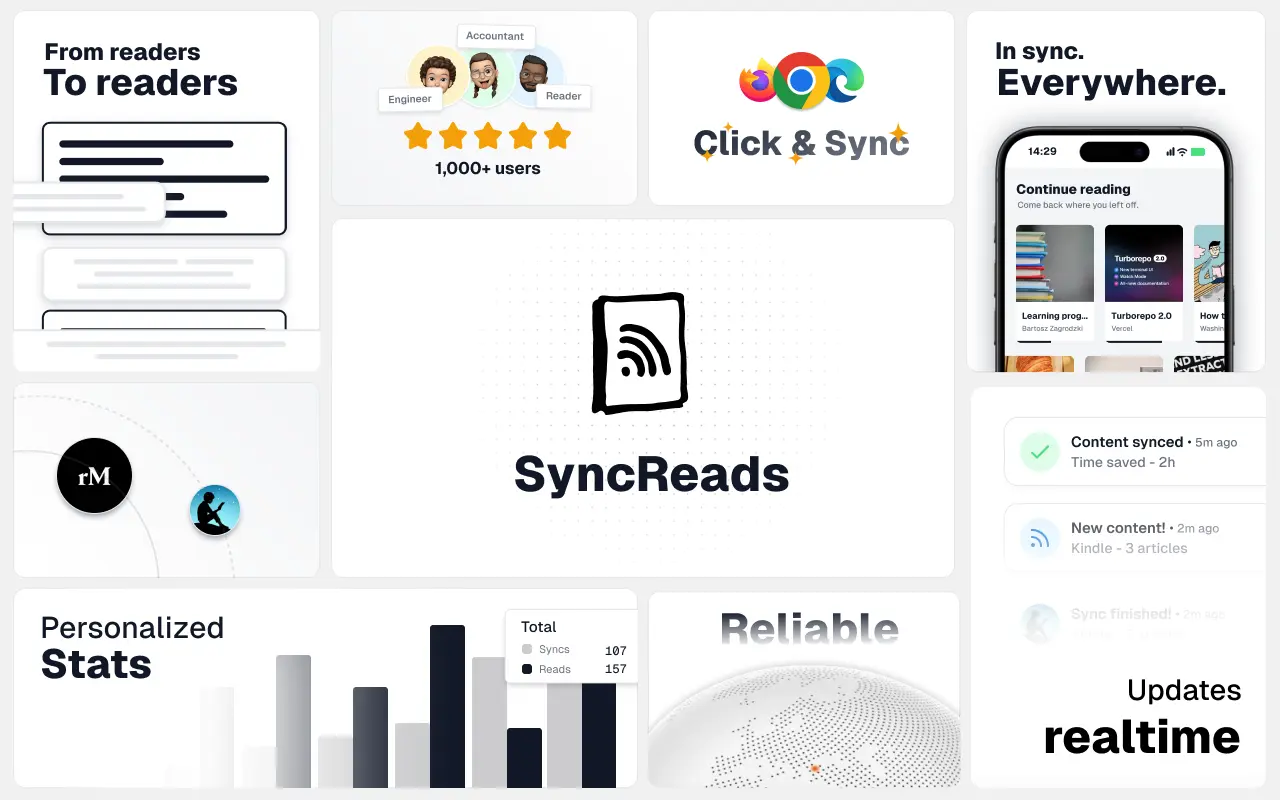
SyncReads
Sync your favorite content for distraction-free reading, save time and replace multiple apps. Anytime, anywhere 🔄
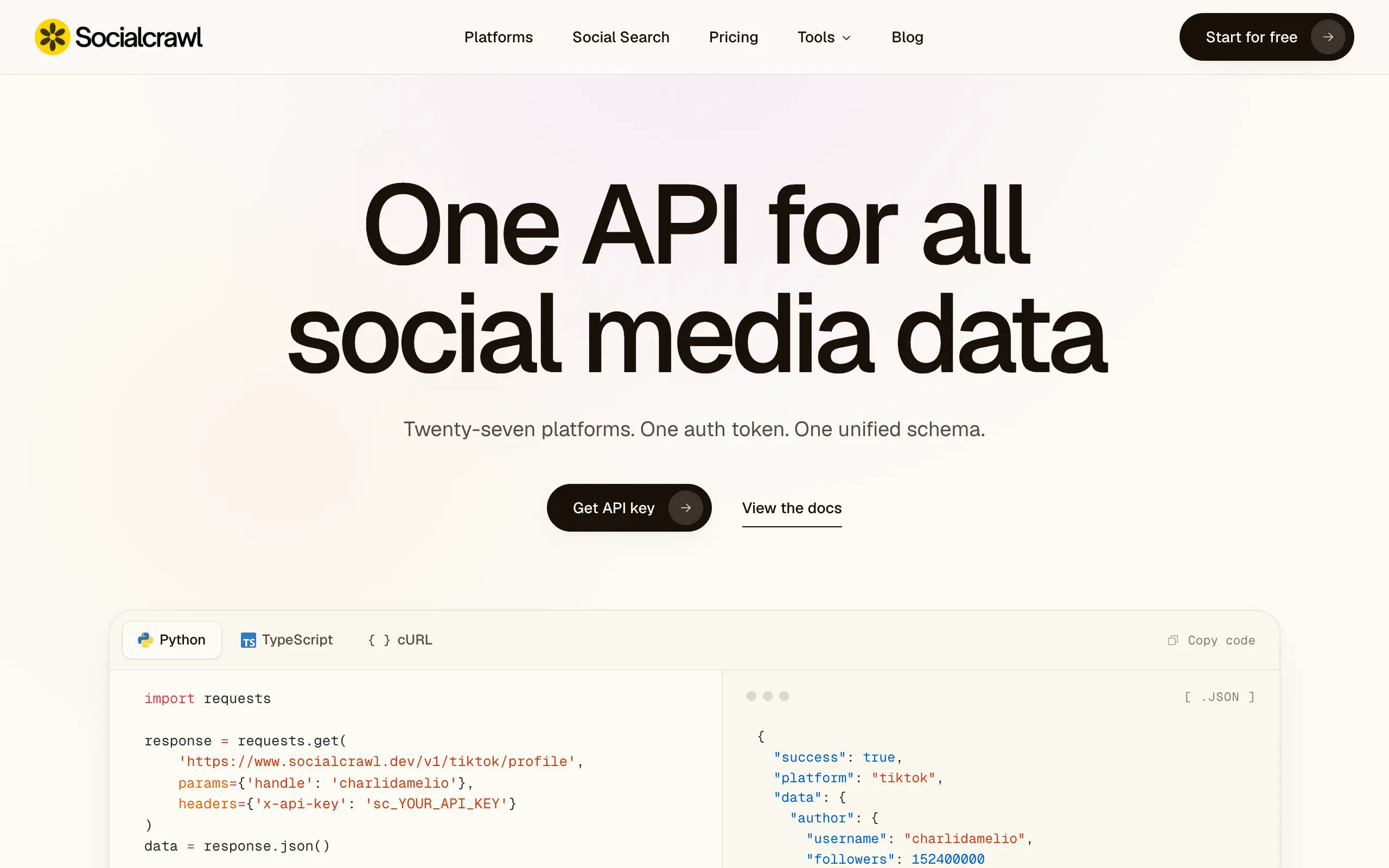
Socialcrawl
Get clean, structured data from 21 platforms like TikTok, Instagram, and YouTube with a single request 📊
Statiko
Monitor any Telegram channel in real time - track posts, edits, deletions, and growth with AI recaps 📡
Shibui
AI website builder - describe your business, pick a niche template, edit by chatting, and publish instantly ✨
Pro Service
Find verified home service professionals, compare quotes, and pay securely through escrow - built for Brazilians across the US 🏠
RankGrow
Fix your SEO with AI agents - connect Search Console, get prioritized tasks, and grow organic traffic 📈
SyncReads
Sync your favorite content for distraction-free reading, save time and replace multiple apps. Anytime, anywhere 🔄
Socialcrawl
Get clean, structured data from 21 platforms like TikTok, Instagram, and YouTube with a single request 📊
Statiko
Monitor any Telegram channel in real time - track posts, edits, deletions, and growth with AI recaps 📡
Shibui
AI website builder - describe your business, pick a niche template, edit by chatting, and publish instantly ✨
Pro Service
Find verified home service professionals, compare quotes, and pay securely through escrow - built for Brazilians across the US 🏠
RankGrow
Fix your SEO with AI agents - connect Search Console, get prioritized tasks, and grow organic traffic 📈
SyncReads
Sync your favorite content for distraction-free reading, save time and replace multiple apps. Anytime, anywhere 🔄
Socialcrawl
Get clean, structured data from 21 platforms like TikTok, Instagram, and YouTube with a single request 📊
Statiko
Monitor any Telegram channel in real time - track posts, edits, deletions, and growth with AI recaps 📡
Shibui
AI website builder - describe your business, pick a niche template, edit by chatting, and publish instantly ✨
Pro Service
Find verified home service professionals, compare quotes, and pay securely through escrow - built for Brazilians across the US 🏠
RankGrow
Fix your SEO with AI agents - connect Search Console, get prioritized tasks, and grow organic traffic 📈
SyncReads
Sync your favorite content for distraction-free reading, save time and replace multiple apps. Anytime, anywhere 🔄
Socialcrawl
Get clean, structured data from 21 platforms like TikTok, Instagram, and YouTube with a single request 📊
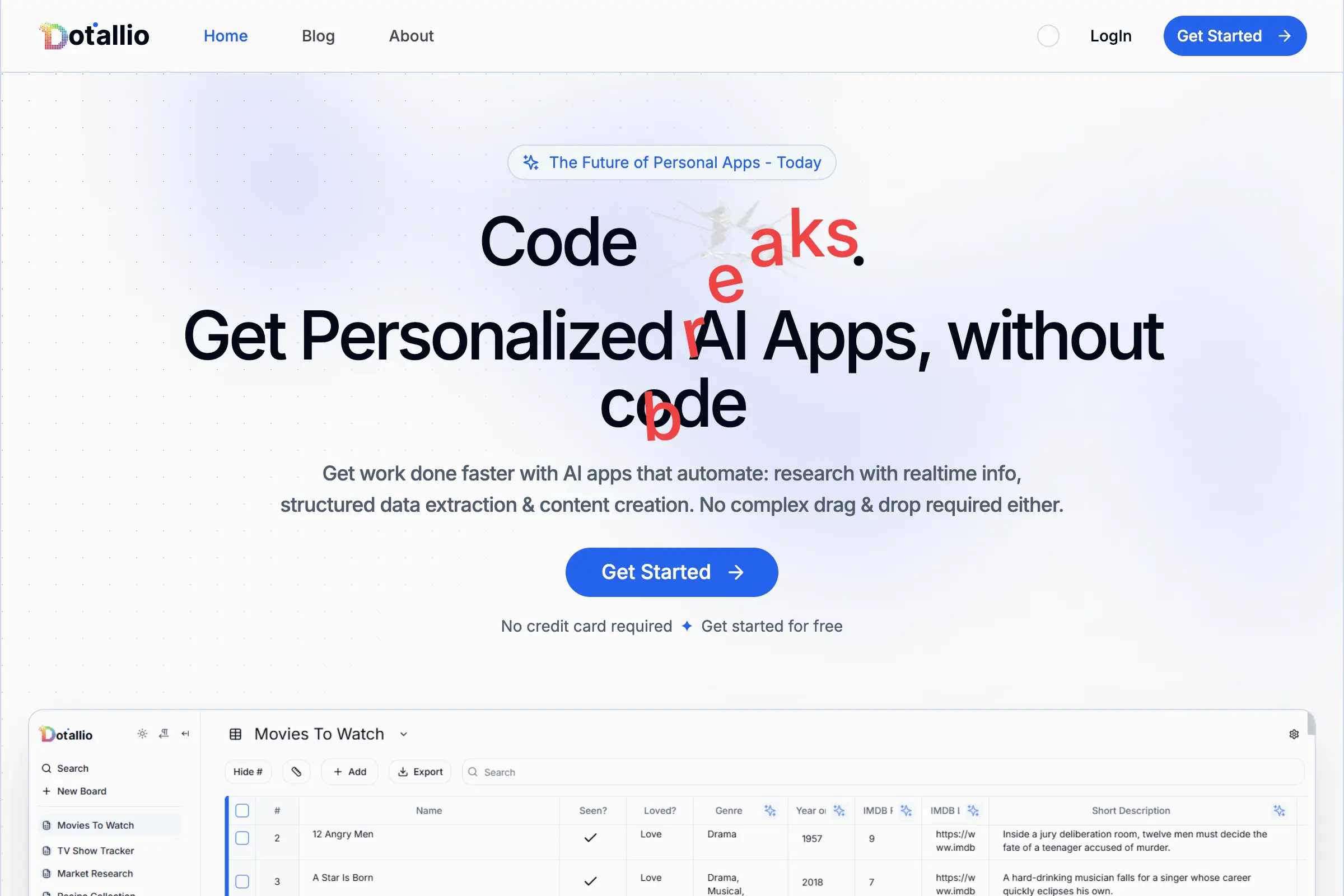
Dotallio
Personalized AI apps that automate research, data extraction, and content creation without code 🤖

Talk to Santa
Enjoy a magical live video chat or receive a unique AI-generated video greeting from Santa Claus 🎅

pozywka.pl
Scalable blog for food journalist, focused on performance and user experience 🌭
zagrodzki.me
Personal blog and portfolio of Bart Zagrodzki, where he shares his knowledge and work 💼
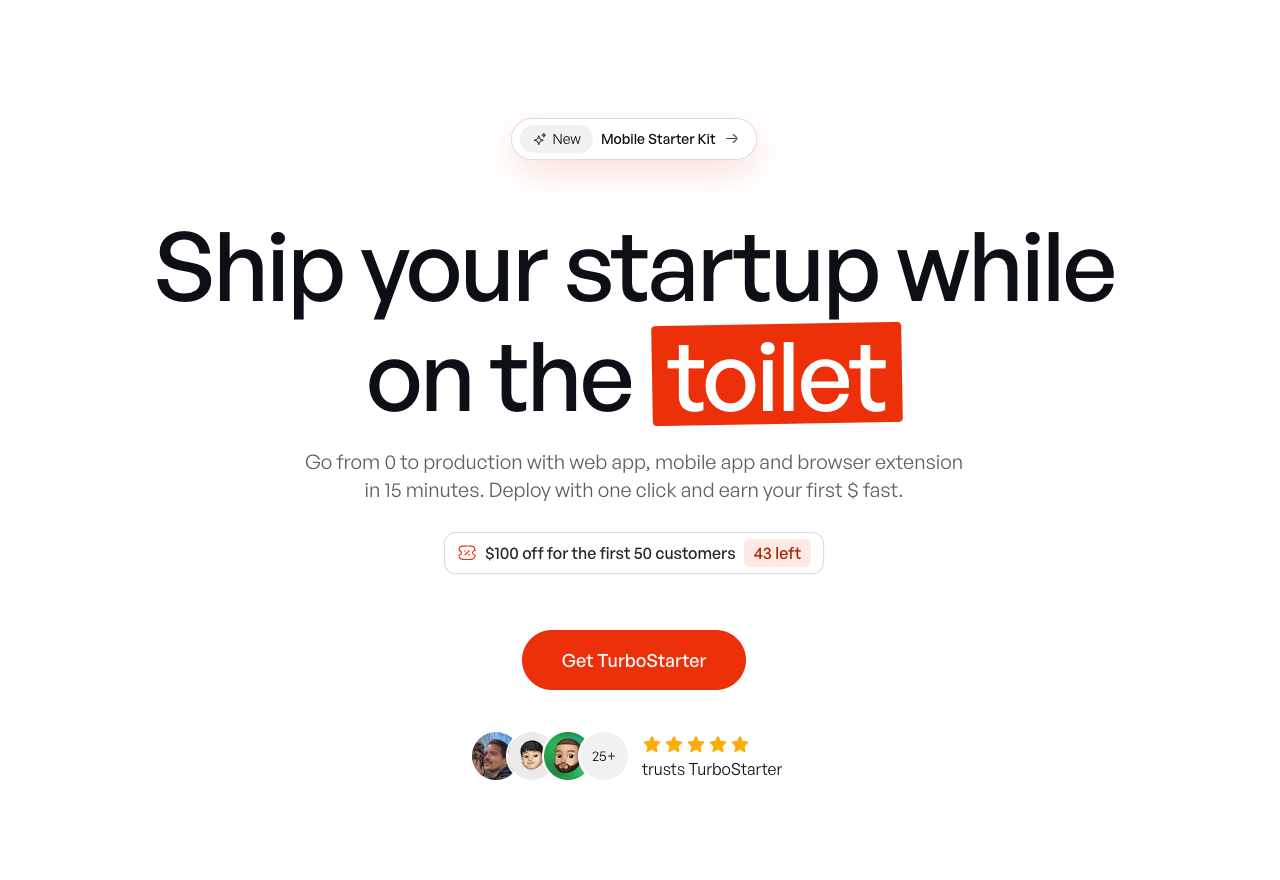
TurboStarter
Ship your startup everywhere. In minutes.
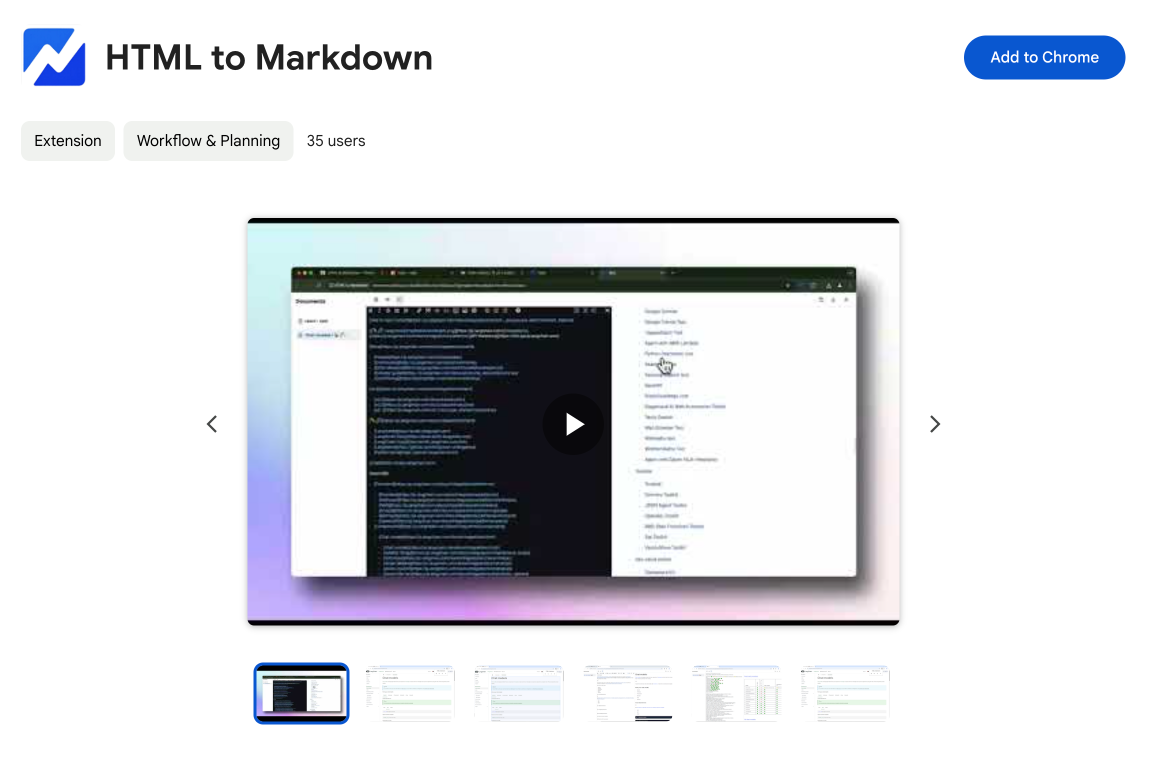
HTML to Markdown
Convert HTML to Markdown with ease, directly in your browser 📄
Dotallio
Personalized AI apps that automate research, data extraction, and content creation without code 🤖
Talk to Santa
Enjoy a magical live video chat or receive a unique AI-generated video greeting from Santa Claus 🎅
pozywka.pl
Scalable blog for food journalist, focused on performance and user experience 🌭
zagrodzki.me
Personal blog and portfolio of Bart Zagrodzki, where he shares his knowledge and work 💼
TurboStarter
Ship your startup everywhere. In minutes.
HTML to Markdown
Convert HTML to Markdown with ease, directly in your browser 📄
Dotallio
Personalized AI apps that automate research, data extraction, and content creation without code 🤖
Talk to Santa
Enjoy a magical live video chat or receive a unique AI-generated video greeting from Santa Claus 🎅
pozywka.pl
Scalable blog for food journalist, focused on performance and user experience 🌭
zagrodzki.me
Personal blog and portfolio of Bart Zagrodzki, where he shares his knowledge and work 💼
TurboStarter
Ship your startup everywhere. In minutes.
HTML to Markdown
Convert HTML to Markdown with ease, directly in your browser 📄
Dotallio
Personalized AI apps that automate research, data extraction, and content creation without code 🤖
Talk to Santa
Enjoy a magical live video chat or receive a unique AI-generated video greeting from Santa Claus 🎅
pozywka.pl
Scalable blog for food journalist, focused on performance and user experience 🌭
zagrodzki.me
Personal blog and portfolio of Bart Zagrodzki, where he shares his knowledge and work 💼
TurboStarter
Ship your startup everywhere. In minutes.
HTML to Markdown
Convert HTML to Markdown with ease, directly in your browser 📄
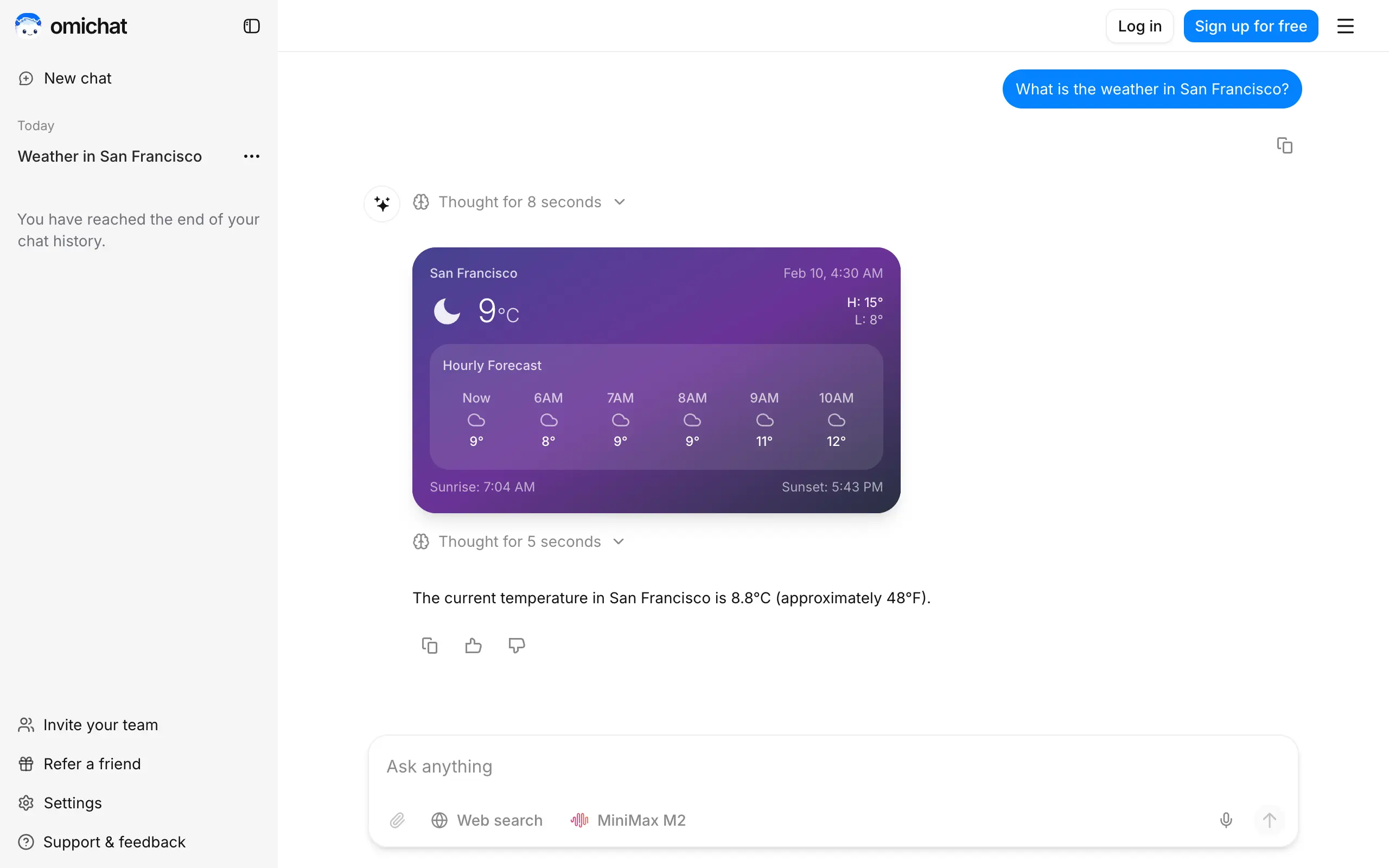
Omichat
Chat with 50+ AI models, including ChatGPT and Claude, in one place - switch models anytime without losing context 🤖
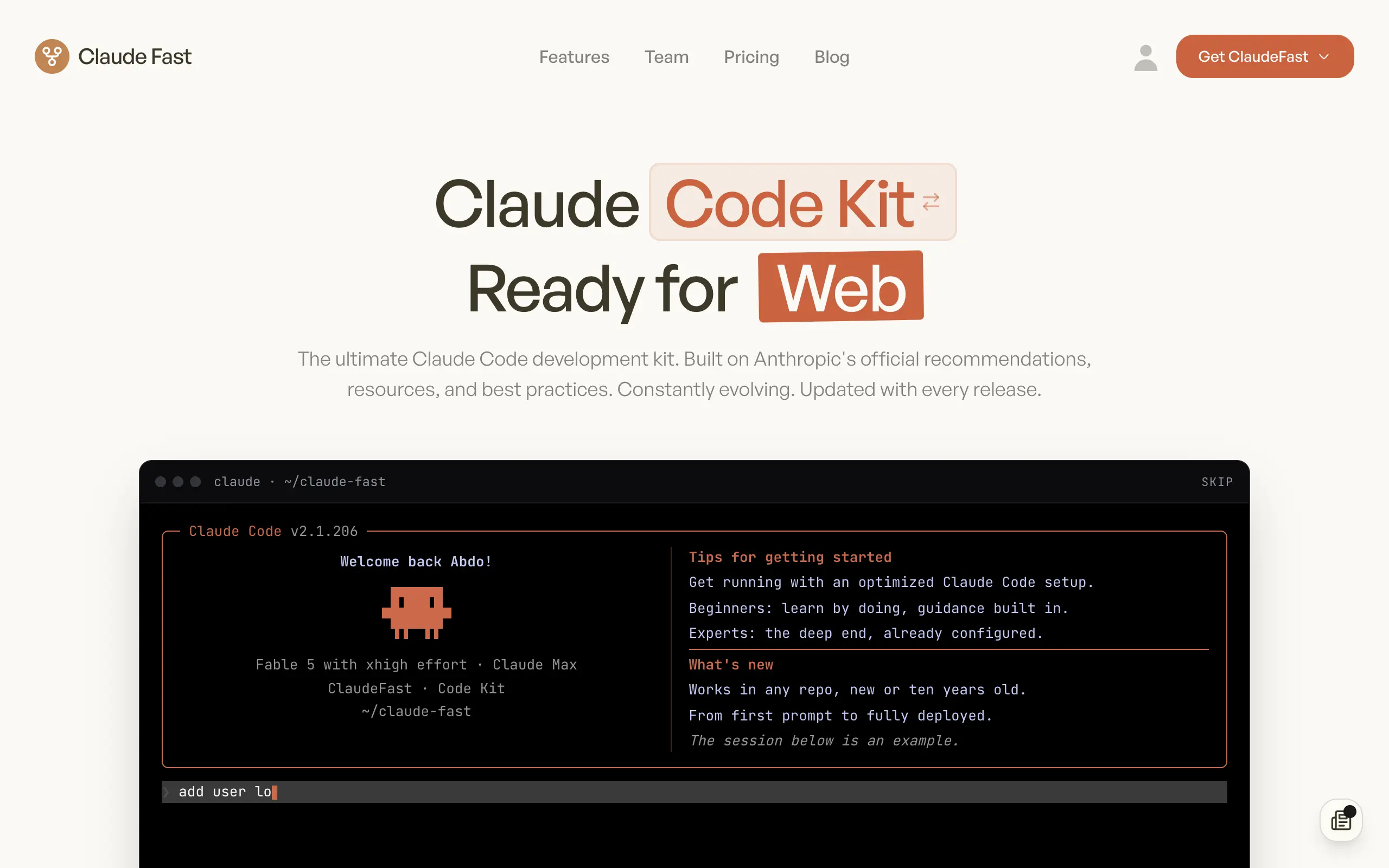
Claude Fast
Supercharge your Claude Code with 6x effective context window and specialized AI agents 🤖
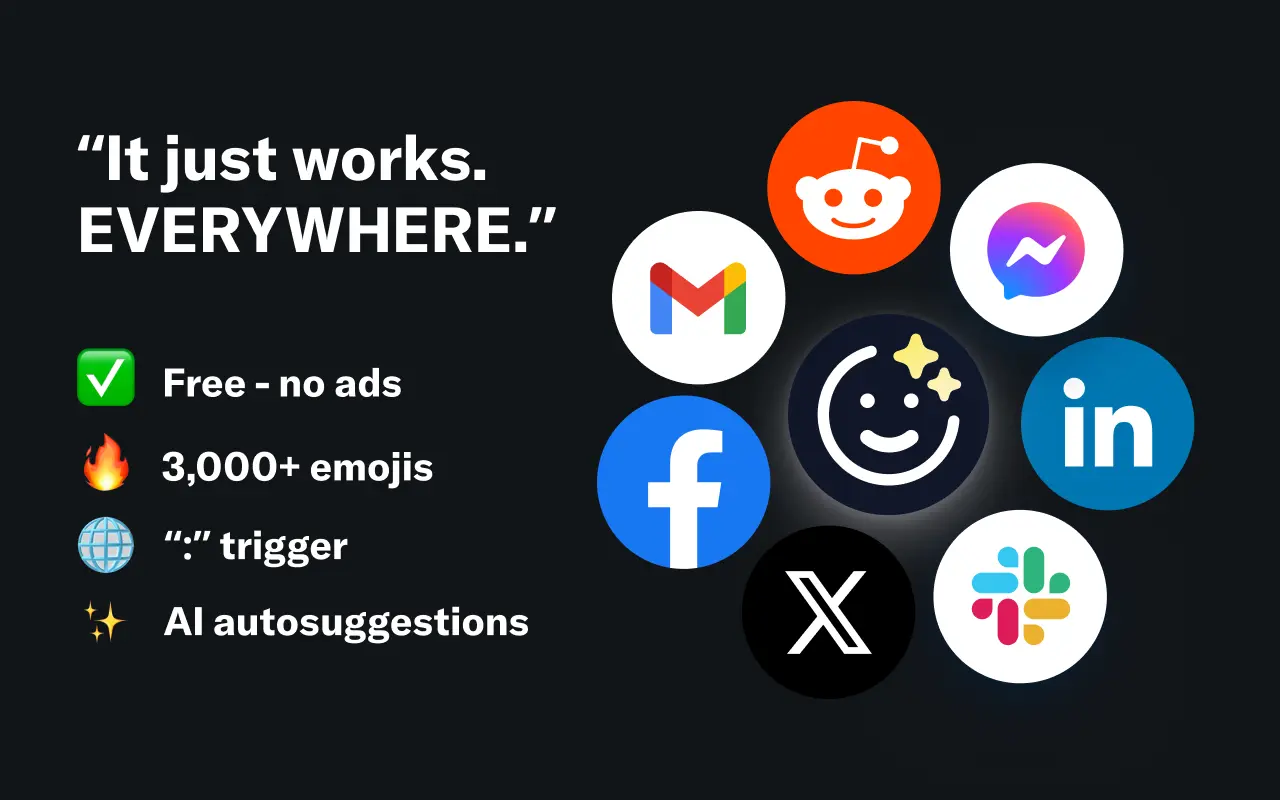
EmojAI
AI-powered emoji picker with smart, context-aware suggestions 🤖
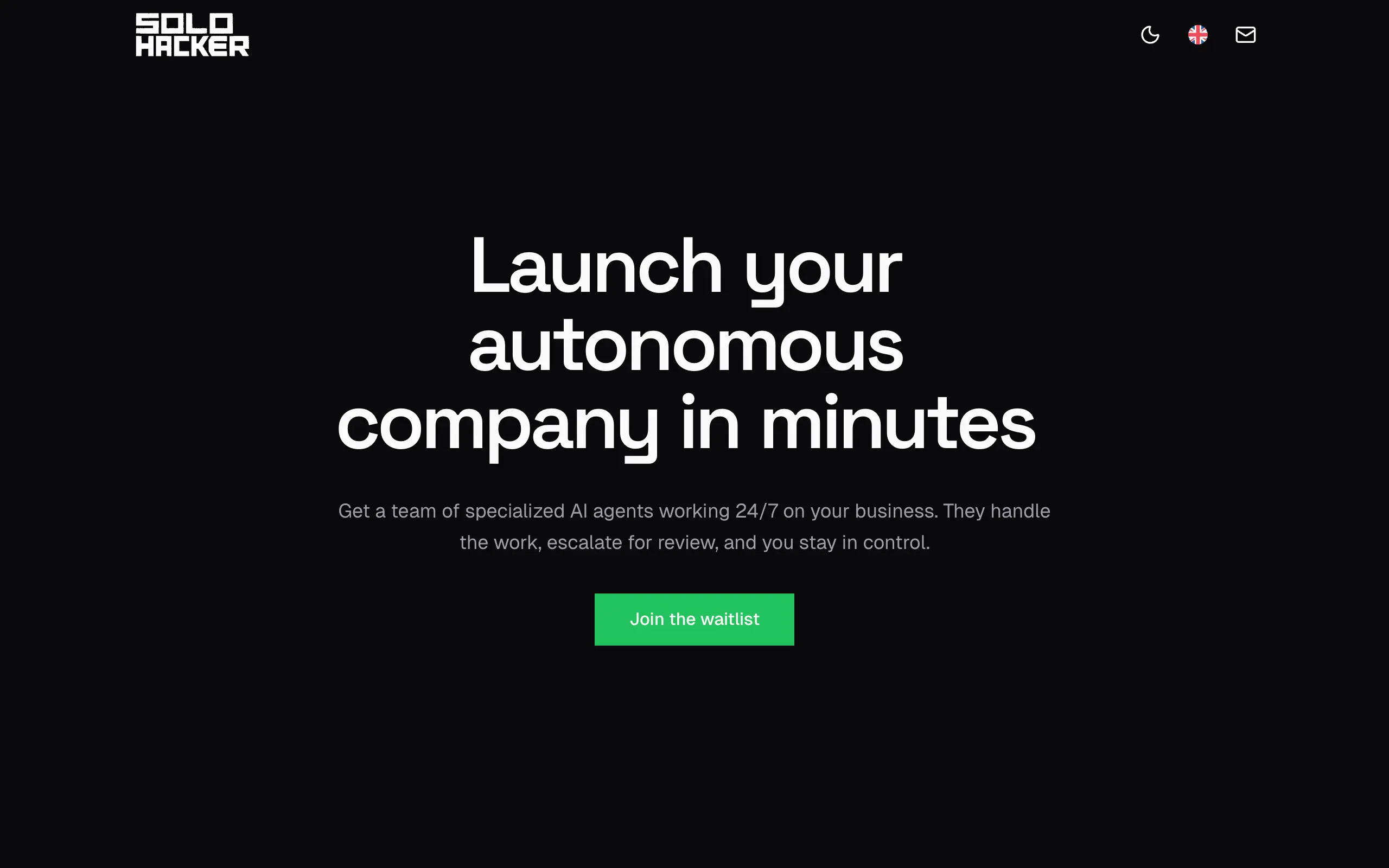
Solohacker
Autonomous company launcher - AI agents work 24/7, escalate what matters, and you stay in control 🤖
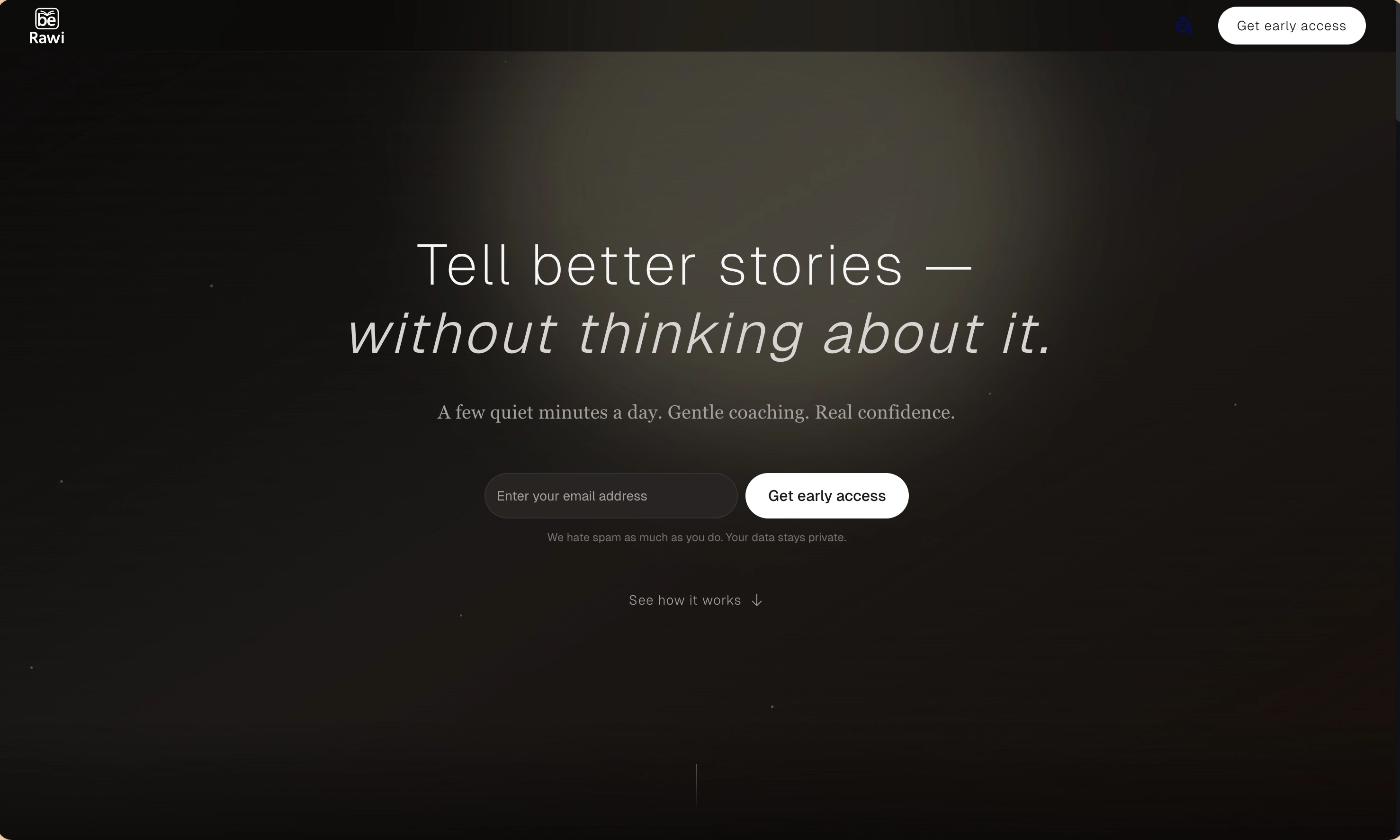
BeRawi: Storytelling Coach
Practice storytelling daily with instant feedback to sound clearer, more engaging, and confident 🎤
Omichat
Chat with 50+ AI models, including ChatGPT and Claude, in one place - switch models anytime without losing context 🤖
Claude Fast
Supercharge your Claude Code with 6x effective context window and specialized AI agents 🤖
EmojAI
AI-powered emoji picker with smart, context-aware suggestions 🤖
Solohacker
Autonomous company launcher - AI agents work 24/7, escalate what matters, and you stay in control 🤖
BeRawi: Storytelling Coach
Practice storytelling daily with instant feedback to sound clearer, more engaging, and confident 🎤
Omichat
Chat with 50+ AI models, including ChatGPT and Claude, in one place - switch models anytime without losing context 🤖
Claude Fast
Supercharge your Claude Code with 6x effective context window and specialized AI agents 🤖
EmojAI
AI-powered emoji picker with smart, context-aware suggestions 🤖
Solohacker
Autonomous company launcher - AI agents work 24/7, escalate what matters, and you stay in control 🤖
BeRawi: Storytelling Coach
Practice storytelling daily with instant feedback to sound clearer, more engaging, and confident 🎤
Omichat
Chat with 50+ AI models, including ChatGPT and Claude, in one place - switch models anytime without losing context 🤖
Claude Fast
Supercharge your Claude Code with 6x effective context window and specialized AI agents 🤖
EmojAI
AI-powered emoji picker with smart, context-aware suggestions 🤖
Solohacker
Autonomous company launcher - AI agents work 24/7, escalate what matters, and you stay in control 🤖
BeRawi: Storytelling Coach
Practice storytelling daily with instant feedback to sound clearer, more engaging, and confident 🎤

Connect with like-minded people
Join our community to get feedback, support, and grow together with 1,000+ builders on board, let's ship it!
Join usShip your startup everywhere. In minutes.
Don't burn tokens on setup and start building features on day one.