HireFlow IQ
AI-powered recruitment workflow optimizer that identifies hiring bottlenecks, predicts time-to-fill, and automates recruiter task prioritization.
Why AI-powered recruitment workflow optimization is the future of hiring
Recruiting has become one of the most data-rich yet operationally chaotic functions inside modern organizations. Applicant tracking systems (ATS), sourcing tools, assessment platforms, interview scheduling apps, and HRIS systems all generate vast amounts of data—yet most hiring teams still rely on gut feeling and manual coordination to move candidates through the funnel.
This is where an AI-powered recruitment workflow optimizer like HireFlow IQ creates transformational value.
HireFlow IQ is designed to:
- Identify hiring bottlenecks in real time
- Predict time-to-fill with machine learning
- Automatically prioritize recruiter tasks
- Optimize pipeline flow using actionable insights
For HR leaders, talent acquisition managers, and fast-growing startups, the core search intent behind exploring such a solution is clear:
- How can we reduce time-to-hire?
- Where are our hiring bottlenecks?
- How can AI improve recruiting efficiency?
- How do we scale hiring without scaling headcount?
This article provides a comprehensive, expert-level breakdown of how an AI recruitment workflow optimizer like HireFlow IQ can address these challenges—while outlining the market opportunity, core features, technical architecture, monetization strategy, competitive landscape, and actionable implementation roadmap.
The real problem: recruitment workflow inefficiency at scale
Hiring delays are expensive.
According to widely cited HR industry benchmarks (e.g., SHRM and LinkedIn Talent Solutions reports), the average time-to-fill across industries often ranges between 30–45 days, with technical and executive roles exceeding 60+ days. Each additional day can result in:
- Lost productivity
- Revenue delays
- Increased recruiter workload
- Poor candidate experience
- Offer drop-offs
Yet most hiring teams struggle to answer basic operational questions:
- Which stage in our pipeline causes the most delays?
- Which hiring managers are slow to respond?
- Which roles are likely to exceed SLA?
- What tasks should recruiters focus on today?
Traditional ATS dashboards provide static reports—but not predictive workflow intelligence.
Why current tools fall short
Most recruitment tech focuses on:
- Candidate sourcing
- Resume screening
- Interview scheduling
- Assessment automation
Very few platforms focus on workflow optimization at the system level.
They don’t:
- Predict time-to-fill using historical patterns
- Detect stage-level bottlenecks automatically
- Prioritize recruiter tasks based on ROI
- Simulate pipeline scenarios
This gap creates a strong market opportunity for HireFlow IQ.
Target audience analysis
A successful SaaS product must deeply understand its core users. HireFlow IQ primarily serves three high-value segments.
1. Talent acquisition leaders (mid to large enterprises)
Pain points:
- Lack of visibility into hiring velocity
- Pressure from executives to reduce time-to-hire
- Difficulty forecasting hiring capacity
- Fragmented reporting across systems
What they need:
- Predictive dashboards
- Bottleneck heatmaps
- Hiring performance forecasting
- Data-backed strategic decisions
2. High-growth startups and scaleups
Pain points:
- Rapid hiring targets
- Limited recruiting team bandwidth
- Chaotic processes
- Founder-driven hiring micromanagement
What they need:
- Workflow automation
- Smart prioritization
- Early detection of stalled candidates
- Lean, data-driven hiring ops
3. Recruiting agencies
Pain points:
- Managing multiple client pipelines
- SLA commitments
- Consultant workload balancing
- Performance measurement
What they need:
- Cross-client performance analytics
- Automated reminders
- Time-to-fill predictions
- Capacity optimization
Market opportunity and competitive gap
The global HR technology market continues to expand rapidly, driven by:
- AI adoption in enterprise workflows
- Remote hiring complexity
- Increasing competition for talent
- Demand for operational efficiency
Most AI recruitment startups focus on:
- AI resume screening
- Chatbot candidate engagement
- Sourcing automation
- Interview automation
Few focus on workflow intelligence across the entire hiring pipeline.
The gap
There is a clear gap between:
- Talent intelligence (candidate scoring)
- and
- Operational intelligence (workflow optimization)
HireFlow IQ positions itself in the second category.
Instead of asking “Which candidate is best?”, it asks:
“How do we move candidates through the pipeline faster and more efficiently?”
That strategic positioning creates defensibility and differentiation.
Core features of HireFlow IQ
Below is a breakdown of the most impactful features an AI-powered recruitment workflow optimizer should include.
1. Hiring bottleneck detection engine
The system continuously analyzes:
- Stage duration averages
- Candidate drop-off rates
- Hiring manager response time
- Recruiter workload
- Interview scheduling lag
It then surfaces:
- Stage-level delays
- Role-specific friction points
- Team-level performance gaps
For example:
- “Engineering roles are spending 6 days longer than average in technical interviews.”
- “Hiring Manager A has a 3.2-day review delay.”
This transforms passive data into actionable workflow intelligence.
2. Predictive time-to-fill modeling
Using historical hiring data, HireFlow IQ can train machine learning models to predict:
- Expected time-to-fill by role
- Probability of exceeding SLA
- Candidate progression likelihood
- Offer acceptance probability (optional advanced model)
Key variables might include:
- Role type
- Location
- Compensation band
- Hiring manager history
- Recruiter experience
- Seasonal hiring patterns
This predictive layer allows leaders to:
- Forecast hiring timelines
- Set realistic expectations with stakeholders
- Allocate recruiter capacity effectively
3. AI recruiter task prioritization
One of the most powerful features is automated task prioritization.
Instead of a flat to-do list, recruiters see:
- Candidates at risk of drop-off
- Roles approaching SLA breach
- Hiring managers with pending reviews
- High-probability quick wins
This can be powered by a scoring model:
// Example prioritization score logic
const priorityScore =
  (slaRisk * 0.4) +
  (candidateDropOffRisk * 0.3) +
  (roleUrgency * 0.2) +
  (offerProbability * 0.1);
Tasks with the highest composite score rise to the top.
This shifts recruiters from reactive to proactive.
4. Workflow health dashboard
A centralized command center might include:
- Time-to-fill trends
- Funnel conversion rates
- Stage duration heatmaps
- SLA compliance metrics
- Recruiter workload distribution
Use visual signals like:
- Red = bottleneck
- Yellow = warning
- Green = healthy
This supports executive-level decision-making.
5. Scenario simulation and capacity forecasting
Advanced functionality may allow leaders to simulate:
- “What happens if we add 2 recruiters?”
- “What if we open 15 more engineering roles?”
- “What if we reduce interview stages?”
This turns HireFlow IQ into a strategic planning tool—not just an analytics dashboard.
Competitive positioning
Below is a simplified comparison of HireFlow IQ against common ATS and AI recruiting tools.
| Feature | Traditional ATS | AI Screening Tool | Interview Automation | HireFlow IQ |
|---|---|---|---|---|
| Bottleneck detection | ❌ | ❌ | ❌ | ✅ |
| Predictive time-to-fill | ❌ | ❌ | ❌ | ✅ |
| Task prioritization AI | ❌ | ❌ | ❌ | ✅ |
| Pipeline reporting | ✅ | ❌ | ❌ | ✅ |
Unique selling proposition (USP):
HireFlow IQ is not another sourcing or screening tool. It is a recruitment workflow intelligence layer that sits on top of your existing ATS and makes the entire hiring engine more efficient.
Recommended tech stack
To build a scalable AI-powered recruitment workflow optimizer, the following stack is highly suitable.
Frontend
- React
- TailwindCSS
- TypeScript
Why:
- Component-based architecture
- Strong ecosystem
- Fast UI iteration
- Scalable design system
Backend
- Node.js (NestJS or Express)
- Python (for ML microservices)
- REST or GraphQL API
Machine learning layer
- Python (FastAPI for model serving)
- Scikit-learn or XGBoost for structured prediction
- Optional: TensorFlow or PyTorch for advanced modeling
Data layer
- PostgreSQL for structured data
- Redis for caching
- Data warehouse (e.g., Snowflake or BigQuery for large-scale analytics)
Infrastructure
- Dockerized services
- Kubernetes for scaling
- Hosted on AWS, GCP, or Azure
Faster MVP option
For founders looking to accelerate development:
Use TurboStarter to bootstrap authentication, payments, SaaS boilerplate, and dashboard architecture—so you can focus on building the AI and workflow engine.
Monetization strategy
A well-designed pricing model is critical for B2B SaaS success.
1. Tiered subscription pricing
Starter – Small teams
- Basic workflow dashboard
- Limited predictions
- Up to X roles/month
Growth – Scaling companies
- Advanced ML predictions
- Task prioritization
- Multi-team reporting
Enterprise – Large orgs
- Custom integrations
- Advanced forecasting
- SLA guarantees
- Dedicated support
2. Usage-based add-ons
- Prediction volume pricing
- Advanced forecasting modules
- API access
3. Enterprise contracts
Annual contracts with:
- Custom onboarding
- Dedicated customer success
- Integration support
Potential risks and mitigation strategies
Risk 1: Data quality issues
If ATS data is messy, predictions degrade.
Mitigation:
- Data cleaning pipelines
- Validation layers
- Minimum data requirements
Risk 2: Resistance from recruiters
Recruiters may resist AI prioritization.
Mitigation:
- Explainable AI outputs
- Transparent scoring logic
- “Assistive” positioning instead of “replacement”
Risk 3: Integration complexity
ATS systems vary widely.
Mitigation:
- Start with top ATS platforms
- Use API-first architecture
- Build middleware connectors
Implementation roadmap
A phased approach ensures manageable risk.
Go-to-market strategy
Phase 1: Niche focus
Start with:
- Tech startups (Series A–C)
- Remote-first companies
- Companies hiring 20–200 roles annually
Phase 2: Content-led growth
Publish:
- “How to reduce time-to-hire” guides
- Recruitment analytics case studies
- Benchmark reports
Target SEO keywords such as:
- AI recruitment workflow optimizer
- Reduce time-to-fill
- Hiring bottleneck analysis
- Recruitment process optimization software
Phase 3: Partnerships
- ATS integration partnerships
- HR consulting firms
- Recruiting communities
Why HireFlow IQ can win
The recruitment tech space is crowded—but not in workflow intelligence.
HireFlow IQ wins by:
- Layering on top of existing systems
- Focusing on operational efficiency
- Delivering measurable ROI
- Targeting decision-makers with budget authority
The clearest ROI metric:
Reduced time-to-fill × cost-per-day vacancy savings.
Even a 10–15% reduction in time-to-hire can justify enterprise pricing.
Actionable next steps for founders
If you’re building HireFlow IQ or a similar AI recruitment workflow optimizer:
- Conduct structured interviews with 20 recruiters.
- Map real hiring pipeline data.
- Identify the most common delay stage.
- Build bottleneck detection first (not AI screening).
- Add predictive modeling after validating usage.
- Focus messaging on revenue impact—not AI hype.
Finally, use modern SaaS tooling to move faster:
- Production-ready auth
- Multi-tenant architecture
- Stripe billing
- Admin dashboards
This is where a framework like TurboStarter can dramatically reduce development time and let you focus on your core differentiator: AI-powered workflow optimization.
Final thoughts
The future of recruiting isn’t just smarter candidate matching—it’s smarter workflow management.
An AI-powered recruitment workflow optimizer like HireFlow IQ addresses one of the most overlooked yet expensive problems in talent acquisition: operational inefficiency.
By combining:
- Bottleneck detection
- Predictive time-to-fill
- AI-driven task prioritization
- Strategic forecasting
HireFlow IQ becomes more than a dashboard. It becomes the control center for modern hiring operations.
In a world where speed, efficiency, and candidate experience define competitive advantage, workflow intelligence is no longer optional—it’s inevitable.
More ⚡ Productivity Tool SaaS ideas
Discover more innovative productivity tool SaaS ideas that are trending in 2026. Each idea is AI-generated with market validation and growth potential to help you find your next profitable venture faster than competitors.
Your competitors are building with TurboStarter
Below are some of the SaaS ideas that have been generated and built with our starter kit.
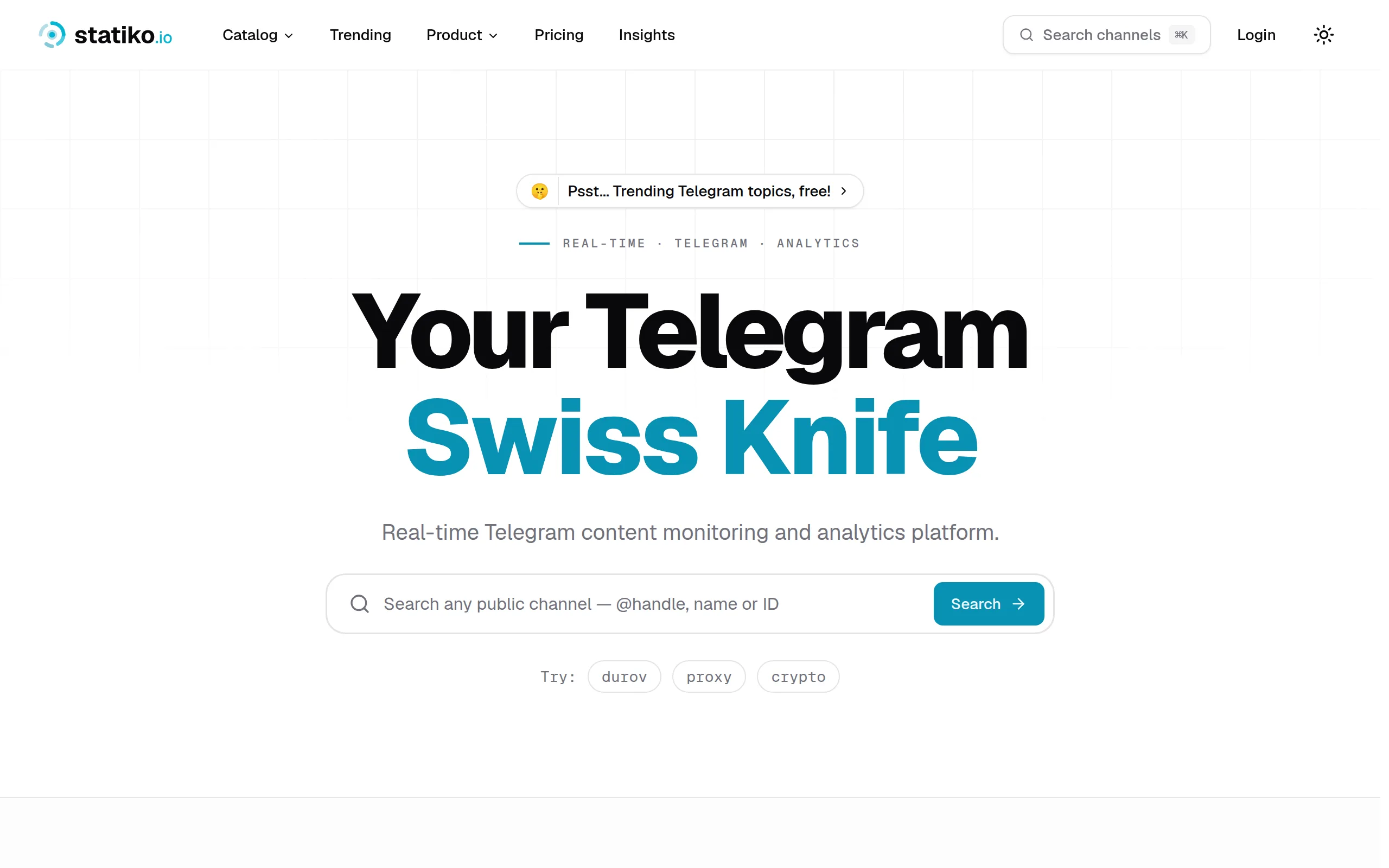
Statiko
Monitor any Telegram channel in real time - track posts, edits, deletions, and growth with AI recaps 📡

Shibui
AI website builder - describe your business, pick a niche template, edit by chatting, and publish instantly ✨

Pro Service
Find verified home service professionals, compare quotes, and pay securely through escrow - built for Brazilians across the US 🏠
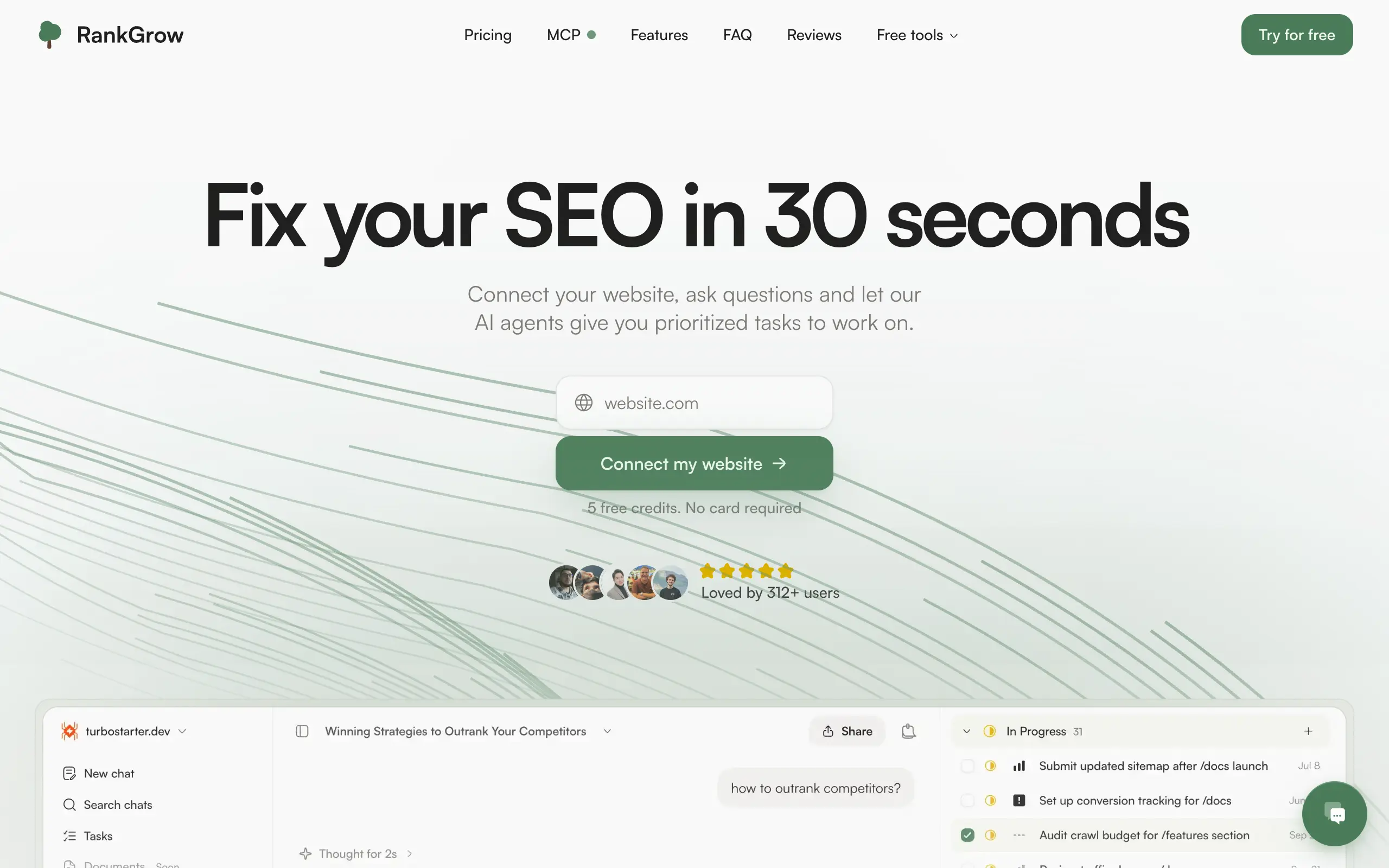
RankGrow
Fix your SEO with AI agents - connect Search Console, get prioritized tasks, and grow organic traffic 📈
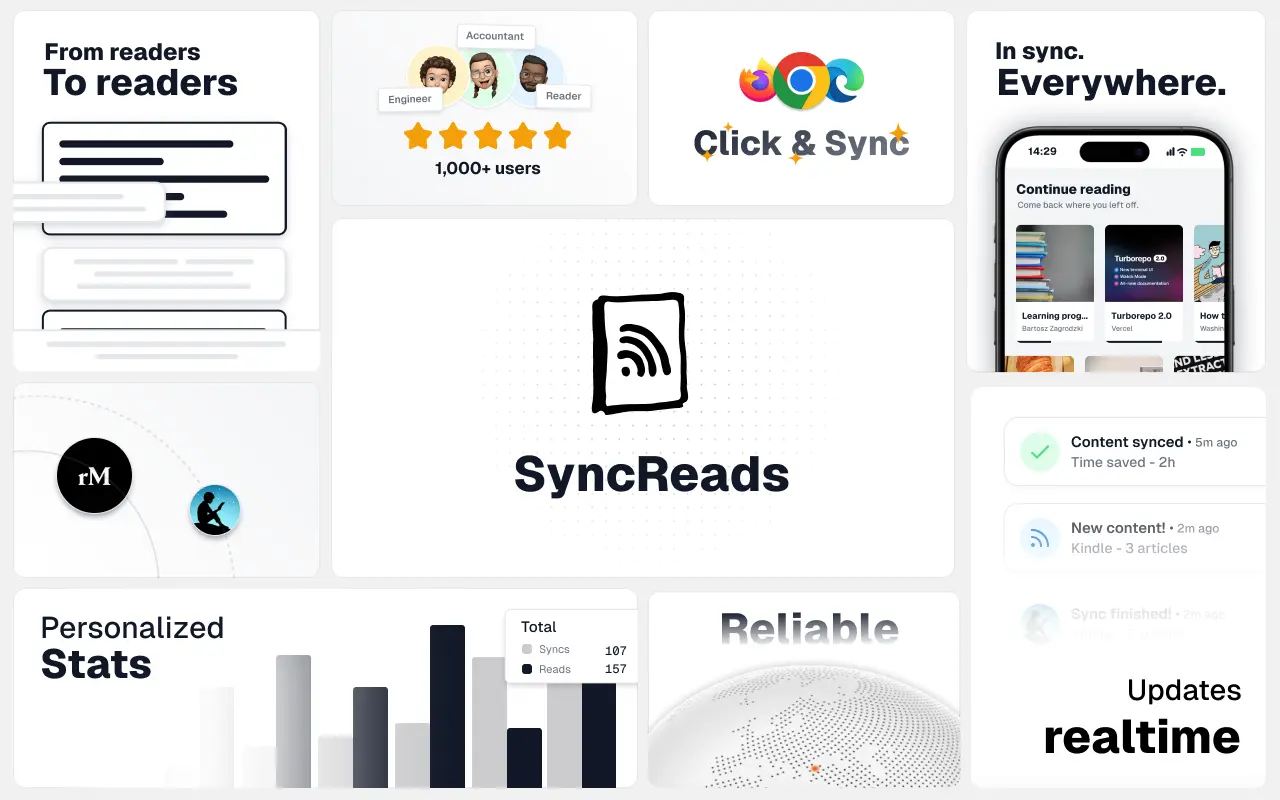
SyncReads
Sync your favorite content for distraction-free reading, save time and replace multiple apps. Anytime, anywhere 🔄
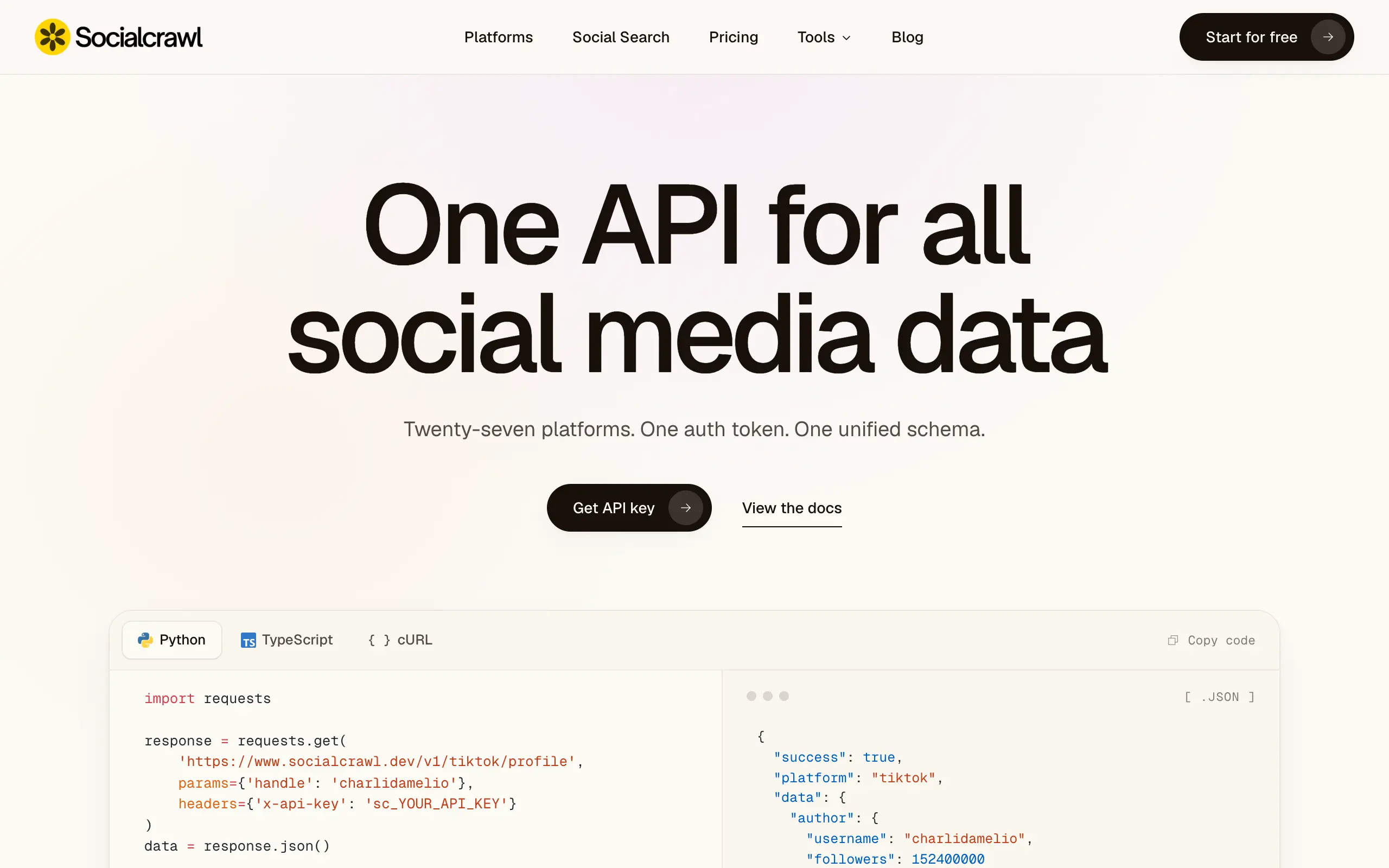
Socialcrawl
Get clean, structured data from 21 platforms like TikTok, Instagram, and YouTube with a single request 📊
Statiko
Monitor any Telegram channel in real time - track posts, edits, deletions, and growth with AI recaps 📡
Shibui
AI website builder - describe your business, pick a niche template, edit by chatting, and publish instantly ✨
Pro Service
Find verified home service professionals, compare quotes, and pay securely through escrow - built for Brazilians across the US 🏠
RankGrow
Fix your SEO with AI agents - connect Search Console, get prioritized tasks, and grow organic traffic 📈
SyncReads
Sync your favorite content for distraction-free reading, save time and replace multiple apps. Anytime, anywhere 🔄
Socialcrawl
Get clean, structured data from 21 platforms like TikTok, Instagram, and YouTube with a single request 📊
Statiko
Monitor any Telegram channel in real time - track posts, edits, deletions, and growth with AI recaps 📡
Shibui
AI website builder - describe your business, pick a niche template, edit by chatting, and publish instantly ✨
Pro Service
Find verified home service professionals, compare quotes, and pay securely through escrow - built for Brazilians across the US 🏠
RankGrow
Fix your SEO with AI agents - connect Search Console, get prioritized tasks, and grow organic traffic 📈
SyncReads
Sync your favorite content for distraction-free reading, save time and replace multiple apps. Anytime, anywhere 🔄
Socialcrawl
Get clean, structured data from 21 platforms like TikTok, Instagram, and YouTube with a single request 📊
Statiko
Monitor any Telegram channel in real time - track posts, edits, deletions, and growth with AI recaps 📡
Shibui
AI website builder - describe your business, pick a niche template, edit by chatting, and publish instantly ✨
Pro Service
Find verified home service professionals, compare quotes, and pay securely through escrow - built for Brazilians across the US 🏠
RankGrow
Fix your SEO with AI agents - connect Search Console, get prioritized tasks, and grow organic traffic 📈
SyncReads
Sync your favorite content for distraction-free reading, save time and replace multiple apps. Anytime, anywhere 🔄
Socialcrawl
Get clean, structured data from 21 platforms like TikTok, Instagram, and YouTube with a single request 📊
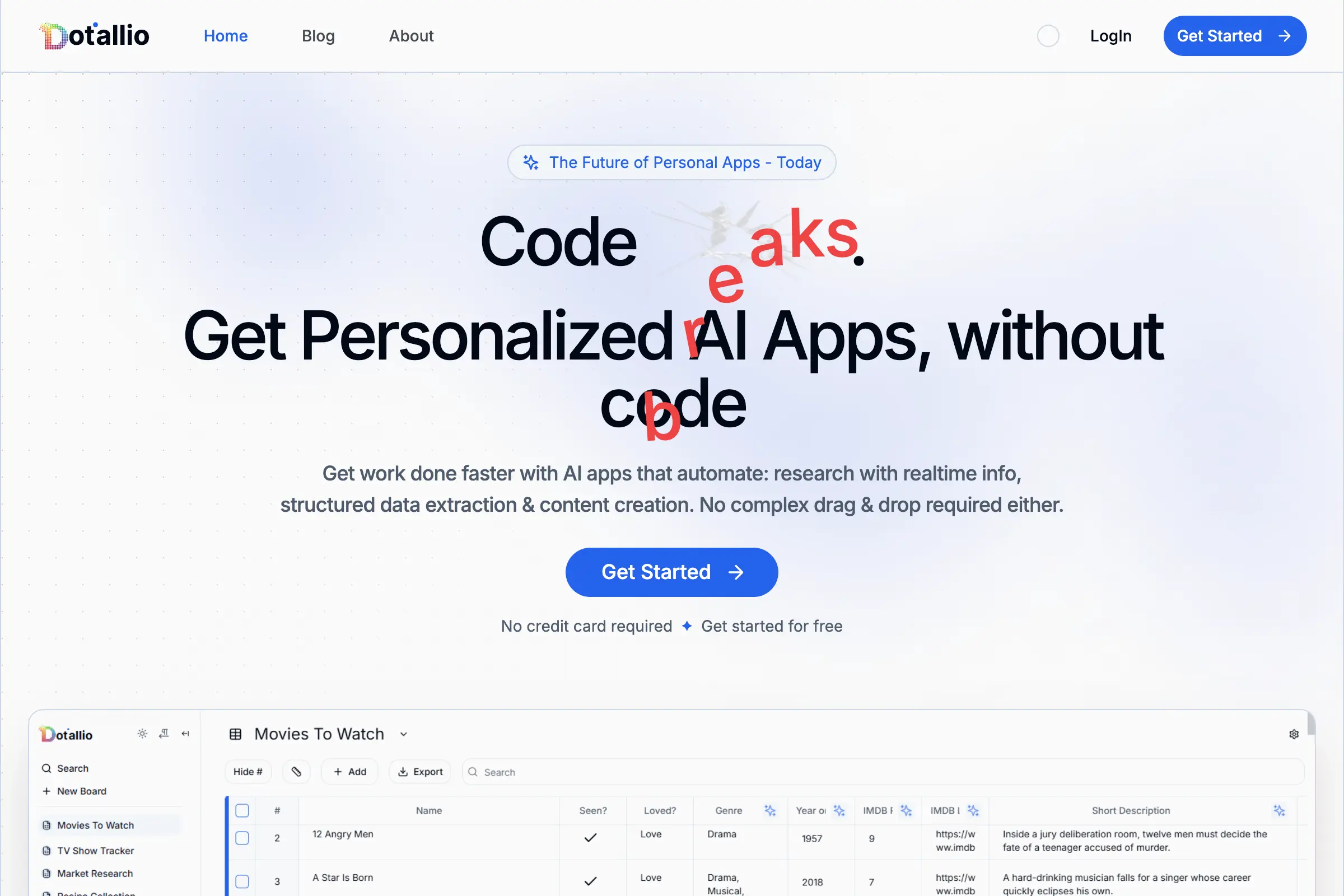
Dotallio
Personalized AI apps that automate research, data extraction, and content creation without code 🤖

Talk to Santa
Enjoy a magical live video chat or receive a unique AI-generated video greeting from Santa Claus 🎅

pozywka.pl
Scalable blog for food journalist, focused on performance and user experience 🌭
zagrodzki.me
Personal blog and portfolio of Bart Zagrodzki, where he shares his knowledge and work 💼
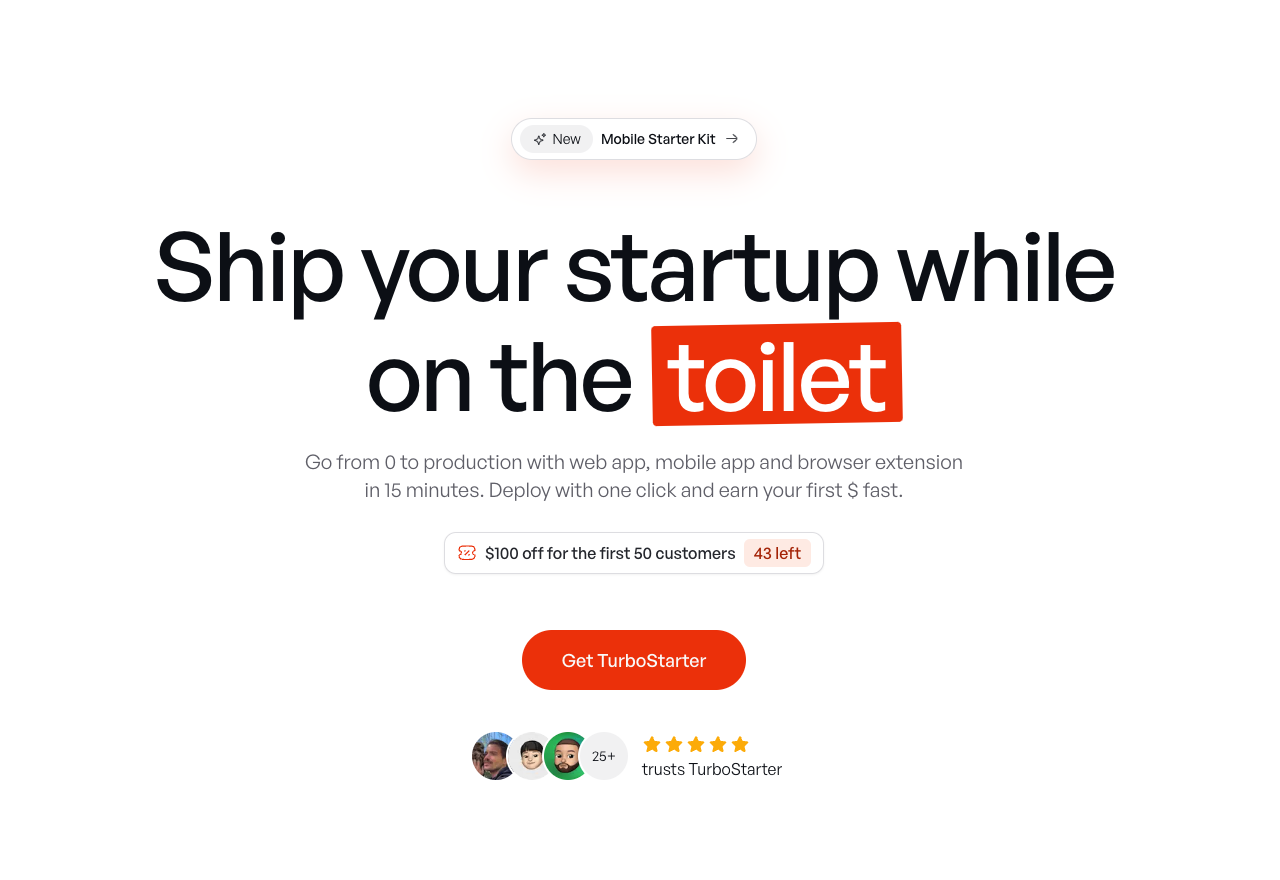
TurboStarter
Ship your startup everywhere. In minutes.
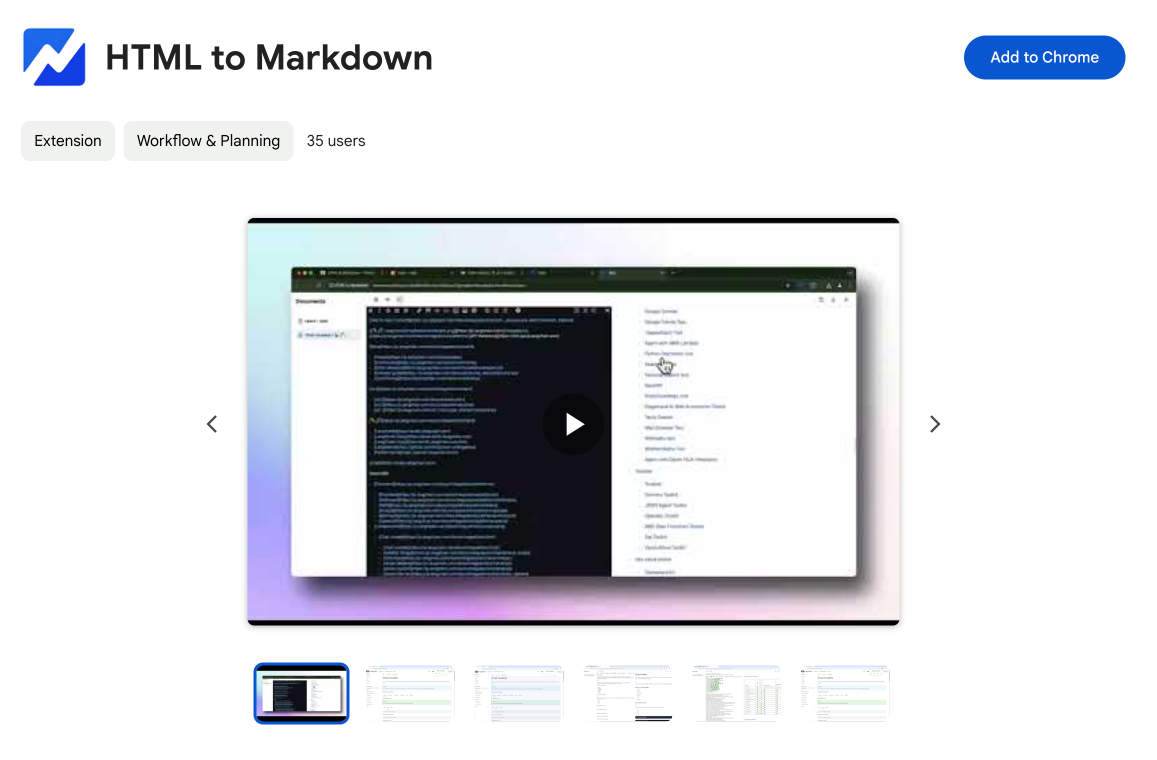
HTML to Markdown
Convert HTML to Markdown with ease, directly in your browser 📄
Dotallio
Personalized AI apps that automate research, data extraction, and content creation without code 🤖
Talk to Santa
Enjoy a magical live video chat or receive a unique AI-generated video greeting from Santa Claus 🎅
pozywka.pl
Scalable blog for food journalist, focused on performance and user experience 🌭
zagrodzki.me
Personal blog and portfolio of Bart Zagrodzki, where he shares his knowledge and work 💼
TurboStarter
Ship your startup everywhere. In minutes.
HTML to Markdown
Convert HTML to Markdown with ease, directly in your browser 📄
Dotallio
Personalized AI apps that automate research, data extraction, and content creation without code 🤖
Talk to Santa
Enjoy a magical live video chat or receive a unique AI-generated video greeting from Santa Claus 🎅
pozywka.pl
Scalable blog for food journalist, focused on performance and user experience 🌭
zagrodzki.me
Personal blog and portfolio of Bart Zagrodzki, where he shares his knowledge and work 💼
TurboStarter
Ship your startup everywhere. In minutes.
HTML to Markdown
Convert HTML to Markdown with ease, directly in your browser 📄
Dotallio
Personalized AI apps that automate research, data extraction, and content creation without code 🤖
Talk to Santa
Enjoy a magical live video chat or receive a unique AI-generated video greeting from Santa Claus 🎅
pozywka.pl
Scalable blog for food journalist, focused on performance and user experience 🌭
zagrodzki.me
Personal blog and portfolio of Bart Zagrodzki, where he shares his knowledge and work 💼
TurboStarter
Ship your startup everywhere. In minutes.
HTML to Markdown
Convert HTML to Markdown with ease, directly in your browser 📄
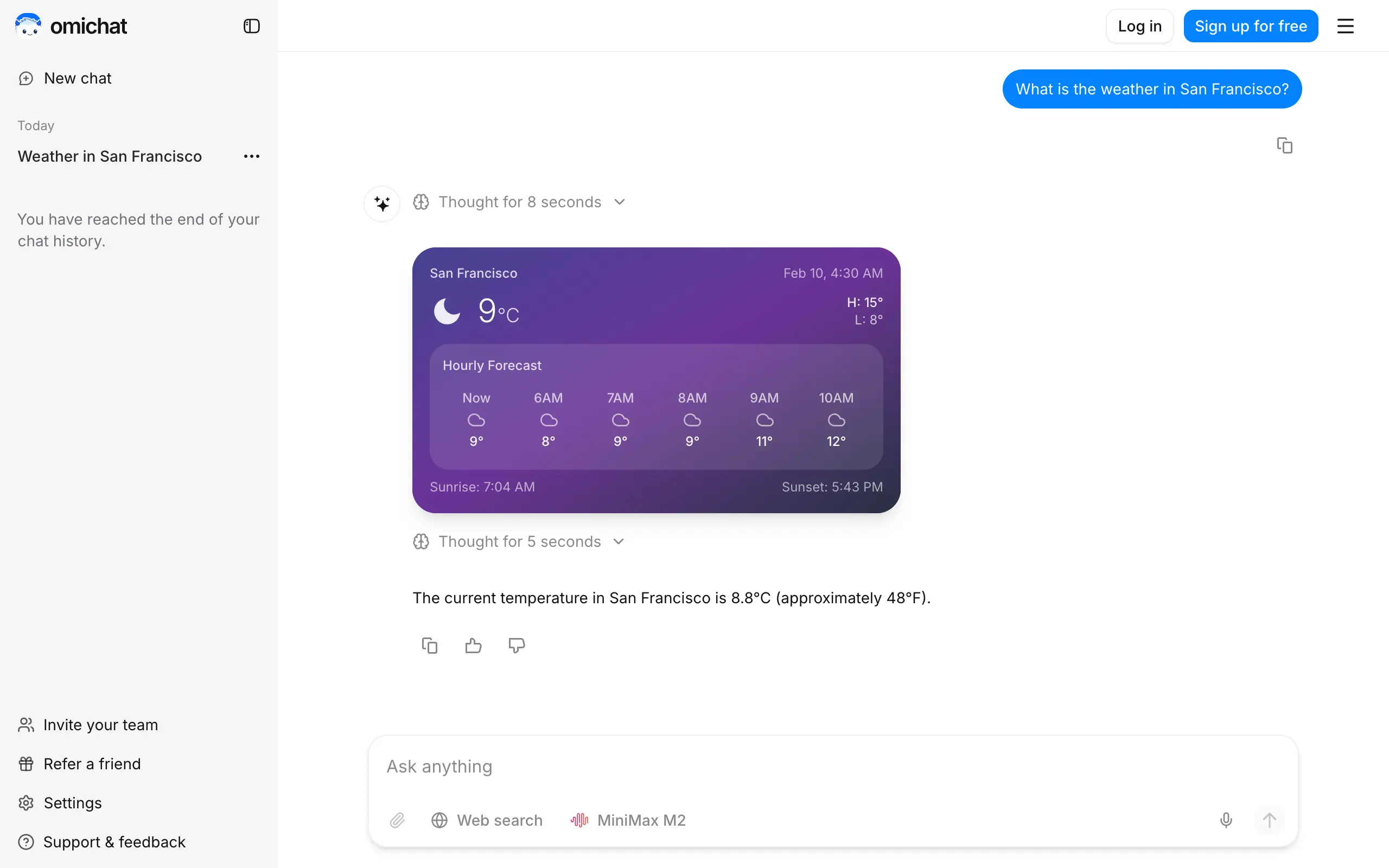
Omichat
Chat with 50+ AI models, including ChatGPT and Claude, in one place - switch models anytime without losing context 🤖
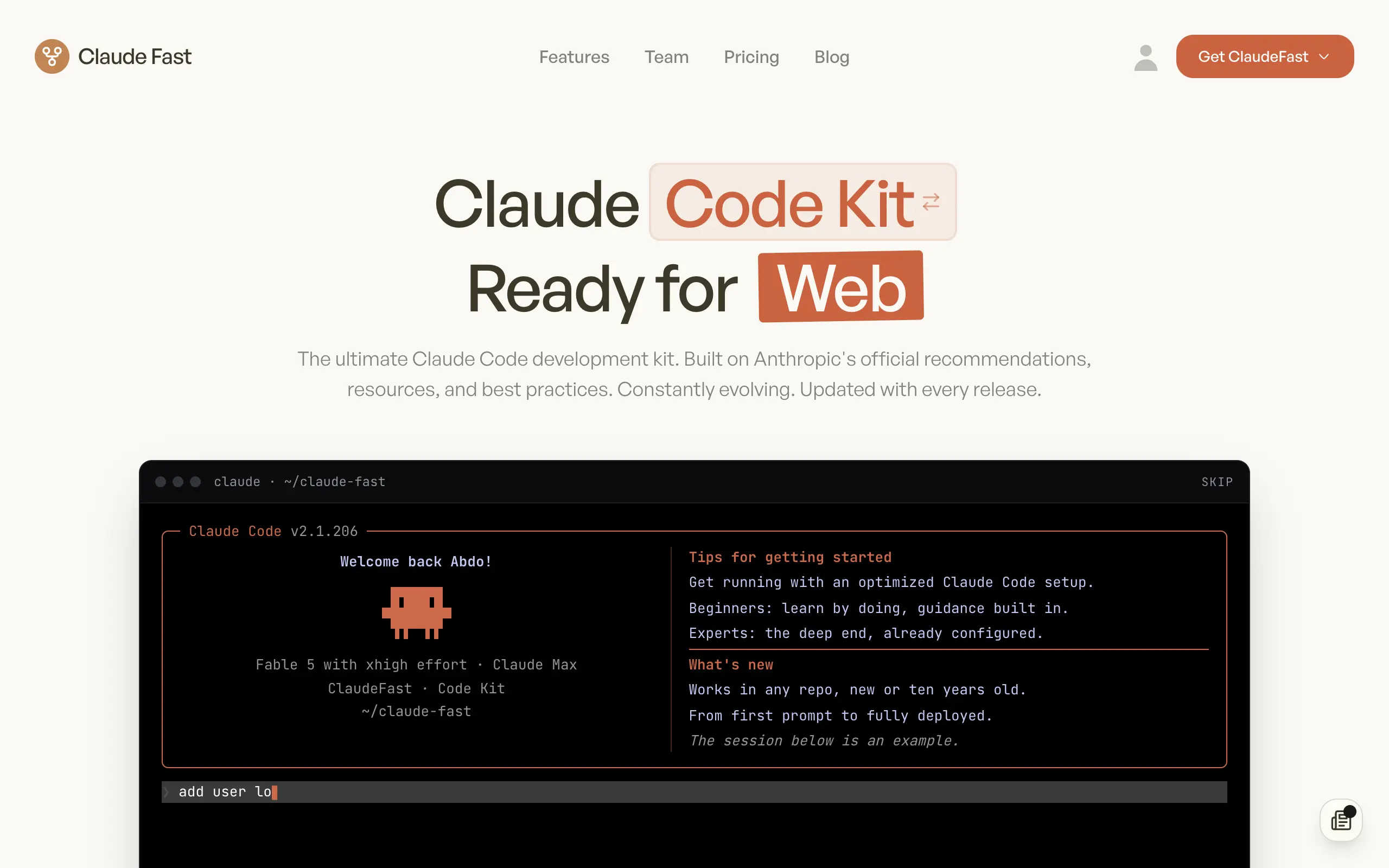
Claude Fast
Supercharge your Claude Code with 6x effective context window and specialized AI agents 🤖
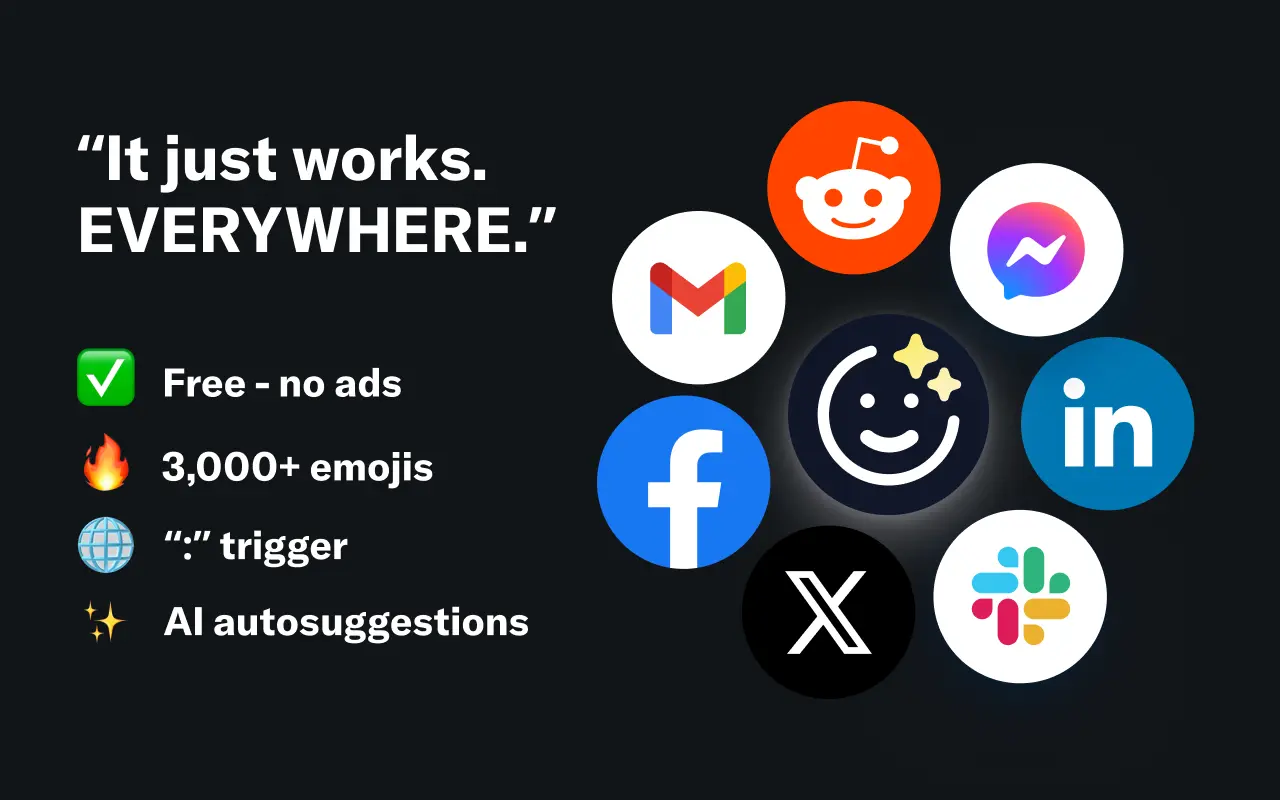
EmojAI
AI-powered emoji picker with smart, context-aware suggestions 🤖
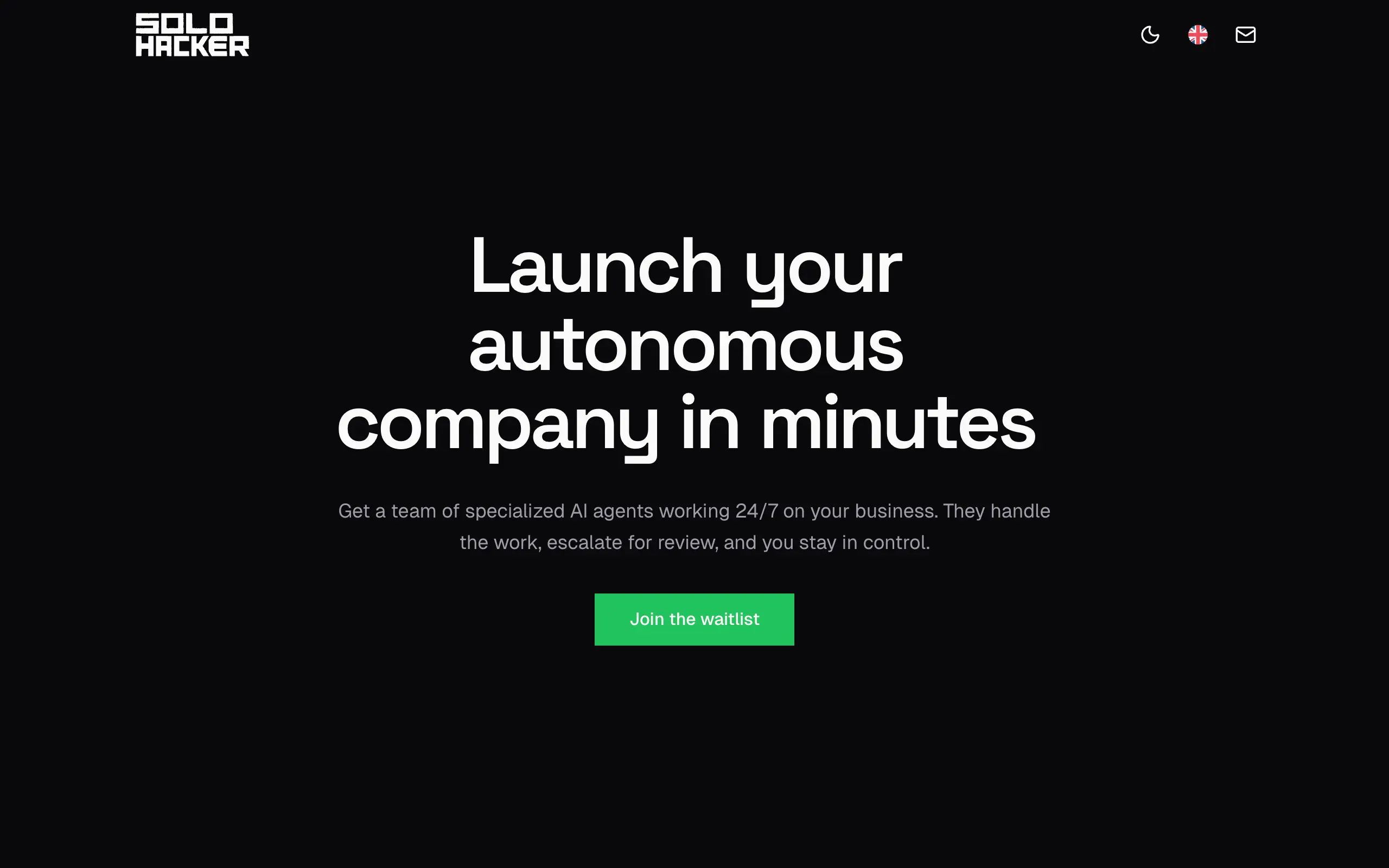
Solohacker
Autonomous company launcher - AI agents work 24/7, escalate what matters, and you stay in control 🤖
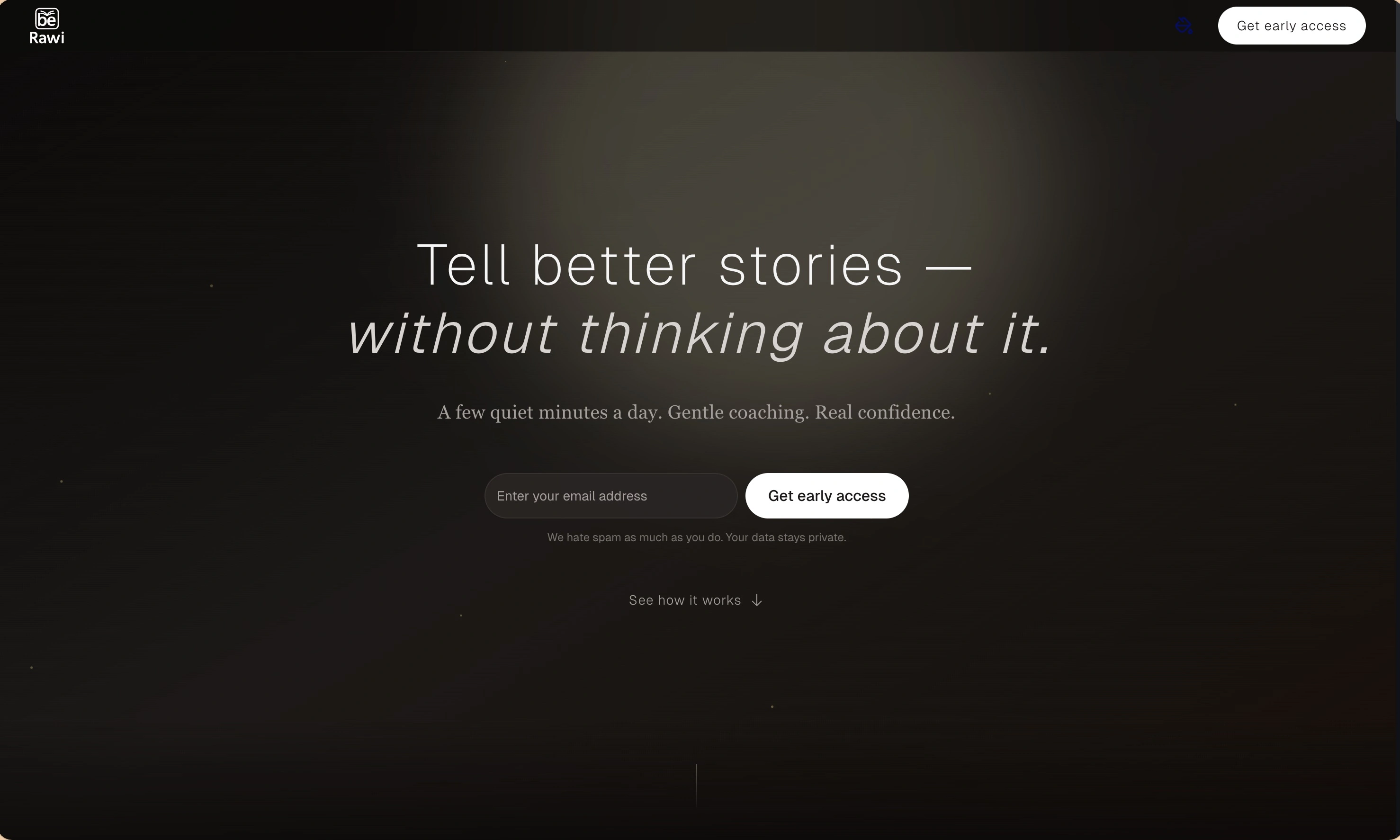
BeRawi: Storytelling Coach
Practice storytelling daily with instant feedback to sound clearer, more engaging, and confident 🎤
Omichat
Chat with 50+ AI models, including ChatGPT and Claude, in one place - switch models anytime without losing context 🤖
Claude Fast
Supercharge your Claude Code with 6x effective context window and specialized AI agents 🤖
EmojAI
AI-powered emoji picker with smart, context-aware suggestions 🤖
Solohacker
Autonomous company launcher - AI agents work 24/7, escalate what matters, and you stay in control 🤖
BeRawi: Storytelling Coach
Practice storytelling daily with instant feedback to sound clearer, more engaging, and confident 🎤
Omichat
Chat with 50+ AI models, including ChatGPT and Claude, in one place - switch models anytime without losing context 🤖
Claude Fast
Supercharge your Claude Code with 6x effective context window and specialized AI agents 🤖
EmojAI
AI-powered emoji picker with smart, context-aware suggestions 🤖
Solohacker
Autonomous company launcher - AI agents work 24/7, escalate what matters, and you stay in control 🤖
BeRawi: Storytelling Coach
Practice storytelling daily with instant feedback to sound clearer, more engaging, and confident 🎤
Omichat
Chat with 50+ AI models, including ChatGPT and Claude, in one place - switch models anytime without losing context 🤖
Claude Fast
Supercharge your Claude Code with 6x effective context window and specialized AI agents 🤖
EmojAI
AI-powered emoji picker with smart, context-aware suggestions 🤖
Solohacker
Autonomous company launcher - AI agents work 24/7, escalate what matters, and you stay in control 🤖
BeRawi: Storytelling Coach
Practice storytelling daily with instant feedback to sound clearer, more engaging, and confident 🎤

Connect with like-minded people
Join our community to get feedback, support, and grow together with 1,000+ builders on board, let's ship it!
Join usShip your startup everywhere. In minutes.
Don't burn tokens on setup and start building features on day one.