LaunchLedger
Keep product specs, samples, compliance tasks, and supplier milestones in one launch workspace. Small teams spot delays early without enterprise PLM overhead.
LaunchLedger is a product concept for teams that ship AI-coded software quickly but still need to release it safely. It acts as a lightweight release command center, connecting the information that is usually fragmented across product documents, pull requests, commit history, screenshots, database migrations, deployment tools, and rollback notes.
The core problem is not that modern teams lack tools. It is that the release-critical context is scattered. A developer may know which commit fixes a bug, a product manager may know the acceptance criteria, and an engineer on call may know the rollback command. But when a launch is happening, nobody should need to reconstruct that story from five different systems.
For AI-assisted product teams, this problem is increasingly urgent. Code can now be produced, revised, and merged faster than traditional review and release processes were designed to handle. LaunchLedger provides the missing operational layer between “the code is merged” and “the release is safe, explainable, and reversible.”
What is a release command center?
A release command center is a centralized workspace for planning, validating, approving, deploying, monitoring, and rolling back a software release. Unlike a project management board or a deployment dashboard, it focuses on the complete release narrative.
For each launch, a release manager or product team should be able to answer a few essential questions quickly:
- What customer problem does this release solve?
- Which product specification or ticket defines the intended behavior?
- Which commits, pull requests, and services are included?
- What user-facing changes should reviewers expect to see?
- Are there database migrations, feature flags, or infrastructure changes?
- Who approved the release?
- How can the team roll it back if metrics or errors worsen?
- What happened after deployment?
LaunchLedger turns these answers into a structured, reusable release record rather than leaving them buried in chat threads and tribal knowledge.
The central product insight
A release is not just a deployment event. It is a decision backed by product intent, technical evidence, operational readiness, and a reversible plan.
The market gap for AI product release management
The software delivery market already includes strong tools for source control, CI/CD, observability, issue tracking, feature flags, and documentation. The gap is in the connective layer.
A team might use GitHub for code review, Linear for issues, Notion for specifications, Vercel or another platform for deployment, and a monitoring product for production health. Each system solves a real problem. However, none of them necessarily creates a complete, auditable release packet automatically.
This fragmentation becomes more dangerous in AI-coded products for several reasons.
AI coding accelerates change volume
AI coding assistants can help teams create pull requests, tests, refactors, interface variations, and integration code quickly. That acceleration can be beneficial, but it often increases the number of changes that need human verification.
A release manager may face more questions such as:
- Did the generated code introduce unintended behavior?
- Does the implementation still match the original product specification?
- Was the database migration reviewed with production data in mind?
- Is the rollback path safe if an AI-generated change affects a critical workflow?
- Are screenshots and acceptance evidence available for a non-technical stakeholder?
A release command center does not replace engineering judgment. It makes that judgment easier to apply consistently.
Existing tools optimize individual stages, not release confidence
Most delivery tools are optimized for one stage of the software development lifecycle.
| Tool category | Primary job | Common gap | LaunchLedger role | Release value |
|---|---|---|---|---|
| Issue tracker | Plan work | Does not prove deployment readiness | Links requirements to release evidence | Clear scope |
| Git platform | Review code | Context is technical and distributed | Groups commits and pull requests by launch | Traceability |
| CI/CD platform | Build and deploy | Often lacks product and rollback context | Captures readiness checks and runbooks | Safer deployment |
| Documentation tool | Store knowledge | Content becomes stale or disconnected | Creates a live release record | Faster decisions |
The opportunity for LaunchLedger is to be deliberately narrower than a full DevOps platform while being more operationally useful than a static release checklist.
Why timing matters for LaunchLedger
Several current software delivery trends support this product direction:
- AI-assisted coding is reducing the time between idea and pull request.
- Lean product teams are expected to ship more frequently with fewer dedicated release managers.
- Engineering leaders increasingly need auditable change management without heavyweight enterprise process.
- Security, reliability, and compliance requirements are reaching smaller SaaS companies earlier in their lifecycle.
- Customer-facing teams need accurate release notes and launch context without manually chasing developers.
When researching market size or adoption statistics for a LaunchLedger business plan, cite credible primary sources such as annual developer surveys, cloud provider reports, or recognized DevOps research. Avoid using vague claims about deployment frequency without a traceable source and publication date.
Target audience for LaunchLedger
The ideal LaunchLedger customer is not every software company. The strongest early users are teams that ship meaningful production changes often enough to feel release friction but are still too lean to build internal release operations tooling.
Primary audience: AI-native SaaS teams
AI-native SaaS companies often move fast, have compact engineering teams, and iterate on products with rapidly changing user experiences. They may use AI to generate code, tests, documentation, and customer support content.
These teams need a release command center because velocity creates coordination risk. A team of five engineers can deploy constantly, but a single poorly understood migration or prompt change can still affect thousands of users.
Their core needs include:
- A single release checklist that adapts to product risk
- Links between specifications, source code, and visual evidence
- Clear ownership for approvals and release decisions
- Fast rollback documentation
- Searchable historical release records
- Lightweight workflows that do not slow down daily shipping
Secondary audience: agencies and product studios
Agencies building SaaS products for clients have an additional need for transparency. Clients want to understand what changed, why it changed, and whether it was released successfully.
LaunchLedger can help agencies create a polished release record that includes:
- Client-approved scope
- Linked screenshots of the shipped experience
- Deployment timing
- Known limitations
- Migration or configuration requirements
- Post-launch validation notes
This is especially valuable for agencies using AI coding workflows, where delivery speed can outpace conventional client reporting.
Secondary audience: scale-ups with release governance needs
Growing B2B SaaS companies often reach a stage where informal Slack-based releases stop working. They may need stronger controls because they serve enterprise customers, process sensitive data, or operate multi-service architectures.
For this segment, LaunchLedger should emphasize:
- Release approvals
- Immutable audit events
- Role-based access controls
- Deployment evidence
- Change history
- Exportable release reports
Buyer and user roles
Engineering manager
Needs a reliable way to assess risk, coordinate dependencies, and reduce release-day uncertainty.
Staff engineer or tech lead
Needs a concise technical record that connects changes, migrations, tests, and rollback actions.
Product manager
Needs confidence that the release matches the approved specification and customer promise.
Founder or COO
Needs visibility into major launches without adopting enterprise change-management software.
The initial product should be optimized for the people doing release preparation, not just executives viewing dashboards. If the release owner cannot assemble a launch record in minutes, adoption will suffer.
LaunchLedger’s unique selling proposition
LaunchLedger’s strongest USP is simple:
It turns scattered development artifacts into a release-ready, human-readable, and rollback-aware launch record for AI-coded products.
This positioning is more differentiated than “release management software” alone. Traditional release management can sound bureaucratic, enterprise-heavy, and process-driven. LaunchLedger should position itself as a modern operational companion for fast-moving teams.
The product’s differentiation comes from five connected capabilities:
- Artifact traceability that links specs, commits, pull requests, screenshots, migrations, and deployment records.
- AI-aware review workflows that encourage teams to validate generated code against intent and visible outcomes.
- Rollback-first release planning that makes reversibility a required part of launch readiness.
- Lightweight adoption that works alongside existing developer tools instead of replacing them.
- A durable release ledger that records what changed, who approved it, and what happened afterward.
The word “ledger” is strategically useful. It implies a trustworthy record, chronological accountability, and a source of truth. The brand should lean into this meaning without presenting itself as blockchain-oriented or financially focused.
Core features for a release command center
A focused minimum viable product should help a team create a useful release record with minimal manual work. The product can expand over time, but it must provide immediate value before it attempts to become a broad software delivery suite.
Release workspace and launch timeline
Every release should have a dedicated workspace with a clear status, owner, environment, release window, risk level, and activity timeline.
A release workspace can include:
- Release name and version
- Deployment target such as staging or production
- Release owner and designated approvers
- Linked specification or issue
- Linked pull requests and commits
- Release notes draft
- Migration status
- Visual evidence such as screenshots
- Readiness checklist
- Rollback instructions
- Post-deployment validation results
The timeline should automatically record important events, including a pull request being added, a migration being approved, a deployment beginning, and the release being marked complete.
Specification-to-code traceability
The highest-value workflow is connecting product intent to technical implementation.
A product manager should be able to attach a specification, ticket, or structured acceptance criteria to a release. Developers can then associate relevant commits and pull requests. Reviewers can verify whether the implementation satisfies the intended behavior.
This creates a useful chain:
Product specification → acceptance criteria → pull request → commit → deployment → validation resultFor AI-coded products, this chain helps teams review outcomes rather than trusting generation speed. It also improves incident analysis because the team can trace a regression back to the decision and change set that introduced it.
Commit and pull request aggregation
LaunchLedger should integrate with Git providers and automatically suggest related pull requests based on branch names, labels, milestones, release tags, or issue identifiers.
The experience should avoid forcing users to manually copy links. A practical flow could look like this:
The product should always show source links and raw commit metadata. AI summaries are useful, but they should never obscure the underlying evidence.
Screenshot and visual QA evidence
Screenshots are particularly valuable for product teams, design reviewers, customer success, and agencies. LaunchLedger can support before-and-after screenshots, annotated evidence, and links to visual regression tools.
A visual QA module might allow teams to:
- Upload or attach screenshots from staging
- Associate each screenshot with acceptance criteria
- Mark expected UI changes
- Capture reviewer sign-off
- Compare desktop and mobile evidence
- Flag incomplete visual validation
This capability makes LaunchLedger more accessible than code-centric release tooling. It also supports a more complete definition of done for frontend-heavy SaaS products.
Migration management and deployment safety
Database migrations are one of the most common sources of release risk. LaunchLedger should give migrations first-class treatment rather than burying them inside a generic checklist.
For each migration, the release record should capture:
- Migration identifier
- Affected database or service
- Forward migration instructions
- Estimated execution time
- Locking or performance concerns
- Backward compatibility status
- Rollback feasibility
- Required deployment order
- Approval owner
Treat migrations as a separate release gate
A migration can be technically valid and still be operationally unsafe. Require teams to document compatibility, execution risk, and recovery options before production deployment.
Over time, LaunchLedger could integrate with migration tools and CI pipelines to detect migration files automatically. The MVP can begin with structured fields and manual attachment because release owners value clarity more than complete automation on day one.
Rollback runbooks
Rollback planning is a central differentiator. Many teams only write rollback instructions after a failed deployment. LaunchLedger should make the rollback plan visible before approval.
A useful rollback runbook template includes:
- The trigger conditions for rollback
- The responsible decision maker
- The rollback command or deployment action
- Feature flag actions
- Database recovery considerations
- Customer communication steps
- Post-rollback verification checks
- Incident escalation contact
Rollbacks should not be treated as a single button. In many systems, the correct response may involve disabling a feature flag, reverting a deployment, restoring a configuration value, or halting a background job.
Release readiness score and risk assessment
A release readiness score can help teams focus attention, but it should not create false confidence. LaunchLedger should use transparent rules rather than an unexplained “AI safety score.”
For example, risk can increase when a release includes:
- Production database migrations
- Authentication or authorization changes
- Billing logic changes
- High-volume background job changes
- Multiple dependent services
- Missing screenshots for user interface work
- Missing rollback instructions
- Large or unreviewed pull requests
The interface should explain why a release is marked as medium or high risk and show exactly which missing evidence prevents a readiness check from passing.
Post-release monitoring and learning
A release record should not end at deployment. Teams need a place to note whether the release succeeded in production.
Post-release fields may include:
- Deployment completion time
- Smoke test results
- Error-rate observations
- Support tickets or customer feedback
- Performance changes
- Rollback events
- Follow-up issues
- Lessons learned
This closes the loop between planning and learning. Over time, a release ledger becomes an operational knowledge base that helps teams identify recurring causes of delays, incidents, and failed launches.
Recommended tech stack for LaunchLedger
The right tech stack should prioritize integration reliability, auditability, speed of iteration, and a polished collaborative interface. As a SaaS product, LaunchLedger also needs secure multi-tenant architecture from the beginning.
Recommended application architecture
A pragmatic stack for the LaunchLedger MVP could include:
- Next.js for the web application and server-rendered product experience
- React for interactive release workspaces
- TypeScript for safer integrations and domain modeling
- PostgreSQL for relational release, approval, and audit data
- Prisma or a comparable ORM for database access
- Tailwind CSS for fast, consistent UI implementation
- GitHub OAuth and webhooks for source control integration
- Object storage for screenshot and release attachment uploads
- A queue system for webhook processing, sync jobs, and report generation
- An observability provider for application errors, tracing, and audit monitoring
For teams looking to shorten setup time, TurboStarter can provide a production-focused SaaS foundation with common capabilities such as authentication, payments, database patterns, and application structure already in place.
Data model considerations
The core data model should reflect the release as a first-class domain entity. Avoid treating it as a generic project or task object.
Key entities include:
- Organization
- Workspace or project
- Environment
- Release
- Release artifact
- Pull request
- Commit
- Specification
- Screenshot
- Migration
- Checklist item
- Approval
- Rollback runbook
- Deployment event
- Audit event
Each artifact should be linkable to a release while retaining its source metadata. For example, a GitHub pull request record should store repository, number, URL, author, status, merge commit, and synchronization timestamp.
Trade-offs between a monolith and microservices
For an MVP, a modular monolith is usually the better choice.
A single Next.js-based application with a relational database is easier to deploy, monitor, and evolve. It supports fast iteration while the team learns which integrations and workflow rules customers actually need.
Microservices become more attractive when LaunchLedger must process high webhook volumes, isolate integration workloads, or meet advanced enterprise reliability requirements. Starting with them too early can slow down product validation and complicate local development.
A sensible progression is:
- Build the core release domain in a modular monolith.
- Move webhook ingestion and heavy synchronization into background workers.
- Extract integration-specific services only when scaling or isolation clearly requires it.
AI capabilities and their limits
AI can be useful in LaunchLedger, but it should support human decision-making rather than act as an autonomous release approver.
High-value AI features include:
- Summarizing included pull requests in plain language
- Drafting internal and customer-facing release notes
- Detecting missing release artifacts
- Extracting likely migration risks from change descriptions
- Suggesting rollback checklist items based on prior launches
- Comparing specification language against pull request summaries
- Producing a launch handoff summary for stakeholders
The product must clearly label generated content as AI-assisted. It should cite the artifacts used to create a summary and allow users to edit every output. This is essential for trust, especially when an AI-generated summary could omit a risk or mischaracterize a code change.
Monetization strategy for LaunchLedger
LaunchLedger is well suited to a B2B SaaS pricing model based on team size, active projects, release volume, or governance requirements.
A land-and-expand pricing model
The free or entry tier should prove value quickly for small teams. It should support enough release records and Git integration functionality for a startup to build a habit around the product.
Potential tiers include:
| Plan | Ideal customer | Core limits | Primary value | Expansion path |
|---|---|---|---|---|
| Starter | Indie builders and small teams | Limited projects and releases | Release templates and Git links | More collaborators |
| Team | Growing SaaS teams | Higher release volume | Approvals, integrations, and shared runbooks | Governance controls |
| Business | Scale-ups and agencies | Custom retention and projects | Audit logs, exports, and advanced permissions | Enterprise security |
| Enterprise | Regulated or large organizations | Contract-based | SSO, support, controls, and onboarding | Organization-wide rollout |
Pricing metrics to test
The wrong pricing metric can discourage the desired behavior. Per-seat pricing is familiar but may penalize broad collaboration across engineering, product, QA, and customer success.
Consider testing these models:
- Per active release per month
- Per engineering seat with unlimited viewers
- Per connected repository or project
- Tiered usage based on automation and audit retention
- Base platform fee plus enterprise governance add-ons
A strong starting position is a team subscription with unlimited read-only stakeholders. LaunchLedger becomes more valuable when product managers, designers, and operators can inspect releases without becoming paid power users.
Expansion revenue opportunities
Later monetization opportunities may include:
- Advanced GitHub, GitLab, and CI/CD integrations
- Audit exports and long-term release retention
- Enterprise SSO and SCIM provisioning
- Custom approval workflows
- AI release intelligence
- Multi-region and multi-environment deployment governance
- Agency client portals
- Compliance-focused release templates
Avoid charging separately for fundamental safety features such as rollback documentation. Those features should reinforce the product’s core promise across plans.
Competitive advantage and positioning
LaunchLedger will compete indirectly with project management tools, DevOps platforms, release note tools, internal wikis, and homegrown checklists. Its advantage depends on having a clear category definition.
It should not try to replace:
- Source control platforms
- CI/CD platforms
- Incident management tools
- Full-featured product management software
- Enterprise change-management suites
Instead, it should become the release context layer that connects them.
Positioning against generic checklists
A checklist in a document is easy to create but difficult to maintain. It usually lacks live links, ownership, approval history, deployment events, and reusable analytics.
LaunchLedger wins by turning checklist items into connected operational evidence.
Positioning against deployment platforms
Deployment platforms know whether a deployment succeeded. They do not always know whether the deployed change matched the product specification, had screenshots approved, or included a safe rollback plan.
LaunchLedger wins by connecting deployment execution with human context and launch governance.
Positioning against enterprise release management tools
Enterprise tools can be powerful but frequently require heavy configuration, specialized administrators, and rigid workflows. That makes them a poor fit for small AI-native product teams.
LaunchLedger should be opinionated, quick to configure, and priced for startups while preserving a credible route to stronger governance later.
Its defensibility comes from workflow depth and historical data. As teams use the product, it accumulates a structured release history that connects decisions, code changes, approvals, incidents, and outcomes. This creates a valuable operational dataset that generic task tools do not naturally capture.
Developers adopt tools that reduce repetitive coordination. Automatic pull request collection, reusable rollout templates, clear migration prompts, and one-click access to rollback instructions make release work less stressful without requiring developers to abandon their existing tools.
Product teams gain a clear view of what is actually shipping, evidence that acceptance criteria were checked, and a dependable source for release communication. They no longer need to infer production status from engineering chat messages.
Risks and mitigation strategies
Like any integration-heavy SaaS product, LaunchLedger has product, security, and adoption risks. Addressing these early improves both the product strategy and customer trust.
Risk: integration complexity
Git providers, deployment platforms, issue trackers, and observability tools all have different APIs, permissions, webhook behavior, and rate limits.
Mitigation: Start with a narrow integration surface area. GitHub should be the first deep integration because it provides immediate value through pull requests, commits, statuses, and webhooks. Use link-based attachments for other tools before building complex native integrations.
Risk: manual data entry fatigue
If users must manually fill in every release field, the product will become another administrative burden.
Mitigation: Automate artifact collection wherever possible. Use templates, defaults, cloning from prior releases, pull request suggestions, and pre-filled metadata. Reserve manual input for high-value judgment calls such as risk acceptance and rollback instructions.
Risk: false confidence from AI summaries
An AI release summary could be incomplete or misleading, especially when source artifacts are ambiguous.
Mitigation: Require source attribution for AI outputs, preserve raw artifacts, label generated content, and never allow AI to silently mark a release as approved. Human owners must remain accountable.
Risk: sensitive code and operational data
Release records may contain repository metadata, internal specifications, screenshots, API details, and deployment instructions.
Mitigation: Implement tenant isolation, encryption in transit and at rest, least-privilege OAuth scopes, configurable data retention, audit logs, and secure file access. Document security practices clearly before pursuing enterprise accounts.
Risk: product scope creep
Release management touches every part of the development lifecycle. It is easy to add tickets, incident response, feature flags, CI/CD, testing, and documentation until the product loses focus.
Mitigation: Use a strict product principle. Every feature must improve the ability to understand, approve, deploy, validate, or roll back a release. If it does not, integrate with an existing tool instead of rebuilding it.
Go-to-market strategy for LaunchLedger
The first go-to-market motion should target teams already feeling release coordination pain. Messaging should be concrete and outcome-driven rather than focused on abstract DevOps transformation.
Strong positioning statements include:
- “Turn every launch into a complete, rollback-ready release record.”
- “Connect specs, commits, screenshots, migrations, and rollback plans before production.”
- “Ship AI-coded products faster without losing release confidence.”
- “Replace release-day Slack archaeology with one trusted launch workspace.”
Early acquisition channels
The most promising early channels are likely:
- Founder-led outreach to AI-native SaaS teams
- Developer communities focused on startup engineering and AI coding
- Content targeting release checklists, rollback planning, and GitHub release workflows
- Partnerships with product studios and fractional CTOs
- Integration marketplace listings after the core GitHub workflow is validated
- Templates that solve specific launch scenarios such as migration releases or major UI launches
A useful lead magnet is a practical “production release readiness checklist” that demonstrates the structure LaunchLedger will automate. The checklist should emphasize real operational lessons rather than generic advice.
Content strategy for organic growth
SEO content should target high-intent searches around release process problems. Examples include:
- Release management checklist for SaaS teams
- Software rollback plan template
- How to document a production release
- GitHub release checklist
- Database migration deployment checklist
- AI-generated code review checklist
- SaaS launch readiness checklist
- Release notes workflow for product teams
Each article should include practical templates, examples, risks, and implementation guidance. This attracts teams that already recognize a release operations problem and gives LaunchLedger a credible authority position.
Actionable implementation roadmap
The fastest path is not to build every integration. It is to validate whether teams will consistently create and use release records before production deployments.
Define the release object, user roles, workflow states, and minimum checklist structure. Interview engineering managers, tech leads, product managers, and agencies about their most recent difficult release. Build a clickable prototype around one core flow: create a release, link a specification, attach pull requests, add rollback instructions, and request approval.
Build the authenticated web application, organization model, release workspace, templates, artifact attachments, and GitHub connection. Add GitHub pull request synchronization and an immutable activity timeline. Test the workflow with five to ten design partners who ship production changes regularly.
Add approval gates, screenshot evidence, migration fields, release exports, and basic deployment status ingestion. Measure whether teams create a release before deployment, how long preparation takes, which fields are skipped, and whether the rollback section is completed.
MVP success metrics
Do not judge early success by signups alone. Track behavioral indicators that demonstrate LaunchLedger is becoming part of the release process.
Useful early metrics include:
- Percentage of connected teams that create a second release
- Median time to create a release record
- Percentage of releases with linked pull requests
- Percentage of releases with documented rollback steps
- Percentage of high-risk releases receiving explicit approval
- Weekly active release owners
- Releases completed without manual support
- Number of stakeholders viewing release summaries
- Conversion from free workspace to paid team plan
The most important leading indicator is repeat usage. If teams use LaunchLedger only for major launches, the product may still have value, but it will need a higher contract value and different positioning. If they use it for every meaningful release, it can become deeply embedded in the development workflow.
Final recommendation
LaunchLedger has a compelling opportunity because it addresses a growing mismatch in software teams. AI-assisted coding makes it easier to create changes quickly, but safe production delivery still depends on clear context, human review, operational discipline, and reliable rollback planning.
The winning product will not be the most complicated release management platform. It will be the one that makes a release owner feel prepared in a few minutes.
Start with a narrow promise:
- Create a trusted release record.
- Connect the specification, code changes, screenshots, migrations, and rollback plan.
- Make missing evidence obvious before production.
- Preserve the launch history for audits, learning, and future releases.
- Integrate deeply with one source control workflow before expanding.
By staying lightweight, artifact-driven, and rollback-first, LaunchLedger can become the release command center that fast-moving AI product teams rely on when shipping speed and production confidence must coexist.
More ⚡ Productivity Tool SaaS ideas
Discover more innovative productivity tool SaaS ideas that are trending in 2026. Each idea is AI-generated with market validation and growth potential to help you find your next profitable venture faster than competitors.
Your competitors are building with TurboStarter
Below are some of the SaaS ideas that have been generated and built with our starter kit.
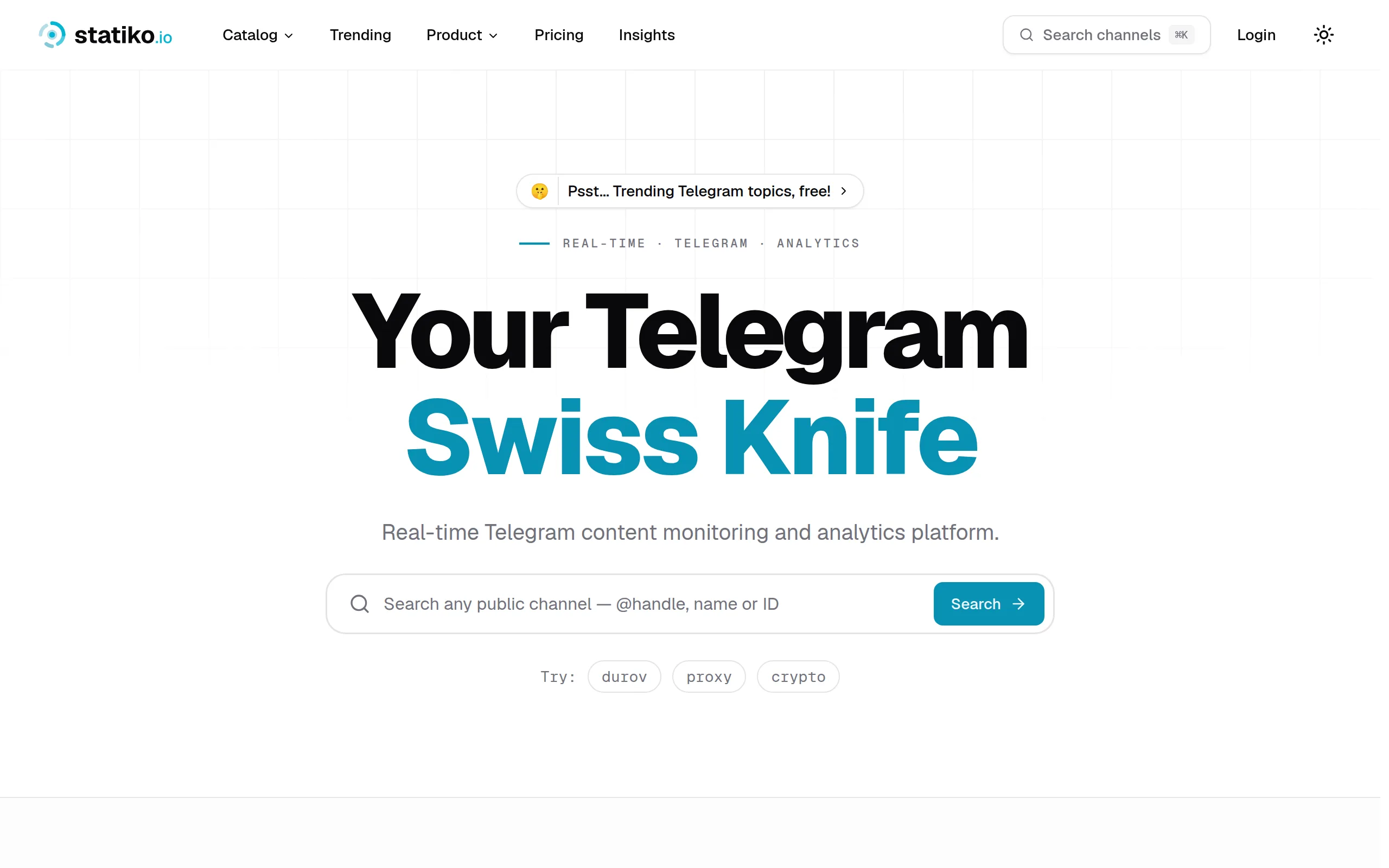
Statiko
Monitor any Telegram channel in real time - track posts, edits, deletions, and growth with AI recaps 📡

Shibui
AI website builder - describe your business, pick a niche template, edit by chatting, and publish instantly ✨

Pro Service
Find verified home service professionals, compare quotes, and pay securely through escrow - built for Brazilians across the US 🏠
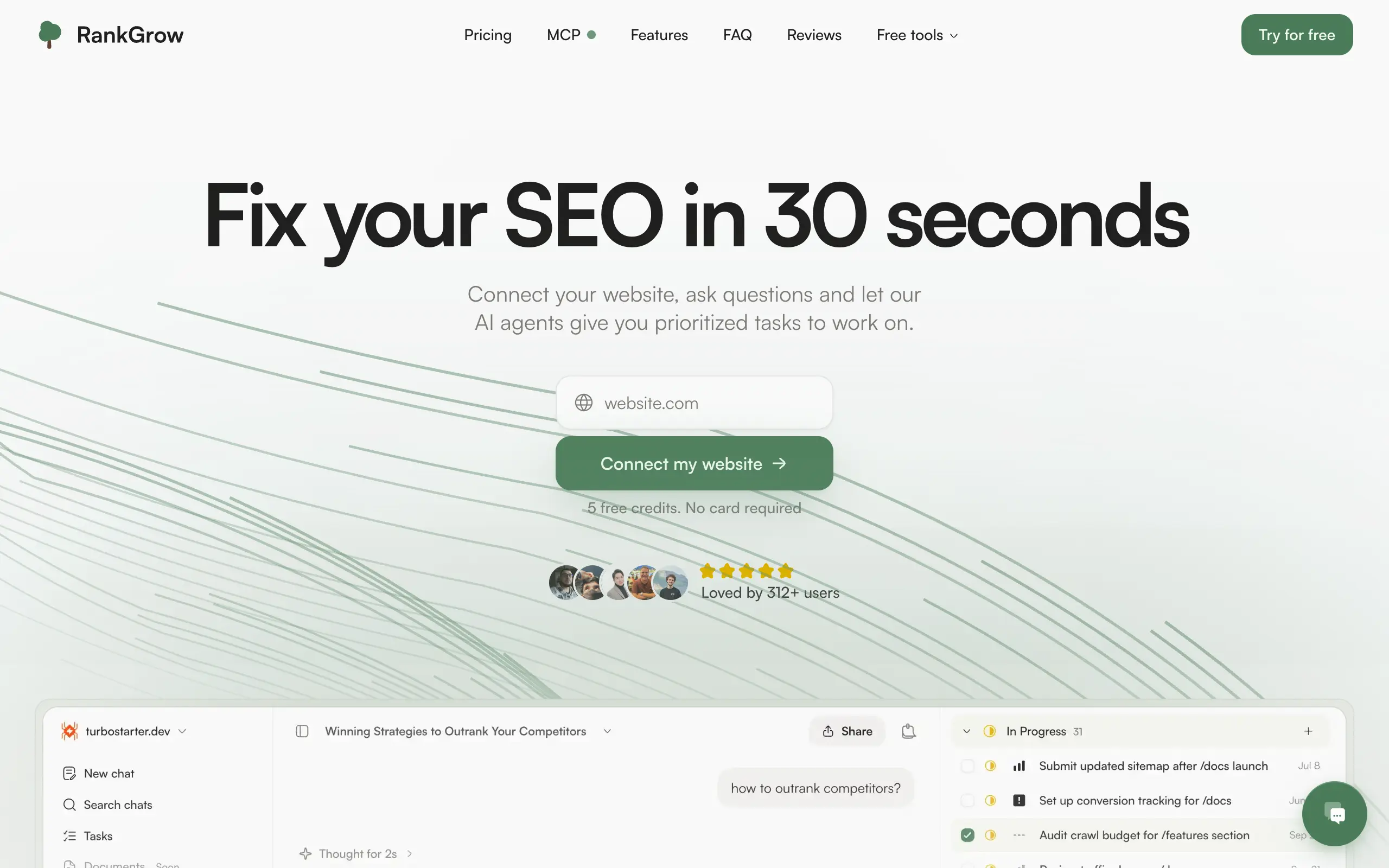
RankGrow
Fix your SEO with AI agents - connect Search Console, get prioritized tasks, and grow organic traffic 📈
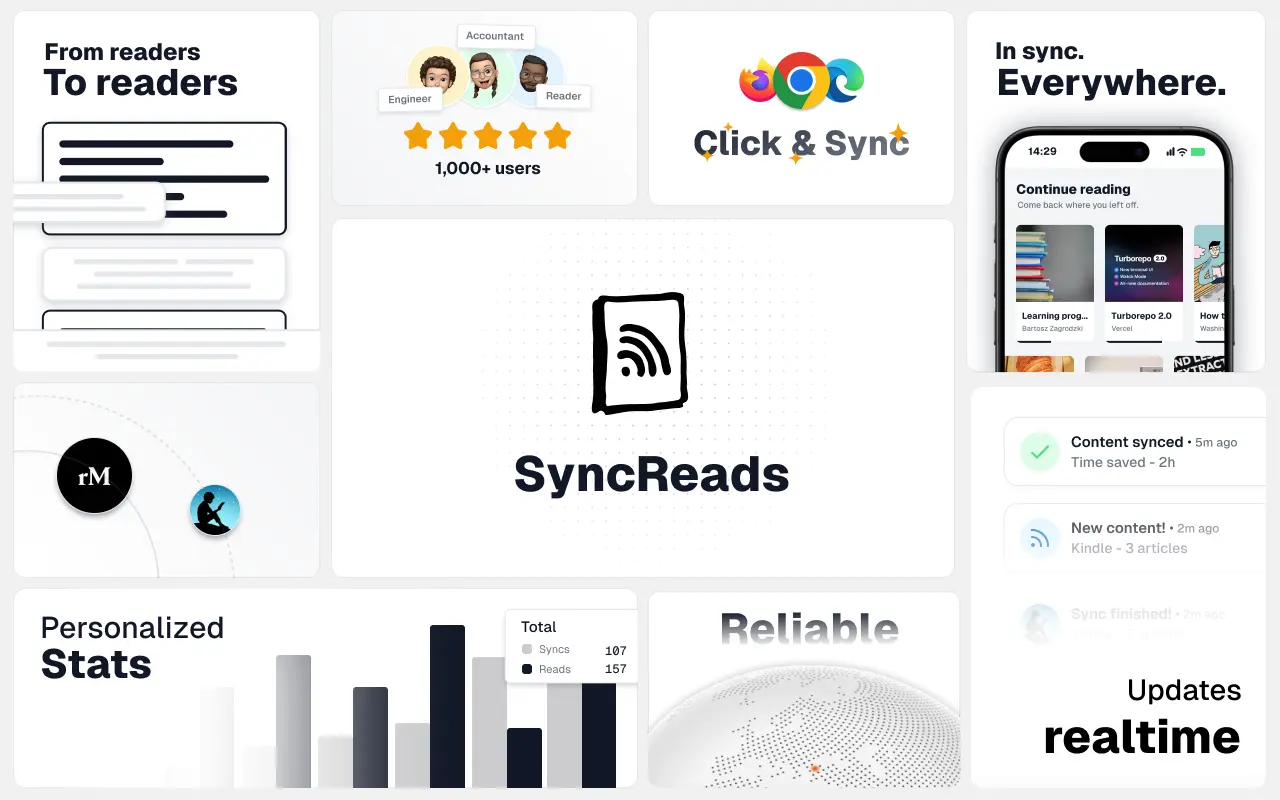
SyncReads
Sync your favorite content for distraction-free reading, save time and replace multiple apps. Anytime, anywhere 🔄
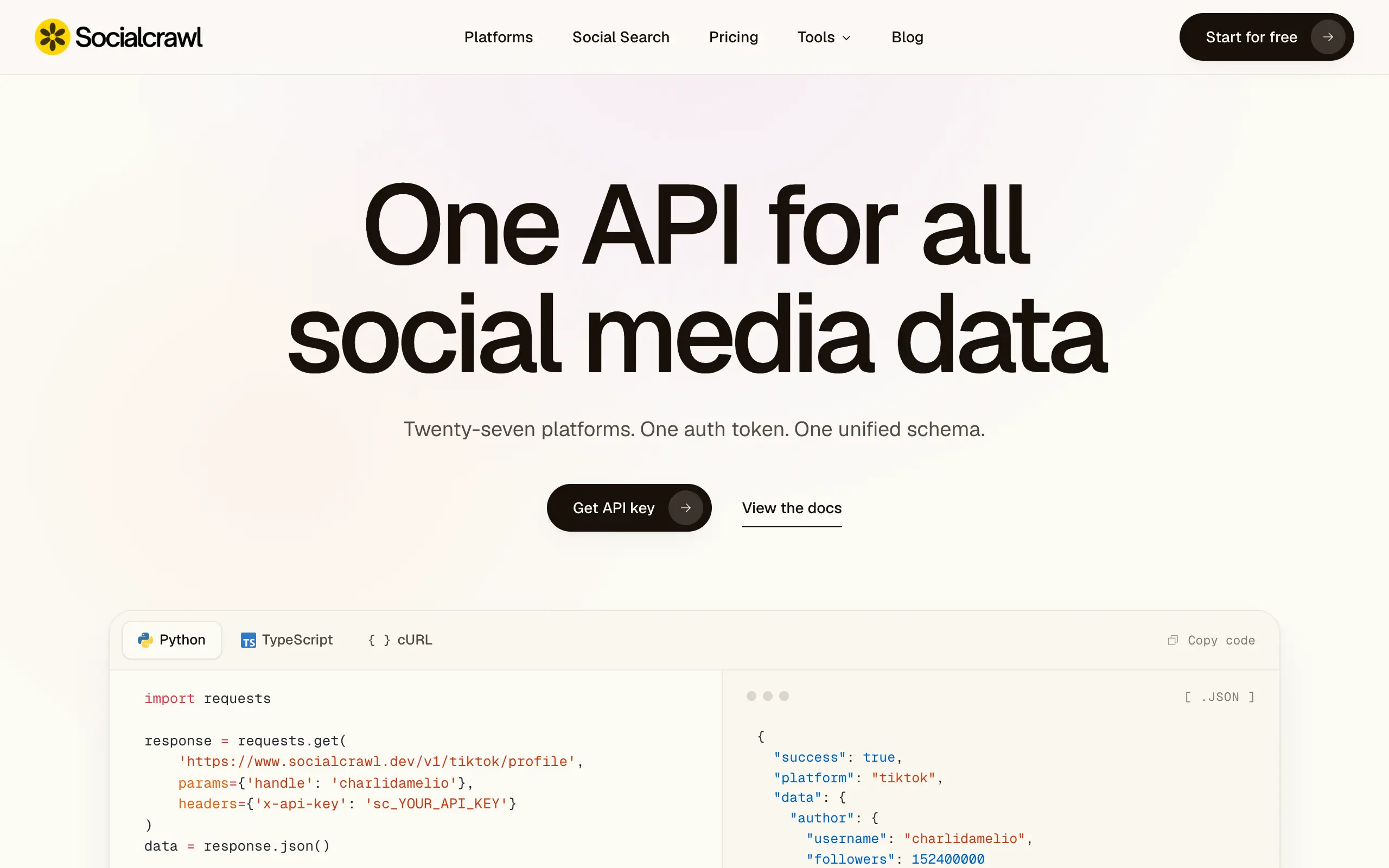
Socialcrawl
Get clean, structured data from 21 platforms like TikTok, Instagram, and YouTube with a single request 📊
Statiko
Monitor any Telegram channel in real time - track posts, edits, deletions, and growth with AI recaps 📡
Shibui
AI website builder - describe your business, pick a niche template, edit by chatting, and publish instantly ✨
Pro Service
Find verified home service professionals, compare quotes, and pay securely through escrow - built for Brazilians across the US 🏠
RankGrow
Fix your SEO with AI agents - connect Search Console, get prioritized tasks, and grow organic traffic 📈
SyncReads
Sync your favorite content for distraction-free reading, save time and replace multiple apps. Anytime, anywhere 🔄
Socialcrawl
Get clean, structured data from 21 platforms like TikTok, Instagram, and YouTube with a single request 📊
Statiko
Monitor any Telegram channel in real time - track posts, edits, deletions, and growth with AI recaps 📡
Shibui
AI website builder - describe your business, pick a niche template, edit by chatting, and publish instantly ✨
Pro Service
Find verified home service professionals, compare quotes, and pay securely through escrow - built for Brazilians across the US 🏠
RankGrow
Fix your SEO with AI agents - connect Search Console, get prioritized tasks, and grow organic traffic 📈
SyncReads
Sync your favorite content for distraction-free reading, save time and replace multiple apps. Anytime, anywhere 🔄
Socialcrawl
Get clean, structured data from 21 platforms like TikTok, Instagram, and YouTube with a single request 📊
Statiko
Monitor any Telegram channel in real time - track posts, edits, deletions, and growth with AI recaps 📡
Shibui
AI website builder - describe your business, pick a niche template, edit by chatting, and publish instantly ✨
Pro Service
Find verified home service professionals, compare quotes, and pay securely through escrow - built for Brazilians across the US 🏠
RankGrow
Fix your SEO with AI agents - connect Search Console, get prioritized tasks, and grow organic traffic 📈
SyncReads
Sync your favorite content for distraction-free reading, save time and replace multiple apps. Anytime, anywhere 🔄
Socialcrawl
Get clean, structured data from 21 platforms like TikTok, Instagram, and YouTube with a single request 📊
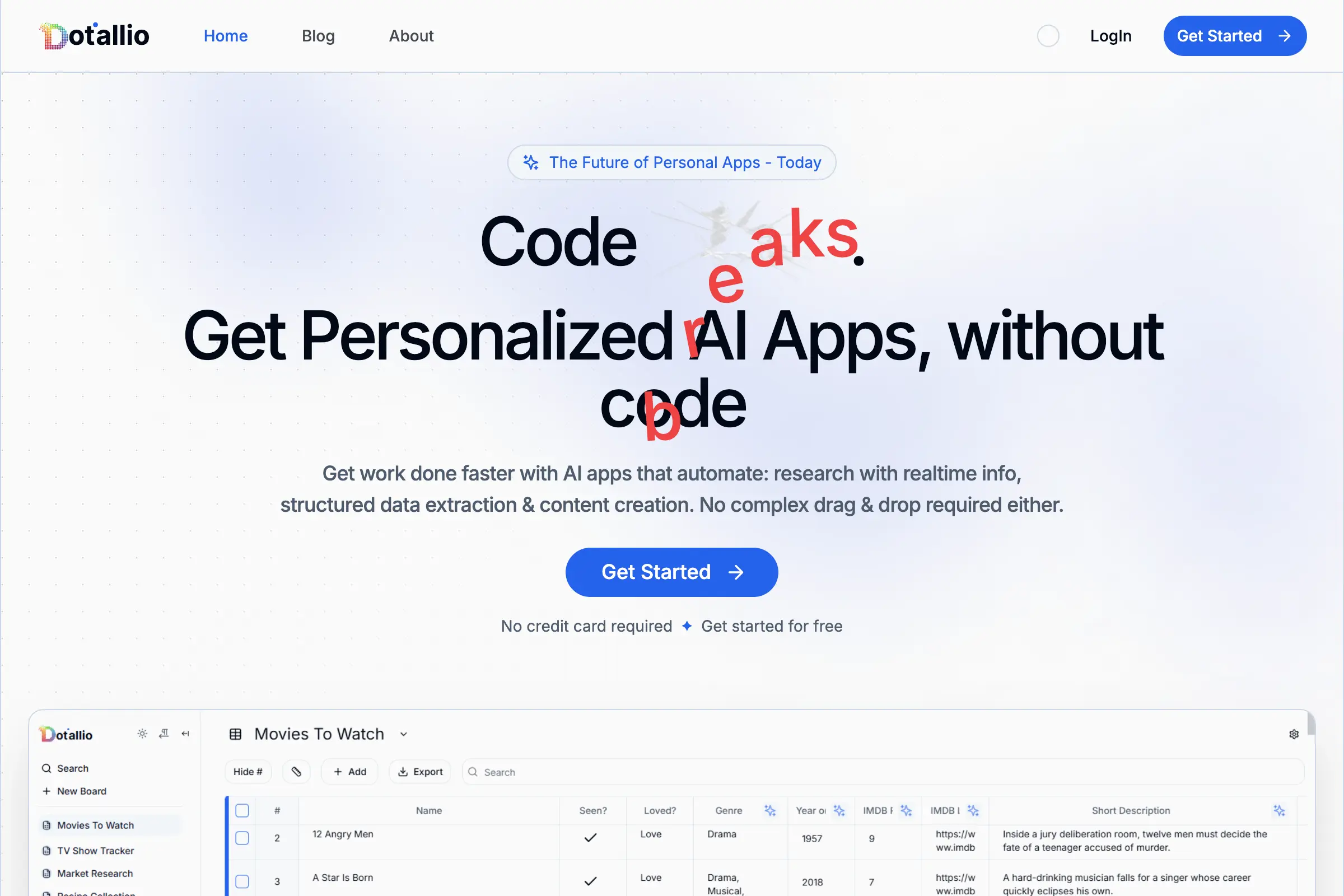
Dotallio
Personalized AI apps that automate research, data extraction, and content creation without code 🤖
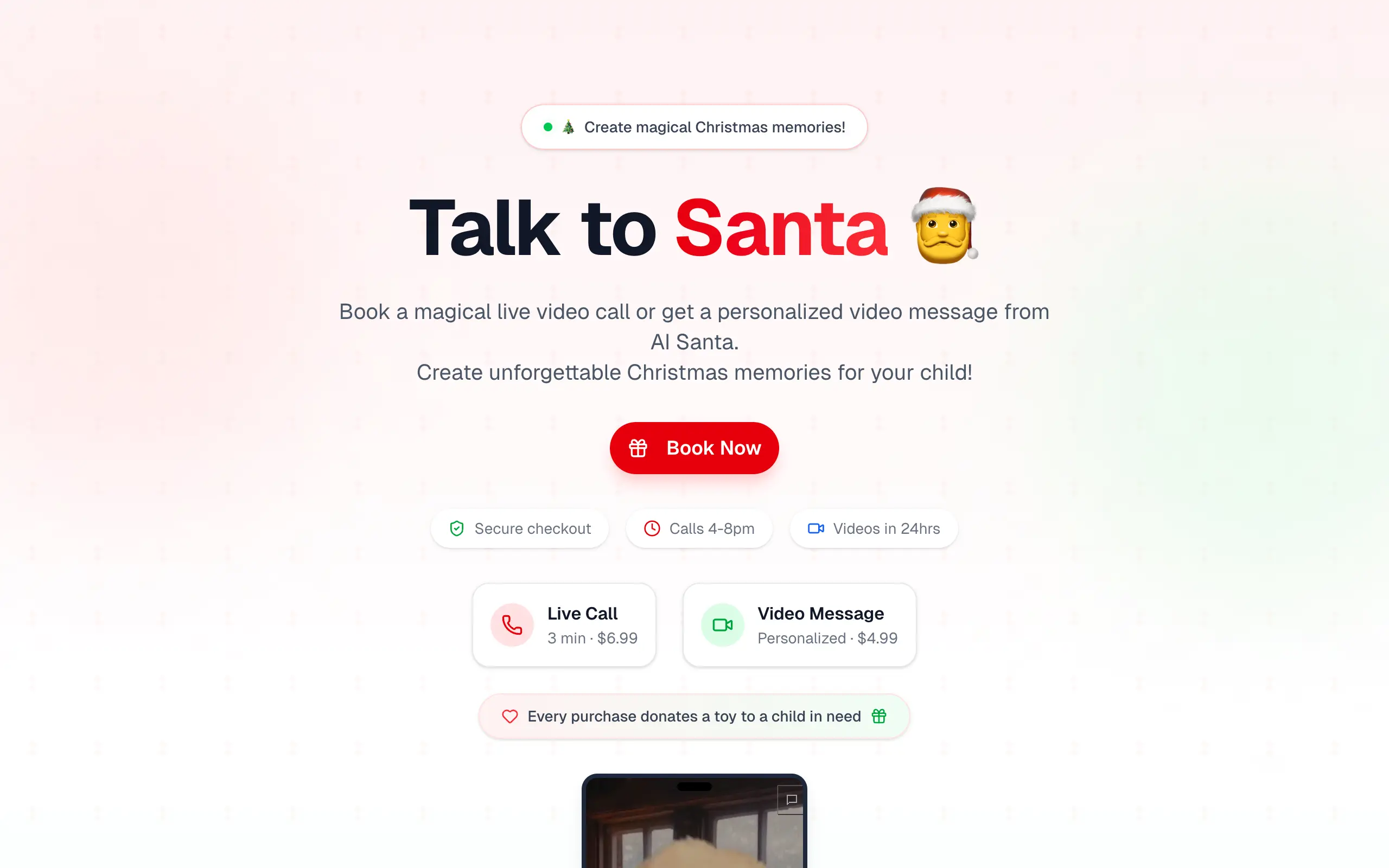
Talk to Santa
Enjoy a magical live video chat or receive a unique AI-generated video greeting from Santa Claus 🎅

pozywka.pl
Scalable blog for food journalist, focused on performance and user experience 🌭
zagrodzki.me
Personal blog and portfolio of Bart Zagrodzki, where he shares his knowledge and work 💼
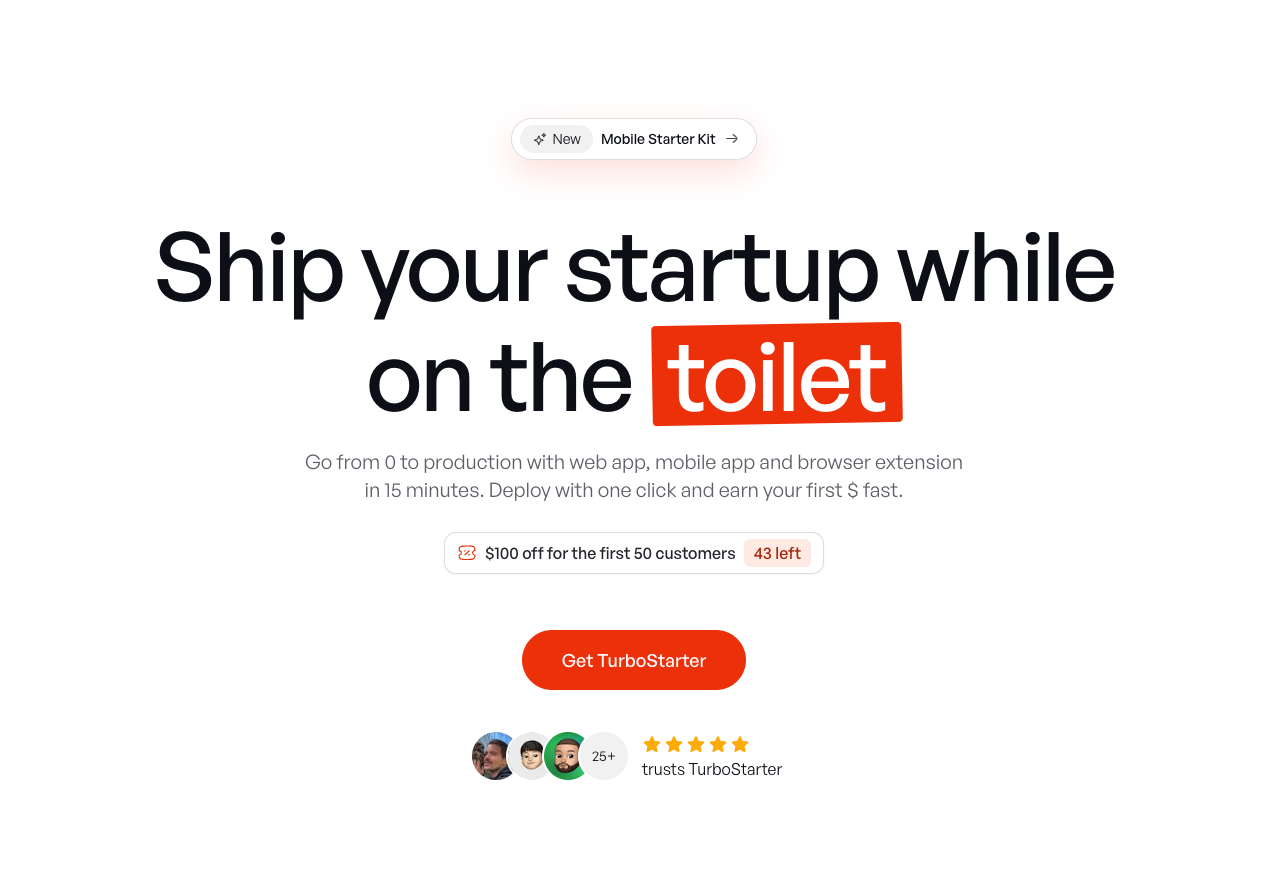
TurboStarter
Ship your startup everywhere. In minutes.
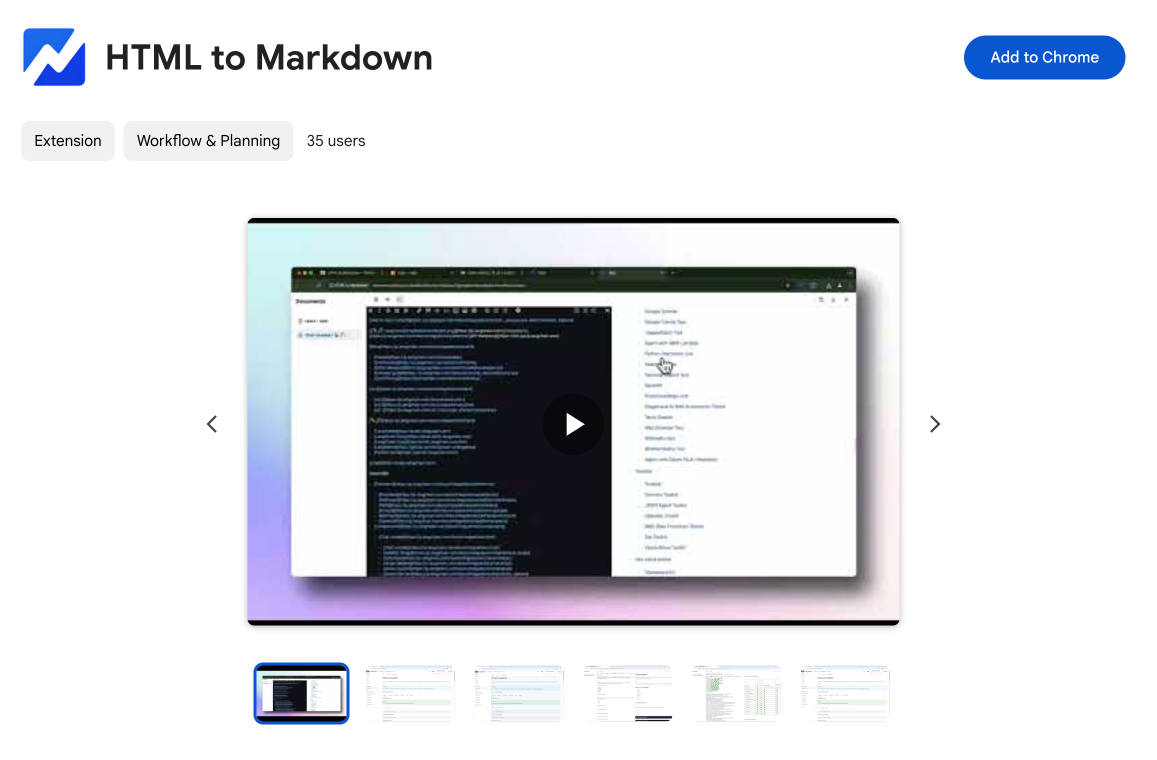
HTML to Markdown
Convert HTML to Markdown with ease, directly in your browser 📄
Dotallio
Personalized AI apps that automate research, data extraction, and content creation without code 🤖
Talk to Santa
Enjoy a magical live video chat or receive a unique AI-generated video greeting from Santa Claus 🎅
pozywka.pl
Scalable blog for food journalist, focused on performance and user experience 🌭
zagrodzki.me
Personal blog and portfolio of Bart Zagrodzki, where he shares his knowledge and work 💼
TurboStarter
Ship your startup everywhere. In minutes.
HTML to Markdown
Convert HTML to Markdown with ease, directly in your browser 📄
Dotallio
Personalized AI apps that automate research, data extraction, and content creation without code 🤖
Talk to Santa
Enjoy a magical live video chat or receive a unique AI-generated video greeting from Santa Claus 🎅
pozywka.pl
Scalable blog for food journalist, focused on performance and user experience 🌭
zagrodzki.me
Personal blog and portfolio of Bart Zagrodzki, where he shares his knowledge and work 💼
TurboStarter
Ship your startup everywhere. In minutes.
HTML to Markdown
Convert HTML to Markdown with ease, directly in your browser 📄
Dotallio
Personalized AI apps that automate research, data extraction, and content creation without code 🤖
Talk to Santa
Enjoy a magical live video chat or receive a unique AI-generated video greeting from Santa Claus 🎅
pozywka.pl
Scalable blog for food journalist, focused on performance and user experience 🌭
zagrodzki.me
Personal blog and portfolio of Bart Zagrodzki, where he shares his knowledge and work 💼
TurboStarter
Ship your startup everywhere. In minutes.
HTML to Markdown
Convert HTML to Markdown with ease, directly in your browser 📄
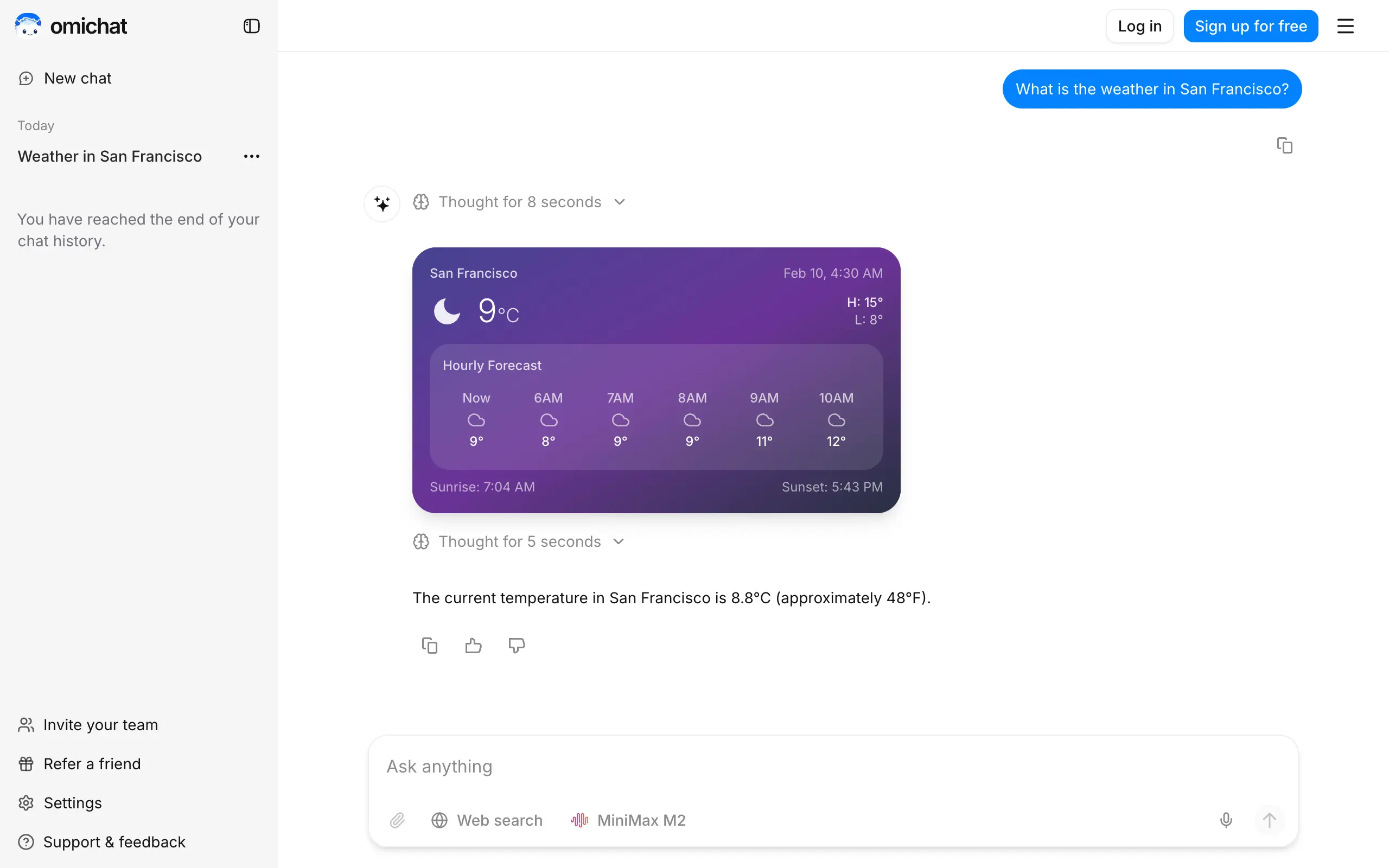
Omichat
Chat with 50+ AI models, including ChatGPT and Claude, in one place - switch models anytime without losing context 🤖
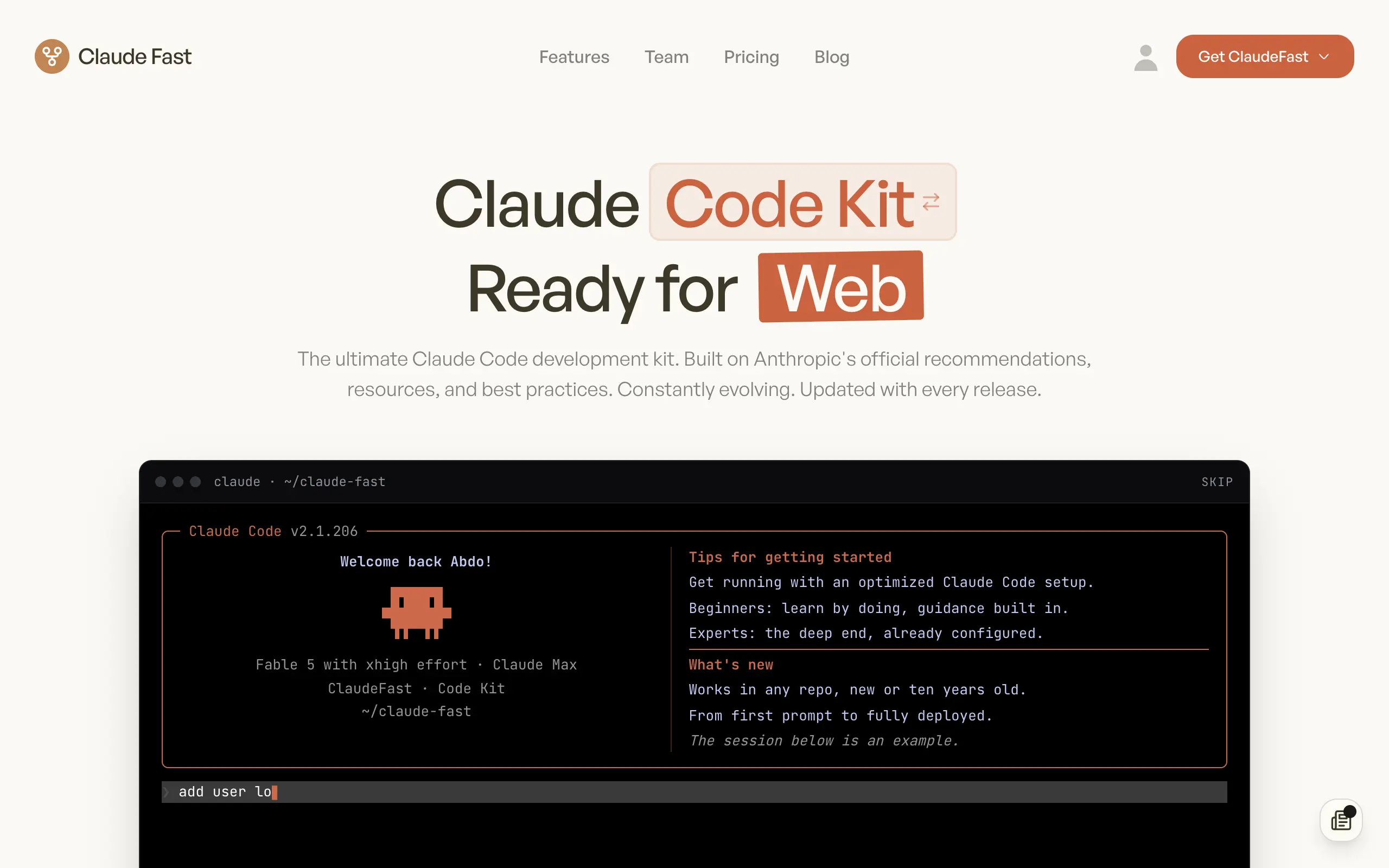
Claude Fast
Supercharge your Claude Code with 6x effective context window and specialized AI agents 🤖
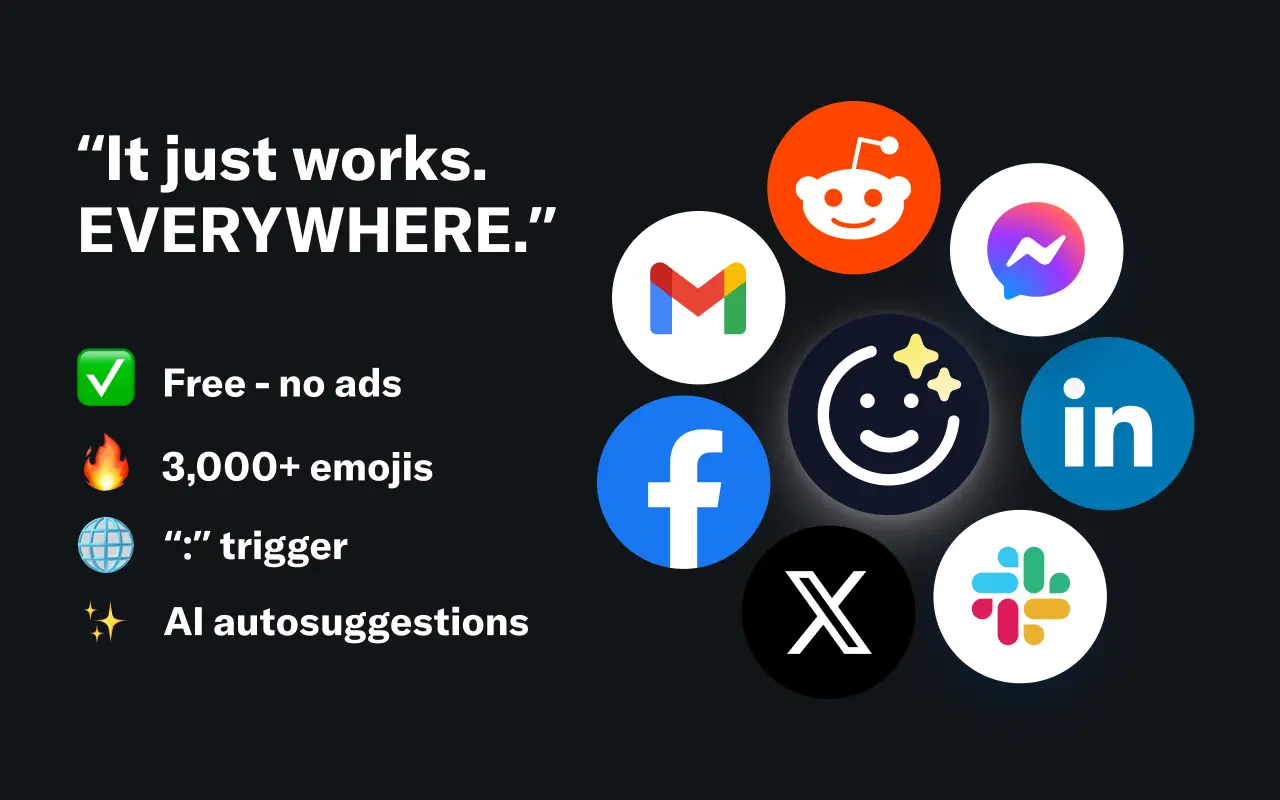
EmojAI
AI-powered emoji picker with smart, context-aware suggestions 🤖
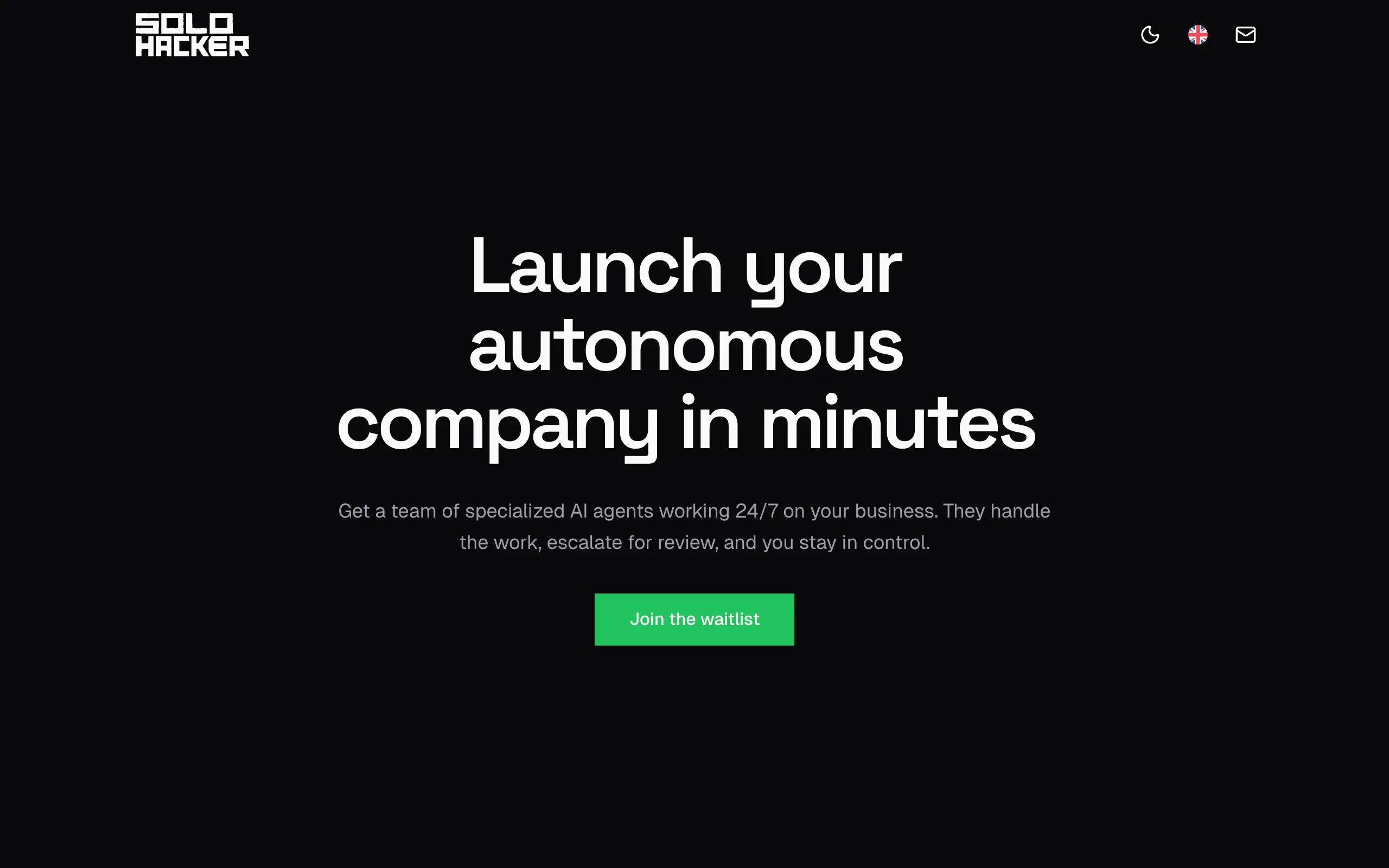
Solohacker
Autonomous company launcher - AI agents work 24/7, escalate what matters, and you stay in control 🤖
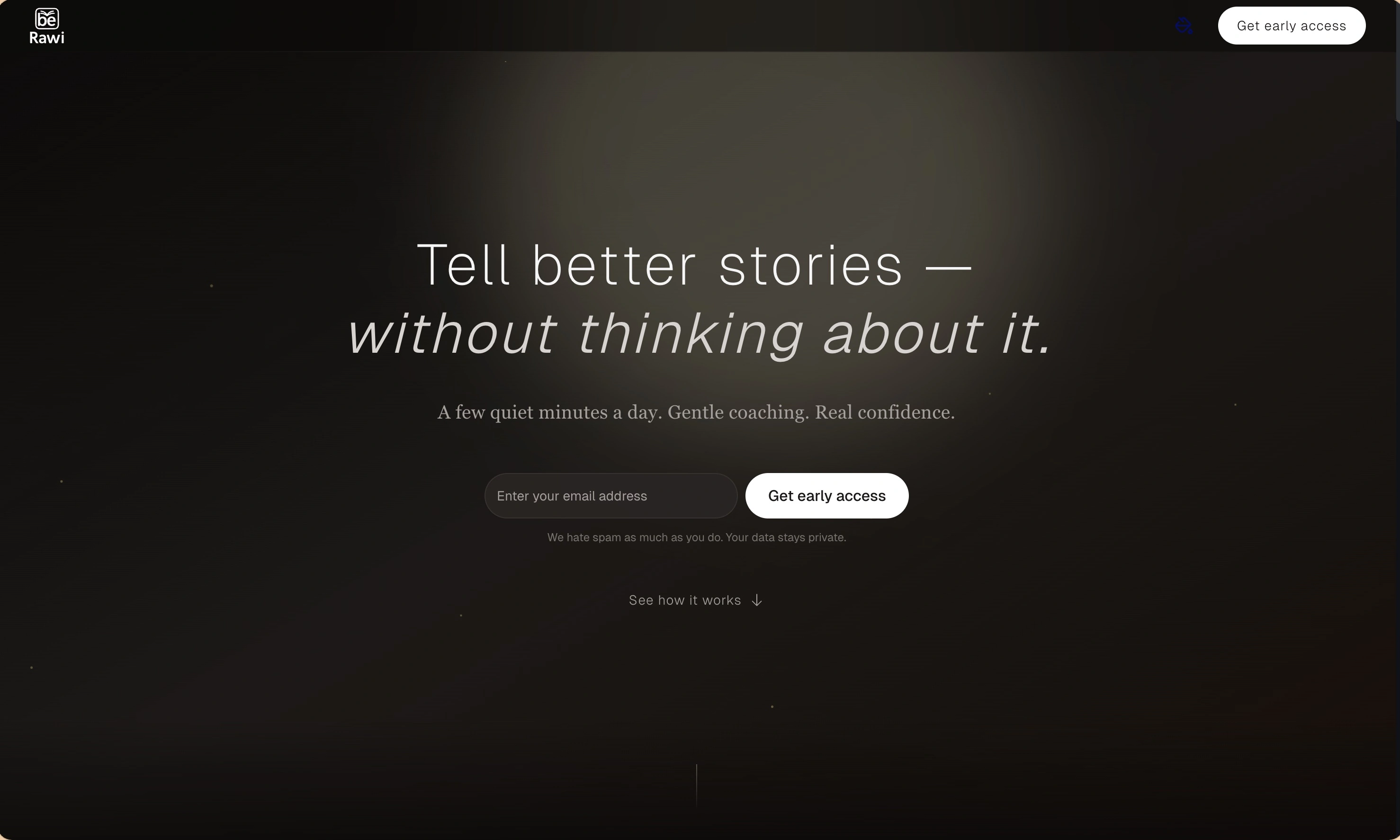
BeRawi: Storytelling Coach
Practice storytelling daily with instant feedback to sound clearer, more engaging, and confident 🎤
Omichat
Chat with 50+ AI models, including ChatGPT and Claude, in one place - switch models anytime without losing context 🤖
Claude Fast
Supercharge your Claude Code with 6x effective context window and specialized AI agents 🤖
EmojAI
AI-powered emoji picker with smart, context-aware suggestions 🤖
Solohacker
Autonomous company launcher - AI agents work 24/7, escalate what matters, and you stay in control 🤖
BeRawi: Storytelling Coach
Practice storytelling daily with instant feedback to sound clearer, more engaging, and confident 🎤
Omichat
Chat with 50+ AI models, including ChatGPT and Claude, in one place - switch models anytime without losing context 🤖
Claude Fast
Supercharge your Claude Code with 6x effective context window and specialized AI agents 🤖
EmojAI
AI-powered emoji picker with smart, context-aware suggestions 🤖
Solohacker
Autonomous company launcher - AI agents work 24/7, escalate what matters, and you stay in control 🤖
BeRawi: Storytelling Coach
Practice storytelling daily with instant feedback to sound clearer, more engaging, and confident 🎤
Omichat
Chat with 50+ AI models, including ChatGPT and Claude, in one place - switch models anytime without losing context 🤖
Claude Fast
Supercharge your Claude Code with 6x effective context window and specialized AI agents 🤖
EmojAI
AI-powered emoji picker with smart, context-aware suggestions 🤖
Solohacker
Autonomous company launcher - AI agents work 24/7, escalate what matters, and you stay in control 🤖
BeRawi: Storytelling Coach
Practice storytelling daily with instant feedback to sound clearer, more engaging, and confident 🎤

Connect with like-minded people
Join our community to get feedback, support, and grow together with 1,000+ builders on board, let's ship it!
Join usShip your startup everywhere. In minutes.
Don't burn tokens on setup and start building features on day one.