LifePilot
A personal life management app that turns your goals, habits, and finances into one smart daily action plan you can actually follow.
The future of personal productivity: why a unified life management app matters
Modern productivity is fragmented.
Your goals live in one app.
Your habits in another.
Your finances in a spreadsheet.
Your calendar somewhere else.
Your reminders scattered across devices.
This fragmentation creates decision fatigue, inconsistency, and burnout. Despite access to world-class tools, many people still struggle to turn long-term ambitions into consistent daily action.
That’s where a personal life management app like LifePilot comes in.
LifePilot is designed to turn your goals, habits, and finances into one smart daily action plan you can actually follow. Instead of managing separate systems, users receive a unified, prioritized plan every day — aligned with their long-term objectives.
This article explores:
- ✅ Target audience and market opportunity
- ✅ Product vision and core features
- ✅ Technical architecture and recommended tech stack
- ✅ Monetization strategy
- ✅ Competitive landscape
- ✅ Risks and mitigation strategies
- ✅ Step-by-step implementation roadmap
If you’re validating, building, or investing in a SaaS productivity platform, this guide provides deep, strategic insight.
Understanding user search intent
Users searching for a life management app or personal life planner app typically want one of the following:
- A better way to organize their goals and routines
- A unified dashboard for personal development and finances
- Help staying consistent with long-term ambitions
- A daily action plan that removes overwhelm
They are not just looking for another task manager.
They are searching for:
- Structure
- Clarity
- Accountability
- Direction
LifePilot addresses this intent directly by shifting from “task tracking” to life orchestration.
Target audience analysis
LifePilot’s core users fall into three primary segments.
1. Ambitious professionals (25–45)
- Mid-career professionals
- Founders and freelancers
- High-performing corporate employees
- People pursuing side projects
Pain points:
- Too many responsibilities
- Inconsistent progress toward long-term goals
- Financial planning disconnected from life goals
- Overwhelm from multiple apps
They want structure without complexity.
2. Self-improvement enthusiasts
- Readers of productivity books
- Followers of habit-building frameworks
- Users of Notion, Todoist, Habitica, YNAB
Pain points:
- Systems are too manual
- Hard to connect habits to bigger goals
- No automated prioritization
- Burnout from over-planning
They want a smarter system that adapts.
3. Financially conscious planners
- Budgeters
- FIRE movement followers
- Long-term wealth builders
Pain points:
- Financial planning separated from lifestyle goals
- Difficulty aligning daily spending with long-term dreams
- No behavioral nudges tied to money
They want daily decisions aligned with financial outcomes.
Market opportunity and gap
The global productivity software market continues to grow, driven by remote work, personal development trends, and digital-first lifestyles. Reports from sources such as Gartner and Statista consistently show rising investment in workflow and planning tools.
But here's the gap:
Current tools are siloed.
- Task managers manage tasks.
- Habit apps manage habits.
- Budget apps manage money.
- Goal apps track aspirations.
No dominant SaaS connects all three into one dynamic daily plan.
That is LifePilot’s opportunity.
Core value proposition
LifePilot is not just a planner.
It is a decision engine for your life.
It translates:
- 🎯 Long-term goals
- 🔁 Recurring habits
- 💰 Financial constraints
- 📅 Calendar events
Into:
✅ A smart, realistic, prioritized daily action plan.
Core features and solution architecture
1. Goal architecture engine
Users define:
- 1-year goals
- Quarterly objectives
- Personal values
- Financial milestones
LifePilot breaks these into measurable outcomes and ties them to daily micro-actions.
2. Habit intelligence system
Unlike static trackers, LifePilot:
- Detects habit streak patterns
- Adjusts difficulty dynamically
- Suggests rest days
- Reduces friction when burnout risk is detected
Example: If a user fails workouts 3 times in a row, the system automatically scales intensity.
3. Financial alignment module
This is the differentiator.
Instead of just tracking expenses:
- Connects goals to budgets
- Calculates “goal affordability score”
- Suggests spending adjustments aligned with life ambitions
- Shows how daily choices impact long-term freedom
For example:
“Skipping $5 coffee today moves your travel fund 3 days closer.”
This behavioral finance integration is powerful.
4. Smart daily action plan
Every morning, users see:
- Top 3 priority actions
- Supporting habits
- Financial nudges
- Time-blocked suggestions
The algorithm considers:
- Calendar load
- Energy trends
- Goal deadlines
- Budget constraints
5. Progress visualization
Instead of vanity streaks, LifePilot shows:
- Goal momentum score
- Life balance radar
- Financial runway timeline
- Weekly alignment percentage
Feature comparison with existing solutions
| Feature | Todoist | Habit Apps | YNAB | LifePilot |
|---|---|---|---|---|
| Unified goals + habits + finances | ❌ | ❌ | ❌ | ✅ |
| Automated daily action plan | ❌ | ❌ | ❌ | ✅ |
| Financial behavior nudges | ❌ | ❌ | ✅ | ✅ |
| Dynamic habit scaling | ❌ | ✅ | ❌ | ✅ |
LifePilot wins through integration and automation.
Recommended tech stack
To build a scalable personal life management SaaS, architecture matters.
Frontend
- React or Next.js
- TailwindCSS
- React Query for server state
- Recharts for analytics visualizations
Why:
- Performance
- SEO optimization
- Modern UX flexibility
Backend
- Node.js with NestJS or Express
- PostgreSQL (relational data suits structured goals + finances)
- Redis (caching + task queues)
- REST or GraphQL API
AI & personalization layer
- Behavioral scoring algorithm (custom logic)
- Lightweight ML for:
- Streak prediction
- Burnout detection
- Budget risk modeling
Avoid overengineering early with large LLM infrastructure.
Start deterministic → add AI later.
Example goal breakdown logic
function generateDailyActions(goal, habits, finances) {
  const urgencyScore = calculateUrgency(goal.deadline);
  const habitMomentum = calculateHabitConsistency(habits);
  const budgetHealth = calculateBudgetHealth(finances);

  const priorityScore = urgencyScore * 0.5 + habitMomentum * 0.3 + budgetHealth * 0.2;

  return prioritizeActions(goal.tasks, priorityScore);
}
This deterministic logic ensures explainability — critical for trust.
Monetization strategy
LifePilot fits a strong SaaS subscription model.
Tiered pricing model
Free Plan
Basic goal tracking, limited habits, limited financial insights.
Pro Plan ($12–19/mo)
Smart daily planning, financial alignment, unlimited goals and habits.
Elite Plan ($29/mo)
Advanced analytics, AI optimization, priority support.
Additional revenue streams
- Annual subscriptions (discounted)
- Goal coaching marketplace
- Financial advisor integrations
- Corporate wellness plans
- Affiliate revenue (books, courses, financial tools)
Competitive advantage and differentiation
LifePilot’s moat is integration + automation + behavioral intelligence.
1. Cross-domain synthesis
Most apps focus on one domain.
LifePilot connects:
- Psychology
- Productivity science
- Behavioral finance
- Goal theory
2. Daily clarity over dashboards
Instead of overwhelming analytics, LifePilot answers:
“What should I do today?”
Clarity beats complexity.
3. Explainable decision engine
AI suggestions are transparent.
Users see:
- Why this action is prioritized
- What trade-offs are involved
- How it impacts goals
Trust is everything in personal data apps.
Risks and mitigation strategies
Risk 1: Feature overload
Mitigation:
Start with 3 pillars only:
- Goals
- Habits
- Financial alignment
Ship minimal → iterate.
Risk 2: User overwhelm
Mitigation:
- Guided onboarding
- Progressive feature unlock
- Default templates
Risk 3: Financial data sensitivity
Mitigation:
- Bank-grade encryption
- SOC 2 roadmap
- Transparent privacy policy
- No selling of financial data
Risk 4: Competition from Notion ecosystem
Mitigation:
- Focus on automation
- Mobile-first UX
- No manual setup required
Notion is flexible.
LifePilot is opinionated and intelligent.
UX principles for success
- One-screen daily dashboard
- Minimal inputs required
- Automatic recalibration
- Weekly reflection ritual
- Clear progress indicators
Go-to-market strategy
Phase 1: Niche dominance
Target:
- Productivity Twitter/X
- Indie hacker community
- Self-improvement YouTube audiences
Phase 2: Content-driven growth
SEO targets:
- “best life management app”
- “how to align goals and finances”
- “daily action planner app”
- “goal and habit tracking app”
Publish long-form thought leadership.
Phase 3: Influencer partnerships
Partner with:
- Personal finance creators
- Productivity coaches
- Self-development influencers
Implementation roadmap
Sample MVP feature scope
Keep it tight:
- Goal creation
- Habit tracking
- Manual finance input
- Smart daily list
- Weekly review screen
No complex bank integrations at first.
Expansion opportunities
AI life simulations
“What happens if I increase savings by 10%?”
Burnout prediction
Energy scoring + schedule density analysis.
Smart calendar auto-blocking
Time allocation based on priority score.
Why LifePilot can win
The future of productivity is not more apps.
It’s consolidation with intelligence.
LifePilot is positioned at the intersection of:
- Personal growth
- Financial independence
- Automation
- Behavioral design
Few products operate in that intersection.
Final strategic recommendation
If executed well, LifePilot can become:
- The operating system for personal growth
- A daily clarity engine
- A behavioral finance assistant
- A long-term life trajectory optimizer
The key is restraint:
Build depth, not breadth.
Automate intelligently.
Stay opinionated.
Building LifePilot faster
If you’re launching LifePilot or a similar productivity SaaS, using a structured SaaS starter kit can dramatically reduce time-to-market.
A framework like TurboStarter provides:
- Authentication
- Payments
- Scalable architecture
- Clean codebase foundation
This lets you focus on what matters:
✅ The life decision engine
✅ Habit intelligence
✅ Financial alignment logic
Instead of rebuilding infrastructure from scratch.
Closing thoughts
People don’t struggle because they lack ambition.
They struggle because their systems are fragmented.
A smart personal life management app like LifePilot can bridge the gap between:
- Vision and execution
- Planning and doing
- Goals and daily behavior
The opportunity is real.
The demand exists.
The differentiation is clear.
Now it’s about execution.
And execution starts with building a system people can actually follow — every single day.
More ⚡ Productivity Tool SaaS ideas
Discover more innovative productivity tool SaaS ideas that are trending in 2026. Each idea is AI-generated with market validation and growth potential to help you find your next profitable venture faster than competitors.
Your competitors are building with TurboStarter
Below are some of the SaaS ideas that have been generated and built with our starter kit.
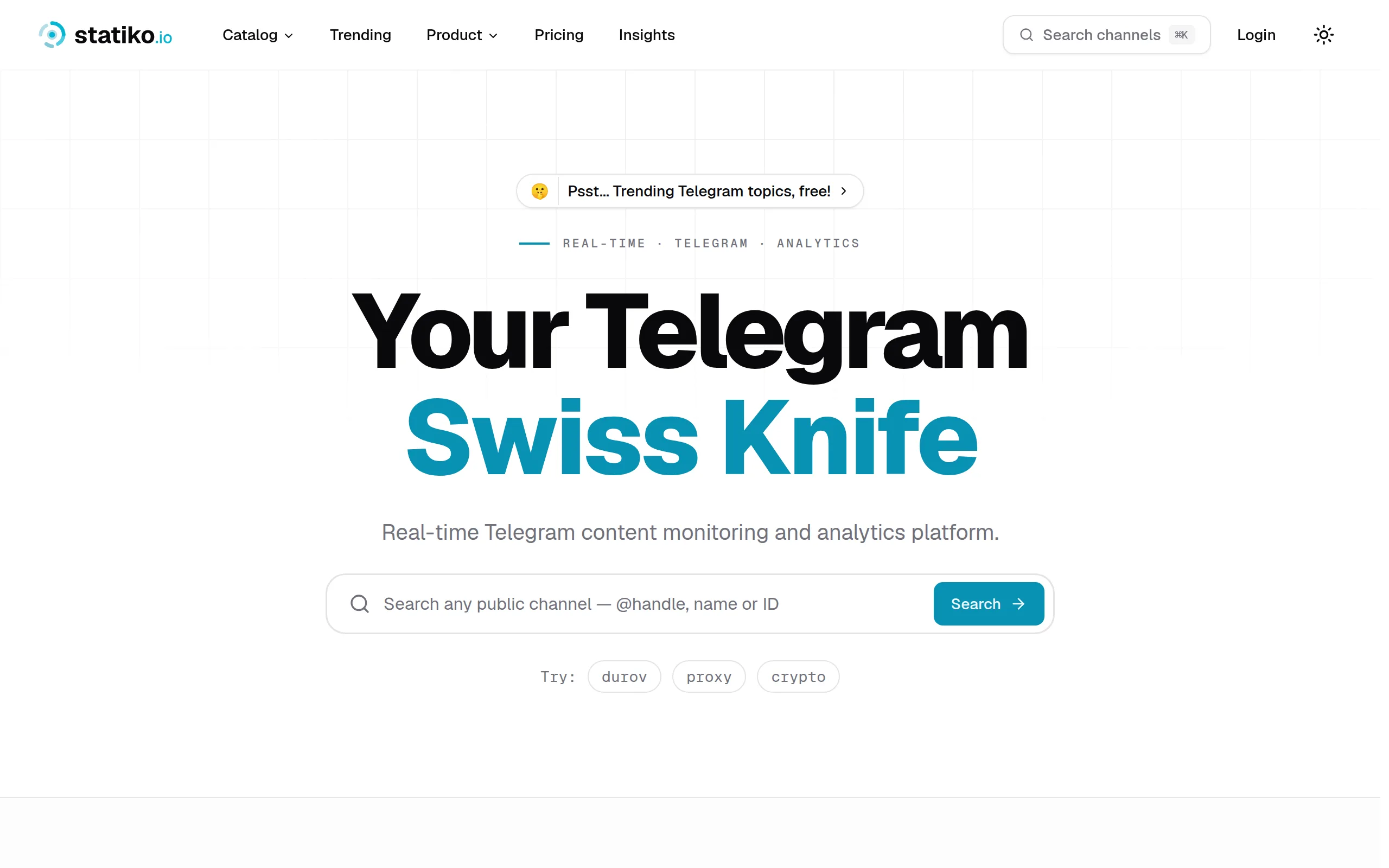
Statiko
Monitor any Telegram channel in real time - track posts, edits, deletions, and growth with AI recaps 📡

Shibui
AI website builder - describe your business, pick a niche template, edit by chatting, and publish instantly ✨

Pro Service
Find verified home service professionals, compare quotes, and pay securely through escrow - built for Brazilians across the US 🏠
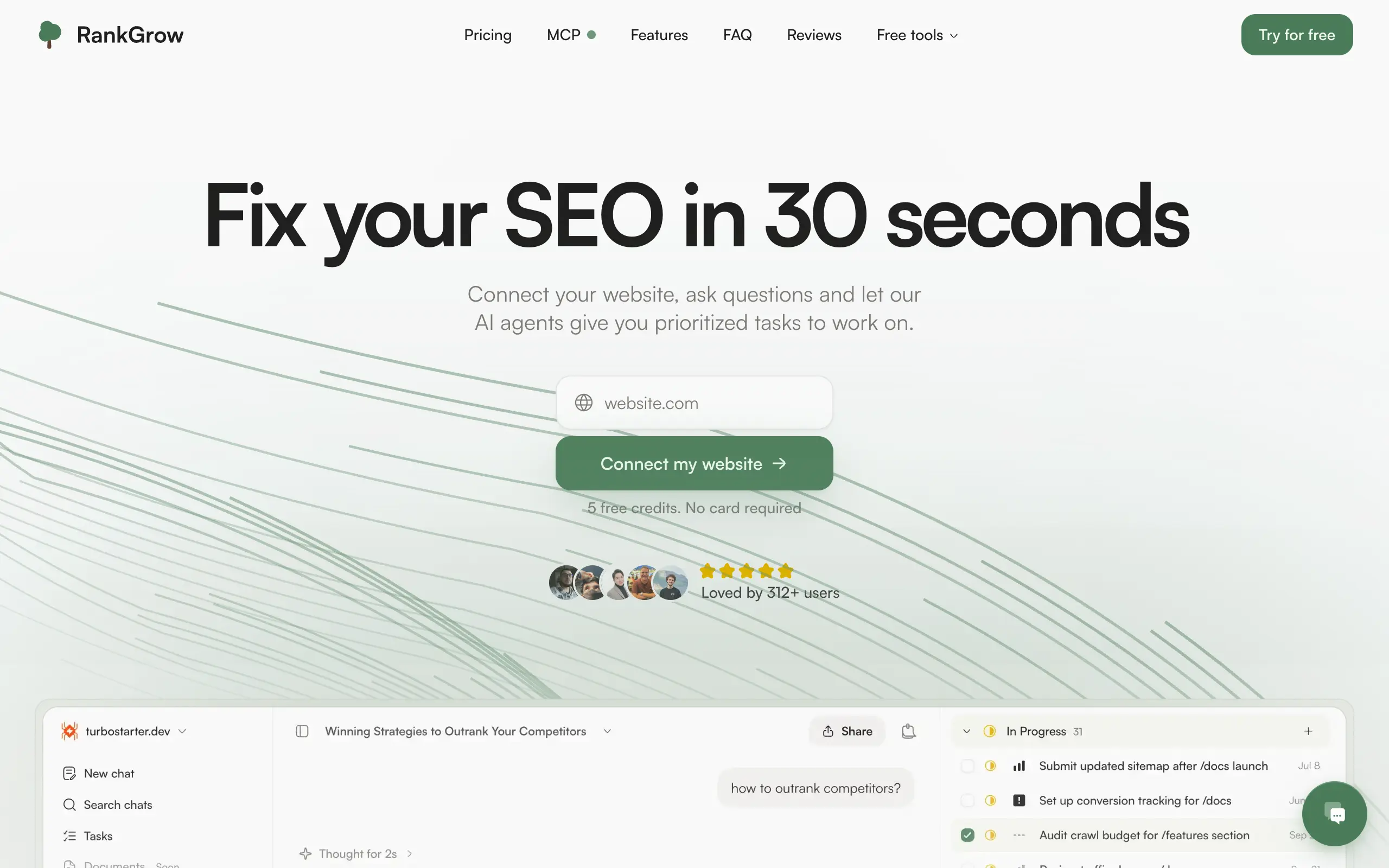
RankGrow
Fix your SEO with AI agents - connect Search Console, get prioritized tasks, and grow organic traffic 📈
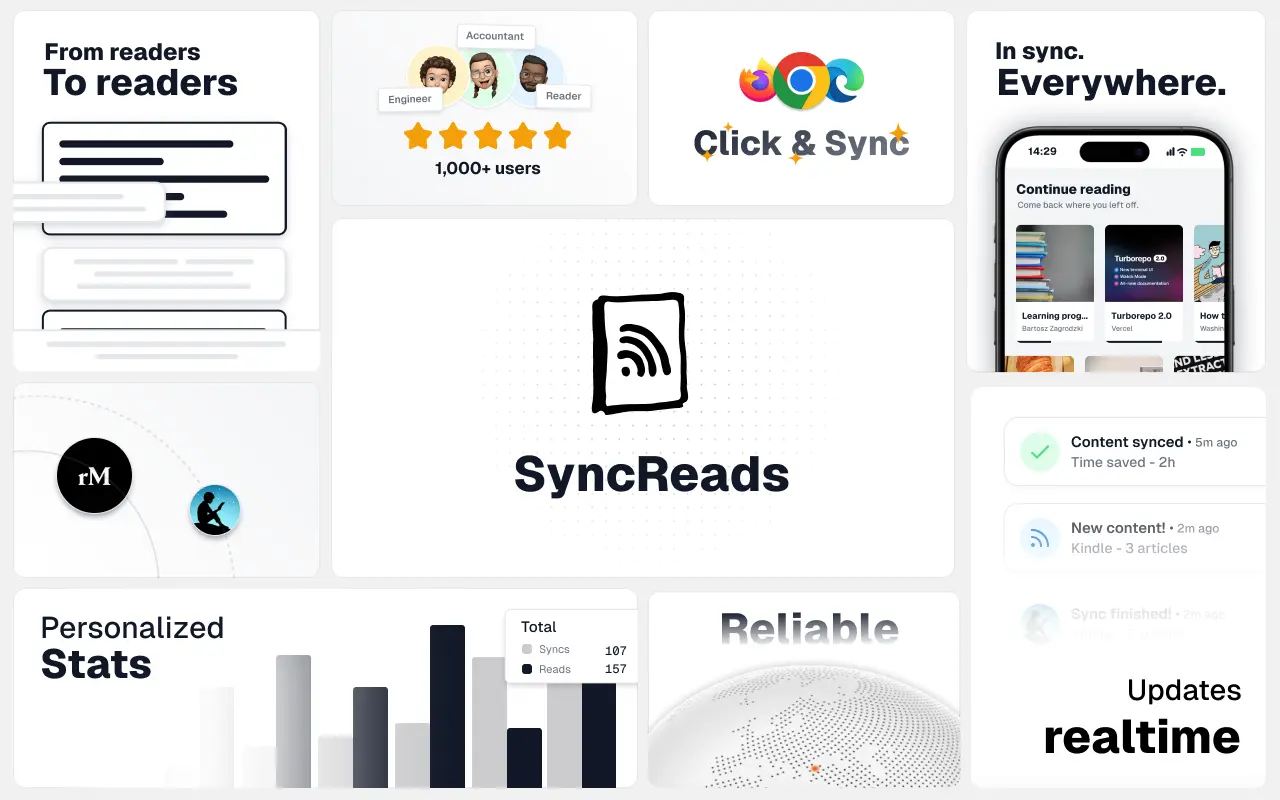
SyncReads
Sync your favorite content for distraction-free reading, save time and replace multiple apps. Anytime, anywhere 🔄
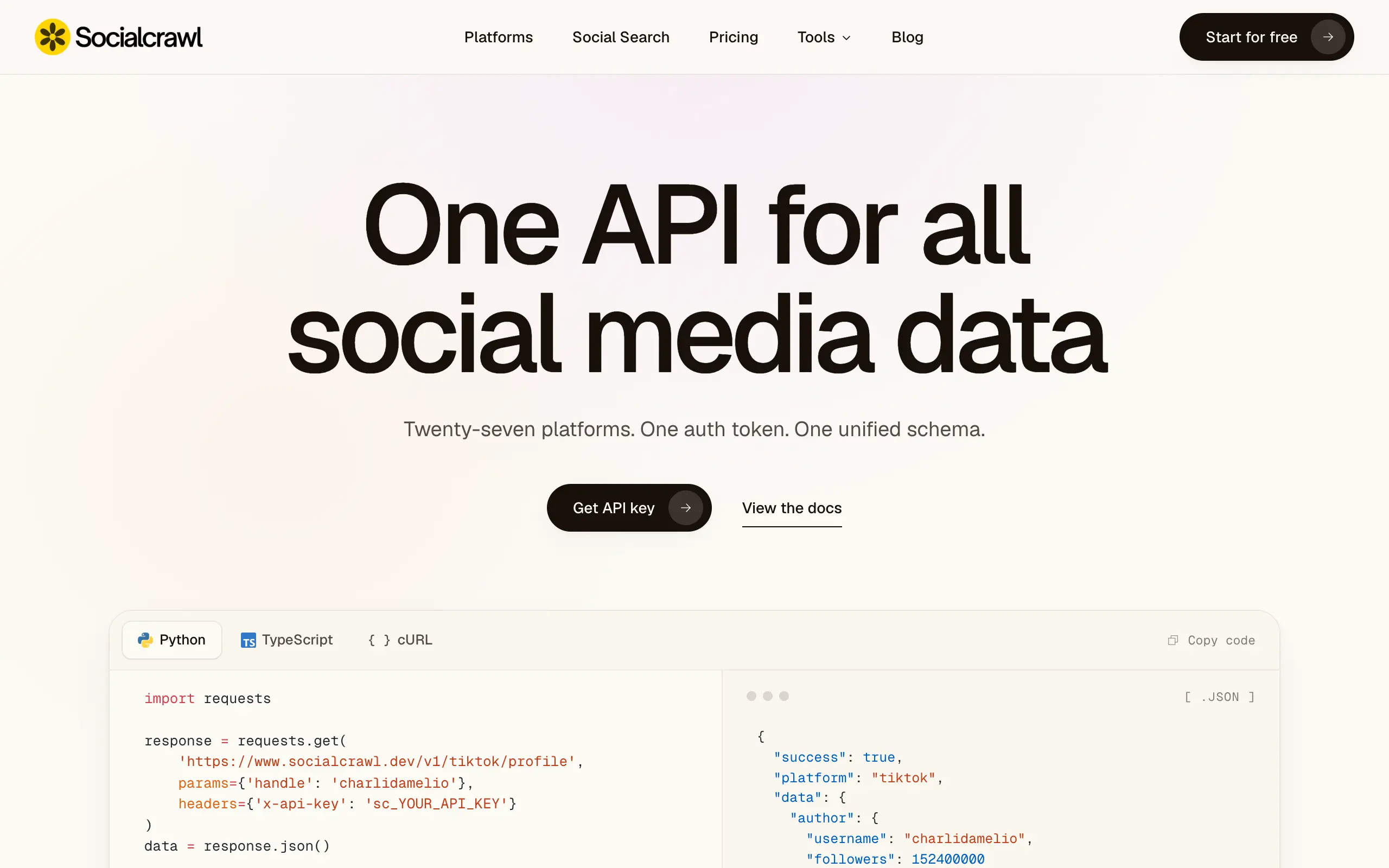
Socialcrawl
Get clean, structured data from 21 platforms like TikTok, Instagram, and YouTube with a single request 📊
Statiko
Monitor any Telegram channel in real time - track posts, edits, deletions, and growth with AI recaps 📡
Shibui
AI website builder - describe your business, pick a niche template, edit by chatting, and publish instantly ✨
Pro Service
Find verified home service professionals, compare quotes, and pay securely through escrow - built for Brazilians across the US 🏠
RankGrow
Fix your SEO with AI agents - connect Search Console, get prioritized tasks, and grow organic traffic 📈
SyncReads
Sync your favorite content for distraction-free reading, save time and replace multiple apps. Anytime, anywhere 🔄
Socialcrawl
Get clean, structured data from 21 platforms like TikTok, Instagram, and YouTube with a single request 📊
Statiko
Monitor any Telegram channel in real time - track posts, edits, deletions, and growth with AI recaps 📡
Shibui
AI website builder - describe your business, pick a niche template, edit by chatting, and publish instantly ✨
Pro Service
Find verified home service professionals, compare quotes, and pay securely through escrow - built for Brazilians across the US 🏠
RankGrow
Fix your SEO with AI agents - connect Search Console, get prioritized tasks, and grow organic traffic 📈
SyncReads
Sync your favorite content for distraction-free reading, save time and replace multiple apps. Anytime, anywhere 🔄
Socialcrawl
Get clean, structured data from 21 platforms like TikTok, Instagram, and YouTube with a single request 📊
Statiko
Monitor any Telegram channel in real time - track posts, edits, deletions, and growth with AI recaps 📡
Shibui
AI website builder - describe your business, pick a niche template, edit by chatting, and publish instantly ✨
Pro Service
Find verified home service professionals, compare quotes, and pay securely through escrow - built for Brazilians across the US 🏠
RankGrow
Fix your SEO with AI agents - connect Search Console, get prioritized tasks, and grow organic traffic 📈
SyncReads
Sync your favorite content for distraction-free reading, save time and replace multiple apps. Anytime, anywhere 🔄
Socialcrawl
Get clean, structured data from 21 platforms like TikTok, Instagram, and YouTube with a single request 📊
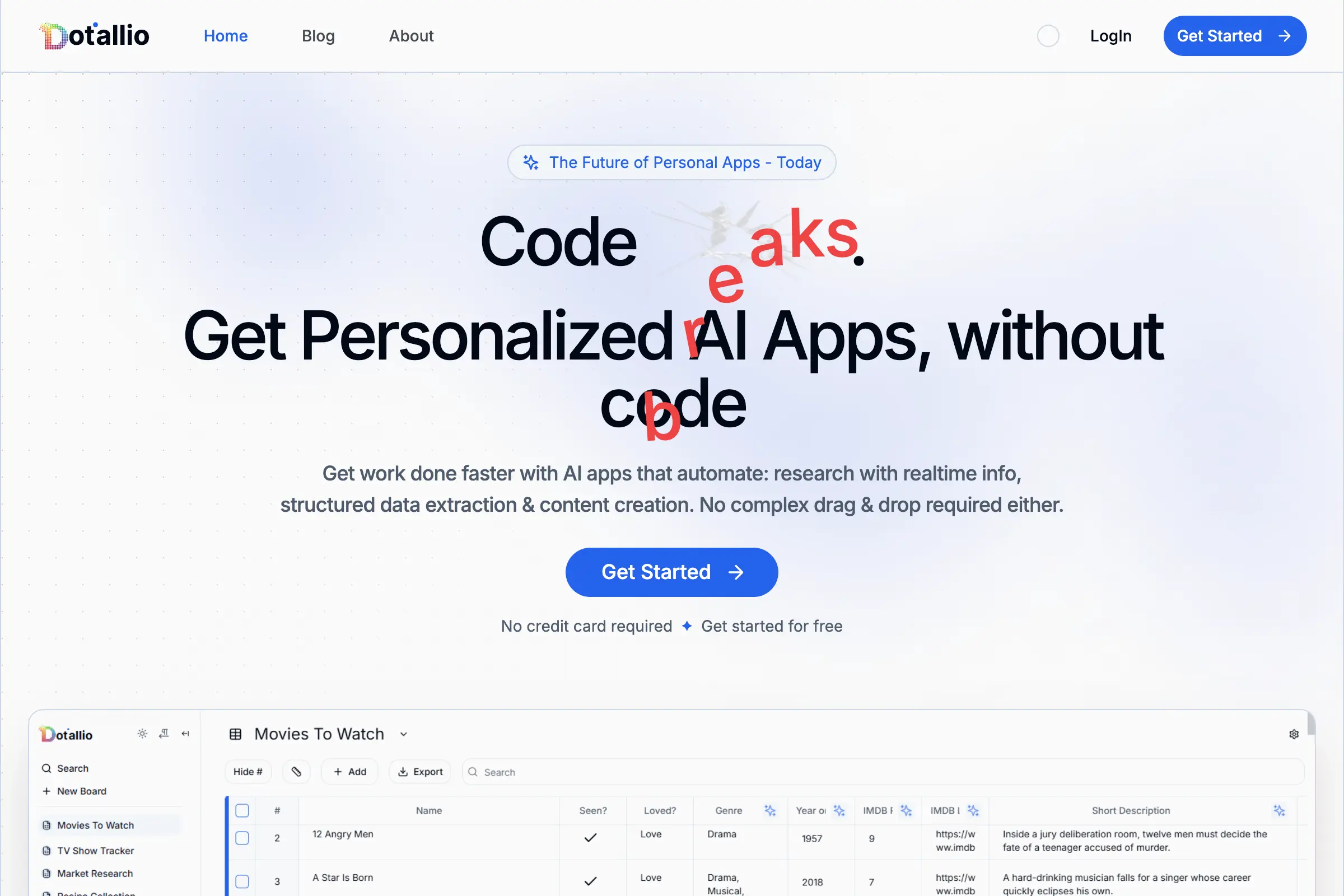
Dotallio
Personalized AI apps that automate research, data extraction, and content creation without code 🤖

Talk to Santa
Enjoy a magical live video chat or receive a unique AI-generated video greeting from Santa Claus 🎅

pozywka.pl
Scalable blog for food journalist, focused on performance and user experience 🌭
zagrodzki.me
Personal blog and portfolio of Bart Zagrodzki, where he shares his knowledge and work 💼
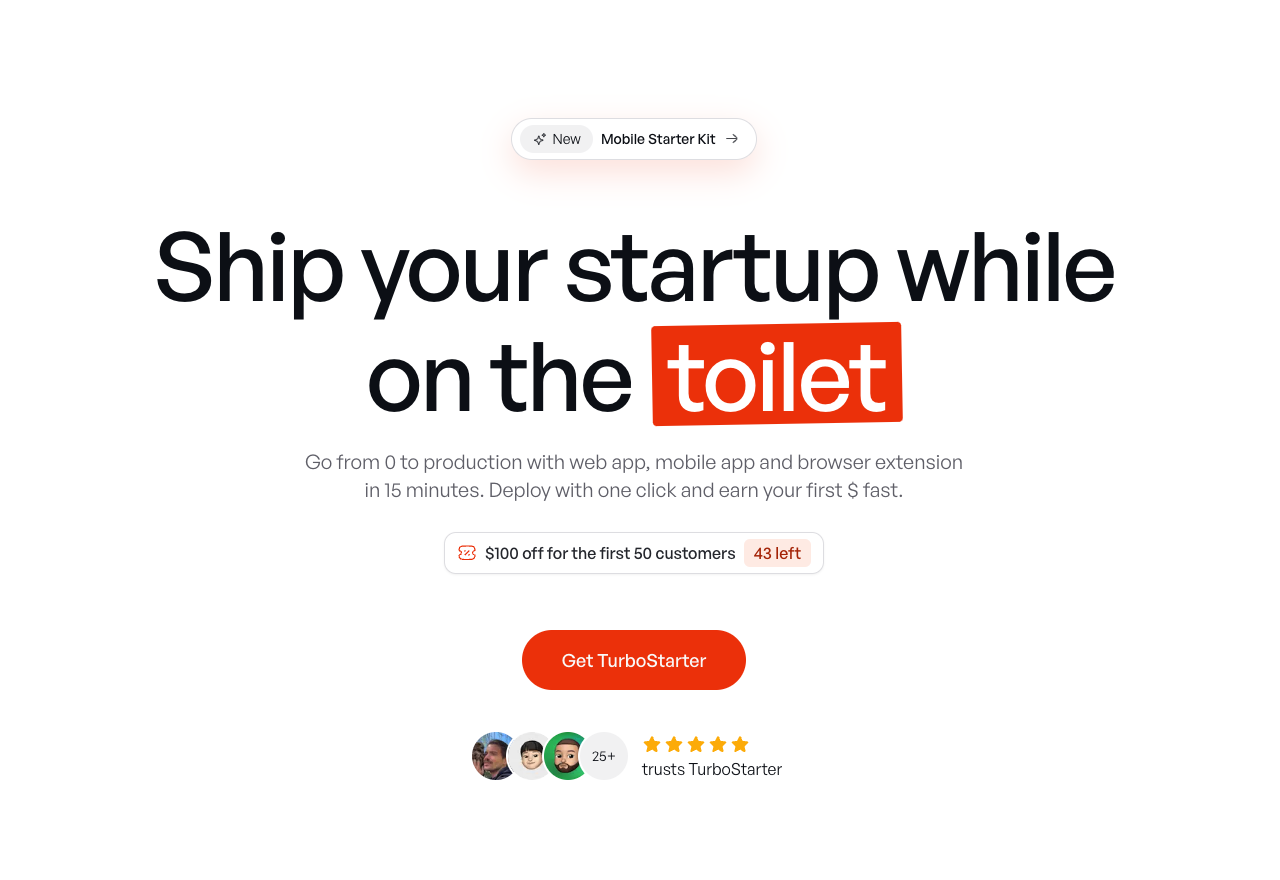
TurboStarter
Ship your startup everywhere. In minutes.
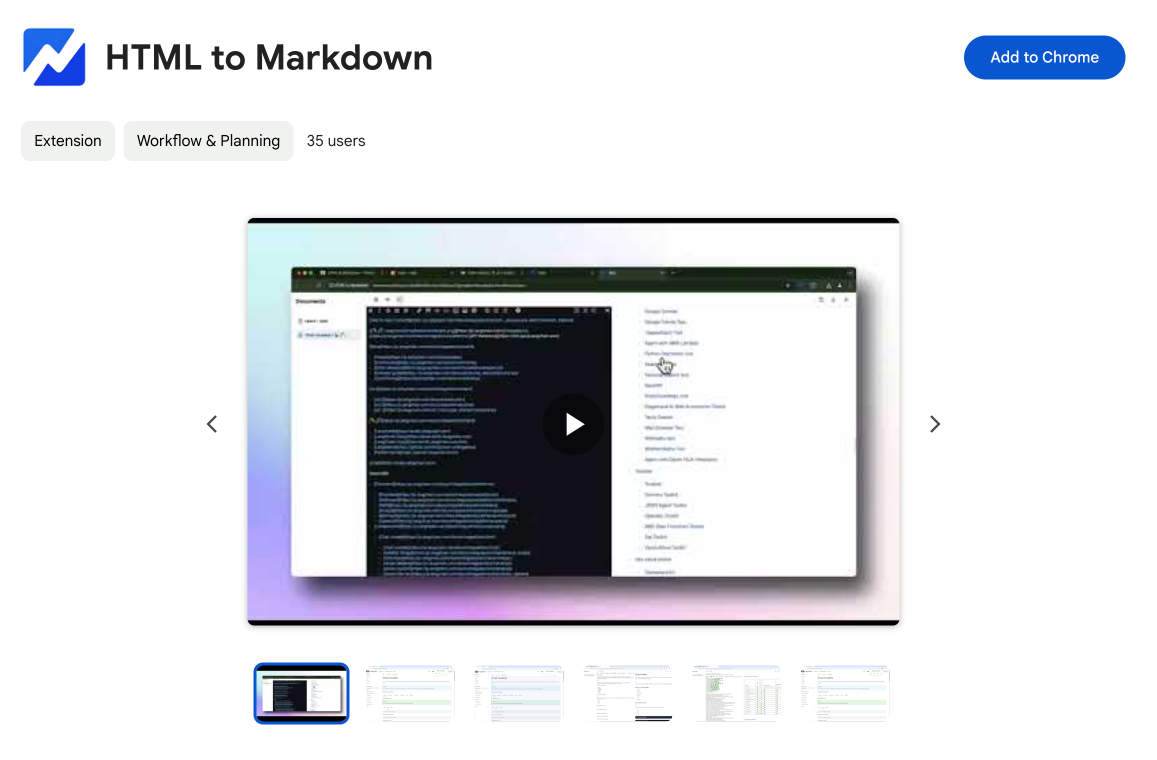
HTML to Markdown
Convert HTML to Markdown with ease, directly in your browser 📄
Dotallio
Personalized AI apps that automate research, data extraction, and content creation without code 🤖
Talk to Santa
Enjoy a magical live video chat or receive a unique AI-generated video greeting from Santa Claus 🎅
pozywka.pl
Scalable blog for food journalist, focused on performance and user experience 🌭
zagrodzki.me
Personal blog and portfolio of Bart Zagrodzki, where he shares his knowledge and work 💼
TurboStarter
Ship your startup everywhere. In minutes.
HTML to Markdown
Convert HTML to Markdown with ease, directly in your browser 📄
Dotallio
Personalized AI apps that automate research, data extraction, and content creation without code 🤖
Talk to Santa
Enjoy a magical live video chat or receive a unique AI-generated video greeting from Santa Claus 🎅
pozywka.pl
Scalable blog for food journalist, focused on performance and user experience 🌭
zagrodzki.me
Personal blog and portfolio of Bart Zagrodzki, where he shares his knowledge and work 💼
TurboStarter
Ship your startup everywhere. In minutes.
HTML to Markdown
Convert HTML to Markdown with ease, directly in your browser 📄
Dotallio
Personalized AI apps that automate research, data extraction, and content creation without code 🤖
Talk to Santa
Enjoy a magical live video chat or receive a unique AI-generated video greeting from Santa Claus 🎅
pozywka.pl
Scalable blog for food journalist, focused on performance and user experience 🌭
zagrodzki.me
Personal blog and portfolio of Bart Zagrodzki, where he shares his knowledge and work 💼
TurboStarter
Ship your startup everywhere. In minutes.
HTML to Markdown
Convert HTML to Markdown with ease, directly in your browser 📄
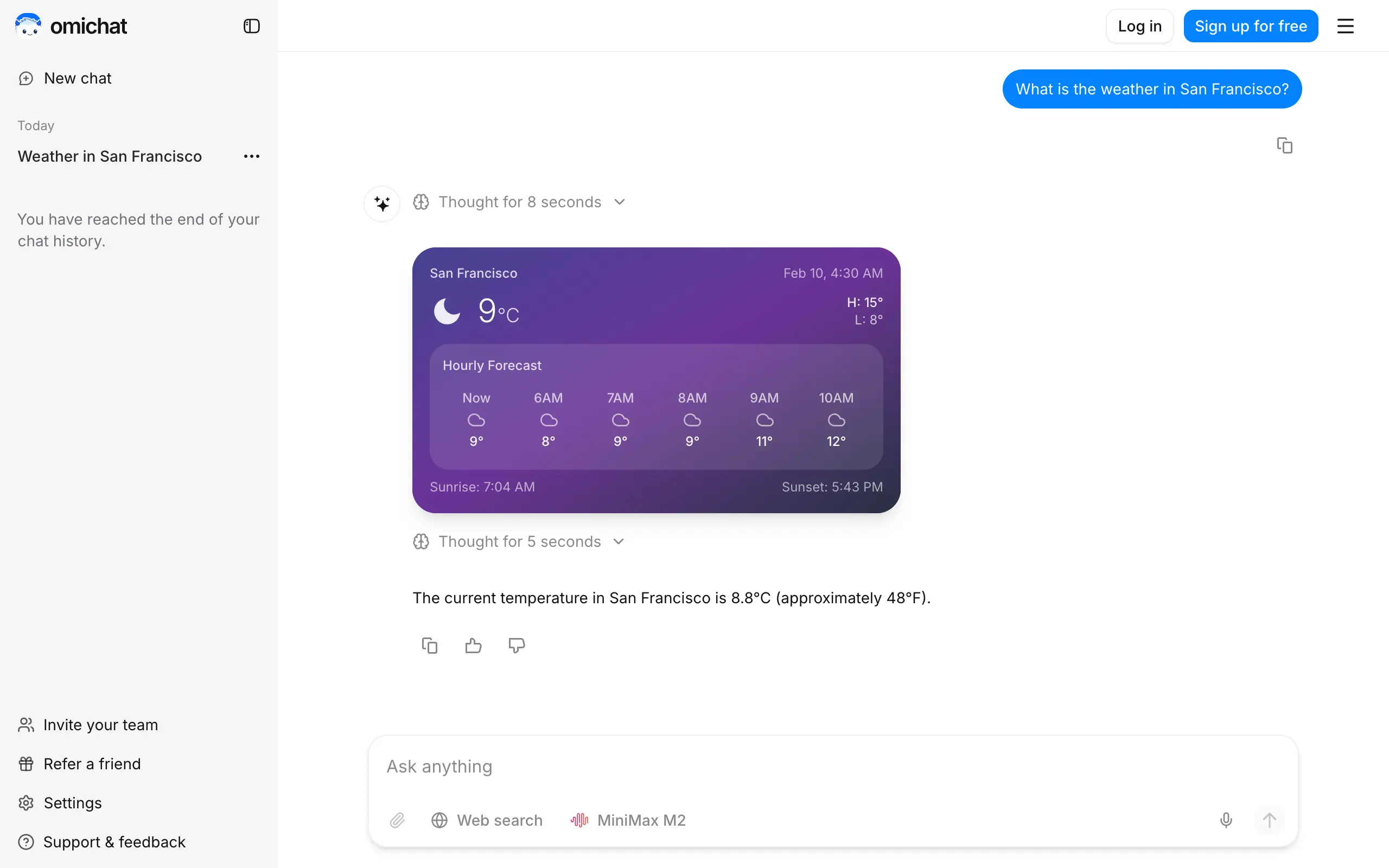
Omichat
Chat with 50+ AI models, including ChatGPT and Claude, in one place - switch models anytime without losing context 🤖
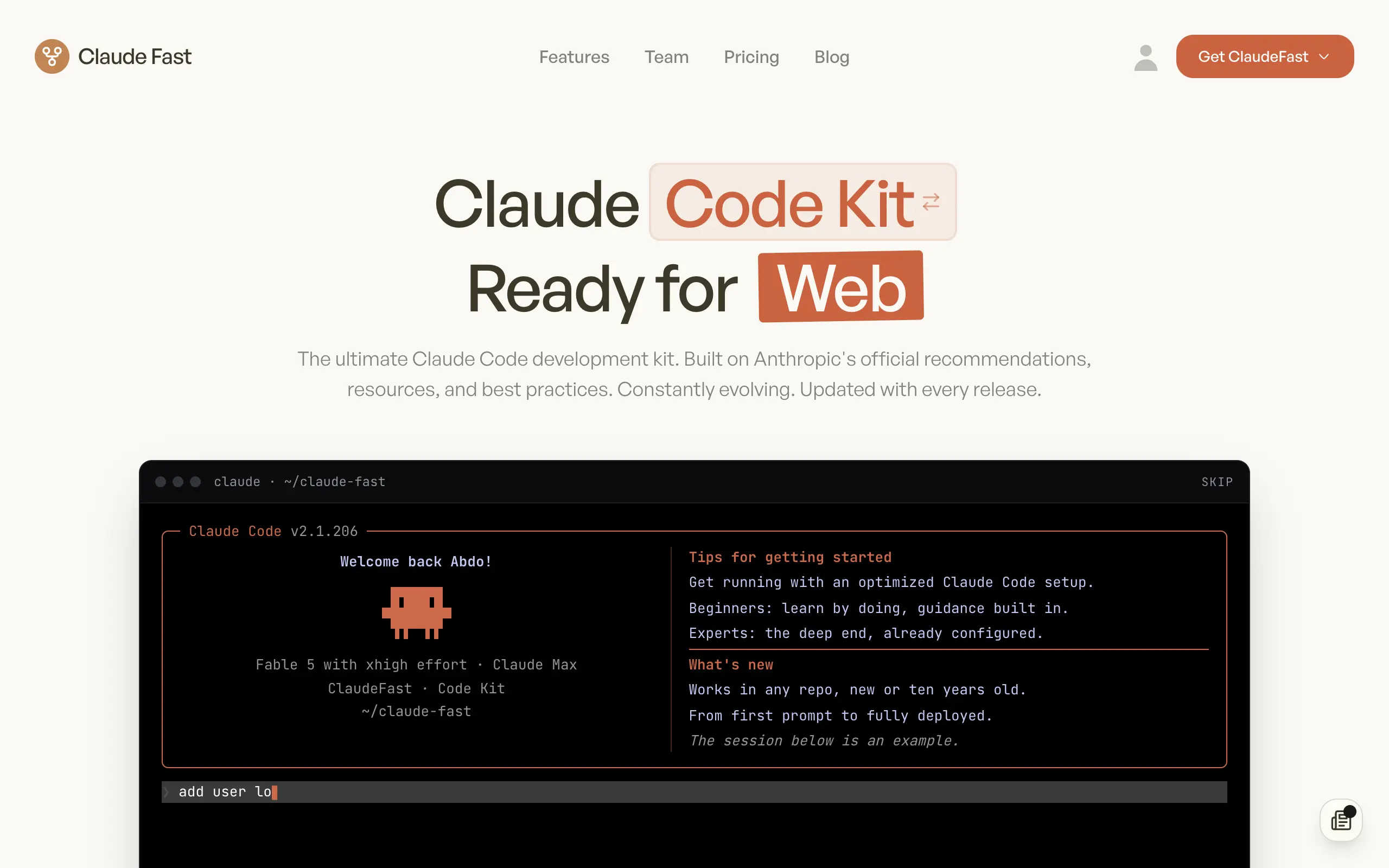
Claude Fast
Supercharge your Claude Code with 6x effective context window and specialized AI agents 🤖
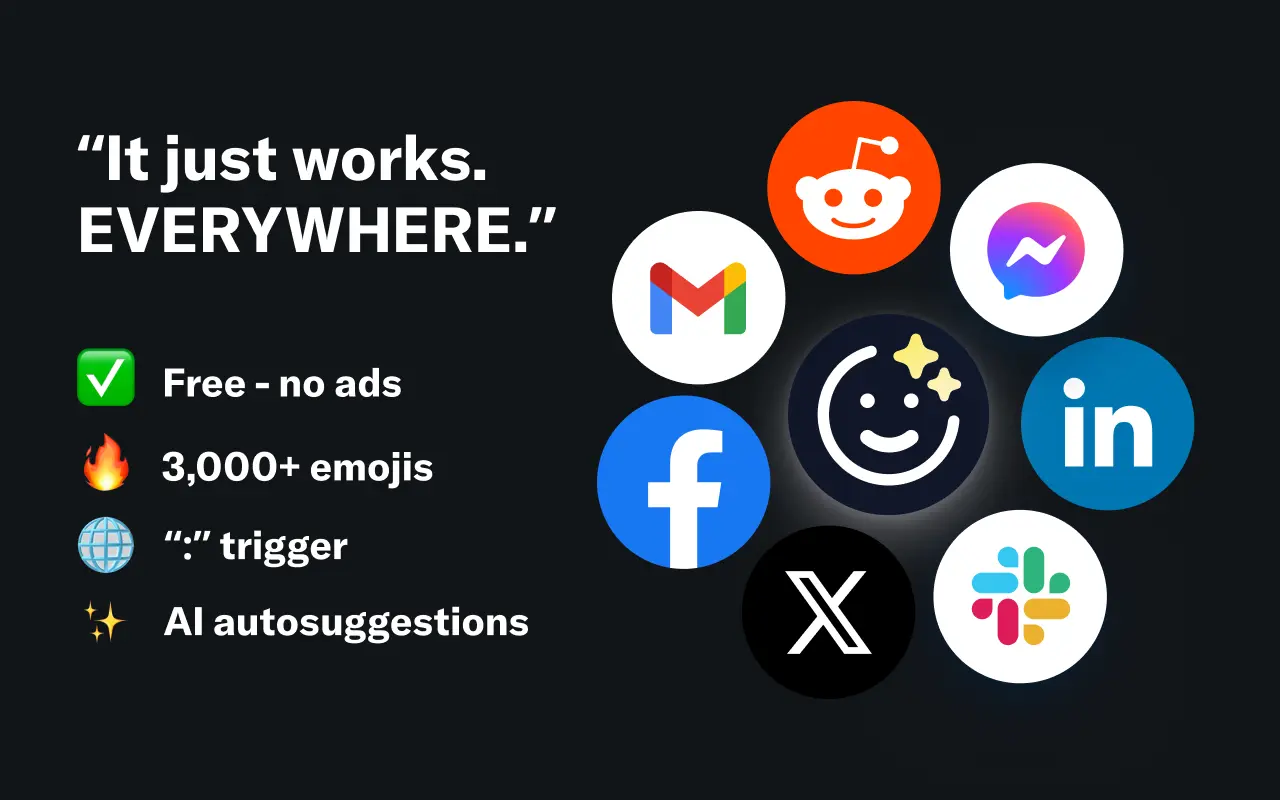
EmojAI
AI-powered emoji picker with smart, context-aware suggestions 🤖
Solohacker
Autonomous company launcher - AI agents work 24/7, escalate what matters, and you stay in control 🤖
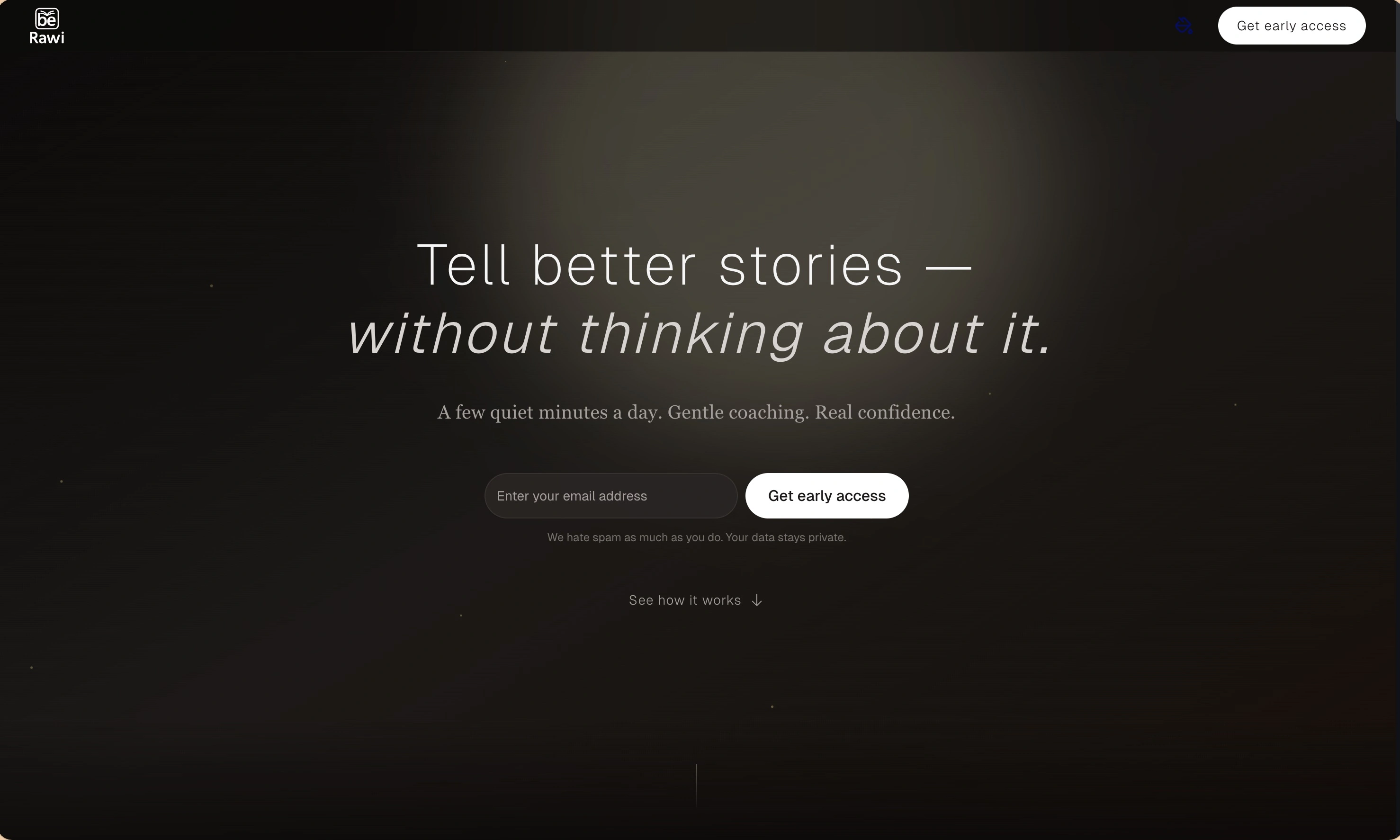
BeRawi: Storytelling Coach
Practice storytelling daily with instant feedback to sound clearer, more engaging, and confident 🎤
Omichat
Chat with 50+ AI models, including ChatGPT and Claude, in one place - switch models anytime without losing context 🤖
Claude Fast
Supercharge your Claude Code with 6x effective context window and specialized AI agents 🤖
EmojAI
AI-powered emoji picker with smart, context-aware suggestions 🤖
Solohacker
Autonomous company launcher - AI agents work 24/7, escalate what matters, and you stay in control 🤖
BeRawi: Storytelling Coach
Practice storytelling daily with instant feedback to sound clearer, more engaging, and confident 🎤
Omichat
Chat with 50+ AI models, including ChatGPT and Claude, in one place - switch models anytime without losing context 🤖
Claude Fast
Supercharge your Claude Code with 6x effective context window and specialized AI agents 🤖
EmojAI
AI-powered emoji picker with smart, context-aware suggestions 🤖
Solohacker
Autonomous company launcher - AI agents work 24/7, escalate what matters, and you stay in control 🤖
BeRawi: Storytelling Coach
Practice storytelling daily with instant feedback to sound clearer, more engaging, and confident 🎤
Omichat
Chat with 50+ AI models, including ChatGPT and Claude, in one place - switch models anytime without losing context 🤖
Claude Fast
Supercharge your Claude Code with 6x effective context window and specialized AI agents 🤖
EmojAI
AI-powered emoji picker with smart, context-aware suggestions 🤖
Solohacker
Autonomous company launcher - AI agents work 24/7, escalate what matters, and you stay in control 🤖
BeRawi: Storytelling Coach
Practice storytelling daily with instant feedback to sound clearer, more engaging, and confident 🎤

Connect with like-minded people
Join our community to get feedback, support, and grow together with 1,000+ builders on board, let's ship it!
Join usShip your startup everywhere. In minutes.
Don't burn tokens on setup and start building features on day one.