LinkFlow Planner
Planeje, escreva e agende posts no LinkedIn com IA que sugere conteúdo viral baseado no seu nicho e histórico de engajamento.
what is an ai linkedin content planner and why it matters now
The rise of personal branding, creator-led marketing, and B2B social selling has made LinkedIn one of the most powerful platforms for professionals and companies alike. Yet, consistently producing high-quality, engaging content remains a major bottleneck.
This is where an AI LinkedIn content planner like LinkFlow Planner enters the picture.
At its core, LinkFlow Planner is a productivity SaaS designed to help users:
- Plan strategic LinkedIn content calendars
- Generate high-performing post ideas using AI
- Write engaging posts tailored to their niche
- Schedule content for optimal reach
- Analyze engagement patterns to refine future posts
Unlike generic scheduling tools, this platform focuses specifically on content virality and audience resonance, powered by historical engagement data and niche-specific insights.
The timing couldn’t be better. As LinkedIn’s algorithm increasingly rewards consistency, relevance, and dwell time, creators and businesses are actively searching for tools that can help them scale content without sacrificing quality.
understanding user intent behind linkedin content tools
Users searching for tools like "AI LinkedIn post generator" or "LinkedIn content planner" typically fall into three intent categories:
1. creators seeking growth
These users want to:
- Increase followers
- Improve engagement rates
- Build authority in their niche
They struggle with:
- Idea fatigue
- Inconsistent posting
- Lack of data-driven insights
2. founders and marketers
They are focused on:
- Lead generation
- Brand visibility
- Thought leadership
Their challenges include:
- Aligning content with business goals
- Maintaining consistency across teams
- Measuring ROI of content
3. agencies and freelancers
They need:
- Scalable content systems
- Client reporting tools
- Multi-account management
LinkFlow Planner directly addresses all three groups by combining AI-powered ideation, writing, scheduling, and analytics in one unified workflow.
market opportunity for ai linkedin content planners
The opportunity here is massive and still underexploited.
growth of creator economy on linkedin
LinkedIn has evolved from a job board into a content-first platform:
- Over 1 billion users globally (source suggestion: LinkedIn official stats)
- Content engagement has grown significantly post-2020
- Creator mode and newsletters have expanded reach opportunities
gaps in current tools
Most existing tools fall into one of these categories:
- Scheduling tools (e.g., Buffer, Hootsuite)
- Writing tools (e.g., ChatGPT, Jasper)
- Analytics dashboards
But very few tools combine:
- AI tailored to LinkedIn specifically
- Content ideation based on niche + past performance
- End-to-end workflow from idea → publish → analyze
This gap is exactly where LinkFlow Planner can dominate.
target audience breakdown
primary audience
1. solo creators and professionals
- Coaches, consultants, indie hackers
- Goal: grow audience and authority
- Pain: lack of time + ideas
2. startup founders
- Early-stage SaaS founders
- Goal: build in public, attract users/investors
- Pain: inconsistent messaging
secondary audience
3. marketing teams
- B2B SaaS companies
- Goal: pipeline generation via content
- Pain: coordination and scalability
4. agencies
- Social media managers
- Goal: manage multiple clients efficiently
- Pain: content production bottlenecks
core features that define linkflow planner
To compete effectively, the product must go beyond basic scheduling.
ai-powered content ideation
The platform should generate ideas based on:
- User niche (e.g., SaaS, HR, finance)
- Past post performance
- Trending topics on LinkedIn
Example outputs:
- Hooks
- Post outlines
- Viral frameworks
intelligent post writing assistant
Not just generic AI writing — but optimized for LinkedIn:
- Short-form storytelling
- Hook-first structure
- Formatting for readability
- CTA suggestions
const generatePost = async (topic, tone, audience) => {
  return ai.generate({
    platform: "linkedin",
    structure: "hook-story-insight-cta",
    tone,
    audience,
    topic
  });
};
engagement-based optimization engine
This is the differentiator.
The system should:
- Analyze past posts
- Identify patterns (length, tone, format)
- Suggest improvements
Key insight
Most viral LinkedIn posts follow repeatable patterns. The real value lies in identifying what works specifically for each user, not generic trends.
smart scheduling system
Instead of static scheduling:
- Recommend best posting times
- Adjust based on audience behavior
- Queue evergreen content
performance analytics dashboard
Provide actionable insights:
- Engagement rate trends
- Top-performing formats
- Content ROI indicators
content calendar with ai suggestions
A visual planner that:
- Suggests weekly themes
- Auto-fills gaps with AI ideas
- Aligns with user goals
feature comparison with existing tools
| Feature | Buffer | Jasper | Hootsuite | LinkFlow Planner | Notion |
|---|---|---|---|---|---|
| AI content generation | ❌ | ✅ | ❌ | ✅ | ❌ |
| LinkedIn-specific optimization | ❌ | ❌ | ❌ | ✅ | ❌ |
| Engagement-based insights | ✅ | ❌ | ✅ | ✅ | ❌ |
unique selling proposition (usp)
LinkFlow Planner stands out because it is:
- Deeply specialized for LinkedIn
- Driven by user-specific engagement data
- Focused on content virality, not just scheduling
Most tools help you publish.
LinkFlow helps you perform.
recommended tech stack for building linkflow planner
Choosing the right stack is critical for scalability and performance.
frontend
- React for dynamic UI
- TailwindCSS for fast styling
- Optional: Next.js for SSR and SEO
backend
- Node.js (Express or NestJS)
- Python microservices for AI processing
ai layer
- OpenAI API (GPT models)
- Embeddings for content similarity analysis
- Vector database (e.g., Pinecone or Weaviate)
database
- PostgreSQL for structured data
- Redis for caching
scheduling and automation
- Queue system (BullMQ or RabbitMQ)
- Cron jobs for scheduling posts
analytics
- Event tracking system
- Custom dashboards or tools like PostHog
trade-offs to consider
using openai vs custom models
- OpenAI: faster to launch, high quality
- Custom models: more control, higher cost
monolith vs microservices
- Monolith: simpler early-stage
- Microservices: better scaling later
monetization strategies
There are multiple ways to generate revenue.
subscription tiers
- Free: limited posts/month
- Pro: full AI + scheduling
- Team: collaboration + analytics
usage-based pricing
Charge based on:
- AI generations
- Scheduled posts
- Accounts managed
add-ons
- Viral templates library
- Advanced analytics
- Personal branding reports
pricing example
Starter
Free plan with limited AI generations and basic scheduling
Pro
Full AI writing, scheduling, and analytics for creators
Agency
Multi-account management and client reporting features
potential risks and mitigation strategies
1. dependency on linkedin api
Risk:
- API limitations or changes
Mitigation:
- Use hybrid approaches (manual + API)
- Stay compliant with LinkedIn policies
2. commoditization of ai writing
Risk:
- Many tools offer similar AI writing
Mitigation:
- Focus on data-driven personalization
- Build proprietary engagement insights
3. user churn
Risk:
- Users may stop using after initial excitement
Mitigation:
- Deliver measurable growth results
- Provide weekly performance reports
competitive advantage strategy
To win long-term, LinkFlow Planner should focus on:
1. data moat
- Store user engagement history
- Build predictive models
2. niche specialization
- Tailor features specifically for LinkedIn
- Avoid being a generic tool
3. workflow integration
- Combine ideation + writing + scheduling
- Reduce need for multiple tools
step-by-step implementation roadmap
go-to-market strategy
early traction channels
- Build in public on LinkedIn
- Partner with creators
- Offer free trials
content marketing
- Publish case studies
- Share viral post breakdowns
- Educate users on LinkedIn growth
community-led growth
- Private creator community
- Feedback loops
- Referral incentives
example user workflow
- Select niche
- Generate post ideas
- Write AI-assisted post
- Schedule content
- Review analytics
- Manage multiple clients
- Generate content per brand
- Schedule across accounts
- Export reports
future expansion opportunities
Once the core product is stable:
- Expand to Twitter/X and Instagram
- Add video/script generation
- Integrate with CRM tools
- Offer personal brand scoring
why now is the perfect time to build this
Several trends are converging:
- AI adoption in content creation
- LinkedIn’s algorithm favoring creators
- Rise of personal branding
This creates a rare window where:
- Demand is high
- Competition is still fragmented
- Differentiation is achievable
building faster with modern saas starters
Instead of building everything from scratch, you can accelerate development using tools like TurboStarter, which provide:
- Authentication
- Billing integration
- Scalable architecture
This allows you to focus on core differentiation: AI + LinkedIn optimization.
actionable next steps
If you want to build LinkFlow Planner:
- Define your niche audience (start narrow)
- Build a simple AI post generator MVP
- Validate with real users
- Add scheduling + analytics
- Iterate based on engagement data
final thoughts
LinkFlow Planner isn’t just another SaaS idea—it’s a focused solution to a real and growing pain point.
The winning formula is clear:
- Specialize deeply
- Leverage AI intelligently
- Focus on measurable outcomes
If executed well, this product can become an essential tool for anyone serious about growing on LinkedIn.
The opportunity is not just in helping people post more—but in helping them post better.
More ⚡ Productivity Tool SaaS ideas
Discover more innovative productivity tool SaaS ideas that are trending in 2026. Each idea is AI-generated with market validation and growth potential to help you find your next profitable venture faster than competitors.
Your competitors are building with TurboStarter
Below are some of the SaaS ideas that have been generated and built with our starter kit.

Statiko
Monitor any Telegram channel in real time - track posts, edits, deletions, and growth with AI recaps 📡

Shibui
AI website builder - describe your business, pick a niche template, edit by chatting, and publish instantly ✨

Pro Service
Find verified home service professionals, compare quotes, and pay securely through escrow - built for Brazilians across the US 🏠
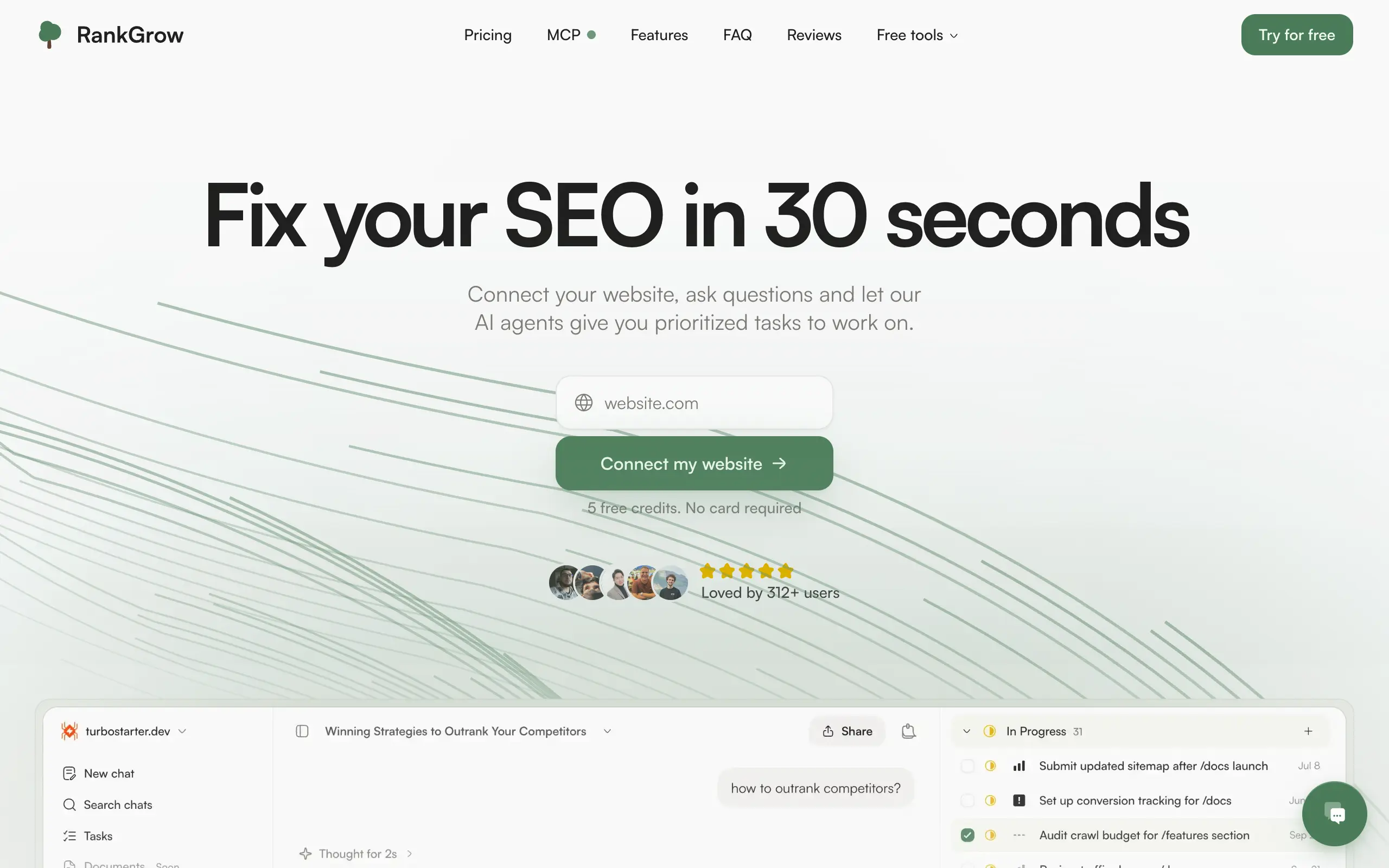
RankGrow
Fix your SEO with AI agents - connect Search Console, get prioritized tasks, and grow organic traffic 📈
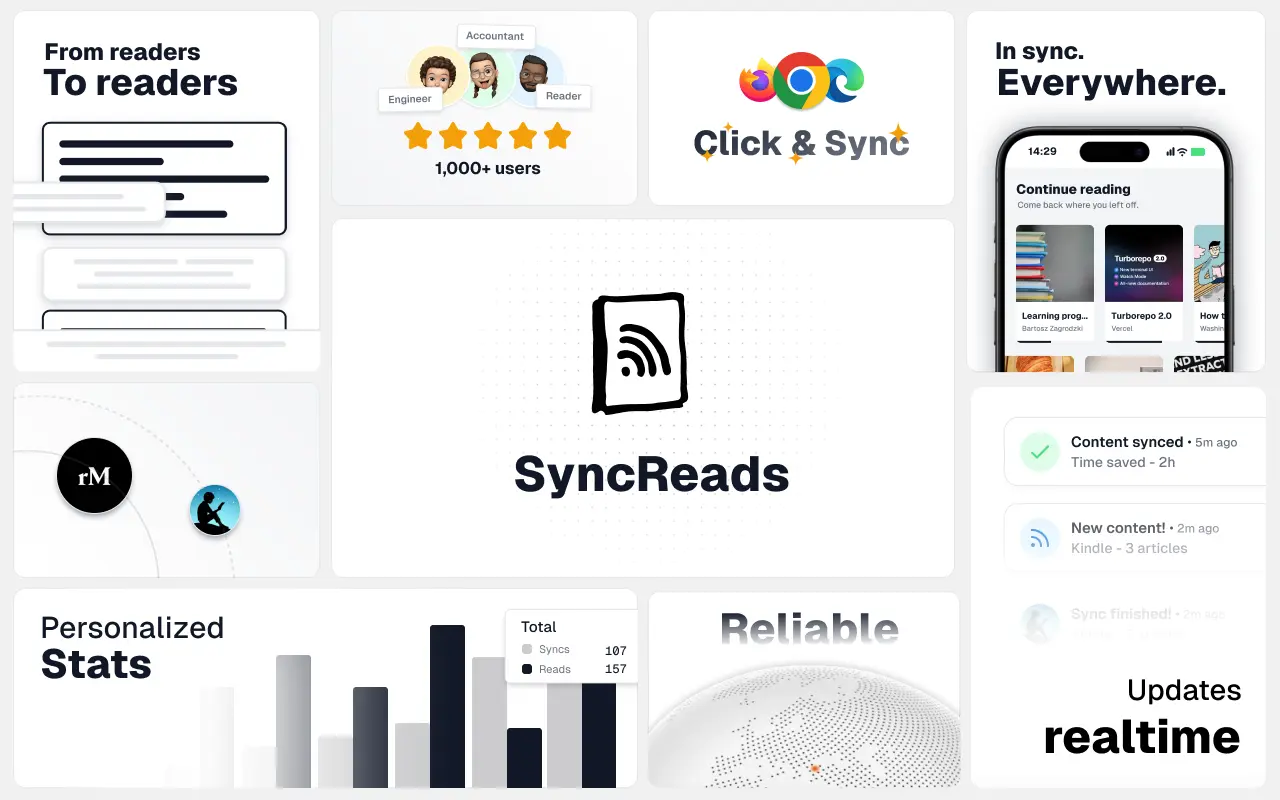
SyncReads
Sync your favorite content for distraction-free reading, save time and replace multiple apps. Anytime, anywhere 🔄
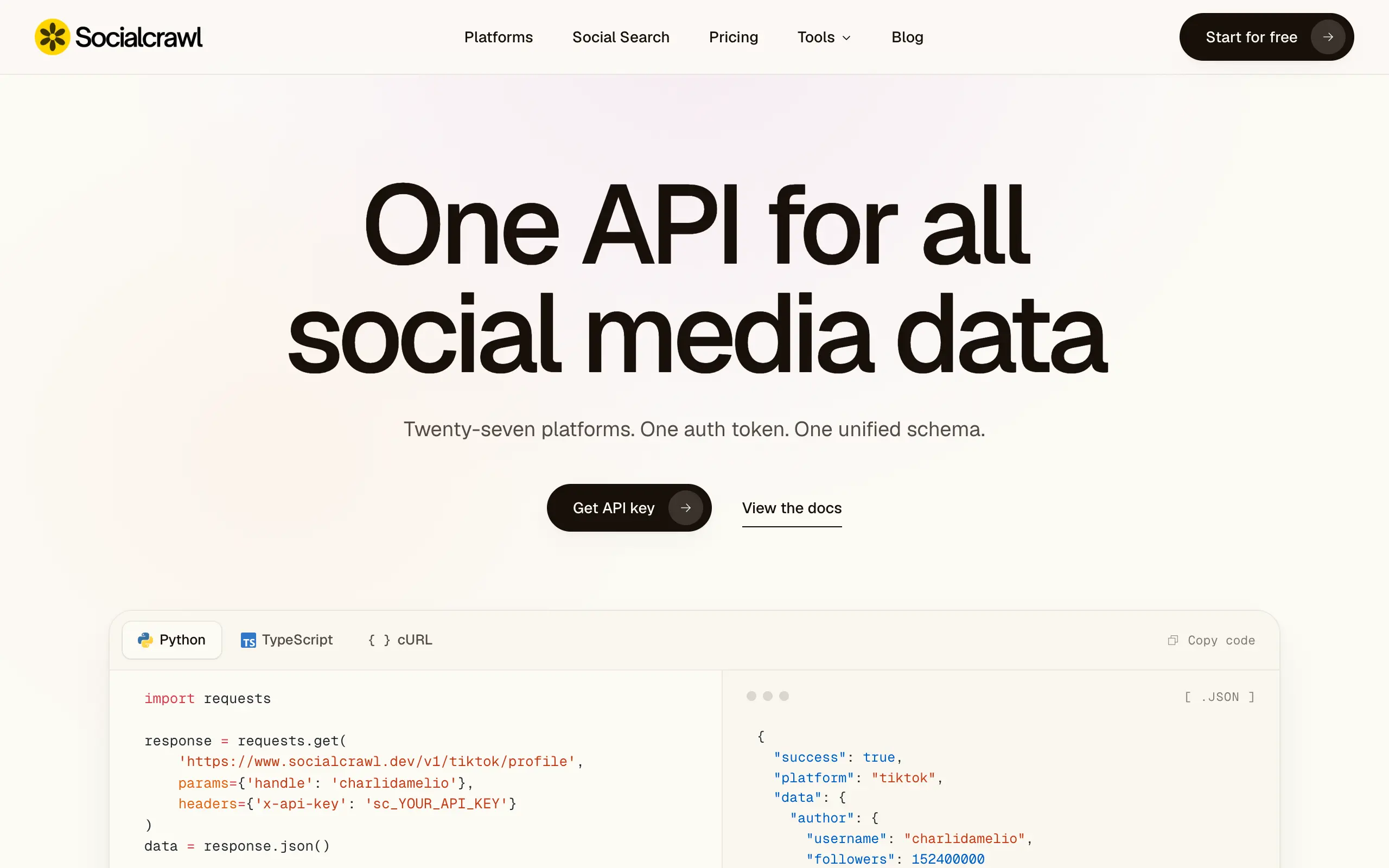
Socialcrawl
Get clean, structured data from 21 platforms like TikTok, Instagram, and YouTube with a single request 📊
Statiko
Monitor any Telegram channel in real time - track posts, edits, deletions, and growth with AI recaps 📡
Shibui
AI website builder - describe your business, pick a niche template, edit by chatting, and publish instantly ✨
Pro Service
Find verified home service professionals, compare quotes, and pay securely through escrow - built for Brazilians across the US 🏠
RankGrow
Fix your SEO with AI agents - connect Search Console, get prioritized tasks, and grow organic traffic 📈
SyncReads
Sync your favorite content for distraction-free reading, save time and replace multiple apps. Anytime, anywhere 🔄
Socialcrawl
Get clean, structured data from 21 platforms like TikTok, Instagram, and YouTube with a single request 📊
Statiko
Monitor any Telegram channel in real time - track posts, edits, deletions, and growth with AI recaps 📡
Shibui
AI website builder - describe your business, pick a niche template, edit by chatting, and publish instantly ✨
Pro Service
Find verified home service professionals, compare quotes, and pay securely through escrow - built for Brazilians across the US 🏠
RankGrow
Fix your SEO with AI agents - connect Search Console, get prioritized tasks, and grow organic traffic 📈
SyncReads
Sync your favorite content for distraction-free reading, save time and replace multiple apps. Anytime, anywhere 🔄
Socialcrawl
Get clean, structured data from 21 platforms like TikTok, Instagram, and YouTube with a single request 📊
Statiko
Monitor any Telegram channel in real time - track posts, edits, deletions, and growth with AI recaps 📡
Shibui
AI website builder - describe your business, pick a niche template, edit by chatting, and publish instantly ✨
Pro Service
Find verified home service professionals, compare quotes, and pay securely through escrow - built for Brazilians across the US 🏠
RankGrow
Fix your SEO with AI agents - connect Search Console, get prioritized tasks, and grow organic traffic 📈
SyncReads
Sync your favorite content for distraction-free reading, save time and replace multiple apps. Anytime, anywhere 🔄
Socialcrawl
Get clean, structured data from 21 platforms like TikTok, Instagram, and YouTube with a single request 📊
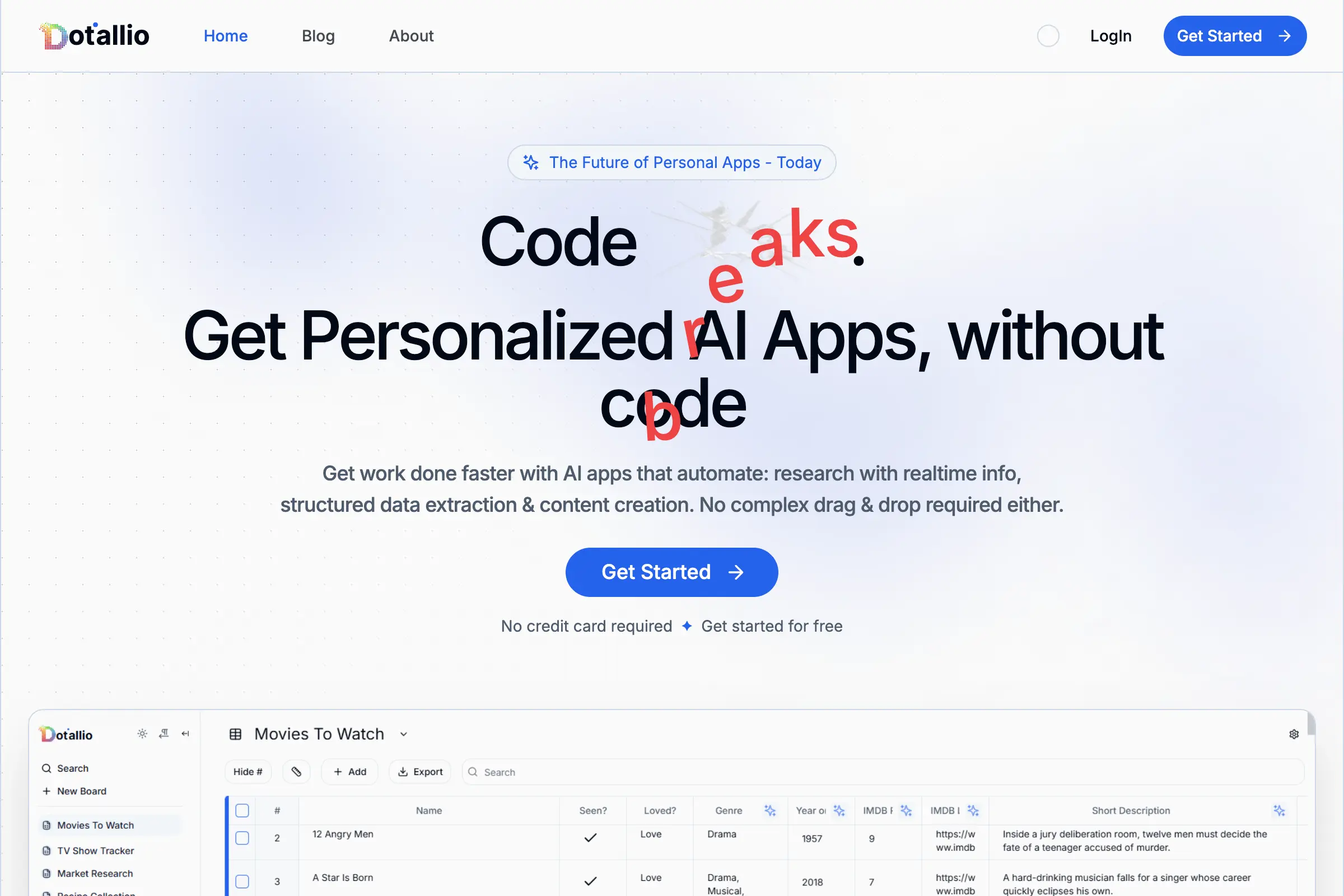
Dotallio
Personalized AI apps that automate research, data extraction, and content creation without code 🤖
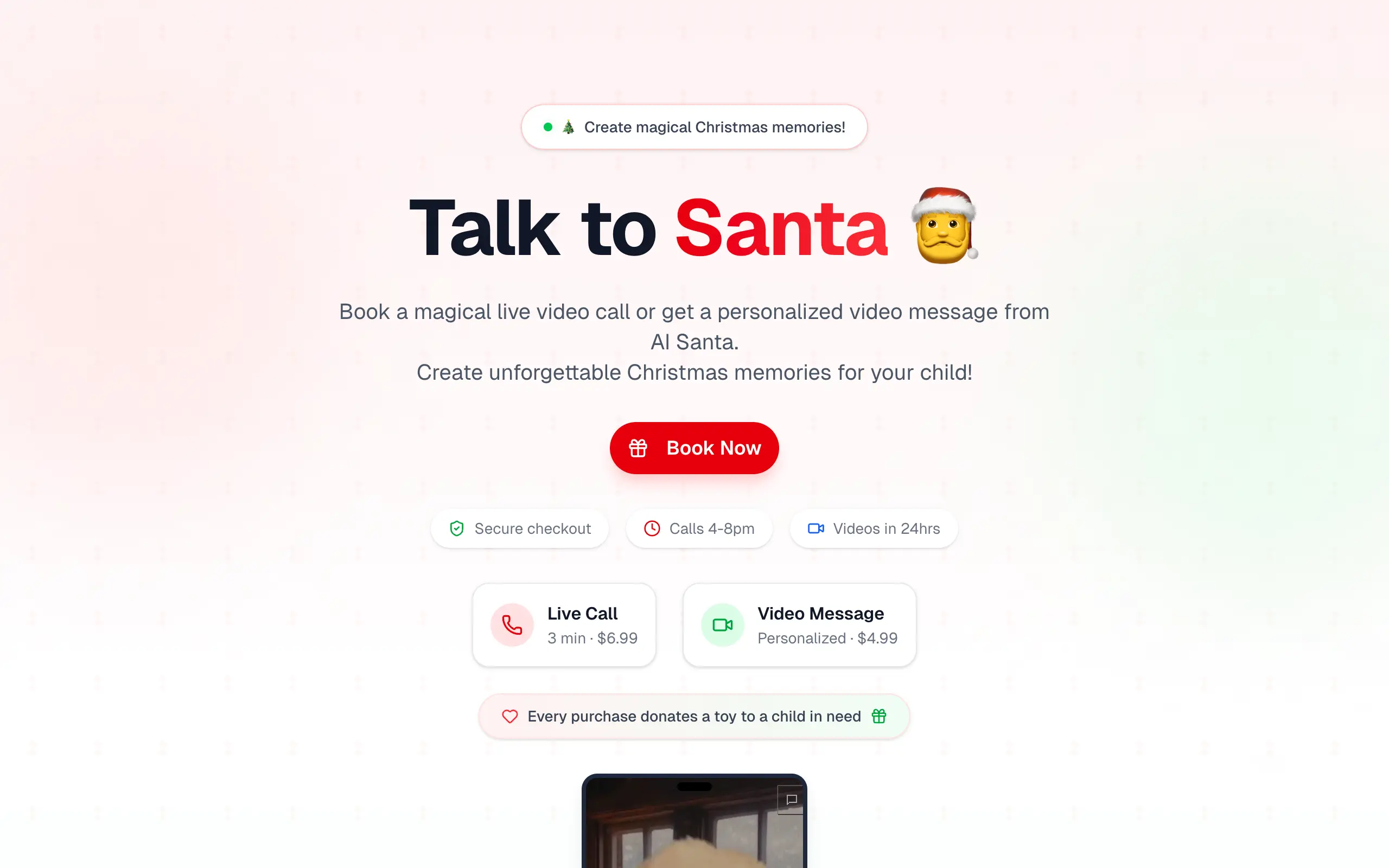
Talk to Santa
Enjoy a magical live video chat or receive a unique AI-generated video greeting from Santa Claus 🎅
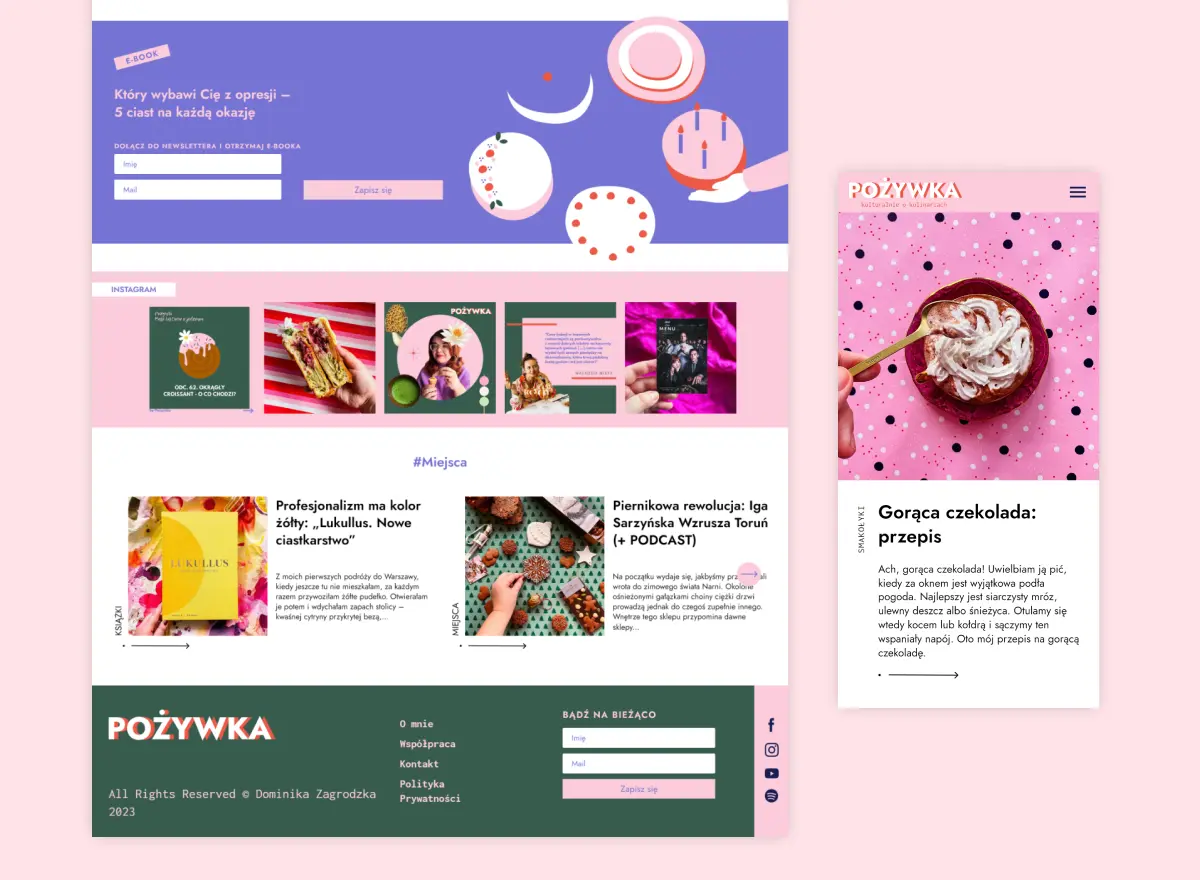
pozywka.pl
Scalable blog for food journalist, focused on performance and user experience 🌭
zagrodzki.me
Personal blog and portfolio of Bart Zagrodzki, where he shares his knowledge and work 💼
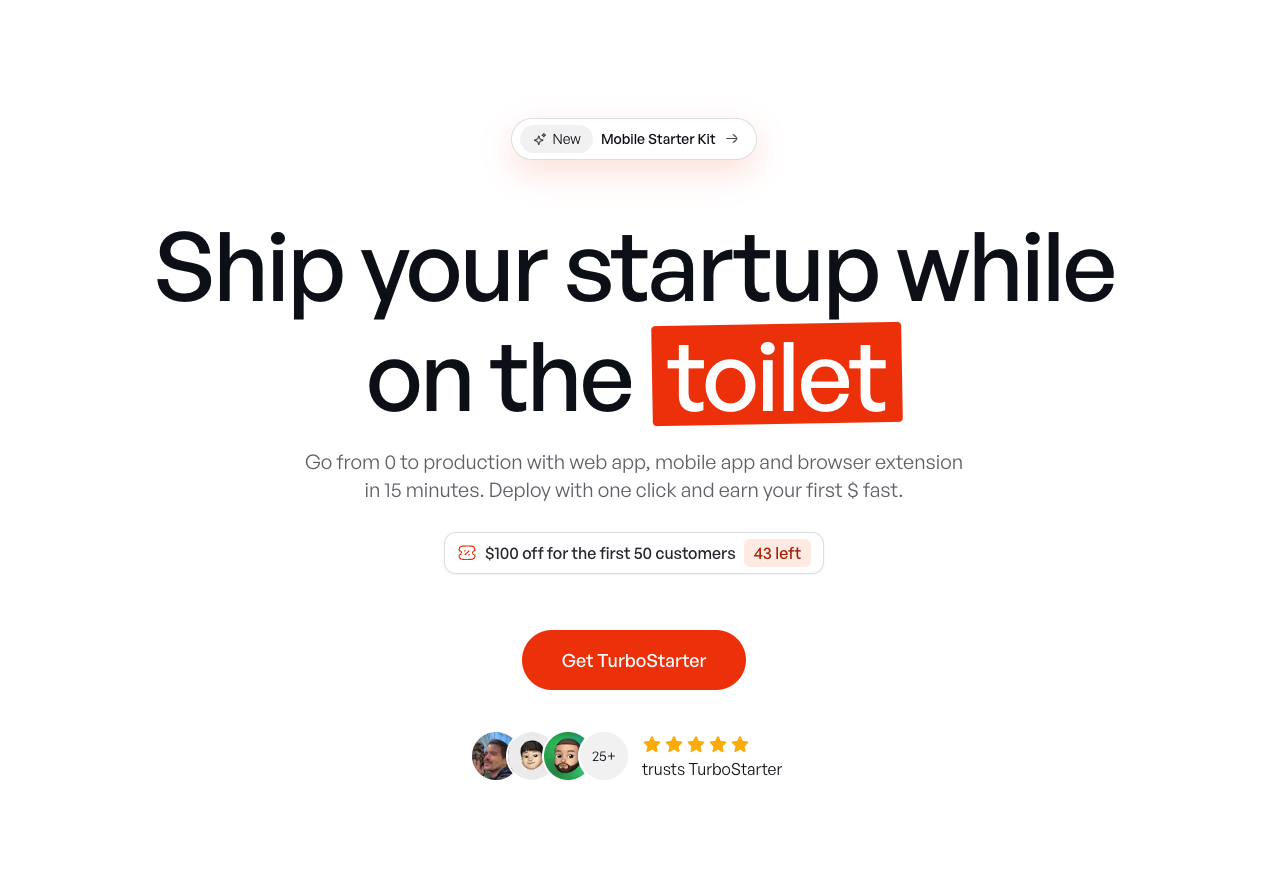
TurboStarter
Ship your startup everywhere. In minutes.
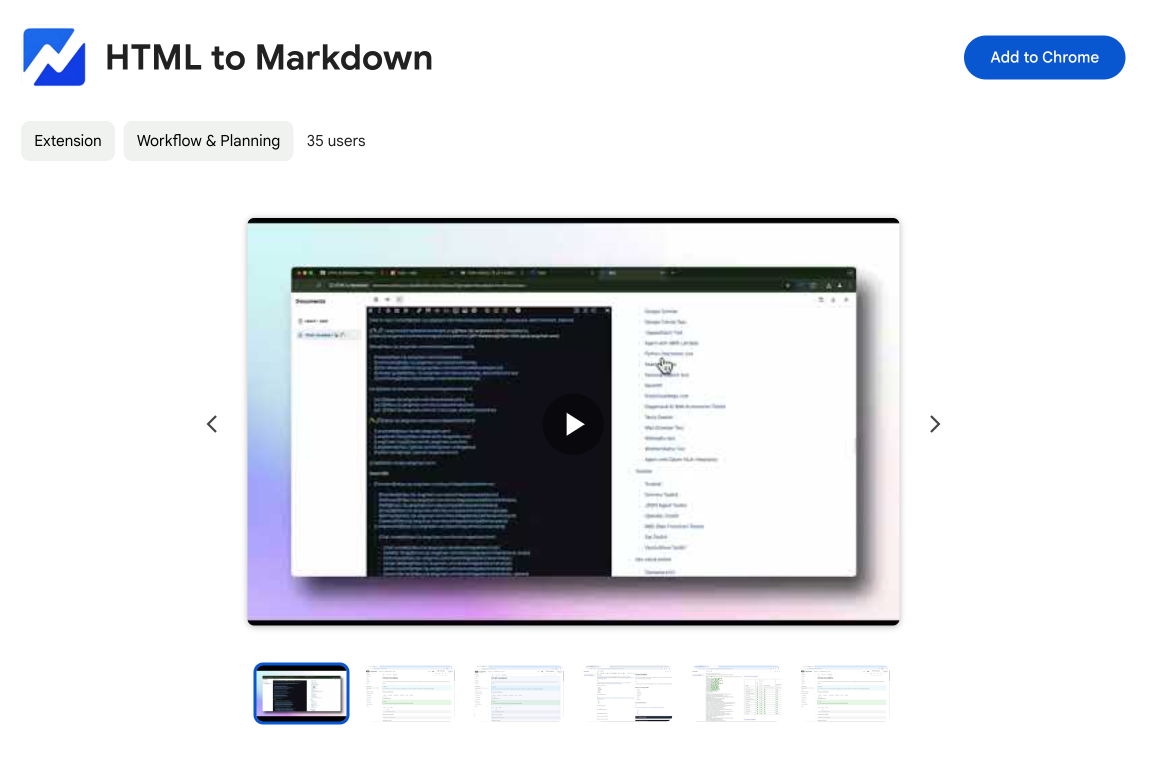
HTML to Markdown
Convert HTML to Markdown with ease, directly in your browser 📄
Dotallio
Personalized AI apps that automate research, data extraction, and content creation without code 🤖
Talk to Santa
Enjoy a magical live video chat or receive a unique AI-generated video greeting from Santa Claus 🎅
pozywka.pl
Scalable blog for food journalist, focused on performance and user experience 🌭
zagrodzki.me
Personal blog and portfolio of Bart Zagrodzki, where he shares his knowledge and work 💼
TurboStarter
Ship your startup everywhere. In minutes.
HTML to Markdown
Convert HTML to Markdown with ease, directly in your browser 📄
Dotallio
Personalized AI apps that automate research, data extraction, and content creation without code 🤖
Talk to Santa
Enjoy a magical live video chat or receive a unique AI-generated video greeting from Santa Claus 🎅
pozywka.pl
Scalable blog for food journalist, focused on performance and user experience 🌭
zagrodzki.me
Personal blog and portfolio of Bart Zagrodzki, where he shares his knowledge and work 💼
TurboStarter
Ship your startup everywhere. In minutes.
HTML to Markdown
Convert HTML to Markdown with ease, directly in your browser 📄
Dotallio
Personalized AI apps that automate research, data extraction, and content creation without code 🤖
Talk to Santa
Enjoy a magical live video chat or receive a unique AI-generated video greeting from Santa Claus 🎅
pozywka.pl
Scalable blog for food journalist, focused on performance and user experience 🌭
zagrodzki.me
Personal blog and portfolio of Bart Zagrodzki, where he shares his knowledge and work 💼
TurboStarter
Ship your startup everywhere. In minutes.
HTML to Markdown
Convert HTML to Markdown with ease, directly in your browser 📄
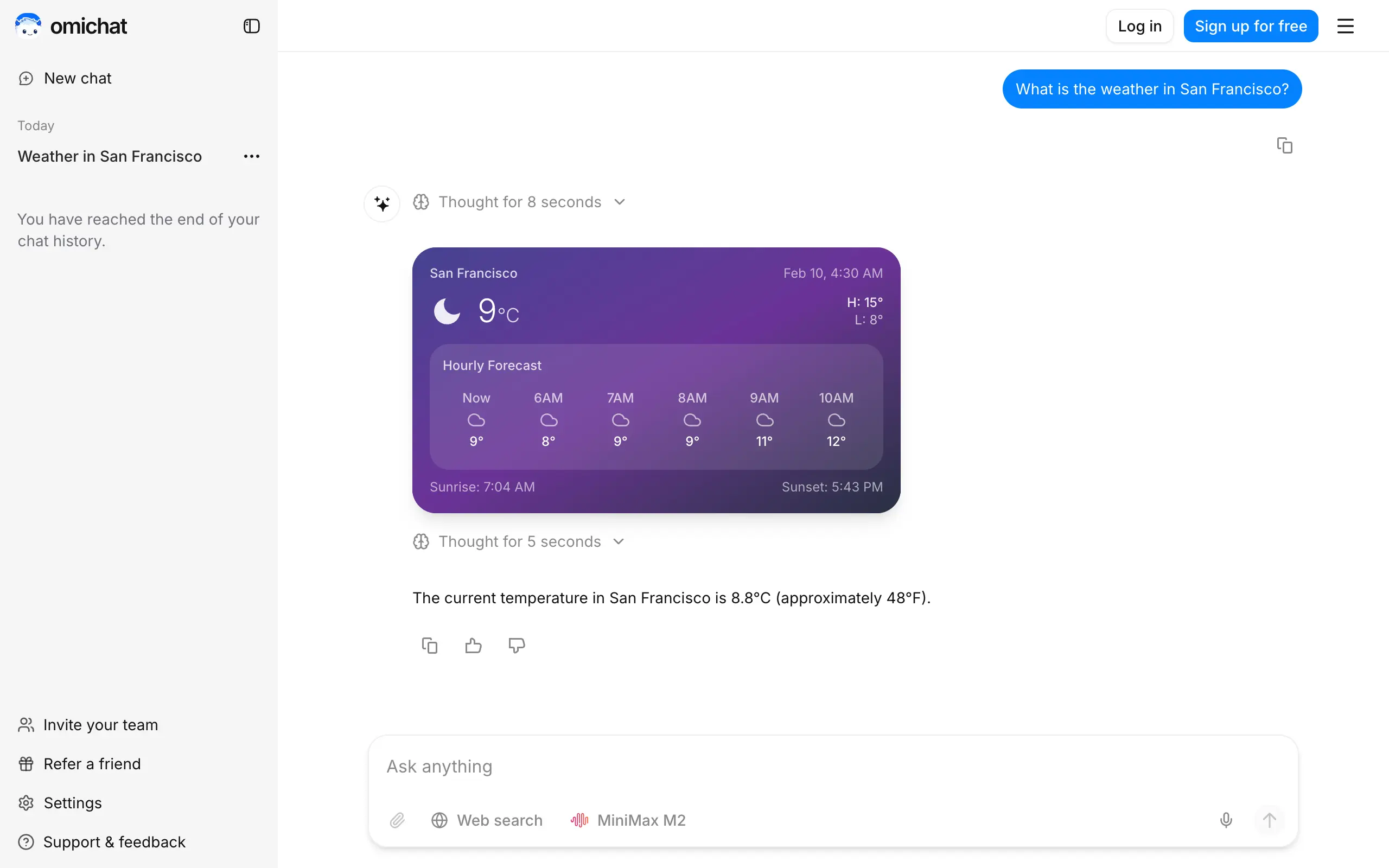
Omichat
Chat with 50+ AI models, including ChatGPT and Claude, in one place - switch models anytime without losing context 🤖
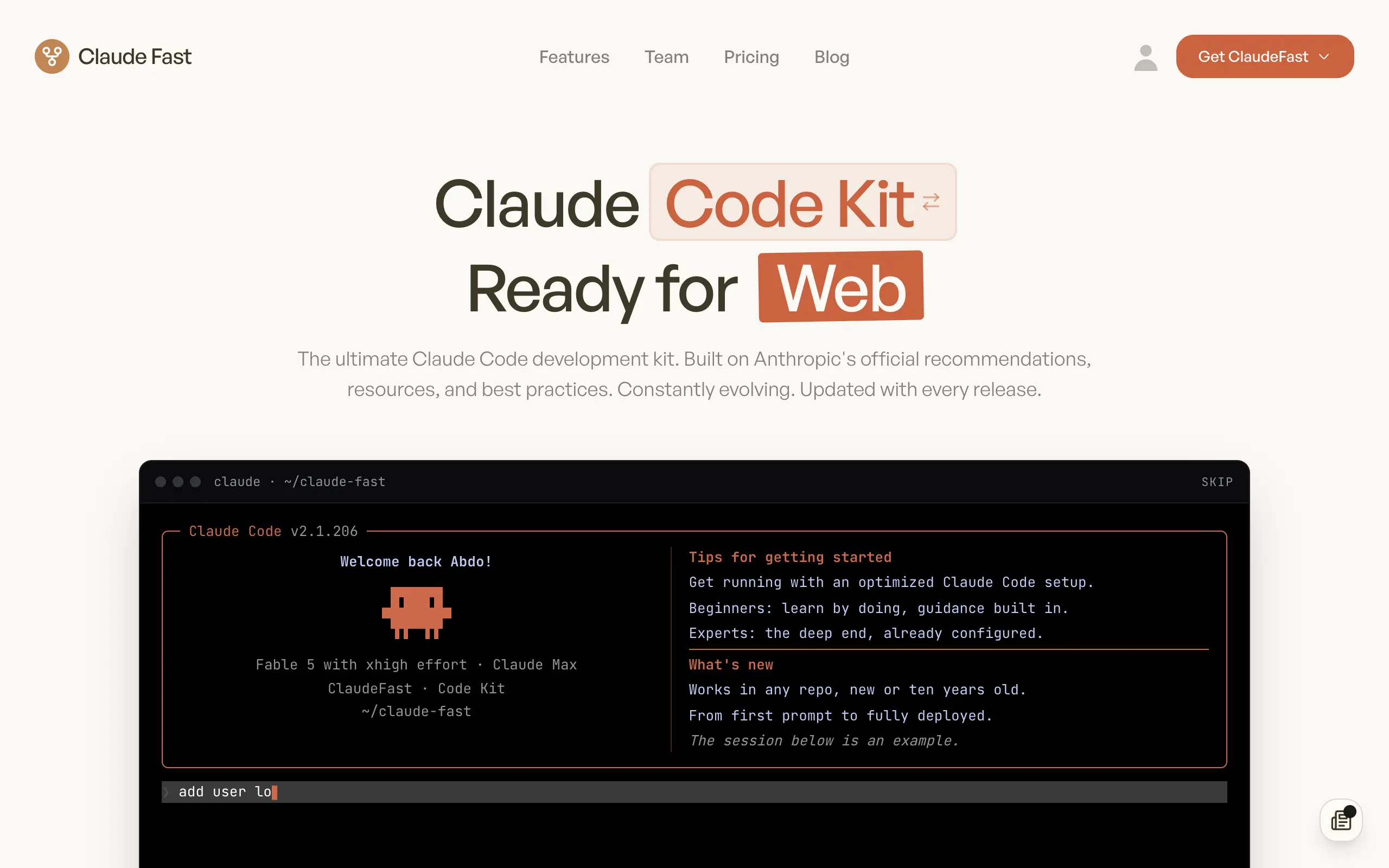
Claude Fast
Supercharge your Claude Code with 6x effective context window and specialized AI agents 🤖
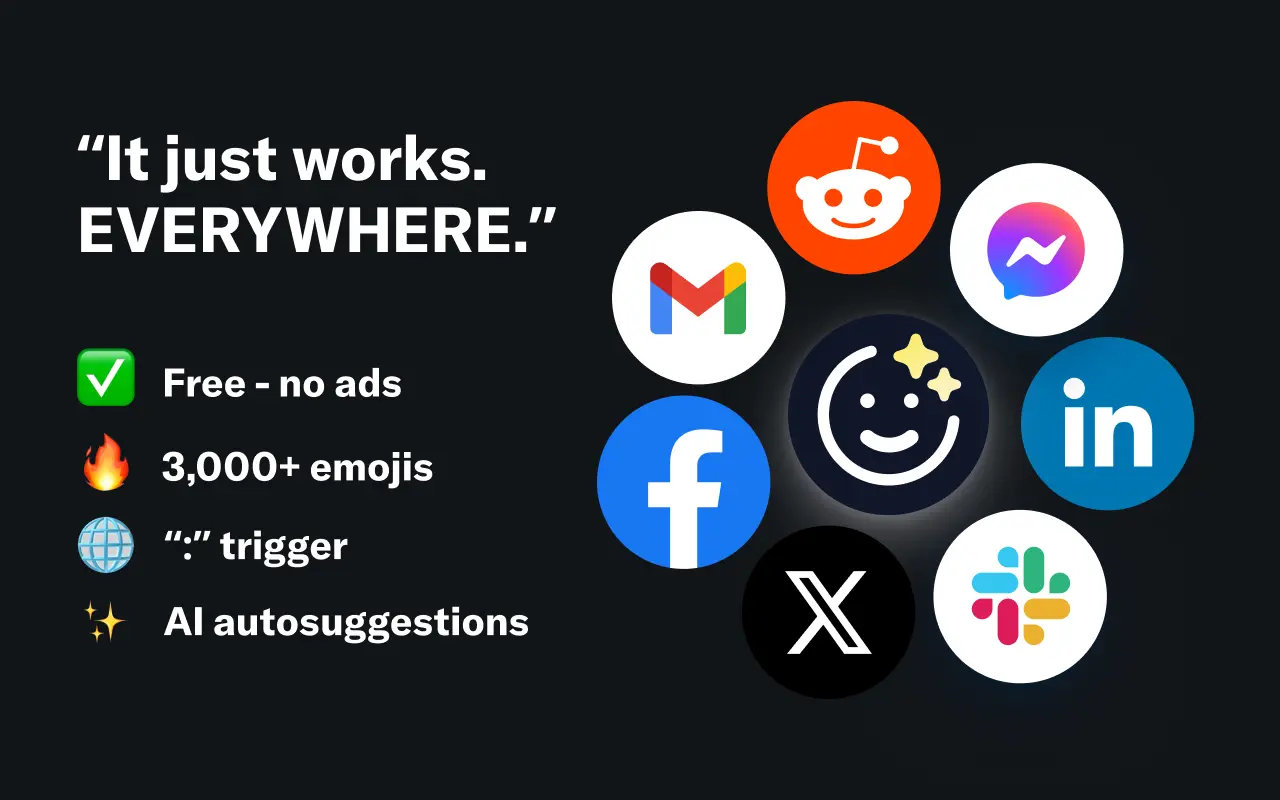
EmojAI
AI-powered emoji picker with smart, context-aware suggestions 🤖
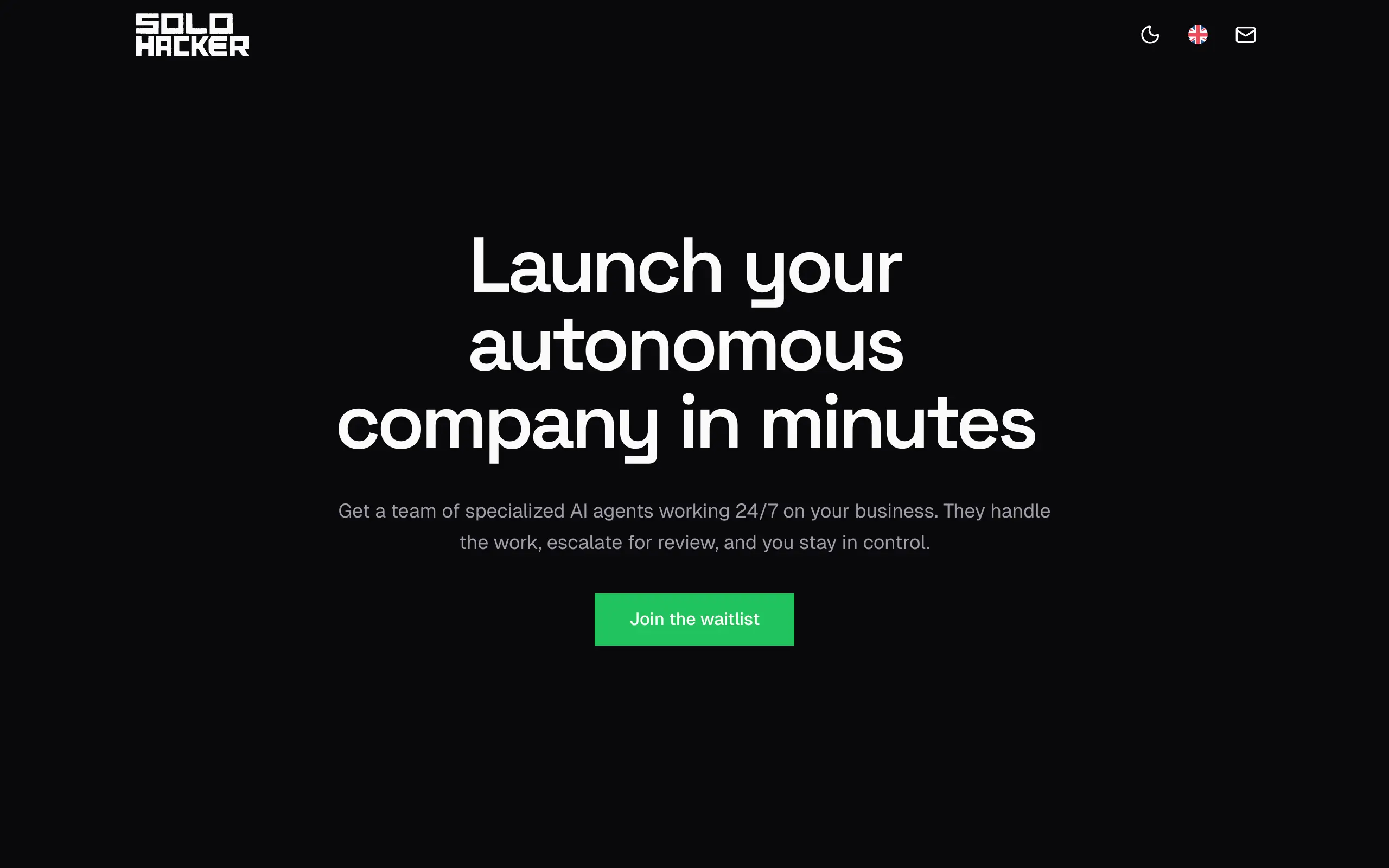
Solohacker
Autonomous company launcher - AI agents work 24/7, escalate what matters, and you stay in control 🤖
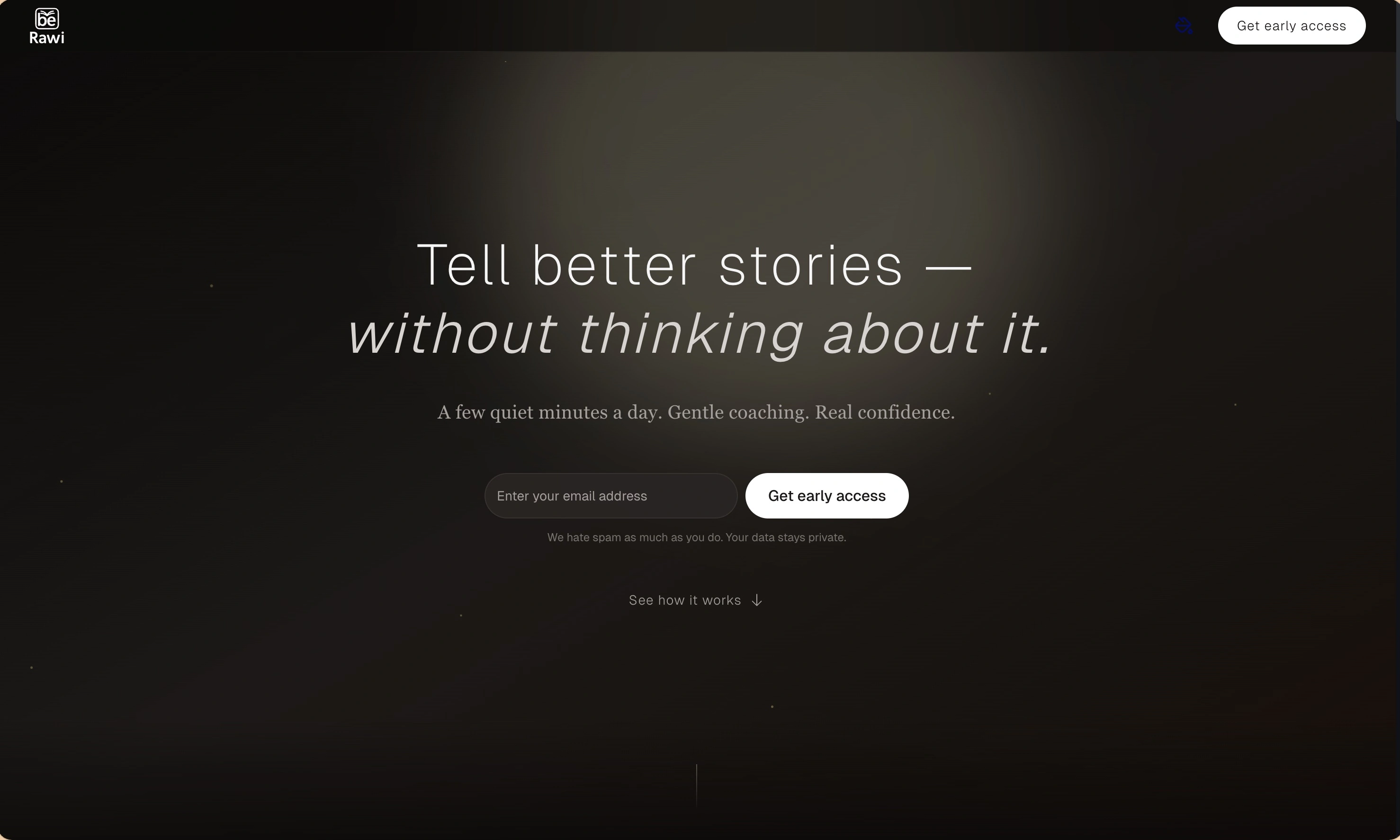
BeRawi: Storytelling Coach
Practice storytelling daily with instant feedback to sound clearer, more engaging, and confident 🎤
Omichat
Chat with 50+ AI models, including ChatGPT and Claude, in one place - switch models anytime without losing context 🤖
Claude Fast
Supercharge your Claude Code with 6x effective context window and specialized AI agents 🤖
EmojAI
AI-powered emoji picker with smart, context-aware suggestions 🤖
Solohacker
Autonomous company launcher - AI agents work 24/7, escalate what matters, and you stay in control 🤖
BeRawi: Storytelling Coach
Practice storytelling daily with instant feedback to sound clearer, more engaging, and confident 🎤
Omichat
Chat with 50+ AI models, including ChatGPT and Claude, in one place - switch models anytime without losing context 🤖
Claude Fast
Supercharge your Claude Code with 6x effective context window and specialized AI agents 🤖
EmojAI
AI-powered emoji picker with smart, context-aware suggestions 🤖
Solohacker
Autonomous company launcher - AI agents work 24/7, escalate what matters, and you stay in control 🤖
BeRawi: Storytelling Coach
Practice storytelling daily with instant feedback to sound clearer, more engaging, and confident 🎤
Omichat
Chat with 50+ AI models, including ChatGPT and Claude, in one place - switch models anytime without losing context 🤖
Claude Fast
Supercharge your Claude Code with 6x effective context window and specialized AI agents 🤖
EmojAI
AI-powered emoji picker with smart, context-aware suggestions 🤖
Solohacker
Autonomous company launcher - AI agents work 24/7, escalate what matters, and you stay in control 🤖
BeRawi: Storytelling Coach
Practice storytelling daily with instant feedback to sound clearer, more engaging, and confident 🎤

Connect with like-minded people
Join our community to get feedback, support, and grow together with 1,000+ builders on board, let's ship it!
Join usShip your startup everywhere. In minutes.
Don't burn tokens on setup and start building features on day one.