LinkLens
Effortlessly save, organize, and discover web resources in one collaborative workspace for teams, students, and creators.
Understanding the user need: Why LinkLens fills a critical productivity gap
In today's digital-first world, individuals and teams are inundated with valuable web resources—articles, research papers, tools, videos, and more. Yet, the process of saving, organizing, and collaboratively rediscovering these resources remains fractured across bookmarking tools, spreadsheets, chat threads, and emails. LinkLens emerges as a purpose-built solution, meeting the modern demand for seamless web resource management in a collaborative workspace.
What is LinkLens?
LinkLens is a productivity SaaS platform designed to effortlessly save, organize, and discover web resources. Whether you’re working in a team, conducting academic research, or curating content as a creator, LinkLens centralizes link management into a collaborative environment, reducing friction and boosting knowledge-sharing.
Who will benefit most from LinkLens?
LinkLens addresses the needs of several fast-growing user personas:
- Cross-functional teams in agencies or enterprises managing shared knowledge bases
- Educators and students collaborating on research, projects, or shared learning objectives
- Content creators and curators requiring structured, shareable lists or topic repositories
- Knowledge workers seeking efficient ways to catalog resources and declutter
Deep dive: Target audience analysis
Teams and organizations
- Pain points: Disparate bookmarking, lack of central knowledge repository, difficulty surfacing useful links when needed.
- Behavioral insights: Teams collaborate in shared docs or chat, leading to lost links and redundant discovery.
- Needs: Tagging, powerful search, permission controls, integration with daily tools like Slack or Teams.
Students and educators
- Pain points: Managing study/reading lists, collaborating on sources, archiving research.
- Behavioral insights: Heavy use of collaborative tools (Google Docs, Notion), but lacking true link-centric organization.
- Needs: Categorization, annotation, citation support, easy knowledge sharing.
Content creators and curators
- Pain points: Maintaining thematic collections for newsletters, podcasts, or portfolios; struggling with manual organization.
- Behavioral insights: Use of spreadsheets or rudimentary bookmarking extensions.
- Needs: Visual boards, export options, shareable collections.
Teams
Centralize links, facilitate knowledge-sharing, organize assets in projects.
Educators/Students
Collaborate on resources, streamline research, annotate or share sources.
Creators
Curate, organize, and showcase link collections for content or audience engagement.
Market opportunity: Why the time is right for a collaborative link organizer
Despite a crowded productivity SaaS landscape, a clear market gap persists for a focused, collaborative link management solution:
- Traditional bookmarks are siloed and static: Chrome’s default bookmarks, Pocket, and similar tools lack true collaboration, sharing, and context.
- Generic collaboration tools lack specificity: Tools like Notion, Google Docs, and Trello support web URLs but aren’t purpose-built for rich, searchable, multi-user link organization.
- Growing digital information overload: According to research, the volume of digital content consumed continues to increase dramatically year-over-year (see reference: "Digital 2024 Global Overview Report").
- Remote work and distributed learning on the rise: Teams and cohorts need frictionless resource-sharing.
Industry trend
More teams are demanding unified knowledge management—but crave lighter-weight, vertical solutions that don’t require long setup or training.
Comparative table: How LinkLens fills the gap
| Feature | Chrome Bookmarks | Notion | LinkLens | |
|---|---|---|---|---|
| Collaboration | ❌ | ❌ | ✅ | ✅ |
| Purpose-built link management | ✅ | ✅ | ❌ | ✅ |
| Tagging and search | ❌ | ✅ | ❌ | ✅ |
| Visual link boards | ❌ | ❌ | ✅ | ✅ |
| Integration APIs | ❌ | ❌ | ✅ | ✅ |
Key features: What makes LinkLens a complete solution?
Central to LinkLens’ value proposition is its meticulously designed features, optimized for collaboration, discoverability, and productivity.
Collaborative collections
- Create and join shared workspaces for team projects, cohorts, or interest groups.
- Real-time updates—see additions instantly, with activity logs for transparency.
- Assign roles and permissions (viewer, contributor, admin).
Smart organization and tagging
- Tagging system—organize by project, topic, or custom labels.
- Advanced filters: by tag, owner, most used, last viewed.
- Link metadata extraction: automatic titles, previews, favicon.
Powerful search and discovery
- Full-text search for links, descriptions, and comments.
- Semantic suggestions—discover related resources within your workspace.
- Save searches and create dynamic collections.
Annotations, comments, and ratings
- Leave comments or discussion threads on links.
- Upvote/downvote system to surface the most valuable resources.
- Private notes/personal tags.
Visual boards and list views
- Drag-and-drop boards for Kanban or timeline-style organization.
- Customizable themes, grouped collections for presentations or showcases.
Browser extensions and web clipping
- Chrome/Firefox extension for instant save.
- One-click import from existing bookmarks or third-party apps.
Integration ecosystem
- Slack/Microsoft Teams bots: Save and retrieve links directly from your chat.
- Zapier/IFTTT integration for workflow automation.
- Public API for custom integrations.
Security, privacy, and compliance
- Role-based workspace security.
- GDPR-compliant data handling.
- Encrypted storage for sensitive workspaces.
LinkLens develops semantic search using latest NLP techniques, making discovery more intelligent than most traditional link managers.
Yes, users can import links from browsers, Pocket, CSV, or export their collections for backup and reporting.
From private collections to fully open workspaces, organizations can design granular access controls suited to their workflow.
Tech stack recommendations: Building a robust and scalable LinkLens
Choosing the right technology foundation is critical for product stability, scalability, and UX. Below is a recommended tech stack for LinkLens, pairing industry best practices with pragmatic trade-offs.
Backend
- Node.js/Express: Fast, reliable REST & WebSockets, large ecosystem. For real-time collaboration, supports scalable microservices.
- PostgreSQL: Robust relational DB for metadata management, ACLs (Access Control Lists).
- Elasticsearch: Powers full-text, semantic, and filtered search; scale-ready.
Frontend
- React: Flexible UI component architecture, thriving community.
- TailwindCSS: Rapid prototyping, consistency in design system, customizable themes.
- Redux or Zustand: For global state management and workspace activity synchronization.
Extensions/Ecosystem
- Browser extensions: Chrome (Manifest V3), Firefox, Safari.
- REST and GraphQL APIs: External integrations and open access.
- TurboStarter: Accelerate initial development with modern SaaS boilerplate, authentication, and best practices.
DevOps & CI/CD
- Docker + Kubernetes: For containerized environments and scaling.
- Vercel/Netlify (frontend), AWS/GCP (backend): Modern, serverless-friendly deployment.
- Sentry: Error monitoring, traceability.
Trade-offs
- Monolithic vs. microservices: For early-stage MVP, a monolithic approach expedites deployment but planning for modular decomposition is wise.
- Self-built search vs. Elasticsearch: Elasticsearch introduces operational complexity but is essential for enterprise-grade search/discovery.
Monetization strategy: Balancing accessibility and business growth
A successful SaaS product like LinkLens must combine strong free value with clear upgrade incentives. Below are recommended monetization options:
1. Freemium model with premium collaboration features
- Free tier: Personal workspaces, basic collections, up to X shared links, standard integrations.
- Pro/Team tier: Unlimited collections, advanced search, workspace analytics, role-based permissions, priority integrations.
2. Enterprise or education licensing
- Bulk licensing for schools or companies, with admin management, SSO, security, SLA, compliance support.
3. Revenue from integrations and add-ons
- Paid integrations (premium Slack bot, advanced export, etc.).
- Custom API access for large enterprises or developer partners.
4. White-labeling and custom solutions
- Offer a branded version for large organizations or agencies needing niche link management.
Best practices
Focus on user stickiness. Resource managers are frequently abandoned if import/export and UI are not delightful—retain users with seamless onboarding and frictionless link management.
Risks and mitigation strategies
No SaaS journey is without obstacles. Here are the top risks for LinkLens and proven ways to handle them:
1. Low user engagement or “bookmark fatigue”
- Mitigation: Smart onboarding, browser extension prompts, regular “Suggested links” emails, leaderboard for top contributors.
2. Security/privacy breaches
- Mitigation: Role-based access, audit logs, encrypted-at-rest storage, swift vulnerability patching.
3. Scalability bottlenecks
- Mitigation: Start with a scalable cloud DB (PostgreSQL), leverage managed options, regularly test with simulated team loads.
4. Competition from broader platforms (Notion, Google Docs)
- Mitigation: Double down on UX for link-centric workflows, “one-click” focused features, and integrations unavailable elsewhere.
5. User churn due to lack of mobile experiences
- Mitigation: Consider PWA or lightweight mobile web UI for MVP phase.
Competitive advantage analysis: How LinkLens stands out
Uniqueness: Unlike generic note or knowledge apps, LinkLens is purpose-built for collaborative link management, combining both depth (advanced organization, search, and collaboration) and breadth (broad integrations, flexible permissions, and automation).
Four key differentiators:
- All-in-one collaborative workspace: Real-time, role-based team collections.
- Smart, semantic search and discovery: Find not just links but valuable context and relationships.
- Seamless integrations: Slack, Teams, APIs, browser extensions—eliminate friction in saving and retrieving resources.
- User-centric onboarding: Fast import, zero-effort setup, intuitive UI.
Market fit case studies (suggested)
- (Teams at digital agencies adopt LinkLens to streamline client research workflows.)
- (University cohorts use LinkLens for managing reading lists across semesters—reporting significant time savings.)
Implementation steps: Launching LinkLens efficiently
Success begins with an MVP laser-focused on the core pain points. Here’s a step-by-step roadmap:
Define scope: Identify must-have features—collaborative collections, tagging, search, browser extension.
Design the UI: Figma wireframes of collection lists, boards, and discovery features.
Build core backend: Set up user auth, workspaces, link model, and basic APIs.
Develop frontend: Use React + TailwindCSS for rapid, responsive UI. Connect to APIs.
Create browser extension: Enable instant “Save to LinkLens” from Chrome/Firefox.
Deploy & test: CI/CD pipeline, user onboarding flows, early access feedback.
Integrate and iterate: Add Slack/Teams integrations, advanced search, and import/export tools.
Launch and market: Target early adopters—teams, student groups, and curators. Leverage TurboStarter for development acceleration.
Actionable recommendations and next steps
Successfully bringing LinkLens to market requires focus, speed, and iteration. Here’s what you should do right now:
- Validate demand: Interview prospective users in each target segment. Run surveys and prototype demos to gather early feedback.
- Start with a strong MVP: Prioritize collaborative features and browser extension. Delay non-core features until post-launch.
- Leverage proven platforms: Use services like TurboStarter to reduce development time and inject SaaS best practices out-of-the-box.
- Emphasize onboarding and integrations: The faster users can import and organize, the more likely they’ll stick around.
Conclusion: Why LinkLens can be the future of collaborative knowledge management
With web resource overload at an all-time high and remote/hybrid teams standard, the need for a dedicated, collaborative link management tool is both urgent and growing. LinkLens uniquely combines smart organization, advanced search, and seamless collaboration—and, if executed with user experience at the core, can quickly grow into the productivity SaaS of choice for teams, students, and creators alike.
Now is the time to capitalize on this gap—bring LinkLens to life and transform the way digital resources are shared and discovered.
More ⚡ Productivity Tool SaaS ideas
Discover more innovative productivity tool SaaS ideas that are trending in 2026. Each idea is AI-generated with market validation and growth potential to help you find your next profitable venture faster than competitors.
Your competitors are building with TurboStarter
Below are some of the SaaS ideas that have been generated and built with our starter kit.
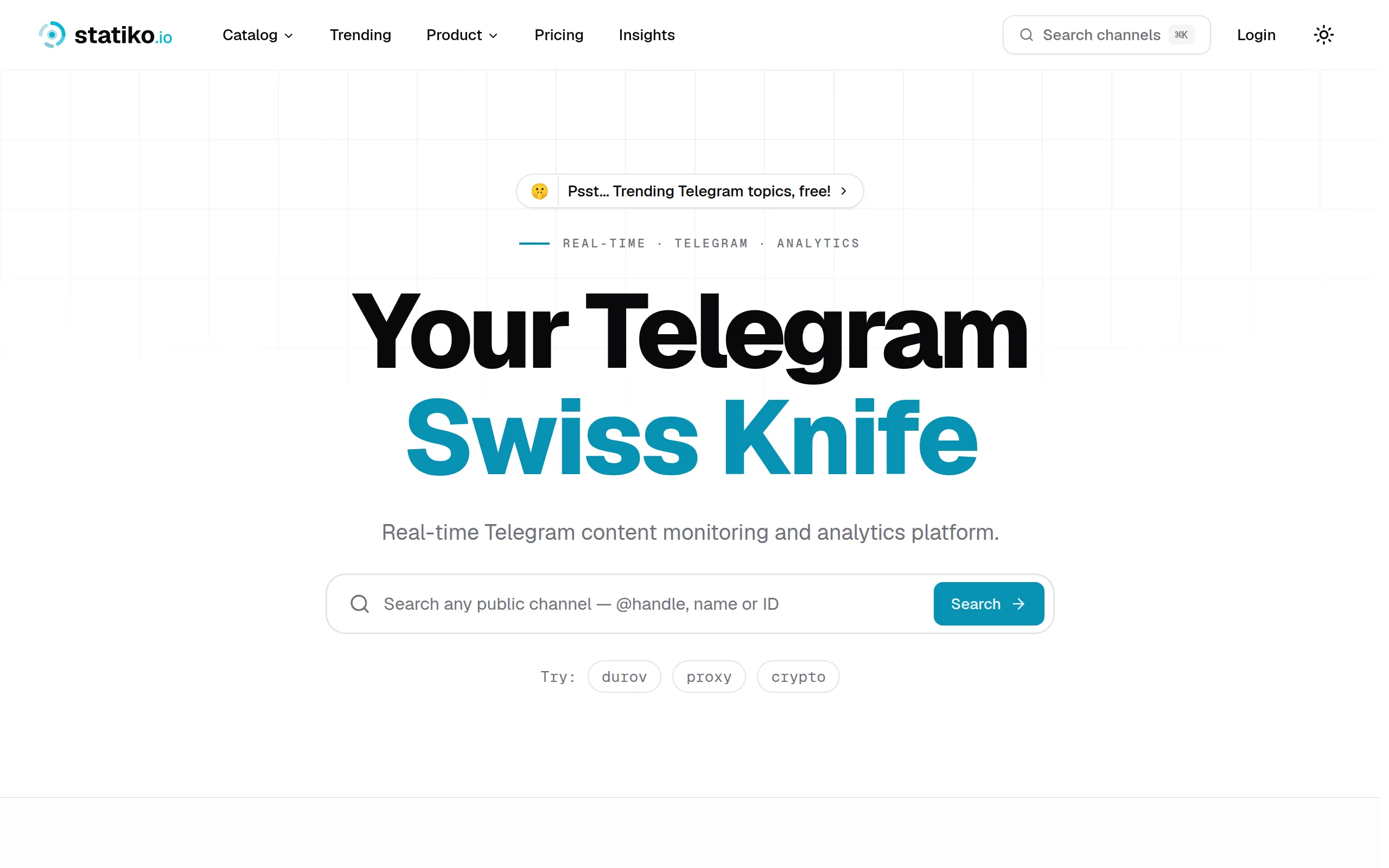
Statiko
Monitor any Telegram channel in real time - track posts, edits, deletions, and growth with AI recaps 📡
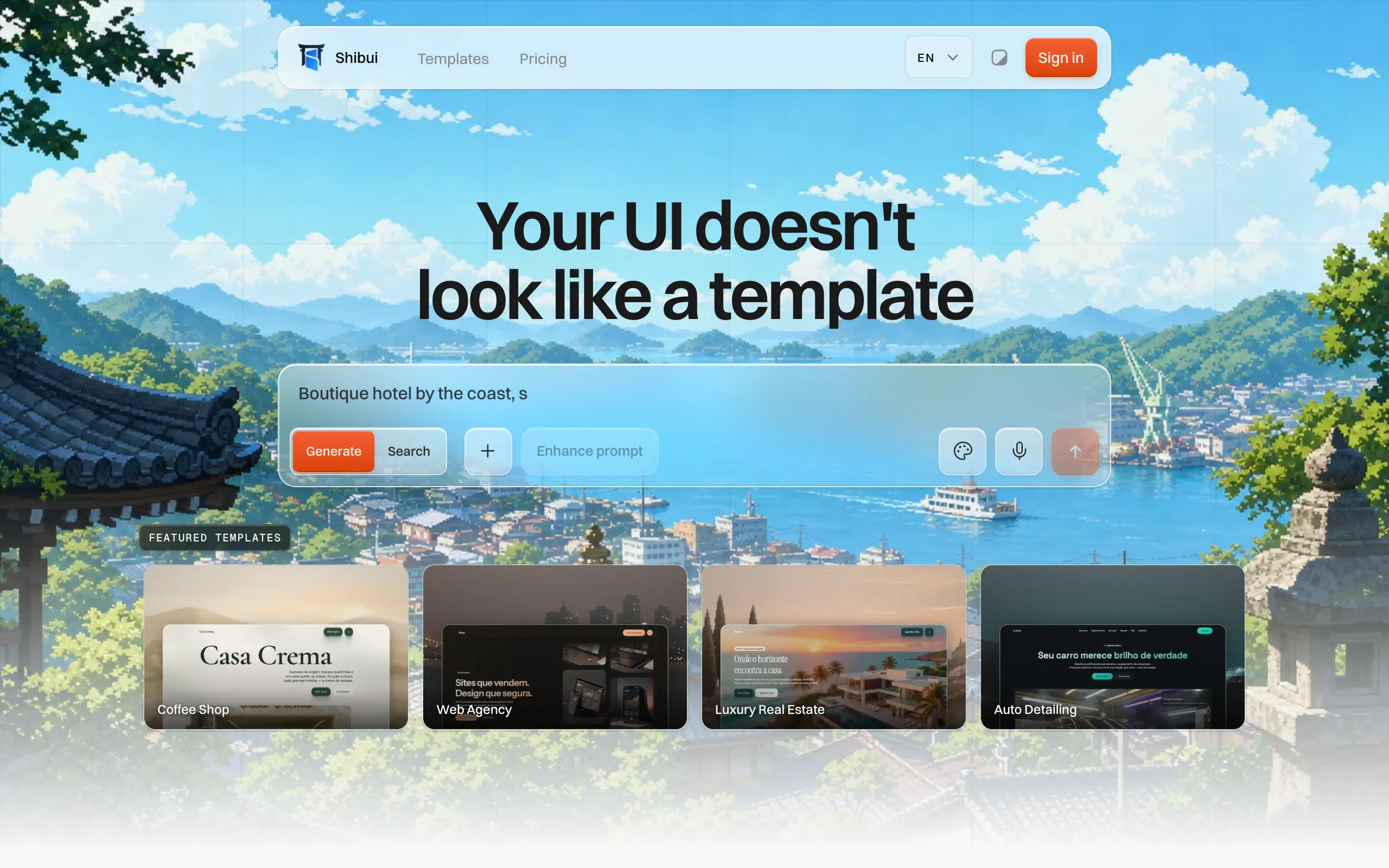
Shibui
AI website builder - describe your business, pick a niche template, edit by chatting, and publish instantly ✨
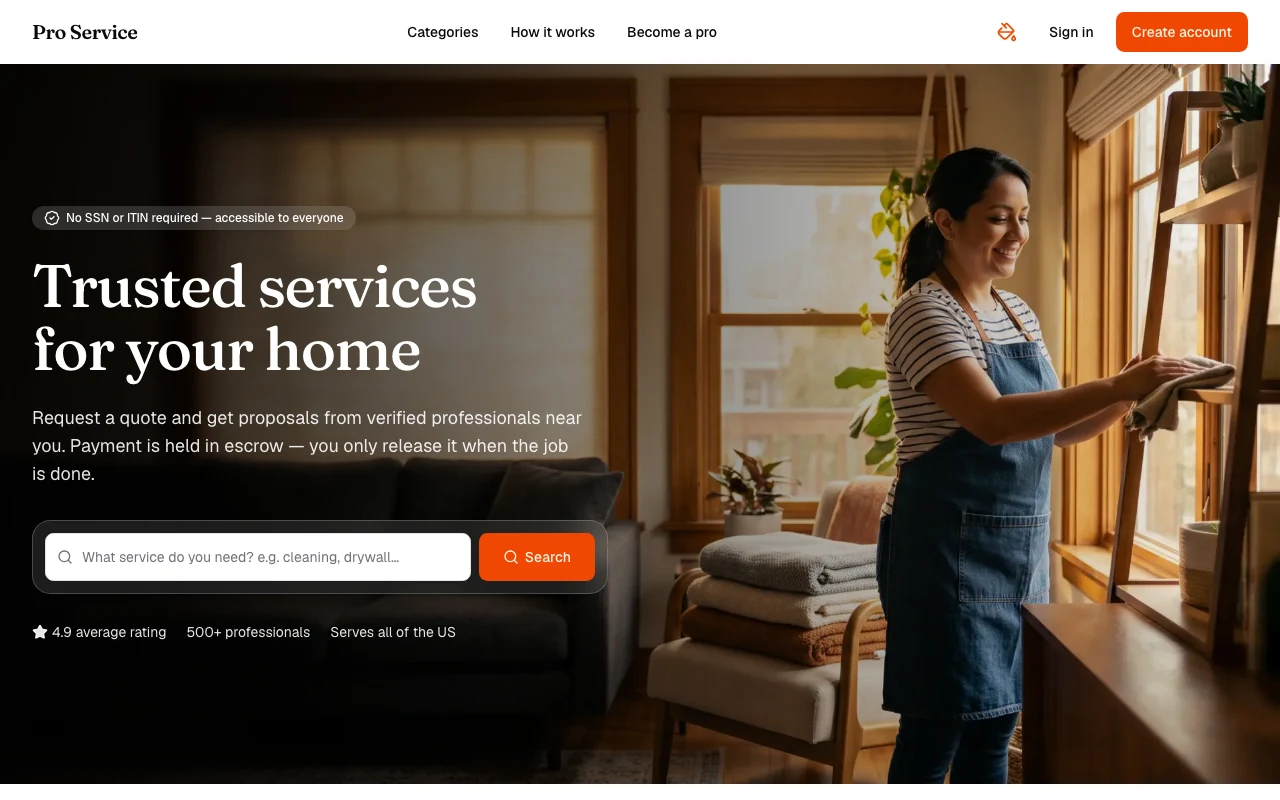
Pro Service
Find verified home service professionals, compare quotes, and pay securely through escrow - built for Brazilians across the US 🏠
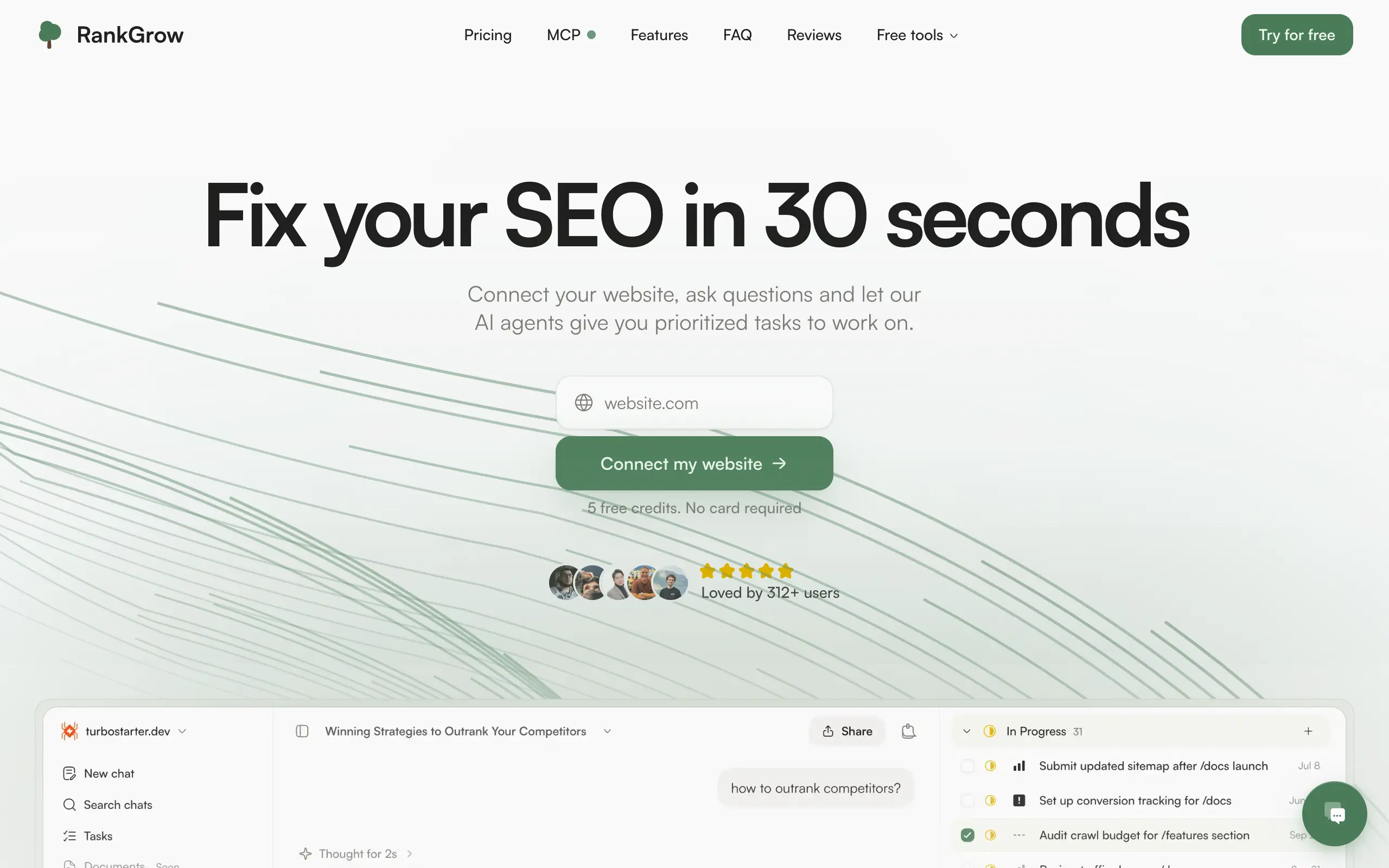
RankGrow
Fix your SEO with AI agents - connect Search Console, get prioritized tasks, and grow organic traffic 📈
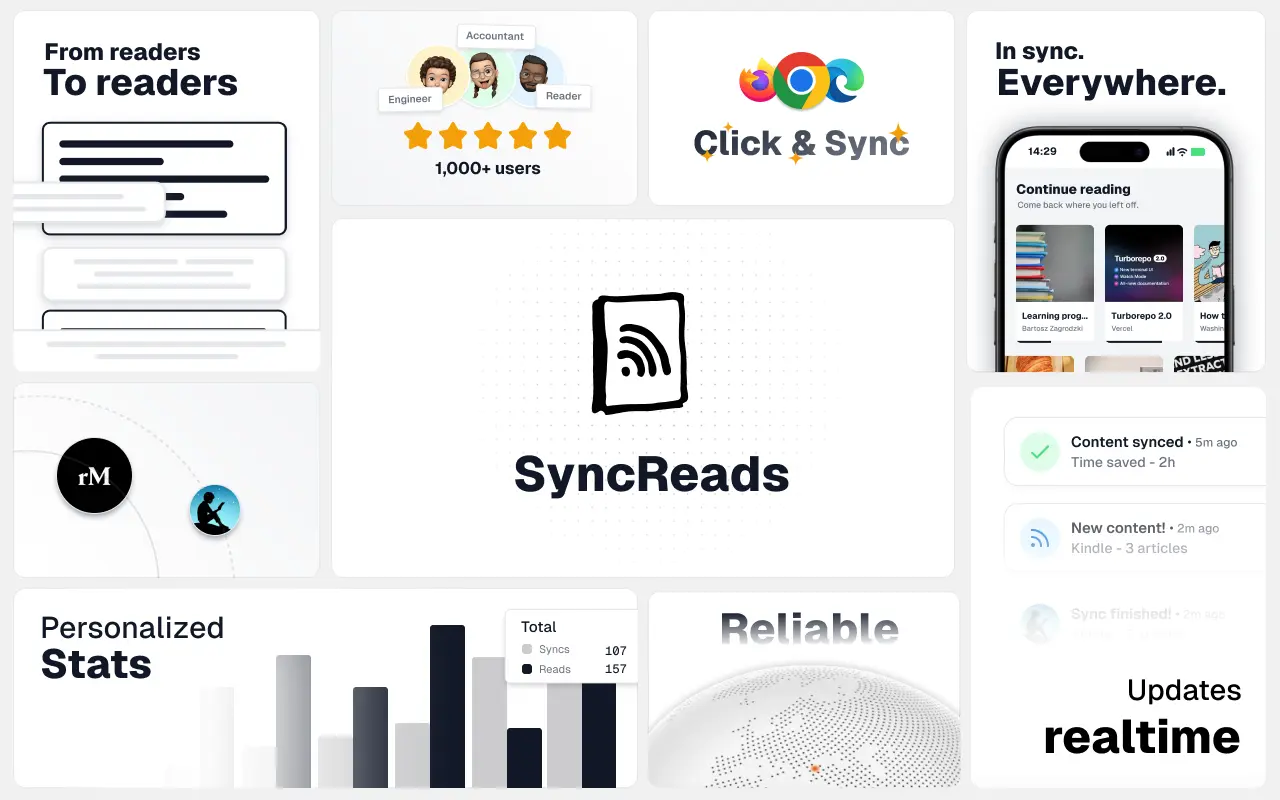
SyncReads
Sync your favorite content for distraction-free reading, save time and replace multiple apps. Anytime, anywhere 🔄
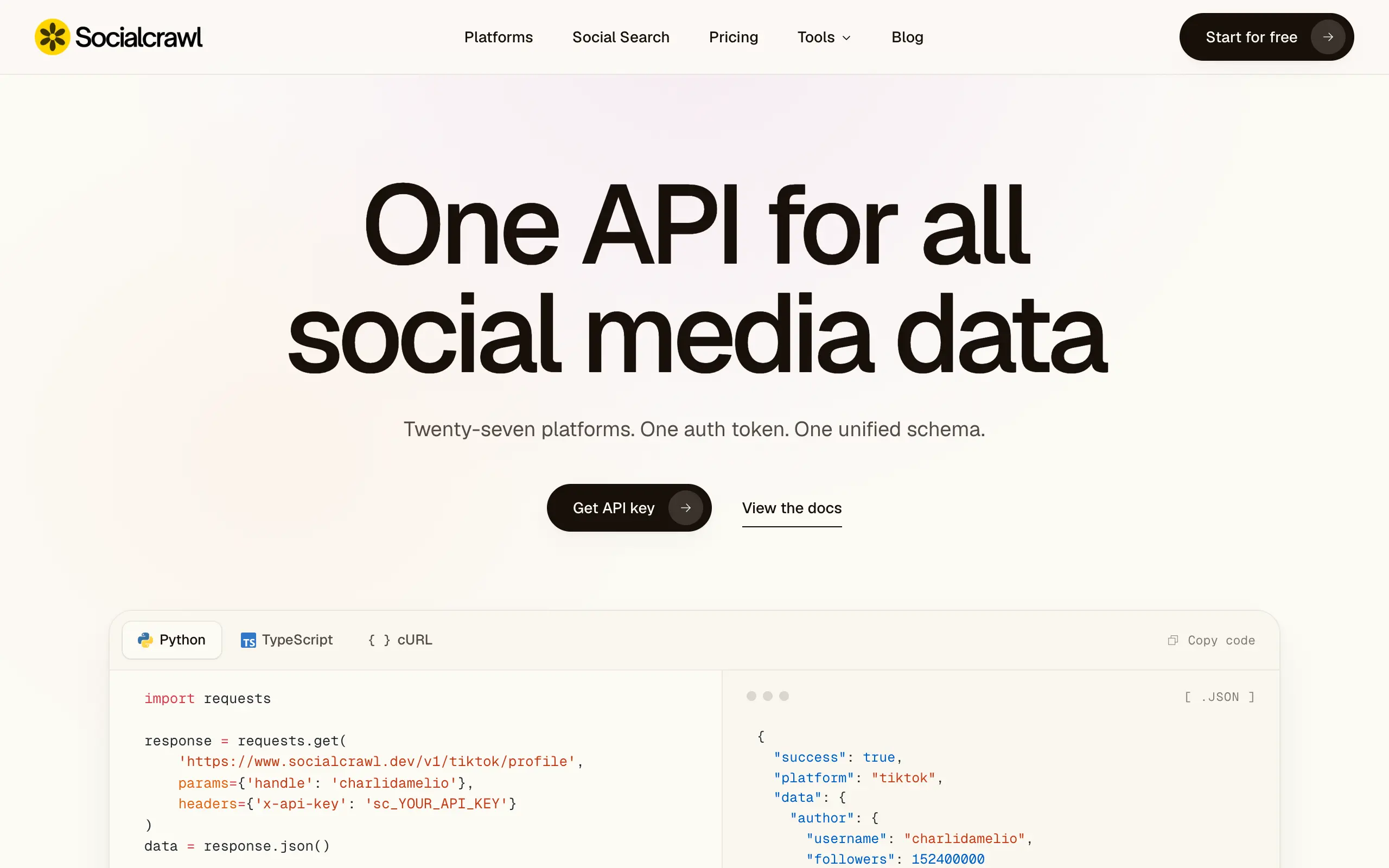
Socialcrawl
Get clean, structured data from 21 platforms like TikTok, Instagram, and YouTube with a single request 📊
Statiko
Monitor any Telegram channel in real time - track posts, edits, deletions, and growth with AI recaps 📡
Shibui
AI website builder - describe your business, pick a niche template, edit by chatting, and publish instantly ✨
Pro Service
Find verified home service professionals, compare quotes, and pay securely through escrow - built for Brazilians across the US 🏠
RankGrow
Fix your SEO with AI agents - connect Search Console, get prioritized tasks, and grow organic traffic 📈
SyncReads
Sync your favorite content for distraction-free reading, save time and replace multiple apps. Anytime, anywhere 🔄
Socialcrawl
Get clean, structured data from 21 platforms like TikTok, Instagram, and YouTube with a single request 📊
Statiko
Monitor any Telegram channel in real time - track posts, edits, deletions, and growth with AI recaps 📡
Shibui
AI website builder - describe your business, pick a niche template, edit by chatting, and publish instantly ✨
Pro Service
Find verified home service professionals, compare quotes, and pay securely through escrow - built for Brazilians across the US 🏠
RankGrow
Fix your SEO with AI agents - connect Search Console, get prioritized tasks, and grow organic traffic 📈
SyncReads
Sync your favorite content for distraction-free reading, save time and replace multiple apps. Anytime, anywhere 🔄
Socialcrawl
Get clean, structured data from 21 platforms like TikTok, Instagram, and YouTube with a single request 📊
Statiko
Monitor any Telegram channel in real time - track posts, edits, deletions, and growth with AI recaps 📡
Shibui
AI website builder - describe your business, pick a niche template, edit by chatting, and publish instantly ✨
Pro Service
Find verified home service professionals, compare quotes, and pay securely through escrow - built for Brazilians across the US 🏠
RankGrow
Fix your SEO with AI agents - connect Search Console, get prioritized tasks, and grow organic traffic 📈
SyncReads
Sync your favorite content for distraction-free reading, save time and replace multiple apps. Anytime, anywhere 🔄
Socialcrawl
Get clean, structured data from 21 platforms like TikTok, Instagram, and YouTube with a single request 📊
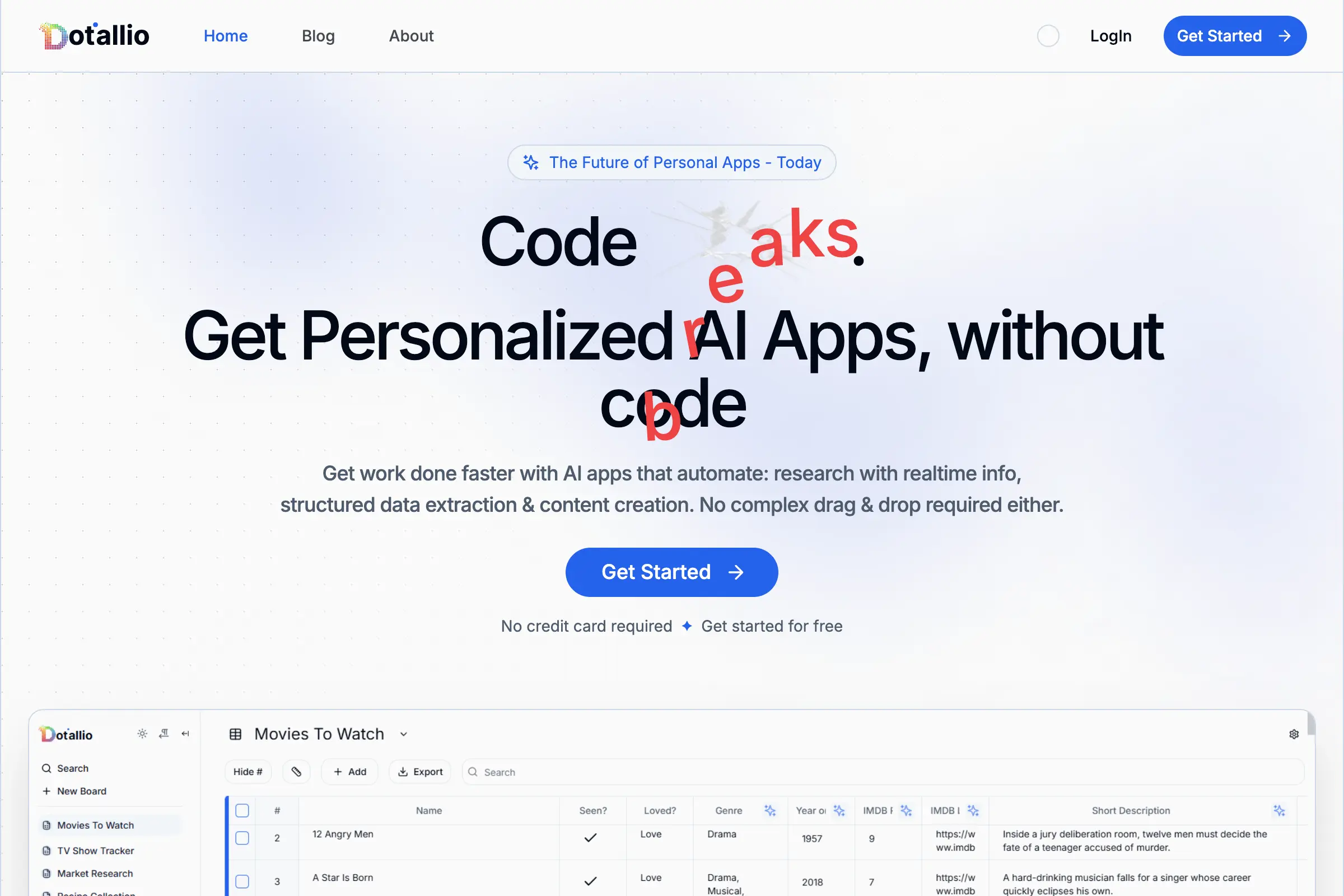
Dotallio
Personalized AI apps that automate research, data extraction, and content creation without code 🤖
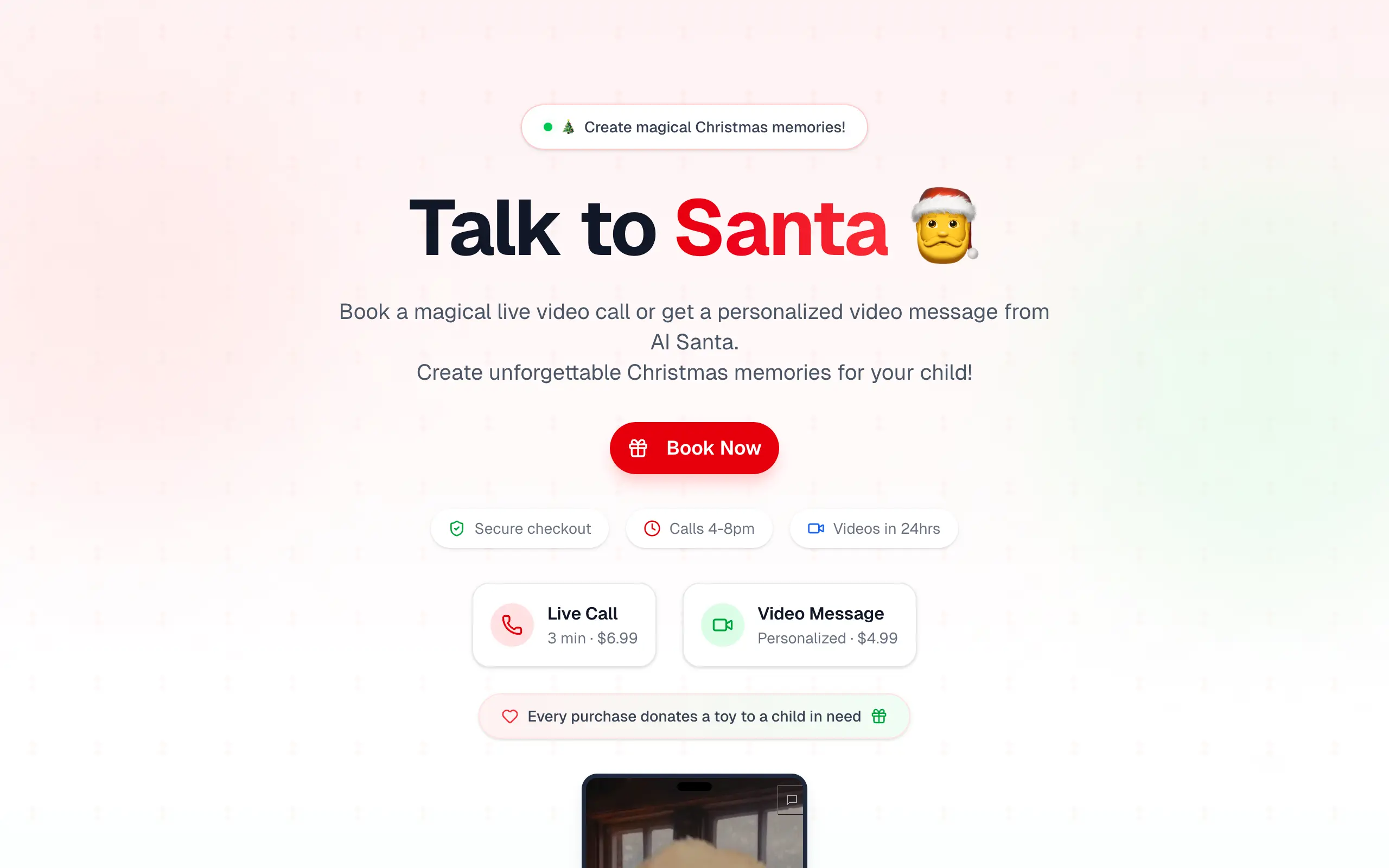
Talk to Santa
Enjoy a magical live video chat or receive a unique AI-generated video greeting from Santa Claus 🎅
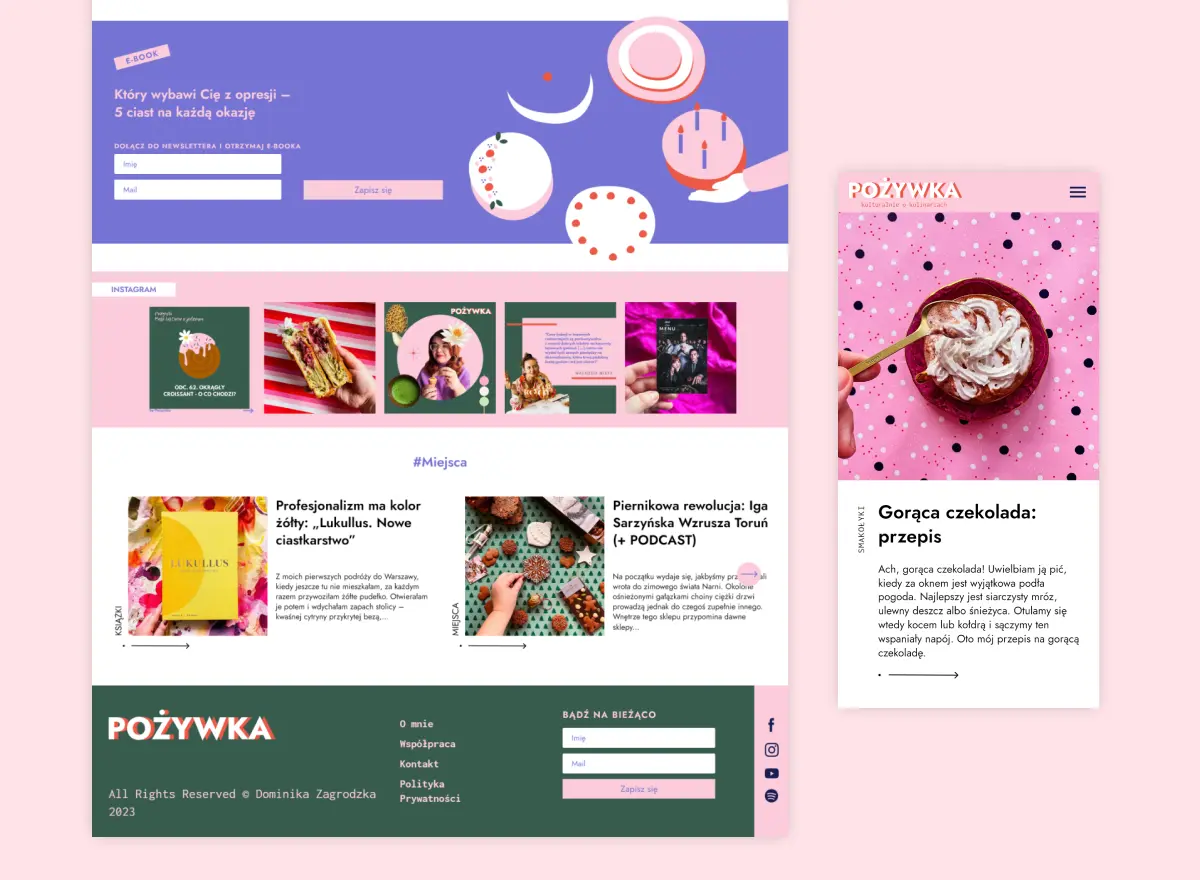
pozywka.pl
Scalable blog for food journalist, focused on performance and user experience 🌭
zagrodzki.me
Personal blog and portfolio of Bart Zagrodzki, where he shares his knowledge and work 💼
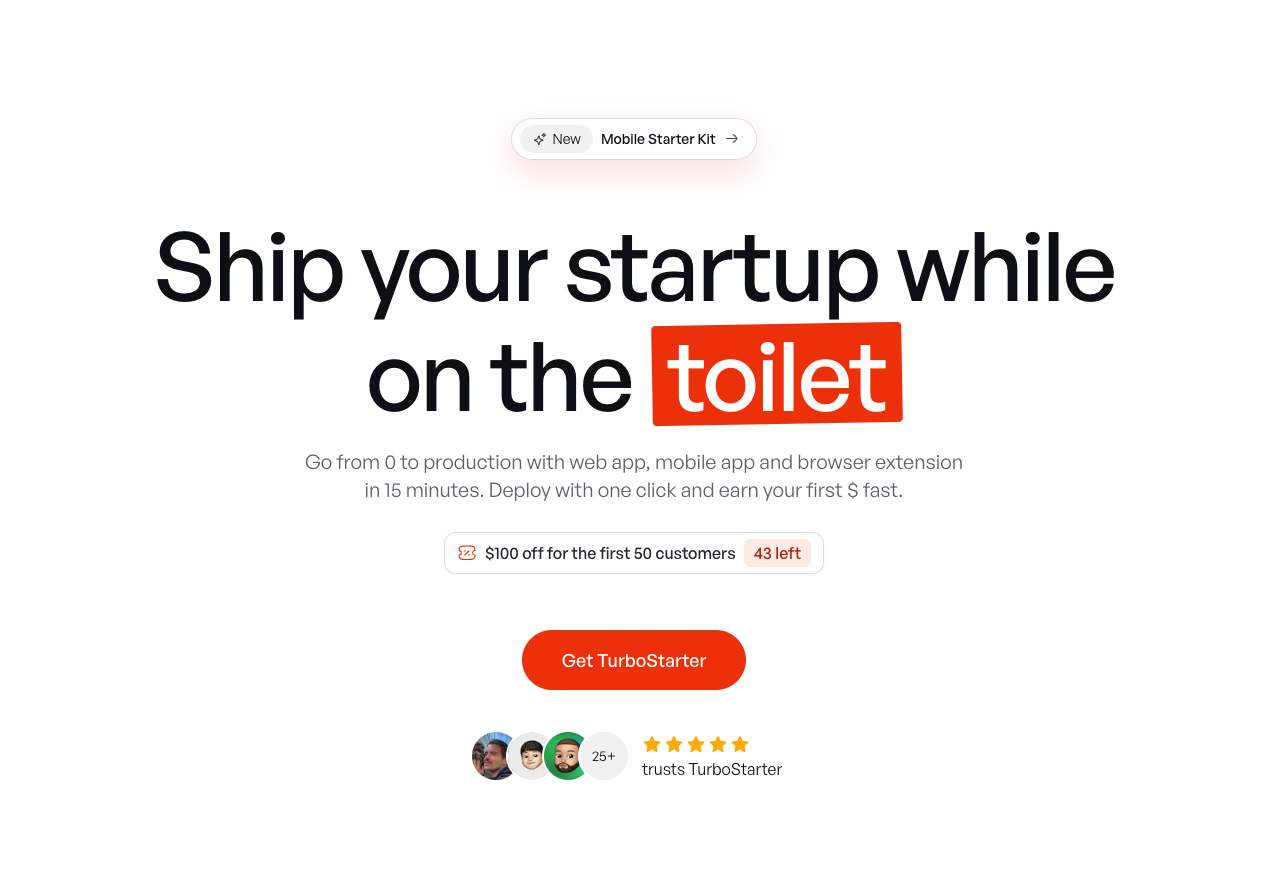
TurboStarter
Ship your startup everywhere. In minutes.
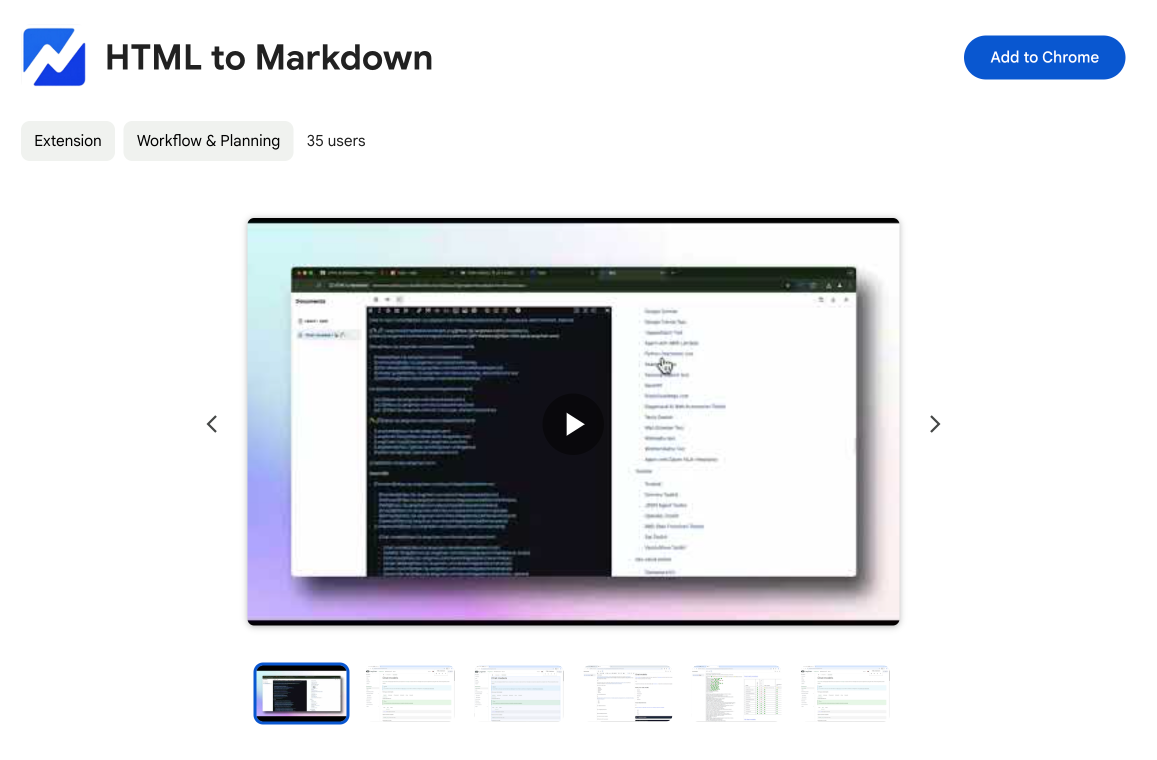
HTML to Markdown
Convert HTML to Markdown with ease, directly in your browser 📄
Dotallio
Personalized AI apps that automate research, data extraction, and content creation without code 🤖
Talk to Santa
Enjoy a magical live video chat or receive a unique AI-generated video greeting from Santa Claus 🎅
pozywka.pl
Scalable blog for food journalist, focused on performance and user experience 🌭
zagrodzki.me
Personal blog and portfolio of Bart Zagrodzki, where he shares his knowledge and work 💼
TurboStarter
Ship your startup everywhere. In minutes.
HTML to Markdown
Convert HTML to Markdown with ease, directly in your browser 📄
Dotallio
Personalized AI apps that automate research, data extraction, and content creation without code 🤖
Talk to Santa
Enjoy a magical live video chat or receive a unique AI-generated video greeting from Santa Claus 🎅
pozywka.pl
Scalable blog for food journalist, focused on performance and user experience 🌭
zagrodzki.me
Personal blog and portfolio of Bart Zagrodzki, where he shares his knowledge and work 💼
TurboStarter
Ship your startup everywhere. In minutes.
HTML to Markdown
Convert HTML to Markdown with ease, directly in your browser 📄
Dotallio
Personalized AI apps that automate research, data extraction, and content creation without code 🤖
Talk to Santa
Enjoy a magical live video chat or receive a unique AI-generated video greeting from Santa Claus 🎅
pozywka.pl
Scalable blog for food journalist, focused on performance and user experience 🌭
zagrodzki.me
Personal blog and portfolio of Bart Zagrodzki, where he shares his knowledge and work 💼
TurboStarter
Ship your startup everywhere. In minutes.
HTML to Markdown
Convert HTML to Markdown with ease, directly in your browser 📄
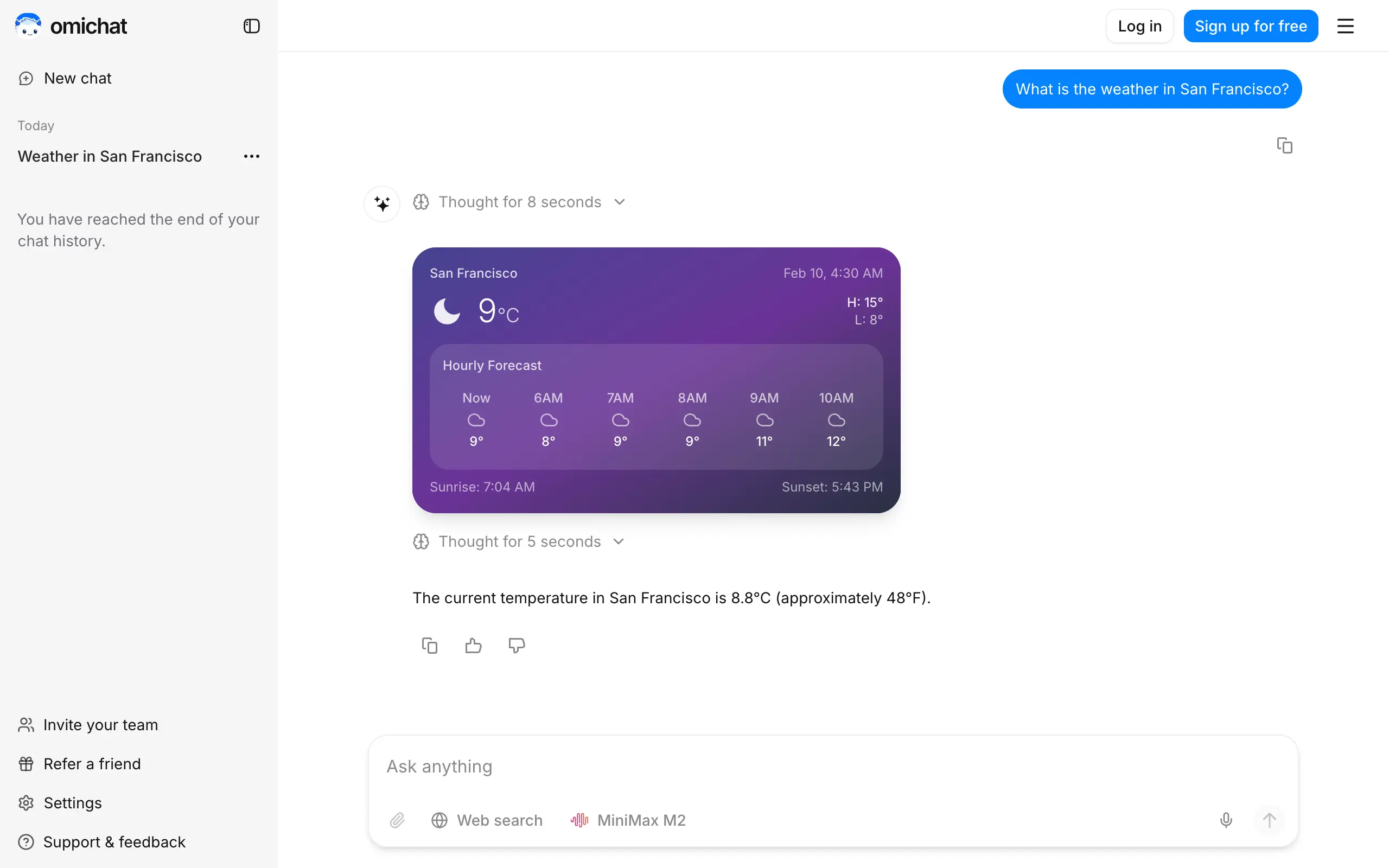
Omichat
Chat with 50+ AI models, including ChatGPT and Claude, in one place - switch models anytime without losing context 🤖
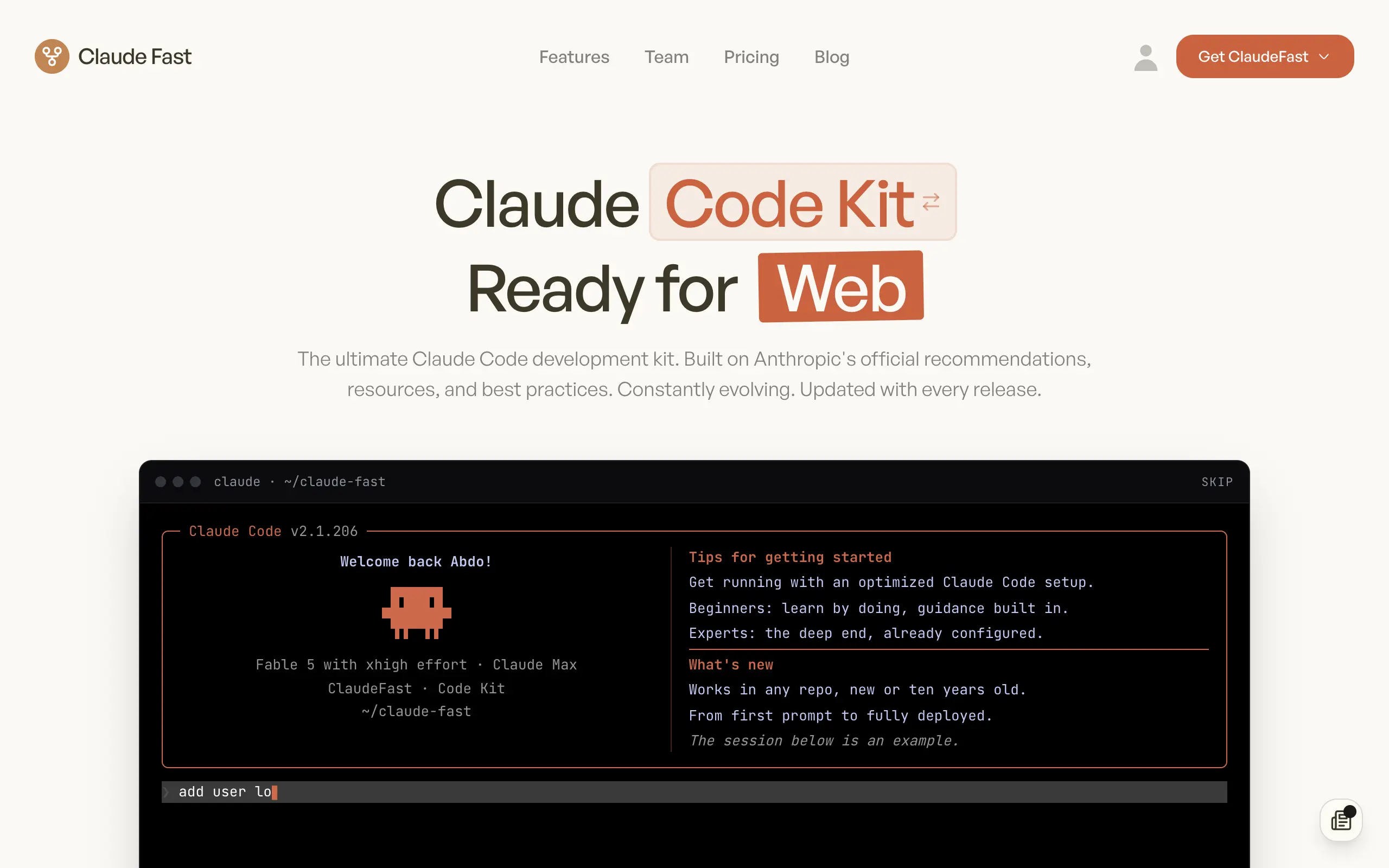
Claude Fast
Supercharge your Claude Code with 6x effective context window and specialized AI agents 🤖
EmojAI
AI-powered emoji picker with smart, context-aware suggestions 🤖
Solohacker
Autonomous company launcher - AI agents work 24/7, escalate what matters, and you stay in control 🤖
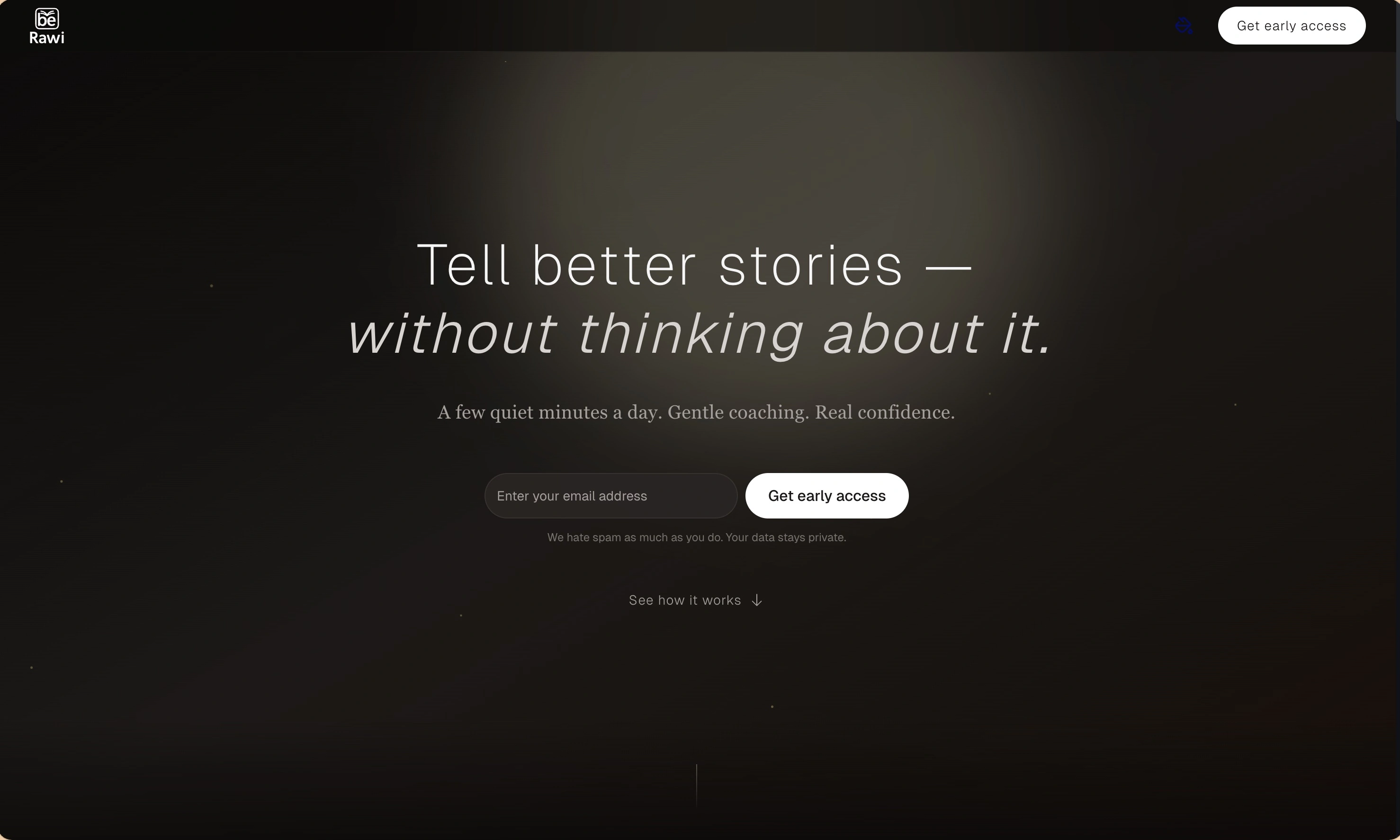
BeRawi: Storytelling Coach
Practice storytelling daily with instant feedback to sound clearer, more engaging, and confident 🎤
Omichat
Chat with 50+ AI models, including ChatGPT and Claude, in one place - switch models anytime without losing context 🤖
Claude Fast
Supercharge your Claude Code with 6x effective context window and specialized AI agents 🤖
EmojAI
AI-powered emoji picker with smart, context-aware suggestions 🤖
Solohacker
Autonomous company launcher - AI agents work 24/7, escalate what matters, and you stay in control 🤖
BeRawi: Storytelling Coach
Practice storytelling daily with instant feedback to sound clearer, more engaging, and confident 🎤
Omichat
Chat with 50+ AI models, including ChatGPT and Claude, in one place - switch models anytime without losing context 🤖
Claude Fast
Supercharge your Claude Code with 6x effective context window and specialized AI agents 🤖
EmojAI
AI-powered emoji picker with smart, context-aware suggestions 🤖
Solohacker
Autonomous company launcher - AI agents work 24/7, escalate what matters, and you stay in control 🤖
BeRawi: Storytelling Coach
Practice storytelling daily with instant feedback to sound clearer, more engaging, and confident 🎤
Omichat
Chat with 50+ AI models, including ChatGPT and Claude, in one place - switch models anytime without losing context 🤖
Claude Fast
Supercharge your Claude Code with 6x effective context window and specialized AI agents 🤖
EmojAI
AI-powered emoji picker with smart, context-aware suggestions 🤖
Solohacker
Autonomous company launcher - AI agents work 24/7, escalate what matters, and you stay in control 🤖
BeRawi: Storytelling Coach
Practice storytelling daily with instant feedback to sound clearer, more engaging, and confident 🎤

Connect with like-minded people
Join our community to get feedback, support, and grow together with 1,000+ builders on board, let's ship it!
Join usShip your startup everywhere. In minutes.
Don't burn tokens on setup and start building features on day one.