LoreLock
Keep AI-generated game worlds consistent by tracking canon, characters, quests, and rules across every prompt, draft, and build.
Building a compelling game world with generative AI is easy. Keeping that world coherent after 200 prompts, multiple writers, branching quests, revisions, and production changes is much harder.
LoreLock is an AI game world consistency platform designed to solve that problem. It gives game studios, narrative designers, indie developers, and AI-assisted creators a trusted system for tracking canon, characters, locations, factions, quests, rules, timeline events, and unresolved story threads. Instead of repeatedly asking an AI model to “remember” prior context, teams can give every prompt and draft an authoritative source of truth.
The core opportunity is not simply another writing app. LoreLock can become the canon management layer for AI-assisted game development: a workspace where creative teams establish what is true, identify contradictions before they ship, and turn a living game bible into structured, usable production knowledge.
Why AI game world consistency is becoming a major problem
Generative AI has made it possible for small teams to create more dialogue, lore, quest variants, item descriptions, NPC backstories, and environmental storytelling than ever before. The same speed introduces a dangerous failure mode: content scales faster than institutional memory.
A narrative lead might know that a kingdom fell 80 years ago, that a character cannot use magic without a cost, or that a quest outcome permanently changes a faction’s allegiance. An AI assistant does not reliably know those facts unless the right context is supplied every time.
This creates recurring consistency issues:
- An NPC references an event they could not have witnessed.
- A character’s personality shifts between quest branches.
- A magical rule changes because one prompt omitted a constraint.
- A location has different geography across design documents.
- A side quest contradicts the main story timeline.
- A new writer unknowingly revives a retired character or invalidates established canon.
- Localization, dialogue, and quest content diverge from the narrative design document.
Traditional game design documents help, but they often become stale, scattered, and difficult to search. Spreadsheets capture facts but not relationships. Wikis preserve pages but rarely validate whether a new draft violates an existing rule. General-purpose AI chat tools can generate text, but they are not purpose-built canon databases.
LoreLock’s differentiator is the combination of structured worldbuilding data, AI-aware retrieval, and proactive contradiction detection.
The strategic positioning
LoreLock should be positioned as a canon intelligence system, not merely an AI writing assistant. Writers already have ways to generate prose. They need a reliable way to decide whether that prose belongs in their world.
The target audience for AI game world consistency software
The best initial market is not every person who writes fiction. LoreLock should serve users who feel the pain of canon drift often enough that they will change their workflow and pay for a solution.
Indie game studios using AI-assisted workflows
Small studios frequently have limited narrative staff, rapid iteration cycles, and several people wearing multiple roles. A creative director may define the world, while designers, contractors, and developers produce quests, dialogue, marketing copy, and in-game text.
These teams need a shared record of canon that is easier to maintain than a folder of documents.
Their primary needs include:
- Fast creation of character, location, faction, item, and quest records
- Clear approval status for established, tentative, and deprecated lore
- Permission controls for contractors and collaborators
- Narrative consistency checks before content enters the game
- Exportable data for dialogue tools, game engines, and localization workflows
- A low-friction interface that does not require database expertise
For this audience, LoreLock should emphasize speed, clarity, and protection against expensive rework.
Narrative designers and writers at mid-sized studios
Mid-sized studios often face a more complex version of the same challenge. They may maintain extensive documentation in tools such as Notion, Confluence, Google Drive, Jira, or internal wikis. Their problem is not a lack of information. It is that critical information is fragmented and difficult to validate at the moment content is written.
A narrative designer needs answers such as:
- Is this character currently alive in this point of the timeline?
- Which quests mention this artifact?
- Has the player already learned this secret in a specific branch?
- What are the approved rules for this species, religion, or magic system?
- Which old documents were superseded after the latest story revision?
LoreLock can create value through graph-like relationships, versioned canon, advanced filtering, and reviewer workflows.
Solo developers and game jam creators
Solo creators have fewer collaborators, but they still face context overload. AI can help them produce content quickly, which makes a structured game bible even more useful. This segment is price-sensitive, but it can be valuable for product-led growth, feedback, templates, and community visibility.
A free or low-cost creator plan should offer a practical entry point:
- One private world
- A reasonable entity limit
- Basic AI checks
- Community templates
- Export options
- Upgrade paths when projects become larger or collaborative
Tabletop RPG creators and interactive fiction teams
LoreLock’s product architecture can also support dungeon masters, RPG publishers, visual novel teams, and interactive fiction creators. These users need continuity management but may think in terms of campaigns, scenes, player knowledge, and branching states rather than traditional game production.
This is a promising secondary segment, particularly if LoreLock supports:
- Session recap ingestion
- Campaign timelines
- Secret versus public lore visibility
- Character relationship tracking
- Branch-aware continuity
- Player-facing lore exports
The messaging should remain focused. The product can support adjacent audiences without diluting its core promise to game creators.
The market gap LoreLock can own
The market contains several categories of tools, but each leaves a meaningful gap.
General knowledge bases are flexible, yet they are not designed to understand narrative dependencies. Writing platforms are useful for drafting, but often treat canon as manually maintained notes. AI chat platforms generate content well, but their memory is limited, opaque, or not controlled at the world level. Game project management tools organize tasks, not fictional truth.
LoreLock can occupy the overlap between these categories.
| Capability | General wiki | AI chat | Writing tool | LoreLock |
|---|---|---|---|---|
| Structured canon records | Partial | Limited | Partial | Strong |
| Relationship mapping | Manual | Temporary | Limited | Native |
| Prompt-ready context retrieval | Manual | Partial | Manual | Native |
| Contradiction detection | Rare | Unreliable | Rare | Core feature |
| Canon approval and version history | Partial | Limited | Partial | Core feature |
The key market gap is trustworthy AI-assisted worldbuilding. Creators do not just want an AI that writes more. They want an AI workflow that can preserve narrative logic as projects expand.
This positioning aligns with a wider software trend: organizations are moving from unstructured AI prompts toward retrieval-augmented, governed systems that ground outputs in approved internal knowledge. Game narrative teams can benefit from the same discipline without needing to build their own AI infrastructure.
When making market-size claims in a sales page or investor deck, cite current reports from reputable industry sources such as the Entertainment Software Association, GDC, Newzoo, or platform-specific developer surveys. Avoid presenting broad market estimates without a dated, verifiable source.
LoreLock’s unique selling proposition
LoreLock’s unique selling proposition is simple:
LoreLock turns a game bible into an active canon system that helps AI and human creators produce world-consistent content.
That message has three important elements.
First, it recognizes that a world bible is valuable but insufficient when it is static. Second, it supports people rather than attempting to replace narrative judgment. Third, it makes AI outputs more dependable by grounding generation in approved project context.
A strong product promise could be:
Create freely. Lock the lore.
The product should not claim that it can prove a story is objectively correct. Narrative consistency is often interpretive. Instead, LoreLock should identify likely conflicts, show the supporting evidence, explain why the conflict was flagged, and let an authorized creator make the final decision.
That human-in-the-loop approach is essential for trust.
Core features for a canon management platform
LoreLock should start with a focused set of workflows that solve immediate pain. It does not need to become a full game engine, writing suite, or generic productivity platform.
Structured world entities and canon records
Every world needs a consistent way to represent its facts. Users should be able to create purpose-built records for the entities that matter in game development.
A strong initial schema includes:
- "Characters": identity, role, traits, motivations, status, affiliations, secrets, appearance, and timeline events
- "Locations": geography, political ownership, climate, residents, points of interest, and travel constraints
- "Factions": goals, leadership, allies, enemies, ideology, resources, and status
- "Quests": objectives, prerequisites, branching outcomes, involved entities, rewards, and narrative consequences
- "Rules": magic systems, technology constraints, cultural conventions, economy rules, and gameplay-narrative constraints
- "Events": historical events, scene events, date ranges, participants, causes, and consequences
- "Items": artifacts, weapons, resources, ownership history, powers, limitations, and related quests
- "Terms": glossary entries, naming conventions, invented languages, and canonical definitions
Each record should support custom fields because every game world has unique needs. However, customizability should not eliminate structure. A guided schema gives users immediate value and gives the platform dependable data for consistency checks.
Relationship graph and dependency mapping
The real value emerges when records are connected.
A character can belong to a faction, inhabit a location, possess an item, participate in an event, and appear in several quests. A quest can depend on an event that changes a faction relationship. A rule can constrain what an item or character is able to do.
LoreLock should visualize and query these relationships.
Useful relationship queries include:
- Show every quest affected if this faction becomes hostile.
- List all scenes where a character appears after their recorded death.
- Find every item that breaks the magic system’s stated limits.
- Identify locations mentioned in a draft that do not exist in canon.
- Reveal unresolved references with no linked canonical record.
A graph view is valuable, but it should not become the primary interface. Most creators will work through search, contextual links, timeline views, and entity pages. The graph is best used as a discovery and impact-analysis tool.
Timeline management for branching narratives
Game stories are rarely linear. A single-player RPG may have multiple endings, optional quests, alternate states, and player-dependent outcomes. LoreLock needs a timeline model that supports this reality.
The initial version can provide:
- Chronological events with dates or relative ordering
- Story phases, chapters, acts, and eras
- Character and faction state at a given point in time
- Timeline filters for main story, side content, or DLC
- Branch labels for mutually exclusive outcomes
- Canon status labels such as established, proposed, retconned, and non-canon
Later, the platform can support explicit branch modeling. This would allow creators to answer questions such as whether a dialogue line is valid only if the player chose a particular faction outcome.
Do not overbuild branching on day one
A complete branching-state engine can become technically complex quickly. Start by letting teams tag content with branches and conditions, then prioritize richer state validation after the core canon workflow proves demand.
AI-assisted draft analysis and contradiction detection
This feature is LoreLock’s strongest product wedge.
A user should be able to paste a quest draft, dialogue scene, character bio, item description, or AI-generated content into LoreLock and request a canon check. The system retrieves relevant approved records, evaluates the draft against them, and returns specific findings.
A high-quality result should distinguish between different types of issues:
- "Direct conflict": the draft contradicts an established fact
- "Timeline conflict": the content violates chronological ordering or current state
- "Rule conflict": an action appears to violate a defined world rule
- "Terminology mismatch": naming or glossary usage differs from canon
- "Missing context": the draft introduces an important entity with no canonical record
- "Possible conflict": the system found ambiguous evidence requiring a reviewer
Every finding should include citations back to the relevant LoreLock records. “This may contradict canon” is not useful enough. Creators need to see the exact rule, event, or character fact that triggered the warning.
This design turns AI from an unpredictable generator into an accountable assistant.
Context packs for better AI prompts
Many teams will continue using their preferred AI tools. LoreLock should make those workflows more reliable rather than forcing users into a single built-in model.
A context pack is a curated, token-aware bundle of canon relevant to a task. For example, a user writing dialogue for a guard captain in a specific city could generate a pack containing:
- The character profile and current emotional state
- The city’s social and political rules
- The active quest state
- Relevant faction tensions
- Approved terminology
- Recent events the character knows about
- Style guidance for dialogue tone
The user can copy the context pack into an external AI tool, use it through an API, or generate directly inside LoreLock.
Context packs solve an important operational problem: dumping an entire world bible into a prompt is expensive, noisy, and likely to lower output quality. Retrieval should select only the most relevant and highest-authority information.
Canon review, approvals, and version history
Creative projects need room for experimentation. Not every new idea should immediately become immutable truth.
LoreLock should support a lightweight editorial workflow:
- A contributor creates or edits a record.
- The record is marked as draft or proposed.
- A reviewer comments, requests changes, or approves it.
- The approved record becomes canonical.
- Later edits create a visible revision history.
- A retcon can preserve prior history while clearly defining the new truth.
This is particularly useful for distributed teams and external writers. It also creates an audit trail when someone asks why a design decision changed.
Search that understands narrative language
Search cannot be an afterthought. Creators need to find information with natural questions, not only exact titles.
Search should support both structured and semantic patterns:
- “Who knows that the emperor is missing?”
- “Which quests happen before the siege?”
- “Show all fire magic limitations.”
- “What does the player know about the Ashen Order in act two?”
- “Find references to the Moonwell artifact.”
A hybrid approach works well. Combine exact keyword search and filters with semantic retrieval that understands related concepts. Keep results transparent by showing matched fields, related entities, and source passages.
A recommended technical architecture for LoreLock
LoreLock is well suited to a modern SaaS architecture, but its AI features require careful system design. The main principle is to keep structured canonical truth separate from probabilistic AI interpretation.
Frontend and application layer
A pragmatic web stack could include React, Next.js, and Tailwind CSS. This combination offers strong developer productivity, server rendering options, responsive UI development, and a large ecosystem.
For the product experience, prioritize:
- Fast global search
- Dense but readable entity pages
- Keyboard navigation for writers and designers
- Side-by-side draft and canon-review views
- Clear diff interfaces for revisions
- Accessible color and status labeling
- Responsive behavior for review workflows on tablets
A desktop-first experience is reasonable because narrative production is primarily done on larger screens. Still, mobile access can be useful for reading, commenting, and quick reference.
Data model and storage choices
A relational database such as PostgreSQL is an excellent source of truth for users, organizations, projects, permissions, records, revisions, and structured relationships.
Use relational tables for:
- Organizations and workspaces
- Users and roles
- Worlds and projects
- Entity types and entity records
- Relationships between entities
- Revisions and approval states
- Timeline events and branch tags
- Comments, tasks, and notifications
Store flexible schema fields in validated JSON where appropriate. This gives each world room for custom attributes without losing the benefits of relational integrity.
For semantic retrieval, add vector embeddings through a compatible vector store or a PostgreSQL extension such as pgvector. Keeping vectors close to the primary data can simplify early operations. A dedicated vector database may become worthwhile when scale, retrieval performance, or operational isolation requires it.
The trade-off is straightforward:
- "PostgreSQL plus pgvector": simpler architecture and fewer vendors for an MVP
- "Dedicated vector database": potentially stronger specialized performance and scalability at higher complexity
AI orchestration and evaluation
LoreLock should use retrieval-augmented generation, often called RAG, for draft analysis and context pack creation. The workflow should look like this:
- Parse the user’s draft or request.
- Retrieve relevant canon records using filters, relationships, keywords, and embeddings.
- Rank records by canon status, recency, specificity, and semantic relevance.
- Submit the draft plus cited context to an AI model.
- Require structured output for findings and confidence.
- Validate the output against an application schema.
- Present the findings with direct links to source records.
- Record feedback when users accept, dismiss, or resolve a finding.
Structured outputs are critical. Do not rely on free-form prose when the application needs predictable categories, source identifiers, and severity levels.
type CanonFinding = {
  category: "direct_conflict" | "timeline_conflict" | "rule_conflict" | "possible_conflict";
  severity: "high" | "medium" | "low";
  summary: string;
  evidenceRecordIds: string[];
  suggestedAction: string;
  confidence: number;
};
The AI model should never be allowed to silently write canon into the database. It can propose a record, identify entities, summarize a draft, and suggest links. A person with the appropriate role should confirm changes to approved lore.
Authentication, billing, and observability
Use a mature authentication provider or an established open-source authentication solution with support for organization workspaces, role-based access, secure sessions, and audit logs. Billing should support subscriptions, usage metering, invoices, and self-service plan changes.
For observability, track both traditional application signals and AI-specific signals:
- API latency and error rates
- Search response times
- Retrieval quality indicators
- AI request cost per workspace
- Contradiction finding acceptance rate
- False-positive dismissals
- Time from draft submission to review resolution
- Feature adoption by role and project size
These metrics are more useful than vanity usage numbers. They reveal whether LoreLock is genuinely reducing continuity work.
Monetization options for LoreLock
The most sustainable model is a hybrid of seat-based subscriptions and controlled AI usage.
Recommended pricing structure
A simple tiered model can align pricing with collaboration and AI value.
Creator
A low-cost individual plan for solo developers, writers, and small experiments with one private world and basic AI checks.
Studio
A per-seat collaborative plan with multiple worlds, approvals, shared context packs, integrations, and higher AI allowances.
Production
A custom plan for larger teams needing SSO, audit logs, priority support, advanced permissions, and dedicated data controls.
The free plan should be genuinely useful but intentionally bounded. Limit the number of worlds, AI checks, collaborators, or export options rather than making the main product unusable.
For paid plans, include a monthly AI credit allocation. Charge for overages or allow customers to connect their own model provider keys in an advanced plan. This protects gross margins as usage grows.
Value-based add-ons
Potential add-ons include:
- Additional AI analysis credits
- Private model or bring-your-own-key support
- Advanced branch and state management
- API access
- Game engine export connectors
- White-label player-facing lore portals
- Migration services for large existing wikis
- Dedicated onboarding and narrative operations consulting
Avoid pricing solely by the number of lore entries. Rich worlds naturally generate lots of records, and penalizing documentation can discourage the behavior LoreLock needs to succeed.
Competitive advantage and defensibility
The initial interface is not the primary moat. Competitors can build entity pages, search, and basic AI prompts. LoreLock becomes more defensible through its data model, workflow integration, evaluation data, and trust.
Canon-aware product data
As teams use LoreLock, the platform accumulates high-value structured context:
- Entity relationships
- Canon hierarchy
- Change history
- Approved terminology
- Draft-to-canon decisions
- Finding acceptance and dismissal patterns
- World-specific templates and constraints
This dataset is far more valuable than a generic collection of documents. It helps LoreLock retrieve better context and deliver more relevant consistency checks.
Feedback-driven AI quality
Every user action can improve the product’s rules and evaluation layer. If teams repeatedly dismiss a type of finding, the system may be overly sensitive. If users accept findings that mention certain patterns, the system can improve ranking and recommendation logic.
The goal should not be opaque model training on customer content by default. Instead, use privacy-conscious aggregate feedback, configurable project rules, and explicit customer consent where data is used beyond serving their workspace.
Workflow lock-in through integrations
LoreLock becomes harder to replace when it sits inside real production workflows. High-value integration targets include:
- Game dialogue tools
- Task management systems
- Version control workflows
- Game engine content pipelines
- Localization platforms
- Internal studio documentation
- AI assistant APIs
Start with exports and webhooks before building many deep integrations. This validates what teams actually need and avoids maintaining connectors with weak adoption.
Risks and how to mitigate them
AI game world consistency software is promising, but it carries real product, technical, and commercial risks.
False positives can damage trust
If LoreLock flags every creative variation as a contradiction, users will stop reading findings. Narrative content is nuanced, and apparent conflicts may be intentional foreshadowing, unreliable narration, or different player perspectives.
Mitigation strategies include:
- Use confidence scores and severity levels.
- Separate direct conflicts from possible conflicts.
- Always cite supporting canon records.
- Let teams define custom rules and exclusions.
- Make dismissing or resolving findings fast.
- Learn from per-project feedback without changing approved canon automatically.
AI hallucinations and unreliable interpretation
An AI model can misunderstand a draft, invent unsupported reasoning, or overstate confidence.
Mitigate this by grounding analysis in retrieved records, requiring source citations, using structured responses, and refusing to present an unsupported claim as a confirmed contradiction. Retrieval quality and UX transparency matter as much as model choice.
Sensitive creative IP and security concerns
Game worlds are valuable intellectual property. Studios may hesitate to upload unreleased narrative material to a new SaaS platform.
LoreLock should make security a product feature, not a footnote:
- Encrypt data in transit and at rest.
- Use tenant isolation and strict authorization checks.
- Document data retention and deletion policies.
- Provide clear controls over AI provider usage.
- Avoid training shared models on customer content without explicit consent.
- Maintain audit logs for enterprise customers.
- Publish a transparent security and privacy overview.
For larger studios, roadmap items such as SSO, SCIM, data residency options, and enterprise agreements may be necessary for adoption.
Scope creep across the game development stack
There is a temptation to add screenwriting, task tracking, asset management, game design, localization, and engine tooling. This would weaken the core product.
LoreLock should remain focused on one job: maintaining usable, trusted canon across AI-assisted game creation. Integrate with adjacent tools rather than trying to replace all of them.
Cost volatility from AI usage
AI analysis can become expensive if users submit long drafts repeatedly or run broad checks against massive worlds.
Mitigate cost with:
- Token-aware context packs
- Caching for repeated retrievals
- Incremental checks on changed text
- Plan-based usage limits
- Background jobs for large analysis tasks
- Model routing based on task complexity
- Clear usage reporting for customers
A practical implementation roadmap
The fastest route to product-market fit is a narrow MVP built around a painful, repeatable workflow: turning a world bible into usable canon and checking new drafts against it.
Validate the problem before building the full platform
Before investing heavily in AI infrastructure, test the highest-risk assumptions.
Ask potential customers:
- How do you currently maintain canon?
- What was the last continuity error that cost time or caused rework?
- How often do external writers or AI-generated drafts create review burden?
- Would you trust an AI checker if it cited source records?
- Which documents would you import first?
- Who owns final canon approval?
- What would make your studio unwilling to use a cloud-based lore tool?
An effective concierge MVP can combine a lightweight entity database with manually reviewed AI analysis. This lets the founding team learn which conflict types are meaningful before automating them.
Build the first end-to-end user journey
The initial product journey should be exceptionally clear:
- Create a world.
- Import or create foundational canon.
- Define a few core rules and entities.
- Paste a new quest or dialogue draft.
- Review cited consistency findings.
- Resolve the finding, update canon, or mark an intentional exception.
- Generate a context pack for the next AI writing task.
If a user can complete this loop in one session and immediately catch a meaningful issue, LoreLock has demonstrated tangible value.
Use a proven SaaS foundation
Founders should avoid spending months rebuilding commodity infrastructure such as authentication, billing, workspace management, email flows, and dashboards. A production-ready starter can accelerate the path from validation to customer feedback.
TurboStarter can help teams begin with an established SaaS foundation while they focus their engineering effort on LoreLock’s differentiated canon model, retrieval logic, and narrative review experience.
Final recommendation
LoreLock has a strong opportunity because it addresses a growing consequence of AI-assisted content creation: creative output is becoming easier to produce than it is to govern.
The winning product will not promise that AI can replace narrative designers or perfectly understand every fictional world. It will give teams a better operating system for creative truth. By combining structured lore records, relationships, timeline awareness, approval workflows, prompt-ready context, and evidence-based consistency checks, LoreLock can make AI-generated game content safer to use and easier to scale.
Start with the smallest valuable promise: help a game creator catch a real canon conflict before it becomes costly rework. Then build outward into the trusted canon layer that every AI-assisted game world needs.
More ⚡ Productivity Tool SaaS ideas
Discover more innovative productivity tool SaaS ideas that are trending in 2026. Each idea is AI-generated with market validation and growth potential to help you find your next profitable venture faster than competitors.
Your competitors are building with TurboStarter
Below are some of the SaaS ideas that have been generated and built with our starter kit.
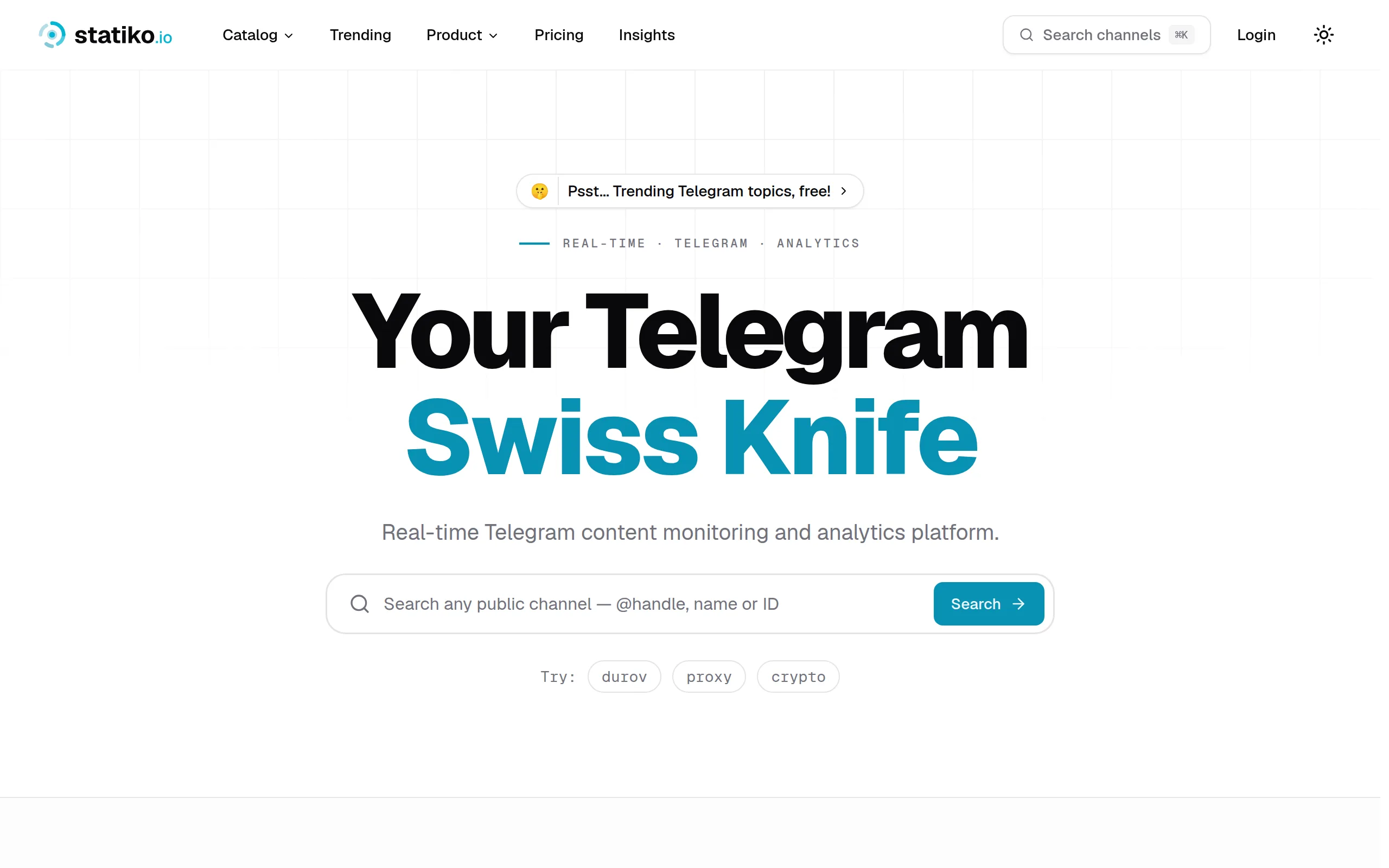
Statiko
Monitor any Telegram channel in real time - track posts, edits, deletions, and growth with AI recaps 📡

Shibui
AI website builder - describe your business, pick a niche template, edit by chatting, and publish instantly ✨

Pro Service
Find verified home service professionals, compare quotes, and pay securely through escrow - built for Brazilians across the US 🏠
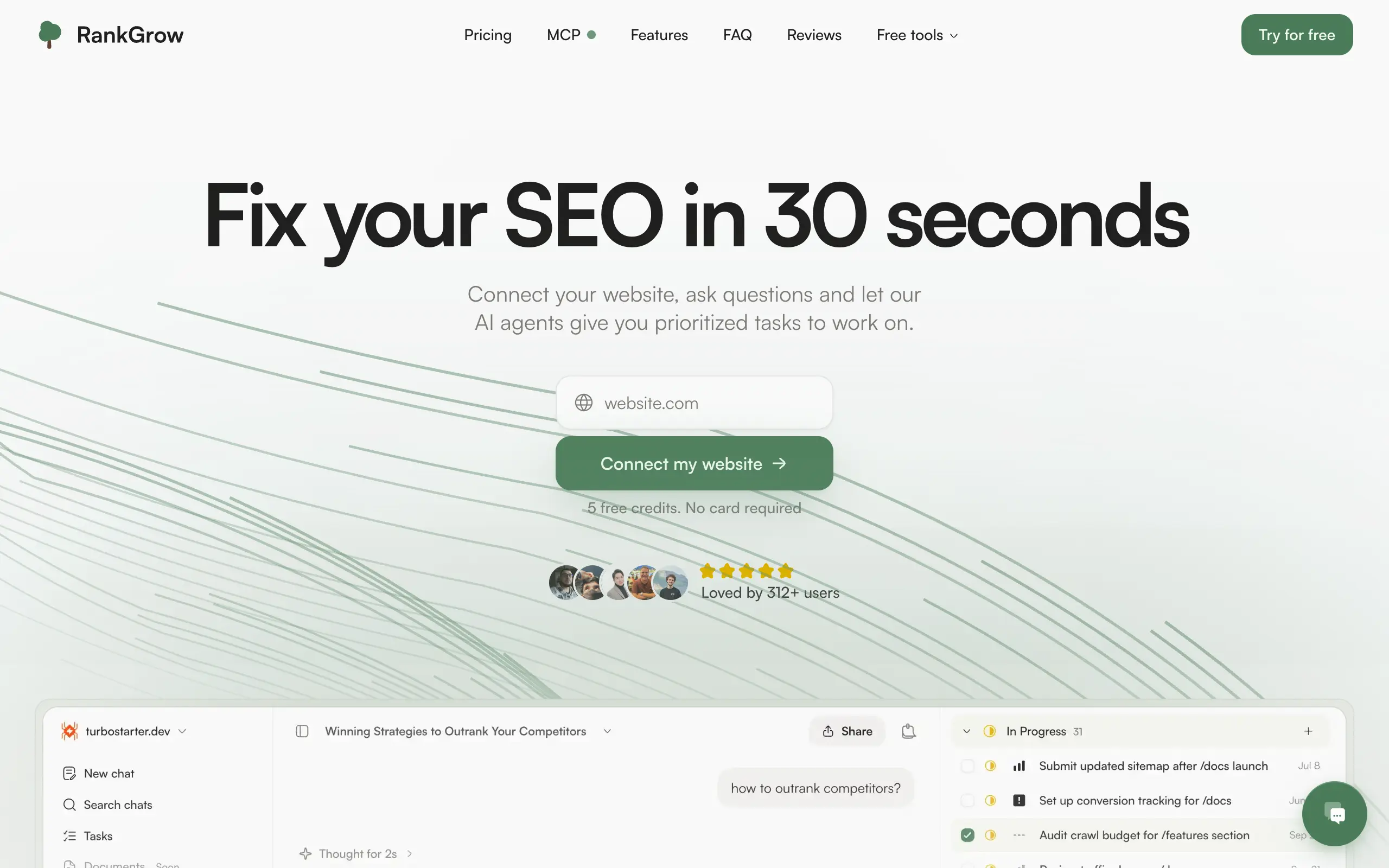
RankGrow
Fix your SEO with AI agents - connect Search Console, get prioritized tasks, and grow organic traffic 📈
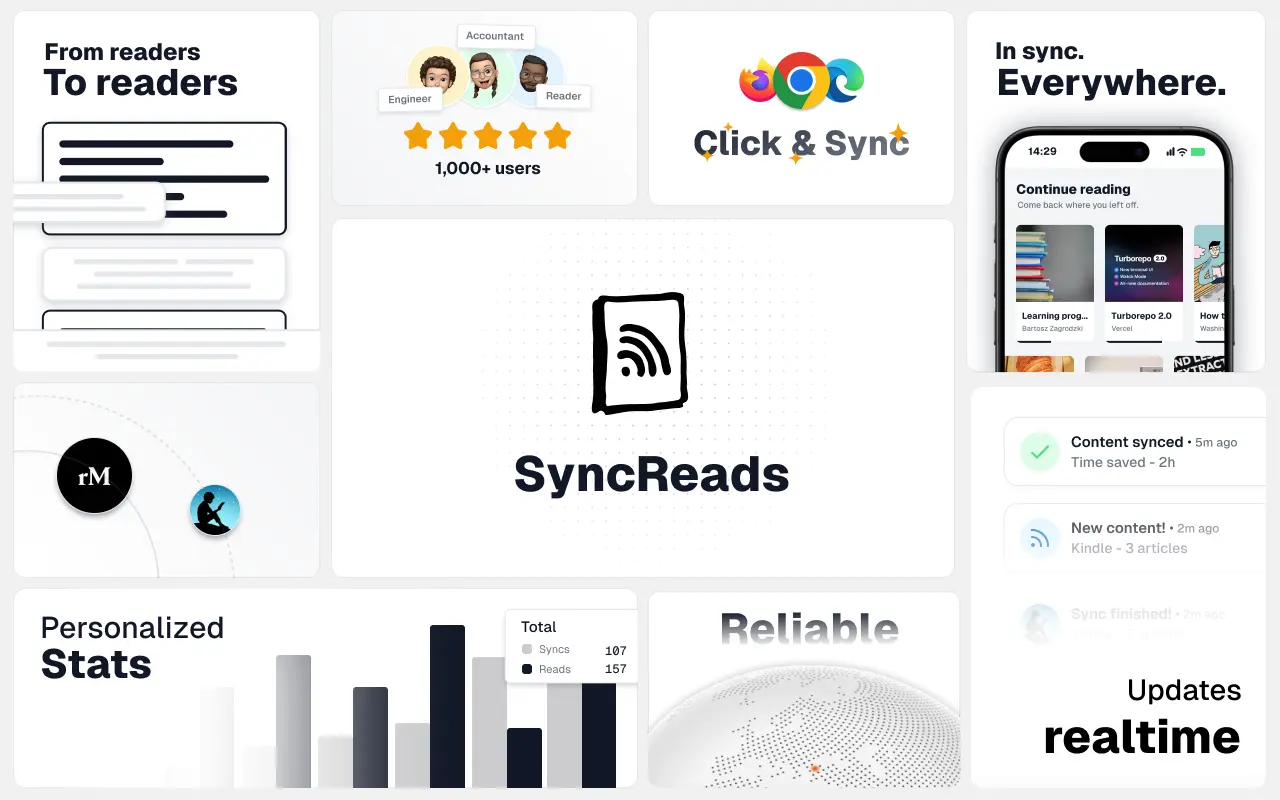
SyncReads
Sync your favorite content for distraction-free reading, save time and replace multiple apps. Anytime, anywhere 🔄
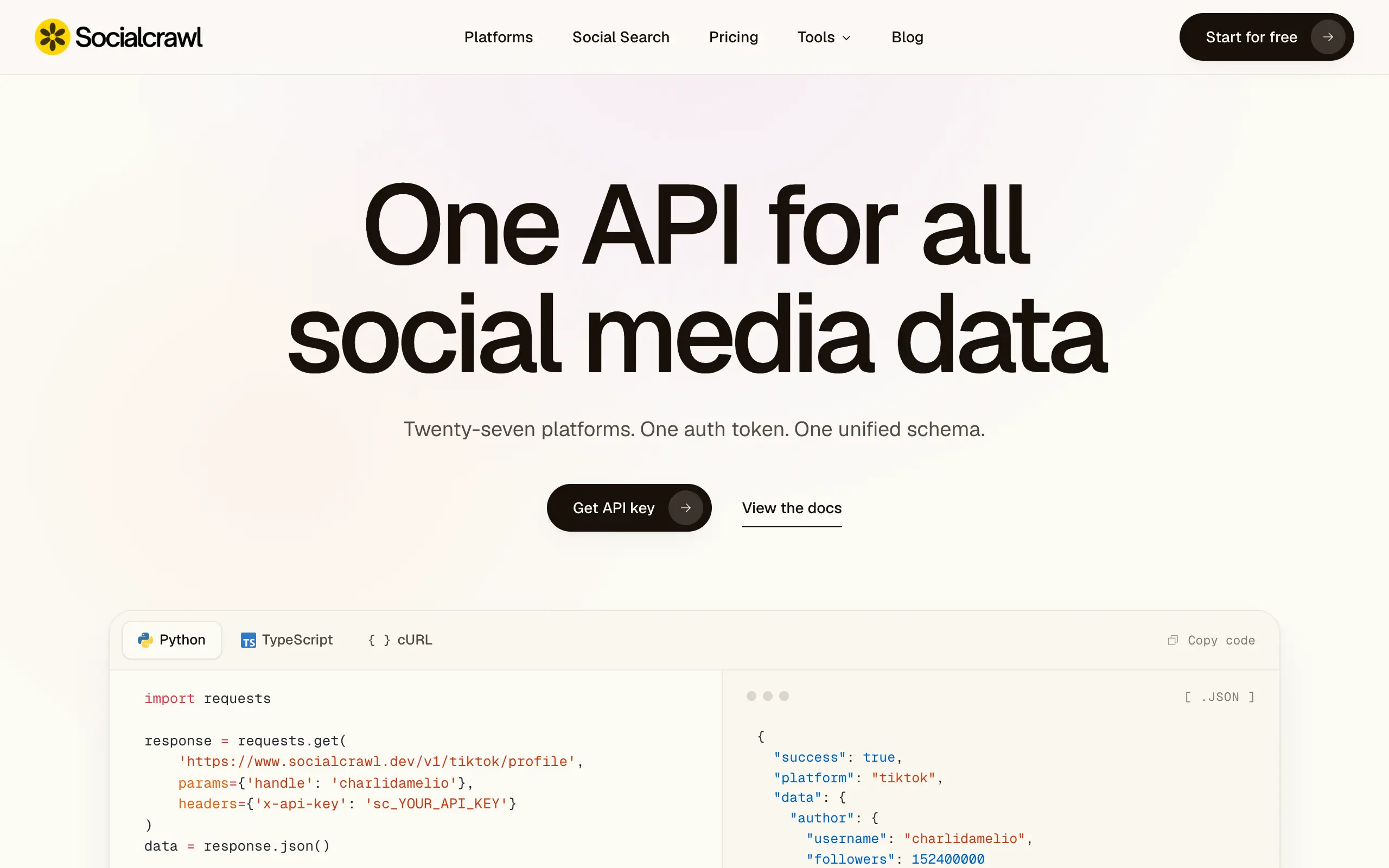
Socialcrawl
Get clean, structured data from 21 platforms like TikTok, Instagram, and YouTube with a single request 📊
Statiko
Monitor any Telegram channel in real time - track posts, edits, deletions, and growth with AI recaps 📡
Shibui
AI website builder - describe your business, pick a niche template, edit by chatting, and publish instantly ✨
Pro Service
Find verified home service professionals, compare quotes, and pay securely through escrow - built for Brazilians across the US 🏠
RankGrow
Fix your SEO with AI agents - connect Search Console, get prioritized tasks, and grow organic traffic 📈
SyncReads
Sync your favorite content for distraction-free reading, save time and replace multiple apps. Anytime, anywhere 🔄
Socialcrawl
Get clean, structured data from 21 platforms like TikTok, Instagram, and YouTube with a single request 📊
Statiko
Monitor any Telegram channel in real time - track posts, edits, deletions, and growth with AI recaps 📡
Shibui
AI website builder - describe your business, pick a niche template, edit by chatting, and publish instantly ✨
Pro Service
Find verified home service professionals, compare quotes, and pay securely through escrow - built for Brazilians across the US 🏠
RankGrow
Fix your SEO with AI agents - connect Search Console, get prioritized tasks, and grow organic traffic 📈
SyncReads
Sync your favorite content for distraction-free reading, save time and replace multiple apps. Anytime, anywhere 🔄
Socialcrawl
Get clean, structured data from 21 platforms like TikTok, Instagram, and YouTube with a single request 📊
Statiko
Monitor any Telegram channel in real time - track posts, edits, deletions, and growth with AI recaps 📡
Shibui
AI website builder - describe your business, pick a niche template, edit by chatting, and publish instantly ✨
Pro Service
Find verified home service professionals, compare quotes, and pay securely through escrow - built for Brazilians across the US 🏠
RankGrow
Fix your SEO with AI agents - connect Search Console, get prioritized tasks, and grow organic traffic 📈
SyncReads
Sync your favorite content for distraction-free reading, save time and replace multiple apps. Anytime, anywhere 🔄
Socialcrawl
Get clean, structured data from 21 platforms like TikTok, Instagram, and YouTube with a single request 📊
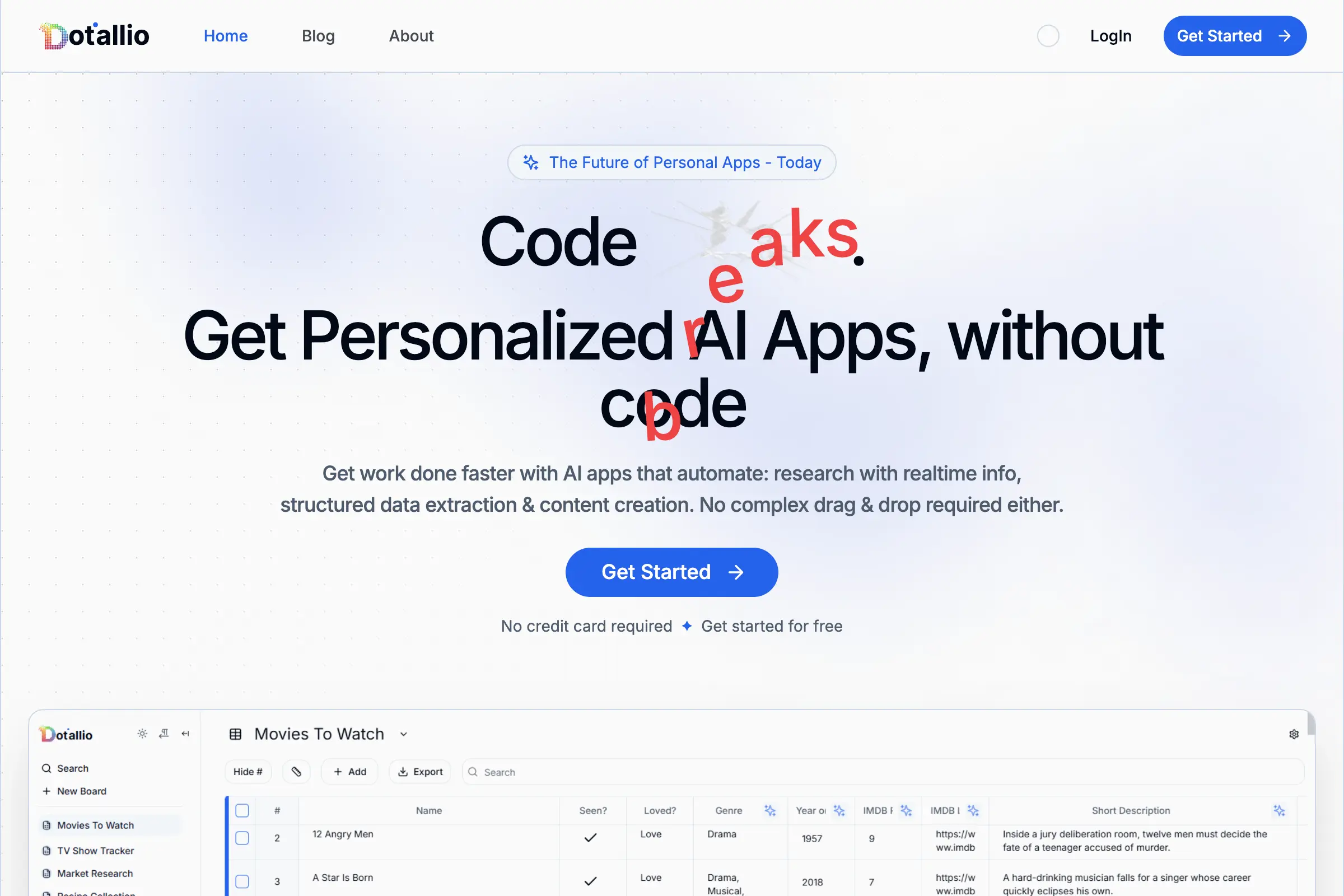
Dotallio
Personalized AI apps that automate research, data extraction, and content creation without code 🤖

Talk to Santa
Enjoy a magical live video chat or receive a unique AI-generated video greeting from Santa Claus 🎅
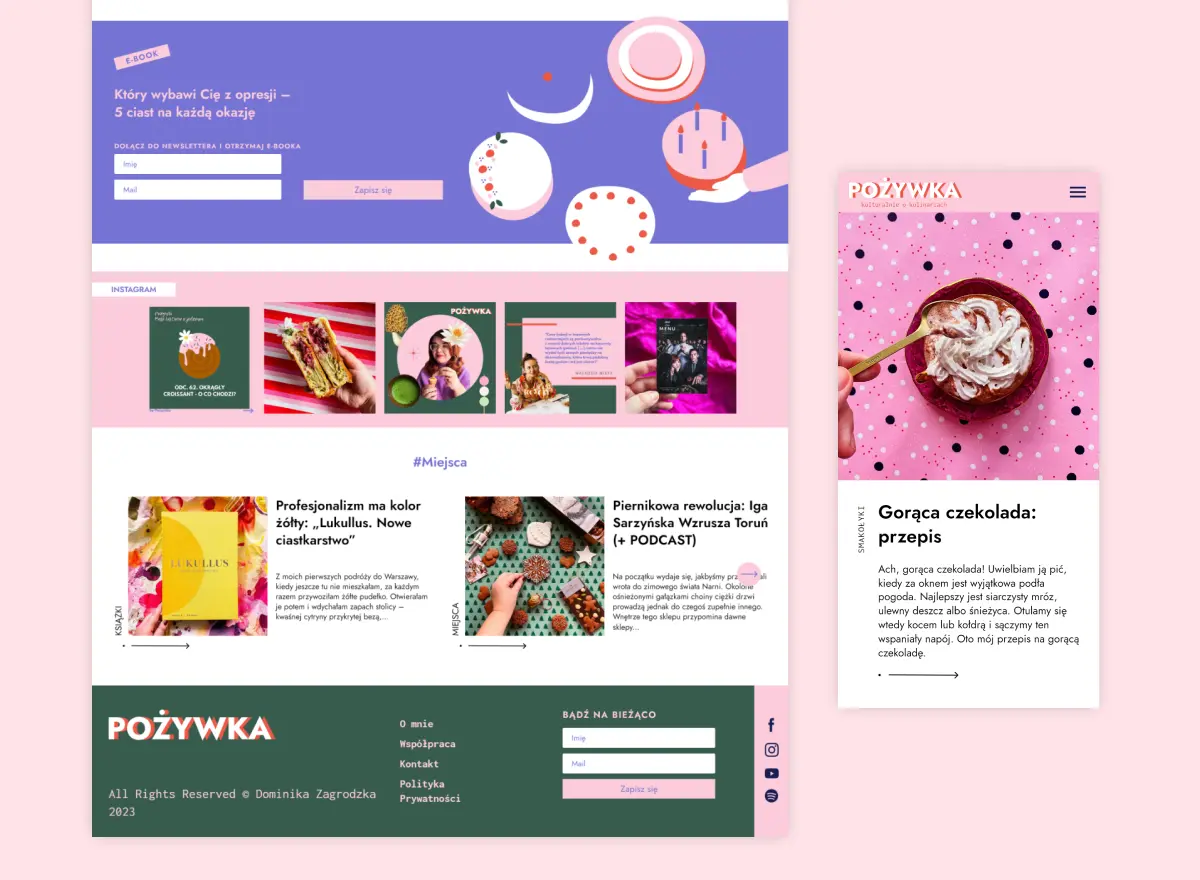
pozywka.pl
Scalable blog for food journalist, focused on performance and user experience 🌭
zagrodzki.me
Personal blog and portfolio of Bart Zagrodzki, where he shares his knowledge and work 💼
TurboStarter
Ship your startup everywhere. In minutes.
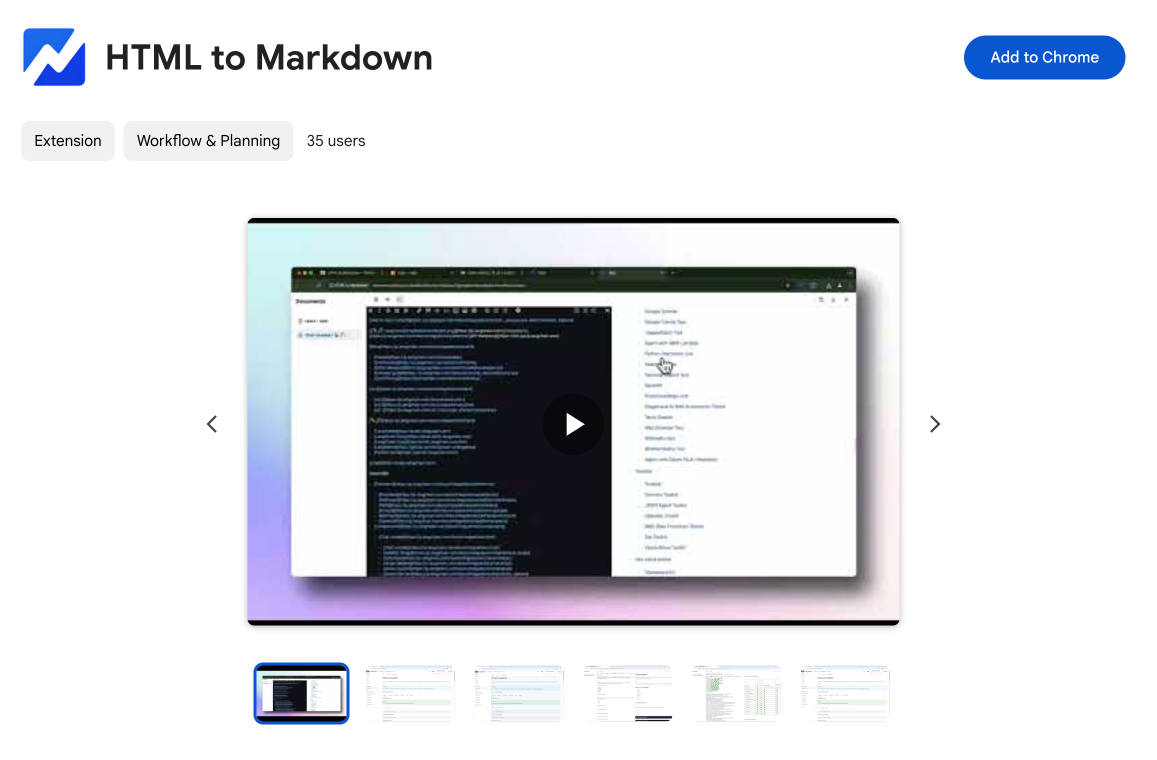
HTML to Markdown
Convert HTML to Markdown with ease, directly in your browser 📄
Dotallio
Personalized AI apps that automate research, data extraction, and content creation without code 🤖
Talk to Santa
Enjoy a magical live video chat or receive a unique AI-generated video greeting from Santa Claus 🎅
pozywka.pl
Scalable blog for food journalist, focused on performance and user experience 🌭
zagrodzki.me
Personal blog and portfolio of Bart Zagrodzki, where he shares his knowledge and work 💼
TurboStarter
Ship your startup everywhere. In minutes.
HTML to Markdown
Convert HTML to Markdown with ease, directly in your browser 📄
Dotallio
Personalized AI apps that automate research, data extraction, and content creation without code 🤖
Talk to Santa
Enjoy a magical live video chat or receive a unique AI-generated video greeting from Santa Claus 🎅
pozywka.pl
Scalable blog for food journalist, focused on performance and user experience 🌭
zagrodzki.me
Personal blog and portfolio of Bart Zagrodzki, where he shares his knowledge and work 💼
TurboStarter
Ship your startup everywhere. In minutes.
HTML to Markdown
Convert HTML to Markdown with ease, directly in your browser 📄
Dotallio
Personalized AI apps that automate research, data extraction, and content creation without code 🤖
Talk to Santa
Enjoy a magical live video chat or receive a unique AI-generated video greeting from Santa Claus 🎅
pozywka.pl
Scalable blog for food journalist, focused on performance and user experience 🌭
zagrodzki.me
Personal blog and portfolio of Bart Zagrodzki, where he shares his knowledge and work 💼
TurboStarter
Ship your startup everywhere. In minutes.
HTML to Markdown
Convert HTML to Markdown with ease, directly in your browser 📄
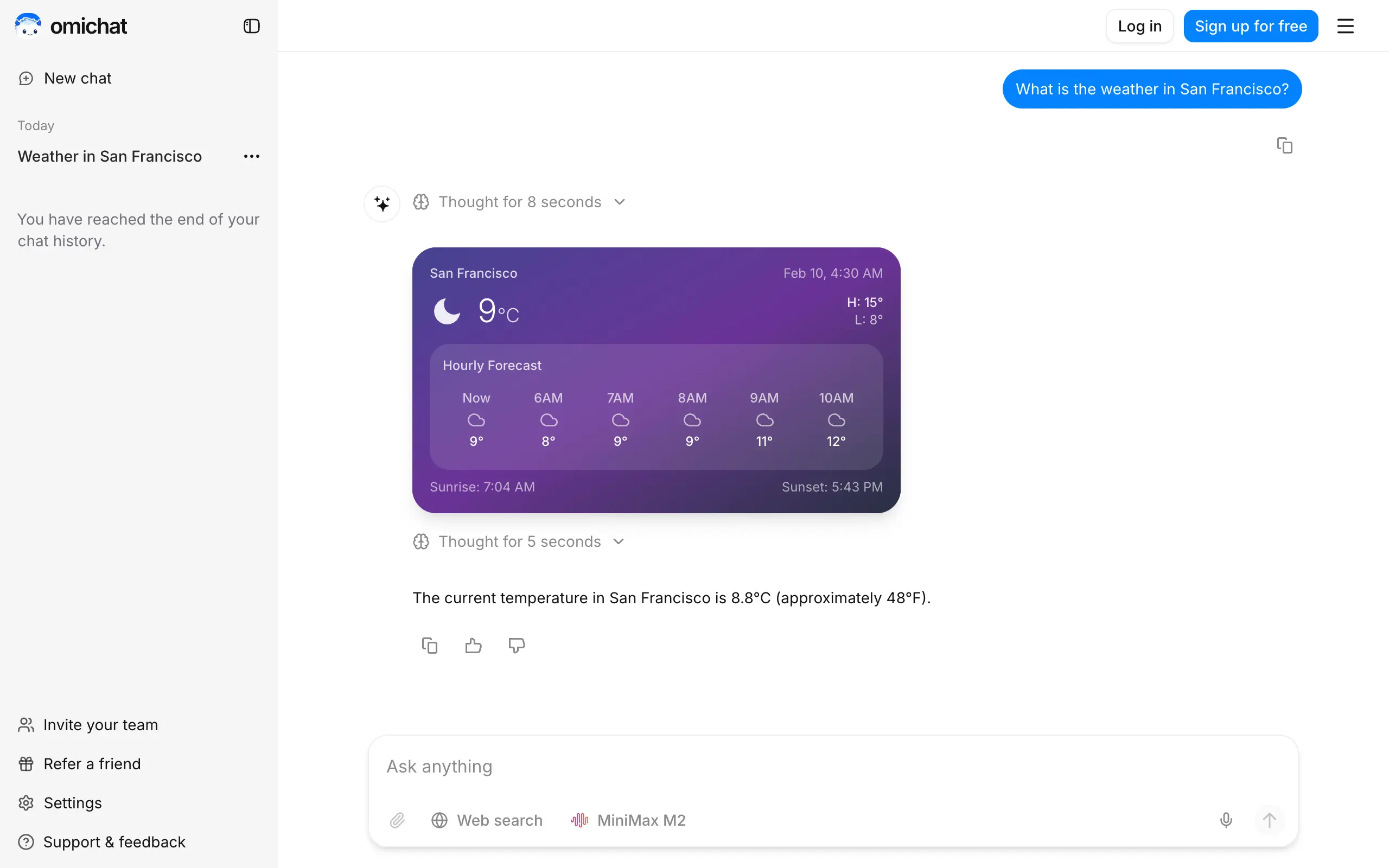
Omichat
Chat with 50+ AI models, including ChatGPT and Claude, in one place - switch models anytime without losing context 🤖
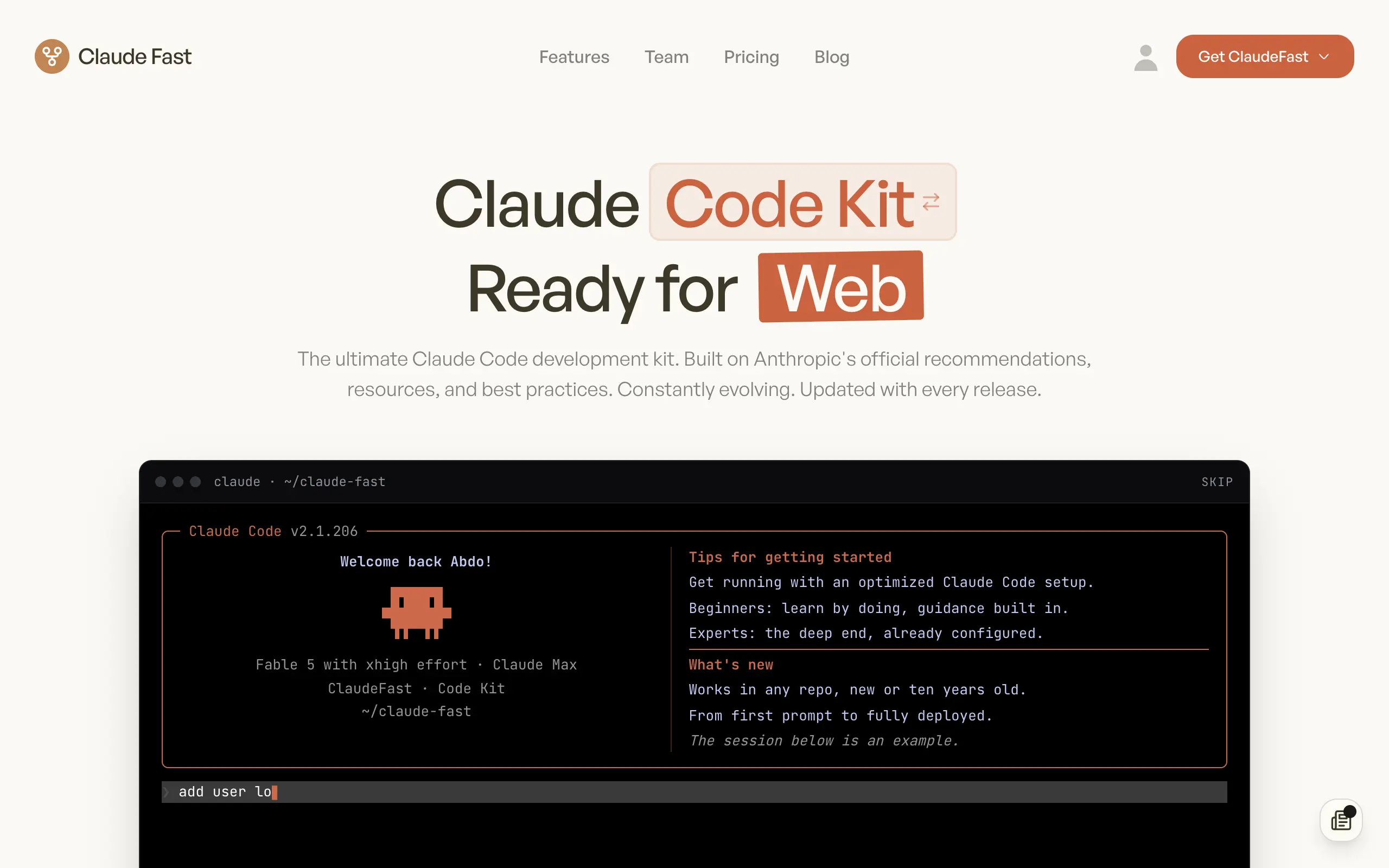
Claude Fast
Supercharge your Claude Code with 6x effective context window and specialized AI agents 🤖
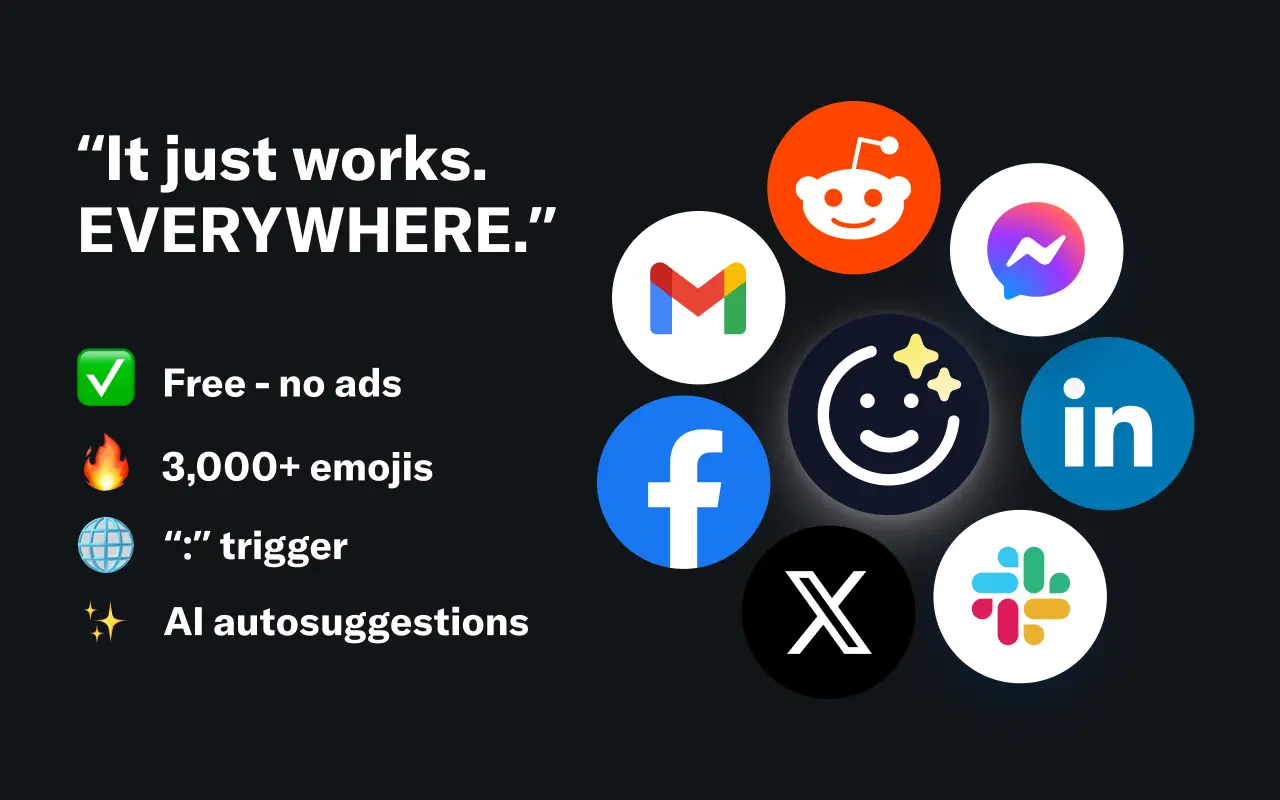
EmojAI
AI-powered emoji picker with smart, context-aware suggestions 🤖
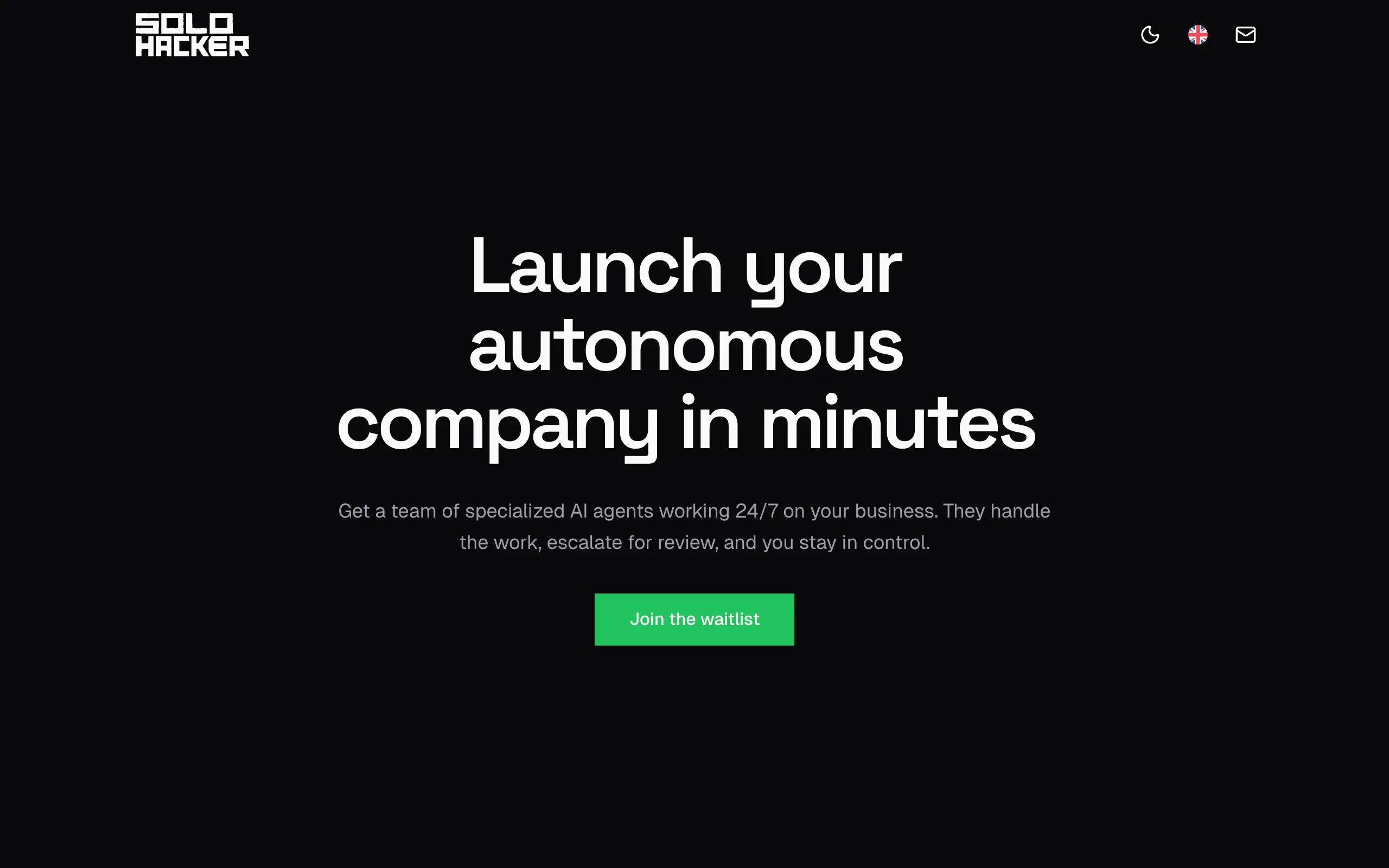
Solohacker
Autonomous company launcher - AI agents work 24/7, escalate what matters, and you stay in control 🤖
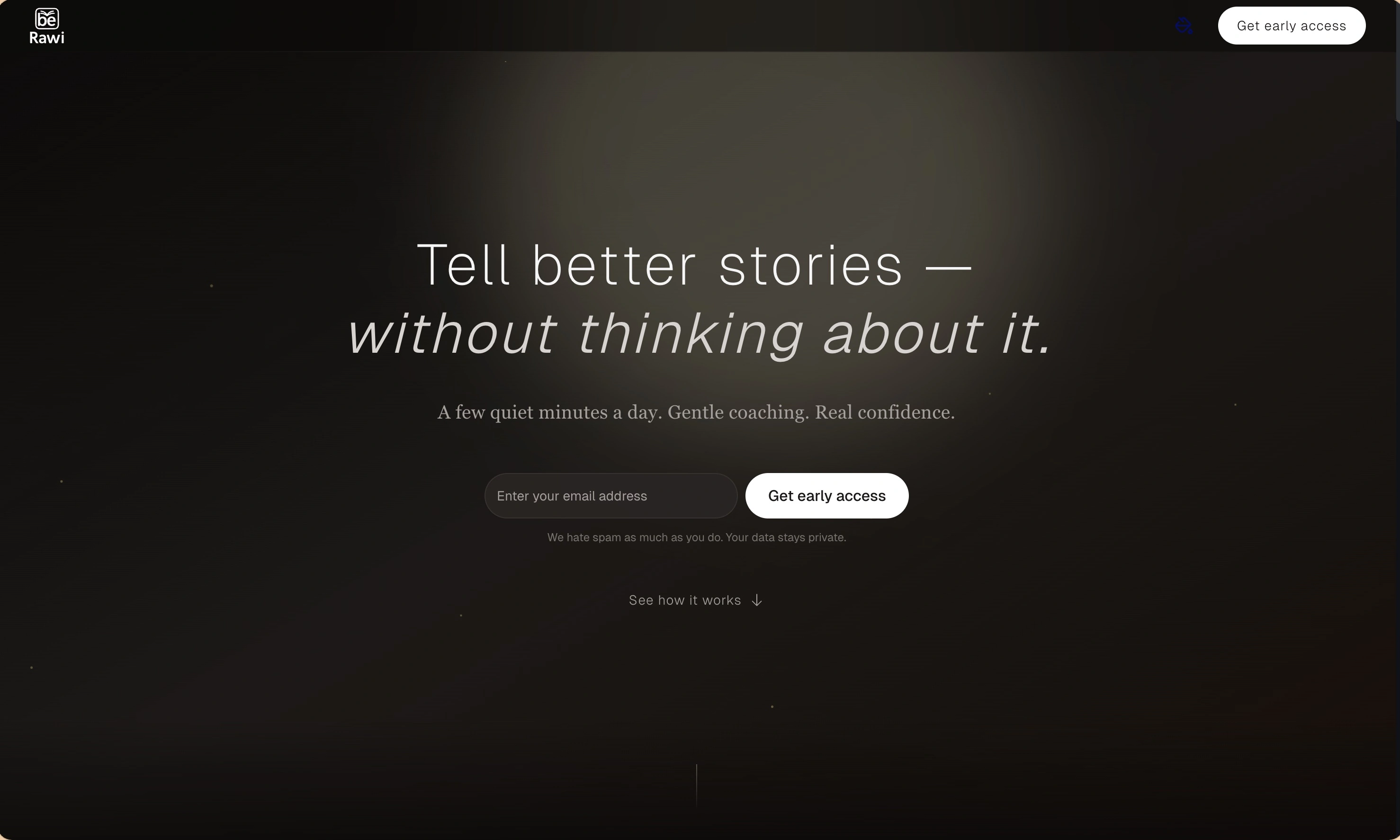
BeRawi: Storytelling Coach
Practice storytelling daily with instant feedback to sound clearer, more engaging, and confident 🎤
Omichat
Chat with 50+ AI models, including ChatGPT and Claude, in one place - switch models anytime without losing context 🤖
Claude Fast
Supercharge your Claude Code with 6x effective context window and specialized AI agents 🤖
EmojAI
AI-powered emoji picker with smart, context-aware suggestions 🤖
Solohacker
Autonomous company launcher - AI agents work 24/7, escalate what matters, and you stay in control 🤖
BeRawi: Storytelling Coach
Practice storytelling daily with instant feedback to sound clearer, more engaging, and confident 🎤
Omichat
Chat with 50+ AI models, including ChatGPT and Claude, in one place - switch models anytime without losing context 🤖
Claude Fast
Supercharge your Claude Code with 6x effective context window and specialized AI agents 🤖
EmojAI
AI-powered emoji picker with smart, context-aware suggestions 🤖
Solohacker
Autonomous company launcher - AI agents work 24/7, escalate what matters, and you stay in control 🤖
BeRawi: Storytelling Coach
Practice storytelling daily with instant feedback to sound clearer, more engaging, and confident 🎤
Omichat
Chat with 50+ AI models, including ChatGPT and Claude, in one place - switch models anytime without losing context 🤖
Claude Fast
Supercharge your Claude Code with 6x effective context window and specialized AI agents 🤖
EmojAI
AI-powered emoji picker with smart, context-aware suggestions 🤖
Solohacker
Autonomous company launcher - AI agents work 24/7, escalate what matters, and you stay in control 🤖
BeRawi: Storytelling Coach
Practice storytelling daily with instant feedback to sound clearer, more engaging, and confident 🎤

Connect with like-minded people
Join our community to get feedback, support, and grow together with 1,000+ builders on board, let's ship it!
Join usShip your startup everywhere. In minutes.
Don't burn tokens on setup and start building features on day one.