MindArchive
Turn fragmented personal data files into a coherent life archive with timelines, insights, and AI-generated summaries across platforms.
Reimagining personal data with an AI-powered life archive
In a world where your digital footprint is scattered across dozens of apps, devices, and platforms, the idea of a unified “life archive” is no longer just interesting—it’s necessary. Emails, notes, photos, fitness data, documents, chats, and even browser history all hold fragments of your story. Yet, most people have no structured way to connect, interpret, or derive value from this data.
This is where MindArchive, a personal data organization SaaS, introduces a powerful shift: transforming fragmented data into a cohesive, searchable, and intelligent life archive powered by AI.
This article explores the full potential of a “personal data archive platform,” including market opportunity, target audience, product architecture, monetization, risks, and a clear path to building and scaling this idea.
Understanding the core concept of a personal data archive platform
At its core, MindArchive is a data unification and intelligence layer for personal information. It aggregates data from multiple sources and transforms it into:
- Chronological timelines
- Semantic insights
- AI-generated summaries
- Searchable memory layers
Instead of users manually organizing files, the system automatically contextualizes their life.
What makes this concept powerful?
Most tools today solve storage or productivity, but not meaning. MindArchive focuses on:
- Turning raw data into narratives
- Making past information actionable
- Enabling users to reflect, analyze, and optimize their lives
Key Insight
The next generation of productivity tools is not about creating more data—it’s about understanding the data you already have.
Target audience analysis: who needs a life archive?
The appeal of MindArchive spans multiple user segments, each with distinct needs.
1. Knowledge workers and professionals
These users generate massive amounts of digital content:
- Notes (Notion, Apple Notes, Google Docs)
- Emails (Gmail, Outlook)
- Meeting transcripts (Zoom, Slack)
Pain points:
- Losing track of insights
- Difficulty retrieving past decisions
- Context switching across tools
Value proposition:
- Unified knowledge timeline
- AI summaries of past work
- Smart search across all platforms
2. Creators and solopreneurs
Content creators rely heavily on:
- Idea repositories
- Content drafts
- Audience insights
Pain points:
- Fragmented idea storage
- Repetitive ideation cycles
- Lack of historical context
Value proposition:
- Idea evolution tracking
- Content repurposing insights
- AI-generated summaries of creative patterns
3. Self-improvement enthusiasts
This group actively tracks:
- Journals
- Fitness data
- Habits
- Goals
Pain points:
- Disconnected tools (fitness apps, journaling apps)
- No holistic life overview
- Lack of meaningful insights
Value proposition:
- Life timeline visualization
- Behavioral insights
- Pattern recognition across habits and outcomes
4. Digital minimalists and data-conscious users
These users want:
- Control over their data
- Transparency
- Privacy-first solutions
Pain points:
- Data scattered across Big Tech ecosystems
- No centralized ownership
- Privacy concerns
Value proposition:
- Centralized personal archive
- Local-first or encrypted storage options
- Full data ownership
Market opportunity and emerging trends
The opportunity for a “personal data intelligence platform” is growing rapidly due to several converging trends.
1. Explosion of personal data
According to widely cited research (e.g., IDC reports), global data creation is growing exponentially. Individuals now generate gigabytes of data daily.
Yet:
- Less than 10% is meaningfully used
- Most remains siloed and unstructured
2. Rise of AI-powered assistants
Tools like:
- ChatGPT
- Notion AI
- Google Gemini
have trained users to expect:
- Context-aware responses
- Intelligent summarization
- Natural language interfaces
MindArchive builds on this expectation but applies it to personal data ecosystems.
3. Shift toward “second brain” systems
The popularity of frameworks like:
- PARA (Projects, Areas, Resources, Archives)
- Digital gardening
- Knowledge graphs
shows demand for better personal knowledge systems.
However, current tools still require manual input and maintenance.
MindArchive automates this.
4. Privacy-first movement
Users are increasingly aware of:
- Data ownership issues
- Platform lock-in
- Surveillance concerns
A transparent, user-controlled archive platform can differentiate strongly here.
Core features and product architecture
MindArchive’s strength lies in combining data ingestion, AI processing, and intuitive visualization.
1. multi-source data ingestion
The platform should connect to:
- Google Drive
- Dropbox
- Gmail
- Slack
- Notion
- Apple Health / Google Fit
- Calendar apps
Using APIs, it continuously syncs user data.
2. unified timeline engine
All data is mapped into a time-based structure, allowing users to:
- Scroll through life events
- See clusters of activity
- Identify patterns over time
3. AI-powered summarization
Using modern LLMs, the system generates:
- Daily summaries
- Weekly insights
- Monthly reflections
Example:
const summary = await generateSummary({
  data: userEvents,
  timeframe: "weekly",
  focus: ["productivity", "health", "social"]
});
4. semantic search across all data
Users can query:
- “What was I working on last March?”
- “When was I most productive?”
- “Summarize my fitness progress this year”
This requires:
- Embedding-based search
- Vector databases
5. insight generation layer
The platform identifies:
- Behavioral trends
- Productivity peaks
- Habit correlations
Example insights:
- “You write more on days you exercise.”
- “Your most productive hours are 9–11 AM.”
6. personal knowledge graph
Data is linked across entities:
- People
- Projects
- Ideas
- Locations
This creates a relational memory system.
7. privacy-first controls
Critical for trust:
- End-to-end encryption
- Local processing options
- User-controlled data deletion
Trust is non-negotiable
A personal data archive platform that fails on privacy will not survive. Security and transparency must be built into the core product, not added later.
Competitive landscape analysis
Let’s compare MindArchive with existing tools.
| Feature | Notion | Evernote | Obsidian | MindArchive |
|---|---|---|---|---|
| Automatic data aggregation | ❌ | ❌ | ❌ | ✅ |
| AI life summaries | ✅ | ❌ | ❌ | ✅ |
| Cross-platform timeline | ❌ | ❌ | ❌ | ✅ |
| Privacy-first architecture | ⚠️ | ⚠️ | ✅ | ✅ |
Unique selling proposition (USP)
MindArchive stands out because it:
- Automates personal knowledge management
- Connects fragmented data into a unified system
- Transforms data into insights—not just storage
Unlike traditional productivity tools, it removes the burden of manual organization.
Recommended tech stack and architecture
Building MindArchive requires a modern, scalable stack.
Frontend
- React for UI
- TailwindCSS for styling
- Next.js for SSR and performance
Backend
- Node.js or Python (FastAPI)
- GraphQL or REST APIs
Data layer
- PostgreSQL for structured data
- Vector database (e.g., Pinecone or Weaviate)
- Object storage (AWS S3 or equivalent)
AI layer
- OpenAI or open-source LLMs
- Embedding models for semantic search
Integrations
- OAuth-based connections
- Webhooks for real-time sync
Trade-offs
-
Centralized vs local-first:
- Centralized = easier UX
- Local-first = better privacy
-
Real-time vs batch processing:
- Real-time = better experience
- Batch = lower cost
Monetization strategies
MindArchive can adopt multiple revenue streams.
1. subscription model (primary)
- Free tier with limited integrations
- Pro tier ($10–$20/month)
- Advanced analytics tier ($30+/month)
2. data storage pricing
Charge based on:
- Storage volume
- AI processing usage
3. enterprise / team version
For teams:
- Shared knowledge archives
- Organizational insights
4. API access
Allow developers to build on top of MindArchive.
Potential risks and mitigation strategies
1. privacy concerns
Risk: Users hesitate to centralize personal data
Mitigation:
- Transparent policies
- Open-source components
- Encryption guarantees
2. integration complexity
Risk: APIs change or break
Mitigation:
- Modular integration architecture
- Continuous monitoring
3. AI hallucinations
Risk: Incorrect summaries
Mitigation:
- Grounding AI in user data
- Allow user verification
4. user overwhelm
Risk: Too much data visualization
Mitigation:
- Minimalist UI
- Progressive disclosure
Product roadmap and feature prioritization
- Basic integrations (Google Drive, Gmail)
- Timeline view
- AI summaries
- Search functionality
- More integrations
- Insight engine
- Mobile app
- Notifications
- Knowledge graph
- Predictive analytics
- Voice interface
- Personal AI assistant
Step-by-step implementation plan
Go-to-market strategy
1. niche-first approach
Start with:
- Knowledge workers
- Indie hackers
- Creators
2. content-driven growth
Publish:
- “How to build a second brain automatically”
- “Turn your data into insights”
3. community building
- Twitter/X
- Product Hunt launch
4. partnerships
- Notion creators
- Productivity influencers
Competitive advantage and defensibility
MindArchive’s long-term moat comes from:
- Data network effects
- Personalization depth
- AI refinement over time
The more users engage, the smarter the system becomes.
Future possibilities and expansion
This concept can evolve into:
- Personal AI assistant
- Memory augmentation system
- Life optimization engine
Eventually, it could integrate with:
- Wearables
- Smart homes
- AR/VR environments
Final thoughts: building the future of personal intelligence
MindArchive represents a shift from data storage to data understanding.
The real value is not in collecting more information—but in:
- Connecting it
- Interpreting it
- Learning from it
For founders, this is a rare opportunity to build a product that is both:
- Deeply personal
- Massively scalable
Actionable next steps
If you’re ready to build this:
- Define your MVP scope clearly
- Focus on 1–2 killer features
- Prioritize privacy and trust
- Ship fast and iterate
And if you want to accelerate development with a production-ready SaaS foundation, consider using TurboStarter.
Frequently asked questions
Yes. With current APIs, cloud infrastructure, and AI models, building a functional MVP is entirely feasible.
Note-taking apps require manual input. MindArchive automatically aggregates and analyzes your data.
Balancing powerful data aggregation with user trust and privacy.
Yes, with proper architecture using distributed systems and efficient data processing pipelines.
More ⚡ Productivity Tool SaaS ideas
Discover more innovative productivity tool SaaS ideas that are trending in 2026. Each idea is AI-generated with market validation and growth potential to help you find your next profitable venture faster than competitors.
Your competitors are building with TurboStarter
Below are some of the SaaS ideas that have been generated and built with our starter kit.
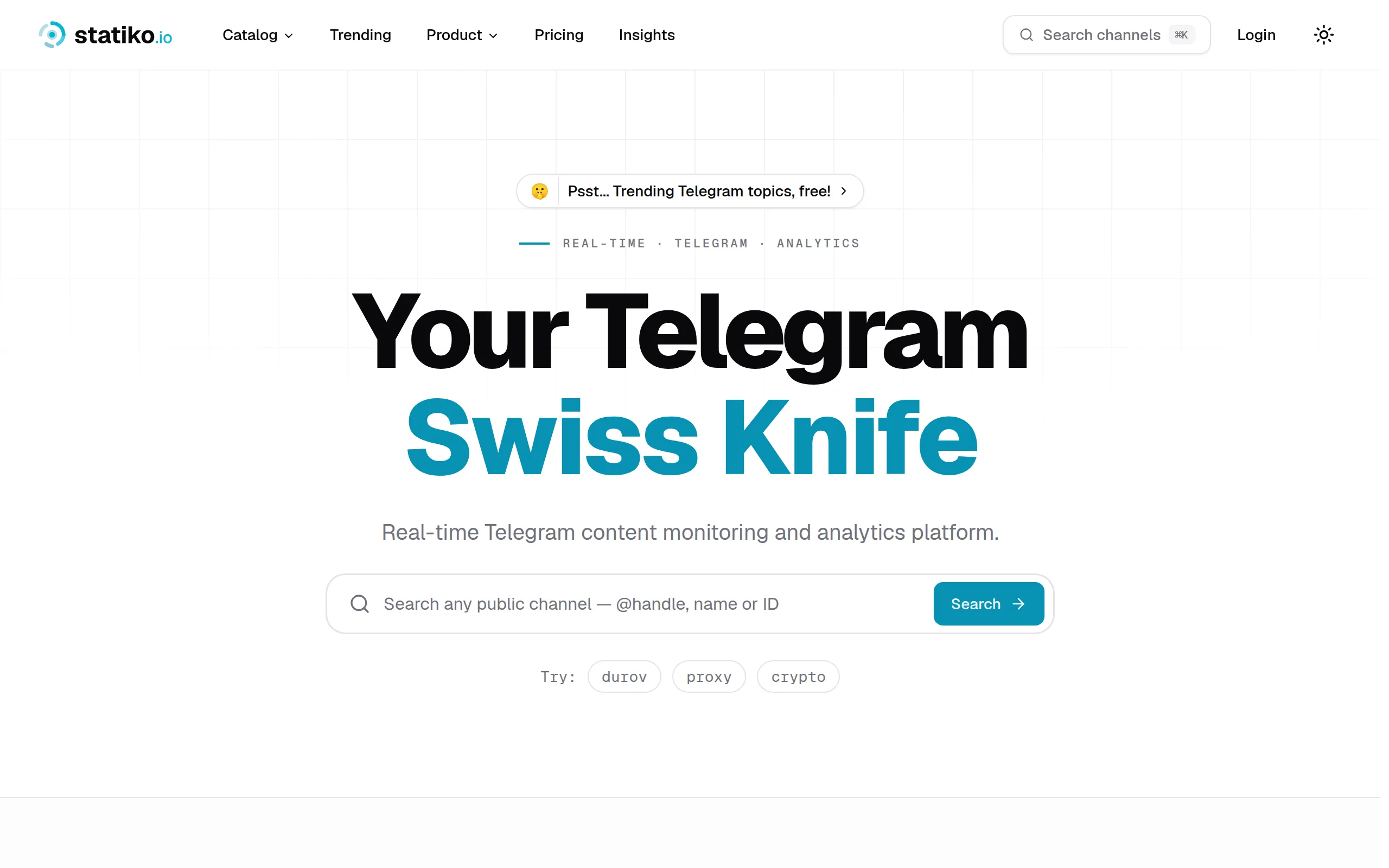
Statiko
Monitor any Telegram channel in real time - track posts, edits, deletions, and growth with AI recaps 📡

Shibui
AI website builder - describe your business, pick a niche template, edit by chatting, and publish instantly ✨

Pro Service
Find verified home service professionals, compare quotes, and pay securely through escrow - built for Brazilians across the US 🏠
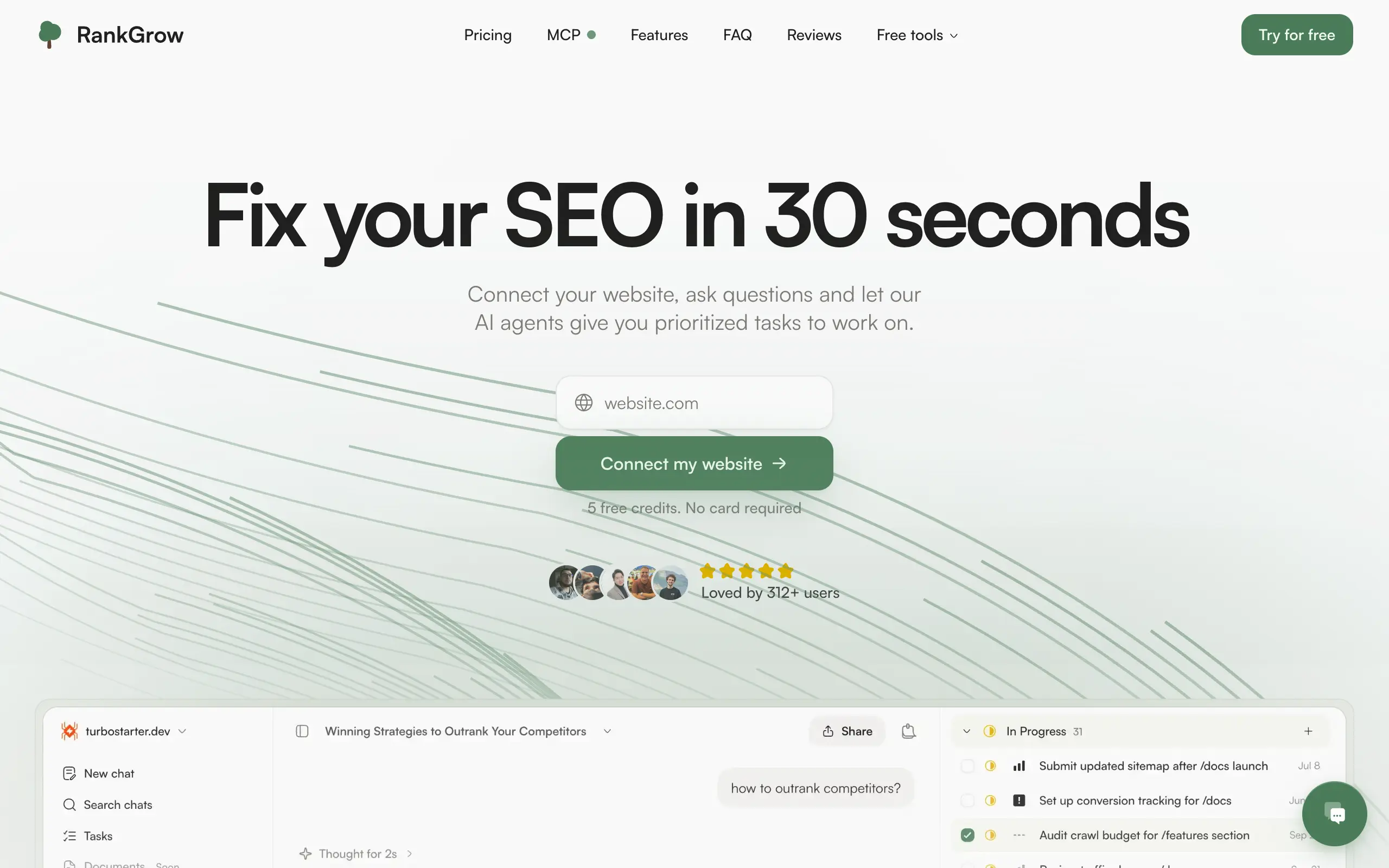
RankGrow
Fix your SEO with AI agents - connect Search Console, get prioritized tasks, and grow organic traffic 📈
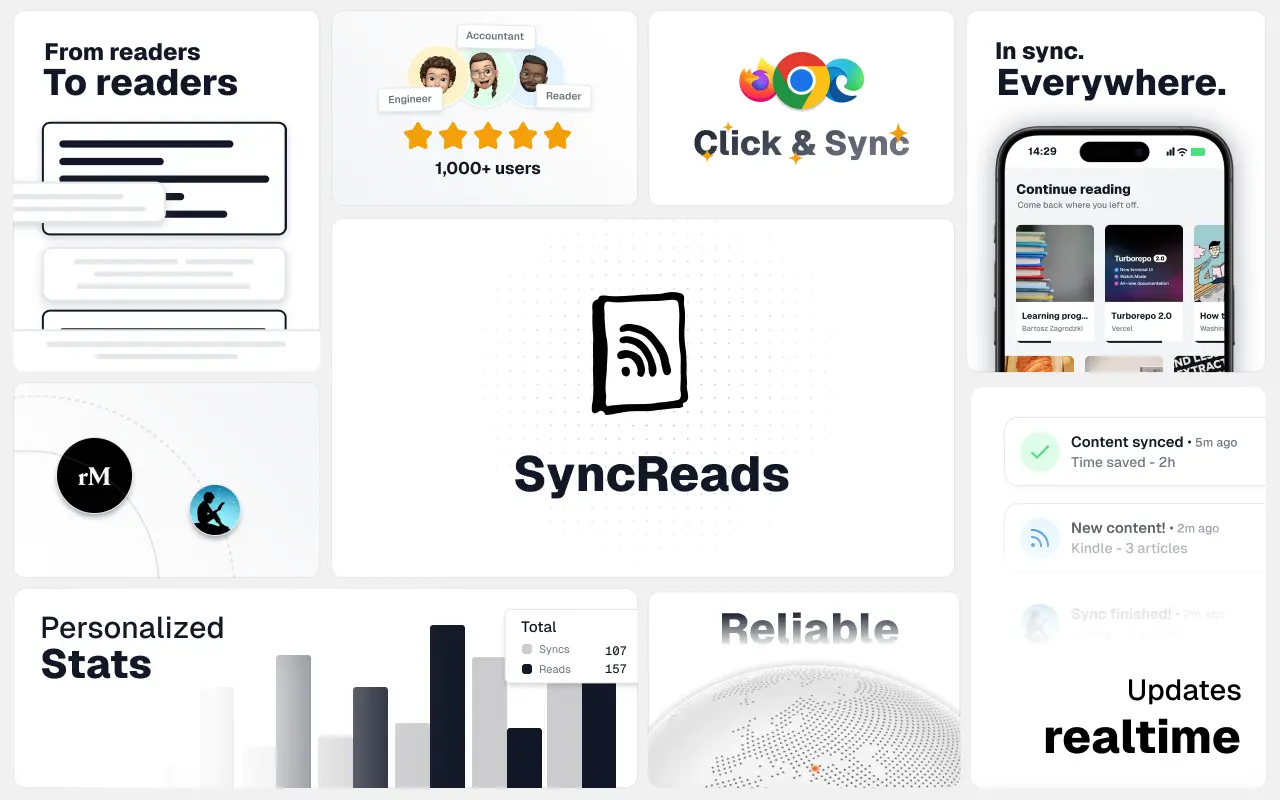
SyncReads
Sync your favorite content for distraction-free reading, save time and replace multiple apps. Anytime, anywhere 🔄
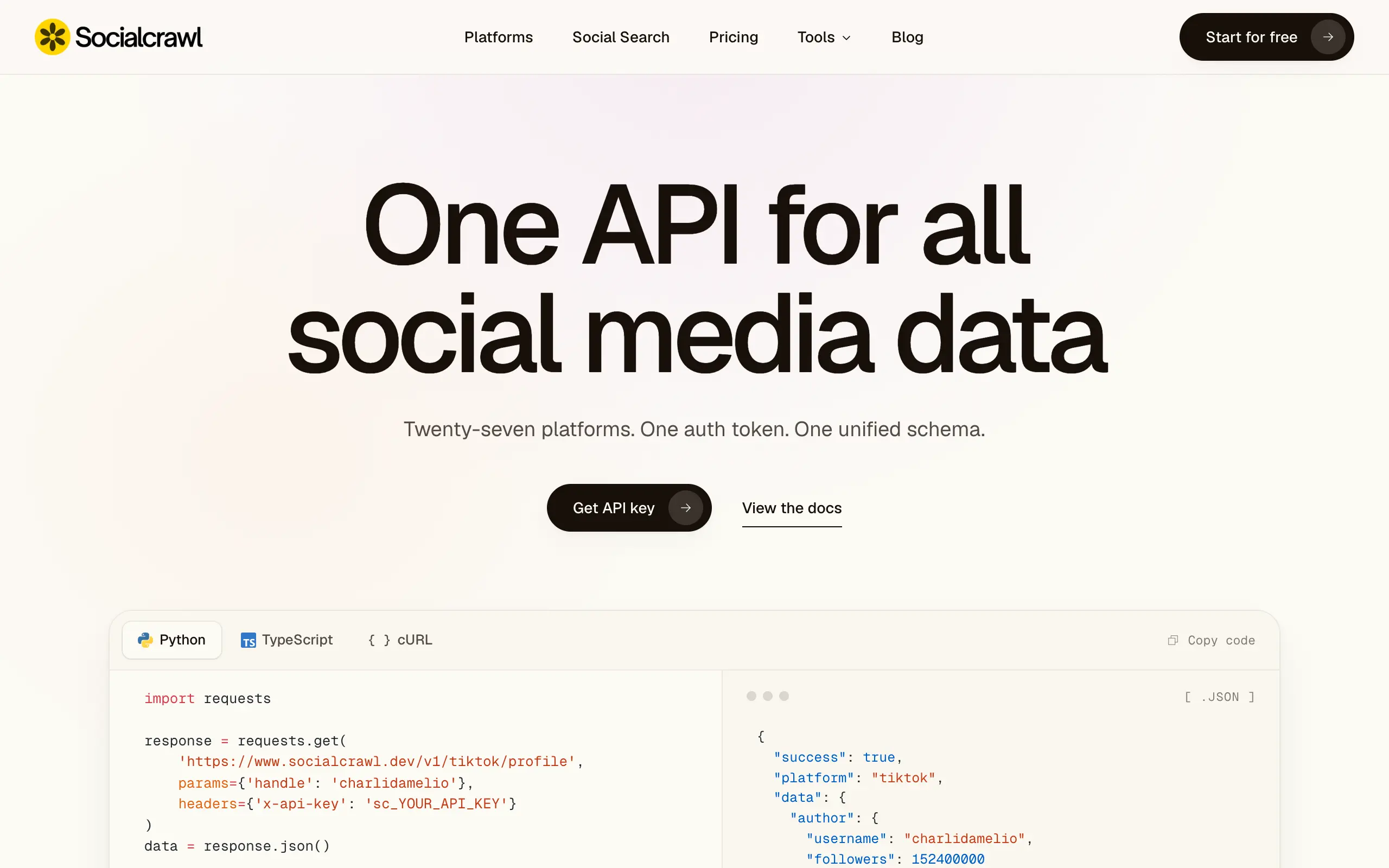
Socialcrawl
Get clean, structured data from 21 platforms like TikTok, Instagram, and YouTube with a single request 📊
Statiko
Monitor any Telegram channel in real time - track posts, edits, deletions, and growth with AI recaps 📡
Shibui
AI website builder - describe your business, pick a niche template, edit by chatting, and publish instantly ✨
Pro Service
Find verified home service professionals, compare quotes, and pay securely through escrow - built for Brazilians across the US 🏠
RankGrow
Fix your SEO with AI agents - connect Search Console, get prioritized tasks, and grow organic traffic 📈
SyncReads
Sync your favorite content for distraction-free reading, save time and replace multiple apps. Anytime, anywhere 🔄
Socialcrawl
Get clean, structured data from 21 platforms like TikTok, Instagram, and YouTube with a single request 📊
Statiko
Monitor any Telegram channel in real time - track posts, edits, deletions, and growth with AI recaps 📡
Shibui
AI website builder - describe your business, pick a niche template, edit by chatting, and publish instantly ✨
Pro Service
Find verified home service professionals, compare quotes, and pay securely through escrow - built for Brazilians across the US 🏠
RankGrow
Fix your SEO with AI agents - connect Search Console, get prioritized tasks, and grow organic traffic 📈
SyncReads
Sync your favorite content for distraction-free reading, save time and replace multiple apps. Anytime, anywhere 🔄
Socialcrawl
Get clean, structured data from 21 platforms like TikTok, Instagram, and YouTube with a single request 📊
Statiko
Monitor any Telegram channel in real time - track posts, edits, deletions, and growth with AI recaps 📡
Shibui
AI website builder - describe your business, pick a niche template, edit by chatting, and publish instantly ✨
Pro Service
Find verified home service professionals, compare quotes, and pay securely through escrow - built for Brazilians across the US 🏠
RankGrow
Fix your SEO with AI agents - connect Search Console, get prioritized tasks, and grow organic traffic 📈
SyncReads
Sync your favorite content for distraction-free reading, save time and replace multiple apps. Anytime, anywhere 🔄
Socialcrawl
Get clean, structured data from 21 platforms like TikTok, Instagram, and YouTube with a single request 📊
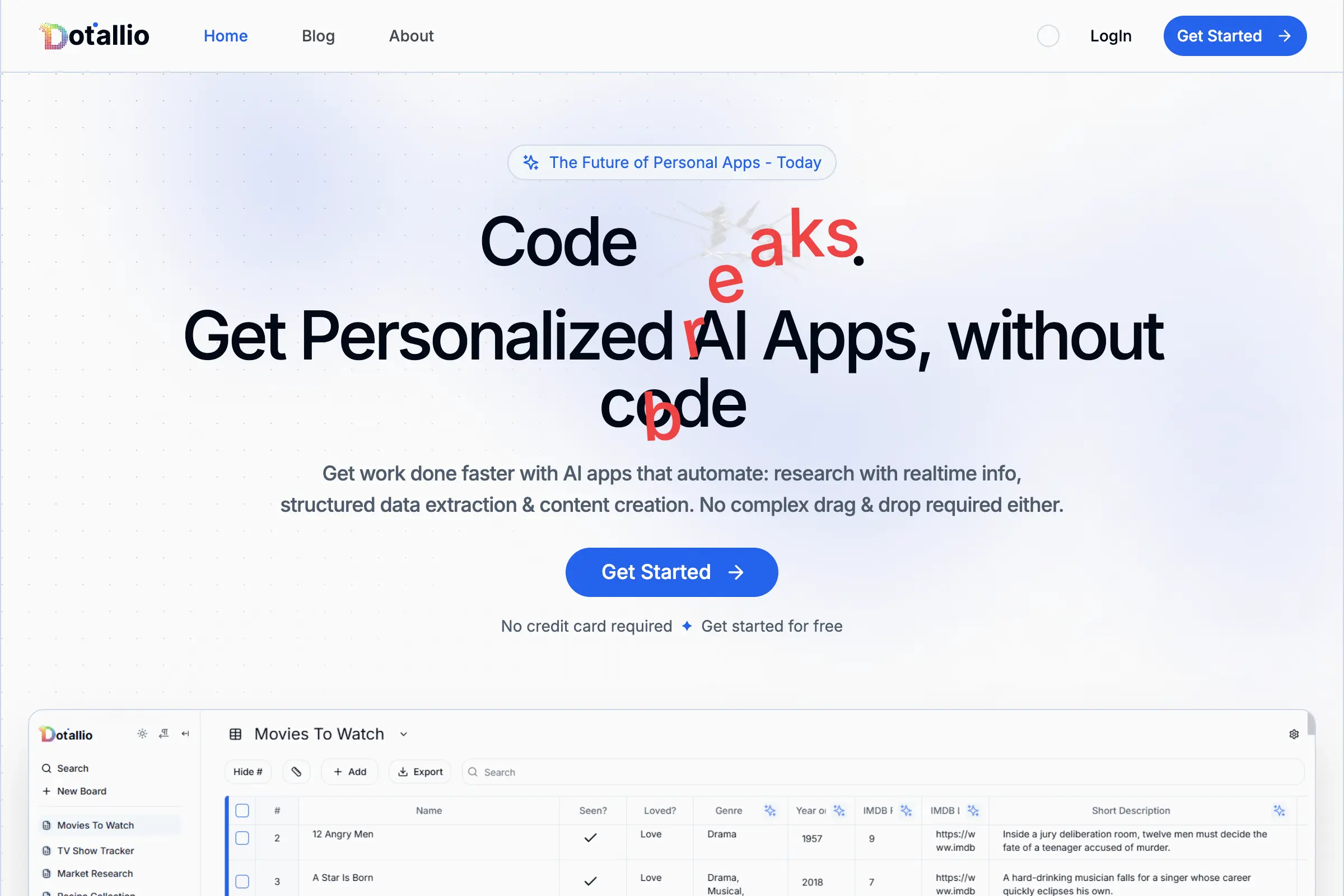
Dotallio
Personalized AI apps that automate research, data extraction, and content creation without code 🤖

Talk to Santa
Enjoy a magical live video chat or receive a unique AI-generated video greeting from Santa Claus 🎅

pozywka.pl
Scalable blog for food journalist, focused on performance and user experience 🌭
zagrodzki.me
Personal blog and portfolio of Bart Zagrodzki, where he shares his knowledge and work 💼
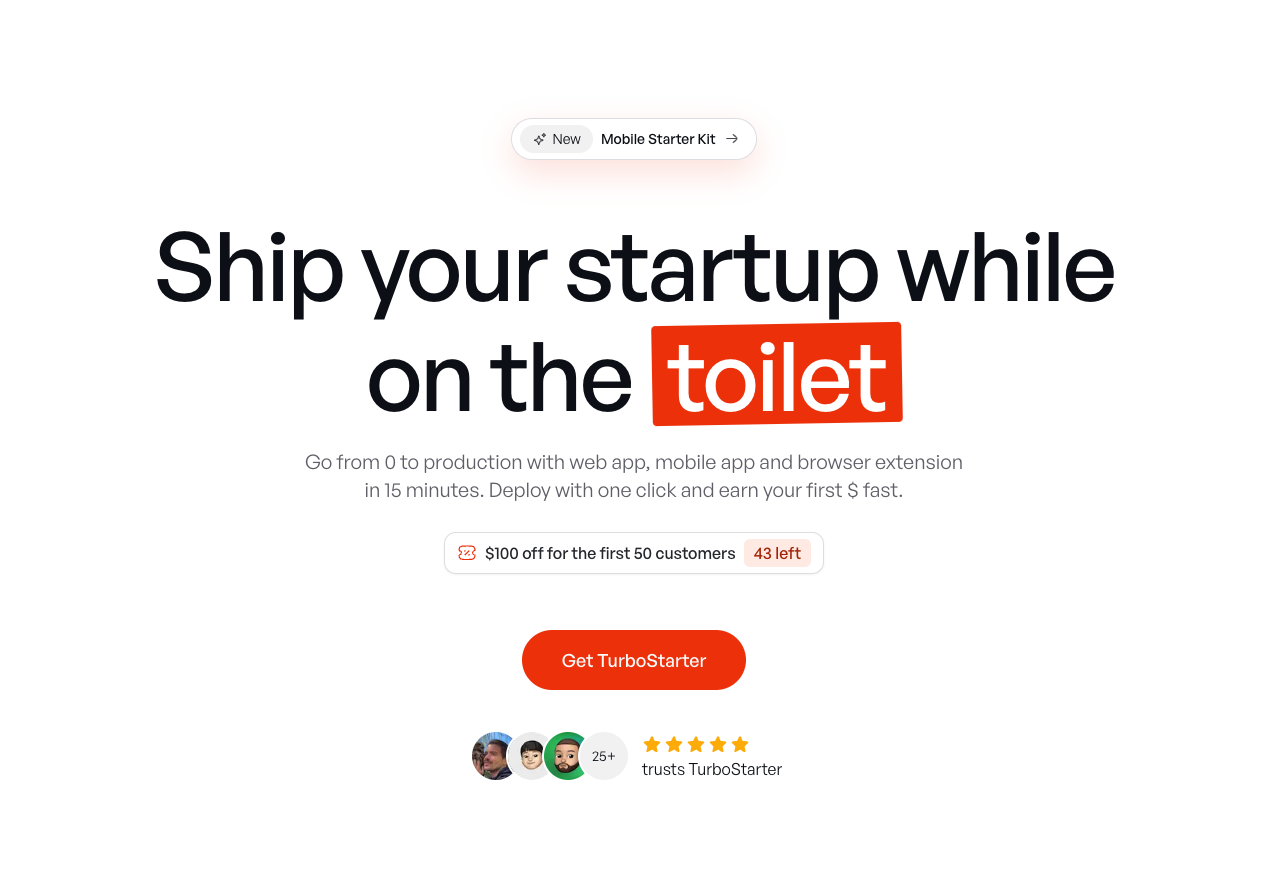
TurboStarter
Ship your startup everywhere. In minutes.
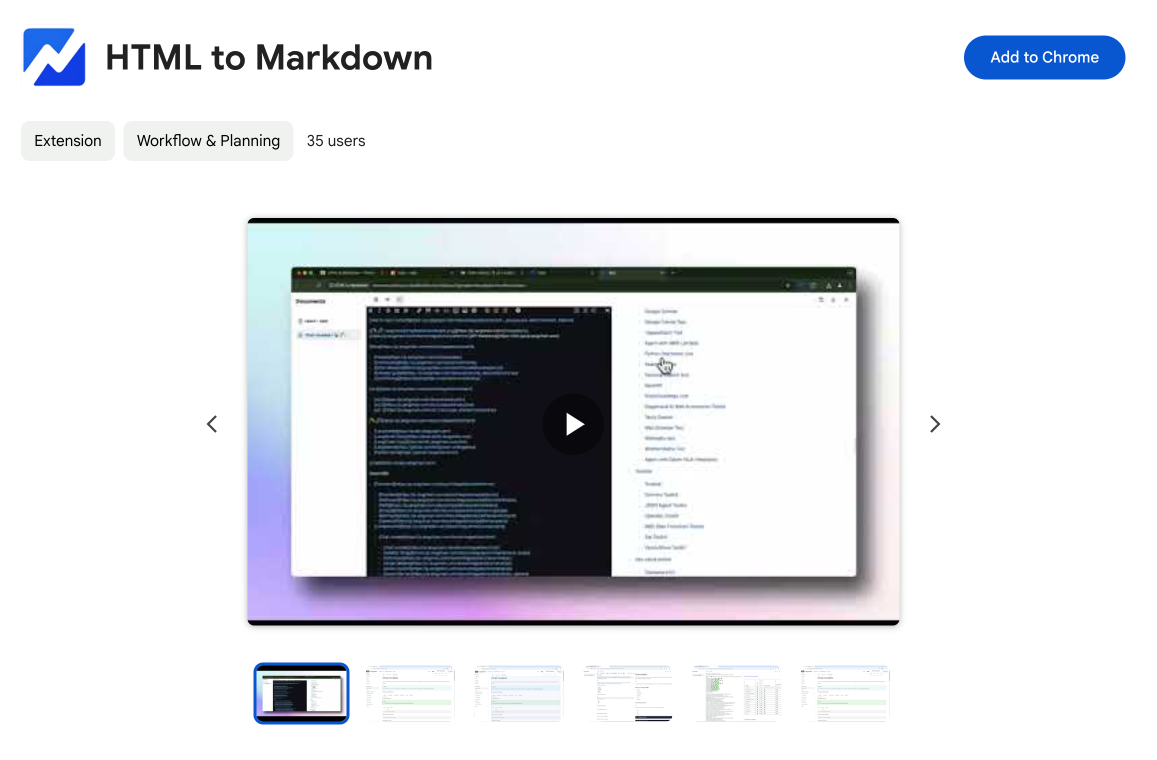
HTML to Markdown
Convert HTML to Markdown with ease, directly in your browser 📄
Dotallio
Personalized AI apps that automate research, data extraction, and content creation without code 🤖
Talk to Santa
Enjoy a magical live video chat or receive a unique AI-generated video greeting from Santa Claus 🎅
pozywka.pl
Scalable blog for food journalist, focused on performance and user experience 🌭
zagrodzki.me
Personal blog and portfolio of Bart Zagrodzki, where he shares his knowledge and work 💼
TurboStarter
Ship your startup everywhere. In minutes.
HTML to Markdown
Convert HTML to Markdown with ease, directly in your browser 📄
Dotallio
Personalized AI apps that automate research, data extraction, and content creation without code 🤖
Talk to Santa
Enjoy a magical live video chat or receive a unique AI-generated video greeting from Santa Claus 🎅
pozywka.pl
Scalable blog for food journalist, focused on performance and user experience 🌭
zagrodzki.me
Personal blog and portfolio of Bart Zagrodzki, where he shares his knowledge and work 💼
TurboStarter
Ship your startup everywhere. In minutes.
HTML to Markdown
Convert HTML to Markdown with ease, directly in your browser 📄
Dotallio
Personalized AI apps that automate research, data extraction, and content creation without code 🤖
Talk to Santa
Enjoy a magical live video chat or receive a unique AI-generated video greeting from Santa Claus 🎅
pozywka.pl
Scalable blog for food journalist, focused on performance and user experience 🌭
zagrodzki.me
Personal blog and portfolio of Bart Zagrodzki, where he shares his knowledge and work 💼
TurboStarter
Ship your startup everywhere. In minutes.
HTML to Markdown
Convert HTML to Markdown with ease, directly in your browser 📄
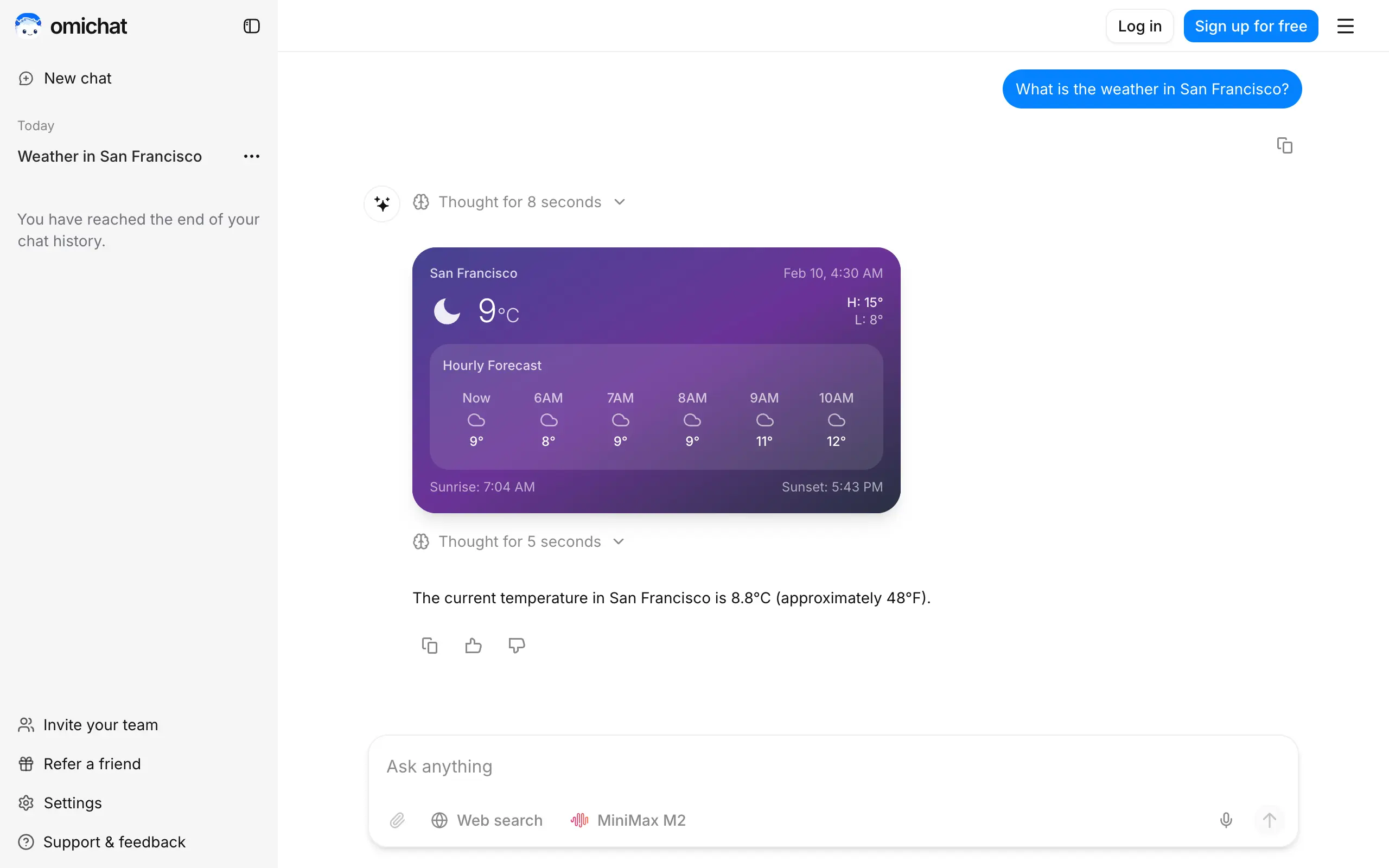
Omichat
Chat with 50+ AI models, including ChatGPT and Claude, in one place - switch models anytime without losing context 🤖
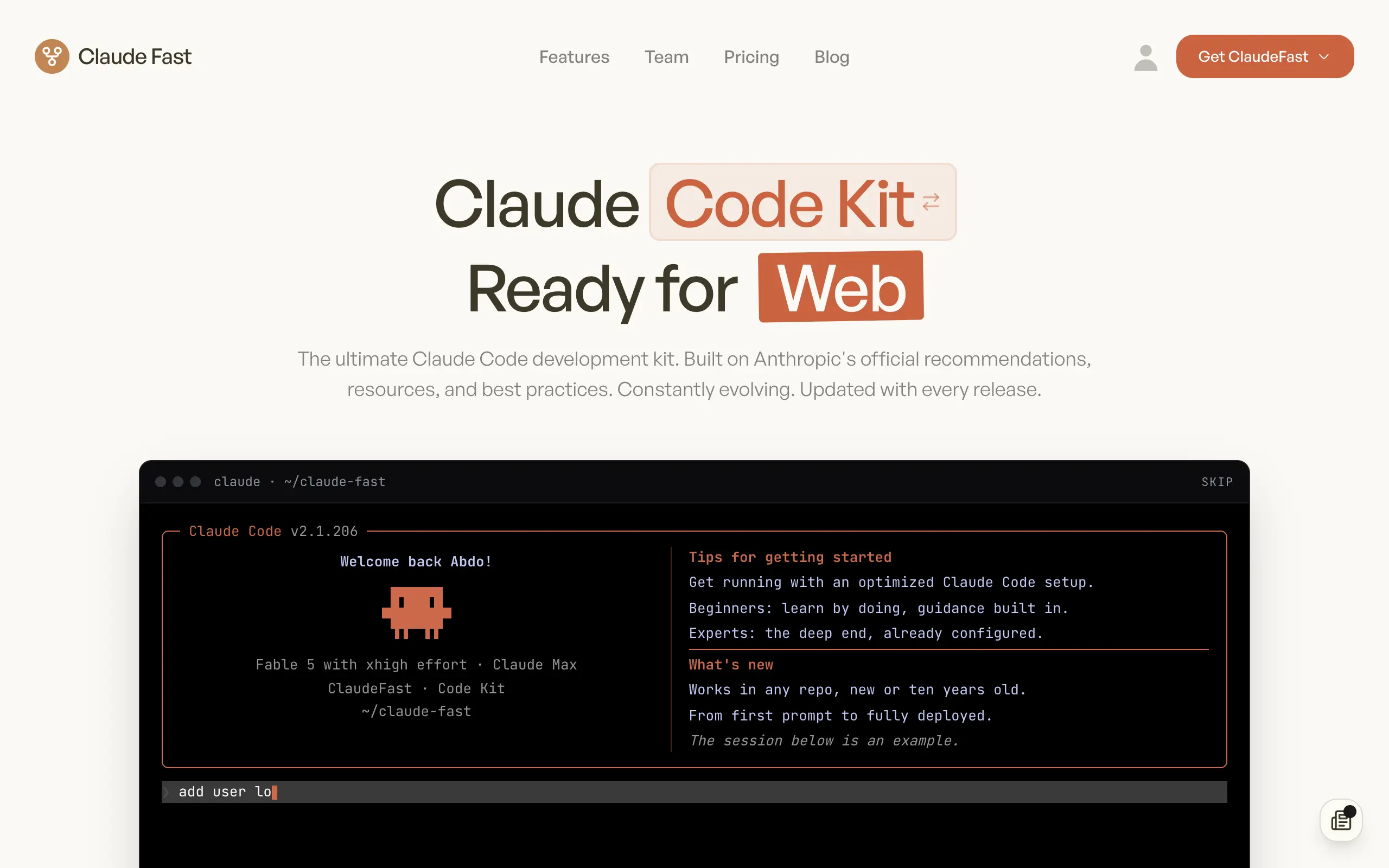
Claude Fast
Supercharge your Claude Code with 6x effective context window and specialized AI agents 🤖
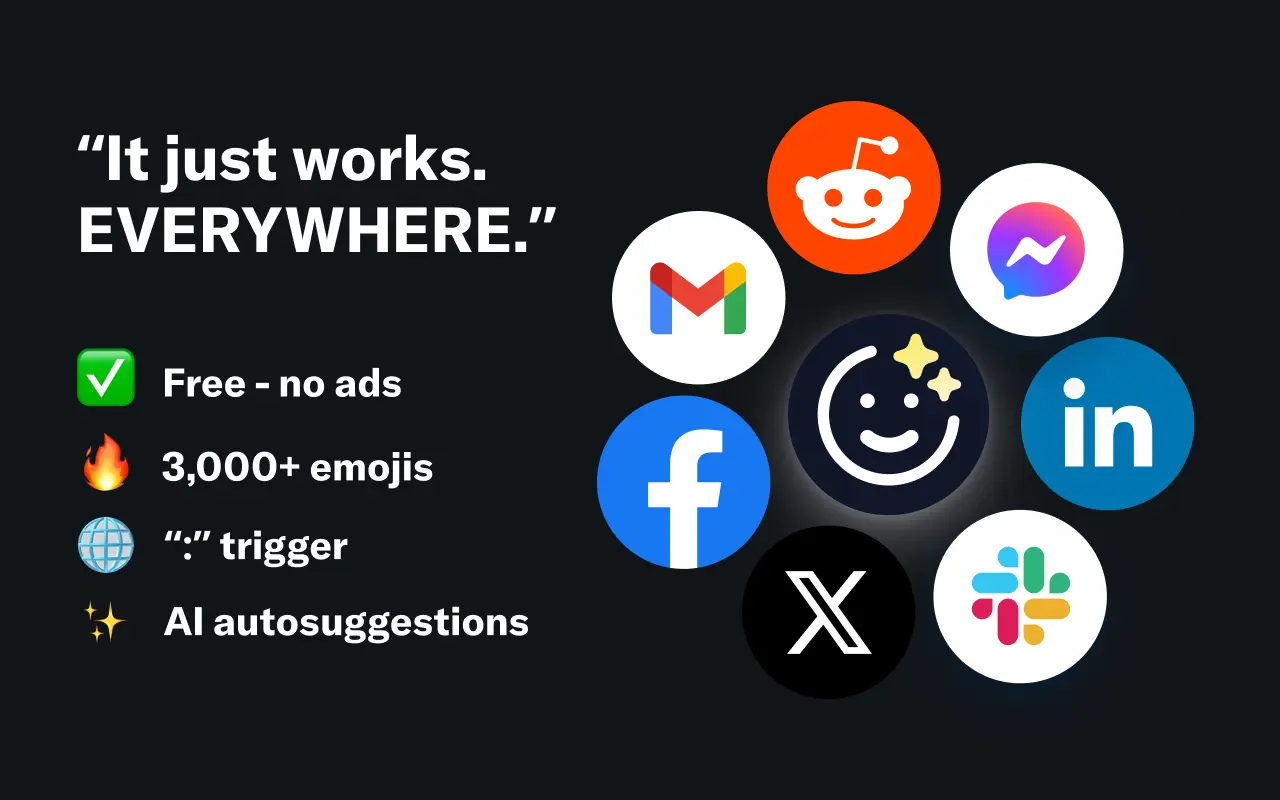
EmojAI
AI-powered emoji picker with smart, context-aware suggestions 🤖
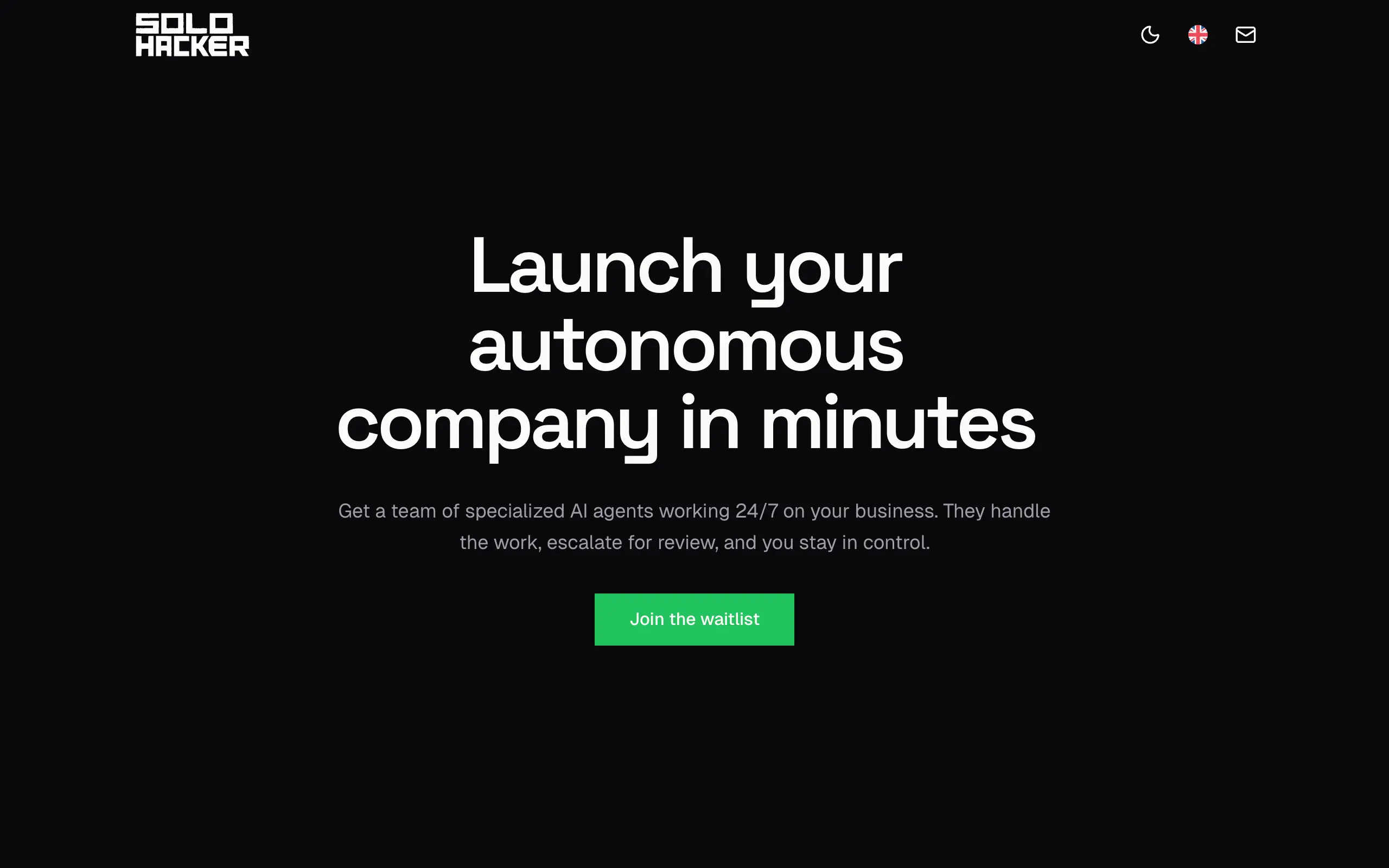
Solohacker
Autonomous company launcher - AI agents work 24/7, escalate what matters, and you stay in control 🤖
BeRawi: Storytelling Coach
Practice storytelling daily with instant feedback to sound clearer, more engaging, and confident 🎤
Omichat
Chat with 50+ AI models, including ChatGPT and Claude, in one place - switch models anytime without losing context 🤖
Claude Fast
Supercharge your Claude Code with 6x effective context window and specialized AI agents 🤖
EmojAI
AI-powered emoji picker with smart, context-aware suggestions 🤖
Solohacker
Autonomous company launcher - AI agents work 24/7, escalate what matters, and you stay in control 🤖
BeRawi: Storytelling Coach
Practice storytelling daily with instant feedback to sound clearer, more engaging, and confident 🎤
Omichat
Chat with 50+ AI models, including ChatGPT and Claude, in one place - switch models anytime without losing context 🤖
Claude Fast
Supercharge your Claude Code with 6x effective context window and specialized AI agents 🤖
EmojAI
AI-powered emoji picker with smart, context-aware suggestions 🤖
Solohacker
Autonomous company launcher - AI agents work 24/7, escalate what matters, and you stay in control 🤖
BeRawi: Storytelling Coach
Practice storytelling daily with instant feedback to sound clearer, more engaging, and confident 🎤
Omichat
Chat with 50+ AI models, including ChatGPT and Claude, in one place - switch models anytime without losing context 🤖
Claude Fast
Supercharge your Claude Code with 6x effective context window and specialized AI agents 🤖
EmojAI
AI-powered emoji picker with smart, context-aware suggestions 🤖
Solohacker
Autonomous company launcher - AI agents work 24/7, escalate what matters, and you stay in control 🤖
BeRawi: Storytelling Coach
Practice storytelling daily with instant feedback to sound clearer, more engaging, and confident 🎤

Connect with like-minded people
Join our community to get feedback, support, and grow together with 1,000+ builders on board, let's ship it!
Join usShip your startup everywhere. In minutes.
Don't burn tokens on setup and start building features on day one.