PivotPilot
AI-powered career switch planner that turns your target role into a personalized weekly roadmap with skill gaps, projects, and networking tasks.
Why career switching needs a smarter system in 2026
The modern workforce is in constant motion. Automation, AI adoption, remote work, and shifting economic cycles have made career pivots more common than ever. According to reports from sources like the World Economic Forum and LinkedIn Workforce Insights (reference latest reports for updated figures), a significant percentage of professionals expect to change roles or industries within the next 3–5 years.
Yet most people attempting a career switch face the same frustrating questions:
- Where do I start?
- What skills am I missing?
- How long will it realistically take?
- Which projects will actually help me get hired?
- Who should I network with—and how?
This is where an AI-powered career switch planner like PivotPilot fills a critical market gap.
PivotPilot is a personalized career transition roadmap generator that transforms your target job into a structured weekly action plan, including skill gap analysis, practical project ideas, and networking tasks.
This article explores the full strategic vision behind PivotPilot—from target audience and market opportunity to feature set, monetization, tech stack, competitive advantage, and step-by-step implementation guidance.
Understanding user intent: who is searching for a career switch planner?
To rank well and convert users, it’s essential to understand search intent behind queries like:
- “How to switch careers with no experience”
- “Career change roadmap”
- “AI career planning tool”
- “How long does it take to become a data analyst?”
- “Skill gap analysis for career switch”
These users are not just browsing. They are:
- Seeking clarity
- Feeling overwhelmed
- Looking for structure
- Comparing tools
- Evaluating feasibility
They want certainty, not inspiration alone.
PivotPilot directly answers this need by offering:
- Concrete timelines
- Weekly action steps
- Specific portfolio project ideas
- Targeted networking strategy
- Measurable progress tracking
Target audience analysis
Primary segment: early- to mid-career professionals (25–40)
Profile:
- 2–10 years of work experience
- Feeling stuck, underpaid, or misaligned
- Interested in tech, product, marketing, UX, AI, or remote-friendly roles
- Consumes online courses (Coursera, Udemy, etc.)
- Active on LinkedIn
Pain points:
- Overwhelmed by information
- Fear of wasting time on wrong skills
- Uncertainty about ROI of upskilling
- Lack of accountability
Buying triggers:
- Layoffs or fear of layoffs
- Burnout
- Salary stagnation
- Desire for flexibility or remote work
Secondary segment: students and recent graduates
- Unsure what path to take
- Want a structured plan toward competitive roles
- Need portfolio guidance
Tertiary segment: corporate L&D and career coaches
- Need scalable career transition frameworks
- Want AI assistance to serve more clients
- Could white-label or integrate the solution
Market opportunity and competitive gap
Existing solutions
The current landscape includes:
- Online courses (Udemy, Coursera)
- Career coaching
- Resume builders
- Job boards
- AI chatbots like ChatGPT
- Generic career assessment tools
But none of them provide:
- Structured weekly roadmaps
- Skill gap detection aligned to real job postings
- Project-level execution plans
- Networking task scheduling
- Adaptive timelines based on availability
Where the gap exists
Most tools answer “what skills do I need?”
Very few answer “what exactly should I do this week?”
That execution gap is where PivotPilot wins.
Core value proposition of PivotPilot
Turn any target job into a personalized, AI-generated weekly roadmap with skills, projects, and networking steps.
Key differentiators
- ✅ Action-oriented (weekly roadmap)
- ✅ Personalized to current experience
- ✅ Combines skill + project + networking strategy
- ✅ Timeline estimation engine
- ✅ Progress tracking
- ✅ Adaptive planning
This makes PivotPilot more than a planner—it becomes a career operating system.
Core features of PivotPilot
1. AI-powered skill gap analysis
Users input:
- Current role
- Years of experience
- Existing skills
- Target role
- Weekly time availability
The system:
- Scrapes or aggregates job requirements for target role
- Identifies core competencies
- Maps user skills to required skills
- Highlights critical gaps
Strategic edge
The differentiation lies in matching real job descriptions—not generic skill lists.
2. Personalized weekly roadmap generator
Instead of generic advice, PivotPilot generates:
- Week-by-week breakdown
- Learning tasks
- Mini-projects
- Portfolio milestones
- Networking outreach tasks
Example:
Week 3 (Target: Data Analyst)
- Learn SQL joins and aggregation
- Build mini project: Analyze public dataset
- Publish LinkedIn post explaining findings
- Reach out to 2 data analysts
This bridges the gap between learning and visibility.
3. Smart portfolio project builder
Each target role comes with:
- 3–5 curated portfolio project suggestions
- Clear scope definition
- Deliverables checklist
- Tools recommendation
- Suggested GitHub structure
This solves a common failure point: learners never building proof of work.
4. Networking engine
Most career plans ignore networking. PivotPilot integrates:
- Weekly outreach quota
- Suggested connection profiles
- Cold message templates
- Industry-specific events
- Informational interview prompts
This significantly increases job conversion probability.
5. Timeline simulation engine
Based on:
- Weekly hours available
- Experience level
- Market competitiveness
- Learning curve estimates
The platform outputs:
- Estimated transition duration
- Confidence score
- Acceleration options
6. Progress tracking and adaptive planning
If a user falls behind:
- Roadmap auto-adjusts
- Deadlines shift
- Intensity recalculates
This makes PivotPilot resilient and realistic.
Feature comparison with alternatives
| Feature | Online Courses | Career Coach | Generic AI Chatbot | PivotPilot | Job Boards |
|---|---|---|---|---|---|
| Skill gap analysis | ❌ | ✅ | ✅ | ✅ | ❌ |
| Weekly roadmap | ❌ | ✅ | ❌ | ✅ | ❌ |
| Portfolio projects | ❌ | ✅ | ❌ | ✅ | ❌ |
| Networking plan | ❌ | ✅ | ❌ | ✅ | ❌ |
PivotPilot uniquely combines automation with structure.
Recommended tech stack for building PivotPilot
A scalable, AI-driven SaaS requires careful technical planning.
Frontend
Why:
- Server-side rendering for SEO
- Fast UI iteration
- Modern UX
Backend
Options:
- Node.js + Express
- Next.js API routes
- Python (FastAPI) for AI-heavy processing
If LLM orchestration is central, Python backend may be beneficial.
AI layer
- OpenAI API (GPT-based models)
- Embeddings for job-role similarity
- Vector database (e.g., Pinecone or open-source alternative)
Database
- PostgreSQL (structured user plans)
- Redis (caching AI outputs)
- Object storage for project templates
Auth & payments
- Stripe for subscriptions
- OAuth (Google, LinkedIn)
Trade-offs
| Decision | Option A | Option B |
|---|---|---|
| Monolith | Faster to launch | Harder to scale |
| Microservices | Scalable | More complexity |
| Single LLM | Simple | Less control |
| Multi-model routing | More optimized | Engineering overhead |
Monetization strategy
1. Freemium model (recommended)
Free tier:
- 1 career roadmap
- Limited weeks preview
- Basic skill gap analysis
Pro ($19–$39/month):
- Full roadmap
- Adaptive updates
- Portfolio builder
- Networking automation
- Resume tailoring AI
2. One-time pivot package
- $99–$149 lifetime roadmap
- Appeals to budget-conscious users
3. B2B licensing
- Career coaching firms
- Universities
- Bootcamps
- Corporate L&D departments
High-margin opportunity.
4. Add-on revenue streams
- Resume review
- Interview simulation
- Mock technical assessments
- Affiliate links to learning platforms
Competitive advantage analysis
PivotPilot wins through:
1. Structured execution
Most AI tools generate advice.
PivotPilot generates a timeline-based execution plan.
2. Behavioral design
By integrating:
- Weekly tasks
- Visible progress
- Milestone celebration
- Accountability nudges
It increases completion rates.
3. Hybrid human + AI potential
Future feature:
- Optional human mentor review
- Community accountability
- Peer cohort groups
This creates a defensible moat.
Potential risks and mitigation strategies
Risk 1: AI commoditization
If generic AI tools replicate roadmaps.
Mitigation:
- Build proprietary role templates
- Aggregate real job posting data
- Use structured outputs
- Build community + data moat
Risk 2: Overpromising timeline accuracy
Users may blame the product if transition takes longer.
Mitigation:
- Use probability ranges
- Clearly communicate uncertainty
- Offer adjustable pacing
Risk 3: High churn
Career pivots are temporary problems.
Mitigation:
- Offer lifetime roadmap option
- Add post-pivot career growth features
- Provide ongoing salary optimization tools
SEO strategy for PivotPilot
To dominate keywords like:
- AI career planner
- Career switch roadmap
- Skill gap analysis tool
- How to change careers successfully
Content should include:
- Role-specific landing pages (e.g., “How to become a product manager”)
- Industry guides
- Timeline breakdown posts
- Case studies
- Success stories
Each optimized with:
- FAQ schema
- Internal linking
- Semantic keywords
- Long-form depth (2000+ words)
Step-by-step implementation roadmap
Sample AI roadmap generation logic (conceptual)
function generateRoadmap(userProfile, targetRole) {
  const skillGaps = analyzeSkillGap(userProfile.skills, targetRole.requirements);
  const weeks = estimateTimeline(userProfile.availableHours, skillGaps);

  return buildWeeklyPlan({
    skillGaps,
    weeks,
    includeProjects: true,
    includeNetworking: true
  });
}
The key is structured prompting + deterministic formatting.
Go-to-market strategy
Phase 1: Niche domination
Focus on 3 roles:
- Data Analyst
- Product Manager
- UX Designer
Dominate these niches before expanding.
Phase 2: Authority building
- Publish pivot case studies
- Share LinkedIn transformation stories
- Launch career pivot newsletter
- SEO content clusters
Phase 3: Community layer
- Slack or Discord group
- Cohort-based challenges
- Public roadmap sharing
Why this SaaS has long-term potential
The future of work is dynamic. AI is accelerating role evolution. Upskilling is no longer optional.
A structured AI career switch planner becomes:
- A personal growth engine
- A long-term career navigator
- A salary optimization tool
PivotPilot can expand into:
- Internal mobility planning
- Executive career strategy
- Global market relocation planning
Building PivotPilot faster with the right foundation
Speed matters in SaaS. Instead of building everything from scratch, you can accelerate development using a production-ready starter infrastructure like TurboStarter.
This reduces:
- Boilerplate setup time
- Authentication configuration
- Payment integration effort
- DevOps overhead
Allowing you to focus on:
- AI roadmap logic
- Skill gap engine
- UX optimization
- Market validation
Final thoughts: from confusion to clarity
The biggest barrier in career switching is not lack of information.
It’s lack of structure.
PivotPilot transforms:
- Uncertainty → clarity
- Overwhelm → execution
- Goals → weekly actions
By combining AI intelligence with behavioral design, this SaaS can become the default career transition operating system.
The opportunity is massive. The demand is growing. The problem is painfully real.
Now is the time to build.
More ⚡ Productivity Tool SaaS ideas
Discover more innovative productivity tool SaaS ideas that are trending in 2026. Each idea is AI-generated with market validation and growth potential to help you find your next profitable venture faster than competitors.
Your competitors are building with TurboStarter
Below are some of the SaaS ideas that have been generated and built with our starter kit.

Statiko
Monitor any Telegram channel in real time - track posts, edits, deletions, and growth with AI recaps 📡

Shibui
AI website builder - describe your business, pick a niche template, edit by chatting, and publish instantly ✨

Pro Service
Find verified home service professionals, compare quotes, and pay securely through escrow - built for Brazilians across the US 🏠
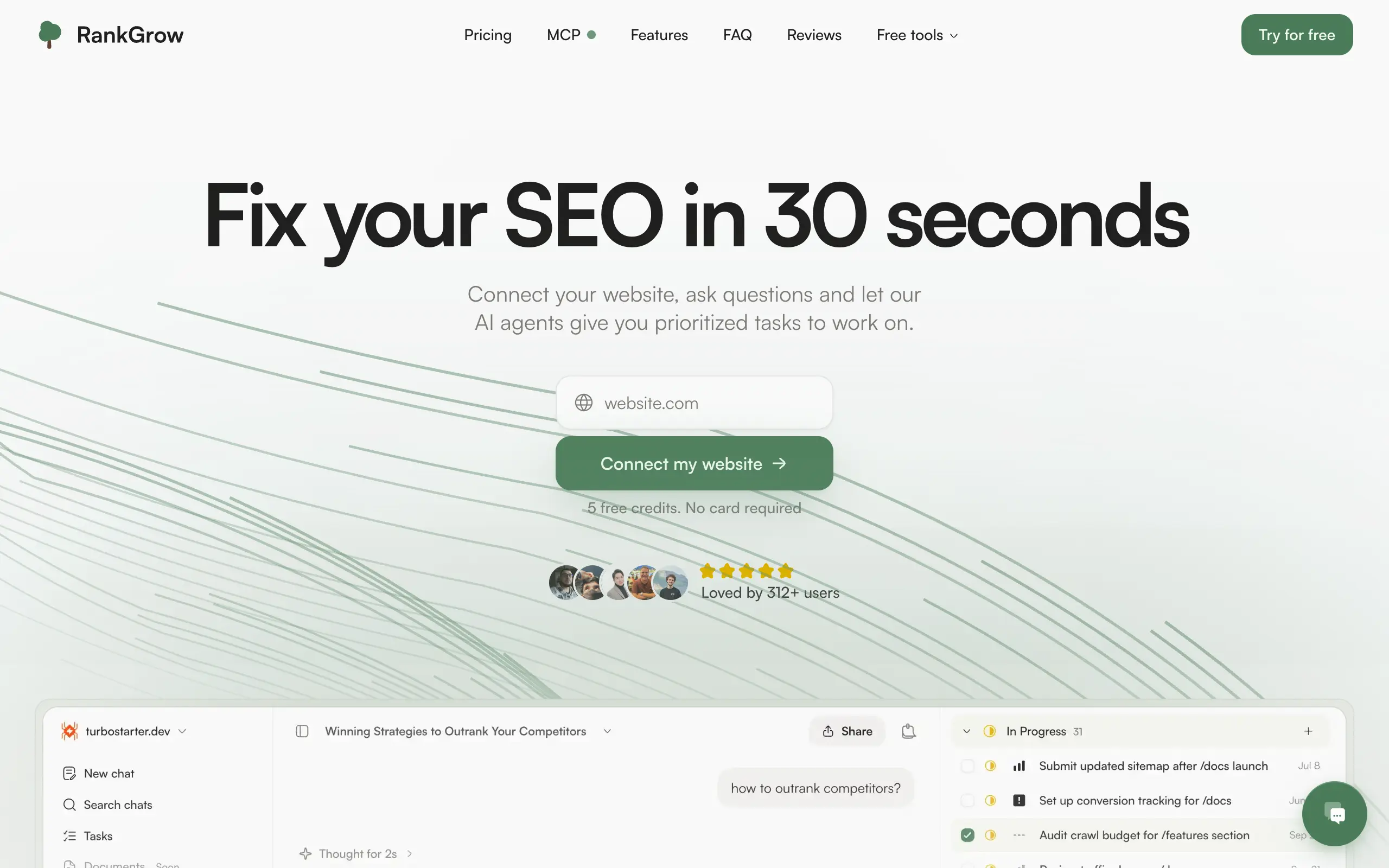
RankGrow
Fix your SEO with AI agents - connect Search Console, get prioritized tasks, and grow organic traffic 📈
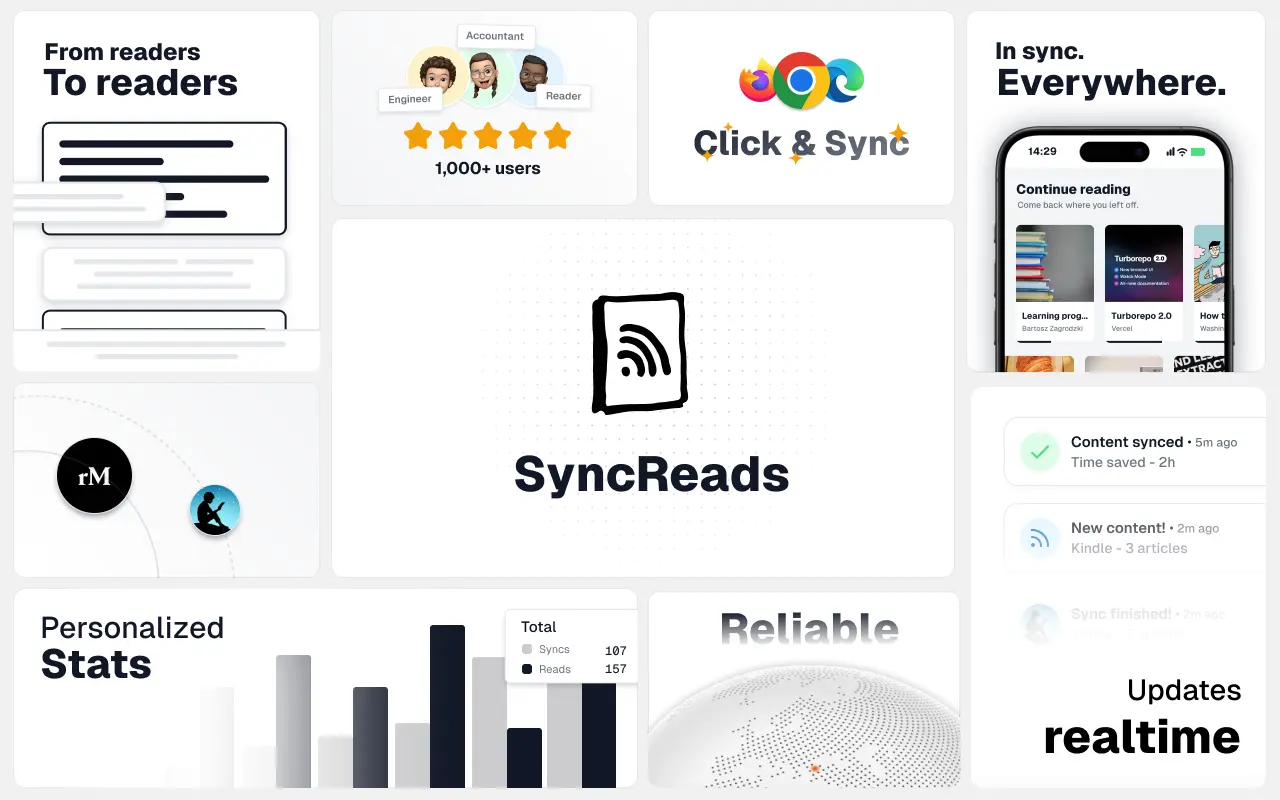
SyncReads
Sync your favorite content for distraction-free reading, save time and replace multiple apps. Anytime, anywhere 🔄
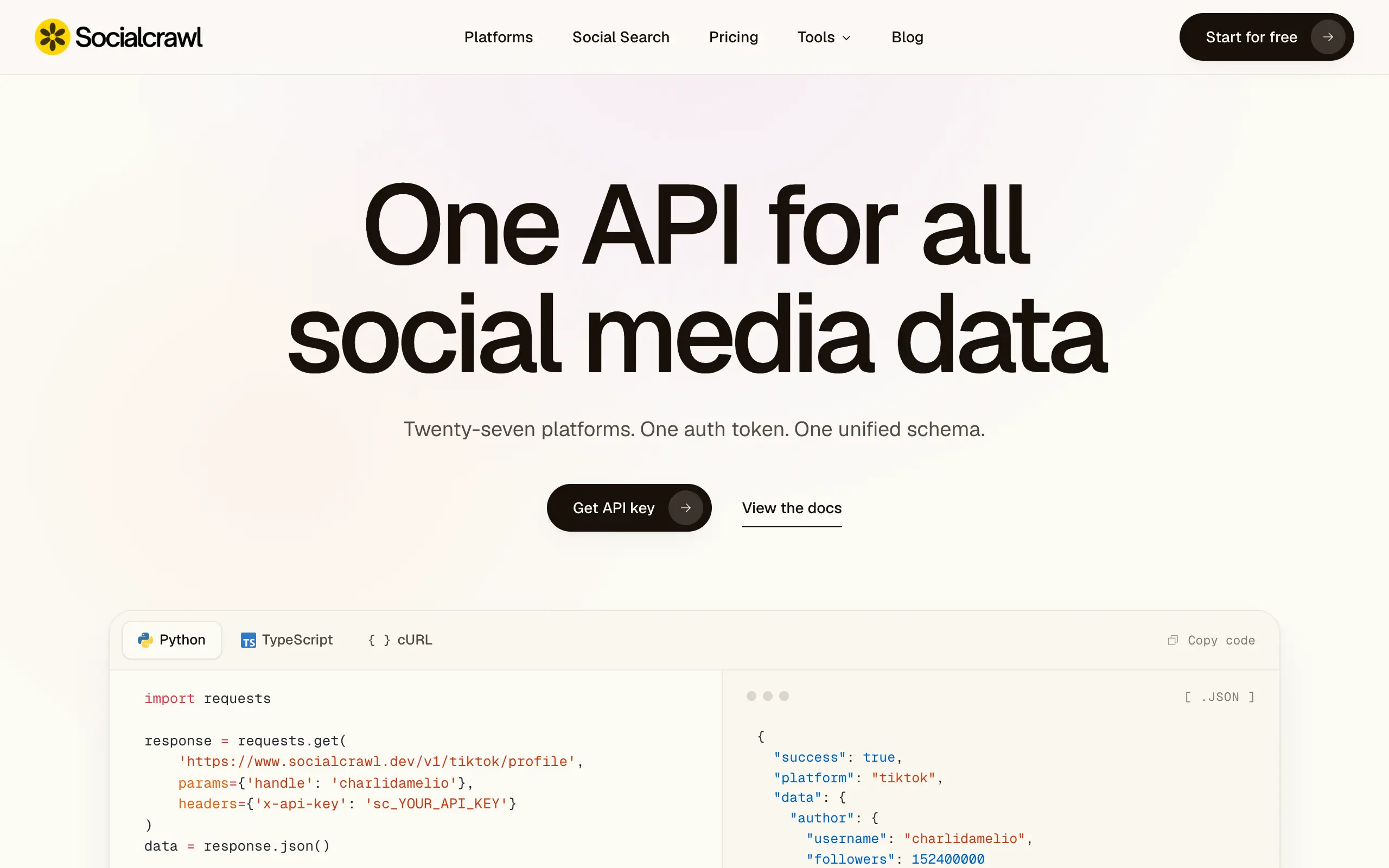
Socialcrawl
Get clean, structured data from 21 platforms like TikTok, Instagram, and YouTube with a single request 📊
Statiko
Monitor any Telegram channel in real time - track posts, edits, deletions, and growth with AI recaps 📡
Shibui
AI website builder - describe your business, pick a niche template, edit by chatting, and publish instantly ✨
Pro Service
Find verified home service professionals, compare quotes, and pay securely through escrow - built for Brazilians across the US 🏠
RankGrow
Fix your SEO with AI agents - connect Search Console, get prioritized tasks, and grow organic traffic 📈
SyncReads
Sync your favorite content for distraction-free reading, save time and replace multiple apps. Anytime, anywhere 🔄
Socialcrawl
Get clean, structured data from 21 platforms like TikTok, Instagram, and YouTube with a single request 📊
Statiko
Monitor any Telegram channel in real time - track posts, edits, deletions, and growth with AI recaps 📡
Shibui
AI website builder - describe your business, pick a niche template, edit by chatting, and publish instantly ✨
Pro Service
Find verified home service professionals, compare quotes, and pay securely through escrow - built for Brazilians across the US 🏠
RankGrow
Fix your SEO with AI agents - connect Search Console, get prioritized tasks, and grow organic traffic 📈
SyncReads
Sync your favorite content for distraction-free reading, save time and replace multiple apps. Anytime, anywhere 🔄
Socialcrawl
Get clean, structured data from 21 platforms like TikTok, Instagram, and YouTube with a single request 📊
Statiko
Monitor any Telegram channel in real time - track posts, edits, deletions, and growth with AI recaps 📡
Shibui
AI website builder - describe your business, pick a niche template, edit by chatting, and publish instantly ✨
Pro Service
Find verified home service professionals, compare quotes, and pay securely through escrow - built for Brazilians across the US 🏠
RankGrow
Fix your SEO with AI agents - connect Search Console, get prioritized tasks, and grow organic traffic 📈
SyncReads
Sync your favorite content for distraction-free reading, save time and replace multiple apps. Anytime, anywhere 🔄
Socialcrawl
Get clean, structured data from 21 platforms like TikTok, Instagram, and YouTube with a single request 📊
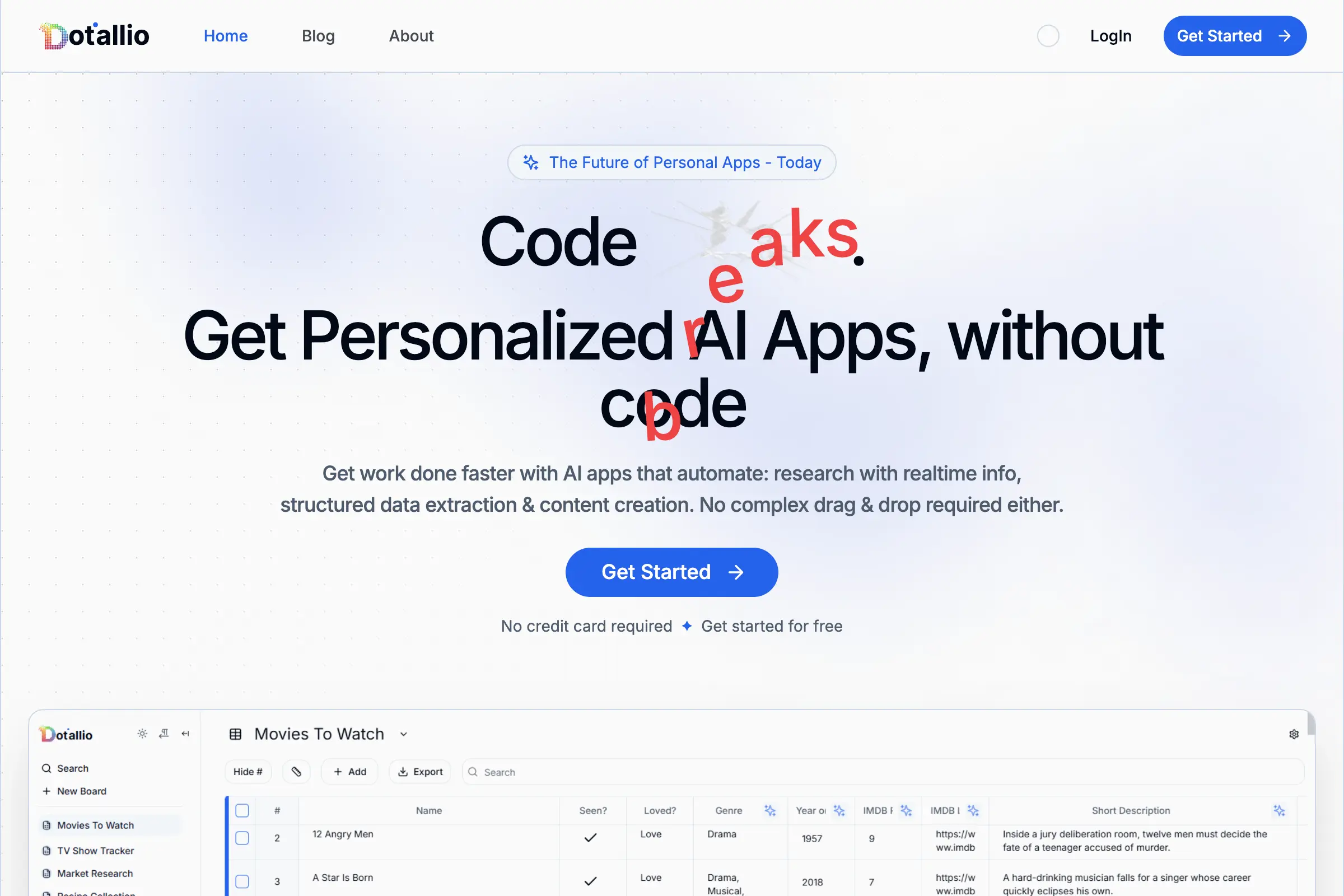
Dotallio
Personalized AI apps that automate research, data extraction, and content creation without code 🤖

Talk to Santa
Enjoy a magical live video chat or receive a unique AI-generated video greeting from Santa Claus 🎅

pozywka.pl
Scalable blog for food journalist, focused on performance and user experience 🌭
zagrodzki.me
Personal blog and portfolio of Bart Zagrodzki, where he shares his knowledge and work 💼
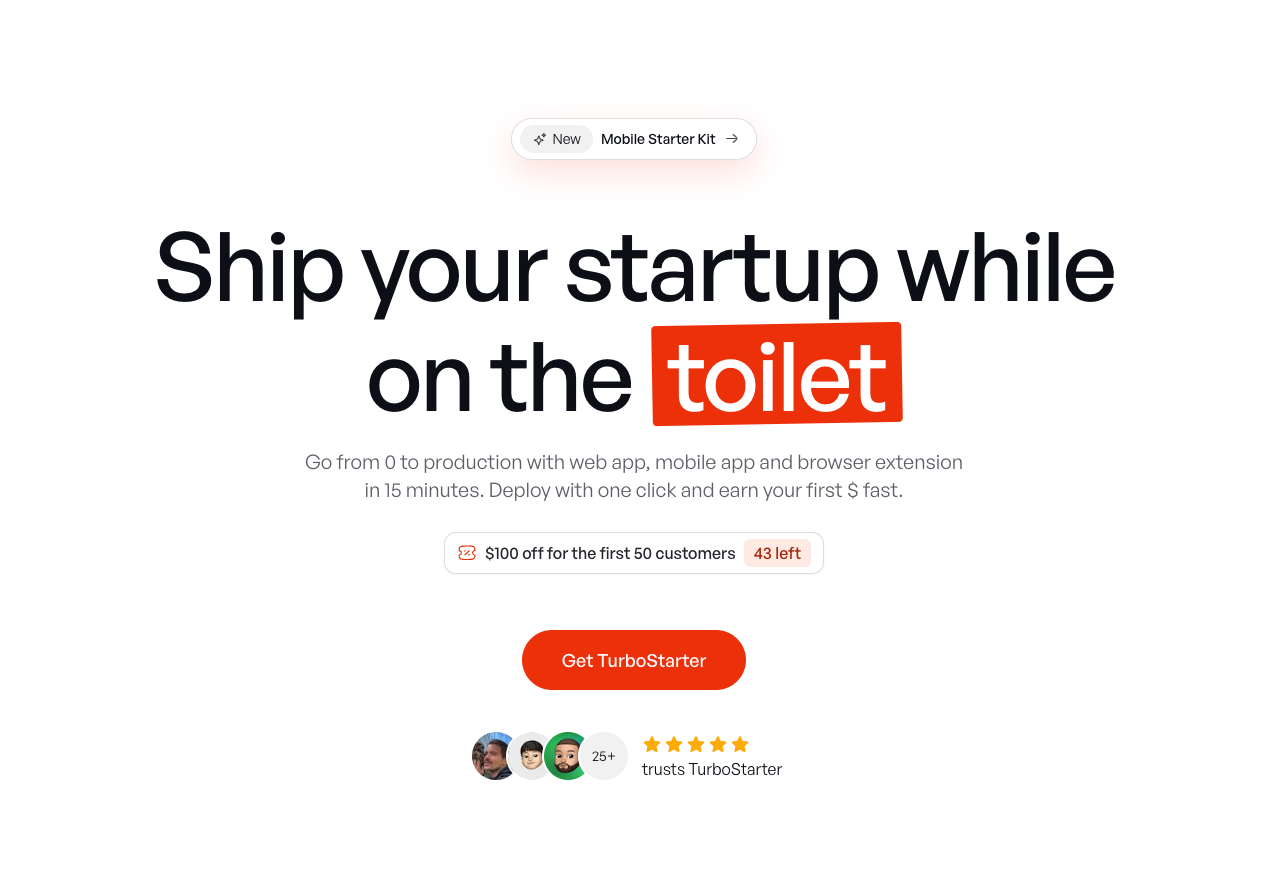
TurboStarter
Ship your startup everywhere. In minutes.
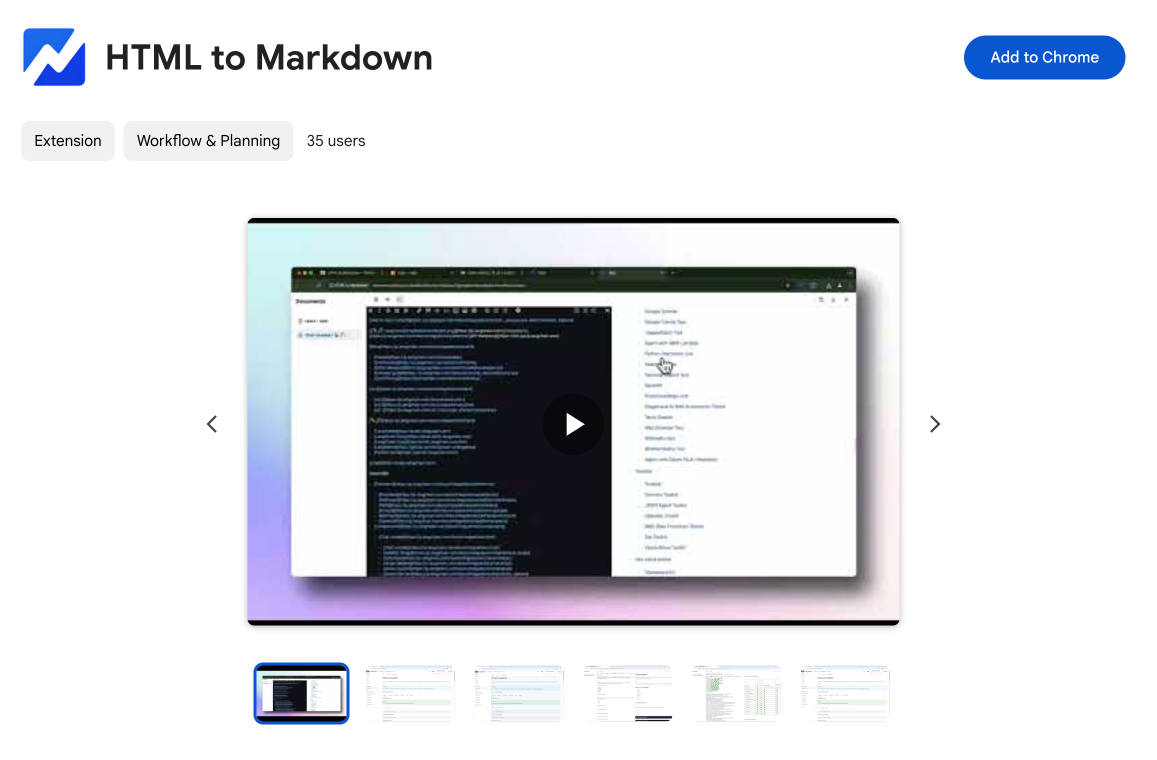
HTML to Markdown
Convert HTML to Markdown with ease, directly in your browser 📄
Dotallio
Personalized AI apps that automate research, data extraction, and content creation without code 🤖
Talk to Santa
Enjoy a magical live video chat or receive a unique AI-generated video greeting from Santa Claus 🎅
pozywka.pl
Scalable blog for food journalist, focused on performance and user experience 🌭
zagrodzki.me
Personal blog and portfolio of Bart Zagrodzki, where he shares his knowledge and work 💼
TurboStarter
Ship your startup everywhere. In minutes.
HTML to Markdown
Convert HTML to Markdown with ease, directly in your browser 📄
Dotallio
Personalized AI apps that automate research, data extraction, and content creation without code 🤖
Talk to Santa
Enjoy a magical live video chat or receive a unique AI-generated video greeting from Santa Claus 🎅
pozywka.pl
Scalable blog for food journalist, focused on performance and user experience 🌭
zagrodzki.me
Personal blog and portfolio of Bart Zagrodzki, where he shares his knowledge and work 💼
TurboStarter
Ship your startup everywhere. In minutes.
HTML to Markdown
Convert HTML to Markdown with ease, directly in your browser 📄
Dotallio
Personalized AI apps that automate research, data extraction, and content creation without code 🤖
Talk to Santa
Enjoy a magical live video chat or receive a unique AI-generated video greeting from Santa Claus 🎅
pozywka.pl
Scalable blog for food journalist, focused on performance and user experience 🌭
zagrodzki.me
Personal blog and portfolio of Bart Zagrodzki, where he shares his knowledge and work 💼
TurboStarter
Ship your startup everywhere. In minutes.
HTML to Markdown
Convert HTML to Markdown with ease, directly in your browser 📄
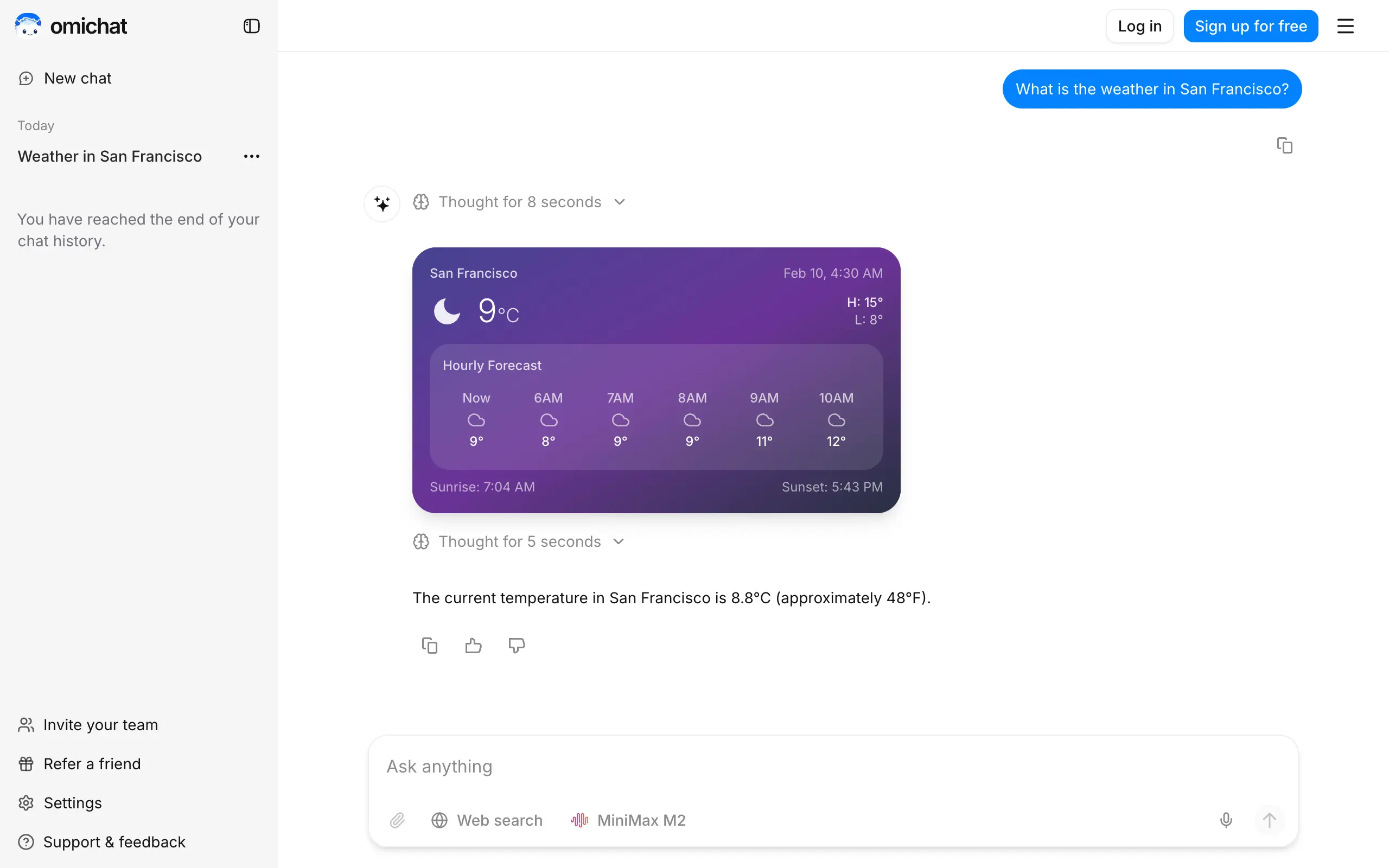
Omichat
Chat with 50+ AI models, including ChatGPT and Claude, in one place - switch models anytime without losing context 🤖
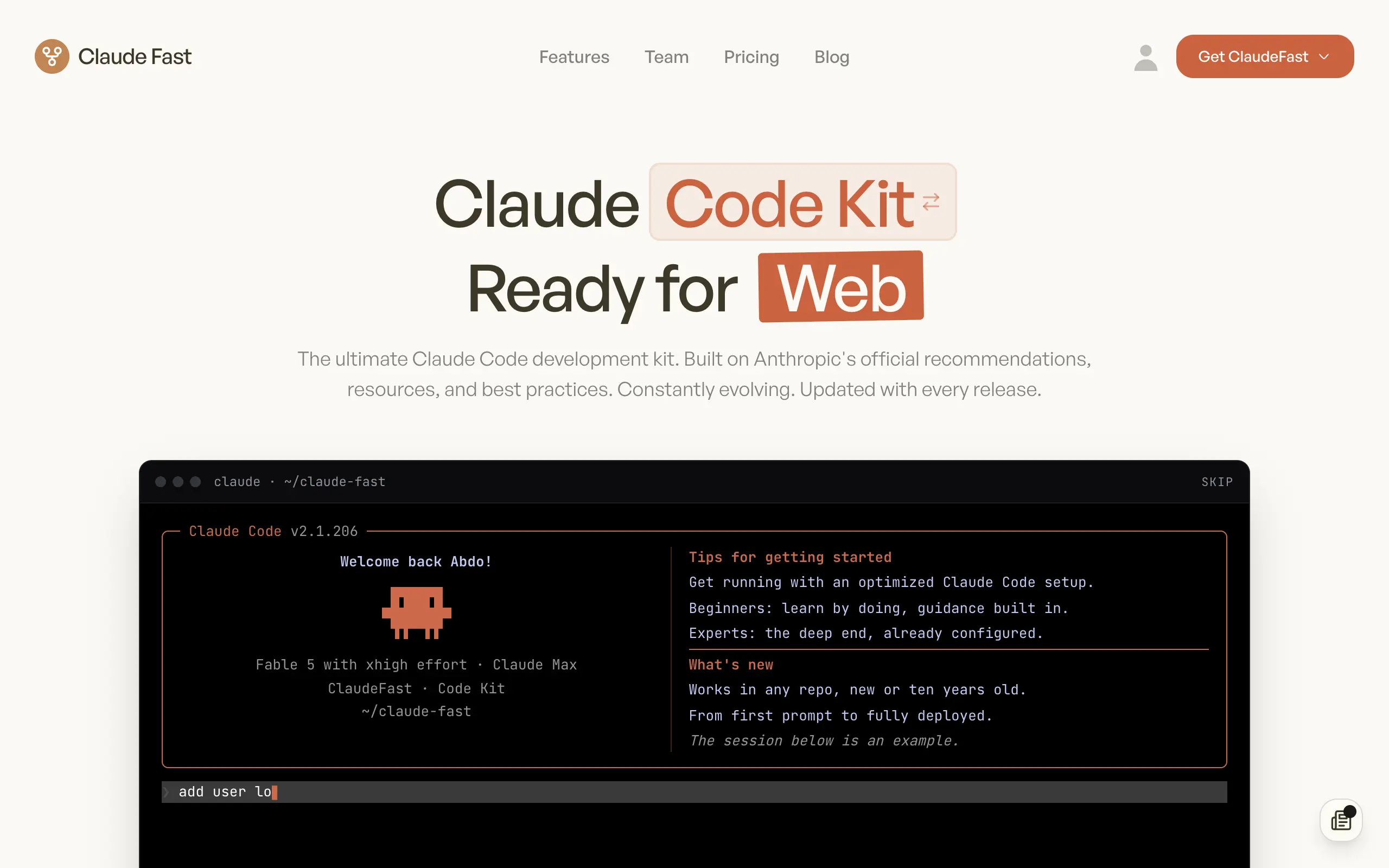
Claude Fast
Supercharge your Claude Code with 6x effective context window and specialized AI agents 🤖
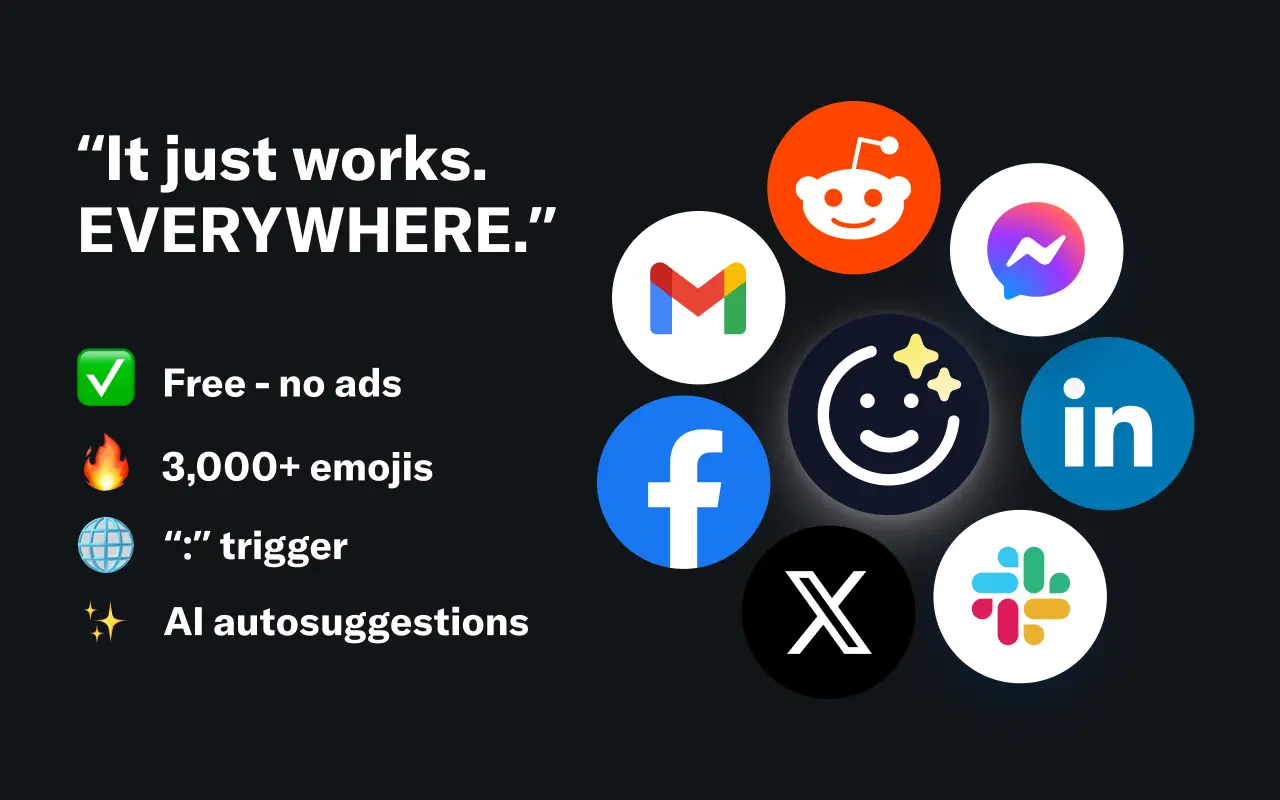
EmojAI
AI-powered emoji picker with smart, context-aware suggestions 🤖
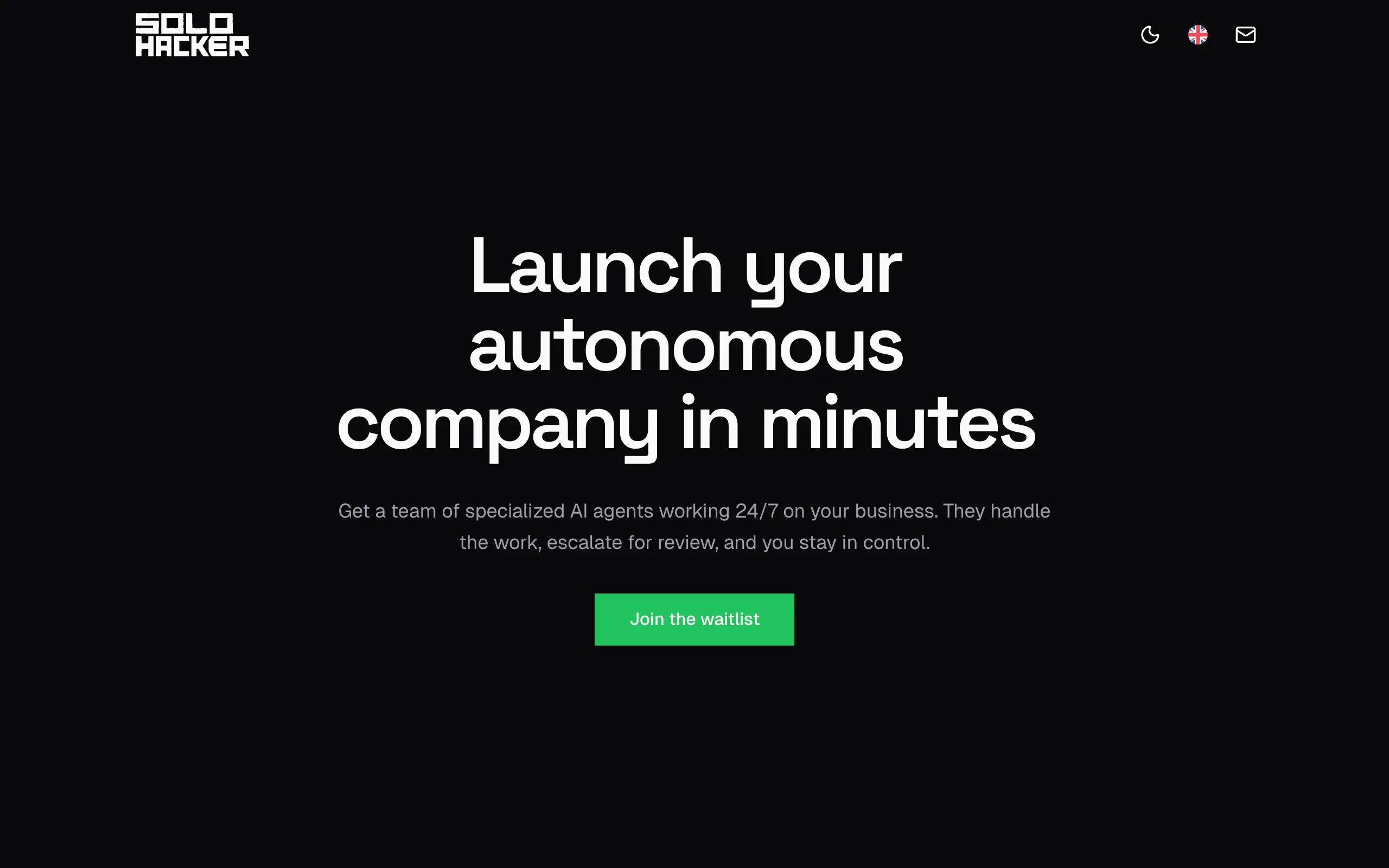
Solohacker
Autonomous company launcher - AI agents work 24/7, escalate what matters, and you stay in control 🤖

BeRawi: Storytelling Coach
Practice storytelling daily with instant feedback to sound clearer, more engaging, and confident 🎤
Omichat
Chat with 50+ AI models, including ChatGPT and Claude, in one place - switch models anytime without losing context 🤖
Claude Fast
Supercharge your Claude Code with 6x effective context window and specialized AI agents 🤖
EmojAI
AI-powered emoji picker with smart, context-aware suggestions 🤖
Solohacker
Autonomous company launcher - AI agents work 24/7, escalate what matters, and you stay in control 🤖
BeRawi: Storytelling Coach
Practice storytelling daily with instant feedback to sound clearer, more engaging, and confident 🎤
Omichat
Chat with 50+ AI models, including ChatGPT and Claude, in one place - switch models anytime without losing context 🤖
Claude Fast
Supercharge your Claude Code with 6x effective context window and specialized AI agents 🤖
EmojAI
AI-powered emoji picker with smart, context-aware suggestions 🤖
Solohacker
Autonomous company launcher - AI agents work 24/7, escalate what matters, and you stay in control 🤖
BeRawi: Storytelling Coach
Practice storytelling daily with instant feedback to sound clearer, more engaging, and confident 🎤
Omichat
Chat with 50+ AI models, including ChatGPT and Claude, in one place - switch models anytime without losing context 🤖
Claude Fast
Supercharge your Claude Code with 6x effective context window and specialized AI agents 🤖
EmojAI
AI-powered emoji picker with smart, context-aware suggestions 🤖
Solohacker
Autonomous company launcher - AI agents work 24/7, escalate what matters, and you stay in control 🤖
BeRawi: Storytelling Coach
Practice storytelling daily with instant feedback to sound clearer, more engaging, and confident 🎤

Connect with like-minded people
Join our community to get feedback, support, and grow together with 1,000+ builders on board, let's ship it!
Join usShip your startup everywhere. In minutes.
Don't burn tokens on setup and start building features on day one.