Playtest Signal
Convert playtest videos, chats, and bug notes into prioritized fixes, balance insights, and AI-ready development tasks in one workspace.
Why AI playtest analysis software is becoming essential for game teams
Playtests create some of the highest-value evidence a game team can collect. A recorded session can reveal where players hesitate, misunderstand a mechanic, abandon an objective, exploit an economy loop, or simply stop having fun. Yet most studios struggle to convert that raw evidence into work the team can confidently prioritize.
The usual workflow is fragmented. Researchers collect videos. Community managers export chat logs. QA files bugs. Designers maintain balancing spreadsheets. Producers turn scattered notes into tickets. By the time a finding reaches the backlog, its context is often lost.
Playtest Signal is an AI playtest analysis software concept designed to solve that operational gap. It converts playtest videos, participant chats, surveys, and bug notes into a shared source of truth containing prioritized fixes, balance insights, evidence-backed findings, and AI-ready development tasks.
The opportunity is not simply to summarize playtests faster. The larger opportunity is to help game teams make better product decisions with traceable evidence. A useful platform should answer questions such as:
- Which player problems happened repeatedly across sessions?
- Which issues caused the biggest frustration or progression drop-off?
- Which clips, messages, and bug reports support a finding?
- Which balance changes deserve a designer's attention first?
- What task should be created for engineering, design, UI, QA, or production?
- Did a fix improve the player experience in the next build?
That is the core promise of Playtest Signal. It transforms playtesting from a manual reporting exercise into a continuous, structured decision system.
The product thesis
The best AI playtest analysis tools do not replace experienced game designers, researchers, or QA teams. They reduce evidence-handling work so those specialists can spend more time interpreting player behavior and making high-quality decisions.
The target audience for Playtest Signal
The strongest initial audience is not every game studio. Product-market fit is more likely when Playtest Signal focuses on teams that run frequent sessions, have multiple feedback channels, and feel the pain of fragmented analysis.
Indie studios with limited research capacity
Small studios often have no dedicated user research team. The founder, lead designer, producer, or community manager may be responsible for reviewing recordings and turning feedback into action items.
These teams need a lightweight workflow that helps them:
- Upload or link recordings from a remote playtest
- Consolidate Discord feedback, forms, and tester notes
- Identify recurring usability and difficulty problems
- Create clear tasks without spending days writing a report
- Preserve evidence when a contractor or team member needs context
For this segment, simplicity matters more than a complex enterprise research repository. A solo developer should be able to move from a video upload to an actionable issue list in one session.
Mid-sized live-service and multiplayer teams
Multiplayer teams have a distinct problem. Their feedback is rarely limited to one player completing one linear flow. They need to understand team coordination, matchmaking frustration, perceived fairness, weapon or character balance, retention drivers, and social sentiment.
Playtest Signal can be especially useful when a team needs to connect qualitative comments with observed behavior. For example, players may say a weapon is overpowered, but the relevant evidence may show that the real issue is low counterplay clarity, map geometry, onboarding, or a broken interaction.
This audience benefits from:
- Cross-session trend detection
- Time-coded evidence clips
- Tags for maps, modes, characters, items, and builds
- Severity and confidence scoring
- A clear audit trail from player signal to backlog task
Publishers, external QA providers, and playtest labs
Publishers and specialist testing providers need to produce credible reports for multiple client teams. Their challenge is consistency. Different researchers may use different terminology, report structures, and prioritization criteria.
A workspace approach allows these organizations to standardize how findings are captured while preserving project-specific configurations. It can also reduce the time required to create client-ready outputs after a test cycle.
Useful enterprise capabilities include:
- Separate workspaces and strict project permissions
- Reusable report templates
- Branded exports
- Reviewer approval workflows
- Data retention controls
- Audit logs and single sign-on options
Game UX researchers and player insights teams
Experienced research professionals should not be treated as passive recipients of AI output. They are power users who need control over methodology, tagging, evidence quality, and synthesis.
For this audience, Playtest Signal should make analysis more defensible rather than more opaque. Every AI-generated theme needs a route back to the original source material. Researchers should be able to correct labels, merge duplicate issues, split overly broad clusters, and record interpretation notes.
The market gap in game playtest feedback analysis
The current market often forces teams into one of three imperfect choices.
First, they can use generic work management tools. Products such as issue trackers and project boards are excellent for assigning work, but they are not built to interpret player sessions or preserve rich media evidence.
Second, teams can adopt broad qualitative research platforms. These can support transcription and tagging, but may not understand game-specific concepts such as level progression, build versions, economy tuning, matchmaking, combat encounters, or telemetry events.
Third, teams can rely on spreadsheets, folders, documents, and chat threads. This is cheap at first, but the cost appears later in duplicated work, missing context, inconsistent prioritization, and delayed decisions.
The gap is a purpose-built game playtest feedback platform that combines qualitative evidence, AI-assisted synthesis, game-aware taxonomy, and delivery into the production backlog.
| Workflow capability | Spreadsheets | Generic issue tracker | General research tool | Playtest Signal |
|---|---|---|---|---|
| Video and chat evidence in one finding | Limited | Limited | Often available | Core workflow |
| Game-specific balance and progression analysis | Manual | Manual | Generic | Purpose-built |
| Evidence-backed task creation | Manual | Available | Often manual | Automated with review |
| Cross-build trend tracking | Fragile | Limited | Possible | Native roadmap feature |
The competitive advantage is therefore not “AI transcription” alone. That capability is becoming widely available. The defensible value lies in structured game-development decision intelligence.
The Playtest Signal solution and unique selling proposition
Playtest Signal should position itself as the workspace where raw player evidence becomes prioritized, production-ready action.
Its unique selling proposition can be expressed simply:
Turn every playtest artifact into connected evidence, explain which player problems matter most, and generate development tasks that teams can trust.
A strong product flow looks like this:
- A team creates a study for a specific build, mode, level, feature, or hypothesis.
- The team adds recordings, tester chat, surveys, moderator notes, bug notes, and optional telemetry exports.
- AI transcribes, indexes, tags, and clusters related signals.
- Human reviewers validate findings and adjust categorization or priority.
- The workspace generates tasks with evidence, reproduction context, suggested owner, and acceptance criteria.
- The team tracks whether future playtests show that the underlying issue improved.
This model is more valuable than a dashboard full of sentiment labels. It closes the loop from observation to decision to validation.
Unified multimodal playtest ingestion
The first product requirement is a reliable ingestion layer. Playtest data arrives in inconsistent formats, so the platform should accept common sources without demanding perfect setup.
An early version can support:
- Video uploads and cloud recording links
- Audio-only interview or think-aloud recordings
- CSV exports from surveys and bug trackers
- Pasted chat transcripts from community channels
- Structured moderator observations
- Manual notes with timestamps
- Screenshot attachments
- Basic game telemetry files or event exports
The platform should attach metadata to every artifact. Important fields include game title, project, build number, session date, platform, test objective, participant segment, game mode, map, level, language, and tester ID.
Without clean metadata, trend analysis becomes unreliable. A complaint that appears to be growing might simply come from a new build, a different audience, or a more difficult map.
Transcription, indexing, and searchable evidence
Speech-to-text is foundational, but it should be treated as an evidence-access feature rather than the final insight engine. The interface should allow a user to search for phrases such as “I do not know where to go,” “this feels unfair,” or the name of a specific weapon.
Each transcript segment should connect to:
- A timestamp
- The source recording
- The participant
- The current build
- Existing tags
- Related chat comments or bug notes
- Any linked task or finding
The user should be able to click a finding and immediately watch the relevant clip. This is crucial for trust. Development teams act faster when they can see and hear the underlying player experience instead of receiving a detached summary.
AI-assisted issue clustering and theme detection
The core intelligence layer should group related evidence while making its reasoning inspectable. For example, the system could cluster:
- Several players getting lost after a new objective appears
- Chat messages about missing direction
- Moderator notes that players ignored a visual cue
- Bugs describing an objective marker not displaying correctly
The resulting finding may be “objective discoverability failure in the refinery sequence.” But the product should not present that label as unquestionable truth. It should show why the cluster exists and how many participants contributed to it.
A high-quality finding card should include:
- A concise issue statement
- Evidence count and participant count
- Representative video clips and quotes
- Affected build, mode, map, or feature
- AI-suggested category
- Severity, confidence, and frequency indicators
- Human reviewer status
- Linked tasks and post-fix outcomes
Balance insight workflows for game designers
Balance feedback is especially difficult because player perception and numerical balance are not always the same thing. A player can perceive an enemy as unfair because of unclear attack telegraphs, a poor camera angle, a punishing checkpoint, or mismatched expectations.
Playtest Signal should support balance analysis without pretending to make final design calls automatically. It can surface patterns such as:
- A specific weapon receives high frustration mentions after a patch
- Players repeatedly abandon a boss encounter at one phase
- A resource is hoarded because players do not understand its value
- A character ability dominates discussion in a particular game mode
- New users fail to understand an economy loop while experienced users do not
The product can then encourage a designer to investigate the full system. This distinction matters. The recommended action should be framed as a hypothesis, such as “review counterplay readability and cooldown feedback,” rather than “nerf item by 20 percent.”
Avoid false certainty
AI can identify repeated signals and summarize evidence, but it cannot reliably infer a complete design solution from a small or biased playtest sample. Keep the original clips, participant context, sample size, and reviewer judgment visible.
AI-ready development tasks with human approval
A recurring pain point is the translation from research language into delivery language. “Players seem confused around progression” is not ready for a sprint. A useful task needs scope, evidence, ownership, and a testable outcome.
Playtest Signal can generate a draft task with:
- A short, neutral title
- A problem statement
- Evidence links and timestamped clips
- Reproduction steps when applicable
- Affected build and feature metadata
- Suggested discipline such as design, UI, engineering, QA, or audio
- Suggested acceptance criteria
- Priority rationale
- A note describing uncertainty or required investigation
The key word is draft. Teams need an approval step before a task enters their authoritative backlog. That protects against duplicate tickets, misleading summaries, and poorly scoped work.
Here is an example of how a task object might be represented before it is sent to an issue tracker.
type PlaytestTaskDraft = {
  title: string;
  priority: "critical" | "high" | "medium" | "low";
  suggestedOwner: "design" | "engineering" | "ui-ux" | "qa";
  evidence: Array<{
    sessionId: string;
    timestampSeconds: number;
    quote: string;
  }>;
  acceptanceCriteria: string[];
  reviewerApproved: boolean;
};

const taskDraft: PlaytestTaskDraft = {
  title: "Improve objective guidance after refinery door unlock",
  priority: "high",
  suggestedOwner: "ui-ux",
  evidence: [
    {
      sessionId: "session-24",
      timestampSeconds: 841,
      quote: "I opened it, but I have no idea what I am supposed to do now."
    }
  ],
  acceptanceCriteria: [
    "Players can identify the next objective within 15 seconds.",
    "The objective marker remains visible after the door unlock event."
  ],
  reviewerApproved: false
};
How Playtest Signal should prioritize findings
Prioritization is where the product can create substantial strategic value. Teams often prioritize the loudest feedback, the most recent report, or the issue raised by the most senior person in the room. A consistent framework improves decision quality.
A practical priority model should combine several signals:
- Frequency reflects how often the issue occurs
- Impact reflects how strongly it harms comprehension, enjoyment, progression, accessibility, or revenue-related behavior
- Severity reflects whether it blocks play, creates a major defect, or causes a minor inconvenience
- Confidence reflects the quality and quantity of supporting evidence
- Strategic relevance reflects whether the issue affects the current test hypothesis or release goal
- Scope reflects whether the issue is isolated or systemic
The product should display the calculation transparently. A team should be able to adjust weights for different study types. A blocking issue in a usability test should not be scored exactly like a perceived balance issue in a competitive multiplayer session.
Weight progression blockers, task completion failures, onboarding confusion, and accessibility barriers most heavily. Favor clear behavioral evidence over a single subjective comment.
Weight repeated frustration, perceived fairness, counterplay understanding, and performance patterns by mode or player segment. Keep recommendations exploratory until designers review the context.
Weight crashes, severe defects, reproducibility, platform impact, and release scope. Route verified bugs rapidly while preserving clips and tester context for investigation.
Recommended tech stack for an AI playtest analysis SaaS
A production-grade AI playtest platform handles large media files, asynchronous processing, sensitive participant data, collaborative workflows, and integrations. The architecture should reflect that reality from the start.
Frontend and application layer
A modern web application built with React and Next.js is a strong choice. React supports highly interactive review interfaces, while Next.js provides routing, server-side capabilities, and an established deployment ecosystem.
Tailwind CSS is well suited to building dense, consistent product interfaces quickly. The application will require timeline controls, filters, evidence drawers, tags, review states, and keyboard-friendly navigation. A design system should be established early to prevent inconsistency as the workspace grows.
For a SaaS team that wants to avoid rebuilding foundational systems, TurboStarter can accelerate initial work on authentication, billing, team management, and production-ready application structure.
Storage and media processing
Video is the operationally expensive part of the platform. Store original media in object storage, such as Amazon S3, with signed URLs and separate access policies for each workspace.
A sensible pipeline includes:
- Upload media directly to object storage through signed URLs.
- Trigger an asynchronous processing job after upload completion.
- Generate a lower-resolution review copy and waveform data.
- Extract audio for transcription.
- Save transcript segments with accurate timestamps.
- Index text and metadata for retrieval.
- Run clustering and finding-generation jobs.
- Notify reviewers when analysis is available.
This architecture prevents large uploads and long-running AI calls from blocking the main application request cycle.
Database, search, and AI retrieval
PostgreSQL is a strong primary database for projects, users, findings, tasks, metadata, permissions, and audit records. Its relational model is valuable because game teams need reliable connections between sessions, builds, participants, clips, findings, and work items.
For semantic retrieval, teams can begin with pgvector, which keeps vector search close to the existing PostgreSQL data model. This reduces early infrastructure complexity. A dedicated vector database may make sense later if scale, retrieval latency, or advanced filtering requires it.
The trade-off is straightforward:
- PostgreSQL plus pgvector simplifies an early-stage architecture and transactional consistency.
- A specialized vector service may offer more retrieval tuning at very large scale.
- The product should not introduce a separate search system before evidence quality and user workflows are validated.
Background jobs and integrations
Long-running jobs need a resilient queue system. Transcription, video conversion, embedding generation, report generation, and third-party synchronization should all be retryable and observable.
Core integration targets should include:
- Jira for enterprise issue tracking
- Linear for modern product and engineering teams
- Slack for finding notifications and review prompts
- Discord for community playtest feedback workflows
Start with task export rather than deep bidirectional synchronization. It is easier to validate whether customers trust the generated task quality before building complex conflict-resolution logic.
Monetization strategy for Playtest Signal
The best pricing model should align with the variable cost of media and AI processing while remaining understandable to producers and studio leaders.
A hybrid subscription model is likely the strongest option. Charge for workspace access and included processing capacity, then monetize overage usage for additional hours of video or analysis volume.
Possible plans include:
Indie
A low-friction plan for small teams running occasional tests, with a limited number of projects and included media processing hours.
Studio
A collaborative plan with shared workspaces, integrations, deeper reporting, role permissions, and larger monthly processing limits.
Enterprise
A contract plan with SSO, audit logs, retention controls, security review support, custom integrations, and dedicated onboarding.
Potential monetization levers include:
- Per-seat pricing for active reviewers and collaborators
- Included monthly video-processing hours
- Usage-based overages for transcription and AI analysis
- Premium integrations and export workflows
- White-label reporting for research agencies
- Advanced retention and governance packages
- Paid onboarding for teams migrating existing research archives
Avoid charging participants or charging directly per playtest too early. Those models can discourage use during the discovery phase. A predictable workspace subscription is easier for studios to budget.
Competitive advantage and defensibility
The AI tooling market changes quickly. A generic model can summarize a transcript, and competitors can copy a simple “generate insights” button. Playtest Signal needs advantages that compound over time.
A game-specific evidence model
The strongest defensibility comes from the underlying data model. A general research product may store sessions and tags, but Playtest Signal can understand relationships between:
- Builds and patches
- Maps, levels, modes, and encounters
- Weapons, items, abilities, and characters
- Player segments and skill brackets
- Research objectives
- Findings, clips, tasks, and outcome validation
This structure enables more meaningful queries. A producer could ask whether navigation confusion increased after build 0.8.4, whether it is isolated to new players, and whether the issue persists after a UI task was marked complete.
Trustworthy human-in-the-loop AI
Trust is not a cosmetic feature. It is a competitive moat when teams are making expensive decisions. Every generated finding should show source evidence, confidence, and reviewer state.
The platform should make it easy to say:
- “This is a verified finding”
- “This needs researcher review”
- “This was inferred from limited evidence”
- “This task was rejected as a duplicate”
- “This issue was fixed and validated in a later study”
That workflow produces cleaner organizational knowledge than a stream of AI summaries.
Historical learning across builds
The highest long-term value comes from longitudinal learning. Once a studio has several months of indexed playtest evidence, it can see patterns that are nearly impossible to reconstruct from disconnected reports.
Examples include recurring onboarding issues, unresolved pain points, regressions after updates, and audience-specific concerns. This creates switching costs because the customer’s prior learning becomes part of the workspace.
Risks, limitations, and mitigation strategies
A credible SaaS strategy must address the difficult parts directly.
Risk of incorrect AI interpretations
AI may confuse sarcasm, miss game context, overemphasize repeated phrasing, or merge unrelated events. It may also give too much weight to vocal participants.
Mitigation should include evidence links, confidence scores, mandatory approval for task creation, editable tags, reviewer workflows, and clear language that AI recommendations are hypotheses rather than conclusions.
Privacy and participant consent
Playtest recordings can contain voices, faces, account names, private chat, and unreleased game content. This creates serious privacy and confidentiality obligations.
Mitigation requires clear consent workflows, workspace-level access control, encryption in transit and at rest, configurable deletion policies, data processing agreements, and options to redact or exclude personally identifiable information. Teams targeting regulated markets should involve qualified legal and security professionals early.
High media and inference costs
Video storage, encoding, transcription, and model inference can erode margins quickly.
Mitigation includes usage-based limits, media lifecycle policies, efficient review proxies, batch processing, caching, model routing, and transparent overage pricing. Product analytics should track cost per processed hour and cost per validated finding, not only total usage.
Weak input quality
A poor playtest design produces poor insight. If moderators ask leading questions, session objectives are unclear, or the participant sample is unsuitable, AI cannot create reliable conclusions.
Mitigation includes study templates, pre-test checklists, metadata requirements, and guidance for defining hypotheses. Over time, Playtest Signal could provide study-quality warnings, such as insufficient sample diversity or missing build information.
No. It should help researchers and designers spend less time locating evidence, transcribing notes, and formatting reports. Human expertise remains necessary for study design, interpretation, ethical judgment, and design recommendations.
Yes. Video, chat, notes, and surveys provide meaningful qualitative evidence. Telemetry can improve triangulation later, especially for progression, completion, and behavior-pattern analysis.
Avoid broad claims of automatic game balancing, a large set of fragile integrations, and overly complex analytics dashboards. Start by making evidence review and approved task creation exceptionally useful.
An actionable MVP implementation plan
The most effective launch strategy is to solve one expensive workflow end to end. Do not begin by attempting to analyze every possible data source or game genre.
A focused MVP could target remote PC playtests for indie and mid-sized studios. Its promise would be straightforward: upload a recording and notes, review AI-clustered evidence, approve findings, and send clean tasks to the team backlog.
The most important early metric is not the number of AI summaries generated. It is the percentage of meaningful findings that move from raw evidence to an approved, correctly scoped task with less effort than the team’s previous process.
Secondary metrics can include:
- Time from final playtest session to first prioritized report
- Percentage of generated findings that reviewers approve
- Percentage of approved tasks accepted by delivery teams
- Average number of evidence items attached to each task
- Rate of duplicate issue reduction
- Number of previously identified issues validated in later builds
- Retention among teams that conduct recurring playtests
Final perspective
Playtest Signal has a compelling SaaS opportunity because it targets a recurring, costly, and emotionally important workflow in game development. Teams already collect player feedback, but too much of that feedback remains trapped in recordings, documents, chats, and individual memory.
The winning product will not market AI as a substitute for game-development judgment. It will use AI to make evidence easier to find, findings easier to verify, priorities easier to explain, and development tasks easier to act on.
By starting with a narrow workflow, preserving human review, building a game-specific data model, and proving that it reduces the time between player feedback and validated improvements, Playtest Signal can become a trusted operating layer for modern game playtesting.
More ⚡ Productivity Tool SaaS ideas
Discover more innovative productivity tool SaaS ideas that are trending in 2026. Each idea is AI-generated with market validation and growth potential to help you find your next profitable venture faster than competitors.
Your competitors are building with TurboStarter
Below are some of the SaaS ideas that have been generated and built with our starter kit.
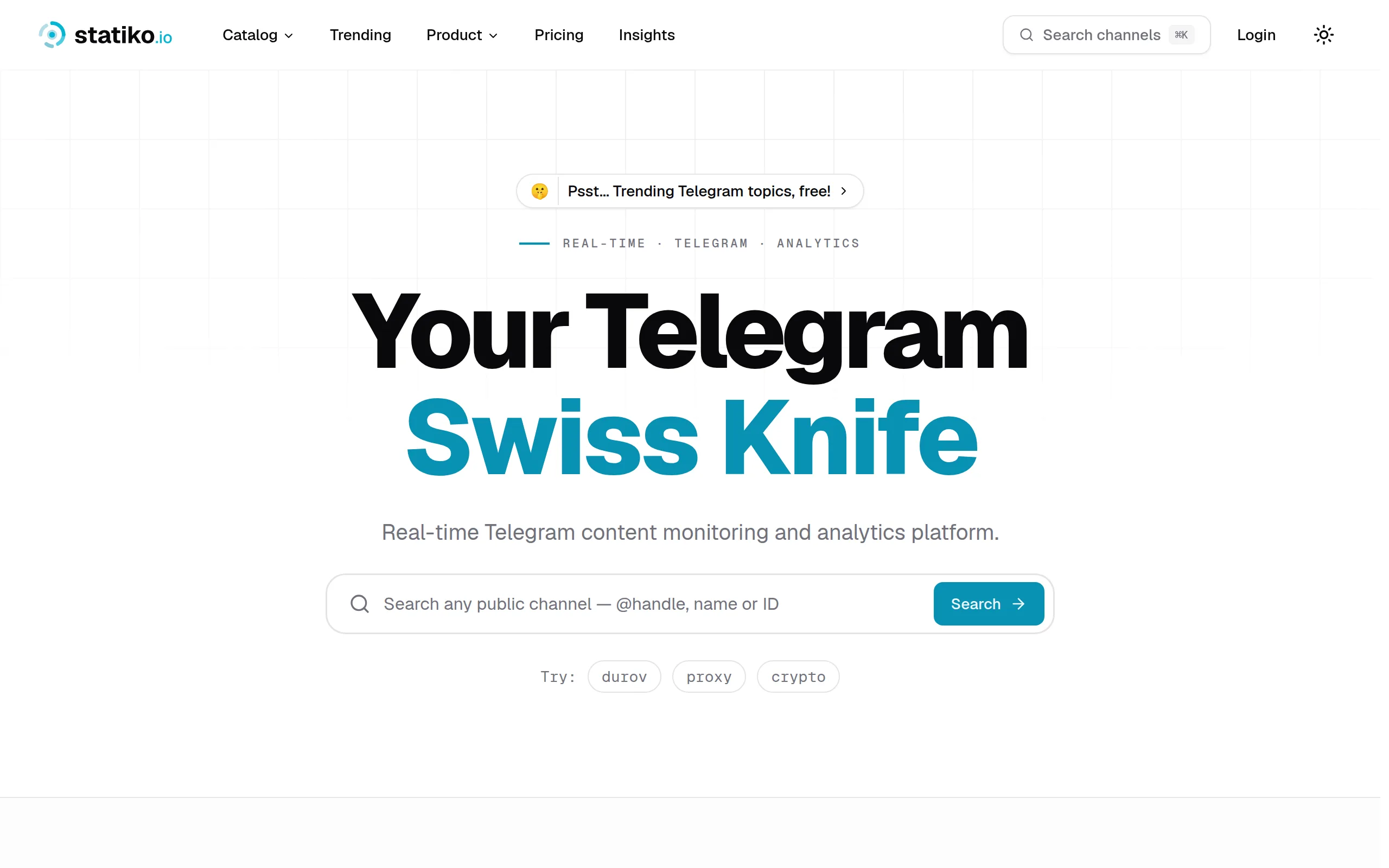
Statiko
Monitor any Telegram channel in real time - track posts, edits, deletions, and growth with AI recaps 📡

Shibui
AI website builder - describe your business, pick a niche template, edit by chatting, and publish instantly ✨

Pro Service
Find verified home service professionals, compare quotes, and pay securely through escrow - built for Brazilians across the US 🏠
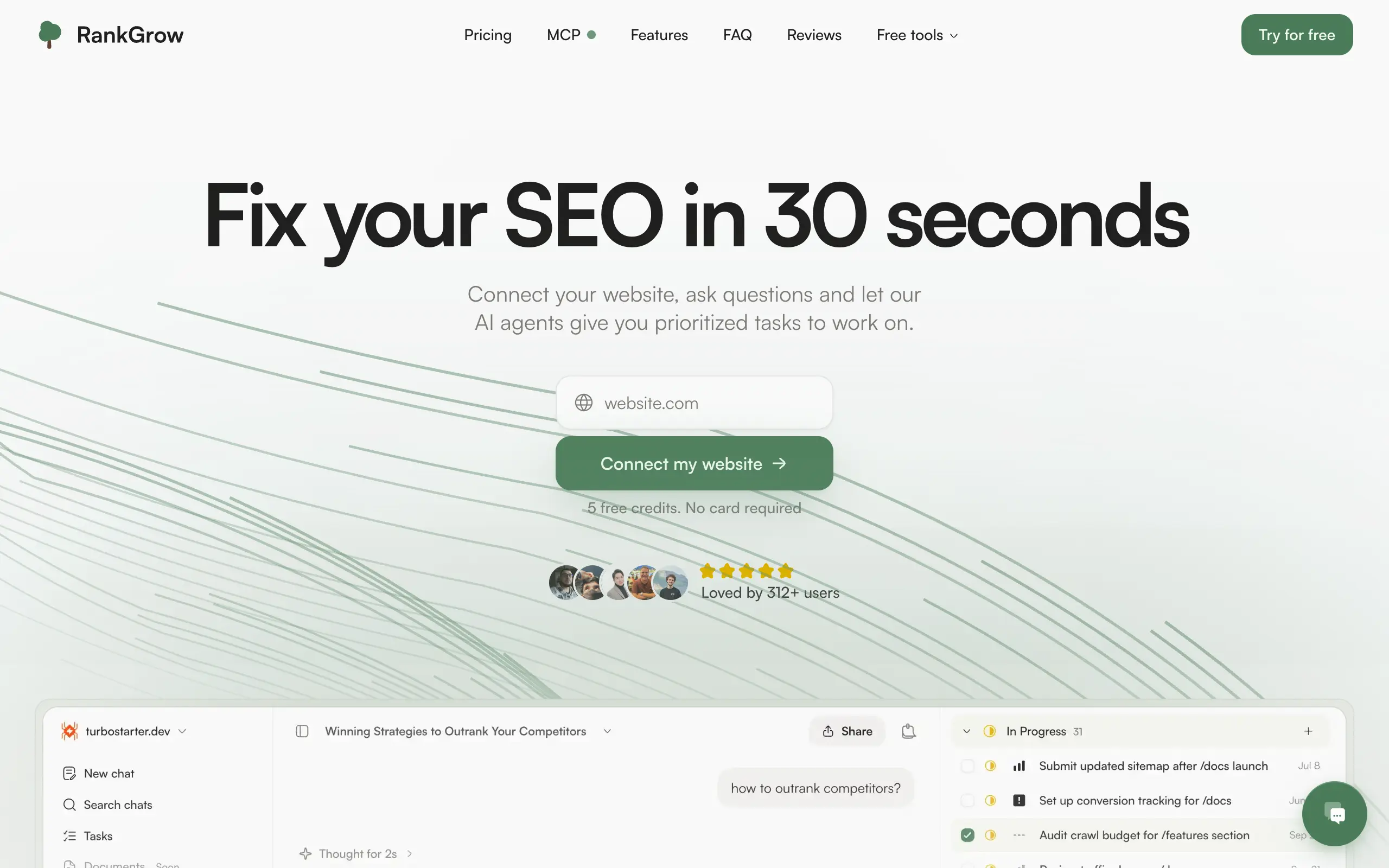
RankGrow
Fix your SEO with AI agents - connect Search Console, get prioritized tasks, and grow organic traffic 📈
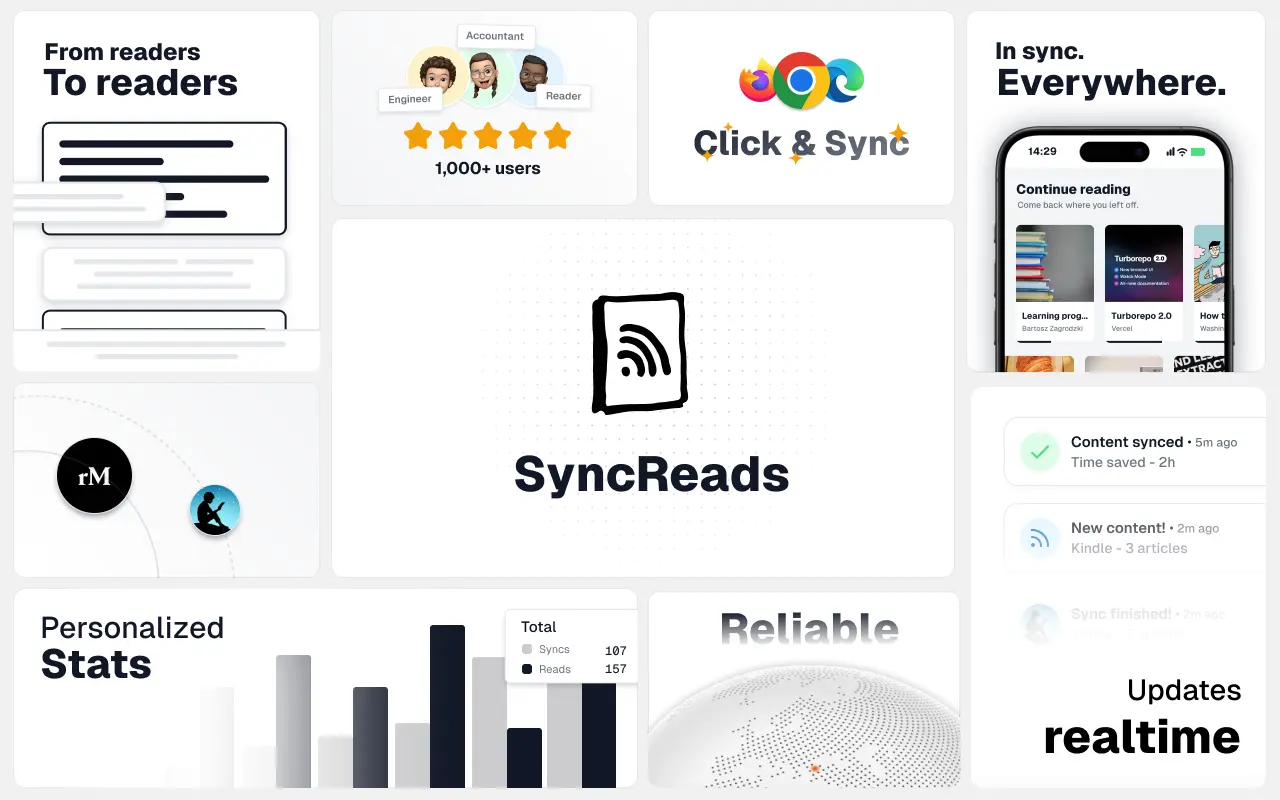
SyncReads
Sync your favorite content for distraction-free reading, save time and replace multiple apps. Anytime, anywhere 🔄
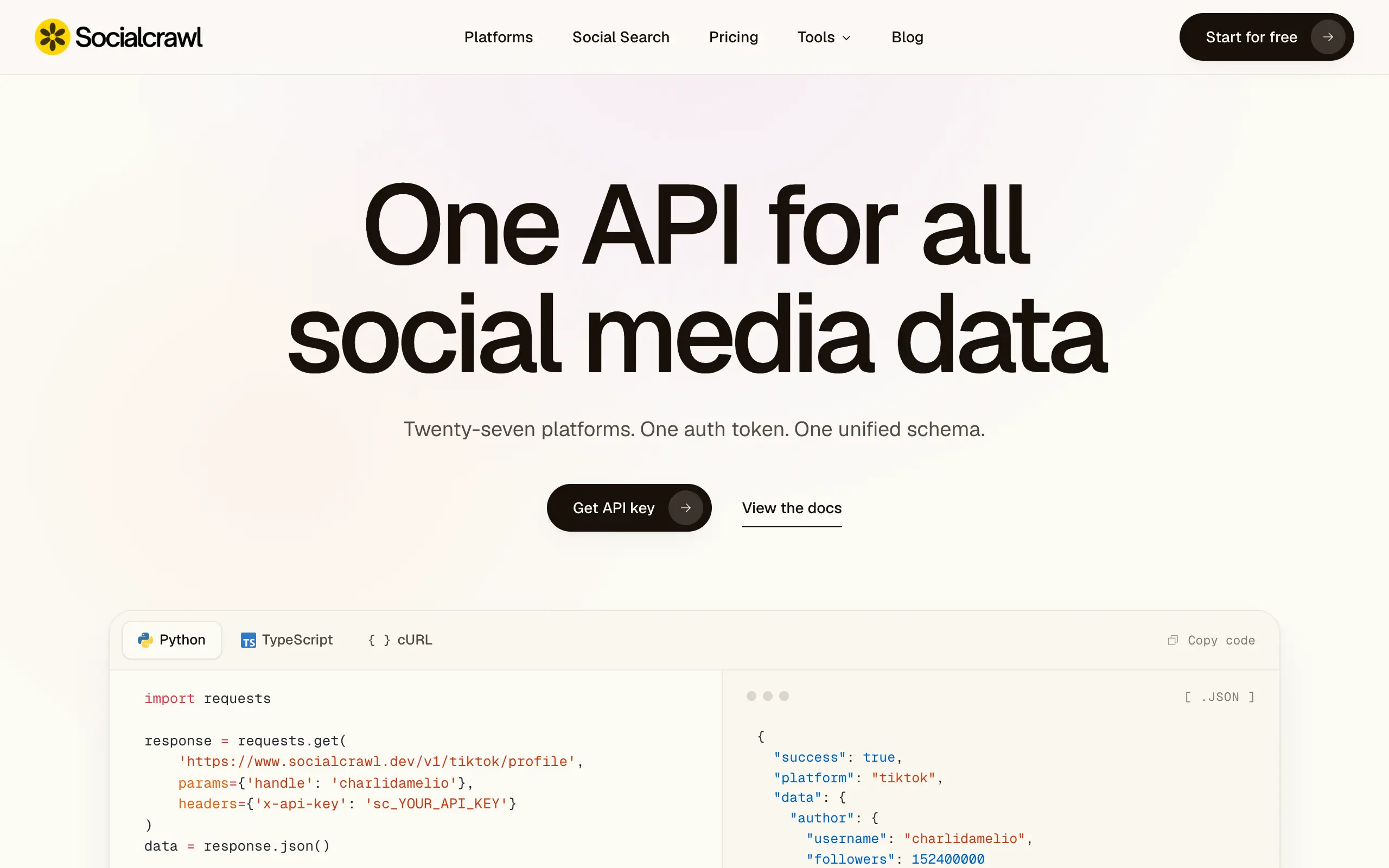
Socialcrawl
Get clean, structured data from 21 platforms like TikTok, Instagram, and YouTube with a single request 📊
Statiko
Monitor any Telegram channel in real time - track posts, edits, deletions, and growth with AI recaps 📡
Shibui
AI website builder - describe your business, pick a niche template, edit by chatting, and publish instantly ✨
Pro Service
Find verified home service professionals, compare quotes, and pay securely through escrow - built for Brazilians across the US 🏠
RankGrow
Fix your SEO with AI agents - connect Search Console, get prioritized tasks, and grow organic traffic 📈
SyncReads
Sync your favorite content for distraction-free reading, save time and replace multiple apps. Anytime, anywhere 🔄
Socialcrawl
Get clean, structured data from 21 platforms like TikTok, Instagram, and YouTube with a single request 📊
Statiko
Monitor any Telegram channel in real time - track posts, edits, deletions, and growth with AI recaps 📡
Shibui
AI website builder - describe your business, pick a niche template, edit by chatting, and publish instantly ✨
Pro Service
Find verified home service professionals, compare quotes, and pay securely through escrow - built for Brazilians across the US 🏠
RankGrow
Fix your SEO with AI agents - connect Search Console, get prioritized tasks, and grow organic traffic 📈
SyncReads
Sync your favorite content for distraction-free reading, save time and replace multiple apps. Anytime, anywhere 🔄
Socialcrawl
Get clean, structured data from 21 platforms like TikTok, Instagram, and YouTube with a single request 📊
Statiko
Monitor any Telegram channel in real time - track posts, edits, deletions, and growth with AI recaps 📡
Shibui
AI website builder - describe your business, pick a niche template, edit by chatting, and publish instantly ✨
Pro Service
Find verified home service professionals, compare quotes, and pay securely through escrow - built for Brazilians across the US 🏠
RankGrow
Fix your SEO with AI agents - connect Search Console, get prioritized tasks, and grow organic traffic 📈
SyncReads
Sync your favorite content for distraction-free reading, save time and replace multiple apps. Anytime, anywhere 🔄
Socialcrawl
Get clean, structured data from 21 platforms like TikTok, Instagram, and YouTube with a single request 📊
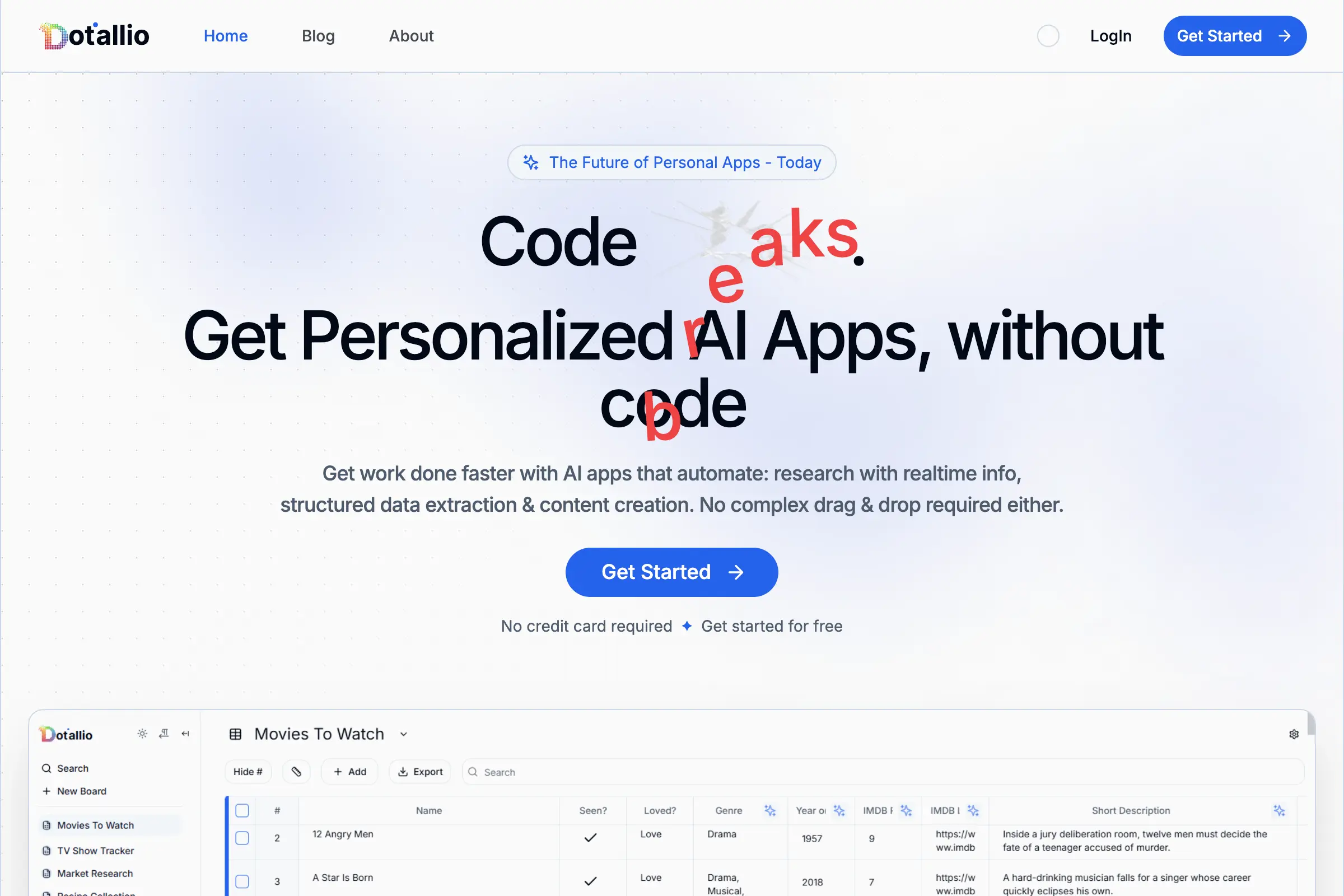
Dotallio
Personalized AI apps that automate research, data extraction, and content creation without code 🤖

Talk to Santa
Enjoy a magical live video chat or receive a unique AI-generated video greeting from Santa Claus 🎅

pozywka.pl
Scalable blog for food journalist, focused on performance and user experience 🌭
zagrodzki.me
Personal blog and portfolio of Bart Zagrodzki, where he shares his knowledge and work 💼
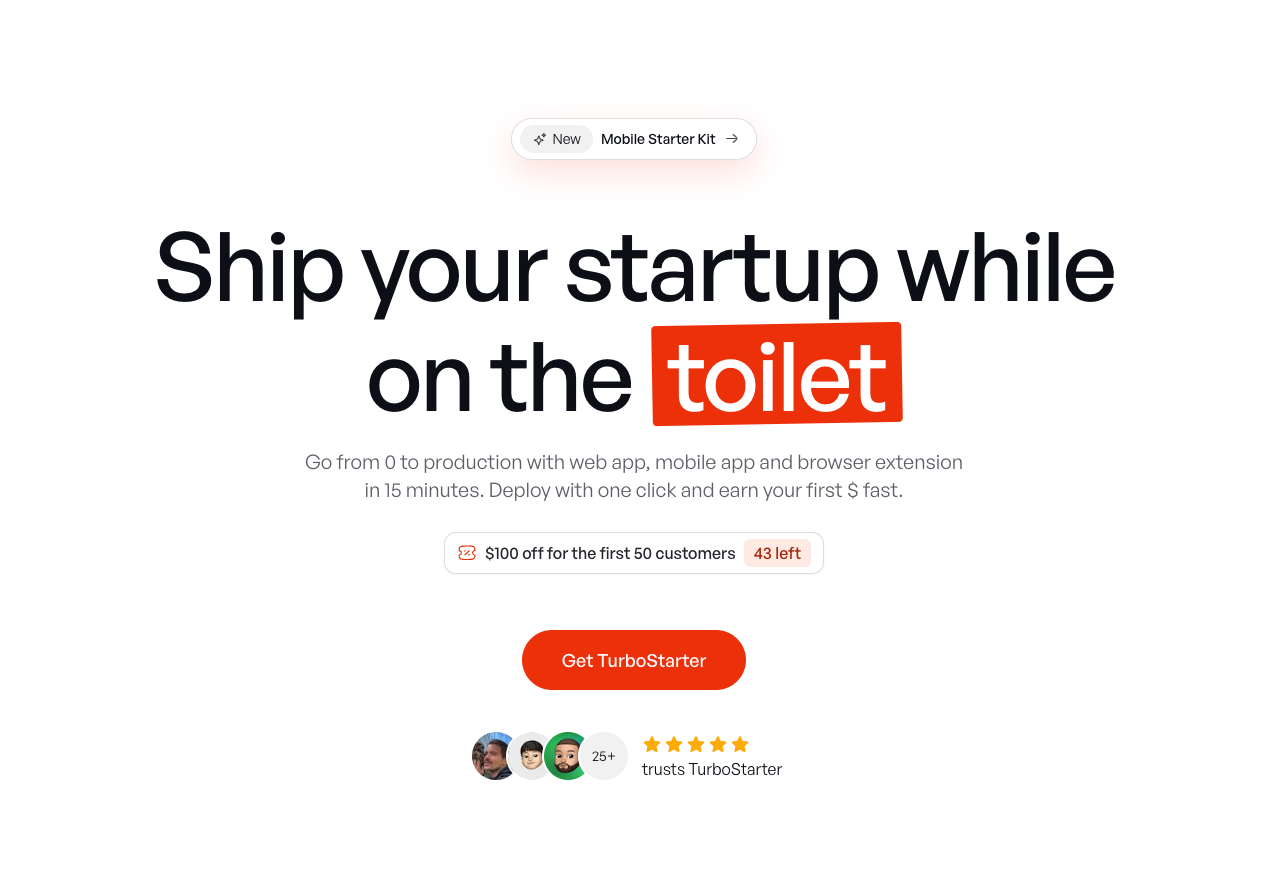
TurboStarter
Ship your startup everywhere. In minutes.
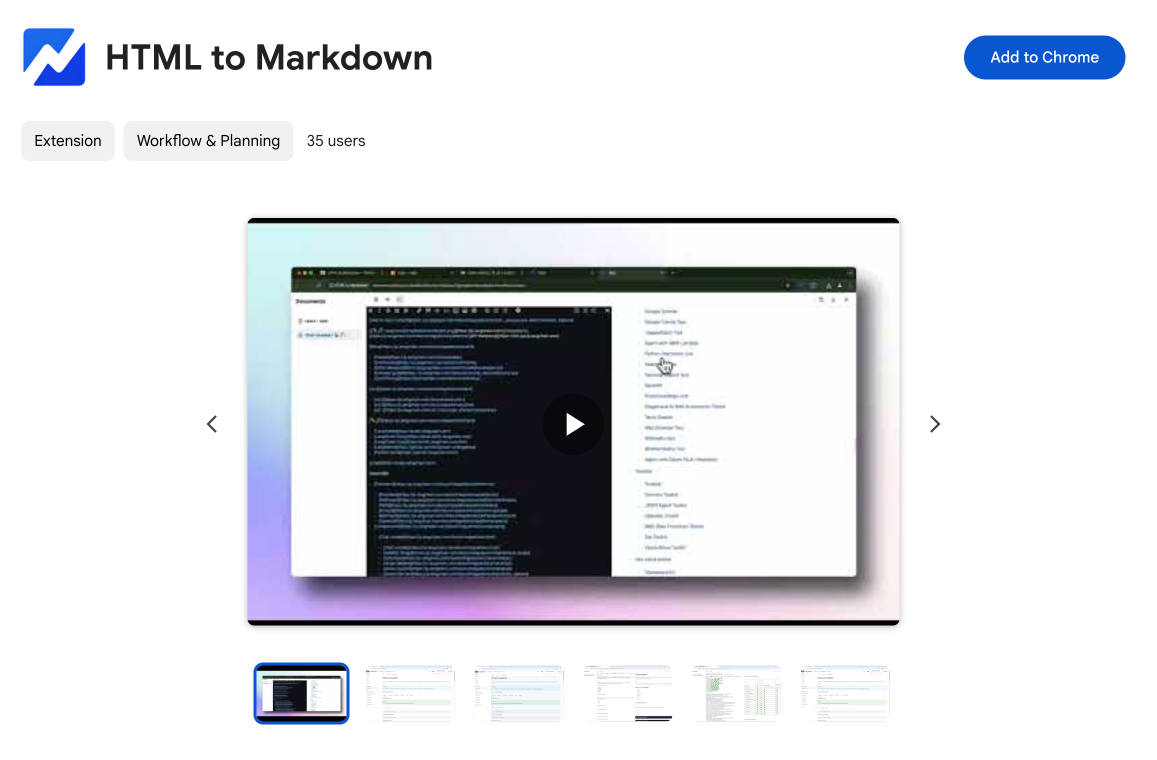
HTML to Markdown
Convert HTML to Markdown with ease, directly in your browser 📄
Dotallio
Personalized AI apps that automate research, data extraction, and content creation without code 🤖
Talk to Santa
Enjoy a magical live video chat or receive a unique AI-generated video greeting from Santa Claus 🎅
pozywka.pl
Scalable blog for food journalist, focused on performance and user experience 🌭
zagrodzki.me
Personal blog and portfolio of Bart Zagrodzki, where he shares his knowledge and work 💼
TurboStarter
Ship your startup everywhere. In minutes.
HTML to Markdown
Convert HTML to Markdown with ease, directly in your browser 📄
Dotallio
Personalized AI apps that automate research, data extraction, and content creation without code 🤖
Talk to Santa
Enjoy a magical live video chat or receive a unique AI-generated video greeting from Santa Claus 🎅
pozywka.pl
Scalable blog for food journalist, focused on performance and user experience 🌭
zagrodzki.me
Personal blog and portfolio of Bart Zagrodzki, where he shares his knowledge and work 💼
TurboStarter
Ship your startup everywhere. In minutes.
HTML to Markdown
Convert HTML to Markdown with ease, directly in your browser 📄
Dotallio
Personalized AI apps that automate research, data extraction, and content creation without code 🤖
Talk to Santa
Enjoy a magical live video chat or receive a unique AI-generated video greeting from Santa Claus 🎅
pozywka.pl
Scalable blog for food journalist, focused on performance and user experience 🌭
zagrodzki.me
Personal blog and portfolio of Bart Zagrodzki, where he shares his knowledge and work 💼
TurboStarter
Ship your startup everywhere. In minutes.
HTML to Markdown
Convert HTML to Markdown with ease, directly in your browser 📄
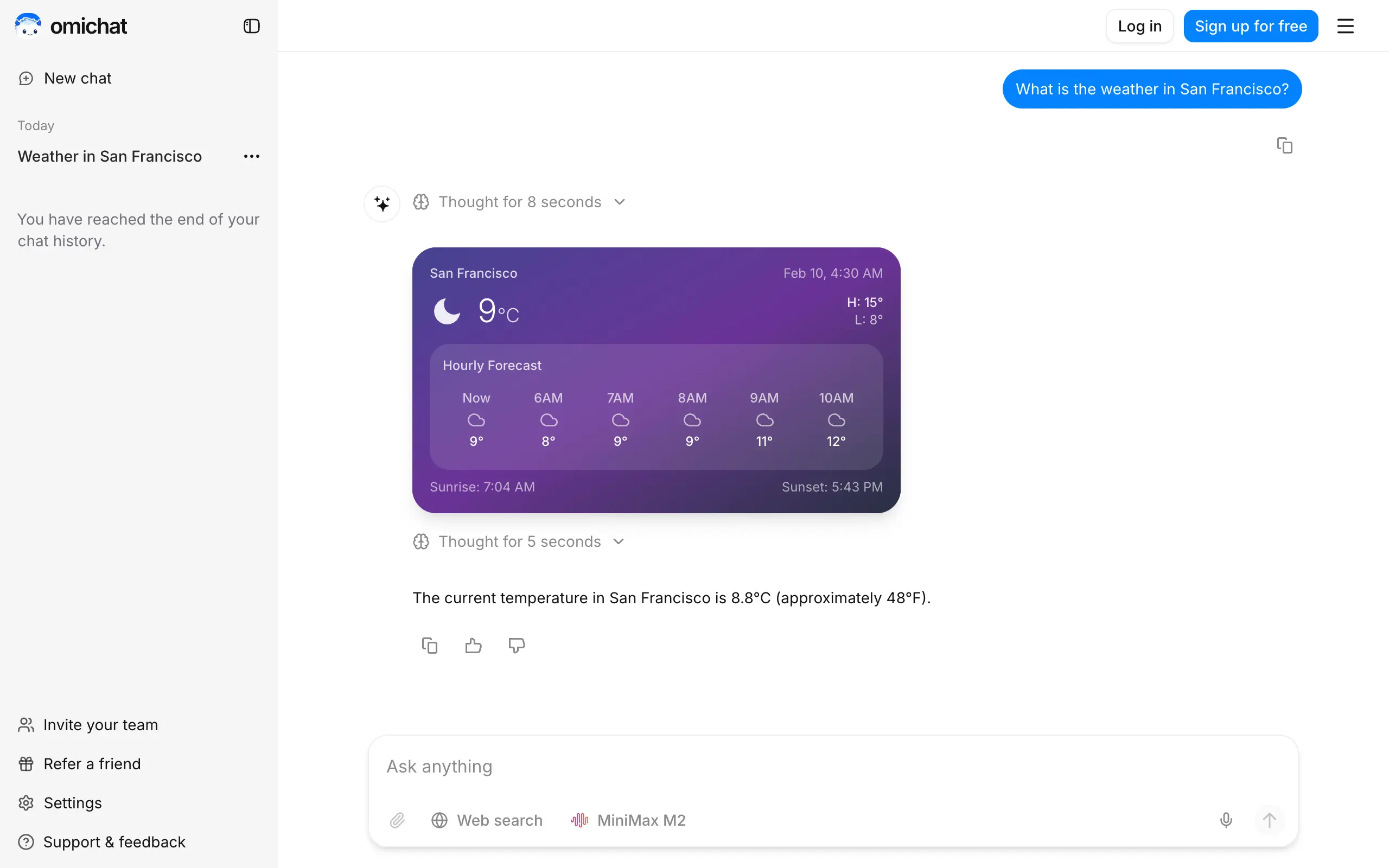
Omichat
Chat with 50+ AI models, including ChatGPT and Claude, in one place - switch models anytime without losing context 🤖
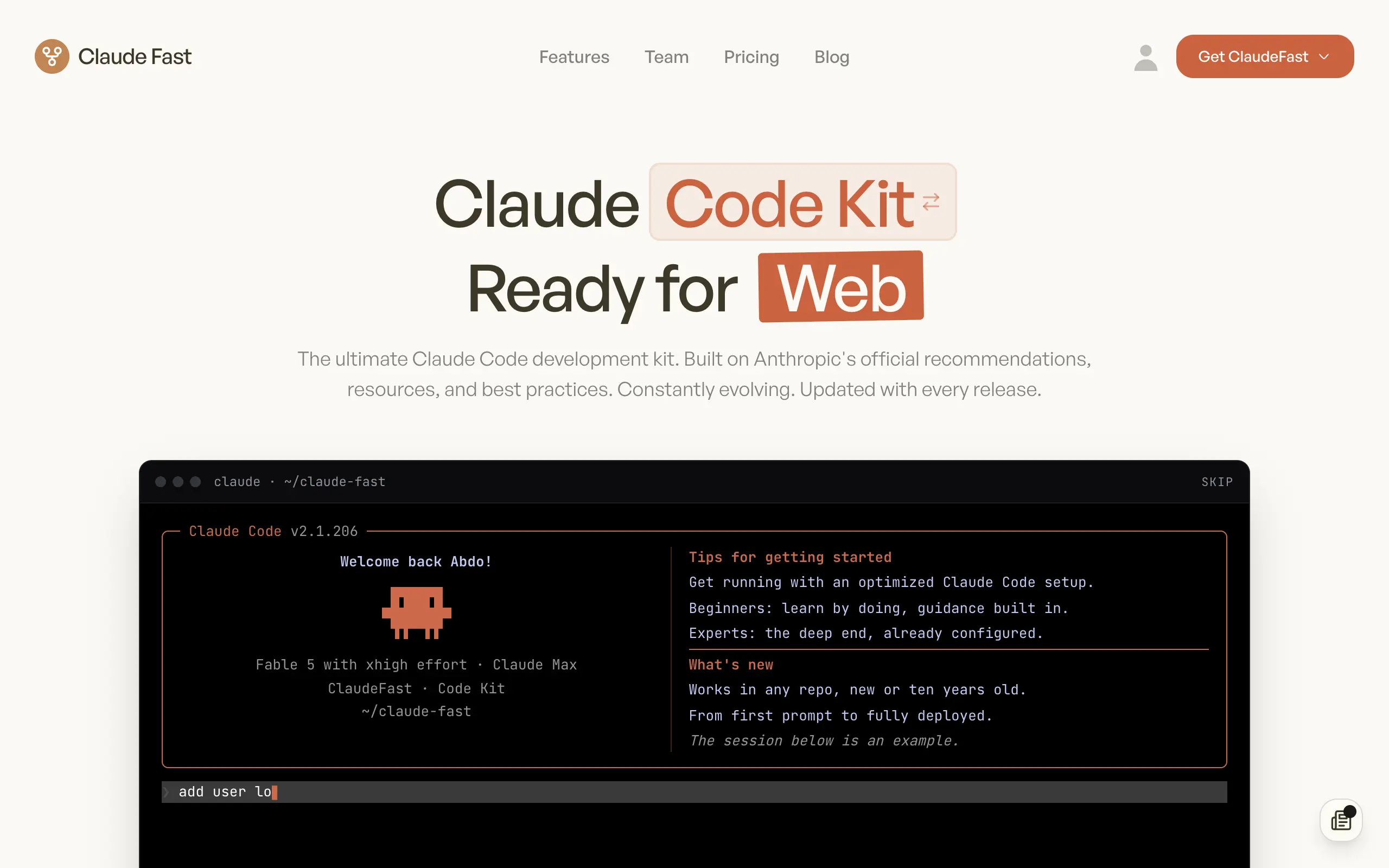
Claude Fast
Supercharge your Claude Code with 6x effective context window and specialized AI agents 🤖
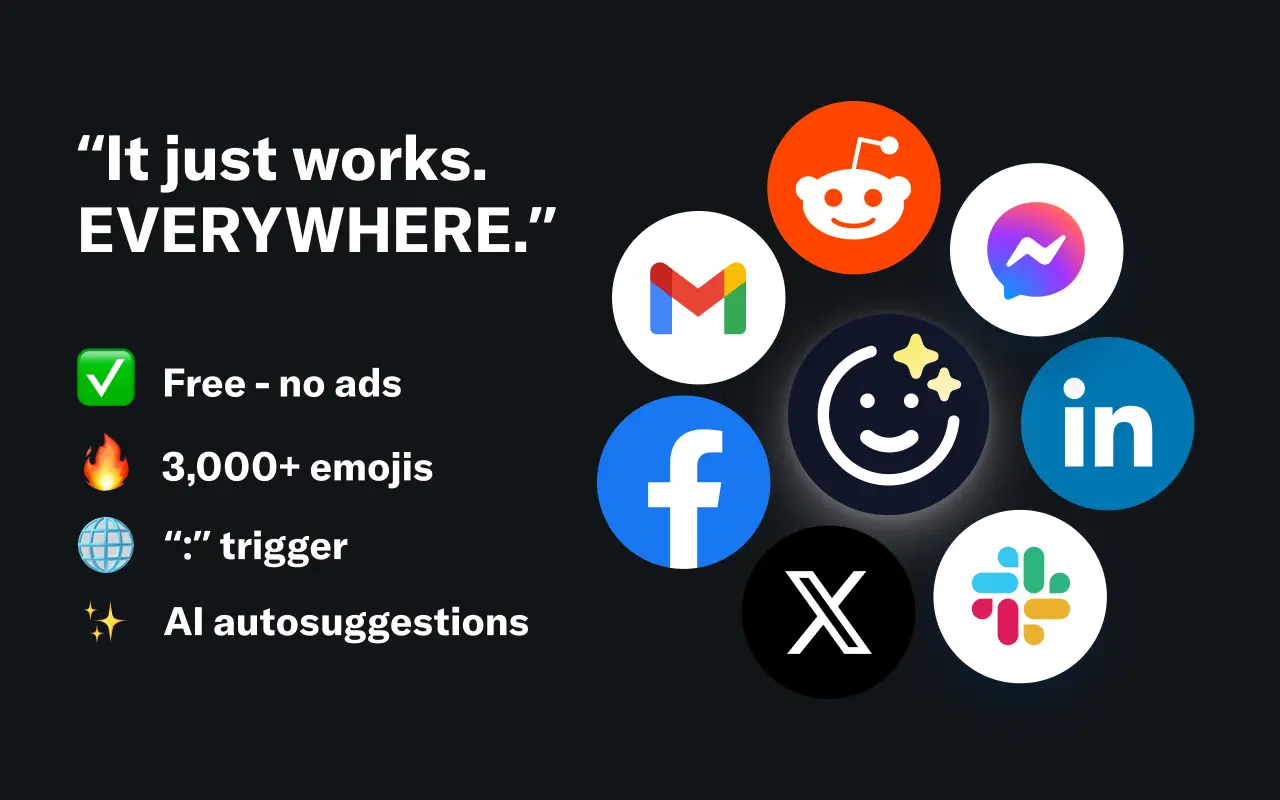
EmojAI
AI-powered emoji picker with smart, context-aware suggestions 🤖
Solohacker
Autonomous company launcher - AI agents work 24/7, escalate what matters, and you stay in control 🤖
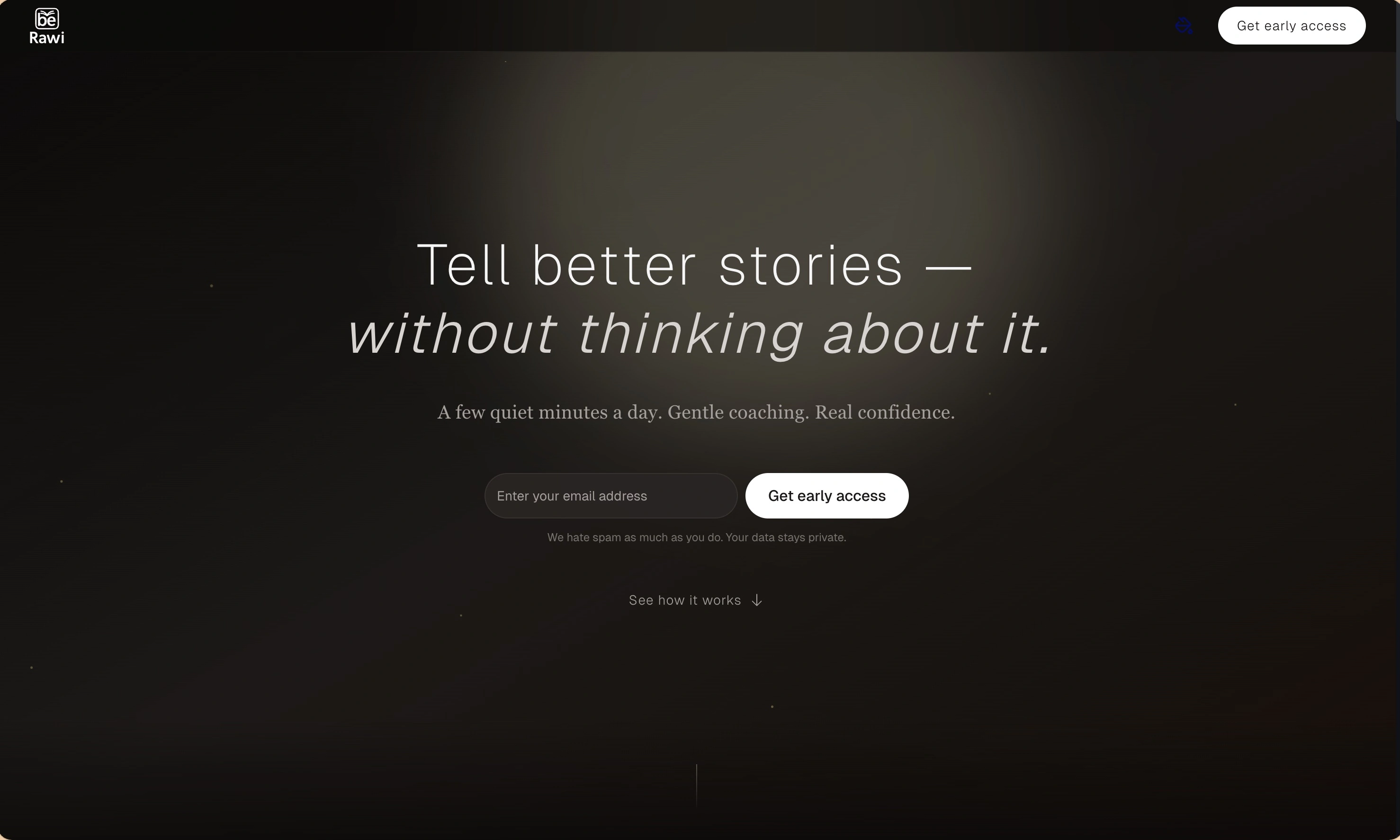
BeRawi: Storytelling Coach
Practice storytelling daily with instant feedback to sound clearer, more engaging, and confident 🎤
Omichat
Chat with 50+ AI models, including ChatGPT and Claude, in one place - switch models anytime without losing context 🤖
Claude Fast
Supercharge your Claude Code with 6x effective context window and specialized AI agents 🤖
EmojAI
AI-powered emoji picker with smart, context-aware suggestions 🤖
Solohacker
Autonomous company launcher - AI agents work 24/7, escalate what matters, and you stay in control 🤖
BeRawi: Storytelling Coach
Practice storytelling daily with instant feedback to sound clearer, more engaging, and confident 🎤
Omichat
Chat with 50+ AI models, including ChatGPT and Claude, in one place - switch models anytime without losing context 🤖
Claude Fast
Supercharge your Claude Code with 6x effective context window and specialized AI agents 🤖
EmojAI
AI-powered emoji picker with smart, context-aware suggestions 🤖
Solohacker
Autonomous company launcher - AI agents work 24/7, escalate what matters, and you stay in control 🤖
BeRawi: Storytelling Coach
Practice storytelling daily with instant feedback to sound clearer, more engaging, and confident 🎤
Omichat
Chat with 50+ AI models, including ChatGPT and Claude, in one place - switch models anytime without losing context 🤖
Claude Fast
Supercharge your Claude Code with 6x effective context window and specialized AI agents 🤖
EmojAI
AI-powered emoji picker with smart, context-aware suggestions 🤖
Solohacker
Autonomous company launcher - AI agents work 24/7, escalate what matters, and you stay in control 🤖
BeRawi: Storytelling Coach
Practice storytelling daily with instant feedback to sound clearer, more engaging, and confident 🎤

Connect with like-minded people
Join our community to get feedback, support, and grow together with 1,000+ builders on board, let's ship it!
Join usShip your startup everywhere. In minutes.
Don't burn tokens on setup and start building features on day one.