PromptPatch
Manage AI coding changes as structured patches: link prompts to specs, review diffs, track regressions, and generate rollback plans.
Small game studios are increasingly using generative AI for concept art exploration, narrative ideation, quest design, localization drafts, production planning, and technical documentation. The challenge is not generating a single useful prompt. The challenge is making AI-assisted work repeatable, reviewable, and connected to the real production workflow.
PromptPatch is a game design prompt pipeline platform that turns loosely structured design briefs into reusable AI prompt workflows. It gives teams a shared system for version control, approvals, prompt testing, and asset-to-task handoffs without forcing artists, designers, producers, and writers to manage critical creative context across scattered chat threads.
For small studios, this is a meaningful productivity gap. A five-person team may experiment with several AI tools in a single week, but still lack answers to fundamental production questions:
- Which prompt generated the approved style direction?
- Which model, settings, reference assets, and constraints were used?
- Has the creative director approved this prompt version?
- What downstream task should be created when an asset is selected?
- Can a new contractor reproduce the same visual or narrative output?
- Which prompt templates are safe to reuse across projects?
PromptPatch addresses these questions by treating prompts as versioned production assets rather than disposable text.
The core opportunity
The strongest positioning is not “another AI prompt library.” PromptPatch should become the operating layer between game design briefs, AI experimentation, creative approval, and production task management.
Why game studios need AI prompt pipeline software
A game development prompt pipeline is a structured process for creating, testing, approving, documenting, and reusing AI prompts. Instead of copying prompts between a note-taking app, image generator, chat interface, and project board, teams use one auditable workflow.
This matters because AI usage in game development is becoming operational rather than experimental. Teams are no longer only asking a model for one-off ideas. They are using prompts to produce recurring deliverables such as:
- Character concept variations
- Environment mood boards
- Item descriptions and flavor text
- NPC dialogue drafts
- Quest hooks and branching narrative outlines
- UI copy and localization first drafts
- Design document summaries
- Gameplay test cases
- Technical art documentation
- Asset naming and tagging suggestions
A generic prompt management tool may store text, but it rarely understands the lifecycle of a game asset. Game teams need workflows that preserve the relationship between a design brief, a prompt template, generated outputs, reviewer feedback, approved direction, and production tasks.
That is where PromptPatch can differentiate itself.
The PromptPatch target audience
The most promising initial audience is not every game studio that has heard of AI. It is a narrower group with visible collaboration problems, recurring creative production work, and enough process maturity to value approvals.
Primary audience: small and mid-sized game studios
PromptPatch should prioritize studios with approximately 5 to 50 people, especially teams building PC, console, mobile, or live-service games. These studios often have:
- Multiple creative disciplines working in parallel
- A producer or creative lead responsible for sign-off
- Contractors or external art partners
- Several AI tools used inconsistently
- Limited internal tooling capacity
- A need to move quickly without losing creative consistency
These teams feel the pain of prompt fragmentation most acutely. They have too much collaboration complexity for a shared spreadsheet, but may not have the budget or engineering time for custom internal systems.
Secondary audience: game art outsourcing and co-development teams
Art outsourcing studios, co-development partners, and narrative support teams can gain substantial value from prompt version control and approval records.
Their clients need clarity around creative direction. A prompt pipeline creates an auditable trail showing:
- What the client requested
- Which references were attached
- How the prompt evolved
- Which output was approved
- What production task resulted from approval
For agencies, this creates a compelling business case beyond productivity. It reduces revision ambiguity and helps teams maintain consistency across multiple client projects.
Tertiary audience: indie teams and solo creators
Solo developers and very small teams may not need formal approvals on day one, but they still need reusable prompt libraries, brief-to-prompt conversion, and consistent creative context.
A lightweight self-serve plan can attract this segment. However, PromptPatch should avoid designing its entire product around solo users. The durable monetization opportunity lies in teams with shared workflows and approval requirements.
Buyer and user roles
| Role | Primary problem | What they need | Purchase influence | Best message |
|---|---|---|---|---|
| Creative director | Inconsistent output and unclear approvals | Control over style, guardrails, and sign-off | High | Protect the creative vision |
| Producer | Lost context and untracked handoffs | Visibility, task creation, and workflow status | High | Move approved work into production faster |
| Game designer | Repeated prompt rewriting | Reusable templates and brief context | Medium | Turn design intent into reliable outputs |
| Concept artist | Style drift and vague feedback | References, versions, and precise reviews | Medium | Maintain direction without losing iteration speed |
| Studio founder | Tool sprawl and process risk | Team governance with low overhead | High | Standardize AI-assisted production responsibly |
The market gap: prompts are not yet managed like production assets
The current market has several categories of products, but none consistently solve the full game design workflow.
First, general-purpose AI chat tools are excellent for ideation. They are usually poor at shared governance. Prompt history is often personal, difficult to organize by project, and disconnected from approvals or task systems.
Second, generic prompt libraries make discovery easier but do not reliably capture production context. A reusable “fantasy forest concept art” prompt is not enough. The team also needs to know the game’s target platform, camera perspective, art direction, technical constraints, reference images, negative prompts, intended use, and reviewer decision.
Third, project management platforms handle tasks well but do not turn a design brief into a tested prompt pipeline. A task titled “Create six biome mood boards” is not a reusable creative workflow.
Fourth, enterprise AI governance tools can be overly complex for small studios. They may focus on compliance, model access, or broad knowledge management rather than creative iteration and asset handoffs.
PromptPatch can occupy the space between creativity and operations.
The unserved workflow
The ideal end-to-end workflow looks like this:
- A designer adds a game design brief.
- PromptPatch extracts structured creative requirements.
- The system generates a reusable prompt template and suggested variations.
- The team tests outputs with the chosen AI provider or records outputs created elsewhere.
- Reviewers compare versions, leave feedback, and approve a direction.
- The approved output becomes a linked production task.
- Future team members reuse the approved prompt pipeline with full context.
The unique value is the continuity of information. The brief does not disappear when a prompt is written. The prompt does not lose its context when an asset is generated. The approved asset does not become detached from the work item that implements it.
PromptPatch’s unique selling proposition
PromptPatch should position itself as the version-controlled prompt workflow platform built for game production teams.
That message contains several important differentiators:
- Built for game workflows rather than generic content teams
- Brief-to-prompt transformation rather than manual prompt storage
- Version control for iterative experimentation and reproducibility
- Approvals for creative governance and stakeholder confidence
- Asset-to-task handoffs that connect AI output to production execution
- Reusable pipelines rather than isolated prompts
A concise positioning statement could be:
PromptPatch turns game design briefs into approved, reusable AI prompt pipelines that keep creative context connected to production tasks.
This framing is more defensible than simply claiming to “help game studios use AI.” The competitive advantage comes from modeling the workflow around game design artifacts and approval states.
Core PromptPatch features for a game design prompt pipeline
The first version should focus on a coherent workflow rather than an oversized feature checklist. Every feature should reduce lost context, accelerate creative iteration, or improve team confidence in AI-assisted work.
Brief ingestion and structured extraction
Users should be able to create a brief manually, paste one from an existing document, or import it from supported sources.
PromptPatch can extract key structured fields from unstructured design text, such as:
- Project and feature name
- Asset type
- Art style or narrative tone
- Intended player experience
- Technical constraints
- Platform and performance constraints
- Camera and composition requirements
- Required references
- Exclusions and negative constraints
- Stakeholders and approval owners
- Delivery target
For example, a rough brief that says “create moody swamp village concepts for a third-person fantasy RPG, readable silhouettes, ruined timber structures, avoid overly realistic horror” can become a structured prompt pipeline with editable fields.
The user should always remain in control. AI extraction is useful for speed, but a human-readable form is essential for accuracy and trust.
Reusable prompt templates and variables
A prompt template is more valuable when it supports variables. Rather than storing a single fixed prompt, PromptPatch should let users define reusable placeholders.
const environmentPrompt = `
Create a ${biome} environment concept for ${projectName}.
Visual style: ${artStyle}.
Camera: ${cameraAngle}.
Key landmarks: ${landmarks}.
Mood: ${mood}.
Avoid: ${negativeConstraints}.
`;
A production-ready interface should not require users to write code. The code example simply illustrates the underlying model: a stable, tested template can generate many controlled variations.
Useful variable categories include:
- Character class
- Faction
- Biome
- Mood
- Camera angle
- Time of day
- Asset rarity
- Gameplay function
- Art style
- Localization language
- Narrative tone
This helps teams scale prompt usage while retaining guardrails.
Prompt version control and change comparison
Version control is the heart of PromptPatch. Every change should be stored as a named, reviewable version with authorship and timestamps.
A strong version history should answer:
- Who changed the prompt?
- What changed?
- Why was it changed?
- Which brief version did it use?
- Which assets or outputs were generated from it?
- Was it approved, rejected, or superseded?
- Can the team restore an earlier version?
Side-by-side comparisons are particularly important for creative teams. Showing only raw text diffs is not enough. PromptPatch should eventually compare:
- Prompt text changes
- Attached reference changes
- Model and parameter changes
- Output thumbnails
- Reviewer comments
- Approval status
This makes creative iteration understandable to both technical and non-technical stakeholders.
Approval workflows for creative direction
Approval is where PromptPatch moves from a personal productivity tool to team infrastructure.
A simple approval workflow can include statuses such as:
- Draft
- In review
- Changes requested
- Approved
- Archived
Each studio should be able to assign approvers by project, asset category, or pipeline stage. For example, a concept art prompt may need a creative director’s approval, while a localization prompt may require narrative and localization leads.
The initial release should support lightweight approvals before attempting enterprise-grade workflow automation. A clear reviewer comment, status change, and decision record will solve real pain for early users.
Asset-to-task handoffs
The asset-to-task handoff is a major product differentiator. Once an output or prompt version is approved, the user should be able to create a linked task without manually retyping context.
The resulting task should carry:
- The approved prompt version
- Relevant brief details
- Source references
- Generated output links or uploaded assets
- Acceptance criteria
- Priority and assignee
- Review notes
- Source model metadata when applicable
This creates traceability. When a 3D artist, UI designer, or gameplay implementer receives a task, they can see why an asset was approved rather than only receiving a file with an unclear name.
Prompt testing and evaluation
Prompt testing should help teams compare creative outputs without pretending that artistic quality can be fully automated.
For a minimum viable product, allow users to create test runs with:
- Prompt version
- Model or tool name
- Parameter notes
- Output attachments
- Human rating
- Reviewer feedback
- Cost estimate
- Time spent
- Recommended usage
Over time, PromptPatch can add evaluation rubrics. A concept art pipeline may ask reviewers to score silhouette clarity, style fit, gameplay readability, originality, and technical feasibility. A narrative pipeline may score voice consistency, lore accuracy, player clarity, and branching quality.
Creative consistency
Store approved templates, references, and constraints so teams can reproduce a visual or narrative direction.
Production traceability
Connect every approved output to the brief, prompt version, feedback, and downstream task.
Faster onboarding
Give freelancers and new hires access to proven prompt pipelines instead of undocumented chat histories.
How PromptPatch should fit into a studio workflow
PromptPatch should complement existing tools instead of trying to replace every system a studio already uses. Small studios may use task trackers, game engines, documentation platforms, file storage, and multiple AI providers.
The product must become the source of truth for prompt workflow decisions while staying interoperable.
A concept artist starts from a biome brief, selects an approved visual style profile, produces controlled prompt variants, uploads or links outputs, and requests review. Once approved, the producer creates an environment art task with references, acceptance criteria, and the exact prompt lineage.
A narrative designer converts a quest brief into reusable dialogue or item-description templates. The writer tests variations, reviews lore constraints, and approves templates for recurring use. Localizers receive structured task handoffs with tone guidance and source context.
A producer turns a feature brief into AI-assisted planning prompts for risk identification, task breakdowns, and test scenarios. The results are reviewed by a lead before selected tasks are moved into the studio’s project management workflow.
Recommended tech stack for PromptPatch
PromptPatch needs a stack that supports secure multi-tenancy, collaborative updates, file handling, search, background processing, and extensible integrations. Early technical decisions should favor reliability and fast iteration over premature infrastructure complexity.
Recommended application architecture
A practical stack could include:
- Next.js for the web application and server-side capabilities
- React for interactive workspace interfaces
- TypeScript for safer domain modeling
- Tailwind CSS for a consistent and efficient design system
- PostgreSQL for relational data, permissions, version records, and audit trails
- Supabase for managed Postgres, authentication, storage, and row-level security
- Prisma or a type-safe query layer for database access
- Vercel for streamlined deployment of the web application
- OpenAI API documentation as one possible AI integration reference
- Stripe for subscription billing and metered usage
Why PostgreSQL is a strong fit
PromptPatch has relational data at its core. A prompt belongs to a project, has many versions, references briefs, may produce multiple outputs, receives comments, and creates linked tasks. These relationships are easier to preserve and query in a relational database than in a purely document-oriented design.
A simplified data model might include:
organizationsmembersprojectsbriefsprompt_pipelinesprompt_versionsprompt_variablestest_runsassetscommentsapprovalshandoff_tasksintegration_connectionsaudit_events
Row-level security is especially valuable for a multi-tenant SaaS product. Studios must never see another studio’s projects, prompt libraries, or proprietary assets.
AI provider integration trade-offs
PromptPatch should not overcommit to a single model provider. Studios may use different vendors for text, image generation, audio, or internal models.
A provider-agnostic abstraction has advantages:
- It avoids platform dependence.
- It accommodates studio preferences.
- It makes PromptPatch more future-proof.
- It allows prompt pipelines to record tool-specific settings.
However, direct integration also increases maintenance work. Different providers expose different parameters, output formats, safety controls, rate limits, and pricing models.
The best early approach is a hybrid model:
- Support manual recording of external AI runs from day one.
- Integrate deeply with one high-demand text workflow and one image workflow after customer validation.
- Store normalized metadata while retaining provider-specific settings.
- Make asset upload and external links first-class features.
This avoids blocking adoption when a studio uses tools PromptPatch does not yet integrate with.
Real-time collaboration trade-offs
Live collaboration can be valuable for comments, review status, and notifications. It is less essential for simultaneous editing in the first release.
Start with optimistic updates, activity logs, and reliable presence-free collaboration. Add real-time document editing only when users demonstrate that concurrent prompt authoring is a frequent workflow.
This keeps the initial engineering scope manageable and reduces conflict-resolution complexity.
Monetization strategy for PromptPatch
PromptPatch should use a team-oriented SaaS model with a free entry point and paid collaboration features. The product’s economic value grows when teams standardize workflows, so pricing should encourage workspace adoption rather than charge only for individual prompt storage.
Suggested pricing structure
- "Free tier": limited projects, a small prompt library, basic version history, and a restricted number of collaborators.
- "Indie tier": designed for small teams that need more projects, richer prompt templates, and asset uploads.
- "Studio tier": includes approvals, role-based permissions, integrations, advanced version history, and workflow reporting.
- "Agency tier": supports multiple client workspaces, client approval portals, white-label exports, and stronger audit controls.
- "Usage add-ons": optional charges for AI-assisted brief extraction, generation runs routed through PromptPatch, storage, or advanced evaluation volume.
Avoid making the core platform prohibitively expensive for small studios. A low-friction team plan can build adoption, while approvals, integrations, governance, and multi-project management provide strong upgrade reasons.
Value metric options
The best primary pricing metric is likely active collaborators per workspace, with feature gates by plan. This is familiar to SaaS buyers and aligns with the collaborative value of the product.
Secondary value metrics can include:
- Number of active projects
- Asset storage volume
- Number of external client reviewers
- AI processing credits
- Integration connections
- Advanced approval workflows
Do not charge primarily by prompt count. That encourages customers to reduce documentation and conflicts with the product’s goal of capturing useful production context.
Competitive advantage analysis
PromptPatch will face indirect competition from AI chat products, documentation tools, task trackers, design collaboration platforms, and generic prompt management tools. Its advantage must be rooted in workflow depth, not a broad claim that it has “better AI.”
| Capability | Generic AI chat | Prompt library | Task tracker | PromptPatch |
|---|---|---|---|---|
| Brief-to-prompt workflow | Limited | Limited | No | Yes |
| Prompt version history | Limited | Sometimes | No | Yes |
| Creative approval records | Rare | Rare | Generic | Game-focused |
| Asset-to-task handoffs | No | No | Partial | Yes |
| Game production context | No | No | Partial | Core focus |
The defensible moat is not merely a prompt database. It is the accumulated, structured relationship between creative intent, approved templates, organizational preferences, asset lineage, and production outcomes.
As studios use PromptPatch, their workspace becomes a proprietary library of proven workflows. That creates switching costs through useful institutional memory rather than lock-in alone.
Risks and mitigation strategies
AI-focused SaaS products face real product, legal, and adoption risks. PromptPatch should address these directly in both the roadmap and customer messaging.
Intellectual property and training-data concerns
Game studios may be cautious about uploading confidential design documents, unreleased art, or proprietary worldbuilding material into AI-enabled tools.
Mitigation should include:
- Clear data ownership terms
- Strong tenant isolation
- Encryption in transit and at rest
- Configurable retention and deletion controls
- Explicit provider data-handling disclosures
- Optional no-training assurances where supported by providers
- Support for manual workflows when a studio cannot connect an external model
- Audit logs for sensitive projects
Do not make legal claims without verification. Instead, publish clear documentation that explains what PromptPatch stores, what it sends to external providers, and what customers can control.
AI output quality and creative sameness
Generative outputs can be inconsistent, derivative, or unsuitable for final production. PromptPatch should never imply that AI replaces artists, writers, or game designers.
The product should reinforce human review by design. Approval states, evaluation rubrics, reference requirements, and reviewer comments all make this practical.
The message should be: PromptPatch helps studios make AI-assisted experimentation more controlled and reusable. It does not promise automated creative judgment.
Tool fragmentation
Studios may resist another dashboard if it becomes disconnected from existing work.
Mitigation requires thoughtful integrations and exports. Start with the workflows customers use most, then build reliable connectors for task management and storage tools. API access and webhooks can also become valuable for larger studios.
Overbuilding integrations too early
There are many AI providers and game production tools. Attempting to integrate with all of them at launch can delay the product and create brittle maintenance obligations.
Use customer interviews to prioritize. A well-designed generic handoff, file attachment system, and export format can solve immediate needs while integrations mature.
Adoption resistance from creative teams
Some artists and writers may view standardized prompts as a threat to craft or autonomy. This concern is reasonable, especially when AI policies are unclear.
PromptPatch should emphasize creative control:
- Prompts are editable, not imposed.
- Human feedback is part of the workflow.
- Version history protects authorship and decision context.
- Templates reduce repetitive setup, not creative ownership.
- Teams can use the platform for documentation even when generation occurs elsewhere.
Go-to-market strategy for PromptPatch
The most effective early go-to-market motion is likely founder-led sales combined with highly specific educational content for game production teams.
Avoid broad “AI for games” marketing. It is crowded and can attract users who want a generator rather than a workflow solution. Focus instead on high-intent problems such as:
- Prompt version control for game studios
- AI art workflow approvals
- Game design brief to prompt template
- Creative asset handoff software
- AI governance for indie game teams
- Prompt library for game designers
- Game production AI workflow management
Content and SEO opportunities
A strong SEO strategy can target operational questions that studios are already searching for. Useful article topics include:
- How to create a reusable game art prompt library
- Prompt version control for concept art teams
- How to approve AI-generated game art responsibly
- AI prompt templates for game narrative design
- Building an AI workflow for indie game development
- How to document AI-assisted asset creation
- Game design brief templates for AI art and writing workflows
For any numerical claims about market growth, AI adoption, or game development costs, cite authoritative research in the published version. Potential source categories include industry associations, reputable consulting firms, academic research, and official platform reports. The editorial standard should be to distinguish clearly between verified data, customer interviews, and product assumptions.
Design partner strategy
Recruit 5 to 10 design partners before building advanced automation. Look for studios that:
- Already use AI in some form
- Have recurring concept, narrative, or planning workflows
- Feel pain from version confusion or approval bottlenecks
- Are willing to share anonymized workflow feedback
- Can meet regularly during the product development cycle
Offer discounted access in exchange for structured feedback, case study participation where appropriate, and permission to validate the workflow.
The goal is not simply to collect feature requests. It is to observe where context gets lost between briefing, prompting, review, and task assignment.
A practical MVP roadmap
The minimum viable product should prove that teams will centralize their prompt workflows and use approval records before investing heavily in generation infrastructure.
Phase one: prove workflow adoption
The first release should include:
- Workspace and project management
- Briefs and prompt pipelines
- Prompt version history
- Tags and search
- Attachments and output records
- Comments and approvals
- Basic task handoff
- Exportable audit history
Success metrics should focus on behavior rather than vanity metrics:
- Percentage of projects with at least one approved prompt pipeline
- Number of reused templates per workspace
- Time from brief creation to approved handoff
- Number of comments or reviews per pipeline
- Weekly active collaborators
- Retention after a project milestone
- Conversion from free workspace to paid team plan
Phase two: deepen the production loop
Once teams consistently use the core workflow, add:
- Integration with priority task systems
- Provider-specific run metadata
- Batch prompt testing
- Review rubrics
- Prompt performance insights
- Template sharing within organizations
- Custom approval rules
- Notifications and approval reminders
Phase three: build the data advantage
Longer term, PromptPatch can provide intelligent recommendations based on each studio’s own approved workflows. Examples might include suggested prompt components, missing constraints, template reuse recommendations, or warnings when a new prompt deviates from an approved style guide.
These features should be private by default and grounded in the customer’s workspace data. This protects trust and makes the recommendations genuinely relevant.
How to launch PromptPatch efficiently
The fastest route to a credible SaaS launch is to avoid building commodity infrastructure from scratch. Authentication, billing, workspace scaffolding, user management, transactional email, and secure database patterns can consume weeks that should be spent validating the game-specific workflow.
Using TurboStarter can accelerate the foundation so the product team can focus on the differentiated parts of PromptPatch: brief parsing, prompt lineage, approvals, assets, and handoffs.
Final recommendation
PromptPatch has a clear opportunity because it solves a workflow problem that grows as studios adopt AI: creative teams need a reliable way to turn design intent into reusable, approved, production-ready prompt pipelines.
The strongest product strategy is to resist becoming a generic prompt repository or a broad AI generation hub. Instead, build the system of record for game design prompts and their downstream consequences.
Start with a narrow, valuable loop:
- Capture the game design brief.
- Convert it into a structured prompt pipeline.
- Version and test the prompt.
- Collect creative approval.
- Hand approved context into production tasks.
- Reuse the pipeline on the next asset, feature, or project.
If PromptPatch can make that loop materially faster and more trustworthy for small studios, it can become an essential layer in the modern game development toolchain.
More ⚡ Productivity Tool SaaS ideas
Discover more innovative productivity tool SaaS ideas that are trending in 2026. Each idea is AI-generated with market validation and growth potential to help you find your next profitable venture faster than competitors.
Your competitors are building with TurboStarter
Below are some of the SaaS ideas that have been generated and built with our starter kit.

Shibui
AI website builder - describe your business, pick a niche template, edit by chatting, and publish instantly ✨

Pro Service
Find verified home service professionals, compare quotes, and pay securely through escrow - built for Brazilians across the US 🏠
RankGrow
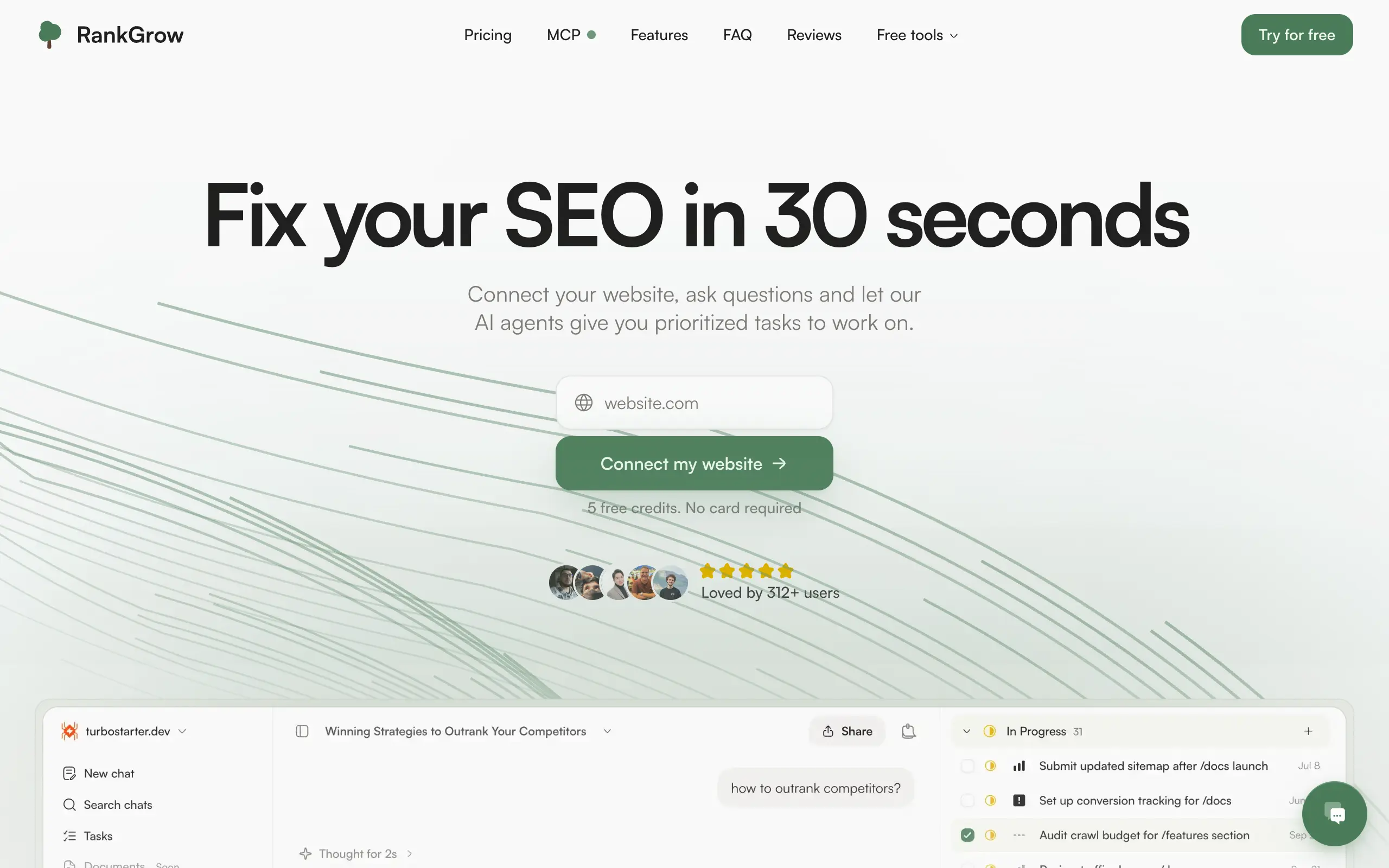
Fix your SEO with AI agents - connect Search Console, get prioritized tasks, and grow organic traffic 📈
SyncReads
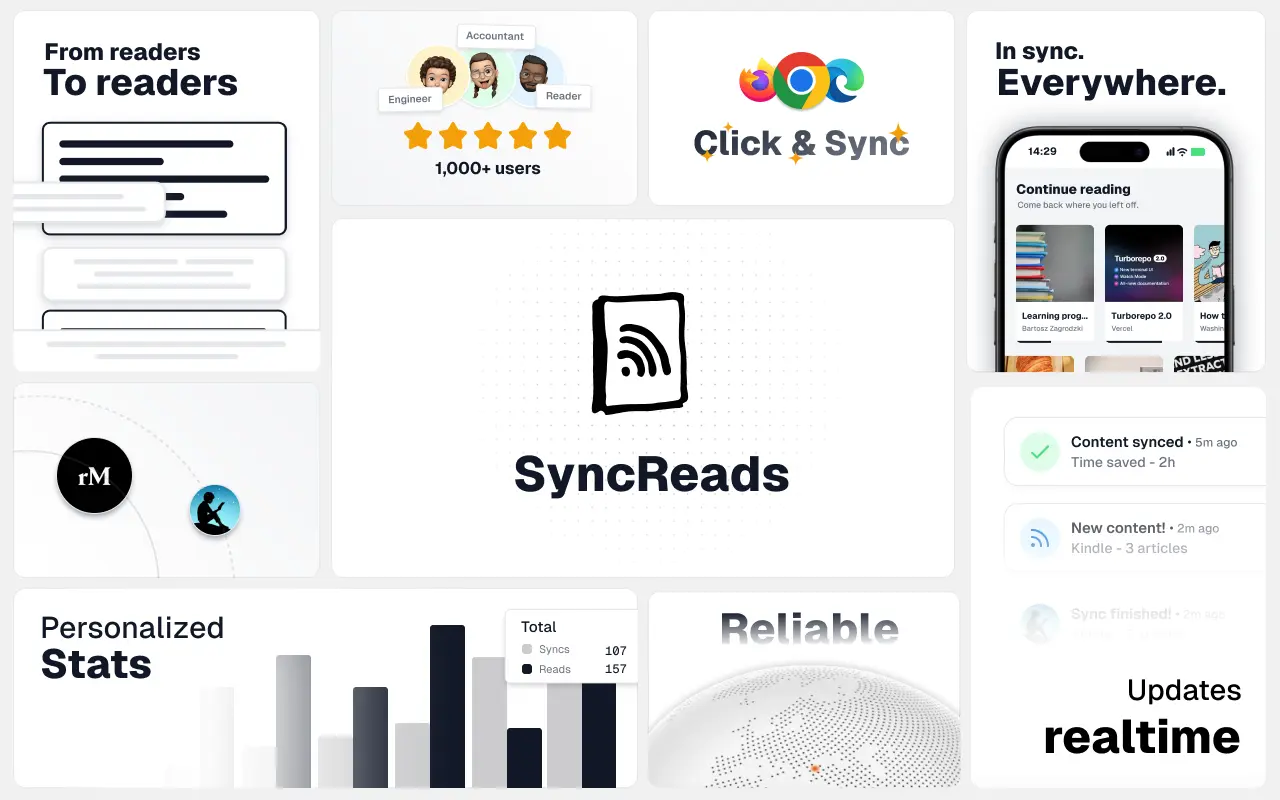
Sync your favorite content for distraction-free reading, save time and replace multiple apps. Anytime, anywhere 🔄
Socialcrawl
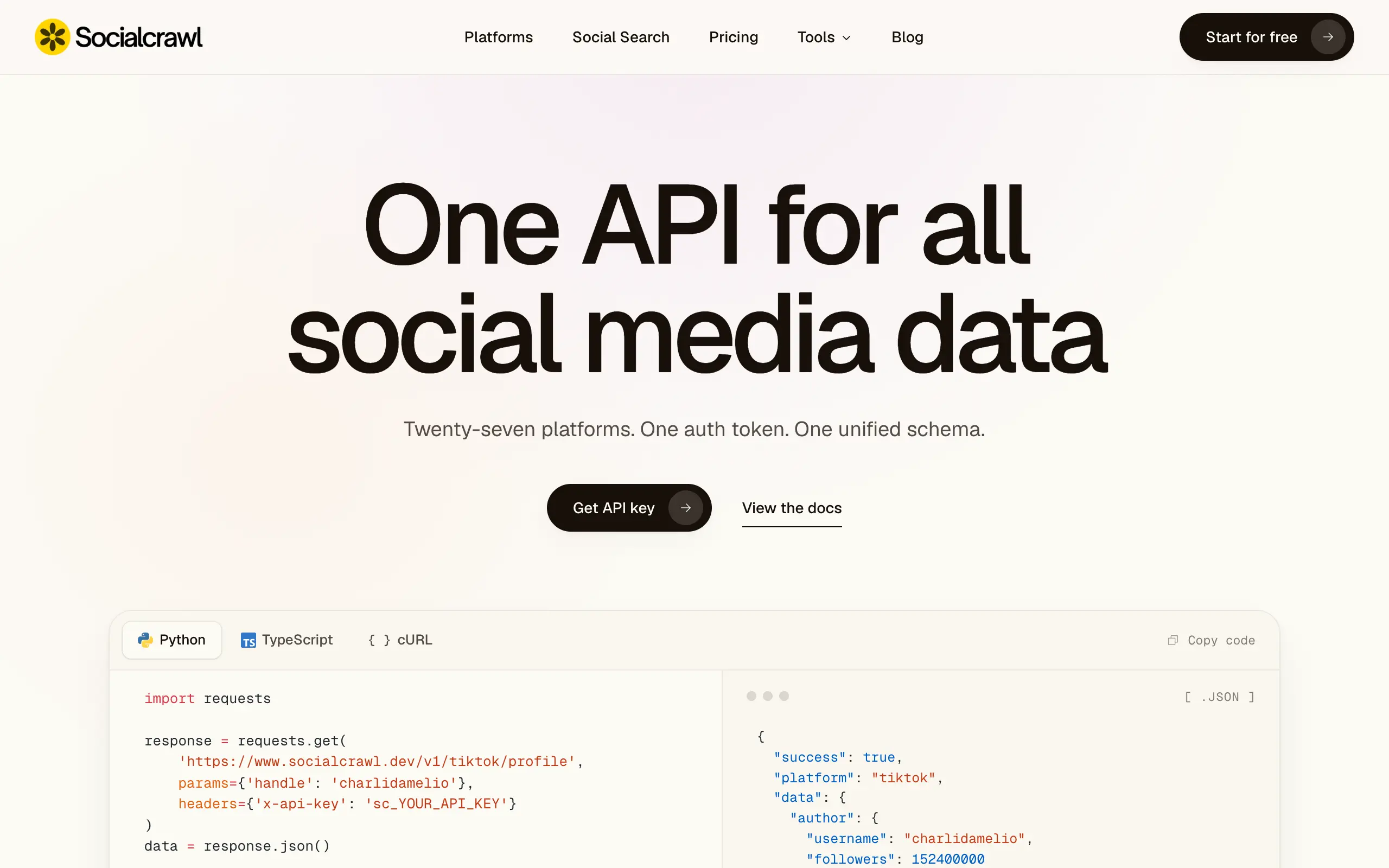
Get clean, structured data from 21 platforms like TikTok, Instagram, and YouTube with a single request 📊
Dotallio
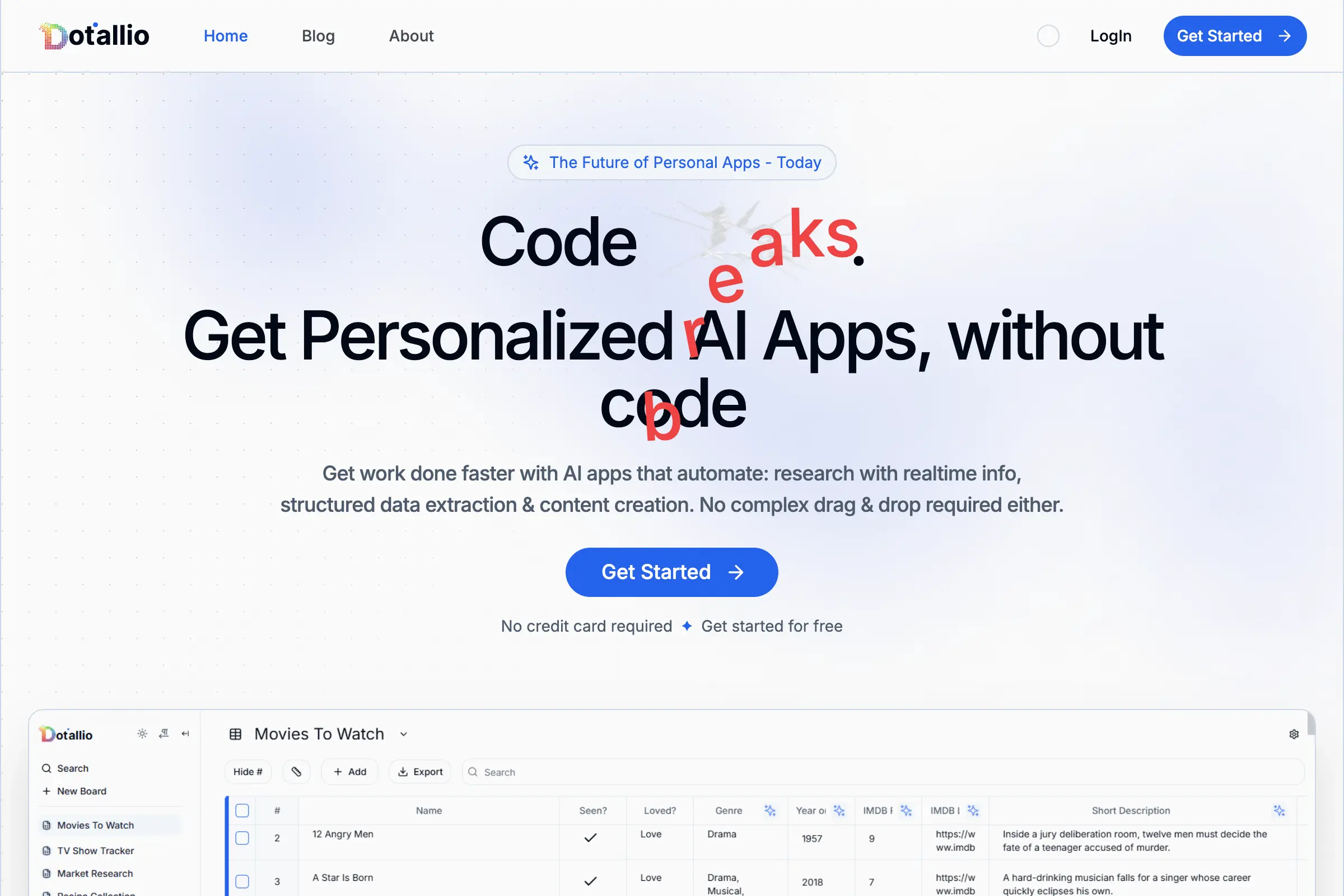
Personalized AI apps that automate research, data extraction, and content creation without code 🤖
Shibui
AI website builder - describe your business, pick a niche template, edit by chatting, and publish instantly ✨
Pro Service
Find verified home service professionals, compare quotes, and pay securely through escrow - built for Brazilians across the US 🏠
RankGrow
Fix your SEO with AI agents - connect Search Console, get prioritized tasks, and grow organic traffic 📈
SyncReads
Sync your favorite content for distraction-free reading, save time and replace multiple apps. Anytime, anywhere 🔄
Socialcrawl
Get clean, structured data from 21 platforms like TikTok, Instagram, and YouTube with a single request 📊
Dotallio
Personalized AI apps that automate research, data extraction, and content creation without code 🤖
Shibui
AI website builder - describe your business, pick a niche template, edit by chatting, and publish instantly ✨
Pro Service
Find verified home service professionals, compare quotes, and pay securely through escrow - built for Brazilians across the US 🏠
RankGrow
Fix your SEO with AI agents - connect Search Console, get prioritized tasks, and grow organic traffic 📈
SyncReads
Sync your favorite content for distraction-free reading, save time and replace multiple apps. Anytime, anywhere 🔄
Socialcrawl
Get clean, structured data from 21 platforms like TikTok, Instagram, and YouTube with a single request 📊
Dotallio
Personalized AI apps that automate research, data extraction, and content creation without code 🤖
Shibui
AI website builder - describe your business, pick a niche template, edit by chatting, and publish instantly ✨
Pro Service
Find verified home service professionals, compare quotes, and pay securely through escrow - built for Brazilians across the US 🏠
RankGrow
Fix your SEO with AI agents - connect Search Console, get prioritized tasks, and grow organic traffic 📈
SyncReads
Sync your favorite content for distraction-free reading, save time and replace multiple apps. Anytime, anywhere 🔄
Socialcrawl
Get clean, structured data from 21 platforms like TikTok, Instagram, and YouTube with a single request 📊
Dotallio
Personalized AI apps that automate research, data extraction, and content creation without code 🤖

Talk to Santa
Enjoy a magical live video chat or receive a unique AI-generated video greeting from Santa Claus 🎅
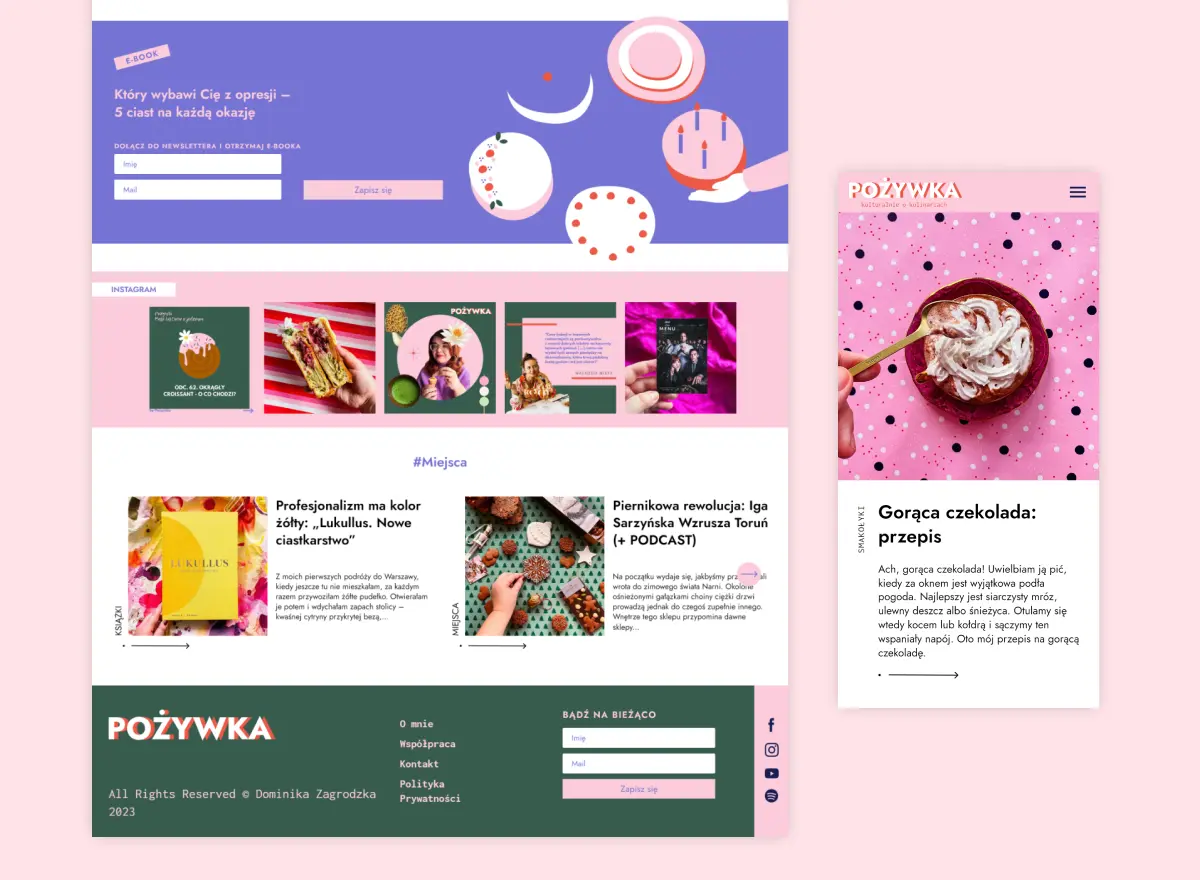
pozywka.pl
Scalable blog for food journalist, focused on performance and user experience 🌭
zagrodzki.me
Personal blog and portfolio of Bart Zagrodzki, where he shares his knowledge and work 💼
TurboStarter
Ship your startup everywhere. In minutes.
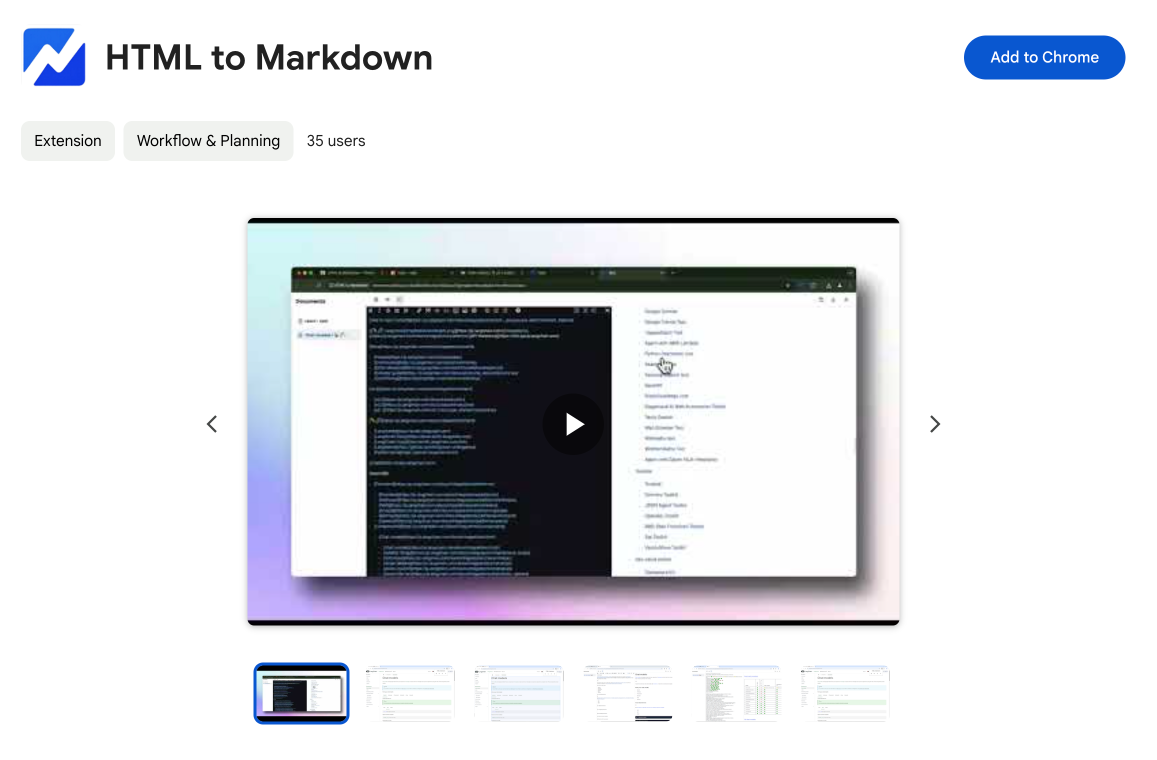
HTML to Markdown
Convert HTML to Markdown with ease, directly in your browser 📄
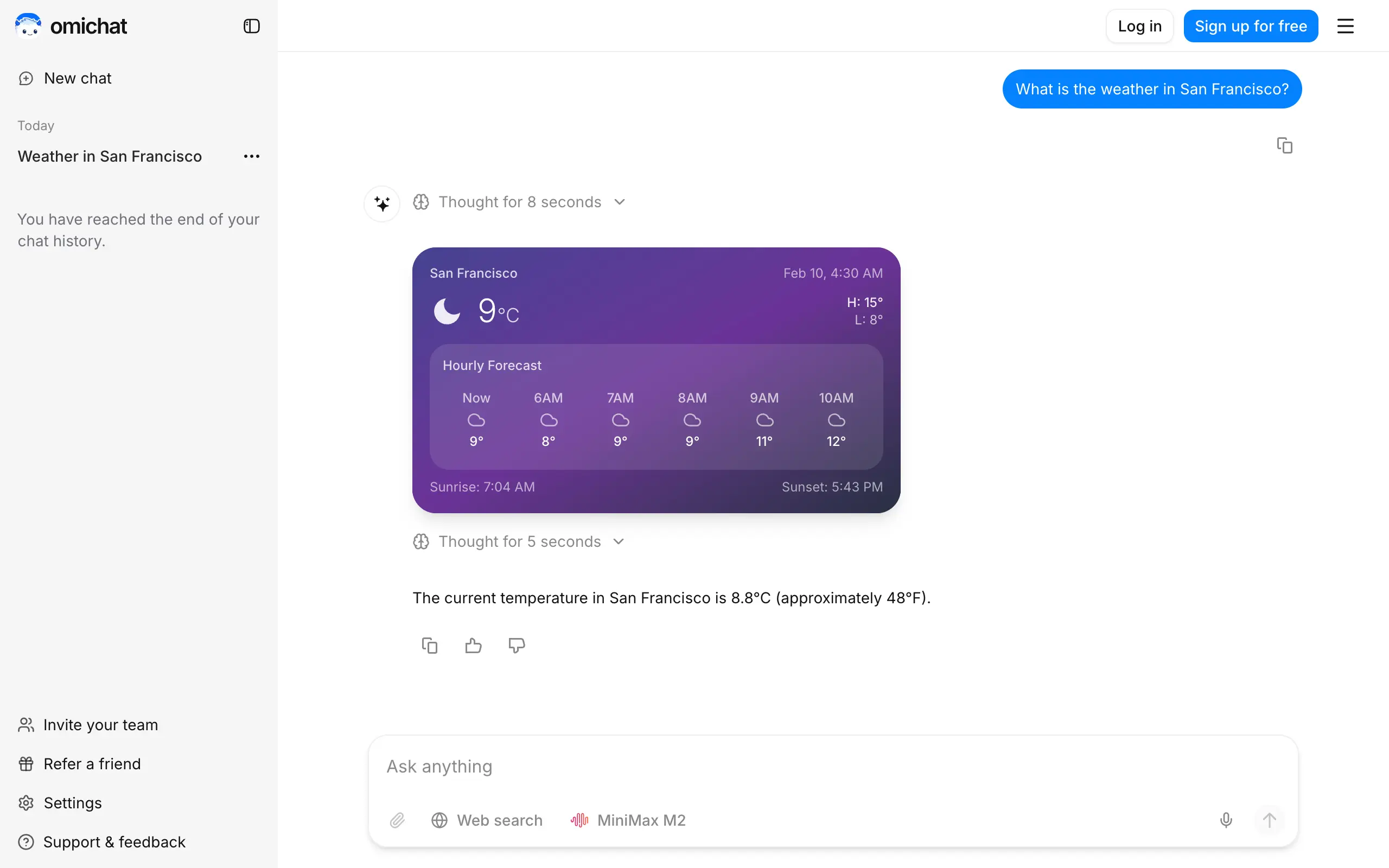
Omichat
Chat with 50+ AI models, including ChatGPT and Claude, in one place - switch models anytime without losing context 🤖
Talk to Santa
Enjoy a magical live video chat or receive a unique AI-generated video greeting from Santa Claus 🎅
pozywka.pl
Scalable blog for food journalist, focused on performance and user experience 🌭
zagrodzki.me
Personal blog and portfolio of Bart Zagrodzki, where he shares his knowledge and work 💼
TurboStarter
Ship your startup everywhere. In minutes.
HTML to Markdown
Convert HTML to Markdown with ease, directly in your browser 📄
Omichat
Chat with 50+ AI models, including ChatGPT and Claude, in one place - switch models anytime without losing context 🤖
Talk to Santa
Enjoy a magical live video chat or receive a unique AI-generated video greeting from Santa Claus 🎅
pozywka.pl
Scalable blog for food journalist, focused on performance and user experience 🌭
zagrodzki.me
Personal blog and portfolio of Bart Zagrodzki, where he shares his knowledge and work 💼
TurboStarter
Ship your startup everywhere. In minutes.
HTML to Markdown
Convert HTML to Markdown with ease, directly in your browser 📄
Omichat
Chat with 50+ AI models, including ChatGPT and Claude, in one place - switch models anytime without losing context 🤖
Talk to Santa
Enjoy a magical live video chat or receive a unique AI-generated video greeting from Santa Claus 🎅
pozywka.pl
Scalable blog for food journalist, focused on performance and user experience 🌭
zagrodzki.me
Personal blog and portfolio of Bart Zagrodzki, where he shares his knowledge and work 💼
TurboStarter
Ship your startup everywhere. In minutes.
HTML to Markdown
Convert HTML to Markdown with ease, directly in your browser 📄
Omichat
Chat with 50+ AI models, including ChatGPT and Claude, in one place - switch models anytime without losing context 🤖
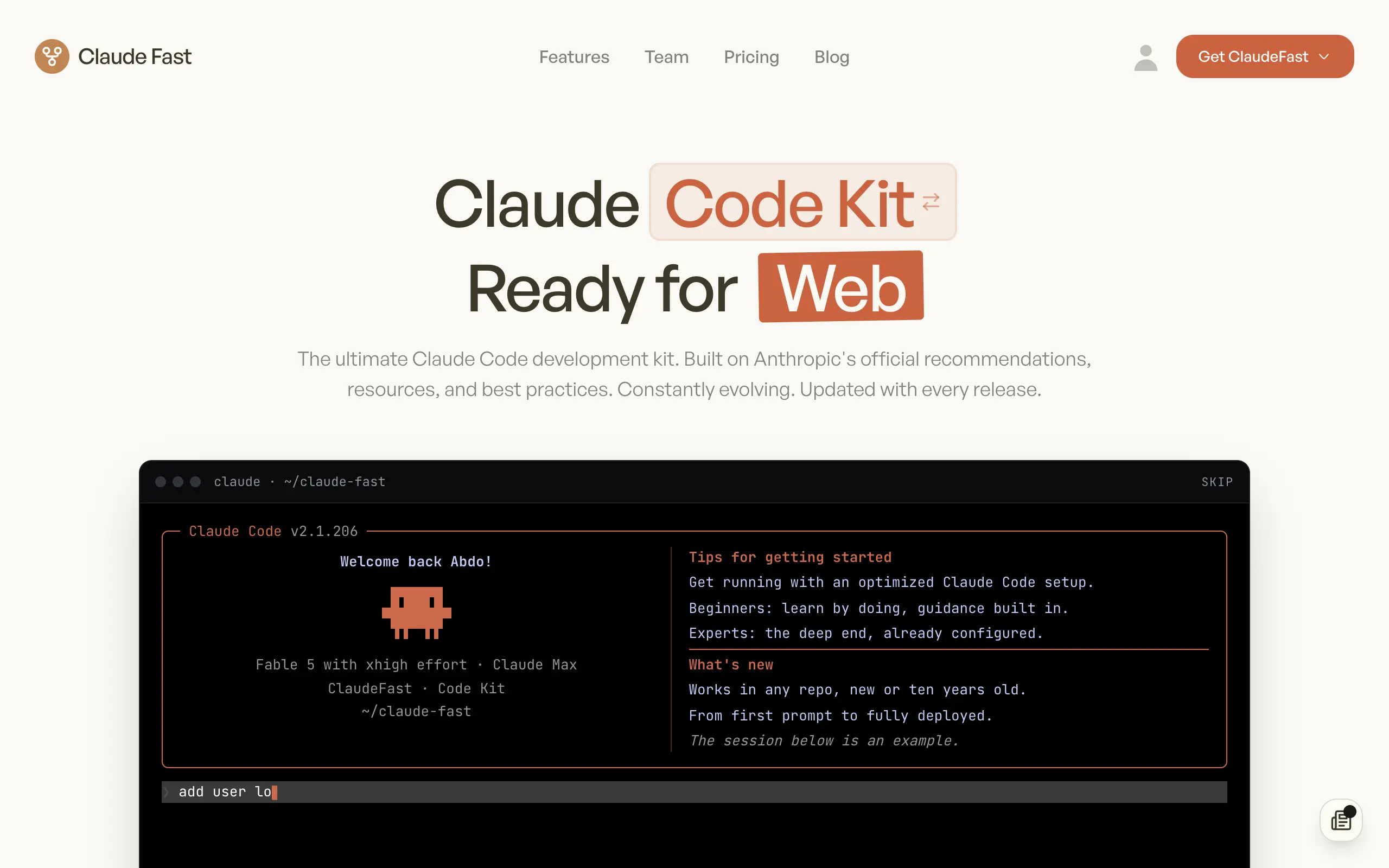
Claude Fast
Supercharge your Claude Code with 6x effective context window and specialized AI agents 🤖
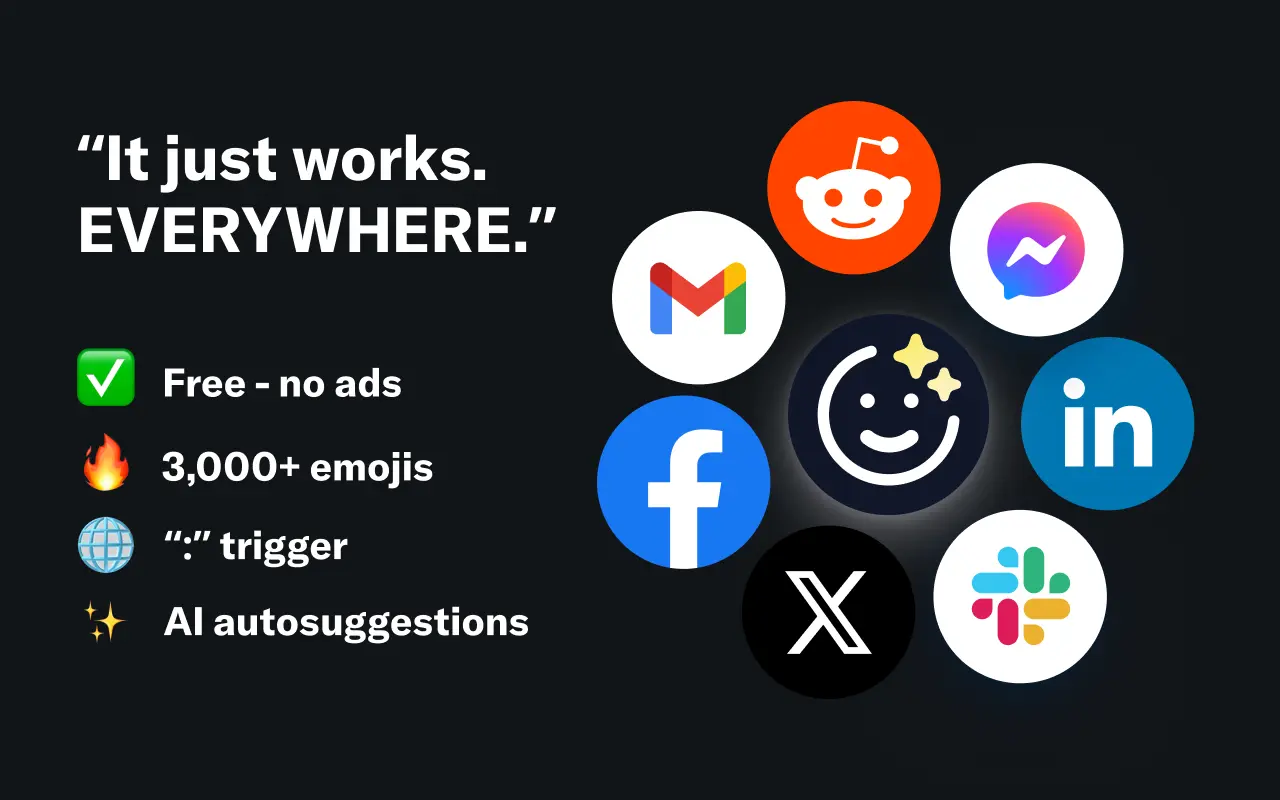
EmojAI
AI-powered emoji picker with smart, context-aware suggestions 🤖
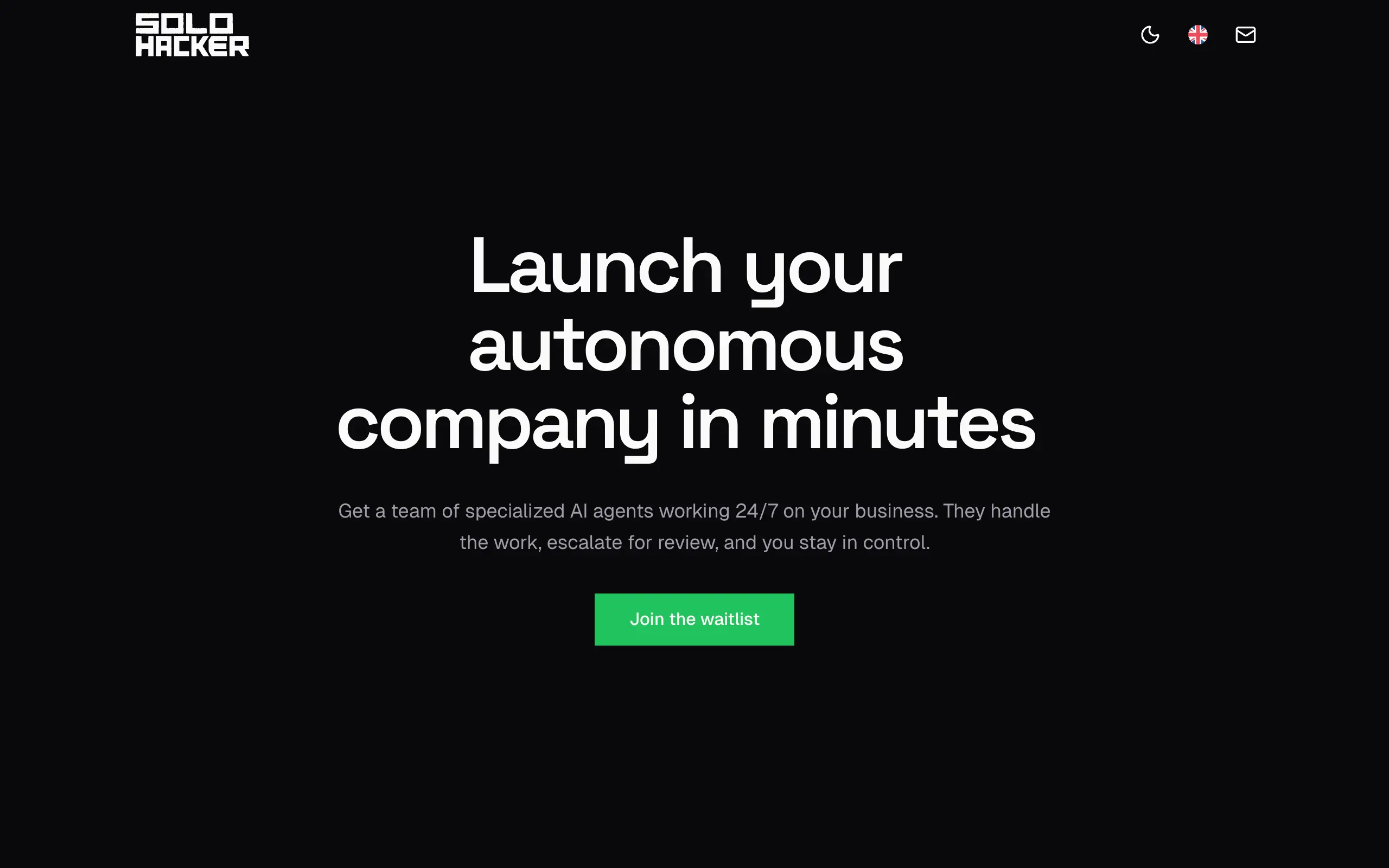
Solohacker
Autonomous company launcher - AI agents work 24/7, escalate what matters, and you stay in control 🤖
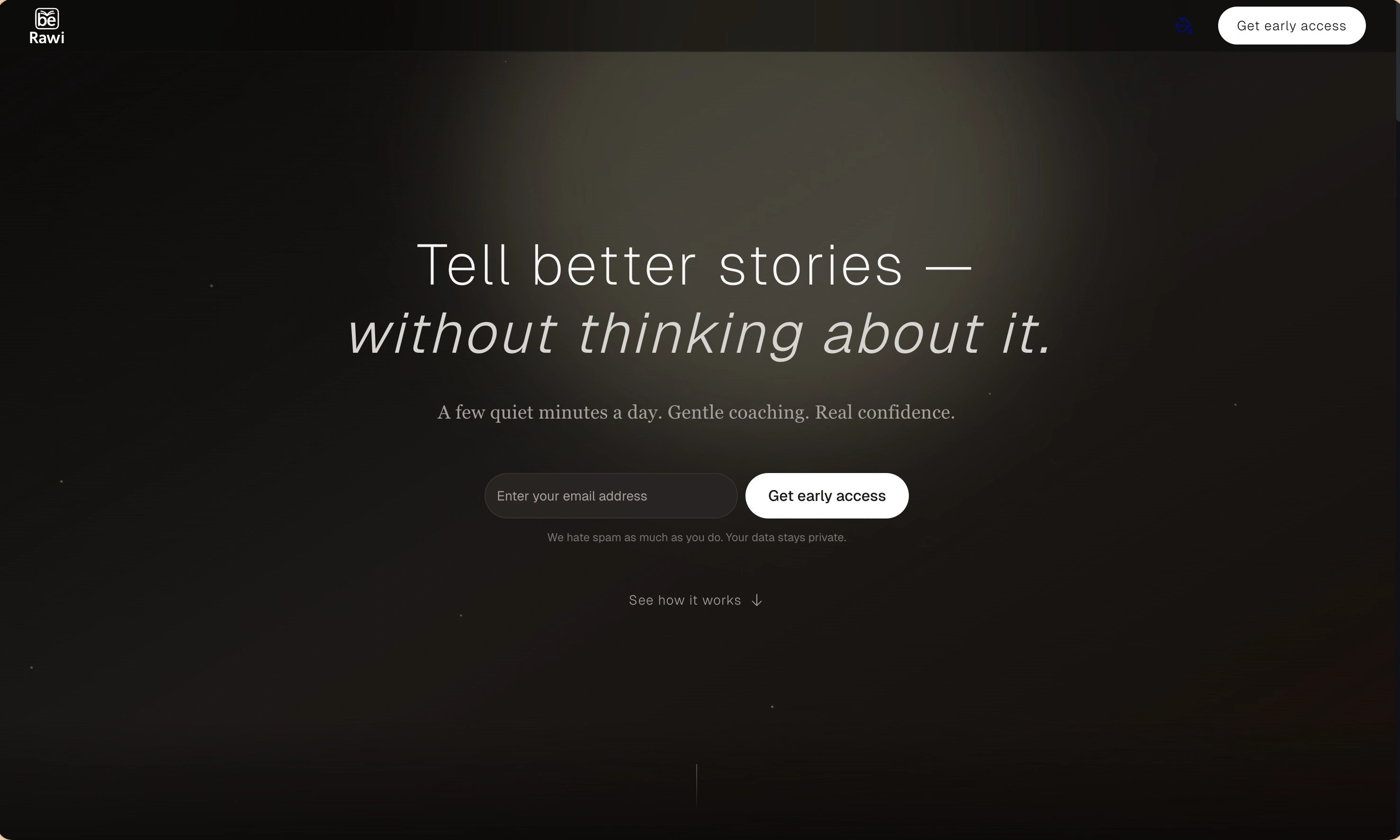
BeRawi: Storytelling Coach
Practice storytelling daily with instant feedback to sound clearer, more engaging, and confident 🎤
Claude Fast
Supercharge your Claude Code with 6x effective context window and specialized AI agents 🤖
EmojAI
AI-powered emoji picker with smart, context-aware suggestions 🤖
Solohacker
Autonomous company launcher - AI agents work 24/7, escalate what matters, and you stay in control 🤖
BeRawi: Storytelling Coach
Practice storytelling daily with instant feedback to sound clearer, more engaging, and confident 🎤
Claude Fast
Supercharge your Claude Code with 6x effective context window and specialized AI agents 🤖
EmojAI
AI-powered emoji picker with smart, context-aware suggestions 🤖
Solohacker
Autonomous company launcher - AI agents work 24/7, escalate what matters, and you stay in control 🤖
BeRawi: Storytelling Coach
Practice storytelling daily with instant feedback to sound clearer, more engaging, and confident 🎤
Claude Fast
Supercharge your Claude Code with 6x effective context window and specialized AI agents 🤖
EmojAI
AI-powered emoji picker with smart, context-aware suggestions 🤖
Solohacker
Autonomous company launcher - AI agents work 24/7, escalate what matters, and you stay in control 🤖
BeRawi: Storytelling Coach
Practice storytelling daily with instant feedback to sound clearer, more engaging, and confident 🎤

Connect with like-minded people
Join our community to get feedback, support, and grow together with 1,000+ builders on board, let's ship it!
Join usShip your startup everywhere. In minutes.
Don't burn tokens on setup and start building features on day one.