PromptRail
A spec-driven prompt management studio that turns product requirements into versioned prompts, tests, release gates, and deployment-ready AI workflows.
PromptRail is a compelling SaaS concept for teams building AI-powered products that need more than a shared spreadsheet of prompts. It positions prompt engineering as an operational discipline: requirements become specifications, specifications become versioned prompts, prompts are tested against realistic scenarios, and approved changes move through release gates before reaching production.
The primary opportunity is clear. As generative AI becomes embedded in customer support, content operations, sales enablement, analytics, internal knowledge tools, and workflow automation, prompts increasingly behave like application logic. Yet many teams still manage them with copy-paste workflows, unreviewed edits, disconnected test data, and unclear ownership.
A spec-driven prompt management studio such as PromptRail can solve that gap by giving product managers, AI engineers, domain experts, and operations teams one system for designing, evaluating, approving, and deploying AI workflows.
What PromptRail solves for AI product teams
PromptRail is a prompt management and AI workflow governance platform designed for teams that need reliability, traceability, and release discipline around LLM behavior.
The product’s core promise is straightforward: turn product requirements into tested, versioned, deployment-ready AI workflows without treating prompt changes as informal text edits.
This matters because a prompt can affect far more than wording. A small change in instructions, model selection, retrieval context, tool definitions, output schema, or few-shot examples can alter:
- Response accuracy
- Brand tone and policy compliance
- Hallucination rates
- Tool-calling behavior
- Cost per request
- Latency
- Customer experience
- Regulatory and security exposure
For a prototype, prompt iteration can happen in a chat interface. For production AI systems, that approach breaks down quickly. Teams need a repeatable operating model that connects product intent to technical implementation and measurable quality.
PromptRail can become the system of record for that operating model.
The central product thesis
A prompt is not merely a text string when it controls a production workflow. It is a versioned product artifact that needs requirements, ownership, evaluation criteria, approvals, observability, and a safe release path.
Target audience for a prompt management studio
The strongest initial audience is not every person who experiments with AI. PromptRail should prioritize teams already experiencing the operational pain of deploying LLM features at scale.
AI product teams shipping customer-facing features
Product teams building AI copilots, customer support assistants, document processors, content generators, and workflow agents are likely to have the most urgent need.
These teams need to answer practical questions before releasing a prompt change:
- Does the new prompt improve the intended user outcome?
- Does it regress performance for important edge cases?
- Does it comply with safety and policy rules?
- Does it increase token usage or model costs?
- Can the team explain why the change was approved?
- Can they roll back immediately if production quality declines?
For this segment, PromptRail should emphasize release confidence rather than generic prompt storage.
AI engineers and applied ML teams
AI engineers often own the difficult work of model routing, RAG configuration, structured outputs, tool calls, evaluation datasets, and production monitoring. They need a workflow that integrates with source control and continuous delivery while remaining legible to non-engineering stakeholders.
PromptRail can help these users by providing:
- Git-friendly prompt versioning
- Environment-specific configuration
- Test suites and evaluation baselines
- Prompt variables and reusable components
- Model comparison experiments
- API-first deployment controls
- Approval records for audits and reviews
The key value is reducing the translation burden between product requirements and production AI behavior.
Regulated and high-trust organizations
Financial services, healthcare, legal technology, insurance, HR technology, and enterprise software providers face more pressure to demonstrate control over AI-assisted decisions and communications.
These organizations may not buy a “prompt library.” They may buy an AI change-management and governance layer.
Their buying criteria typically include:
- Role-based access controls
- Audit trails
- Approval workflows
- Evaluation evidence
- Environment separation
- Data retention controls
- Security documentation
- Exportable release records
PromptRail can win credibility here by making governance useful for builders rather than imposing an isolated compliance process after development is complete.
Operations and domain-expert teams
Customer support leaders, legal operations specialists, content reviewers, sales enablement teams, and other domain experts often know what “good” looks like better than a model engineer does. However, they may lack a reliable way to review prompt behavior, contribute edge cases, or sign off on changes.
A well-designed review experience gives these users a structured role in AI quality assurance. Instead of editing prompts directly in production, they can:
- Define acceptance criteria.
- Add representative test cases.
- Review side-by-side outputs.
- Annotate failures.
- Approve or reject proposed releases.
This human-in-the-loop process is a meaningful differentiator for PromptRail.
The market gap in prompt versioning and AI workflow governance
The AI tooling market already includes prompt playgrounds, LLM observability products, evaluation frameworks, model gateways, and agent orchestration tools. PromptRail should not try to replace all of them in its first release.
Its opportunity lies at the intersection of those categories.
Most teams currently assemble a fragmented workflow:
- Product requirements live in a ticketing tool or document.
- Prompts live in source code, a spreadsheet, a database, or a vendor dashboard.
- Test cases live in notebooks or are recreated manually.
- Evaluation results live in a CI log, dashboard, or ad hoc document.
- Approvals happen in chat messages.
- Deployments happen through application releases or manual configuration changes.
- Production incidents are investigated after users report issues.
The result is a traceability gap. Teams struggle to connect a business requirement to a prompt version, a test result, an approval decision, and a live deployment.
PromptRail should close that loop.
| Workflow area | Typical fragmented process | PromptRail approach | Business outcome | Priority |
|---|---|---|---|---|
| Requirements | Docs and tickets disconnected from implementation | Structured prompt specifications | Clear intent and ownership | High |
| Prompt changes | Manual edits with limited history | Immutable versions and diffs | Safe rollback and accountability | High |
| Evaluation | One-off testing in playgrounds | Reusable datasets and release gates | Higher quality before launch | High |
| Deployment | Prompt copied into code or a dashboard | Environment-aware workflow releases | Controlled production delivery | High |
| Governance | Approval decisions buried in chat | Auditable review records | Trust and compliance readiness | Medium |
The platform’s market narrative should focus on a familiar software engineering analogy: teams do not deploy untested application changes without versioning and release controls. Production AI behavior deserves the same discipline.
PromptRail’s unique selling proposition
The unique selling proposition for PromptRail is not “manage your prompts.” That category description is too broad and increasingly commoditized.
A stronger positioning statement is:
PromptRail is the spec-to-production control plane for AI behavior, helping teams transform product requirements into versioned prompts, measurable evaluations, release gates, and deployable AI workflows.
This framing differentiates PromptRail in four ways.
It starts with product requirements, not prompt text
Many tools begin at the point where an engineer already has a prompt to edit. PromptRail should begin earlier by helping teams describe the desired behavior, expected inputs, prohibited outputs, required output format, target users, and measurable success criteria.
This creates an explicit contract between product, engineering, and domain reviewers.
It treats tests as first-class release artifacts
A prompt version without an evaluation plan is an unverified change. PromptRail should make every meaningful release attachable to a test suite, scoring rule, baseline comparison, and approval state.
The product should support both deterministic and subjective evaluation methods:
- Schema validation for structured output
- Exact-match checks for known answers
- Regex and policy-rule checks
- Human rubric scoring
- Model-as-judge scoring with reviewer safeguards
- Pairwise comparisons between versions
- Cost and latency thresholds
- Adversarial and red-team test cases
It connects approval gates to deployment
The product becomes valuable when a team can prevent an unapproved or failing prompt version from reaching a production environment.
A release gate could require:
- A passing minimum score on critical tests
- No regression beyond a defined threshold
- Approval from a product owner
- Approval from a domain expert for high-risk workflows
- Confirmation that cost and latency remain within limits
- A linked change request or issue reference
This is where PromptRail moves from a documentation tool to a production workflow platform.
It supports complete AI workflows, not isolated prompts
Modern LLM applications may involve system instructions, user templates, retrieved context, tool schemas, guardrails, model parameters, and post-processing rules. PromptRail should represent these as composable workflow assets.
That makes it useful for simple chat prompts today and tool-using agent workflows as the product matures.
Core features for the PromptRail MVP
The right MVP should deliver a complete, opinionated workflow for one high-value problem: shipping prompt changes safely. Avoid building a sprawling AI platform before validating the release-management wedge.
Prompt specifications
Convert requirements into structured, reviewable definitions of intended AI behavior.
Versioned prompt assets
Create immutable versions, inspect diffs, compare configurations, and roll back safely.
Evaluation suites
Run repeatable tests using curated datasets, scoring rules, and side-by-side comparisons.
Release gates
Require quality thresholds and designated approvals before a version can reach production.
Structured prompt specifications
A prompt specification is the foundation of the product. It should capture the context that typically disappears when a team stores only a text prompt.
A useful specification includes:
- "Purpose": the user or business outcome the workflow should achieve
- "Owner": the person or team accountable for behavior
- "Inputs": variables, source data expectations, and constraints
- "Expected output": format, fields, tone, length, and confidence rules
- "Safety boundaries": prohibited actions, disallowed claims, escalation conditions
- "Model configuration": provider, model, temperature, token cap, and tool permissions
- "Acceptance criteria": measurable conditions for a successful release
- "Risk classification": low, medium, high, or regulated workflow
PromptRail should make these fields structured enough for consistency while allowing free-text details where product context matters.
Prompt registry and version control
The registry should support both human-friendly naming and immutable machine-safe releases. A team needs to understand which prompt is active in each environment, who made a change, and why it was released.
Essential capabilities include:
- Immutable prompt versions
- Version labels such as
v1.4.0 - Draft, review, approved, deployed, and archived states
- Visual diffs for prompt content and configuration
- Change summaries linked to a requirement
- Tags for product area, risk level, or workflow type
- Environment mappings for development, staging, and production
- One-click rollback to a previously approved version
For developer adoption, versioned assets should also be exportable as files or synchronizable with a Git repository. Git remains a trusted source of truth for many engineering teams, so PromptRail should complement rather than fight existing code review practices.
Prompt testing and evaluation datasets
Testing is the most important feature category because it is the clearest proof that PromptRail reduces deployment risk.
Each prompt or workflow should support one or more evaluation suites made up of representative cases. A case may contain inputs, expected properties, reference outputs, contextual documents, and evaluator instructions.
A practical evaluation suite should cover:
- Happy-path scenarios
- Ambiguous user requests
- Long or malformed inputs
- Sensitive content
- Policy edge cases
- Retrieval failures
- Tool-call failures
- Brand-tone checks
- High-value customer scenarios
- Previously observed production failures
PromptRail should encourage teams to turn incidents into regression tests. Every meaningful failure is an opportunity to harden future releases.
Use JSON schema validation, field-level assertions, exact matches, allowed-value lists, regular expressions, and numeric thresholds. These checks are fast, inexpensive, and dependable when success criteria are objective.
Use domain experts for nuanced quality, legal accuracy, tone, safety, and business relevance. PromptRail should present blinded side-by-side outputs so reviewers can compare versions without being biased by version labels.
Use model-based evaluators for scalable rubric scoring, classification, and pairwise comparison. Treat these scores as evidence rather than unquestionable truth, especially for high-stakes workflows.
Release gates and approval workflows
Release gates are the feature that turns testing into operational control.
Teams should be able to define policy templates by workflow risk. A low-risk internal summarization prompt may only require passing automated checks. A high-risk customer-facing financial guidance assistant may require a stricter multi-step review.
For example, a high-risk release policy might require:
- All critical deterministic tests pass.
- The overall quality score meets the set threshold.
- No safety regression appears versus the current production version.
- A designated product owner approves the change.
- A domain reviewer approves the change.
- The release record includes a linked requirement and change summary.
PromptRail should keep gate outcomes immutable. This creates an auditable record and makes post-release investigation much easier.
Deployment APIs and software development kit
A prompt management SaaS cannot stop at its dashboard. Development teams need a reliable way to fetch approved workflows at runtime or compile them into deployment artifacts.
PromptRail should provide:
- A REST API for prompt and workflow retrieval
- A TypeScript SDK for web and server applications
- Server-side environment keys
- Read-only production tokens
- Webhooks for approval and deployment events
- Cached workflow resolution
- Release pinning by version or channel
- Rollback endpoints
- Audit log exports
For the developer experience, a simple SDK interface matters more than an extensive API surface in the first release.
import { PromptRail } from "@promptrail/sdk";

const promptrail = new PromptRail({
  apiKey: process.env.PROMPTRAIL_API_KEY,
});

const workflow = await promptrail.workflows.resolve({
  key: "support-reply-assistant",
  environment: "production",
  channel: "stable",
});

const result = await workflow.run({
  customerMessage: "I was charged twice for my subscription.",
  accountPlan: "pro",
});
The SDK should return enough metadata for observability, including workflow version, model configuration, evaluation status, and release identifier.
Recommended tech stack for PromptRail
PromptRail needs a stack that supports a polished multi-tenant SaaS experience, secure APIs, asynchronous evaluation workloads, and strong auditability. The architecture should be boring where possible and specialized only where LLM evaluation workloads demand it.
Application and frontend stack
A strong choice is Next.js with React and TypeScript. This combination supports fast product iteration, server-rendered application pages, API routes, type safety, and a large hiring ecosystem.
For the interface layer, Tailwind CSS supports consistent design systems and rapid dashboard development. Prompt management is a dense workflow product, so design quality matters. Users will spend significant time comparing versions, reviewing outputs, filtering evaluation runs, and approving releases.
Recommended frontend capabilities include:
- Rich diff views for prompts and JSON configuration
- Data tables with saved filters
- Side-by-side evaluation comparison
- Keyboard-friendly review workflows
- Inline comments and annotations
- Accessible status indicators
- Dark mode for engineering-heavy users
Backend and data layer
PostgreSQL is a strong system of record for tenants, users, projects, prompt metadata, versions, approval states, test definitions, audit logs, and release configuration. Its relational model is especially useful because PromptRail’s value comes from preserving relationships between requirements, assets, tests, reviewers, and deployments.
For database access, an ORM such as Prisma can accelerate early development and provide type-safe queries. However, the team should be prepared to use carefully optimized SQL for complex reporting, audit exports, and evaluation aggregations.
A practical backend architecture includes:
- PostgreSQL for transactional data
- Object storage for large test attachments and result artifacts
- Redis for caching, rate limits, queues, and ephemeral execution state
- A job queue for asynchronous evaluations
- A separate worker service for model calls and long-running test runs
- An append-only audit log design for high-trust accounts
LLM provider abstraction
PromptRail should avoid being tied to one model provider. Customers will use different models based on quality, price, privacy, region, and existing contracts.
Build a provider abstraction that normalizes:
- Model identifiers
- Message formats
- Structured output settings
- Token usage reporting
- Tool-call formats
- Retry behavior
- Timeout handling
- Safety metadata
- Provider-specific error codes
The trade-off is complexity. A generic abstraction can hide valuable provider features or become a lowest-common-denominator layer. The best approach is a stable common interface with optional provider-specific configuration fields for advanced users.
Evaluation execution architecture
Evaluation work should run asynchronously, not inside request-response web processes. Each run may call many models, process attachments, invoke tools, and request human review.
Use queued jobs with explicit statuses:
- Queued
- Running
- Awaiting reviewer
- Passed
- Failed
- Cancelled
- Timed out
To control costs, PromptRail should provide concurrency settings, dataset sampling, cached result reuse, and budget alerts. Evaluation is valuable only if customers can run it frequently without unpredictable spend.
Authentication, security, and multi-tenancy
For an enterprise-ready product, security should be part of the architecture from the first version.
Key controls include:
- Tenant-scoped authorization checks on every data query
- Role-based access control for viewer, editor, reviewer, approver, and admin roles
- Encryption in transit and at rest
- Encrypted storage for provider API keys
- Secret redaction in logs and evaluation output
- API key rotation
- IP allowlisting for enterprise plans
- SSO and SAML support as a later enterprise milestone
- Audit logs for edits, approvals, exports, and deployments
Avoid storing raw customer prompts or model outputs longer than necessary without clear retention controls. Some customers will send sensitive business information through AI workflows, making data handling a central purchasing issue.
Monetization strategy for PromptRail
A hybrid usage-and-seat pricing model is likely the best fit. Pure seat pricing undervalues heavy evaluation workloads, while pure usage pricing can make collaboration and governance features harder to monetize.
Starter plan for small product teams
The starter tier should reduce friction for teams moving beyond spreadsheets and local prompt files.
Include:
- A limited number of projects and environments
- Core prompt versioning
- Shared prompt specifications
- A monthly evaluation-run allowance
- Basic team roles
- API and SDK access
- Community or email support
The goal is activation. Teams should reach their first successful workflow quickly: create a spec, commit a prompt version, run a test suite, and deploy an approved release.
Team plan for production AI workflows
The core paid tier should target product teams with active production use cases.
Potential value drivers include:
- More evaluation runs and dataset storage
- Release gates
- Multiple environments
- Advanced evaluators
- Workflow deployment channels
- Slack or webhook notifications
- Expanded role permissions
- Shared templates
- Cost and latency analytics
Pricing can combine a platform fee with included evaluation capacity and metered overages.
Enterprise plan for governance and scale
Enterprise pricing should focus on risk, integration, and administration rather than simply larger usage limits.
Enterprise capabilities may include:
- SSO and SCIM provisioning
- Custom data retention
- Private networking options
- Bring-your-own cloud or region controls
- Dedicated support and onboarding
- Advanced audit exports
- Custom approval policies
- Security questionnaires and compliance support
- Higher API limits
- Contractual uptime commitments
The enterprise story should be: PromptRail makes AI change control auditable and repeatable across teams.
Competitive advantage and positioning strategy
PromptRail will encounter adjacent products in prompt tooling, LLM observability, evaluation infrastructure, model routing, and agent platforms. The competitive advantage should come from workflow depth and product clarity.
Do not position PromptRail as a replacement for all AI tooling. Position it as the layer that makes AI behavior releasable.
The PromptRail moat
The most defensible product assets will not be the prompt editor itself. They will be the structured relationship graph created around each production workflow:
- Requirement history
- Prompt and configuration versions
- Evaluation datasets
- Reviewer decisions
- Release gate outcomes
- Deployment history
- Production incident links
- Quality trends over time
As customers build this history, switching becomes harder because PromptRail holds the institutional memory of why a workflow behaves the way it does.
A focused initial wedge
The best wedge is likely customer-facing AI product teams with multiple stakeholders and recurring prompt releases.
Examples include:
- AI support automation products
- SaaS companies adding copilots
- Document intelligence platforms
- AI-enabled sales and success tools
- Vertical software vendors in regulated industries
- Agencies managing AI workflows for multiple clients
These teams have enough complexity to value process, but they are often still agile enough to adopt a modern developer-friendly product.
Messaging that should resonate
Useful positioning messages include:
- “Ship AI changes with the confidence of a software release.”
- “From product spec to approved production prompt.”
- “Test, review, and deploy AI behavior without losing traceability.”
- “Turn every AI incident into a regression test.”
- “Give product, engineering, and domain experts one release workflow.”
Avoid vague claims such as “supercharge prompt engineering.” Buyers need a concrete operational outcome.
Risks and mitigation for a prompt management SaaS
Every AI infrastructure product faces execution risks. PromptRail should address them directly in its product strategy.
Basic prompt storage, templating, and version history are increasingly available in open-source projects and broader AI platforms. PromptRail should differentiate through specifications, release gates, review workflows, deployment controls, and evidence-based governance rather than relying on a prompt editor alone.
Provider behavior, structured output support, pricing, and tool interfaces can evolve quickly. Use a provider adapter architecture, version provider integrations, maintain compatibility tests, and document feature support by provider.
An evaluation score can be incomplete or misleading, especially when a model evaluates another model. Support multiple evaluator types, track confidence and disagreement, require human approval for high-risk releases, and preserve raw outputs for inspection.
Security objections can block adoption. Build data minimization, encryption, redaction, retention controls, tenant isolation, and transparent security documentation into the platform from the beginning.
It is tempting to add observability, agent orchestration, vector databases, fine-tuning, and model routing immediately. Maintain focus on the spec-to-release workflow, then integrate with specialized systems where customers already have investments.
Metrics that validate PromptRail product-market fit
The best validation metrics measure repeated operational behavior, not signups alone.
Track activation through the number of teams that complete this sequence:
- Create a project and environment.
- Write a prompt specification.
- Create a versioned prompt or workflow.
- Add evaluation cases.
- Run a test suite.
- Configure a release gate.
- Deploy or resolve the approved version through the API.
Additional leading indicators include:
- Percentage of prompt changes evaluated before deployment
- Number of test cases per active workflow
- Evaluation runs per active team per month
- Approval turnaround time
- Rollback frequency
- Repeat use of release gates
- Number of production incidents converted into regression tests
- Expansion from one workflow to multiple workflows
- Weekly active reviewers, not only editors
A healthy account should gradually increase the proportion of prompt changes that move through PromptRail. That behavior demonstrates the product is becoming part of the team’s release process.
Actionable implementation roadmap
The first version should prove that PromptRail can make one class of AI release safer and easier. Build the smallest coherent workflow rather than a broad feature checklist.
Define a narrow ideal customer profile around SaaS teams deploying customer-facing LLM features. Interview product managers, AI engineers, and support leaders about their last prompt-related production issue.
Build structured prompt specifications with requirements, variables, safety constraints, acceptance criteria, ownership, and risk classification.
Add immutable prompt versions, visual diffs, environment mappings, and simple rollback controls. Make version history exceptionally clear.
Launch evaluation suites with test datasets, deterministic assertions, side-by-side output comparison, and manually assigned review outcomes.
Introduce a minimal release gate that blocks promotion until required tests pass and an assigned reviewer approves the version.
Ship a TypeScript SDK and API that let applications resolve an approved production workflow by key, environment, and release channel.
Pilot the product with design partners, using their real workflows and historical incidents to shape templates, evaluation patterns, and reporting.
Add enterprise controls only after the core release workflow is adopted, prioritizing audit logs, granular roles, SSO, retention policies, and deployment integrations.
For the fastest path to a polished SaaS foundation, build PromptRail on TurboStarter. A production-oriented starter can reduce time spent on recurring SaaS infrastructure such as authentication, billing, organization management, dashboards, and application scaffolding, leaving more engineering capacity for the differentiated evaluation and release workflow.
Final perspective on PromptRail
PromptRail has the potential to address a real and growing gap in AI product development. Organizations are moving from experimental prompts to customer-facing AI systems, but their operating practices often remain informal. That mismatch creates quality risk, compliance exposure, wasted engineering time, and poor cross-functional collaboration.
The winning version of PromptRail will not be another place to write prompts. It will be the trusted workflow where teams define intended AI behavior, validate it against realistic scenarios, collect the right approvals, and deploy only the versions they can defend.
By focusing on the path from specification to evaluation to release, PromptRail can create a clear category position: the production release system for prompt-driven AI workflows.
More ⚡ Productivity Tool SaaS ideas
Discover more innovative productivity tool SaaS ideas that are trending in 2026. Each idea is AI-generated with market validation and growth potential to help you find your next profitable venture faster than competitors.
Your competitors are building with TurboStarter
Below are some of the SaaS ideas that have been generated and built with our starter kit.
Statiko
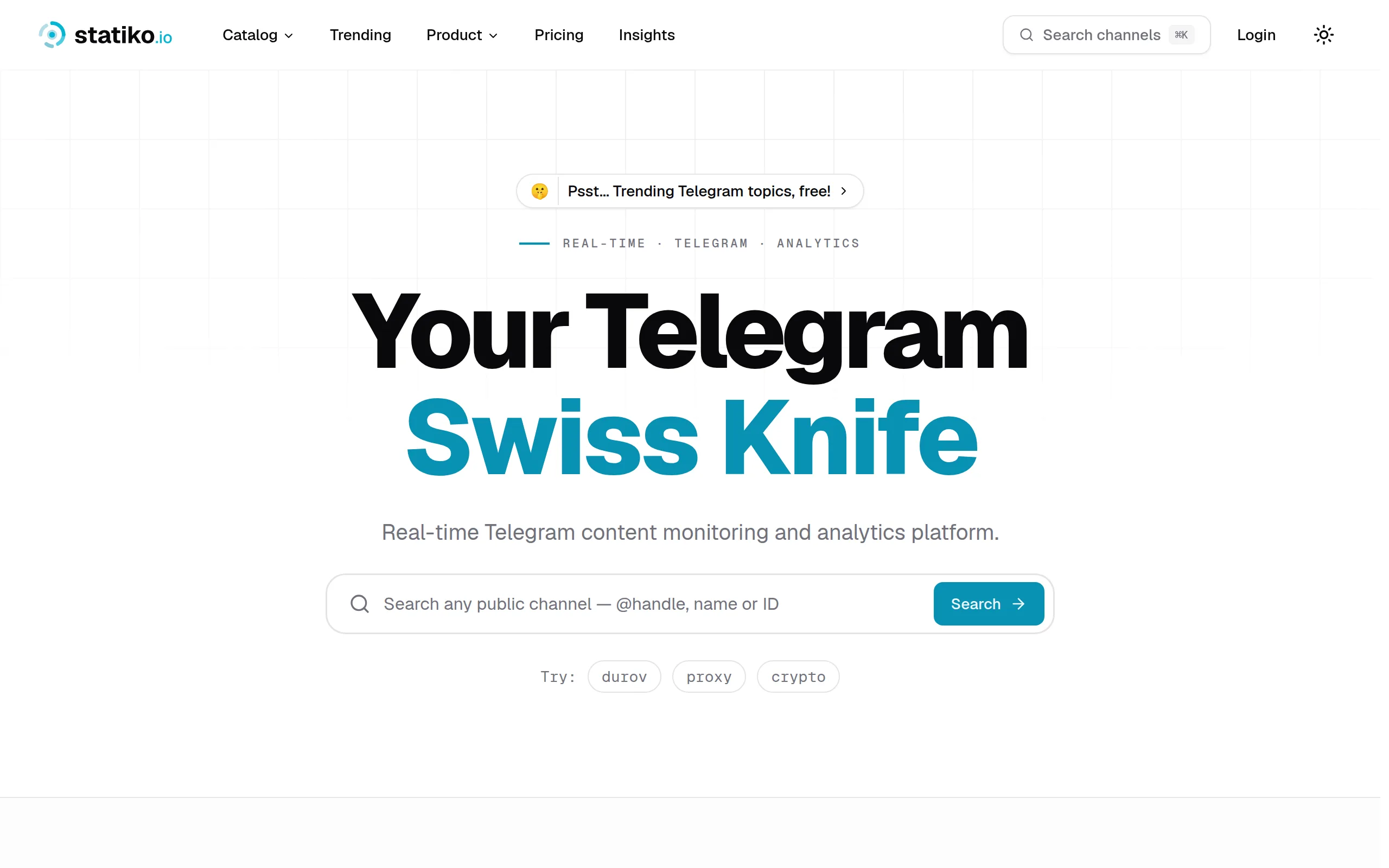
Monitor any Telegram channel in real time - track posts, edits, deletions, and growth with AI recaps 📡

Shibui
AI website builder - describe your business, pick a niche template, edit by chatting, and publish instantly ✨

Pro Service
Find verified home service professionals, compare quotes, and pay securely through escrow - built for Brazilians across the US 🏠
RankGrow
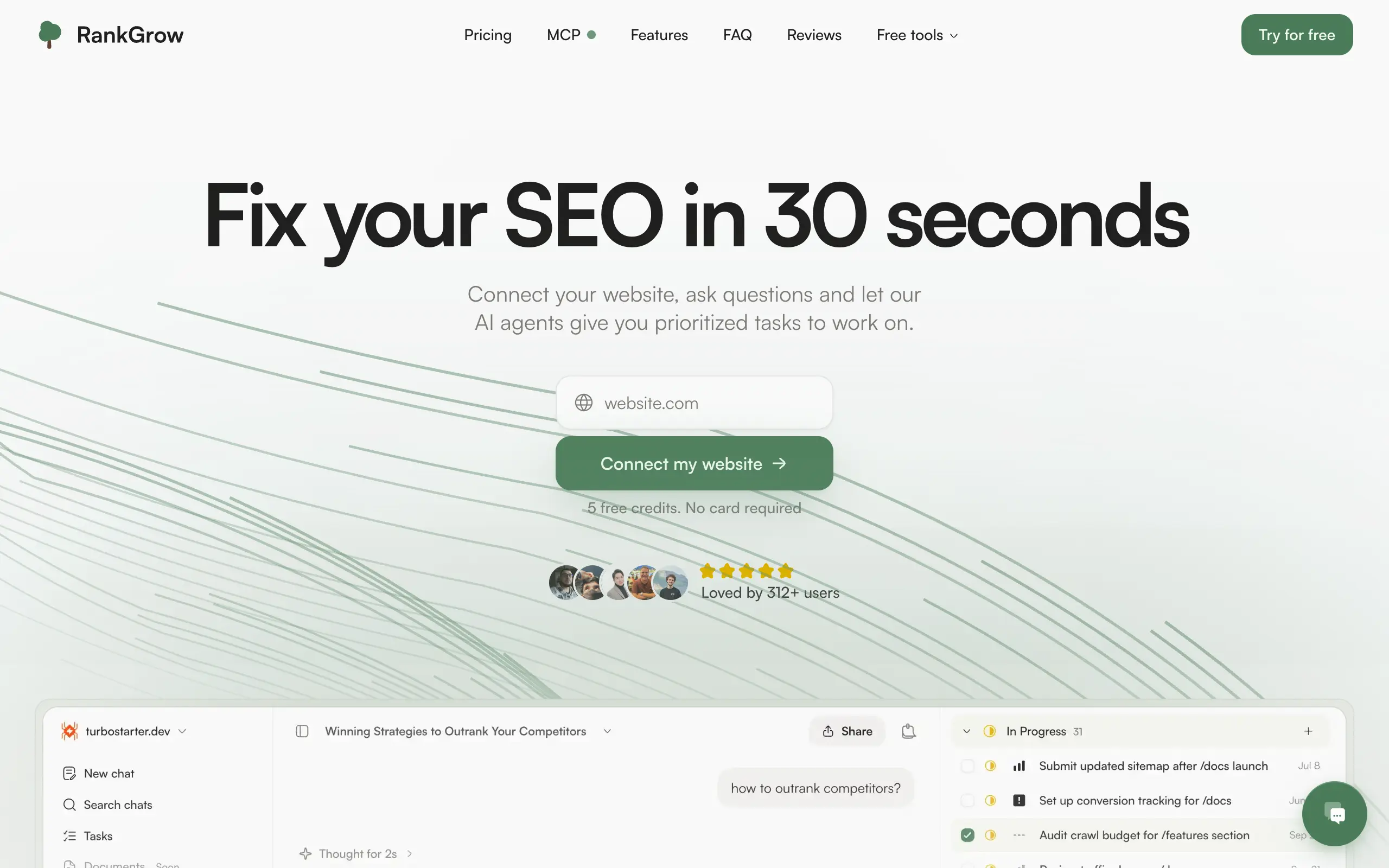
Fix your SEO with AI agents - connect Search Console, get prioritized tasks, and grow organic traffic 📈
SyncReads
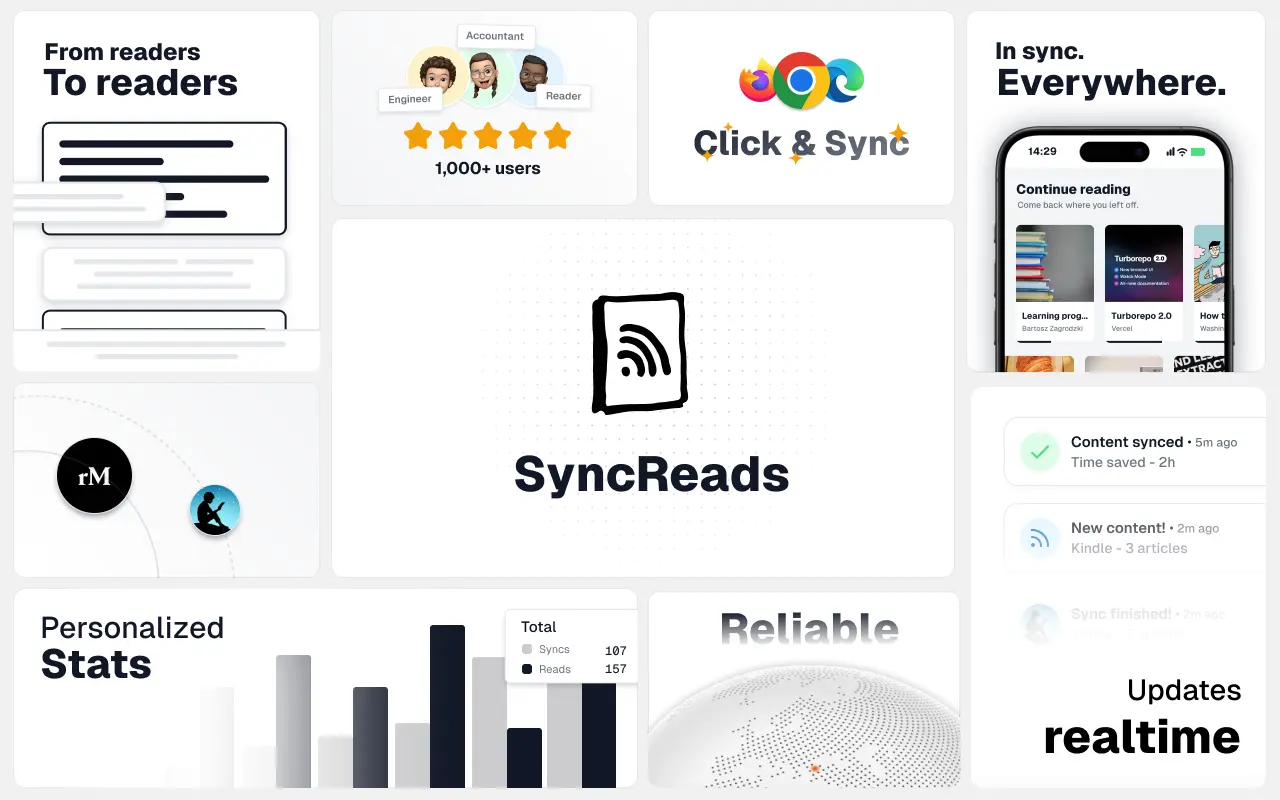
Sync your favorite content for distraction-free reading, save time and replace multiple apps. Anytime, anywhere 🔄
Socialcrawl
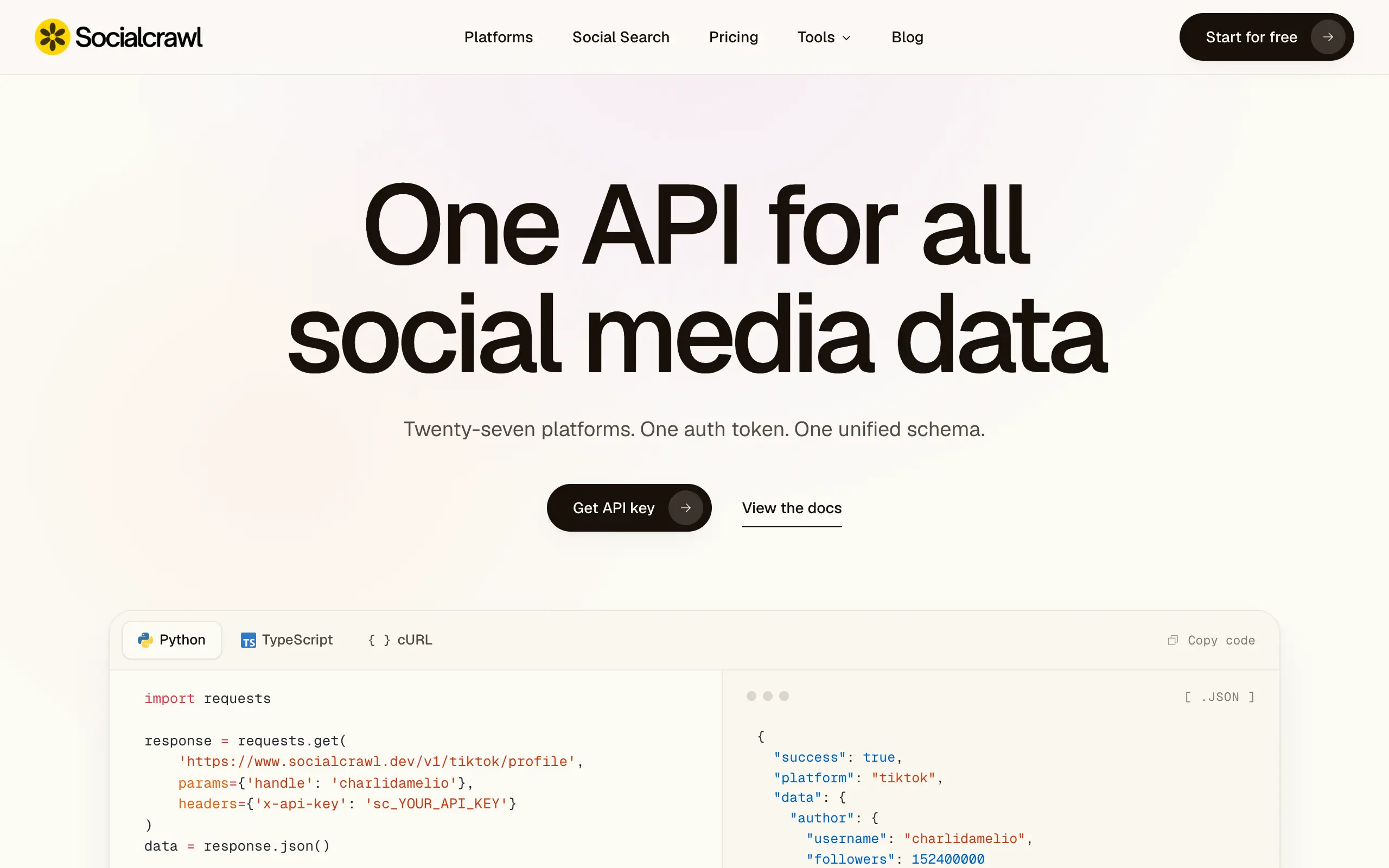
Get clean, structured data from 21 platforms like TikTok, Instagram, and YouTube with a single request 📊
Statiko
Monitor any Telegram channel in real time - track posts, edits, deletions, and growth with AI recaps 📡
Shibui
AI website builder - describe your business, pick a niche template, edit by chatting, and publish instantly ✨
Pro Service
Find verified home service professionals, compare quotes, and pay securely through escrow - built for Brazilians across the US 🏠
RankGrow
Fix your SEO with AI agents - connect Search Console, get prioritized tasks, and grow organic traffic 📈
SyncReads
Sync your favorite content for distraction-free reading, save time and replace multiple apps. Anytime, anywhere 🔄
Socialcrawl
Get clean, structured data from 21 platforms like TikTok, Instagram, and YouTube with a single request 📊
Statiko
Monitor any Telegram channel in real time - track posts, edits, deletions, and growth with AI recaps 📡
Shibui
AI website builder - describe your business, pick a niche template, edit by chatting, and publish instantly ✨
Pro Service
Find verified home service professionals, compare quotes, and pay securely through escrow - built for Brazilians across the US 🏠
RankGrow
Fix your SEO with AI agents - connect Search Console, get prioritized tasks, and grow organic traffic 📈
SyncReads
Sync your favorite content for distraction-free reading, save time and replace multiple apps. Anytime, anywhere 🔄
Socialcrawl
Get clean, structured data from 21 platforms like TikTok, Instagram, and YouTube with a single request 📊
Statiko
Monitor any Telegram channel in real time - track posts, edits, deletions, and growth with AI recaps 📡
Shibui
AI website builder - describe your business, pick a niche template, edit by chatting, and publish instantly ✨
Pro Service
Find verified home service professionals, compare quotes, and pay securely through escrow - built for Brazilians across the US 🏠
RankGrow
Fix your SEO with AI agents - connect Search Console, get prioritized tasks, and grow organic traffic 📈
SyncReads
Sync your favorite content for distraction-free reading, save time and replace multiple apps. Anytime, anywhere 🔄
Socialcrawl
Get clean, structured data from 21 platforms like TikTok, Instagram, and YouTube with a single request 📊
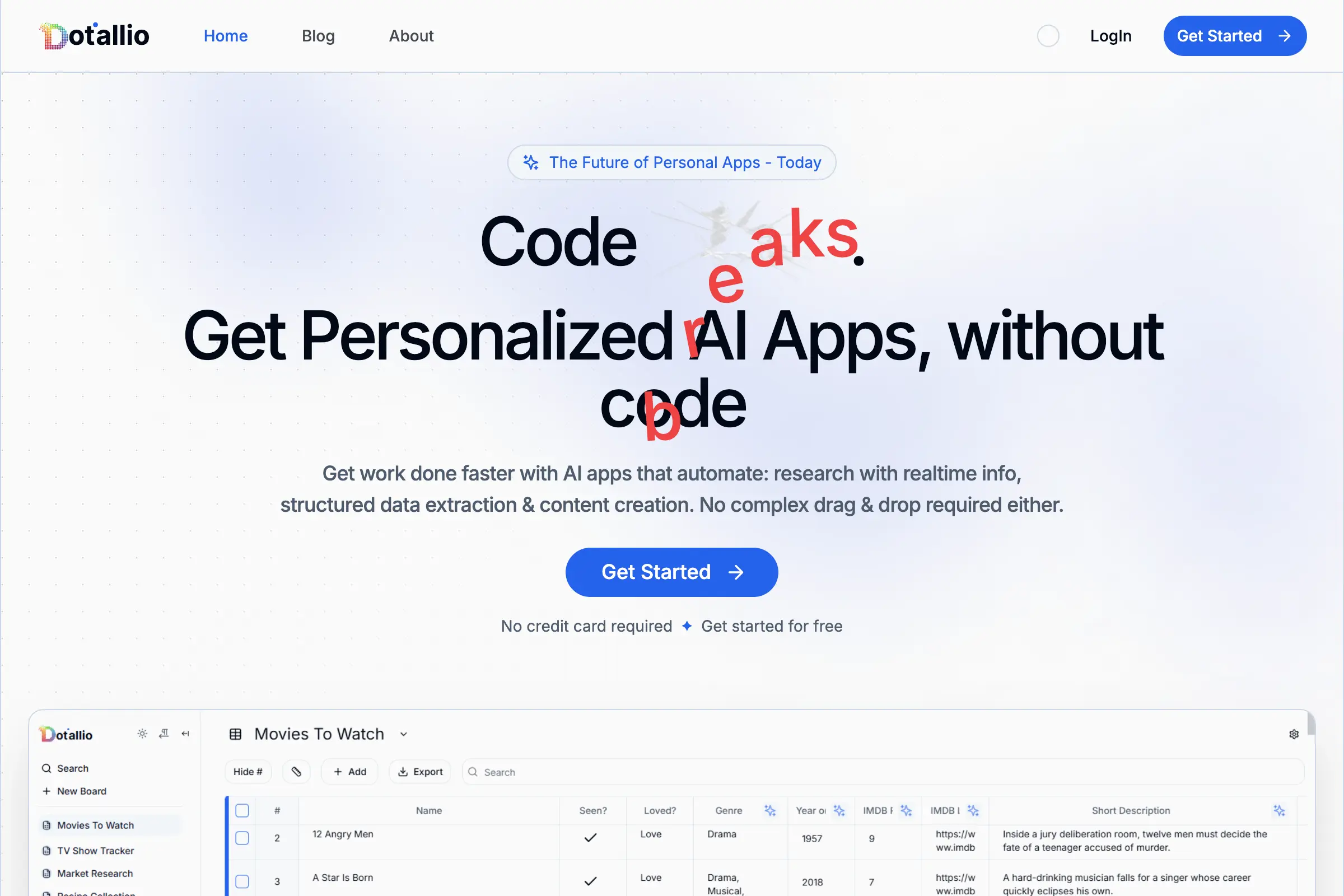
Dotallio
Personalized AI apps that automate research, data extraction, and content creation without code 🤖

Talk to Santa
Enjoy a magical live video chat or receive a unique AI-generated video greeting from Santa Claus 🎅

pozywka.pl
Scalable blog for food journalist, focused on performance and user experience 🌭
zagrodzki.me
Personal blog and portfolio of Bart Zagrodzki, where he shares his knowledge and work 💼
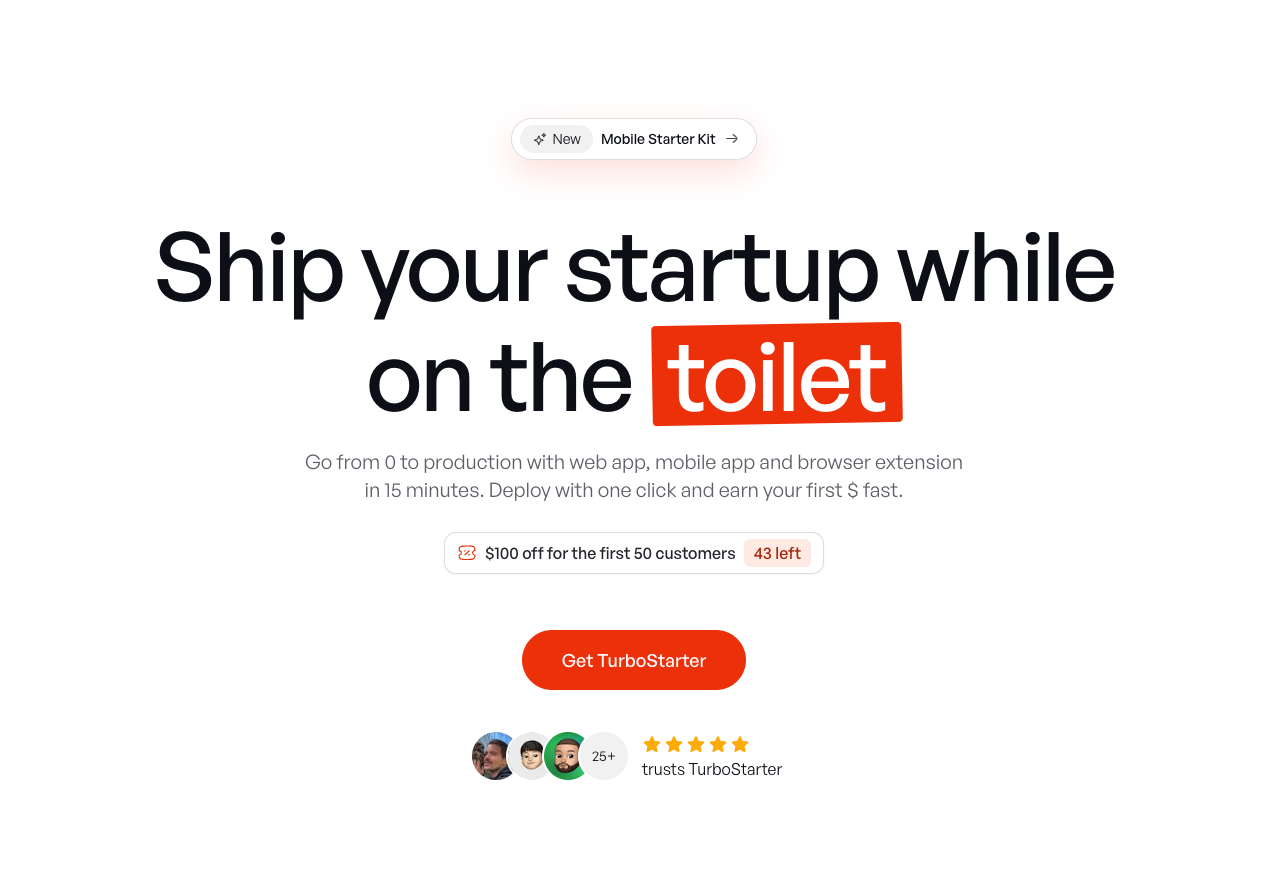
TurboStarter
Ship your startup everywhere. In minutes.
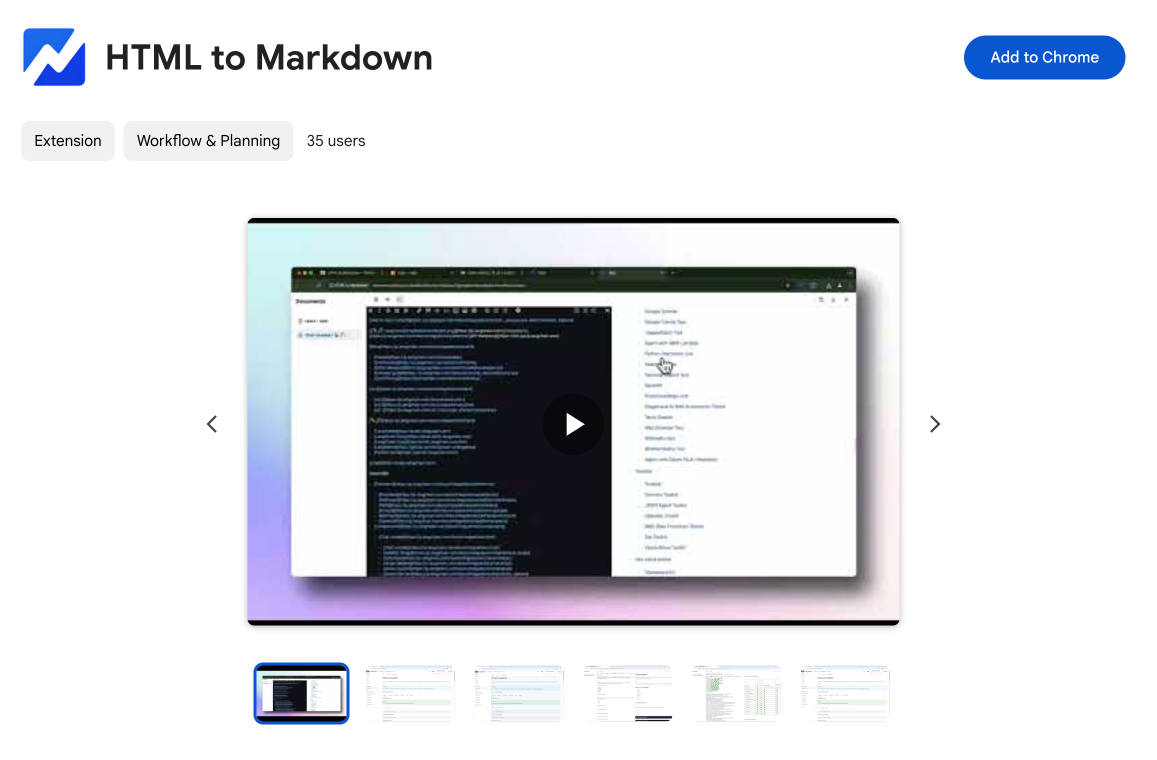
HTML to Markdown
Convert HTML to Markdown with ease, directly in your browser 📄
Dotallio
Personalized AI apps that automate research, data extraction, and content creation without code 🤖
Talk to Santa
Enjoy a magical live video chat or receive a unique AI-generated video greeting from Santa Claus 🎅
pozywka.pl
Scalable blog for food journalist, focused on performance and user experience 🌭
zagrodzki.me
Personal blog and portfolio of Bart Zagrodzki, where he shares his knowledge and work 💼
TurboStarter
Ship your startup everywhere. In minutes.
HTML to Markdown
Convert HTML to Markdown with ease, directly in your browser 📄
Dotallio
Personalized AI apps that automate research, data extraction, and content creation without code 🤖
Talk to Santa
Enjoy a magical live video chat or receive a unique AI-generated video greeting from Santa Claus 🎅
pozywka.pl
Scalable blog for food journalist, focused on performance and user experience 🌭
zagrodzki.me
Personal blog and portfolio of Bart Zagrodzki, where he shares his knowledge and work 💼
TurboStarter
Ship your startup everywhere. In minutes.
HTML to Markdown
Convert HTML to Markdown with ease, directly in your browser 📄
Dotallio
Personalized AI apps that automate research, data extraction, and content creation without code 🤖
Talk to Santa
Enjoy a magical live video chat or receive a unique AI-generated video greeting from Santa Claus 🎅
pozywka.pl
Scalable blog for food journalist, focused on performance and user experience 🌭
zagrodzki.me
Personal blog and portfolio of Bart Zagrodzki, where he shares his knowledge and work 💼
TurboStarter
Ship your startup everywhere. In minutes.
HTML to Markdown
Convert HTML to Markdown with ease, directly in your browser 📄
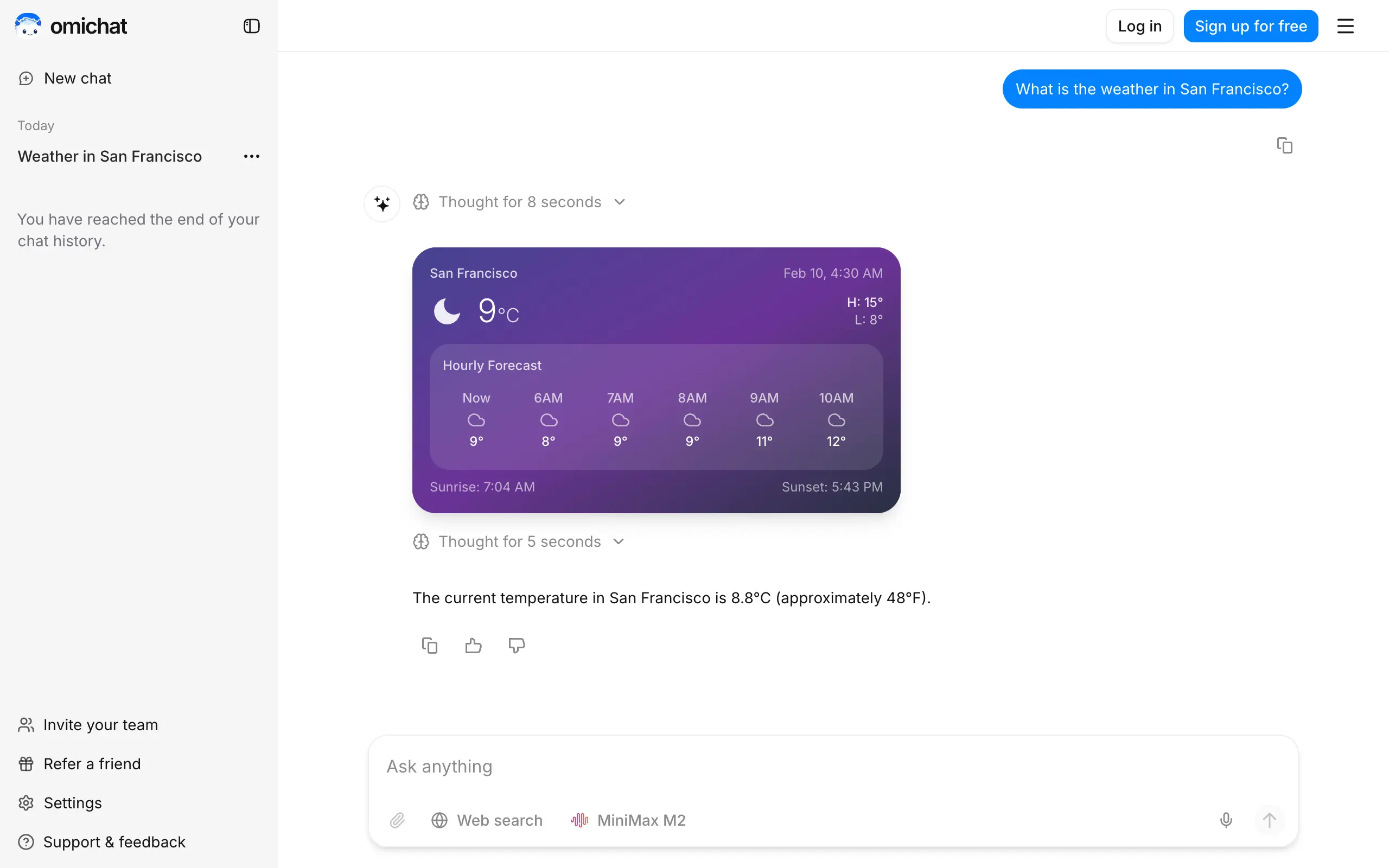
Omichat
Chat with 50+ AI models, including ChatGPT and Claude, in one place - switch models anytime without losing context 🤖
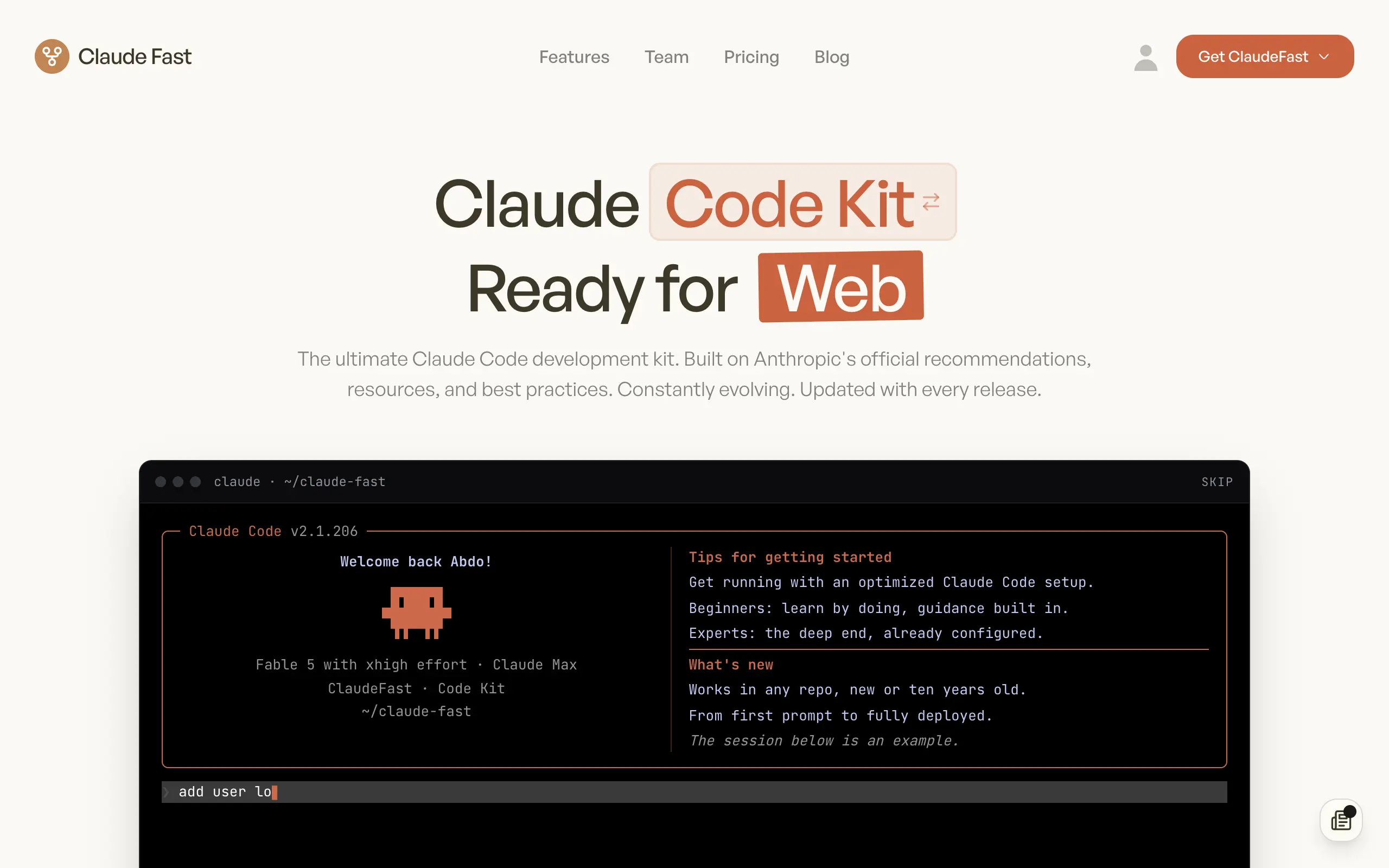
Claude Fast
Supercharge your Claude Code with 6x effective context window and specialized AI agents 🤖

EmojAI
AI-powered emoji picker with smart, context-aware suggestions 🤖
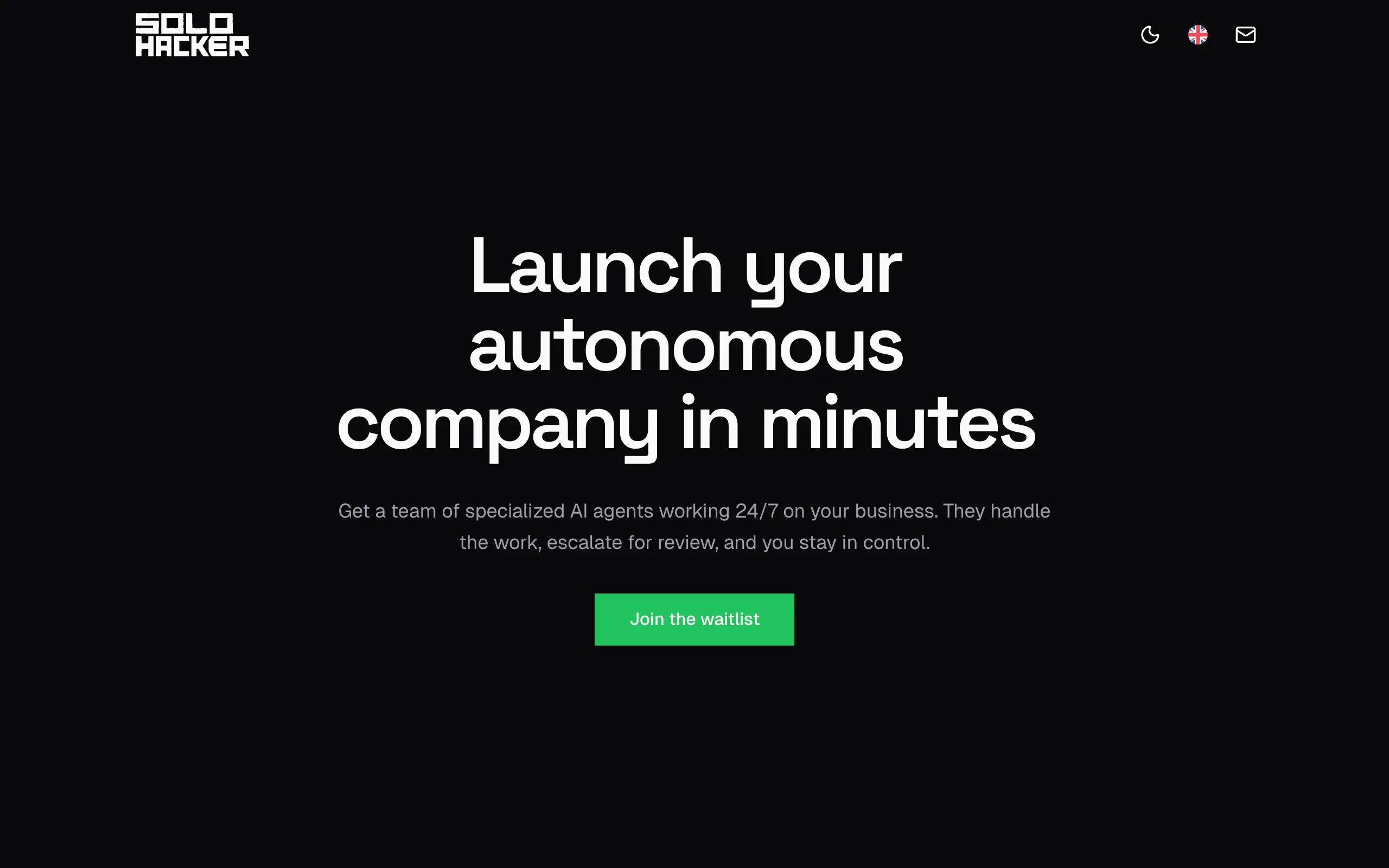
Solohacker
Autonomous company launcher - AI agents work 24/7, escalate what matters, and you stay in control 🤖

BeRawi: Storytelling Coach
Practice storytelling daily with instant feedback to sound clearer, more engaging, and confident 🎤
Omichat
Chat with 50+ AI models, including ChatGPT and Claude, in one place - switch models anytime without losing context 🤖
Claude Fast
Supercharge your Claude Code with 6x effective context window and specialized AI agents 🤖
EmojAI
AI-powered emoji picker with smart, context-aware suggestions 🤖
Solohacker
Autonomous company launcher - AI agents work 24/7, escalate what matters, and you stay in control 🤖
BeRawi: Storytelling Coach
Practice storytelling daily with instant feedback to sound clearer, more engaging, and confident 🎤
Omichat
Chat with 50+ AI models, including ChatGPT and Claude, in one place - switch models anytime without losing context 🤖
Claude Fast
Supercharge your Claude Code with 6x effective context window and specialized AI agents 🤖
EmojAI
AI-powered emoji picker with smart, context-aware suggestions 🤖
Solohacker
Autonomous company launcher - AI agents work 24/7, escalate what matters, and you stay in control 🤖
BeRawi: Storytelling Coach
Practice storytelling daily with instant feedback to sound clearer, more engaging, and confident 🎤
Omichat
Chat with 50+ AI models, including ChatGPT and Claude, in one place - switch models anytime without losing context 🤖
Claude Fast
Supercharge your Claude Code with 6x effective context window and specialized AI agents 🤖
EmojAI
AI-powered emoji picker with smart, context-aware suggestions 🤖
Solohacker
Autonomous company launcher - AI agents work 24/7, escalate what matters, and you stay in control 🤖
BeRawi: Storytelling Coach
Practice storytelling daily with instant feedback to sound clearer, more engaging, and confident 🎤

Connect with like-minded people
Join our community to get feedback, support, and grow together with 1,000+ builders on board, let's ship it!
Join usShip your startup everywhere. In minutes.
Don't burn tokens on setup and start building features on day one.