Recallist
Save any article, video, or thread and get instant AI summaries plus spaced-repetition reminders. Never forget why you saved a link again.
The problem with “read later” apps (and why most fail you)
Every knowledge worker has a graveyard of saved links.
Browser bookmarks. Notion databases. Pocket lists. Slack messages. “Watch later” playlists. Twitter/X threads you meant to revisit. You saved them for a reason — but weeks later, you barely remember why.
This is the core pain point that Recallist, an AI-powered read-later and spaced repetition app, aims to solve.
Traditional read-later tools help you store content.
Recallist helps you remember it.
By combining:
- AI-generated summaries
- Automatic key insight extraction
- Spaced-repetition reminders
- Context-aware recall prompts
Recallist transforms passive saving into active knowledge retention.
In this deep-dive, we’ll explore:
- The target audience and user psychology behind content hoarding
- The market gap in productivity and knowledge management
- Core features and technical architecture
- Monetization strategy and business model
- Competitive analysis vs. Pocket, Notion, Readwise, and others
- Risks, differentiation, and execution roadmap
If you're validating, building, or investing in a productivity SaaS idea like Recallist, this guide will give you a strategic blueprint grounded in real market trends.
Understanding the user intent behind saving content
Before building a productivity SaaS, you must understand why users save content in the first place.
Most users don’t save links because they want to reread them. They save them because they want to:
- ✅ Learn something later
- ✅ Extract insights
- ✅ Apply it to a project
- ✅ Reference it in conversation
- ✅ Avoid losing it
But traditional tools create a storage loop, not a learning loop.
The psychological gap
Saving creates a false sense of productivity. Behavioral psychology research shows that simply bookmarking something gives the brain a small dopamine hit — the illusion of progress — without actual knowledge acquisition.
What users really want is:
“When I need this idea again, I want it available in my memory.”
That’s where AI summaries + spaced repetition become powerful.
Target audience analysis
Recallist sits at the intersection of:
- Productivity SaaS
- Knowledge management
- AI summarization tools
- Learning optimization platforms
Primary audience segments
Knowledge workers
Consultants, founders, PMs, designers, and marketers who consume high volumes of online content.
Lifelong learners
People who actively read blogs, newsletters, books, and watch educational YouTube content.
Students & researchers
Individuals who need structured recall of academic or professional material.
Content creators
Writers and creators who save ideas for future inspiration and references.
Secondary audience
- Startup teams managing shared knowledge
- Online course students
- Developers following technical documentation
Pain points they experience
- “I don’t remember why I saved this.”
- “I never revisit my bookmarks.”
- “I consume too much content and retain too little.”
- “My saved content is scattered across apps.”
Recallist’s core positioning should focus on:
From saving links to building memory.
Market opportunity in AI-powered knowledge retention
The productivity software market is massive and growing.
According to industry reports (e.g., Gartner, Statista — cite latest figures when publishing), the global productivity software market is valued in the tens of billions and continues expanding due to remote work and knowledge economy growth.
But here’s the opportunity gap:
Existing tools focus on storage, not retention
| Category | Examples | Main Function | Missing Element |
|---|---|---|---|
| Read-later apps | Save & read later | Long-term recall | |
| Note-taking tools | Notion, Evernote | Organize notes | Active memory reinforcement |
| Highlight tools | Readwise | Review highlights | Full-link context summaries |
| AI summarizers | ChatGPT, Claude | Summarize on demand | Reminder + spaced learning |
Recallist bridges:
Capture → Summarize → Reinforce → Recall
That makes it closer to an AI-powered memory assistant than a bookmarking tool.
Core features of Recallist
Let’s break down what makes Recallist strategically compelling.
1. One-click universal saving
Users should be able to save:
- Articles
- YouTube videos
- Podcast links
- X/Twitter threads
- Reddit discussions
- PDFs
Through:
- Browser extension
- Mobile share sheet
- Email forwarding
- API integration
The UX must be frictionless. If saving isn’t instant, adoption drops.
2. Instant AI summaries
When a user saves a link, Recallist generates:
- ✅ Concise summary
- ✅ Key takeaways
- ✅ Actionable insights
- ✅ Contextual tags
AI model options:
- OpenAI GPT-4.1 / GPT-4o
- Claude
- Self-hosted LLM (for enterprise tier)
Summaries should be:
- Skimmable
- Structured
- Highlight-ready
Example summary output format:
Title: "The future of remote work"

Key insights:
- Hybrid models outperform fully remote in retention.
- Async-first culture reduces meeting load.
- Documentation is a competitive advantage.

Action idea:
- Implement async standups in Slack.
3. Spaced-repetition reminders (core differentiator)
This is Recallist’s secret weapon.
Using memory science (Ebbinghaus forgetting curve), the system:
- Reminds users 1 day later
- Then 3 days
- Then 7 days
- Then 21 days
- Then 60 days
But instead of generic reminders, it prompts:
“What were the 3 main ideas from this article?”
Users answer briefly. AI checks accuracy. If recall is weak → reschedule earlier.
This transforms passive reading into active recall learning.
4. AI-generated recall questions
Rather than just sending summaries, Recallist can generate:
- Multiple-choice questions
- Short-answer prompts
- Scenario-based questions
- “How would you apply this?” prompts
This increases retention dramatically.
5. Smart resurfacing (contextual memory)
Future advanced feature:
If user writes in Notion or Google Docs about a topic, Recallist suggests:
“You saved 3 articles about this topic 2 months ago.”
That’s true memory augmentation.
Technical architecture and recommended tech stack
To build Recallist efficiently and scalably:
Frontend
Why?
- SSR for SEO
- Scalable component architecture
- Great DX
Backend
Options:
Stack:
- Next.js API routes
- Supabase
- Edge functions
✅ Faster MVP
✅ Lower ops cost
❌ Harder complex job scheduling
Stack:
- Node.js (NestJS)
- PostgreSQL
- Redis
- Background workers (BullMQ)
✅ Better for spaced repetition scheduling
✅ More control
❌ Higher complexity
Given spaced repetition and reminders require scheduled background jobs, a dedicated backend may scale better.
AI integration
Use:
- OpenAI API for summarization
- Embeddings for similarity search
- Vector database (Pinecone, Weaviate, or pgvector)
Scheduling engine example
function calculateNextReview(interval: number): Date {
  const now = new Date();
  now.setDate(now.getDate() + interval);
  return now;
}
But production-grade implementation would use:
- SM-2 algorithm (used in Anki)
- Reinforcement-based difficulty adjustments
Browser extension stack
- Manifest v3
- React + Vite
- Background script for scraping
Competitive analysis
Let’s compare Recallist against adjacent tools.
| Feature | Notion | Readwise | Recallist | |
|---|---|---|---|---|
| AI summaries | ❌ | Partial | ✅ | ✅ |
| Spaced repetition | ❌ | ❌ | ✅ (highlights only) | ✅ (full content) |
| Context recall prompts | ❌ | ❌ | Limited | ✅ |
Competitive advantage
Recallist’s moat comes from:
- Memory-first positioning
- AI-generated contextual recall
- Full-link reinforcement (not just highlights)
- Behavioral science integration
It is not just a “read later app” — it’s a personal knowledge reinforcement system.
Monetization strategy
Freemium model (recommended)
Free tier:
- 30 saves per month
- Basic summaries
- Limited reminders
Pro tier ($10–15/month):
- Unlimited saves
- Advanced recall prompts
- Smart resurfacing
- AI customization
Team tier ($25–40/user/month):
- Shared knowledge pools
- Team recall sessions
- Admin analytics
Alternative monetization models
- Lifetime deal (early adopters)
- Education pricing
- API access for developers
- White-label enterprise memory system
Potential risks and mitigation
1. AI cost inflation
Mitigation:
- Cache summaries
- Use smaller models for recall prompts
- Summarize once, reuse forever
2. User fatigue from reminders
Mitigation:
- Adaptive frequency
- User control
- “Pause learning mode”
3. Competition from large platforms
Notion or Readwise could replicate this.
Mitigation:
- Focus on depth, not breadth
- Build strong brand around memory optimization
- Develop proprietary recall algorithms
Unique selling proposition (USP)
Recallist is the first AI-powered read-later app designed for long-term knowledge retention using spaced repetition and active recall.
It answers the question:
“How do I remember what I read online?”
That’s a stronger emotional hook than:
“Where should I store this link?”
Go-to-market strategy
Phase 1: Knowledge creators
Target:
- YouTubers in productivity
- Twitter/X knowledge threads
- Indie hackers
- Students
Positioning:
“Never forget what you read again.”
Phase 2: SEO content strategy
Target keywords:
- AI read later app
- Best spaced repetition app
- How to remember what you read
- AI summarizer with reminders
- Knowledge management app
Content cluster strategy:
- Memory science articles
- Deep dives on spaced repetition
- Comparisons vs Pocket & Readwise
Implementation roadmap
For faster development, use a production-ready SaaS boilerplate like TurboStarter, which includes authentication, payments, database integration, and scalable architecture — reducing time-to-market significantly.
Why Recallist can win
We are entering an era of information abundance and memory scarcity.
People don’t need more content.
They need better retention.
AI is shifting from:
- Generating content
to - Structuring and reinforcing knowledge
Recallist sits exactly at that inflection point.
If executed well, it can become:
- The default knowledge memory layer
- A cognitive companion for professionals
- A long-term personal knowledge vault
Final thoughts
The biggest opportunity in productivity SaaS isn’t better organization.
It’s better cognition.
Recallist merges:
- AI summarization
- Spaced repetition science
- Context-aware recall
- Seamless content capture
That combination makes it more than a bookmarking tool — it becomes a personal memory operating system.
If you build this with clarity of positioning, strong UX, and behavioral science at its core, Recallist has the potential to define a new category:
AI-powered knowledge retention software.
And in a world drowning in information, that’s not just useful.
It’s essential.
More ⚡ Productivity Tool SaaS ideas
Discover more innovative productivity tool SaaS ideas that are trending in 2026. Each idea is AI-generated with market validation and growth potential to help you find your next profitable venture faster than competitors.
Your competitors are building with TurboStarter
Below are some of the SaaS ideas that have been generated and built with our starter kit.
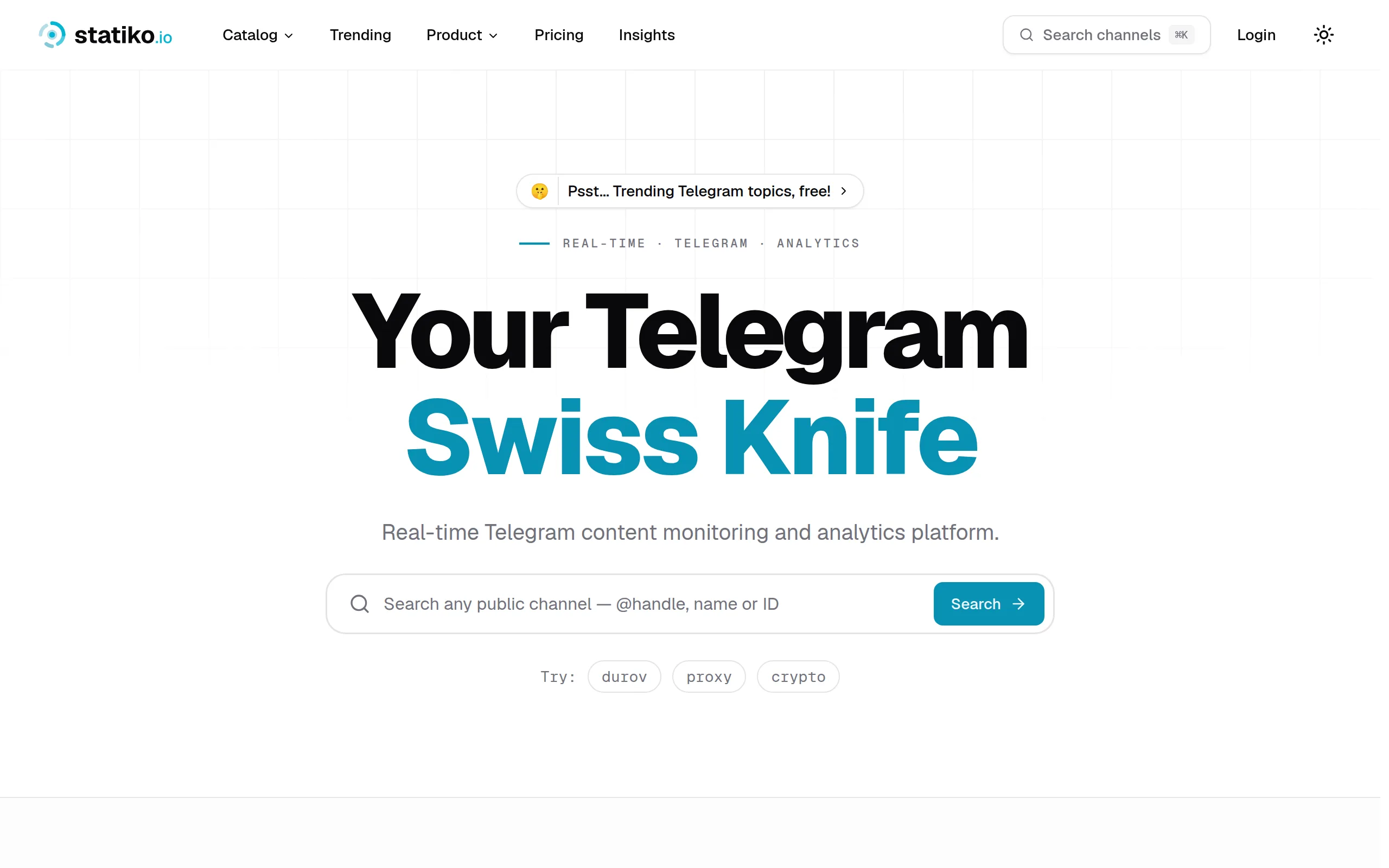
Statiko
Monitor any Telegram channel in real time - track posts, edits, deletions, and growth with AI recaps 📡

Shibui
AI website builder - describe your business, pick a niche template, edit by chatting, and publish instantly ✨

Pro Service
Find verified home service professionals, compare quotes, and pay securely through escrow - built for Brazilians across the US 🏠
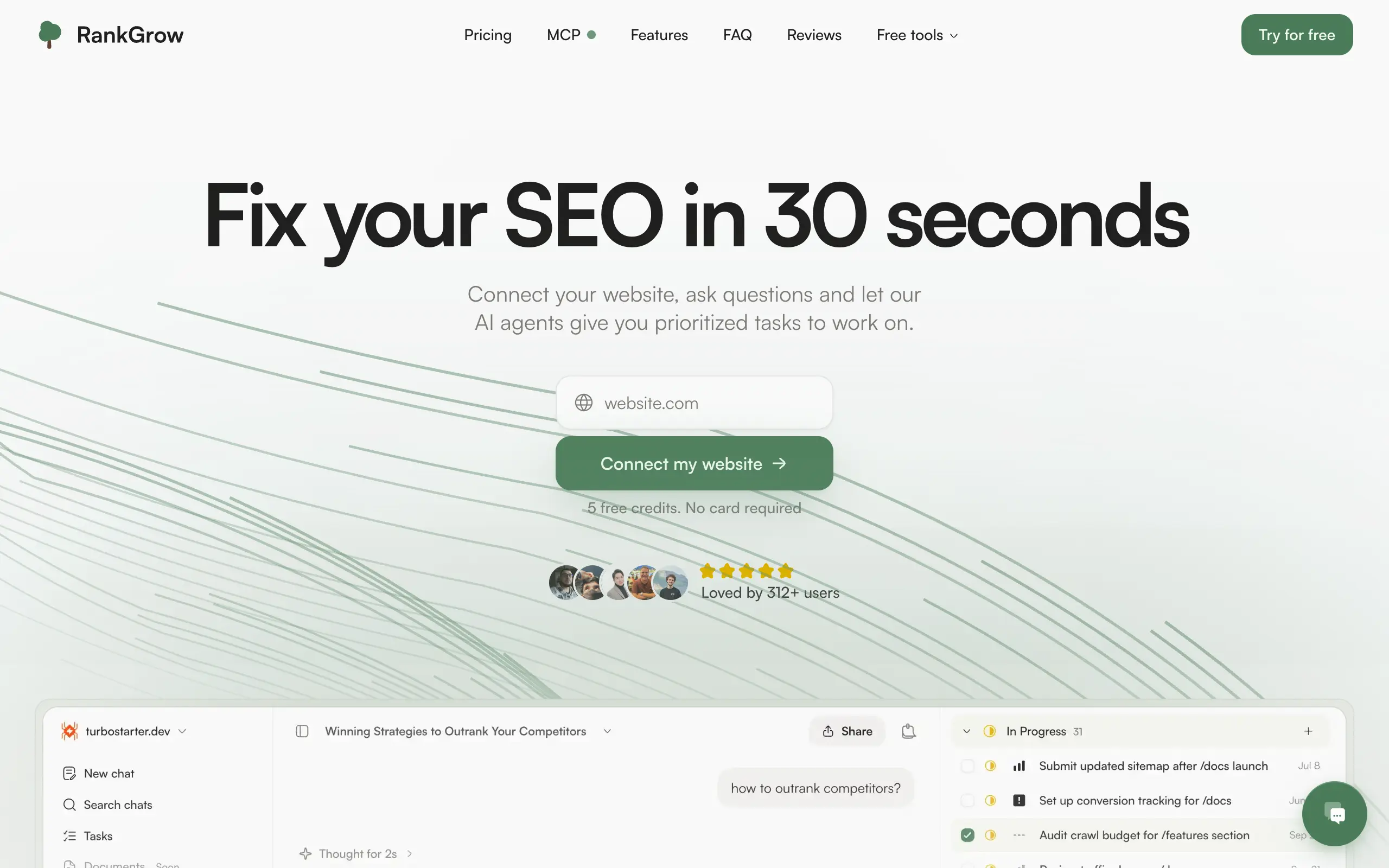
RankGrow
Fix your SEO with AI agents - connect Search Console, get prioritized tasks, and grow organic traffic 📈
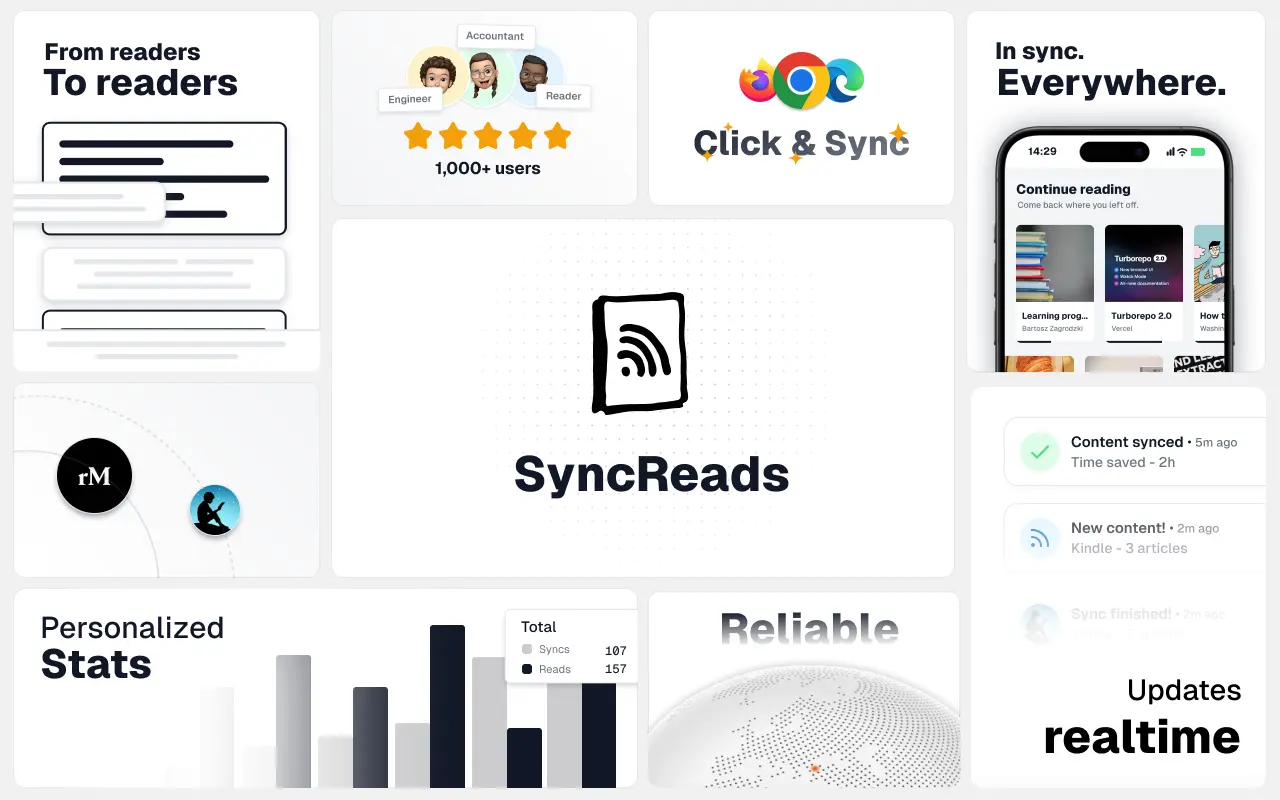
SyncReads
Sync your favorite content for distraction-free reading, save time and replace multiple apps. Anytime, anywhere 🔄
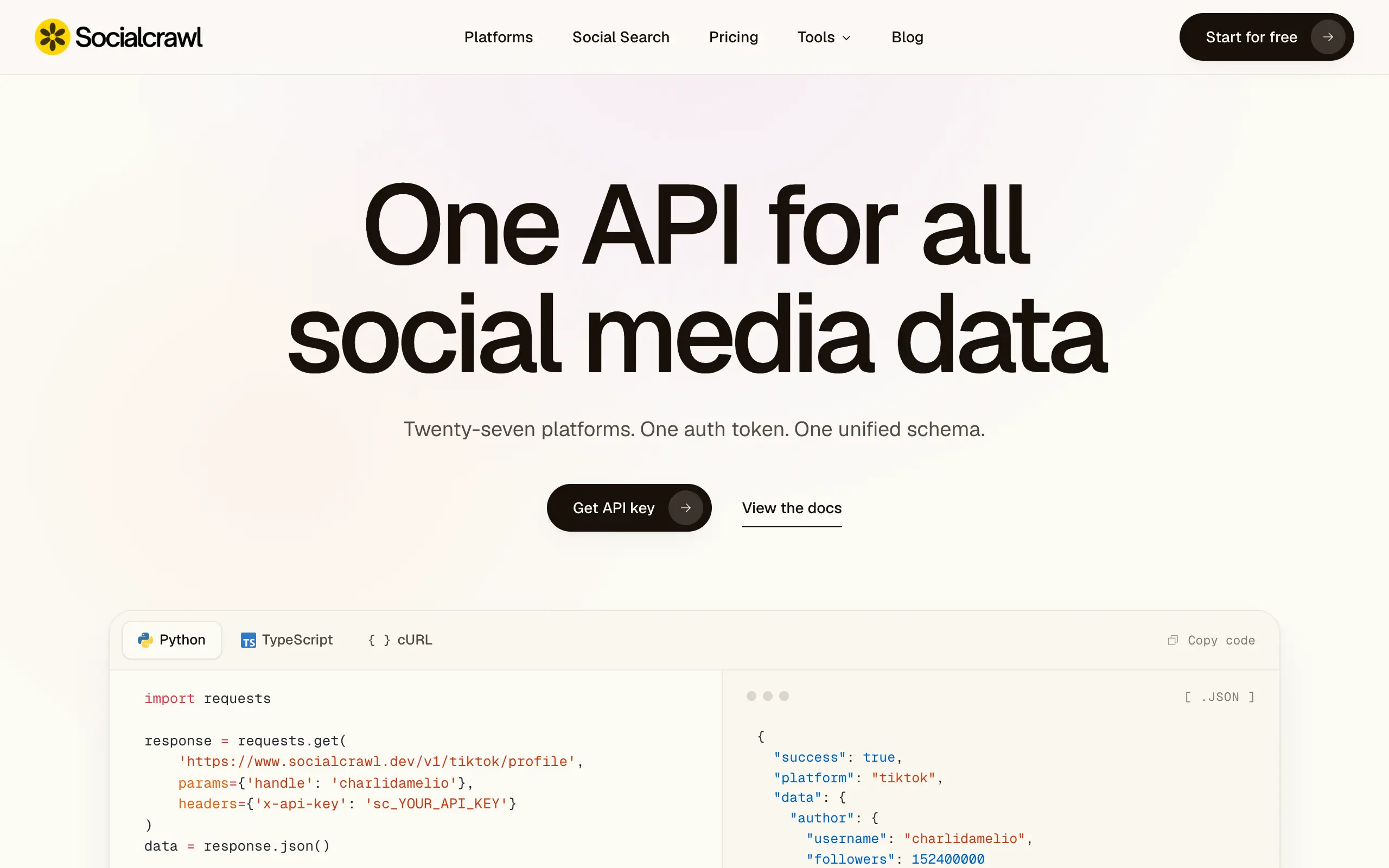
Socialcrawl
Get clean, structured data from 21 platforms like TikTok, Instagram, and YouTube with a single request 📊
Statiko
Monitor any Telegram channel in real time - track posts, edits, deletions, and growth with AI recaps 📡
Shibui
AI website builder - describe your business, pick a niche template, edit by chatting, and publish instantly ✨
Pro Service
Find verified home service professionals, compare quotes, and pay securely through escrow - built for Brazilians across the US 🏠
RankGrow
Fix your SEO with AI agents - connect Search Console, get prioritized tasks, and grow organic traffic 📈
SyncReads
Sync your favorite content for distraction-free reading, save time and replace multiple apps. Anytime, anywhere 🔄
Socialcrawl
Get clean, structured data from 21 platforms like TikTok, Instagram, and YouTube with a single request 📊
Statiko
Monitor any Telegram channel in real time - track posts, edits, deletions, and growth with AI recaps 📡
Shibui
AI website builder - describe your business, pick a niche template, edit by chatting, and publish instantly ✨
Pro Service
Find verified home service professionals, compare quotes, and pay securely through escrow - built for Brazilians across the US 🏠
RankGrow
Fix your SEO with AI agents - connect Search Console, get prioritized tasks, and grow organic traffic 📈
SyncReads
Sync your favorite content for distraction-free reading, save time and replace multiple apps. Anytime, anywhere 🔄
Socialcrawl
Get clean, structured data from 21 platforms like TikTok, Instagram, and YouTube with a single request 📊
Statiko
Monitor any Telegram channel in real time - track posts, edits, deletions, and growth with AI recaps 📡
Shibui
AI website builder - describe your business, pick a niche template, edit by chatting, and publish instantly ✨
Pro Service
Find verified home service professionals, compare quotes, and pay securely through escrow - built for Brazilians across the US 🏠
RankGrow
Fix your SEO with AI agents - connect Search Console, get prioritized tasks, and grow organic traffic 📈
SyncReads
Sync your favorite content for distraction-free reading, save time and replace multiple apps. Anytime, anywhere 🔄
Socialcrawl
Get clean, structured data from 21 platforms like TikTok, Instagram, and YouTube with a single request 📊
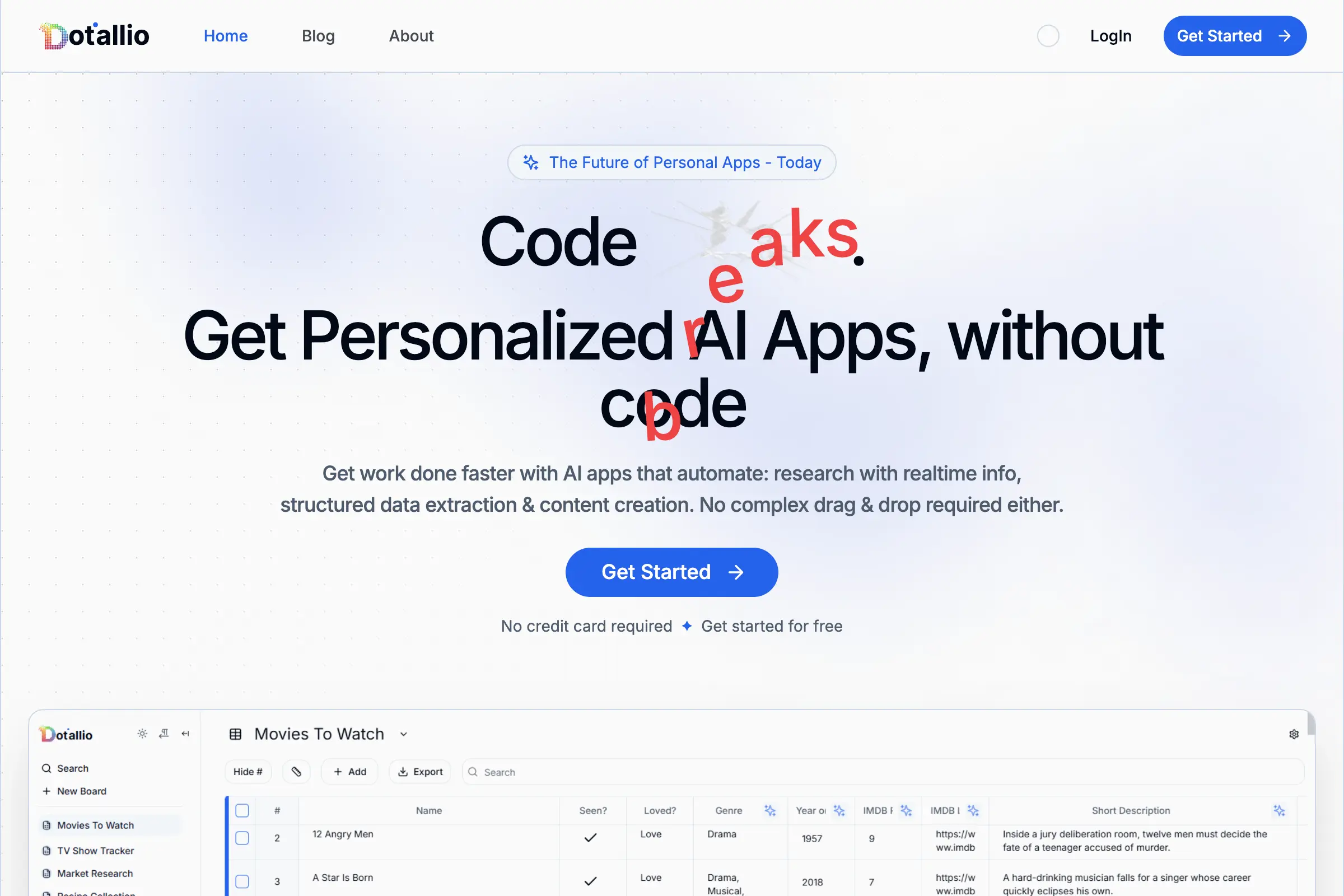
Dotallio
Personalized AI apps that automate research, data extraction, and content creation without code 🤖
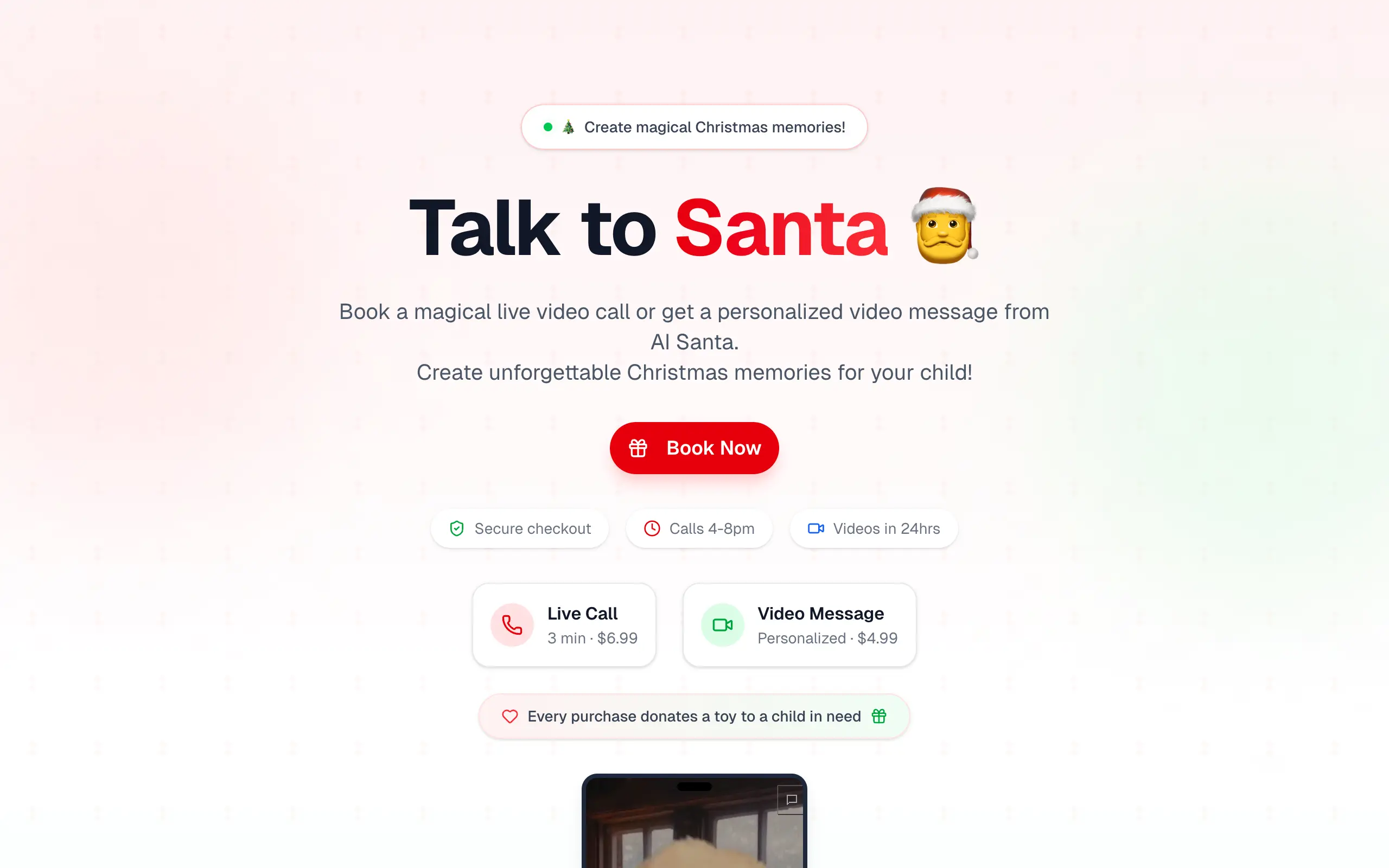
Talk to Santa
Enjoy a magical live video chat or receive a unique AI-generated video greeting from Santa Claus 🎅
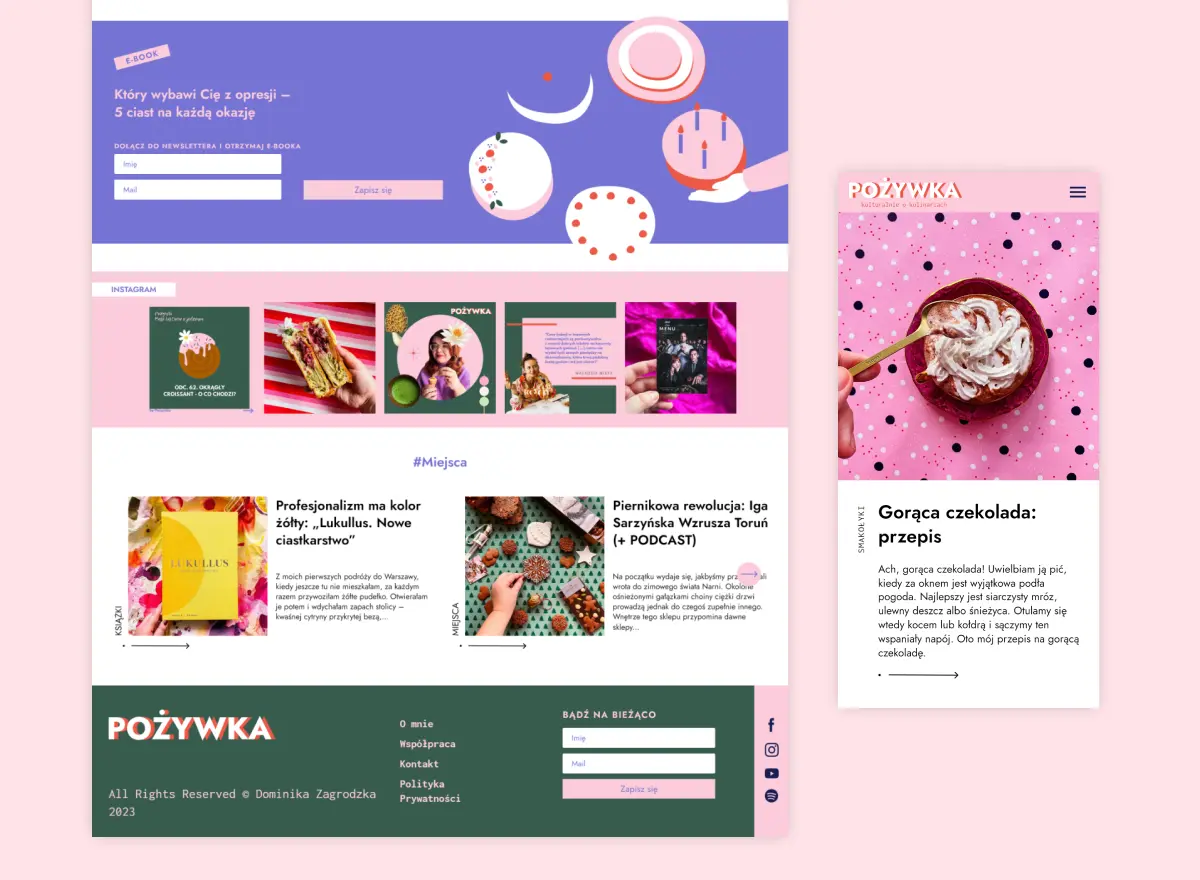
pozywka.pl
Scalable blog for food journalist, focused on performance and user experience 🌭
zagrodzki.me
Personal blog and portfolio of Bart Zagrodzki, where he shares his knowledge and work 💼
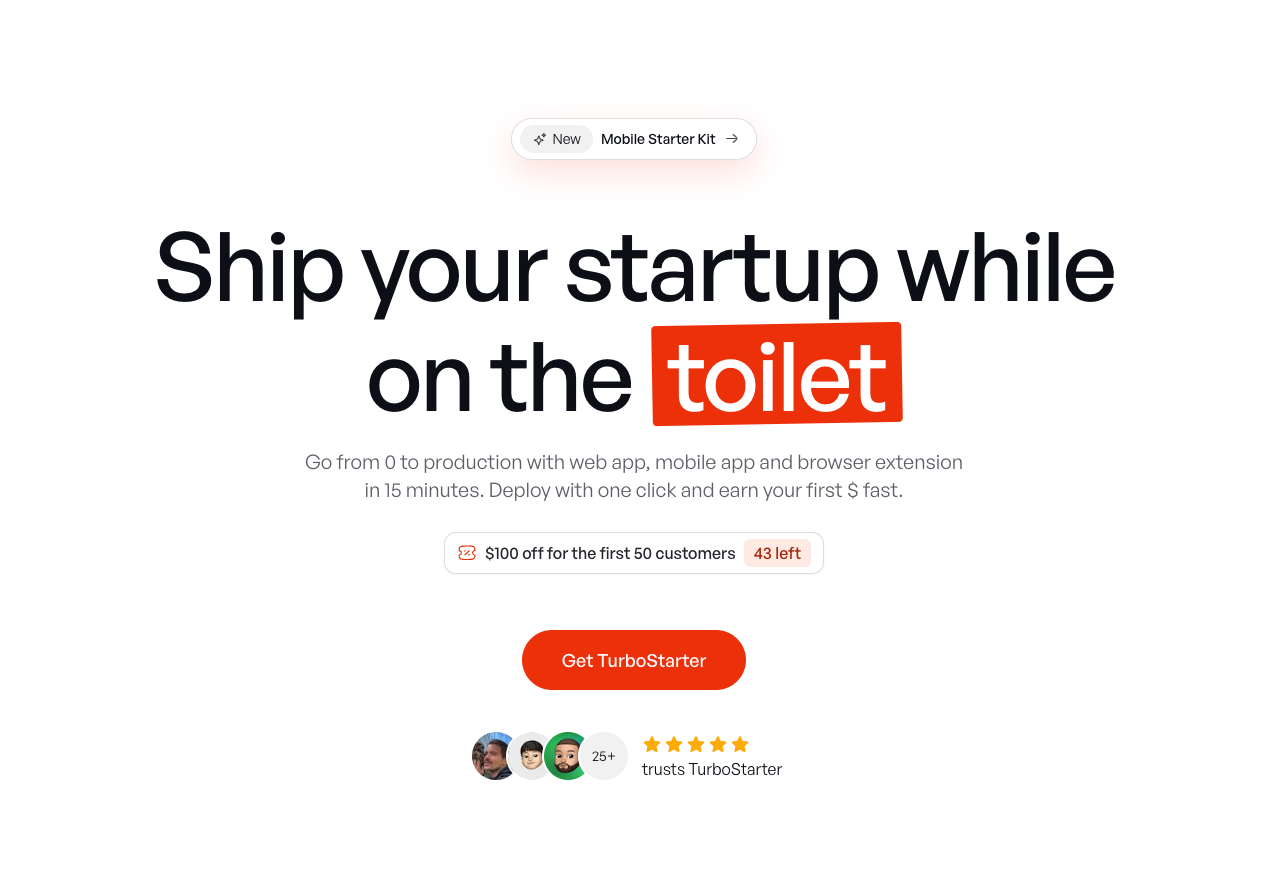
TurboStarter
Ship your startup everywhere. In minutes.
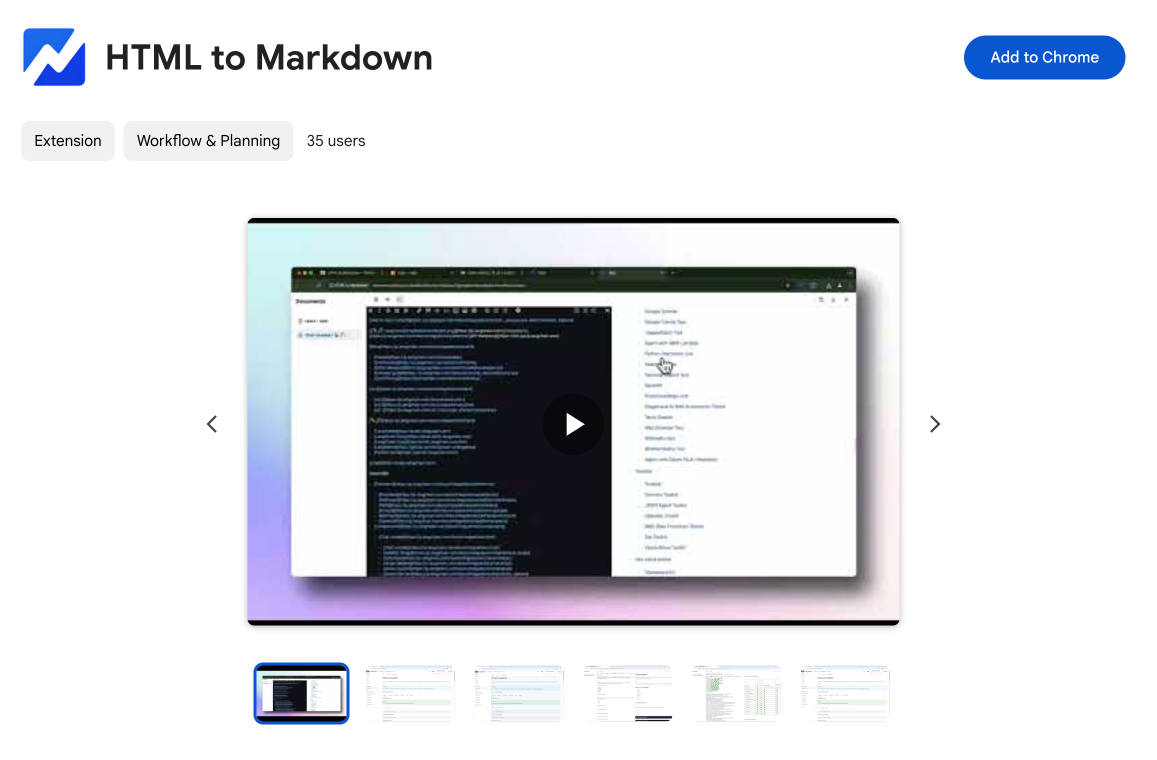
HTML to Markdown
Convert HTML to Markdown with ease, directly in your browser 📄
Dotallio
Personalized AI apps that automate research, data extraction, and content creation without code 🤖
Talk to Santa
Enjoy a magical live video chat or receive a unique AI-generated video greeting from Santa Claus 🎅
pozywka.pl
Scalable blog for food journalist, focused on performance and user experience 🌭
zagrodzki.me
Personal blog and portfolio of Bart Zagrodzki, where he shares his knowledge and work 💼
TurboStarter
Ship your startup everywhere. In minutes.
HTML to Markdown
Convert HTML to Markdown with ease, directly in your browser 📄
Dotallio
Personalized AI apps that automate research, data extraction, and content creation without code 🤖
Talk to Santa
Enjoy a magical live video chat or receive a unique AI-generated video greeting from Santa Claus 🎅
pozywka.pl
Scalable blog for food journalist, focused on performance and user experience 🌭
zagrodzki.me
Personal blog and portfolio of Bart Zagrodzki, where he shares his knowledge and work 💼
TurboStarter
Ship your startup everywhere. In minutes.
HTML to Markdown
Convert HTML to Markdown with ease, directly in your browser 📄
Dotallio
Personalized AI apps that automate research, data extraction, and content creation without code 🤖
Talk to Santa
Enjoy a magical live video chat or receive a unique AI-generated video greeting from Santa Claus 🎅
pozywka.pl
Scalable blog for food journalist, focused on performance and user experience 🌭
zagrodzki.me
Personal blog and portfolio of Bart Zagrodzki, where he shares his knowledge and work 💼
TurboStarter
Ship your startup everywhere. In minutes.
HTML to Markdown
Convert HTML to Markdown with ease, directly in your browser 📄
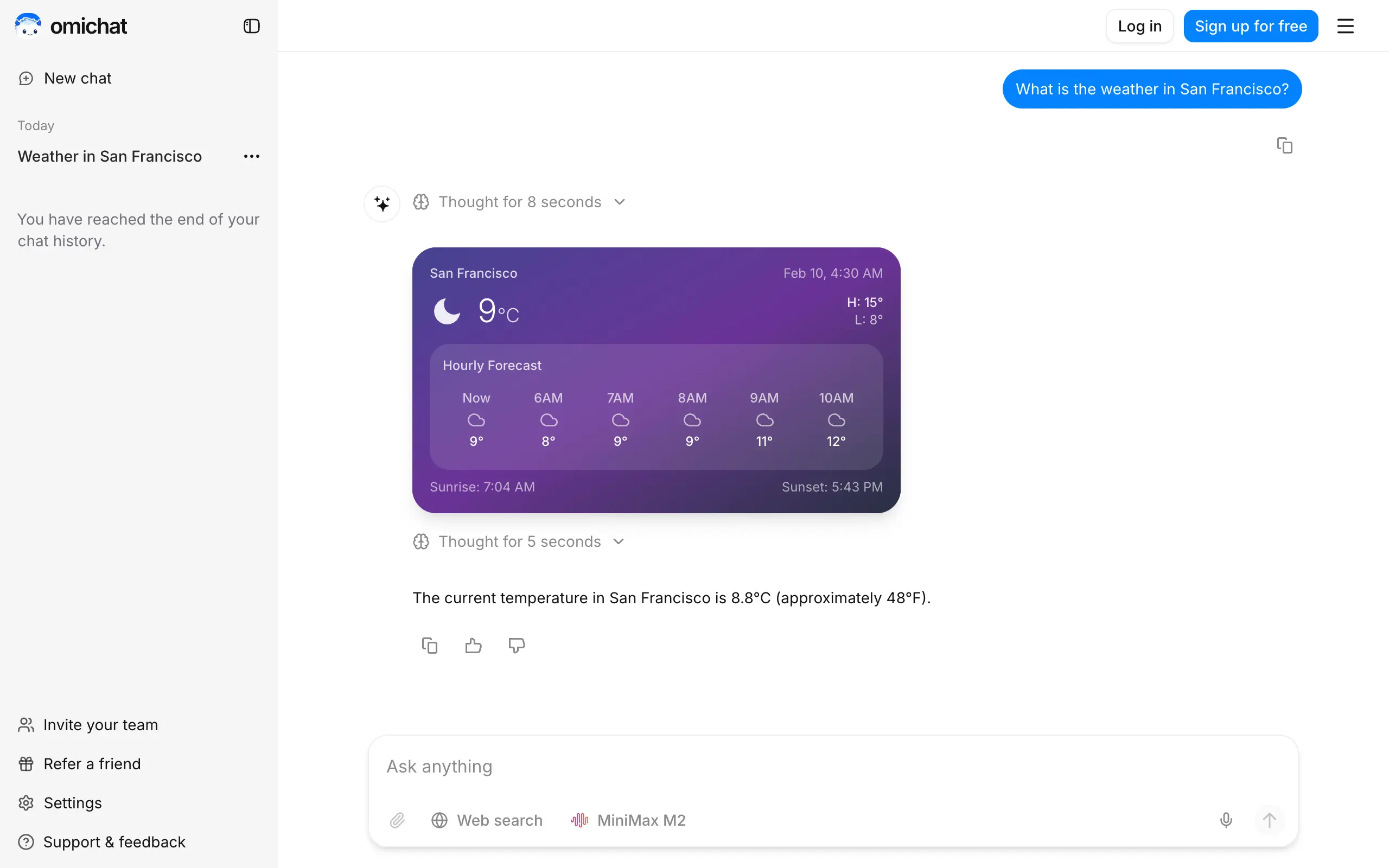
Omichat
Chat with 50+ AI models, including ChatGPT and Claude, in one place - switch models anytime without losing context 🤖
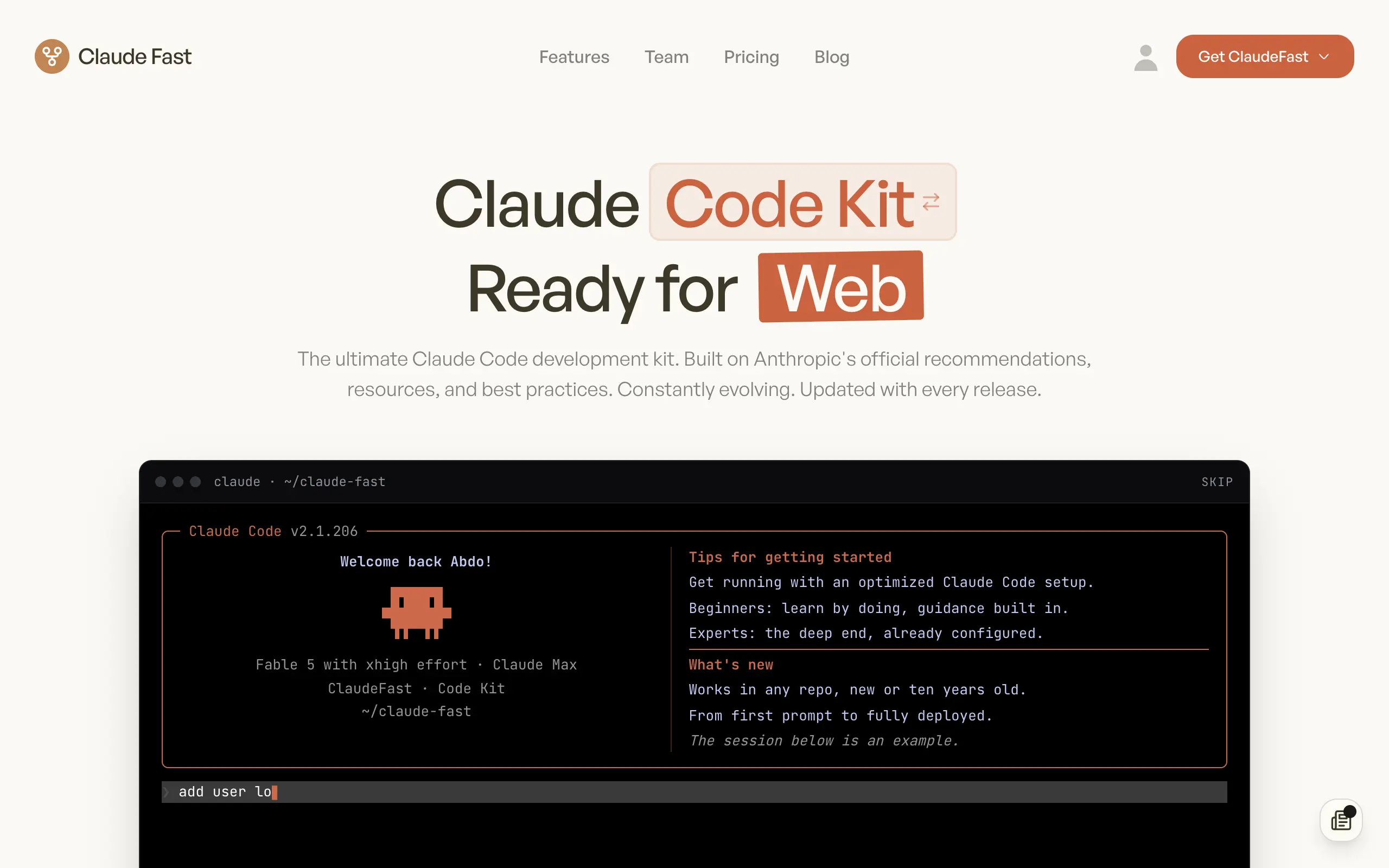
Claude Fast
Supercharge your Claude Code with 6x effective context window and specialized AI agents 🤖
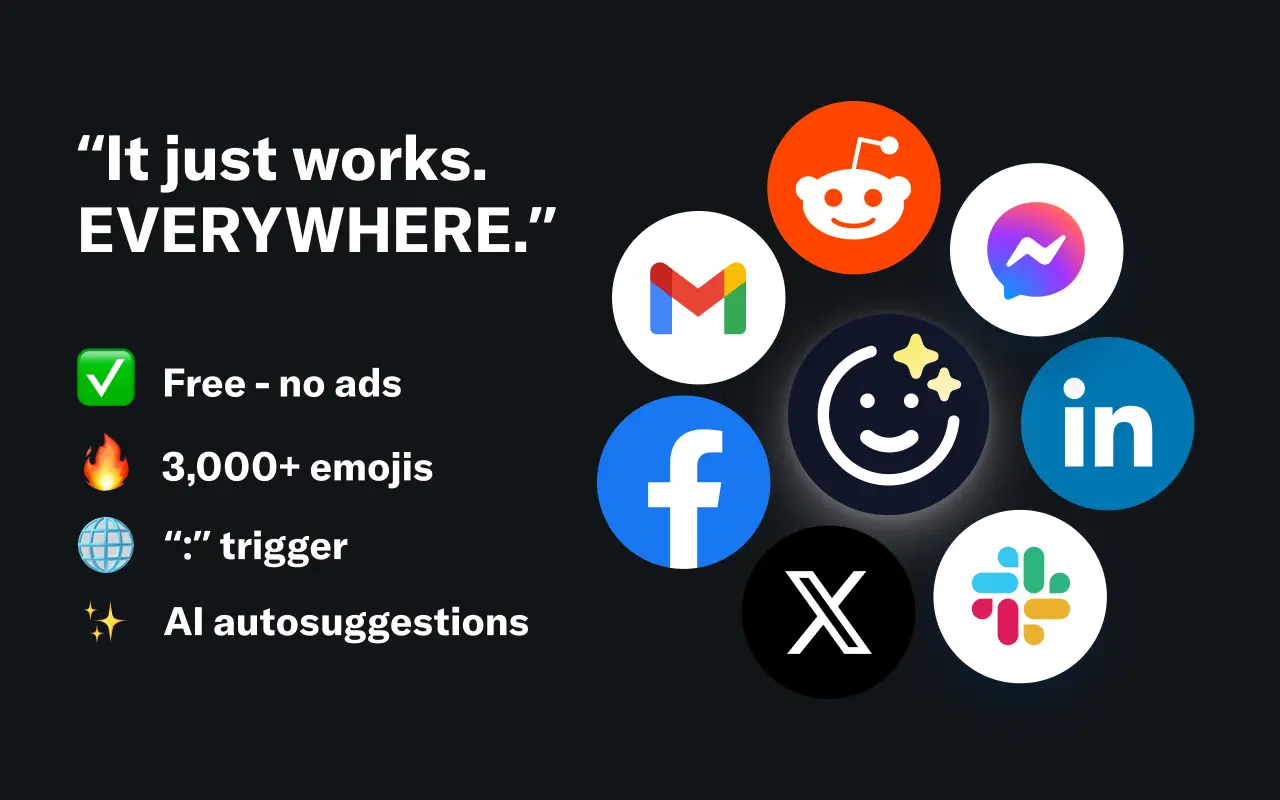
EmojAI
AI-powered emoji picker with smart, context-aware suggestions 🤖
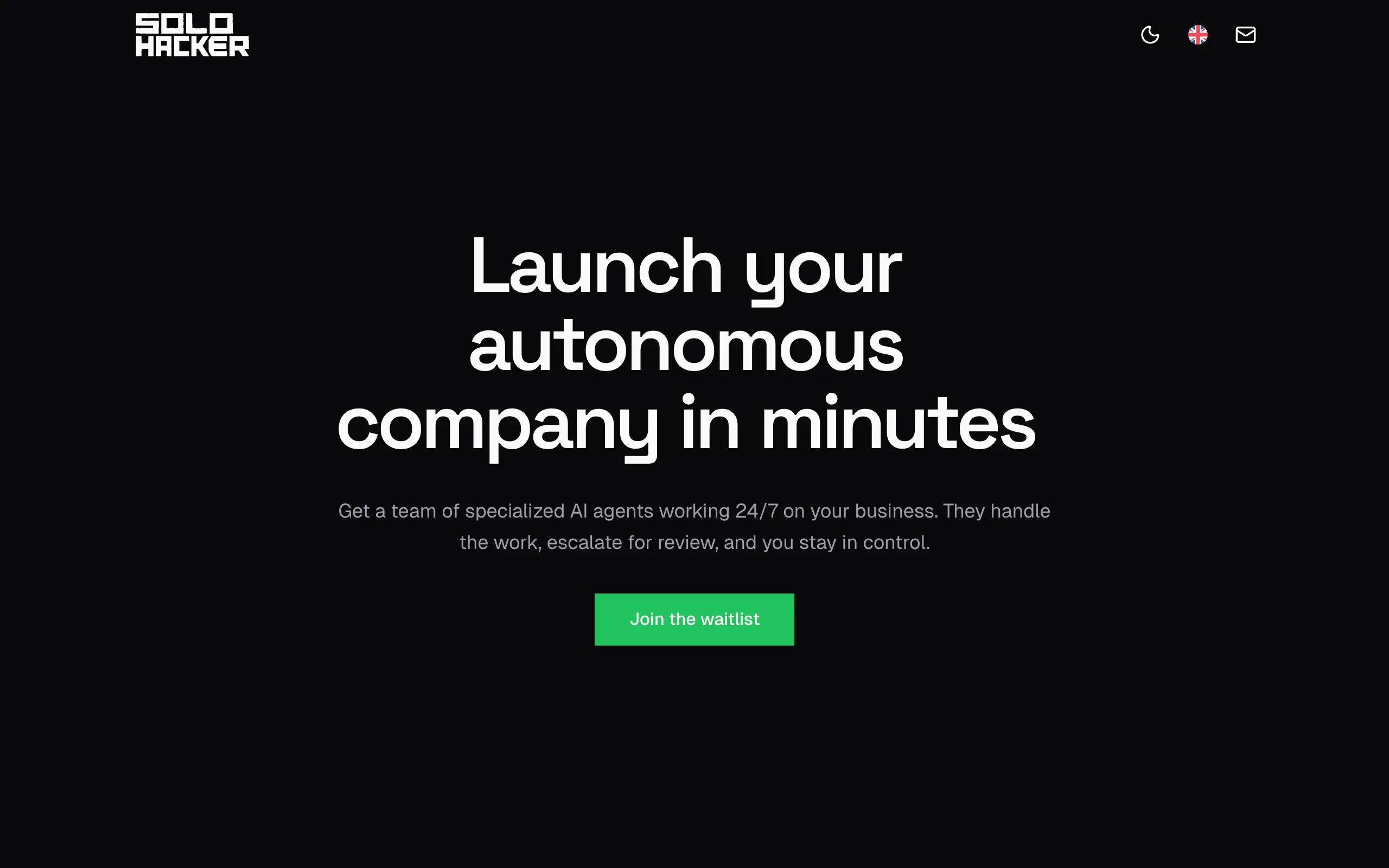
Solohacker
Autonomous company launcher - AI agents work 24/7, escalate what matters, and you stay in control 🤖
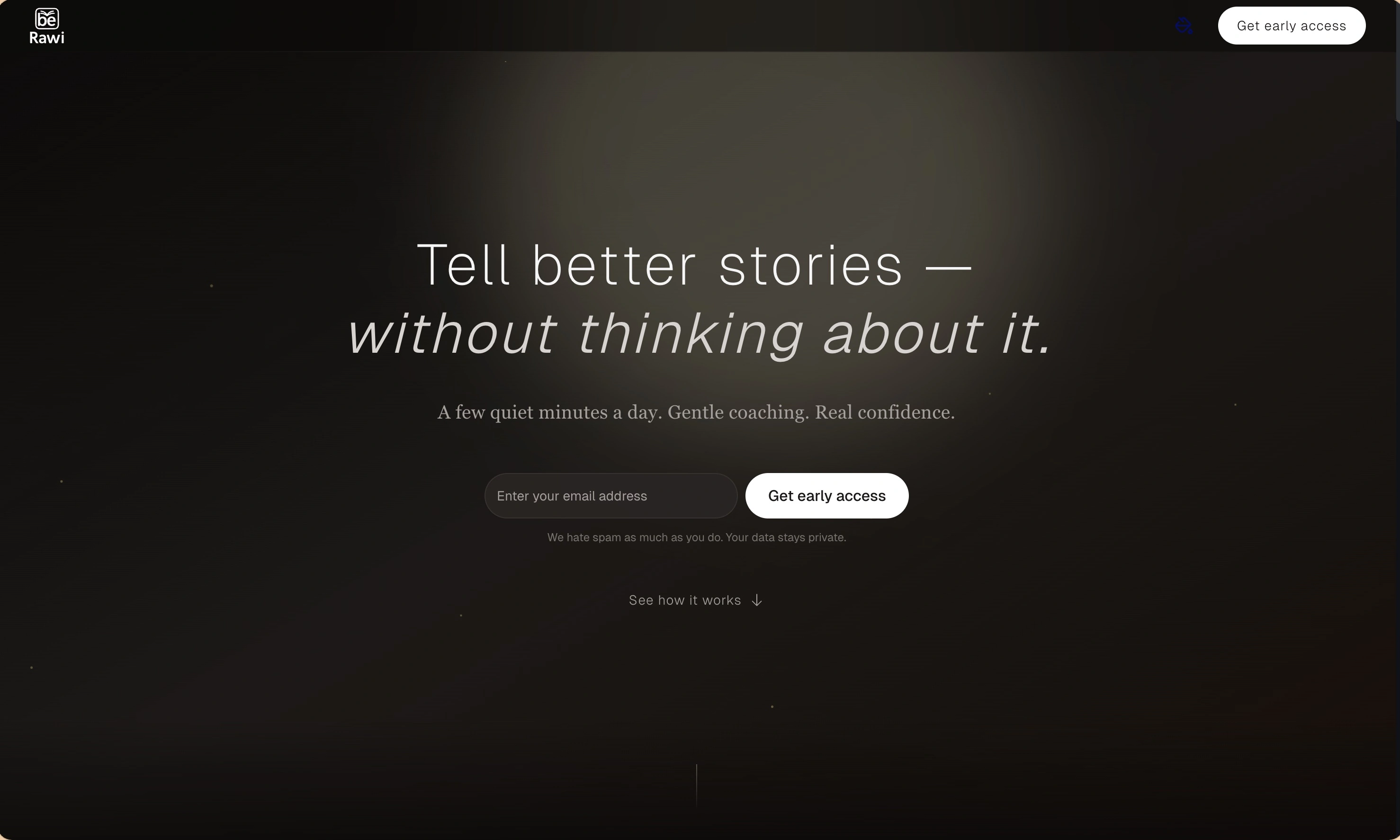
BeRawi: Storytelling Coach
Practice storytelling daily with instant feedback to sound clearer, more engaging, and confident 🎤
Omichat
Chat with 50+ AI models, including ChatGPT and Claude, in one place - switch models anytime without losing context 🤖
Claude Fast
Supercharge your Claude Code with 6x effective context window and specialized AI agents 🤖
EmojAI
AI-powered emoji picker with smart, context-aware suggestions 🤖
Solohacker
Autonomous company launcher - AI agents work 24/7, escalate what matters, and you stay in control 🤖
BeRawi: Storytelling Coach
Practice storytelling daily with instant feedback to sound clearer, more engaging, and confident 🎤
Omichat
Chat with 50+ AI models, including ChatGPT and Claude, in one place - switch models anytime without losing context 🤖
Claude Fast
Supercharge your Claude Code with 6x effective context window and specialized AI agents 🤖
EmojAI
AI-powered emoji picker with smart, context-aware suggestions 🤖
Solohacker
Autonomous company launcher - AI agents work 24/7, escalate what matters, and you stay in control 🤖
BeRawi: Storytelling Coach
Practice storytelling daily with instant feedback to sound clearer, more engaging, and confident 🎤
Omichat
Chat with 50+ AI models, including ChatGPT and Claude, in one place - switch models anytime without losing context 🤖
Claude Fast
Supercharge your Claude Code with 6x effective context window and specialized AI agents 🤖
EmojAI
AI-powered emoji picker with smart, context-aware suggestions 🤖
Solohacker
Autonomous company launcher - AI agents work 24/7, escalate what matters, and you stay in control 🤖
BeRawi: Storytelling Coach
Practice storytelling daily with instant feedback to sound clearer, more engaging, and confident 🎤

Connect with like-minded people
Join our community to get feedback, support, and grow together with 1,000+ builders on board, let's ship it!
Join usShip your startup everywhere. In minutes.
Don't burn tokens on setup and start building features on day one.