RoutineStack
A habit and workflow builder that links micro-habits into guided daily systems to help professionals stay consistent and focused.
Why a guided habit and workflow builder like RoutineStack matters now
Modern professionals are overwhelmed by tools, notifications, and fragmented workflows. Calendar apps manage meetings. Task managers track to-dos. Habit trackers log streaks. Yet very few tools connect micro-habits, daily workflows, and long-term goals into a coherent system.
This is where a guided habit and workflow builder like RoutineStack fills a critical gap.
Instead of tracking isolated habits (“drink water”, “write 500 words”) or managing disconnected tasks, RoutineStack links micro-habits into structured daily systems. It transforms routines into repeatable, outcome-driven workflows designed for focus, consistency, and measurable progress.
In this article, we’ll explore:
- The target audience and user intent behind a system like RoutineStack
- The market opportunity and competitive gap
- Core features and product architecture
- Recommended tech stack with trade-offs
- Monetization strategies
- Risks and mitigation plans
- A clear competitive advantage
- Actionable implementation steps
If you’re validating a SaaS idea in the productivity space or planning to build a habit and workflow builder, this guide will give you an expert-level strategic blueprint.
Understanding user intent: what professionals really want
When users search for:
- “best habit tracker for professionals”
- “how to build daily routines that stick”
- “workflow app for daily consistency”
- “habit stacking app”
- “system for staying focused at work”
They are rarely looking for another checklist app.
They want:
- ✅ Structure
- ✅ Accountability
- ✅ Reduced cognitive load
- ✅ Repeatable systems
- ✅ Professional performance gains
The real pain points
- Fragmentation – Tasks live in one app, habits in another, goals in a third.
- Decision fatigue – Users decide every day what to work on.
- Low consistency – Good intentions collapse under busy schedules.
- Lack of guidance – Tools track activity but don’t guide behavior.
- No system-level thinking – People optimize tasks, not systems.
RoutineStack addresses these by combining:
- Habit stacking principles
- Workflow automation logic
- Guided daily systems
- Professional productivity design
Target audience analysis
RoutineStack is best positioned for knowledge workers and high-performing professionals who value structured productivity.
Primary audience segments
Freelancers & Solopreneurs
- Struggle with self-discipline
- Need structured workdays
- Want consistent deep work blocks
- Often experiment with productivity systems
Pain point: inconsistent routines impact revenue and client work.
Remote Professionals
- Work without external structure
- Face distraction and context switching
- Need repeatable morning and shutdown routines
Pain point: blurred work-life boundaries reduce focus.
Managers & Leaders
- Need high-level focus
- Juggle meetings and strategic thinking
- Want consistent planning habits
Pain point: reactive workdays derail strategic progress.
Secondary audience
- Startup founders
- Students in competitive programs
- Coaches and consultants
- Creators and writers
Market opportunity and gap analysis
The productivity SaaS market is crowded, but not saturated in system-level habit design.
Current categories
- Habit trackers (e.g., streak-based apps)
- Task managers (to-do list tools)
- Project management tools
- Calendar-based planners
- Focus timers
The gap
Most tools:
- Track behaviors
- Don’t design systems
- Focus on logging, not guiding
- Treat habits and workflows separately
RoutineStack differentiates by:
Turning micro-habits into guided, sequential, outcome-driven daily systems.
Trend alignment
Recent trends strengthen this idea:
- Growth of remote work
- Rising interest in “deep work”
- Increased burnout awareness
- Popularity of atomic habits methodology
- AI-assisted productivity systems
A habit and workflow builder that connects structure, psychology, and workflow logic fits directly into this shift.
Core product concept: how RoutineStack works
RoutineStack is not a habit tracker. It is a habit-to-workflow system builder.
Core philosophy
- Micro-habits reduce resistance.
- Stacked habits create momentum.
- Structured sequences remove decision fatigue.
- Guided workflows create consistency.
Core features of RoutineStack
1. Routine stacks (linked micro-habits)
Users build stacks like:
Morning Focus Stack
- Wake up
- Hydrate
- 5-minute planning
- 90-minute deep work block
- Review key metric
Each step is sequential and conditional.
2. Guided workflow engine
RoutineStack guides users step-by-step through a stack:
- Shows only the current action
- Displays time estimates
- Triggers next step automatically
- Optionally locks distractions
This turns passive tracking into active guidance.
3. Context-aware routines
Stacks can be:
- Weekday-specific
- Role-specific (Manager mode vs Creator mode)
- Energy-based (High focus vs Low energy stack)
4. Analytics and system insights
Instead of streaks alone, RoutineStack shows:
- Stack completion rate
- Friction points (where users drop off)
- Time consistency
- Correlation between stack completion and key outcomes
5. Template marketplace
Pre-built stacks such as:
- Deep work morning routine
- Startup founder operating system
- Sales daily pipeline stack
- Executive planning stack
Templates accelerate onboarding and reduce friction.
Feature comparison overview
| Feature | Habit Tracker | Task Manager | RoutineStack | Calendar App |
|---|---|---|---|---|
| Micro-habit tracking | ✅ | ❌ | ✅ | ❌ |
| Sequential guided flow | ❌ | ❌ | ✅ | ❌ |
| System-level analytics | ❌ | ❌ | ✅ | ❌ |
| Workflow automation logic | ❌ | ⚠️ Limited | ✅ | ❌ |
Recommended tech stack for building RoutineStack
A productivity SaaS must be:
- Fast
- Reliable
- Mobile-friendly
- Real-time
Frontend
Why?
- Server-side rendering improves SEO.
- Component-driven architecture enables modular stack builder UI.
- Tailwind accelerates consistent design.
Backend
Options:
Option A: Node.js + PostgreSQL
- API routes in Next.js
- PostgreSQL for relational stack logic
- Redis for session or state caching
Pros:
- Strong ecosystem
- Flexible
- Mature
Cons:
- More infrastructure management
Option B: Supabase
- Postgres database
- Built-in auth
- Real-time subscriptions
Pros:
- Faster MVP
- Built-in authentication
- Realtime support
Cons:
- Less backend flexibility at scale
Routine engine logic example
type StackStep = {
  id: string
  title: string
  duration: number
  nextStepId?: string
}

function getNextStep(currentStep: StackStep, steps: StackStep[]) {
  return steps.find(step => step.id === currentStep.nextStepId)
}
This simple sequential logic can later evolve into conditional flows.
Mobile support
Options:
- Progressive Web App (PWA)
- React Native companion app
- Hybrid approach
Start with responsive PWA to reduce development cost.
Monetization strategy for RoutineStack
RoutineStack fits a freemium SaaS model.
Free plan
- Limited stacks (e.g., 3 active)
- Basic analytics
- Limited templates
Pro plan ($12–$18/month)
- Unlimited stacks
- Advanced analytics
- Custom templates
- Workflow automation logic
- Priority support
Team plan
- Shared stacks
- Team analytics
- Admin dashboard
- Role-based stacks
Additional monetization opportunities
- Template marketplace revenue share
- Premium coaching integrations
- Corporate productivity licensing
- AI-powered routine suggestions (add-on)
Competitive advantage analysis
RoutineStack’s USP is clear:
It transforms habits into structured, guided professional operating systems.
Key differentiation pillars
System over streaks
Focuses on complete daily systems, not isolated habit checkmarks.
Guided execution
Actively guides users step-by-step instead of passive tracking.
Professional design
Built specifically for high-performing knowledge workers.
Potential risks and mitigation strategies
Risk 1: Market saturation
Mitigation:
- Position specifically for professionals.
- Focus on workflow integration, not generic habit tracking.
Risk 2: User churn
Productivity apps face high churn.
Mitigation:
- Strong onboarding flow.
- Pre-built high-value templates.
- Weekly insights emails.
- Milestone reinforcement.
Risk 3: Over-complexity
Too much flexibility can overwhelm users.
Important
Keep MVP simple: linear stack flows before introducing conditional logic.
Implementation roadmap
Go-to-market strategy
1. Content marketing
SEO content targeting:
- “How to build a productive morning routine”
- “Habit stacking for professionals”
- “Daily workflow system for remote workers”
2. LinkedIn thought leadership
Target professionals directly.
3. Partnerships
- Productivity coaches
- Startup communities
- Remote work newsletters
Long-term vision
RoutineStack can evolve into:
- AI-generated daily systems
- Energy-based adaptive stacks
- Integration with Slack, Google Calendar, Notion
- Team performance dashboards
Eventually, it becomes a personal operating system for professionals.
Why this idea stands out
RoutineStack does not compete directly with simple habit trackers or task managers.
It operates in a hybrid space:
- Behavioral psychology
- Workflow design
- Productivity systems
That positioning creates defensibility and brand authority.
How to start building RoutineStack today
If you want to build quickly and avoid boilerplate overhead, consider using a modern SaaS starter kit like TurboStarter to accelerate authentication, billing, and infrastructure setup.
Focus your time on:
- Stack logic engine
- UX clarity
- Analytics differentiation
- Template quality
Everything else should be secondary.
Final thoughts
The future of productivity tools isn’t about tracking more tasks.
It’s about building better systems.
RoutineStack, as a guided habit and workflow builder, addresses one of the most persistent problems professionals face: staying consistent without burning mental energy on daily decisions.
By combining:
- Micro-habit stacking
- Guided workflows
- Professional-grade analytics
- System-level thinking
It has the potential to carve out a distinct, defensible position in the productivity SaaS landscape.
Build small. Validate fast. Optimize for consistency.
Because in the end, systems outperform motivation — every time.
More ⚡ Productivity Tool SaaS ideas
Discover more innovative productivity tool SaaS ideas that are trending in 2026. Each idea is AI-generated with market validation and growth potential to help you find your next profitable venture faster than competitors.
Your competitors are building with TurboStarter
Below are some of the SaaS ideas that have been generated and built with our starter kit.
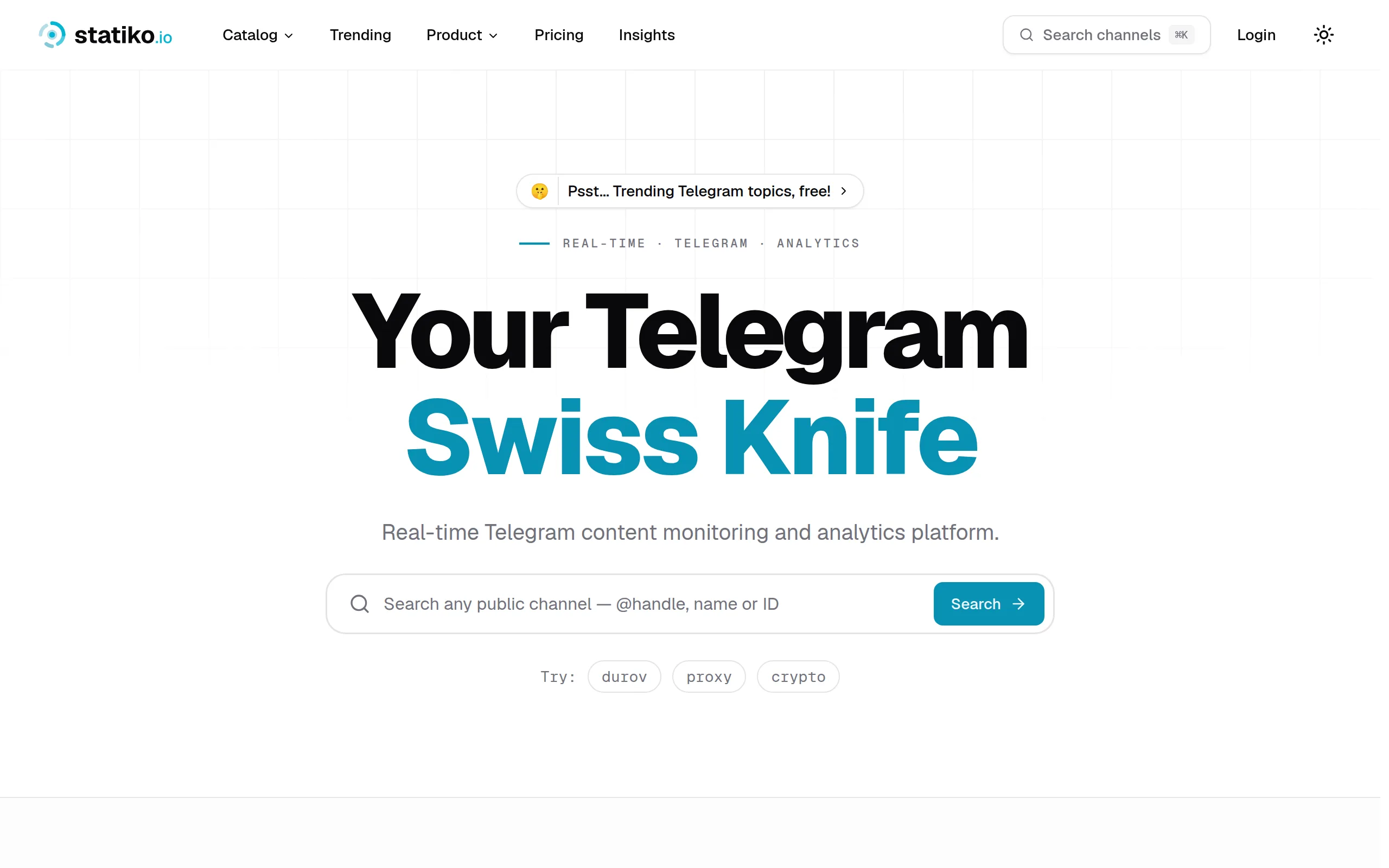
Statiko
Monitor any Telegram channel in real time - track posts, edits, deletions, and growth with AI recaps 📡

Shibui
AI website builder - describe your business, pick a niche template, edit by chatting, and publish instantly ✨

Pro Service
Find verified home service professionals, compare quotes, and pay securely through escrow - built for Brazilians across the US 🏠
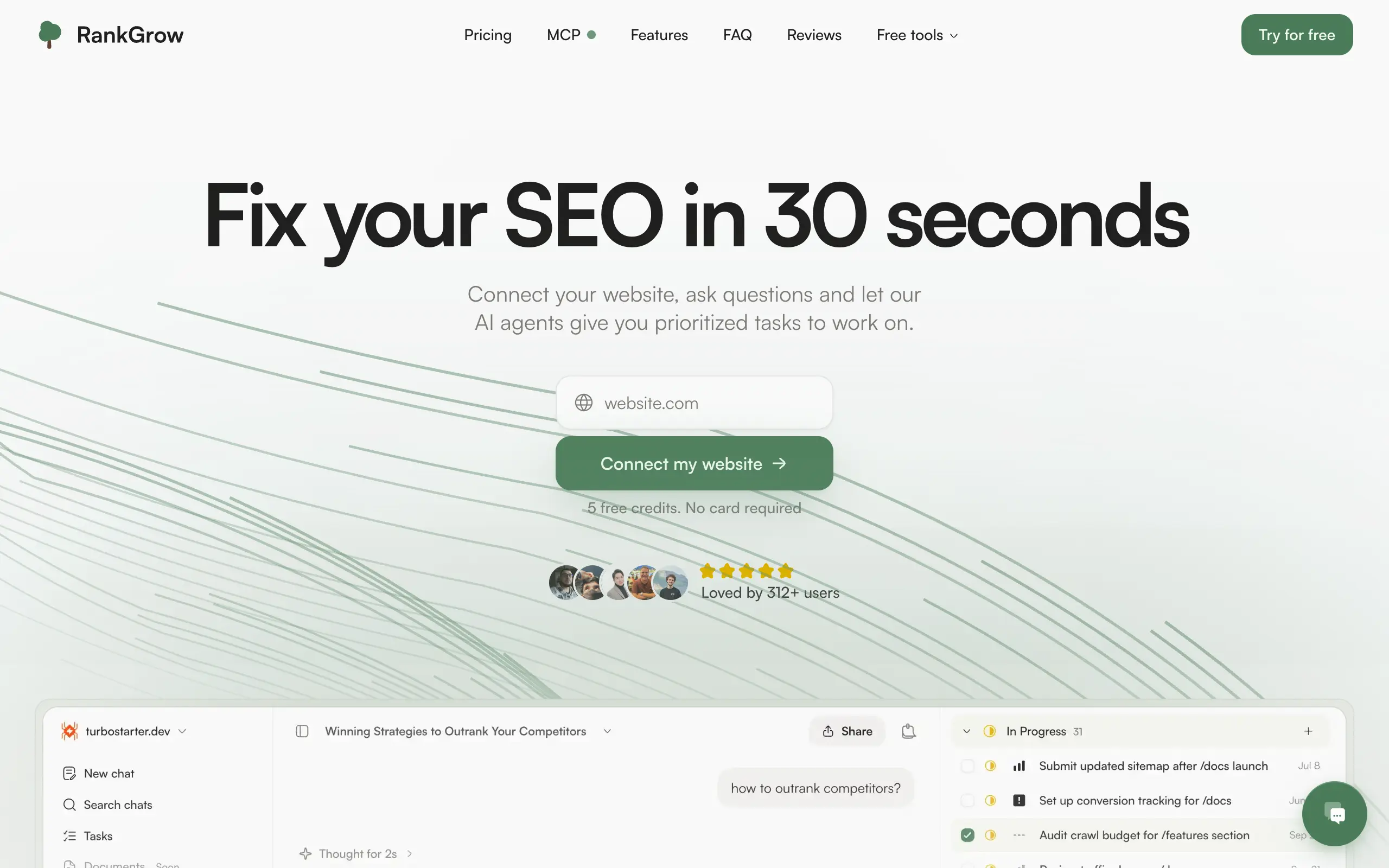
RankGrow
Fix your SEO with AI agents - connect Search Console, get prioritized tasks, and grow organic traffic 📈
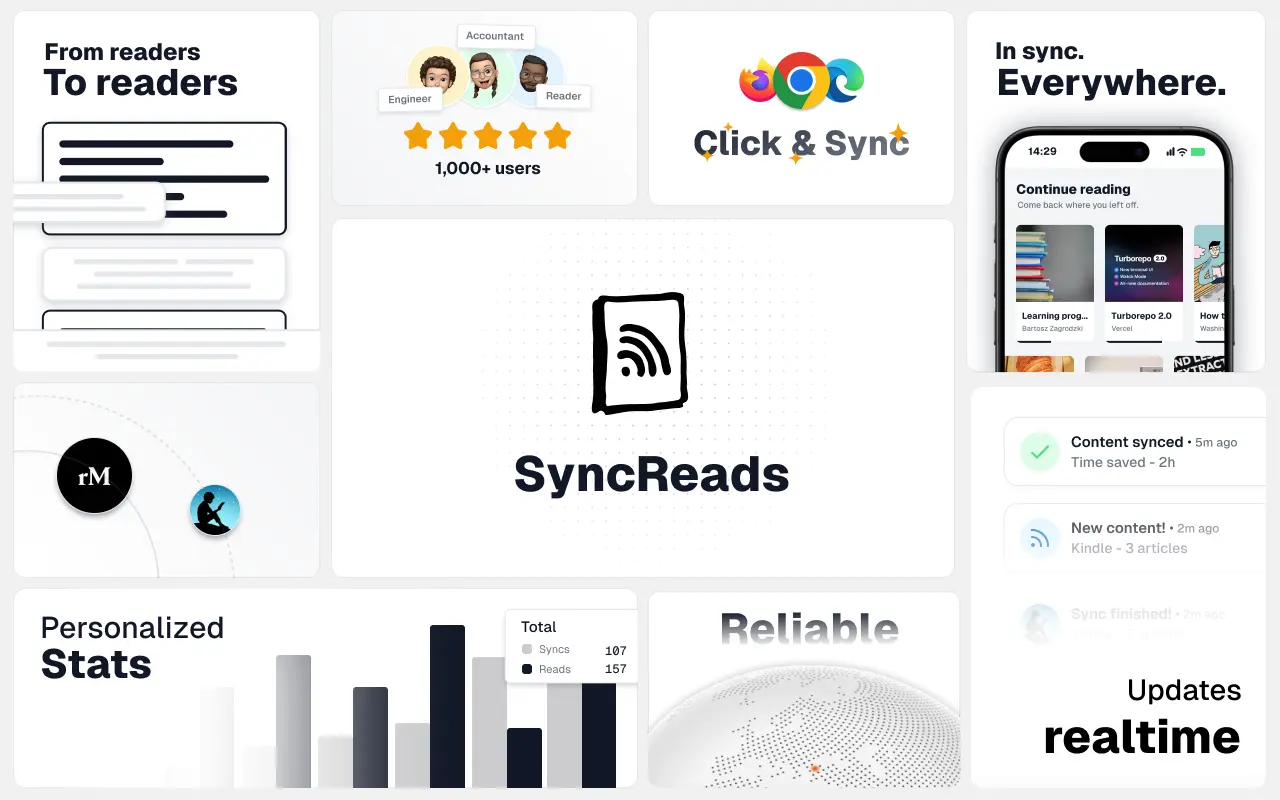
SyncReads
Sync your favorite content for distraction-free reading, save time and replace multiple apps. Anytime, anywhere 🔄
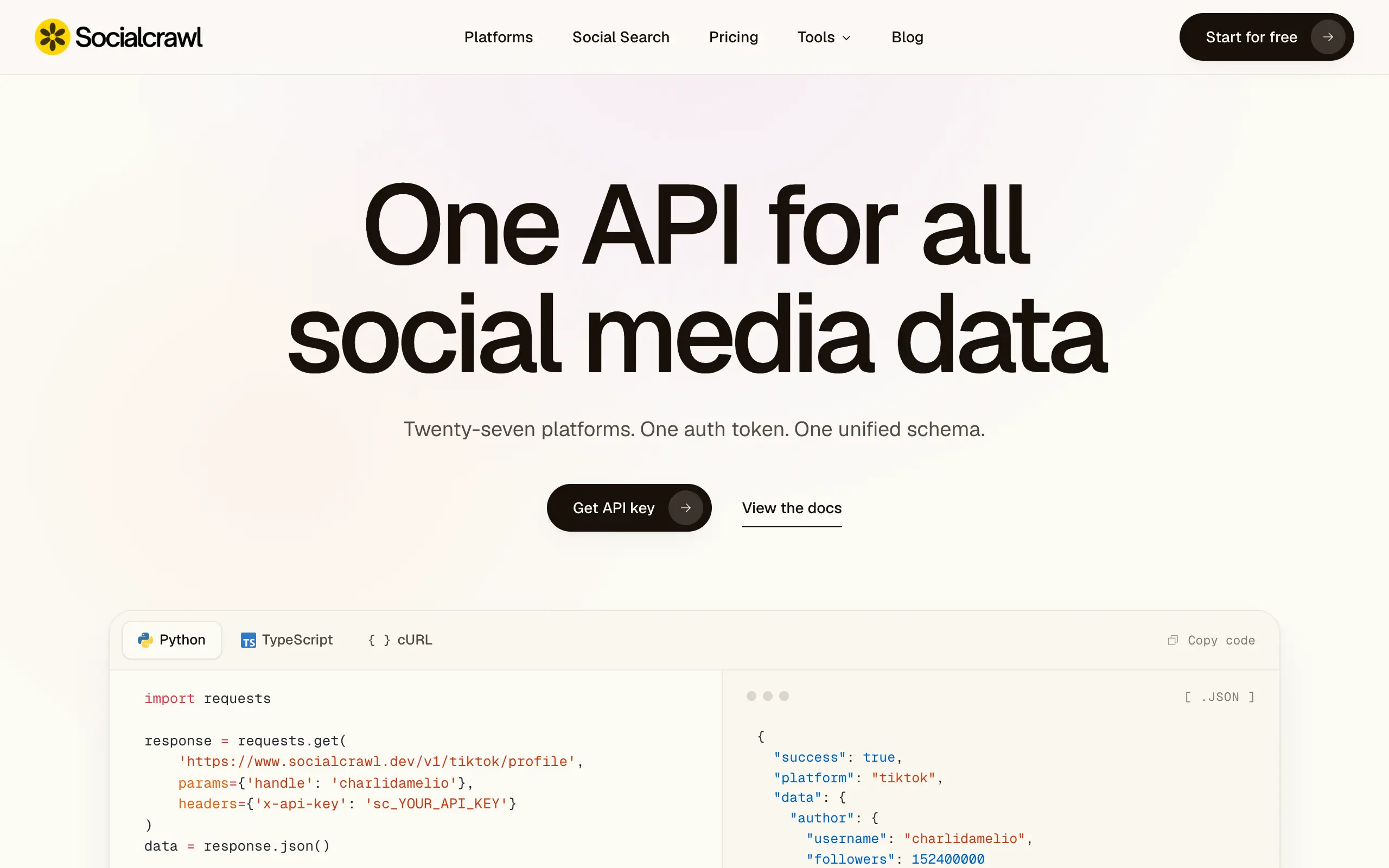
Socialcrawl
Get clean, structured data from 21 platforms like TikTok, Instagram, and YouTube with a single request 📊
Statiko
Monitor any Telegram channel in real time - track posts, edits, deletions, and growth with AI recaps 📡
Shibui
AI website builder - describe your business, pick a niche template, edit by chatting, and publish instantly ✨
Pro Service
Find verified home service professionals, compare quotes, and pay securely through escrow - built for Brazilians across the US 🏠
RankGrow
Fix your SEO with AI agents - connect Search Console, get prioritized tasks, and grow organic traffic 📈
SyncReads
Sync your favorite content for distraction-free reading, save time and replace multiple apps. Anytime, anywhere 🔄
Socialcrawl
Get clean, structured data from 21 platforms like TikTok, Instagram, and YouTube with a single request 📊
Statiko
Monitor any Telegram channel in real time - track posts, edits, deletions, and growth with AI recaps 📡
Shibui
AI website builder - describe your business, pick a niche template, edit by chatting, and publish instantly ✨
Pro Service
Find verified home service professionals, compare quotes, and pay securely through escrow - built for Brazilians across the US 🏠
RankGrow
Fix your SEO with AI agents - connect Search Console, get prioritized tasks, and grow organic traffic 📈
SyncReads
Sync your favorite content for distraction-free reading, save time and replace multiple apps. Anytime, anywhere 🔄
Socialcrawl
Get clean, structured data from 21 platforms like TikTok, Instagram, and YouTube with a single request 📊
Statiko
Monitor any Telegram channel in real time - track posts, edits, deletions, and growth with AI recaps 📡
Shibui
AI website builder - describe your business, pick a niche template, edit by chatting, and publish instantly ✨
Pro Service
Find verified home service professionals, compare quotes, and pay securely through escrow - built for Brazilians across the US 🏠
RankGrow
Fix your SEO with AI agents - connect Search Console, get prioritized tasks, and grow organic traffic 📈
SyncReads
Sync your favorite content for distraction-free reading, save time and replace multiple apps. Anytime, anywhere 🔄
Socialcrawl
Get clean, structured data from 21 platforms like TikTok, Instagram, and YouTube with a single request 📊
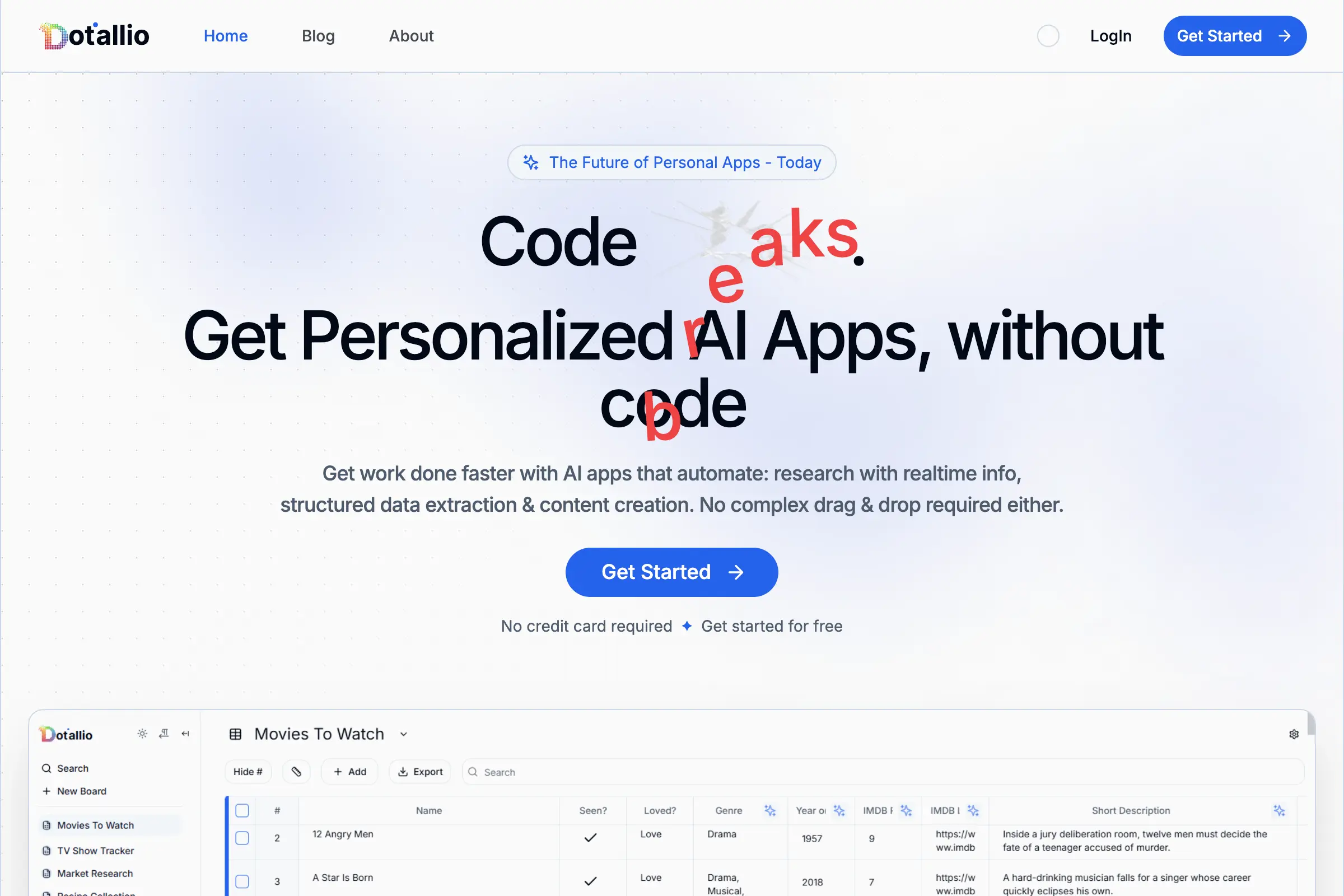
Dotallio
Personalized AI apps that automate research, data extraction, and content creation without code 🤖

Talk to Santa
Enjoy a magical live video chat or receive a unique AI-generated video greeting from Santa Claus 🎅
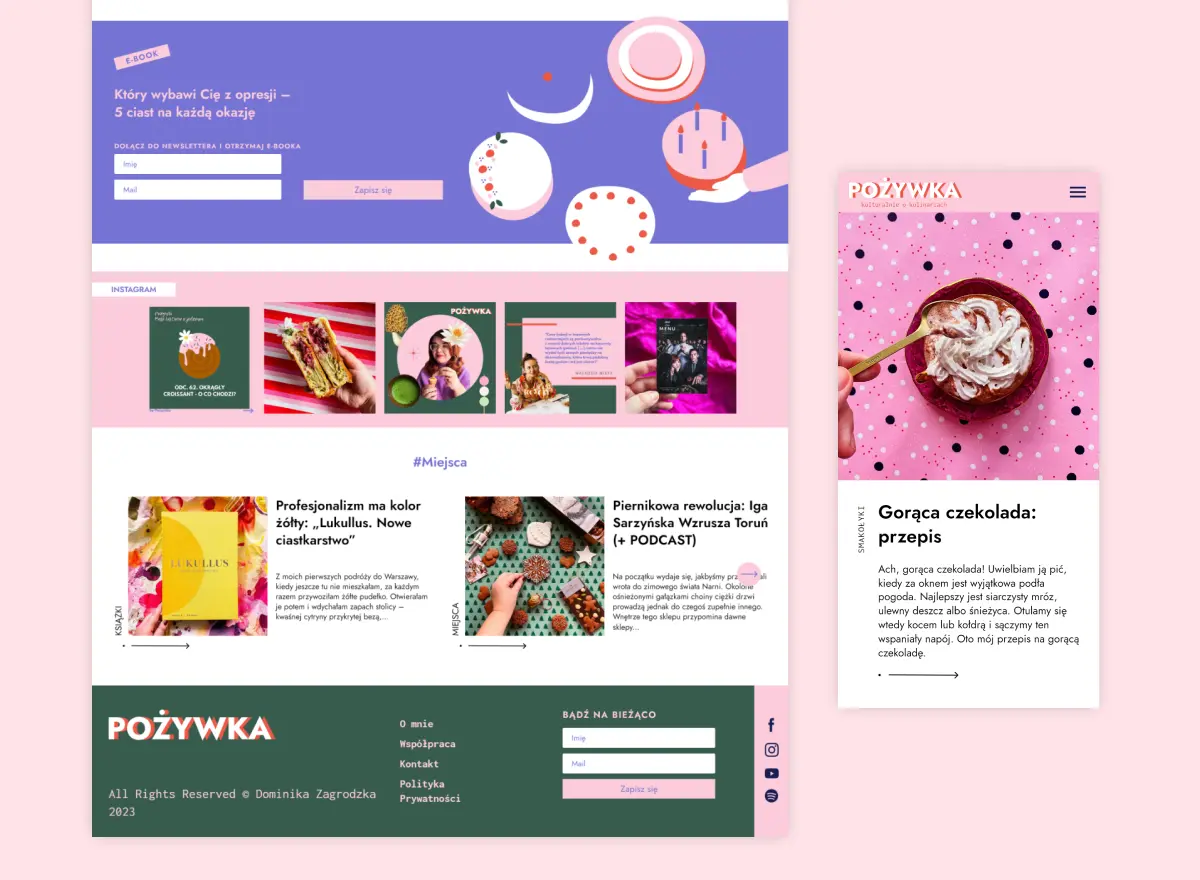
pozywka.pl
Scalable blog for food journalist, focused on performance and user experience 🌭
zagrodzki.me
Personal blog and portfolio of Bart Zagrodzki, where he shares his knowledge and work 💼
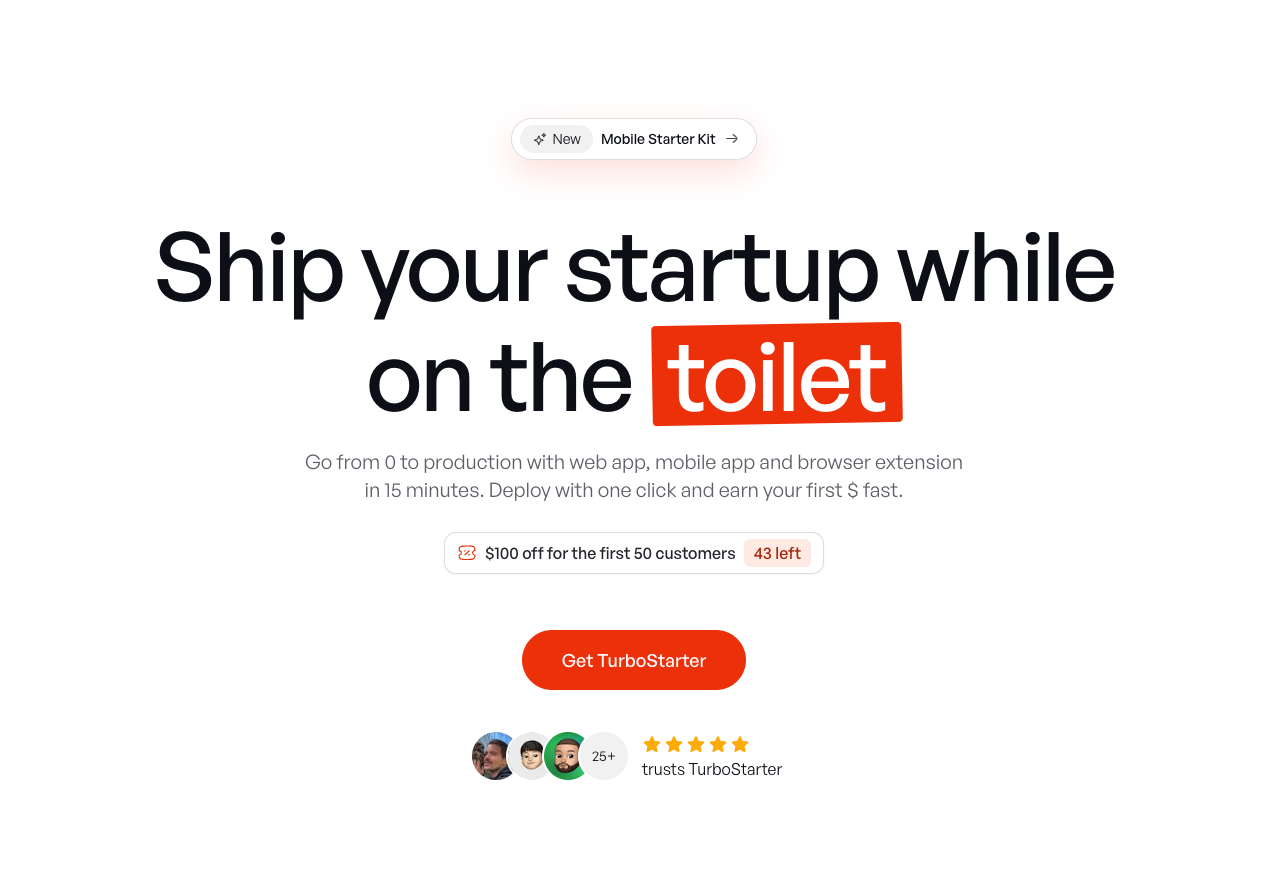
TurboStarter
Ship your startup everywhere. In minutes.
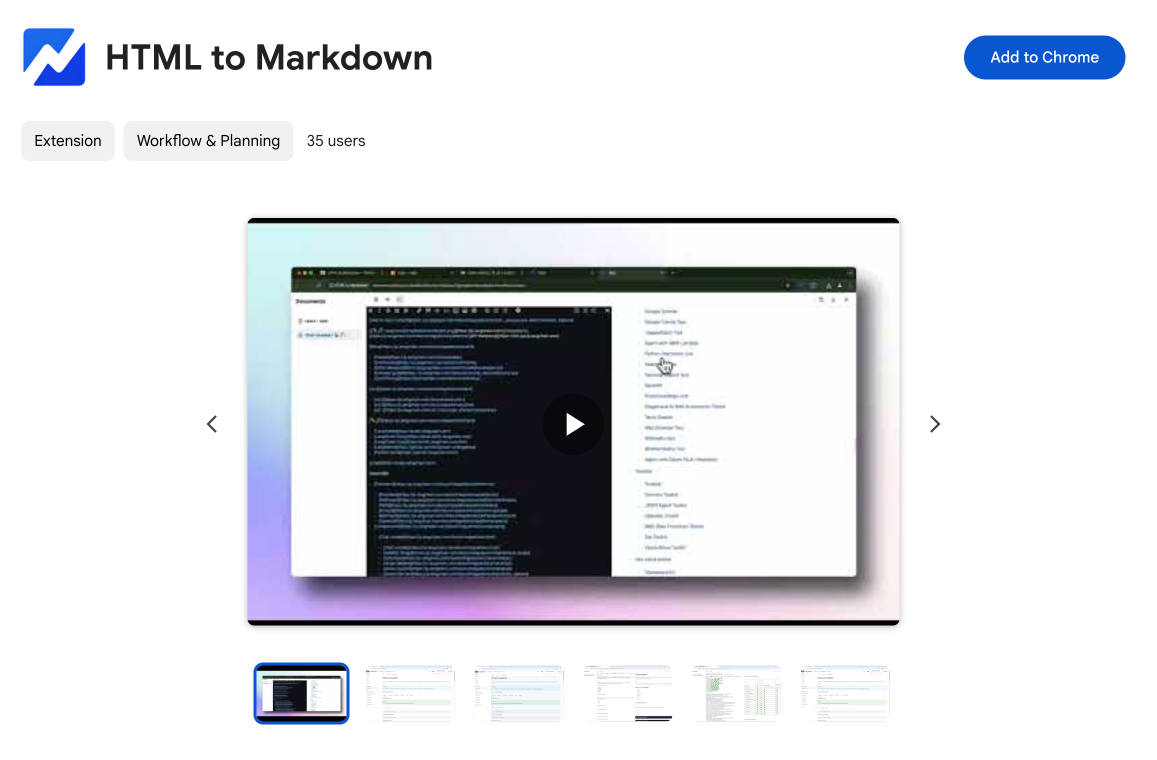
HTML to Markdown
Convert HTML to Markdown with ease, directly in your browser 📄
Dotallio
Personalized AI apps that automate research, data extraction, and content creation without code 🤖
Talk to Santa
Enjoy a magical live video chat or receive a unique AI-generated video greeting from Santa Claus 🎅
pozywka.pl
Scalable blog for food journalist, focused on performance and user experience 🌭
zagrodzki.me
Personal blog and portfolio of Bart Zagrodzki, where he shares his knowledge and work 💼
TurboStarter
Ship your startup everywhere. In minutes.
HTML to Markdown
Convert HTML to Markdown with ease, directly in your browser 📄
Dotallio
Personalized AI apps that automate research, data extraction, and content creation without code 🤖
Talk to Santa
Enjoy a magical live video chat or receive a unique AI-generated video greeting from Santa Claus 🎅
pozywka.pl
Scalable blog for food journalist, focused on performance and user experience 🌭
zagrodzki.me
Personal blog and portfolio of Bart Zagrodzki, where he shares his knowledge and work 💼
TurboStarter
Ship your startup everywhere. In minutes.
HTML to Markdown
Convert HTML to Markdown with ease, directly in your browser 📄
Dotallio
Personalized AI apps that automate research, data extraction, and content creation without code 🤖
Talk to Santa
Enjoy a magical live video chat or receive a unique AI-generated video greeting from Santa Claus 🎅
pozywka.pl
Scalable blog for food journalist, focused on performance and user experience 🌭
zagrodzki.me
Personal blog and portfolio of Bart Zagrodzki, where he shares his knowledge and work 💼
TurboStarter
Ship your startup everywhere. In minutes.
HTML to Markdown
Convert HTML to Markdown with ease, directly in your browser 📄
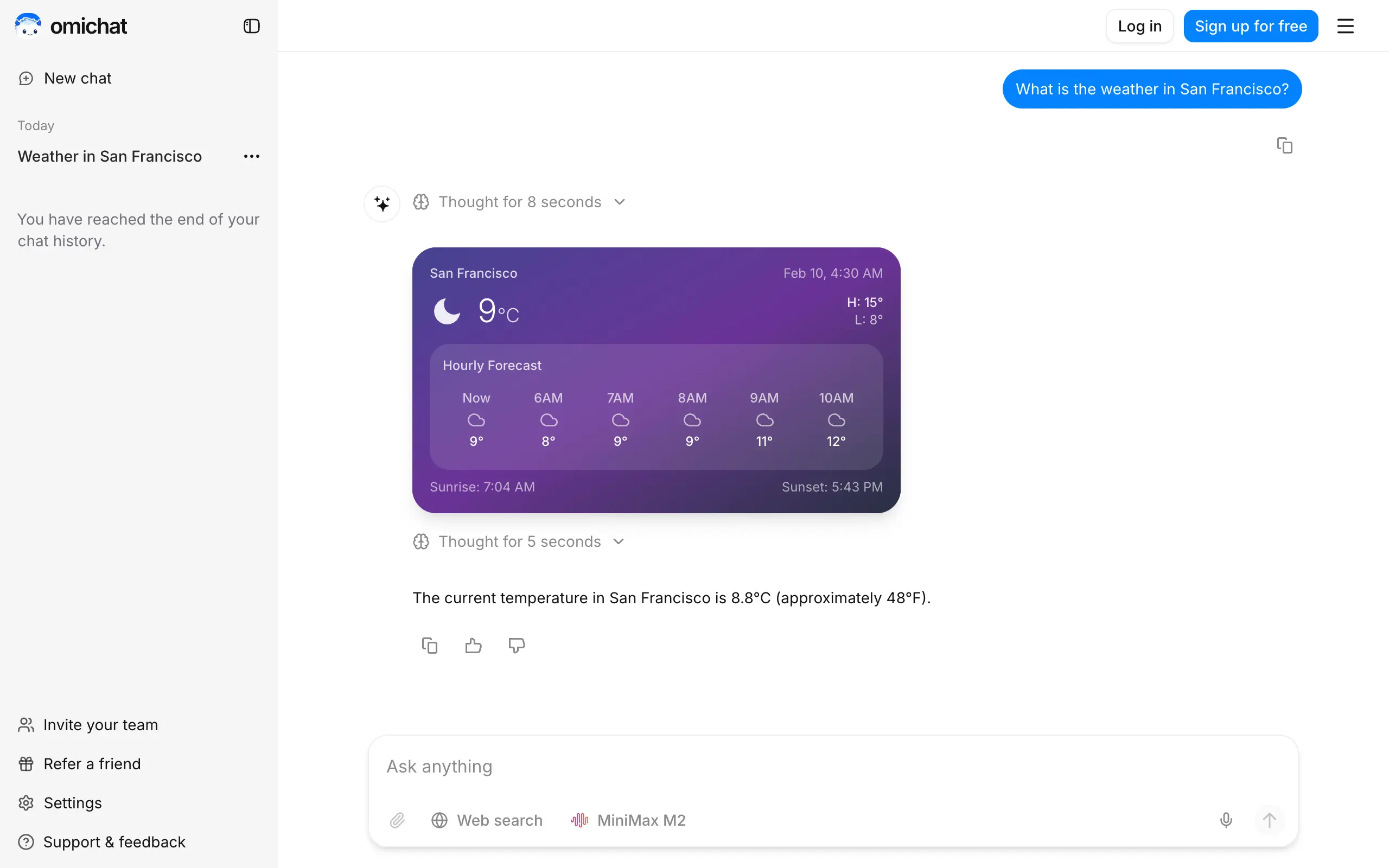
Omichat
Chat with 50+ AI models, including ChatGPT and Claude, in one place - switch models anytime without losing context 🤖
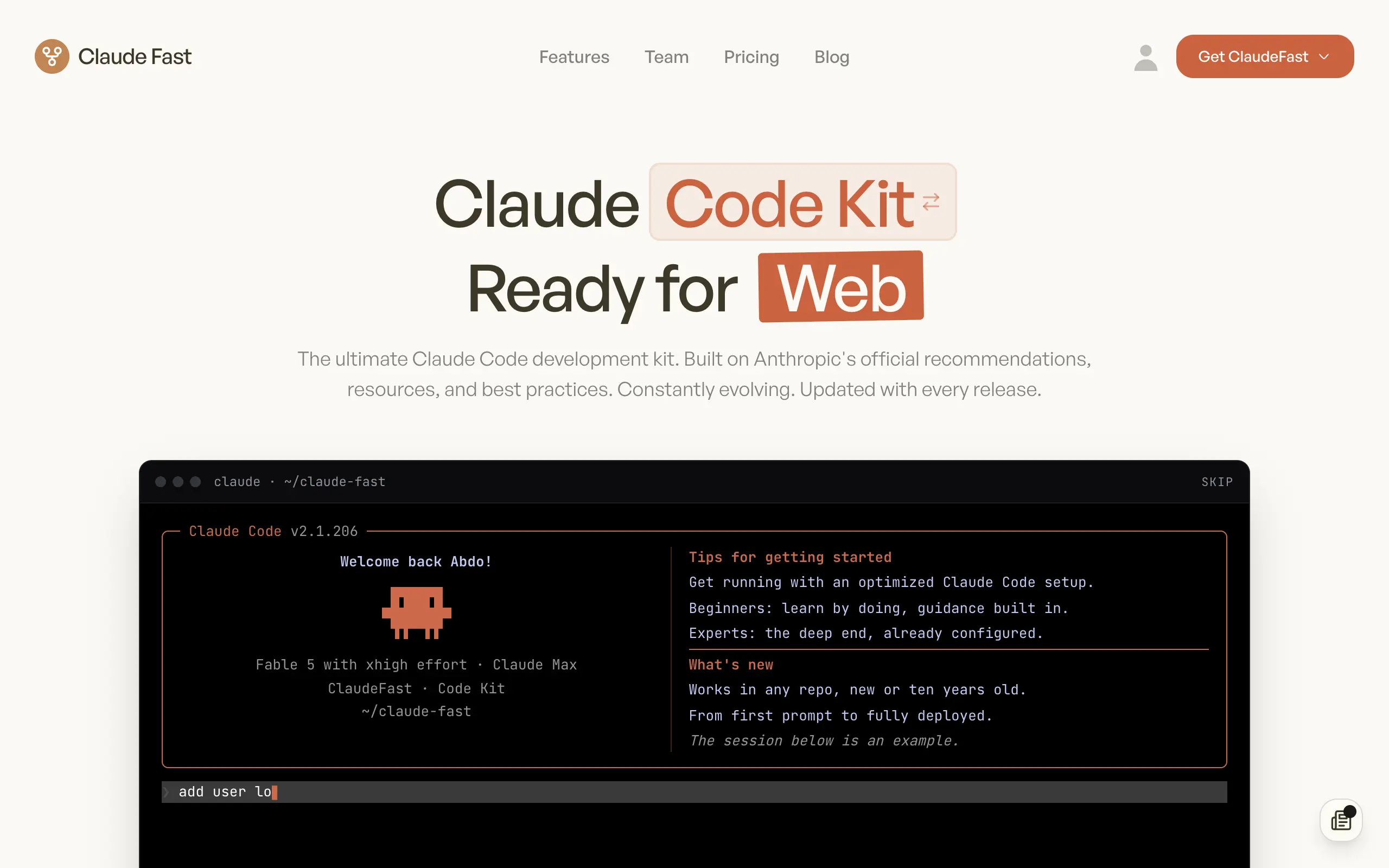
Claude Fast
Supercharge your Claude Code with 6x effective context window and specialized AI agents 🤖
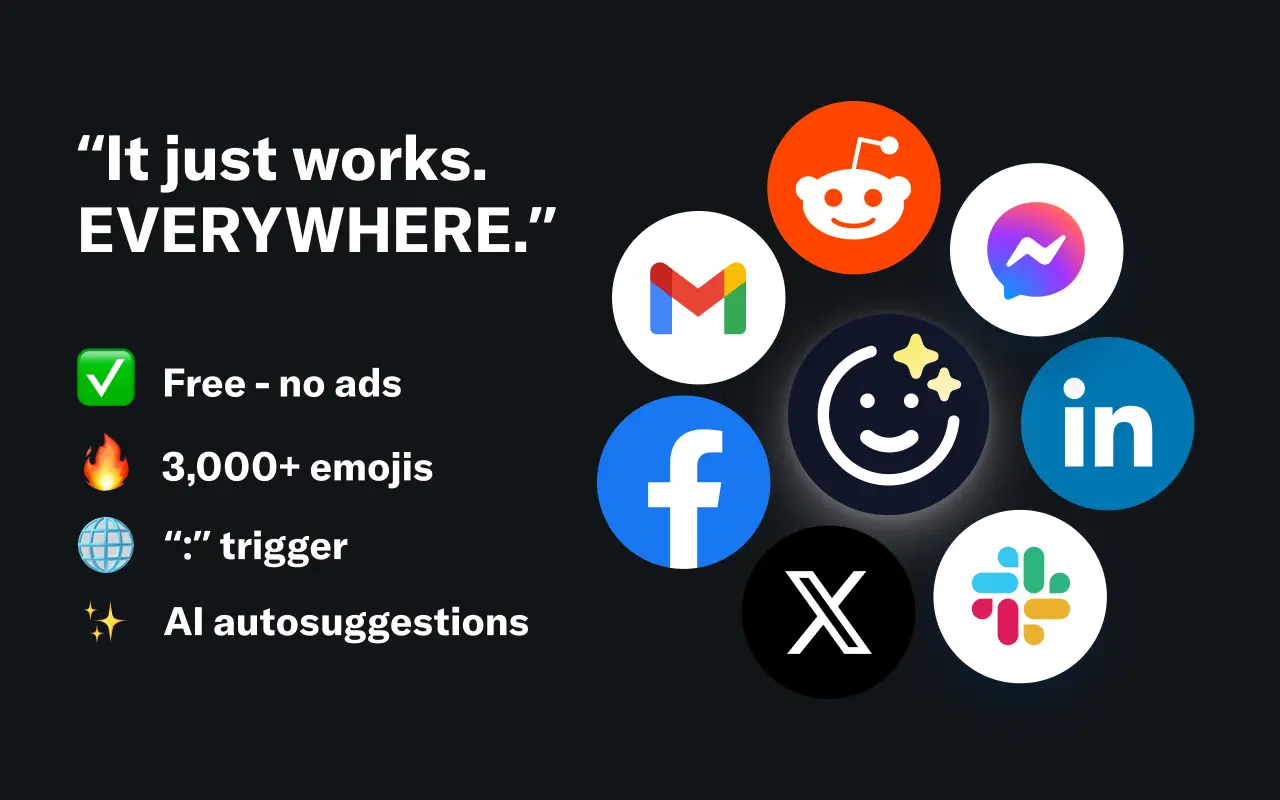
EmojAI
AI-powered emoji picker with smart, context-aware suggestions 🤖
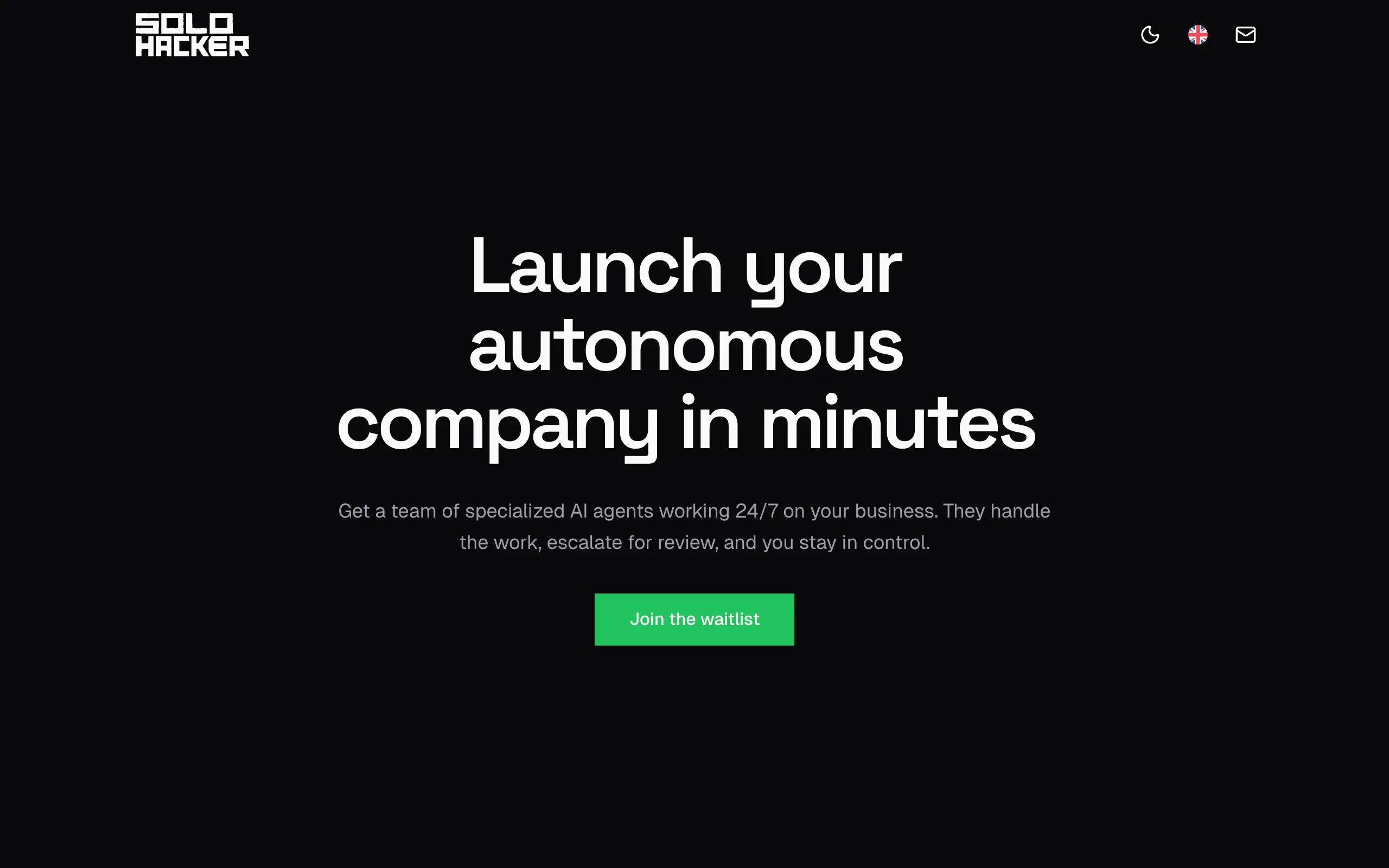
Solohacker
Autonomous company launcher - AI agents work 24/7, escalate what matters, and you stay in control 🤖
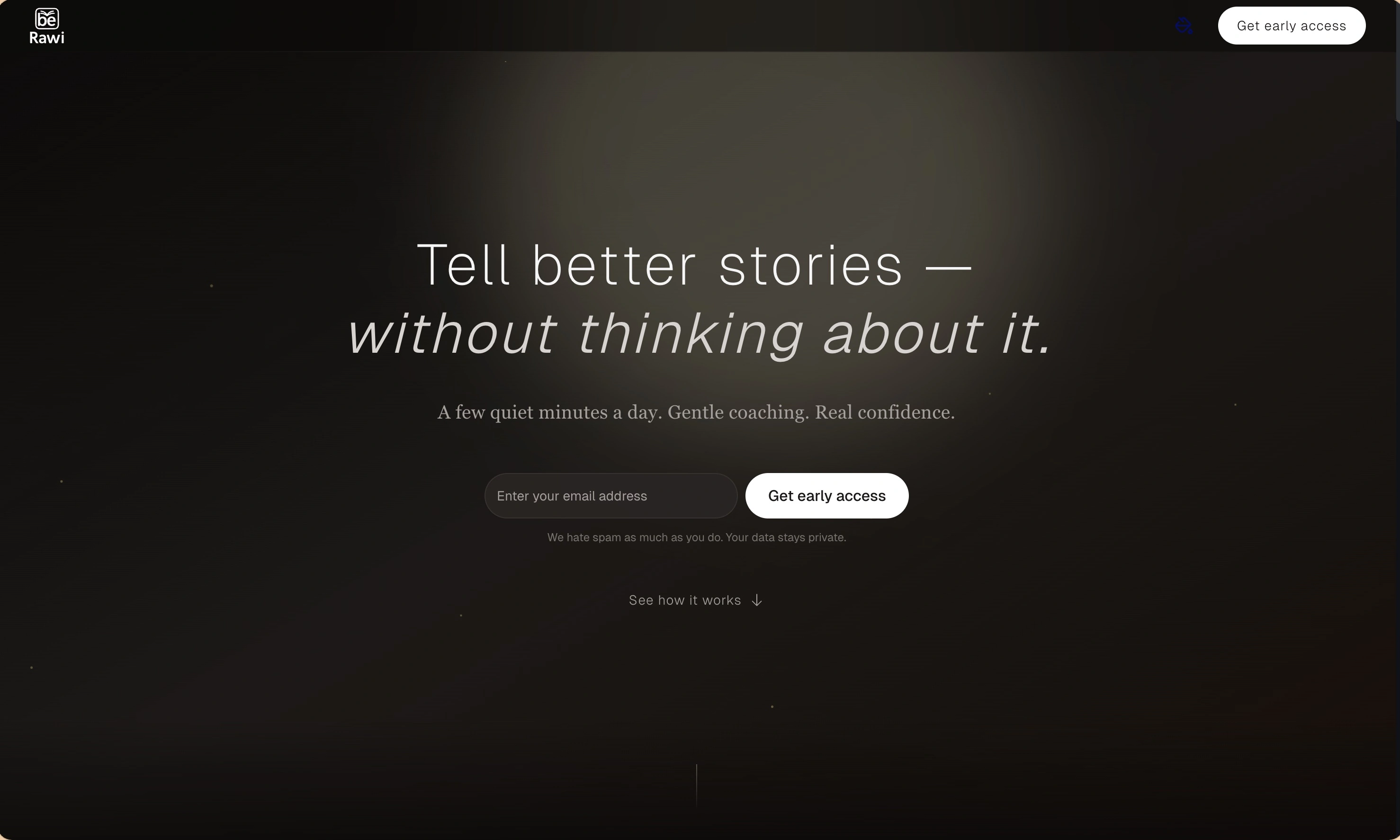
BeRawi: Storytelling Coach
Practice storytelling daily with instant feedback to sound clearer, more engaging, and confident 🎤
Omichat
Chat with 50+ AI models, including ChatGPT and Claude, in one place - switch models anytime without losing context 🤖
Claude Fast
Supercharge your Claude Code with 6x effective context window and specialized AI agents 🤖
EmojAI
AI-powered emoji picker with smart, context-aware suggestions 🤖
Solohacker
Autonomous company launcher - AI agents work 24/7, escalate what matters, and you stay in control 🤖
BeRawi: Storytelling Coach
Practice storytelling daily with instant feedback to sound clearer, more engaging, and confident 🎤
Omichat
Chat with 50+ AI models, including ChatGPT and Claude, in one place - switch models anytime without losing context 🤖
Claude Fast
Supercharge your Claude Code with 6x effective context window and specialized AI agents 🤖
EmojAI
AI-powered emoji picker with smart, context-aware suggestions 🤖
Solohacker
Autonomous company launcher - AI agents work 24/7, escalate what matters, and you stay in control 🤖
BeRawi: Storytelling Coach
Practice storytelling daily with instant feedback to sound clearer, more engaging, and confident 🎤
Omichat
Chat with 50+ AI models, including ChatGPT and Claude, in one place - switch models anytime without losing context 🤖
Claude Fast
Supercharge your Claude Code with 6x effective context window and specialized AI agents 🤖
EmojAI
AI-powered emoji picker with smart, context-aware suggestions 🤖
Solohacker
Autonomous company launcher - AI agents work 24/7, escalate what matters, and you stay in control 🤖
BeRawi: Storytelling Coach
Practice storytelling daily with instant feedback to sound clearer, more engaging, and confident 🎤

Connect with like-minded people
Join our community to get feedback, support, and grow together with 1,000+ builders on board, let's ship it!
Join usShip your startup everywhere. In minutes.
Don't burn tokens on setup and start building features on day one.