SchoolTask Sync
Smart AI homework organizer for Israeli students that extracts tasks from WhatsApp groups and builds a daily study schedule automatically.
The rise of AI homework organizers: why now is the moment
Students today don’t struggle with lack of information—they struggle with too much of it, scattered everywhere. In Israel especially, a large portion of school communication happens inside WhatsApp groups: class chats, parent groups, teacher announcements, and extracurricular threads.
The result? Homework gets buried under memes, voice notes, and last-minute updates.
This is where an AI homework organizer like SchoolTask Sync creates immediate, tangible value: it transforms chaotic communication into structured, actionable study plans.
The primary keyword here—AI homework organizer for WhatsApp—captures a fast-growing need. Students and parents are actively searching for smarter ways to manage schoolwork without manually copying assignments into planners.
Let’s break down exactly why this idea is powerful, how it can dominate its niche, and how to build it into a scalable SaaS product.
Understanding the target audience
Primary users: students (ages 10–18)
Israeli students are highly digitized but often lack structured planning habits. Their pain points include:
- Missing assignments buried in chat threads
- Difficulty prioritizing tasks across subjects
- Last-minute cramming before exams
- Over-reliance on parents for reminders
They want something that works automatically, not another app to manually maintain.
Secondary users: parents
Parents are deeply involved in their children's academic performance. Their concerns:
- Lack of visibility into homework
- Constant need to monitor WhatsApp groups
- Stress around exams and deadlines
They are often the paying users, making them critical for monetization.
Tertiary users: teachers
While not the core audience initially, teachers benefit from:
- Increased homework completion rates
- Fewer repeated questions from students
- Better structured learning outcomes
This opens potential B2B or school-level expansion.
The core problem: WhatsApp is not a task manager
WhatsApp was never designed to manage academic workflows. Yet it has become the default communication tool in Israeli schools.
Key friction points
- Unstructured data: messages, voice notes, images, PDFs
- Information overload: hundreds of daily messages
- No prioritization: everything looks equally important
- No scheduling: tasks aren’t tied to time blocks
Students end up doing one of two things:
- Ignoring messages and missing assignments
- Spending excessive time manually organizing them
Neither is efficient.
The solution: AI-powered task extraction and scheduling
SchoolTask Sync acts as an intelligent layer on top of WhatsApp.
It doesn’t replace communication—it organizes it.
Core workflow
This transforms passive chat consumption into proactive academic planning.
Key features that define a winning AI homework organizer
1. intelligent task extraction
The heart of the product.
The AI must understand:
- Hebrew language nuances
- Slang and informal phrasing
- Voice notes converted via speech-to-text
- Attachments (images of assignments, PDFs)
Example:
"למחר תרגיל 5 עמוד 32 במתמטיקה"
Becomes:
- Subject: Math
- Task: Exercise 5, page 32
- Deadline: Tomorrow
2. automatic prioritization engine
Not all homework is equal.
The system should weigh:
- Deadline proximity
- Subject difficulty
- Historical student performance
- Estimated task duration
This enables smart scheduling instead of static lists.
3. dynamic daily schedule generation
Instead of just listing tasks, the system builds a time-blocked plan:
- 16:00–16:30: Math homework
- 16:30–17:00: English reading
- Break
- 17:15–18:00: Science project
This is where the product shifts from “organizer” to productivity coach.
4. WhatsApp-native experience
Adoption friction must be near zero.
Options include:
- WhatsApp bot integration
- Chat forwarding system
- Auto-import via exported chat parsing
The less users need to “switch apps,” the better retention.
5. parental dashboard
Parents want oversight without micromanaging.
Include:
- Completed vs pending tasks
- Weekly progress reports
- Alerts for missed assignments
6. smart reminders and nudges
Behavioral design matters.
- Gentle reminders before deadlines
- Notifications when falling behind
- Positive reinforcement for completion
Market opportunity and timing
Why Israel is the perfect launch market
- Extremely high WhatsApp penetration
- Digitally engaged student population
- Strong parental involvement
- Centralized education patterns
This creates a highly concentrated and accessible initial market.
Global expansion potential
Once validated, the model can expand to:
- Latin America (WhatsApp-heavy education systems)
- India (massive student population)
- Europe (structured schooling + tech adoption)
The global EdTech market is projected to exceed hundreds of billions (source: suggest referencing HolonIQ or similar research firms).
Competitive landscape
There are productivity apps—but none are solving this exact problem deeply.
| Feature | SchoolTask Sync | Google Tasks | Notion | Todoist |
|---|---|---|---|---|
| WhatsApp extraction | ✅ | ❌ | ❌ | ❌ |
| AI homework detection | ✅ | ❌ | ⚠️ | ❌ |
| Auto scheduling | ✅ | ❌ | ⚠️ | ✅ |
| Student-focused UX | ✅ | ❌ | ❌ | ❌ |
Key takeaway: competitors are generic; SchoolTask Sync is deeply contextual.
Unique selling proposition (USP)
SchoolTask Sync stands out because it:
- Works directly with existing behavior (WhatsApp usage)
- Requires minimal manual input
- Combines AI extraction + scheduling, not just one
- Targets a specific cultural/market gap
This isn’t just another planner—it’s an automation layer for school life.
Recommended tech stack (with trade-offs)
frontend
- React for UI flexibility
- TailwindCSS for rapid styling
Pros:
- Fast development
- Scalable component system
Cons:
- Requires performance optimization for mobile-heavy usage
backend
- Node.js (fast iteration, large ecosystem)
- Python microservices for AI processing
AI layer
- LLM APIs for text parsing (Hebrew support required)
- Speech-to-text models for voice notes
Example pseudo-flow:
const extractTasks = async (messages) => {
  const response = await aiModel.process({
    language: "hebrew",
    input: messages,
    task: "extract_homework"
  });

  return response.tasks;
};
database
- PostgreSQL (structured tasks, schedules)
- Redis (real-time updates, caching)
WhatsApp integration
This is the hardest technical challenge.
Options:
WhatsApp Business API
- Reliable but restrictive
- Requires approval
- Limited scraping ability
Chat export + parsing
- Easier MVP path
- Users upload chat logs
- Less real-time, but faster to build
Monetization strategies
freemium model (recommended)
- Free tier: limited tasks per day
- Premium: full automation + advanced scheduling
subscription pricing
Typical range:
- $4–$8/month per student
- Family plan discounts
school partnerships (B2B2C)
- Schools pay for bulk access
- Integrated dashboards for teachers
add-on revenue streams
- Exam preparation modules
- AI tutoring integration
- Personalized study insights
Potential risks and mitigation strategies
1. WhatsApp integration limitations
Risk: API restrictions or platform dependency
Mitigation:
- Build fallback systems (manual import, forwarding)
- Diversify input sources
2. AI accuracy issues
Risk: Incorrect task extraction
Mitigation:
- Human-in-the-loop corrections
- Continuous model fine-tuning
- Confidence scoring
3. user adoption friction
Risk: students don’t want another app
Mitigation:
- Make onboarding frictionless
- Focus on automation, not manual entry
4. privacy concerns
Handling student data requires strong safeguards.
- End-to-end encryption where possible
- Clear parental consent systems
- Compliance with data protection laws
Growth strategy: how to get the first 10,000 users
1. school-level launches
- Pilot in 2–3 schools
- Offer free trials
- Collect testimonials
2. parent communities
- Facebook groups
- WhatsApp parent groups
These are high-conversion channels.
3. TikTok and Instagram
Short-form content ideas:
- “How I stopped missing homework”
- “WhatsApp chaos vs AI organized schedule”
4. referral loops
- Students invite classmates
- Parents invite other parents
Implementation roadmap
Example MVP architecture
Phase 1
Manual chat upload + AI parsing
Phase 2
Automated scheduling + reminders
Phase 3
Real-time WhatsApp integration
Why this idea can win
Most productivity tools fail students because they require discipline.
SchoolTask Sync flips the model:
- It removes manual work
- It integrates into existing habits
- It provides immediate value
This combination is rare—and powerful.
Common questions founders ask
Yes—if they don’t have to create them manually. Automation is the key differentiator.
Yes, but it’s also the biggest opportunity. Start with it, then expand to other inputs.
Absolutely. Future features could include exam prep, habit tracking, and AI tutoring.
Final thoughts and next steps
SchoolTask Sync sits at the intersection of AI, education, and behavioral productivity—a space with massive upside and relatively low direct competition.
The biggest insight is simple:
Don’t make students change behavior—build around what they already do.
If executed well, this product can evolve from a homework tool into a full academic operating system.
Build faster with the right foundation
Instead of starting from scratch, you can accelerate development using a proven SaaS starter stack.
TurboStarter provides everything you need to launch quickly—from authentication to billing and scalable architecture—so you can focus on building your AI features and core product value.
By focusing on real user pain, leveraging AI intelligently, and executing with speed, SchoolTask Sync has the potential to become an essential tool for students—not just in Israel, but globally.
More ⚡ Productivity Tool SaaS ideas
Discover more innovative productivity tool SaaS ideas that are trending in 2026. Each idea is AI-generated with market validation and growth potential to help you find your next profitable venture faster than competitors.
Your competitors are building with TurboStarter
Below are some of the SaaS ideas that have been generated and built with our starter kit.

Statiko
Monitor any Telegram channel in real time - track posts, edits, deletions, and growth with AI recaps 📡

Shibui
AI website builder - describe your business, pick a niche template, edit by chatting, and publish instantly ✨

Pro Service
Find verified home service professionals, compare quotes, and pay securely through escrow - built for Brazilians across the US 🏠
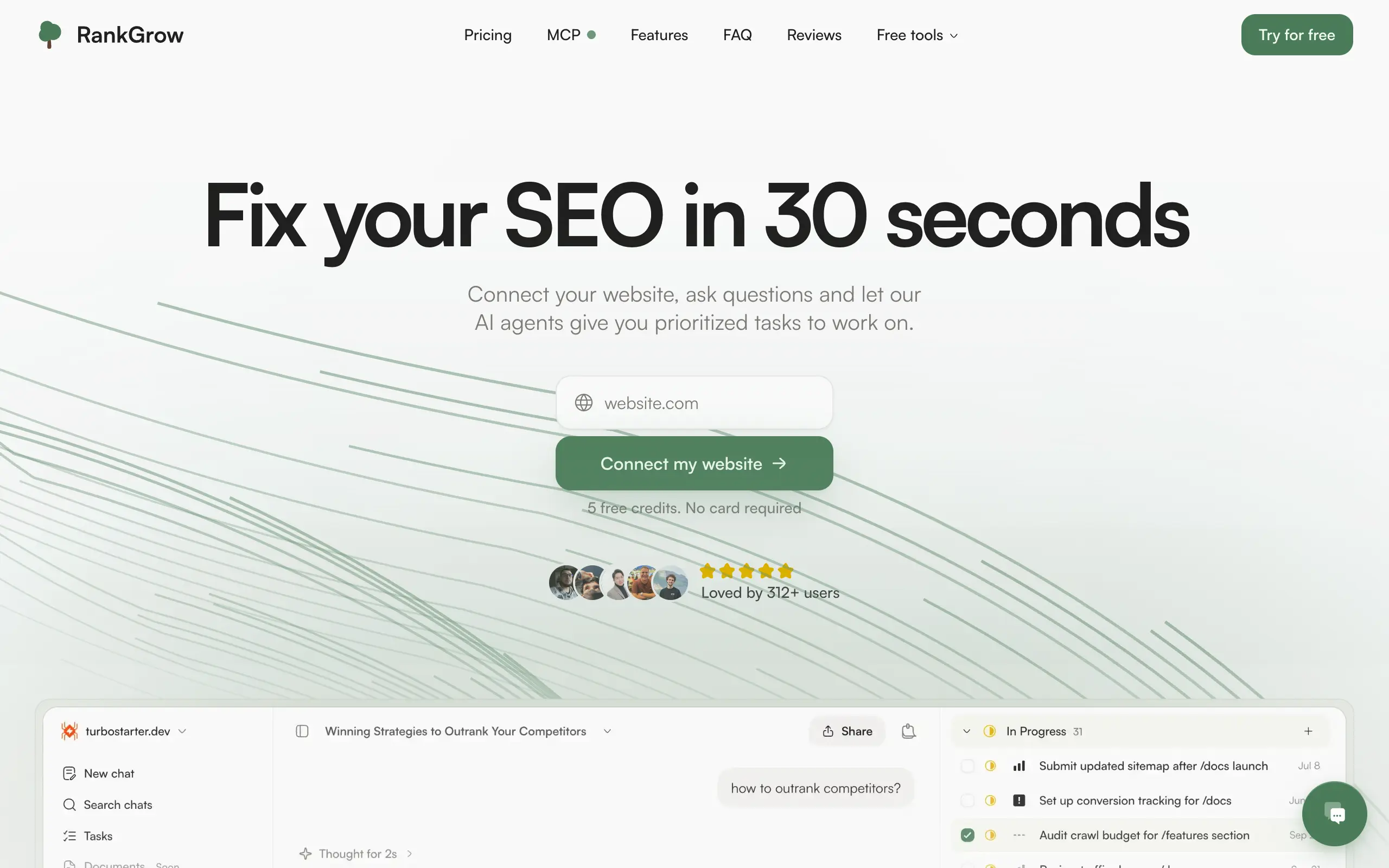
RankGrow
Fix your SEO with AI agents - connect Search Console, get prioritized tasks, and grow organic traffic 📈
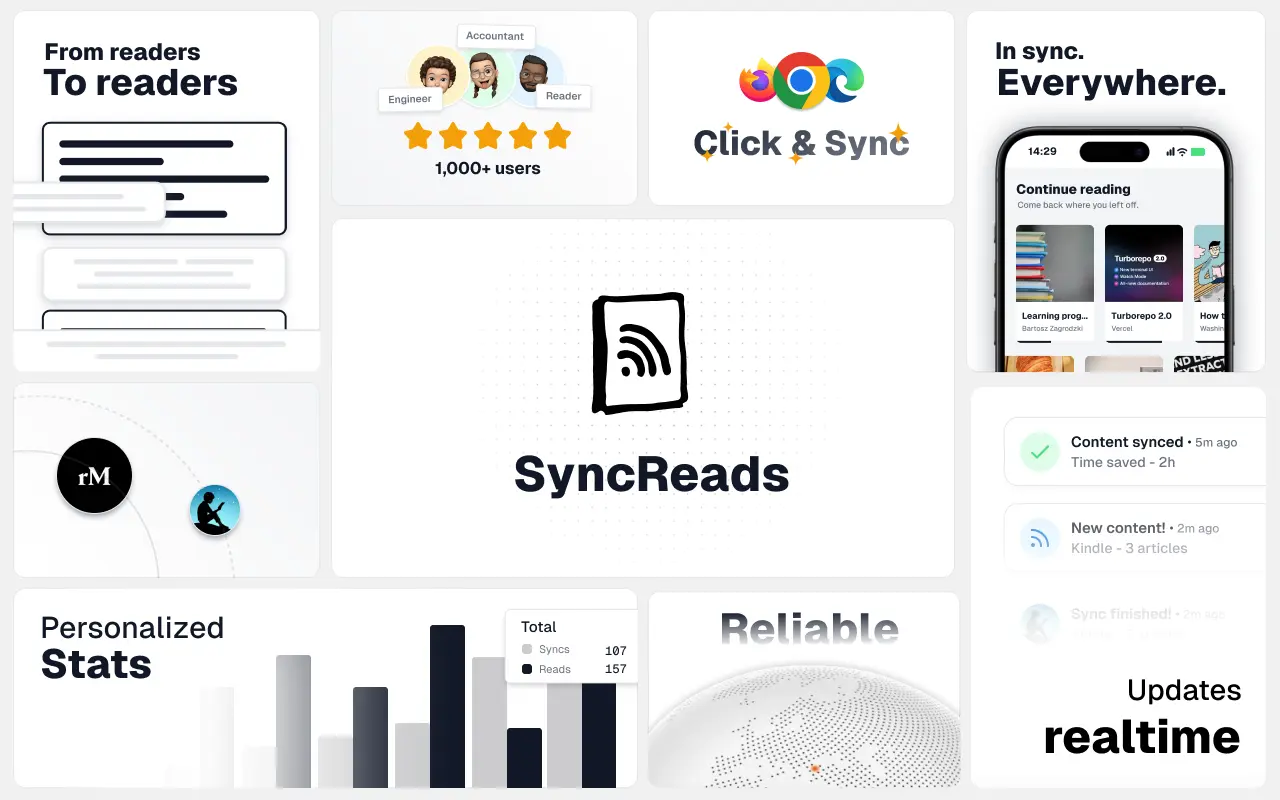
SyncReads
Sync your favorite content for distraction-free reading, save time and replace multiple apps. Anytime, anywhere 🔄
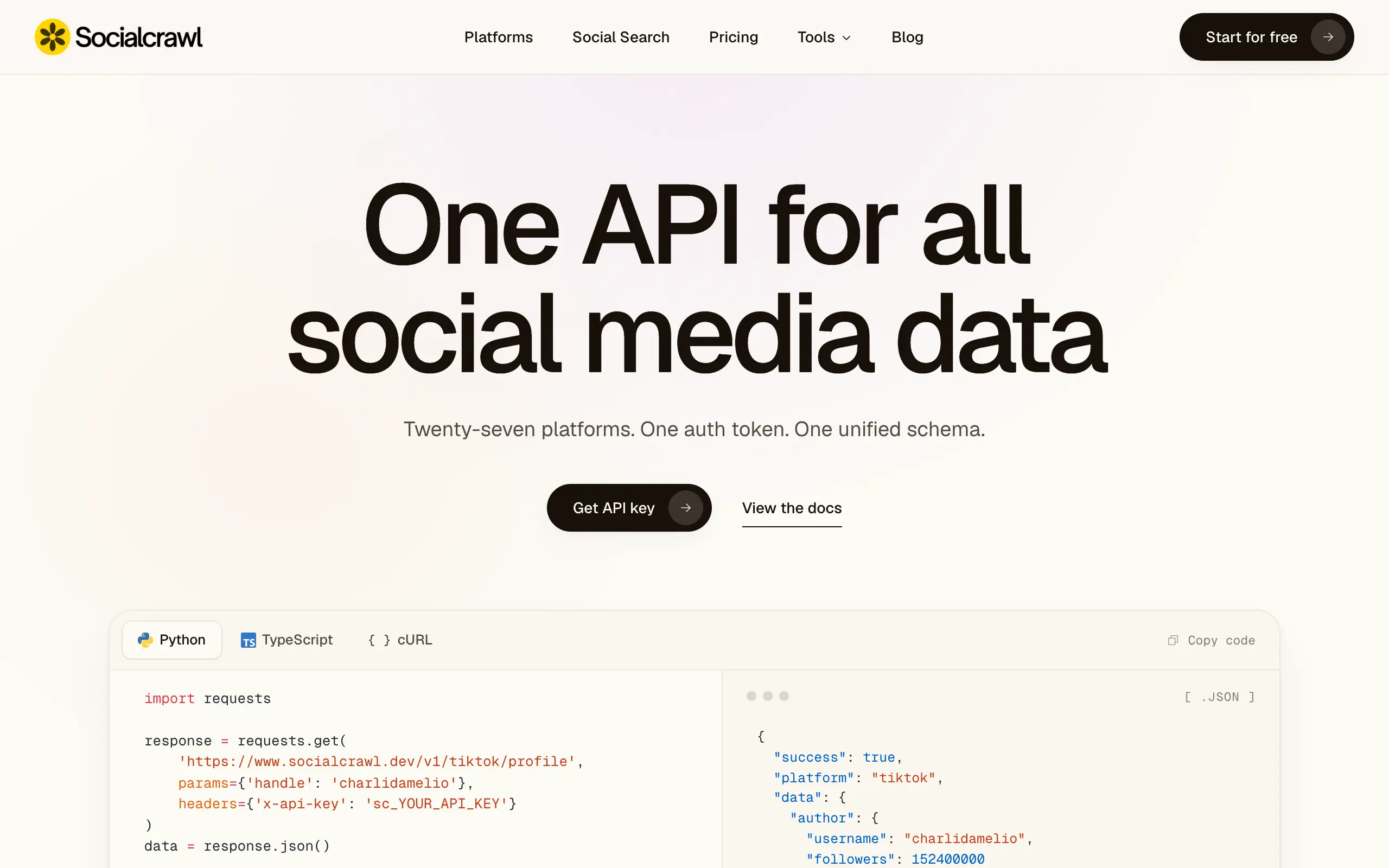
Socialcrawl
Get clean, structured data from 21 platforms like TikTok, Instagram, and YouTube with a single request 📊
Statiko
Monitor any Telegram channel in real time - track posts, edits, deletions, and growth with AI recaps 📡
Shibui
AI website builder - describe your business, pick a niche template, edit by chatting, and publish instantly ✨
Pro Service
Find verified home service professionals, compare quotes, and pay securely through escrow - built for Brazilians across the US 🏠
RankGrow
Fix your SEO with AI agents - connect Search Console, get prioritized tasks, and grow organic traffic 📈
SyncReads
Sync your favorite content for distraction-free reading, save time and replace multiple apps. Anytime, anywhere 🔄
Socialcrawl
Get clean, structured data from 21 platforms like TikTok, Instagram, and YouTube with a single request 📊
Statiko
Monitor any Telegram channel in real time - track posts, edits, deletions, and growth with AI recaps 📡
Shibui
AI website builder - describe your business, pick a niche template, edit by chatting, and publish instantly ✨
Pro Service
Find verified home service professionals, compare quotes, and pay securely through escrow - built for Brazilians across the US 🏠
RankGrow
Fix your SEO with AI agents - connect Search Console, get prioritized tasks, and grow organic traffic 📈
SyncReads
Sync your favorite content for distraction-free reading, save time and replace multiple apps. Anytime, anywhere 🔄
Socialcrawl
Get clean, structured data from 21 platforms like TikTok, Instagram, and YouTube with a single request 📊
Statiko
Monitor any Telegram channel in real time - track posts, edits, deletions, and growth with AI recaps 📡
Shibui
AI website builder - describe your business, pick a niche template, edit by chatting, and publish instantly ✨
Pro Service
Find verified home service professionals, compare quotes, and pay securely through escrow - built for Brazilians across the US 🏠
RankGrow
Fix your SEO with AI agents - connect Search Console, get prioritized tasks, and grow organic traffic 📈
SyncReads
Sync your favorite content for distraction-free reading, save time and replace multiple apps. Anytime, anywhere 🔄
Socialcrawl
Get clean, structured data from 21 platforms like TikTok, Instagram, and YouTube with a single request 📊
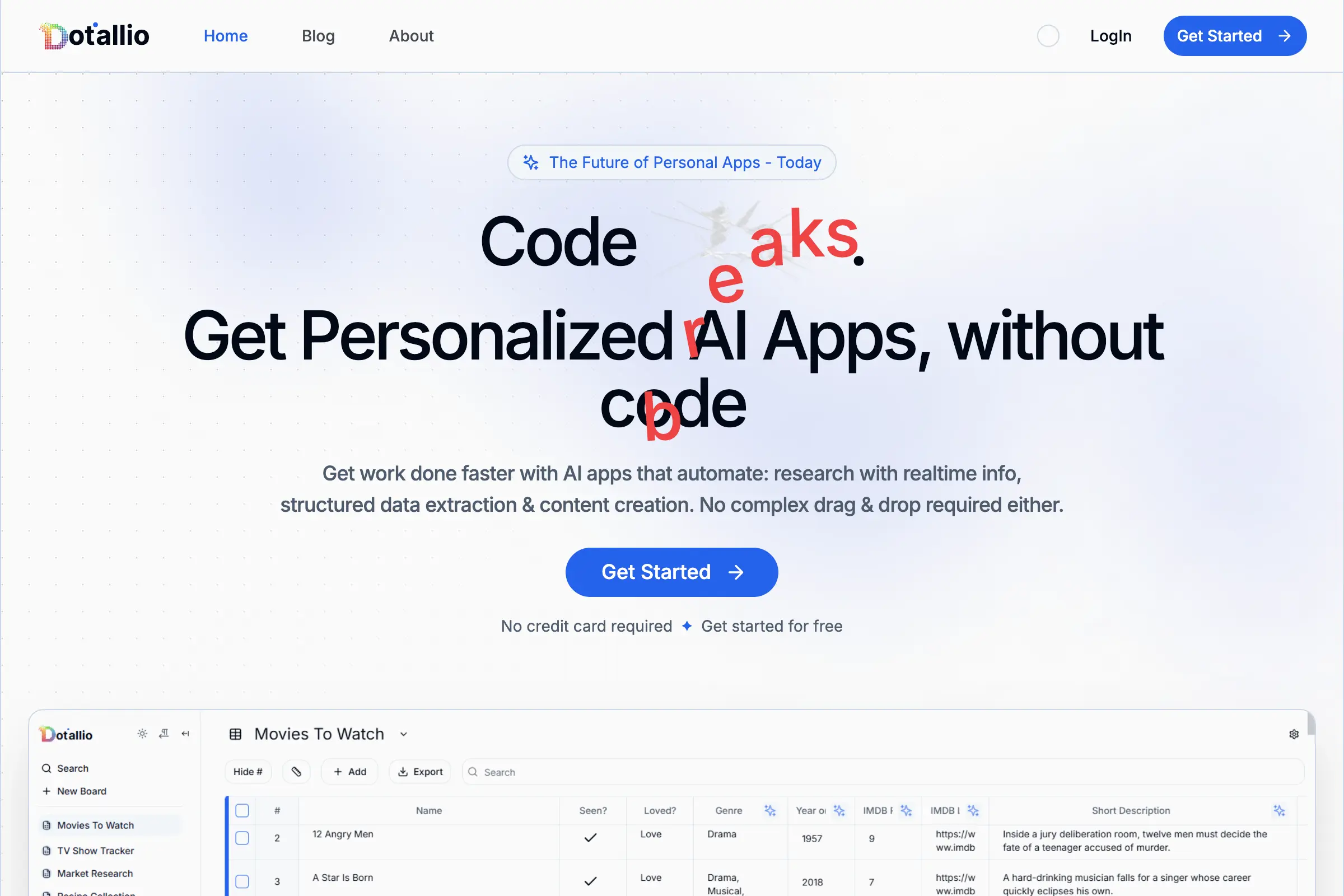
Dotallio
Personalized AI apps that automate research, data extraction, and content creation without code 🤖

Talk to Santa
Enjoy a magical live video chat or receive a unique AI-generated video greeting from Santa Claus 🎅

pozywka.pl
Scalable blog for food journalist, focused on performance and user experience 🌭
zagrodzki.me
Personal blog and portfolio of Bart Zagrodzki, where he shares his knowledge and work 💼
TurboStarter
Ship your startup everywhere. In minutes.
HTML to Markdown
Convert HTML to Markdown with ease, directly in your browser 📄
Dotallio
Personalized AI apps that automate research, data extraction, and content creation without code 🤖
Talk to Santa
Enjoy a magical live video chat or receive a unique AI-generated video greeting from Santa Claus 🎅
pozywka.pl
Scalable blog for food journalist, focused on performance and user experience 🌭
zagrodzki.me
Personal blog and portfolio of Bart Zagrodzki, where he shares his knowledge and work 💼
TurboStarter
Ship your startup everywhere. In minutes.
HTML to Markdown
Convert HTML to Markdown with ease, directly in your browser 📄
Dotallio
Personalized AI apps that automate research, data extraction, and content creation without code 🤖
Talk to Santa
Enjoy a magical live video chat or receive a unique AI-generated video greeting from Santa Claus 🎅
pozywka.pl
Scalable blog for food journalist, focused on performance and user experience 🌭
zagrodzki.me
Personal blog and portfolio of Bart Zagrodzki, where he shares his knowledge and work 💼
TurboStarter
Ship your startup everywhere. In minutes.
HTML to Markdown
Convert HTML to Markdown with ease, directly in your browser 📄
Dotallio
Personalized AI apps that automate research, data extraction, and content creation without code 🤖
Talk to Santa
Enjoy a magical live video chat or receive a unique AI-generated video greeting from Santa Claus 🎅
pozywka.pl
Scalable blog for food journalist, focused on performance and user experience 🌭
zagrodzki.me
Personal blog and portfolio of Bart Zagrodzki, where he shares his knowledge and work 💼
TurboStarter
Ship your startup everywhere. In minutes.
HTML to Markdown
Convert HTML to Markdown with ease, directly in your browser 📄
Omichat
Chat with 50+ AI models, including ChatGPT and Claude, in one place - switch models anytime without losing context 🤖
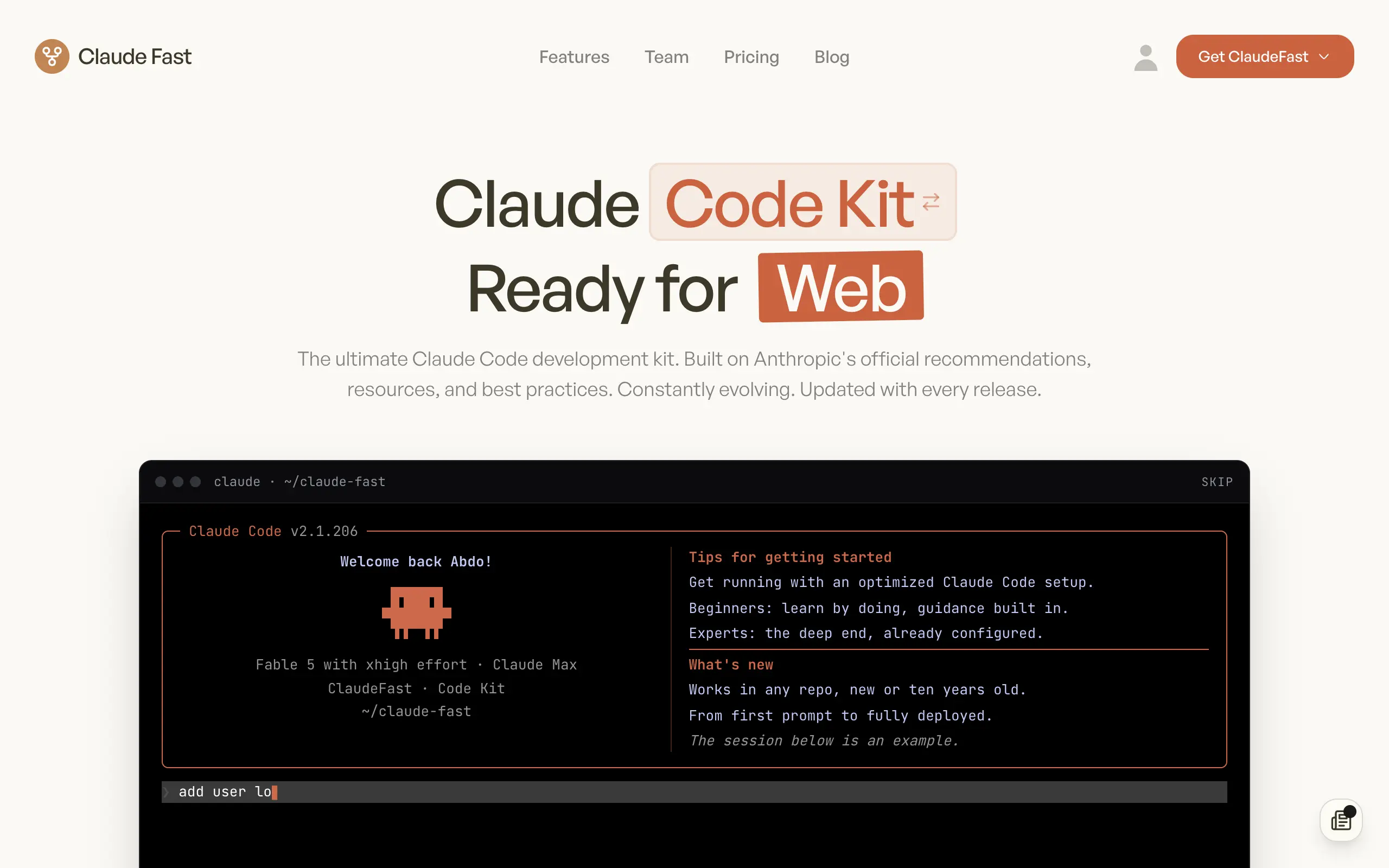
Claude Fast
Supercharge your Claude Code with 6x effective context window and specialized AI agents 🤖
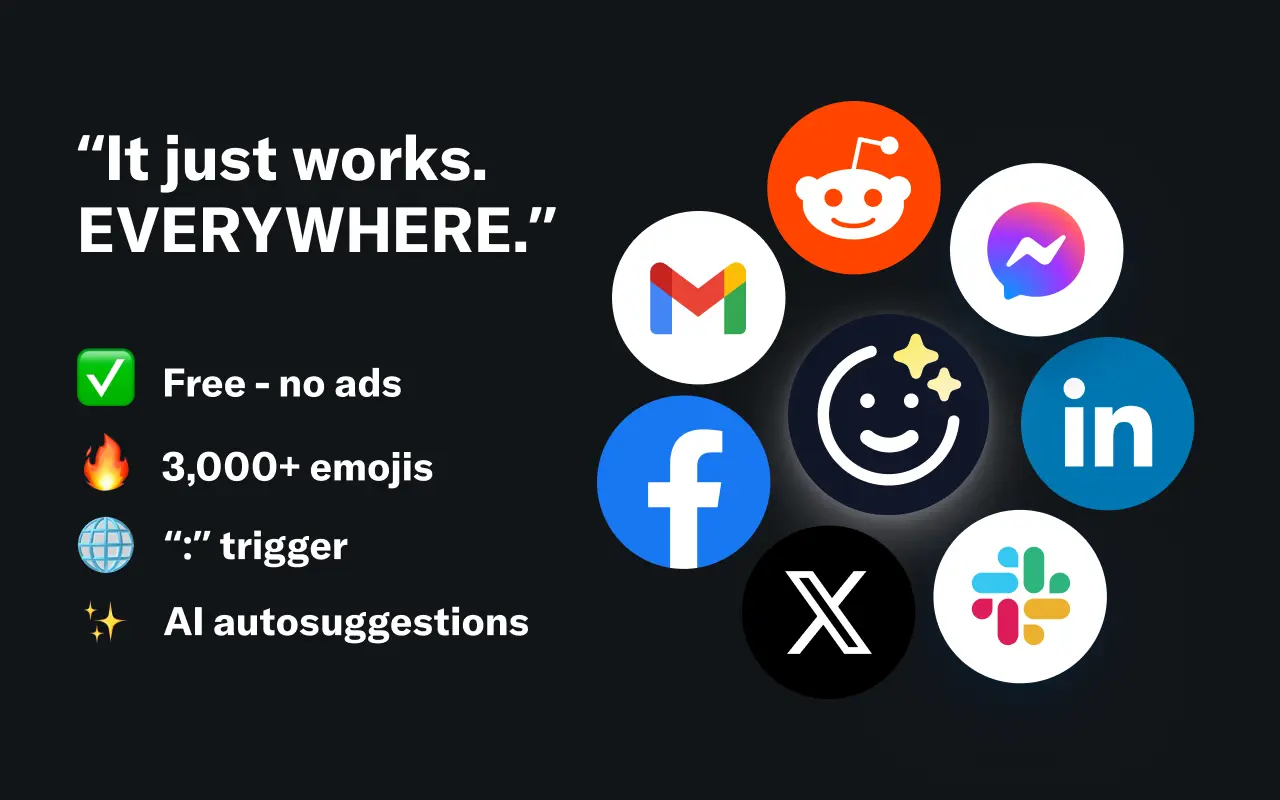
EmojAI
AI-powered emoji picker with smart, context-aware suggestions 🤖
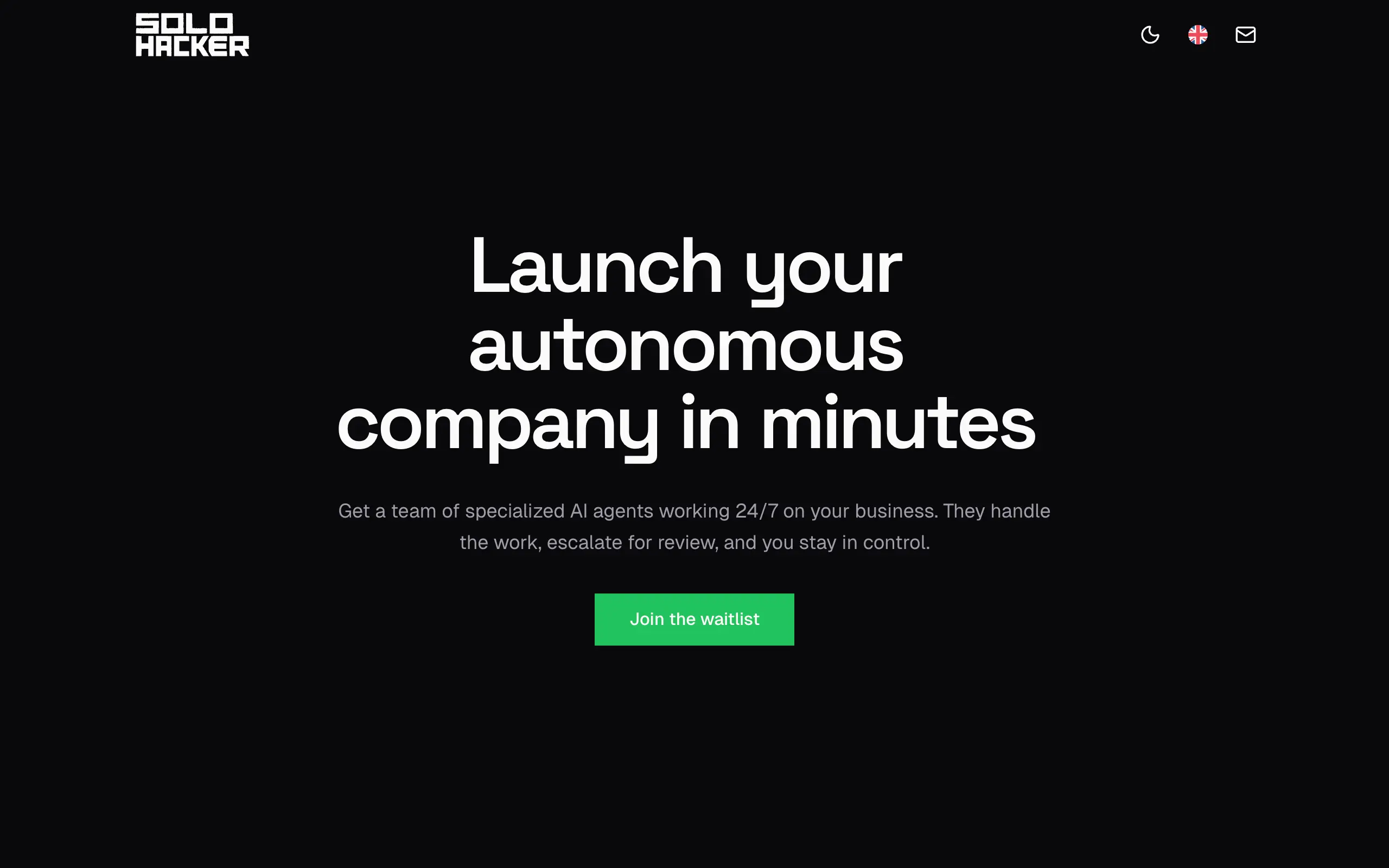
Solohacker
Autonomous company launcher - AI agents work 24/7, escalate what matters, and you stay in control 🤖
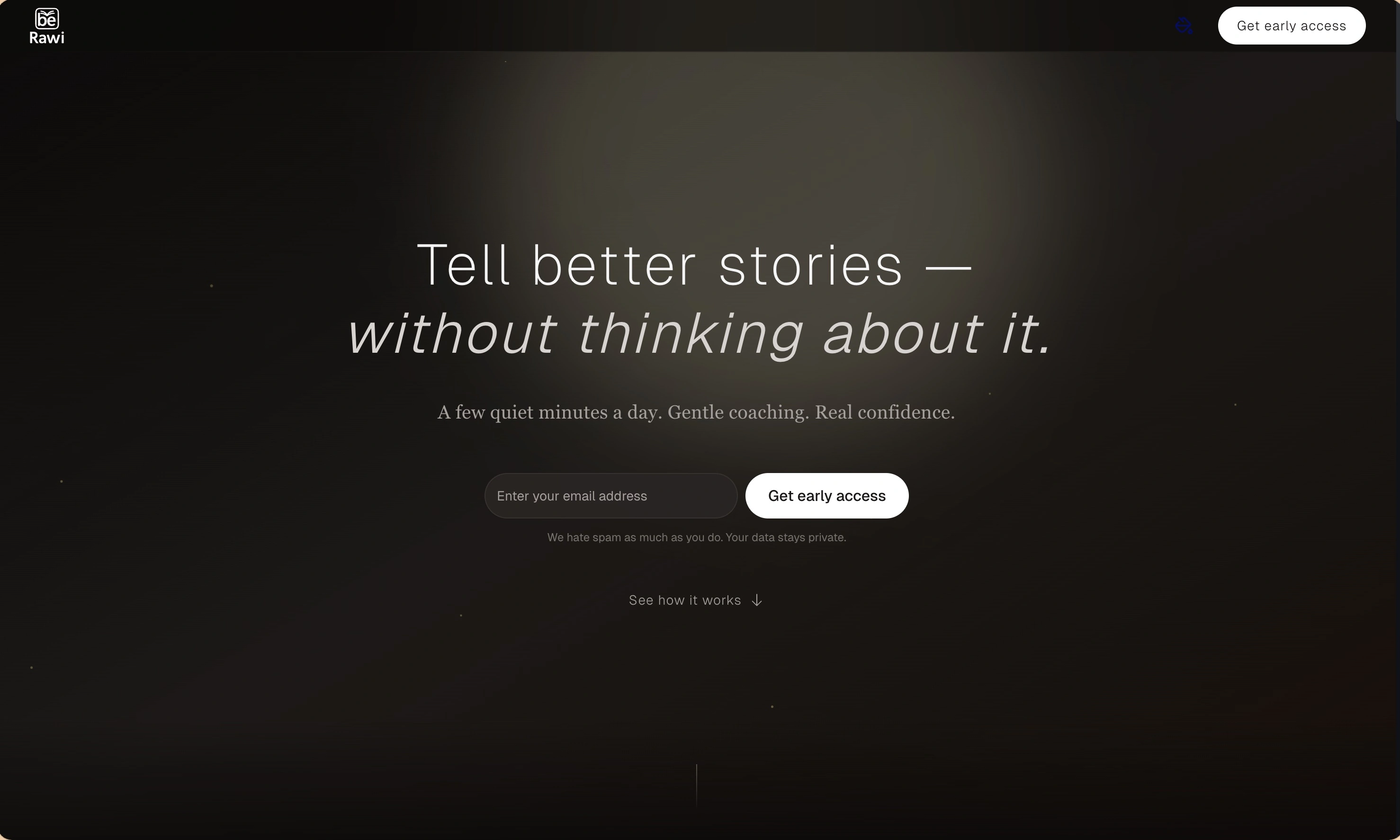
BeRawi: Storytelling Coach
Practice storytelling daily with instant feedback to sound clearer, more engaging, and confident 🎤
Omichat
Chat with 50+ AI models, including ChatGPT and Claude, in one place - switch models anytime without losing context 🤖
Claude Fast
Supercharge your Claude Code with 6x effective context window and specialized AI agents 🤖
EmojAI
AI-powered emoji picker with smart, context-aware suggestions 🤖
Solohacker
Autonomous company launcher - AI agents work 24/7, escalate what matters, and you stay in control 🤖
BeRawi: Storytelling Coach
Practice storytelling daily with instant feedback to sound clearer, more engaging, and confident 🎤
Omichat
Chat with 50+ AI models, including ChatGPT and Claude, in one place - switch models anytime without losing context 🤖
Claude Fast
Supercharge your Claude Code with 6x effective context window and specialized AI agents 🤖
EmojAI
AI-powered emoji picker with smart, context-aware suggestions 🤖
Solohacker
Autonomous company launcher - AI agents work 24/7, escalate what matters, and you stay in control 🤖
BeRawi: Storytelling Coach
Practice storytelling daily with instant feedback to sound clearer, more engaging, and confident 🎤
Omichat
Chat with 50+ AI models, including ChatGPT and Claude, in one place - switch models anytime without losing context 🤖
Claude Fast
Supercharge your Claude Code with 6x effective context window and specialized AI agents 🤖
EmojAI
AI-powered emoji picker with smart, context-aware suggestions 🤖
Solohacker
Autonomous company launcher - AI agents work 24/7, escalate what matters, and you stay in control 🤖
BeRawi: Storytelling Coach
Practice storytelling daily with instant feedback to sound clearer, more engaging, and confident 🎤

Connect with like-minded people
Join our community to get feedback, support, and grow together with 1,000+ builders on board, let's ship it!
Join usShip your startup everywhere. In minutes.
Don't burn tokens on setup and start building features on day one.