ScopeCreep Killer
AI tool that detects scope creep in solo projects, suggesting cuts and MVP boundaries to help founders ship faster and avoid burnout.
what is an AI scope creep killer and why it matters now
Scope creep is one of the most persistent and underestimated risks in solo projects, indie hacking, and early-stage SaaS development. Founders often start with a focused idea but gradually expand features, integrations, and complexity—until the product becomes bloated, delayed, or abandoned entirely.
An AI scope creep killer like ScopeCreep Killer is designed to actively detect, flag, and reduce unnecessary expansion in real-time. Instead of acting as a passive project management tool, it serves as an intelligent constraint engine that helps founders define, protect, and ship a Minimum Viable Product (MVP) faster.
The rise of solo founders, AI-assisted coding, and rapid prototyping tools has made building easier than ever—but paradoxically, finishing has become harder. That’s where this product fits.
This article explores the full strategic, technical, and business landscape of building a tool like ScopeCreep Killer, including target users, market gaps, features, monetization, and implementation.
the growing problem of scope creep in modern SaaS
why scope creep is worse than ever
Modern development environments have dramatically reduced the cost of adding features:
- AI code generation (e.g., Copilot, ChatGPT)
- No-code/low-code tools
- Prebuilt SaaS APIs (Stripe, Auth, Analytics)
- Rapid UI frameworks
While these tools accelerate building, they also encourage overbuilding.
Founders think:
- “It’ll only take a few hours”
- “Users will expect this feature”
- “Let me just add this one more thing”
This mindset compounds quickly.
the hidden costs of scope creep
Scope creep doesn’t just delay launch—it introduces systemic problems:
- Delayed time-to-market
- Increased cognitive load
- Feature fragmentation
- Technical debt accumulation
- Founder burnout
Key insight
Most failed solo SaaS projects don’t fail because of bad ideas—they fail because they never ship.
target audience analysis
Understanding who needs ScopeCreep Killer is critical to product positioning and growth.
primary audience: solo founders and indie hackers
These users are:
- Building MVPs alone
- Time-constrained
- Prone to over-engineering
- Often influenced by competitor features
Core pain points:
- Difficulty defining MVP boundaries
- Constant feature temptation
- Lack of external accountability
- Burnout from endless iteration
secondary audience: early-stage startup teams
Small teams (2–5 people) also face scope creep:
- Feature debates delay execution
- Roadmaps become bloated
- Priorities shift frequently
tertiary audience: freelancers and builders
- Client projects expand beyond original scope
- Fixed-price work becomes unprofitable
- Misaligned expectations lead to stress
market opportunity and gap
existing tools fall short
Most current tools address productivity or project tracking—not scope discipline.
| Tool Type | Handles Tasks | Detects Scope Creep | Suggests Cuts | MVP Focus |
|---|---|---|---|---|
| Project Management (Notion, Jira) | ✅ | ❌ | ❌ | ❌ |
| Roadmap Tools | ✅ | ❌ | ❌ | ❌ |
| AI Coding Assistants | ✅ | ❌ | ❌ | ❌ |
| ScopeCreep Killer | ✅ | ✅ | ✅ | ✅ |
emerging trend: constraint-driven productivity
There’s a growing shift toward tools that limit rather than expand:
- Focus apps
- Time blockers
- Minimalist workflows
ScopeCreep Killer fits into this category but with a founder-specific lens.
why now is the perfect timing
- Explosion of indie hackers (boosted by platforms like X and Product Hunt)
- AI makes building easier → increases scope risk
- More people building solo products than ever before
core features of ScopeCreep Killer
1. AI scope detection engine
The heart of the product.
It analyzes:
- Feature lists
- Roadmaps
- Git commits
- Product descriptions
And identifies:
- Non-essential features
- Redundant functionality
- Overlapping ideas
Example output:
- “This feature adds complexity without improving core value”
- “This can be deferred to post-MVP”
2. MVP boundary generator
This feature helps define what NOT to build.
Users input:
- Product idea
- Target audience
- Problem statement
The AI outputs:
- Core MVP feature set
- Excluded features list
- Suggested v2 roadmap
3. real-time scope alerts
Integrations with tools like:
- GitHub
- Notion
- Linear
The system flags scope creep as it happens:
- “This commit introduces a non-MVP feature”
- “This task expands beyond defined scope”
4. feature prioritization scoring
Each feature gets scored based on:
- User value
- Complexity
- Time cost
- MVP alignment
5. burnout risk indicator
A unique addition:
- Tracks workload expansion
- Monitors feature creep velocity
- Alerts when burnout risk increases
6. “cut suggestions” engine
This is where the tool shines.
Instead of just warning, it actively suggests:
- Features to remove
- Simplifications
- Faster alternatives
how the AI engine works (technical overview)
input sources
- Natural language (user descriptions)
- Structured tasks (from PM tools)
- Code repositories
- Feature lists
processing layers
// simplified architecture example
type Feature = {
  name: string;
  complexity: number;
  userValue: number;
  dependencyCount: number;
};

function evaluateScope(features: Feature[]) {
  return features.map((feature) => {
    const score = feature.userValue / (feature.complexity + feature.dependencyCount);

    return {
      ...feature,
      mvpFit: score > 0.5,
      recommendation: score > 0.5 ? "Keep" : "Cut or Defer"
    };
  });
}
AI models used
- LLM for semantic understanding
- Classification models for prioritization
- Heuristic scoring systems
recommended tech stack
frontend
Why:
- Fast UI iteration
- Large ecosystem
- Ideal for dashboards
backend
- Node.js or Python (FastAPI)
- PostgreSQL for structured data
- Redis for caching
AI layer
- OpenAI or similar LLM APIs
- Vector database (e.g., Pinecone or Weaviate)
integrations
- GitHub API
- Notion API
- Slack for alerts
trade-offs
- More flexible
- Better reasoning
- Higher cost
- Slower responses
- Faster
- Cheaper
- Less adaptive
- Requires tuning
Best approach: hybrid system.
monetization strategy
subscription tiers
- Free: limited projects, basic analysis
- Pro ($10–$20/month):
- Unlimited projects
- Real-time alerts
- Integrations
- Team ($30–$50/month):
- Collaboration
- Shared dashboards
usage-based pricing
Charge for:
- AI analysis runs
- Deep audits
- Advanced reports
add-ons
- Founder coaching reports
- MVP audit packages
- Launch readiness scoring
competitive advantage
1. category creation
This product defines a new category: “Scope management software”
2. proactive vs reactive
Most tools track work. ScopeCreep Killer prevents unnecessary work.
3. emotional positioning
It solves:
- Anxiety
- Overwhelm
- Burnout
This is powerful differentiation.
4. AI as a constraint system
Instead of enabling more building, it enforces discipline.
risks and mitigation strategies
risk 1: users ignore recommendations
Mitigation:
- Show clear reasoning
- Provide data-backed suggestions
- Use persuasive UX
risk 2: false positives
Mitigation:
- Allow user overrides
- Learn from user behavior
- Continuous model tuning
risk 3: perceived as limiting creativity
Mitigation:
- Position as “focus tool”
- Allow flexible modes:
- strict
- balanced
- exploratory
risk 4: integration complexity
Mitigation:
- Start with minimal integrations
- Expand gradually
go-to-market strategy
1. target indie hacker communities
- Product Hunt
- X (Twitter)
- Indie Hackers
2. content marketing
Create SEO content like:
- “How to avoid scope creep in SaaS”
- “MVP checklist for founders”
- “Why your startup isn’t shipping”
3. build in public
Share:
- Scope decisions
- Feature cuts
- Product evolution
4. viral loops
- Shareable “Scope Score”
- MVP readiness badges
step-by-step implementation plan
real-world usage scenarios
scenario 1: indie hacker building SaaS
- Inputs 25 features
- Tool suggests cutting 15
- Ships in 2 weeks instead of 2 months
scenario 2: freelancer project
- Detects scope expansion from client requests
- Suggests contract boundary enforcement
scenario 3: startup team
- Aligns roadmap with MVP goals
- Prevents overbuilding before validation
future expansion opportunities
advanced analytics
- Scope creep trends over time
- Founder behavior patterns
AI co-founder mode
- Suggests product strategy
- Guides roadmap decisions
marketplace integrations
- Connect with tools like TurboStarter for faster MVP launches
actionable insights for founders
If you’re building a SaaS today, you don’t need more features—you need:
- Clarity
- Focus
- Constraints
ScopeCreep Killer operationalizes these principles.
final thoughts
Scope creep is not just a productivity issue—it’s a strategic failure point. The ability to decide what not to build is one of the most valuable skills a founder can develop.
This product turns that skill into a system.
By combining AI, behavioral insights, and product strategy, ScopeCreep Killer has the potential to become an essential tool in the modern SaaS stack—especially for solo builders navigating an increasingly complex development landscape.
ready to build your own version?
If you’re serious about launching faster and smarter, start with a solid foundation and iterate quickly.
The difference between ideas that succeed and those that fade away often comes down to execution speed—and the discipline to stay focused.
More ⚡ Productivity Tool SaaS ideas
Discover more innovative productivity tool SaaS ideas that are trending in 2026. Each idea is AI-generated with market validation and growth potential to help you find your next profitable venture faster than competitors.
Your competitors are building with TurboStarter
Below are some of the SaaS ideas that have been generated and built with our starter kit.

Statiko
Monitor any Telegram channel in real time - track posts, edits, deletions, and growth with AI recaps 📡

Shibui
AI website builder - describe your business, pick a niche template, edit by chatting, and publish instantly ✨

Pro Service
Find verified home service professionals, compare quotes, and pay securely through escrow - built for Brazilians across the US 🏠
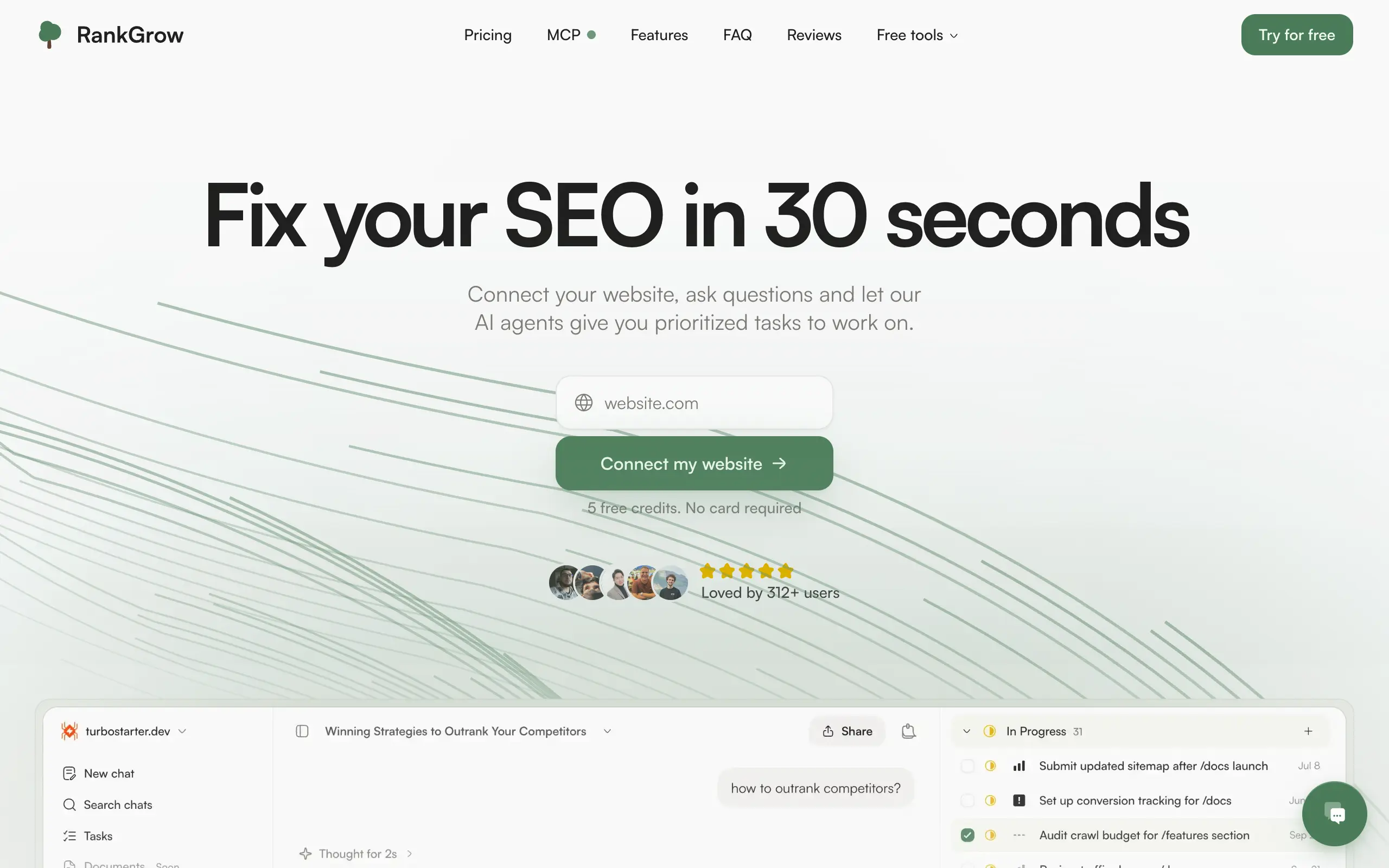
RankGrow
Fix your SEO with AI agents - connect Search Console, get prioritized tasks, and grow organic traffic 📈
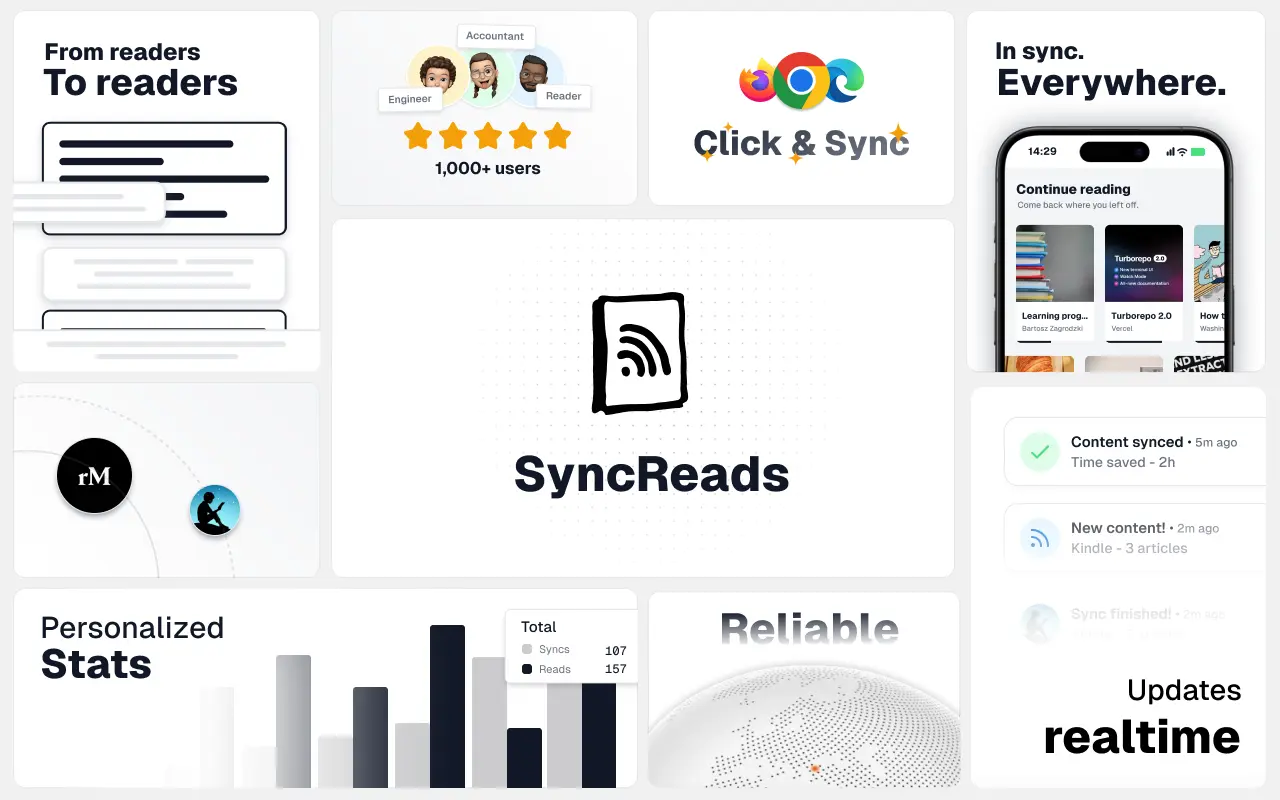
SyncReads
Sync your favorite content for distraction-free reading, save time and replace multiple apps. Anytime, anywhere 🔄
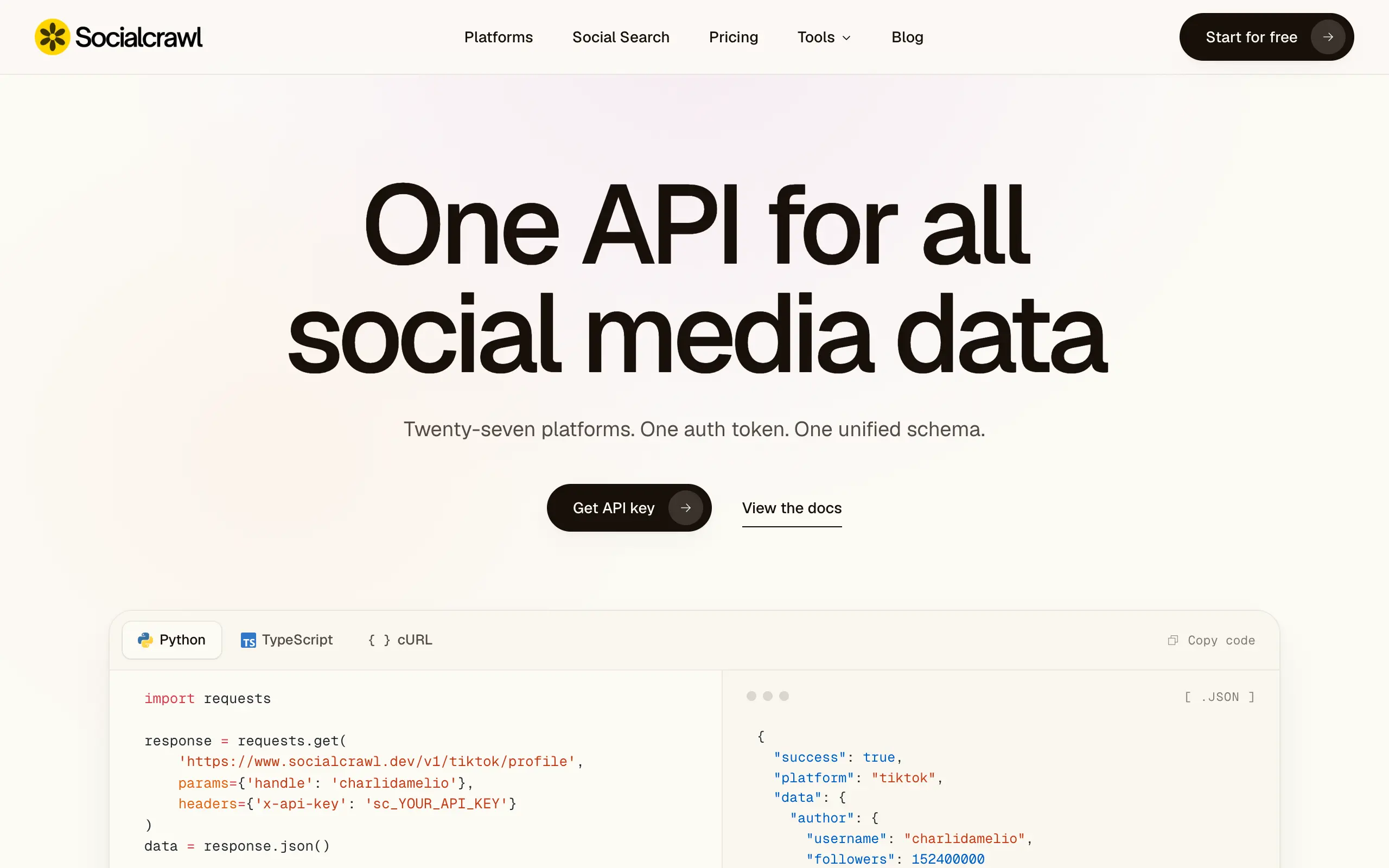
Socialcrawl
Get clean, structured data from 21 platforms like TikTok, Instagram, and YouTube with a single request 📊
Statiko
Monitor any Telegram channel in real time - track posts, edits, deletions, and growth with AI recaps 📡
Shibui
AI website builder - describe your business, pick a niche template, edit by chatting, and publish instantly ✨
Pro Service
Find verified home service professionals, compare quotes, and pay securely through escrow - built for Brazilians across the US 🏠
RankGrow
Fix your SEO with AI agents - connect Search Console, get prioritized tasks, and grow organic traffic 📈
SyncReads
Sync your favorite content for distraction-free reading, save time and replace multiple apps. Anytime, anywhere 🔄
Socialcrawl
Get clean, structured data from 21 platforms like TikTok, Instagram, and YouTube with a single request 📊
Statiko
Monitor any Telegram channel in real time - track posts, edits, deletions, and growth with AI recaps 📡
Shibui
AI website builder - describe your business, pick a niche template, edit by chatting, and publish instantly ✨
Pro Service
Find verified home service professionals, compare quotes, and pay securely through escrow - built for Brazilians across the US 🏠
RankGrow
Fix your SEO with AI agents - connect Search Console, get prioritized tasks, and grow organic traffic 📈
SyncReads
Sync your favorite content for distraction-free reading, save time and replace multiple apps. Anytime, anywhere 🔄
Socialcrawl
Get clean, structured data from 21 platforms like TikTok, Instagram, and YouTube with a single request 📊
Statiko
Monitor any Telegram channel in real time - track posts, edits, deletions, and growth with AI recaps 📡
Shibui
AI website builder - describe your business, pick a niche template, edit by chatting, and publish instantly ✨
Pro Service
Find verified home service professionals, compare quotes, and pay securely through escrow - built for Brazilians across the US 🏠
RankGrow
Fix your SEO with AI agents - connect Search Console, get prioritized tasks, and grow organic traffic 📈
SyncReads
Sync your favorite content for distraction-free reading, save time and replace multiple apps. Anytime, anywhere 🔄
Socialcrawl
Get clean, structured data from 21 platforms like TikTok, Instagram, and YouTube with a single request 📊
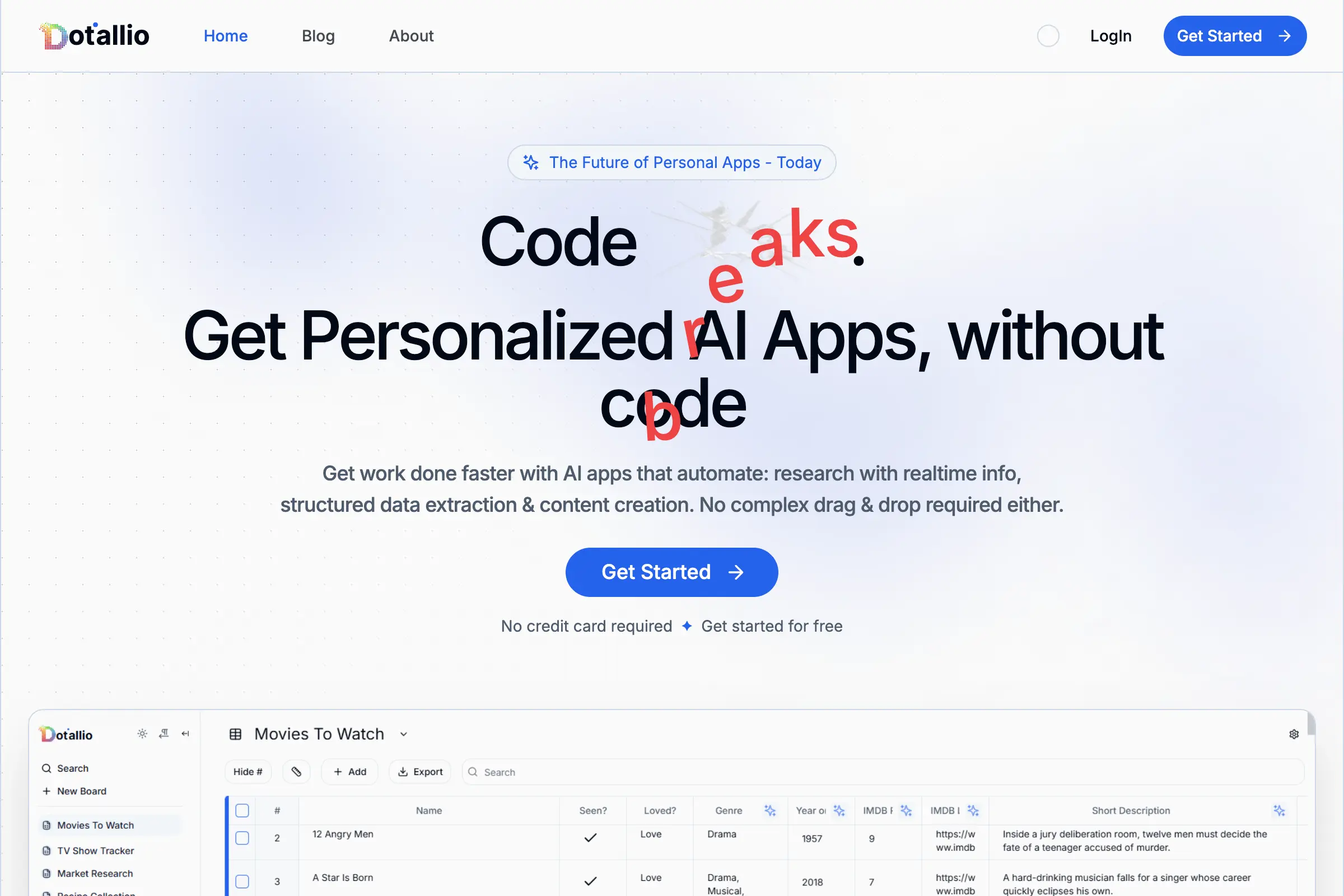
Dotallio
Personalized AI apps that automate research, data extraction, and content creation without code 🤖

Talk to Santa
Enjoy a magical live video chat or receive a unique AI-generated video greeting from Santa Claus 🎅

pozywka.pl
Scalable blog for food journalist, focused on performance and user experience 🌭
zagrodzki.me
Personal blog and portfolio of Bart Zagrodzki, where he shares his knowledge and work 💼
TurboStarter
Ship your startup everywhere. In minutes.
HTML to Markdown
Convert HTML to Markdown with ease, directly in your browser 📄
Dotallio
Personalized AI apps that automate research, data extraction, and content creation without code 🤖
Talk to Santa
Enjoy a magical live video chat or receive a unique AI-generated video greeting from Santa Claus 🎅
pozywka.pl
Scalable blog for food journalist, focused on performance and user experience 🌭
zagrodzki.me
Personal blog and portfolio of Bart Zagrodzki, where he shares his knowledge and work 💼
TurboStarter
Ship your startup everywhere. In minutes.
HTML to Markdown
Convert HTML to Markdown with ease, directly in your browser 📄
Dotallio
Personalized AI apps that automate research, data extraction, and content creation without code 🤖
Talk to Santa
Enjoy a magical live video chat or receive a unique AI-generated video greeting from Santa Claus 🎅
pozywka.pl
Scalable blog for food journalist, focused on performance and user experience 🌭
zagrodzki.me
Personal blog and portfolio of Bart Zagrodzki, where he shares his knowledge and work 💼
TurboStarter
Ship your startup everywhere. In minutes.
HTML to Markdown
Convert HTML to Markdown with ease, directly in your browser 📄
Dotallio
Personalized AI apps that automate research, data extraction, and content creation without code 🤖
Talk to Santa
Enjoy a magical live video chat or receive a unique AI-generated video greeting from Santa Claus 🎅
pozywka.pl
Scalable blog for food journalist, focused on performance and user experience 🌭
zagrodzki.me
Personal blog and portfolio of Bart Zagrodzki, where he shares his knowledge and work 💼
TurboStarter
Ship your startup everywhere. In minutes.
HTML to Markdown
Convert HTML to Markdown with ease, directly in your browser 📄
Omichat
Chat with 50+ AI models, including ChatGPT and Claude, in one place - switch models anytime without losing context 🤖
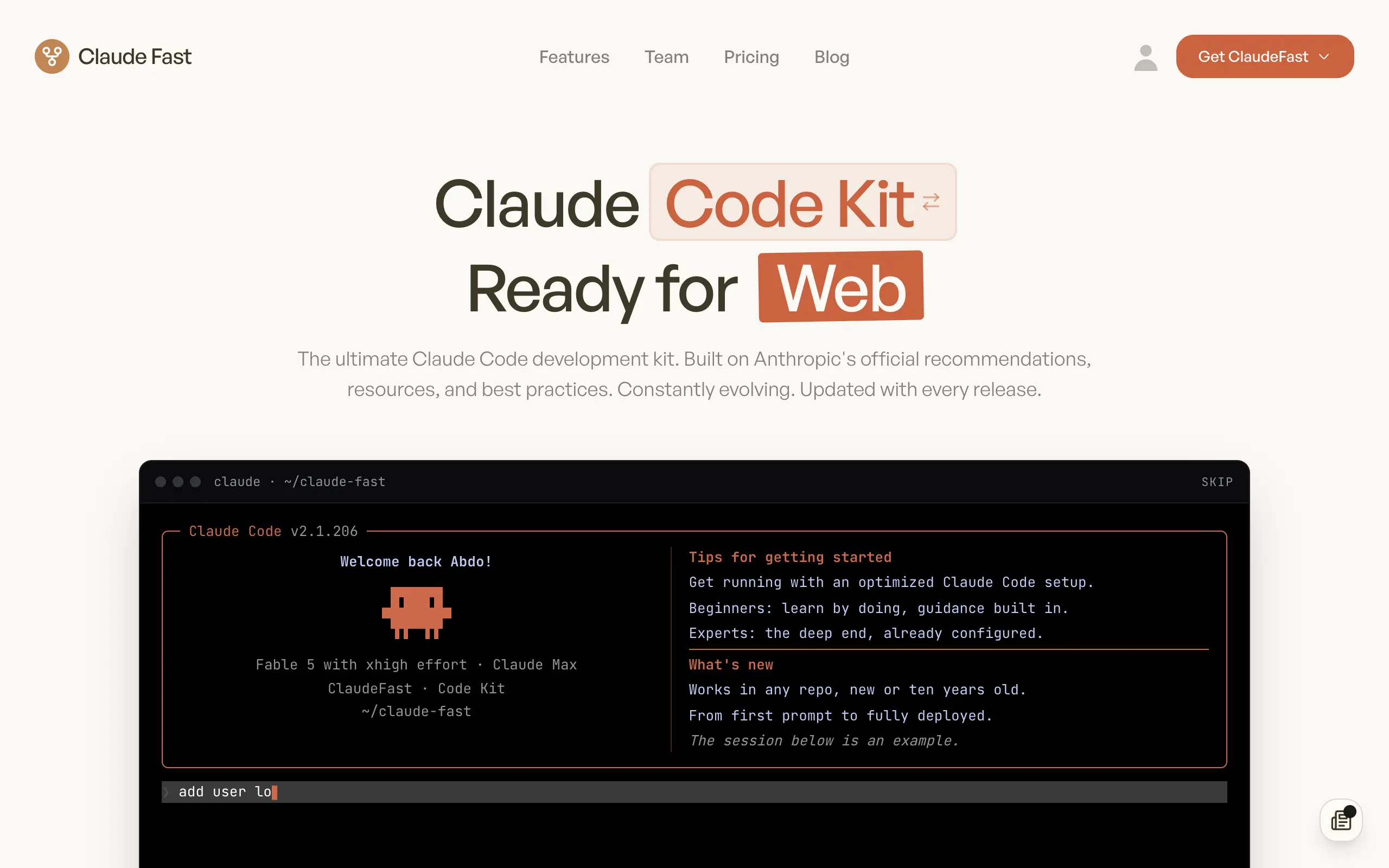
Claude Fast
Supercharge your Claude Code with 6x effective context window and specialized AI agents 🤖
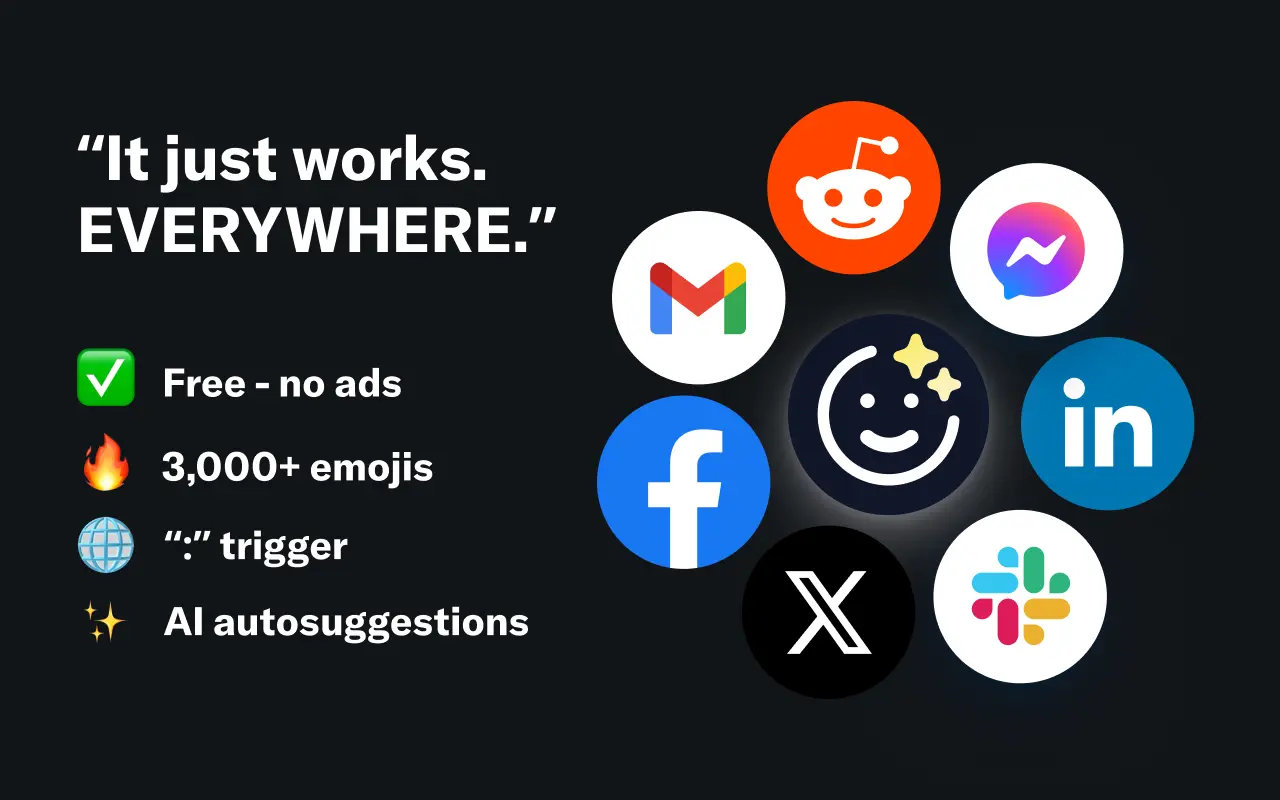
EmojAI
AI-powered emoji picker with smart, context-aware suggestions 🤖

Solohacker
Autonomous company launcher - AI agents work 24/7, escalate what matters, and you stay in control 🤖
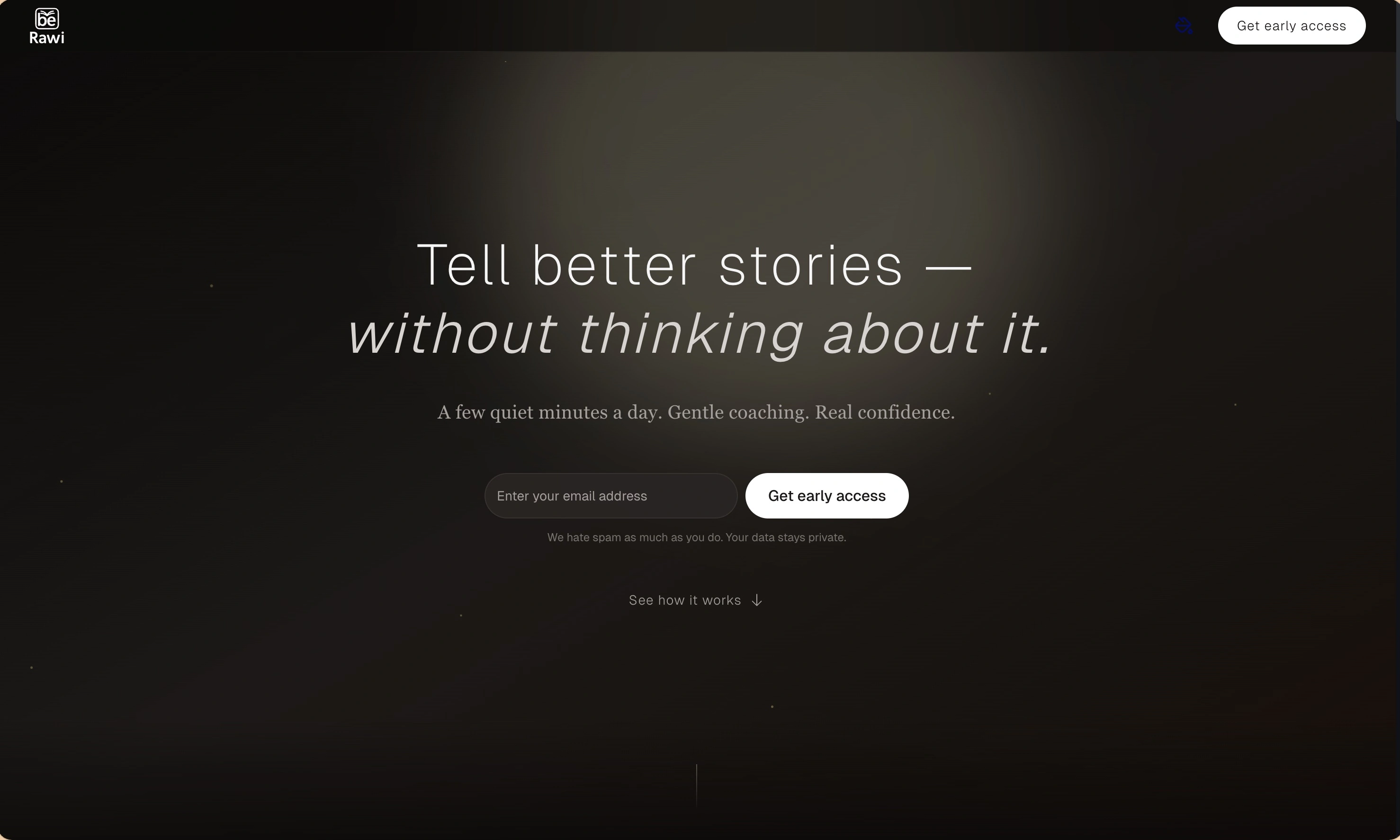
BeRawi: Storytelling Coach
Practice storytelling daily with instant feedback to sound clearer, more engaging, and confident 🎤
Omichat
Chat with 50+ AI models, including ChatGPT and Claude, in one place - switch models anytime without losing context 🤖
Claude Fast
Supercharge your Claude Code with 6x effective context window and specialized AI agents 🤖
EmojAI
AI-powered emoji picker with smart, context-aware suggestions 🤖
Solohacker
Autonomous company launcher - AI agents work 24/7, escalate what matters, and you stay in control 🤖
BeRawi: Storytelling Coach
Practice storytelling daily with instant feedback to sound clearer, more engaging, and confident 🎤
Omichat
Chat with 50+ AI models, including ChatGPT and Claude, in one place - switch models anytime without losing context 🤖
Claude Fast
Supercharge your Claude Code with 6x effective context window and specialized AI agents 🤖
EmojAI
AI-powered emoji picker with smart, context-aware suggestions 🤖
Solohacker
Autonomous company launcher - AI agents work 24/7, escalate what matters, and you stay in control 🤖
BeRawi: Storytelling Coach
Practice storytelling daily with instant feedback to sound clearer, more engaging, and confident 🎤
Omichat
Chat with 50+ AI models, including ChatGPT and Claude, in one place - switch models anytime without losing context 🤖
Claude Fast
Supercharge your Claude Code with 6x effective context window and specialized AI agents 🤖
EmojAI
AI-powered emoji picker with smart, context-aware suggestions 🤖
Solohacker
Autonomous company launcher - AI agents work 24/7, escalate what matters, and you stay in control 🤖
BeRawi: Storytelling Coach
Practice storytelling daily with instant feedback to sound clearer, more engaging, and confident 🎤

Connect with like-minded people
Join our community to get feedback, support, and grow together with 1,000+ builders on board, let's ship it!
Join usShip your startup everywhere. In minutes.
Don't burn tokens on setup and start building features on day one.