ShabbatSync
Team scheduling and task automation aligned with Israeli workweeks, holidays, and Shabbat constraints to prevent delays and misalignment.
Why Shabbat-aware scheduling is a growing SaaS opportunity
Modern global teams are more distributed than ever, but most scheduling and productivity tools still assume a Western Monday–Friday workweek with uninterrupted availability. That assumption breaks down for teams operating in Israel or working with observant Jewish professionals who observe Shabbat and religious holidays.
This gap creates real operational friction: missed deadlines, misaligned expectations, delayed deployments, and accidental scheduling during non-working times. A solution like Shabbat-aware team scheduling software directly addresses this pain point.
ShabbatSync positions itself as a productivity SaaS platform designed specifically for Israeli workweeks, Jewish holidays, and Shabbat constraints, helping teams coordinate tasks without cultural or religious conflicts.
This article explores the full opportunity, including market demand, product strategy, features, tech stack, monetization, risks, and implementation roadmap.
Understanding the target audience
ShabbatSync is not a generic productivity tool—it’s a context-aware scheduling solution. That specificity is its strength.
Primary user segments
-
Israeli startups and tech companies
- Operate Sunday–Thursday workweeks
- Often collaborate with US/Europe teams
- Need alignment across time zones and calendars
-
Global remote teams with Israeli employees
- Require visibility into local constraints
- Need automatic scheduling adjustments
-
Observant Jewish professionals
- Strict no-work periods during Shabbat and holidays
- Require automation that respects halachic constraints
-
Project managers and operations teams
- Responsible for deadlines and coordination
- Need predictability and reduced scheduling errors
-
Agencies and outsourcing firms
- Managing cross-border clients
- Risk of SLA violations due to misaligned schedules
Secondary audience
- HR teams managing distributed workforces
- DevOps teams scheduling deployments
- Customer support teams handling shifts
The core problem: invisible scheduling conflicts
Most scheduling tools (Google Calendar, Asana, Monday.com, etc.) fail to account for:
- Shabbat (Friday sunset → Saturday sunset)
- Jewish holidays (Yom Tov, etc.)
- Israeli workweek differences (Sunday–Thursday)
- Early shutdowns before holidays
- Regional observance variations
Real-world consequences
- Deployment scheduled during Shabbat → missed releases
- Client meetings booked on holidays → no-shows
- Deadlines set for non-working days → delays
- Team burnout from constant manual corrections
Hidden cost
Even a single missed deployment or client call can cost thousands in lost revenue or reputation damage.
Market gap and opportunity
Why existing tools fall short
| Tool | Strength | Limitation |
|---|---|---|
| Google Calendar | Universal adoption | No cultural awareness |
| Slack | Communication | No scheduling intelligence |
| Asana / ClickUp | Task management | Static calendars |
| Monday.com | Custom workflows | No Shabbat logic |
Most tools treat time as linear and universal, not contextual and cultural.
The opportunity
ShabbatSync can own a niche category:
“Culturally-aware scheduling automation for global teams”
This is expandable beyond Jewish observance to other regions and religions in the future (Muslim prayer times, regional holidays, etc.).
Core features of ShabbatSync
1. intelligent Shabbat-aware scheduling
- Automatically blocks:
- Friday evening → Saturday evening
- Holiday periods
- Adjusts deadlines to nearest valid working time
- Suggests optimal meeting windows
2. israeli workweek alignment
- Supports Sunday–Thursday workweek
- Handles hybrid teams (Israel + US/EU)
- Dynamic timezone awareness
3. smart task rescheduling engine
- Detects conflicts automatically
- Reassigns deadlines intelligently
- Sends proactive notifications
4. calendar integrations
- Google Calendar
- Outlook
- Slack scheduling
5. holiday and observance database
- Built-in Jewish calendar (Hebrew + Gregorian sync)
- Supports different observance levels
- Auto-updating yearly cycles
6. team-level customization
- Individual observance preferences
- Regional overrides
- Flexible work policies
7. automation workflows
- Delay task if overlaps with Shabbat
- Move meetings to next working day
- Notify stakeholders automatically
Product architecture overview
A scalable Shabbat-aware SaaS requires thoughtful architecture.
frontend
Why:
- Fast UI development
- SSR for SEO and performance
- Flexible component system
backend
- Node.js (NestJS or Express)
- PostgreSQL for relational scheduling data
- Redis for caching time calculations
calendar engine
- Core logic module:
- Holiday calculations
- Sunset-based timing (critical for Shabbat)
- Timezone transformations
integrations layer
- Google Calendar API
- Microsoft Graph API
- Slack API
infrastructure
- Vercel or AWS for hosting
- Supabase or Firebase for rapid MVP
Example scheduling logic
function adjustForShabbat(date: Date, location: string): Date {
  const shabbatStart = getSunset(date, location, "friday");
  const shabbatEnd = getSunset(date, location, "saturday");

  if (date >= shabbatStart && date <= shabbatEnd) {
    return getNextWorkingTime(shabbatEnd);
  }

  return date;
}
This kind of logic becomes the backbone of the platform.
Competitive advantage analysis
| Feature | ShabbatSync | Google Calendar | Asana | Monday.com |
|---|---|---|---|---|
| Shabbat awareness | ✅ | ❌ | ❌ | ❌ |
| Holiday automation | ✅ | ❌ | ❌ | ❌ |
| Israeli workweek support | ✅ | ❌ | ❌ | ❌ |
| Task auto-adjustment | ✅ | ❌ | ✅ | ✅ |
Unique selling proposition (USP)
ShabbatSync is not just a scheduler—it’s a context-aware automation layer that understands religious and regional constraints.
Monetization strategy
subscription tiers
-
Free tier
- Basic calendar sync
- Limited automation
-
Pro ($8–$15/user/month)
- Full Shabbat automation
- Integrations
- Smart rescheduling
-
Team ($20–$30/user/month)
- Advanced workflows
- Admin controls
- Analytics
-
Enterprise
- Custom policies
- SLA guarantees
- Dedicated support
additional revenue streams
- API access for developers
- White-label solutions for enterprises
- Consulting for workflow optimization
SEO strategy for growth
Primary keyword targets:
- Shabbat scheduling software
- Jewish holiday calendar automation
- Israeli workweek scheduling tool
- Shabbat-aware task management
content strategy
- Blog posts:
- “How to manage global teams across Shabbat”
- “ישראלי workweek vs global scheduling”
- Case studies from Israeli startups
- Integration tutorials
Risks and mitigation
1. niche market perception
Risk: Seen as too narrow
Mitigation: Expand messaging to “culturally-aware scheduling”
2. complexity of calendar logic
Risk: Bugs in time calculations
Mitigation: Use tested libraries and validation layers
3. integration dependency
Risk: API changes from Google/Microsoft
Mitigation: Abstract integration layer
4. user adoption friction
Risk: Teams resist new tools
Mitigation: Offer plug-and-play integrations
Product roadmap
Feature expansion opportunities
- Slack bot for scheduling alerts
- Chrome extension for calendar overlays
- Mobile app
- Multi-religion scheduling engine
- AI-based scheduling assistant
- Predictive workload balancing
Real-world use cases
Startup teams
Avoid missed deployments due to Shabbat conflicts.
Agencies
Prevent client meeting mishaps across time zones.
Remote teams
Ensure inclusive scheduling across cultures.
Implementation strategy
Step 1: validate demand
- Interview Israeli startups
- Analyze scheduling pain points
- Run landing page tests
Step 2: build MVP fast
Use a starter like TurboStarter to accelerate:
- Auth system
- SaaS billing
- Dashboard UI
Step 3: launch beta
- Target Tel Aviv startup ecosystem
- Offer free early access
Step 4: iterate based on feedback
- Focus on automation accuracy
- Improve UX simplicity
Growth channels
- Product Hunt launch
- LinkedIn outreach to Israeli founders
- Partnerships with coworking spaces
- Developer communities
Future vision
ShabbatSync can evolve into a broader platform:
“The operating system for culturally-aware work scheduling”
This includes:
- Multi-religion support
- AI-driven scheduling optimization
- Global workforce coordination
FAQs
No. Even secular teams benefit from avoiding scheduling conflicts with observant colleagues or Israeli partners.
Using sunset-based calculations ensures high precision, especially when tied to geographic data.
Yes, integrations with Google Calendar, Slack, and project management tools are essential to adoption.
Final thoughts and next steps
ShabbatSync addresses a real, underserved problem in global collaboration. As remote work grows, the need for culturally-aware tools will only increase.
This is more than a niche SaaS idea—it’s a category-defining opportunity.
If executed well, it can become the default scheduling layer for teams working across Israel and beyond.
More ⚡ Productivity Tool SaaS ideas
Discover more innovative productivity tool SaaS ideas that are trending in 2026. Each idea is AI-generated with market validation and growth potential to help you find your next profitable venture faster than competitors.
Your competitors are building with TurboStarter
Below are some of the SaaS ideas that have been generated and built with our starter kit.

Shibui
AI website builder - describe your business, pick a niche template, edit by chatting, and publish instantly ✨

Pro Service
Find verified home service professionals, compare quotes, and pay securely through escrow - built for Brazilians across the US 🏠
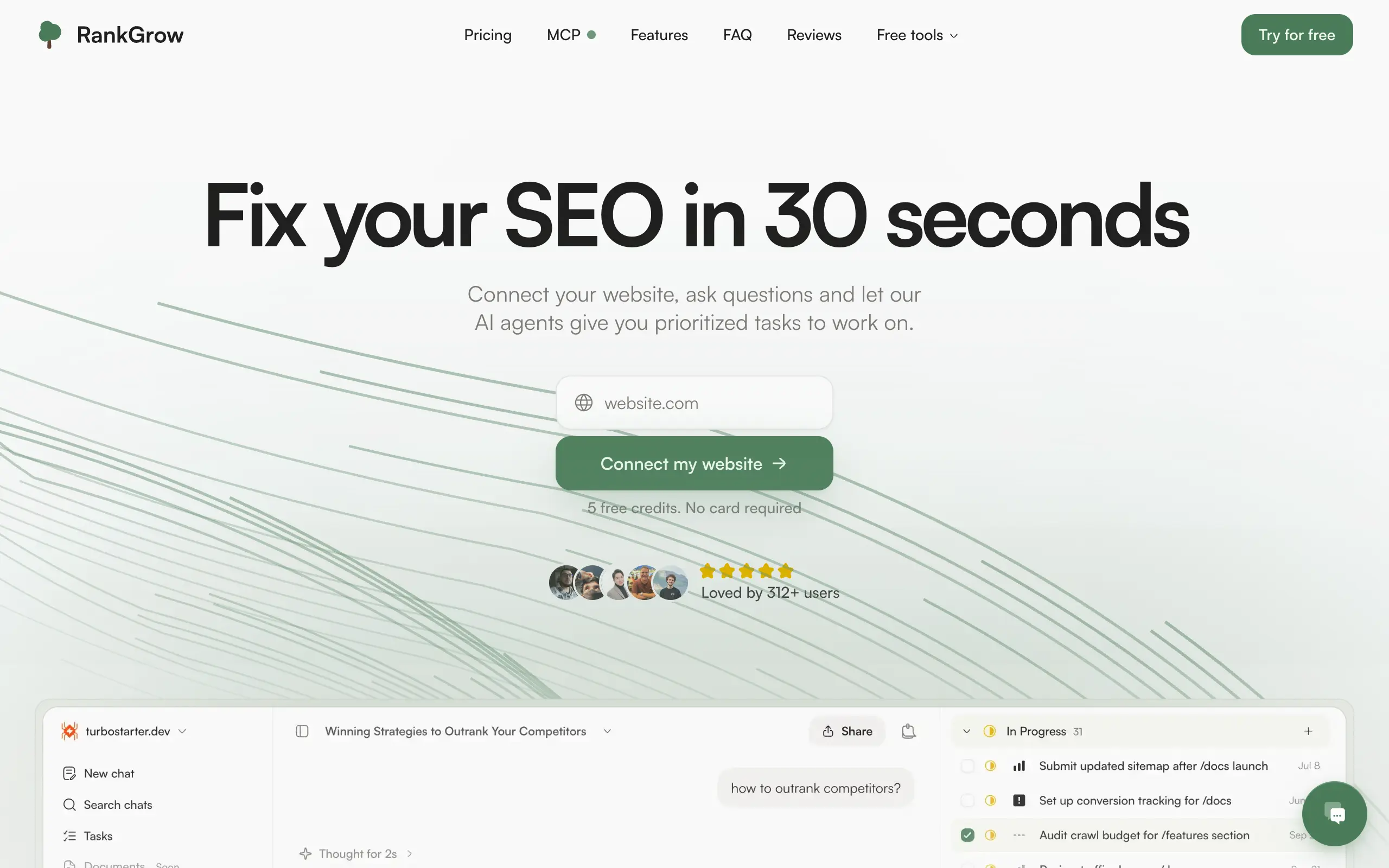
RankGrow
Fix your SEO with AI agents - connect Search Console, get prioritized tasks, and grow organic traffic 📈
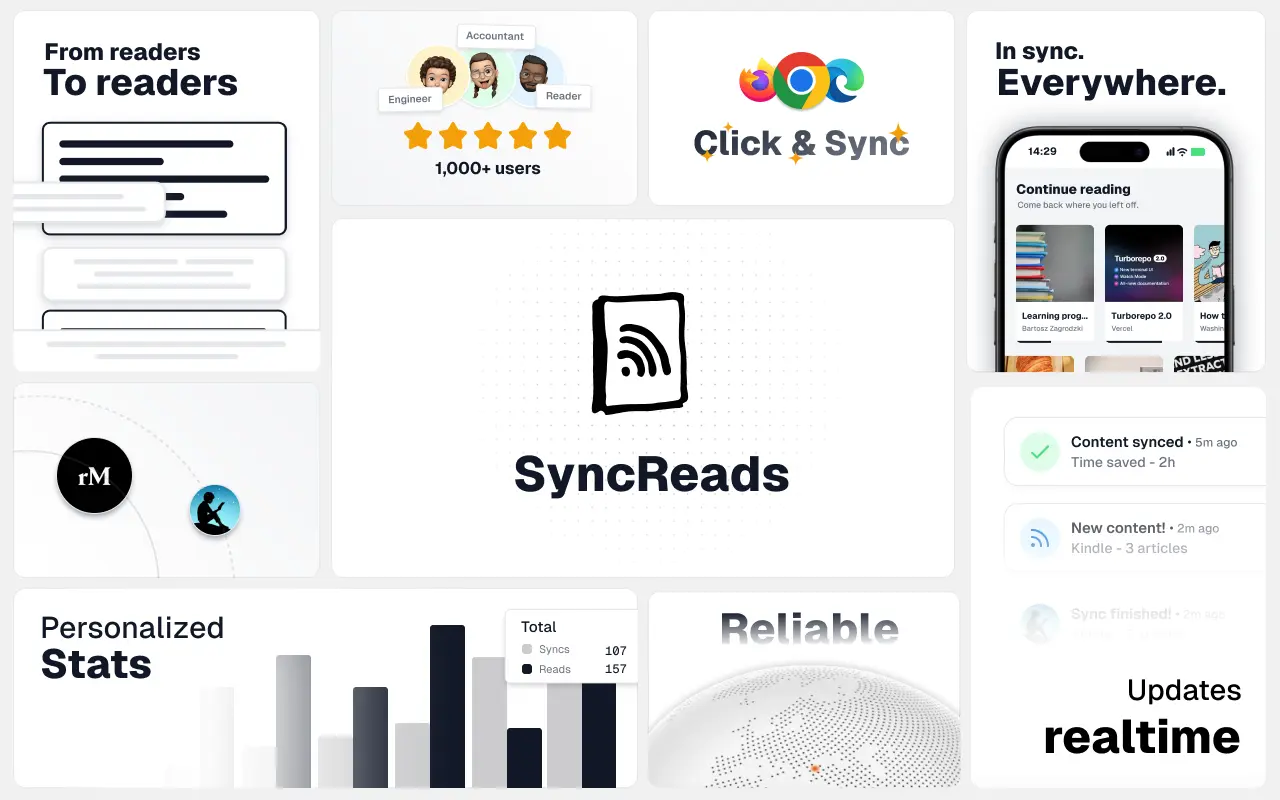
SyncReads
Sync your favorite content for distraction-free reading, save time and replace multiple apps. Anytime, anywhere 🔄
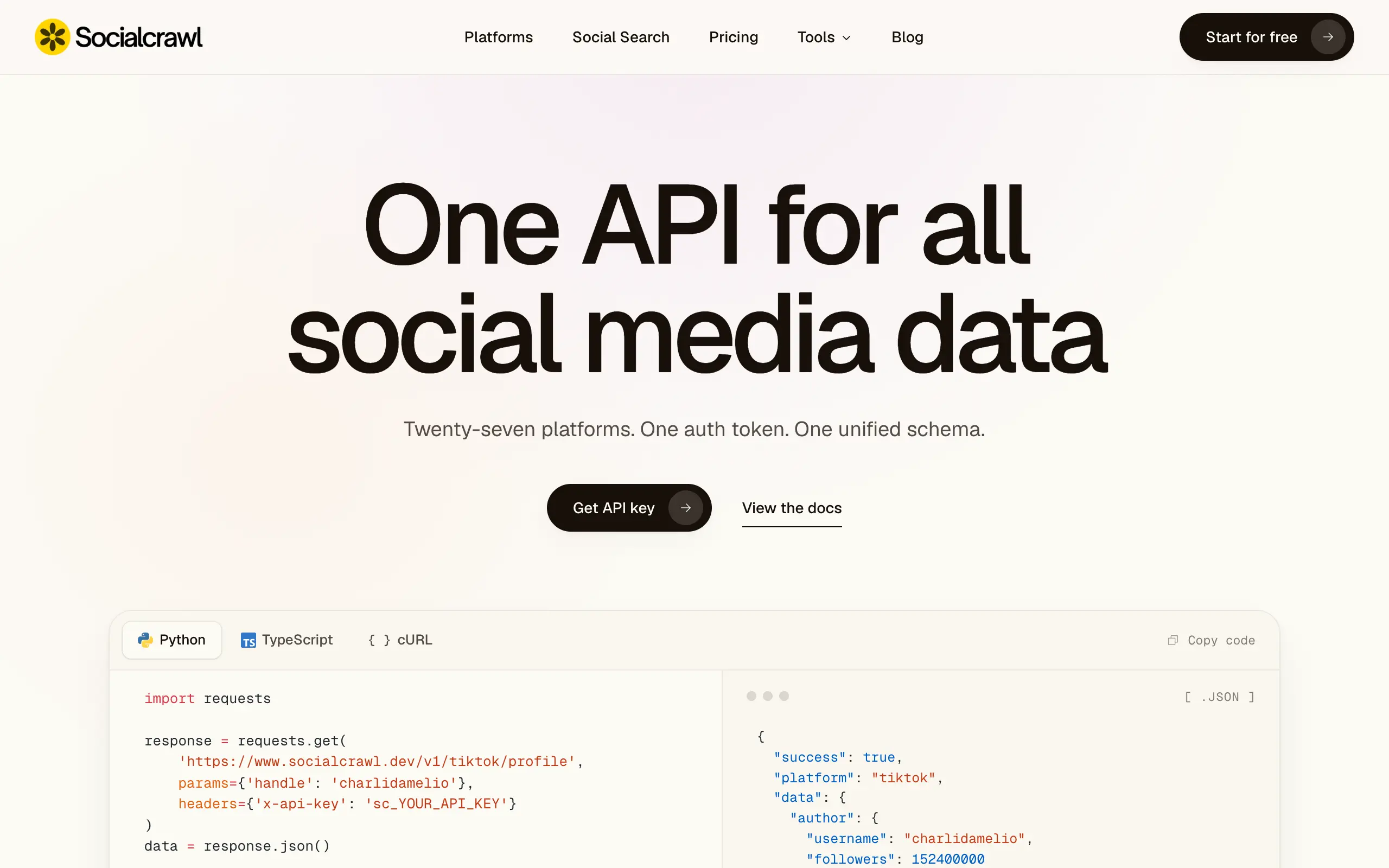
Socialcrawl
Get clean, structured data from 21 platforms like TikTok, Instagram, and YouTube with a single request 📊
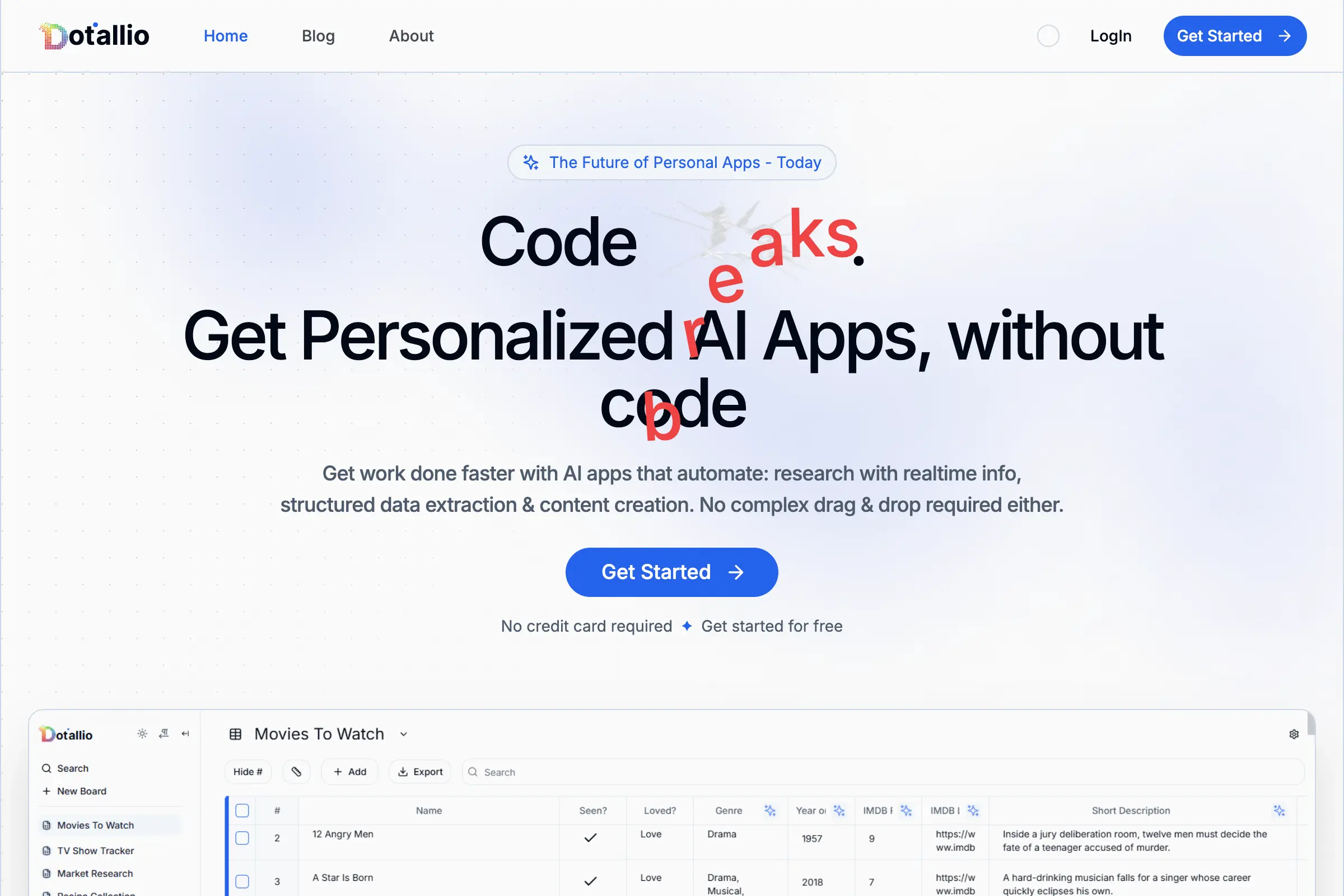
Dotallio
Personalized AI apps that automate research, data extraction, and content creation without code 🤖
Shibui
AI website builder - describe your business, pick a niche template, edit by chatting, and publish instantly ✨
Pro Service
Find verified home service professionals, compare quotes, and pay securely through escrow - built for Brazilians across the US 🏠
RankGrow
Fix your SEO with AI agents - connect Search Console, get prioritized tasks, and grow organic traffic 📈
SyncReads
Sync your favorite content for distraction-free reading, save time and replace multiple apps. Anytime, anywhere 🔄
Socialcrawl
Get clean, structured data from 21 platforms like TikTok, Instagram, and YouTube with a single request 📊
Dotallio
Personalized AI apps that automate research, data extraction, and content creation without code 🤖
Shibui
AI website builder - describe your business, pick a niche template, edit by chatting, and publish instantly ✨
Pro Service
Find verified home service professionals, compare quotes, and pay securely through escrow - built for Brazilians across the US 🏠
RankGrow
Fix your SEO with AI agents - connect Search Console, get prioritized tasks, and grow organic traffic 📈
SyncReads
Sync your favorite content for distraction-free reading, save time and replace multiple apps. Anytime, anywhere 🔄
Socialcrawl
Get clean, structured data from 21 platforms like TikTok, Instagram, and YouTube with a single request 📊
Dotallio
Personalized AI apps that automate research, data extraction, and content creation without code 🤖
Shibui
AI website builder - describe your business, pick a niche template, edit by chatting, and publish instantly ✨
Pro Service
Find verified home service professionals, compare quotes, and pay securely through escrow - built for Brazilians across the US 🏠
RankGrow
Fix your SEO with AI agents - connect Search Console, get prioritized tasks, and grow organic traffic 📈
SyncReads
Sync your favorite content for distraction-free reading, save time and replace multiple apps. Anytime, anywhere 🔄
Socialcrawl
Get clean, structured data from 21 platforms like TikTok, Instagram, and YouTube with a single request 📊
Dotallio
Personalized AI apps that automate research, data extraction, and content creation without code 🤖

Talk to Santa
Enjoy a magical live video chat or receive a unique AI-generated video greeting from Santa Claus 🎅
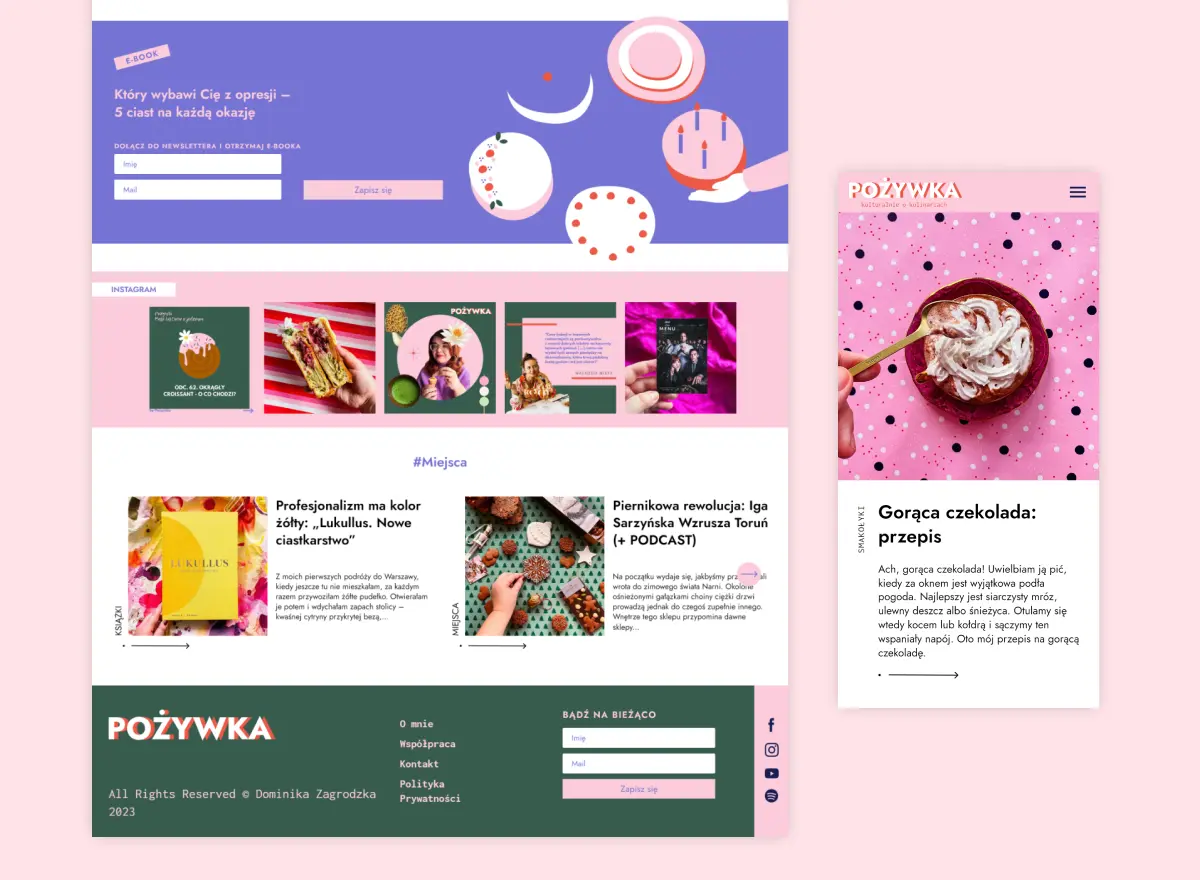
pozywka.pl
Scalable blog for food journalist, focused on performance and user experience 🌭
zagrodzki.me
Personal blog and portfolio of Bart Zagrodzki, where he shares his knowledge and work 💼
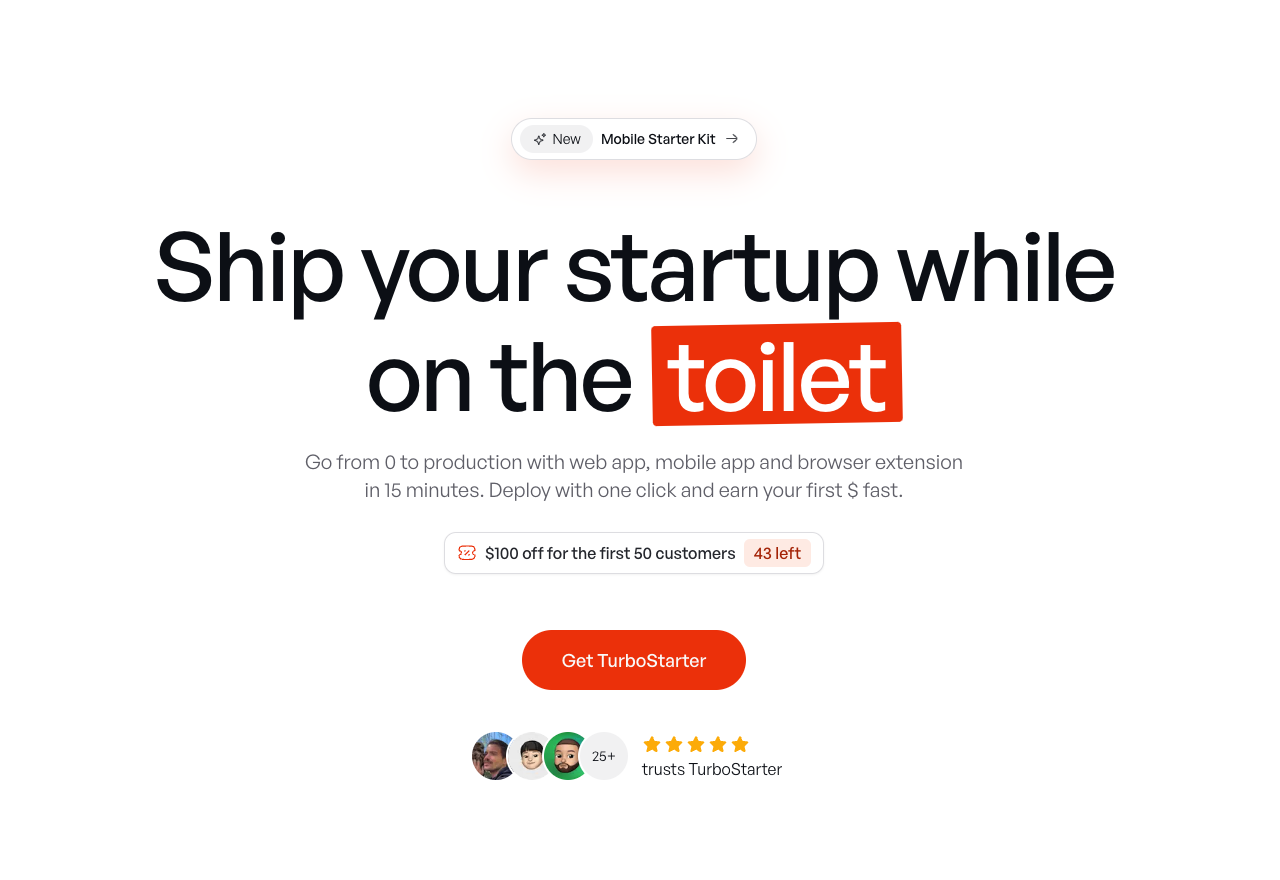
TurboStarter
Ship your startup everywhere. In minutes.
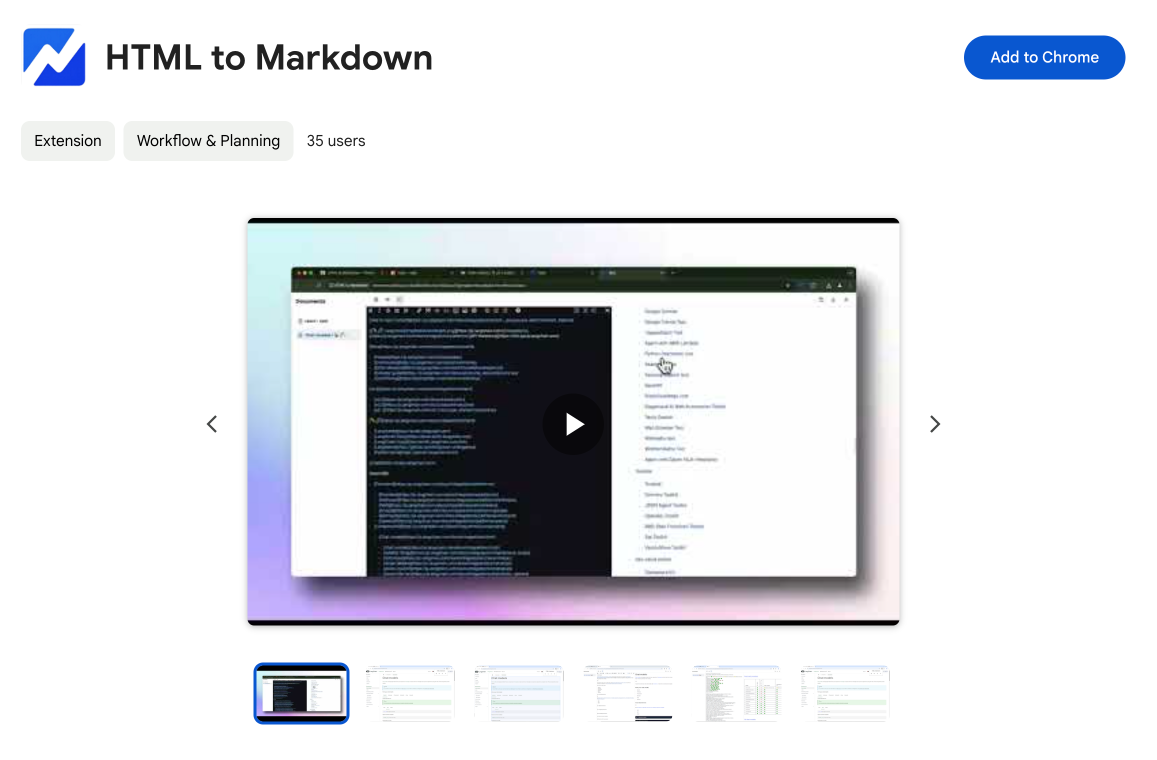
HTML to Markdown
Convert HTML to Markdown with ease, directly in your browser 📄
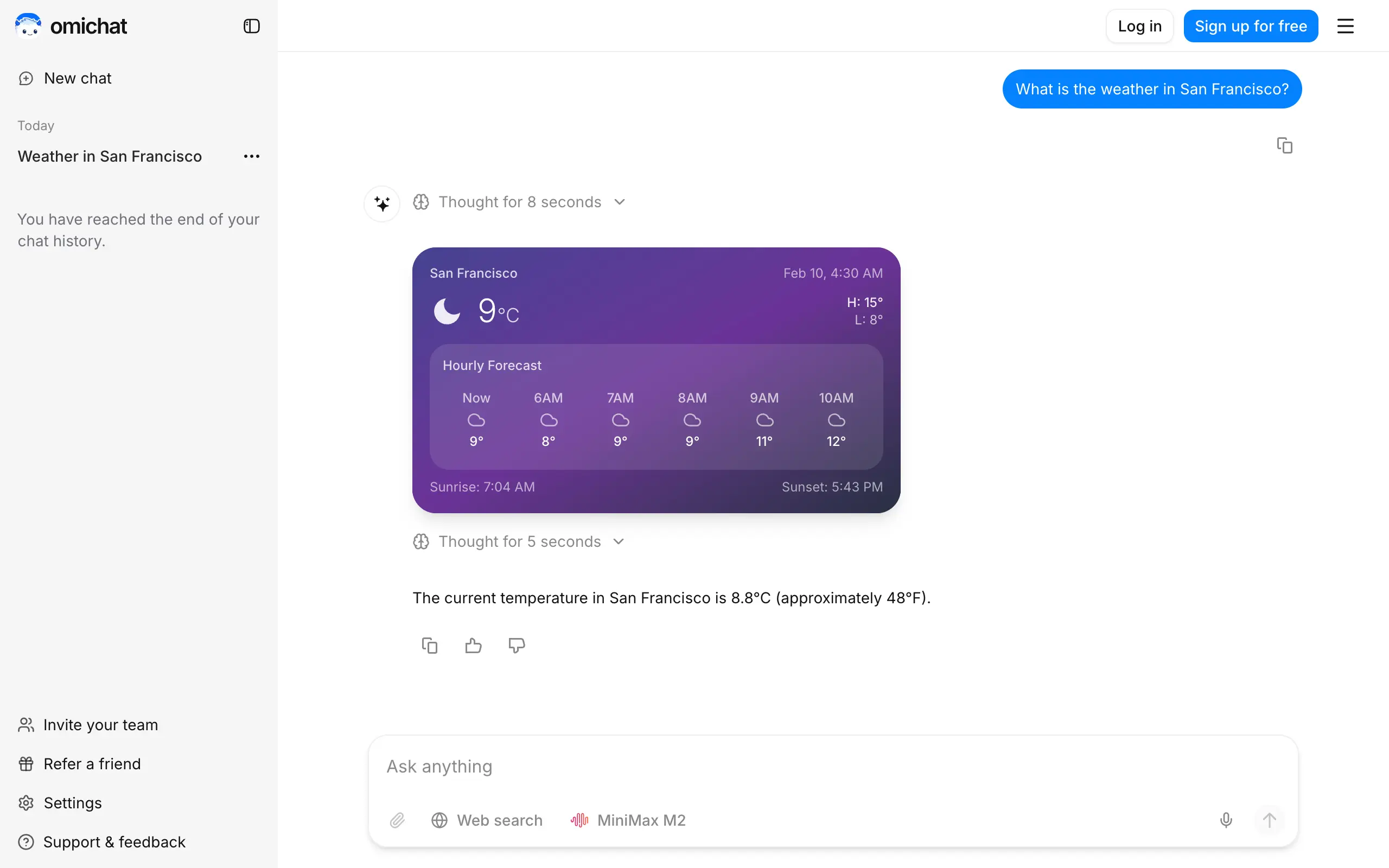
Omichat
Chat with 50+ AI models, including ChatGPT and Claude, in one place - switch models anytime without losing context 🤖
Talk to Santa
Enjoy a magical live video chat or receive a unique AI-generated video greeting from Santa Claus 🎅
pozywka.pl
Scalable blog for food journalist, focused on performance and user experience 🌭
zagrodzki.me
Personal blog and portfolio of Bart Zagrodzki, where he shares his knowledge and work 💼
TurboStarter
Ship your startup everywhere. In minutes.
HTML to Markdown
Convert HTML to Markdown with ease, directly in your browser 📄
Omichat
Chat with 50+ AI models, including ChatGPT and Claude, in one place - switch models anytime without losing context 🤖
Talk to Santa
Enjoy a magical live video chat or receive a unique AI-generated video greeting from Santa Claus 🎅
pozywka.pl
Scalable blog for food journalist, focused on performance and user experience 🌭
zagrodzki.me
Personal blog and portfolio of Bart Zagrodzki, where he shares his knowledge and work 💼
TurboStarter
Ship your startup everywhere. In minutes.
HTML to Markdown
Convert HTML to Markdown with ease, directly in your browser 📄
Omichat
Chat with 50+ AI models, including ChatGPT and Claude, in one place - switch models anytime without losing context 🤖
Talk to Santa
Enjoy a magical live video chat or receive a unique AI-generated video greeting from Santa Claus 🎅
pozywka.pl
Scalable blog for food journalist, focused on performance and user experience 🌭
zagrodzki.me
Personal blog and portfolio of Bart Zagrodzki, where he shares his knowledge and work 💼
TurboStarter
Ship your startup everywhere. In minutes.
HTML to Markdown
Convert HTML to Markdown with ease, directly in your browser 📄
Omichat
Chat with 50+ AI models, including ChatGPT and Claude, in one place - switch models anytime without losing context 🤖
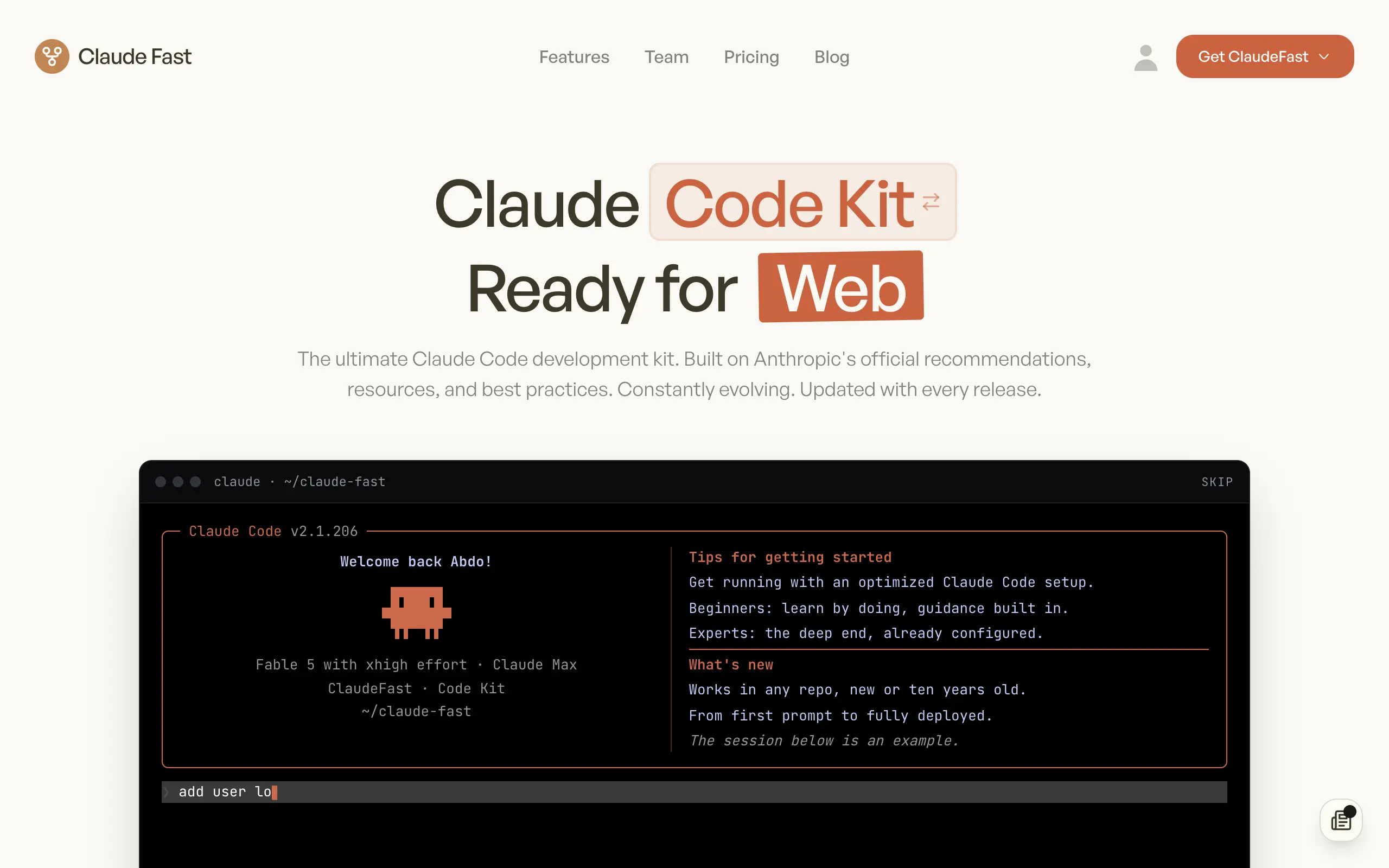
Claude Fast
Supercharge your Claude Code with 6x effective context window and specialized AI agents 🤖
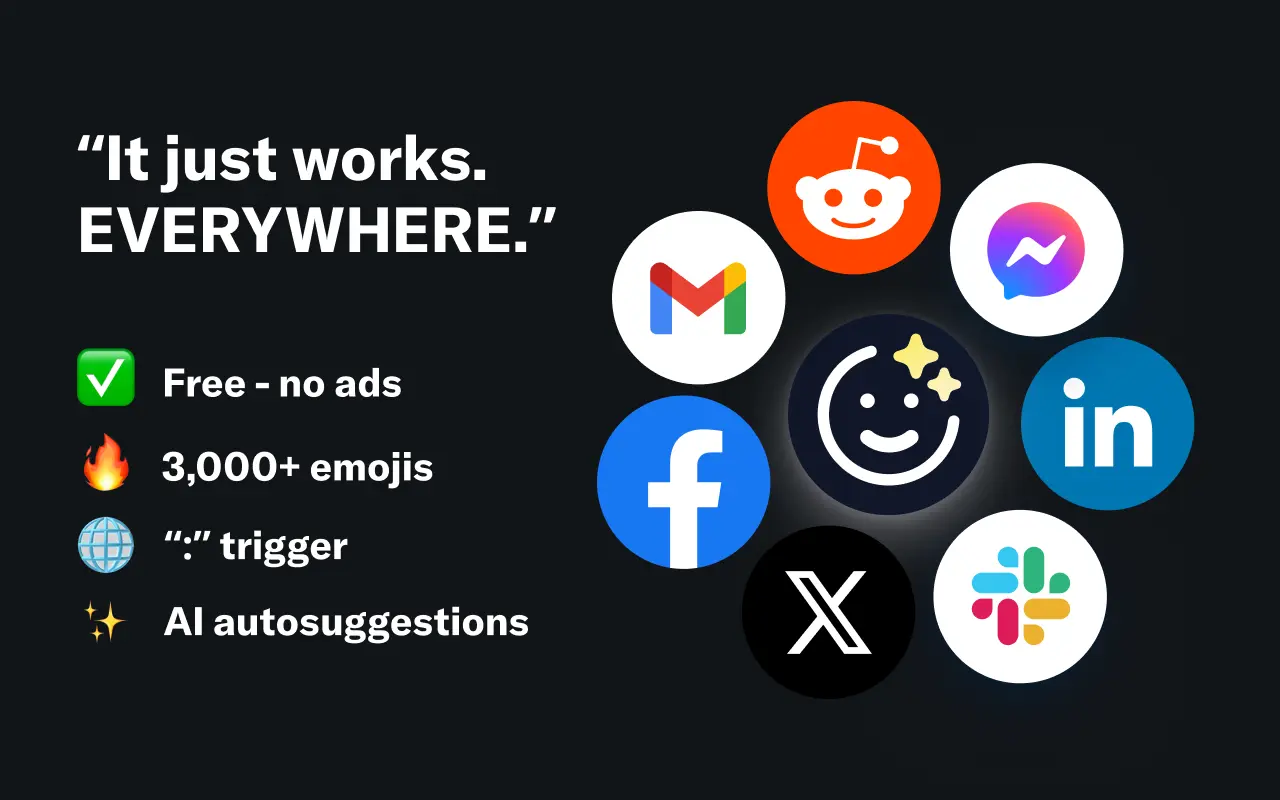
EmojAI
AI-powered emoji picker with smart, context-aware suggestions 🤖
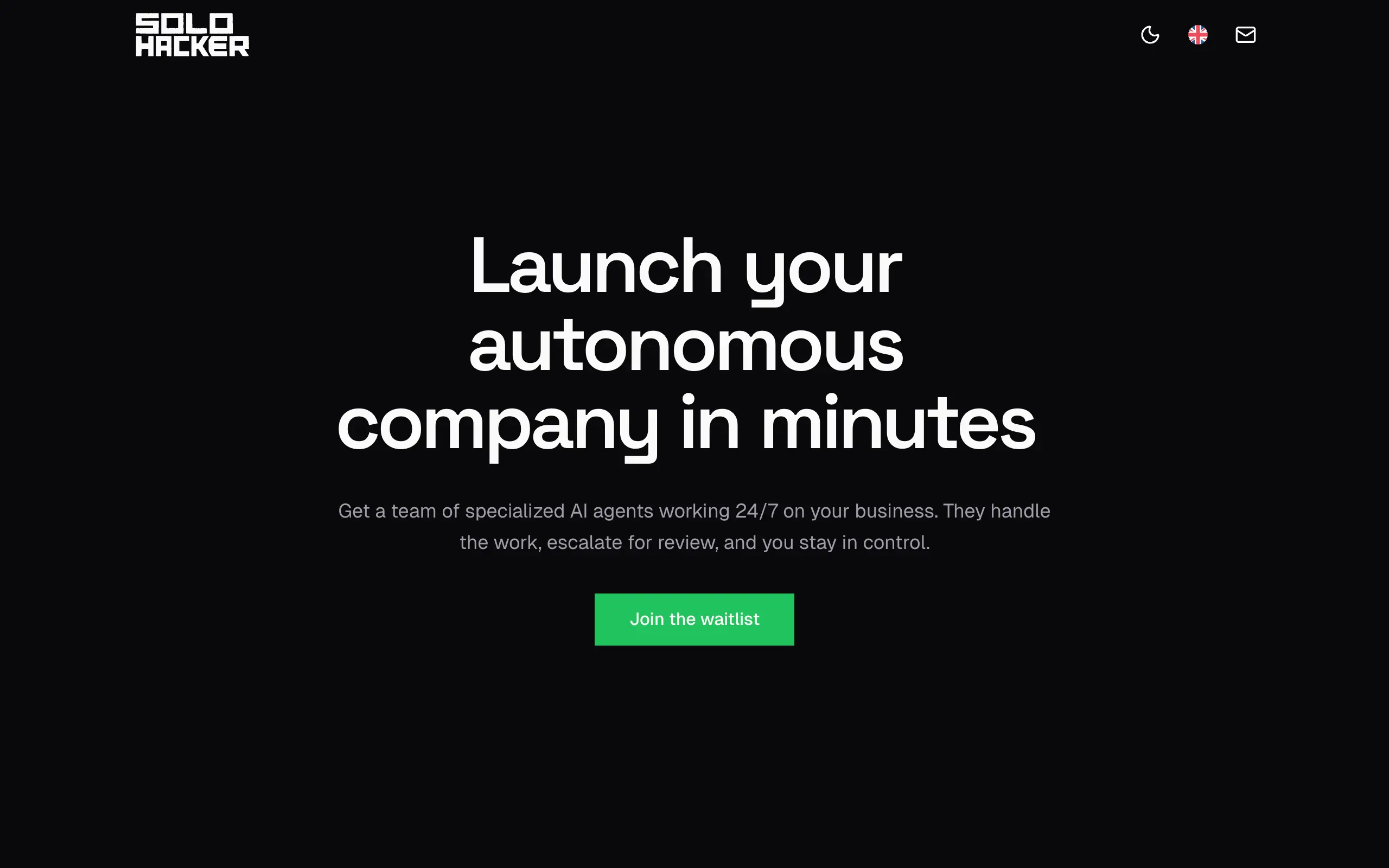
Solohacker
Autonomous company launcher - AI agents work 24/7, escalate what matters, and you stay in control 🤖

BeRawi: Storytelling Coach
Practice storytelling daily with instant feedback to sound clearer, more engaging, and confident 🎤
Claude Fast
Supercharge your Claude Code with 6x effective context window and specialized AI agents 🤖
EmojAI
AI-powered emoji picker with smart, context-aware suggestions 🤖
Solohacker
Autonomous company launcher - AI agents work 24/7, escalate what matters, and you stay in control 🤖
BeRawi: Storytelling Coach
Practice storytelling daily with instant feedback to sound clearer, more engaging, and confident 🎤
Claude Fast
Supercharge your Claude Code with 6x effective context window and specialized AI agents 🤖
EmojAI
AI-powered emoji picker with smart, context-aware suggestions 🤖
Solohacker
Autonomous company launcher - AI agents work 24/7, escalate what matters, and you stay in control 🤖
BeRawi: Storytelling Coach
Practice storytelling daily with instant feedback to sound clearer, more engaging, and confident 🎤
Claude Fast
Supercharge your Claude Code with 6x effective context window and specialized AI agents 🤖
EmojAI
AI-powered emoji picker with smart, context-aware suggestions 🤖
Solohacker
Autonomous company launcher - AI agents work 24/7, escalate what matters, and you stay in control 🤖
BeRawi: Storytelling Coach
Practice storytelling daily with instant feedback to sound clearer, more engaging, and confident 🎤

Connect with like-minded people
Join our community to get feedback, support, and grow together with 1,000+ builders on board, let's ship it!
Join usShip your startup everywhere. In minutes.
Don't burn tokens on setup and start building features on day one.