ShepherdFlow
ShepherdFlow streamlines church operations with event scheduling, volunteer management, and automated donation tracking, designed for growing congregations.
Understanding the user need for church productivity platforms
The modern church is evolving—embracing digital transformation to better serve their members and streamline day-to-day ministry management. As congregations grow, church leaders and administrators face increasing complexity: organizing events, managing volunteers, and tracking donations, all while fostering genuine community engagement.
ShepherdFlow directly addresses this pain point by offering a unified platform that automates and simplifies routine administration. In this article, we’ll explore how ShepherdFlow fills a crucial gap in church productivity software, backed by expert insights into target audience needs, market trends, and the product’s competitive advantages.
Target audience analysis: Who needs ShepherdFlow?
Churches exist at many scales—from small community fellowships to large multi-site ministries. Understanding their unique operational challenges is essential for designing an effective church management system.
Key audience segments
- Church administrators: Oversee daily operations, scheduling, and record keeping.
- Pastoral teams and ministry leaders: Coordinate events, communicate with teams, and manage volunteers.
- Finance/treasury teams: Handle donation records, reporting, and compliance.
- Tech volunteers: Often manage legacy systems, spreadsheets, or disparate apps.
Core needs and pain points
- Manual and inefficient event scheduling, leading to double-bookings or missed communications.
- Volunteer burnout and coordination struggles, especially for recurring tasks like hospitality or audio-visual teams.
- Donor trust and transparency issues due to inconsistent or error-prone donation tracking.
- Fragmented tools (like standalone calendar apps, spreadsheets, and email) causing data silos and frustration.
ShepherdFlow targets growing congregations who have outgrown manual systems but lack enterprise-level IT budgets.
Market opportunity and gap identification
The global market for church management software continues to expand, driven by several trends:
- Increasing digital adoption: Congregations want modern, mobile-friendly solutions.
- Desire for operational transparency: Donor-centric churches seek accountability.
- Growth in medium-sized churches: Many are transitioning from spreadsheets to cloud-based tools.
Yet, major pain points remain:
- Most solutions are either too complex and expensive (built for mega-churches), or too basic (lacking automation and integration).
- Few platforms offer true productivity automation, especially for volunteer coordination and donation workflows.
- Event management is frequently siloed, forcing churches to adopt multiple apps.
Recent trends
According to TechSoup, over 60% of nonprofit organizations—including churches—plan to increase technology investments this year, with event and volunteer management flagged as top priorities.
ShepherdFlow occupies a timely niche: accessible to growing churches, robust enough for real ministry needs, and focused on streamlining productivity, not just data storage.
Core features and solution details: How ShepherdFlow works
ShepherdFlow stands out by tightly integrating three key church productivity workflows, designed with hands-on experience in mind.
1. Event scheduling
- Visual, drag-and-drop calendar for scheduling worship, youth events, outreach, and meetings.
- Resource allocation: Avoids double-booking of facilities, equipment, and leaders.
- Automated reminders by email and SMS to all participants.
- Calendar sync to Google and Outlook, ensuring team-wide visibility.
2. Volunteer management
- Role-based sign-ups for recurring and special events.
- Automated rotation schedules: Prevents volunteer burnout by rotating assignments.
- Instant messaging and group notifications for last-minute changes.
- Volunteer database: Tracks attendance, skills, and engagement history.
3. Donation tracking and automation
- Seamless donor management: Records giving history, generates giving statements.
- Recurring giving automation: Encourages monthly giving and simplifies administration.
- Integration with leading payment processors (e.g., Stripe, PayPal).
- Automated thank-you emails and donation receipts for transparency.
- Rich reporting for pastors and finance teams, with CSV and PDF exports.
Unified dashboard
All operations in one place—no more juggling separate apps.
Automation-first
Replaces manual processes with configurable workflows.
Role-aware access
Admins, leaders, volunteers, and donors see only what they need.
Mobile-first design
Works great on the go—for busy leaders and volunteers.
Recommended tech stack: Reliability, scalability, and ease of use
Choosing the right technology foundation for ShepherdFlow is critical. Churches expect reliability, but often lack dedicated IT resources, so the tech needs to be modern yet maintainable.
Frontend
- React: Flexible, component-based UI library, ensures responsive and maintainable interfaces.
- TailwindCSS: Modern utility-first CSS framework, enabling rapid design customization with minimal bloat.
- Mobile optimization: React Native or responsive web design for mobile support; choose React Native if high offline access is needed.
Backend
- Node.js: Robust JavaScript runtime, ideal for real-time features and rapid API development.
- PostgreSQL: Open-source, ACID-compliant database for strong data integrity (crucial for donation records).
- Optional: Serverless functions (e.g., AWS Lambda) for scalability and lower overhead on sporadic traffic.
Integrations
- Stripe / PayPal: For secure, transparent donation processing.
- SendGrid: For transactional email automation (confirmations, reminders, etc.).
- Calendar APIs: Google Calendar and Outlook API sync.
Trade-offs
- Monolithic vs. microservices: Monolith is simpler to maintain for small teams, while microservices offer future scalability.
- Self-hosted vs. SaaS: Fully managed SaaS reduces local IT burden—a core value for ShepherdFlow’s audience.
Many existing WordPress church plugins lack modern automation, robust access controls, or integrated donation tracking. ShepherdFlow offers an all-in-one, cloud-native stack built specifically for productivity, not just static data.
Many volunteers and leaders use mobile devices. Offering a PWA (Progressive Web App) ensures wide compatibility without costly native app builds, but large ministries may still want a native app for push notification reliability.
Monetization strategy: Balancing value and accessibility
Pricing must reflect ShepherdFlow’s target audience—growing churches with constrained budgets—and reward long-term adoption.
Suggested models
- Freemium: Core scheduling and volunteer modules available free for small congregations (up to 50 members).
- Tiered SaaS subscriptions:
- Starter plan for small/medium churches (e.g., $29/month): adds automation, expanded user seats, donation management.
- Growth plan for larger churches (e.g., $99/month): includes advanced analytics, multi-site management, premium integrations.
- Optional add-ons: Branded mobile app, SMS bundles, advanced reporting.
Monetization best practices
- Value-based pricing: Tied to active members or tracked donations, not generic “seats.”
- Transparent, church-friendly contracts: Avoid extended lock-ins or hidden fees.
- Discounts for nonprofits: Offer annual plans and special rates for qualifying ministries.
Potential risks and mitigation strategies
Even with a clear market opportunity, launching church-focused productivity software involves unique risks:
Data security and privacy
- Churches manage sensitive donor and member information—any breach would erode trust.
- Mitigation: Use encrypted data storage, regular security audits, two-factor authentication, and transparent privacy practices.
Change management resistance
- Staff and volunteers may be reluctant to adopt new tools, especially if they're not tech-savvy.
- Mitigation: Provide onboarding support, in-app tutorials, and hands-on training. Ensure simple, intuitive UI design.
Payment compliance
- Handling donations increases regulatory requirements (tax, anti-fraud).
- Mitigation: Partner with established payment providers (Stripe, PayPal) and generate IRS-ready giving statements.
Platform fragmentation
- Many churches currently use multiple point-solutions (e.g., SignUpGenius for volunteers, Google for events).
- Mitigation: Offer easy data import, robust integrations, and clear migration guides from legacy systems.
Competitive advantage: Why ShepherdFlow wins
Standing out in the church productivity SaaS landscape requires more than feature parity. ShepherdFlow excels by focusing on automation, usability, and the real workflows unique to ministry settings.
| Feature | ShepherdFlow | Legacy Solutions | Point Apps | Generic Productivity Suites |
|---|---|---|---|---|
| Unified dashboard | ✅ | ❌ | ❌ | ✅ |
| Volunteer rotation automation | ✅ | ❌ | ✅ | ✅ |
| Donation tracking & compliance | ✅ | ✅ | ❌ | ❌ |
| Church-specific event workflows | ✅ | ✅ | ❌ | ❌ |
| Mobile-first design | ✅ | ❌ | ❌ | ✅ |
Unique selling proposition:
ShepherdFlow is purpose-built for growing congregations, combining seamless event scheduling, volunteer empowerment, and automated giving in a platform that’s as approachable as it is powerful—without enterprise bloat.
Actionable implementation steps
Turning ShepherdFlow from concept to launch requires structured execution. Here’s a recommended roadmap:
Validate audience needs through user interviews with church admins, finance teams, and ministry leaders—focus on real workflow frustrations and automation gaps.
Build an MVP covering visual event scheduling, basic volunteer rotation, and donor tracking—using React, TailwindCSS, and Node.js APIs.
Pilot the MVP with a handful of diverse churches. Gather direct feedback and measure productivity improvements.
Layer in automation features: auto-reminders, CSV/PDF reporting, integration with Stripe/PayPal, and Google Calendar sync.
Expand documentation, onboarding flows, and in-app tutorials for high adoption.
Fine-tune pricing and go-to-market strategy, leveraging church networks and specialized SaaS launch platforms such as TurboStarter.
Monitor usage analytics and user support tickets to guide future updates—prioritize mobile optimization and advanced dashboards.
Conclusion: The future of church productivity with ShepherdFlow
Churches adopting ShepherdFlow position themselves for growth, deeper volunteer engagement, and stronger donor relationships—all while saving precious staff time. By choosing a platform tailored to their unique operations, congregations can focus less on administration and more on their true mission.
With its focus on automation, integration, and simplicity, ShepherdFlow isn’t just another management tool—it’s a productivity catalyst for modern ministry.
If you’re building a SaaS for growing churches, now’s the time. Validate, automate, empower—and shepherd your community forward with ShepherdFlow.
More ⚡ Productivity Tool SaaS ideas
Discover more innovative productivity tool SaaS ideas that are trending in 2026. Each idea is AI-generated with market validation and growth potential to help you find your next profitable venture faster than competitors.
Your competitors are building with TurboStarter
Below are some of the SaaS ideas that have been generated and built with our starter kit.
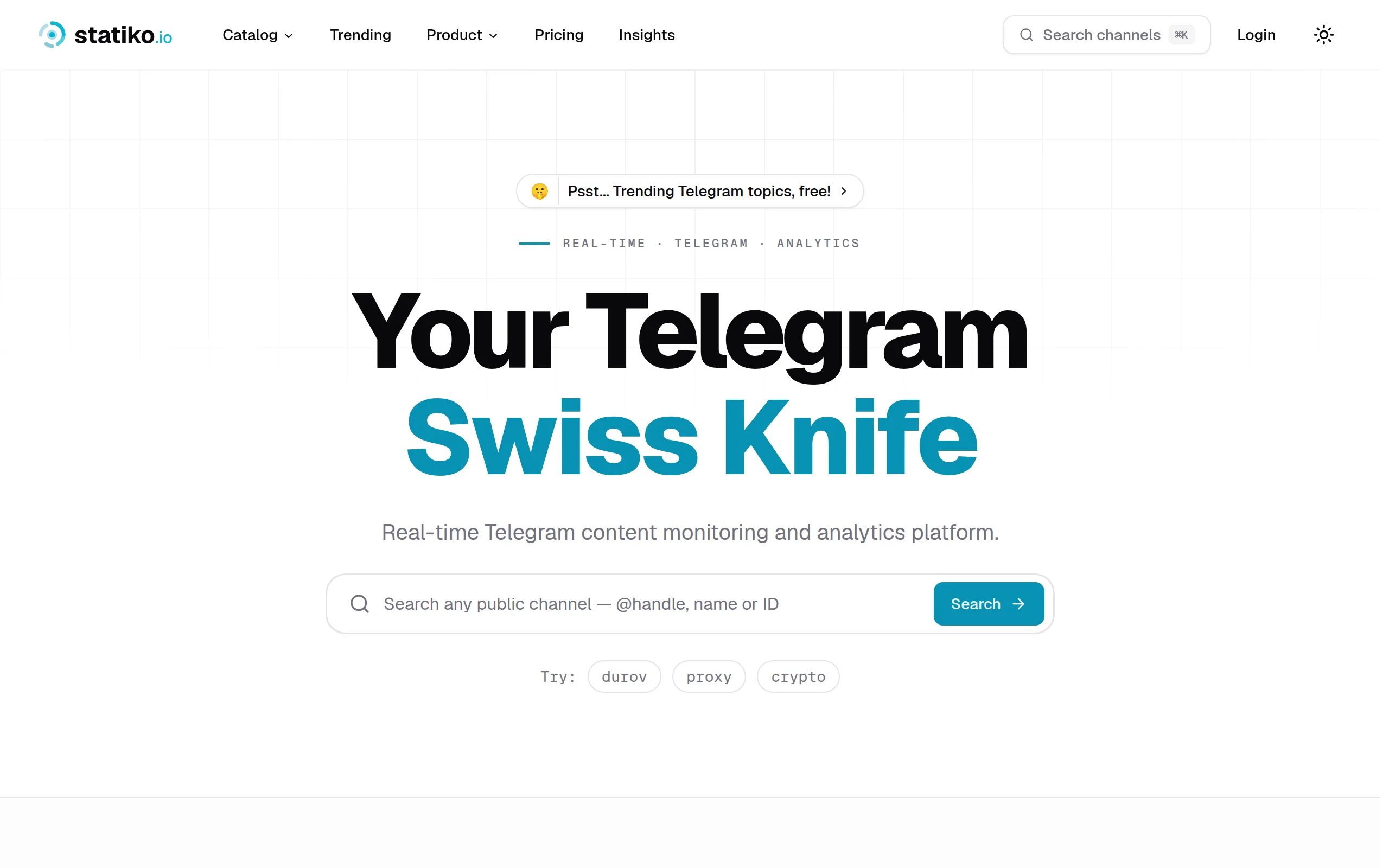
Statiko
Monitor any Telegram channel in real time - track posts, edits, deletions, and growth with AI recaps 📡

Shibui
AI website builder - describe your business, pick a niche template, edit by chatting, and publish instantly ✨

Pro Service
Find verified home service professionals, compare quotes, and pay securely through escrow - built for Brazilians across the US 🏠
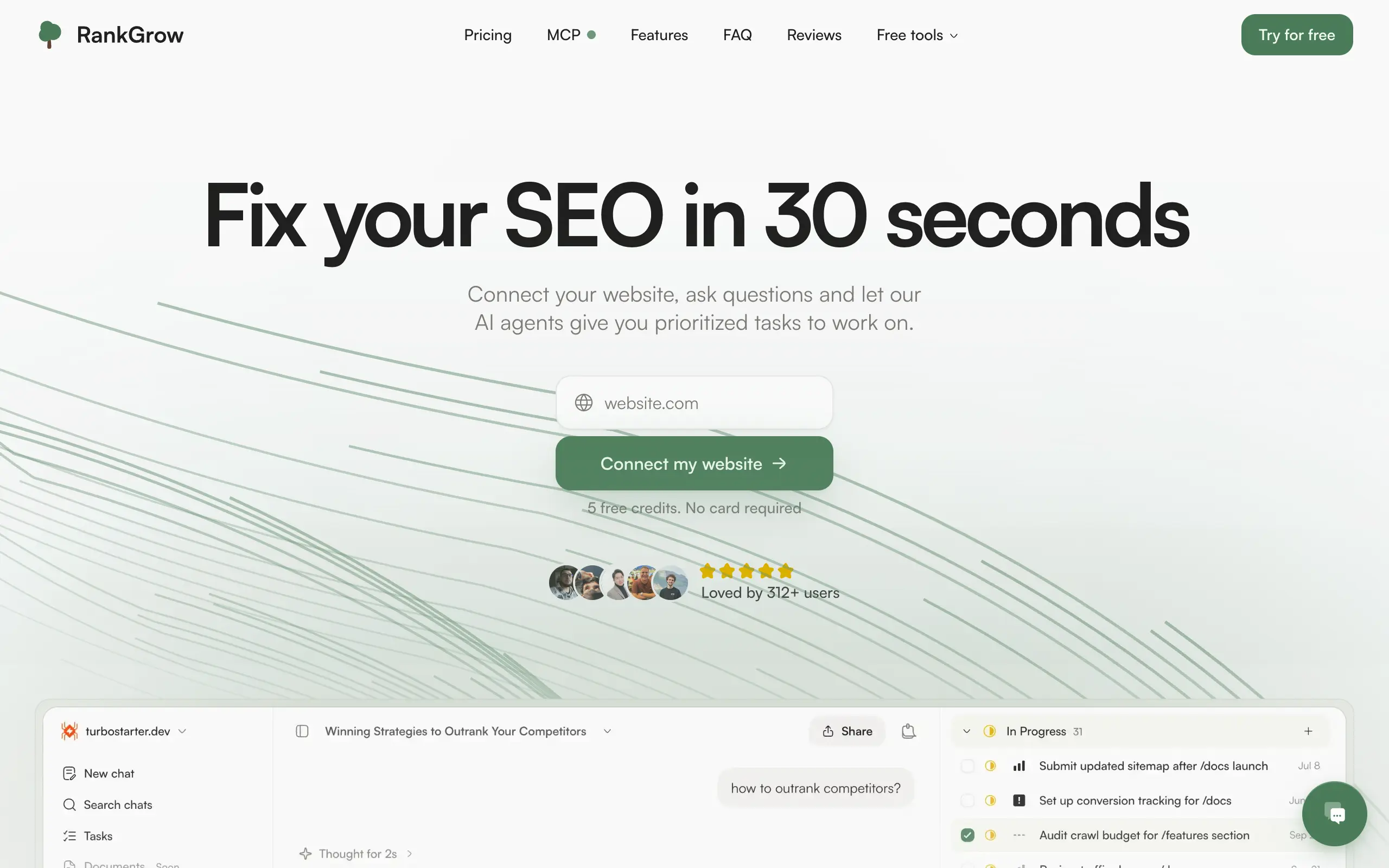
RankGrow
Fix your SEO with AI agents - connect Search Console, get prioritized tasks, and grow organic traffic 📈
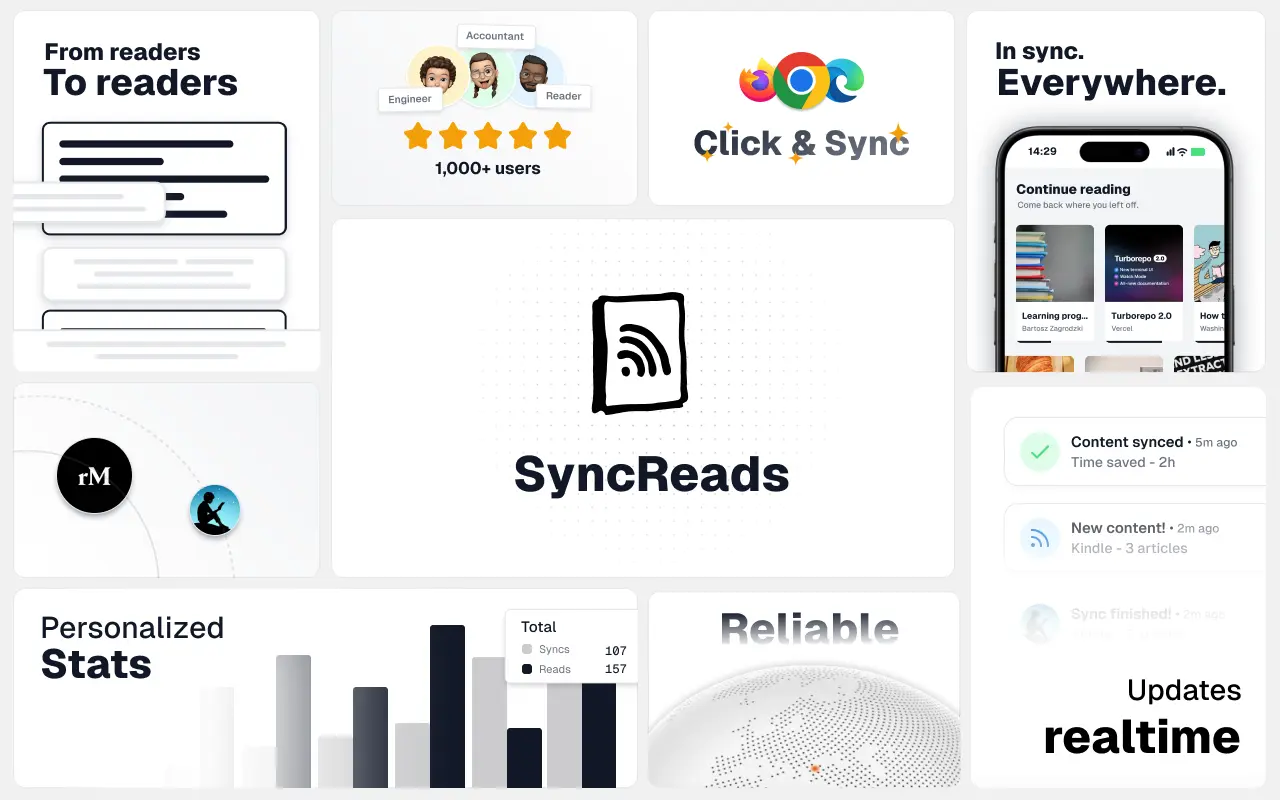
SyncReads
Sync your favorite content for distraction-free reading, save time and replace multiple apps. Anytime, anywhere 🔄
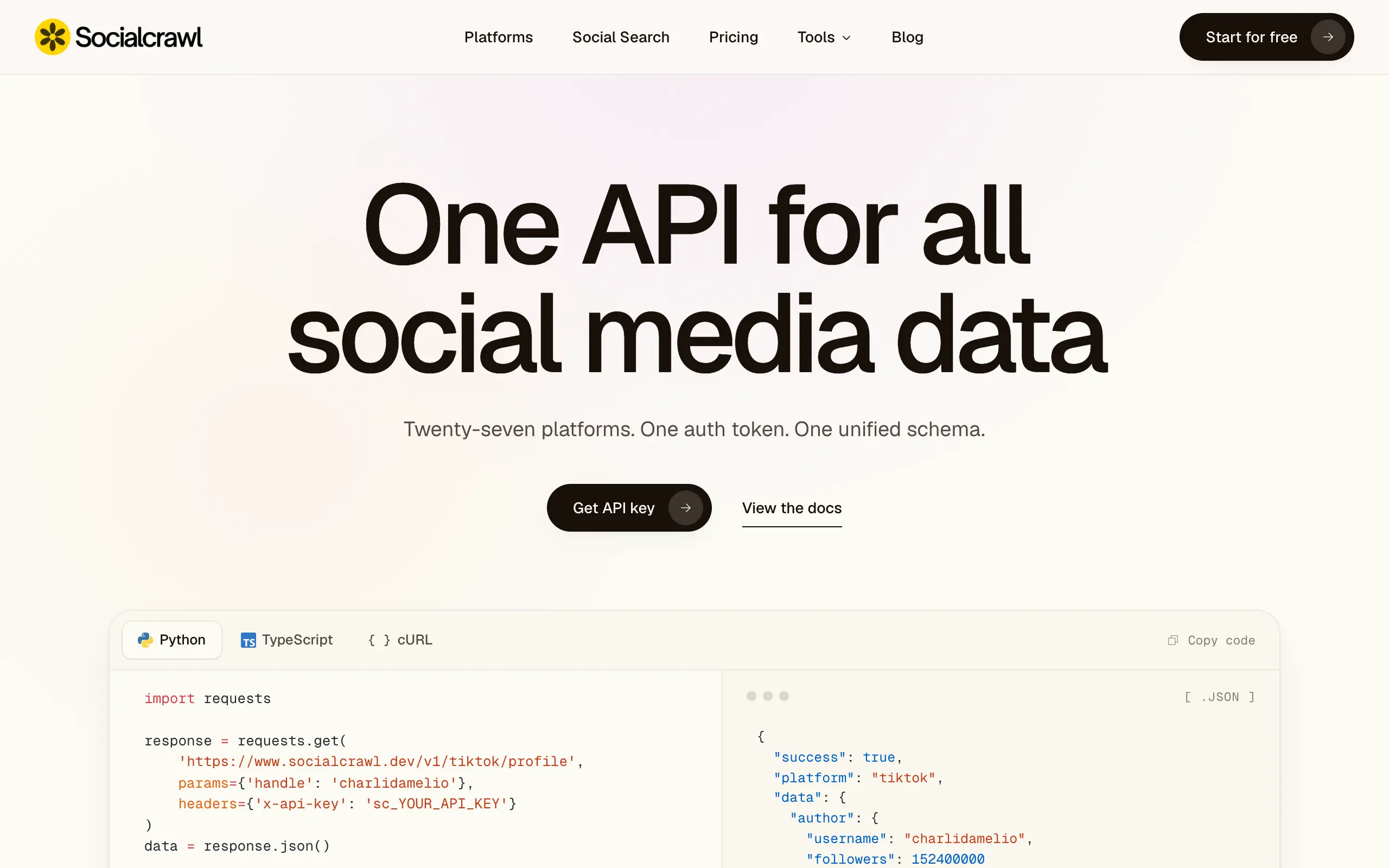
Socialcrawl
Get clean, structured data from 21 platforms like TikTok, Instagram, and YouTube with a single request 📊
Statiko
Monitor any Telegram channel in real time - track posts, edits, deletions, and growth with AI recaps 📡
Shibui
AI website builder - describe your business, pick a niche template, edit by chatting, and publish instantly ✨
Pro Service
Find verified home service professionals, compare quotes, and pay securely through escrow - built for Brazilians across the US 🏠
RankGrow
Fix your SEO with AI agents - connect Search Console, get prioritized tasks, and grow organic traffic 📈
SyncReads
Sync your favorite content for distraction-free reading, save time and replace multiple apps. Anytime, anywhere 🔄
Socialcrawl
Get clean, structured data from 21 platforms like TikTok, Instagram, and YouTube with a single request 📊
Statiko
Monitor any Telegram channel in real time - track posts, edits, deletions, and growth with AI recaps 📡
Shibui
AI website builder - describe your business, pick a niche template, edit by chatting, and publish instantly ✨
Pro Service
Find verified home service professionals, compare quotes, and pay securely through escrow - built for Brazilians across the US 🏠
RankGrow
Fix your SEO with AI agents - connect Search Console, get prioritized tasks, and grow organic traffic 📈
SyncReads
Sync your favorite content for distraction-free reading, save time and replace multiple apps. Anytime, anywhere 🔄
Socialcrawl
Get clean, structured data from 21 platforms like TikTok, Instagram, and YouTube with a single request 📊
Statiko
Monitor any Telegram channel in real time - track posts, edits, deletions, and growth with AI recaps 📡
Shibui
AI website builder - describe your business, pick a niche template, edit by chatting, and publish instantly ✨
Pro Service
Find verified home service professionals, compare quotes, and pay securely through escrow - built for Brazilians across the US 🏠
RankGrow
Fix your SEO with AI agents - connect Search Console, get prioritized tasks, and grow organic traffic 📈
SyncReads
Sync your favorite content for distraction-free reading, save time and replace multiple apps. Anytime, anywhere 🔄
Socialcrawl
Get clean, structured data from 21 platforms like TikTok, Instagram, and YouTube with a single request 📊
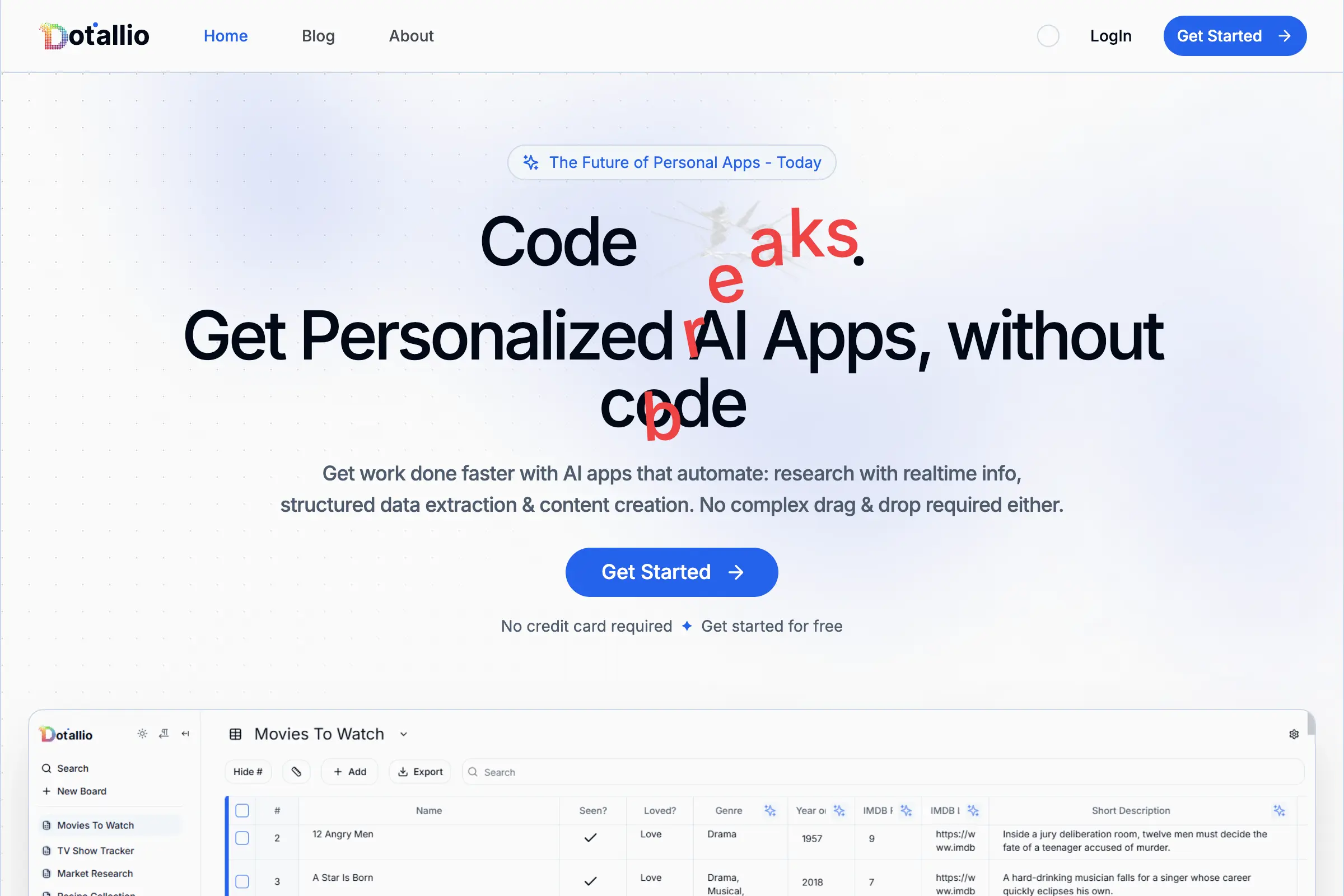
Dotallio
Personalized AI apps that automate research, data extraction, and content creation without code 🤖

Talk to Santa
Enjoy a magical live video chat or receive a unique AI-generated video greeting from Santa Claus 🎅
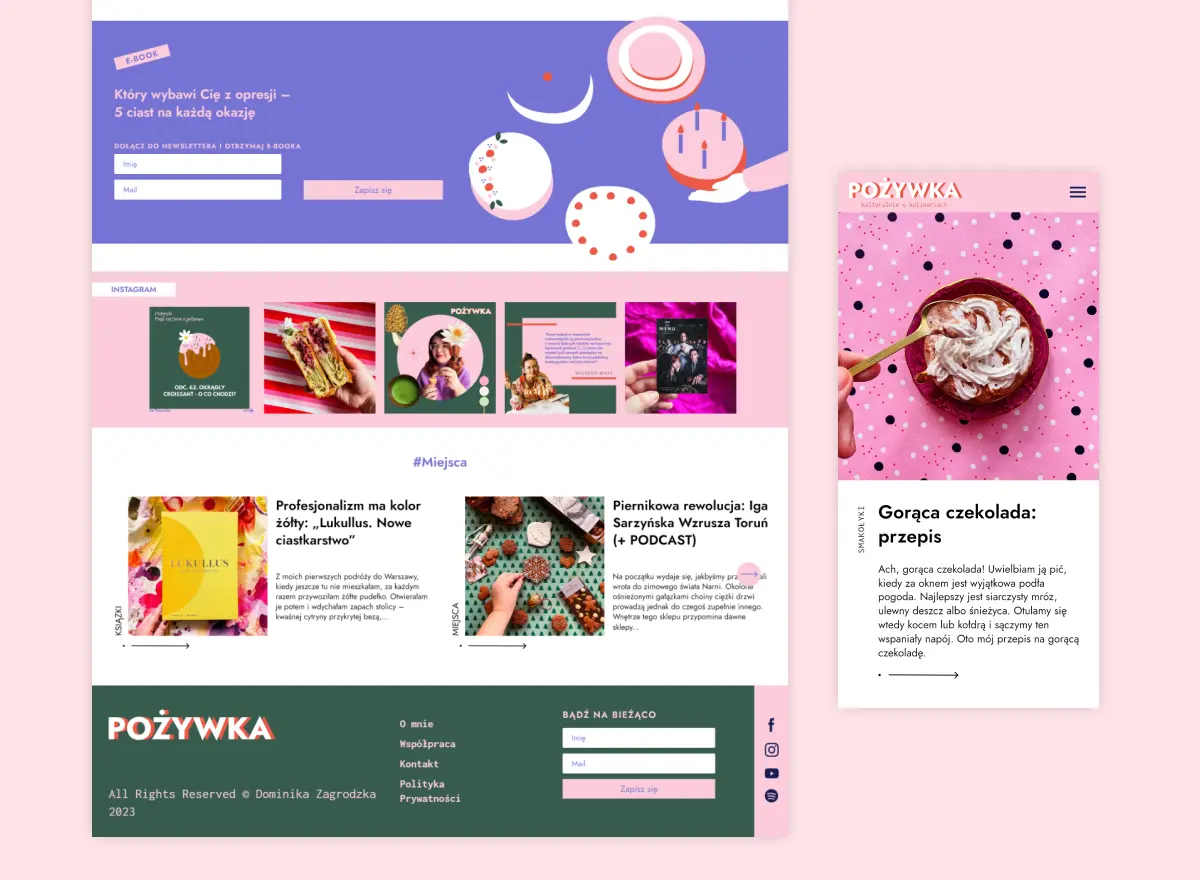
pozywka.pl
Scalable blog for food journalist, focused on performance and user experience 🌭
zagrodzki.me
Personal blog and portfolio of Bart Zagrodzki, where he shares his knowledge and work 💼
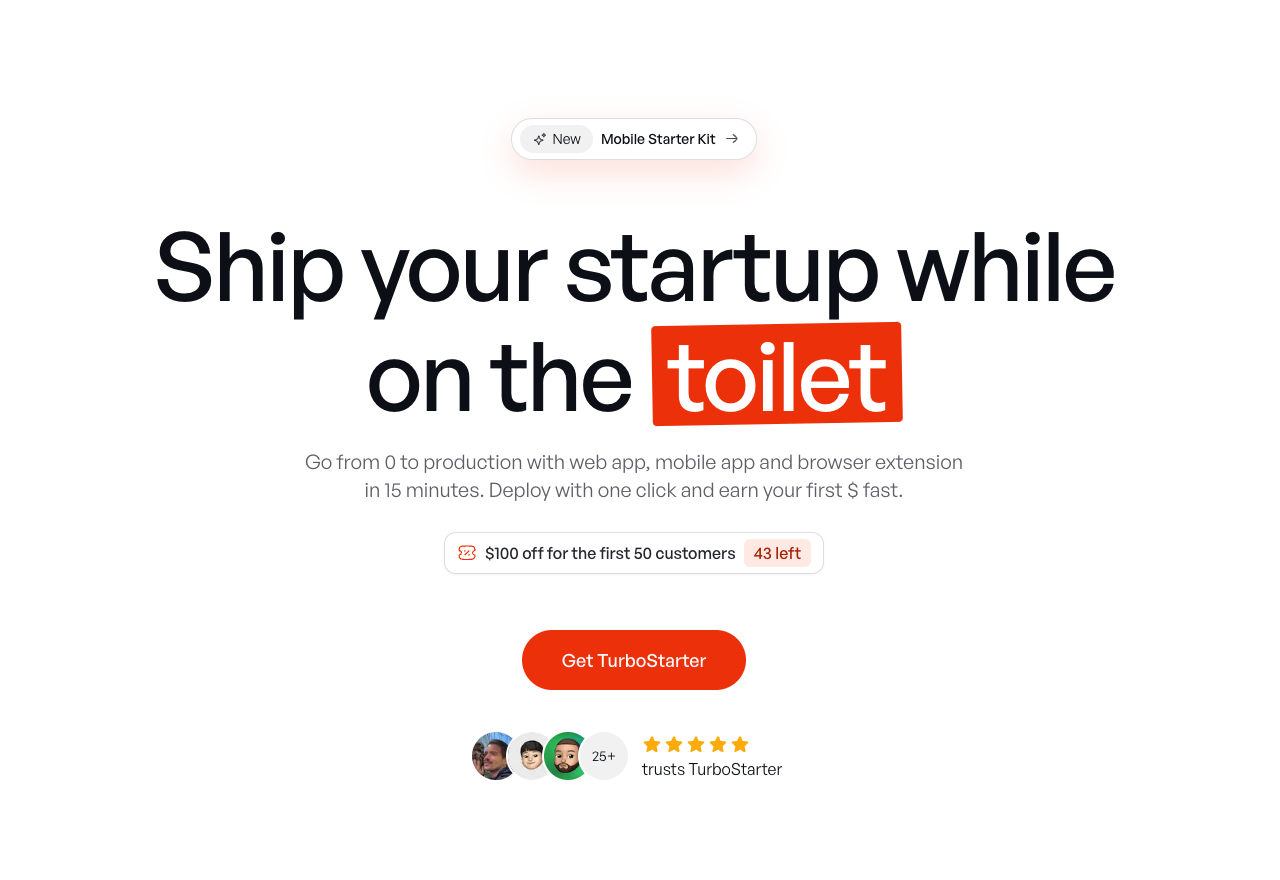
TurboStarter
Ship your startup everywhere. In minutes.
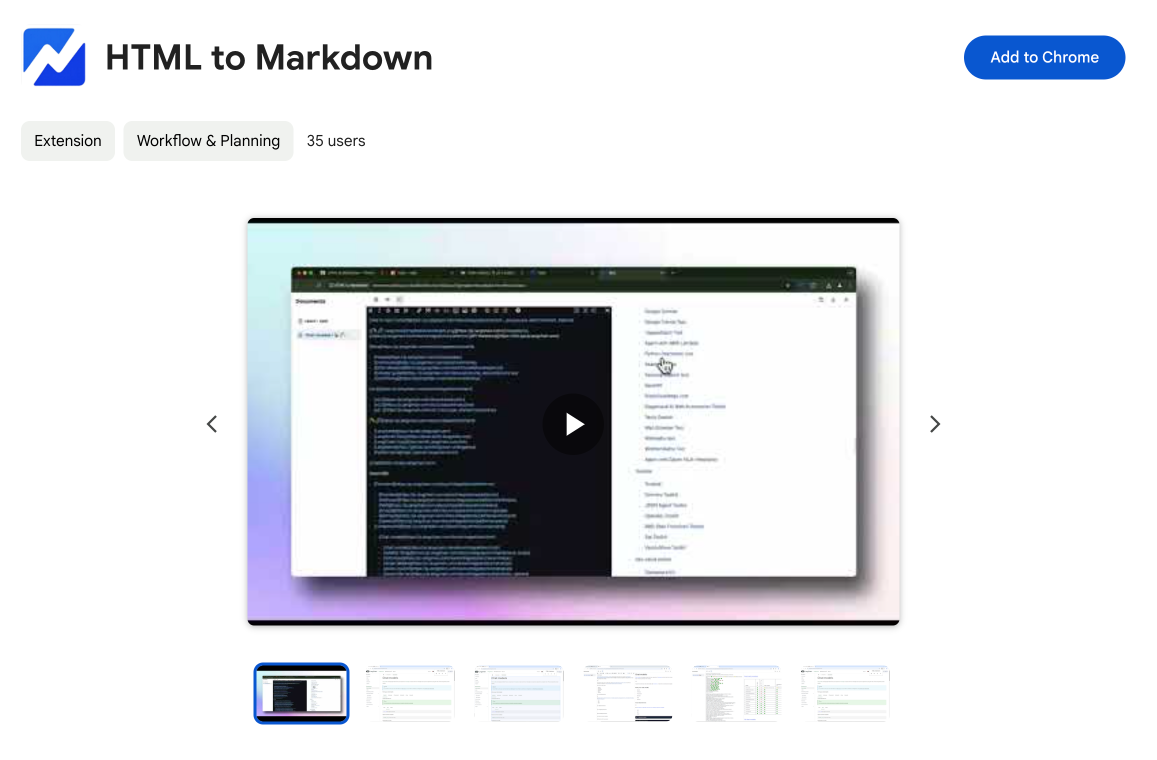
HTML to Markdown
Convert HTML to Markdown with ease, directly in your browser 📄
Dotallio
Personalized AI apps that automate research, data extraction, and content creation without code 🤖
Talk to Santa
Enjoy a magical live video chat or receive a unique AI-generated video greeting from Santa Claus 🎅
pozywka.pl
Scalable blog for food journalist, focused on performance and user experience 🌭
zagrodzki.me
Personal blog and portfolio of Bart Zagrodzki, where he shares his knowledge and work 💼
TurboStarter
Ship your startup everywhere. In minutes.
HTML to Markdown
Convert HTML to Markdown with ease, directly in your browser 📄
Dotallio
Personalized AI apps that automate research, data extraction, and content creation without code 🤖
Talk to Santa
Enjoy a magical live video chat or receive a unique AI-generated video greeting from Santa Claus 🎅
pozywka.pl
Scalable blog for food journalist, focused on performance and user experience 🌭
zagrodzki.me
Personal blog and portfolio of Bart Zagrodzki, where he shares his knowledge and work 💼
TurboStarter
Ship your startup everywhere. In minutes.
HTML to Markdown
Convert HTML to Markdown with ease, directly in your browser 📄
Dotallio
Personalized AI apps that automate research, data extraction, and content creation without code 🤖
Talk to Santa
Enjoy a magical live video chat or receive a unique AI-generated video greeting from Santa Claus 🎅
pozywka.pl
Scalable blog for food journalist, focused on performance and user experience 🌭
zagrodzki.me
Personal blog and portfolio of Bart Zagrodzki, where he shares his knowledge and work 💼
TurboStarter
Ship your startup everywhere. In minutes.
HTML to Markdown
Convert HTML to Markdown with ease, directly in your browser 📄
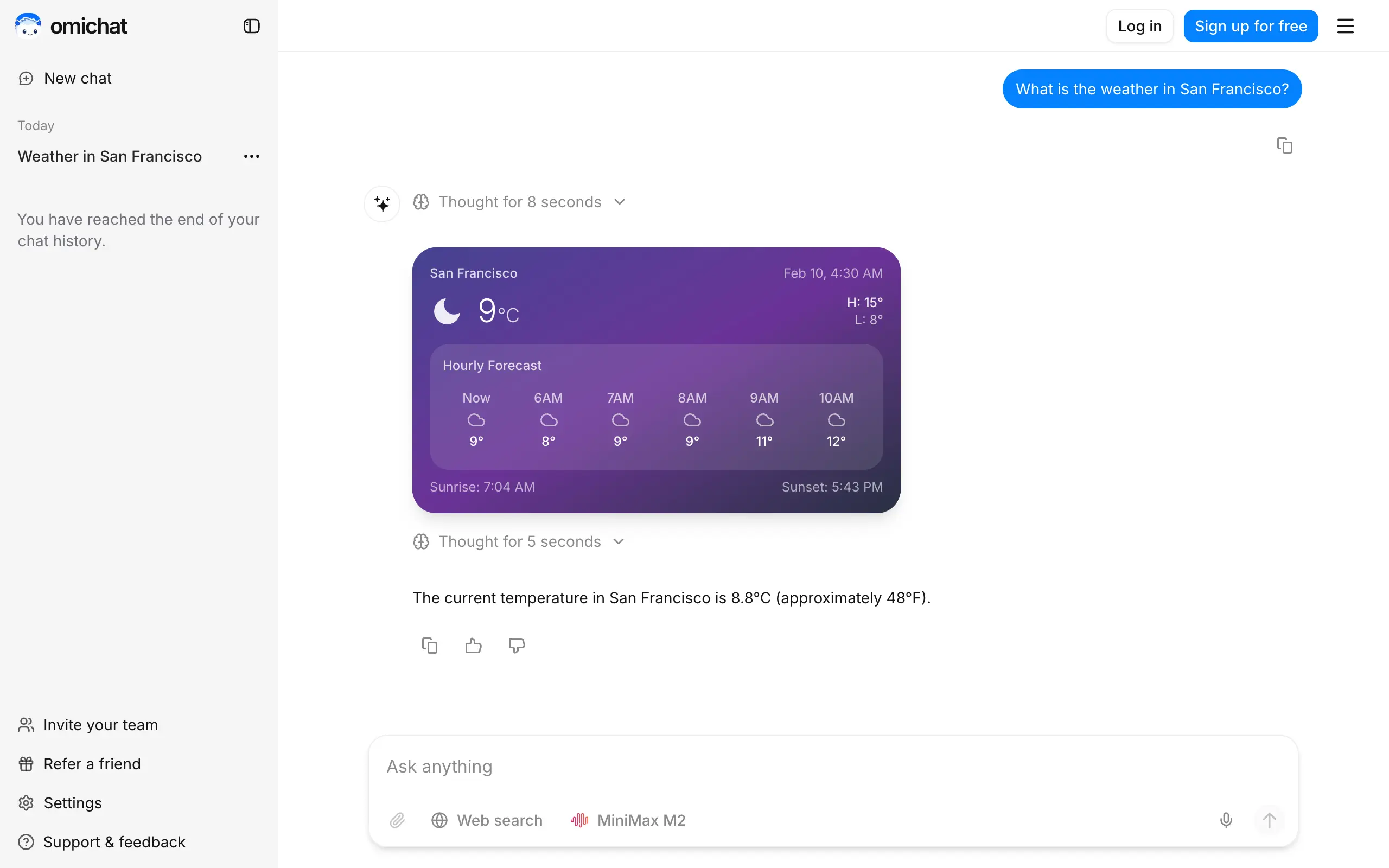
Omichat
Chat with 50+ AI models, including ChatGPT and Claude, in one place - switch models anytime without losing context 🤖
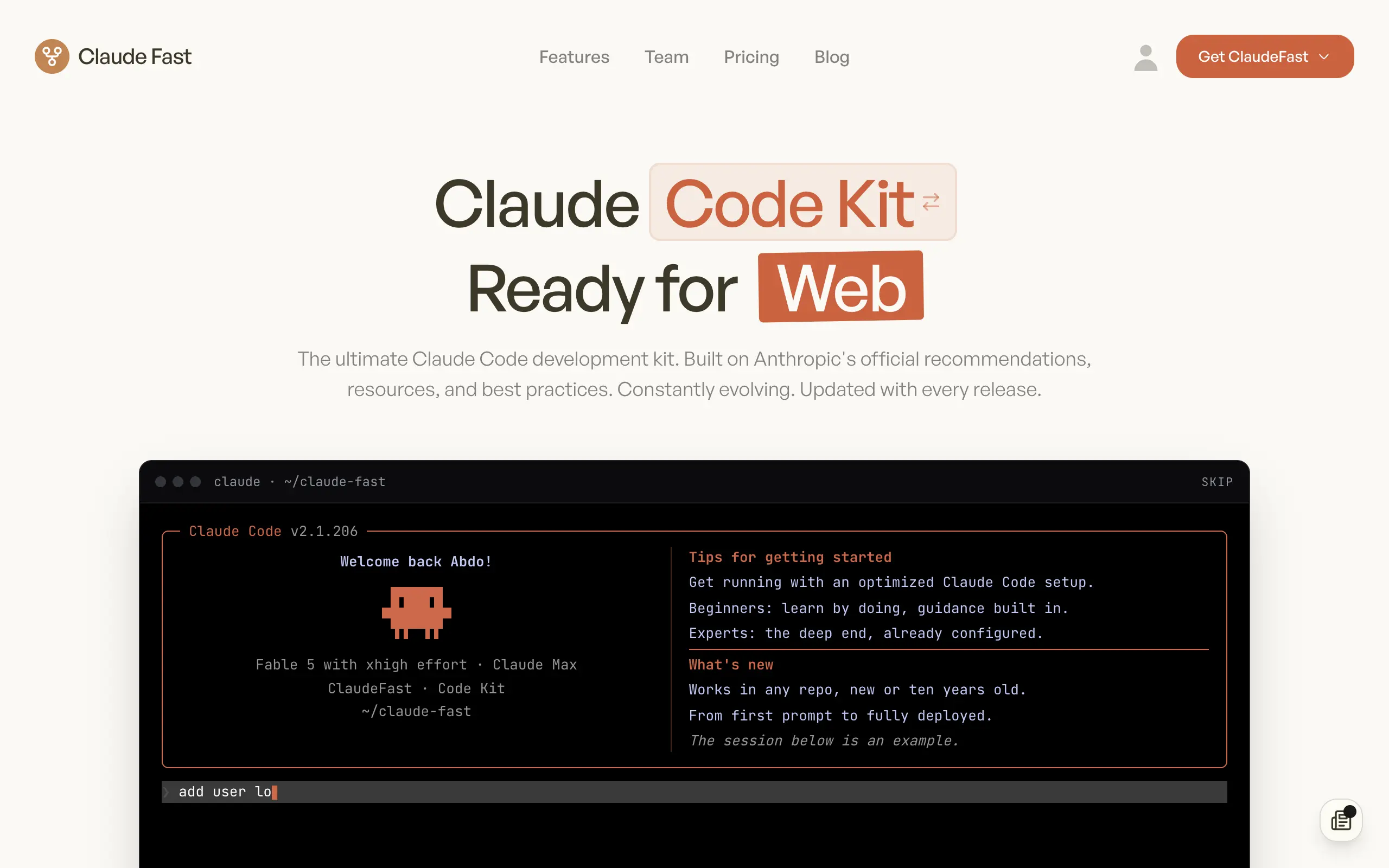
Claude Fast
Supercharge your Claude Code with 6x effective context window and specialized AI agents 🤖
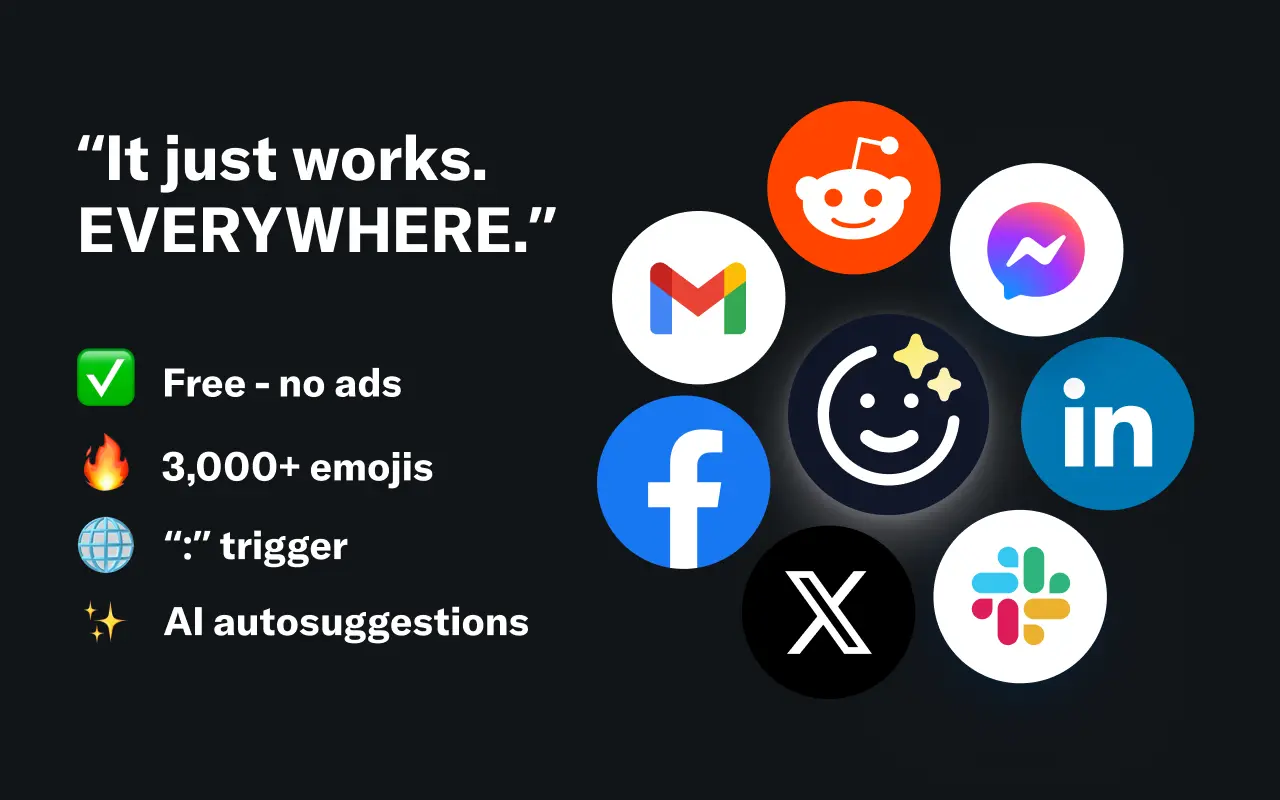
EmojAI
AI-powered emoji picker with smart, context-aware suggestions 🤖
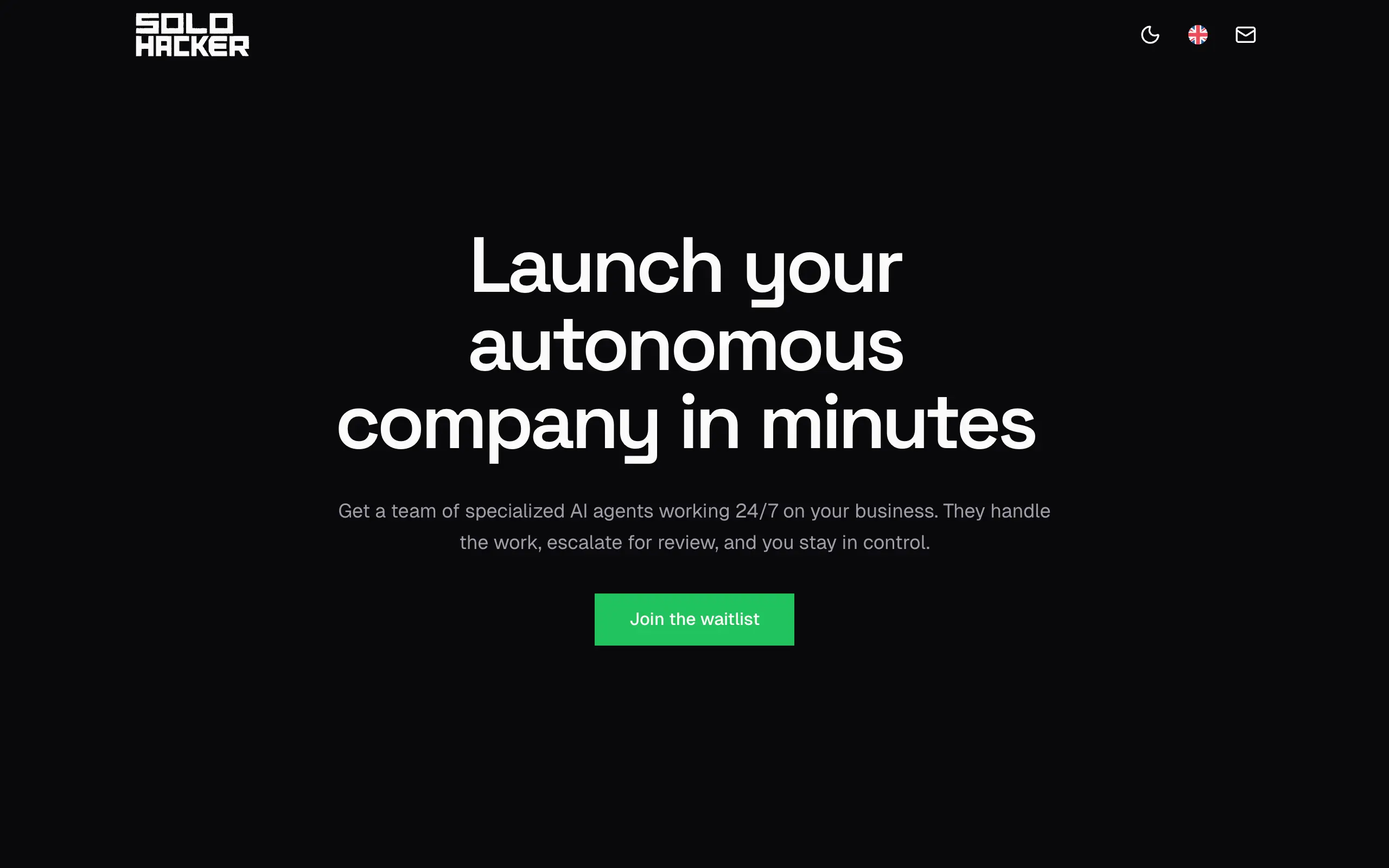
Solohacker
Autonomous company launcher - AI agents work 24/7, escalate what matters, and you stay in control 🤖
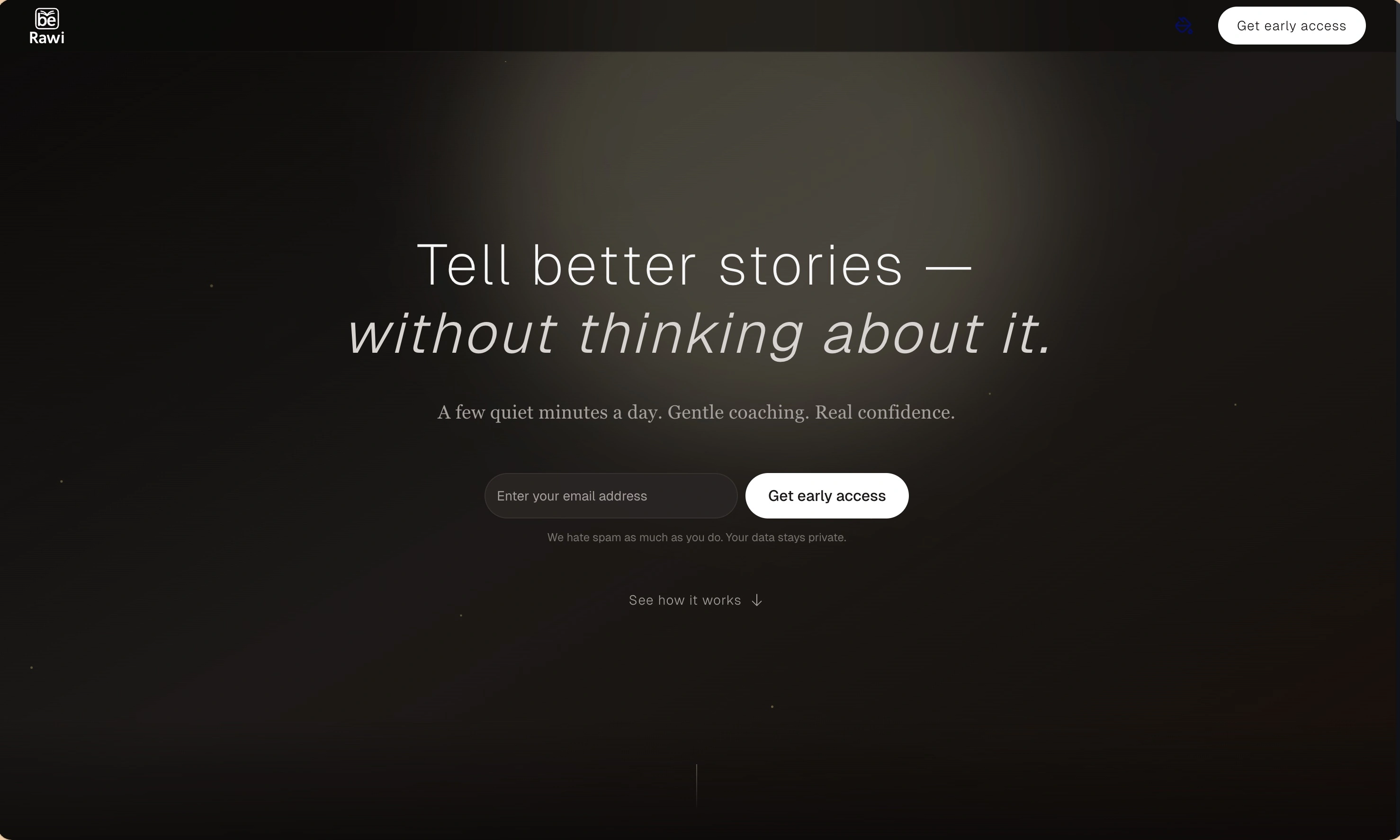
BeRawi: Storytelling Coach
Practice storytelling daily with instant feedback to sound clearer, more engaging, and confident 🎤
Omichat
Chat with 50+ AI models, including ChatGPT and Claude, in one place - switch models anytime without losing context 🤖
Claude Fast
Supercharge your Claude Code with 6x effective context window and specialized AI agents 🤖
EmojAI
AI-powered emoji picker with smart, context-aware suggestions 🤖
Solohacker
Autonomous company launcher - AI agents work 24/7, escalate what matters, and you stay in control 🤖
BeRawi: Storytelling Coach
Practice storytelling daily with instant feedback to sound clearer, more engaging, and confident 🎤
Omichat
Chat with 50+ AI models, including ChatGPT and Claude, in one place - switch models anytime without losing context 🤖
Claude Fast
Supercharge your Claude Code with 6x effective context window and specialized AI agents 🤖
EmojAI
AI-powered emoji picker with smart, context-aware suggestions 🤖
Solohacker
Autonomous company launcher - AI agents work 24/7, escalate what matters, and you stay in control 🤖
BeRawi: Storytelling Coach
Practice storytelling daily with instant feedback to sound clearer, more engaging, and confident 🎤
Omichat
Chat with 50+ AI models, including ChatGPT and Claude, in one place - switch models anytime without losing context 🤖
Claude Fast
Supercharge your Claude Code with 6x effective context window and specialized AI agents 🤖
EmojAI
AI-powered emoji picker with smart, context-aware suggestions 🤖
Solohacker
Autonomous company launcher - AI agents work 24/7, escalate what matters, and you stay in control 🤖
BeRawi: Storytelling Coach
Practice storytelling daily with instant feedback to sound clearer, more engaging, and confident 🎤

Connect with like-minded people
Join our community to get feedback, support, and grow together with 1,000+ builders on board, let's ship it!
Join usShip your startup everywhere. In minutes.
Don't burn tokens on setup and start building features on day one.